Tokyo
Top Tokyo souvenirs and must-visit travel spots — your complete guide for visitors to Japan. Japan’s electric capital blends ancient tradition with hyper-modern energy. From the serene incense smoke of Asakusa’s Senso-ji Temple to the sensory overload of Shibuya Crossing at rush hour, Tokyo is a city that constantly reinvents itself — and its souvenirs are just as iconic as its skyline.
古き伝統と最先端のモダンが共存する日本の首都・東京。浅草の歴史的な寺院から渋谷のネオン輝く交差点まで、発見の尽きない街です。訪れるたびに新しい魅力を発見できます。
Most Tokyo souvenirs aren’t ancient local specialties — they’re polished national brands that happen to be based here, like Tokyo Banana and Yoku Moku. The practical upshot: you can do almost all your omiyage shopping in one place. Tokyo Station’s Gransta and the Daimaru depachika carry nearly everything, so many travelers leave it until the day they fly out. For more character, the old shops along Asakusa’s Nakamise approach sell ningyo-yaki and senbei made on the spot. Most baked sweets keep 1–2 weeks; anything refrigerated won’t survive a long flight.
東京みやげの多くは、昔ながらの地元名物というより、ここを拠点にした全国ブランドです(東京ばな奈・ヨックモックなど)。だから実は買い物がラク——東京駅のグランスタや大丸のデパ地下にほぼ全部揃うので、帰る日にまとめ買いする人が多いです。もう少し風情が欲しいなら、浅草・仲見世の人形焼や手焼きせんべいがおすすめ。焼き菓子は日持ち1〜2週間、要冷蔵のものは長時間フライトには不向きです。
Recommended Omiyage
おすすめおみやげ 5選
Tokyo Banana
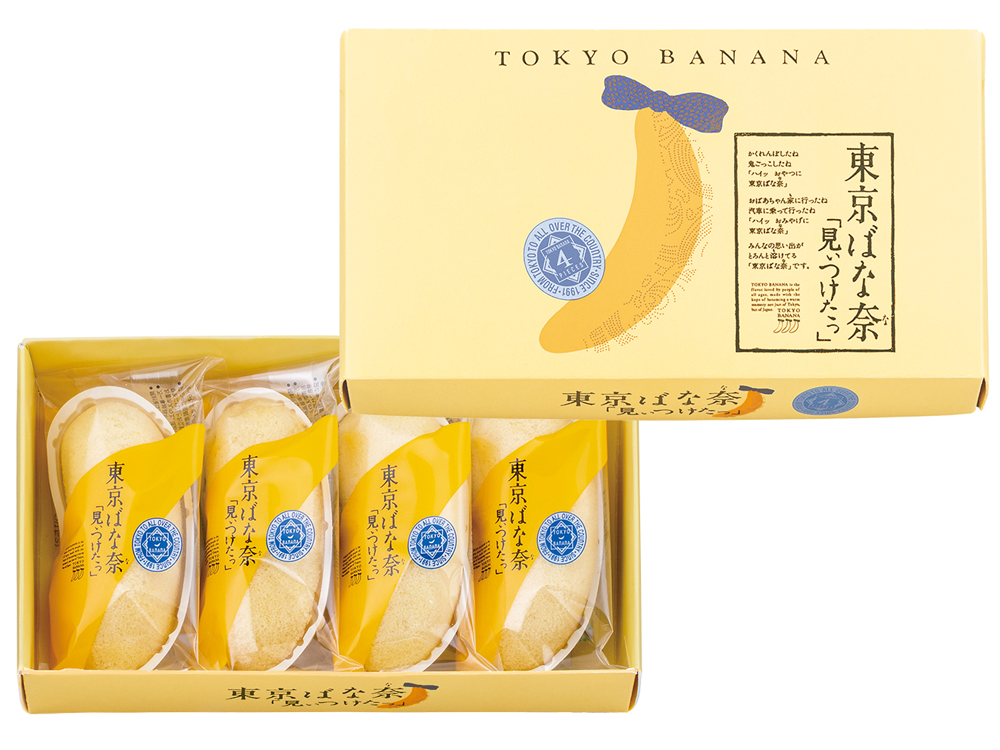
Created in 1991 by Grapestone, Tokyo Banana has become the undisputed king of Japanese station souvenirs — a fluffy banana-shaped sponge cake filled with creamy banana custard, instantly recognizable from its yellow-and-green polka-dot packaging. The original “Mitsuketa” version remains the bestseller, but seasonal and station-exclusive flavors include chocolate banana (Tokyo Station), strawberry banana, maple, and a panda-printed banana-yogurt version sold around Ueno. Each piece is individually wrapped, with a 7-day shelf life perfect for travel. Over 2 billion pieces have been sold since its 1991 debut. Find Tokyo Banana at every major Tokyo station’s gift floor (“depachika”), Haneda and Narita airports, and dedicated stores in Tokyo Station’s Gransta Marunouchi shopping area. Boxed sets of 8 or 12 are most popular.
1991年にグレープストーンが生み出した「東京ばな奈」は、東京みやげの王者として君臨する象徴的銘菓。バナナ形のふんわりスポンジ生地に、なめらかなバナナカスタードクリームを詰め込み、黄色と緑の水玉模様のパッケージは一目でそれとわかる名物デザインです。定番「見ぃつけたっ」が今もベストセラーですが、季節・駅限定品も豊富で、チョコバナナ(東京駅限定)、いちごバナナ、メープル、上野エリアで売られるパンダ柄など多彩なラインナップ。個包装で賞味期限約7日、お土産に最適です。1991年の発売以来、累計販売数20億個を超える超人気商品。東京の主要駅のお土産フロア(デパチカ)、羽田・成田空港、東京駅構内「グランスタ丸の内」の専門店で購入可能。8個・12個入りが定番。
Ningyoyaki
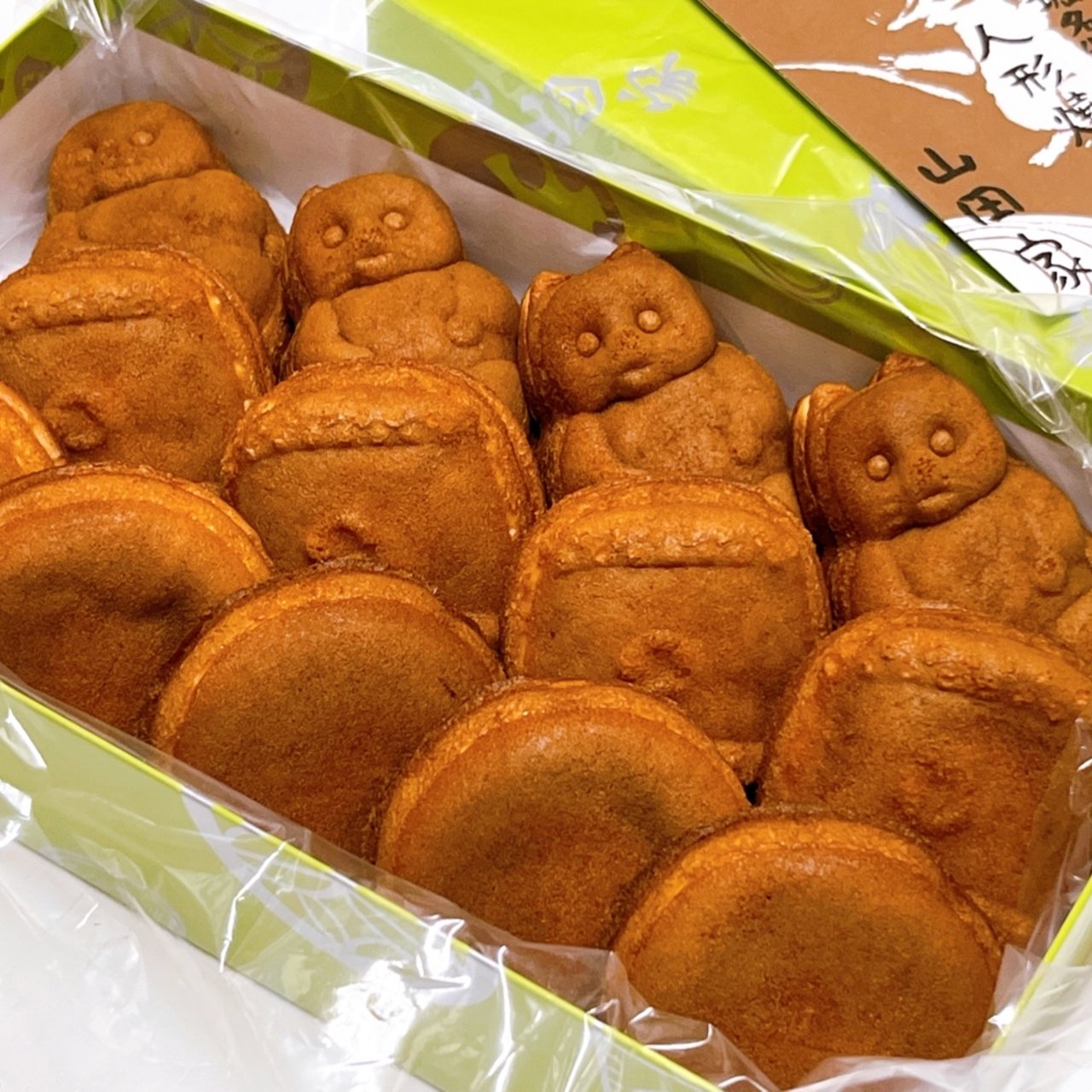
Originating in Tokyo’s Nihonbashi Ningyocho district in the Meiji era, ningyoyaki are small palm-sized pancake-style cakes molded into traditional shapes — Shichifukujin (Seven Gods of Fortune), pagodas, lanterns, or seasonal motifs. The hot iron molds press a thick batter around a sweet anko (red bean paste) filling, producing cakes with crisp golden exteriors and warm, gooey-sweet interiors. The most famous Asakusa shop is Kimuraya Honten by Senso-ji’s Kaminarimon, founded in 1868, where you can watch craftsmen press cakes in their iron molds at the storefront — a free street performance worth photographing. Best eaten fresh, but boxed assortments of 6, 12, or 18 (with 5-day shelf life) make excellent souvenirs. Available throughout Asakusa and Ningyocho.
明治期の日本橋人形町で生まれた「人形焼」は、手のひらサイズの伝統菓子。鋳型に七福神、五重塔、提灯、季節のモチーフなどを刻んだ鉄板で、甘い小豆あんを包んだ生地を一つずつ焼き上げます。表面はカリッと黄金色、中はふんわり温かく餡が広がる絶妙な仕上がりです。浅草の名店「木村家本店」(1868年創業)は雷門のそばにあり、職人が鉄型で焼く実演が店頭で無料で見られ、絶好のフォトスポットになっています。焼きたてが至高ですが、6個、12個、18個入りの化粧箱(賞味期限約5日)はお土産にも最適。浅草、人形町エリアで広く購入可能です。
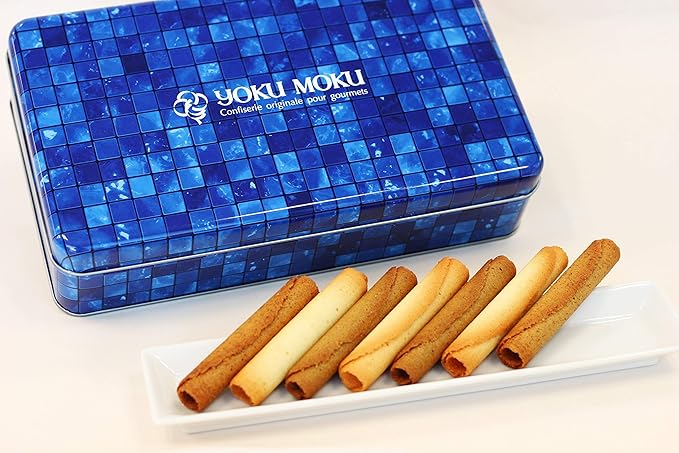
Yoku Moku Cigare
Founded in 1969 by Norikazu Fujinawa with a vision of bringing French-inspired biscuiterie to Japan, Yoku Moku’s flagship cigare cookies are slim, hollow rolled tubes of buttery shortbread that have become Japan’s most beloved gift confection. The cookies are made from premium butter, sugar, eggs, and flour with simple ingredients — the recipe has remained essentially unchanged for over 50 years. Each delicate cigare snaps with a satisfying crunch and dissolves into rich, lightly sweet butteriness. The signature blue and gold tin packaging makes it instantly identifiable as a high-class gift. Available at Yoku Moku boutiques throughout Tokyo’s depachika (Mitsukoshi, Takashimaya, Isetan), as well as Haneda and Narita airports. Gift tins start at 12 cookies.
1969年に藤縄則一が「フランスのビスキュイットリーを日本に」のビジョンで創業した「ヨックモック」。看板商品「シガール」は、極上バターをたっぷり使い、薄く焼いた生地を細い円筒状に巻き上げた繊細なクッキー。バター、砂糖、卵、小麦粉を使うシンプルな製法は、50年以上ほぼ変わらず受け継がれています。一本一本が「サクッ」と心地よい音と共に砕け、口の中で上品なバターの甘さに溶けていく絶妙な食感が魅力。青と金の缶パッケージは高級ギフトの代名詞。東京のデパ地下(三越、高島屋、伊勢丹)、羽田・成田空港でヨックモックブティックが展開。10本入り缶からあり、20本・30本・48本入りの大缶も豊富。
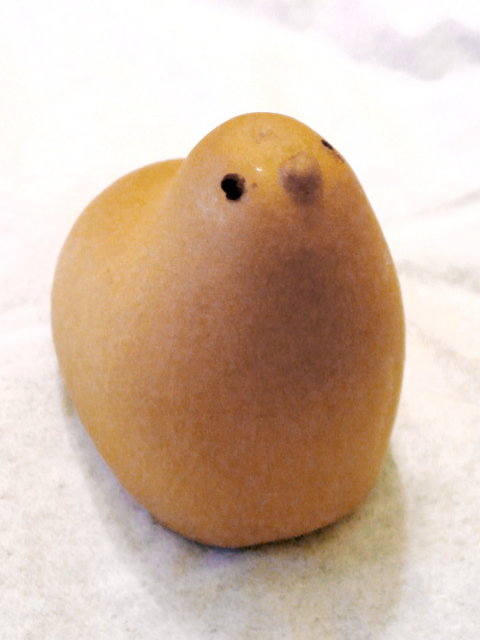
Hiyoko
Despite being most associated with Tokyo Station today, Hiyoko was actually invented in 1912 in Fukuoka — but its 1964 expansion to Tokyo coinciding with the Tokyo Olympics made the chick-shaped confection a national symbol of Japanese gift-giving. The bright yellow, almost cartoonishly cheerful baby-chick design (with eyes!) houses a smooth white-bean paste filling beneath a soft, slightly sweet bun-style exterior. The combination of charming aesthetics and refined flavor has made Hiyoko a multi-generational favorite, with grandparents passing down their love for it to grandchildren. Boxed assortments come in 5, 8, 10, 16, or 20 pieces. Available at Tokyo Station, major Tokyo depachika (especially Mitsukoshi), and Haneda Airport. Fresh, refrigerated, and shelf-life-stable versions all available.
現在は東京駅のお土産として知られる「ひよ子」ですが、実は1912年に福岡で誕生した銘菓。1964年の東京オリンピックに合わせて東京進出を果たし、その愛らしいヒヨコ型のデザインが日本の贈答品文化を代表するアイコンとなりました。鮮やかな黄色、漫画チックな目の表情、ふっくらと膨らんだヒヨコ姿は子供心をくすぐる名意匠。柔らかく軽く甘い皮で、上品な白あんを包み込んでおり、見た目の可愛らしさと洗練された味わいが、世代を超えて愛され続ける理由です。5個、8個、10個、16個、20個入りなど化粧箱の展開も豊富。東京駅、東京の主要デパ地下(特に三越)、羽田空港で広く購入可能。
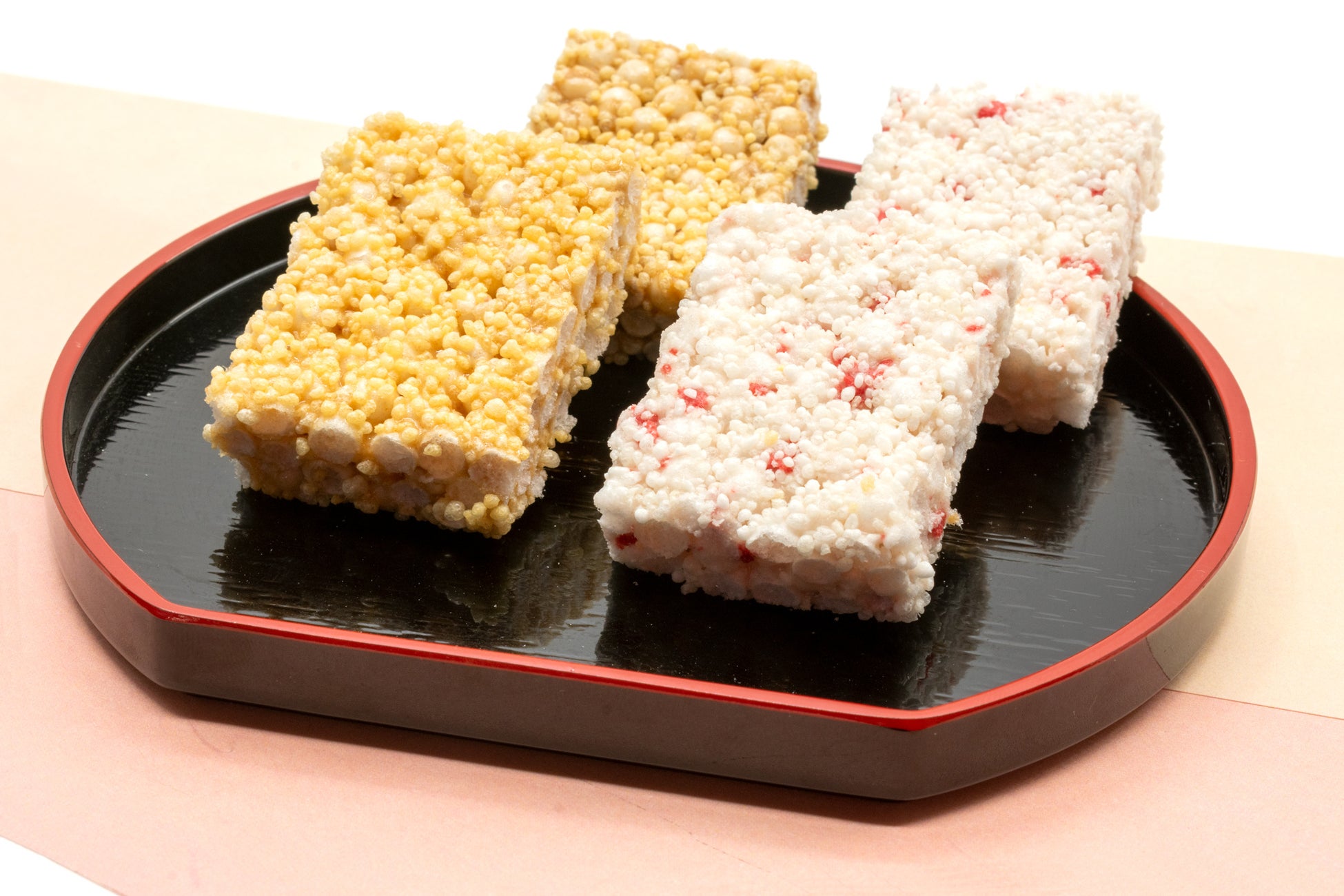
Kaminari-okoshi
Asakusa’s signature confection since 1795, kaminari-okoshi is a crisp, candy-coated puffed-rice block named after the famous Kaminarimon (“Thunder Gate”) at Senso-ji Temple. Each square is made by combining puffed rice with sugar syrup mixed with peanuts, soybeans, sesame seeds, or ginger and pressed into bars before being cut into bite-sized pieces. The texture combines a satisfying crunch with a delicate brittle-sweet snap, while the various inclusions add nutty, savory, or warming notes. The most legendary shop is Tokiwado Kaminari-okoshi-honpo, located at the entrance to Senso-ji’s Nakamise shopping street. Watch craftsmen press fresh batches in the open kitchen, then take home decorative tins or simple bagged versions. Lasts 3+ months unopened; perfect travel souvenir.
1795年から浅草で作り続けられている「雷おこし」は、浅草寺の象徴「雷門」にちなんで名付けられた銘菓。膨らませた米と、ピーナッツ・大豆・ごま・生姜などを混ぜた水飴状の砂糖シロップを練り合わせて板状に成型し、一口大にカットして仕上げます。サクサクとした軽やかな食感に、ほんのり甘く、混ぜ込まれたナッツや風味付け素材の旨味が広がる、後を引く美味しさが特徴。最も有名な「常盤堂雷おこし本舗」は、雷門のすぐ脇、仲見世通りの入口にある老舗で、店内のオープンキッチンで職人が焼き上げる実演が見学できます。装飾的な缶入り、シンプルな袋入りなど多彩なパッケージ展開。未開封で3ヶ月以上もつため、お土産に最適。
Must-Visit Spots
おすすめスポット 5選
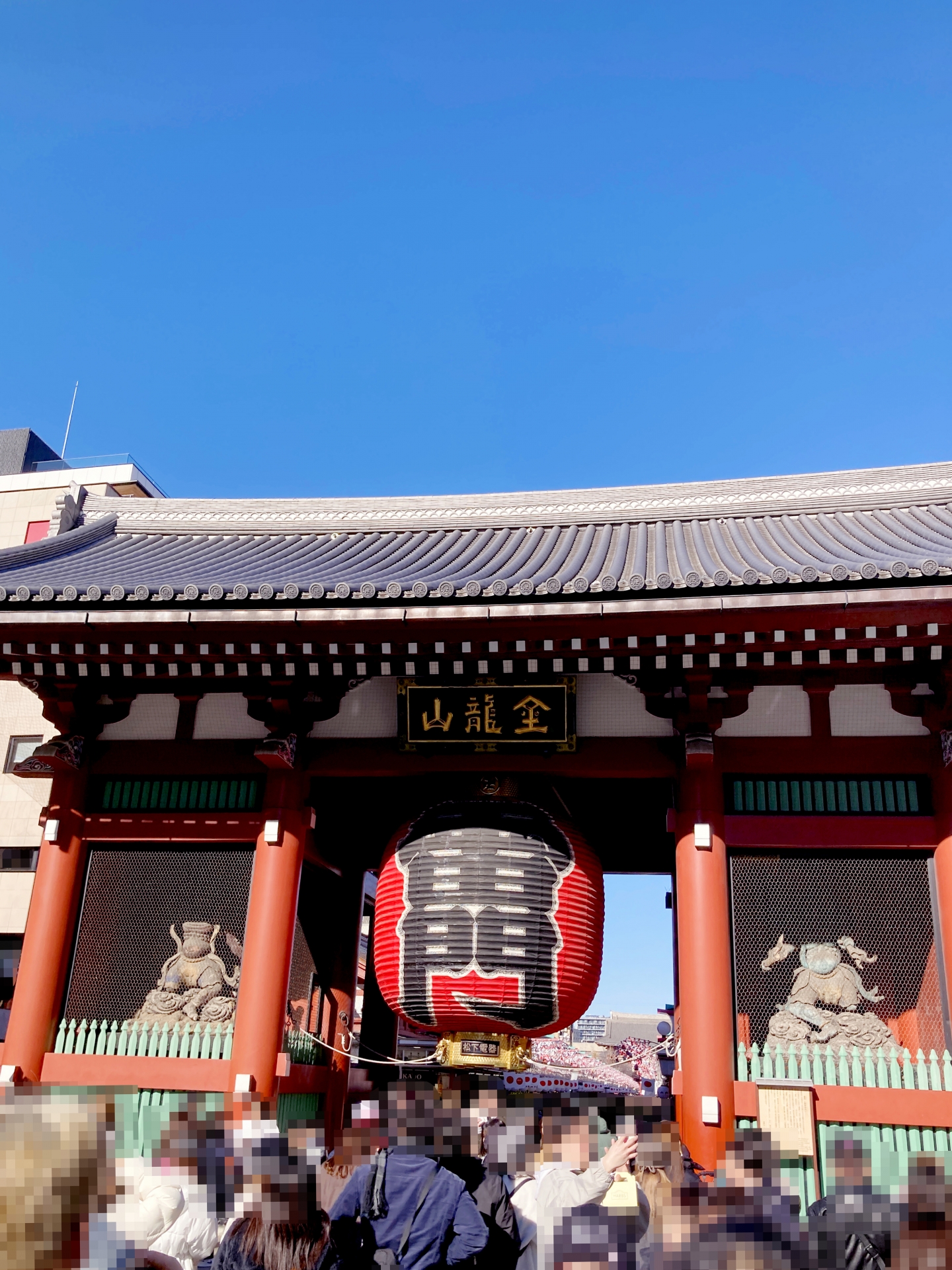
Senso-ji Temple
With origins dating to 628 AD, Senso-ji is Tokyo’s oldest temple and the spiritual heart of the city. The complex’s iconic Kaminarimon (“Thunder Gate”), with its massive red lantern weighing nearly 700 kilograms, is one of Japan’s most photographed landmarks. Beyond the gate, Nakamise-dori — a 250-meter pedestrian shopping street lined with 89 traditional shops selling everything from wagashi to ukiyo-e prints — leads to the equally impressive Hozomon Gate and the main temple hall. The five-story pagoda dates from 1973 (the original was destroyed in WWII), but its silhouette against modern Tokyo Skytree creates one of Japan’s most iconic skyline views. Free admission. Crowded but magical at dawn or after 7pm. From Asakusa Station (multiple lines), the gate is a 1-minute walk.
628年に起源をもつ「浅草寺」は東京最古の寺で、首都の精神的中心。象徴的な「雷門」は、重さ約700kgの巨大な赤提灯がぶら下がる、日本でも最もフォトジェニックな名所の一つです。雷門をくぐると、伝統工芸品から和菓子、浮世絵まで89軒の老舗が並ぶ全長250メートルの歩行者天国「仲見世通り」が続き、同じく見事な「宝蔵門」を経て本堂へと至ります。五重塔は1973年に再建(オリジナルは第二次大戦で焼失)ですが、東京スカイツリーをバックにしたシルエットは、日本を代表する都市景観の一つ。拝観無料。混雑するが早朝・夜7時以降は神秘的な雰囲気。浅草駅(複数路線)から徒歩約1分。
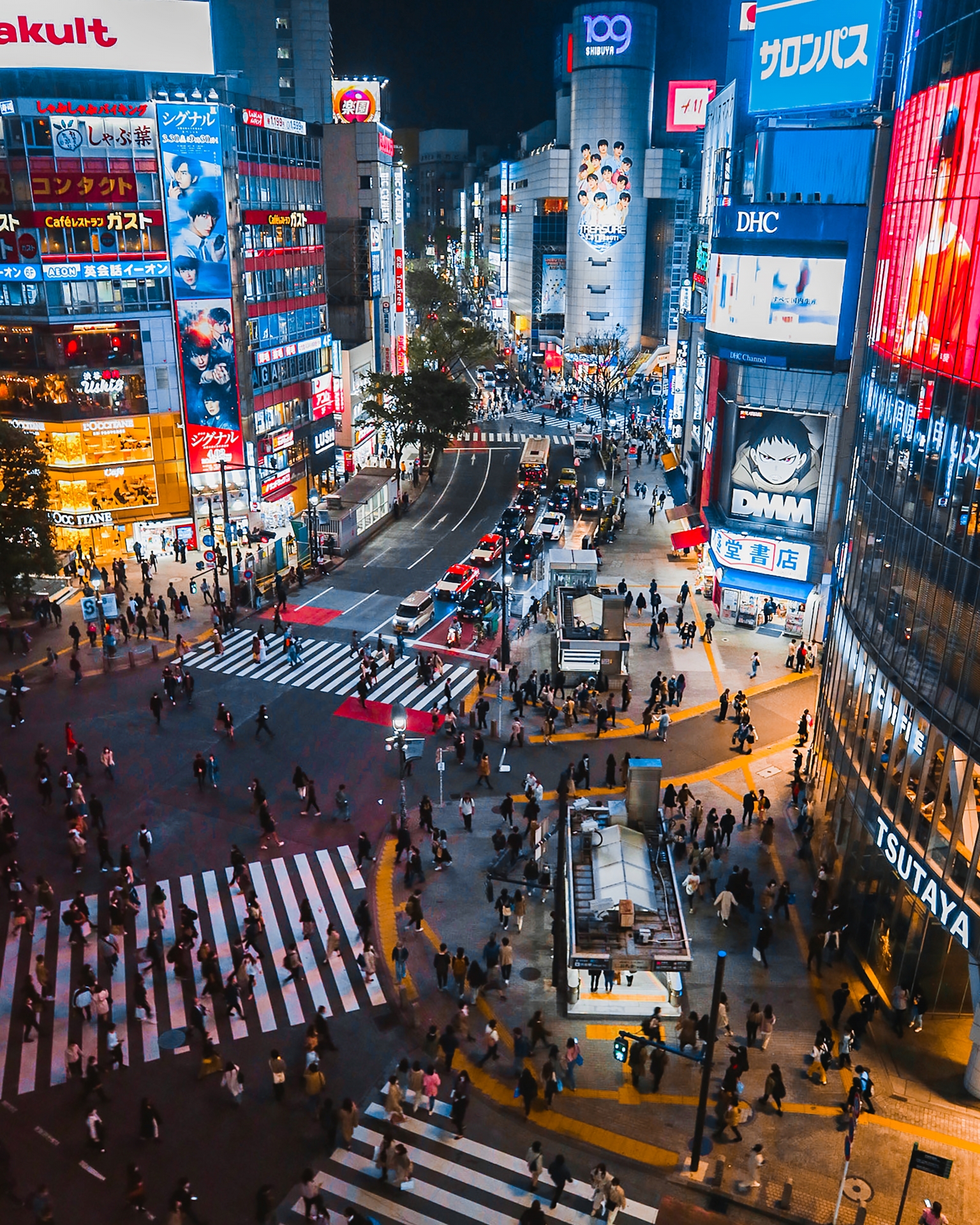
Shibuya Crossing
Shibuya Scramble Crossing is the world’s busiest pedestrian intersection — every traffic-light cycle, up to 3,000 people surge simultaneously across five crosswalks beneath neon billboards and giant TV screens. The sheer scale of organized chaos has made it Tokyo’s most filmed location (Lost in Translation, Resident Evil, Fast and Furious: Tokyo Drift). The best viewing spots are the Starbucks above Tsutaya (book a window seat early), the L’Occitane Cafe across the street, and the paid Shibuya Sky observation deck (from ¥2,700 online, more after 3pm) atop Shibuya Scramble Square for an aerial perspective. Adjacent attractions include the loyal Hachiko statue, Center Gai shopping street, and Shibuya 109 fashion building. From JR Shibuya Station’s Hachiko Exit, the crossing is steps away.
渋谷スクランブル交差点は、世界一忙しい歩行者交差点。信号が変わるたびに最大3,000人が5つの横断歩道を同時に渡り、ネオンの看板と巨大スクリーンの下を流れる「組織化された混沌」が圧巻の風景を作り出します。映画『ロスト・イン・トランスレーション』『バイオハザード』『ワイルド・スピードX3』など、東京で最も映像作品に登場する場所として有名。ベスト観賞スポットはツタヤ2階のスターバックス(窓際席は早めに確保)、向かいのロクシタンカフェ、渋谷スクランブルスクエア最上階の有料展望台「渋谷スカイ」(Web前売 大人2,700円〜、15時以降3,400円)。周辺には忠犬ハチ公像、センター街、ファッションビル渋谷109など見どころ満載。JR渋谷駅ハチ公口から徒歩すぐ。
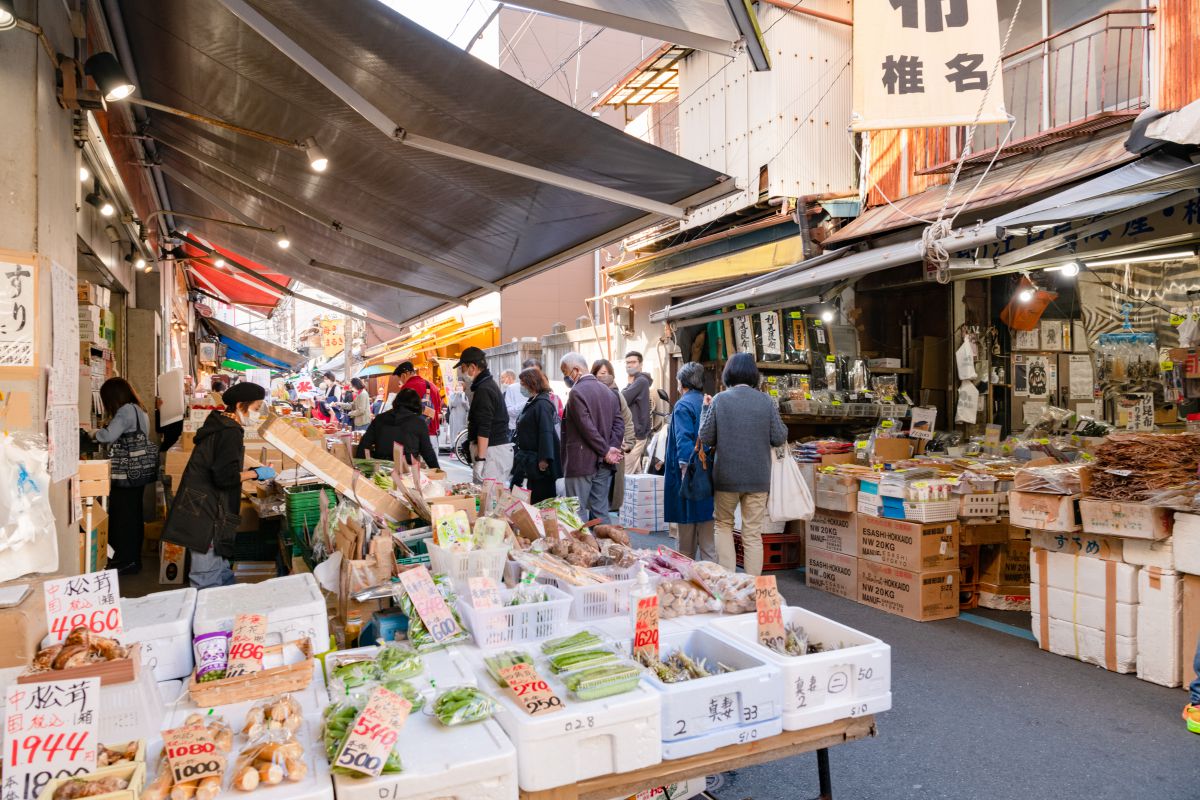
Tsukiji Outer Market
Although the famous Tsukiji wholesale market relocated to Toyosu in 2018, the surrounding Tsukiji Outer Market continues to thrive as Tokyo’s most exhilarating food destination — a labyrinth of hundreds of small shops and restaurants serving the freshest seafood, traditional ingredients, and street snacks. Start with a tuna sashimi breakfast at Maguroya Kurogin, savor freshly-rolled tamagoyaki at Yamacho, slurp seafood-laden ramen at one of the late-morning standing bars, and shop for Japanese ingredients (premium dashi, real wasabi root, exotic seaweeds) found nowhere else. Most shops open early morning to ~2pm and close Sundays (and some Wednesdays) — arrive by 7am for the freshest atmosphere. Tsukiji-shijo (Oedo Line), Tsukiji (Hibiya Line), and Higashi-Ginza stations all serve the area; the outer market is steps from each.
2018年に有名な築地市場(卸売)は豊洲市場に移転しましたが、隣接する「築地場外市場」は今も東京で最も活気ある食の聖地として健在。新鮮魚介、伝統食材、屋台グルメの数百軒の小店舗が迷路のように並びます。「まぐろや黒銀」で朝マグロ刺身、「山長」で焼きたて玉子焼き、午前中の立ち食いバーでの海鮮ラーメン、最高級だし、本物のわさび、希少な海藻など他では手に入らない日本食材の買い物——多彩な楽しみ方が可能。多くの店は早朝〜14時営業で、日曜・祝日や市場休市日(水曜が多い)に休む店も。最も活気あるのは午前7時頃の朝。築地市場駅(大江戸線)・築地駅(日比谷線)から徒歩すぐ、東銀座駅から約5分です。
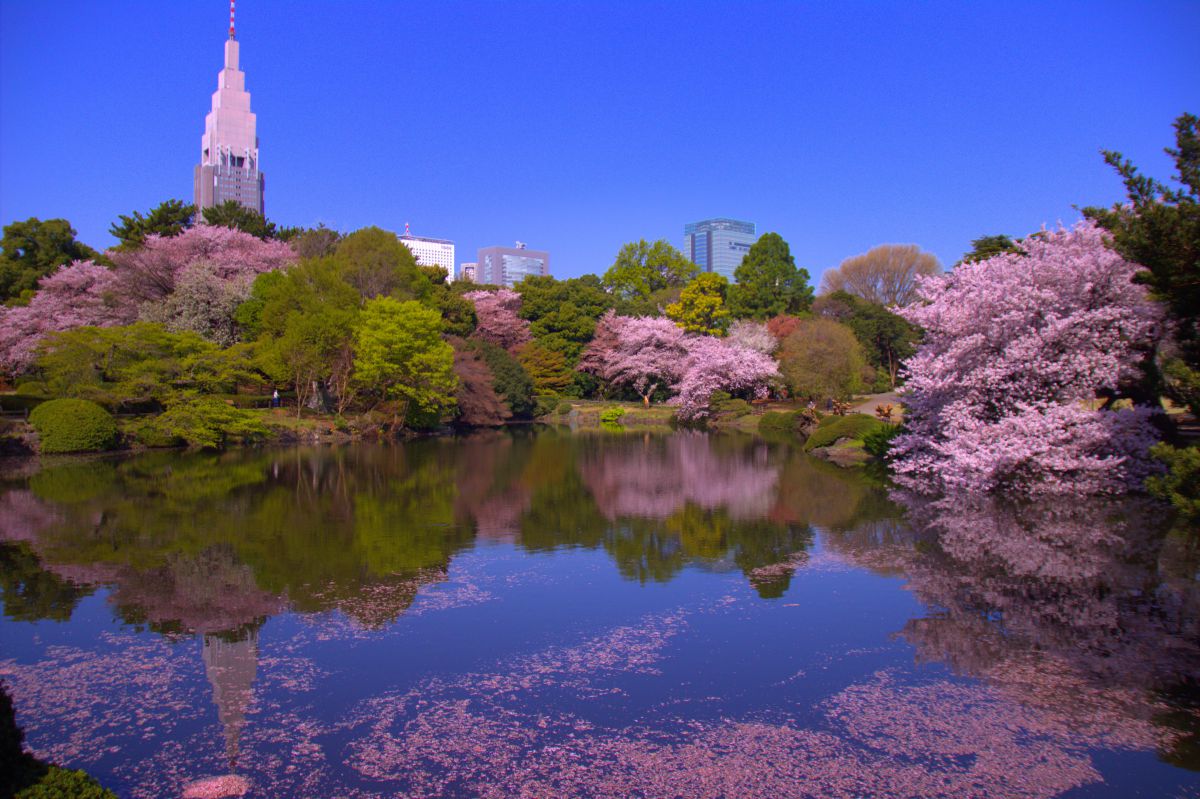
Shinjuku Gyoen
Originally a feudal lord’s residence, then an Imperial garden, and now Tokyo’s most beautifully designed public park, Shinjuku Gyoen sprawls across 58 hectares in the heart of Shinjuku — one of the world’s busiest neighborhoods. The park combines three distinct garden styles: a vast English landscape garden with rolling lawns, a formal French garden with rose beds, and a meticulous Japanese landscape garden with traditional teahouses and koi ponds. In late March, the park is one of Tokyo’s most famous cherry-blossom spots with over 1,000 trees in 65 varieties (some bloom mid-February, others into late April for an extended sakura season). Tickets ¥500 adults. Closed Mondays. From Shinjuku Station, the main gate is a 10-minute walk.
もともと江戸時代の大名屋敷、その後皇室御料地となり、現在は東京で最も美しく設計された公園として親しまれる「新宿御苑」。新宿の中心、世界屈指の繁華街のすぐ脇に58ヘクタールもの広大な敷地を有します。3つの異なる庭園様式を融合させた独特の構成が魅力で、なだらかな芝生の広がるイギリス風景式庭園、バラ園が美しいフランス整形式庭園、伝統的な茶室と鯉の池を備えた日本庭園が一つの園内で楽しめます。3月下旬は、65品種1,000本以上の桜が咲き誇る東京屈指のお花見スポット(2月中旬咲きから4月下旬咲きまで品種豊富で長期間楽しめる)。入園料500円。月曜定休。新宿駅から正門まで徒歩約10分。
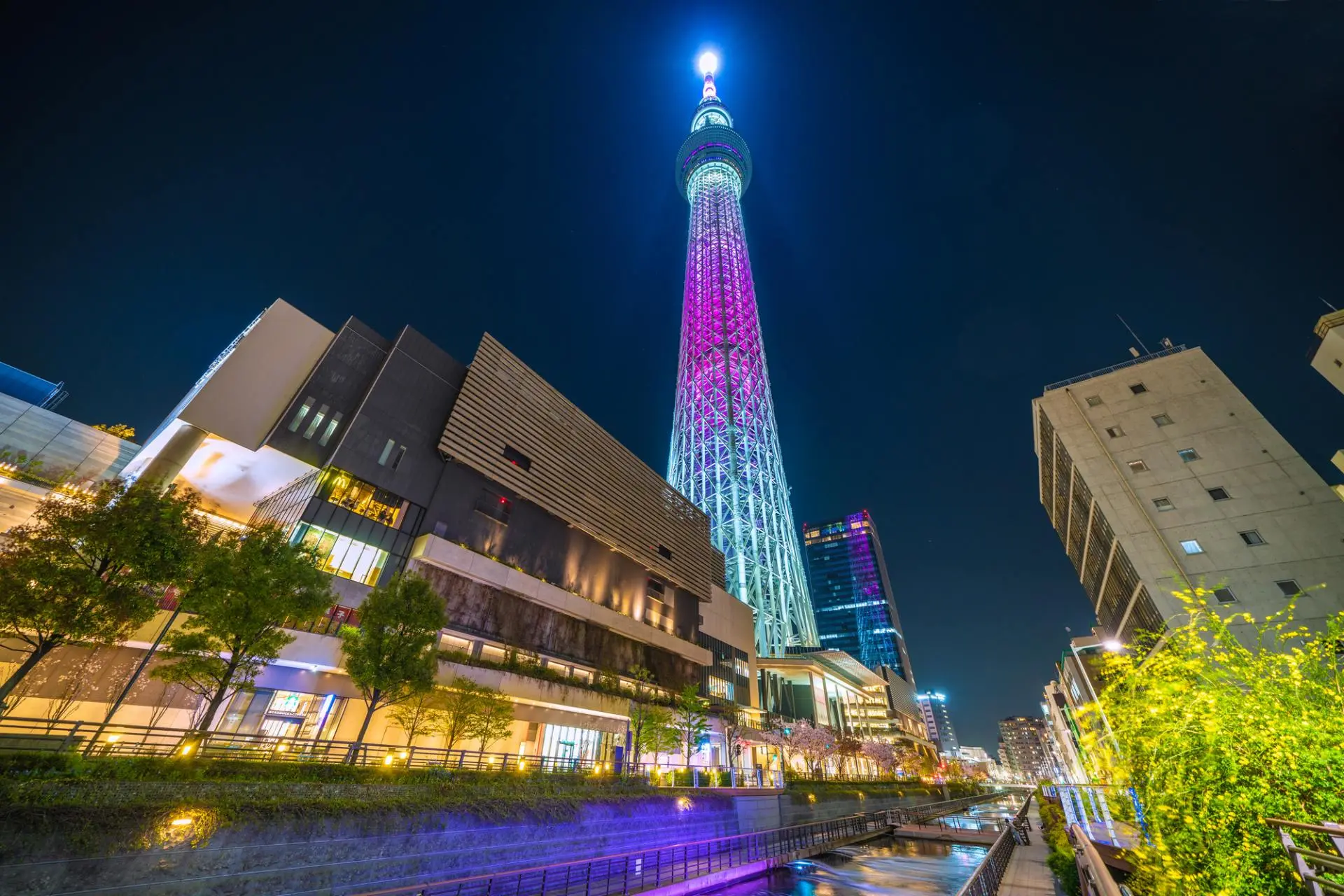
Tokyo Skytree
Standing 634 meters tall, Tokyo Skytree is the world’s tallest free-standing tower and Japan’s most photographed modern landmark. The two observation decks — Tembo Deck at 350m and Tembo Galleria at 450m — offer panoramic views from Tokyo Bay to Mount Fuji on clear days, and at night the city becomes an ocean of glittering lights stretching to the horizon. The lower Tembo Deck features a glass floor section where you can stand directly above the 350-meter drop. Beyond views, the Skytree complex (Tokyo Solamachi) houses 300+ restaurants and shops, the Sumida Aquarium, and a planetarium. Tembo Deck tickets from ¥1,800 online, combined Deck + Galleria from ¥3,000 (date-based dynamic pricing; counter purchase adds ¥500). Best at sunset for the daylight-to-night transformation. Direct from Asakusa via Tobu Skytree Line (1 stop).
高さ634メートルの「東京スカイツリー」は、世界一高い自立式電波塔で、日本で最も撮影されている現代建築のランドマーク。2つの展望デッキ——350メートルの「天望デッキ」、450メートルの「天望回廊」——からは、晴れた日には東京湾から富士山までの絶景パノラマが望めます。夜は無数の街灯が水平線まで広がる光の海となり、息を呑む光景に。天望デッキにはガラス床のセクションがあり、350メートル下を直接見下ろすスリル満点の体験が可能。スカイツリー複合施設「東京ソラマチ」には300以上のレストラン・ショップ、すみだ水族館、プラネタリウムも併設。天望デッキはWeb¥1,800〜、両展望台セット券¥3,000〜(日により変わる変動価格制、窓口購入は+¥500)。夕暮れから夜への移ろいが最も感動的な時間帯。浅草から東武スカイツリーラインで1駅。
Insider Tips
現地通の旅の裏ワザ
Senso-ji is virtually empty before 6am — a totally different temple at dawn. Skytree at 6:30pm catches sunset and night views in a single ticket.
浅草寺は早朝6時前なら参拝者ほぼゼロ。スカイツリーは18:30入場で夕焼けと夜景の両方を1チケットで楽しめます。
The 24-hour Tokyo Metro + Toei subway pass (¥1,100; tourists can buy the Tokyo Subway Ticket, ¥1,000/24h) often beats topping up Suica for a packed sightseeing day. Buy at any subway station.
都営+メトロ24時間券(¥1,100、訪日客向けTokyo Subway Ticket 24時間券は¥1,000)は観光ぎっしりの日ならSuicaチャージより安く済みます。地下鉄各駅で購入可。
Outer market shops open around 6:30am. Arrive by 7am — by 9am, lines for the famous tamagoyaki and uni stalls run 30+ minutes.
築地場外は6:30開店の店多し。7時着がベスト、9時には玉子焼きやウニの人気店で30分待ちになります。
Tokyo Metropolitan Government Building’s South Observatory is free and open until 10pm (last entry 9:30pm) — a smart preview before paying to go up Skytree.
都庁南展望室は無料・夜22:00まで(最終入室21:30)。スカイツリーに登る前に検討する価値ある絶景スポット。
Wear a kimono at Senso-ji and Nakamise-dori for Instagram-worthy shots with Tokyo Skytree in the background. Rental shops cluster around Asakusa and Shibuya.
浅草寺・仲見世通りで着物を着れば、スカイツリーをバックに最強のインスタ映え。着物レンタル店は浅草・渋谷に多数。
Frequently Asked Questions
What are the top Tokyo souvenirs to bring home?
Tokyo Banana is the most famous, but Yoku Moku Cigare, Ningyoyaki from Asakusa, and Hiyoko chick cakes are also iconic choices. Tokyo Station’s Gransta basement is the single best place to shop for all Tokyo omiyage.
東京ばな奈が最も有名ですが、ヨックモック シガール・人形焼・ひよ子も定番です。東京駅グランスタはすべての東京みやげが揃う最強スポットです。
How many days do I need in Tokyo?
A minimum of 4–5 days covers the main highlights: Asakusa, Shibuya, Shinjuku, Harajuku, Akihabara, and Odaiba. For a deeper Tokyo experience including day trips to Nikko or Kamakura, plan 7–10 days.
主なスポットを回るには最低4〜5日。日光・鎌倉への日帰り旅行も含めると7〜10日がおすすめです。
What is the best IC card for getting around Tokyo?
Suica (JR East) and Pasmo are both accepted on virtually all Tokyo trains and buses, and can be used at convenience stores and vending machines. Purchase at any JR station; visitors can also use the tourist Welcome Suica or Mobile Suica.
SuicaとPasmoはほぼすべての電車・バスで利用可能。コンビニや自動販売機でも使えます。JR各駅で購入できます(訪日客にはWelcome Suicaやモバイルも便利)。
💡 Traveler’s Tip: Pick up a Suica or Pasmo IC card at any JR station on arrival — it works on all trains, buses, and even at convenience stores. For airport transfers, the Narita Express (N’EX) or Keikyu Line from Haneda are the fastest options.
💡 旅のコツ:到着後すぐにSuicaまたはPasmoを購入しましょう。電車・バス・コンビニで利用可能です。成田からは成田エクスプレス(N’EX)、羽田からは京急線が便利です。