Osaka
Top Osaka souvenirs and must-visit travel spots — your complete guide for visitors to Japan. Osaka runs on food, laughter, and an irrepressible energy that no other Japanese city can match. From the neon blaze of Dotonbori to the majestic walls of Osaka Castle, this city rewards exploration at every turn. Osaka’s motto — kuidaore (eat until you drop) — is both a warning and an invitation. Come hungry.
「食い倒れの街」として知られる大阪は、グルメと活気に満ちた日本第3の都市。道頓堀の看板や通天閣が彩る夜景、どこを歩いても漂う美味しそうな香り。大阪は全ての感覚を刺激する街です。
Osaka was Japan’s merchant capital in the Edo period — “the nation’s kitchen” — and its souvenirs still lean savory and loud rather than dainty. The classics are edible: 551 Horai’s pork buns (sold warm at the stations, and fragrant enough that you’ll want to wrap them well on the train), Pablo cheese tarts, and takoyaki or okonomiyaki kits you finish at home. Most of it is concentrated around Dotonbori, Shinsaibashi, and the depachika at Osaka and Shin-Osaka stations. If you’re carrying chilled 551 buns home, eat them within a day.
大阪は江戸時代の商人の街=「天下の台所」。みやげも上品系より、しょっぱくて押しの強いものが主役です。鉄板は食べ物——駅で温かいまま売る551蓬莱の豚まん(香りが強いので電車では包みをしっかり)、パブロのチーズタルト、家で仕上げるたこ焼き・お好み焼きキットなど。買い場は道頓堀・心斎橋と、大阪駅・新大阪駅のデパ地下に集中。551のチルド豚まんを持ち帰るなら当日中に食べるのが目安です。
Recommended Omiyage
おすすめおみやげ 5選
551 Horai Butaman
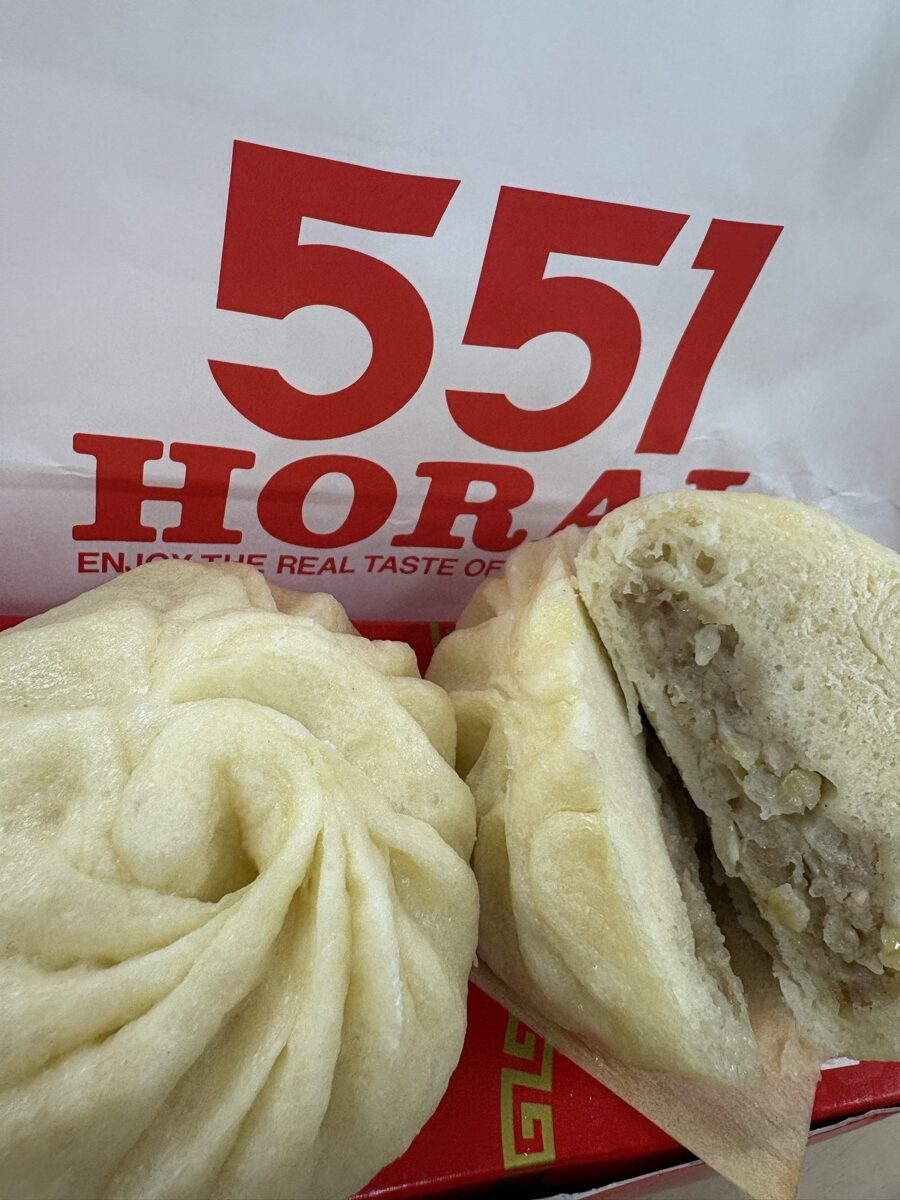
551 Horai’s butaman (steamed pork buns) are arguably Osaka’s most beloved take-home food — the lines stretch around the block at Osaka Station before every holiday, and a hot box of just-steamed buns has become an iconic souvenir. Founded in 1945, the recipe has been carefully guarded for nearly 80 years: the soft, slightly sweet bun encloses a generous filling of seasoned ground pork mixed with onions, with a clear umami depth and just-right balance of sweetness and savoriness. The signature 4-bun box (¥920) is the most-popular size, but 6 or 12-bun boxes are common gifts. Refrigerate immediately; reheat in steamer or microwave (with damp paper towel) for 2 minutes. Available at Osaka Station, Shin-Osaka Station, Kansai International Airport, and 551 standalone shops throughout Osaka.
「551蓬莱(ほうらい)の豚まん」は、おそらく大阪で最も愛されるお持ち帰りグルメ——祝日前の大阪駅では行列が街区を巻く名物で、湯気立つ豚まんの箱は大阪のお土産アイコンに。1945年創業、ほぼ80年間秘伝のレシピが守られ続けています。ふんわりほんのり甘い生地に、玉ねぎを混ぜた特製豚肉あんがたっぷり——透明感のある旨味、絶妙な甘塩バランスが魅力です。象徴的な4個入り(920円)が最も人気のサイズで、6個・12個入りも贈答用に。購入後すぐ冷蔵庫へ、温める時は蒸し器または濡れキッチンペーパーで包んでレンジで2分。大阪駅、新大阪駅、関西国際空港、市内の551直営店で広く購入可能です。
I’m in Osaka on business fairly often, and every single 551 shop has a queue — every time. This round I went with the chilled pack: eating them steaming-hot at the counter is great, and frozen works for long trips, but if you’re within about three hours of Osaka, chilled is the sweet spot. One minute in the microwave and you get that soft, springy bun at home. The flavor needs no defending — a chewy, pillowy wrapper around a juicy, well-seasoned pork filling. One warning: the inside gets surprisingly hot, so give it a moment before biting in (laughs). Writing this made me want another one — dangerously addictive, as expected of 551.
大阪へは出張でよく行きますが、どの店舗にも毎回購入の列ができています。今回は久々にチルドを購入。店頭で蒸し立てをそのまま食べるのも良し、遠方なら冷凍も良しですが、大阪から3時間圏内ならチルドがおすすめです。1個ならレンジ1分で、もちもちの豚まんが手軽に食べられるのが魅力。味はもう申し分なし——もっちりした皮に包まれた、肉汁たっぷりの餡。ただし中身が意外と熱くなっているので注意してくださいね(笑)。この記事を書いていてもまた食べたくなる、病みつきの豚まん。さすがです。
Rikuro Ojisan’s Cheesecake
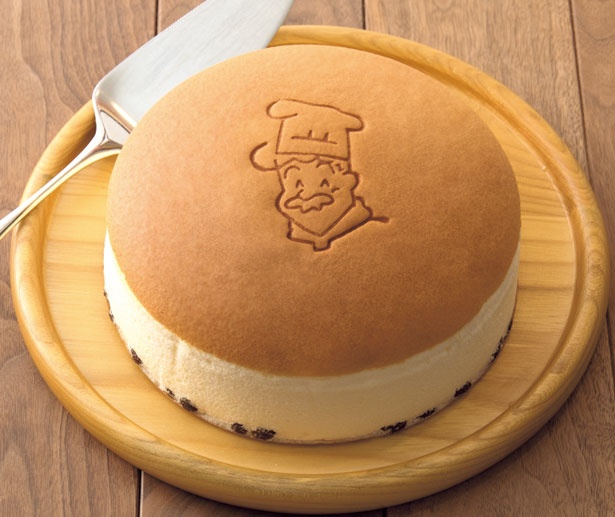
Rikuro Ojisan no Mise (Uncle Rikuro’s Shop) has been baking these legendary cheesecakes in Osaka since 1984 — fluffy, jiggly, slightly tangy chiffon-style cheesecakes stamped with the ‘Uncle Rikuro’ face on top and studded with raisins on the bottom, all sealed in a distinctive yellow box. The signature 6-inch cake (¥1,095) is impossibly light despite using premium Danish cream cheese and fresh eggs, and the cake’s distinctive jiggle when removed from the oven is celebrated on social media. Lines form daily at the Namba flagship, where fresh cakes emerge from the oven throughout the day. Each cake serves 4-6 people. Best the day it’s baked (or within 3 days refrigerated); it also freezes well. Available at Rikuro Ojisan flagship in Namba, Shin-Osaka Station, and select Osaka department stores.
「りくろーおじさんの店」は1984年から大阪で伝説的なチーズケーキを焼き続けている老舗——ふわっと揺れるシフォンスタイルのチーズケーキで、表面に「りくろーおじさん」の顔の焼き印、底にレーズン、独特の黄色い箱が特徴的。象徴的な6号サイズ(1,095円)は、上質なデンマーク産クリームチーズと厳選した卵を使いながら驚くほど軽く、オーブンから出した直後の独特の揺れがSNSで話題になっています。難波本店では一日を通して焼き上がる新鮮な一品を求めて行列が絶えません。1ホールで4〜6人分。焼きたて当日が至高(冷蔵で3日まで)、冷凍保存もOK。難波本店、新大阪駅、大阪の主要百貨店で購入可能です。
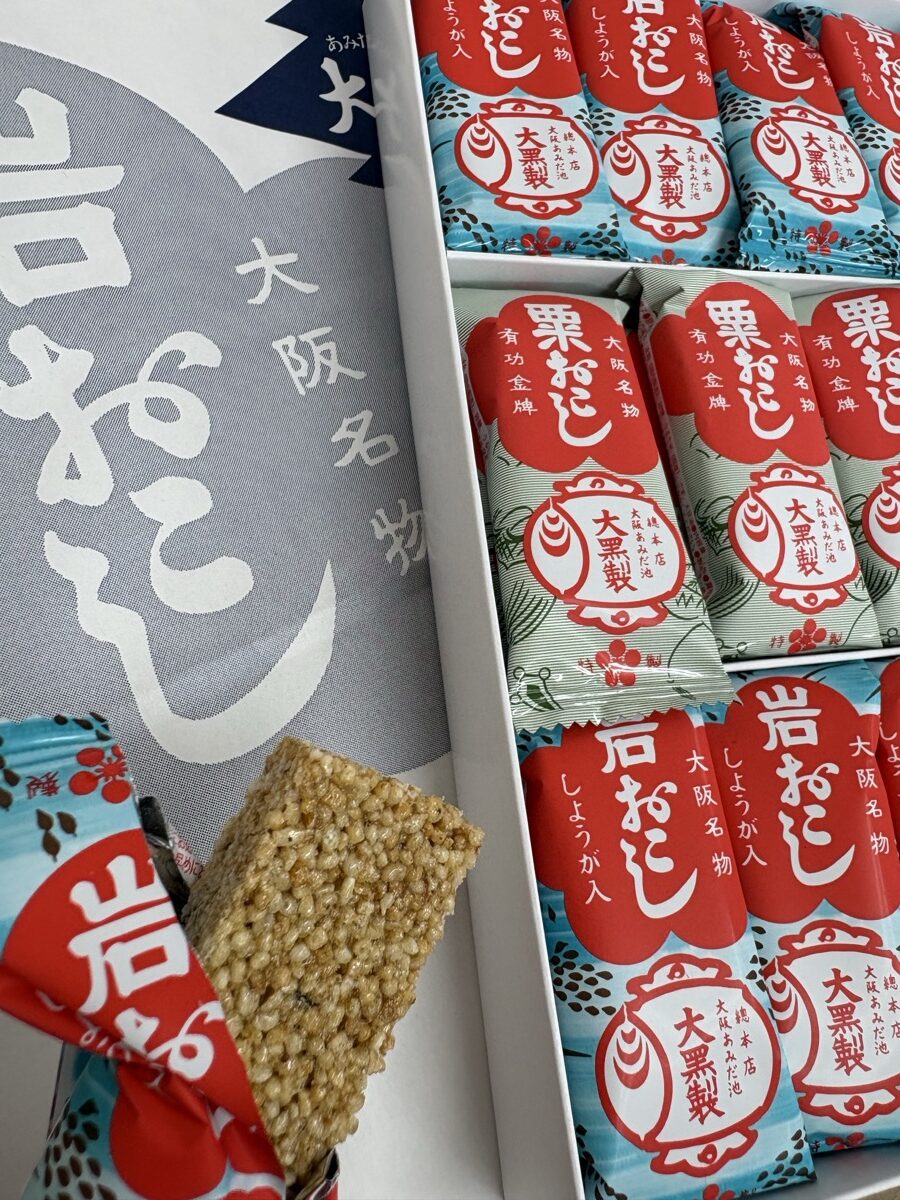
Iwa-okoshi
Iwa-okoshi (“rock candy”) is one of Osaka’s oldest traditional sweets — pressed sweet snacks made from puffed rice, sugar syrup, and various inclusions (ginger, peanuts, sesame, candied fruits) that have been crafted in Osaka since the Edo period. The name “iwa” (rock) refers to the candy’s hard, crunchy texture. Originally a Buddhist offering and pilgrim’s food, iwa-okoshi has remained popular for its long shelf life (about 3 months unopened) and satisfying sweet-savory profile. Top makers include Amidaike Daikoku (founded 1805) and Tsunose, both with elegant traditional packaging. Modern variations include matcha, chocolate, and sake-infused versions. Pair with strong Japanese tea or sake. Available at JR Osaka Station, Tennoji Station, and most Osaka tourist gift shops.
「岩おこし(いわおこし)」は大阪を代表する古い伝統菓子の一つ——膨らせた米と砂糖シロップ、生姜・ピーナッツ・ごま・砂糖漬け果実などを練り合わせ、押し固めた素朴な甘味です。江戸時代から大阪で作り続けられている、お菓子そのものの「岩」という名は、固くカリッとした食感の意味。元々は仏教の供物や巡礼者の携帯食として始まり、長期保存(未開封で約3ヶ月)と甘塩バランスのよい風味で長く愛され続けています。代表メーカーは1805年創業の「あみだ池大黒」、「つのせ」など、優雅な伝統パッケージで展開しています。現代では抹茶、チョコレート、日本酒風味などのバリエーションも登場。濃いめの日本茶や日本酒と相性抜群。JR大阪駅、天王寺駅、大阪の観光お土産店で広く購入可能。
I bought a box of iwa-okoshi — the classic Osaka meibutsu ✨ — and tried it. First thing I noticed picking it up: it’s light! And the pieces inside are packed fairly compactly (which turns out to be exactly the right size to eat), with a good number of them in the box — so it’s ideal when you need to hand something out to a lot of people. It looks hard, but it’s honestly not as hard as it looks; the moment you bite in, ginger fills your mouth, the texture is great, and it’s just plain, honest, simple deliciousness ✨ Eat one and you’ll catch yourself reaching for a second (laughs). Since it’s an Osaka specialty you’ll find it just about everywhere, so it’s worth grabbing a box to try yourself — for you, not just as a gift 😊
大阪名物と言われる岩おこし✨のお土産を買って食べてみました。手に持った瞬間、軽い!!そして中身のお菓子が割とコンパクトにまとめられていて(実はちょうど食べやすいサイズ)、数量も結構入っているので、多数の人に配るのには◎。お土産に最適やなと思いました。見た目は固そうですが、意外とそこまで固くない感じで、噛んだ瞬間に生姜の香りが口の中に広がり、食感もよく、素直にシンプルで美味しい✨ 一つ食べたら、気づいたら2個目食べてますよ(笑)。大阪名物なので結構どこでも売っていますから、よかったら一度自分で食べてみるのもあり(自分用にね😊)
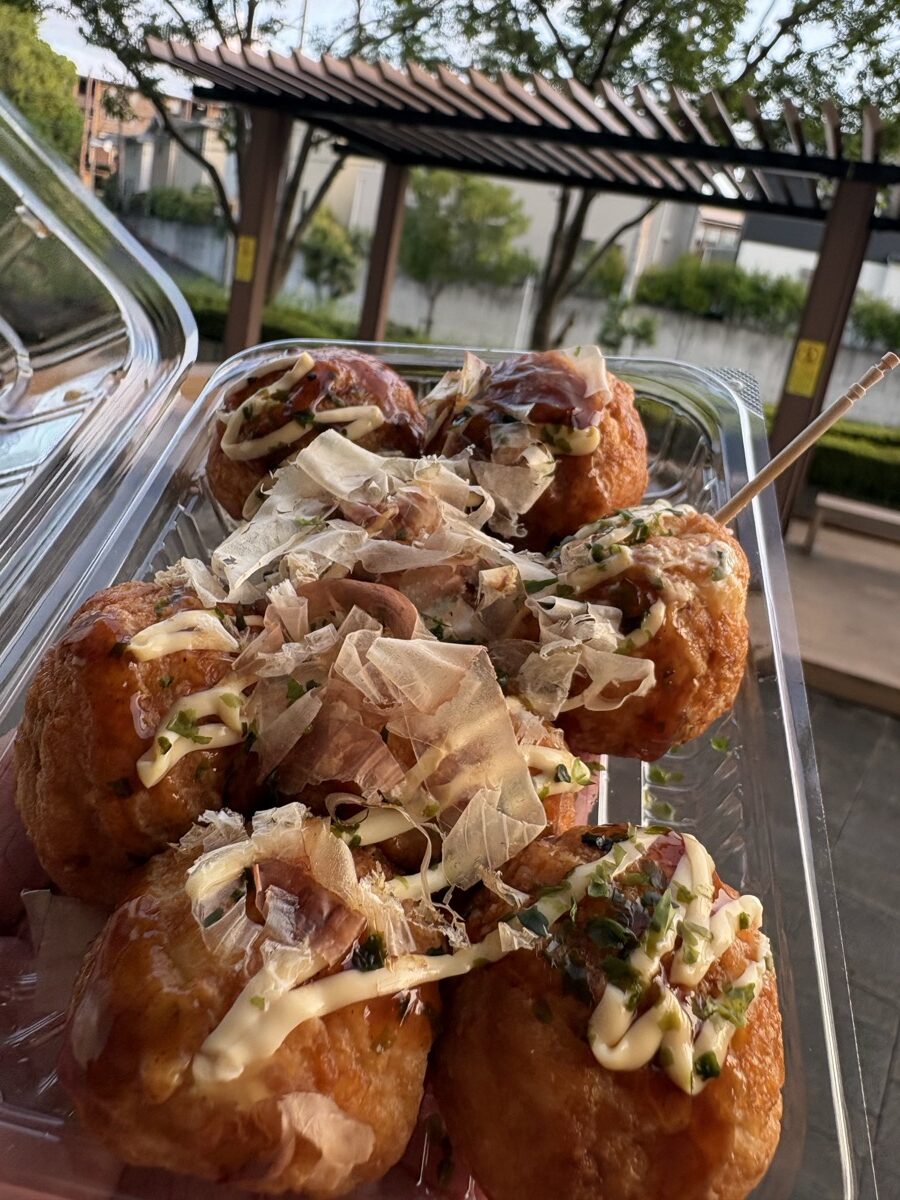
Takoyaki
Takoyaki (“octopus balls”) is Osaka’s most iconic street food — small, round dumplings made from a wheat-flour batter studded with chunks of octopus, tempura scraps, pickled ginger, and green onions, then cooked in special spherical iron pans until crispy outside and gooey-soft inside. Each ball is brushed with sweet-savory takoyaki sauce, sprinkled with bonito flakes, and served piping hot — typically 8 balls for ¥600. The dish was invented in 1935 by Endo Tomekichi at a small Osaka stand, and Osaka has the country’s highest concentration of takoyaki and okonomiyaki shops. The take-home “takoyaki kit” (with cast-iron pan, batter mix, and condiments) has become popular for Japanese-cooking enthusiasts. Premium sets are sold at JR Osaka Station, Dotonbori shopping, and Kansai International Airport.
「たこ焼き」は大阪を代表する屋台グルメ——小麦粉ベースの生地にたこ、天かす、紅生姜、青ネギを混ぜ込み、特殊な丸い鉄板で焼き上げる、外サクサク・中とろとろの絶妙な小さな団子です。1個ずつ甘塩っぱい「たこ焼きソース」を塗り、かつお節をかけて熱々で提供——通常8個入り600円。1935年、大阪の小さな屋台で「遠藤留吉」が発明したのが起源で、大阪はたこ焼き・お好み焼き店が全国最多です。鋳鉄製鉄板、生地ミックス、調味料がセットになった「たこ焼きキット」は、日本料理愛好家のお土産として人気上昇中。高品質セットがJR大阪駅、道頓堀ショッピング、関西国際空港で購入可能。
Osaka means takoyaki 🐙 — I went and ate some! You’ll find takoyaki all over Japan, but the image of takoyaki = Osaka is especially strong. First, a warning: bite into a fresh one whole and you will burn your mouth (laughs) 😅 — the inside gets seriously hot. So first, poke a small hole with a chopstick or toothpick until you can just see the filling; from there the steam, the aroma and the look start tempting you. Then pop one in whole — that’s the taste of Osaka’s famous takoyaki. The Osaka standard is fluffy on the outside, molten-soft inside. Add the classic sauce, then mayo, bonito flakes and aonori (green seaweed) to taste, and give it a try. One heads-up: there’s a good chance aonori ends up stuck in your teeth afterward (laughs). Takoyaki itself doesn’t travel as a souvenir, but there are plenty of takoyaki-flavored snacks — worth hunting for.
大阪と言えばたこ焼き🐙、食べてきましたー!たこ焼き自体は日本全国にありますが、特に「たこ焼き=大阪」のイメージが強い食べ物ですね。まず注意!出来たてをそのまま口に頬張ると、必ずやけどします😅 中身が非常に熱いので、まずは箸か爪楊枝で中身が見える程度に穴を開けると、そこから食欲をそそる湯気と匂いと見た目が誘惑してきます(笑)。そのあと一つパクりと。これが大阪名物たこ焼きの味です!全国にたこ焼きはありますが、大阪のたこ焼きは外はふわっと・中身はとろ〜りの食感がスタンダード。定番のソースをかけて、お好みでマヨネーズ・かつお節・青のりをかけて味わってみてください。食べた後は青のりが歯にくっついてる可能性が高いので、気をつけて(笑)。たこ焼き自体はお土産に適しませんが、たこ焼き風のお菓子はたくさんあるので、ぜひ探してみてください。
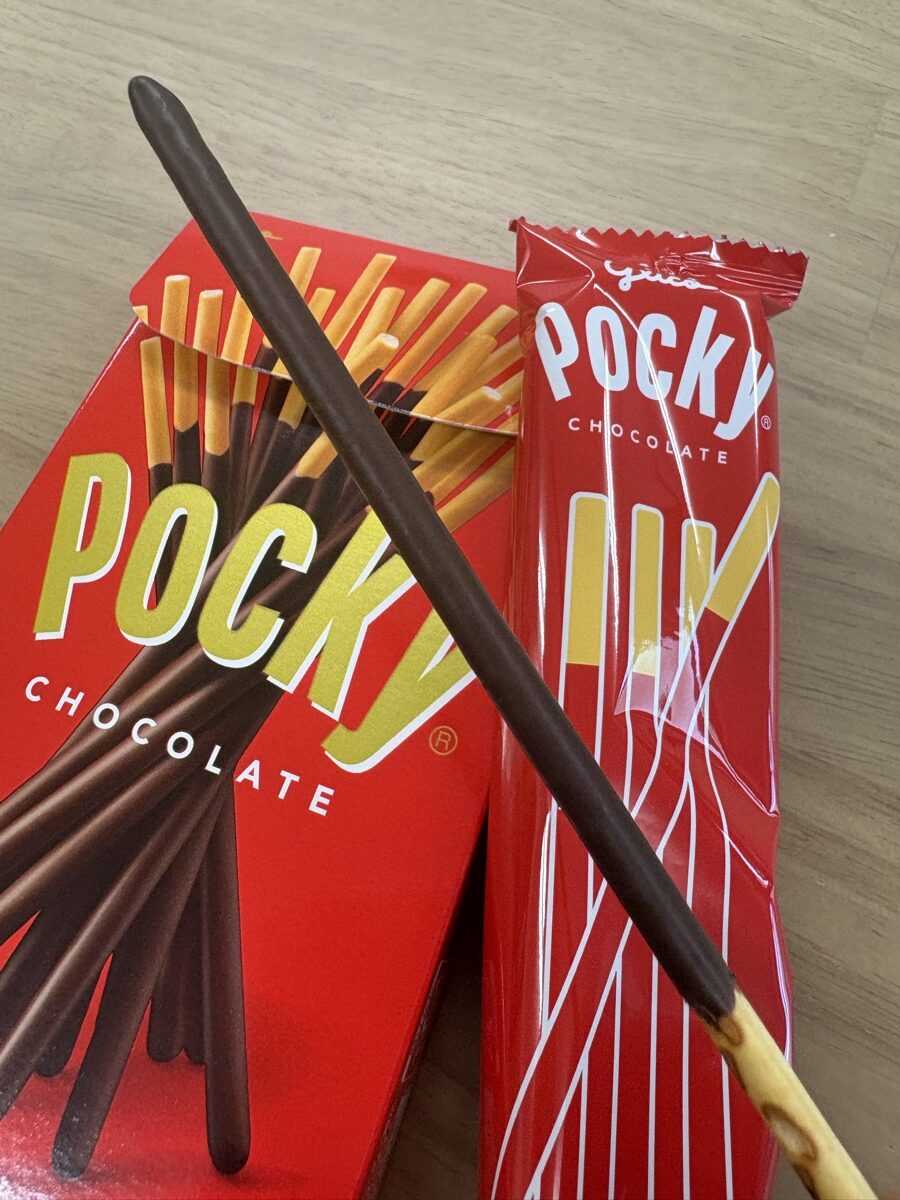
Glico / Pocky
Glico (Ezaki Glico Co.) is Osaka’s iconic global confectionery — founded in 1922 by Ezaki Risaku, the company’s signature “running man” sign in Dotonbori has become Osaka’s most photographed landmark. Glico’s flagship Pocky chocolate-coated biscuit sticks (introduced 1966) are now beloved worldwide, with seasonal flavors (sakura, matcha, almond), regional editions (Kyoto Uji matcha and other local-flavor Pocky), and limited collaborations available exclusively in Japan. The original Glico caramel — heart-shaped and enriched with oyster-derived glycogen — is the confection that built the company. Beyond standard Pocky, the Ezaki Memorial Hall in Osaka (free, by reservation) traces Glico’s history. Special-edition Pocky boxes are available at Kansai International Airport, JR Osaka Station, and Glico’s flagship Dotonbori shop. Various boxed sets in 6-24 sticks range ¥350-1,500.
「江崎グリコ」は大阪発祥の世界的菓子メーカー——1922年に江崎利一が創業し、道頓堀の象徴的な「ランニングマン」ネオンサインは大阪で最も撮影されるランドマークとなっています。代表商品「ポッキー」(1966年発売のチョコレートコーティング棒状ビスケット)は今や世界中で愛され、桜、抹茶、アーモンドなど季節限定フレーバー、京都・宇治抹茶など地域限定版、限定コラボ商品が日本のみで販売されています。創業商品の「栄養菓子グリコ」は、牡蠣由来のグリコーゲンを配合したハート型キャラメルで、グリコの礎を築いた逸品。大阪・西淀川区の「江崎記念館」(入館無料・要予約)では、グリコの歴史にふれられます。限定版ポッキーボックスは関西国際空港、JR大阪駅、グリコ道頓堀本店で購入可能。6〜24本入り、価格帯350〜1,500円。
It might be harder to find someone in Japan who doesn’t know this name — the definitive classic, reliably good every time. I could swear the sticks used to be thicker back in the day, but today’s slim shape has the better snap. The individually wrapped inner packs are a quiet plus too: you can have just a few whenever the mood hits. The Pocky lineup also runs from an extra-thin version to regional limited flavors, so hunting for them around Osaka is half the fun. My personal tip: chill them in the fridge first — I love it when the chocolate turns slightly firm and cold (laughs).
日本のお菓子で、この名前を知らない人を探すほうが難しいかもしれないド定番。安定の美味しさです。昔はもっと太かった気がしますが、今の細さのほうが食感が良いですね。小分け包装なので、気が向いたときに少しだけ食べられるのもGood。ポッキーには極細バージョンやご当地限定の味もあるので、色々探してみるのも楽しいかも。私のおすすめの食べ方は冷蔵庫で冷やしてから——チョコが少し固く、冷たくなったのが好きです(笑)
Must-Visit Spots
おすすめスポット 5選
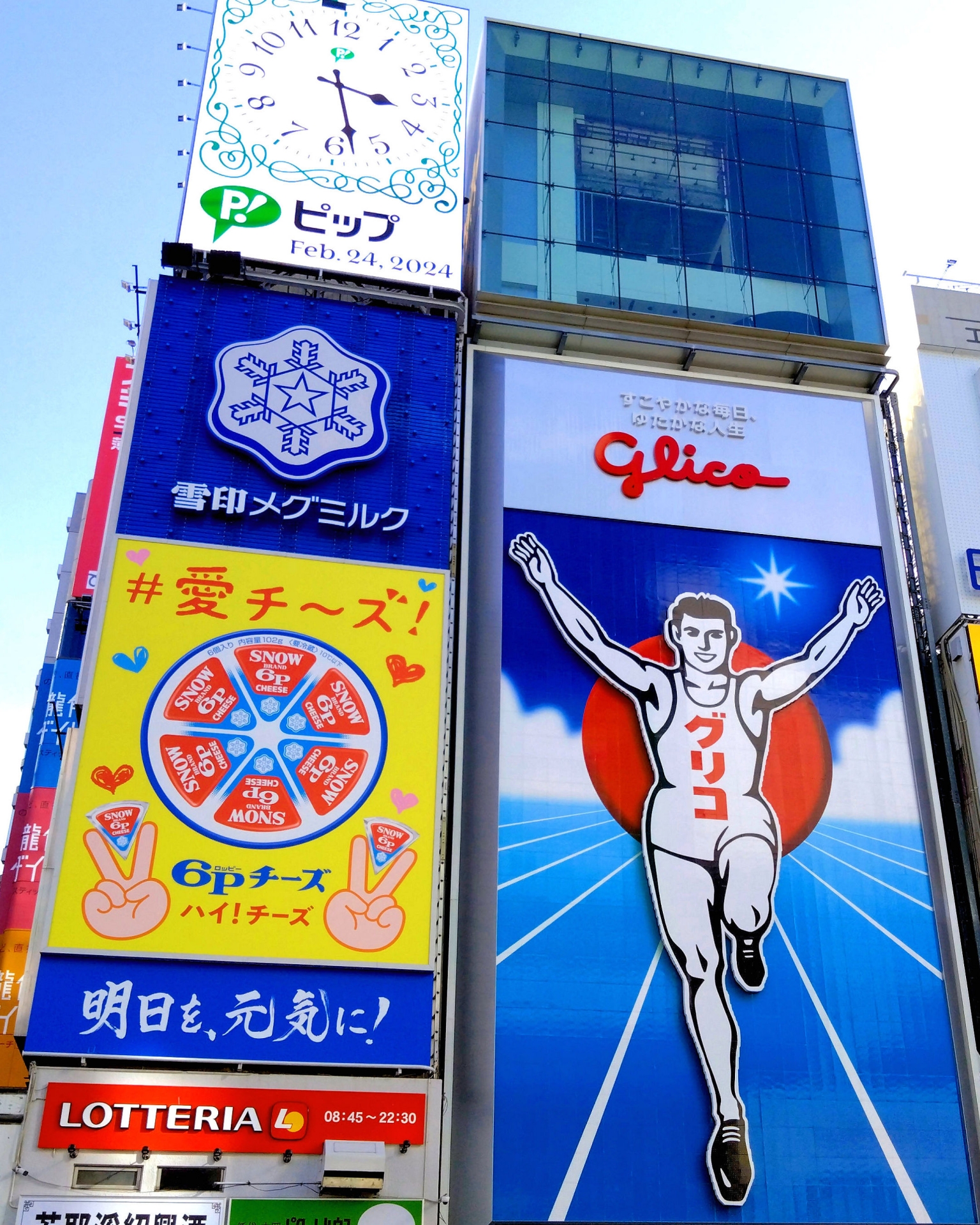
Dotonbori
Dotonbori is Osaka’s most legendary entertainment district — a half-kilometer of canal-fronted neon, restaurants, and street food that’s been the heart of Osaka’s hospitality scene since 1612. Walking the canal-side promenade reveals the iconic Glico running man sign, the moving crab of Kani Doraku, and dozens of vibrant ramen shops, takoyaki stalls, kushikatsu restaurants, and bars open into the early morning. The area’s spirit of “kuidaore” (eat until you drop) embodies Osaka’s love of food and good times. Beyond eating, take a Dotonbori boat tour (¥2,000, about 20 minutes) for water-level views, and enjoy the Tonbori River Walk’s seasonal events. From Namba Station, Dotonbori is about a 5-minute walk.
「道頓堀(どうとんぼり)」は大阪を代表する繁華街——運河沿いに約500メートルにわたって続くネオン、レストラン、屋台が織りなす、1612年以来大阪のおもてなし文化の中心地です。運河沿いのプロムナードを歩けば、象徴的なグリコランニングマンの看板、かに道楽の動く大カニ看板、何十軒ものラーメン屋、たこ焼き屋台、串カツ店、明け方まで開いているバーが立ち並ぶ活気ある光景が広がります。「食い倒れ」の精神は大阪のグルメと楽しさへの愛そのもの。食事以外にも、道頓堀リバークルーズ(2,000円、約20分)で水面からの眺望や、とんぼりリバーウォークの季節イベントが楽しめます。難波駅から徒歩約5分。
Osaka Castle
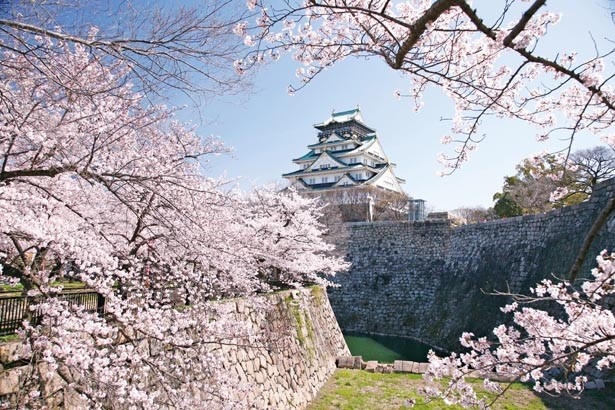
Osaka Castle is one of Japan’s most historically dramatic castles — built in 1583 by Toyotomi Hideyoshi (the warlord who unified Japan after Sengoku-era chaos), the castle was the largest fortress in Japan when complete, with walls protecting Hideyoshi’s headquarters during the seminal events that shaped early modern Japan. The original keep was destroyed and rebuilt multiple times; the current concrete structure (1931) is a faithful exterior reconstruction housing an excellent museum about Hideyoshi, his samurai retainers, and the dramatic 1614-1615 Siege of Osaka. The vast surrounding park is one of Osaka’s largest green spaces, especially gorgeous during cherry blossom season (early April) when 3,000+ trees bloom. The 8th-floor observation deck offers panoramic Osaka views. Tickets ¥1,200 (¥600 for students). From JR Osakajo-koen Station, the entrance is a 10-minute walk.
「大阪城」は日本でも歴史的に最もドラマチックな城の一つ——1583年に豊臣秀吉(戦国時代の混乱を統一した武将)によって築城され、当時は日本最大の要塞として、秀吉の本拠地、初期近世日本を形作った歴史的事件の舞台となりました。オリジナルの天守は何度も破壊・再建を繰り返し、現在のコンクリート造(1931年)は外観を忠実に再現した復元物。内部には秀吉とその家臣団、1614〜1615年の大坂の陣の歴史を伝える優れた博物館が併設されています。広大な周囲の公園は大阪最大級の緑地で、4月上旬の桜(3,000本超)は特に絶景。8階展望デッキからは大阪市街の大パノラマが楽しめます。入場料1,200円(学生600円)。JR大阪城公園駅から正門まで徒歩約10分。
Tsutenkaku Tower
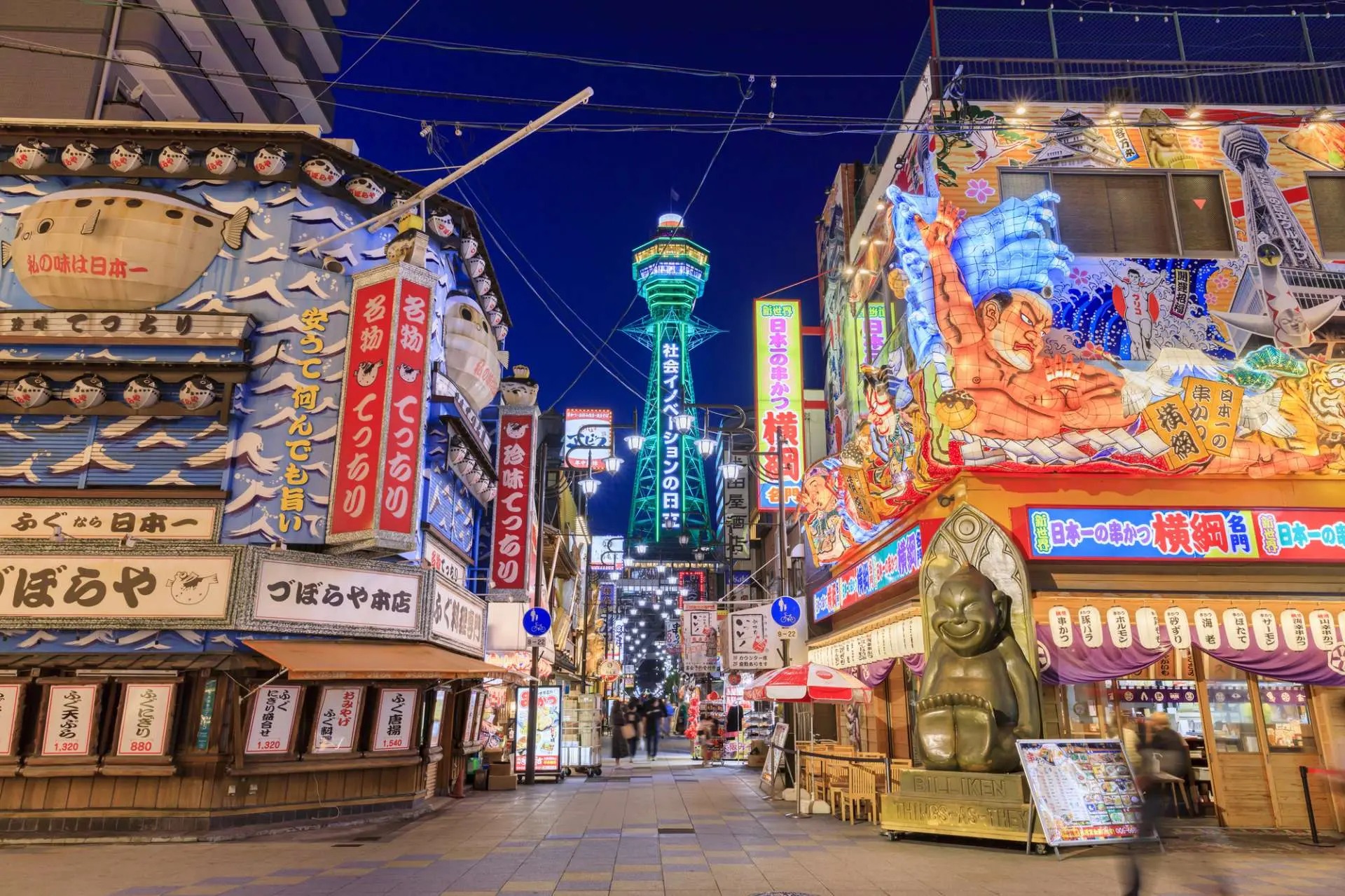
Tsutenkaku is Osaka’s vintage tower in the Shinsekai district — a 108-meter steel tower originally built in 1912 in imitation of the Eiffel Tower, then rebuilt in 1956 after WWII destruction, becoming Osaka’s beloved retro symbol. The tower’s mascot is “Billiken” — an American-imported good-luck doll with a peculiar smiling face, whose bare feet visitors traditionally rub for good fortune. Surrounding Tsutenkaku is Shinsekai (“New World”), Osaka’s most distinctive working-class neighborhood: kushikatsu (deep-fried skewer) restaurants line the streets, the smell of frying batter fills the air, and the atmosphere is unfiltered Osaka — far from polished tourist Kyoto or clean Tokyo. Climb the tower (¥1,200) for retro panoramic views; below, eat kushikatsu and people-watch in the gloriously chaotic streets.
「通天閣(つうてんかく)」は大阪・新世界地区の象徴的レトロタワー——1912年にエッフェル塔を模して建設され、戦後の破壊を経て1956年に再建された全高108メートルの鉄塔で、大阪の親しみある原風景となっています。タワーのマスコットは「ビリケン」——アメリカ伝来の幸運の人形で、独特の笑顔と裸足が特徴、訪問者は伝統的に足の裏を撫でて開運を願います。通天閣周辺の「新世界」は、大阪で最も独特な庶民的下町——串カツ専門店が通り沿いに並び、揚げ油の香りが漂い、洗練された京都や清潔な東京とは別世界の素の大阪が体感できます。タワー登頂(1,200円)で昭和パノラマを満喫し、下では串カツを頬張りながら活気ある混沌の路地で人間観察を楽しめます。
Namba / Shinsaibashi
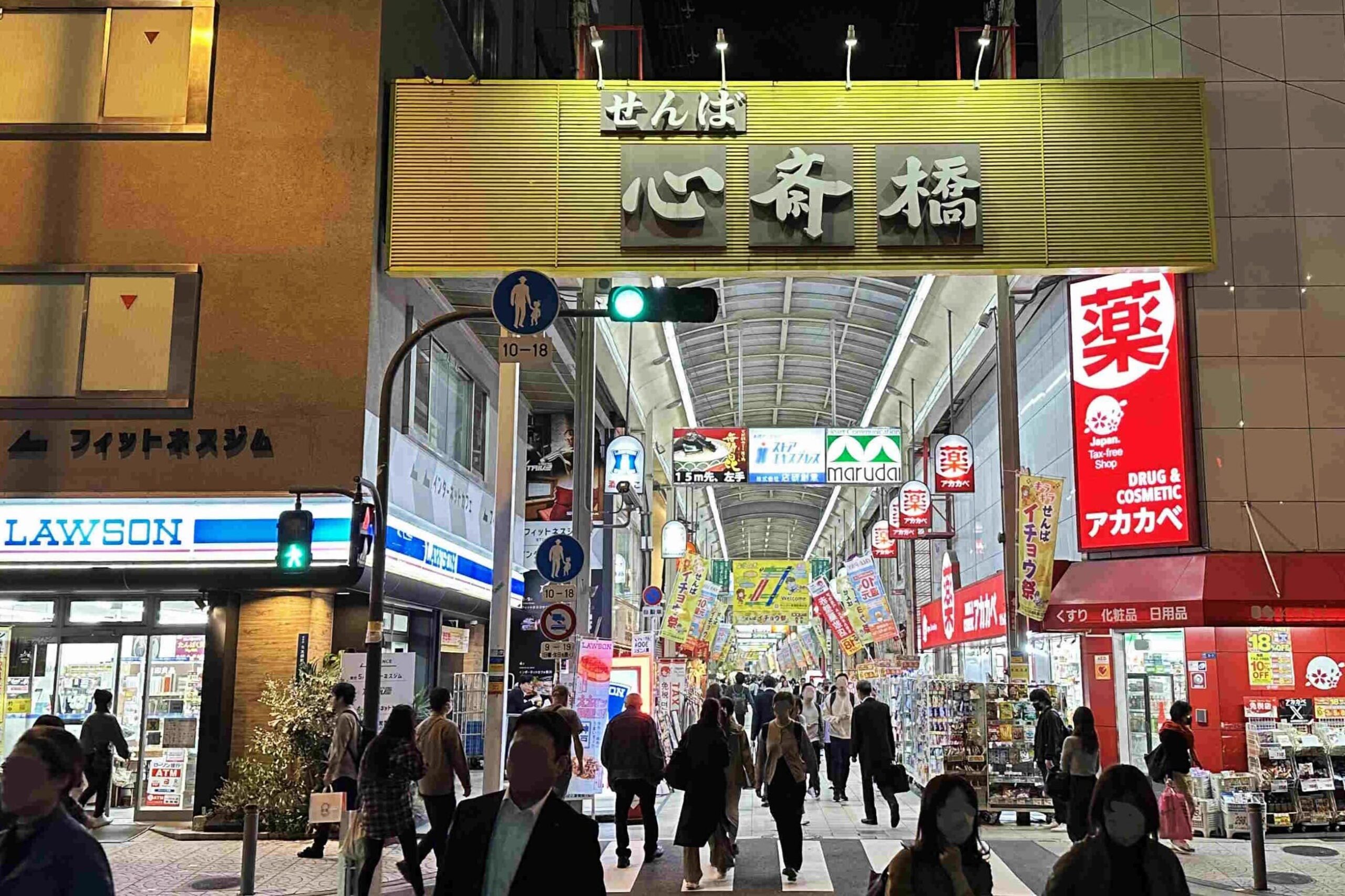
Namba and Shinsaibashi are Osaka’s twin shopping powerhouses — a continuous 600+ meter covered shopping arcade extending from Namba Station through Shinsaibashi Suji, lined with 200+ shops ranging from luxury boutiques (Hermès, Apple) to fast-fashion staples (Uniqlo, Zara), traditional crafts shops, electronics retailers, and a thousand restaurants. The area has been Osaka’s premier shopping district since the Edo period, when it was Japan’s largest commercial center outside of Edo (Tokyo). Beyond Shinsaibashi Suji, the surrounding streets offer Namba Walk (an underground shopping complex), Amerikamura (“American Village,” Osaka’s hip youth district with vintage shops and trendy cafes), and the historic Doguya-suji (“kitchen tools alley”) where Japan’s restaurant industry sources its specialty equipment. Free to wander; plan 4-6 hours. From JR Namba Station, just steps away.
「難波・心斎橋」は大阪のツインショッピングの中心——難波駅から心斎橋筋へ続く全長600メートル超のアーケード商店街に、ラグジュアリーブティック(エルメス、アップル)からファストファッション(ユニクロ、ザラ)、伝統工芸店、家電量販店、千軒ものレストランが軒を連ねます。江戸時代から大阪屈指の商業地区で、当時は江戸(東京)以外の日本最大の商業中心地として君臨しました。心斎橋筋以外にも、地下街「なんばウォーク」、大阪の若者文化発信地「アメリカ村」(ヴィンテージショップ、トレンディカフェ)、日本の飲食店業界が専門器具を仕入れる歴史ある「道具屋筋」など、独特の脇道も魅力。散策は無料、所要時間4〜6時間が目安。JR難波駅から徒歩すぐ。
Tower of the Sun (Expo Park)
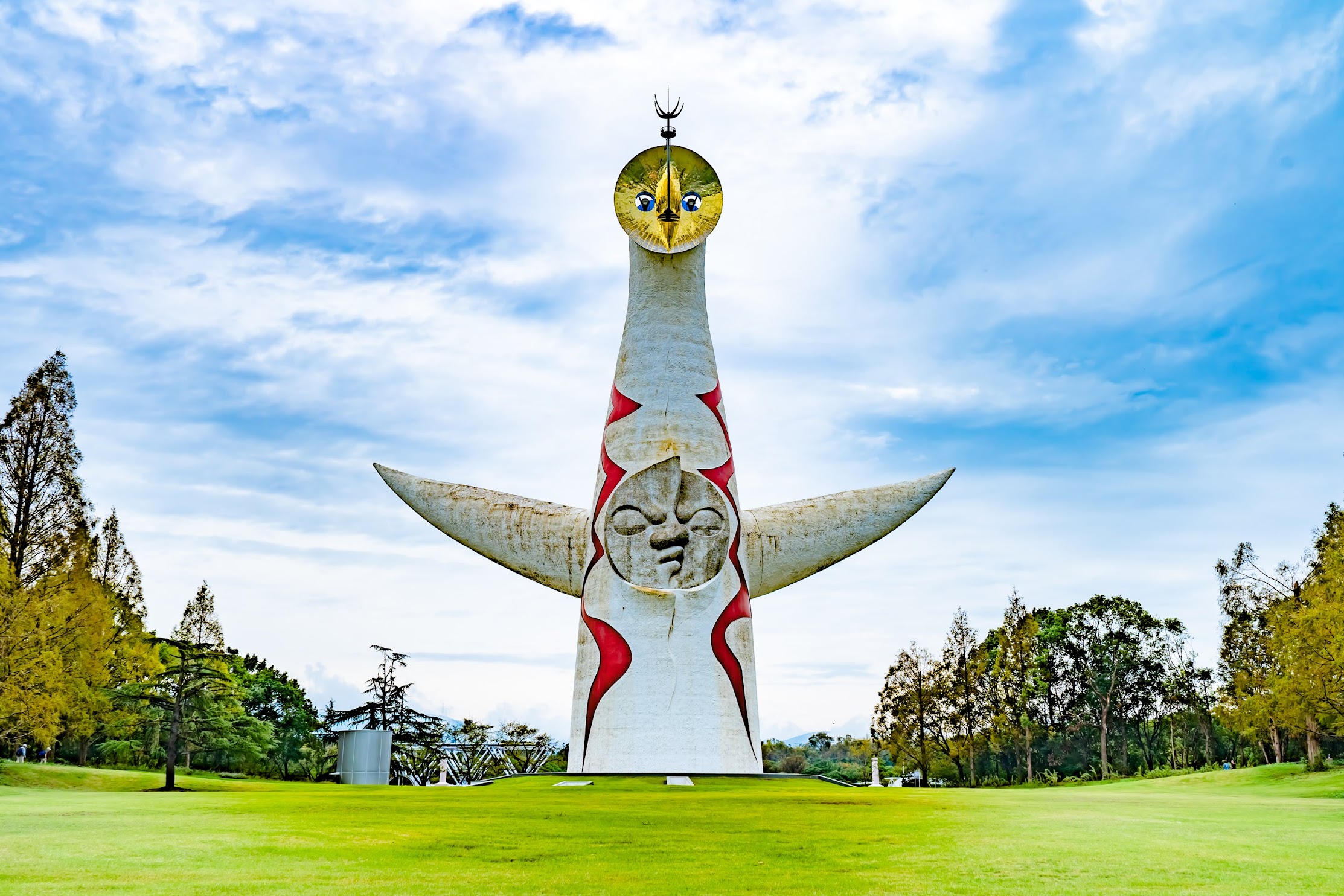
The Tower of the Sun (Taiyo no To), designed by avant-garde artist Taro Okamoto for the 1970 Osaka World Expo, is a 70-meter symbolic structure with three faces — a golden face on top, the present-day Sun Face on the front, and a black Sun of the past on the back. Long considered the era’s most iconic Japanese artwork, the tower was sealed for decades until being meticulously restored in 2018, when its strange interior (a tree-like structure with hundreds of imaginary creatures) was opened for first time public viewing in 50 years. The surrounding Expo ’70 Commemorative Park (260 hectares) features Japanese gardens, museums, sports facilities, and seasonal events. Tower interior ticket ¥720 (advance reservation required), plus the park’s ¥260 admission. From JR Osaka Station, take the Midosuji line to Senri-Chuo (40 minutes).
「太陽の塔」は1970年大阪万博のために前衛芸術家・岡本太郎がデザインした全高70メートルの象徴建築——3つの顔を持ち、頂部に黄金の顔(未来)、正面に現在を表す「太陽の顔」、背面に過去を表す「黒い太陽」が刻まれた、当時の日本美術を代表する象徴的作品です。何十年もの間、内部は閉鎖されていましたが、2018年に丁寧に修復され、不思議な内部空間(樹木構造に数百体の想像上の生物がぶら下がる超現実的な世界)が50年ぶりに一般公開されました。周囲の「万博記念公園」(260ヘクタール)には日本庭園、博物館、スポーツ施設、季節のイベントが充実。塔内拝観料720円(事前予約制)に加え、公園の入園料260円が必要。JR大阪駅から御堂筋線で千里中央へ約40分。
Insider Tips
現地通の旅の裏ワザ
Skip the Dotonbori tourist stalls. Locals queue at Wanaka (Sennichimae) or Kukuru (Namba) — around ¥500–600 for 8 pieces vs ¥1,000+ tourist prices, with bigger octopus chunks.
道頓堀の観光屋台はスキップ推奨。地元民は「わなか」(千日前)や「くくる」(難波)に並ぶ。タコのサイズが違う上、8個約¥500〜600で観光地の半額。
An ICOCA card covers JR West, Osaka Metro, Hankyu, Hanshin, and Keihan in one tap. Skip buying separate day passes unless you’ll ride 6+ times.
ICOCA一枚でJR西日本・大阪メトロ・阪急・阪神・京阪まで全部対応。1日6回以上乗らないなら一日券より安い。
Osaka Castle Park is fully free — only the keep tower interior costs ¥1,200 (¥600 for students). The cherry blossom or sunset shot from inside the moat needs no ticket.
大阪城公園は完全無料、有料は天守閣内部(大人¥1,200、学生¥600)のみ。桜や夕暮れ撮影は無料エリアで十分絵になる。
Kuromon Market closes around 5pm, but late-night ramen like Kamukura (Dotonbori) runs into the early hours. Locals’ favorite for post-drinking finishes.
黒門市場は17時閉店だが、神座(どうとんぼり)などのラーメンは深夜遅くまで営業。地元民の飲み締めスポット。
Frequently Asked Questions
What is ‘kuidaore’ and why does it define Osaka?
‘Kuidaore’ literally means ‘eat yourself bankrupt’ — it captures Osaka’s philosophy of spending freely on great food above all else. Osakans take immense pride in their food culture, and the city has more Michelin-starred restaurants per capita than almost anywhere. Budget well for eating.
「食い倒れ」とは美食のために財産を使い果たすという意味で、大阪人の食への情熱を表す言葉です。大阪はミシュランの星をもつ名店も多く、世界有数のグルメ都市として認められています。
Is an Osaka day trip from Kyoto worth it?
Absolutely. Kyoto to Osaka is 15 minutes by Shinkansen or about 30 minutes by local train (JR or Hankyu) — one of the easiest day trips in Japan. Many travellers base themselves in Osaka (cheaper hotels) and day-trip to Kyoto, Nara, and Kobe.
もちろんおすすめです。京都から大阪は新幹線なら15分、JR・阪急の在来線でも30分程度。大阪を拠点にして京都・奈良・神戸を日帰り観光するスタイルも非常に人気です。
Is Osaka expensive?
Osaka is significantly cheaper than Tokyo for food and hotels. Street food in Dotonbori costs ¥300–¥900, and excellent ramen or udon can be found for ¥700–¥1,000. Budget travellers often find Osaka the most affordable of Japan’s major cities.
大阪は東京と比べて食事・宿泊ともにリーズナブルです。道頓堀の食べ歩きは300〜900円程度、ラーメン・うどんも700〜1,000円前後。日本の主要都市の中では比較的物価が低いです。
💡 Pro Tip: Osaka’s Namba area is best explored on foot. Get the ICOCA card for seamless transport across Osaka, Kyoto, and Kobe — it works on all trains and buses, and can even be used at convenience stores.
💡 旅のヒント:なんばエリアは徒歩観光がベスト。ICOCAカードを作れば大阪・京都・神戸の電車・バスをシームレスに乗り継げて非常に便利。コンビニでの支払いにも使えます。