Hyogo
Top Hyogo souvenirs and must-visit travel spots — your complete guide for visitors to Japan. From the fairytale Himeji Castle to cosmopolitan Kobe Harbor, Hyogo is where samurai history and modern chic collide.
姫路城の白さと神戸の洗練されたハーバービューが、歴史と現代を鮮やかに結びつける兵庫の旅。
Hyogo runs from cosmopolitan Kobe to Himeji’s white castle and the Arima and Kinosaki hot springs. Its souvenirs split city and tradition: Tohraku’s Kobe Pudding and Kobe beef on the modern side, Nada’s sake and Himeji’s Tamatsubaki sweet on the classic side. Most keep well. Kobe’s Sannomiya and Shin-Kobe stations carry the lot.
兵庫は国際都市・神戸から姫路の白鷺城、有馬・城崎温泉まで。みやげは都会と伝統に分かれ、トーラクの「神戸プリン」や神戸牛のモダン系、灘の酒や姫路の「玉椿」の伝統系。多くが日持ちします。神戸の三宮駅・新神戸駅で一通り揃います。
Recommended Omiyage
おすすめおみやげ 5選
Tamatsubaki
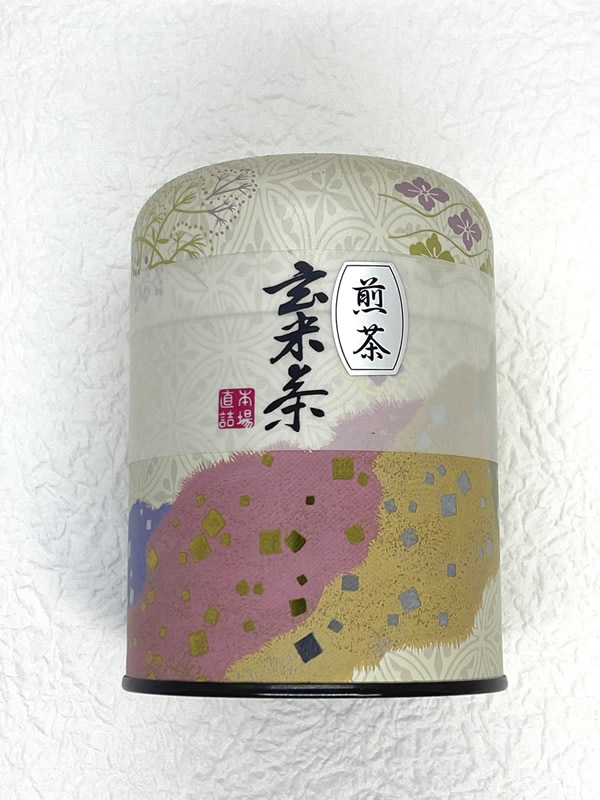
Tamatsubaki is one of Himeji’s most iconic traditional sweets, made by Iseya Honten since 1702 — a delicate camellia-shaped wagashi of pale-pink gyuhi (soft mochi) wrapped around a smooth yolk-and-bean filling, evoking the red camellias of old Himeji. Its gentle sweetness and soft, melting texture have made it a prized gift for generations, and it has taken top honors at the National Confectionery Exposition. The rose-colored sweets pair beautifully with matcha or sencha. Available at Iseya Honten, JR Himeji Station, and Himeji’s major depachika. Best enjoyed within about a week, kept cool.
「玉椿(たまつばき)」は1702年創業の伊勢屋本店が作る姫路を代表する伝統銘菓——薄紅色の求肥でなめらかな黄身餡を包み、椿の花に見立てた上品な和菓子です。優しい甘さととろけるような食感で何世代にもわたり贈答品として愛され、全国菓子大博覧会で最高賞も受賞しました。鮮やかな紅色の姿は抹茶や煎茶との相性が格別。伊勢屋本店、JR姫路駅、姫路の主要デパ地下で購入可能。冷暗所で約1週間以内が食べ頃です。
Kobe Pudding
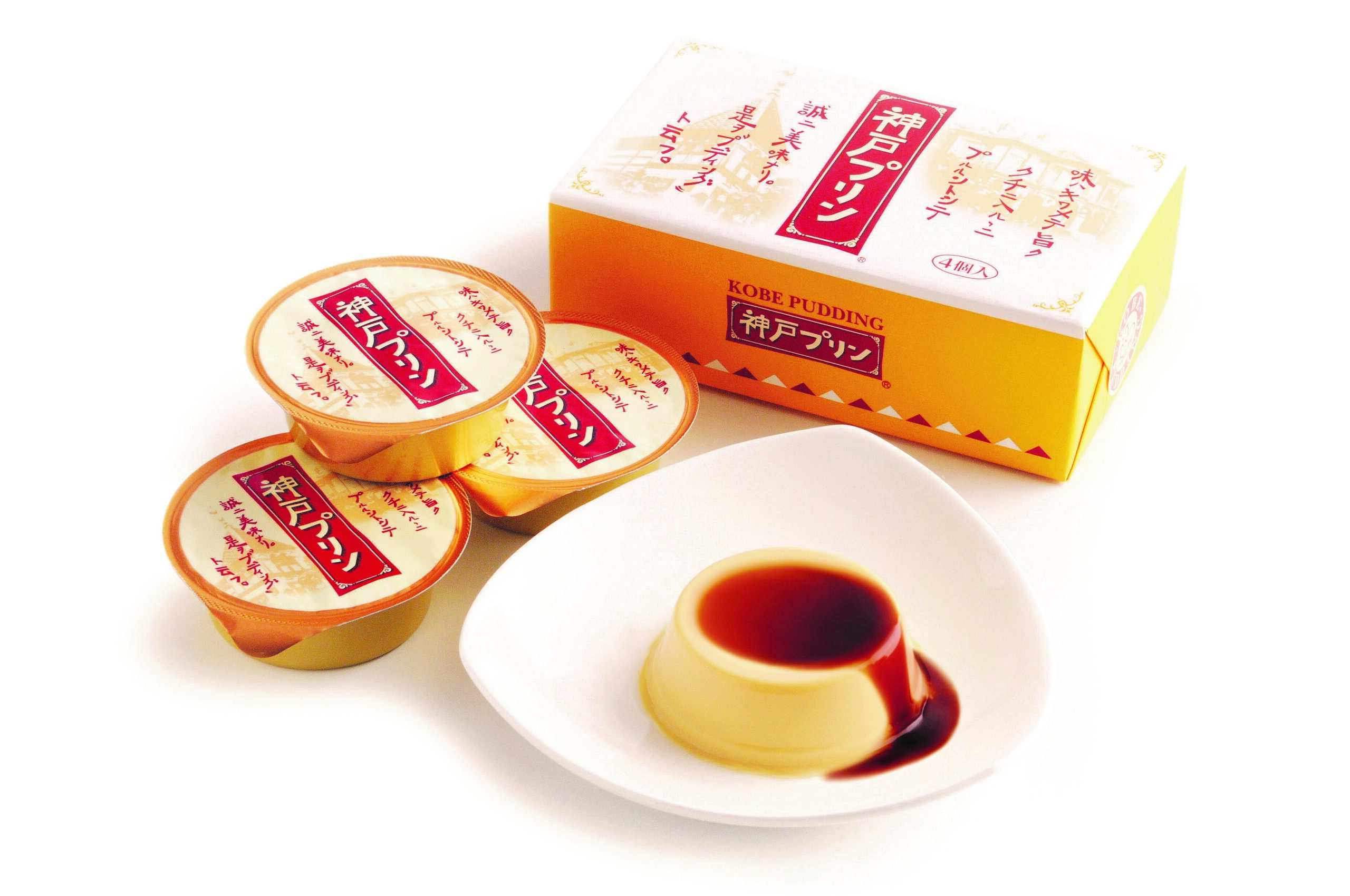
Kobe Pudding has become one of Hyogo’s most beloved modern souvenirs — silky, premium custard pudding made with eggs, fresh cream, and a hint of citrus liqueur, then served with a generous caramel sauce. The pudding’s smooth, almost mousse-like texture and refined sweetness reflect Kobe’s cosmopolitan culinary culture, which absorbed European patisserie traditions during the Meiji era. It’s made by Toraku, which created Kobe Pudding in 1993, and sold in beautifully boxed sets at Kobe-area shops. Modern variations include matcha pudding and hojicha pudding. The special heat-sealed cups keep at room temperature for about four months. Available at JR Sannomiya Station, Kansai International Airport, and most Hyogo souvenir shops.
「神戸プリン」は兵庫を代表する現代お土産の一つ——卵、生クリーム、ほのかな柑橘系リキュールを使った絹のような舌触りのカスタードプリンで、別添の特製カラメルソースを添えていただく逸品です。プリンの滑らかな、ほぼムースのような食感と上品な甘さは、明治時代に欧州のパティスリー文化を吸収した神戸の国際的食文化を反映しています。1993年に「神戸プリン」を開発したトーラクが製造し、優美な化粧箱入りギフトセットで展開。現代バリエーションには抹茶プリン、ほうじ茶プリンなども。特殊容器で常温保存・賞味期限約4ヶ月。JR三宮駅、関西国際空港、兵庫の主要お土産店で購入可能。
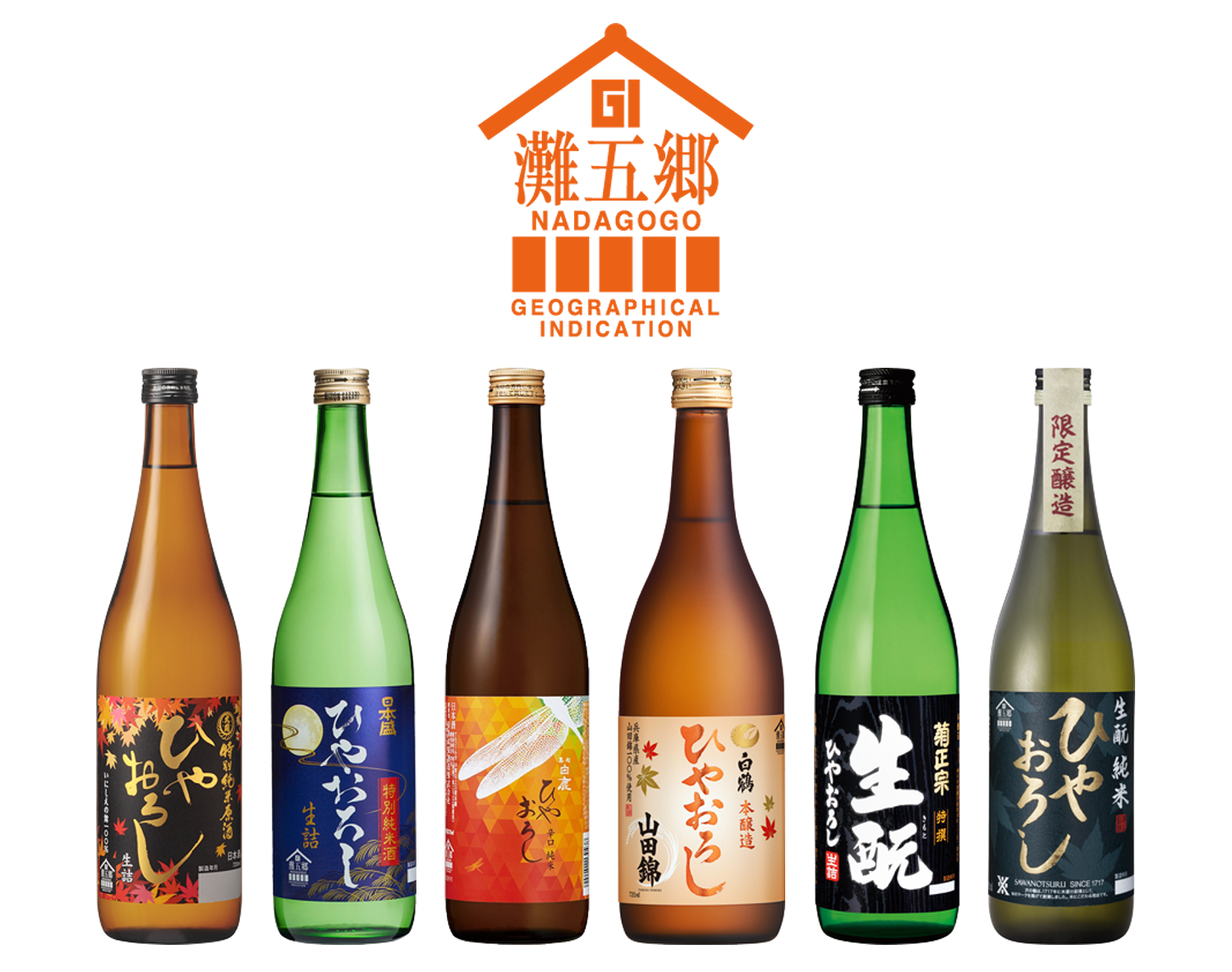
Nada Sake
Nada is one of Japan’s two greatest sake-producing regions (alongside Fushimi in Kyoto) — a coastal Hyogo district where 26 active breweries cluster within 5 kilometers, producing roughly a quarter of all Japan’s sake. The unique “miyamizu” hard groundwater of Nada (rich in minerals from the Rokko mountains’ granite), Yamada-Nishiki rice (the world’s finest sake rice, bred in Hyogo in 1923), and centuries of brewing tradition create sakes with the signature “otoko-zake” (men’s sake) style — robust, full-bodied, and deeply umami. Legendary breweries include Hakutsuru, Kiku-Masamune, Sakuramasamune, and Kenbishi (founded 1505). Many offer free tours and tasting flights. Pair Nada junmai with sushi, yakitori, or grilled fish. Available at JR Sannomiya Station and direct from Nada brewery shops in Mikage and Nada districts.
「灘(なだ)」は京都の伏見と並ぶ日本二大酒どころの一つ——兵庫県の沿岸地域で、26の現役蔵元が5キロ圏内に集中し、日本の清酒生産量の約4分の1を担う酒の聖地です。灘独特の硬水「宮水」(六甲山の花崗岩から溶け出すミネラル豊富な地下水)、兵庫県(明石の農事試験場)で1923年に交配・育成された世界最高峰の酒造米「山田錦」、何世紀もの杜氏文化が、灘の代名詞「男酒」と呼ばれる骨太で深い旨味の銘酒を生み出します。代表蔵元は「白鶴」「菊正宗」「桜正宗」、1505年創業の「剣菱」など。多くの蔵元で無料の蔵見学と利き酒セットが楽しめます。寿司、焼き鳥、焼き魚との相性は格別。JR三宮駅、御影・灘地区の蔵元直営店で購入可能。
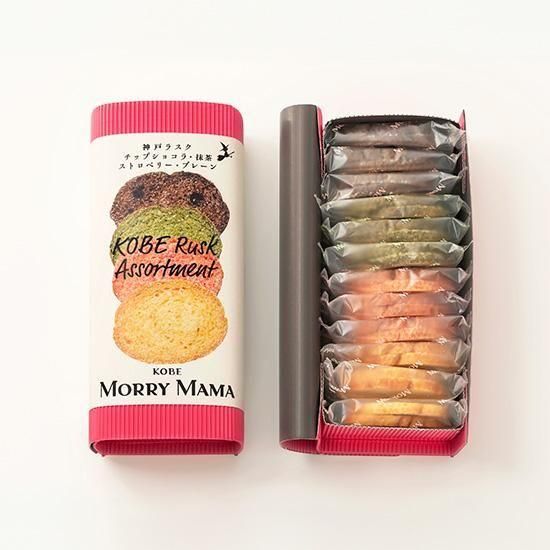
Kobe Rusks
Kobe Rusks, led by Kobe makers such as Kobe Morry Mama, are crisp, butter-rich toasted bread slices that have become one of Japan’s most popular high-end gift snacks. Each rusk is twice-baked: once as a baguette, then sliced thin and re-baked until perfectly golden, with a generous coating of sugar and butter. The texture is impossibly crisp, the flavor rich yet not overly sweet. Beyond the plain original, Kobe-area patisseries craft variations like matcha, chocolate-coated, sakura, and seasonal limited editions. Beautiful gift boxes ranging 12-72 pieces are sold at JR Sannomiya Station, Kansai International Airport, and major Kobe depachika. Best within about 60 days unopened. Pair with Kobe Pudding for the ultimate gift box.
「神戸ラスク」は「神戸モリーママ」などが手がける、サクサクでバター香るトーストパンスライス——日本でも人気の高級ギフトスイーツの一つです。一つひとつ二度焼き製法で、まずバゲットとして焼き上げ、薄くスライスしてから再度焼成し、たっぷりの砂糖とバターでコーティングして完成。驚異的なサクサク感、上品でくどすぎない甘味のバランスが完璧。プレーン以外にも、神戸エリアのパティスリーが抹茶、チョコレートコーティング、桜、季節限定など多彩な展開。12〜72枚入りの美しい化粧箱がJR三宮駅、関西国際空港、神戸の主要デパ地下で購入可能。未開封で賞味期限約60日。神戸プリンとセットで究極のギフトボックスに。
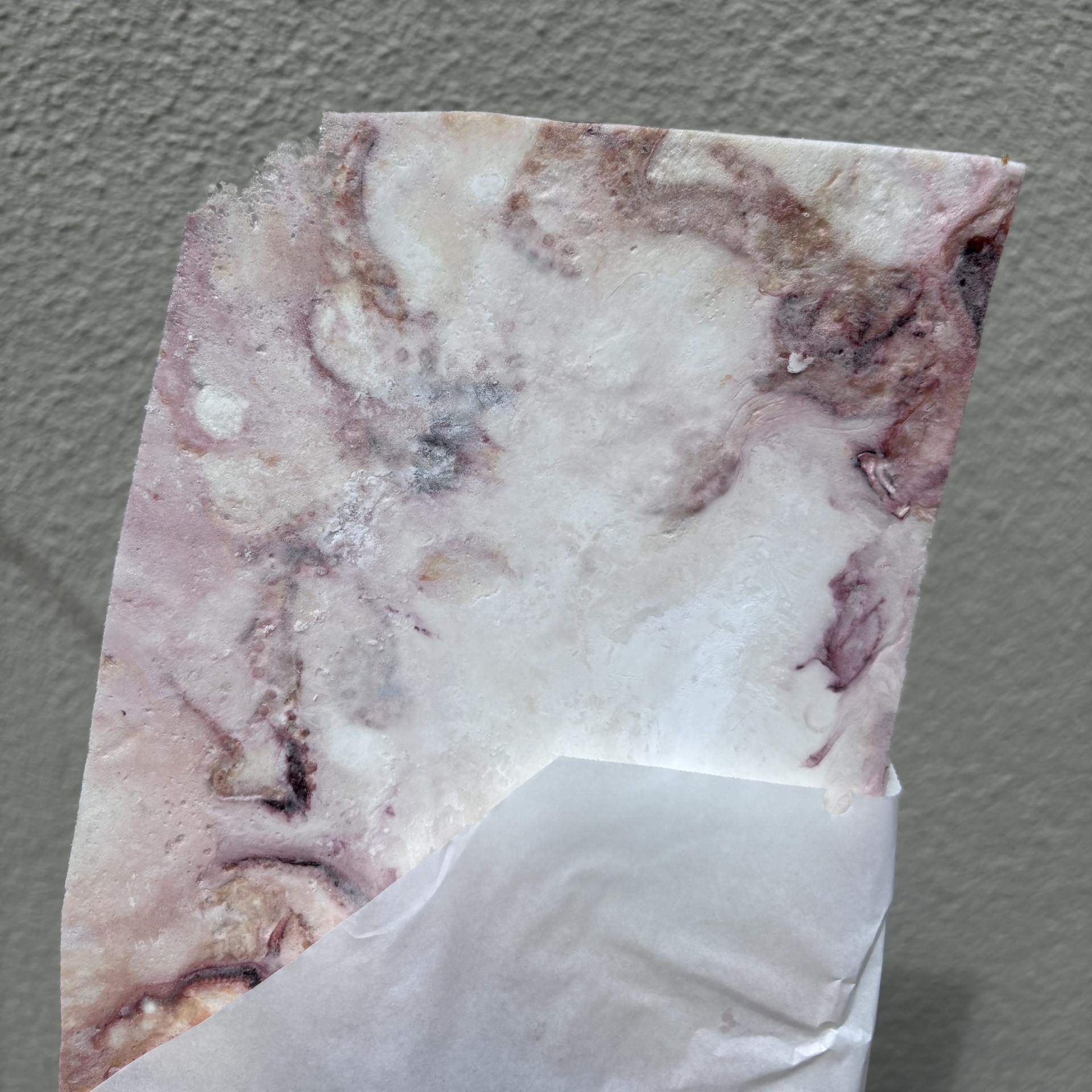
Takosen
Takosen is Hyogo’s iconic seafood snack — a “taco senbei” combining a freshly-made takoyaki ball pressed between two large rice crackers (sembei). Originating in Osaka’s Kansai snack culture, takosen offers the warm, gooey-savory takoyaki experience in a hand-held format perfect for street eating. The contrast of crispy sembei and soft, octopus-rich takoyaki creates a satisfying multi-textural bite. Nearby Akashi is famous for a related but separate dish, Akashi-yaki (tamago-yaki) — octopus in a delicate egg batter, dipped in dashi broth. Top makers include Eirakudo (Akashi) and Takosenbei-no-Sato (Awaji), both with elegant gift packaging. Modern variations include cheese-takosen and shrimp-takosen. Available at JR Sannomiya Station, JR Akashi Station, and Hyogo prefecture’s major Sembei shops. Gift-boxed taco senbei keep for about 70 days; the fresh, takoyaki-filled version is best eaten the same day.
「たこせん」は兵庫県を代表する海鮮屋台グルメ——「たこ煎餅」に焼きたてのたこ焼きを挟んだ、温かいたこ焼き体験を手で持ち運べる便利な携帯版です。大阪・関西の駄菓子が発祥で、サクサクの煎餅と中はとろとろの旨味たっぷりたこ焼きの絶妙なコントラストが、何層もの食感を一口で楽しめる満足感満点の逸品。近隣の明石では、別物の郷土料理「明石焼(玉子焼)」も名物——極上の地ダコを繊細な卵生地で焼き、だし汁につけていただきます。代表メーカーは「永楽堂」(明石)、「たこせんべいの里」(淡路島)など、上品なギフトパッケージで展開しています。現代バリエーションには、チーズたこせん、海老たこせんなどもあり多彩。JR三宮駅、JR明石駅、兵庫の主要煎餅店で購入可能。土産用の乾いたたこせんべいは約70日日持ちし、屋台の焼きたてを挟むタイプは当日が最高です。
Must-Visit Spots
おすすめスポット 5選
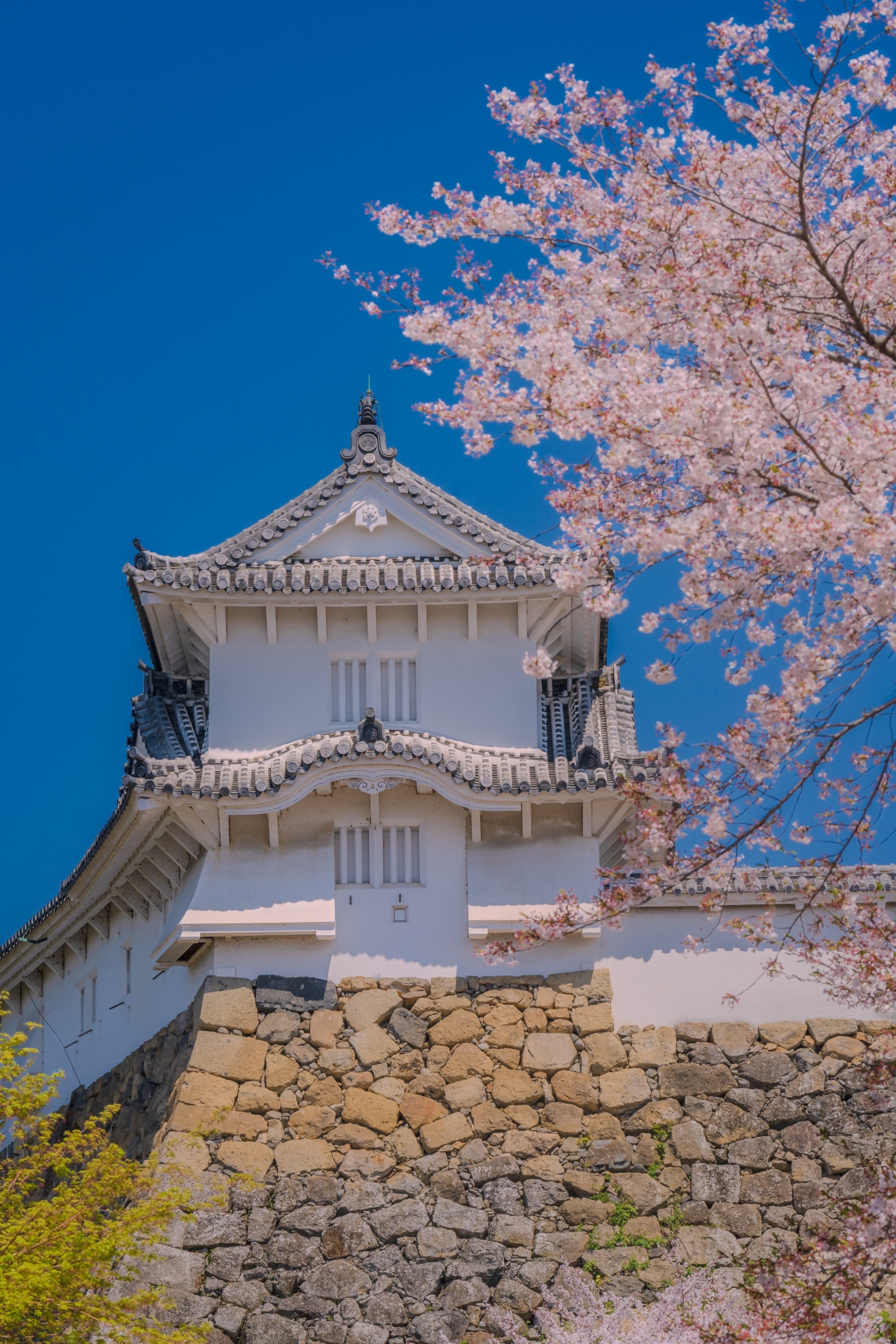
Himeji Castle
Himeji Castle, often called “White Heron Castle” for its brilliant white walls evoking a heron in flight, is widely considered Japan’s most beautiful castle and the world’s most ideal example of feudal castle architecture. Designated a UNESCO World Heritage Site in 1993 (Japan’s first cultural site), the castle complex was built in 1601 by Ikeda Terumasa and miraculously survived WWII bombing intact — many other Japanese castles required modern reconstruction, and Himeji’s five-roofed, six-floor keep still preserves much of its early-17th-century structure. The recently completed restoration (2009-2015) revealed stunning whitewashed walls, intricate roof tiles featuring the Ikeda family crest, and ingenious defensive architecture. Cherry blossoms in early April are particularly stunning. Tickets ¥2,500 (¥1,000 for Himeji residents; under-18 free). From JR Himeji Station, the castle is a 15-minute walk through Otemae-dori avenue.
「姫路城」は飛翔する白鷺を思わせる純白の壁で「白鷺城(しらさぎじょう)」と称される、日本でも最も美しい城——封建時代の城郭建築の世界的理想形と評価されます。1993年に日本最初の世界文化遺産(文化遺産では国内第一号)に登録された当城は、1601年に池田輝政によって築城され、奇跡的に第二次大戦の爆撃を無傷で生き延びた数少ない国宝建築の一つです。現代の再建が必要となった他の日本の城と異なり、姫路城の天守(外観5重・内部6階)は17世紀初頭の構造を大きく残しています。2009〜2015年の大規模修復で、純白の漆喰壁、池田家の家紋を施した屋根瓦、巧妙な防御建築が美しく蘇りました。4月上旬の桜は格別の絶景。入場料2,500円(姫路市民1,000円・18歳未満無料)。JR姫路駅から大手前通りを徒歩約15分。
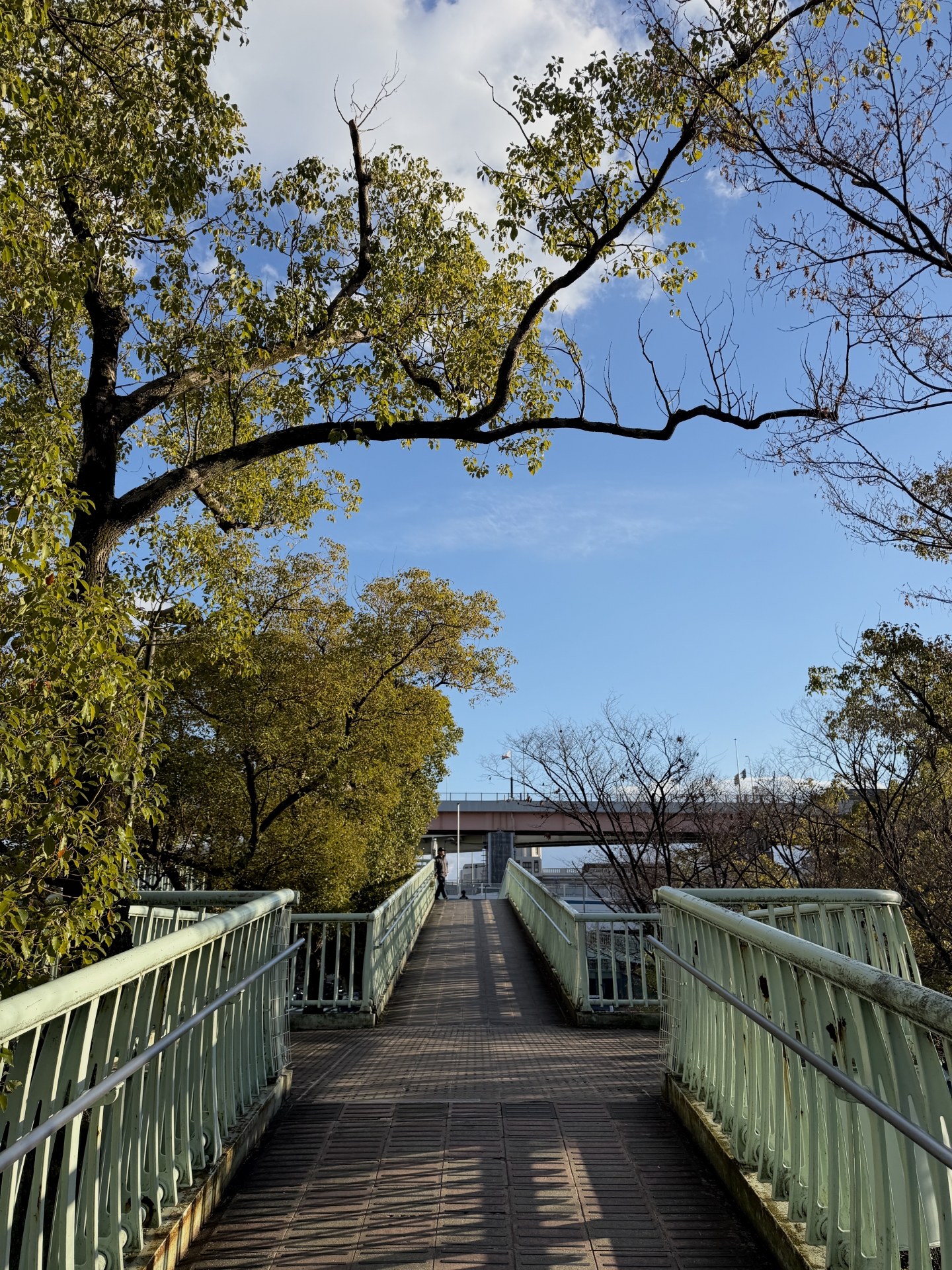
Kobe Harborland
Kobe Harborland is the city’s redeveloped waterfront entertainment district — a beautifully designed promenade along Kobe Port that combines shopping, dining, family attractions, and stunning sunset views over Osaka Bay. Across the water in Meriken Park stand the iconic Kobe Port Tower (108 meters, with a glass-floored observation deck) and the Maritime Museum, while Harborland’s own waterfront is home to the cruise restaurant ship Concerto. The Kobe Mosaic shopping center features 100+ trendy shops and casual restaurants, while the boardwalk hosts seasonal festivals and live music. The view at sunset, with Mt. Rokko silhouetted across the bay and the city lights beginning to glitter, is genuinely cinematic. Free to stroll the boardwalk; the Port Tower observation floor is ¥1,000 (¥1,200 with the rooftop deck). From JR Kobe Station, it’s about a 5-minute walk.
「神戸ハーバーランド」は神戸の再開発ウォーターフロントエンターテインメント地区——神戸港沿いに美しく設計されたプロムナードで、ショッピング、ダイニング、家族向けアトラクション、大阪湾の絶景サンセットビューを兼ね備えた魅力的な地域です。港を挟んだ対岸のメリケンパークには「神戸ポートタワー」(108メートル、ガラス床展望デッキ)や「神戸海洋博物館」が建ち、ハーバーランドの岸壁にはレストラン船「コンチェルト」が発着します。「神戸モザイク」ショッピングセンターには100軒超のトレンディな店舗・カジュアルレストランが並び、ボードウォークでは季節のフェスティバル、ライブ音楽が楽しめます。夕暮れ時の絶景——六甲山が湾を背景にシルエットになり、街明かりが煌めく光景は、本当に映画的な美しさ。ボードウォーク散策は無料、ポートタワー展望は1,000円(屋上デッキ込み1,200円)。JR神戸駅から徒歩約5分。
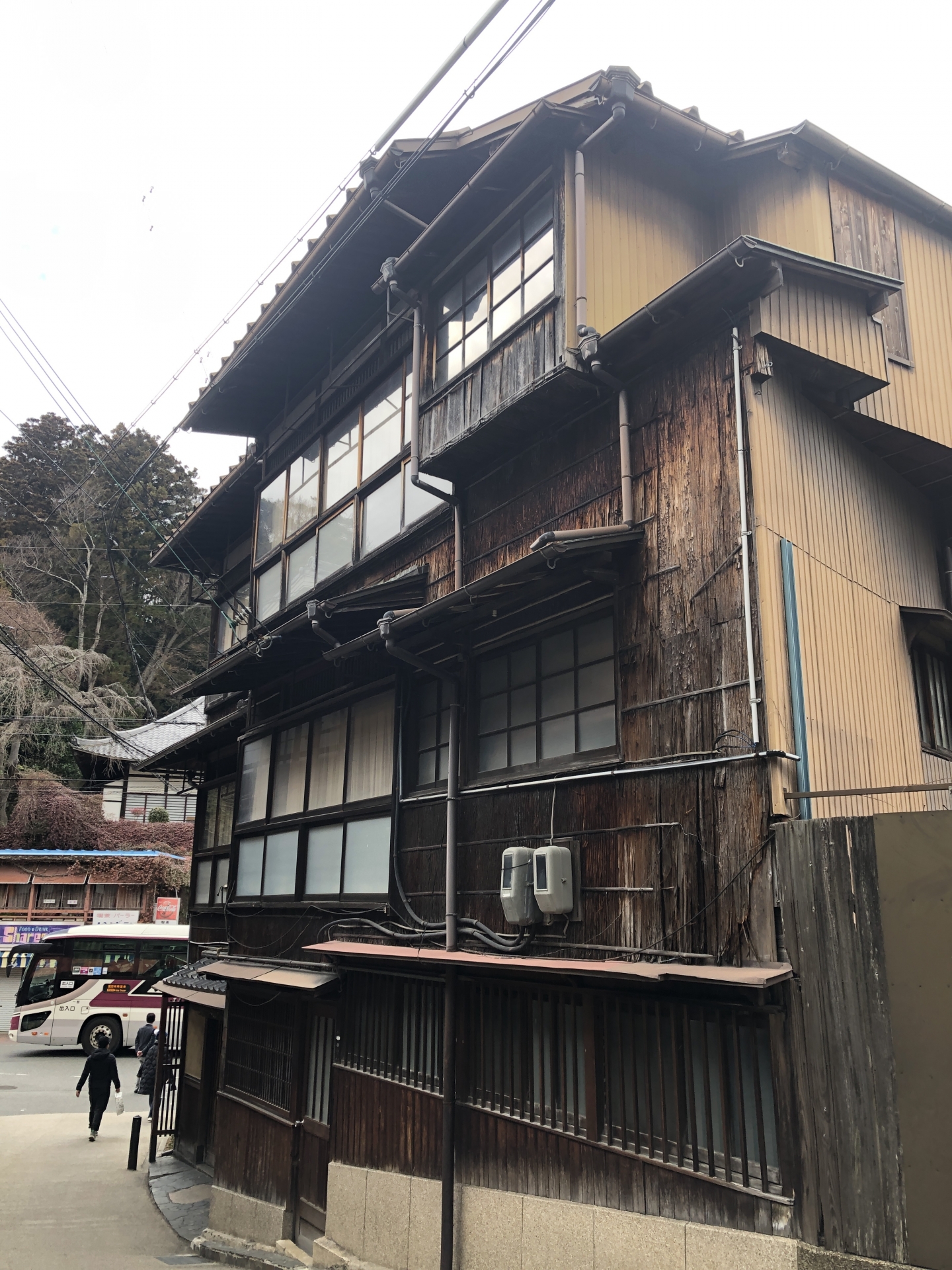
Arima Onsen
Arima Onsen is one of Japan’s three oldest hot-spring towns — its mineral waters have been celebrated for over 1,300 years, with Emperor Joumei visiting in 631 AD and becoming Japan’s first documented imperial onsen patron. The town features two distinct mineral spring types: the iron-rich “Kinsen” (golden water, brownish-red) for joint pain and circulation, and the radium-rich “Ginsen” (silver water, clear) for skin conditions. The historic Onsen-ji temple, traditional ryokan along narrow stone alleyways, and the two public bath houses (Kin-no-Yu and Gin-no-Yu) preserve the old character of the town. Beyond bathing, enjoy the sweet local Tansan Sembei (carbonated rice crackers, originally from Arima’s mineral springs) and traditional Arima ningyo-fude brushes and Arima-kago bamboo craft. From Sannomiya, take the subway to Tanigami, then the Kobe Dentetsu railway to Arima Onsen (about 35 minutes).
「有馬温泉」は日本三大古湯の一つ——1,300年以上にわたって名湯として知られ、631年に舒明(じょめい)天皇が訪れたという記録は日本初の天皇御来湯の歴史的事例として残っています。町には2つの異なる泉質が湧き出しており、鉄分豊富で赤褐色の「金泉」(関節痛・血行促進に効能)、ラジウム豊富で透明な「銀泉」(肌のトラブルに効能)の2系統です。歴史ある「温泉寺」、狭い石畳の路地に立ち並ぶ伝統旅館、2つの公衆外湯「金の湯」「銀の湯」が、古い風情を今に伝えます。入浴以外にも、有馬の鉱泉から生まれた「炭酸せんべい」、伝統工芸の「有馬人形筆」「有馬籠」も名物。三宮から地下鉄(西神・山手線/北神線)で谷上、神戸電鉄に乗り換えて有馬温泉へ約35分。
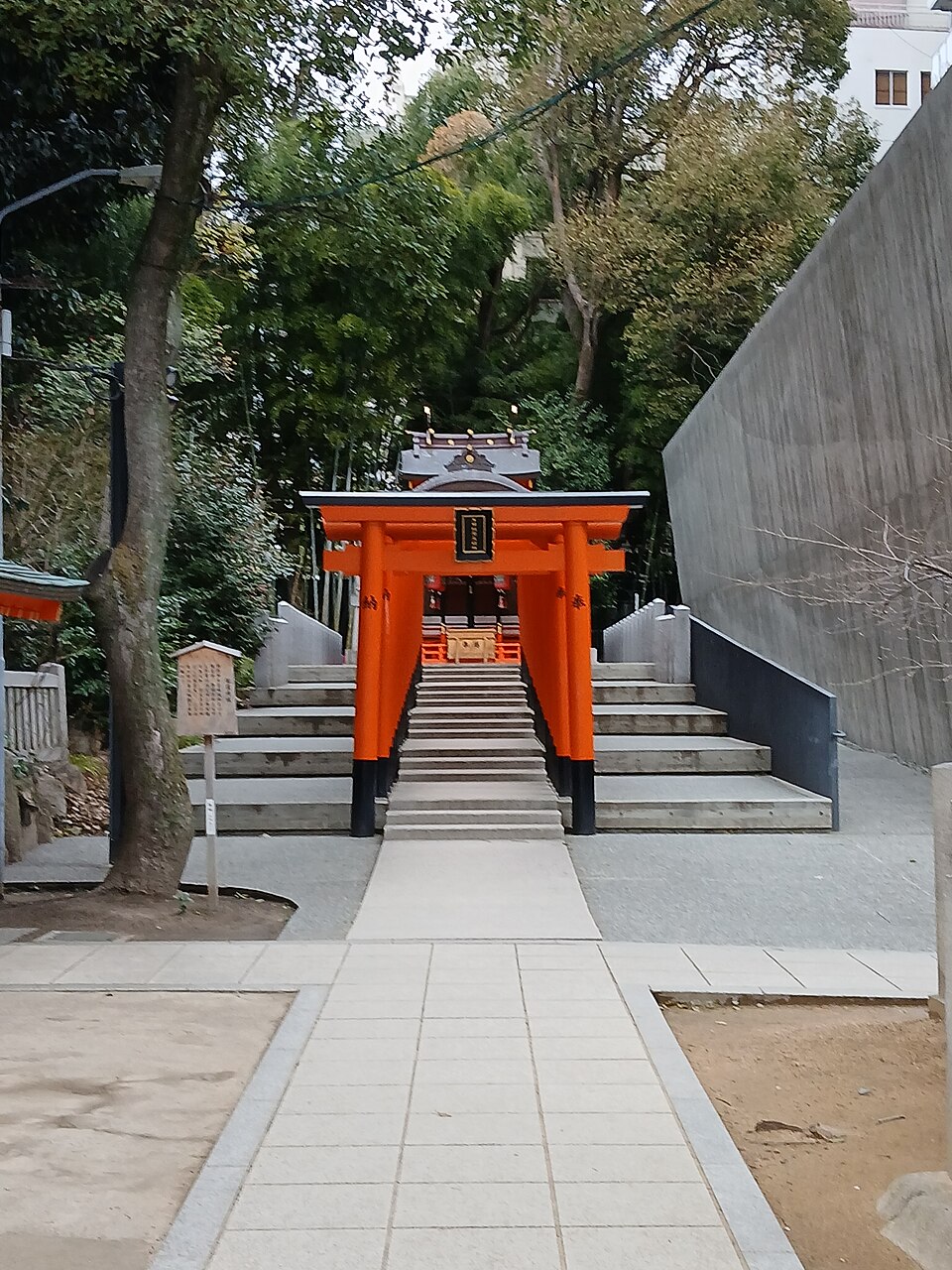
Ikuta Shrine
Ikuta Shrine is one of Japan’s oldest documented shrines — first mentioned in 200 AD historical records, making it over 1,800 years old. The shrine is dedicated to Wakahirume-no-Mikoto, the goddess of weaving, sericulture, and feminine beauty. Located in central Sannomiya (Kobe’s downtown), the shrine has been continuously worshipped through fires, earthquakes, the 1995 Kobe earthquake, and recent renovations. Visitors come for blessings related to love, marriage, weaving arts, and personal beauty. The signature feature is the “Inari Inari” mini shrine path lined with vermilion torii gates leading up to a forest sanctuary. Free admission. Open from 7am to dusk daily. From JR Sannomiya Station, the shrine is just a 10-minute walk through Ikuta Road shopping street.
「生田神社(いくたじんじゃ)」は日本最古級の神社の一つ——200年に最初の歴史的記録があり、約1,800年の歴史を持つ古社です。御祭神は織物・養蚕・女性美の守護神「稚日女尊(ワカヒルメノミコト)」。神戸市中心部の三宮に位置し、火災、地震、1995年の阪神淡路大震災、近年の修復を経て、絶えることなく信仰され続けてきました。参拝者は恋愛、結婚、織物芸術、女性美のご利益を求めて訪れます。象徴的な特徴は朱色の鳥居のトンネルが並ぶ「稲荷稲荷小社」の参道で、奥の森林神域へと導きます。拝観無料、7時〜日没頃。JR三宮駅から「生田ロード」商店街を徒歩約10分。
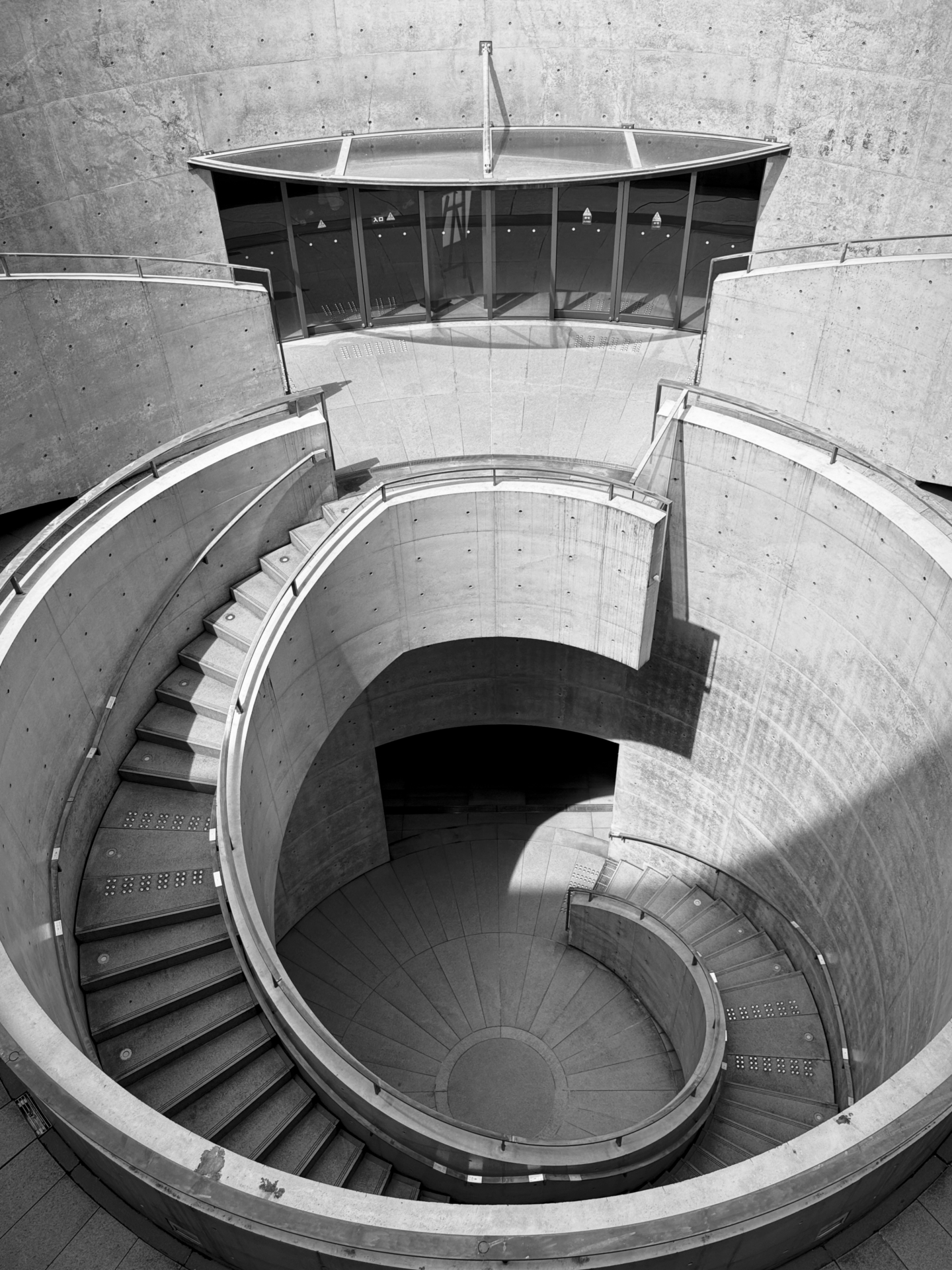
Hyogo Prefectural Museum of Art
Designed by Tadao Ando — the Pritzker Prize-winning architect — the Hyogo Prefectural Museum of Art is one of Japan’s most architecturally striking modern museums, combining concrete minimalism with Setouchi Sea views. The museum (four floors above ground, one below) features Ando’s signature exposed concrete walls, deliberately limited colors, and dramatic spatial compositions that make the building itself a work of art. The collection includes 13,000+ Japanese and international modern works, with rotating exhibitions of exceptional quality. Outdoor highlights include Kenji Yanobe’s giant ‘Sun Sister’ sculpture and works by contemporary Japanese sculptors. Architecture students from around the world come to study Ando’s design here. Tickets ¥510 adults. From Hanshin Iwaya Station, the museum is an 8-minute walk (or about 10 minutes from JR Nada Station).
「兵庫県立美術館」はプリツカー賞建築家・安藤忠雄の設計による、日本でも最も建築的に魅力的な現代美術館の一つ——コンクリートミニマリズムと瀬戸内海の眺望を融合させた地上4階・地下1階の建造物自体が芸術作品です。安藤の象徴的な打ち放しコンクリート壁、抑制された色彩、劇的な空間構成が建物全体に貫かれており、世界中から建築学生が学びに訪れる聖地となっています。コレクションは日本と国際の近代美術作品1万3千点以上で、定期的な企画展は質の高さで定評。屋外にはヤノベケンジの巨大彫刻《Sun Sister(なぎさ)》や現代日本の彫刻作品が展示されています。入館料510円。阪神岩屋駅から徒歩約8分(JR灘駅からは約10分)。
Insider Tips
現地通の旅の裏ワザ
Avoid 10am-2pm tour rush. Open at 9am — be first in line for empty top-floor photos. Note: the castle ticket is valid for one entry only — no re-entry.
姫路城は10〜14時の団体ツアー時間を避け、9時開門と同時入場で最上階を独占撮影可能。入場券は当日1回限り(再入場不可)。
Real Kobe beef has unique pink-marble pattern. Authentic shops display the certification cow ear (registered tag). Tourist shops use ‘Kobe-style’ misnomer.
本物の神戸ビーフは独特のピンクサシ模様。本物店は認定耳タグを掲示。「神戸スタイル」表記の観光店は別物。
Frequently Asked Questions
How do I travel between Himeji and Kobe?
JR Sanyo Line connects Himeji and Kobe (Sannomiya) in about 40 minutes. An IC card makes travel seamless.
姫路—神戸三ノ宮間はJR山陽本線で約40分。ICカードが便利です。
What is Kobe beef?
Kobe beef (神戸牛) is a brand of Wagyu raised in Hyogo Prefecture, prized for its extreme marbling. Certified restaurants are listed on the official Kobe Beef Marketing Association website.
神戸牛は兵庫県産の黒毛和牛ブランド。極上の霜降りで知られ、認定店でのみ提供されます。
Is Arima Onsen easy to reach?
From Kobe Sannomiya, take the subway Seishin-Yamate Line to Tanigami, then the Kobe Electric Railway to Arima Onsen — about 40 minutes total.
三ノ宮から地下鉄→神戸電鉄で約40分。公共交通で気軽にアクセスできます。
Travel Tip
Purchase a ‘Himeji Loop Bus’ day pass (¥600) to ride between Himeji Station and the castle area with ease. In Kobe, the City Loop Bus connects major sightseeing spots for ¥260 per ride or ¥800 for a day pass.