Wakayama
Top Wakayama souvenirs and must-visit travel spots — your complete guide for visitors to Japan. Sacred mountains, thousand-year pilgrimage trails and Japan’s most dramatic waterfall — Wakayama distils Japan’s ancient soul into one extraordinary peninsula.
熊野古道・高野山・那智の滝。日本最古の巡礼文化が今も息づく、紀伊半島の旅へ。
Wakayama is the Kii Peninsula — the Kumano pilgrimage trails, Koyasan’s temple-town, and the white-sand Shirahama coast. Its headline souvenir is umeboshi, pickled Nanko plums that are the prefecture’s pride, with mikan, Koyasan goma-tofu, and ume-shu plum liqueur alongside. Umeboshi keeps almost forever. Wakayama and Shirahama are the easy pickups.
和歌山は紀伊半島——熊野古道、高野山の宿坊町、白砂の白浜海岸。看板みやげは梅干し(南高梅・県の誇り)、みかん、高野山のごま豆腐、梅酒も定番です。梅干しは日持ちも抜群。和歌山駅や白浜で買いやすいです。
Recommended Omiyage
おすすめおみやげ 5選
Kishu Umeboshi
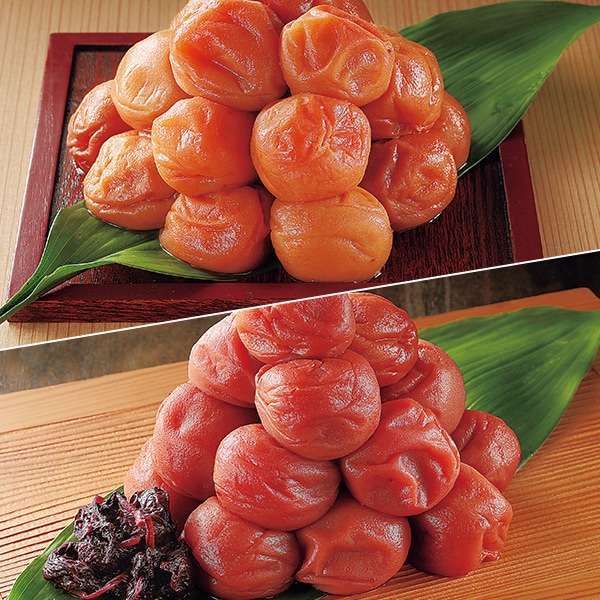
Kishu (Wakayama’s old name) is Japan’s premier umeboshi (pickled plum) producing region — its mild climate and mountainous terrain are ideal for cultivating the prized “Nanko-bai” plum variety, considered Japan’s finest umeboshi plum. Authentic Kishu umeboshi are individually large (often 20-30 grams each), meticulously salt-cured, sun-dried, and aged for a year or more, and have the perfect balance of sour, salty, and complex umami that mass-market versions can’t match. Eat one with hot rice and you’ll understand why umeboshi has been Japanese cuisine’s cornerstone for 1,000 years. Top makers include Nakata Foods, Godaiume, and Kumahei-no-ume, with elegant gift packaging in beautiful boxes. Modern variations include hachimitsu-pickled (honey), shiso-marinated, and amaume (sweet versions). Available at JR Wakayama Station, Kansai International Airport, and major Kansai depachika.
「紀州(きしゅう、和歌山県の旧称)」は日本の梅干し王国——温暖な気候と山岳地形が、日本最高級の梅「南高梅(なんこうばい)」の栽培に理想的な環境を提供します。本物の紀州梅干は、一粒20〜30グラムと大粒で、塩漬けと天日干しを経て1年以上熟成、酸味・塩味・複雑な旨味の完璧なバランスを実現した逸品で、量産品とは比較になりません。炊き立てご飯に一粒乗せれば、なぜ梅干が1,000年以上も日本料理の基礎であり続けてきたかが分かります。代表メーカーは「中田食品(梅の里なかた)」「五代庵」「熊平の梅」など、上品な化粧箱入りのギフトパッケージで展開。現代バリエーションには、はちみつ漬け、しそ漬け、甘梅などもあり多彩。JR和歌山駅、関西国際空港、関西の主要デパ地下で購入可能。
Yaki Mochi
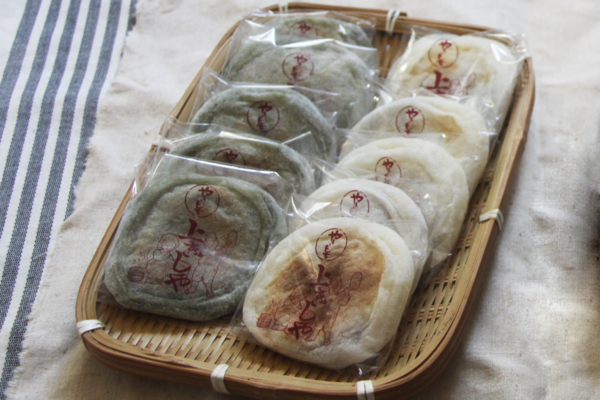
Wakayama’s distinctive yaki-mochi (“grilled rice cake”) is a beloved seasonal treat — small, palm-sized soft rice cakes wrapped around sweet red bean paste, then char-grilled over an open flame until the surface develops appetizing bronze char marks. The grilling process caramelizes the rice exterior creating a satisfying crisp-soft contrast with the chewy interior, while the smoky char adds depth to the sweet bean filling. Top shops include Kamikishiya (a ~300-year-old Koyasan original) and Mirokuishi-honpo Kasakuni, with traditional charcoal grilling visible from the storefront — a charming photo opportunity. Best fresh from the grill (same day); packaged take-home versions keep about 1-2 days. Available at JR Wakayama Station, JR Tanabe Station, and along the famous Kumano Kodo pilgrimage route.
和歌山独特の「焼き餅」は、四季を通じて愛される郷土の味——手のひらサイズの柔らかな餅で甘い餡を包み、炭火で表面が美味しそうな茶褐色の焼き目になるまで炙った逸品です。焼くことで餅の外側がキャラメル化し、中のもちもちと外のカリッとした絶妙なコントラストが、甘い餡に深みを加えます。代表的な老舗は高野山麓の「上きしや(創業約300年・やきもちの元祖)」「みろく石本舗 かさ國」など、店頭での炭火焼きの実演がフォトジェニックな撮影スポットに。焼きたて(当日)が至高、持ち帰り版は1〜2日が目安。JR和歌山駅、JR田辺駅、熊野古道沿いの参道で広く購入可能です。
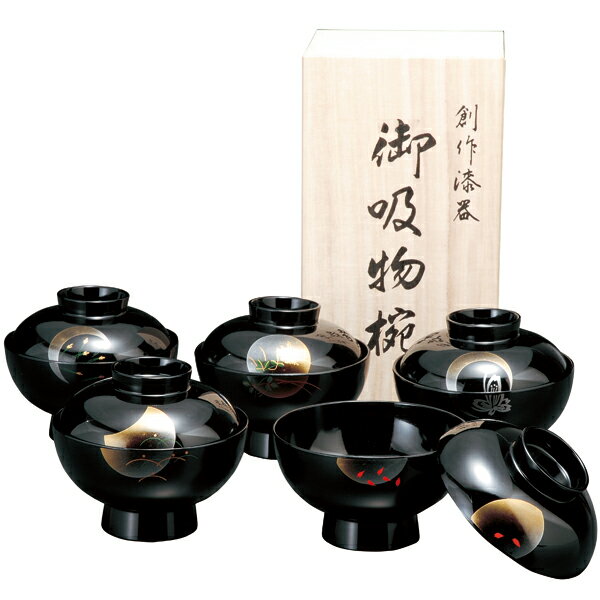
Kishu Lacquerware Box
Kishu-shikki (Kishu lacquerware) has been crafted in Wakayama since the Muromachi period — around 600 years of tradition centered in the town of Kainan. The craft uses traditional negoro-nuri (red on red) and other distinctive techniques where a top layer of vermilion lacquer is gradually worn or scraped to reveal black undercoat below, creating naturally aged-looking pieces. Tea utensils, incense boxes, and writing supplies have been highly prized by tea masters and samurai for centuries. The signature “Kishu Lacquerware Box” — a small lidded container often featuring the negoro-nuri effect — is a timeless gift. The best place to see and buy it is the Kishu Lacquerware Museum “Uruwashi-kan” in Kainan. Pieces range from ¥3,000 small dishes to ¥150,000+ tea ceremony sets. From JR Wakayama Station, Kainan is about 14 minutes away.
「紀州漆器(きしゅうしっき)」は室町時代から和歌山県で作り続けられている伝統工芸——海南市を中心に約600年にわたって連綿と受け継がれてきた漆器の名門です。代表的な技法「根来塗(ねごろぬり)」は、上塗の朱漆を時間と共に剥がしたり削ったりして、下塗の黒漆を露出させ、自然に経年したかのような味わいを生み出す独特の技。茶道具、香合、文房具などが、何世紀にもわたって茶人や武士に愛されてきた逸品です。象徴的な「紀州漆器の小箱」——根来塗の効果が美しい蓋付きの小さな箱——は時代を超えたギフトとして人気。見学・購入は紀州漆器伝統産業会館「うるわし館」(海南市黒江)が便利。価格帯は小皿3,000円から茶道具一式150,000円超まで。JR和歌山駅から海南駅まで約14分。
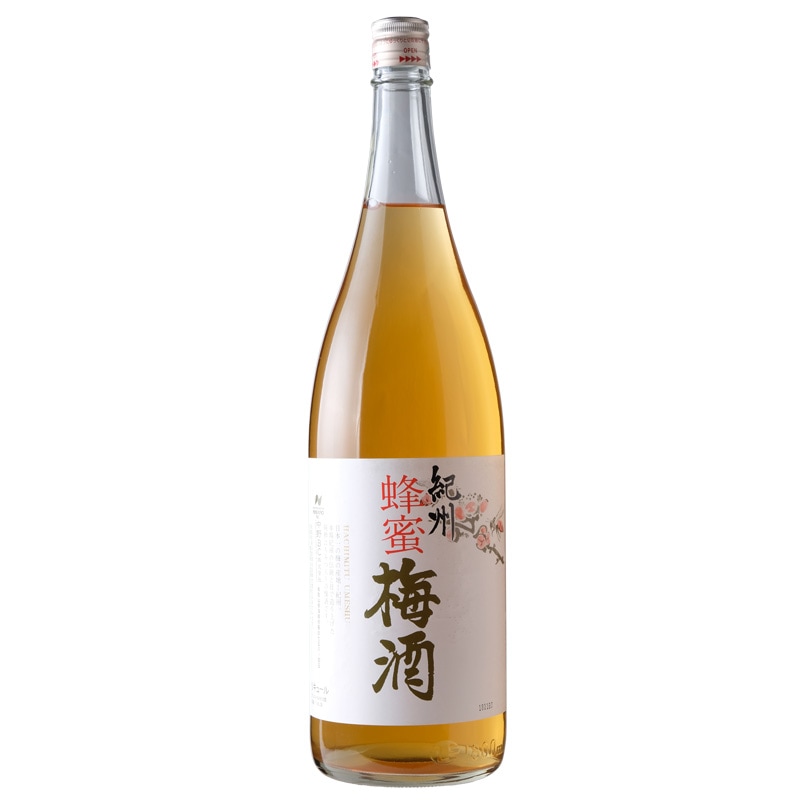
Nanko Plum Wine
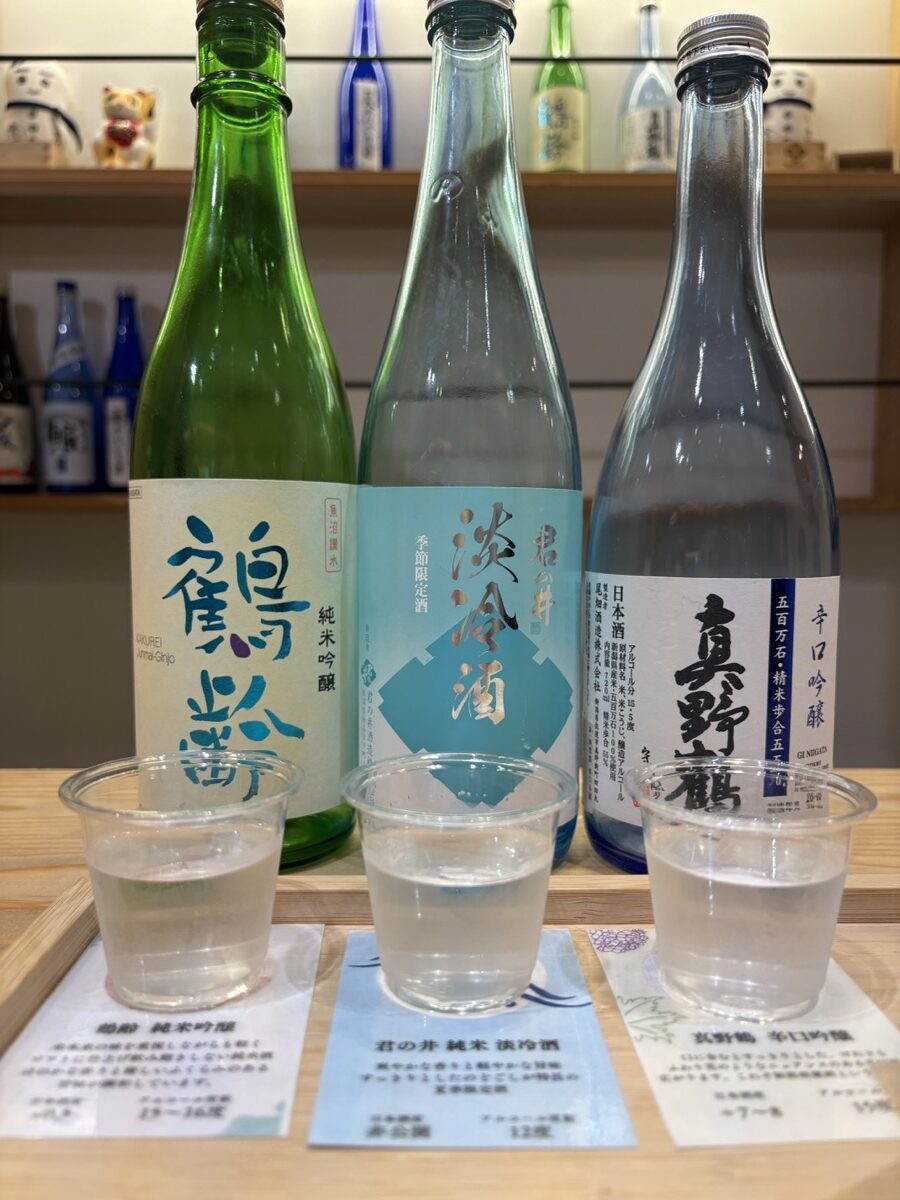
Made from Wakayama’s prized Nanko-bai plums — Japan’s finest plum variety — Nanko Umeshu (plum wine) is the world’s most refined plum liqueur. Premium versions use only Nanko-bai plums, premium shochu or sake base, and rock sugar, then are aged for 3-5 years to develop velvety smoothness and complex floral-fruity notes. Unlike sweet commercial umeshu, premium Nanko Umeshu has refined balance, sometimes with no added sugar at all (allowing the plums’ natural sweetness to shine). Top brands include Nakano BC (founded 1932) and Heiwa Shuzo (maker of the “Tsuru-ume” plum-wine series). Serve over ice, with hot water in winter, or as a sophisticated cocktail base. Beautiful gift bottles in 720ml or 500ml are sold at JR Wakayama Station, Kansai International Airport, and Kishu’s Plum Festival.
和歌山の珠玉「南高梅」——日本最高品種の梅——から作られる「南高梅酒」は、世界で最も洗練された梅酒。プレミアム版は南高梅のみ、上質な焼酎または日本酒、氷砂糖を使い、3〜5年の長期熟成で絹のような滑らかさと複雑な花・果実の香りを実現します。市販の甘い梅酒とは異なり、プレミアム南高梅酒は上品なバランスで、無糖タイプ(梅本来の甘みを引き立てる)も多く展開されています。代表ブランドは1932年創業の「中野BC」、「平和酒造(鶴梅シリーズ)」など。ロック、冬はお湯割り、または洗練されたカクテルベースとしても楽しめます。720ml・500mlの優美なギフトボトルがJR和歌山駅、関西国際空港、紀州梅まつり会場で購入可能です。
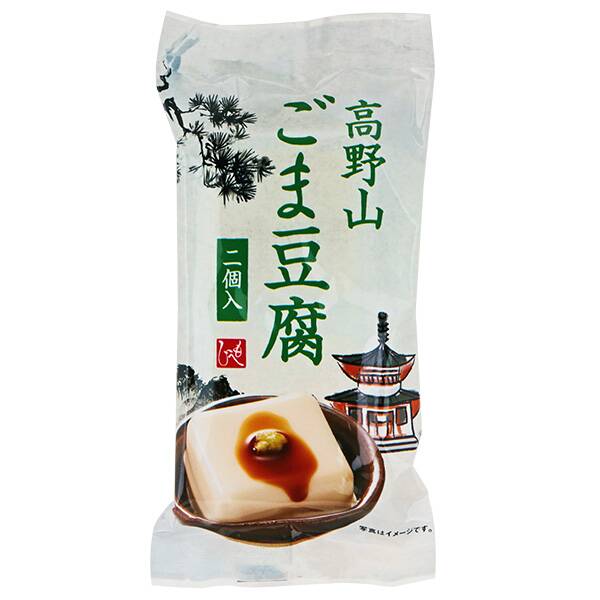
Gomadobo Tofu
Gomadobo (sesame tofu) is Wakayama’s famous sesame-based delicacy — a soft, jiggly, almost custard-like jelly made from ground white sesame seeds, kuzu starch, and water, served chilled with kuromitsu (rich molasses syrup) or kinako (toasted soybean flour). The texture is uniquely silky and rich, the flavor deeply nutty and elegantly sweet. Originally developed in Wakayama’s mountain temples as a vegan Buddhist temple dish (eaten with wasabi-soy as part of shojin-ryori cuisine), gomadobo has now become a refined regional specialty enjoyed by everyone. Top makers include Hamadaya and Kadohama Goma-tofu Honpo. Beautifully boxed gift versions feature individual portions for travel. Pair with hojicha tea or strong matcha. Available at JR Wakayama Station, Kumano Kodo gift shops, and major Kansai depachika. Fresh types: refrigerate and eat within a few days; shelf-stable boxed gift packs keep up to about 90 days.
「胡麻豆腐(ごまどうふ)」は和歌山の名物——白胡麻ペースト、葛粉、水を練り上げた柔らかくぷるぷる、ほぼカスタードのような食感の一品で、わさび醤油で味わうほか、冷やして黒蜜やきな粉と共にデザート風にも頂きます。絹のような独特の食感、深いナッツの風味、上品な甘味が組み合わさった芸術品的な仕上がり。元々は和歌山の山岳寺院で発展した精進料理(乳製品を使わない僧侶のための一品)で、現代では洗練された郷土の名物として愛されています。代表メーカーは「濱田屋」「角濱ごまとうふ総本舗」など。1個ずつパックされた化粧箱入りギフトは持ち運びにも便利。ほうじ茶や濃いめの抹茶との相性が格別。JR和歌山駅、熊野古道沿いの土産店、関西の主要デパ地下で購入可能。生タイプは要冷蔵で数日、常温保存の化粧箱ギフトは約90日が目安。
Must-Visit Spots
おすすめスポット 5選
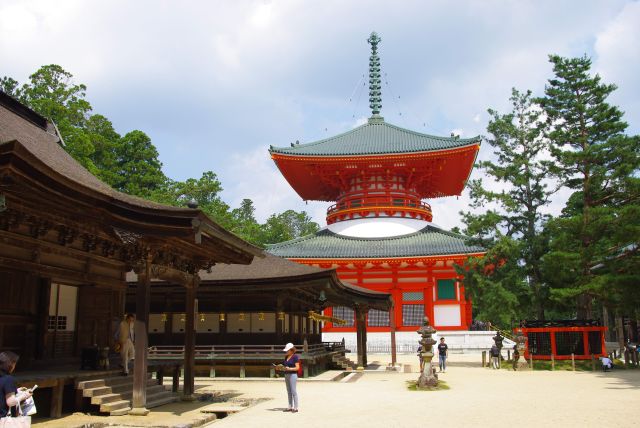
Koyasan
Koyasan (Mt. Koya) is one of Japan’s most spiritually profound destinations — a 1,200-year-old mountain monastery complex established by Kobo Daishi (Kukai) in 816 AD as the headquarters of Shingon Esoteric Buddhism. Today, 117 active temples, dozens of mossy graveyards, and the absolutely otherworldly Okunoin (Kobo Daishi’s mausoleum surrounded by 200,000+ mossy gravestones in a 2-km cedar-forested valley) make Koyasan one of Japan’s most unforgettable experiences. Visitors stay overnight at shukubo temple lodgings (like Eko-in or Henjokoin), waking early for morning prayers, eating shojin-ryori vegetarian meals, and walking Okunoin’s torch-lit night path through the cemetery — for many, the highlight of a Koyasan stay. Designated UNESCO World Heritage. About 2.5 hours from Wakayama City (transfer at Hashimoto to the Nankai Koya line, then cable car); about 1 hour 40 minutes from Osaka (Namba).
「高野山(こうやさん)」は日本でも最も精神的に深い場所——816年に弘法大師(空海)が真言密教の総本山として開いた、1,200年の歴史を持つ山上修行道場です。現在も117の現役寺院、苔むした墓地、そして圧巻の「奥之院」(弘法大師の御廟を、苔に覆われた20万基超の墓石が2キロにわたる杉並木の谷間に守る、絶対的な別世界)が、訪問者に忘れられない体験を提供します。観光客は「恵光院」「遍照光院」などの宿坊に宿泊し、早朝の朝勤行、精進料理、奥之院の夜の灯籠参道を体験するのが王道。何年も心に残る深い体験となります。ユネスコ世界文化遺産登録。和歌山市からはJRで橋本駅へ出て南海高野線+ケーブルカーで約2時間30分(大阪・なんばからは特急こうや+ケーブルで約1時間40分)。
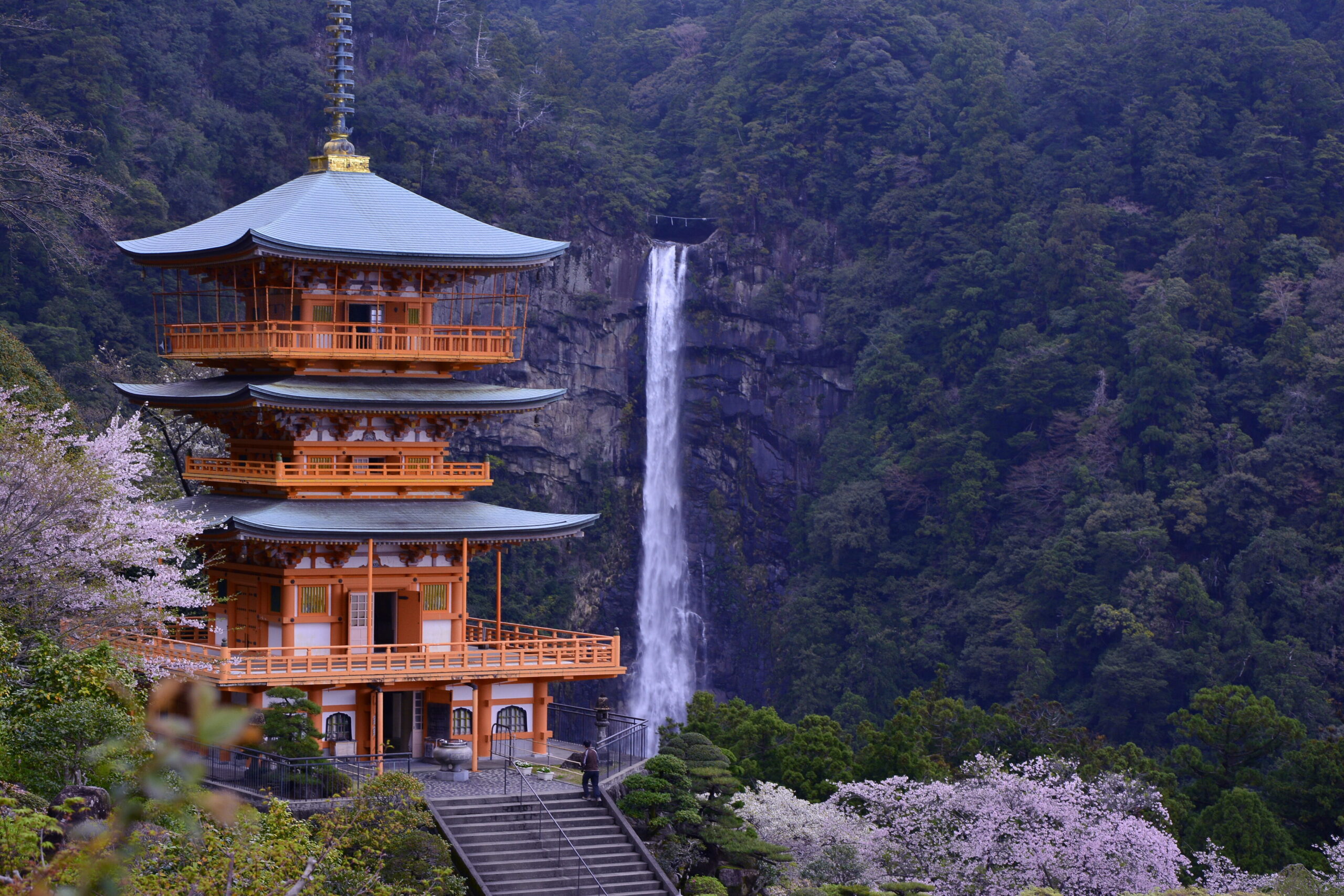
Nachi Falls & Pagoda
Nachi Falls is one of Japan’s three greatest waterfalls — a single 133-meter cascade plunging from sacred Mt. Nachi into a forested gorge, considered a manifestation of the Shinto kami since prehistory. The signature view, used in countless tourism photographs and described as one of Japan’s most beautiful landscapes, frames the waterfall behind the iconic vermillion three-tiered Seigantoji Temple pagoda — creating a perfect harmony of natural and human-made spiritual architecture. The pagoda itself is from 1972 (rebuilt after being burned in 1581 during the Warring States period), but the temple is said to have been founded in the 4th century. The base of the falls features the Hiro Shrine and a small observation deck where visitors can stand near the spray. From JR Kii-Katsuura Station, take the Kumano Kodo bus (30 minutes). Free admission to the falls; pagoda interior ¥300.
「那智の滝」は日本三大瀑布の一つ——聖なる那智山から133メートルにわたって樹林の渓谷に落下する一段の大瀑布で、原始時代から神道の神の顕現とされてきた聖地です。象徴的な絶景は、観光写真で数え切れないほど登場し日本最美と称される構図——朱塗りの三重塔「青岸渡寺」の塔の背後に落下する滝が見える、自然と人工の精神的建築が完璧に調和した光景です。塔自体は1972年再建(1581年の戦国の兵火で焼失後の再建)ですが、寺院は4世紀(仁徳天皇の時代)の開基と伝わる古刹。滝の麓には飛瀧神社と、滝のしぶきを近くで感じる小さな展望台があります。JR紀伊勝浦駅から熊野古道バスで約30分。滝の見学は無料、塔の内部拝観300円。
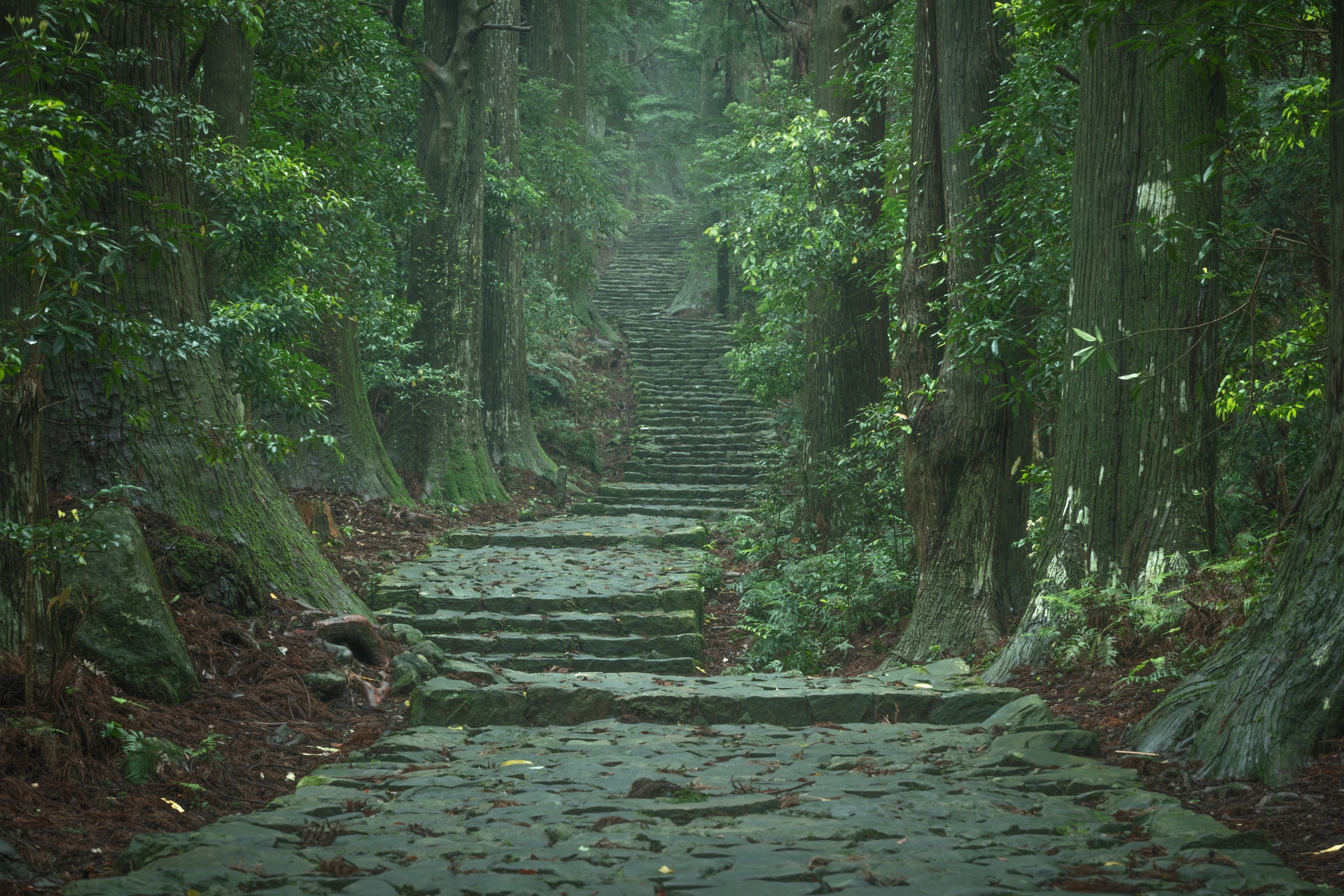
Kumano Kodo Nakahechi
The Nakahechi route is the most popular and historically important section of the Kumano Kodo pilgrimage trail — connecting the city of Tanabe to the three sacred Kumano grand shrines (Hongu, Hayatama, Nachi). Walking this route, designated UNESCO World Heritage in 2004 alongside Spain’s Camino de Santiago, takes 4-6 days through dramatic mountain forests, ancient stone steps, traditional minshuku (family-run inns), and small mountain villages. The signature highlights include the dramatic Daimon-zaka stone-paved approach to Nachi, the historic Toganoki-jaya teahouse (a thatched rest stop near Tsugizakura-oji), and arrival at Hongu Taisha (the spiritual headquarters of all Kumano shrines). Multi-day packages from Tanabe Tourism Bureau provide luggage transport and inn bookings. Best in October-May for cool weather and stunning autumn or spring foliage.
「中辺路(なかへち)」は熊野古道で最も人気で歴史的にも最重要のルート——田辺市から熊野三山(本宮大社、速玉大社、那智大社)を結ぶ神聖な巡礼道です。2004年にスペインのサンティアゴ・デ・コンポステーラ巡礼路と共にユネスコ世界文化遺産に登録された当路を歩く旅は、4〜6日間にわたって、ドラマチックな山林、古代の石階段、家族経営の伝統民宿、小さな山村を通り抜ける深い体験を提供します。象徴的な見どころは、那智へ続く石畳の壮大な参道「大門坂」、継桜王子のそばに佇む茅葺きの「とがの木茶屋」、すべての熊野の精神的中心「本宮大社」への到着など。田辺市観光協会から複数日のパッケージ(荷物配送、宿予約付き)が提供されています。気候とシーズン的には10月〜5月がベスト。
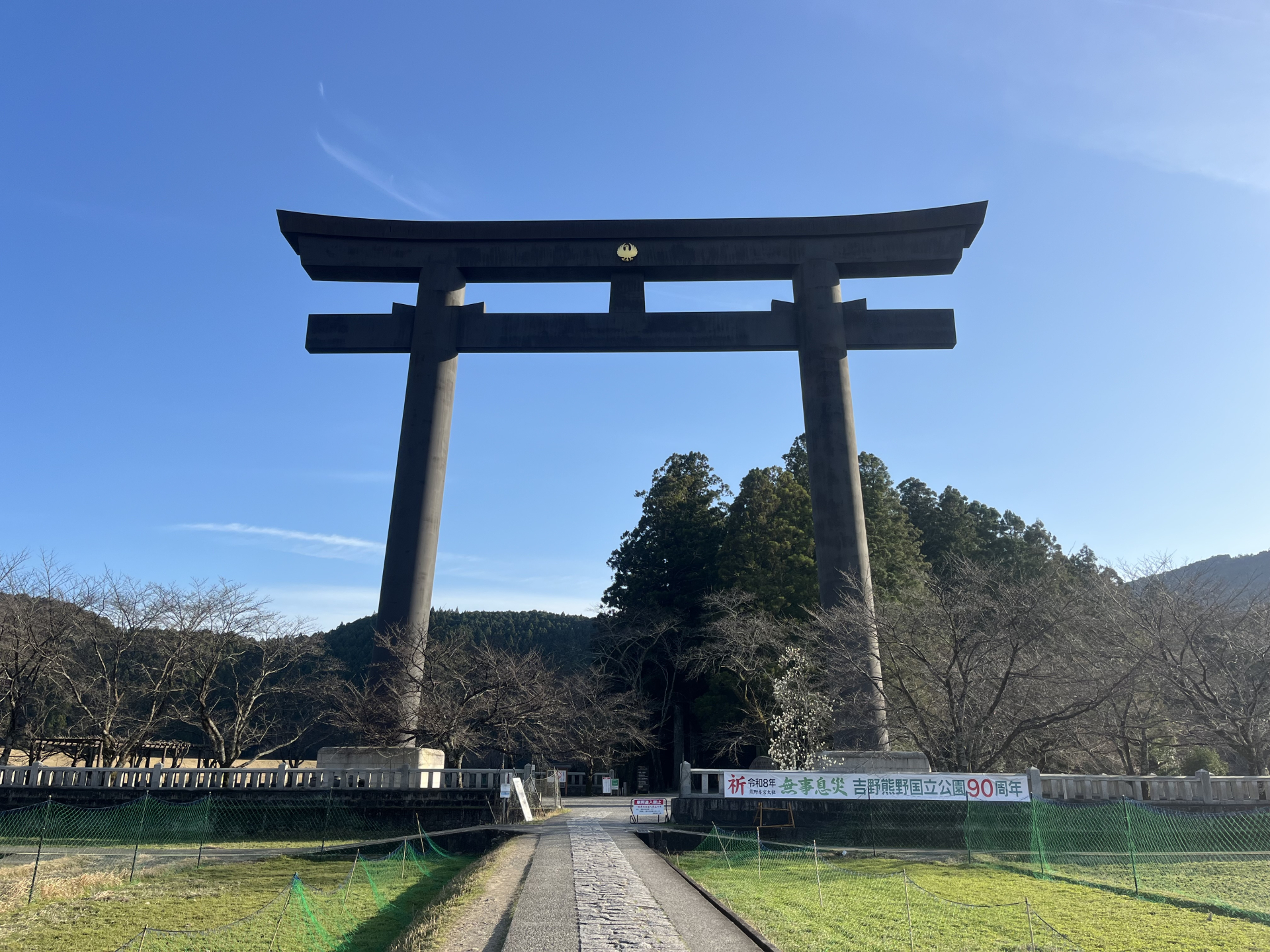
Kumano Hongu Taisha
Kumano Hongu Taisha is the spiritual headquarters of all Kumano shrines, and one of Japan’s most ancient pilgrimage destinations. The shrine has been worshipped for over 2,000 years and was particularly favored by emperors and aristocrats during the Heian era when Kumano pilgrimage became a critical Imperial spiritual journey. The shrine was relocated to its current hilltop position in 1889 (after flooding destroyed its original site in the river plain below), but the sacredness remains — visitors emerge from a long stone-step approach and enter a beautiful complex of cypress-roofed buildings dedicated to multiple deities. The famous “Oyunohara” — the original site of the shrine — features the world’s largest torii gate (33.9 meters tall) standing in a peaceful field. Free admission. The shrine is reachable by bus from JR Kii-Tanabe Station (about 2 hours).
「熊野本宮大社(くまのほんぐうたいしゃ)」は、すべての熊野神社の精神的中心で、日本最古級の巡礼地。2,000年以上にわたって信仰され続けた当社は、平安時代に熊野詣でが皇室の重要な精神的旅となった際、特に天皇と貴族たちに篤く信仰されました。1889年(大洪水でかつての河原の社殿が破壊された後)に現在の丘上の位置に遷宮されましたが、その神聖さは今も健在——長い石段の参道を登り切って、複数の神々を祀る檜皮葺の美しい社殿群に到達する瞬間は、まさに別世界へ足を踏み入れる感覚です。象徴的な「大斎原(おおゆのはら)」——当社の元位置——には、世界一大きな鳥居(高さ33.9メートル)が静かな野原に立つ絶景もあります。拝観無料。JR紀伊田辺駅からバスで約2時間でアクセス可能。
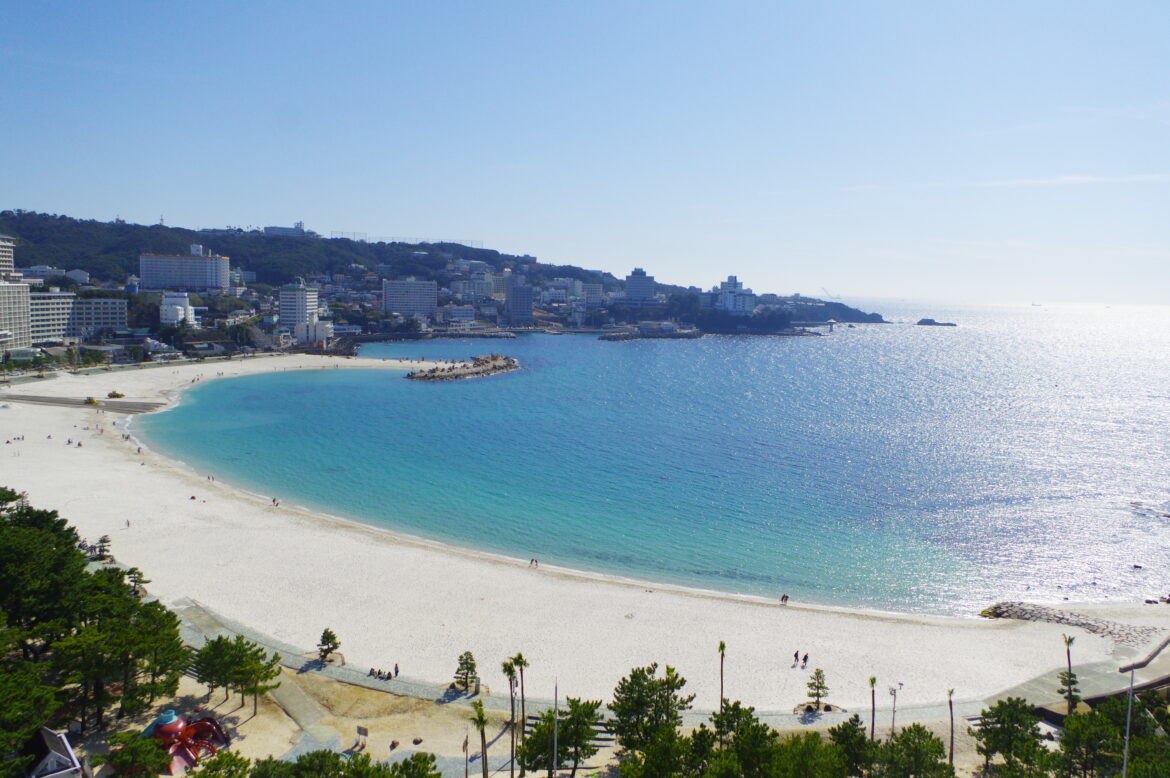
Shirahama
Shirahama is one of Japan’s three oldest hot-spring resorts (alongside Arima in Hyogo and Dogo in Ehime) — its mineral springs have welcomed travelers for 1,400+ years, with records of Emperor Saimei visiting in 658 AD. The town features around 15 different hot-spring sources, the iconic Sakino-yu cliffside outdoor bath (Shirahama’s most famous attraction, with views directly over the Pacific), and the beautiful 620-meter Shirarahama Beach. The white-sand beach is one of Japan’s most famous, with white sand imported from Australia (near Perth) during 20th-century renovations. Beyond the bathing and beach, Shirahama hosts Adventure World theme park (its giant pandas returned to China in June 2025), Sandanbeki Cliffs (dramatic 50-meter coastal cliffs), and excellent seafood restaurants. From Wakayama City via JR limited express (90 minutes), or about 2.5 hours from Osaka.
「白浜」は有馬・道後と並ぶ日本三古湯の一つ——658年に斉明(さいめい)天皇が訪れたという1,400年を超える歴史を持つ温泉郷です。町には15もの異なる泉源、象徴的な海岸の野天風呂「崎の湯(さきのゆ)」(白浜で最も有名な絶景温泉、太平洋を直接見下ろす絶景の露天風呂)、美しい約620メートルの「白良浜(しららはま)」海岸を擁します。白浜の海岸はオーストラリア(パース近郊)から運ばれた白砂で(20世紀の整備時に投入された)、日本でも最も美しい海水浴場の一つに数えられます。温泉と海岸以外にも、「アドベンチャーワールド」(ジャイアントパンダは2025年6月に中国へ帰国)、海岸の50メートル断崖の絶景「三段壁」、新鮮魚介の素晴らしいレストランも見どころ。JR特急で和歌山市から約90分、大阪から約2.5時間。
Insider Tips
現地通の旅の裏ワザ
Nakahechi (lower Kumano) is easiest for first-timers. Kohechi is mountainous, 3-4 days. Most tours show Kumano Hongu after a 2-3 hour Nakahechi walk.
熊野古道は初心者なら中辺路(なかへち)が最適。小辺路は3〜4日の山岳路。本宮大社へは中辺路2-3時間が標準ルート。
Wakayama grows about 20% of Japan’s mikan — #1 for over 20 years. Direct-from-farm in Arida is far cheaper than city supermarkets (Nov–Jan only). Black Cat Yamato ships overseas.
和歌山はみかん生産量20年連続日本一(全国の約2割)。有田の農家直売は都市部のスーパーよりかなり安い(11〜1月限定)。クロネコヤマトで海外配送可。
Frequently Asked Questions
How do I stay on Koyasan?
Book shukubo (temple lodging) directly through the Koyasan Shukubo Association. About 50 temples offer accommodation with vegetarian shojin ryori meals and optional morning prayer sessions.
宿坊は高野山宿坊協会経由で予約。精進料理と朝のお勤め体験ができる。約50の寺院が宿泊を受け入れています。
How long does the Kumano Kodo take?
The classic Nakahechi route from Takijiri-oji to Hongu Taisha takes 1–2 days. Day hikes of 5–15km are possible. The Kumano Travel website offers detailed route planning.
中辺路のメインルート(滝尻王子→本宮大社)は1〜2日。日帰りハイキング(5〜15km)も可能。熊野トラベルのサイトで詳細を確認できます。
Can I visit Nachi Falls and the shrine together?
Yes — Kumano Nachi Taisha shrine and Nachi Falls are adjacent. The classic shot of the falls behind the pagoda is from the shrine’s observation deck. Combined admission with the waterfall viewing fee.
那智大社と那智の滝は隣接。三重塔越しの滝の写真スポットは大社の展望台から。
Travel Tip
Get the ‘World Heritage Kumano Kodo Stamp Rally’ booklet at Takijiri-oji trailhead — collecting stamps at each Oji stop and completing the trail earns you a special certificate from Wakayama Prefecture.