Niigata
Top Niigata souvenirs and must-visit travel spots — your complete guide for visitors to Japan. Some of the heaviest snowfall in Japan produces the finest rice; the finest rice produces the finest sake. Niigata’s 90 breweries and premium snow-aged cuisine reward the adventurous palate.
豪雪が日本一の米を育て、日本一の酒を生む。佐渡島・トキ・雪国の食文化。新潟の旅は日本の深みへの旅です。
Niigata is Japan’s rice and sake heartland — Koshihikari rice and sake like Hakkaisan and Kubota come from its snow-fed plains, with Sado Island’s gold-mine heritage offshore. The classic souvenirs are sake, sasa-dango mugwort dumplings, and Naniwaya’s kaki-no-tane rice crackers; hegi-soba kits travel well. Niigata Station and the airport carry it all.
新潟は米と酒の本場——コシヒカリや八海山・久保田などの銘酒は、雪解け水の平野が育みます。沖には佐渡島と金山の世界遺産。定番みやげは日本酒、笹団子、浪花屋の柿の種。へぎそばキットも持ち帰り向き。新潟駅や空港で一通り揃います。
Recommended Omiyage
おすすめおみやげ 5選
Niigata Junmai Sake
Niigata is widely considered Japan’s premier sake-producing prefecture, home to nearly 90 active breweries — more than any other region. The combination of pristine snowmelt water from the Echigo mountains, locally-grown Gohyakumangoku and Koshitanrei rice (developed specifically for sake brewing), and centuries of accumulated craftsmanship produces sake with the prefecture’s signature “tanrei karakuchi” character: clean, crisp, and refreshingly dry. Legendary breweries include Hakkaisan, Kubota, Koshi-no-Kanbai (a ‘phantom sake’ so sought-after that demand sent its price soaring), Kakurei, and Kikusui. The Ponshukan Sake Museum at JR Niigata Station offers tastings of 100+ Niigata brews for ¥500. Pair Niigata junmai with sushi, sashimi, or grilled local fish — the dryness cleanses the palate beautifully.
新潟県は日本随一の酒どころで、約90もの現役蔵元が集まる「酒の国」。越後山系の雪解け清流、酒造好適米「五百万石」「越淡麗」(酒造専用に開発された品種)、何世紀にもわたる杜氏の技が、新潟ならではの「淡麗辛口」——澄み切った口当たり、爽やかなキレ味、淡麗な後味——を生み出します。代表的な銘柄は「八海山」「久保田」「越乃寒梅」(入手困難なプレミア価格で知られる伝説の”幻の酒”)「鶴齢」「菊水」など。JR新潟駅構内「ぽんしゅ館」では、100銘柄以上の利き酒セット(500円)が楽しめます。新潟の純米酒は寿司、刺身、地魚の塩焼きとの相性抜群で、淡麗なキレ味が口の中をリセットしてくれます。
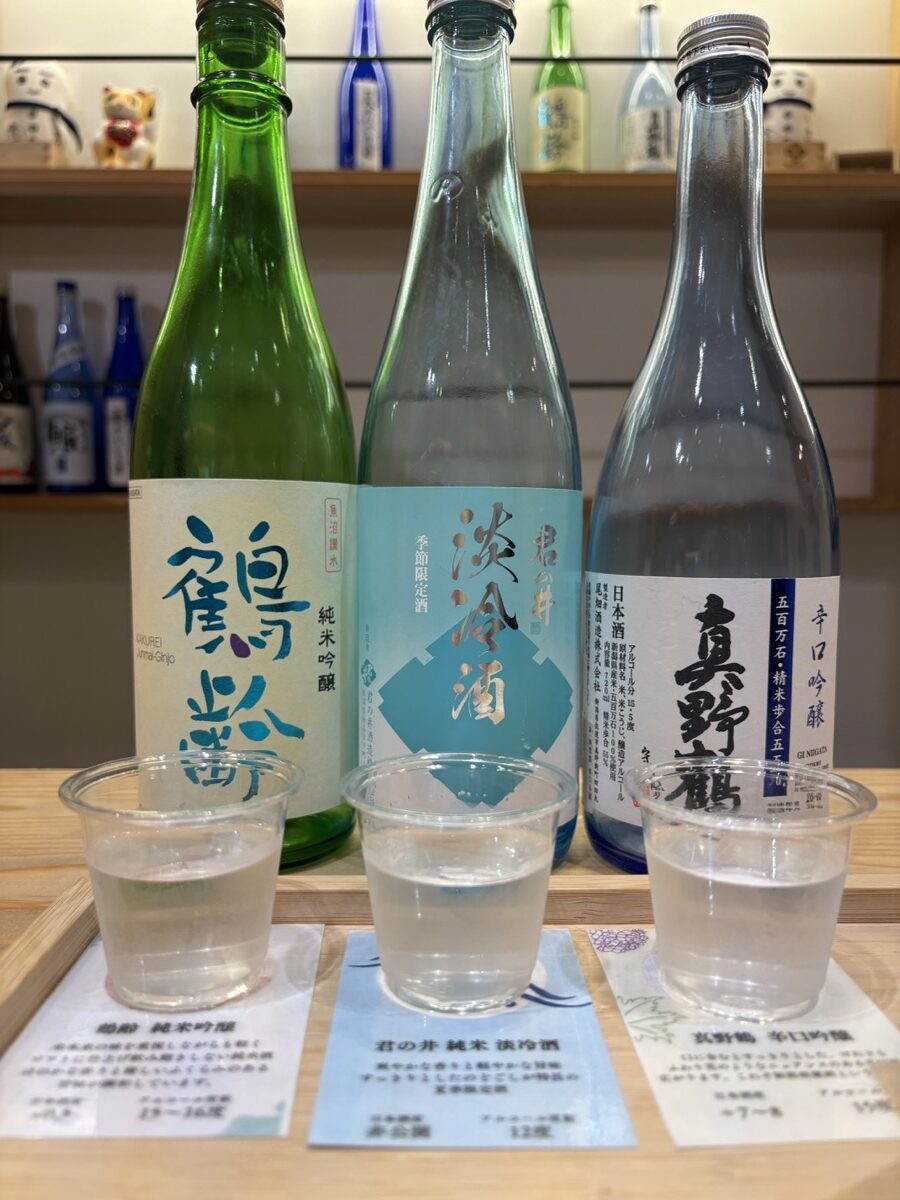
I went and did a Niigata local-sake tasting flight! The first surprise was simply how many kinds there are. I asked the shop staff for their recommendations, and they pulled three local bottles straight out of the fridge for me: a junmai ginjo, a junmai tanrei (light-and-dry) style, and a karakuchi ginjo (dry ginjo). One was fruity, one ran down the throat with a clean, refreshing rush, and the dry one played a little trick on the tip of my tongue with a pleasant tingle — all three were delicious, and comparing them side by side was genuinely fun. There are small snacks available too, so you can take your time and settle on the Niigata sake that suits your own taste. Japanese local sake makes a great souvenir 🍶
新潟の地酒 飲み比べ体験をしてきました!まず、お酒の種類が多くてびっくりしましたね。店員さんにおすすめをお願いし、三種類の地酒を冷蔵庫から取り出して提供してもらいました。今回は純米吟醸・純米淡麗酒・辛口吟醸を用意してもらい飲み比べです。フルーティーな味わい、喉を爽快に流れていく爽快さ、舌の先に程よくピリッといたずらをする辛口など、どれも美味しくて飲み比べを楽しめました。ちょっとしたおつまみもありますので、ゆっくりと自分のお好みの新潟の地酒を選ぶことができましたね!日本の地酒、お土産に最適です🍶
Uonuma Koshihikari
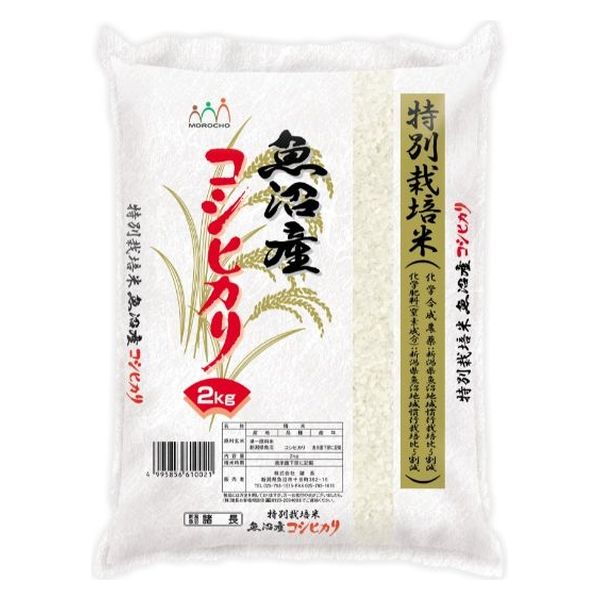
Uonuma Koshihikari is universally recognized as Japan’s most prestigious rice — its grains are pearly white, glossy when cooked, perfectly chewy, and possess a natural sweetness so refined that many sushi masters consider it the only acceptable rice for high-end nigiri. The Uonuma region of southern Niigata enjoys ideal rice-growing conditions: nutrient-rich soil from snowmelt, dramatic day-night temperature swings during ripening that concentrate flavor, and pure mountain water. Premium 5-kilogram bags directly from Uonuma farms cost ¥6,000-8,000 (versus ¥2,500 for ordinary supermarket rice), but the quality difference is immediately apparent on the first bite. Available at JR Niigata Station, JR Echigo-Yuzawa Station, and direct from rice shops and farm stands in Minamiuonuma.
「魚沼産コシヒカリ」は、日本米の最高峰として誰もが認める存在。真珠のような白さ、炊きたての艶やかな輝き、絶妙な弾力、ほのかな自然の甘さは群を抜き、高級寿司店の握りに使う米として唯一許容されると評価する寿司職人も多い超ブランド米です。新潟県南部の魚沼地方は理想的な米作環境を備え、雪解け水の栄養豊富な土壌、登熟期の昼夜の激しい寒暖差(旨味を凝縮)、清冽な山の水が至高の品質を支えます。魚沼の農家直送の5kg化粧袋は、通常スーパー米の2,500円に対し、6,000〜8,000円と高価ですが、一口食べれば違いは明白。JR新潟駅、JR越後湯沢駅、南魚沼市の米専門店・農産直売所で購入可能。
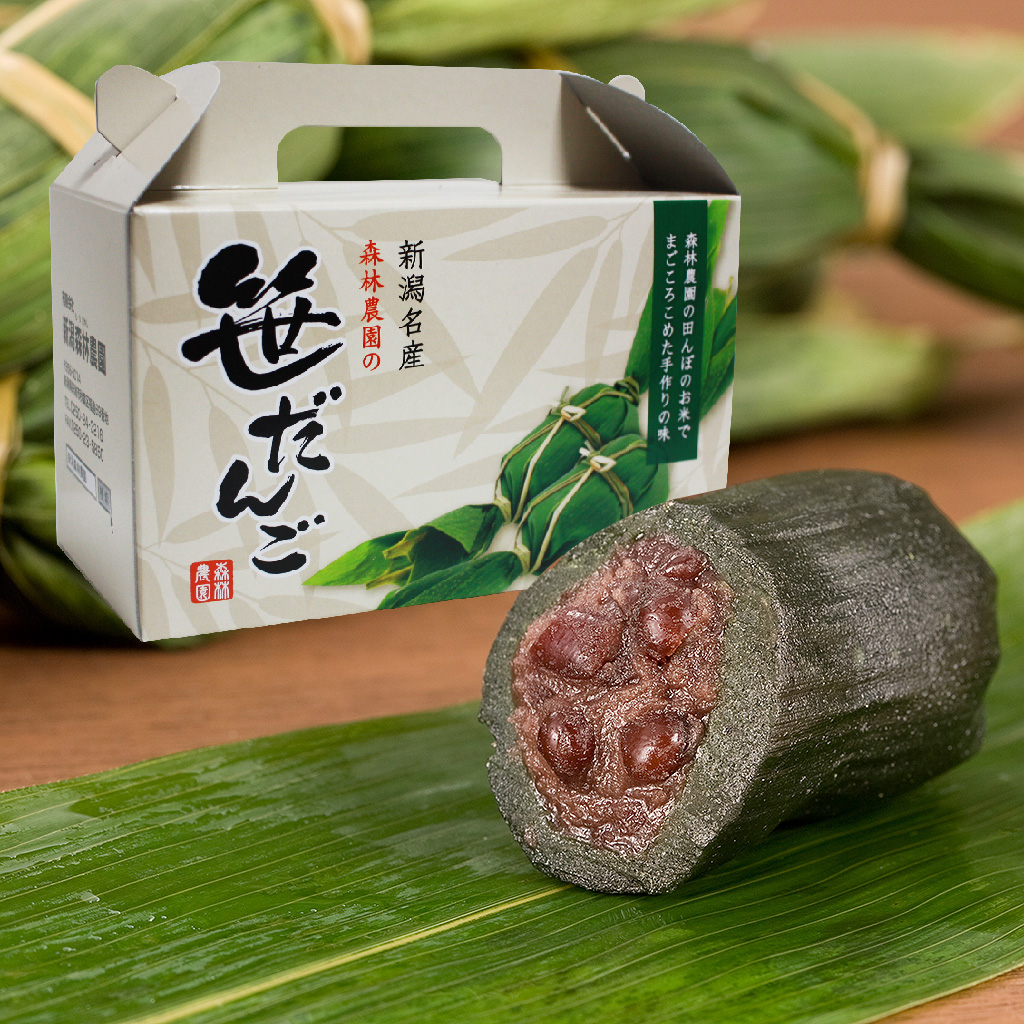
Sasa Dango
Sasa dango is Niigata’s iconic mochi confection — soft mugwort (yomogi) rice cakes filled with red bean paste, wrapped in two flexible bamboo (sasa) leaves and tied with a green string before being steamed. The bamboo wrapping infuses a faintly grassy aroma into the mochi as it cooks, and the resulting fragrance and earthy color make sasa dango instantly recognizable. By legend, the recipe dates to the Sengoku era, when warriors carried these portable sweets as field rations — the natural antimicrobial properties of bamboo allowed them to keep without refrigeration. Modern shops like Tanaka-ya Honten in Niigata City (est. 1931) and Eguchi Dango in Nagaoka (est. 1902) sell sasa dango individually wrapped or in beautiful boxed sets of 10-30. They keep for about 2-3 days; freezing preserves them longer.
「笹団子」は新潟県の象徴的な郷土和菓子。柔らかいよもぎ餅で甘いこしあんを包み、2枚の笹の葉でくるんで緑色のい草で十字に結び、蒸し上げて完成させる伝統菓子です。蒸す過程で笹の葉から青々しい香りが餅に移り、独特の風味と緑がかった色合いが笹団子の魅力。言い伝えでは戦国時代に遡り、武将たちが携帯食として戦場に持ち歩いたのが起源——笹の天然抗菌作用で常温でも傷みにくいのが選ばれた理由でした。現代の老舗「田中屋本店」(新潟市・1931年創業)、「江口だんご」(長岡市・1902年創業)などが、個包装や10〜30個入りの美しい化粧箱で販売。常温・冷蔵で2〜3日、冷凍するとさらに長期保存可能です。
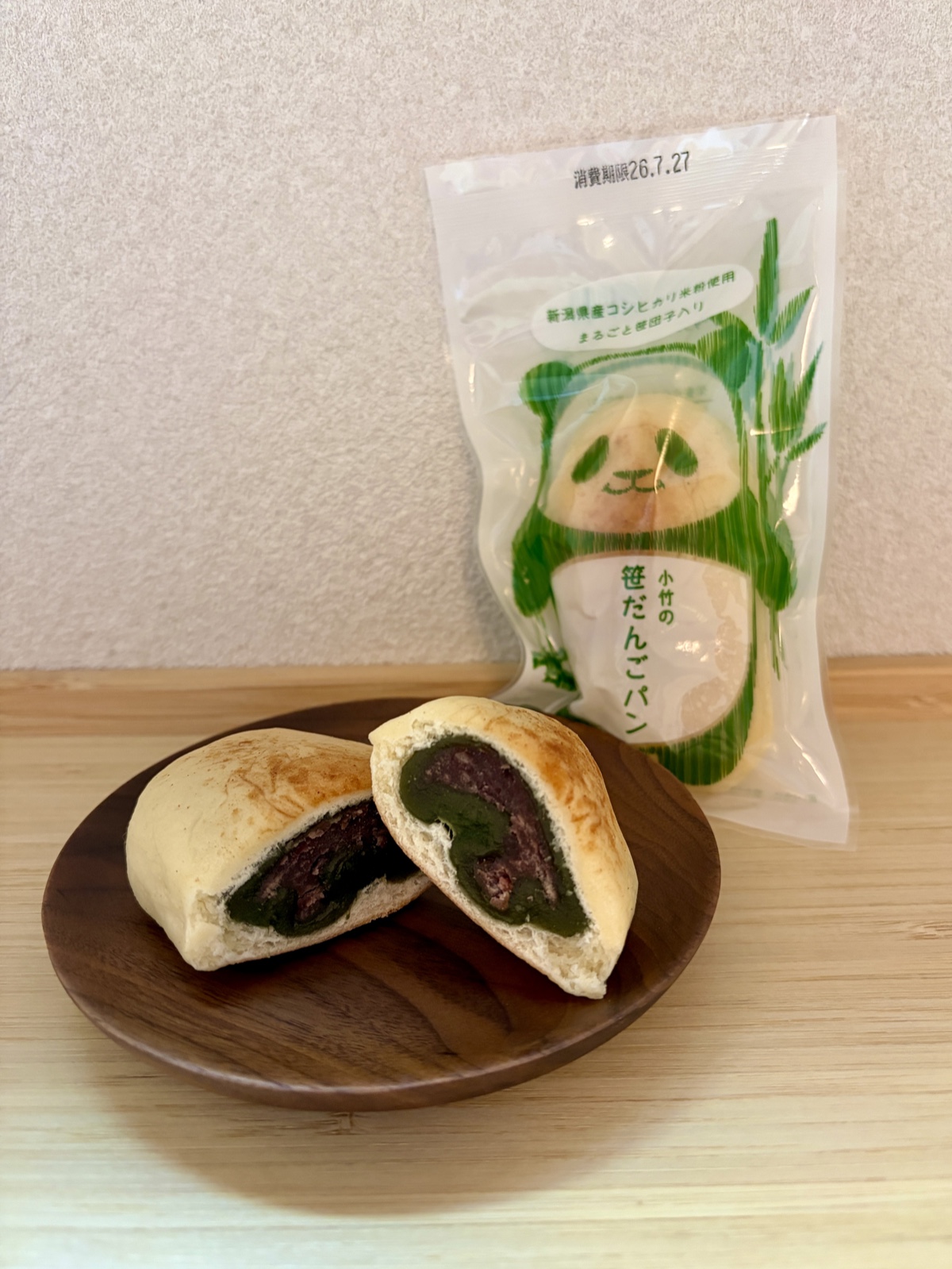
Niigata locals took the traditional sasa-dango and put a whole one inside a bread roll. Kotake Seika’s Sasa-dango Pan is a soft milk-bread bun wrapped around an entire yomogi rice cake with sweet red bean paste, made with Niigata Koshihikari rice flour — you can see the green layer the moment you tear it open. It’s a bakery item with a short shelf life (a few days), so it’s one to eat on the trip rather than carry home — a fun find if you spot it in Niigata.
新潟の人は、伝統の笹だんごを丸ごとパンに包んでしまいました。小竹製菓の「笹だんごパン」は、新潟県産コシヒカリ米粉を使った笹だんごを、ふんわりした生地でまるごと包んだご当地パン。割ると、よもぎ餅の緑と粒あんの断面が現れます。パンなので日持ちは数日と短く、持ち帰りより旅の途中で食べる一品。新潟で見かけたら、ぜひ手に取ってみてください。
The pot-bellied panda on the wrapper is just too endearing. Taking it out of the bag, I was struck by how the bread clings to your hand — soft, moist and springy. Break it open and a whole sasa-dango comes out from inside; the balance between the yomogi (mugwort) fragrance and the sweetness of the bean paste is spot on. Wagashi and bread is an unexpected pairing, but both have that mochi-like chew, so they go together beautifully. It has real bite to it and one is genuinely filling. About the size of a child’s palm, it’s easy to carry around too — fun to look at, delicious to eat ♪
ぽっこりお腹のパンダが、なんとも愛くるしいです。袋から出すと、手に吸い付くようなしっとりもっちりしたパン生地に驚きました。割ってみると、中から笹団子が丸ごと一つ出てきます。よもぎの風味とあんこの甘さのバランスが絶妙です。和菓子とパンという意外な組み合わせですが、どちらももちっとした食感なので相性は抜群でした!しっかり噛み応えがあって、一つでも満足感があります。子どもの手のひらほどの大きさで、持ち運びにもぴったりです。見て楽しい、食べておいしい一品です♪
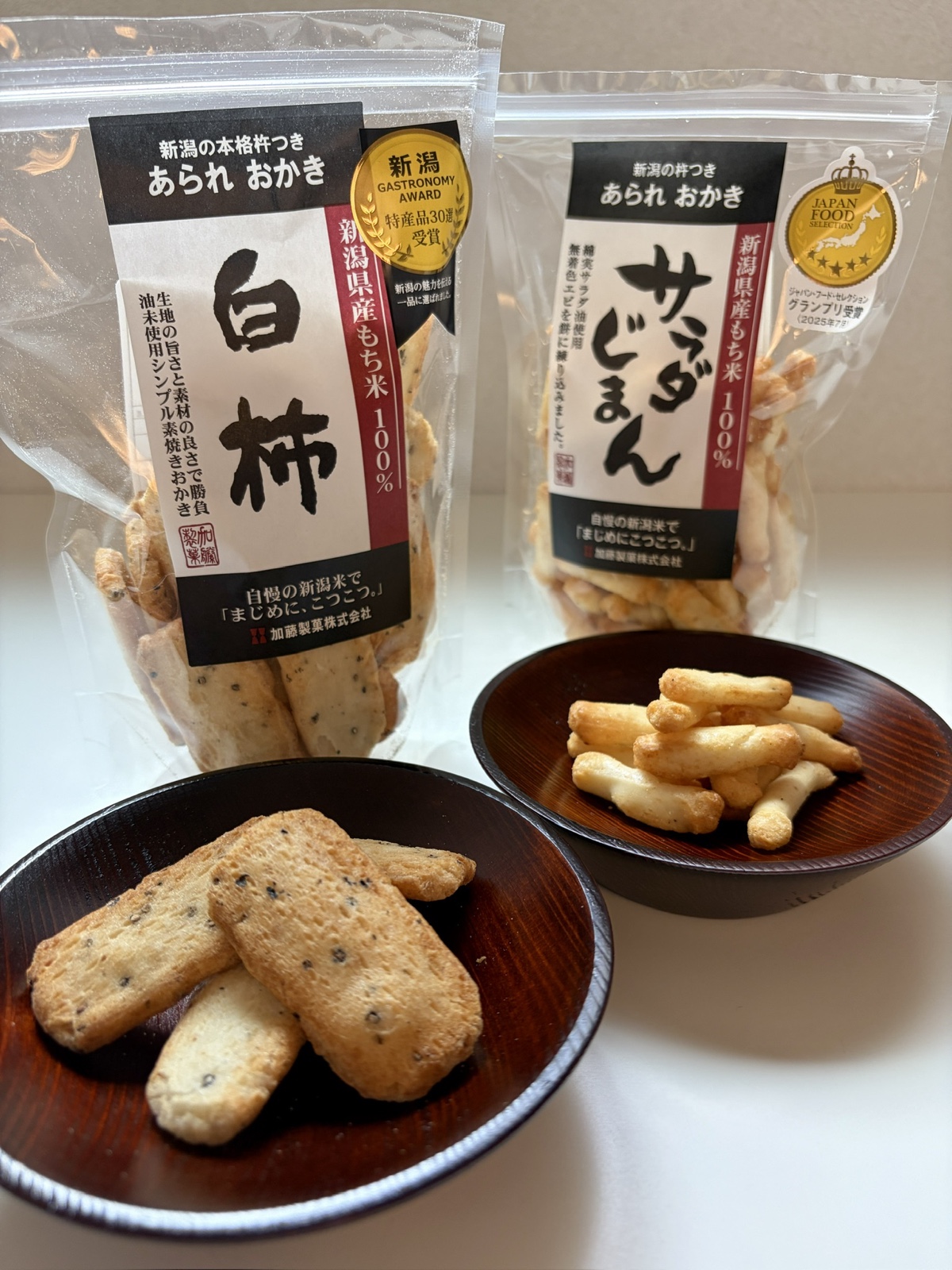
Niigata Arare & Okaki
Niigata is Japan’s rice country, and that makes it the country’s rice-cracker capital too: roughly 60% of all Japanese beika (rice crackers) are produced here. Arare and okaki are both made from glutinous mochi rice — arare being the small bite-sized pieces, okaki the larger ones — as distinct from senbei, which is made from ordinary rice. They began as a way of using up leftover mochi from New Year, toasted so it kept longer; today Niigata makers pound the mochi rice with traditional kine mallets before baking, which is what gives the good ones their dense, springy bite. Long-established local makers such as Kato Seika (founded 1933 in Nagaoka) sell all-Niigata-rice arare in resealable bags — light to carry, months of shelf life, and easy to hand around. Sold at JR Niigata Station, roadside stations and makers’ own shops across the prefecture.
米どころ新潟は、そのまま米菓王国でもあります。日本の米菓のおよそ6割が新潟県産。あられとおかきはどちらももち米が原料で、小粒のものをあられ、大きめのものをおかきと呼びます(うるち米が原料のせんべいとは別物)。もとは正月の餅の食べ切れない分を焼いて日持ちさせた保存食。いまも新潟の作り手は杵つきでもち米をつき上げてから焼き上げており、この工程が、噛みごたえのある独特の食感を生みます。加藤製菓(1933年・長岡創業)など県内の老舗が、新潟県産もち米100%のあられをジッパー袋入りで販売。軽くて日持ちもし、配りやすいのが土産向きです。JR新潟駅、県内の道の駅、メーカー直営店などで購入可能。
I tried two kinds of arare/okaki. Salada Jiman is tiny — about the size of a child’s little finger — with a light, crisp snap. In Japan, “salada” flavor usually means the simple combination of salad oil and salt, but this one was different: a shrimp savouriness and a gentle sweetness spread softly through it, with far more depth than I expected ◎ Shirogaki is the exact opposite: dense and properly firm to bite. The more you chew, the more the flavour of the mochi rice comes through. It felt like a cracker that adds nothing extra and competes on the taste of the ingredient alone. Both come in resealable zip bags, so they stay crisp even if you eat them a few at a time — handy ^^
2種類のあられ・おかきを食べてみました。サラダじまんは子どもの小指ほどの小さなあられで、さっくりと軽い歯ざわりです。日本で「サラダ味」といえば、サラダ油と塩のシンプルな味付けなのですが、こちらはひと味違いました。エビの風味と優しい甘みがふんわりと広がって、想像以上に奥行きのある味でした◎ 白柿はその正反対で、ギュッと詰まったしっかりとした歯ごたえ。噛むほどにもち米の味わいがじんわり広がります。余計なものを足さず、素材の味だけで勝負した一枚だと感じました。どちらもジッパー付きの袋に入っているので、少しずつ食べても湿気にくくて便利です^^
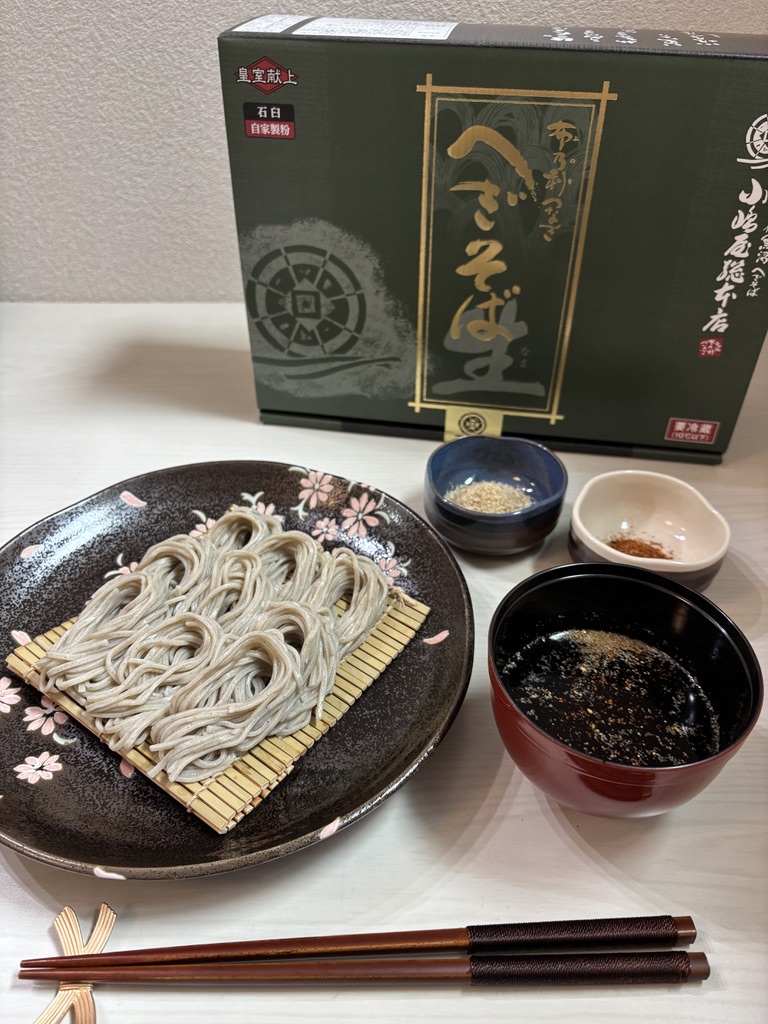
Hegi Soba
Originating in southern Niigata’s Tokamachi region, hegi soba is uniquely defined by two features: the noodles are bound with funori (a marine algae) instead of standard yam binders, giving them an unusually slippery, glossy texture, and they are served in elegant lacquered serving boards (hegi) arranged in beautiful spiral wave patterns. The funori binding creates a slightly springy chew unlike any other soba, while the visual presentation is among Japan’s most photogenic noodle traditions. Top restaurants include Kojimaya Sohonten (the originator of funori-bound soba) and Yoshiya in Tokamachi, and Wataya in Ojiya. Take-home dried hegi soba kits — including dried noodles, dipping sauce concentrate, and traditional toppings — are sold at JR Tokamachi Station, JR Niigata Station, and Tokamachi Festival shops. Best served chilled in summer, hot during winter months.
新潟県南部・十日町地方発祥の「へぎそば」は、2つの独特な特徴で他の蕎麦と一線を画します。一つは「布海苔(ふのり)」と呼ばれる海藻を繋ぎに使うため、独特のつるりとした喉越しと艶やかな麺肌に仕上がる点。もう一つは、漆塗りの「へぎ」と呼ばれる箱型の器に、波模様のように渦を巻いて美しく盛り付ける視覚的演出です。布海苔由来のしなやかな食感は他の蕎麦では味わえない格別の喉越しで、その盛り付けは日本でも最もフォトジェニックな麺料理の一つ。十日町の「小嶋屋総本店」(布乃利つなぎ発祥)「由屋」、小千谷の「わたや」などが代表的な老舗。乾麺・濃縮つゆ・伝統薬味のキットがJR十日町駅、JR新潟駅、十日町雪まつり会場で購入可能。
I tried the Kojimaya Sohonten hegi-soba set. The moment I slurped it, I was struck by how smoothly it slid down the throat — and each bite springs back with a mochi-like chew. That’s the signature of hegi-soba, which uses seaweed (funori) as its binder. The buckwheat flavor is restrained, and as you chew, a faint seaweed aroma opens up — an easy, approachable bowl even for first-timers to Japanese soba. My recommendation is the cold zaru-soba style: rinse the boiled noodles in ice water so they tighten up, and the smoothness and firmness come out at their best. Dip them briefly in the tsuyu, slurp, and that refreshing snap is irresistible.
小嶋屋総本店のへぎそばセットを食べてみました。すすった瞬間、つるんと喉を通り抜ける滑らかさに驚き、噛めばもちっとした弾力が返ってきます。つなぎに海藻(布海苔)を使っているへぎそばならではの特徴です。そばの風味は控えめで、噛んでいくと海藻の香りが広がります。日本のそばが初めての方にも食べやすい一品です。おすすめは冷たいざるそばスタイル。茹で上げた麺を冷水でキュッと締めると、滑らかさとコシが最大限に引き立ちます。つゆにさっとくぐらせてすすれば、その爽快感がたまりません。
Must-Visit Spots
おすすめスポット 5選
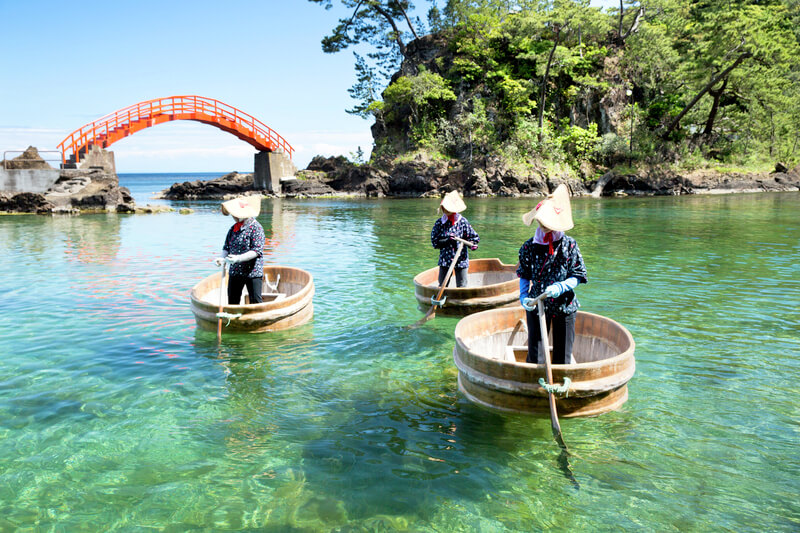
Sado Island
Sado Island, Japan’s largest island outside the four main islands and Okinawa, sits 35 kilometers off Niigata’s coast and offers a remarkable concentration of natural beauty, cultural depth, and historical drama. From the 13th century, Sado was where the imperial court exiled distinguished political prisoners — including the famous Buddhist monk Nichiren and emperor Juntoku — making the island a crucible of refined culture. Today, visitors can experience Ondeko (demon-mask taiko drumming featured at Kodo’s training facility), the historic Sado Gold Mine (a UNESCO World Heritage Site since 2024), the iconic tarai-bune (small wooden tub-boats) at Ogi Port, and stunning sea cliffs at Senkaku-wan. Wildlife enthusiasts come for the protected Toki (crested ibis), brought back from the brink of extinction. Reach Sado via ferry from Niigata Port (2.5 hours).
新潟海岸の沖合35kmに浮かぶ「佐渡島」(本土4島・沖縄本島を除けば日本最大の離島)は、自然美、文化的深み、歴史ドラマが凝縮された別世界。13世紀以来、京の朝廷から政治犯(高僧日蓮、順徳天皇など)が流された配流の島で、その結果、洗練された文化が島で発展しました。現代の訪問者は、太鼓集団「鼓童」研修拠点のある「鬼太鼓」演奏、歴史的な「佐渡金山」(2024年世界文化遺産)、小木港の象徴的な「たらい舟」乗船、絶景の「尖閣湾」海岸断崖など多彩な体験が可能。絶滅寸前から復活したトキ(朱鷺)の保護地としても有名で、野生動物ファンにも人気。新潟港からフェリーで約2.5時間でアクセス可能。
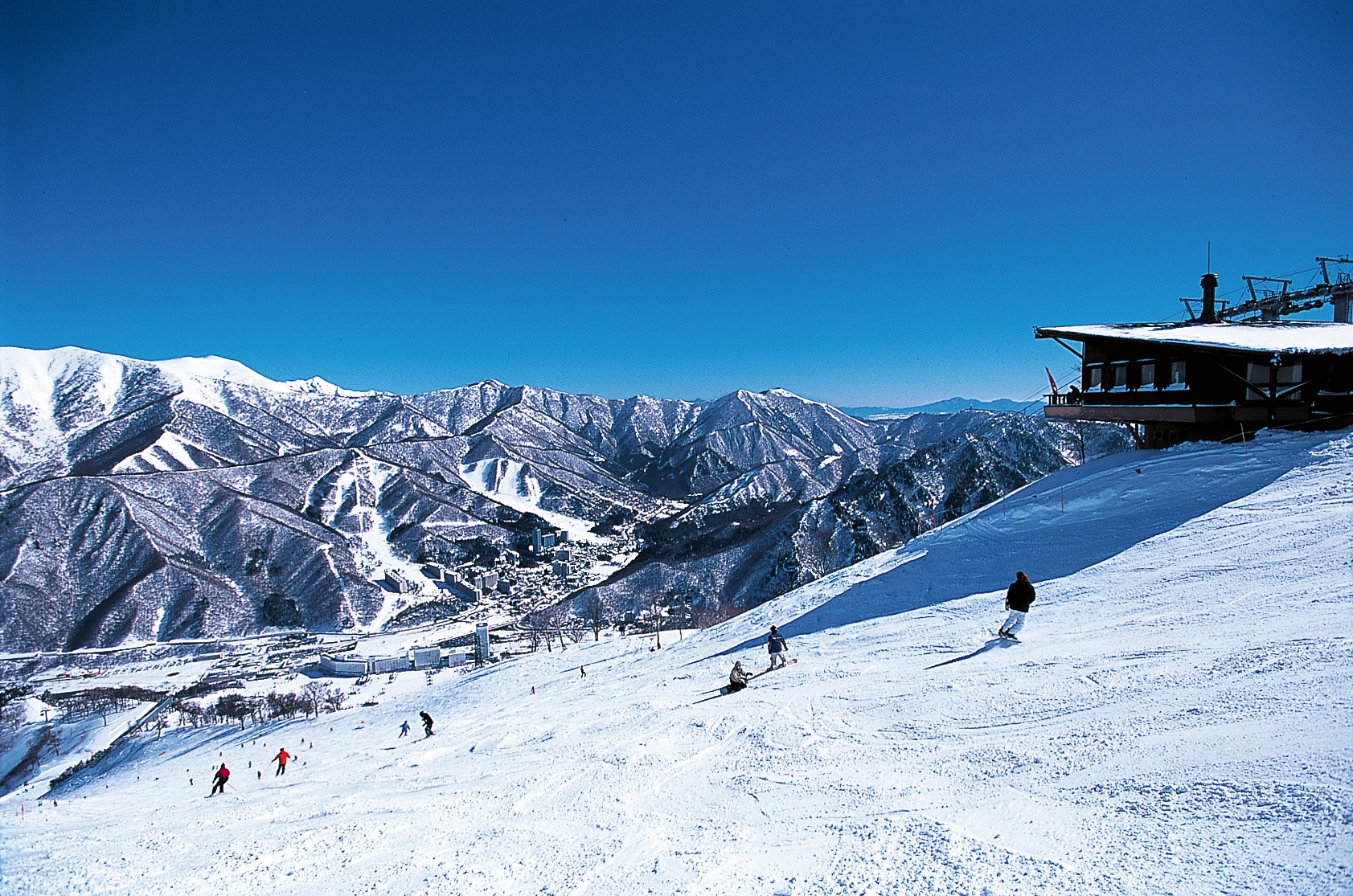
Naeba Ski Resort
Naeba is one of Japan’s most legendary ski resorts — the host of multiple Alpine Ski World Cup races and host of the wildly popular Fuji Rock Festival every July. With over 5 meters of annual snowfall, 22 ski runs across roughly 196 hectares, and a vertical drop of 889 meters, Naeba combines world-class powder with diverse terrain suitable for beginners through experts. The signature feature is the 5,481-meter Dragondola gondola connecting Naeba to neighboring Tashiro/Kagura — a 25-minute ride with sweeping mountain views, said to be Japan’s longest gondola. Beyond skiing, the resort offers night skiing, snowmobile tours, snowshoe hiking, and onsen bathing at the Prince Hotel. Reach via Joetsu Shinkansen to Echigo-Yuzawa, then 50-minute bus or rental car.
苗場スキー場は、世界的に名を馳せる日本屈指のスキーリゾート。アルペンスキーワールドカップを多数開催し、夏には日本最大級のロックフェスティバル「FUJI ROCK FESTIVAL」の会場としても有名。年間5メートルを超える積雪、約196ヘクタールに広がる22コース、標高差889メートル、ワールドクラスのパウダースノーと、初心者から上級者まで楽しめる多彩な地形が魅力です。看板アトラクションは、苗場と隣接する田代・かぐらゲレンデを繋ぐ全長5,481メートルの「ドラゴンドラ」(日本最長と言われ、所要時間25分の絶景空中散歩)。スキー以外にもナイター、スノーモービル、スノーシューハイキング、苗場プリンスホテルの温泉も完備。上越新幹線でJR越後湯沢駅へ、その後バスまたはレンタカーで約50分。
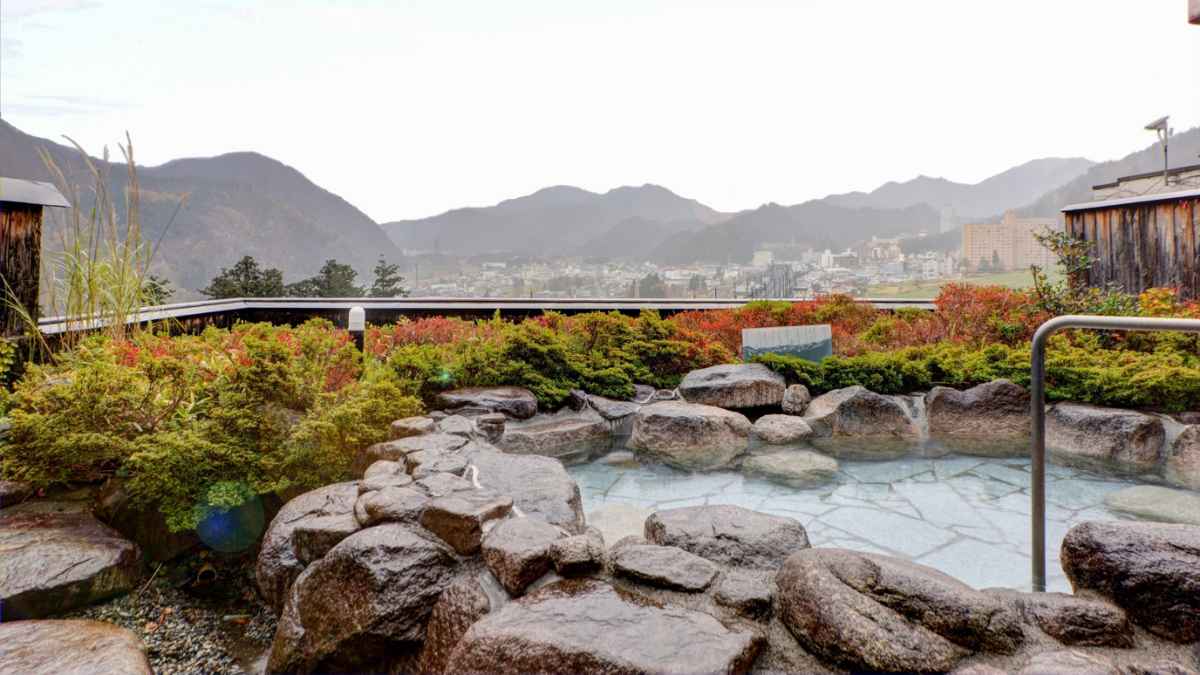
Echigo-Yuzawa Onsen
Made world-famous by Yasunari Kawabata’s novel “Snow Country” (Yukiguni, published 1937; Kawabata won the Nobel Prize in Literature in 1968), Echigo-Yuzawa Onsen is one of Japan’s most evocative hot-spring towns — a place where powder snow piles up to second-floor windows in winter while sulfur springs steam in the cold air. The town features dozens of historic ryokan, accessible public baths, and atmospheric snow-country streets. From the JR Echigo-Yuzawa Station’s Cocolo shopping center, you can sample 100+ regional sake at the famous Ponshukan tasting bar, then walk 10 minutes to your ryokan. Many ski resorts including Yuzawa Kogen, Iwappara, and GALA-Yuzawa offer all-day skiing combined with evening hot springs. About 75 minutes from Tokyo via Joetsu Shinkansen.
川端康成の小説『雪国』(1937年刊、川端は1968年にノーベル文学賞受賞)の舞台として世界的に有名になった「越後湯沢温泉」は、日本でも最も詩情豊かな温泉郷の一つ。冬は2階窓まで雪が積もる豪雪地帯で、硫黄の湯気が冷たい空気の中に立ち上る幻想的な雪国の風景が広がります。町には数十の老舗旅館、共同浴場など、雪国情緒あふれる町並みが広がります。JR越後湯沢駅の「Cocolo」商業施設では、有名な「ぽんしゅ館」で100銘柄以上の県産日本酒の利き酒、その後旅館まで徒歩約10分。湯沢高原、岩原、GALA湯沢など多数のスキー場で1日スキー+温泉のセットも楽しめます。東京から上越新幹線で約75分。
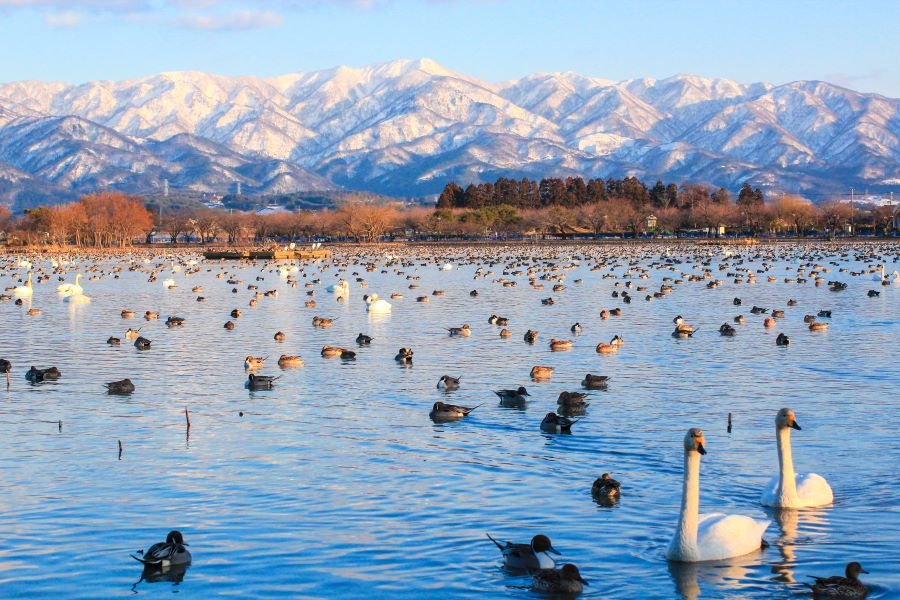
Lake Hyoko (Swan Lake)
Lake Hyoko, an inland freshwater lake in Agano City, is one of Japan’s premier swan-watching spots — every winter around 6,000 wild swans (whooper and Bewick’s) migrate here from Siberia and blanket the water. Designated a Ramsar Convention wetland in 2008, the lake became famous in 1954 when a local known as the “Swan Uncle” achieved Japan’s first successful feeding of wild swans. From dawn to dusk the swans gather close to shore alongside countless ducks, with the snow-capped Gozu mountains behind — a magical winter scene. Observation paths, a birdwatching house, and a nature center make it family-friendly. Free admission. Best from late October through March (peak November–February). About 30 minutes by train from JR Niigata Station to Suibara Station, then a short bus or taxi ride.
阿賀野市の「瓢湖(ひょうこ)」は、毎年冬にシベリアから約6,000羽の白鳥(オオハクチョウ・コハクチョウ)が飛来する日本有数の白鳥渡来地。2008年にラムサール条約登録湿地に指定され、1954年に地元の”白鳥おじさん”吉川重三郎が日本で初めて野生白鳥の餌付けに成功した地としても知られます。早朝から夕方にかけて、無数のカモとともに白鳥が岸近くに群れ、背後に五頭連峰の雪景色が広がる幻想的な冬の風景は圧巻。観察遊歩道、白鳥観察舎、自然学習施設も整い、家族連れでも楽しめます。入場無料。見頃は10月下旬〜3月(最盛期11〜2月)。JR新潟駅から羽越本線・水原駅まで約30分、駅からバス・タクシーで瓢湖へ。
Ponshukan Sake Museum
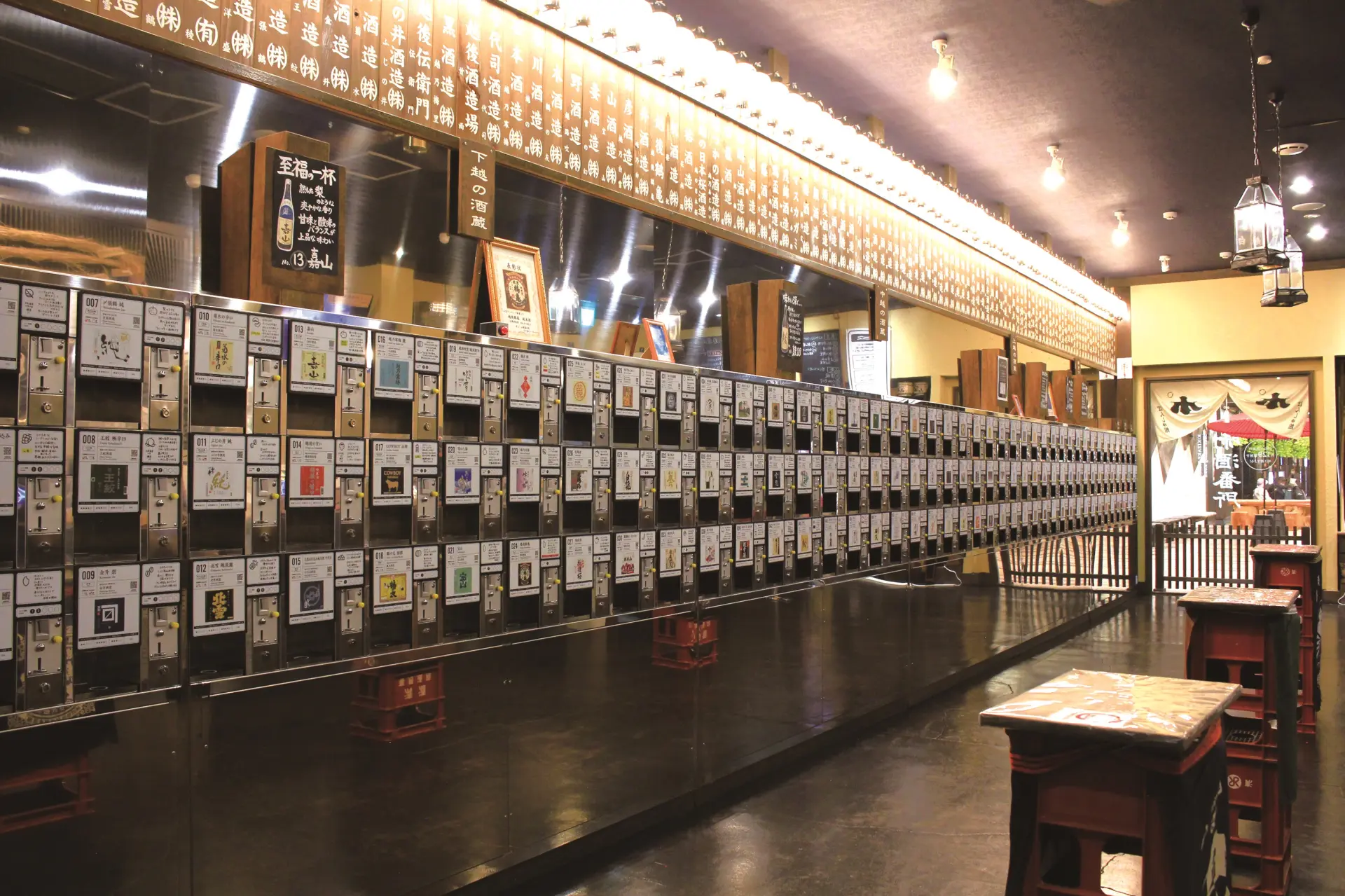
Ponshukan, located inside JR Niigata Station’s CoCoLo shopping center, is sake heaven — a single dramatic room housing around 110 stainless-steel sake dispensers, each filled with a different Niigata brewery’s signature pour. Visitors purchase a special tasting cup and 5 metallic tokens for ¥500, then dispense 1-token shots of any sake on display. Hostesses (toji-trained!) explain the styles and recommend pairings. Beyond tasting, the museum sells full bottles of the displayed sakes at retail prices, plus sake-pairing snacks (nuts, miso, smoked fish). The sister branch at Echigo-Yuzawa Station even has a sake bath where you can soak in hot sake-infused water. Tasting open 9:30am–8:30pm (shop until 9pm). The most efficient introduction to Niigata sake culture imaginable.
JR新潟駅構内CoCoLo新潟内の「ぽんしゅ館」は、まさに日本酒の楽園。約110のステンレス製サーバーが一堂に並び、新潟の蔵元の代表銘柄の代表銘酒をその場で利き酒できる圧巻の施設です。500円で専用のおちょこと5個の金属トークンを購入し、サーバーに1トークン入れると1杯分(おちょこ)の日本酒が注がれる仕組み。蔵元の杜氏研修を受けたホストたちが、銘柄の特徴や合わせるおつまみを丁寧に解説してくれます。試飲だけでなく、展示銘柄のボトルを定価販売、おつまみ(ナッツ、味噌、燻製魚など)も豊富。姉妹店の越後湯沢驛店には日本酒入りの「酒風呂」(大人¥950)もあります。利き酒9:30〜20:30、物販9:00〜21:00。新潟の酒文化を最も効率的に体験できる聖地です。
Insider Tips
現地通の旅の裏ワザ
Tokamachi and Uonuma rice farms run ‘rice tasting’ tours where you compare Koshihikari from different areas side-by-side. Price range ¥2,000–8,000/5kg suddenly makes sense.
十日町・魚沼の農家ツアーで産地違いのコシヒカリ食べ比べ可能。¥2,000-8,000/5kgの価格差の理由が体感できる。
Niigata Station’s Ponshukan has 100+ Niigata sake brands tasted from vending machines (¥500 for 5 cups). Easiest sake intro in Japan.
新潟駅の「ぽんしゅ館」は100超の地酒を自販機形式で試飲可(¥500で5杯)。日本一気軽な日本酒入門。
Frequently Asked Questions
How do I visit Sado Island?
Jetfoil from Niigata Port to Ryotsu (about 67 min, ¥7,970) or car ferry (2.5 hr, 2nd class ¥2,970). Car ferries also available. Visit April–October for best weather.
新潟港からジェットフォイル(約67分・7,970円)またはカーフェリー(2.5時間・2等2,970円〜)。4〜10月がベストシーズン。
What makes Niigata sake special?
Niigata’s ultra-cold winters, pure snowmelt water and the ‘Niigata-style’ tanrei karakuchi (light, dry) profile — developed in the 1970s–80s — set it apart. Kubota, Hakkaisan and Koshi no Kanbai are flagship brands.
極寒・軟水・淡麗辛口の製法が特徴。久保田・八海山・越乃寒梅が代表銘柄。
When is the Kodo drumming festival?
Earth Celebration on Sado Island is held every August and features world music and taiko performances by the Kodo drum troupe in outdoor venues. Book tickets and accommodation early.
佐渡島で毎年8月開催の「アース・セレブレーション」は鼓童の国際音楽祭。宿・チケットは早期予約必須。
Travel Tip
At Ponshukan in Echigo-Yuzawa Station (inside the Shinkansen exit), buy 500 yen worth of coins and taste up to 5 different Niigata sakes from coin-operated dispensers featuring all 90+ local breweries. It’s the fastest way to discover your favorite label.