Fukui
Top Fukui souvenirs and must-visit travel spots — your complete guide for visitors to Japan. Japan’s most austere Zen monastery, a coastline of sheer volcanic columns where the sea crashes 25 metres below, and the finest snow crab in all Japan — Fukui is Japan at its most elemental.
曹洞宗の大本山・永平寺の静寂、東尋坊の断崖、越前かに——福井は日本の禅の心と海の幸が最も純粋な形で残る県です。
Fukui is quietly rich — Echizen crab in winter, the Eihei-ji Zen temple, Tojinbo’s cliffs, and a dinosaur museum that surprises everyone. Its sweet souvenir is habutae-mochi, a silky ultra-soft rice cake, while Echizen soba and heshiko fermented fish are the savory picks. Most keep reasonably well. Fukui Station, now on the Hokuriku Shinkansen, is the easy hub.
福井は静かに豊かな県——冬の越前がに、永平寺、東尋坊の断崖、そして意外と凄い恐竜博物館。甘いみやげは「羽二重餅」(絹のように柔らかい餅菓子)、越前そばやへしこ(魚の糠漬け)は惣菜系の定番。日持ちもほどほど。北陸新幹線が延伸した福井駅が便利な拠点です。
Recommended Omiyage
おすすめおみやげ 5選
Echizen Crab
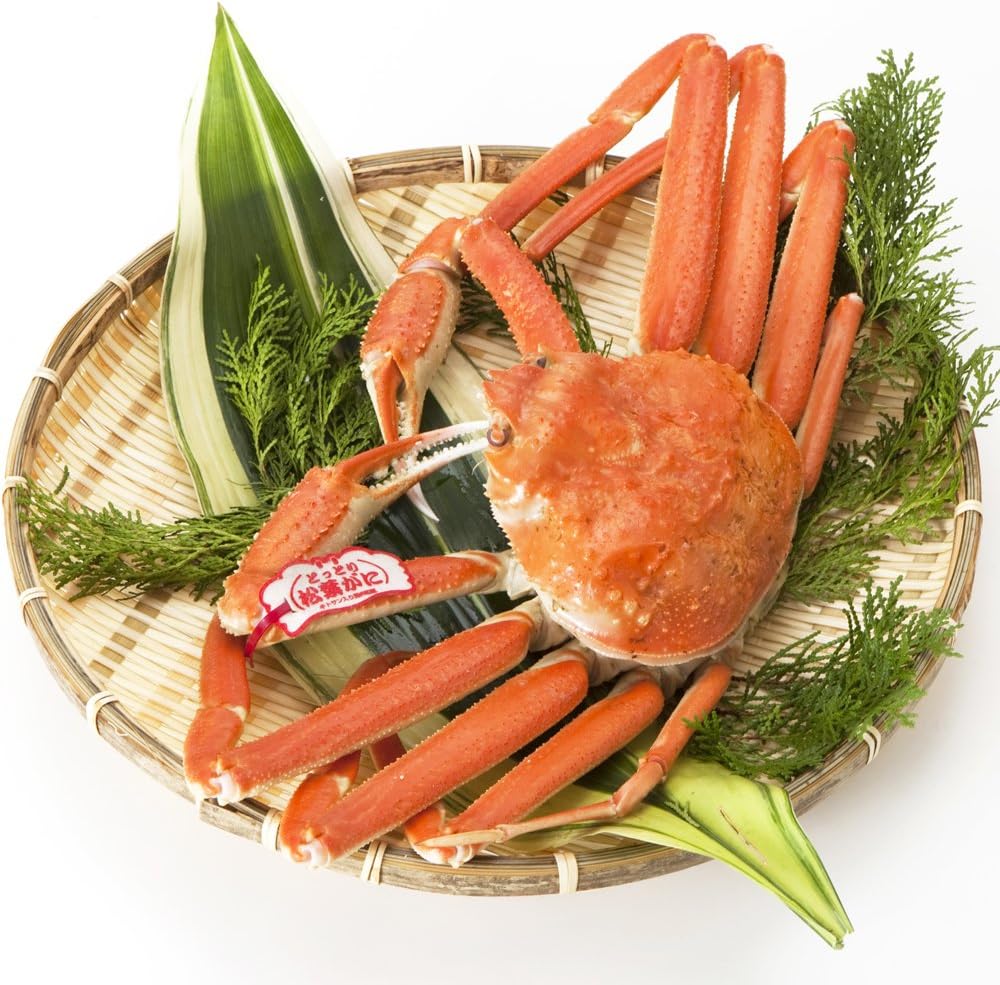
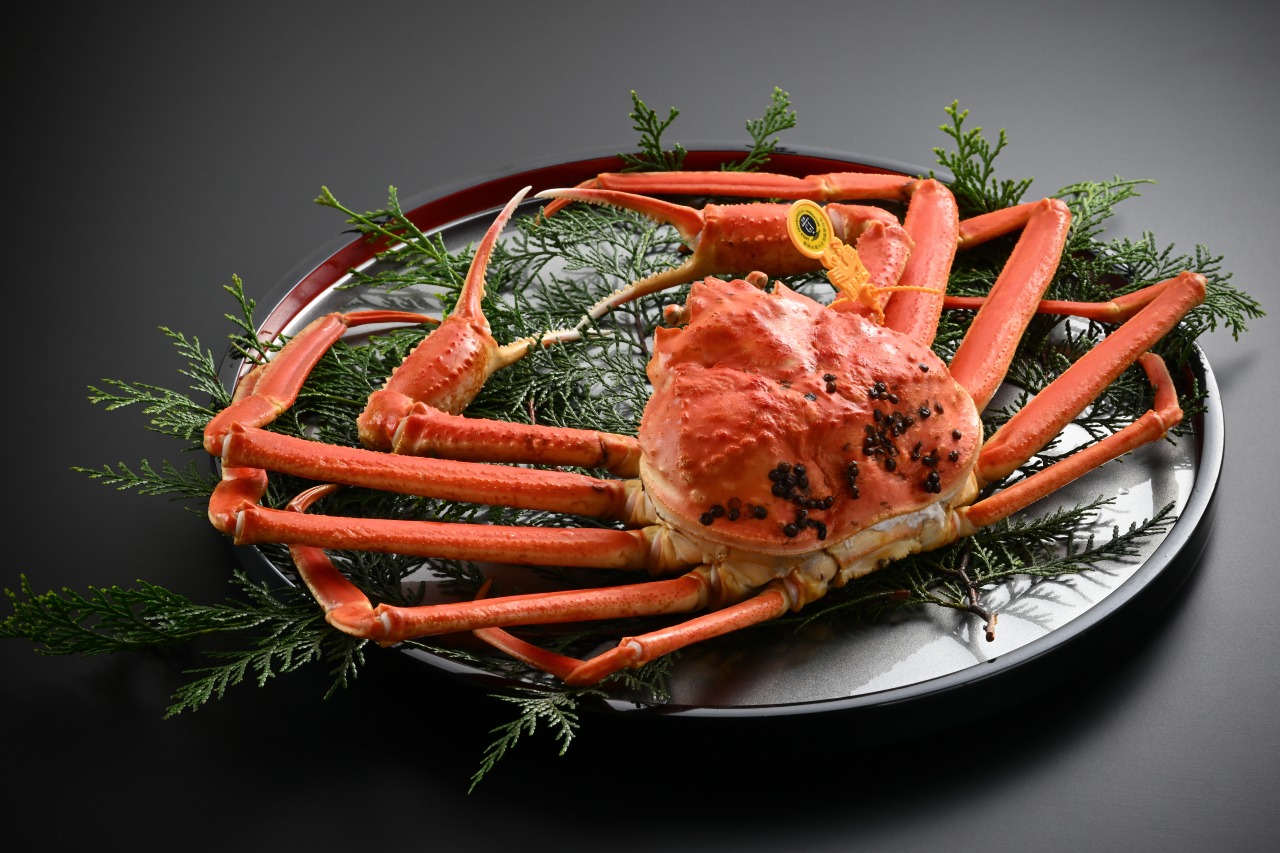
Echizen-gani is Fukui’s most prestigious seafood — male snow crabs caught in the cold deep waters off the Sea of Japan from November through March. The famous yellow tag (kibashi) attached to each genuine Echizen-gani guarantees the catch came from Fukui ports, certifying the highest quality through a centuries-old quality control system. The meat is extraordinarily sweet, the texture luxuriously firm, and a single high-grade crab can fetch ¥30,000+, and the elite ‘Echizen-gani Kiwami’ brand has sold for over a million yen at auction. Eat them as sashimi (the texture rivals lobster), in shabu-shabu hot pot, or as the famous Echizen kani-don rice bowl. Premium gift versions include vacuum-sealed legs, kani-meshi rice mixes, and elegant whole-crab boxes. Available at JR Fukui Station, the Echizen Crab Museum in Echizen Town, and direct from Mikuni Port.
「越前がに」は福井県を代表する超高級海鮮。日本海沖の冷たい深海で11月から3月までの間に水揚げされる雄のズワイガニで、本物の越前がにには黄色いタグ(黄ばし)が付けられ、福井産であることと最高品質であることを示す数百年続く品質管理制度の証となっています。極めて甘い身、贅沢な歯ごたえ、高級品は1杯30,000円超、最高級ブランド「越前がに極」は競りで100万円超の値が付くことも。刺身(伊勢海老並みの食感)、しゃぶしゃぶ、有名な「越前かに丼」など多彩な調理法で味わえます。お土産用には真空パック足部、かに飯の素、化粧箱入りの一杯丸ごと版などが展開。JR福井駅、越前町の「越前がにミュージアム」、三国港から直送購入が可能です。
Mizuyokan
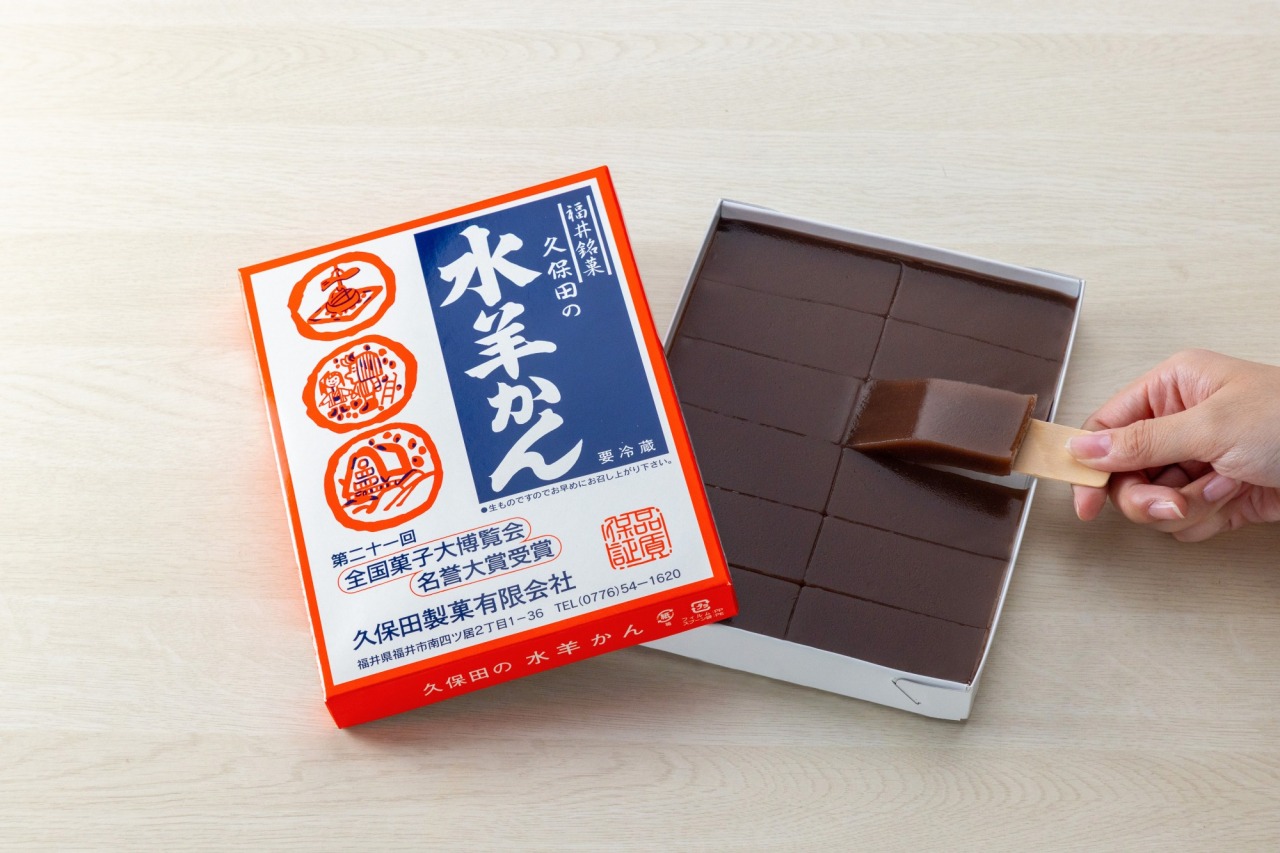
Fukui’s distinctive style of mizuyokan (water yokan) is a traditional summer-and-winter sweet — a beautifully smooth, slightly sweet bean-paste jelly with a higher water content than standard yokan, creating a refreshingly cool, smooth and soft texture. Each block is hand-cut from a larger sheet and individually wrapped in elegant rice paper. The recipe uses Hokuriku’s pure mountain water, premium azuki beans, and minimal sugar to highlight the beans’ natural sweetness. Traditional shops like Kubota Seika and Egawa make mizuyokan in small batches with no preservatives. Best within 5 days of purchase; refrigerate. Pair with hojicha tea or strong matcha. Available at JR Fukui Station and the makers’ flagship shops.
福井独特のスタイルの「水ようかん」は、夏冬問わず愛される伝統菓子。通常の羊羹より水分量が多く、ふわっと柔らかく、つるんとなめらかで柔らかい独特の食感が特徴。一枚ずつ手で切り分けられ、上品な和紙でひとつひとつ丁寧に包装されます。北陸の清冽な水、上質な小豆、控えめな砂糖で素材本来の甘みを引き立てる製法が信条。福井市の「久保田製菓」「えがわ」など、伝統老舗が無添加・小ロット生産で守り続けています。賞味期限は約5日、要冷蔵。ほうじ茶や濃いめの抹茶との相性は格別。JR福井駅、久保田製菓・えがわの店舗で購入可能。福井の冬の風物詩「水ようかんを買って帰る」は地元の風流な習慣として親しまれています。
Echizen Lacquerware
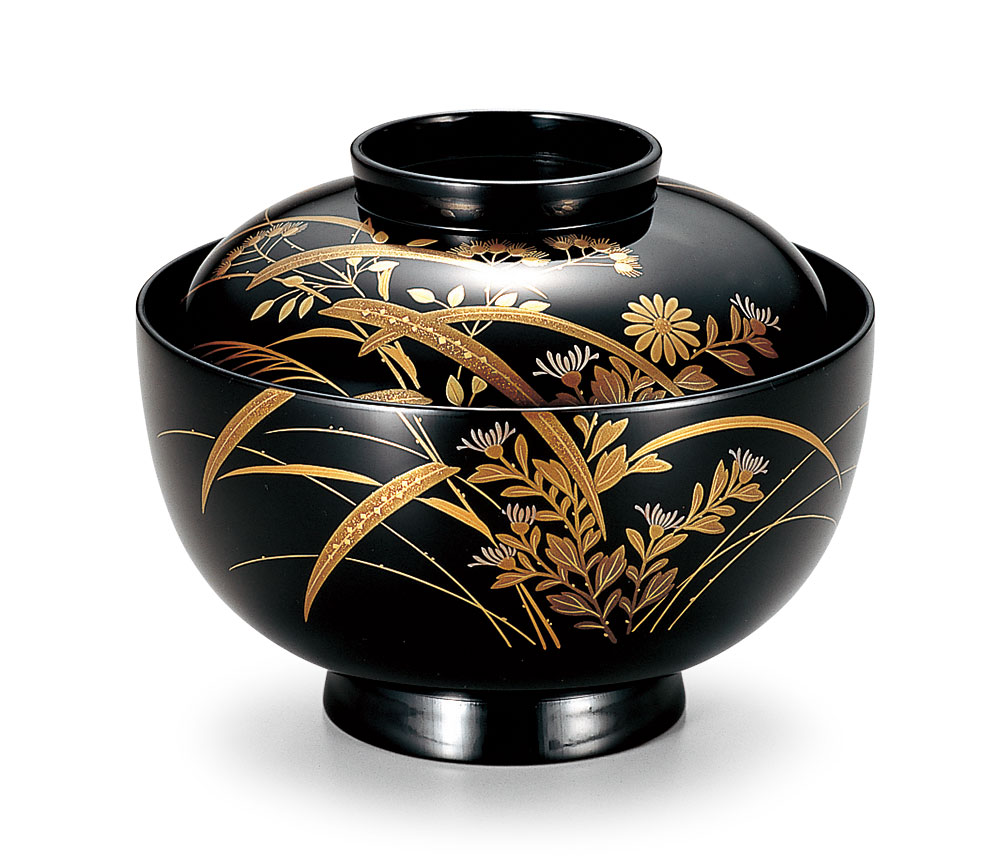
Echizen-shikki (lacquerware) has been crafted in Fukui’s Echizen region for over 1,500 years — making it one of Japan’s oldest continuous lacquer traditions, dating to the era of Emperor Keitai (5th century AD). The technique involves applying multiple layers of urushi lacquer over carefully shaped wooden bases, building up the surface through many hand-polished layers until it achieves a deep, mirror-like luster. Master craftsmen continue producing bowls, trays, plates, and the iconic Echizen-shikki tea caddy (chazutsu) for traditional tea ceremony. Modern designers also collaborate with Echizen craftsmen for contemporary tableware. Browse the Echizen Lacquerware Cooperative shops in Sabae for direct-from-artist purchases. Pieces range from ¥3,000 small bowls to ¥200,000+ collector tea caddies.
「越前漆器」は福井県越前地方で1,500年以上にわたって作り続けられている、日本でも最古級の漆器伝統。継体天皇(5世紀)の時代に始まったと伝わる長い歴史を誇ります。木地(きじ)と呼ばれる慎重に削り出した木製の素地に、漆を何層も塗り重ね、一層ずつ職人が手で研ぎ磨くことで、奥行きある鏡のような光沢を生み出す高度な技法。お椀、お盆、皿、伝統茶道用の象徴的な「越前漆器の茶筒」など多彩なラインナップが現代も生産されています。現代デザイナーとのコラボによる斬新な食器も展開。鯖江市の「越前漆器協同組合」では作家から直接購入可能。価格帯は3,000円の小皿から、コレクター向けの200,000円超の茶筒まで幅広く揃います。
Echizen Washi
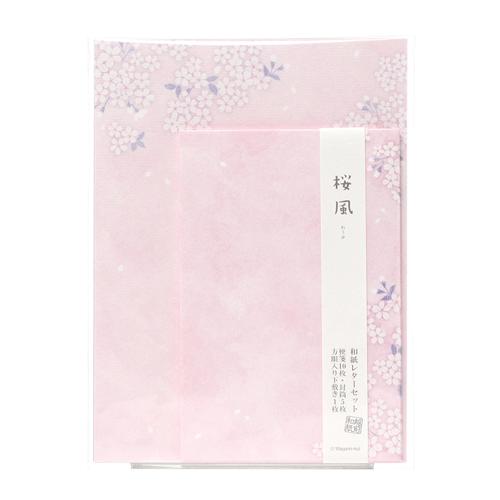
Echizen washi is one of Japan’s three great traditional papers (alongside Mino and Tosa), with 1,500+ years of continuous production making it one of Japan’s oldest washi-producing areas. The pure mountain water of Echizen, abundant kozo (paper mulberry), gampi and mitsumata plants, and centuries of accumulated craft expertise produce washi of extraordinary delicacy and durability — used for everything from imperial documents to fine art and modern stationery. Echizen washi has long been prized for restoring national treasures and for fine art. Modern producers craft beautiful gift-quality stationery, lampshades, fans, and ledger papers. The Echizen Washi Village Museum in Echizen City offers paper-making experiences from ¥600. Pieces range from ¥500 letter sets to ¥20,000+ artist papers.
「越前和紙」は美濃和紙、土佐和紙と並ぶ日本三大和紙の一つで、1,500年以上の連続生産歴史を誇る、日本でも最古級の和紙産地のひとつ。越前の清冽な水、豊富な楮(こうぞ)・雁皮(がんぴ)・三椏(みつまた)、何世紀にもわたって積み上げられた職人技が、極めて繊細でありながら丈夫な、皇室文書から美術作品、現代の文具まで多用途に使われる名紙を生み出します。国宝や重要文化財の修復、著名画家の作品にも越前和紙が使われてきました。現代の作家たちは、ギフトクオリティの便箋、ランプシェード、扇子、装飾紙などを手がけ、伝統と革新を融合。越前市の「越前和紙の里」では¥600〜で紙漉き体験も可能。価格帯は500円の文具から、20,000円超の作家紙まで多彩に揃います。
Echizen Oroshi Soba
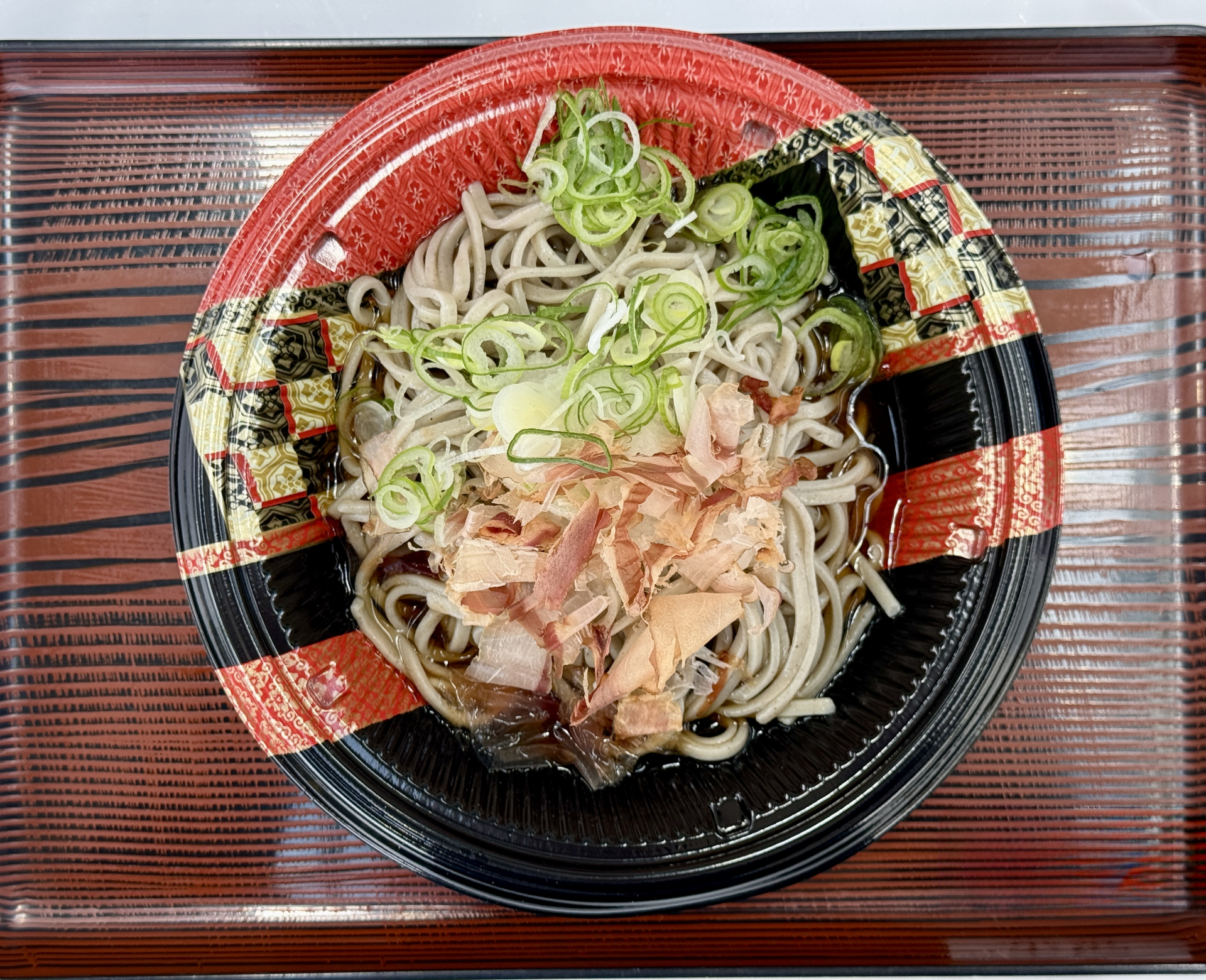
Echizen oroshi soba is Fukui’s beloved soul food — firm, dark, rustic buckwheat noodles served cold and topped with a generous mound of grated daikon radish (oroshi), bonito flakes, and green onion, then dressed with a cold, slightly sharp dashi-soy broth. The grated radish gives it a refreshing bite that sets it apart from other soba; locals eat it year-round, and Fukui has more soba shops per capita than almost anywhere in Japan. The buckwheat is grown in Fukui’s cool highlands and coarsely milled for a deep, nutty aroma. Take-home dried-soba kits — with noodles, concentrated tsuyu, and toppings — make easy, long-keeping souvenirs (cup versions around ¥400; gift sets from about ¥1,000). Available at JR Fukui Station, roadside stations, and soba specialty shops across the prefecture.
「越前おろしそば」は福井県民のソウルフード。黒っぽく太めでコシのある田舎そばを冷たいまま、たっぷりの大根おろし・かつお節・ネギをのせ、冷たい辛めの出汁醤油でいただく独特のスタイルです。大根おろしのピリッとした爽やかさが他のそばと一線を画し、地元では一年中親しまれ、福井は人口あたりのそば店数が日本屈指。福井の冷涼な高地で育てた蕎麦を粗挽きにし、香り高く仕上げます。お土産には乾麺・濃縮つゆ・薬味のセットが手軽で日持ちも良く人気(カップ入り約400円、化粧箱の贈答用は1,000円〜)。JR福井駅、県内の道の駅、そば専門店で広く購入可能。
Must-Visit Spots
おすすめスポット 5選
Eiheiji Temple
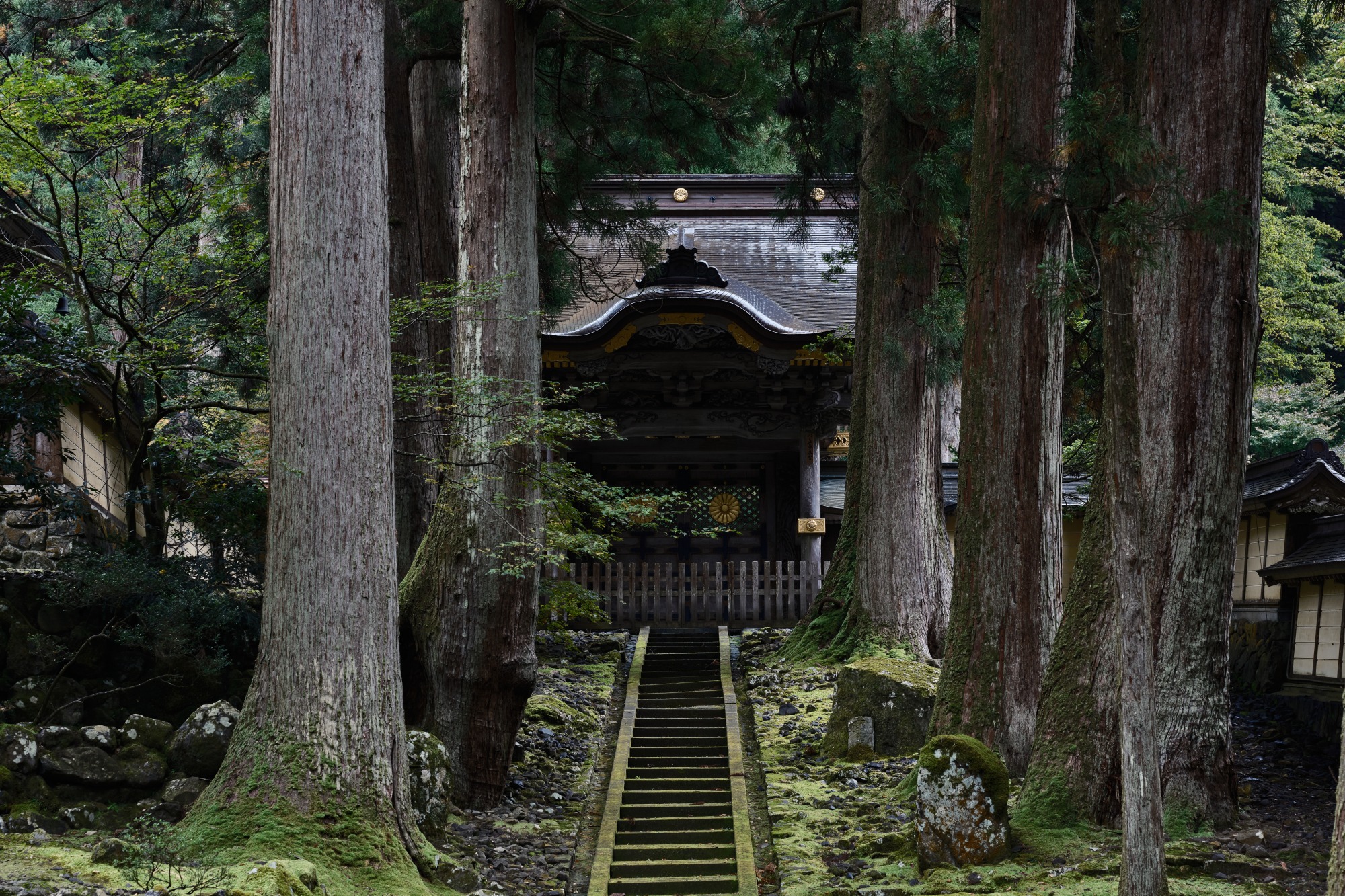
Founded in 1244 by Zen master Dogen, Eiheiji is one of Japan’s two head Soto Zen training monasteries — and remains an active community of around 100 monks practicing the same rigorous training routines that have continued unchanged for nearly 800 years. The complex of 70+ ancient wooden buildings is hidden in dense cedar forests, with mossy stone paths connecting halls of different functions. Visitors can witness the early-morning sutra chanting, observe meditation periods, and experience overnight “sankesha” stays where you join in 5am meditation, vegetarian shojin-ryori meals, and silence. Even daytime visits feel transformative — the air is heavy with incense and the rhythm of distant bells. Admission ¥700. About 30 minutes from JR Fukui Station via private bus.
1244年に道元禅師によって開創された「永平寺」は、日本の曹洞宗の二大本山の一つ——現在も約100名の雲水たちが800年近くほぼ変わらない厳しい修行を続ける現役の修行道場です。深い杉林に隠れるように建つ70棟超の古い木造建築群は、苔むした石段で結ばれ、それぞれが異なる修行・儀式の用途を持ちます。訪問者は早朝の読経、坐禅の時間の見学、宿坊での「参禅者」体験(午前5時の坐禅、精進料理、無言の修行)が可能。日中の参拝でも、線香の濃い香りと遠くで鳴る鐘の音に包まれ、心が洗われるような体験ができます。拝観料700円。JR福井駅から専用バスで約30分。
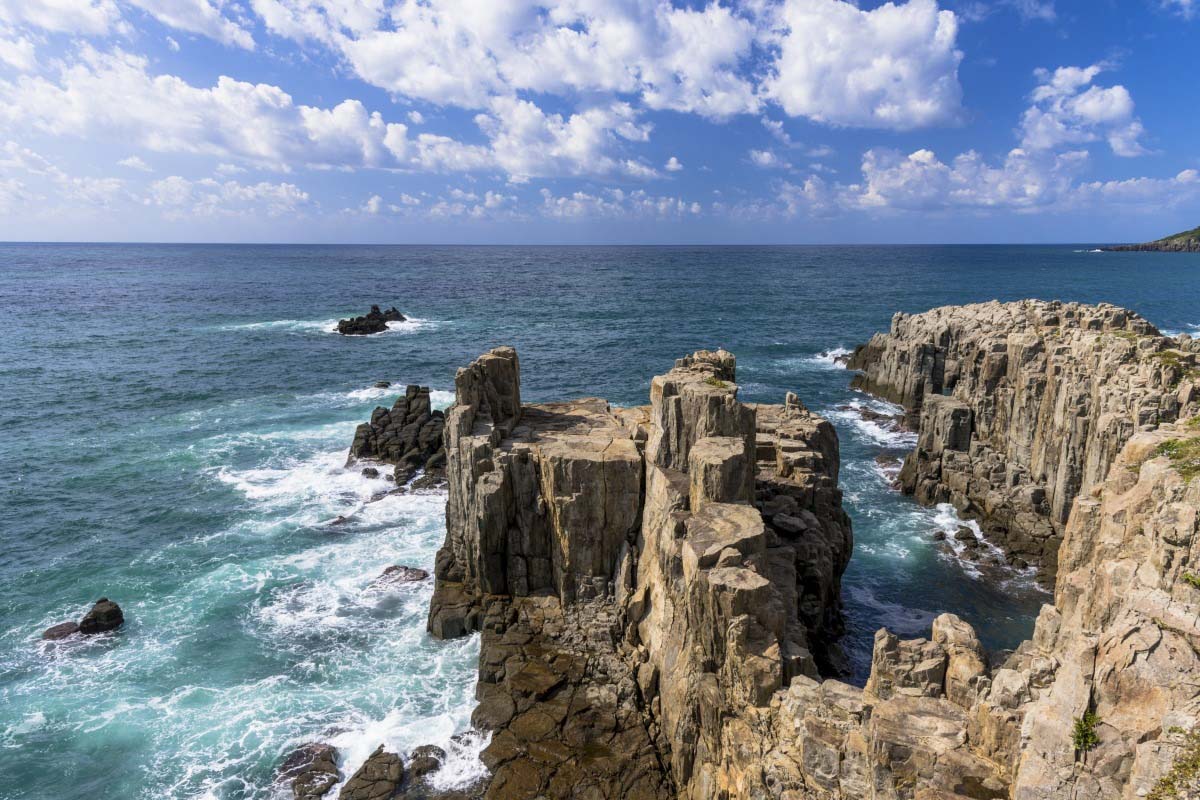
Tojinbo
Tojinbo is one of Japan’s most dramatic coastal landscapes — a 1-kilometer stretch of andesite cliffs along the Sea of Japan where massive hexagonal columnar joints rise vertically 25 meters from crashing waves below. Formed over 12 million years by ancient volcanic activity, the geometric rock formations are a designated National Place of Scenic Beauty and Natural Monument and one of only a handful of similar formations worldwide. The Tojinbo Tower observation platform (¥500) provides safer panoramic views, while the brave can walk to the cliff edge directly. Boat tours (30 minutes, ¥1,800) take visitors directly beneath the towering rock walls for awe-inspiring close-ups. About 80 minutes from JR Fukui Station via JR + bus, or 25 minutes by car. Best at sunset.
「東尋坊(とうじんぼう)」は日本でも最もドラマチックな海岸景観の一つ——日本海岸沿いに約1kmにわたって続く、高さ25メートルの六角柱状節理の安山岩断崖。1,200万年前の古い火山活動で形成された幾何学的な岩柱群は、国指定の名勝及び天然記念物に指定され、世界でも数えるほどしかない希少な地形です。「東尋坊タワー」展望台(500円)からは安全に絶景パノラマを楽しめ、勇気ある人は崖際まで直接歩いて行くこともできます。30分の遊覧船ツアー(1,800円)では、そびえ立つ岩壁の真下に船が入り込み、圧倒的な迫力の水面からの絶景が満喫できます。JR福井駅からJR+バスで約80分、車で約25分。夕日の時間帯が特に絶景。
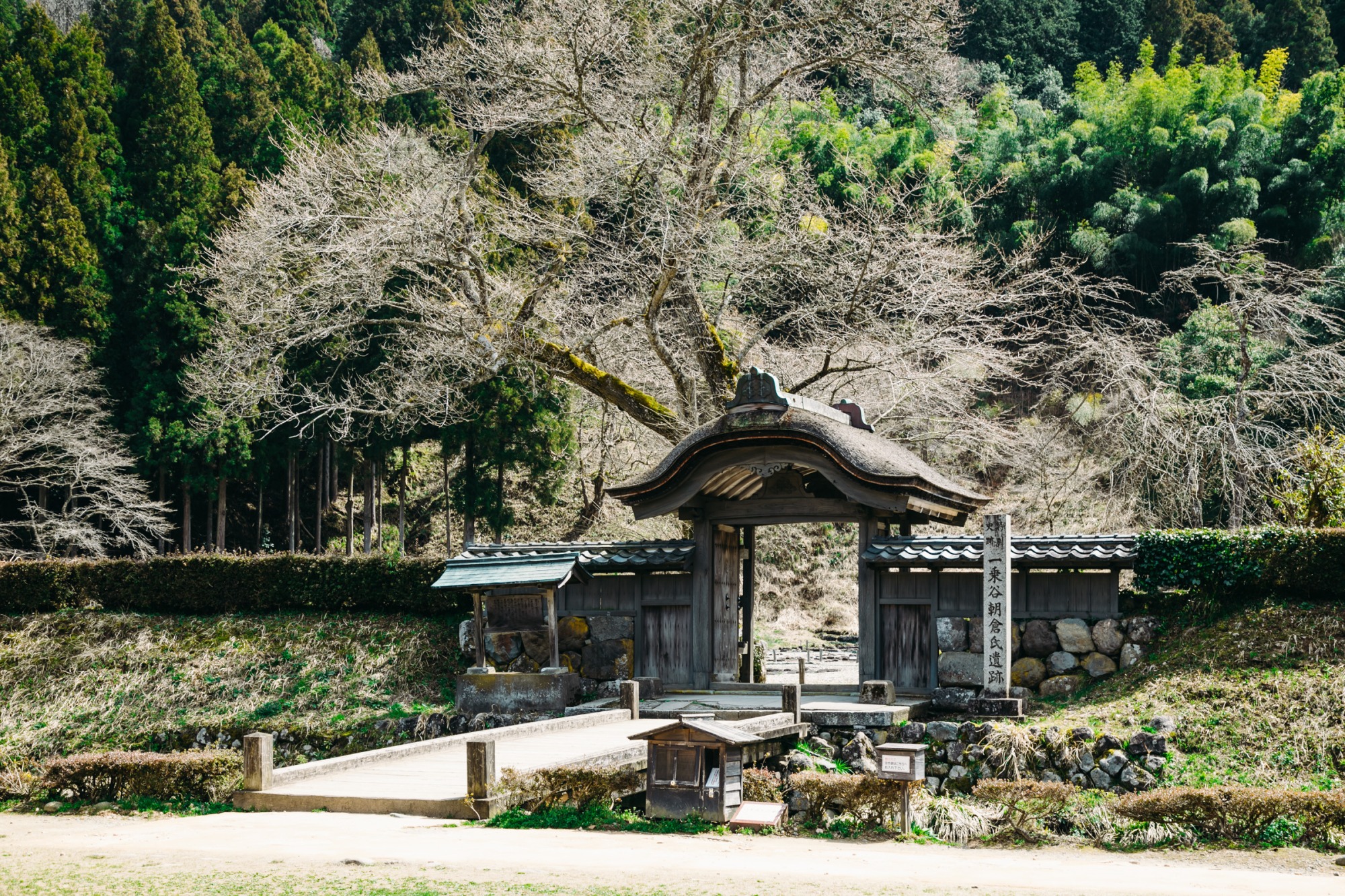
Ichijodani Ruins
The Ichijodani Asakura Family Ruins preserve the 16th-century castle town of the Asakura clan, who ruled Fukui from this mountain stronghold from 1471 until 1573 when they were defeated by Oda Nobunaga. The 278-hectare archaeological site includes the meticulously reconstructed warrior residence with original-style sliding screens and tatami rooms, the imposing main gate, the foundations of merchant streets, and beautifully preserved Japanese landscape gardens. Educational displays explain how 10,000+ residents lived during the height of Asakura prosperity. The site became a designated Special Historic Site of Japan and offers one of the most authentic Sengoku-era town experiences in the country. Admission ¥330 (the separate Asakura Museum is ¥700). From JR Fukui Station, take a private bus (35 minutes).
「一乗谷朝倉氏遺跡」は、16世紀の朝倉家の城下町を保存した貴重な史跡。朝倉家は1471年から1573年(織田信長に滅ぼされるまで)、この山城を拠点に越前を治めていました。278ヘクタールの広大な遺跡には、武家屋敷の精緻な復元(伝統的な襖、畳、書院造の見事な再現)、堂々たる正門、商家町の基礎、見事に保存された大名庭園など見どころ満載です。最盛期に1万人以上が暮らした朝倉時代の繁栄を伝える教育展示も充実。日本の特別史跡に指定され、戦国時代の城下町を最も本物に近い形で体験できる貴重な場所として高く評価されています。入場料330円(隣接の県立一乗谷朝倉氏遺跡博物館は700円)。JR福井駅から専用バスで約35分。
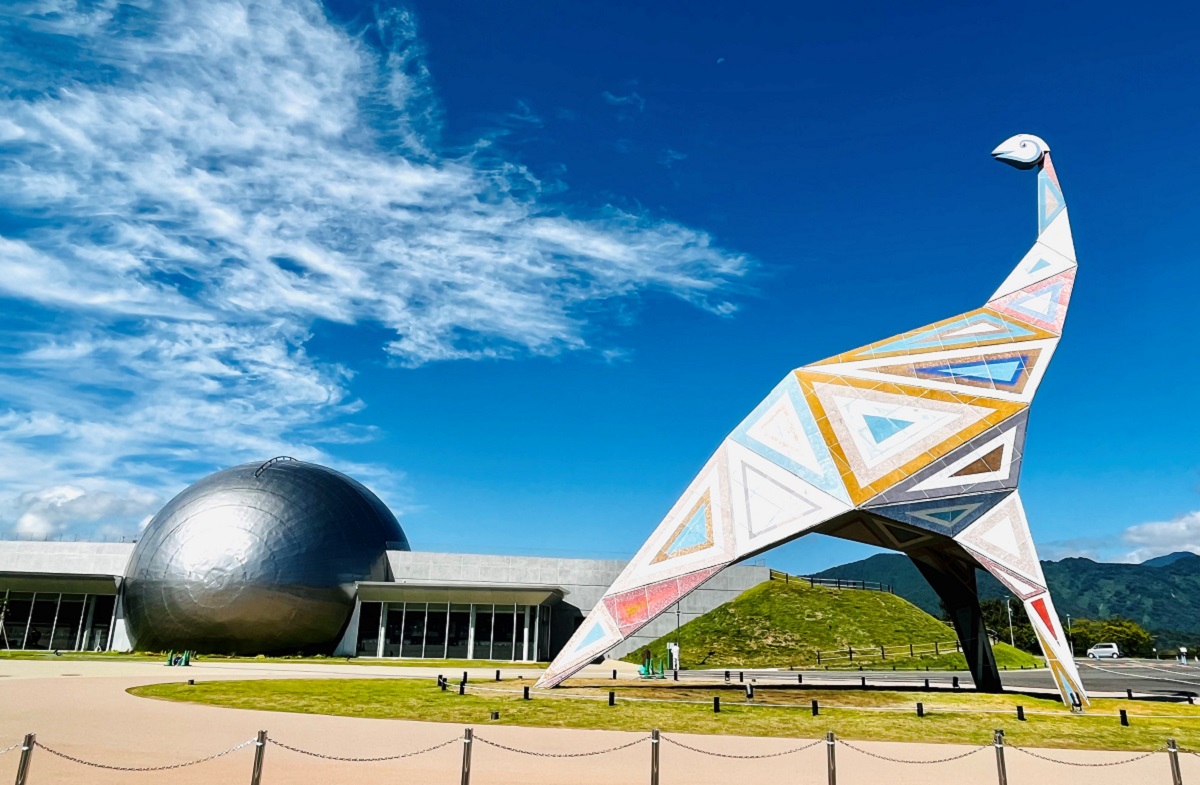
Fukui Prefectural Dinosaur Museum
Fukui has earned its nickname “Japan’s Dinosaur Kingdom” through a series of remarkable fossil discoveries since 1989, including five species named for the prefecture (Fukuiraptor, Fukuisaurus, Fukuititan, etc.). The Fukui Prefectural Dinosaur Museum, built in 2000, is one of Asia’s largest dedicated dinosaur facilities — featuring 50 full-skeleton mounts, including imposing T-Rex, Stegosaurus, and Triceratops specimens, plus interactive displays explaining how each species lived. The museum’s signature “Dinosaur Hall,” with a roughly 37-meter ceiling and dynamic lighting that highlights each skeleton dramatically, provides an unforgettable visual experience. Live fossil-preparation labs allow visitors to watch real specimens being carefully extracted from rock. Tickets ¥1,000 adults. About 90 minutes from JR Fukui Station; date-specified advance reservation required.
福井県は1989年以降の多数の重要な恐竜化石発見により「恐竜王国」の異名を持ち、フクイラプトル、フクイサウルス、フクイティタンなど5種の県名を冠した恐竜が学名登録されています。2000年に建設された「福井県立恐竜博物館」はアジア最大級の恐竜専門施設で、ティラノサウルス、ステゴサウルス、トリケラトプスなどの巨大全身骨格50体以上を展示し、各種の生態を解説するインタラクティブ展示も充実。看板の「恐竜の世界」展示室は、約37メートルの吹き抜け天井とドラマチックな照明で、骨格一体ずつを劇的に演出する圧巻の空間演出。化石処理ラボでは、岩から実物化石を丁寧に取り出す作業をリアルタイム見学可能。入館料1,000円。JR福井駅から約90分。日時指定の事前予約が必要。
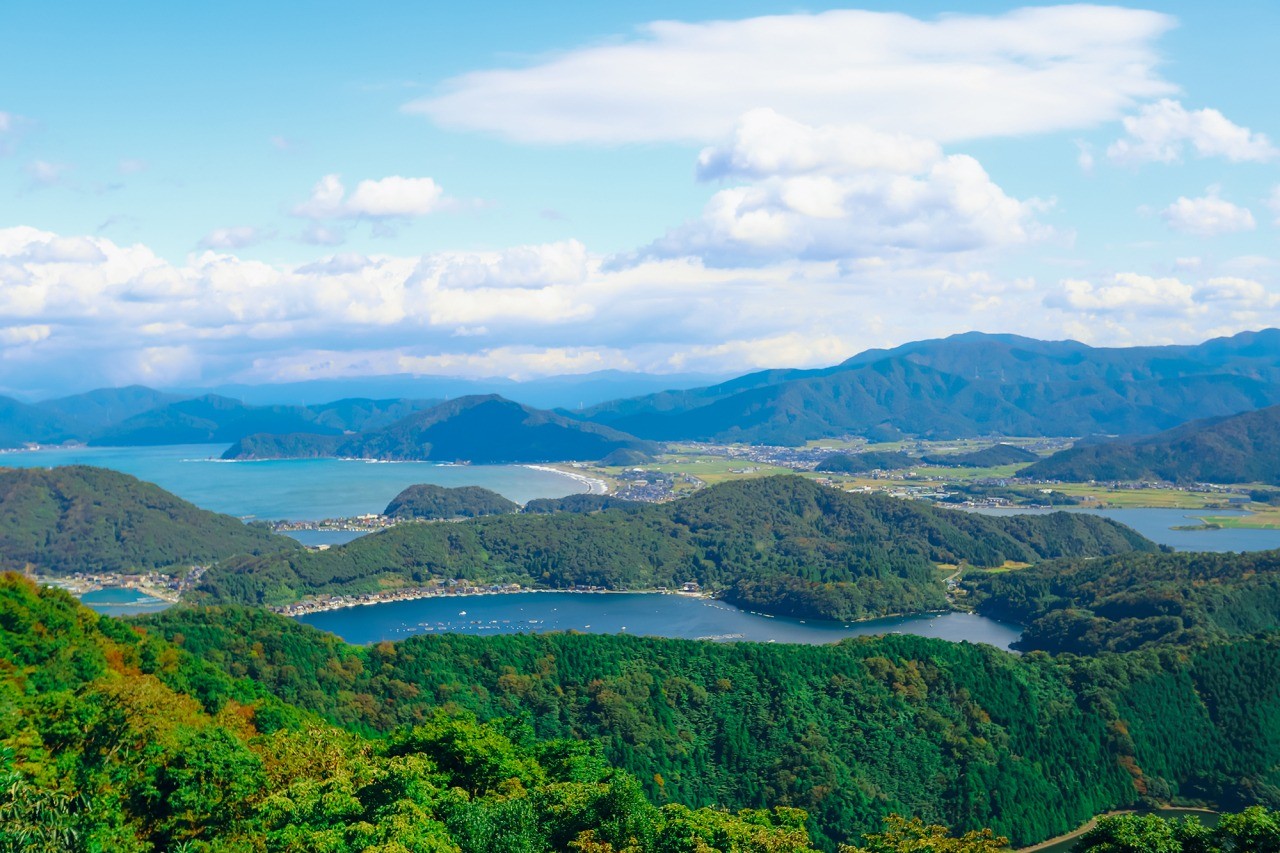
Mihama & Wakasa Bay
The Mihama and Wakasa Bay region of southern Fukui is a quietly stunning coastline where the Sea of Japan creates emerald-green coves, white-pebble beaches, and dramatic seaside cliffs. The signature feature is the “Mikatagoko” five interlinked lakes — designated a Ramsar Convention wetland (2005) — where each lake has different salinity (and thus different colors), creating a fascinating gradient from freshwater green to brackish blue to saltwater turquoise. Drive the coastal Rainbow Line scenic road and stop at observation points. Beyond the lakes, enjoy seafood at Mihama-cho’s traditional fishing villages, soak in family-friendly Wakasa Marine Resort, and visit the historic Kumakawa-juku post town. Local makers also craft silky tofu using Wakasa’s pure spring water. About 75 minutes from JR Tsuruga Station.
福井県南部の美浜・若狭湾エリアは、日本海が織りなすエメラルドグリーンの入江、白い小石の浜、ドラマチックな海岸断崖が連なる隠れた絶景地。看板の風景は5つの繋がった湖「三方五湖」——ラムサール条約登録湿地(2005年)にも登録され、それぞれの湖が異なる塩分濃度を持つため違う色(淡水のグリーンから汽水のブルー、海水のターコイズまで)に染まる、世界でも珍しい色彩のグラデーション現象が観賞できます。海岸絶景ロード「レインボーライン」をドライブして展望台へ。湖以外にも、美浜町の漁村での海鮮、家族向けの若狭マリンリゾート、歴史ある熊川宿(くまかわじゅく)の宿場町、地元の湧き水で作る絹ごし豆腐など魅力多数。JR敦賀駅から約75分。
Insider Tips
現地通の旅の裏ワザ
World top-3 dinosaur collection. Entry is by date-specified reservation (¥1,000) — popular dates sell out, so book early.
福井県立恐竜博物館は世界三大級。日時指定の事前予約制(¥1,000)、人気日は早めの予約を。
Echizen-gani (snow crab) season is Nov 6 to March 20 only. Echizen’s crab auctions are a local highlight (check viewing options with the tourist office).
越前ガニ漁期は11/6〜3/20限定。越前町のカニ競りは見どころ(見学可否は観光連盟に要確認)。
Frequently Asked Questions
When is Echizen crab season?
November 6 to March 20. Only male zuwaigani (snow crab) is called Echizen crab and carries the yellow tag. The Fukui fishing port of Tsuruga and Echizen hold early-morning crab auctions.
11月6日〜3月20日が解禁期間。雄のズワイガニのみ越前がにと呼ばれ、黄色のタグが目印。敦賀・越前港で早朝の競りが行われます。
Can visitors attend Eiheiji’s morning ceremony?
The public morning ceremony (朝課) at 5:30 am is open to visitors who have stayed overnight as a temple lodger (sanrosha). Day visitors can observe monks’ activities from designated walkways.
5:30の朝課は宿泊者(参籠)のみ参加可能。日帰り参拝者も僧の修行の様子を廊下から見学できます。
Is the Hokuriku Shinkansen now open to Fukui?
Yes — the Hokuriku Shinkansen extension from Kanazawa to Tsuruga opened in March 2024. Fukui is now about 2 hours 51 minutes from Tokyo, and about 1 hour 45 minutes from Osaka (Thunderbird limited express to Tsuruga, then shinkansen).
2024年3月に北陸新幹線が金沢〜敦賀間延伸開業。東京から最速約2時間51分、大阪からは特急サンダーバードで敦賀乗換、約1時間45分〜2時間に。
Travel Tip
Combine Eiheiji Temple (30 min from Fukui by bus) with a morning and evening at Tojinbo (about 75–90 min by bus) for a full Fukui day. The evening light on the andesite cliffs is dramatic — stay until sunset.