Tottori
Top Tottori souvenirs and must-visit travel spots — your complete guide for visitors to Japan. Japan has sand dunes? Tottori’s 16-kilometre dune field beside the Sea of Japan is a genuine desert landscape — camel rides, paragliding and all — in the middle of the country.
日本唯一の砂丘・鳥取砂丘、大山の雄姿、松葉ガニ——日本で最も人口の少ない県・鳥取は、圧倒的なスケールの自然に満ちています。
Tottori is Japan’s least-populous prefecture but a scenic one — the vast Tottori Sand Dunes, the Mizuki Shigeru manga road in Sakaiminato, and Mount Daisen. Its souvenirs are farm-and-sea: the famous twentieth-century pear (and pear jelly), matsuba snow crab in winter, and suna-tamago eggs. Pears and crab are seasonal, so check timing. Tottori and Yonago stations carry them.
鳥取は日本一人口の少ない県やけど絶景揃い——広大な鳥取砂丘、境港の水木しげるロード、大山。みやげは農と海で、名物の二十世紀梨(と梨ゼリー)、冬の松葉ガニ、砂たまごなど。梨やカニは季節物なので時期に注意。鳥取駅・米子駅で買えます。
Recommended Omiyage
おすすめおみやげ 5選
Matsuba Crab
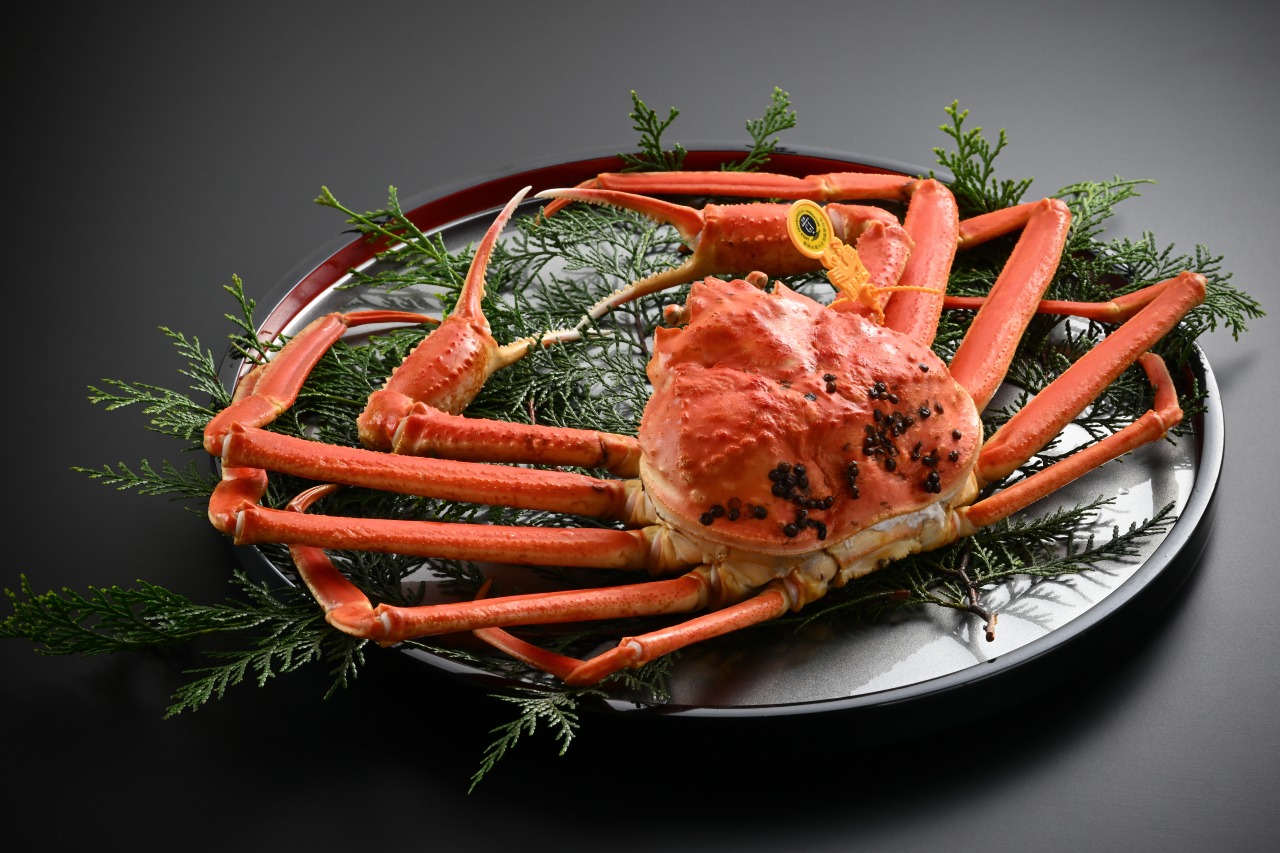
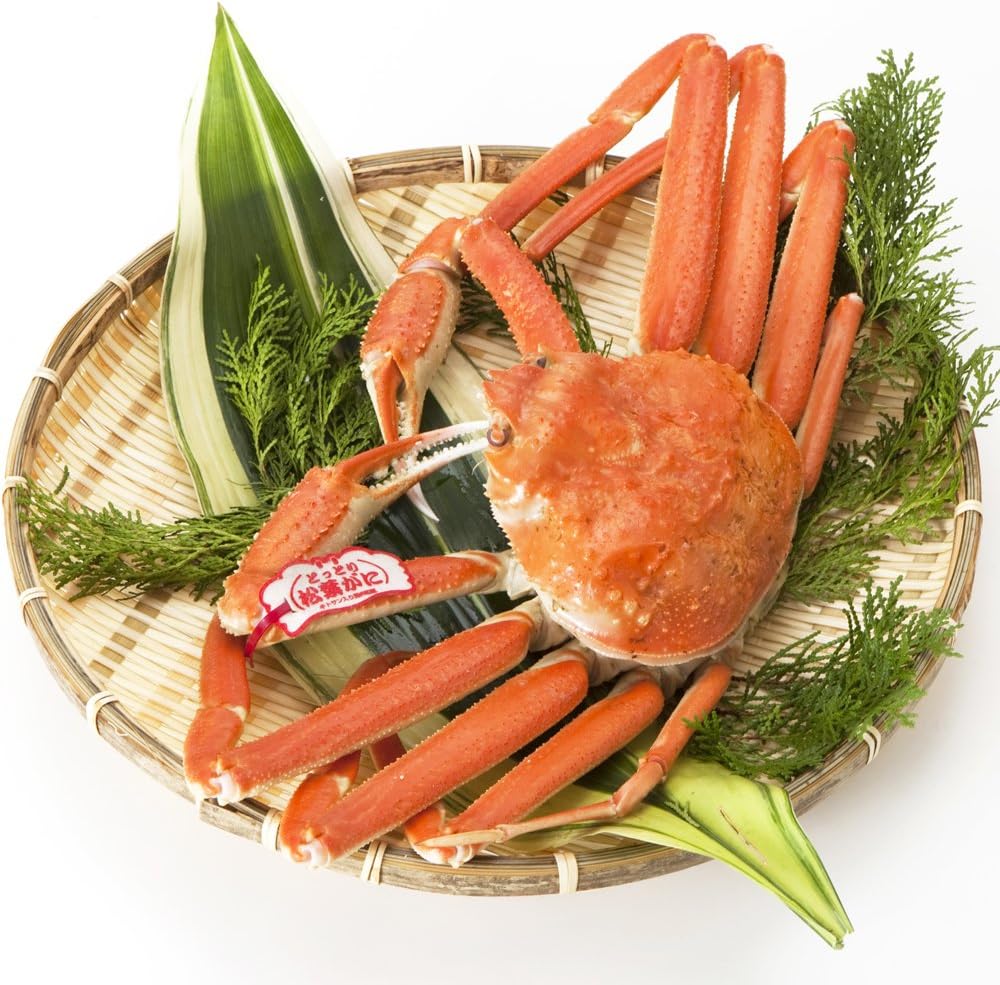
Matsuba-gani is Tottori’s most prestigious winter delicacy — male snow crabs caught in the icy waters of Sea of Japan from November through March. The red brand tag (“Tottori Matsuba-gani”) attached to each genuine crab certifies Tottori provenance, and the very top grade is graded as “Itsukiboshi” under a rigorous five-point standard. The meat is luxuriously sweet and dense, the texture firm yet tender, and the crab miso is so rich it’s considered a delicacy on its own. A single top-grade specimen can fetch ¥30,000-100,000+ at premium auctions. Eat them as sashimi, in shabu-shabu, or as the iconic Matsuba kani-don rice bowl. Premium gift versions include vacuum-sealed legs, kani-meshi rice mixes, and elegant whole-crab boxes. Available at JR Tottori Station, Sakaiminato Fish Market, and direct from Tottori cooperative shops.
「松葉ガニ」は鳥取県を代表する冬の高級海鮮——日本海の凍るような海域で11〜3月に水揚げされる雄のズワイガニで、赤いブランドタグ(「とっとり松葉がに」)が付いた本物は鳥取県産の証で、最高級品は「五輝星(いつきぼし)」として厳格な基準で選別されます。身は贅沢な甘み、しっかりとした密度ある食感、カニ味噌は濃厚で珍味として独立して食されるほどの逸品。最高級品は1杯30,000〜100,000円超で取引されることも。刺身、しゃぶしゃぶ、有名な「松葉カニ丼」など多彩な調理法で味わえます。お土産用には真空パック足部、かに飯の素、化粧箱入りの一杯丸ごと版などが展開。JR鳥取駅、境港の魚市場、鳥取の漁協直営店で購入可能です。
Nijisseiki Pear Jelly
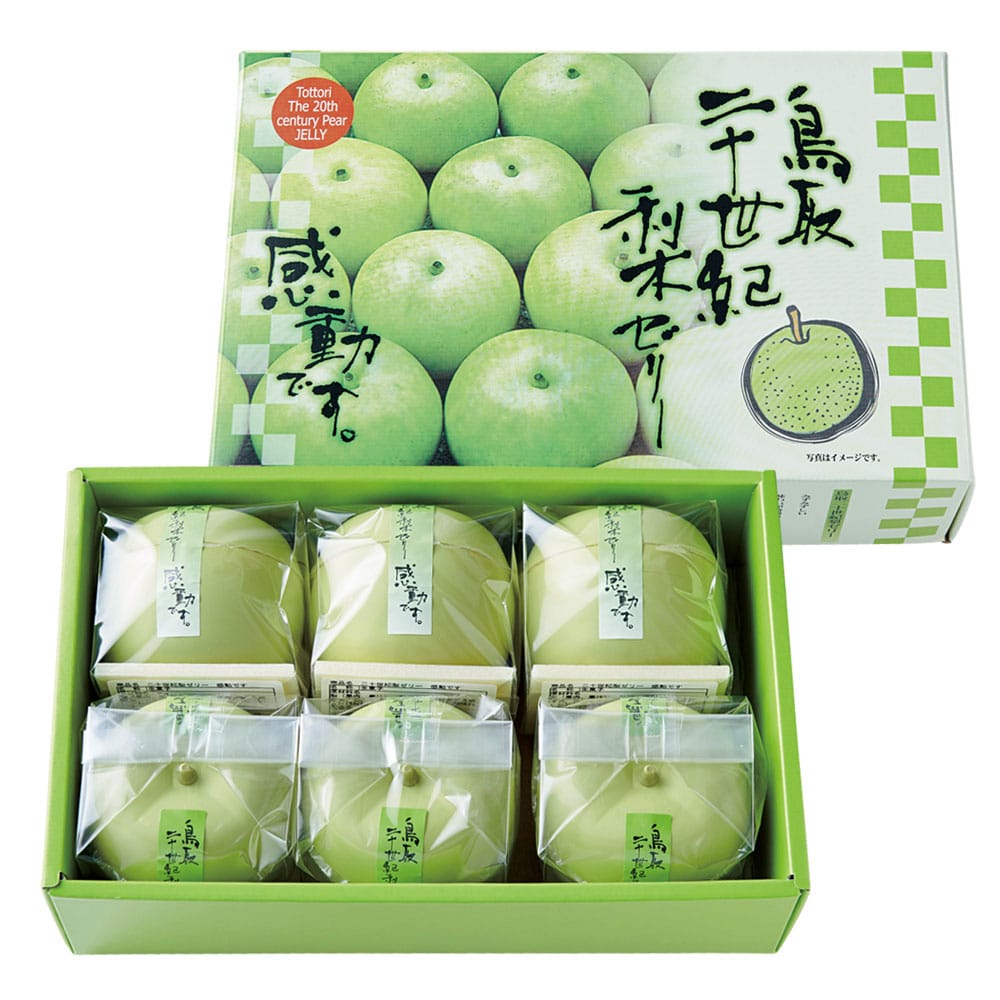
Tottori is Japan’s leading grower of the Nijisseiki pear — its flagship Nijisseiki (“20th Century”) variety has white-yellow flesh with extraordinary juiciness, refreshing sweetness, and a subtle acidity that makes it Japan’s most celebrated pear cultivar. Nijisseiki Pear Jelly transforms this seasonal bounty into year-round elegance: pear puree is delicately set in transparent jelly with whole pear chunks suspended throughout, often crowned with edible gold leaf. The flavor is intensely pear-forward yet refined, with the natural sweetness shining through pristine clarity. Top makers include Kotobuki Seika (maker of “Kando desu.”) and Takara Seika. Beautifully boxed gift versions feature 4-12 jelly cups in elegant blue-and-gold packaging. Pair with Japanese tea or sake. Available at JR Tottori Station, Tottori Sand Dunes gift shops, and Sakaiminato Yokai Road.
鳥取県は二十世紀梨の全国一の産地——代表品種「二十世紀(にじっせいき)」は白黄色の果肉、抜群のジューシーさ、爽やかな甘味、繊細な酸味が完璧にバランスした、日本で最も称えられる梨品種です。「二十世紀梨ゼリー」はこの旬の恵みを一年中楽しめる優雅な形に——梨ピューレを透明なゼリーで上品に固め、丸ごとの梨果肉を浮かべ、食用金箔で仕上げた逸品。梨本来の凝縮した風味、輝く透明感、自然な甘味が際立つ仕上がりです。代表メーカーは寿製菓「感動です。」、宝製菓など。4〜12個入りの青と金の優雅なギフトボックスで展開。日本茶や日本酒との相性も格別。JR鳥取駅、鳥取砂丘の土産店、境港水木しげるロードで購入可能。
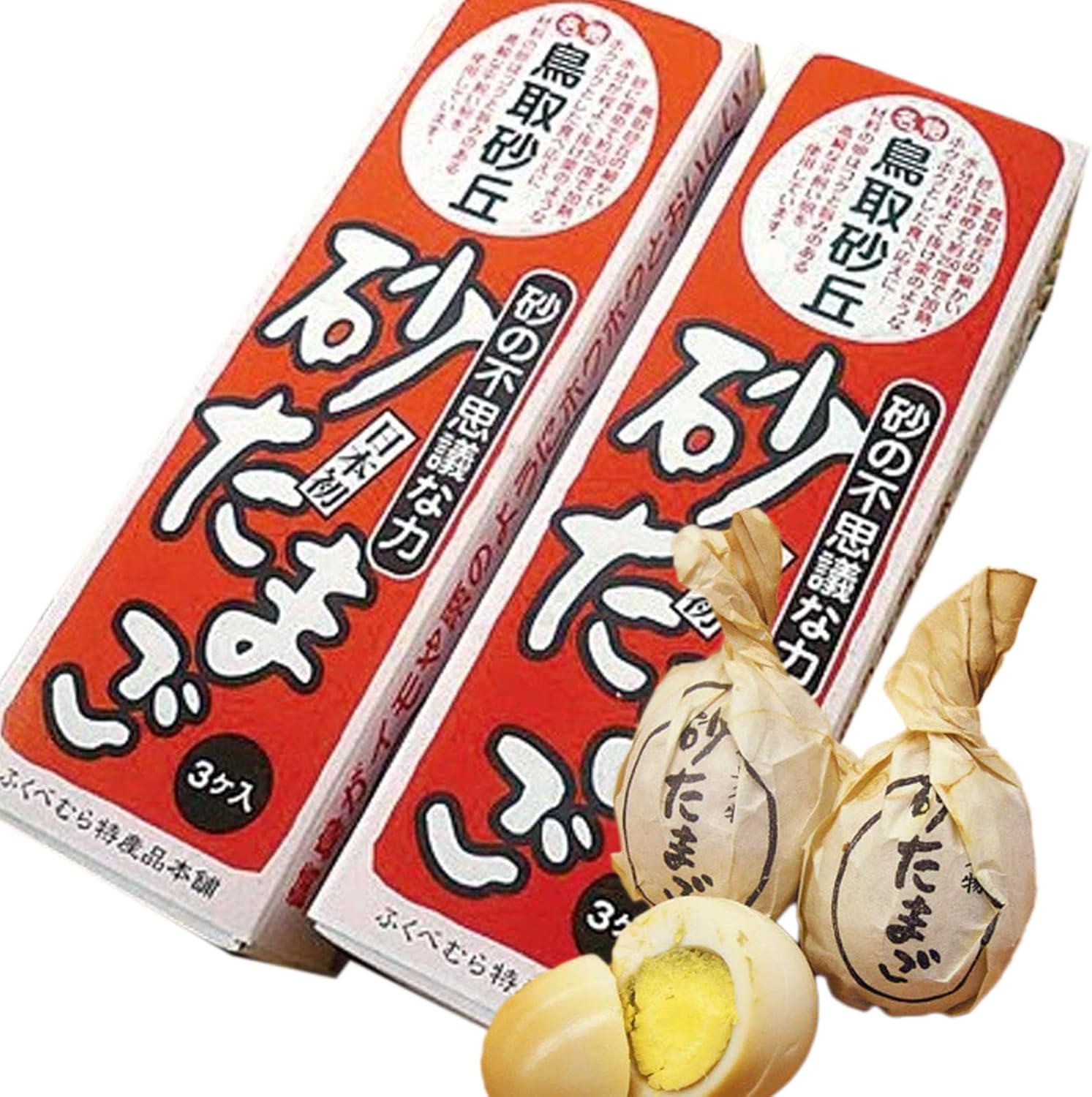
Suna-Tamago (Sand-Dune Eggs)
Suna-tamago (“sand dune eggs”) are one of Tottori’s most curious souvenirs — chicken eggs slow-cooked using the heat of the Tottori Sand Dunes’ sand, producing a smoky aroma, a creamy custard-like yolk, and a firm, savory white. Made by Fukubemura Tokusanhin Honpo, the eggs are cooked low and slow so the flavor deepens, then sealed in individual wrappers. They keep at room temperature and make a fun, conversation-starting gift. Available at Tottori Sand Dunes gift shops, JR Tottori Station, and prefecture-wide souvenir stores. Pair with green tea or a cold beer.
「砂たまご(すなたまご)」は鳥取砂丘の砂の熱でじっくり蒸し焼きにした、鳥取ならではのユニークなお土産——香ばしい香り、とろりとカスタードのような黄身、しっかりとした旨味の白身が特徴です。ふくべむら特産品本舗が手がけ、低温でじっくり火を通すことで濃厚な味わいに仕上げ、1個ずつ包装されています。常温で持ち運べて、話のタネになる楽しい一品。鳥取砂丘の土産店、JR鳥取駅、県内のお土産店で購入可能。お茶や冷えたビールとの相性も格別。
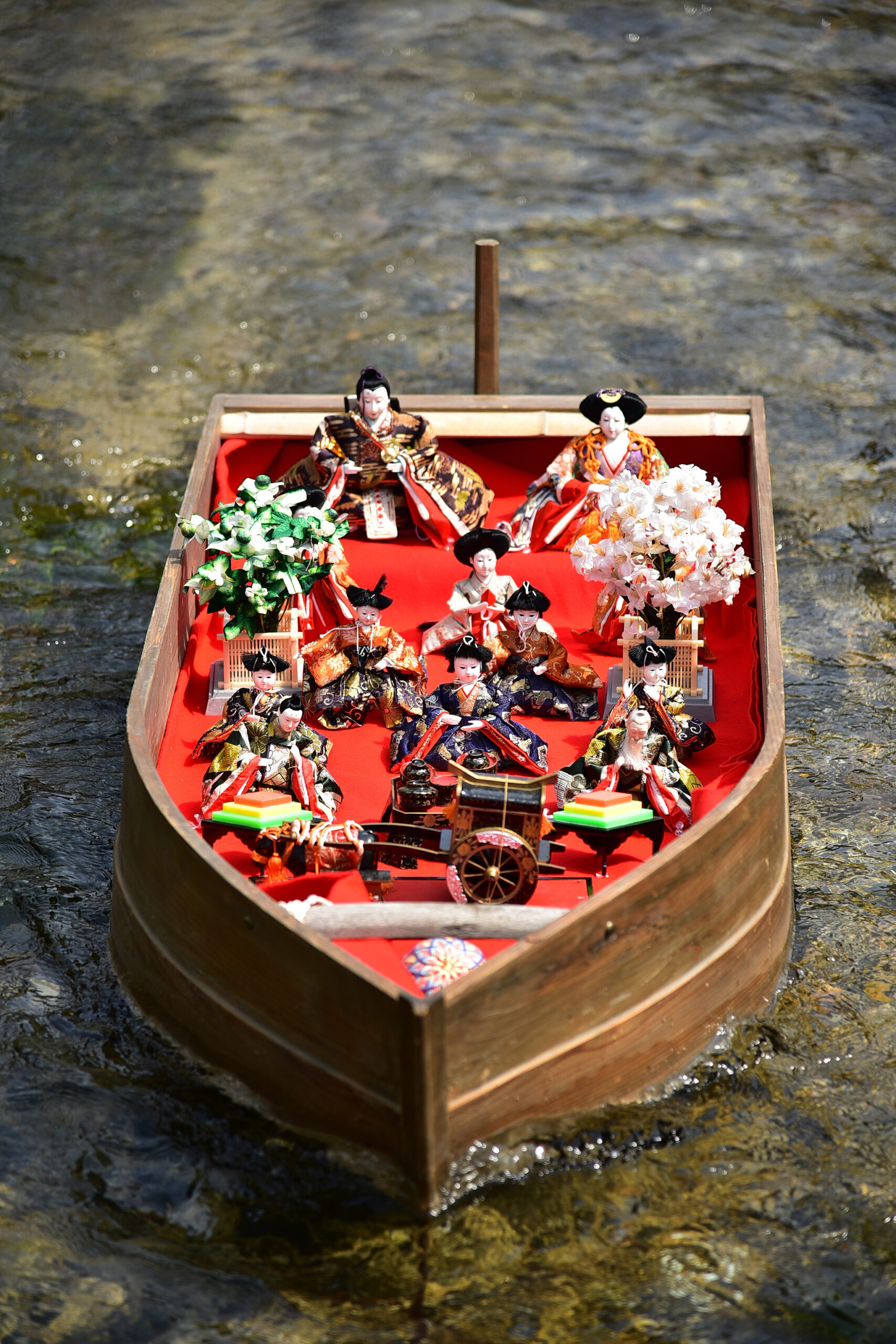
Tottori Folk Toy
Tottori has preserved a rich variety of folk toys and dolls (kyodo gangu) since the Edo period — handcrafted wooden, ceramic, and papier-mâché pieces that served as children’s playthings and protective charms. The signature pieces include nagashi-bina (paper-and-cloth “floating” hina dolls tied to Tottori’s Mochigase doll-floating festival, where dolls are set adrift on the river to carry away misfortune) and the Hakota-ningyo of Kurayoshi — round, gentle-faced papier-mâché dolls long cherished as charms for children’s health. Other beloved items include clay bells (dorei), kirin-jishi lion masks, and traditional kites. The Warabekan museum near JR Tottori Station displays a huge collection of toys and nursery songs and offers hands-on craft workshops. Modern artisans continue making these as collectibles. Items range from ¥500 keychains to ¥30,000+ collector pieces.
鳥取県は江戸時代から続く郷土玩具・人形の宝庫——木製、陶器、張り子の手作り品が、子供の遊び道具や魔除けのお守りとして親しまれてきました。象徴的なのは「流しびな」(用瀬町「もちがせの雛送り」で、災厄を託した雛人形を舟に乗せて川に流す伝統)と、倉吉の「はこた人形」(丸くやさしい顔の張り子人形で、古くから子供の健やかな成長を願うお守りとして愛されています)。ほかにも土鈴、麒麟獅子、伝統凧など多彩。JR鳥取駅近くの「わらべ館」(童謡・唱歌とおもちゃのミュージアム)では膨大なコレクションの展示や手作り体験が楽しめます。現代の職人たちはコレクター向けにも製作を続けています。価格帯は500円のキーホルダーから、コレクター作品の30,000円超まで多彩。
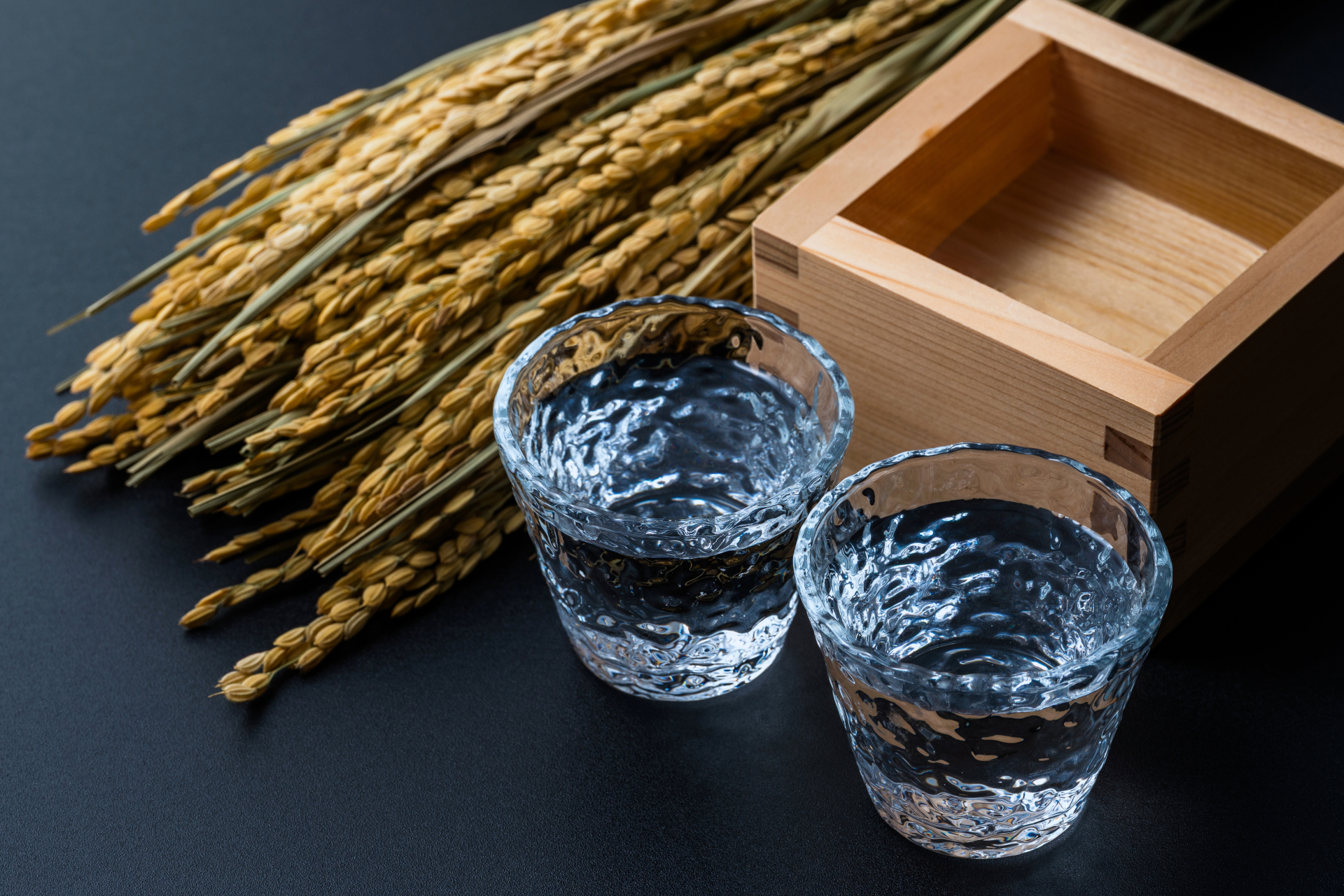
Daisen Sake
Daisen Sake is the prefecture’s prized brewing tradition centered around Mt. Daisen (a sacred mountain considered the “Hoki-Fuji”) — the mountain’s pure snowmelt water, mineral-rich slopes, and locally-grown rice varieties produce sake with extraordinary clarity and complexity. The signature Daisen sake style is light, slightly mineral, and elegantly food-pairing, perfect with seafood from the Sea of Japan or Tottori’s famous Matsuba crab. Top breweries include Kumezakura (which brews the junmai-ginjo “Daisen”), Chiyomusubi in Sakaiminato, and Inata Honten (founded 1673, maker of “Inata-hime”). Many breweries offer free tours and tasting flights of 5-10 sakes for ¥500-1,000. Tottori’s breweries are scattered from Sakaiminato to Chizu and Kurayoshi, many offering brewery tours and tastings. Pair Daisen junmai with sashimi, kani-shabu, or grilled fish. Available at JR Tottori Station and direct from breweries.
「大山酒(だいせんざけ)」は霊峰・大山(だいせん、伯耆富士と称される神聖な山)を中心とした鳥取県の銘酒文化——大山の純粋な雪解け水、ミネラル豊富な山腹、地元産の酒造米が、卓越した透明感と複雑性を持つ銘酒を生み出します。大山酒の特徴は、軽やかでほのかなミネラル感、料理との相性に優れた上品な味わいで、日本海の海鮮や松葉ガニとの相性が格別です。代表蔵元は純米吟醸「だいせん」を醸す久米桜酒造、境港の千代むすび酒造、1673年創業の稲田本店(「稲田姫」)など。多くの蔵元で無料の蔵見学と500〜1,000円の利き酒セットが楽しめます。鳥取の酒蔵は境港・智頭・倉吉などに点在し、多くで蔵見学や利き酒が楽しめます。刺身、かにしゃぶ、焼き魚との相性は格別。JR鳥取駅、各蔵元直営店で購入可能。
Must-Visit Spots
おすすめスポット 5選
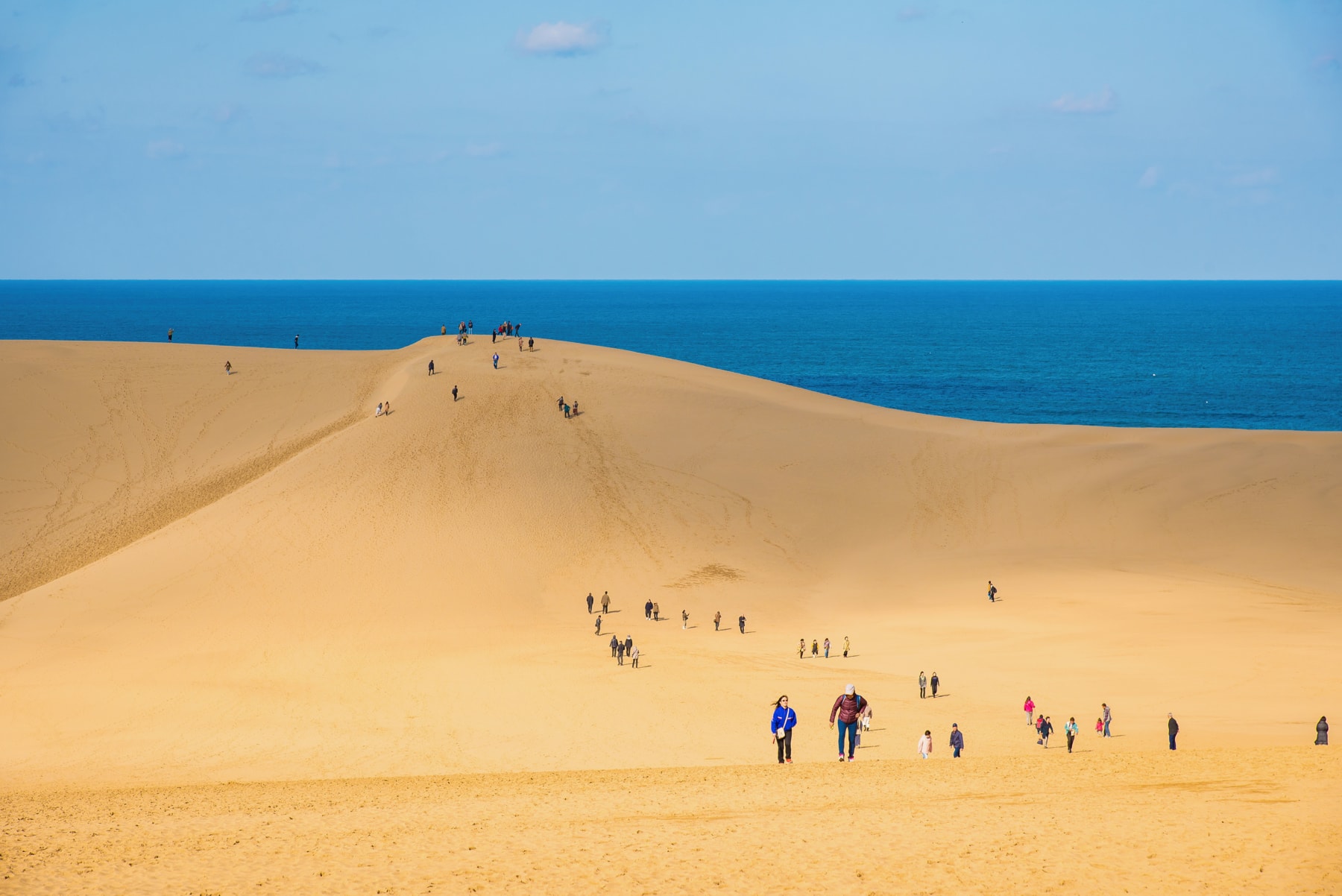
Tottori Sand Dunes
The Tottori Sand Dunes are Japan’s largest accessible sand dunes — a 16-kilometer stretch of constantly-shifting sand along the Sea of Japan coast, formed over 100,000 years by wind erosion of the surrounding granite mountains. The dunes have a maximum height difference of about 90 meters, with the famous “Uma no Se” ridge rising about 47 meters, creating an alien landscape that feels lifted from the Sahara — except with the deep blue Japan Sea visible in the distance. Visitors can walk the dunes barefoot, take camel rides (¥1,600), try sandboarding (¥5,500), and ride paragliders (¥7,000-12,000). The signature view from “Uma no Se” (Horse’s Back) — a knife-edge dune ridge — offers panoramic views over the entire formation. The famous Sand Museum is adjacent (see separate listing). About 20 minutes by bus from JR Tottori Station. Free admission to the dunes.
「鳥取砂丘」は日本最大級の海岸砂丘(観光できる砂丘では日本最大)——日本海岸沿いに16キロにわたって広がる常に風で形を変える砂の景観で、10万年以上もの間、周囲の花崗岩山の侵食によって形成されました。最大高低差約90メートル(名物「馬の背」は高さ約47メートル)の砂丘は、まるでサハラ砂漠から飛び出したような異世界の景色——遠くに広がる日本海の濃いブルーとの対比が独特の絶景を作り出します。訪問者は裸足で砂丘を歩く、ラクダ体験(1,600円)、サンドボード(5,500円)、パラグライダー(7,000〜12,000円)など多彩なアクティビティを楽しめます。象徴的な「馬の背」(ナイフのように尖った砂丘の稜線)からは砂丘全体のパノラマが楽しめます。隣接する「砂の美術館」も必見。JR鳥取駅からバスで約20分。砂丘は無料。
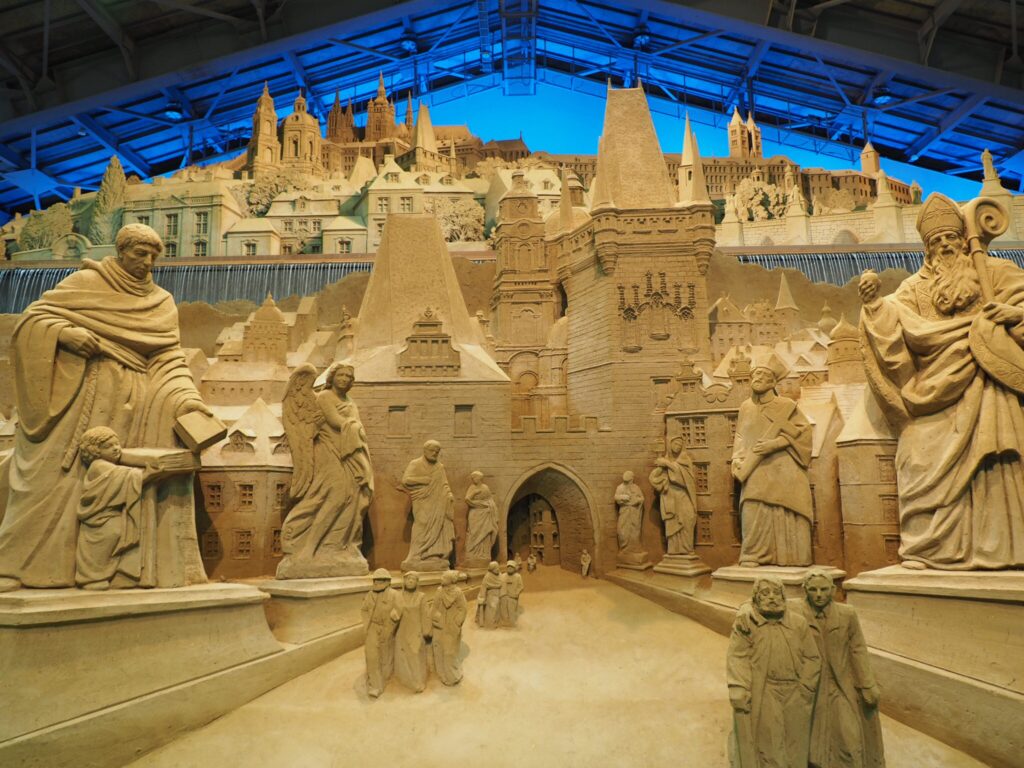
Sand Museum
The Tottori Sand Museum is the world’s only museum dedicated entirely to sand sculpture — an ever-changing exhibition where master sand sculptors from around the globe collaborate annually on a different theme, creating extraordinarily detailed temporary works that exist for just a few months before being washed away. Each year’s exhibition (typically running April through January) explores a different country or culture: past themes have included Egypt, Italy, Russia, Africa, Latin America, and ancient civilizations. The sculptures are masterful — towering palaces, life-sized animal figures, and intricate scenes — all formed from the famous Tottori sand without any binding agents. The transient nature of the art adds emotional depth. Tickets ¥800. From JR Tottori Station, take the Loop Bus to the Sand Dunes (the museum is adjacent). Excellent rainy-day attraction.
「鳥取砂の美術館」は、世界で唯一の砂像専門美術館——毎年世界中の名匠砂像彫刻家たちが集結し、異なるテーマで合作する、数ヶ月だけ存在し最後は流されて消える儚さが魅力の作品展示施設です。毎年の展示(通常4月〜翌年1月)では、エジプト、イタリア、ロシア、アフリカ、ラテンアメリカ、古代文明など、異なる国や文化を取り上げる多彩な企画。砂像は驚くべき精緻さ——そびえる宮殿、等身大の動物像、複雑な場面——すべて鳥取砂丘の砂のみで結合剤を一切使わず構築されます。アートの儚さが感情的な深みを加えています。入館料800円。JR鳥取駅から砂丘ループバスで移動(美術館は砂丘に隣接)。雨の日にも嬉しい絶好のアトラクション。
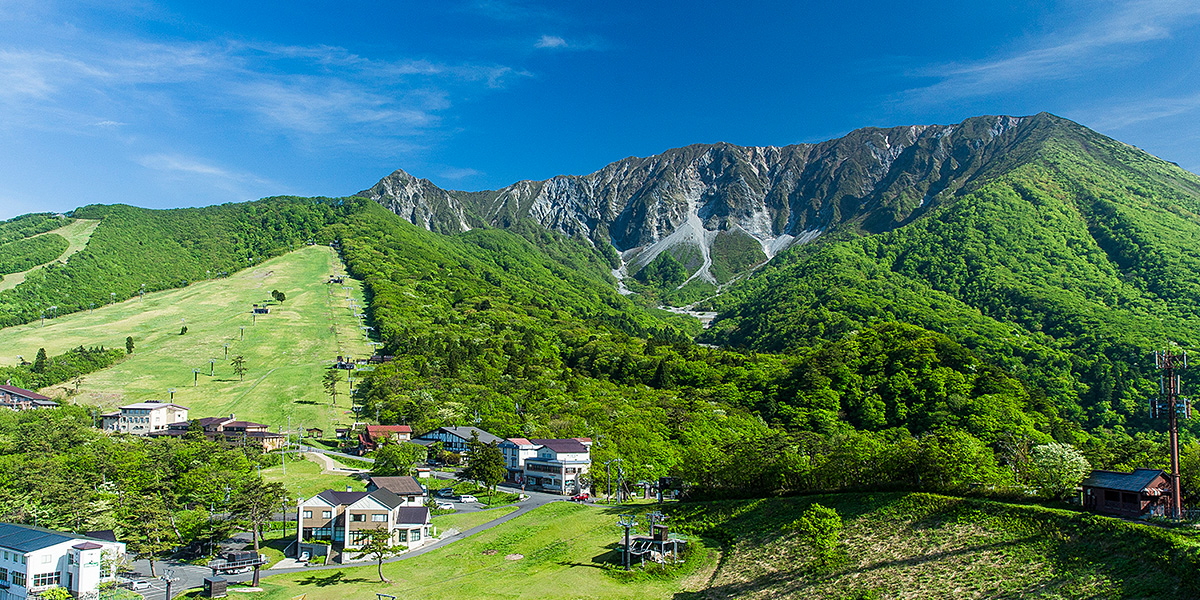
Mt. Daisen
Mt. Daisen at 1,729 meters is Chugoku’s highest mountain and one of Japan’s most sacred peaks — a stratovolcano, though not currently classed as active — Buddhist temples on its slopes are over 1,300 years old, and the mountain is considered the “Hoki-Fuji” for its prominent isolated cone shape. The summit hike (about 6 hours round trip) is moderately challenging but rewards with stunning panoramic views over the Sea of Japan and surrounding mountain ranges. Daisen-ji Temple, halfway up the mountain, is one of Japan’s most evocative mountain temples — old wooden buildings nestled in ancient forest, with monk lodgings still active. In winter, the lower slopes become Daisen Ski Resort. The autumn foliage (mid-October to early November) is spectacular. From JR Yonago Station, take the Daisen Bus (45 minutes to base; longer to summit trailheads).
標高1,729メートルの「大山(だいせん)」は中国地方最高峰の成層火山(現在は活火山には分類されない)——山腹の仏教寺院は1,300年以上の歴史を持ち、目立つ独立した円錐形の山姿から「伯耆富士」と称される神聖な山です。山頂登山(往復約6時間)は中級程度の難易度で、頂上から日本海と周囲の山並みを望む絶景パノラマが報われる充実コース。山の中腹に位置する「大山寺(だいせんじ)」は、古代の森に佇む古い木造伽藍が並び、現役の修行僧の宿坊もある日本でも最も詩情深い山岳寺院の一つです。冬は山麓が「大山スキー場」として運営。10月中旬〜11月上旬の紅葉は格別の絶景。JR米子駅から大山バスで約45分(山麓まで、登山口へはさらに)。
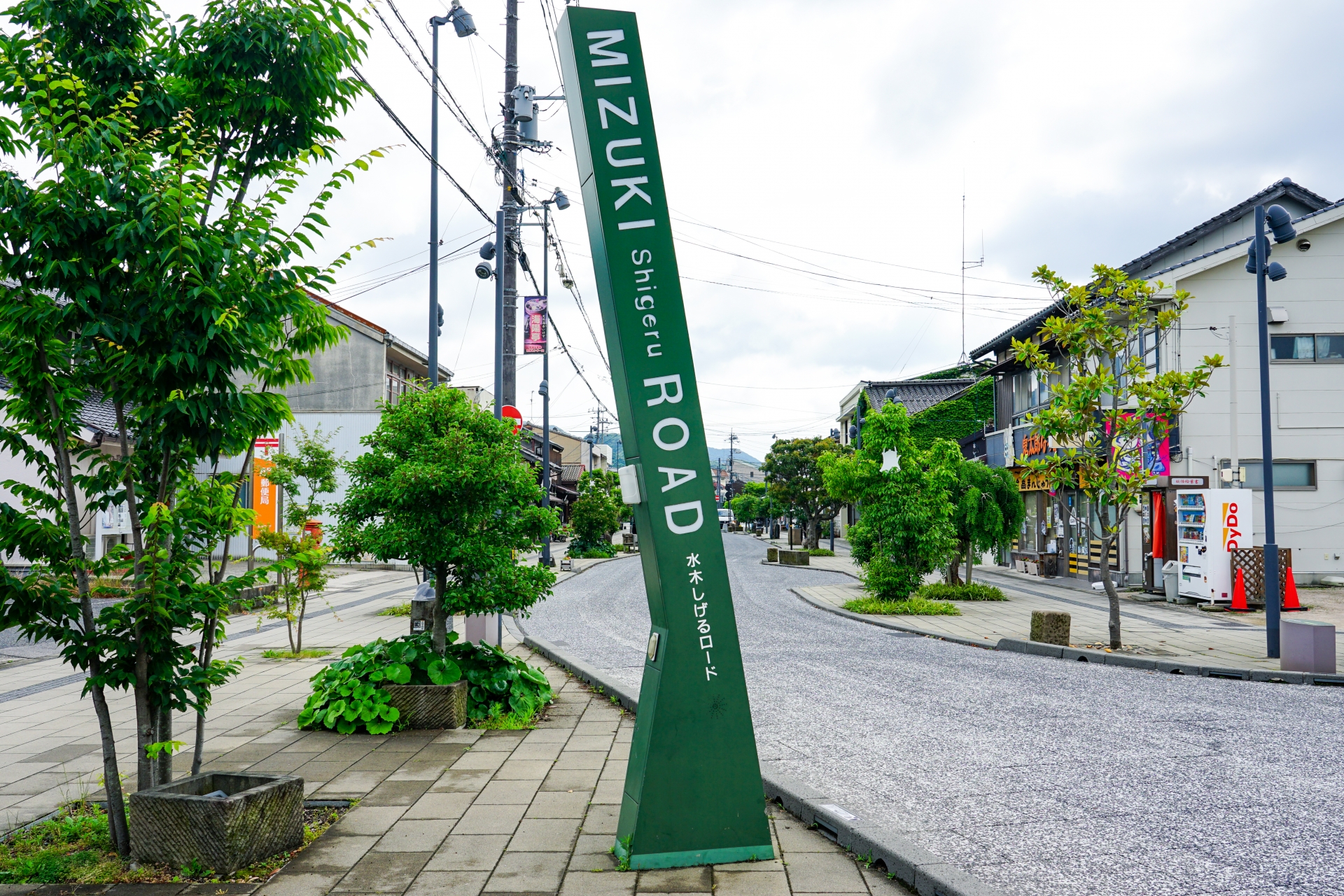
Mizuki Shigeru Road (Sakaiminato)
Mizuki Shigeru Road is an 800-metre shopping street in Sakaiminato, the hometown of manga artist Shigeru Mizuki — creator of the beloved yokai (spirit-monster) series GeGeGe no Kitaro. The street is lined with 177 bronze statues of Kitaro and other yokai, and the shops, benches, streetlights and even the local train are decorated with the characters. It’s a delightfully quirky, family-friendly stroll, especially fun after dark when some statues are subtly lit. Don’t miss the Mizuki Shigeru Museum at the far end (admission around ¥1,000). Sakaiminato is also a major fishing port, so pair your visit with fresh crab and seafood. About 45 minutes by train from JR Yonago Station on the Sakai Line, whose trains are themed after Kitaro characters.
「水木しげるロード」は、妖怪漫画『ゲゲゲの鬼太郎』の作者・水木しげるの故郷、境港市にある約800メートルの商店街——鬼太郎をはじめとする177体の妖怪ブロンズ像が通りに並び、お店・ベンチ・街灯、さらには地元の電車まで妖怪キャラクターで彩られています。子どもから大人まで楽しめるユーモアあふれる散策スポットで、一部の像がほのかに光る夜歩きも格別。突き当りの「水木しげる記念館」(入館料約1,000円)も必見です。境港は有数の漁港でもあり、新鮮なカニや海鮮とあわせて楽しめます。JR米子駅から境線(鬼太郎仕様の列車)で約45分。
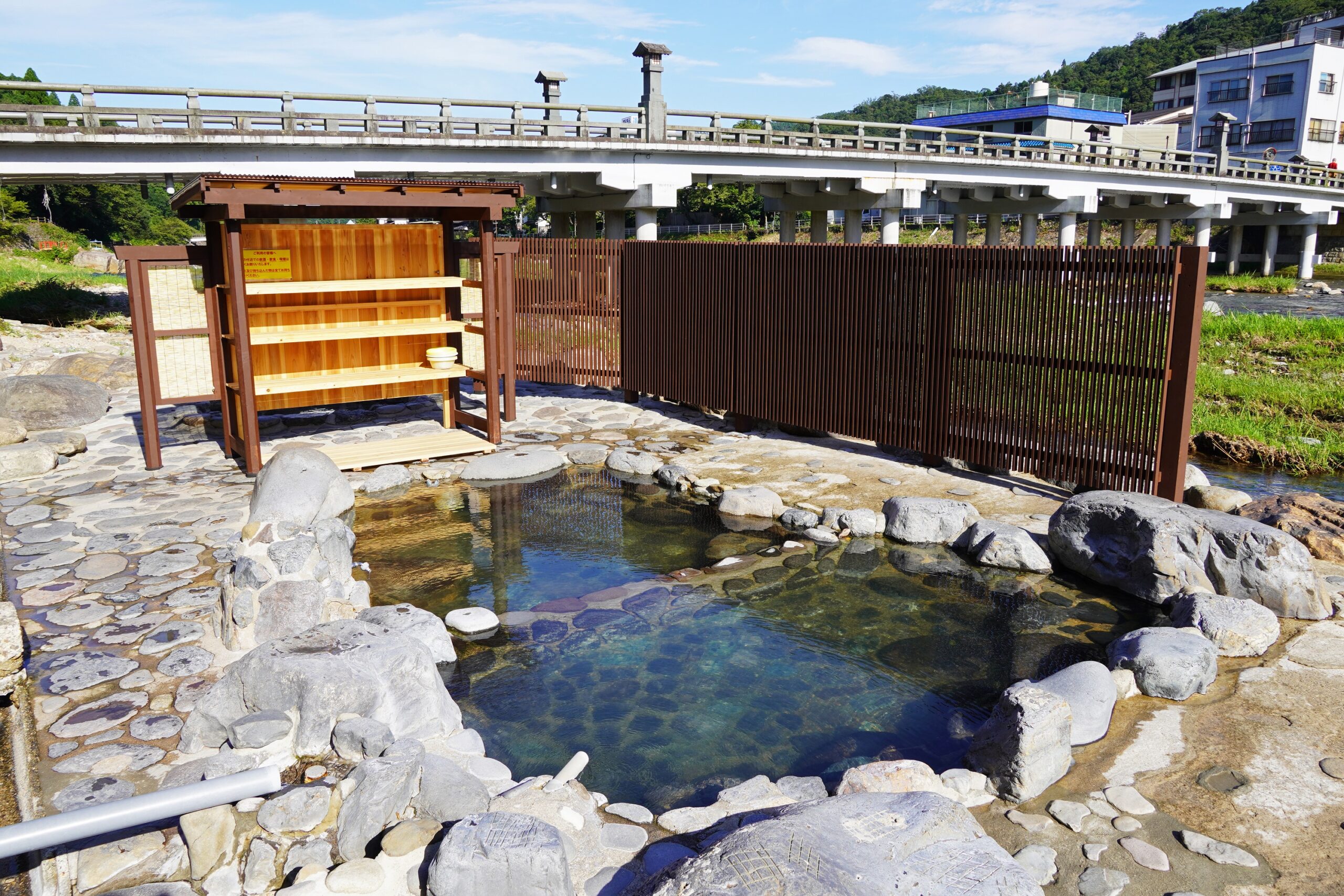
Misasa Onsen
Misasa Onsen is a 850-year-old hot-spring town nestled in central Tottori’s mountain valleys — its waters are recognized as among the world’s highest in radon content, among the highest in the world. The slightly radioactive radon, when inhaled or absorbed through skin, is believed to stimulate cellular health and treat chronic conditions like rheumatism. The town features about 20 historic ryokan, most with private outdoor baths overlooking the Misasa River, plus the famous “Kawara-buro” mixed-gender open-air bath right in the river itself (free admission, free of charge). Beyond bathing, visit the historic Mitokusan-Sanbutsuji temple complex, including the famous Nageiredo (a wooden hall built on a cliff face — Japan’s most photographed pilgrimage destination). About 90 minutes from JR Tottori Station via the JR San-In Line + bus.
「三朝温泉(みささおんせん)」は鳥取県中央部の山間の谷に佇む850年の歴史を持つ温泉郷——その湯は世界でも有数のラドン泉として認定され、世界屈指のラドン含有量を誇る名湯です。微弱な放射線を持つラドンは、吸入や皮膚から吸収されることで、細胞活性化や、リウマチなどの慢性疾患に効能があるとされています。町には約20軒の歴史ある旅館があり、多くが三朝川を望む露天風呂を備えています。さらに有名な「河原風呂(かわらぶろ)」(混浴の野天風呂、川沿い、無料)も。温泉以外にも、断崖に建つ「投入堂(なげいれどう)」(日本で最もフォトジェニックな巡礼地として知られる)の歴史的「三仏寺」も必訪。JR鳥取駅からJR山陰本線+バスで約90分。
Insider Tips
現地通の旅の裏ワザ
Sunset is the killer light, but morning has fewer crowds + cooler sand. Sandboarding is a guided ~2-hour lesson (about ¥4,500 + ¥500 insurance; rental-only not offered).
鳥取砂丘は夕陽が最高だが朝は人少なく砂温も涼しい。サンドボード体験はガイド付き約2時間(約¥4,500+保険¥500・レンタルのみ不可)。
Tottori’s ‘Matsuba-gani’ (snow crab male, Nov–Mar) is the same species as Echizen-gani — just regional branding. Sakaiminato port has fresh, reasonably priced direct sales.
鳥取の松葉ガニ(11〜3月)は越前ガニと同種、ブランド名違いだけ。境港の直売所なら新鮮で手頃に買える。
Frequently Asked Questions
Can I ride a camel at Tottori Sand Dunes?
Yes — camel rides at the dunes cost ¥1,500 for a short circuit. Sandboarding lessons (about ¥4,500 + ¥500 insurance) and paragliding tandem flights (¥8,000–10,000) are also available from operators at the dune entrance.
砂丘でのラクダ乗りは1,500円。サンドボード体験(約4,500円+保険500円)やパラグライダータンデム(8,000〜10,000円)も体験できます。
What is the Nijisseiki pear?
The Nijisseiki (20th Century) pear is a Japanese cultivar developed in Chiba in 1888, with Tottori the top producer (about half of Japan’s supply). It’s crisp, sweet and very juicy with thin skin — in season August–October.
二十世紀梨は1888年に千葉で発見された品種で、現在は鳥取が生産量日本一(全国の約半分)。薄皮でシャキシャキ食感が特徴。8〜10月が旬。
Is there a direct train to Tottori from Osaka?
Yes — the Super Hakuto limited express from Osaka (Kinosaki direction) reaches Tottori in about 2.5 hours. The JR Chugoku Pass covers unlimited travel in the Chugoku region for 3 or 5 days.
大阪から特急スーパーはくとで約2.5時間。JR西日本の「山陰・岡山エリアパス」が便利。
Travel Tip
Visit the Sand Dunes at sunrise (before 7 am) when the shadows create dramatic ripple patterns and crowds are minimal. The dune-top view of the Sea of Japan at dawn is one of Japan’s most striking landscapes.