Okayama
Top Okayama souvenirs and must-visit travel spots — your complete guide for visitors to Japan. One of Japan’s driest, sunniest prefectures pairs a perfectly manicured Edo garden, a preserved canal town of white-walled storehouses, and the world’s sweetest Muscat grapes.
日本三名園の後楽園、白壁が美しい倉敷美観地区、そしてマスカット・きびだんご。岡山は上品な旅の魅力に満ちた県です。
Okayama is the sunny ‘Land of Sunshine’ — Korakuen, one of Japan’s three great gardens, Kurashiki’s canal quarter, and the Momotaro folk tale. Its iconic souvenir is kibi-dango, the little millet-and-rice dumplings from the Momotaro story, with white peaches, Shine Muscat grapes, and Bizen-yaki pottery alongside. Okayama Station covers it.
岡山は晴れの国——日本三名園の後楽園、倉敷の美観地区、桃太郎伝説。アイコンは「きびだんご」(桃太郎ゆかりの小さな団子)、白桃やシャインマスカット、備前焼も人気です。岡山駅でだいたい揃います。
Recommended Omiyage
おすすめおみやげ 5選
Kibidango
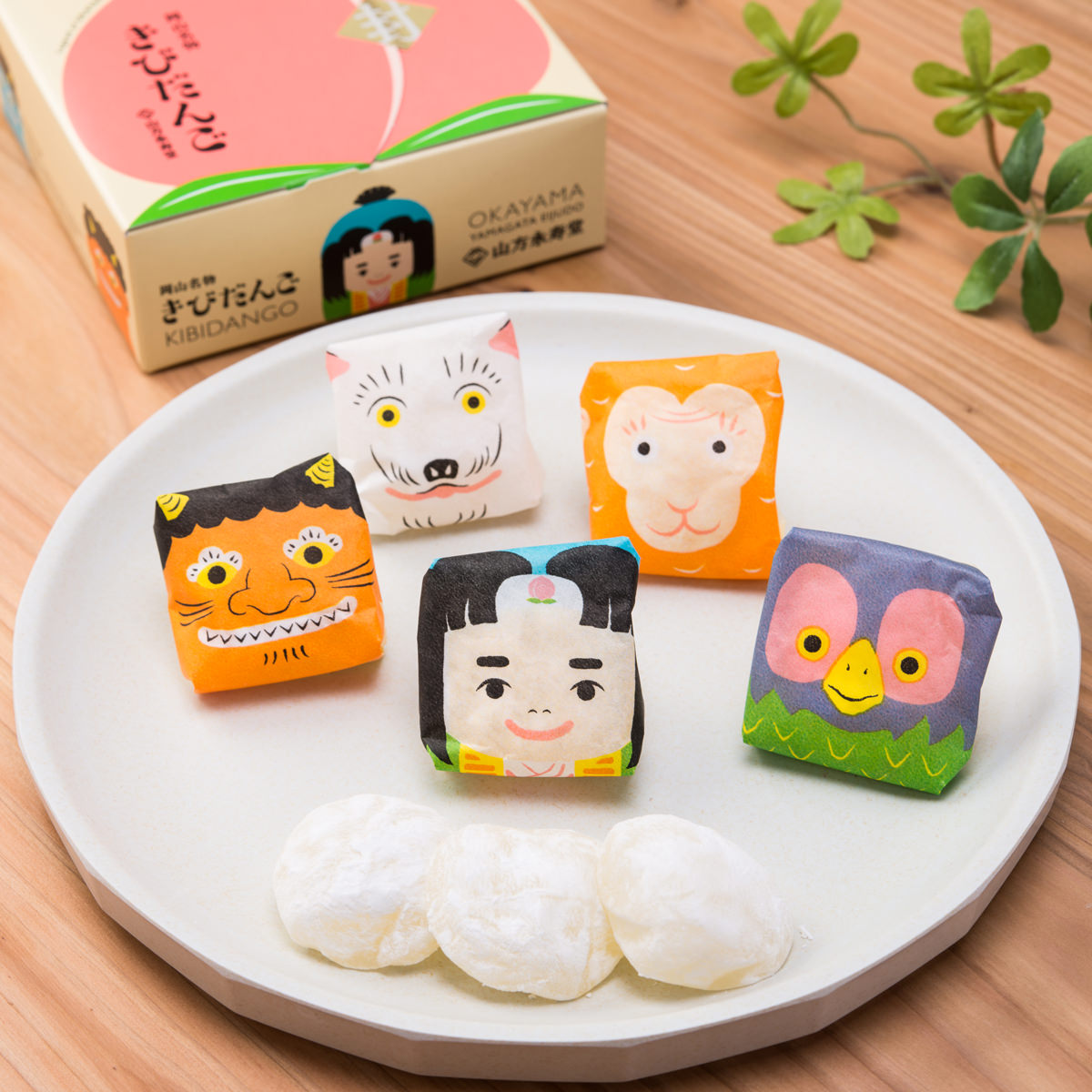
Kibidango (“millet dumplings”) is Okayama’s most legendary souvenir — small, soft mochi balls dusted with kinako (toasted soybean flour) that became immortalized through the Momotaro fairy tale, in which the peach-boy hero gives kibidango to dogs, monkeys, and pheasants in exchange for their loyalty. Today’s recipe is mostly glutinous-rice gyuhi with sugar and a touch of millet, creating a chewy, mildly sweet dumpling unlike any other Japanese sweet. The original maker is Koeido (founded 1856 in Okayama); the shop shown here, Yamagata Eijudo, is famous for its Momotaro-illustrated wrapping. Each box contains 10-30 individually-wrapped pieces with a shelf life of about two weeks. Pair with strong green tea or hojicha. Available throughout Okayama, JR Okayama Station, Kurashiki area shops, and at major Kansai depachika as a beloved “Momotaro souvenir.”
「きびだんご」は岡山を代表する伝説的なお土産——きな粉をまぶした柔らかい餅で、桃太郎おとぎ話で主人公が犬・猿・キジに忠誠と引き換えに渡したきびだんごとして不朽の名作になっている逸品です。現代のレシピはもち米(求肥)を主体に砂糖と少量のきびを加えた、もちもちで控えめな甘さの他にはない和菓子。元祖格の老舗「廣榮堂(こうえいどう)」は1856年創業。画像の「山方永寿堂」は桃太郎イラスト入りの包装で知られます。1箱に10〜30個入り、個包装で賞味期限は約2週間。濃いめの緑茶やほうじ茶との相性も格別。岡山県内、JR岡山駅、倉敷エリアのお店、関西の主要デパ地下で「桃太郎みやげ」として広く購入可能。
Shine Muscat
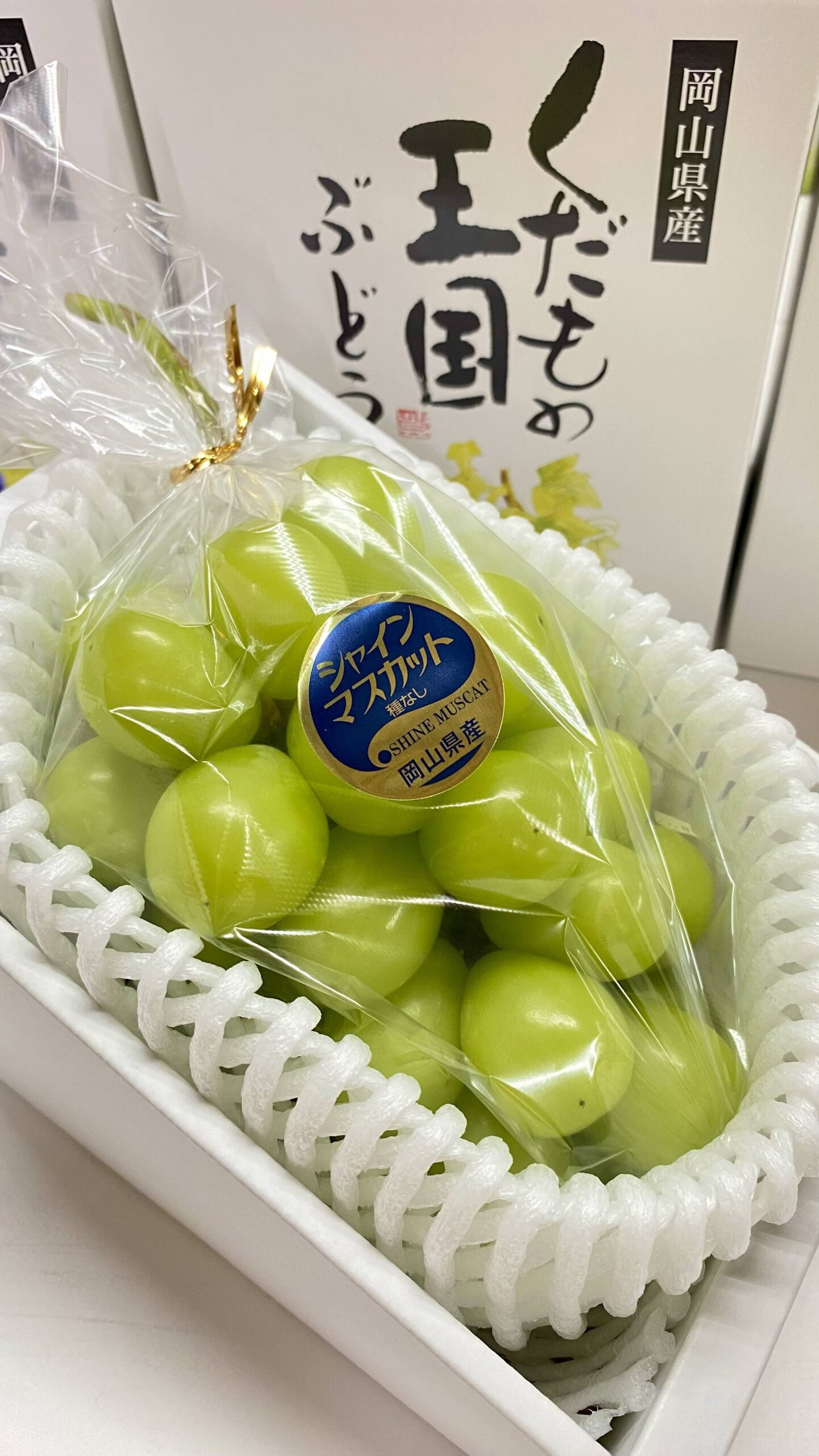
Shine Muscat is one of Japan’s most prestigious table grape varieties — and Okayama, with its rolling sun-soaked vineyards in the Setouchi region, produces the country’s premium versions. The grapes are emerald-green with crisp, juicy flesh, intense honey-like sweetness, and a delicate floral aroma reminiscent of fresh muscat wine. Most importantly, Shine Muscat are seedless and have edible skin — eat them whole for the perfect bite. Premium Okayama Shine Muscat clusters command high prices: a perfect 1-kilogram bunch with intact frosty bloom can sell for ¥10,000-30,000 at premium auctions. Beyond fresh fruit, Okayama’s famous Shine Muscat products include jam, jelly, dried muscat, and sparkling wine. Available at JR Okayama Station, Kurashiki Bikan area shops, and Okayama-area orchards offering pickling experiences during August-October.
「シャインマスカット」は日本でも最高級のテーブル用ぶどう品種の一つ——岡山県の瀬戸内地方の起伏ある日当たりの良いぶどう畑では、国内最高品質のシャインマスカットが生産されています。エメラルドグリーンの粒は、シャキッとした歯ごたえ、ジューシーな果肉、蜂蜜のような濃厚な甘味、新鮮なマスカットワインを思わせる優雅な花の香りが魅力。最大の特徴は種なしで皮ごと食べられること——丸ごと頬張れば完璧な一粒の体験が広がります。岡山産のプレミアムシャインマスカットは高値:完璧な1kgの房で、ブルーム(白い粉)をそのまま残した最上品は10,000〜30,000円で取引されることも。生果実以外にも、ジャム、ゼリー、ドライマスカット、スパークリングワインなど多彩な商品を展開。JR岡山駅、倉敷美観地区、8〜10月の観光ぶどう園で購入可能です。
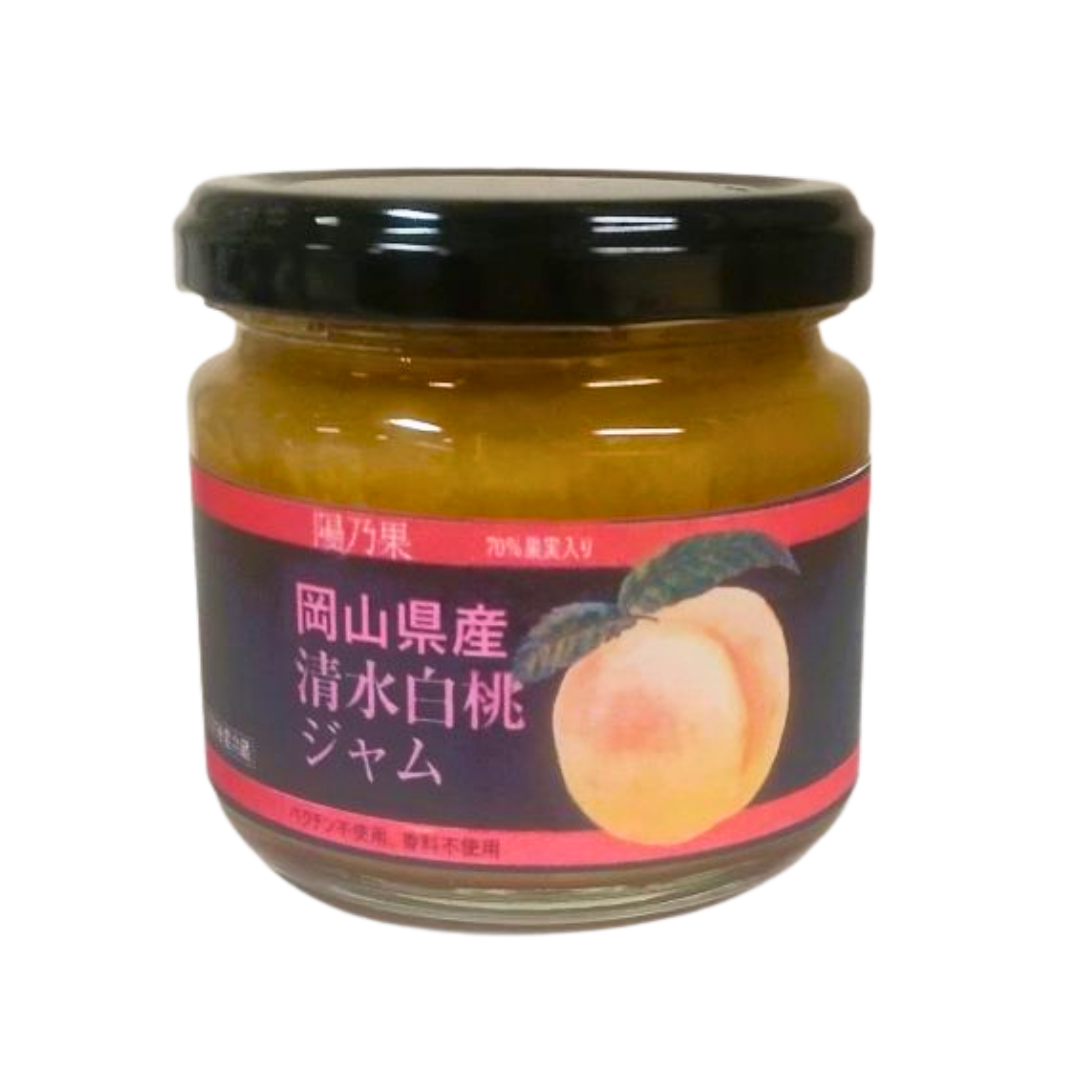
White Peach Jam
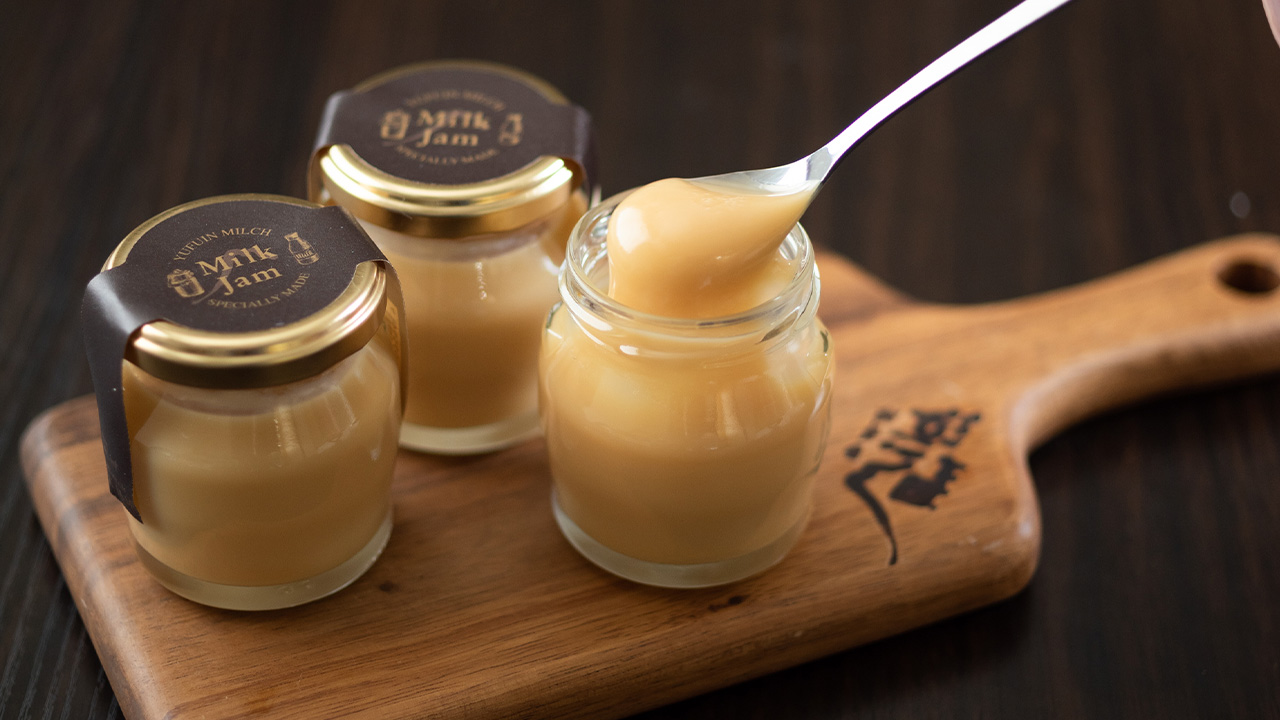
Okayama is one of Japan’s premier peach-producing regions — the prefecture’s mild Setouchi climate, sunny weather, and ideal soil produce white peaches with extraordinary sweetness, juicy flesh, and a delicate floral aroma. The flagship Shimizu Hakuto variety is large (300+ grams per fruit) with cream-colored flesh that practically melts on the tongue. White Peach Jam captures this seasonal bounty in year-round form: peaches are slow-cooked into a luxurious jam with bright golden color, refined sweetness, and intact whole peach chunks suspended in the preserve. Top makers include elims (the “Okayama Hinoka” brand) and local fruit farms, with elegant glass-jar gift packaging. Modern variations include peach-and-rose jam, peach-and-vanilla, and even peach-and-wine combinations. Available at JR Okayama Station, Kurashiki Bikan area, and Okayama orchards. Best within about 6 months unopened.
岡山県は日本随一の桃の名産地——温暖な瀬戸内気候、十分な日照、理想的な土壌が、極上の甘味、ジューシーな果肉、繊細な花の香りを持つ白桃を育みます。代表品種「清水白桃」は300グラム超の大粒で、クリーム色の果肉が口の中でとろけるような食感が魅力。「白桃ジャム」はこの旬の恵みを一年中楽しめる形に——桃をじっくり煮込んで黄金色の贅沢なジャムに仕上げ、丸ごとの果肉をたっぷり浮かべた逸品です。代表メーカーはelims(「おかやま陽乃果」ブランド)など、優雅なガラス瓶のギフトパッケージで展開。現代バリエーションには、ピーチ&ローズ、ピーチ&バニラ、ピーチ&ワインなど多彩。JR岡山駅、倉敷美観地区、岡山の果樹園で広く購入可能。未開封で賞味期限約6ヶ月。
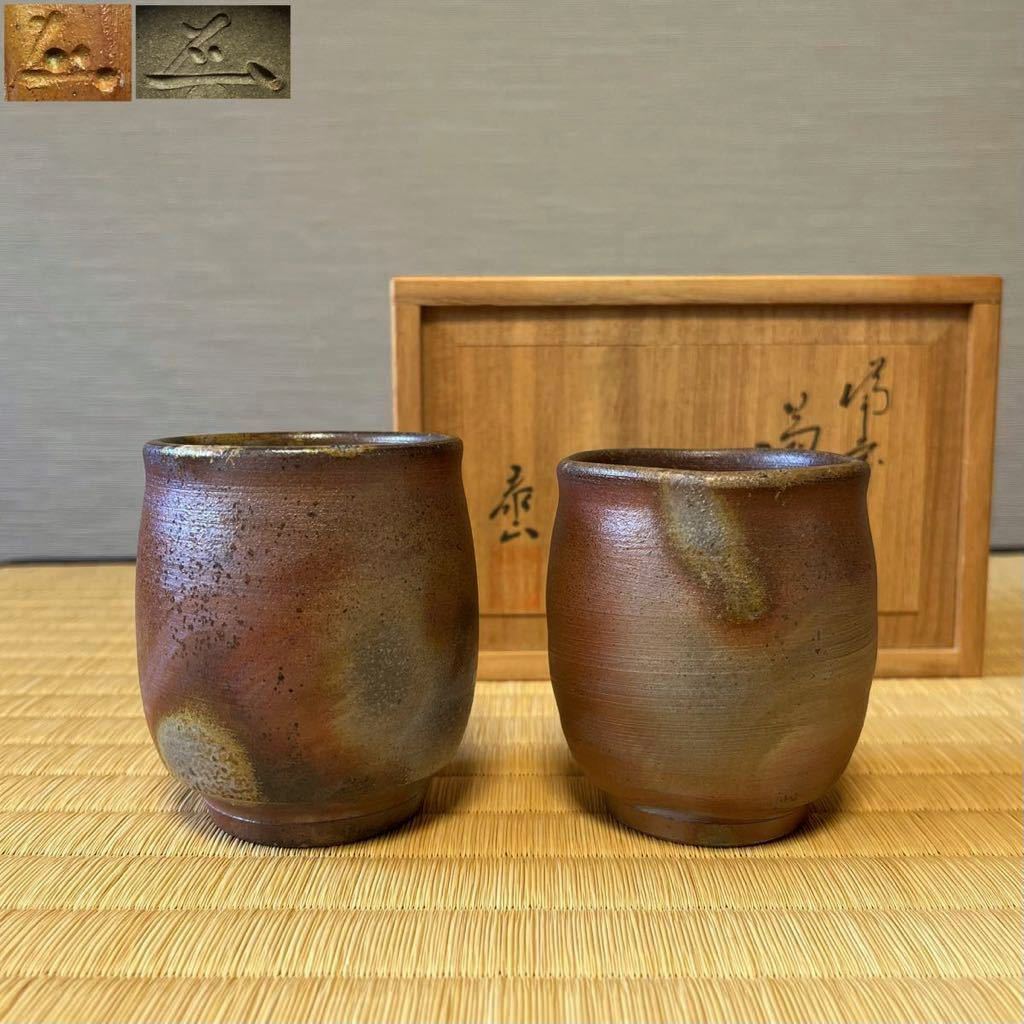
Bizen Yaki Tea Cup
Bizen-yaki, produced in southeastern Okayama for over 1,000 years, is one of Japan’s six oldest pottery traditions and is renowned for its raw, unglazed earth-tone aesthetic. Unlike other Japanese ceramics, Bizen-yaki uses no glaze — instead, master potters carefully control the wood-fired kiln environment, wrapping pieces in straw or covering them with rice husks to create beautiful natural color variations: red “hidasuki” (straw-flame patterns), red-brown “sangiri,” and dark “goma.” Bizen tea cups are particularly prized — their porous surface naturally enhances tea’s flavor and character with each use. Modern artisans continue the tradition. Pieces range from ¥3,000 daily-use cups to ¥500,000+ tea ceremony grade pieces. The Bizen City Museum of Art (formerly the Bizen Pottery Museum) and the Bizen Pottery Festival (October) are essential. The kilns cluster around JR Imbe Station on the Ako Line, in Bizen City’s Imbe district.
「備前焼」は岡山県南東部で1,000年以上にわたって作り続けられている、日本六古窯の一つ——その素朴で釉薬を使わない大地の色合いの美意識で世界的に評価されています。他の日本陶磁と異なり、備前焼は釉薬を一切使わず、職人が薪窯の環境を綿密に調整し、藁で包んだり籾殻で覆ったりすることで、美しい自然な色のバリエーションを生み出します:赤い「緋襷(ひだすき)」(藁炎模様)、赤茶の「桟切」、濃い「胡麻」など。備前焼の茶器は特に珍重されており、多孔質な表面が使うほどに茶の風味を高める独特の特性を持ちます。現代の作家たちもその伝統を継承。価格帯は日用茶器3,000円から、茶道用最高級品500,000円超まで。「備前市美術館(旧・備前焼ミュージアム)」、10月の「備前焼まつり」は必訪。JR赤穂線・伊部(いんべ)駅で下車すぐ、備前市伊部地区に窯元が集まります。
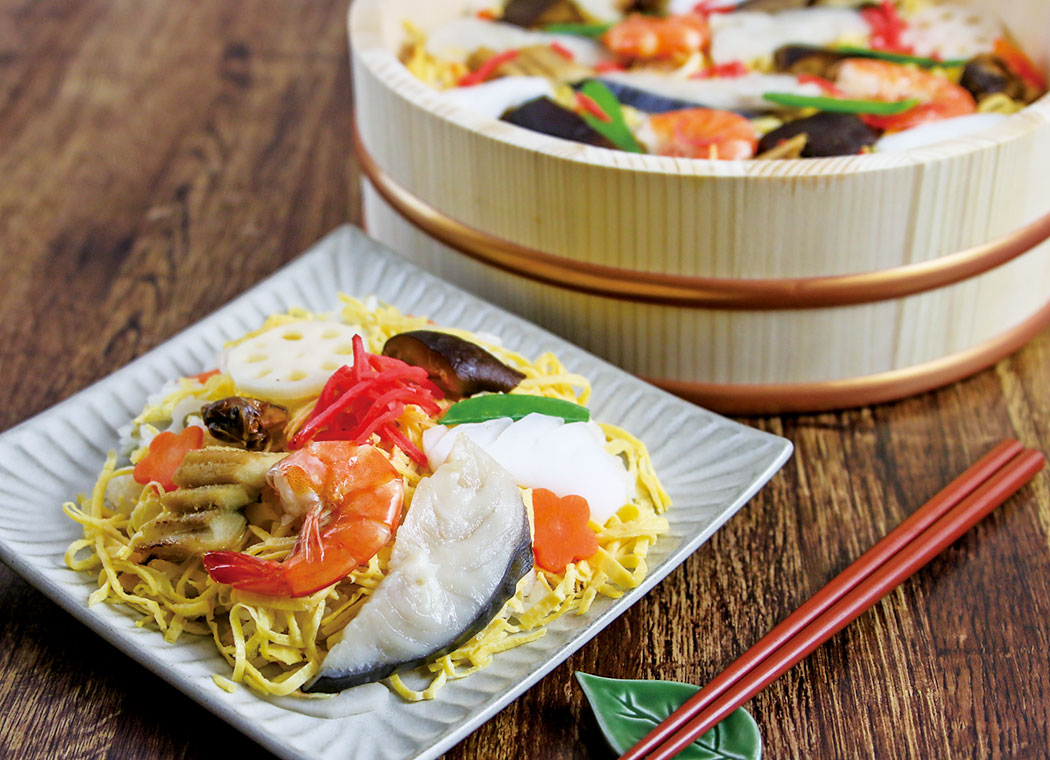
Barachirashi
Barachirashi (“scattered bara”) is Okayama’s distinctive sushi style — chopped seafood and traditional toppings delicately arranged over a bowl of vinegared rice in a vibrant, mosaic-like presentation. Unlike Edomae chirashi sushi (which features whole sashimi slices), barachirashi uses pre-chopped ingredients including salmon roe, snow crab, sea bream, salmon, prawn, and various pickled vegetables, all carefully arranged for visual appeal. The dish is said to have arisen under a frugality edict by the Okayama lord Ikeda Mitsumasa (one-soup-one-dish): locals packed many ingredients into the rice in quiet protest, and it became a beloved local tradition. Take-home barachirashi kits include vacuum-sealed seafood, special sushi rice mix, dressing, and clear instructions. Top shops include Azuma Sushi (founded 1911) and Miyoshino Honten (famous for its “Momotaro matsuri-zushi”). Available at JR Okayama Station and Kurashiki area shops. Best within 24 hours of purchase. Pair with cold sake or beer.
「バラちらし」は岡山県の独特な寿司スタイル——刻んだ魚介と伝統的な薬味を、酢飯の上に華やかに散らした、モザイクのような視覚的演出が美しい逸品。江戸前のちらし寿司(一切れの刺身を乗せる)と異なり、バラちらしは予め細かく刻まれた素材——いくら、ズワイガニ、鯛、鮭、海老、各種漬物——を慎重に配置することで、見た目の美しさを追求します。元々は岡山藩主・池田光政の倹約令(一汁一菜)への庶民の知恵から生まれ(具を酢飯に混ぜ込んで一品の扱いにした)、今では岡山の愛されるご当地料理になりました。お持ち帰り用「バラちらしキット」には、真空パック魚介、特製酢飯の素、ドレッシング、調理マニュアルがセットに。代表店は1911年創業の「吾妻寿司」、「桃太郎の祭ずし」で有名な「三好野本店」など。JR岡山駅、倉敷エリアのお店で購入可能。24時間以内が至高、冷酒やビールとの相性は格別。
Must-Visit Spots
おすすめスポット 5選
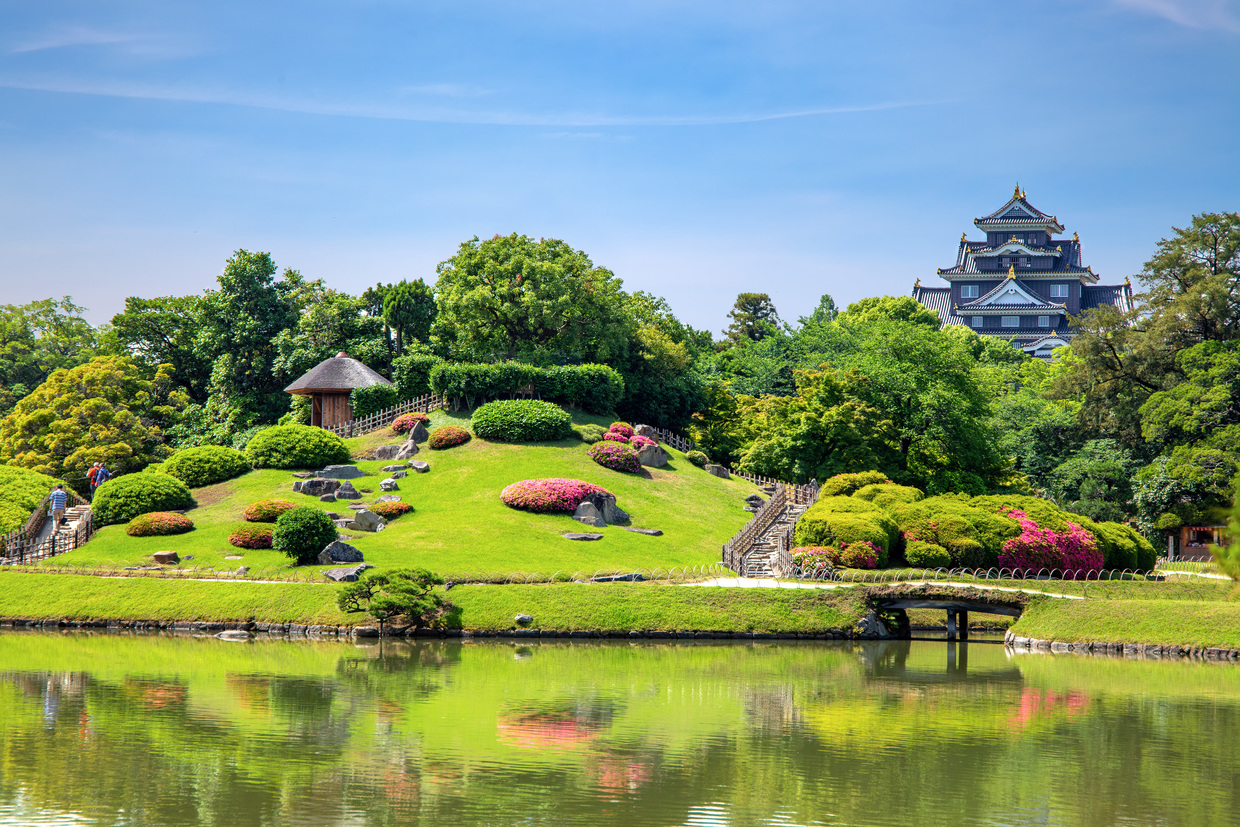
Korakuen Garden
Korakuen, completed in 1700, is one of Japan’s three most famous landscape gardens (alongside Kenrokuen and Kairakuen). Built by Ikeda Tsunamasa, the second lord of the Ikeda clan, the 14.4-hectare garden centers around two large ponds connected by stone-arched bridges, with a graceful tea house overlooking each. The signature feature is the “borrowed scenery” technique — the garden is positioned so that Okayama Castle’s black silhouette is visible above the trees, integrating the landmark into the garden’s overall composition in a masterstroke of Edo-period landscape architecture. Each season transforms the garden: cherry blossoms in early April, fresh greens in summer, autumn maples in November, and stunning yukimi (snow viewing) in winter. Tickets ¥500. From JR Okayama Station, take the Loopline Bus (15 minutes).
「後楽園(こうらくえん)」は1700年完成の日本三名園の一つ(兼六園・偕楽園と並ぶ)——池田家二代藩主・池田綱政によって築かれた約14.4ヘクタールの大名庭園です。中心に2つの大池があり、石造アーチ橋で結ばれ、それぞれを優雅な茶室から見下ろせる構造が見事。象徴的な「借景」技法では、岡山城の黒いシルエットが木立越しに見える絶妙な配置がされており、城を庭園全体の構図に統合する江戸時代の庭園建築の傑作と評価されています。四季それぞれが絶景に変身し、4月上旬の桜、夏の青々とした新緑、11月の紅葉、冬の雪見と、訪れるたびに違う表情を見せてくれます。入園料500円。JR岡山駅からループラインバスで約15分。
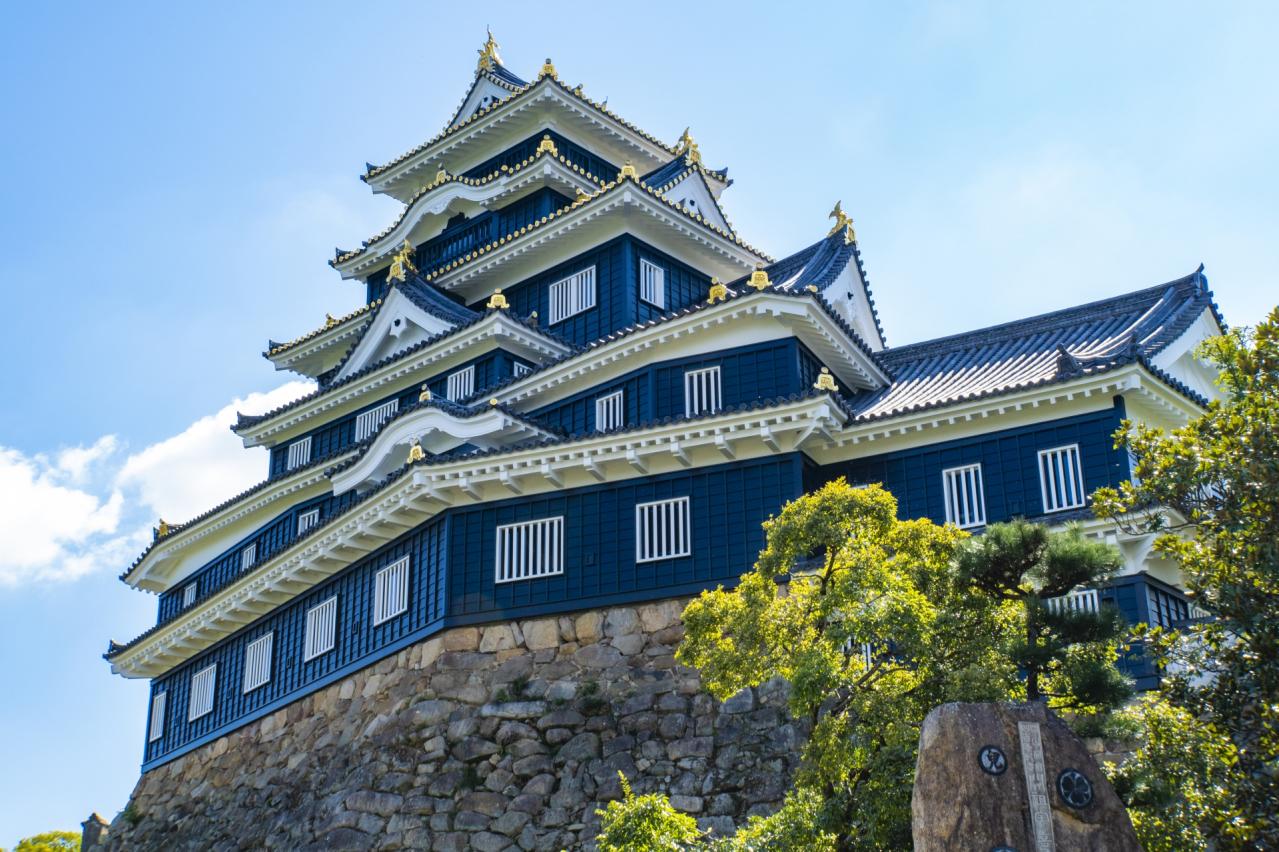
Okayama Castle
Okayama Castle, often called “Crow Castle” (Ujō) for its striking black exterior, is one of Japan’s most beautiful castles. Built in 1597 by Ukita Hideie (a key Toyotomi general), the castle features an unusual irregular-pentagon, three-tiered, six-story keep. The original keep was destroyed in WWII but was reconstructed in 1966; the current structure houses an excellent samurai history museum and offers panoramic views from the top floor. The castle’s positioning across from Korakuen Garden creates one of Japan’s most photographed garden-castle compositions. Beyond the keep, the surrounding park features cherry trees (gorgeous in early April), the moat with kayaking opportunities, and the UJO café inside the keep. Tickets ¥500. From JR Okayama Station, the castle is a 15-minute walk through Korakuen.
「岡山城」は黒い外観から「烏城(うじょう)」と称される、日本でも美しい城の一つ——1597年に宇喜多秀家(豊臣の重臣)によって築城され、不等辺五角形・三層六階の独創的な天守を擁しています。オリジナル天守は第二次大戦で焼失し、1966年に再建されました。現在の天守内には優れた武家史博物館を併設し、最上階からは岡山市街の大パノラマが楽しめます。城が後楽園と向かい合う配置は、日本でも最も撮影される庭園と城の構図を生み出します。天守以外にも、周囲の城公園では4月上旬の桜、堀でのカヤック、天守内の「烏城カフェ(UJO café)」などが見どころ。入場料500円(2026年4月改定)。JR岡山駅から後楽園を通って徒歩約15分。
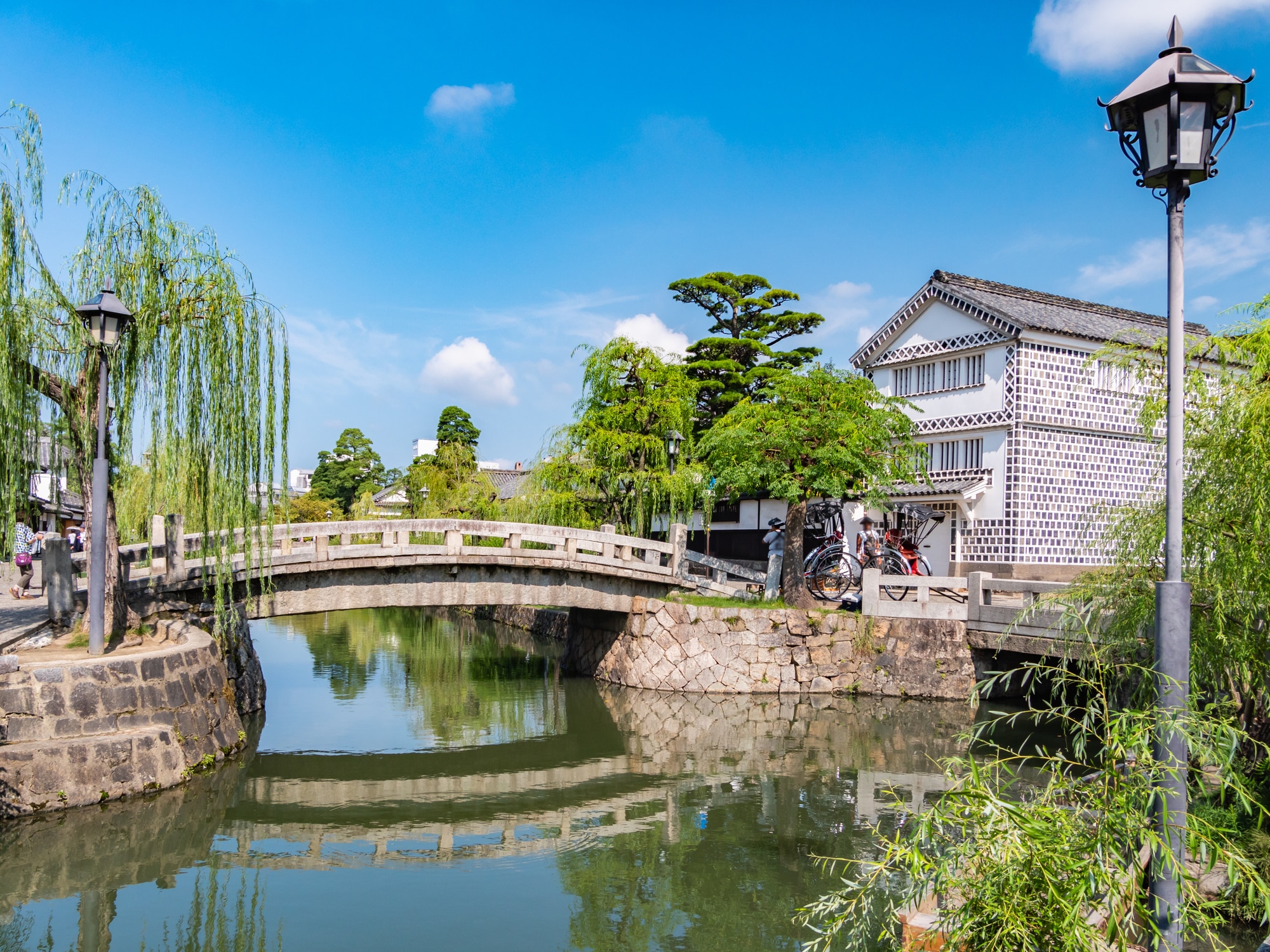
Kurashiki Bikan Quarter
Kurashiki Bikan Historical Quarter is one of Japan’s most photogenic preserved districts — a quiet riverside area where 17th-century white-walled merchant warehouses (kura) and traditional wooden townhouses line the cobblestoned streets along the Kurashiki Canal. Unlike Kyoto’s more commercial preservation areas, Kurashiki feels lived-in: locals walk dogs, children bike to school, and elderly residents sit on doorstep stools. The 1-km canal-side promenade features dozens of museums, traditional craft shops, hidden coffee houses, and the famous Ohara Museum of Art (separate listing). The signature view — willow trees lining the canal with old buildings reflected in the water — is a cherry-blossom paradise in early April. Free to wander; many shops have small entrance fees. From JR Kurashiki Station, the quarter is a 10-minute walk.
「倉敷美観地区」は日本でも最もフォトジェニックな保存地区——倉敷川沿いの静かな川辺エリアに、17世紀の白壁商家蔵(くら)と伝統的な町家が立ち並び、石畳の通りを彩る情緒ある光景が広がります。京都のより商業化された保存地区と異なり、倉敷は住居感があり——地元住民が犬を散歩させ、子供たちが自転車で登校し、高齢者が玄関先で談笑する、生きた町の風情が魅力です。全長1キロの運河沿いプロムナードには、数十の美術館、伝統工芸店、隠れたコーヒー店、有名な大原美術館(別記載)などが点在。象徴的な眺め——柳並木と運河、古い建物が水面に映る光景——は4月上旬の桜の季節は格別の絶景。散策は無料、各店舗は小規模入場料あり。JR倉敷駅から徒歩約10分。
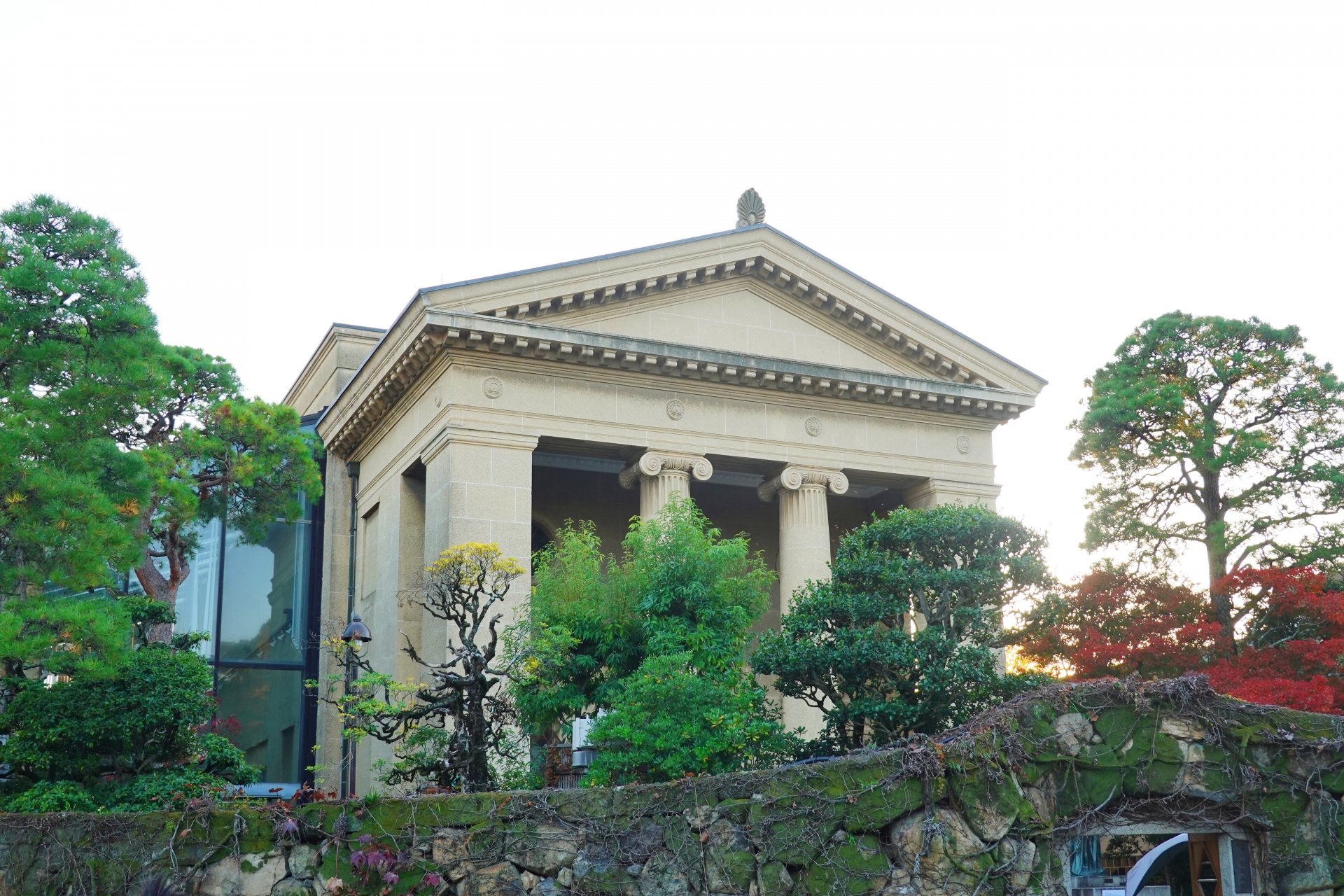
Ohara Museum of Art
The Ohara Museum of Art, founded 1930 in Kurashiki, was Japan’s first private museum of Western art — and remains one of the country’s most prestigious. Industrialist Magosaburo Ohara commissioned painter Kojima Torajiro to acquire masterpieces from European auctions, building an exceptional collection of Western art (with works by El Greco, Monet, Cezanne, Renoir, Gauguin, and many others) at a time when most Japanese museums focused on Asian traditions. The museum’s main building, modeled after a Greek temple, is itself an architectural landmark. The collection spans Old Masters through 20th-century modernism, with rotating exhibitions featuring rarely-seen works. Tickets ¥2,000. The museum is closed Mondays. From JR Kurashiki Station, the museum is a 10-minute walk through the Bikan Quarter. Plan 2-3 hours.
「大原美術館」は1930年に倉敷に創設された日本初の西洋美術専門私立美術館——現在も日本でも最も格式高い美術館の一つです。実業家・大原孫三郎が画家・児島虎次郎に欧州オークションでの名作収集を依頼し、当時、ほとんどの日本の美術館がアジア美術中心の中、エル・グレコ、モネ、セザンヌ、ルノワール、ゴーギャンなど西洋画の傑作群を収集した卓越したコレクションを構築しました。ギリシャ神殿を模した本館の建物自体が建築的ランドマーク。コレクションは古典派から20世紀のモダニズムまで網羅し、定期的な企画展では普段見られない作品の鑑賞も可能。入館料2,000円、月曜定休。JR倉敷駅から美観地区を徒歩約10分。所要時間2〜3時間。
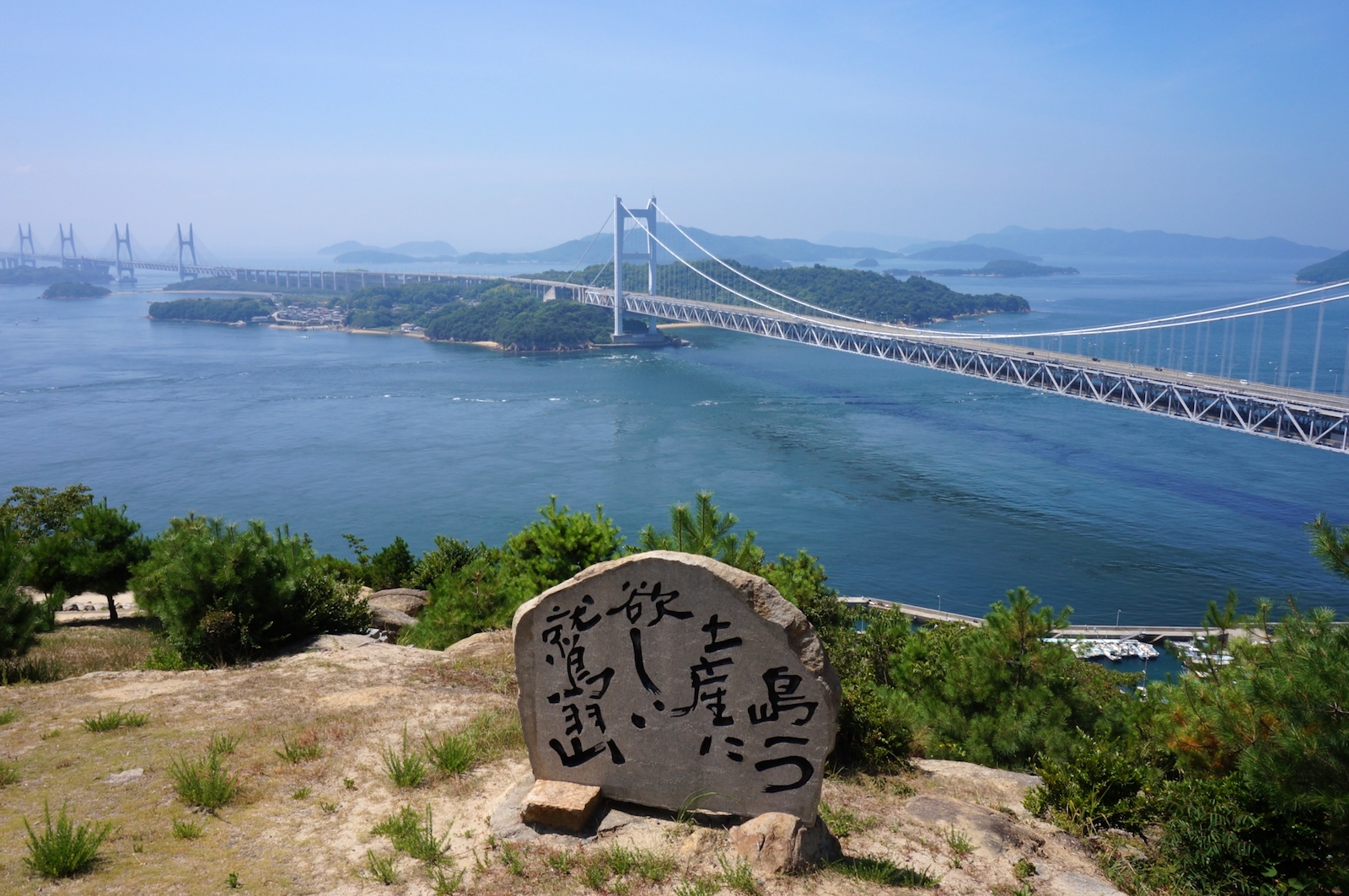
Washuzan Hill
Washuzan Hill, at the southernmost tip of Okayama Prefecture, is one of Japan’s most celebrated viewpoints — a 133-meter promontory offering panoramic views of the Setouchi Inland Sea, the famous “Pearl Necklace” of small islands sprinkled across the bay, and the Seto Ohashi Bridge — one of the world’s longest combined road-and-rail bridges — which links Okayama’s Kojima to Sakaide in Shikoku across islands such as Hitsuishijima and Yoshima. The hill has been designated a National Park since 1934 — Japan’s first to recognize island-and-sea landscape beauty. The signature view from the top observatory deck spans nearly 360 degrees, with the bridge structure and Shikoku mountain ranges clearly visible on clear days. Sunset is particularly magical, when the bay’s calm waters reflect orange-pink hues. Free admission. From JR Kojima Station, take the Shimotsui loop bus (about 30 minutes).
「鷲羽山(わしゅうざん)」は岡山県南端の絶景展望地——133メートルの岬で、瀬戸内海の絶景パノラマ、湾内に点在する島々の美しい「真珠のネックレス」状の風景、そして本州・四国を結ぶ世界最長級の道路鉄道併用橋「瀬戸大橋」(児島〜坂出を櫃石島・与島など島づたいに結ぶ)が一望できる名所です。1934年、日本初の島と海の景観を保護する国立公園として指定された歴史を持ちます。山頂展望台からの絶景はほぼ360度に広がり、晴れた日には連絡橋の構造と四国の山並みがはっきりと見えます。夕暮れ時は特に魔法的な瞬間で、湾の穏やかな水面が橙紅色に染まる絶景が広がります。入場無料。JR児島駅から下津井循環線バスで約30分でアクセス可能。
Insider Tips
現地通の旅の裏ワザ
Okayama ‘Hakuto’ white peaches peak Jul–Aug. Best chilled, with the thin skin peeled by hand. Direct-from-farm stands are a bargain.
岡山の白桃ピークは7〜8月。薄皮をむいて冷やして食べるのが定番。農家直売は市場よりお得。
Okayama Castle + Korakuen Garden visible together at dawn (open 7:30am summer). Combined pass ¥800 vs ¥1,000 individual = ¥200 savings.
岡山城と後楽園は早朝(夏は7:30開園)に同時撮影可。共通券¥800は個別¥1,000より¥200お得。
Frequently Asked Questions
How do I get from Okayama to Kurashiki?
JR Sanyo Line from Okayama to Kurashiki takes about 15 minutes. Alternatively, a direct bus runs every 30 minutes from Okayama Station.
岡山〜倉敷はJR山陽本線で約15分。バスも30分おきに運行しています。
When is the best time to visit Korakuen?
Spring (cherry blossom, late March–April), summer evenings (illumination events), and autumn foliage are all beautiful. Cranes are walked through the garden on New Year’s Day (Jan 1).
春の桜・夏の夕涼み・秋の紅葉が特に美しい。元日(1月1日)にはタンチョウの園内散策も行われます。
What is Bizen ware and where can I buy it?
Bizen pottery (備前焼) is one of Japan’s oldest ceramic traditions — unglazed, fire-marked clay. The Imbe district in Bizen City is the center, with many kilns open for purchase and tours.
備前焼は釉薬なしで窯変を楽しむ焼き締め陶器。備前市伊部地区に多くの窯元があります。
Travel Tip
Buy the ‘Korakuen + Okayama Castle’ combination ticket (¥800) — it saves money and lets you cross the bridge between the garden and castle in minutes. Allow at least 2 hours for the garden alone.