Shimane
Top Shimane souvenirs and must-visit travel spots — your complete guide for visitors to Japan. Eight million gods gather here every October. Izumo Taisha — Japan’s shrine of love and destiny — has drawn pilgrims for 1,300 years to pray at the birthplace of Japan’s creation myth.
縁結びの大社・出雲大社、松江城・堀川めぐり、隠岐の島——島根は日本の神話と歴史が最も深く根付いた、神々の国です。
Shimane is myth country — Izumo Taisha, Japan’s great matchmaking shrine, Matsue Castle, and the Iwami Ginzan silver-mine heritage. Its souvenirs are quiet and refined: Izumo soba, Izumo zenzai sweet red-bean soup, Matsue’s elegant tea sweets, and shijimi-clam products from Lake Shinji. Izumo-shi and Matsue stations are the spots.
島根は神話の国——縁結びの出雲大社、松江城、石見銀山。みやげは静かで上品で、出雲そば、出雲ぜんざい、松江の上品な茶菓子、宍道湖のしじみ製品など。出雲市駅・松江駅が買い場です。
Recommended Omiyage
おすすめおみやげ 5選
Shijimi Clam
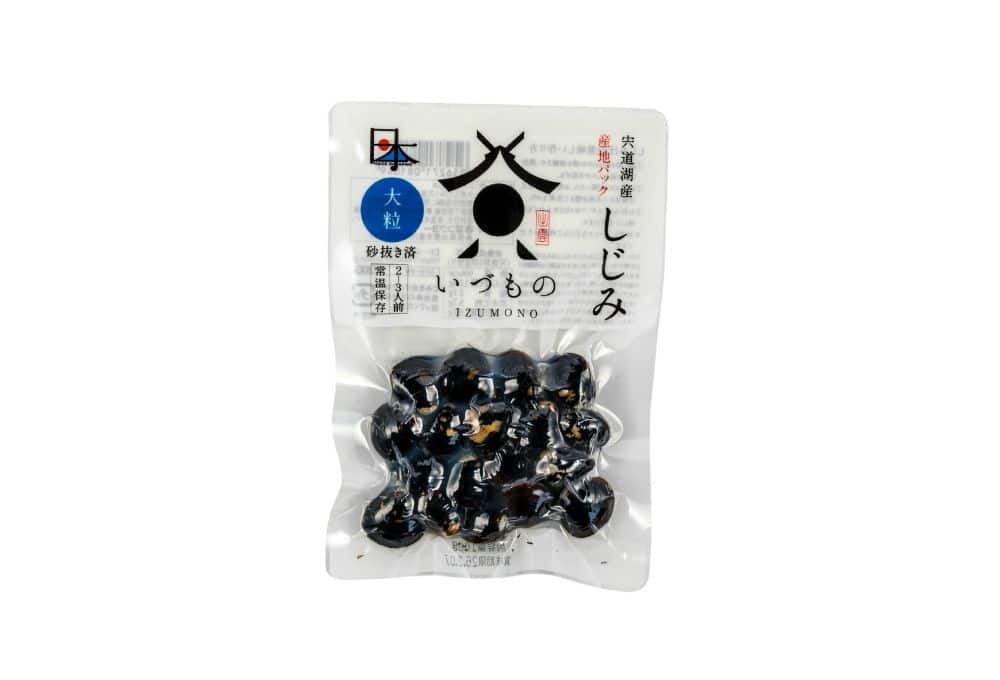
Shijimi (freshwater clams) from Lake Shinji in Shimane are one of Japan’s most prized delicacies — these small, dark-shelled clams are considered the country’s best for their concentrated umami, prominent ornithine content (essential for liver function), and natural sweetness. Lake Shinji’s brackish waters provide ideal growing conditions, and the famous twilight sunset over the lake (with shijimi fishermen silhouetted against orange skies) is one of Japan’s 100 best sunsets (Nihon Yuhi Hyakusen). The clams are most popularly eaten as miso soup (one of Japan’s most iconic breakfast foods, considered a hangover cure due to ornithine), in donabe rice (cooked clay-pot rice with shijimi), or grilled in the shell with sake. Available freeze-dried, vacuum-packed, and as instant miso soup mix at JR Matsue Station and Lake Shinji shops. Best within 6 months unopened.
島根県・宍道湖(しんじこ)のシジミは日本最高級の珍味——小ぶりで濃い殻のこの貝は、凝縮された旨味、肝機能サポートに重要なオルニチンの豊富さ、自然な甘さで日本一と評価されています。宍道湖の汽水域は理想的な生育環境を提供し、橙色の空にシジミ漁船のシルエットが浮かぶ夕暮れ時の絶景は「日本夕陽百選」に数えられます。最も人気の食べ方は味噌汁(日本の朝食の象徴的な逸品で、オルニチンの効能から二日酔いの妙薬とされる)、土鍋ご飯(シジミと一緒に炊いた炊き込みご飯)、または殻ごと日本酒で焼く料理など多彩。フリーズドライ、真空パック、インスタント味噌汁の素として、JR松江駅、宍道湖周辺の土産店で購入可能。未開封で賞味期限約6ヶ月。
Izumo Soba
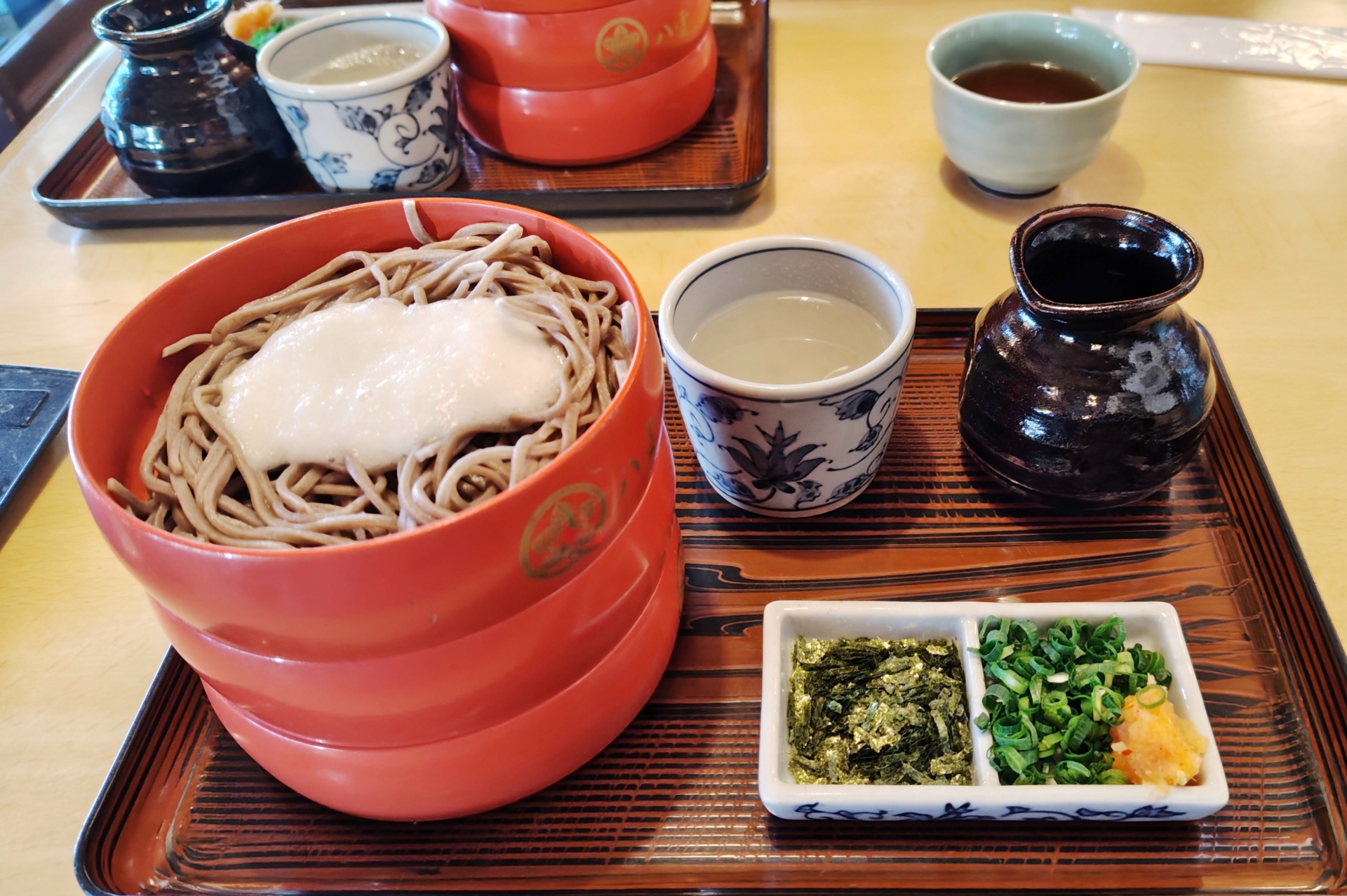
Izumo soba is one of Japan’s three great soba traditions — dark, robust buckwheat noodles made by grinding the whole buckwheat seed, husk and all, which gives them their distinctive dark color, firm texture, and rich aroma. The signature style is “warigo soba,” served cold in stacked round red-lacquer dishes (warigo) over which you pour dashi-based tsuyu directly; another favorite is “kamaage,” served warm in its cooking water. Izumo soba has long been tied to the Izumo Taisha pilgrimage, and top shops cluster around the shrine and in Matsue. As a souvenir, dried Izumo soba with concentrated tsuyu is widely sold. Available at JR Izumoshi and Matsue Stations and shops near Izumo Taisha.
「出雲そば」は日本三大そばの一つ——殻ごと挽く「挽きぐるみ」製法でつくる、色が濃く香り高い、コシの強い蕎麦です。代表的なのは朱塗りの丸い器を積み重ねた「割子(わりご)そば」(上から直接つゆをかけて頂く)と、釜の湯ごと供する温かい「釜揚げそば」。出雲大社への参拝文化と深く結びついた郷土食で、名店は出雲大社周辺や松江に集まります。お土産には乾麺の出雲そば(濃縮つゆ付き)が定番。JR出雲市駅・松江駅、出雲大社周辺の土産店で購入可能。
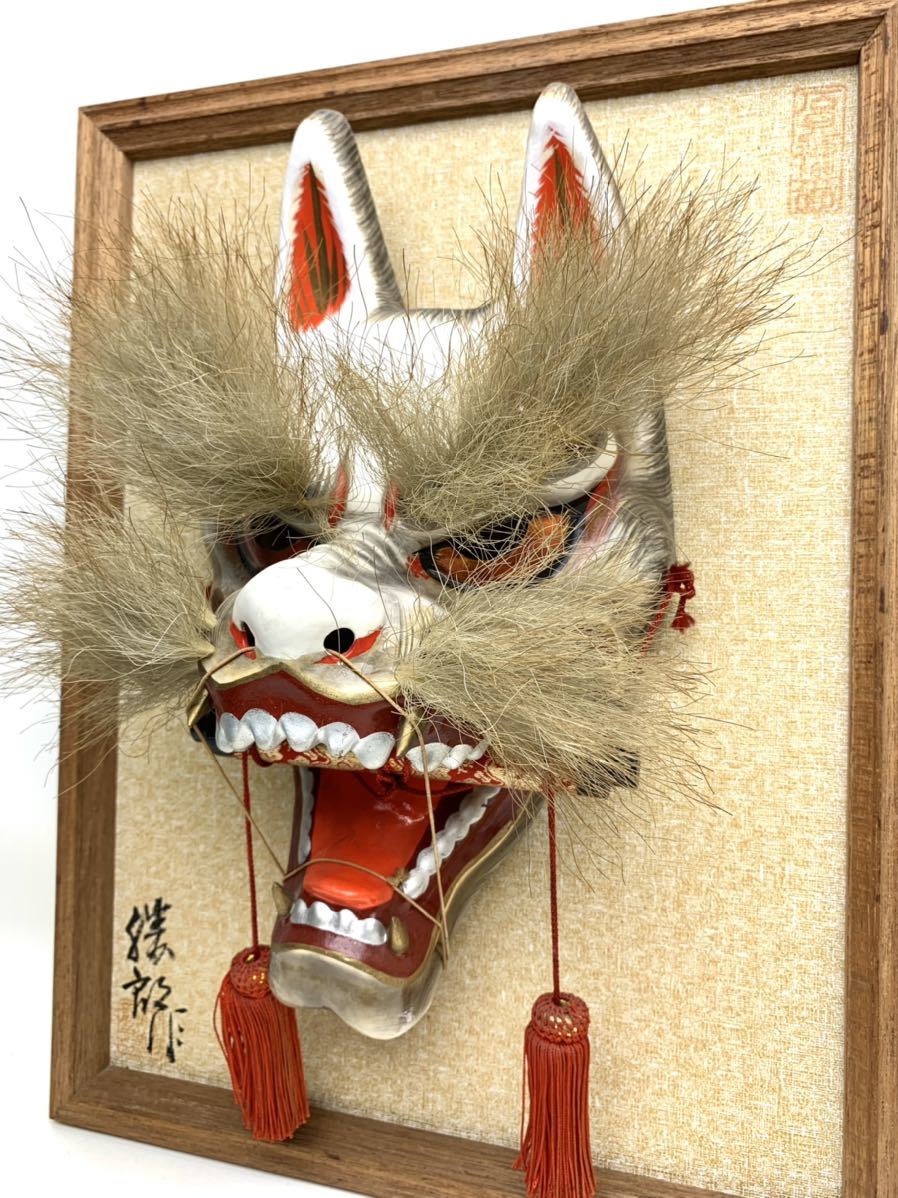
Iwami Kagura Mask
Iwami Kagura is one of Shimane’s most spectacular folk performing arts — dynamic Shinto dance dramas, performed especially in the Iwami region, that re-enact mythological scenes such as Orochi, the eight-headed serpent. The signature visual element is the kagura mask: rather than wood, the finest masks are built from layers of Sekishu washi (handmade paper) lacquered into a light, durable form that withstands the wild dancing. Vivid colors depict deities, demons, and dragons, and techniques are passed down through specialist workshops. Visitors can buy smaller decorative masks (¥3,000–15,000) as folk-art souvenirs, or full-sized performance masks (¥50,000+) as collector pieces. Top makers include the Kakita Katsuro Mask Studio and Kobayashi Kobo, both in the Iwami area. Pair with a kagura performance for the full cultural experience.
「石見神楽(いわみかぐら)」は島根県を代表する迫力満点の郷土芸能——特に石見地方で盛んな神楽舞で、八岐大蛇(やまたのおろち)などの神話の場面を再現します。象徴的な視覚要素は神楽面——木彫りではなく、石州和紙(手漉き和紙)を何枚も張り重ねて漆で仕上げた、軽くて丈夫な張子面で、激しい舞にも耐えます。神々・鬼・龍を鮮やかな色彩で表現し、技法は専門の工房で受け継がれています。訪問者は装飾用の小さなお面(3,000〜15,000円)を民芸品お土産として、実演用フルサイズマスク(50,000円超)をコレクター作品として購入可能。代表的な面工房は柿田勝郎面工房、小林工房(いずれも石見)など。神楽公演とセットで完全な文化体験を。
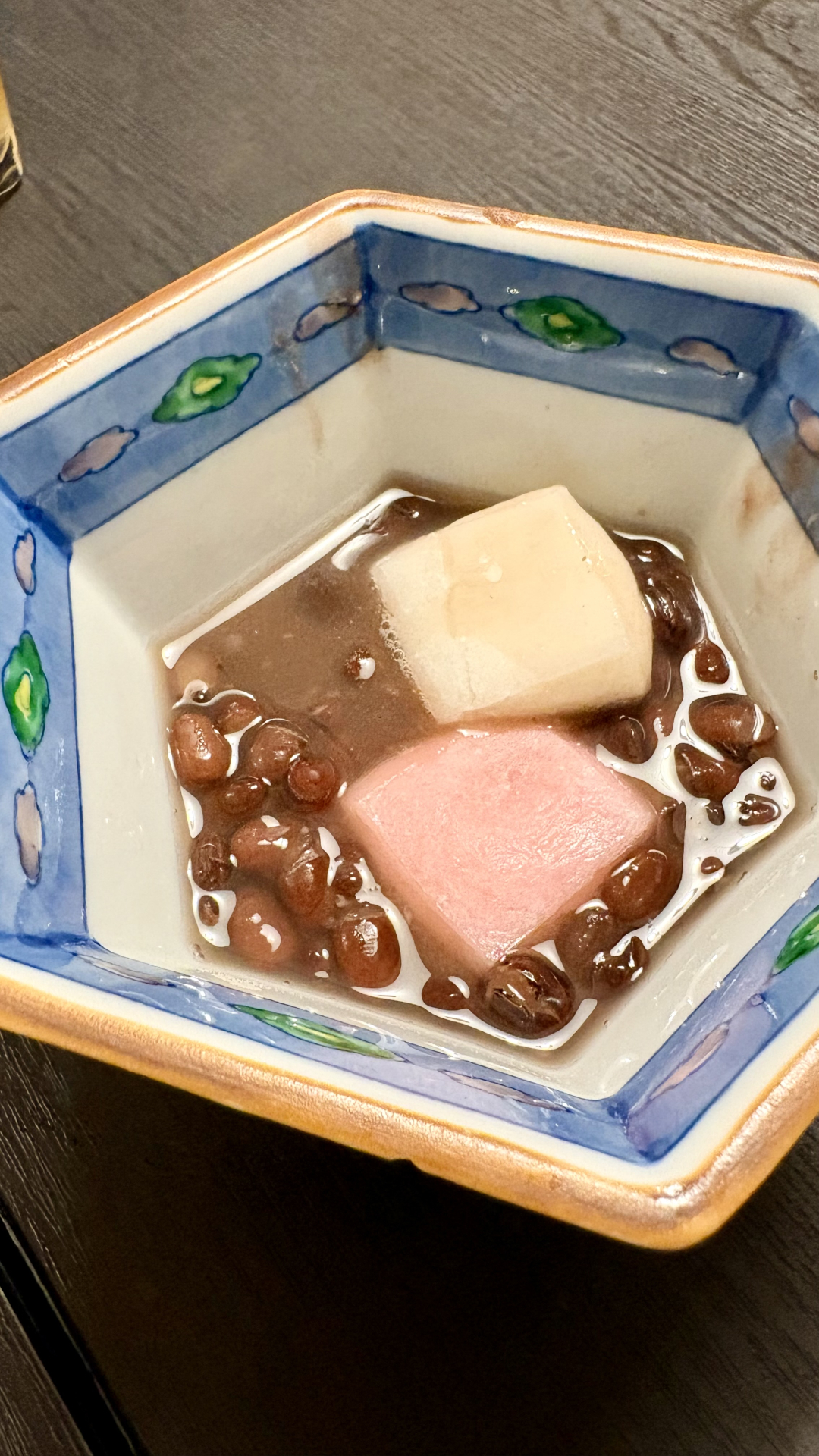
Izumo Zenzai
Izumo zenzai is the birthplace dish of Japan’s beloved zenzai — sweet, slow-simmered red-bean soup with mochi. The name is said to derive from “jinzai-mochi,” an offering eaten during Izumo’s Kamiari festival, which over time softened into “zenzai.” A warming bowl of azuki beans with toasted or boiled mochi, it is both comfort food and an auspicious treat tied to the gathering of the gods. Along Izumo Taisha’s Shinmon-dori approach, many shops serve fresh zenzai, and gift-boxed versions (retort, or with mochi packed separately) make easy souvenirs. Top spots include Sakaneya and shops along the shrine approach. Sold near Izumo Taisha and at JR Izumoshi Station; pair with green tea.
「出雲ぜんざい」は、日本中で親しまれる「ぜんざい」発祥の地・出雲の郷土菓子——出雲大社の神在祭で食べられた「神在餅(じんざいもち)」が訛って「ぜんざい」になったと伝わります。じっくり炊いた小豆に焼き餅や白玉を入れた温かい一杯は、神々の集う出雲ならではの縁起物。出雲大社の神門通り周辺には出来たてのぜんざいを出す店が多く、化粧箱入り(レトルトや餅別添え)はお土産にも手頃です。代表店は坂根屋や神門通りの各店など。出雲大社周辺・JR出雲市駅で購入可能。日本茶との相性も格別。
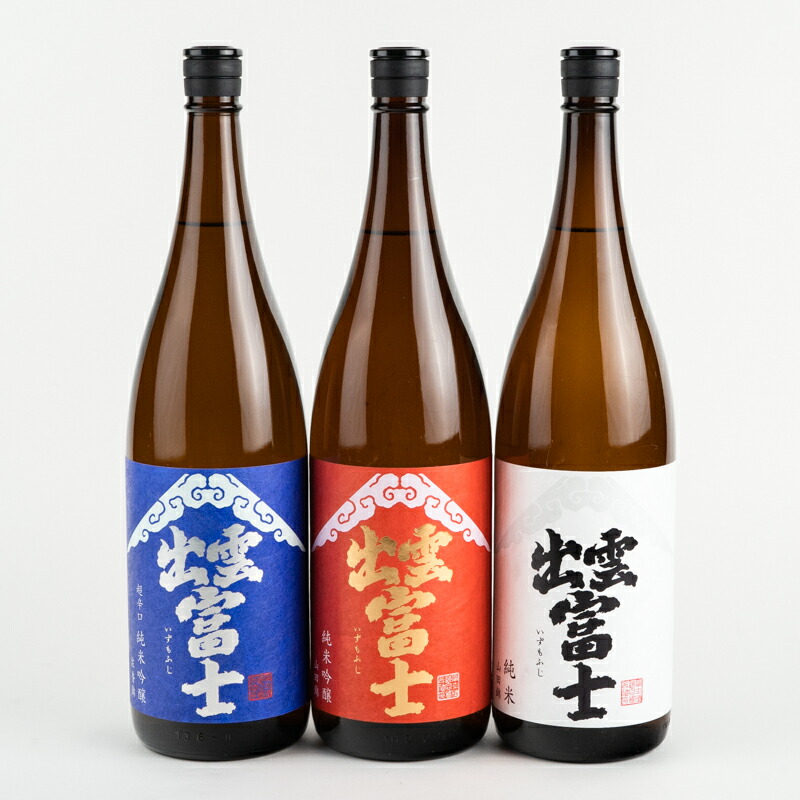
Izumo Fuji Sake
Izumo Fuji is a celebrated Shimane sake brewed by Fuji Shuzo in Izumo City — its popular junmai-ginjo, made with Sakanishiki and other rice, is known for a clean, dry, food-friendly style that pairs beautifully with Sea of Japan seafood and Matsuba crab. Shimane is one of Japan’s notable sake regions; other respected breweries include Rihaku (Matsue), Toyonoaki (Matsue), Gassan (Yasugi), Oroku (Higashi-Izumo), and Shichikanba (Okuizumo, founded 1712), while the prefecture’s oldest brewery is Migita Honten (Masuda, 1602). Many breweries offer tours and tasting flights. Available at JR Matsue and Izumoshi Stations and direct from the breweries.
「出雲富士(いずもふじ)」は出雲市の富士酒造が醸す島根を代表する地酒——佐香錦などで醸す人気の純米吟醸は、すっきり辛口で料理に合わせやすく、日本海の海鮮や松葉ガニとの相性が格別です。島根は屈指の酒どころで、ほかにも李白(松江)、豊の秋(松江)、月山(安来)、王祿(東出雲)、七冠馬(奥出雲・1712年創業)など実力蔵が揃い、県内最古の蔵は益田の右田本店(1602年)です。多くの蔵元で蔵見学と利き酒が楽しめます。JR松江駅・出雲市駅、各蔵元直営店で購入可能。
Must-Visit Spots
おすすめスポット 5選
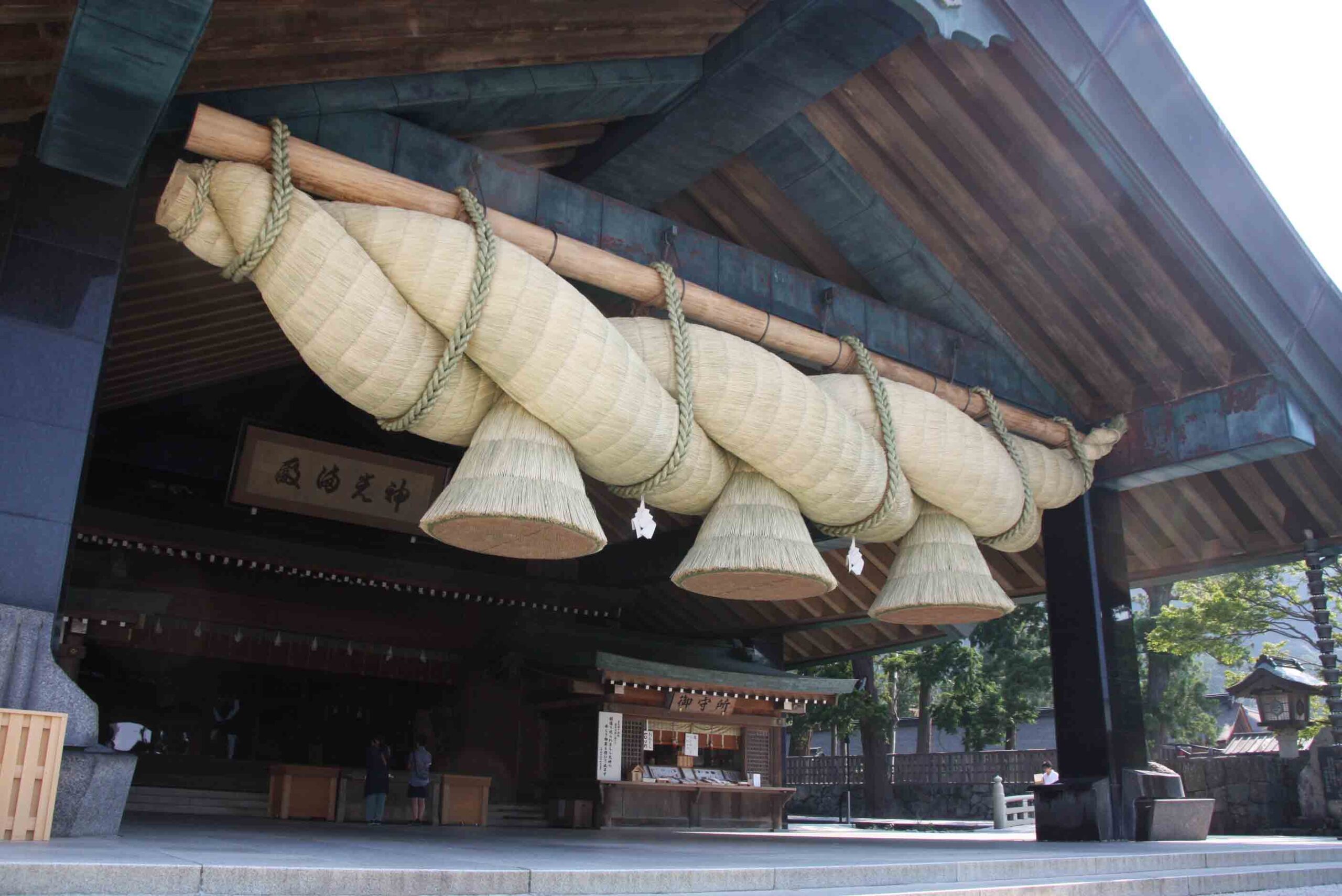
Izumo Taisha
Izumo Taisha (Izumo Grand Shrine) is one of Japan’s two oldest and most sacred Shinto shrines — alongside Ise Grand Shrine — with origins in Japan’s mythological age and dedicated to Okuninushi-no-Kami, the Shinto deity of nation-building, harvests, and matchmaking. Izumo is Japan’s premier shrine for romantic prayers, attracting young couples and singles seeking love connections from across the nation. The signature feature is the kagura-den, a hall housing one of Japan’s largest sacred shimenawa ropes (about 5.2 tons, 13.6 meters long, replaced every few years). The unique “four-clap” prayer protocol (instead of the standard two-clap) is unique to Izumo. Every October during “Kannazuki” festival, all of Japan’s Shinto deities gather here. Free admission to the main grounds. From JR Izumoshi Station, take the Ichibata Bus (25 minutes).
「出雲大社(いずもおおやしろ)」は伊勢神宮と並ぶ日本最古かつ最神聖な神社の一つで、神話時代の創建と伝わり——日本創世、農業、縁結びの神「大国主大神(オオクニヌシノオオカミ)」を祀る、日本随一の縁結びの聖地です。全国から若いカップルや独身者が縁結びの祈願に訪れます。象徴的な「神楽殿(かぐらでん)」には日本最大級の神聖な注連縄(重さ約5.2トン、全長13.6メートル、数年に一度張り替え)があり、参拝の際の「二拝四拍手一拝」(通常の一拍手ではなく独特の作法)も出雲ならでは。10月の「神在月(かんなづき)」には、日本中の神々が出雲に集まるという伝承があります。境内主要部は拝観無料。JR出雲市駅から一畑バスで約25分。
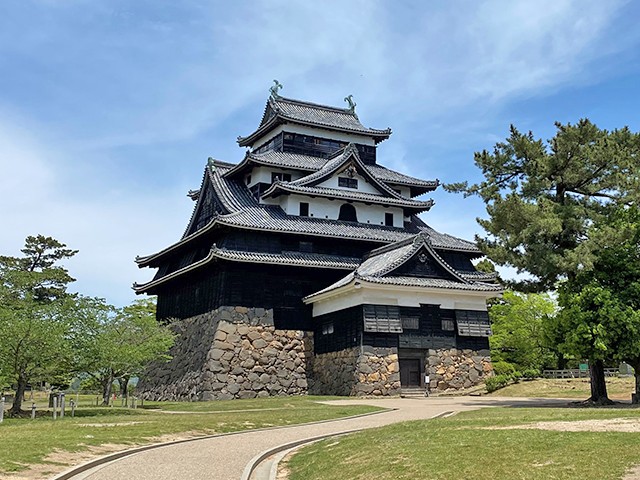
Matsue Castle
Matsue Castle is one of Japan’s twelve original castles still preserving its 17th-century wooden keep — and one of only five designated as National Treasures. Built between 1607 and 1611 by Horio Yoshiharu, the castle’s distinctive black exterior earned it the nickname “Plover Castle” (Chidori-jo) after the chidori-hafu (plover-shaped gables) on its roof. The original 5-story keep stands serenely on a hilltop overlooking Lake Shinji, surrounded by extensive moats and stone walls. Inside, narrow original wooden staircases lead between floors filled with samurai armor, weapons, and detailed castle history. The on-site Horikawa River Cruise (separate listing) lets visitors circle the castle’s moats by traditional boat. Cherry blossoms in early April are spectacular. Tickets ¥680. From JR Matsue Station, take the Lakeline Bus to Otemae Hiroba (15 minutes).
「松江城」は現存する日本の12城のうちで17世紀の天守を保存する貴重な国宝——5つの国宝指定天守の一つです。1607〜1611年に堀尾吉晴が築城した松江城の黒い外観は「千鳥城(ちどりじょう)」の愛称で親しまれ、屋根を飾る千鳥破風(ちどりはふ)に由来します。オリジナル5層の天守は、宍道湖を見下ろす丘上に静かに佇み、広い堀と石垣に囲まれた壮大な姿が見事です。内部の急な木造階段は当時のまま、武家の甲冑、武具、城の詳細な歴史展示を楽しめます。隣接の堀川遊覧船(別記載)では、伝統的な舟で城の堀をめぐる体験が可能。4月上旬の桜は格別の絶景。入場料670円。JR松江駅から「ぐるっと松江レイクライン」バスで大手前広場まで約15分。
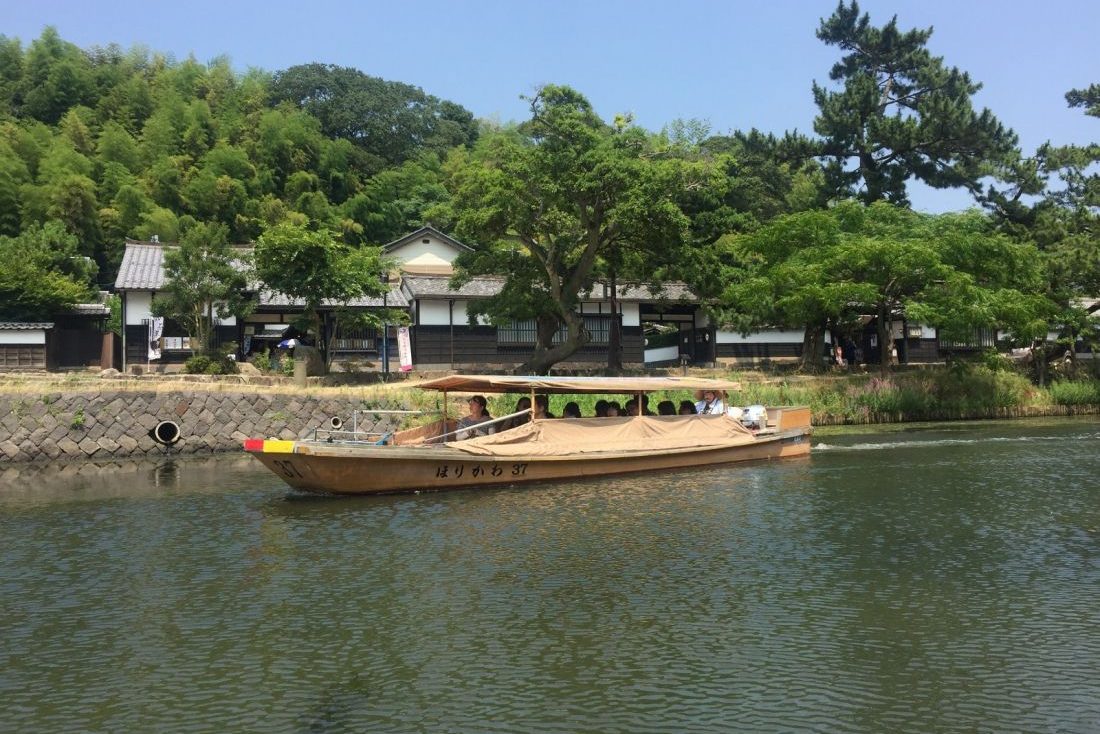
Horikawa River Cruise
The Horikawa River Cruise is one of Japan’s most charming castle-town experiences — a 50-minute traditional boat tour around Matsue Castle’s outer moats, navigating under 17 historic bridges (some so low the boat’s roof must be lowered manually) while passing samurai residences, willow trees lining the water, and the castle keep rising majestically above. The boatmen, often elderly locals in traditional clothing, sing local folk songs such as Yasugi-bushi and Seki-no-Gohonmatsu and explain the castle town’s 400-year history with a humor that makes the tour as entertaining as it is beautiful. Year-round operation includes special lighting in winter and cherry-blossom illumination in spring. Tickets ¥1,600 (one-day unlimited rides). From Matsue Castle’s Otemon-gate area, the boat dock is a 5-minute walk. Highly recommended for first-time visitors.
「堀川遊覧船」は日本でも最も魅力的な城下町体験の一つ——松江城の外堀を50分かけて巡る伝統的な舟下りで、17の歴史的な橋(一部はボートの屋根を手動で下げないと通れないほど低い)の下をくぐり抜けながら、武家屋敷、水辺の柳並木、堂々とそびえる天守を仰ぐ絶景体験が楽しめます。船頭は地元の高齢者たちが多く、伝統的な装束で「安来節」や「関の五本松」などの民謡を歌い、城下町400年の歴史をユーモアたっぷりに解説してくれるため、観光と娯楽が一体となった魅力的なツアーに。通年運航で、冬の特別ライトアップ、春の桜のイルミネーションも実施。料金1,600円(1日乗り放題券)。松江城大手門エリアから乗船場まで徒歩約5分。初めての方には特におすすめ。
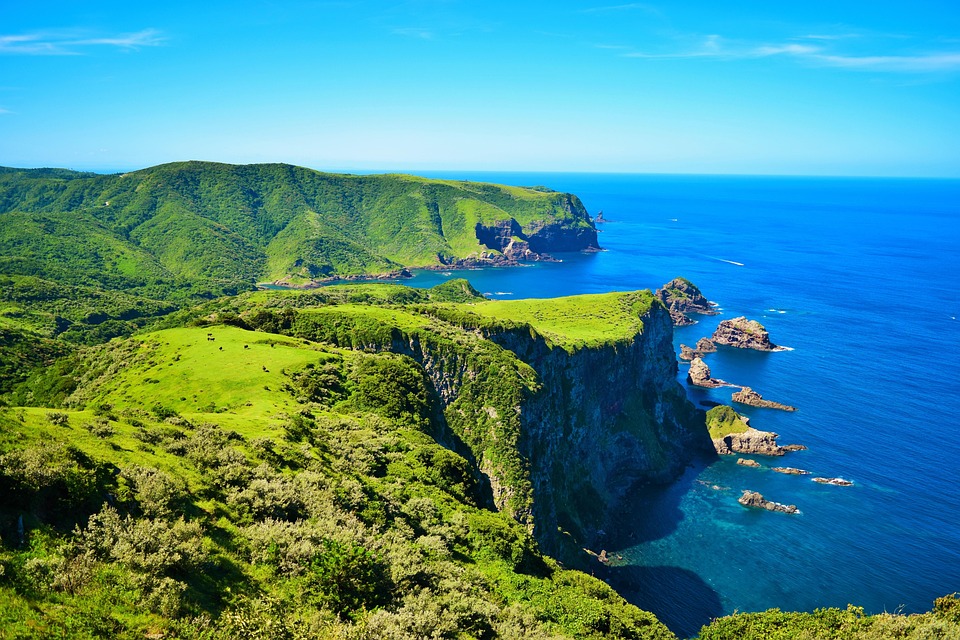
Oki Islands
The Oki Islands, designated a UNESCO Global Geopark, are an archipelago of four main islands and 180+ small islets in the Sea of Japan north of Shimane. Once a place of imperial exile (including Emperor Go-Toba), the islands today preserve a remarkably untouched natural environment — dramatic coastal cliffs, virgin forests, and isolated villages where ancient traditions remain. The signature attractions include Candle Island (Rosoku-jima), the Matengai sea cliffs, the Tsutenkyo arch, the Kuniga coastline, the rare native cattle and horse breeds that roam freely, and the deeply traditional Oki Sumo wrestling tournaments. The islands’ sea life is exceptional — bottlenose dolphins and a wealth of seafood. Reach via 2.5-hour ferry from Sakaiminato Port (Tottori) or a 30-minute propeller-plane flight from Izumo. About 45 minutes by air from Osaka Itami.
「隠岐諸島(おきしょとう)」はユネスコ世界ジオパークに認定された島嶼群——日本海の島根県沖に浮かぶ4つの主要島と180以上の小島から成る秘境です。後鳥羽天皇など、かつて皇族の流配地であった当地は、今も奇跡的に手つかずの自然環境を保持——ドラマチックな海岸断崖、原生林、古代の伝統が残る孤立した集落が魅力です。象徴的な見どころは、地質学的奇跡「ローソク島」、高さ約257mの「摩天崖」、「通天橋」、「国賀海岸」の絶景断崖、自由に歩き回る希少な在来牛と馬、深く伝統的な「隠岐相撲」など。海の生態系も豊か——イルカ、豊富な海鮮。境港(鳥取)から2.5時間のフェリー、出雲から約30分の飛行機(プロペラ機)でアクセス可能。大阪伊丹空港から約45分。
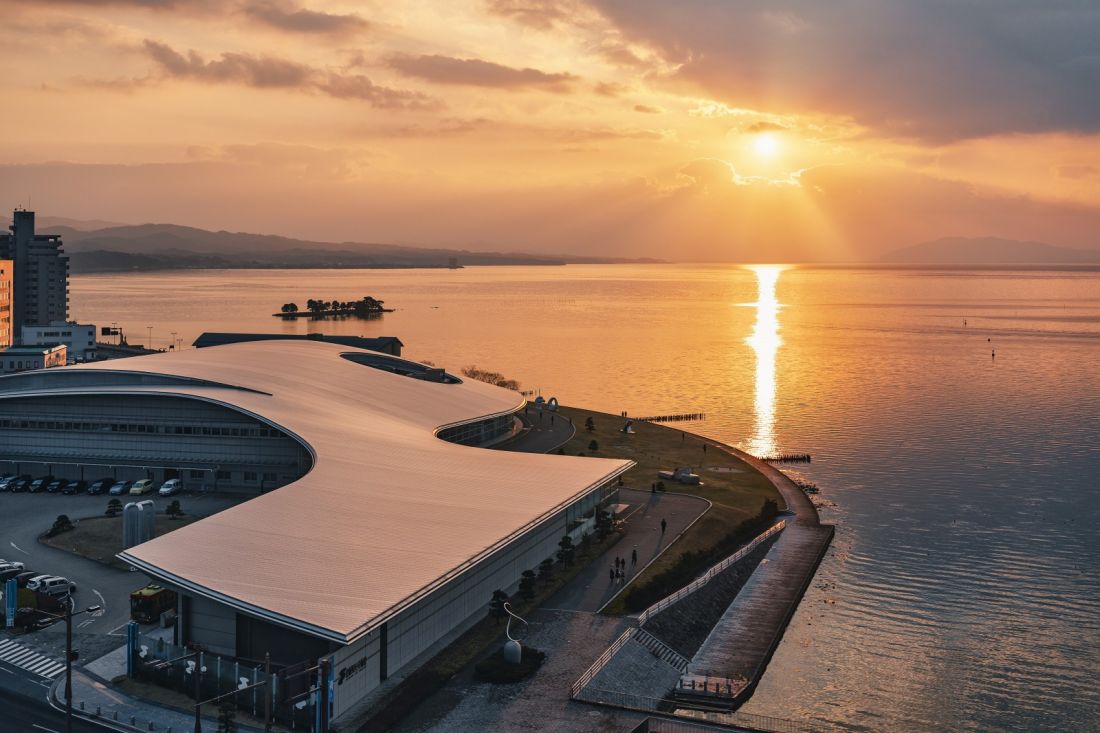
Shimane Art Museum
The Shimane Art Museum, designed by celebrated architect Kiyonori Kikutake, is one of Japan’s most beautifully positioned museums — its glass walls face directly onto Lake Shinji’s western shore, framing the legendary lake sunset with masterpiece artworks visible just steps away. The collection emphasizes Japanese, French, and Chinese paintings, famous above all for its world-class Hokusai ukiyo-e collection, alongside works by Yokoyama Taikan and French Impressionists such as Monet. The signature “Sunset Hall” specifically opens its windows during the prime sunset hour for a unique combination of natural and human artistic expression. Beyond exhibitions, the museum café offers panoramic lake views, and the surrounding lakeside park is gorgeous year-round. The annual “Sunset Festival” celebrates Lake Shinji’s sunsets with art events. Tickets ¥400 (specials separate). From JR Matsue Station, the museum is 15 minutes by bus.
「島根県立美術館」は名建築家・菊竹清訓(きくたけきよのり)の設計による、日本でも最も美しく配置された美術館の一つ——ガラス壁が宍道湖西岸に直接面し、湖の伝説的な夕日と展示作品が同時に楽しめる絶景の立地が魅力です。世界有数の葛飾北斎の浮世絵コレクションで知られ、横山大観やモネら印象派の名作も所蔵。象徴的な「サンセットホール」は、日没時刻に窓を特別に開放し、自然と芸術の融合体験を提供する独自のサービスを展開しています。展示以外にも、湖を望むパノラマカフェ、湖畔のサンセット公園が年間を通じて見ごたえあり。年に一度の「夕日まつり」では、宍道湖の夕日を祝う芸術イベントも開催。入館料400円(特別展は別途)。JR松江駅からバスで約15分。
Insider Tips
現地通の旅の裏ワザ
Izumo Taisha prayer protocol is 2-bow, 4-clap, 1-bow (vs standard 2-2-1 elsewhere). October is ‘month of gods gathering’ — best wedding luck timing.
出雲大社の参拝作法は二礼四拍手一礼(一般神社の二礼二拍手一礼と異なる)。10月「神在月」は縁結びベストタイミング。
Voted #1 Japanese garden 21 years running. 1 hour from Matsue — bus pass (¥2,500 incl. entry) easier than train+taxi combo.
足立美術館の庭園は21年連続日本一。松江から1時間、観覧料込¥2,500のバス券セットが電車+タクシーより安い。
Frequently Asked Questions
What is special about Izumo Taisha in October?
In the old lunar calendar’s 10th month (called Kannazuki — ‘month without gods’ elsewhere), all eight million Japanese deities gather at Izumo Taisha to discuss marriages and human fates. The Grand Festival (Kamiari-sai) is held Oct 10–17 (lunar).
旧暦10月(神在月)に全国から八百万の神が出雲大社に集まり縁結びを定めるとされます。神在祭は旧暦10月10〜17日。
What is the Horikawa boat cruise and what makes it special?
The flat-bottom boat glides under 17 bridges in Matsue’s castle moat — some so low that everyone must lie flat on the boat floor to pass through. In winter, the boat has a heated kotatsu table inside.
17の橋をくぐる堀川めぐりでは、低い橋のたびに全員が寝そべる体験がユニーク。冬はこたつ付きの温かいボートで運行。
How do I get to Izumo Taisha from Matsue?
Take the Ichibata Electric Railway (一畑電車) from Matsue Shinjiko-Onsen Station to Izumotaisha-mae Station (about 60–75 min with a transfer at Kawato, ¥900). Or drive — 30 minutes on the expressway.
松江しんじ湖温泉駅から一畑電車で出雲大社前駅まで川跡乗換で約60〜75分(900円)。車なら高速で約30分。
Travel Tip
Visit the Shimane Art Museum (島根県立美術館) at sunset — the lakeside terrace offers one of Japan’s most serene evening scenes, with egrets silhouetted against a red sky over Lake Shinji. Entry is free 30 minutes before closing.