Yamanashi
Top Yamanashi souvenirs and must-visit travel spots — your complete guide for visitors to Japan. Nowhere frames Mt. Fuji more perfectly than Kawaguchiko — where the volcano’s mirror reflection shimmers at dawn and the Fuji Five Lakes come alive with every season.
富士五湖から仰ぐ富士山、甲州ワイン、シャインマスカット、桃。山梨は日本の宝物が詰まった贈り物のような県です。
Yamanashi is Mount Fuji’s home prefecture, plus Japan’s top grape-and-wine country and Koshu’s fruit valleys. The must-buy is Kikyoya’s Shingen-mochi, soft rice cakes with kinako and black-sugar syrup, with peaches, grapes and Katsunuma wine close behind. Hoto noodle kits make a good savory gift. Kofu Station and the Fuji Five Lakes shops have it all.
山梨は富士山のお膝元で、ぶどう・ワイン生産日本一、甲州のフルーツ郷。鉄板は桔梗屋の「信玄餅」(きな粉と黒蜜の柔らか餅)、桃やぶどう、勝沼ワインも人気です。ほうとうキットは惣菜系のいいみやげ。甲府駅や富士五湖の店で一通り揃います。
Recommended Omiyage
おすすめおみやげ 5選
Hoto Noodle Kit
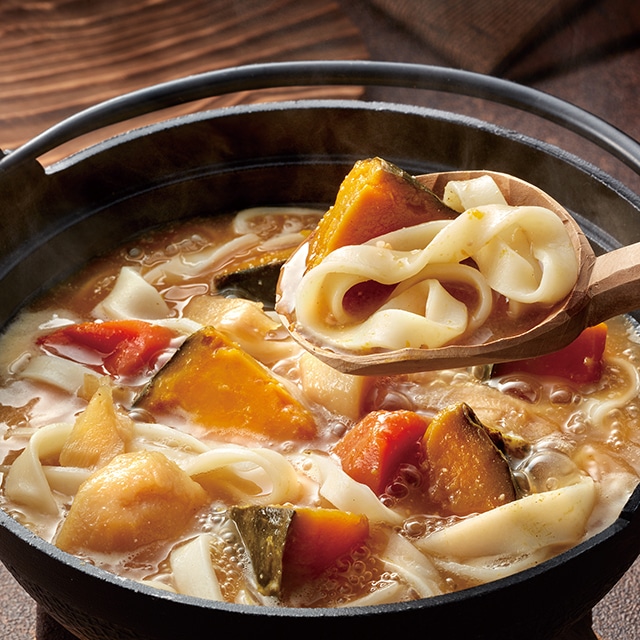
Hoto is Yamanashi’s most beloved comfort food — wide, flat udon-like noodles simmered with kabocha pumpkin, root vegetables, mushrooms, and pork or chicken in a rich miso broth. Unlike refined udon, hoto noodles are deliberately rustic with chewy bite, and the broth becomes naturally thickened by the kabocha and starch from the noodles themselves. Hoto has been eaten in Yamanashi for centuries, and warlord Takeda Shingen reportedly fed it to his soldiers in the Sengoku era — its hearty single-bowl meal kept warriors strong through Yamanashi’s cold winters. Modern hoto souvenir kits pair flat noodles with a miso soup base and dried vegetables; shelf-stable packs keep for weeks, while fresh-noodle types need refrigeration and are best within a few days. Kosaku and Hoto Fudoh are among Yamanashi’s most famous hoto restaurants, and take-home kits are sold at JR Kofu Station, Mt. Fuji 5th Station, and Kawaguchiko area shops. Best made in a single large pot.
「ほうとう」は山梨県を代表するソウルフード。幅広で平たい、うどんに似た太麺を、かぼちゃ、根菜、きのこ、豚肉や鶏肉と共に味噌仕立ての濃厚なつゆで煮込む郷土料理です。洗練されたうどんとは違い、ほうとう麺はわざと素朴で歯ごたえのある質感で、つゆはかぼちゃと麺の澱粉で自然にとろみが付くのが特徴。古くから山梨で食べ継がれ、戦国時代には武田信玄が兵士たちに振る舞ったと伝わる名物。一杯で満腹になる栄養満点のメニューが、山梨の厳しい冬を兵士たちが乗り越えるエネルギー源となりました。現代の「ほうとうキット」は平打ち麺・味噌・乾燥野菜のセットが一般的。常温保存タイプは数週間日持ちし、生麺タイプは要冷蔵で数日以内が目安です。「小作」「ほうとう不動」は山梨を代表するほうとうの名店。JR甲府駅、富士山5合目、河口湖周辺の土産店で購入可能。
Koshu White Peach
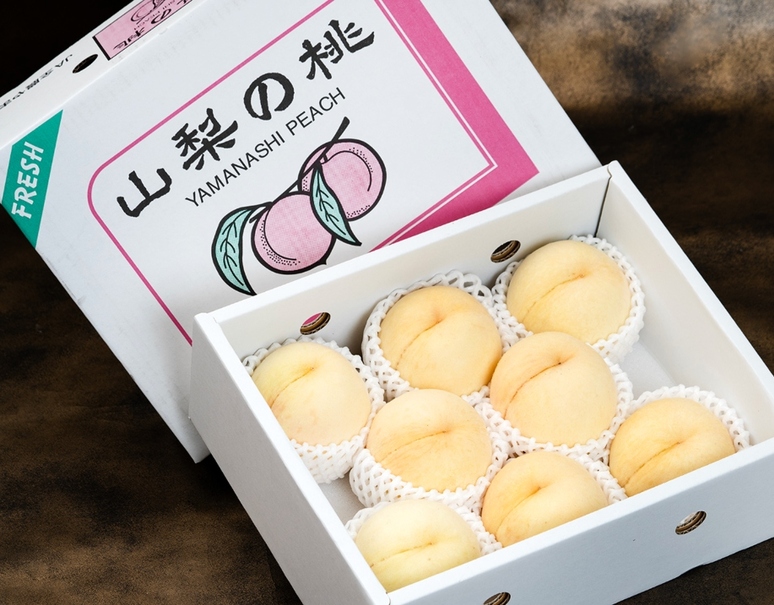
Yamanashi’s Koshu region produces some of Japan’s most prized white peaches — known for their unparalleled juiciness, honey-like sweetness, and refined floral aroma that’s earned them “the queen of summer fruits” status. The flagship Koshu Hakuho variety is large (around 300 grams per fruit at top grades), with cream-colored flesh that practically melts on the tongue. Other prized cultivars include the midsummer Akatsuki and the late-season Ougonto (golden peach). Premium gift boxes of 5-12 hand-picked peaches range from ¥3,000-15,000 depending on grade and presentation. Yamanashi’s many u-pick orchards offer all-you-can-eat experiences in season (July-September) for ¥2,000-3,000. Available at JR Kofu Station and direct from orchards across eastern Yamanashi — Fuefuki, Koshu, and Yamanashi cities, Japan’s top peach-growing area. Refrigerated nationwide shipping available.
山梨県の甲州地方で生産される白桃は、日本最高峰の品質を誇る逸品——比類ない瑞々しさ、蜂蜜のような甘さ、上品な花の香りで「夏果実の女王」と称されます。代表品種の「甲州白鳳」は上等級では1個300グラム前後の大粒で、クリーム色の果肉が口の中でとろけるような食感。他にも盛夏の「あかつき」、晩夏の「黄金桃(おうごんとう)」など多彩な品種ラインナップが揃います。化粧箱入り5〜12玉のギフトは、等級と化粧次第で3,000〜15,000円と幅広い価格帯。シーズン(7〜9月)には県内多数の観光果樹園で食べ放題体験(2,000〜3,000円)も人気です。JR甲府駅、笛吹市・甲州市・山梨市など峡東地域(桃生産量日本一)の果樹園直送で購入可能。冷蔵での全国発送サービスも完備。
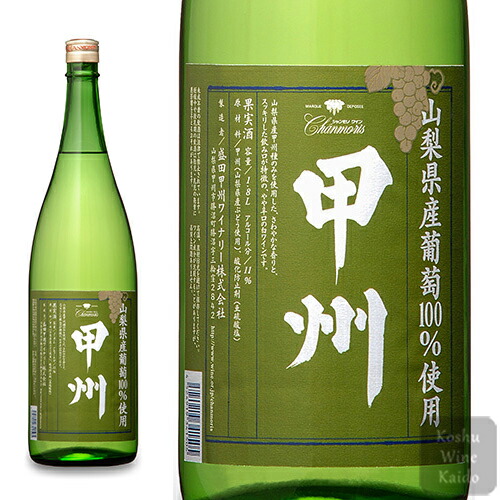
Koshu Wine
Yamanashi’s Koshu wine has become Japan’s most internationally recognized wine — its signature white wine, made from the indigenous “Koshu” grape variety unique to Japan, has won prestigious awards at Decanter and the IWC. The prefecture’s wine-making tradition dates to 1874, but modern Koshu wines have transformed dramatically in the past two decades through careful viticulture and export-quality winemaking. Major wineries include Chateau Mercian (one of Japan’s most awarded wineries), Suntory Tomi-no-Oka, Manns Wines, and Marquis Winery (Maruki, Japan’s oldest surviving winery). Most welcome visitors with tastings (¥500-1,500 for flights), tours, and direct purchase opportunities. The grape pairs beautifully with sushi, sashimi, and Japanese cuisine. Premium bottles range from ¥1,500-15,000+. Many wineries cluster around JR Katsunuma-Budokyo Station, though the hilly terrain makes a taxi or local bus handy.
山梨の「甲州ワイン」は、日本ワインで国際的に最も認知されたブランド。日本固有の白ぶどう品種「甲州」から造られる白ワインは、デカンタやIWC(インターナショナル・ワイン・チャレンジ)など世界の権威ある品評会で連続受賞を果たしています。県のワイン造り歴史は1874年まで遡りますが、ここ20年で精緻な栽培と国際品質の醸造により劇的な進化を遂げました。代表的なワイナリーは、日本でも有数の受賞歴を誇る「シャトー・メルシャン」、「サントリー登美の丘」、「マンズワイン」、「まるき葡萄酒(Marquis Winery)」など。多くのワイナリーが利き酒(500〜1,500円のセット)、見学、直接購入を歓迎しています。寿司、刺身、日本料理との相性抜群。価格帯は1,500〜15,000円超。多くがJR勝沼ぶどう郷駅周辺に集まりますが、起伏があるためタクシーや路線バスの併用が便利です。
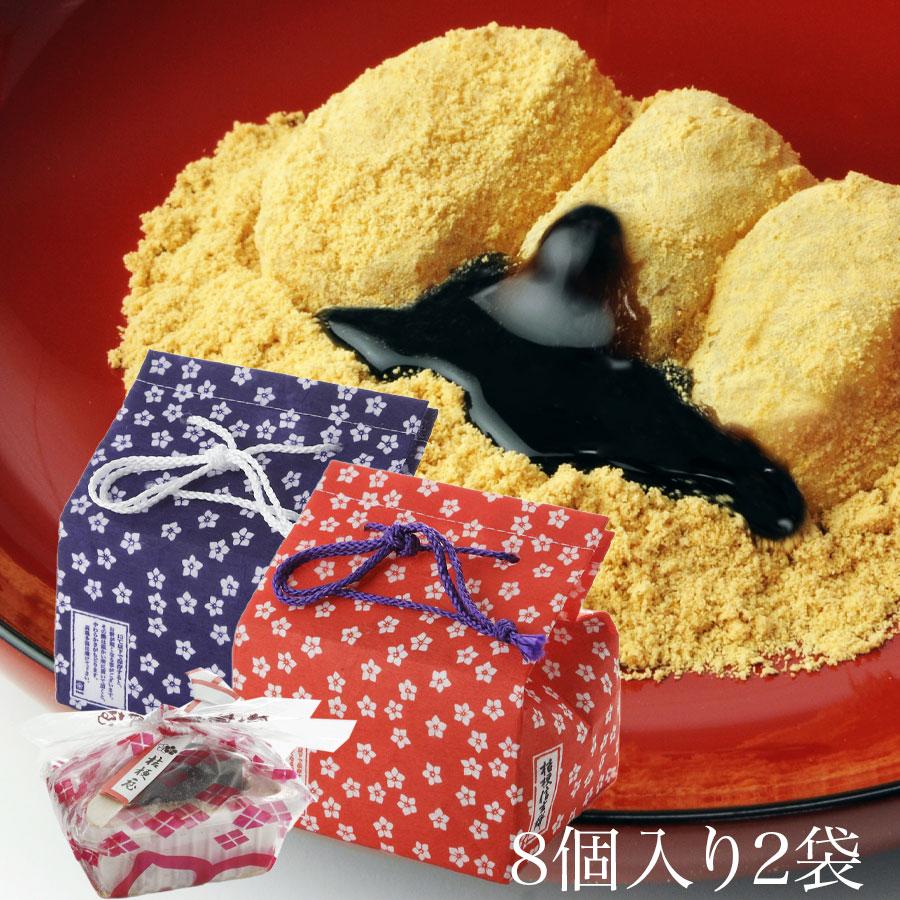
Shingen Mochi
Created in 1968 by Kikyoya, Shingen Mochi is Yamanashi’s most iconic confection — a small package containing 3 soft mochi rice cakes coated in roasted soybean flour (kinako), sealed in distinctive plastic-wrap-and-elastic-band packaging that became viral worldwide as the “Japanese mochi puzzle.” To eat, you remove the elastic band, pour kuromitsu (rich molasses syrup) over the mochi, then mix everything together. The interplay of soft mochi, nutty kinako, and sweet kuromitsu is perfectly balanced and uniquely Japanese. Named after warlord Takeda Shingen, who ruled Yamanashi during the Sengoku era, the package has remained essentially unchanged for over 50 years. Sold at JR Kofu Station, Tokyo’s depachika, and direct at Kikyoya factory shops. Best within about 12 days.
1968年に桔梗屋が生み出した「桔梗信玄餅」は、山梨を象徴する銘菓。1パッケージに3個のきな粉まぶしの柔らかい餅が入り、独特の風呂敷包みとゴム紐の包装は「日本の餅パズル」として海外でもバズった名物です。食べ方は、ゴム紐を外し、付属の黒蜜小袋を餅にかけて全体を混ぜていただく独特のスタイル。柔らかい餅、香ばしいきな粉、コクのある黒蜜が織りなす絶妙なハーモニーは唯一無二の和菓子体験。戦国時代に山梨を治めた武田信玄にちなんで命名され、パッケージは50年以上ほぼ変わらないアイコニックなデザイン。JR甲府駅、東京のデパ地下、桔梗屋直営店で広く購入可能。賞味期限約12日。
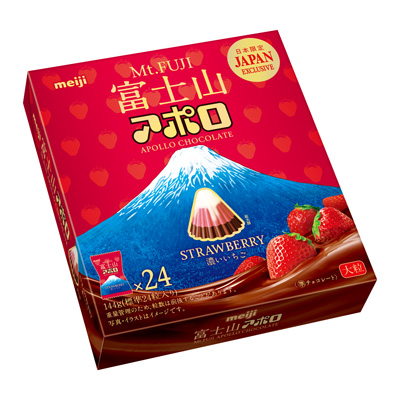
Mt. Fuji Apollo (Strawberry)
Mt. Fuji Apollo is a Japan-exclusive souvenir chocolate from confectionery giant Meiji, molded into the shape of the iconic peak. Each large bite-size piece has three layers — a milk-chocolate base, a strawberry-chocolate middle, and a white-chocolate cap standing in for Mt. Fuji’s snowy summit, echoing the famous ‘red Fuji.’ The tart-sweet strawberry layer plays nicely against the smooth milk and white chocolate, and the cute mountain shape makes it a hit with kids and a fun, photogenic gift. Each box holds 24 large pieces (144g) in a bright Mt. Fuji package. Sold widely as a regional souvenir around the Mt. Fuji area — at JR Kawaguchiko and Otsuki stations, Fuji-Q Highland shops, expressway service areas, and shinkansen stations near Fuji. Lasts about a year unopened; no refrigeration needed.
「富士山アポロ」は、お菓子メーカー大手・明治が手がける、富士山の形をした日本限定のお土産チョコ。大粒の一粒は3層構造で、麓がミルクチョコ、山腹がいちごチョコ、頂上は雪を表すホワイトチョコ——「赤富士」をモチーフにした可愛いデザインです。甘いミルク&ホワイトに、ほどよく甘酸っぱいいちごチョコが重なり、子どもにも喜ばれるフォトジェニックな逸品。1箱に大粒24粒(144g)入りで、鮮やかな富士山パッケージが目印。富士山エリアのお土産として広く流通し、JR河口湖駅・大月駅、富士急ハイランドの売店、高速道路SA、富士周辺の新幹線駅などで購入可能。未開封で約1年日持ちし、常温保存OK。
Must-Visit Spots
おすすめスポット 5選
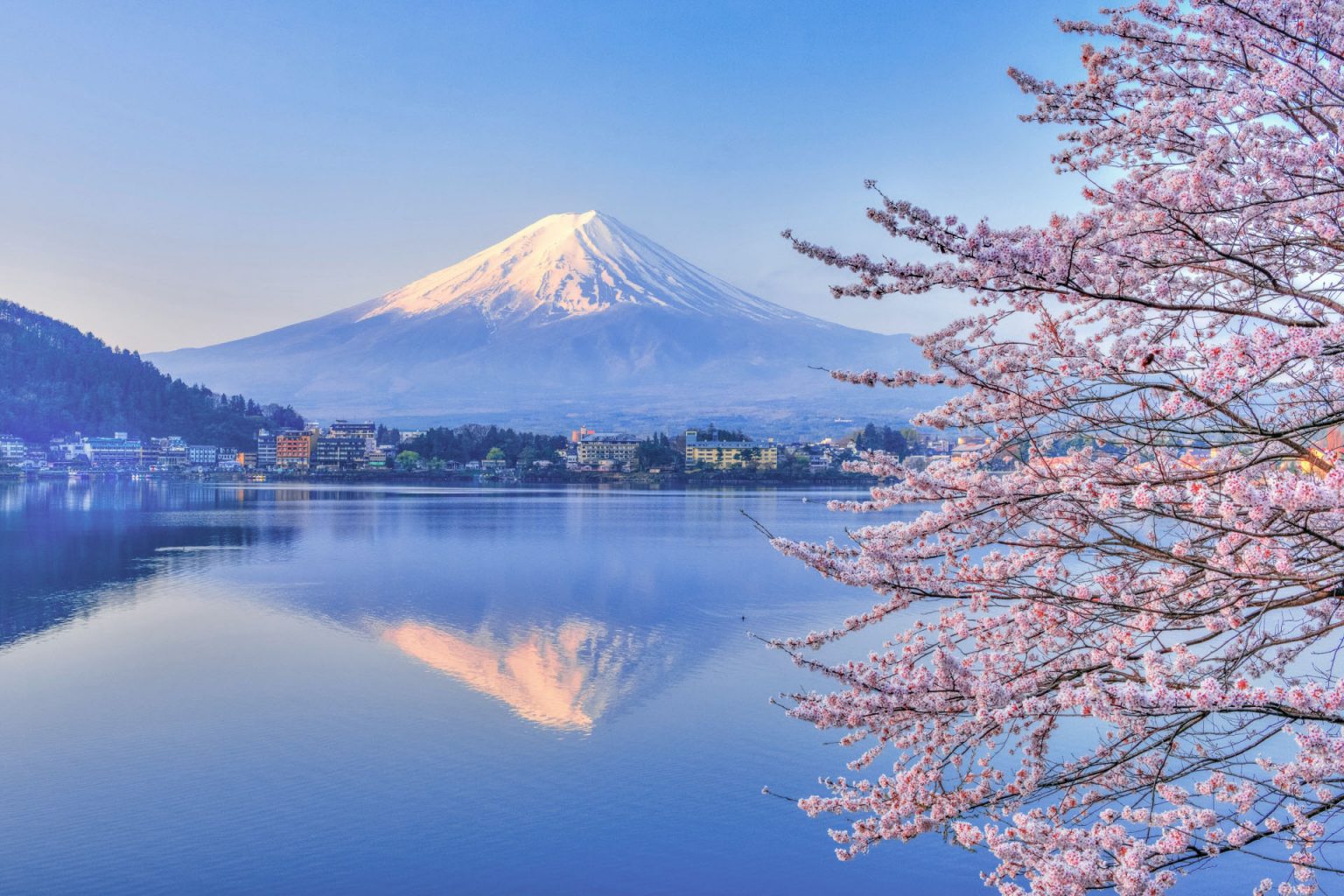
Lake Kawaguchiko
Lake Kawaguchiko is the most accessible of the Fuji Five Lakes and offers Japan’s most photographed view of Mt. Fuji — particularly when calm waters create a perfect mirror reflection of the iconic peak. The lake, up to 14.6 metres deep and formed by ancient lava flows, is encircled by a roughly 18-kilometer cycling and walking path, plus dozens of museums, photogenic gardens, and historic ryokan. Don’t miss the Chureito Pagoda’s 5-story view (Mt. Fuji + cherry blossoms in April), the Mt. Fuji Panoramic Ropeway (formerly Kachi Kachi Yama) with its bird’s-eye perspective, the Music Box Forest museum, and the seasonal Lavender Festival around the lake (June-July). Boat tours and seasonal swan-shaped pedalboats add fun. From Tokyo via the Fuji Excursion limited express (about 2 hours).
「河口湖」は富士五湖の中で最もアクセスしやすく、日本でも最もフォトジェニックな富士山の眺望を提供します——湖面が静まる時に映る逆さ富士は世界中に知られた絶景。最大水深14.6メートルの湖は、古代の溶岩流で形成され、全周約18キロのサイクリング・ウォーキングロード、多数の美術館、フォトジェニックな庭園、歴史ある旅館が湖を囲みます。「忠霊塔」(新倉山浅間公園)からの五重塔+桜+富士の構図は4月の絶景、「富士山パノラマロープウェイ」(旧カチカチ山ロープウェイ)からの俯瞰、「音楽と森の美術館」、湖畔のラベンダー祭り(6〜7月)など見どころ満載。遊覧船、シーズン限定の白鳥ペダルボートも楽しい。東京から富士回遊号特急で約2時間。
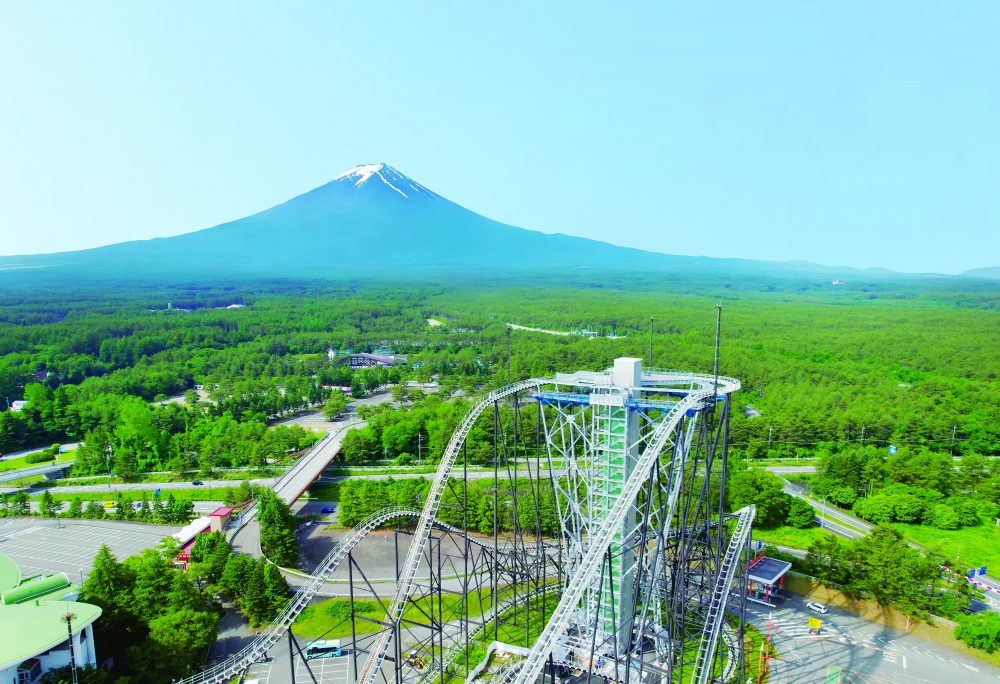
Fuji-Q Highland
Fuji-Q Highland is Japan’s premier thrill-ride amusement park — its world-record-holding roller coasters loom dramatically against Mt. Fuji’s backdrop, creating perhaps Japan’s most cinematic theme park experience. The signature attractions include Eejanaika (with the most rotations of any coaster in the world), Takabisha (whose 121-degree free-fall drop set a Guinness World Record), Fujiyama (a venerable classic with stunning Fuji views), and Zokkon (a launch coaster opened in 2023). Beyond coasters, the park features themed mascot areas (NARUTO and Hello Kitty zones), Japan’s largest haunted hospital, and seasonal events. Park entry is free, with a one-day all-ride pass priced dynamically (roughly ¥7,200–7,900); rides can also be paid for individually. Direct via the Fuji Excursion limited express from Shinjuku to Fujikyu-Highland Station (about 110 minutes).
「富士急ハイランド」は日本随一の絶叫マシン遊園地——富士山を背景にそびえる世界記録級のジェットコースターが、おそらく日本で最もシネマティックなテーマパーク体験を提供します。看板アトラクションは、世界一の回転数を誇る「ええじゃないか」、最大落下角度121度でギネス世界記録を樹立した「高飛車」、富士山を望むクラシックコースター「FUJIYAMA」、2023年登場のローンチコースター「ZOKKON」など。コースター以外にも、NARUTOゾーン、ハローキティゾーンなどキャラクターテーマエリア、日本最大級のホラーアトラクション「絶凶・戦慄迷宮」、季節限定イベントが充実。入園は無料で、1日フリーパスは変動価格制(おおよそ7,200〜7,900円)。アトラクション都度払いも可能。新宿から特急「富士回遊」で富士急ハイランド駅まで約110分。
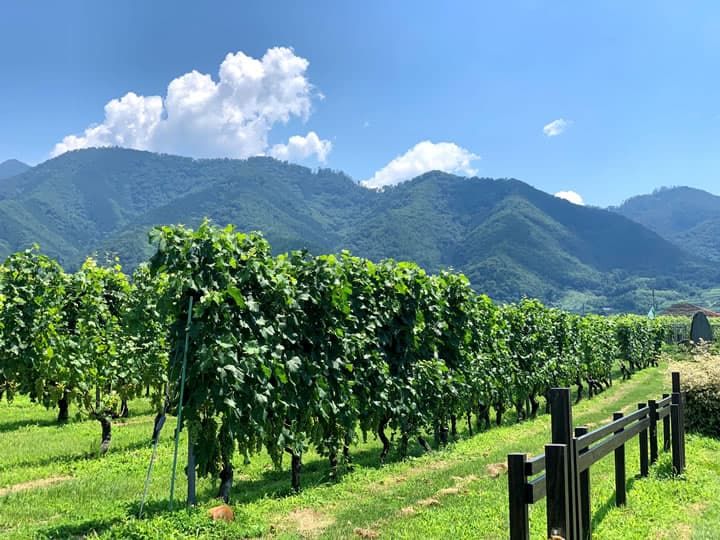
Chateau Mercian
Chateau Mercian is Yamanashi’s flagship winery and Japan’s most internationally awarded wine producer — its Koshu, Merlot, and Hokushin Pinot Noir bottles win medals at Decanter, IWC, and other international competitions year after year. Founded in 1877 in Katsunuma (Yamanashi’s wine center), Mercian’s Katsunuma Winery is open to visitors year-round with paid tasting counters and guided tours (roughly ¥3,000-10,000 by course), guided cellar tours, and direct purchase opportunities. The on-site Chateau Mercian Wine Gallery showcases the winery’s 140-plus-year history with historic bottles and artifacts, while the Chateau Mercian Cafe & Restaurant pairs current vintages with modern Japanese cuisine. The winery is about an 8-minute taxi ride from JR Katsunuma-Budokyo Station, and the surrounding Katsunuma area is dotted with wineries for a perfect wine-tasting day.
「シャトー・メルシャン」は山梨県の旗艦ワイナリーで、日本ワインで国際受賞数最多の生産者。「甲州」「メルロー」「北信ピノ・ノワール」など主要ボトルが、デカンタやIWCなどの国際品評会で高い評価を獲得しています。1877年に勝沼(山梨ワインの中心地)で創業し、「メルシャン勝沼ワイナリー」は通年で見学可能。有料のテイスティングカウンター、ガイド付きツアー(コースにより約3,000〜10,000円)、ガイド付きセラーツアー、直接購入と充実したサービス。併設の「シャトー・メルシャン ワインギャラリー」では歴史的なボトルや資料を含む140年以上の歩みを展示、「シャトー・メルシャン カフェ&レストラン」では最新ヴィンテージとモダン和食の見事なペアリングが楽しめます。JR勝沼ぶどう郷駅からタクシーで約8分、周辺の勝沼一帯にワイナリーが点在しワイン三昧の一日が楽しめます。
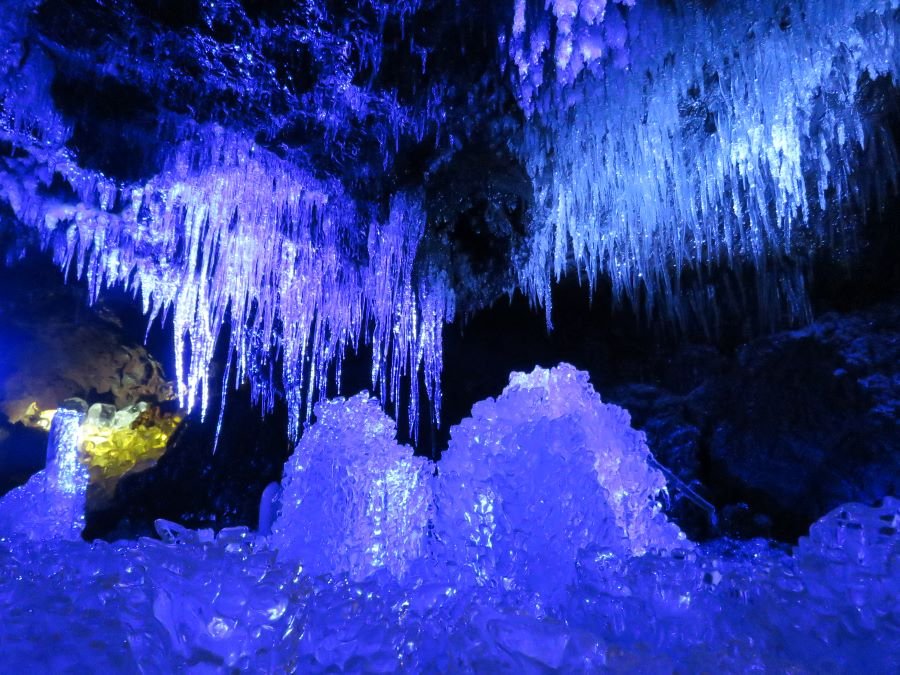
Narusawa Ice Cave
Formed by lava-flow tubes from Mt. Fuji’s eruptions over 1,150 years ago, Narusawa Ice Cave is a 153-meter-long underground cavern that stays at around 3°C year-round, even in summer when surface temperatures reach 30°C+. The cave’s interior is decorated with massive natural ice formations: thick ice walls, hanging ice columns, and ice stalactites that grow during winter and gradually melt by autumn. During the Edo period, locals harvested cave ice and shipped it as far as Edo (Tokyo) for the shogunate and the city’s elite. Today, visitors descend by stairs through the cool entrance into the otherworldly chamber, with audio guides explaining the geology and history. Helmets required (provided free). 30 minutes by bus from JR Kawaguchiko Station. Combine with Fugaku Wind Cave nearby.
1,150年以上前の富士山噴火による溶岩流が形成した洞窟「鳴沢氷穴」は、全長153メートルの地下空洞で、夏場の地上が30℃を超える時期でも年間を通じて平均約3℃を保つ天然の冷蔵庫。洞内は壮大な天然氷で装飾されており、厚い氷の壁、巨大な氷柱、季節と共に成長する氷鍾乳石が見もの。江戸時代には地元住民が洞窟内の氷を採取し、はるばる江戸(東京)まで運び、将軍家など権力者へ献上したと伝わります。現代の見学では、涼しい入口から階段を降りて別世界のような空間へ。地質と歴史を解説する音声ガイドも完備。ヘルメット必須(無料貸出)。JR河口湖駅からバスで約30分。近くの「富岳風穴」とセットで巡るのが定番です。
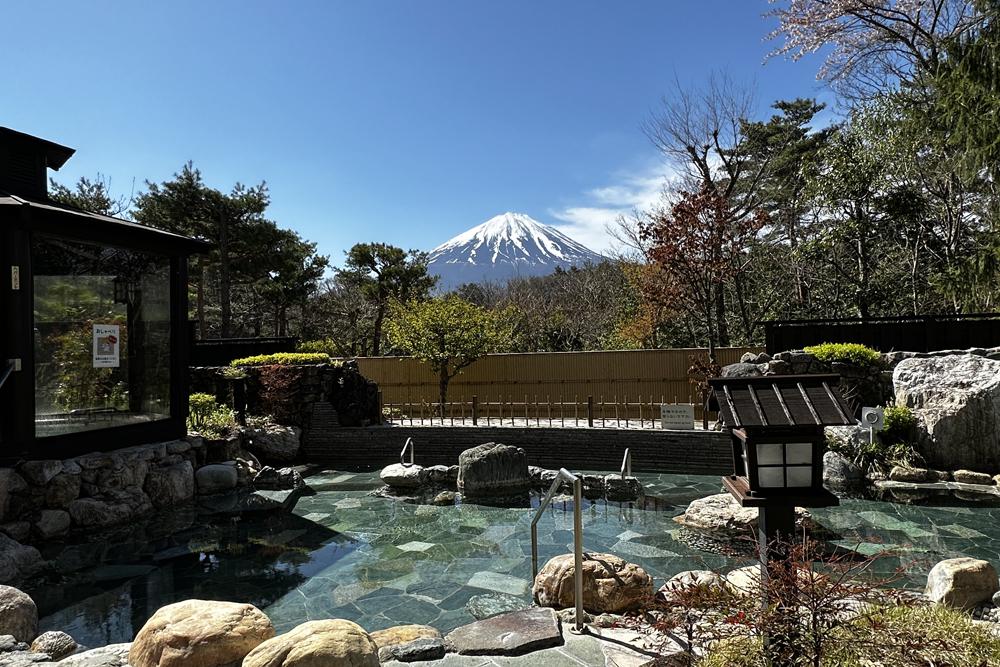
Fujiyama Onsen
Fujiyama Onsen is the largest hot-spring complex in the Mt. Fuji area — a sleek modern facility within the Fuji-Q Highland amusement park complex that combines unforgettable views of Mt. Fuji with luxurious bathing. The grand main bath sits in a soaring all-wood hall modeled on a heritage Hida-Takayama residence, and parts of the complex look out toward Mt. Fuji. The mineral-rich, slightly alkaline waters are renowned for soothing tired muscles after a day of theme-park thrills or skiing. Beyond bathing, the complex features a stylish cafe with Mt. Fuji views, traditional Japanese restaurants, relaxation lounges, and overnight ryokan-style accommodations. Day-use admission ¥1,900 weekdays/¥2,300 weekends (rates change April 2026). A short walk from Fuji-Q Highland Station; ideal as a relaxing post-ride wind-down or as a Mt. Fuji-side onsen day-trip.
「ふじやま温泉」は富士山エリア最大級の温泉複合施設で、富士急ハイランド遊園地に隣接する洗練されたモダンな建物。富士山の絶景と贅沢な入浴体験を組み合わせた理想的な施設です。飛騨高山の重要文化財をモチーフにした、釘を使わない純木造の壮大な大浴場が看板で、館内からは富士山を望むこともできます。ミネラル豊富でほのかにアルカリ性のお湯は、遊園地のスリル満点アトラクション後の疲労回復、スキー後のリラックスに絶大な効果で知られます。入浴以外にも、富士山を望むスタイリッシュカフェ、和食レストラン、リラクゼーションラウンジ、宿泊用の旅館スタイル客室も併設。日帰り入浴料:平日1,900円・土日祝2,300円(2026年4月改定予定)。富士急ハイランド駅から徒歩すぐ。アトラクション後のリラックス、または富士山サイドの温泉日帰りプランに最適です。
Insider Tips
現地通の旅の裏ワザ
90% of Fuji photos are from Kawaguchiko side. The lesser-known Saiko/Shojiko/Motosuko sides have boat rentals + camping with same view, half the crowds.
富士山写真の9割は河口湖サイド。西湖・精進湖・本栖湖はボート&キャンプ+同等の景色で人混み半減。
Yamanashi is Japan’s #1 grape producer and a major Shine Muscat region. Aug–Oct direct-from-farm buys are far cheaper than in Tokyo. The Katsunuma area has around 30 wineries clustered together.
ぶどう生産量日本一の山梨はシャインマスカットの一大産地。8〜10月の農家直売は都市部よりぐっとお得。勝沼エリアには約30のワイナリーが集中。
Frequently Asked Questions
What is the best lake for Fuji views?
Lake Kawaguchiko (河口湖) is most accessible and popular. Lake Motosu (本栖湖) — pictured on the ¥1,000 note — offers the most iconic reflection shot but requires a longer journey.
最も手軽なのは河口湖。千円札に描かれた本栖湖の逆さ富士は最高の絶景ですが、少し遠い。
When can I see cherry blossoms with Fuji?
Early to mid-April at Chureito Pagoda (Fujiyoshida) for the iconic five-story pagoda + Fuji + sakura photo. Arrive early to avoid crowds.
富士吉田の忠霊塔(新倉山浅間公園)で4月上旬〜中旬に桜と富士の絶景が撮れます。早朝が狙い目。
Can I climb Mt. Fuji?
The official climbing season is July–early September. The Yoshida Trail starts in Yamanashi (Fuji Subaru Line). As of the 2025 season: a ¥4,000 trail fee, a 4,000-climber daily cap, mandatory online reservation, and a 2 pm gate closure (overnight, hut guests exempt) are in effect on the Yoshida Trail.
登山シーズンは7月〜9月上旬。吉田ルートは2025年シーズンから通行料4,000円、1日4,000人の人数上限、事前ネット予約制、午後2時のゲート閉鎖(山小屋宿泊者を除く)が導入されています。
Travel Tip
The ‘Fuji Excursion’ limited express from Shinjuku (about ¥4,200 one-way, reservation required) runs directly to Kawaguchiko in about 2 hours — no transfers needed. Buy tickets via JR Ticket or convenience stores.