Nagano
Top Nagano souvenirs and must-visit travel spots — your complete guide for visitors to Japan. Landlocked Nagano is Japan’s rooftop — a high-altitude prefecture ringed by the Northern, Central, and Southern Alps, where peaks exceed 3,000 metres and mountain villages have preserved centuries-old traditions. Home to the 1998 Winter Olympics, Nagano offers some of Japan’s finest skiing, the world-famous Jigokudani snow monkeys bathing in natural hot springs, and the elegant black-walled Matsumoto Castle.
北・中央・南の三つのアルプスに囲まれた日本の屋根・長野。標高3000m超の山々と深い渓谷が織りなす雄大な自然の中に、1998年冬季五輪の舞台・スキーリゾート・温泉に入るサルで有名な地獄谷・黒壁の国宝松本城が共存します。
Nagano is mountains end to end — the Japan Alps, Zenko-ji temple, the snow monkeys of Jigokudani, and powder ski resorts. Its souvenirs are alpine and earthy: Shinshu soba, oyaki stuffed dumplings, Shinshu miso, and apple and chestnut sweets. Soba and miso keep well for travel. Nagano and Matsumoto stations are the main pickups.
長野は端から端まで山——日本アルプス、善光寺、地獄谷の雪猿、パウダースノーのスキー場。みやげは高原らしく素朴で、信州そば、おやき、信州味噌、りんごや栗の菓子など。そばや味噌は持ち帰りに向きます。長野駅・松本駅が主な買い場です。
Recommended Omiyage
おすすめおみやげ 5選
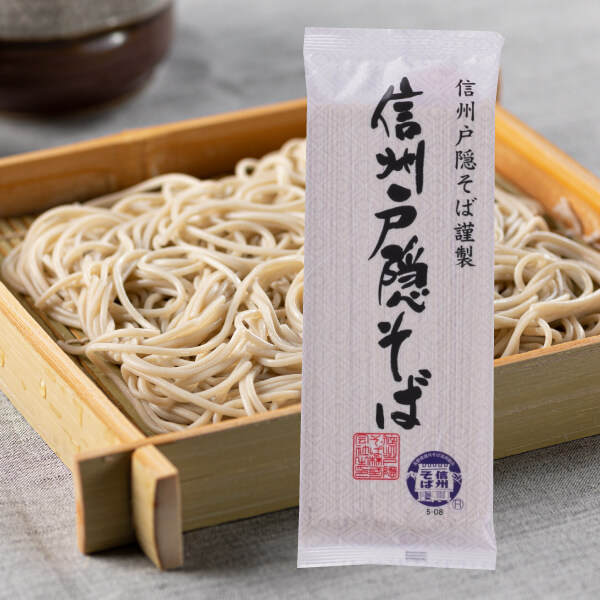
Shinshu Soba (Dry Pack)
Nagano (formerly known as Shinshu) is one of Japan’s most celebrated soba regions — its high-altitude buckwheat fields, cold mountain water, and centuries of soba craftsmanship produce dry-pack noodles with extraordinary flavor and chew. Premium Shinshu soba uses 80% buckwheat (versus the 50% common in lower-quality versions), creating noodles with a deep, earthy, slightly nutty character that pairs perfectly with simple soy-sauce dipping broth. Top producers include Obinata, Shinshu Togakushi Soba, and Masudaya. Each box contains beautifully packaged dried noodles, concentrated tsuyu broth, and recipe instructions. Available at JR Nagano Station, Matsumoto Station, and roadside stations across the prefecture. Perfect with grated wasabi, sliced negi, and a glass of Shinshu sake. Store the dry noodles in a cool, dry place; cooked noodles are best eaten fresh.
「信州(しんしゅう、長野県の旧称)」は日本随一の蕎麦の名産地——高地の蕎麦畑、冷たい山の水、何世紀にもわたって受け継がれてきた蕎麦職人の技が、極上の風味と歯ごたえを持つ乾麺を生み出します。プレミアムな信州そばは蕎麦粉80%(低品質版の50%に対し圧倒的)を使用し、深い土の風味、ほんのり香るナッツのような香り、シンプルなめんつゆとの絶妙な相性を実現します。代表生産者は「おびなた」「信州戸隠そば」「桝田屋食品」など。化粧箱には乾麺、濃縮つゆ、レシピ説明書がセットされ、ギフトに最適。JR長野駅、松本駅、県内の道の駅で広く購入可能。すりおろしわさび、ネギ、信州地酒との相性も抜群。乾麺は直射日光・湿気を避けて常温保存、調理後は早めにお召し上がりください。
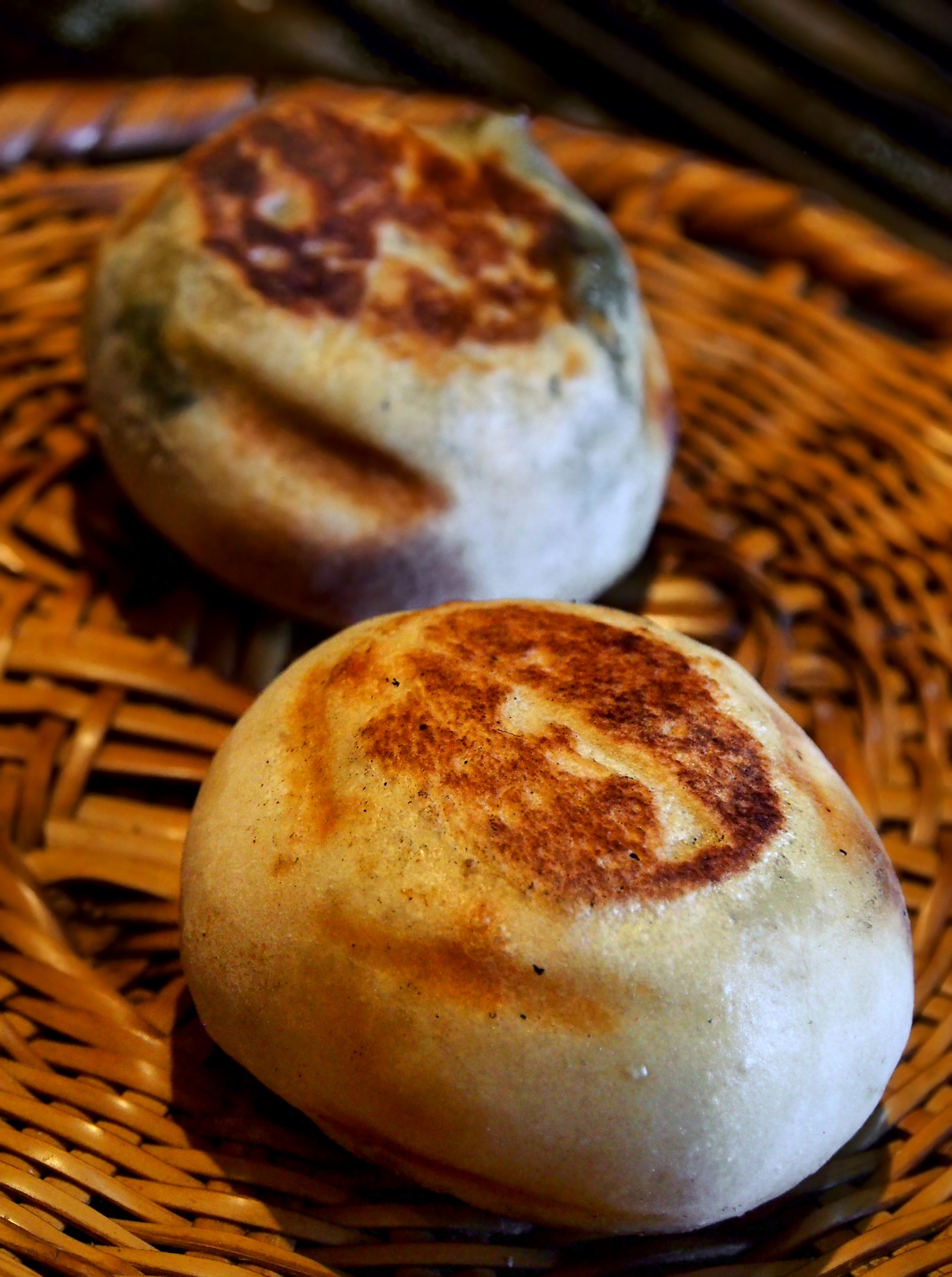
Oyaki Dumplings
Oyaki are Nagano’s most distinctive snack — round, palm-sized dumplings made from chewy wheat-and-buckwheat dough wrapped around savory or sweet fillings, then grilled, steamed, or baked depending on tradition. Originally a peasant food allowing mountain villagers to use seasonal mountain vegetables, oyaki has evolved into a beloved regional specialty with dozens of fillings: nozawana pickled greens, kabocha pumpkin, daikon, shiitake mushrooms, eggplant miso, sweet anko bean paste, and apple. Traditional preparation involves grilling on a clay charcoal hearth (irori), creating a slightly crispy bottom and steamed top. Top producers include Iroha-do (Kinasa, Nagano City) and Oyaki Mura (Ogawa Village). Take-home frozen versions are available at JR Nagano Station; reheating instructions included. Best fresh from a charcoal stove.
「おやき」は長野県を代表する郷土菓子・郷土料理——もちもちの小麦粉と蕎麦粉の生地で、塩味や甘味の具を包み、伝統に応じて焼く・蒸す・炙るで仕上げる、手のひらサイズの円形まんじゅうです。元々は山村の農家が、季節の山の幸(野菜)を工夫して食べる素朴な料理でしたが、現在は数十種類の具を持つ愛されたご当地グルメに進化。野沢菜漬け、かぼちゃ、大根、しいたけ、なすの味噌、甘い小豆あん、りんごなど多彩なバリエーションが楽しめます。伝統的な調理法は、囲炉裏の炭火で焼くスタイルで、底はカリッと、上はふわっと蒸し上がる絶妙な食感に。代表ブランドは「いろは堂」(長野市鬼無里)、「小川の庄おやき村」(小川村)など。冷凍版がJR長野駅で購入可能(温め方説明書付き)。
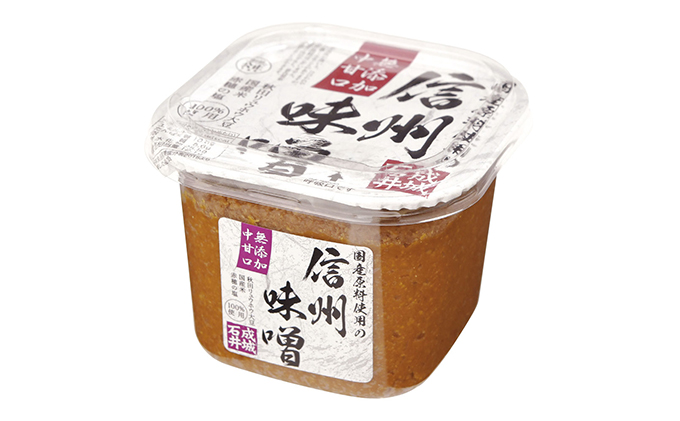
Shinshu Miso
Shinshu-miso represents about half of Japan’s total miso production, making Nagano the country’s miso heartland. The prefecture’s traditional miso is light brown to amber in color, lighter in color and mellower than darker red miso — often considered the most versatile miso style for Japanese cooking. The cool climate, long fermentation traditions, and locally-grown rice and soybeans produce miso with refined, deep umami and a gentle salinity that allows other ingredients to shine. Top producers include Marukome, Hikari Miso, and Maruman, with many offering free factory tours and tastings. Beyond miso soup, use it for marinades, dressings, glazes, and miso ramen (which originated in Sapporo but is made nationwide with bases like Shinshu miso). Available at JR Nagano Station, Matsumoto Station, and direct from miso brewery shops.
「信州味噌」は日本の味噌生産量の約5割(約半分)を占め、長野県を「味噌の故郷」たらしめる大ブランド。県内伝統の味噌は淡褐色から琥珀色で、濃い赤味噌より色が淡く、まろやかですっきりした旨味——日本料理に最も汎用性の高い味噌スタイルとして人気です。冷涼な気候、長期発酵の伝統、地元産の米と大豆が、洗練された深みある旨味と、他の食材を活かす上品な塩分バランスを生み出します。代表メーカーは「マルコメ」「ひかり味噌」「マルマン」など。多くが無料の工場見学・試食を実施しています。味噌汁以外にも、マリネ、ドレッシング、グレーズ、味噌ラーメン(発祥は札幌だが信州味噌もベースに使われる)など多彩な用途で活躍。JR長野駅、松本駅、各味噌蔵の直営店で購入可能。
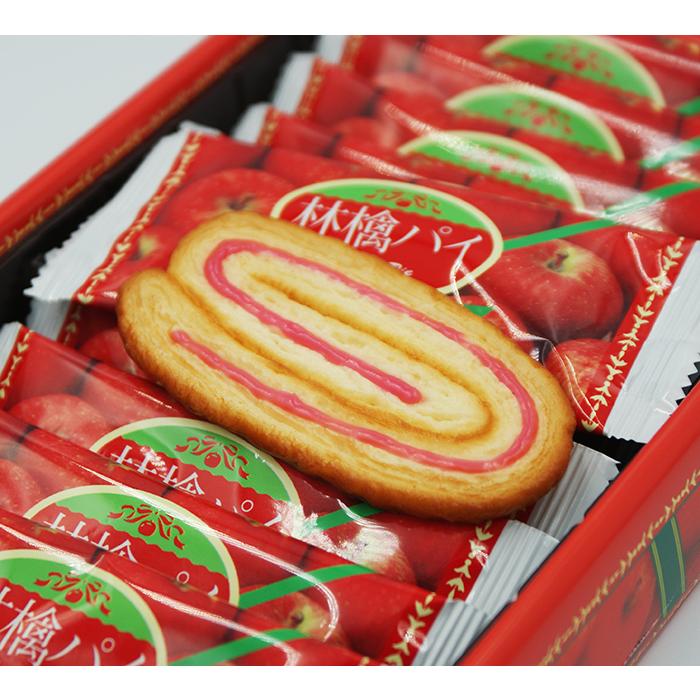
Shinshu Ringo (Apple) Sweets
Nagano is Japan’s second-largest apple-producing prefecture (after Aomori), and the cool climate combined with dramatic day-night temperature swings produces apples with exceptional sweetness, crispness, and concentrated flavor. The flagship Shinshu apples include Fuji (originally developed in Aomori but raised to perfection here), Tsugaru, and Nagano’s own ‘Three Brothers’ — Shinano Sweet, Akibae, and Shinano Gold. Local confectioners transform this bounty into apple pies, butter-rich apple gateaux, freeze-dried apple chips, apple butter spreads, and the famous Shinshu Ringo Cake (a sponge cake studded with apple chunks). Makers like Ringo-no-Ki (Dessert Land) and Futabado craft small-batch versions in elegant boxes. Available at JR Nagano Station, Matsumoto Station, and direct from apple orchards. Best within about 30 days.
長野県は日本第2位のリンゴ生産県(青森に次ぐ)で、冷涼な気候と昼夜の激しい寒暖差が、傑出した甘さ、シャキシャキの歯ごたえ、凝縮された風味を持つリンゴを育てます。代表的な信州リンゴは「フジ」(青森で育成されたが長野で最高に育つ)、「つがる」、そして長野生まれの『りんご三兄弟』=「シナノスイート」「秋映(あきばえ)」「シナノゴールド」など多彩。地元菓子職人たちは、この恵みをアップルパイ、バター香るアップルガトー、フリーズドライアップルチップス、アップルバタースプレッド、そして有名な「信州りんごケーキ」(リンゴごろごろのスポンジケーキ)など多彩なお菓子に展開しています。「りんごの木(デザートランド)」「二葉堂」などのメーカーが、化粧箱入りで小ロット製造。JR長野駅、松本駅、リンゴ農園直送で購入可能。賞味期限約30日。
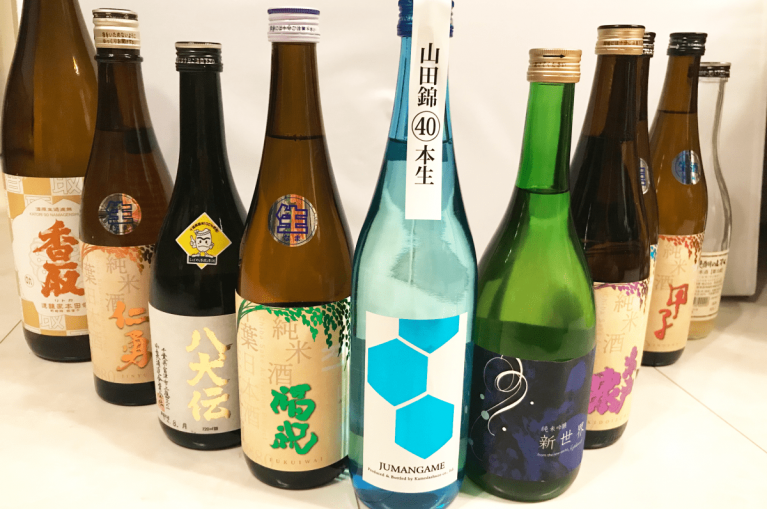
Shinshu Sake
Nagano is one of Japan’s top sake-producing prefectures, with nearly 80 active breweries (second only to Niigata) leveraging the prefecture’s pure mountain water, locally-grown Hitogokochi and Miyamanishiki rice cultivars, and centuries of brewing tradition. The signature Shinshu sake style is clean, slightly aromatic, and remarkably food-friendly, pairing beautifully with sushi, soba, and grilled fish. Legendary breweries include Daishinshu (a national prizewinner), Masumi (whose iconic ‘Nanago’ label honors the No. 7 yeast discovered here), Shinshu Kirei, and Yokobue (Ito Brewery). Many breweries offer affordable tours and tastings (often ¥500-1,000 for several sake flights). Pair Nagano junmai with Shinshu soba, oyaki dumplings, or hoba miso. Available at JR Nagano Station’s Shinshu Sake Market and direct from brewery shops in the Suwa, Saku, and Komoro areas.
長野県は日本屈指の酒どころで、新潟に次ぐ全国2位・約80の現役蔵元が、清冽な山の水、地元産の酒造好適米「ひとごこち」「美山錦」、何世紀もの杜氏文化を駆使して銘酒を生み出します。信州酒の特徴は、澄み切った口当たり、ほのかな香り、抜群の料理との相性で、寿司、蕎麦、焼き魚との食中酒として絶妙です。代表的な蔵元は、全国新酒鑑評会の常連「大信州」、7号酵母発祥にちなむ「七號」を擁する「真澄」(諏訪)、「信州亀齢」、「横笛(伊東酒造)」など。多くの蔵元で見学・試飲が可能(有料が主流、目安500〜1,000円で数種の利き酒)。信州そば、おやき、朴葉味噌などとのペアリングが定番。JR長野駅の「信州酒市場」、諏訪・佐久・小諸エリアの蔵元直営店で購入可能です。
Must-Visit Spots
おすすめスポット 5選
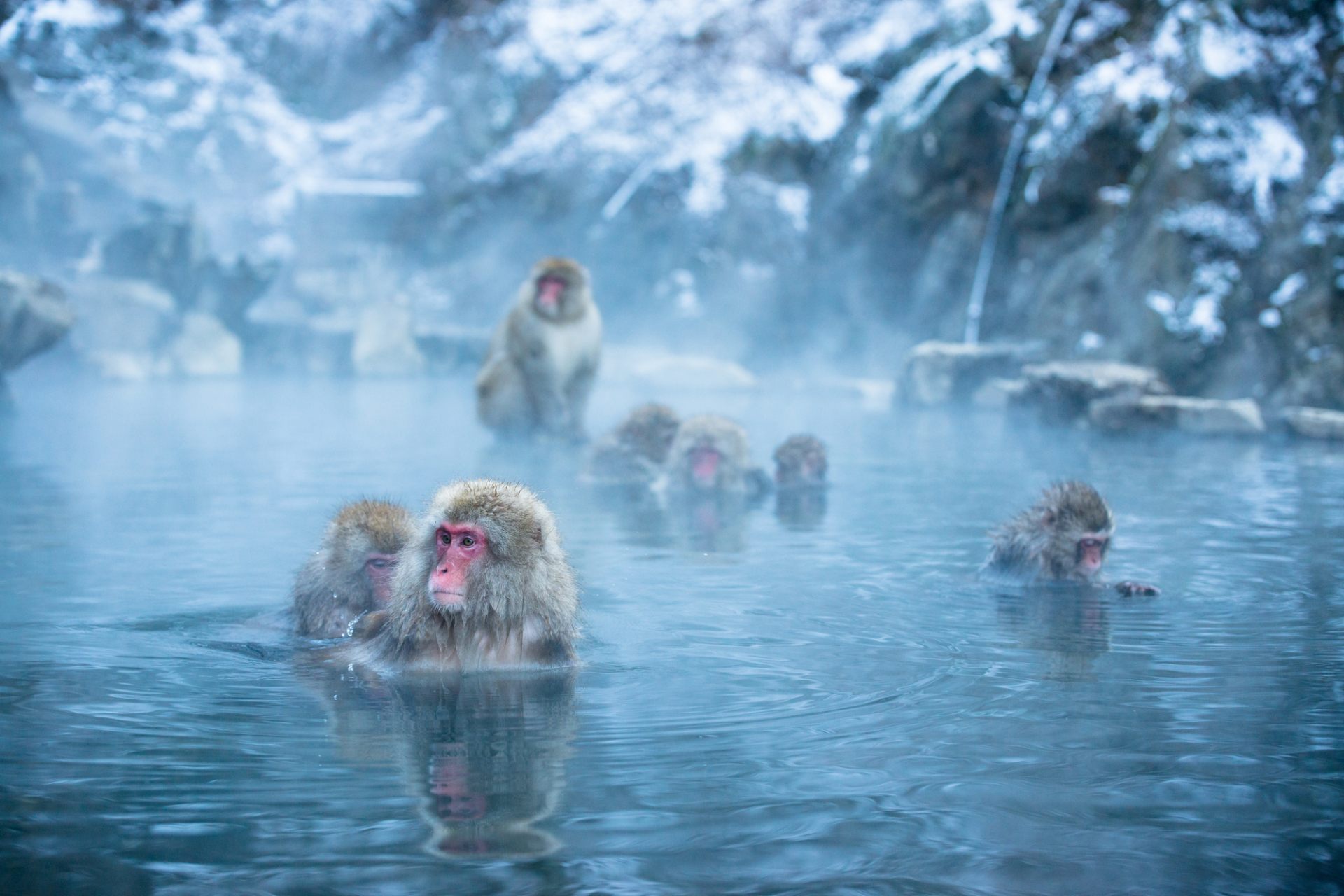
Jigokudani Monkey Park
Jigokudani Yaen-koen is the world-famous home of “snow monkeys” — Japanese macaques who, since the 1960s, have made winter bathing in natural hot springs an iconic Japanese sight. The park’s outdoor onsen, surrounded by snow-covered mountains, hosts groups of pink-faced macaques soaking in steaming water, grooming, and watching over young — completely unbothered by photographers. The 30-minute walk through forested mountain paths to reach the park is itself a beautiful experience, especially in winter when fresh powder transforms everything. Best from December through March for the iconic onsen-bathing scenes; the park is open year-round with monkey viewing in different settings. Admission ¥800. From Nagano Dentetsu’s Yudanaka Station via bus + walk (about 1.5 hours total).
「地獄谷野猿公苑」は、世界的に有名な「スノーモンキー」のホーム——1960年代以来、冬の天然温泉に入浴するニホンザルたちの姿が、日本を象徴するアイコニックな風景として世界に広まりました。雪山に囲まれた野外露天風呂で、ピンクの顔のサルたちが湯気立つ温泉に浸かり、毛づくろいをし、子供たちを見守る姿は、撮影者を全く気にせず自然な振る舞いを見せてくれます。森林の山道を30分歩いて公苑に到達する道のり自体が美しい体験で、特に冬は新雪が一面を白く染めて魔法のような景色に。象徴的な温泉入浴シーンは12〜3月がベスト、通年営業で季節ごとに違うサルの様子が観察可能。入園料800円。長野電鉄・湯田中駅からバス+徒歩で計約1.5時間。
Kamikochi Valley
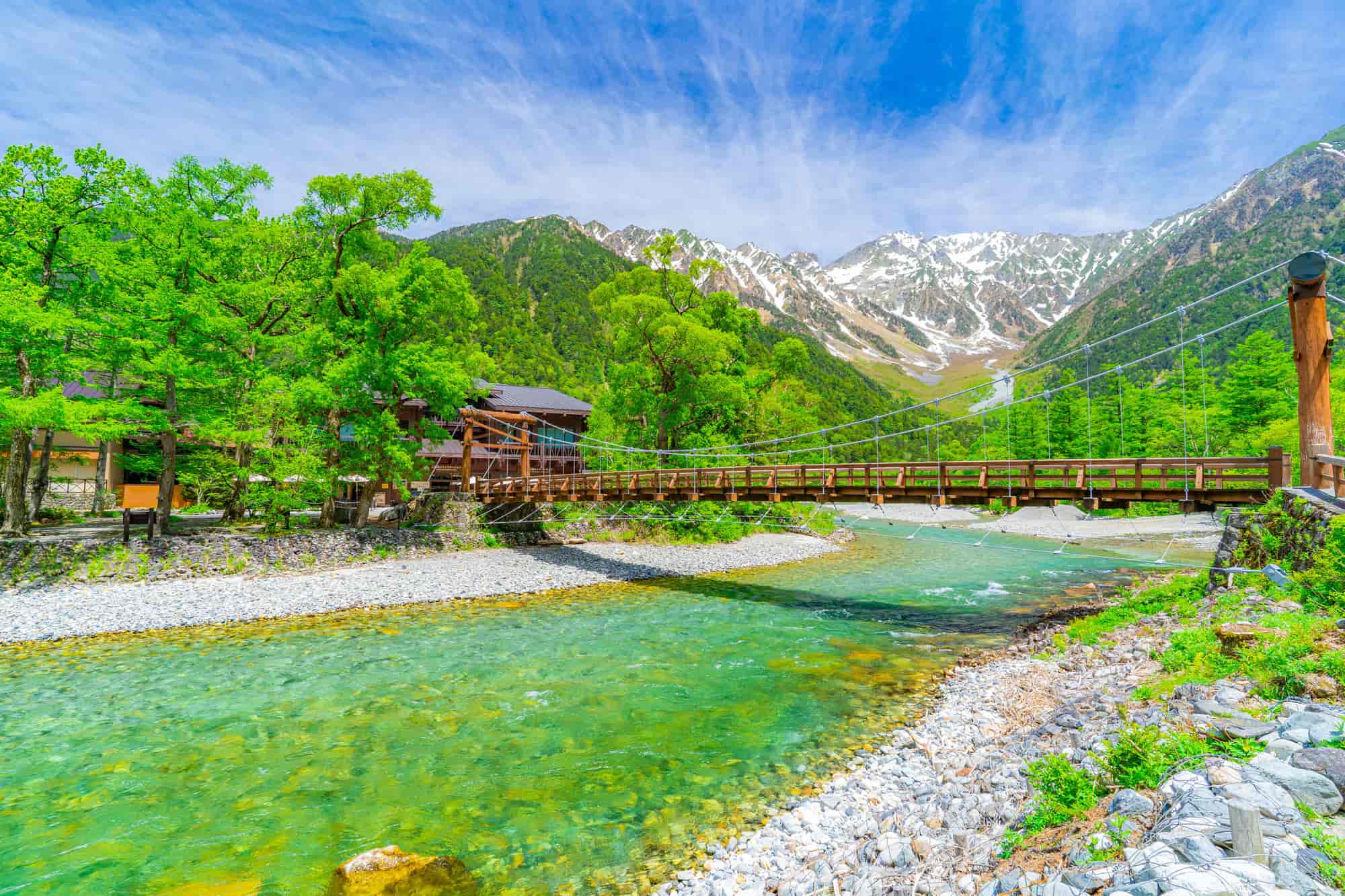
Kamikochi is Nagano’s pristine alpine valley — a roughly 10-kilometer stretch of clear emerald rivers, towering mountain peaks, and untouched forest in the heart of the Northern Japanese Alps. A pristine mountain sanctuary, the valley is car-free for environmental protection (private vehicles must park at lower elevations and take shuttle buses), preserving its remarkable purity. The signature view is from Kappabashi Bridge, where you can see the Hotaka mountain range reflected in the Azusa River — particularly stunning at sunrise when alpenglow turns the peaks pink. Easy walking trails connect the bridge to Taisho Pond, Tashiro Pond, and beautifully colored marshlands. Open mid-April through mid-November (winter access prohibited). About 90 minutes from JR Matsumoto Station via bus.
「上高地」は長野県の手つかずのアルプス渓谷——澄み切ったエメラルドグリーンの川、そびえ立つ山々、原生林が広がる、北アルプスの中心部に位置する約10キロにわたる別世界。手つかずの山岳サンクチュアリである渓谷は、環境保護のため一般車両通行禁止(乗用車は麓の駐車場に停めてシャトルバス)で、その貴重な純粋さを保っています。看板の絶景は「河童橋」から望む穂高連峰と梓川の絶妙な構図——特に日の出時刻、アルペングロー現象で山々が薄紅色に染まる光景は息を呑む美しさ。なだらかな遊歩道で大正池、田代池、色彩豊かな湿原まで散策可能。営業期間4月中旬〜11月中旬(冬季は閉鎖)。JR松本駅からバスで約90分。
Matsumoto Castle
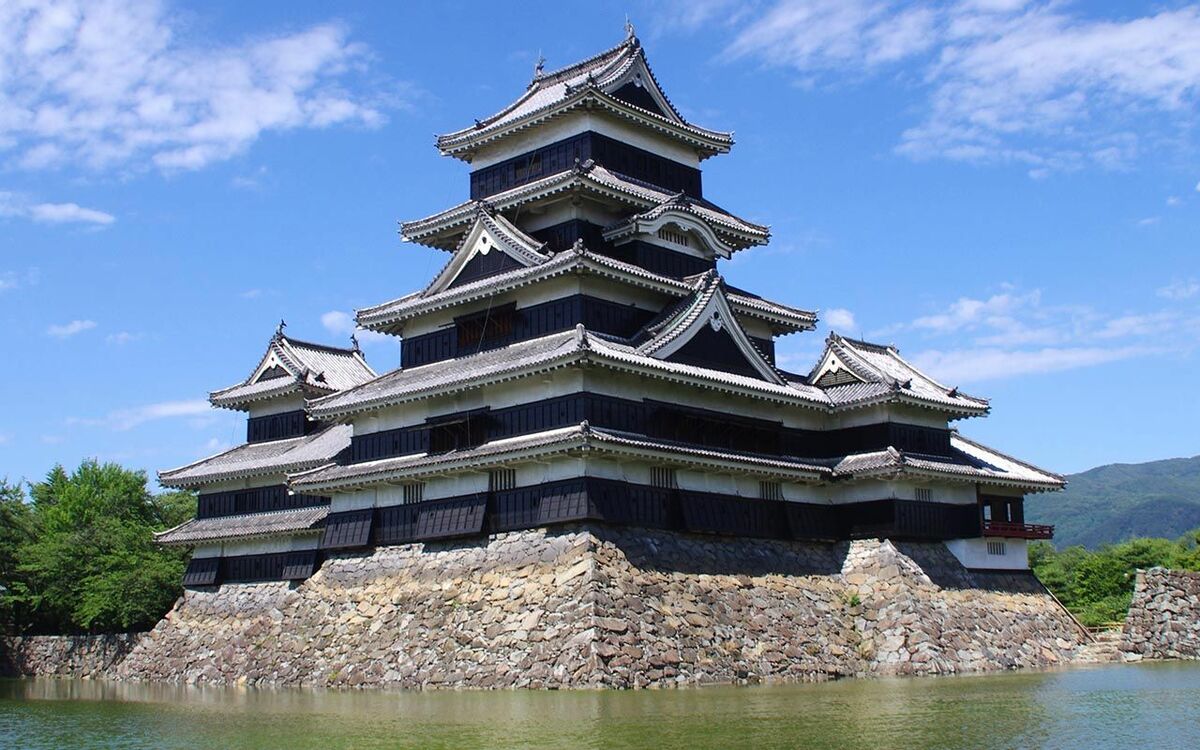
Matsumoto Castle is one of Japan’s twelve original castles still preserving its 16th-century wooden keep — and arguably the most beautiful, thanks to its striking black exterior earning it the nickname “Crow Castle” (Karasu-jo). Built in the late 16th century (around 1594-1597), the six-story keep is a National Treasure and a masterpiece of Japanese castle architecture, with wide moats reflecting the towering structure to create one of Japan’s most photographed views. Inside, narrow wooden staircases (some at 60-degree angles!) lead between floors filled with samurai-era armor, weapons, and ingenious defensive features. The surrounding park is gorgeous during cherry-blossom season (late April) and provides stunning year-round views. Tickets ¥1,200 (e-ticket) / ¥1,300 (paper), raised in April 2025. From JR Matsumoto Station, a 15-minute walk.
「松本城」は、現存する日本の12城の中でも16世紀の天守を保存する貴重な国宝——黒い外観から「烏城(からすじょう)」の愛称で親しまれる、おそらく最も美しい現存天守です。16世紀末(1594〜1597年頃)に建立された6階の天守は、広い堀に映る雄大な姿が日本でも最も撮影される城景の一つに。城内では、急な木造階段(一部は60度の傾斜!)が各階を結び、武士時代の甲冑、武具、巧妙な防御設備が展示されています。周囲の城郭公園は4月下旬の桜の季節は格別、年間を通じて絶景が楽しめます。観覧料:電子チケット1,200円/紙1,300円(2025年4月改定)。JR松本駅から徒歩約15分。
Zenkoji Temple
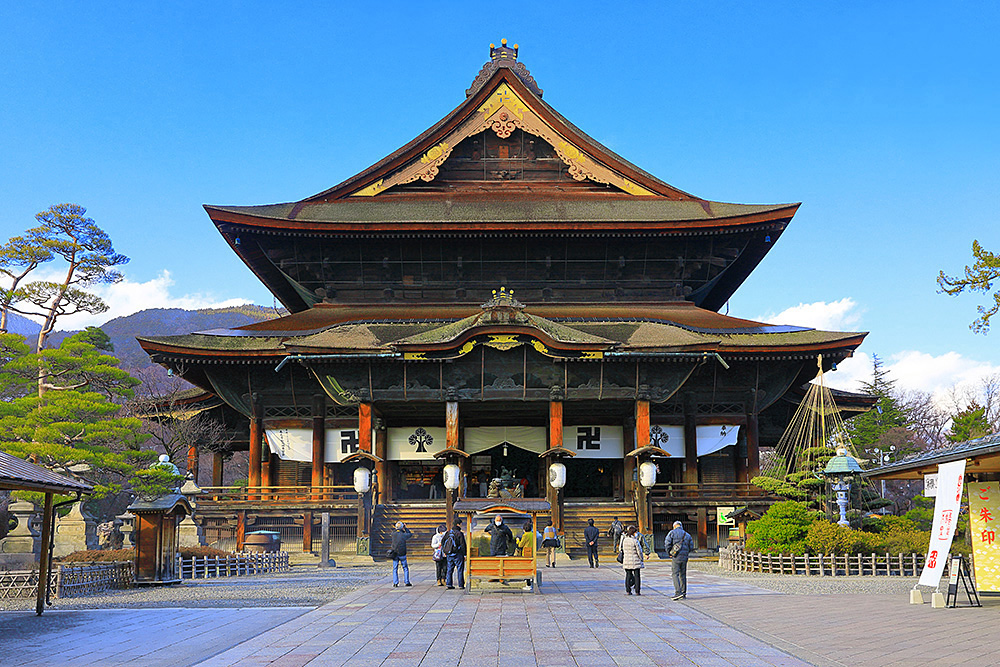
Founded in 642 AD, Zenkoji is one of Japan’s most important Buddhist temples — its main hall, designated a National Treasure, houses Japan’s first Buddha image (a hidden statue, never publicly shown). The temple is one of few in Japan that welcomes pilgrims of all Buddhist sects, an ancient progressive policy that still draws millions of visitors annually. The signature spiritual experience is the “O-kaidan-meguri” — descending into a pitch-black underground passage beneath the main hall to find and touch a metal key of paradise (¥800 admission, separate from the main hall). Above ground, the cobblestone Naka-mise approach is lined with traditional shops, the Sanmon Gate offers stunning views, and seasonal cherry/maple displays are gorgeous. From JR Nagano Station, about a 30-minute walk or a 15-minute bus ride.
「善光寺」は642年に開創された日本でも最も重要な仏教寺院の一つ——国宝指定の本堂には、日本最古の仏像(一光三尊阿弥陀如来、絶対秘仏として公開されない)が祀られています。日本でも数少ない、すべての仏教宗派の巡礼を迎え入れる古来の進歩的方針を保ち、現代も年間数百万人が参拝に訪れます。象徴的な精神体験は「お戒壇めぐり」——本堂の地下を真っ暗な通路で進み、極楽の鍵に触れる体験(800円、本堂とは別途)。地上では、石畳の中見世参道に伝統的な土産店が並び、山門からの絶景、季節の桜と紅葉が境内を彩ります。JR長野駅から徒歩約30分、またはバス約15分。
Hakuba Snow Resort
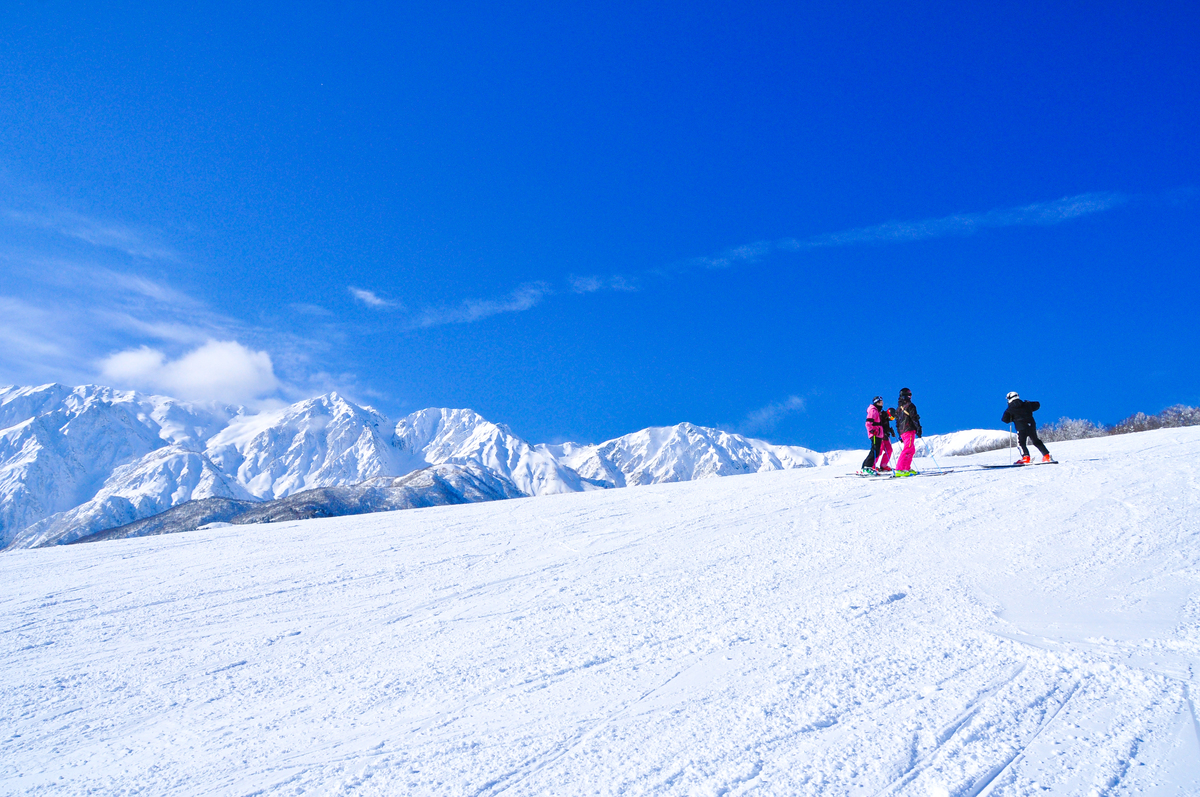
Hakuba Valley is Japan’s most internationally renowned ski destination — host of the 1998 Nagano Winter Olympics and home to 10 interconnected ski resorts spread across the Northern Japanese Alps. With over 11 meters of cumulative seasonal snowfall, 200+ runs across the entire valley, and powder quality that draws skiers from around the world, Hakuba combines authentic Japanese mountain culture with world-class alpine skiing. The region’s signature resorts include Hakuba Happo-One (the largest and most diverse), Hakuba Goryu, and Hakuba Cortina. Beyond skiing, summer brings hiking, mountain biking, and outdoor festivals. Excellent ryokan options at Hakuba Tokyu Hotel and Hakuba Mominoki Hotel. About 4 hours from Tokyo via Hokuriku Shinkansen + bus, or 60 minutes from JR Nagano Station via direct bus.
「白馬バレー」は日本で最も国際的に有名なスキーリゾート——1998年の長野冬季オリンピックの主要会場で、北アルプスに広がる10の連結スキー場が一つの「白馬」として運営されています。シーズン累計降雪量11メートル超、谷全体で200を超えるコース、世界中のスキーヤーを魅了するパウダースノーが、本物の日本の山岳文化とワールドクラスの高山スキーを融合させた特別な体験を提供します。代表的なリゾートは、最大規模で多彩な「白馬八方尾根」、「白馬五竜」、「白馬コルチナ」など。スキー以外にも、夏のハイキング、マウンテンバイク、屋外フェスティバルなどシーズンを通して楽しめます。優秀な旅館「白馬東急ホテル」「白馬樅の木ホテル」も完備。東京から北陸新幹線+バスで約4時間、JR長野駅から直行バスで約60分。
Insider Tips
現地通の旅の裏ワザ
Jigokudani snow monkeys at hot springs is iconic Dec–March, but the hot-spring bathing is essentially a winter sight — in summer they rarely soak. The park is open year-round, so off-season visits skip the queues, though you’ll see monkeys roaming rather than bathing.
地獄谷のスノーモンキーは12〜3月が人気だが温泉に入る姿は実質冬だけで、夏場はほぼ入らない。公苑は通年営業でオフシーズンは待ち時間ゼロだが、見られるのは歩き回るサル。
Togakushi soba is the ‘real’ Nagano soba, harder to find than Zenkoji-area tourist shops. Togakushi village’s Uzuraya has 3-hour wait but worth it.
戸隠そばこそ本物の信州そば。善光寺周辺の観光店より遠いが戸隠の「うずら家」は3時間待ちでも価値あり。
Frequently Asked Questions
How do I get to Jigokudani Monkey Park?
From Nagano Station: take the Nagano Dentetsu railway to Yudanaka Station (about 45 min by limited express, ~¥1,760), then a local bus or taxi to Kanbayashi Onsen. From there it’s a 30-minute walk through the forest. Alternatively, guided tours from Nagano city operate daily in winter.
長野駅から長野電鉄で湯田中駅へ(特急約45分・約1,760円)、そこからバス・タクシーで上林温泉へ。森の中の遊歩道を30分歩くと公苑に到着。冬季は長野市内からの日帰りガイドツアーもあります。
Is Nagano good to visit in summer?
Excellent — the high altitude keeps temperatures 5–10°C cooler than Tokyo, and Kamikochi’s meadows are in full flower from July–August. Matsumoto’s summer festival and Nagano’s firefly season (June) are highlights. The mountains are also prime hiking territory from July to early October.
夏の長野は最高です。標高が高いため東京より5〜10℃涼しく、7〜8月は上高地の高山植物が見頃。松本の夏祭り・6月のホタルの季節も見どころ。7月〜10月初旬はアルプス登山のベストシーズンでもあります。
Can I combine Nagano with a Mt. Fuji trip?
Yes — take limited express trains (Shinano to Matsumoto, then Azusa) to Kofu, then onward to Fujiyoshida or Kawaguchiko for the Fuji 5 Lakes area. Alternatively, go via Tokyo. The journey requires changing trains but is doable in a day.
可能です。長野から特急しなの+特急あずさ(松本乗換)で甲府へ、富士吉田・河口湖へ。東京経由でも到達できます。乗り換えは必要ですが1日で移動可能なルートです。
💡 Pro Tip: If you’re visiting in winter for the snow monkeys, book Yudanaka onsen ryokan accommodation. Soaking in an outdoor rotemburo hot spring with snow falling is one of Japan’s most memorable winter experiences — pair it with a monkey park morning visit.
💡 旅のヒント:雪のサルを見に行くなら湯田中の旅館に一泊するのが最高。雪が降る中で露天風呂に浸かる体験は、日本の冬旅行の最高峰。翌朝に地獄谷を訪問するのが理想のスケジュールです。