Kanagawa
Top Kanagawa souvenirs and must-visit travel spots — your complete guide for visitors to Japan. Kanagawa is Japan in miniature — in a single prefecture you can photograph the Great Buddha of Kamakura, ride a cable car over Hakone’s volcanic Owakudani valley with Mount Fuji filling the horizon, wander Yokohama’s Chinatown for a steaming bowl of ramen, and browse the art scene of Minatomirai. All within an hour of central Tokyo.
神奈川は多彩な魅力が一県に詰まった宝庫。鎌倉の大仏・箱根の温泉と富士山の絶景・横浜のみなとみらいと中華街など、東京から1時間以内で全く異なる体験ができます。歴史・自然・グルメ・アートが高密度に凝縮されています。
Kanagawa packs a lot in: Kamakura’s temples and Great Buddha, Hakone’s onsen and Fuji views, and Yokohama — Japan’s second-biggest city — with its huge Chinatown and harbor. The souvenir icons are just as famous: Toshimaya’s dove-shaped Hato Sabure butter biscuits from Kamakura and Kiyoken’s Shumai from Yokohama top every list. Both keep well and are sold at the big stations and inside Chinatown, which makes them easy last-minute buys.
神奈川は盛りだくさん——鎌倉の寺社と大仏、箱根の温泉と富士山、そして日本第2の都市・横浜の中華街と港。みやげのアイコンも有名で、鎌倉・豊島屋の鳩サブレー、横浜・崎陽軒のシウマイが鉄板です。どちらも日持ちがよく、横浜・鎌倉の主要駅や中華街で買えるので、帰り際のまとめ買いに向いています。
Recommended Omiyage
おすすめおみやげ 5選
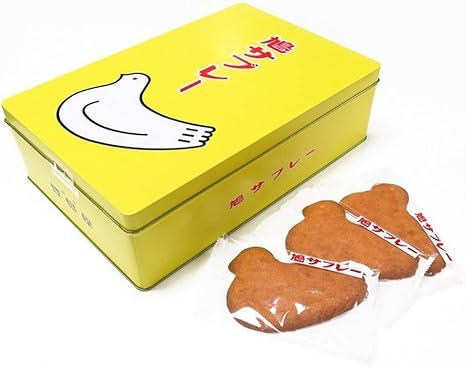
Hato Sabure (Pigeon Cookies)
Created around 1897 by Toshimaya (founded 1894) in Kamakura, Hato Sabure (“Pigeon Sablé”) are charming, large butter cookies shaped like the doves at nearby Tsurugaoka Hachimangu shrine — the dove being a sacred messenger of the war god Hachiman. The cookies are made with premium butter and minimal ingredients, producing a melt-in-the-mouth shortbread texture and rich, slightly sweet flavor that adults and children both adore. Each cookie is individually wrapped, with the iconic blue-and-yellow Hato Sabure tin remaining essentially unchanged for over a century. The tin itself becomes a beloved keepsake — many Japanese homes use them for sewing supplies or stationery. Available at Toshimaya’s main store across from JR Kamakura Station, Tokyo Station Gransta, and Haneda Airport.
1894年創業の鎌倉の老舗「豊島屋」が明治30年頃に生み出した「鳩サブレー」は、近くの鶴岡八幡宮にちなむハト(八幡神の使い)の形をした大きな焼菓子。良質バターと最小限の材料で作る、口の中でほどけるショートブレッドのような食感、上品な甘さは大人にも子供にも愛されています。一枚ずつ個包装され、青と黄の鳩サブレー缶のデザインは100年以上ほぼ変わらないアイコニックな意匠。空き缶も大切に取っておかれ、裁縫道具や文具入れとして日本の家庭で再利用される愛されアイテムです。JR鎌倉駅前の豊島屋本店、東京駅グランスタ、羽田空港などで購入可能。4枚手提げから缶入りまでサイズ展開豊富。
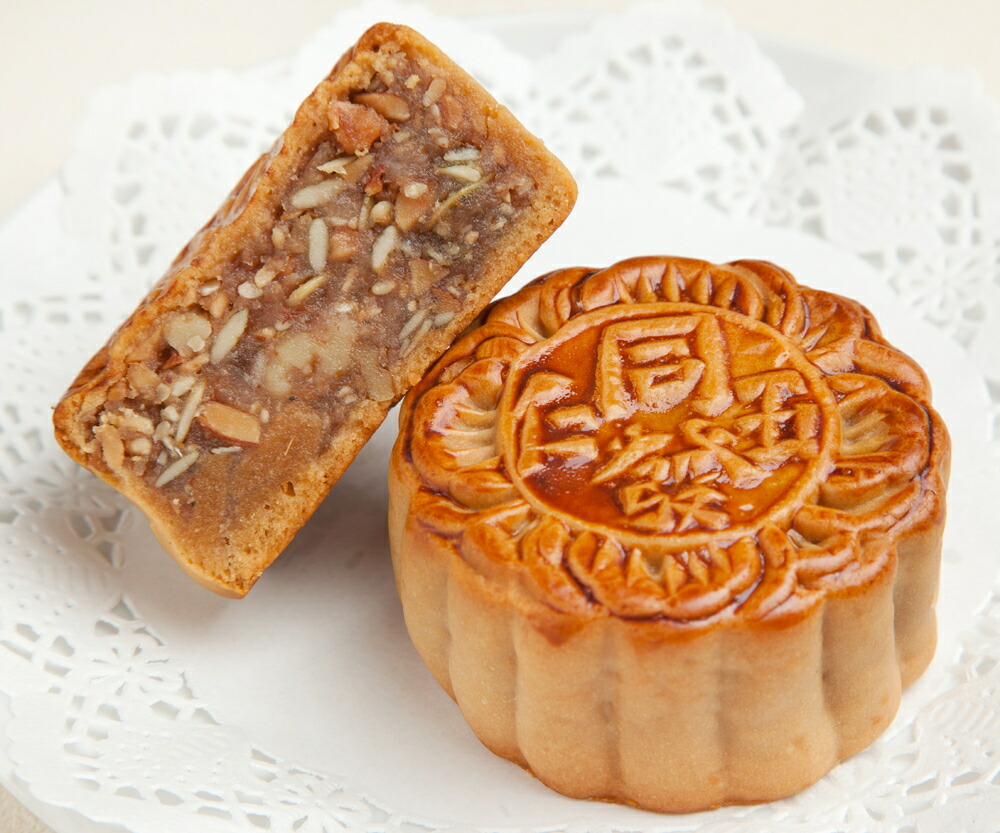
Yokohama Chinatown Sweets
Yokohama Chinatown — Japan’s largest, established 1859 — is famous for its dim sum and Cantonese cuisine, but its sweets and snacks deserve equal attention as souvenirs. The flagship is the butaman (jumbo pork buns) from Edosei, plus egg tarts (dan-ta) inspired by Cantonese dim sum, almond tofu (xingren doufu), traditional moon cakes during autumn, and the playful goma-dan-go (deep-fried sesame balls with red bean filling). Long-established shops like Chongqing Hanten and Manchinro make beautifully boxed moon cakes and panda buns perfect for gifts. The main street (Chukagai-Odori) is the most concentrated shopping zone, with smaller alleys yielding hidden gems. Combine with Kanteibyo (the Guan Yu temple), Masobyo, and a dim sum lunch. From Motomachi-Chukagai Station it’s 1 minute; JR Ishikawacho is about 10 minutes.
1859年に開かれた「横浜中華街」は日本最大の中華街で、点心や広東料理で有名ですが、お土産としてのお菓子・スイーツも侮れません。看板商品は「江戸清」のブタまん(ジャンボ肉まん)、広東点心由来のエッグタルト(蛋撻)、上品な杏仁豆腐、秋限定の月餅、遊び心ある胡麻団子(黒胡麻と餡を包んだ揚げ団子)など。重慶飯店・萬珍樓など多くの老舗が月餅やパンダまんの美しい化粧箱入り詰め合わせを展開しています。「中華街大通り」が最も賑やかなショッピングゾーンで、脇道の小路にも隠れた名店が散在。関帝廟、媽祖廟、点心ランチとセットで楽しむのが定番コース。みなとみらい線・元町中華街駅から徒歩1分、JR石川町駅から約10分。
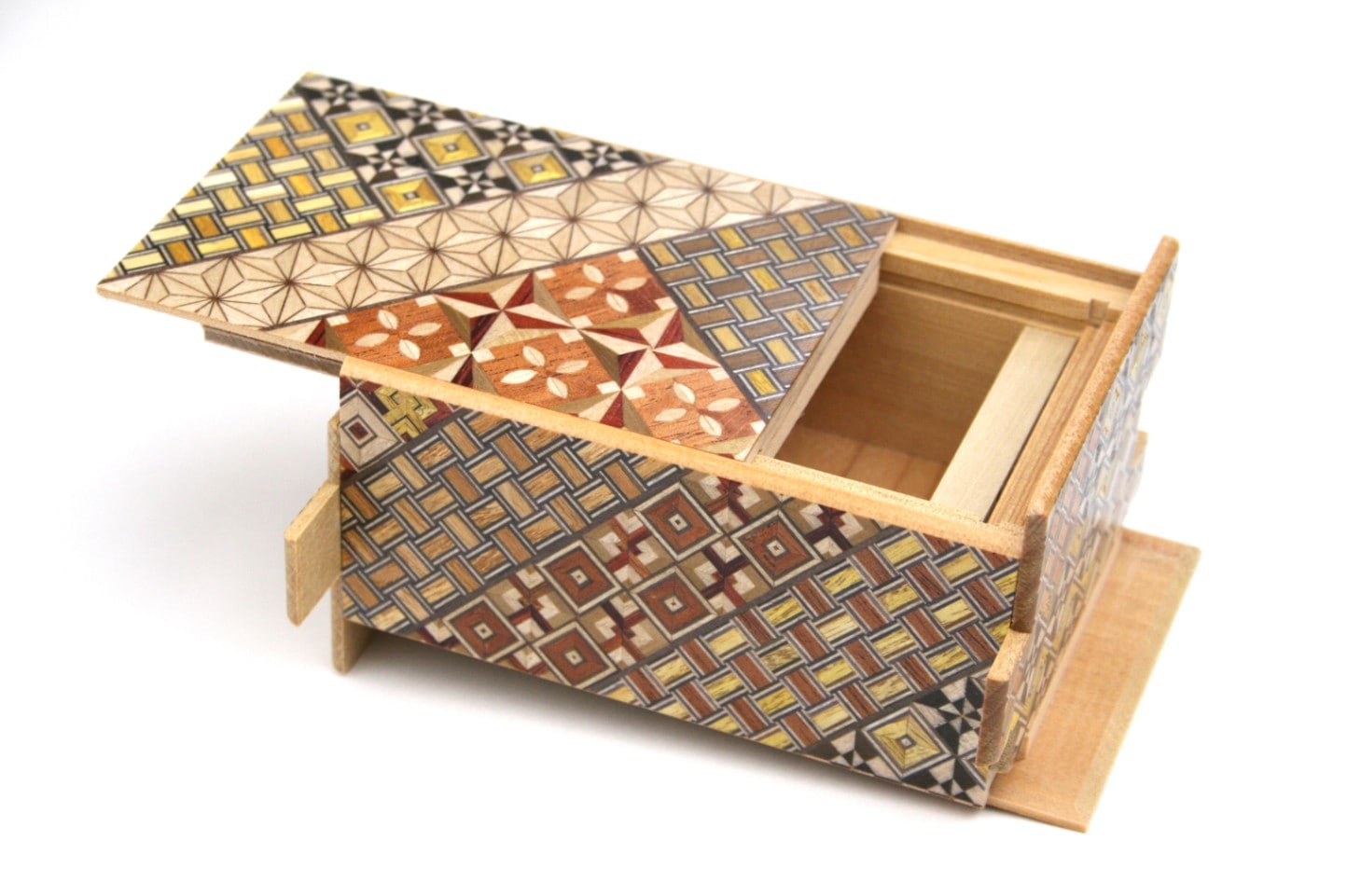
Hakone Yosegi Marquetry
Hakone yosegi-zaiku is a remarkable form of Japanese parquetry that has been crafted in the Hakone area for over 200 years. Master craftsmen glue together small pieces of dozens of different woods (maple, walnut, mulberry, ebony, holly) — each with distinctive grain and natural color — creating intricate geometric patterns without any artificial dyes. The wood blocks are then sliced ultra-thin (0.2mm) and applied as veneer to boxes, trays, coasters, and the famous Hakone himitsu-bako (“secret boxes”) — wooden puzzle boxes that require a specific sequence of moves to open. Top studios include Honma Mokkojo in Hakone-Yumoto and Kanazashi Woodcraft in Hatajuku. Prices range from ¥2,000 keychains to ¥100,000+ collector pieces. Watch the carving process at Honma Yosegi Museum.
「箱根寄木細工」は、箱根エリアで200年以上にわたって作り続けられている日本独自の精緻な木工技法。職人が、楓・胡桃・桑・黒檀・柊など数十種類の自然な木を、それぞれ独特の木目と色合いを活かして組み合わせ、染料を一切使わずに幾何学的な模様を作り上げます。完成した木のブロックは超薄(0.2mm)にスライスして単板(つきいた)として、箱、トレー、コースター、そして有名な「箱根秘密箱」(特定の手順で開けるパズル木箱)に貼り付けます。代表工房は箱根湯本の「本間木工所」、畑宿の「金指ウッドクラフト」など。価格帯はキーホルダー2,000円から、コレクター向け作品10万円超まで。「本間寄木美術館」では実演見学も可能で、職人技の世界を間近で体験できます。
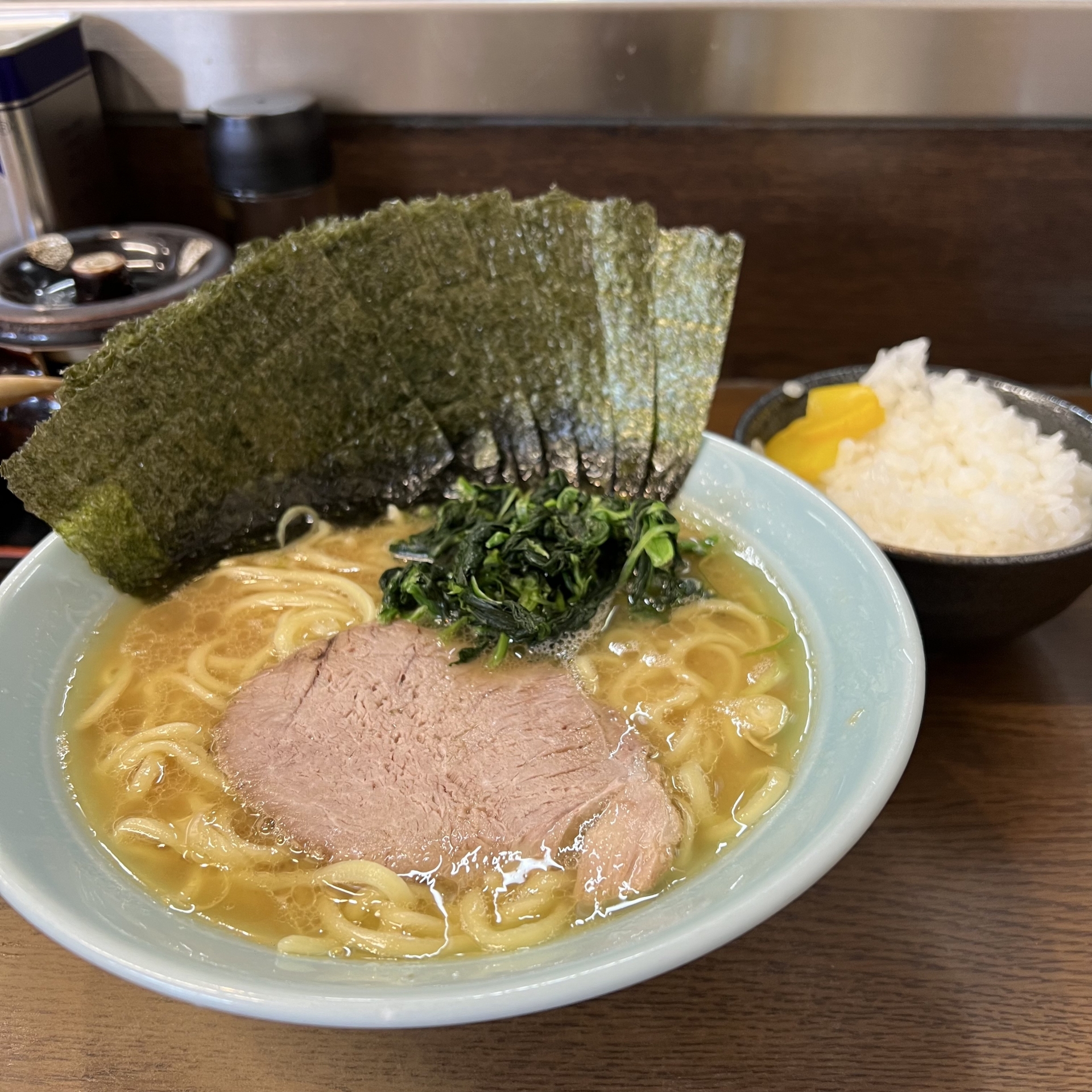
Yokohama Iekei Ramen Kit
Yokohama “Iekei” (家系) is a wildly popular ramen style born in Yokohama in the 1970s — a rich tonkotsu-shoyu hybrid broth featuring chicken oil, generously slurped with thick straight noodles, sliced pork, nori sheets, spinach, and quail eggs. The original Iekei shop, Yoshimuraya in Yokohama (founded 1974), still has lines forming before 11am. The take-home Iekei Ramen Kit captures this beloved style in a portable form — featuring vacuum-sealed chukamen noodles, concentrated broth, char siu pork, nori, and detailed instructions. Premium versions include the Yoshimuraya licensed kit. Available at JR Yokohama Station, the Shin-Yokohama Ramen Museum, and Tokyo’s major depachika. Cold-pack shipping nationwide. The shelf-stable take-home kit keeps about 90 days.
「家系(いえけい)ラーメン」は、1970年代に横浜で生まれた大人気のラーメンスタイル。鶏油(ちーゆ)が浮く濃厚な豚骨醤油スープ、コシのある太麺、たっぷりのチャーシュー、海苔、ほうれん草、うずらの卵が定番のトッピング。1974年創業の家系総本山「吉村家」(横浜)は午前11時前から行列が絶えない伝説の店。家庭で本格家系を再現できる「家系ラーメンキット」は、真空パックの中華麺、濃縮スープ、チャーシュー、海苔、詳細な調理マニュアルがセットになった完全パッケージ。「吉村家」公認のプレミアム版も展開。JR横浜駅、新横浜ラーメン博物館、東京の主要デパ地下で購入可能。冷蔵で全国発送可能。常温保存のお土産キットは賞味期限約90日。
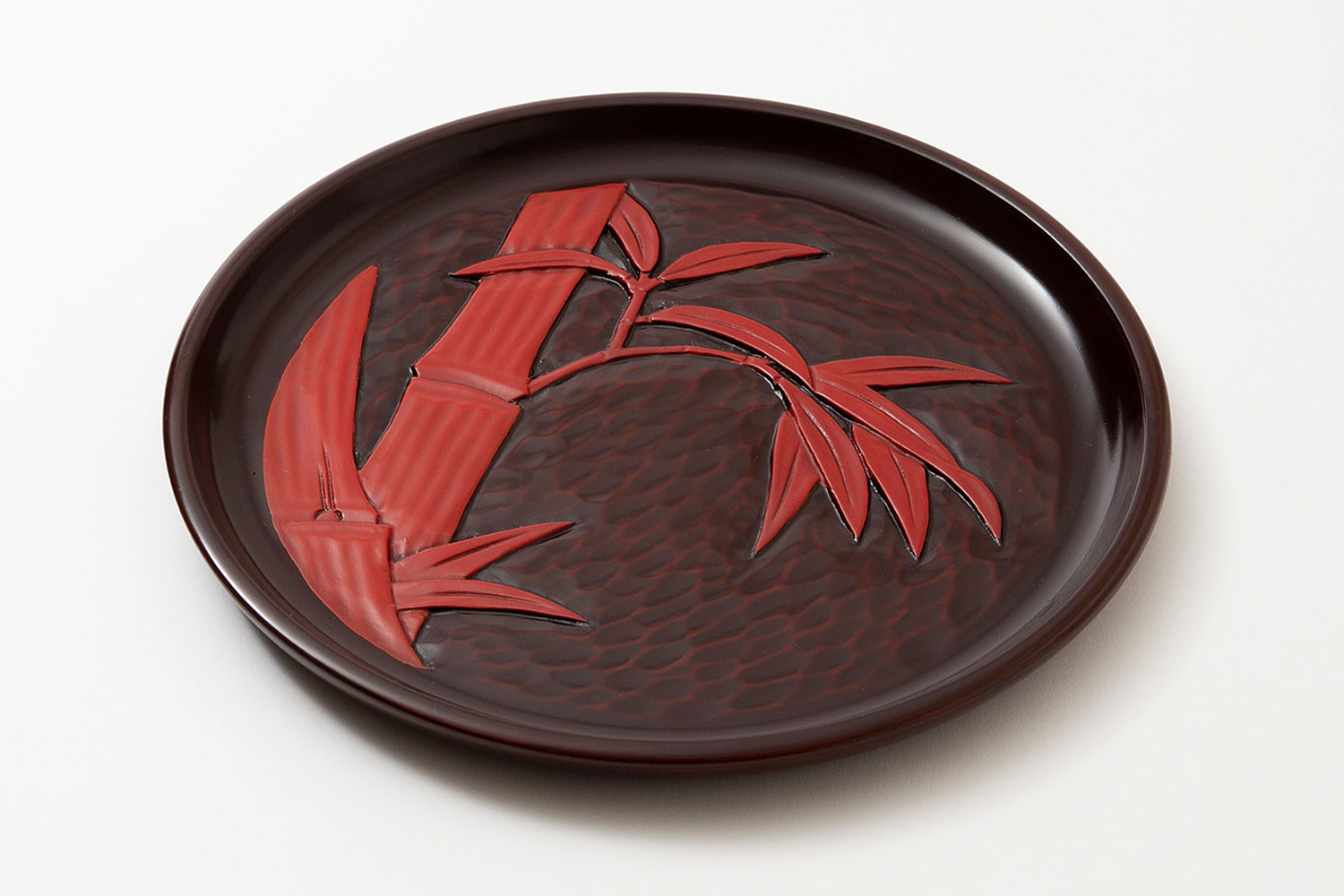
Kamakura Bori Lacquerware
Kamakura-bori is a centuries-old lacquerware tradition that originated in the Kamakura era (1185-1333) when Buddhist sculptors began applying thick lacquer over carved wood designs to create durable, ornate pieces for temples. Today, master craftsmen continue this technique — relief-carving wood blanks with peony, plum, and dragon motifs, then layering many coats of lacquer over the carving to produce pieces with extraordinary depth and tactile beauty. Bowls, trays, tea caddies, and small jewelry boxes range from accessible (¥3,000) to museum-quality (¥100,000+). The Kamakura-bori Cooperative shop and Kamakura-bori Museum are essential stops. Each piece is hand-finished and signed; with proper care, they last for centuries. About 5 minutes from JR Kamakura Station.
「鎌倉彫」は、鎌倉時代(1185〜1333)に仏師たちが寺院の装飾品として、木彫りの上に厚い漆を重ね塗りする技法から始まった歴史ある漆器工芸。現代の職人たちもこの伝統技法を継承し、牡丹、梅、龍などの文様を木地に彫り込み、幾層もの漆を重ね塗りすることで、奥行きある質感と独特の手触りの美しい作品を生み出します。お碗、トレー、茶筒、宝石箱など多彩なラインナップで、手軽な3,000円から美術館級10万円超まで価格帯も広く。鎌倉彫協同組合のショップ、鎌倉彫資料館は必訪。一つ一つ職人手仕上げで作家サイン入り、適切に手入れすれば数世代にわたって使い続けられる逸品です。JR鎌倉駅から徒歩約5分。
Must-Visit Spots
おすすめスポット 5選
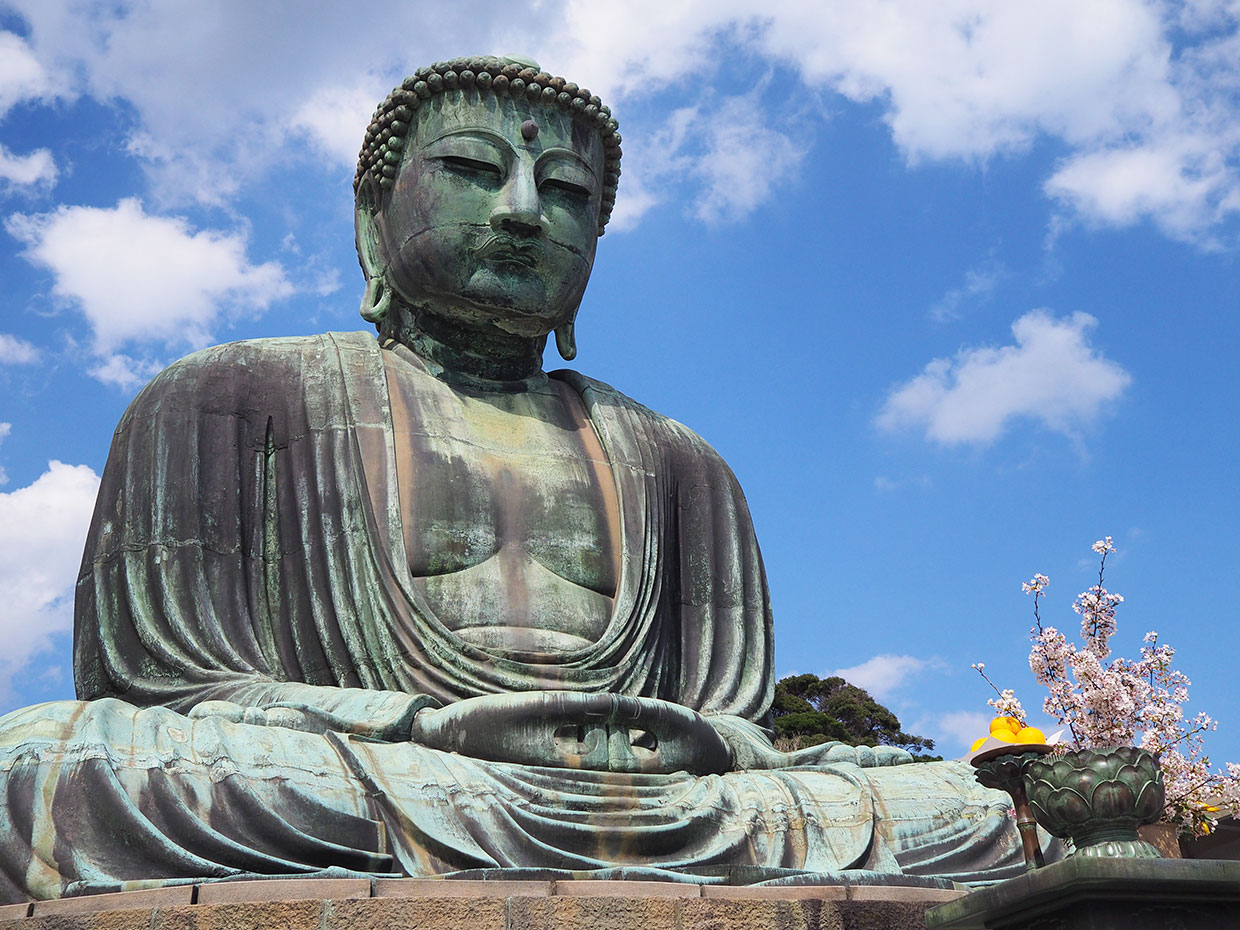
Kamakura Great Buddha
Cast in 1252 from bronze, the Great Buddha of Kamakura (Kamakura Daibutsu) is one of Japan’s most celebrated bronze Buddhas at 11.3 meters tall and weighing about 121 tons. Located at Kotoku-in Temple, the Buddha originally sat inside a wooden hall, but the hall was destroyed by a tsunami in 1498 — leaving the statue beautifully exposed to the elements ever since. Up close, you can see the gentle expression, the lotus throne, and details of the Buddha’s robes; for ¥50, visitors can even climb inside the hollow statue and look out from his shoulders. The temple grounds are particularly stunning during cherry-blossom season (early April) and autumn-foliage season (late November). Combine with nearby Hasedera Temple for the perfect Kamakura Buddhist morning. From Hase Station (Enoden line), a 7-minute walk.
1252年に鋳造された青銅製の「鎌倉大仏」(高徳院)は、日本を代表する青銅仏のひとつで、高さ11.3メートル、重さ約121トン。元々は木造の大仏殿内に安置されていましたが、1498年の津波で殿が倒壊して以来、屋外に座する独特の姿となりました。大仏の優しい表情、蓮の台座、衣の細部までじっくり鑑賞でき、内部拝観(50円)では中空の仏像内部に入って肩越しに外を見ることも可能。境内の桜(4月上旬)、紅葉(11月下旬)は特に絶景です。長谷駅(江ノ電)から徒歩約7分、近くの長谷寺と組み合わせて鎌倉仏教探訪の朝コースを満喫できます。
Hakone + Mt. Fuji View
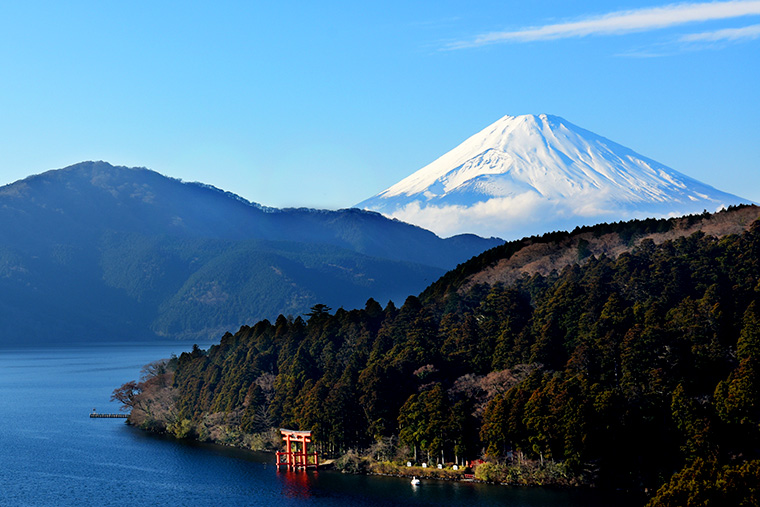
Hakone is the perfect day trip from Tokyo to combine Japan’s iconic spa-and-volcano landscape with breathtaking Mt. Fuji panoramas. The most photogenic Mt. Fuji view in Hakone is from the historic Lake Ashinoko, particularly when the red torii gate of Hakone Shrine seemingly floats on the lake’s surface with snow-capped Fuji rising in the distance. The full Hakone loop combines: train + Hakone Tozan zigzag railway + cable car + Owakudani volcanic valley (where you can buy black eggs cooked in volcanic springs) + ropeway + Lake Ashinoko pirate-ship cruise + Hakone Shrine + Hakone Open-Air Museum + onsen ryokan stay. About 90 minutes from Shinjuku via Odakyu Romancecar. The Hakone Free Pass (¥7,100, 2-day from Shinjuku) covers all transport.
箱根は、東京日帰り旅行の決定版。日本を象徴する温泉と火山の風景と、富士山の絶景パノラマを一日で堪能できる至高のコースです。箱根での最高の富士山ビューは芦ノ湖から見るアングルで、特に箱根神社の赤い鳥居が湖面に浮かび、その向こうに雪化粧した富士山が広がる構図は世界的に有名なフォトスポット。完璧な箱根周遊コースは:箱根登山鉄道のジグザグ登山+ケーブルカー+大涌谷(火山地獄、温泉で煮た黒たまごの名所)+ロープウェイ+芦ノ湖海賊船クルーズ+箱根神社+箱根彫刻の森美術館+温泉旅館宿泊。新宿から小田急ロマンスカーで約90分。「箱根フリーパス」(新宿発2日間7,100円)で全交通機関利用可能で大変便利。
Kamakura Temples Circuit
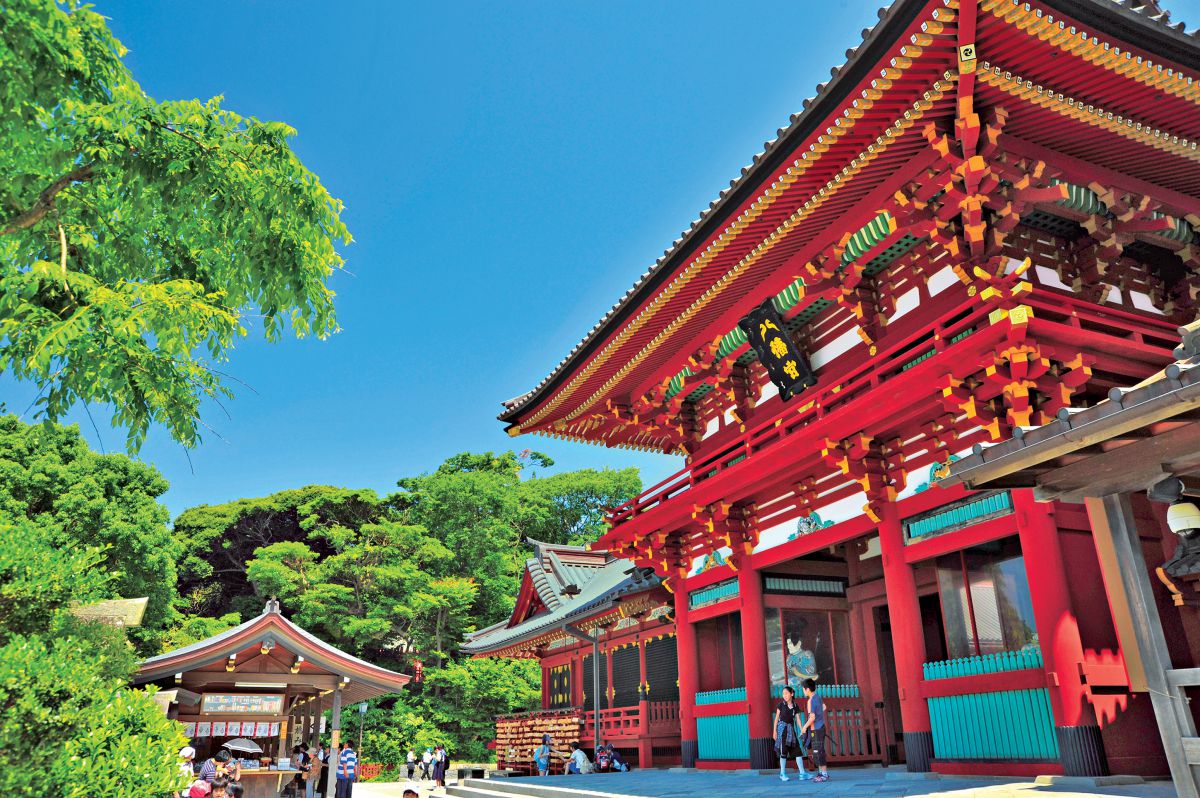
The former military capital of Japan during the Kamakura Shogunate (1185-1333), today’s Kamakura preserves over 60 Buddhist temples and Shinto shrines tucked among forested hills, offering one of Japan’s most rewarding spiritual walking circuits. The classic loop includes Tsurugaoka Hachimangu (the city’s symbolic shrine), Hokokuji’s bamboo garden (“the Bamboo Temple”), Kenchoji (Japan’s oldest Zen training monastery, founded 1253), Engaku-ji, and Hasedera (with its observation deck overlooking Sagami Bay). Cherry blossoms in April and hydrangeas in June (especially at Meigetsu-in and Hasedera) draw enormous crowds. Most temples charge ¥200-500 admission. Plan a full day; rent a bicycle to cover ground efficiently. From JR Kamakura Station, the temples spread in all directions.
鎌倉幕府(1185〜1333)の旧軍事首都・鎌倉には、60を超える寺社が緑深い山々の麓に点在し、日本でも最も充実した寺社巡礼コースが楽しめます。定番ルートは、市の象徴「鶴岡八幡宮」、竹林で有名な「報国寺」、1253年創建の日本最古級禅修行道場「建長寺」、「円覚寺」、相模湾を望む展望台のある「長谷寺」など。4月の桜、6月のあじさい(明月院、長谷寺は特に有名)の季節は大変混雑します。多くの寺院は200〜500円の拝観料。まる1日かけて巡るのがおすすめで、レンタサイクルだと効率よく回れます。JR鎌倉駅を起点に、寺社は四方に広がっています。
Yokohama Minatomirai
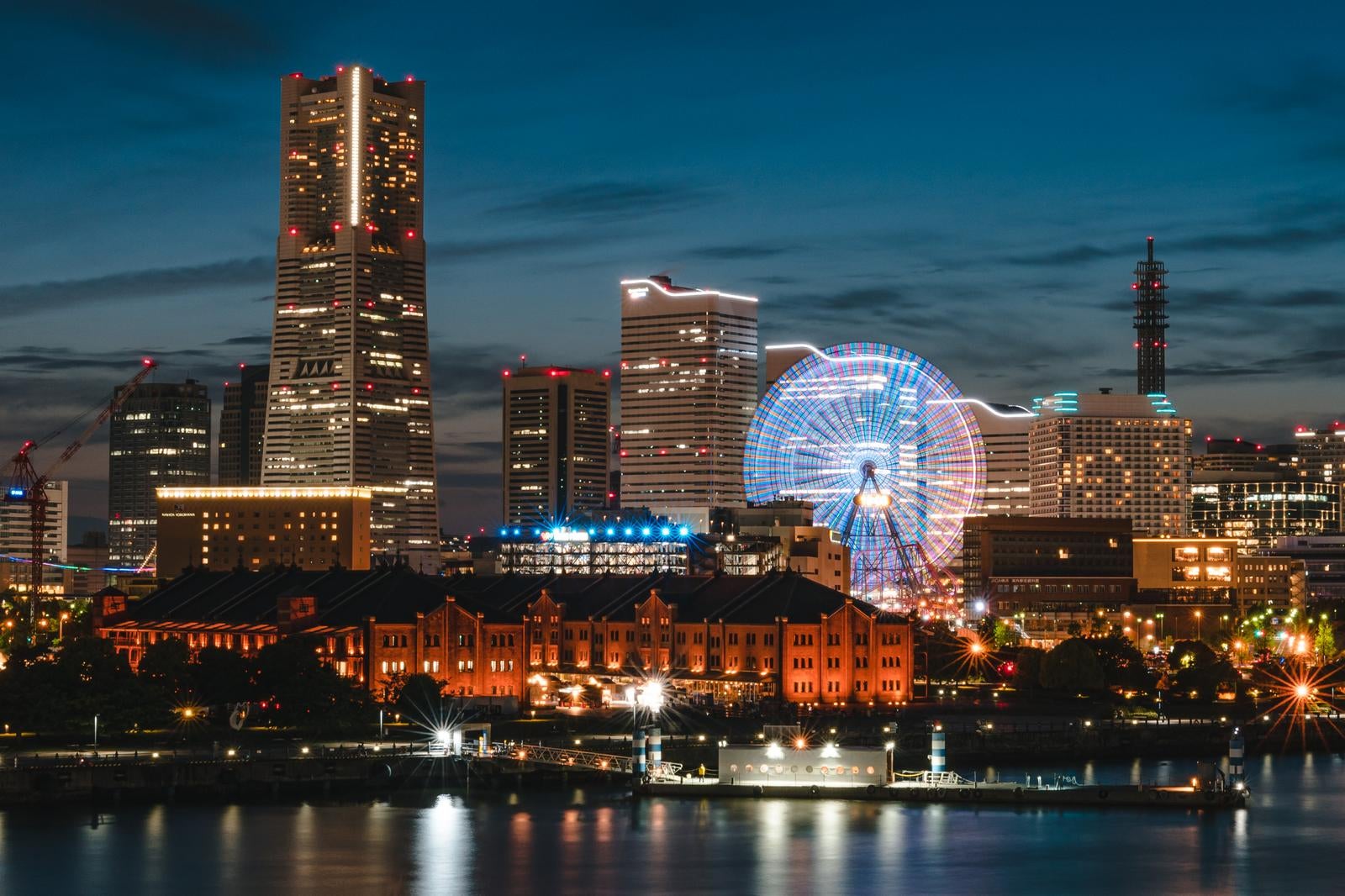
Yokohama’s futuristic waterfront district, Minatomirai 21 (“Future Port 21”), is a striking example of urban redevelopment — transformed from shipyards in the 1980s into one of Japan’s most photogenic skylines. The crown jewel is the 296-meter Landmark Tower with its observatory “Sky Garden” offering 360-degree views of Tokyo Bay, Mt. Fuji on clear days, and the iconic Cosmo Clock 21 ferris wheel — once the world’s tallest at 112 meters. Beyond views, the district houses the Yokohama Cup Noodles Museum (highly interactive!), Yokohama Anpanman Children’s Museum, the historic Red Brick Warehouse (now a shopping/dining complex), and the World Porters mall. The waterfront promenade is gorgeous at sunset and during winter illuminations. From JR Sakuragicho Station, a 5-minute walk.
横浜の未来都市的ウォーターフロント「みなとみらい21」は、1980年代に造船所跡地から劇的に再開発された日本でも最もフォトジェニックなスカイライン。中心は高さ296メートルの「ランドマークタワー」で、最上階の展望フロア「スカイガーデン」からは360度のパノラマ——東京湾、晴れた日の富士山、112メートルかつて世界最大級だった観覧車「コスモクロック21」までが一望できます。観光スポットも豊富で、体験型の「カップヌードルミュージアム」、「横浜アンパンマンこどもミュージアム」、歴史的「赤レンガ倉庫」(現在はショッピング・グルメ複合施設)、「ワールドポーターズ」モールなどが並びます。日没時とウィンターイルミネーションの時期は特に美しい。JR桜木町駅から徒歩約5分。
Enoshima Island
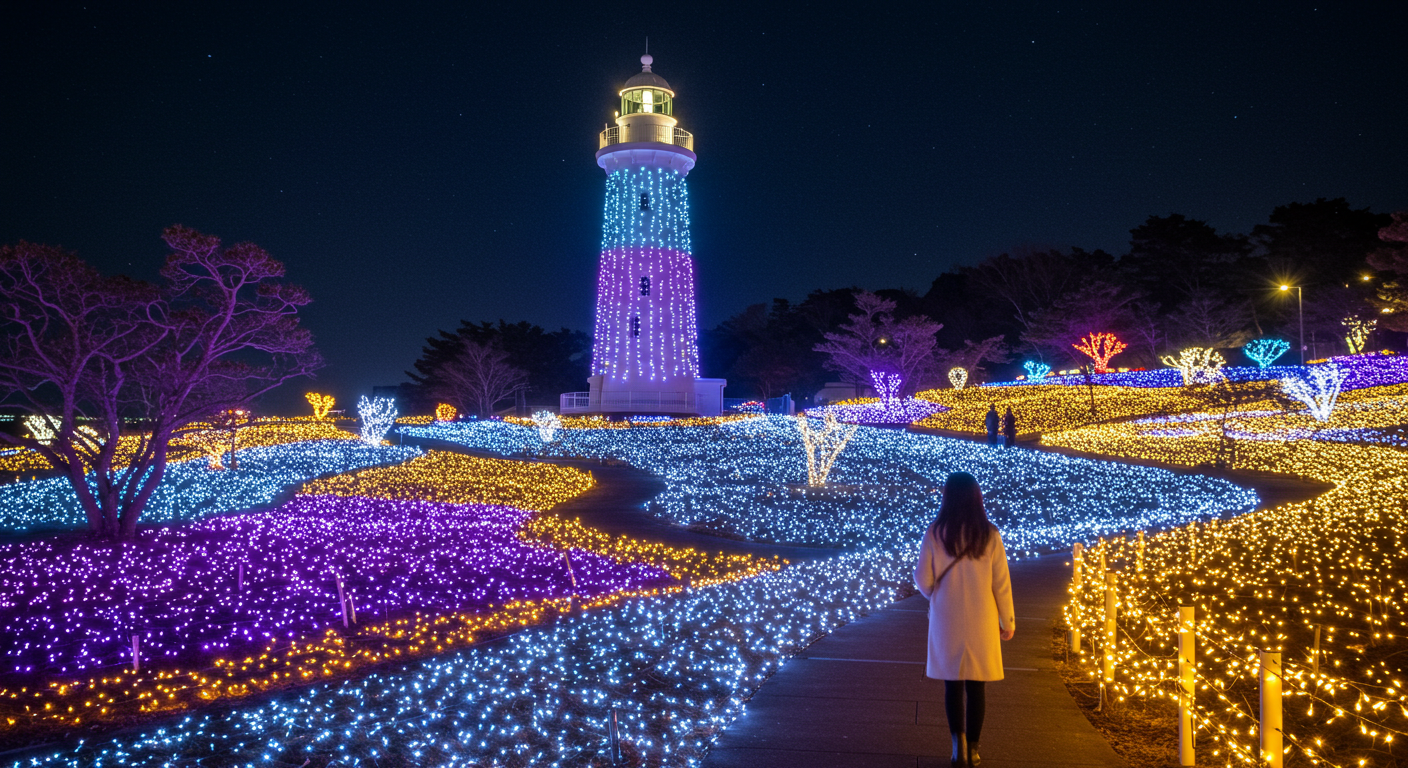
A small mountainous island just off Kanagawa’s coast connected to the mainland by a footbridge (about 400 m), Enoshima has been a sacred pilgrimage site since the 6th century. The island’s Enoshima Shrine venerates Benten, the goddess of art and music, and is one of Japan’s three most famous Benten shrines. Climb (or take the escalator) to the summit for the Enoshima Sea Candle observation tower, with sweeping views of Sagami Bay, Mt. Fuji on clear days, and the surfers below. Don’t miss the Iwaya Caves at the island’s far tip, where ancient pilgrims meditated by candlelight, and the famous shirasu-don rice bowls (with whitebait) at one of dozens of seaside restaurants. From Enoshima Station (Enoden, Odakyu, or Shonan Monorail), a 15-minute walk.
湘南海岸沖に浮かぶ小さな山岳島「江ノ島」は、本土と歩道橋(弁天橋・約400m)で結ばれ、6世紀から続く聖地として崇敬されてきました。島の「江島神社」は、芸能・音楽の神である弁才天を祀り、日本三大弁天の一つに数えられます。エスカレーター(または徒歩)で山頂へ登り、「江ノ島シーキャンドル」展望灯台からは相模湾、晴れた日の富士山、眼下のサーファーまで一望のパノラマが広がります。島の先端部の「岩屋洞窟」では、古代の巡礼者たちがろうそくを灯して瞑想した神秘の世界へ。海岸沿いの数十軒のレストランで味わう「しらす丼」(生・釜揚げ・釜揚げ&生のミックス)も江ノ島の名物。江ノ島駅(江ノ電・小田急・湘南モノレール)から徒歩約15分。
Insider Tips
現地通の旅の裏ワザ
Iekei got famous via tourism, but locals also love Yokohama’s miso ramen scene — Sapporo-style miso shops cluster near Yokohama Station’s west exit.
家系は観光で有名だが地元民は味噌系も愛する。横浜駅西口に札幌味噌ラーメンの名店が点在、穴場。
Sea Candle is best 30 min before sunset (last entry around 19:30, later on weekends). The walk back via Enoden line at dusk is the hidden Instagram moment.
江ノ島シーキャンドルは日没30分前がベスト(最終入場19:30〜20:30、曜日で変動)。江ノ電で夕暮れに帰る景色が隠れインスタ映え。
Kamakura’s Tsurugaoka Hachimangu shrine and historic alleys are tailor-made for kimono walks. Rental shops are steps from Kamakura Station.
鎌倉の鶴岡八幡宮や小町通りは着物散策にぴったり。着物レンタル店は鎌倉駅すぐ、観光導線に組み込みやすい。
Frequently Asked Questions
What is the best way to explore Kamakura, Hakone, and Yokohama?
All three can be done as separate day trips from Tokyo. The Enoshima-Kamakura Free Pass (Odakyu, ~¥1,640) covers train and tram to Kamakura and Enoshima. The Hakone Free Pass (~¥7,100 from Shinjuku) covers all Hakone transport modes for 2 days. Yokohama is 25 minutes from Shibuya by Tokyu Toyoko Line.
鎌倉・箱根・横浜はそれぞれ東京からの日帰りが可能。江ノ島・鎌倉フリーパス(小田急・約1,640円)、箱根フリーパス(新宿発約7,100円・2日間有効)を活用すると交通費を節約できます。横浜は渋谷から東急東横線で25分。
Is Hakone worth visiting in bad weather?
Yes — the hot spring baths are superb in any weather, and the Hakone Open-Air Museum has indoor pavilions (such as the Picasso building) for rainy days. Only the ropeway and outdoor Fuji views suffer in cloud and rain. Many visitors actually prefer arriving in the evening, staying at a ryokan, and enjoying the mountain scenery the next morning.
温泉は天候に関係なく楽しめますし、箱根彫刻の森美術館の屋内展示も充実しています。ロープウェイや富士山の眺望は悪天候時に影響を受けますが、前夜に旅館に宿泊して翌朝の景色を楽しむスタイルが人気です。
How much time do I need in Kamakura?
Most visitors find 4–6 hours sufficient to cover the Great Buddha, Tsurugaoka Hachimangu, 2–3 temples, and the shopping streets. Add another 1–2 hours for Enoshima. If hiking the Kamakura Alps trail, allow a full day. Weekends are very crowded — consider a weekday visit.
大仏・鶴岡八幡宮・寺院2〜3箇所と買い物で4〜6時間が目安。江の島も加えるなら1〜2時間追加。鎌倉アルプスを歩くなら丸1日必要です。週末は大変混雑するため平日訪問がおすすめです。
💡 Pro Tip: The Odakyu ‘Romancecar’ limited express from Shinjuku to Hakone-Yumoto is one of Japan’s most scenic train journeys — book a window seat in advance. The 90-minute ride is part of the Hakone experience.
💡 旅のヒント:新宿から箱根湯本まで小田急ロマンスカーを利用すると景色を楽しみながら移動できます。90分の乗車自体が箱根旅行の醍醐味のひとつ。窓側席は事前予約がおすすめです。