Chiba
Top Chiba souvenirs and must-visit travel spots — your complete guide for visitors to Japan. Just across Tokyo Bay, yet refreshingly rural. Chiba’s ancient cedar forest, hilltop temples, surfable Pacific coast and world-famous theme park make it Tokyo’s most rewarding day trip.
東京湾を挟んで広がる千葉。成田山・九十九里・房総の海と東京ディズニーリゾート、どこを切り取っても魅力的。
Chiba wraps around Tokyo Bay and out to the Boso coast — Narita-san temple, Nokogiriyama, and (officially) Tokyo Disney Resort. For souvenirs there’s really one headline: peanuts. Chiba grows the lion’s share of Japan’s peanuts, with Yachimata at the heart of it, so peanut sweets like the peanut monaka, and roasted peanuts themselves, are the buy. Narita’s omotesando and the airport are the easiest places to grab them on the way out.
千葉は東京湾を囲んで房総の海岸へ——成田山、のこぎり山、そして(正式には千葉の)東京ディズニーリゾート。みやげの主役は何といっても落花生。国産落花生の大半は千葉産で、八街がその中心。ぴーなっつ最中などの落花生菓子や煎り落花生が定番です。成田の表参道や空港が、帰り際に買いやすい場所です。
Recommended Omiyage
おすすめおみやげ 5選
Naritasan Hand-Grilled Sembei
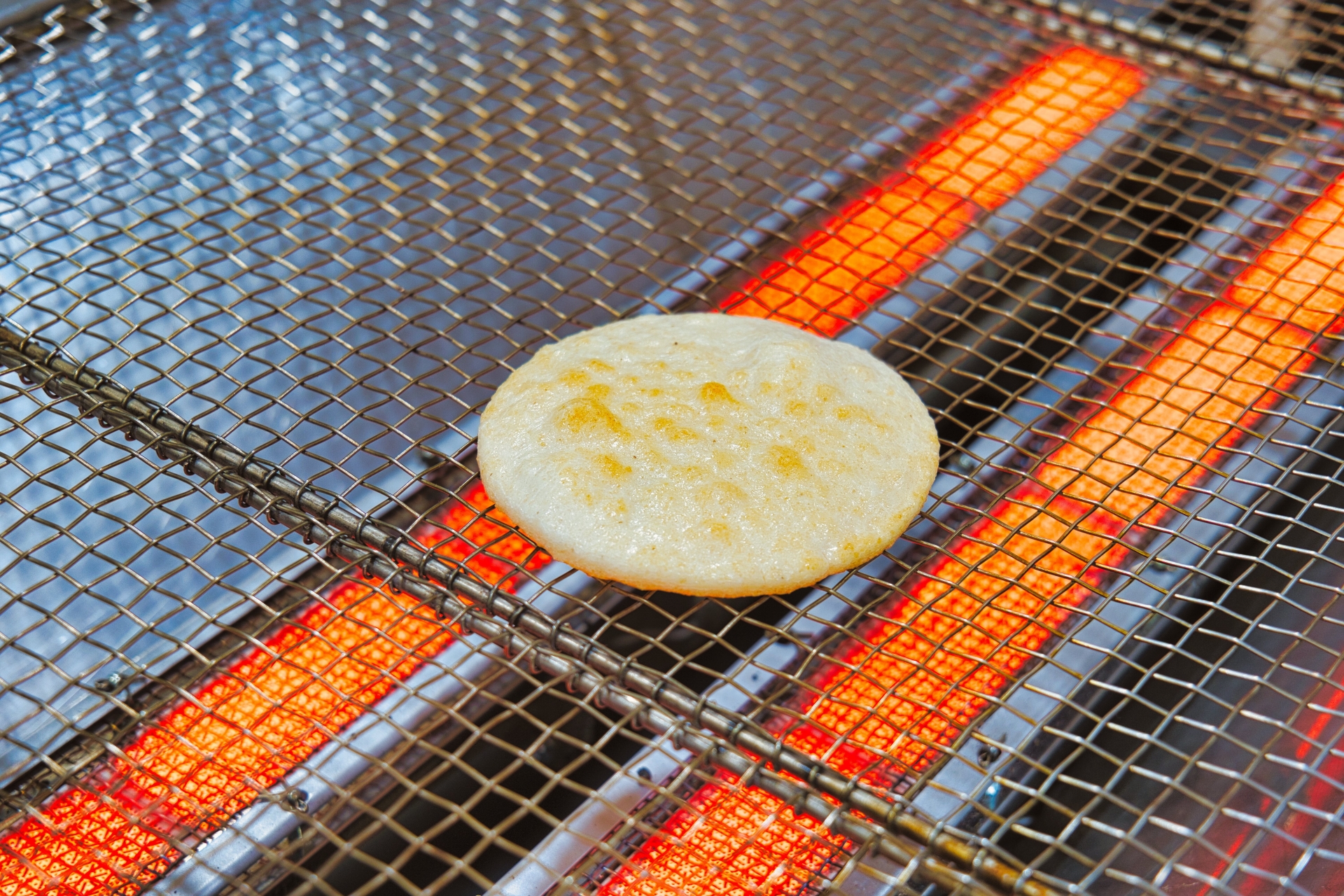
A specialty of Narita’s centuries-old temple town, hand-grilled sembei (rice crackers) fill the Omotesando approach with a savory soy aroma. Each cracker is pressed from rice dough and grilled one by one over charcoal until crisp and golden, then brushed with soy sauce. The most famous shop is Hayashida no Osenbei, founded in 1912 along the path to Naritasan Shinshoji Temple, where craftsmen grill them in front of you and over 30 kinds are sold year-round at about ¥100 a piece. The flavor is simple but deeply moreish, perfect with green tea or cold beer. Other local varieties include nori (seaweed), zarame (sugar), and shrimp. Boxed assortments are sold along Naritasan’s Omotesando approach and at Narita Airport for last-minute travel souvenirs.
成田山参道の名物「手焼きせんべい」は、香ばしい醤油の香りが参道一帯に漂う成田の定番土産。一枚ずつ米生地を炭火でカリッと黄金色に焼き上げ、醤油をさっと塗って仕上げます。代表格は1912年(大正元年)創業の「林田のおせんべい」。成田山新勝寺へ続く表参道沿いに本店を構え、職人の手焼き実演が間近で見られ、常時30種類以上、焼きたて1枚約100円で味わえます。シンプルながら後を引く旨さで、緑茶にも冷たいビールにも好相性。海苔・ザラメ・海老など多彩なバリエーションも。化粧箱入り詰め合わせが表参道の各店、成田空港のお土産店で購入可能で、出発前の駆け込み土産にも最適です。
Boso Honey Cake
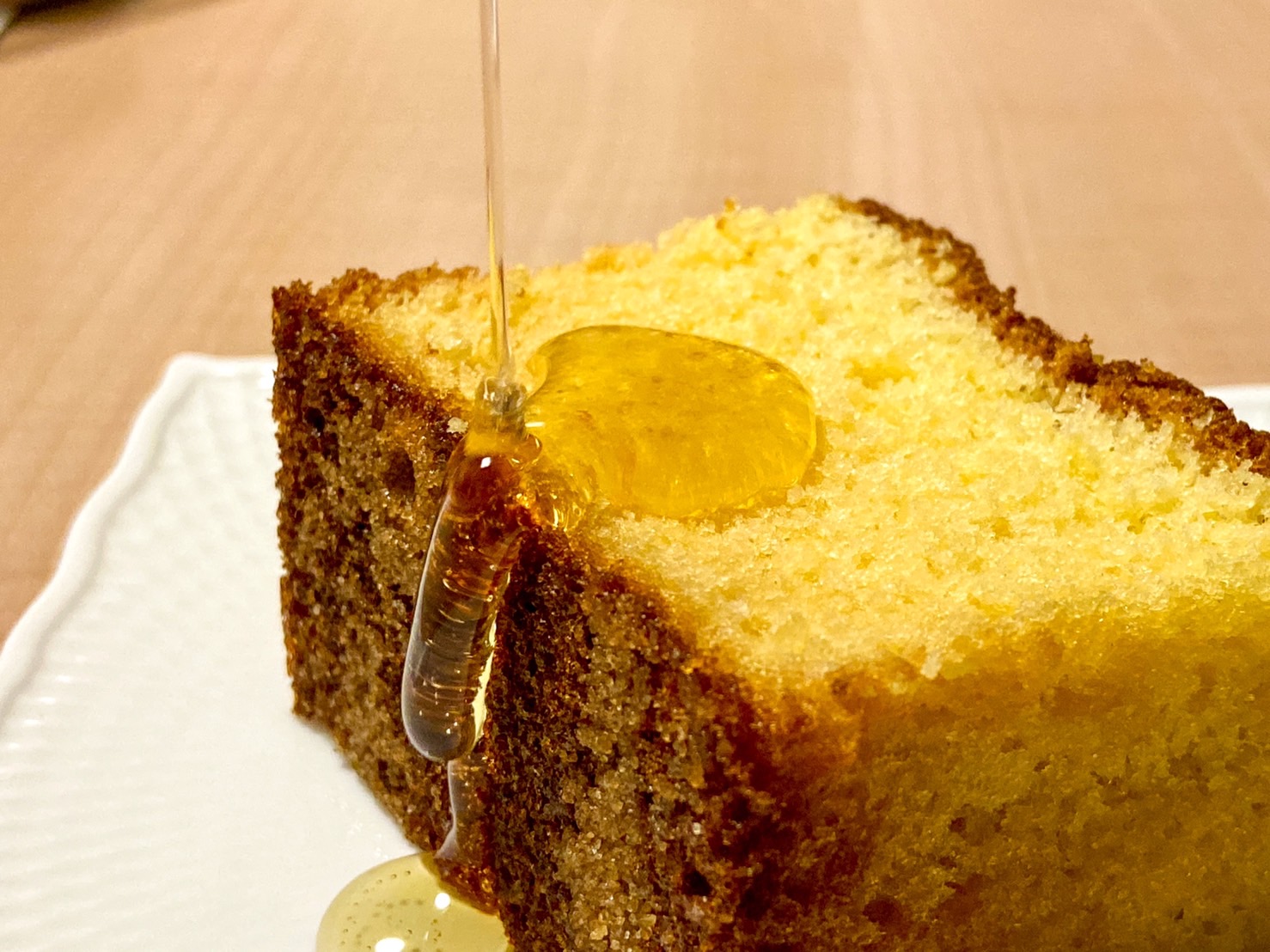
The Boso Peninsula’s mild climate and abundant flowering plants make it a notable honey-producing area — and Boso honey cake (hachimitsu kasutera) puts that honey to good use. Local bakeries soak fluffy castella sponge cake in pure Boso flower honey instead of standard sugar syrup, creating an extraordinarily moist, golden-yellow cake with floral aromatics that ordinary versions can’t match. The honey varieties used include acacia, mikan (citrus), and renge (Chinese milk vetch), each lending distinct character. Makers include Hachimitsu Kobo (a honey workshop in Kimitsu) and local Boso castella bakeries. Individually-wrapped slices in 5- or 8-piece boxes are perfect for travel — they keep about 2 weeks. Available at JR Chiba Station, roadside stations along the Boso coast, and Narita Airport.
房総半島の温暖な気候と豊富な花々が、蜂蜜づくりが盛んな温暖な土地として知られます。「房総ハニーケーキ」は、その天然の恵みを一口ごとに堪能できる絶品銘菓。地元ベーカリーがふわふわのカステラ生地を、通常の砂糖シロップではなく純粋な房総産花蜂蜜にじっくり浸して、しっとり感が群を抜く黄金色の仕上がりに。アカシア、みかん、れんげなど多彩な花の蜂蜜が使われ、それぞれ独特の香りと風味を加えます。代表的な作り手は君津の「はちみつ工房」など。個包装の5切れ・8切れ入り化粧箱は持ち運びやすく、賞味期限約2週間。JR千葉駅、房総海岸沿いの道の駅、成田空港で購入可能。
Iwashi Ichiyaboshi
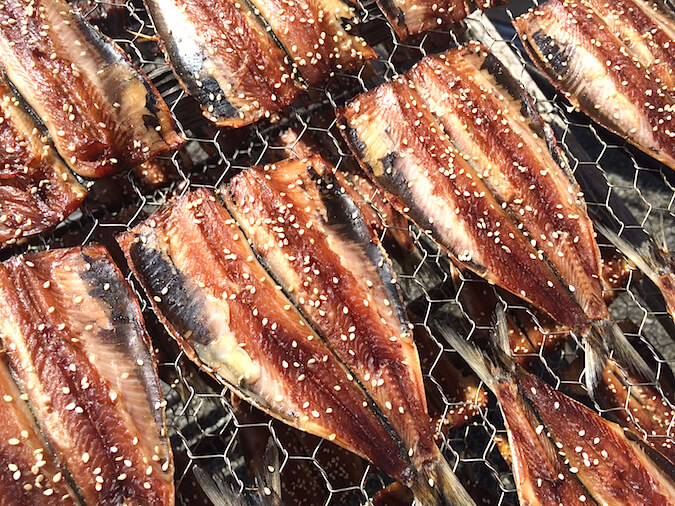
Chiba’s Boso Peninsula sits at the meeting point of the warm Kuroshio and cold Oyashio currents, producing some of Japan’s most flavorful sardines (iwashi). Traditional ichiyaboshi — overnight-dried sardines — are split, lightly salted, and dried for 8-12 hours in the cool sea breeze, concentrating their natural oils and umami while creating a crisp skin and tender flesh. Grilled until the skin crackles and the silver scales gleam, they pair perfectly with rice, miso soup, and a dab of grated daikon. Choshi and the Kujukuri coast are the most famous production areas. Vacuum-sealed packs from long-established Choshi and Kujukuri producers like Shimacho Suisan and Kaneshime Shoten are available at JR Chiba Station, port-side fish markets, and Narita Airport. Refrigerate; grill from frozen for best flavor.
千葉県房総半島は黒潮と親潮が交わる絶好の漁場で、日本でも極上の風味を持つイワシが水揚げされます。伝統の「いわしの一夜干し」は、開いて軽く塩を振ったイワシを、海風に当てて8〜12時間乾燥させた逸品。自然な脂と旨味が凝縮され、皮はパリッと、身はふんわりとした絶妙な仕上がりに。皮がパチパチと焼け、銀の鱗が輝くまで焼き上げ、ご飯、味噌汁、大根おろしと共にいただくのが王道。銚子港、九十九里が主要産地。「島長水産」「カネシメ商店」など老舗の真空パックがJR千葉駅、港の魚市場、成田空港で購入可能。要冷蔵、冷凍のままグリルすると風味抜群です。
Naritasan Kuzu Mochi
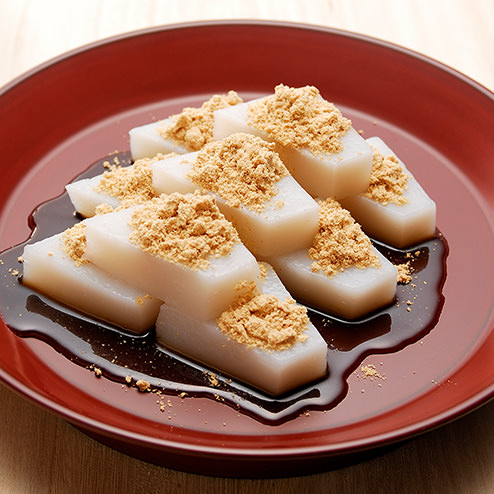
Crafted by shops along Naritasan’s pilgrimage approach, kuzu mochi is a delicate jelly-like confection made from kuzu (arrowroot) starch, served chilled with kinako (toasted soybean flour) and kuromitsu (rich brown sugar syrup). The texture is uniquely silky-firm, almost custard-like yet completely gluten-free, while the warm caramel notes of kuromitsu and nutty kinako create a perfect symphony of flavors. It’s served at long-standing approach shops such as Goto Dangoya and Hataya, while nearby Nagomi no Yoneya (founded 1899) is famed for Narita’s signature kuri-yokan (chestnut sweet-bean jelly). Eaten fresh on the spot — vibrant and translucent — or as gift boxes with kinako and kuromitsu sachets that keep about 7 days. About 10 minutes from JR Narita Station along the temple approach.
成田山参道沿いの老舗で100年以上作り続けられている「葛餅」は、葛の根澱粉から作る上品な和菓子。冷やしてきな粉と黒蜜で頂く伝統的な食べ方が王道です。シルクのような滑らかさとほどよい弾力を併せ持つ独特の食感、グルテンフリーながら満足感のある仕上がり、黒蜜のキャラメル香、きな粉の香ばしさが見事に調和した絶品の和菓子です。後藤だんご屋・はたやなど参道の老舗で味わえ、近くの「なごみの米屋」(1899年創業)は成田名物の栗ようかんで有名です。参道の店舗で半透明にきらめくできたてを頂くのが最高ですが、きな粉・黒蜜小袋付きの化粧箱(賞味期限約7日)はお土産にも最適。JR成田駅から参道を徒歩約10分。
Chiba Peanut Butter
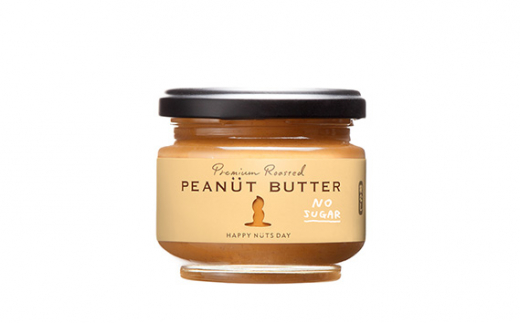
Chiba produces about 80% of Japan’s domestic peanuts, and the prefecture’s nut-based confections have gained gourmet recognition in recent years. Premium peanut butter, hand-roasted from Chiba’s signature “Chiba-handachi” or “Nakate-Yutaka” varieties, has a deeply nutty, almost roasted-caramel flavor that puts mass-market versions to shame. Top producers like Happy Nuts Day (Sammu) and Kimura Peanuts (Tateyama) offer creamy and crunchy versions, plus elegant variations like honey-roasted, salted-soy, and chocolate-blended. Spread on toast, swirl into ice cream, or use as a dipping sauce for vegetables. Available at JR Narita and Chiba Stations, roadside stations across the prefecture, and Narita Airport. Refrigerate after opening; lasts about 3 months once unsealed.
千葉県は国産落花生(ピーナッツ)の約80%を生産する落花生王国。近年、千葉県産の高級ピーナッツ製品が注目を集めています。代表品種「千葉半立(ちばはんだち)」「ナカテユタカ」を職人が手焙煎で仕上げる極上ピーナッツバターは、深いナッツの香り、ほんのりキャラメル化したコクが圧巻で、一般的な大量生産品とは別格の風味を誇ります。「HAPPY NUTS DAY」(山武市)「木村ピーナッツ」(館山市)などの上質ブランドが、クリーミー・クランチー、ハチミツロースト、塩醤油、チョコレート入りなど多彩なラインナップを展開。トーストに塗ったり、アイスクリームに混ぜたり、野菜のディップとしても。JR成田駅・千葉駅、県内道の駅、成田空港で購入可能。開封後は要冷蔵で約3ヶ月。
Must-Visit Spots
おすすめスポット 5選
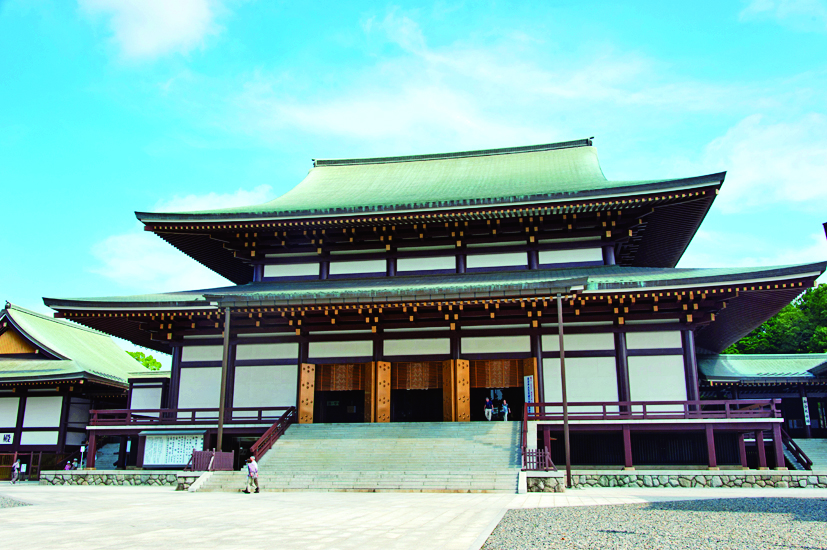
Naritasan Shinshoji Temple
Founded in 940 AD, Naritasan Shinshoji is one of Japan’s most visited temples — over 10 million pilgrims and tourists pass through its gates annually — about 3 million during the New Year’s first three days alone. The complex sits on a wooded hilltop just 15 minutes by train from Narita International Airport, making it the perfect cultural stop before or after a flight. The Great Main Hall (Daihondo), built in 1968, houses a revered Fudo Myo-O statue (the Wrathful Wisdom King, traditionally said to have been carved by Kobo Daishi and enshrined here in 940 when the temple was founded). The temple’s beautiful three-story pagoda dates from 1712 and the surrounding 165,000-square-meter Naritasan Park offers serene strolls. The 800-metre Omotesando approach from JR Narita Station is lined with traditional shops selling unagi (eel) lunches, sembei, kuzu mochi, and souvenirs.
940年に開創された「成田山新勝寺」は、日本でも最多の参拝客を迎える名刹の一つで、年間1,000万人を超える巡礼者・観光客が訪れ、初詣三が日だけで約300万人を集めます。成田国際空港から電車でわずか15分の小高い丘上に位置し、フライト前後の文化観光に最適。1968年に再建された「大本堂」には、弘法大師作と伝わる不動明王像が祀られ、940年の開山時にこの地へ奉安されました。1712年建立の三重塔、周囲16万5,000平方メートルの「成田山公園」も見どころ満載。JR成田駅から約800mの「表参道」には、うなぎ料理、煎餅、葛餅、伝統工芸の老舗が軒を連ね、参拝とセットで1日ゆったり楽しめます。
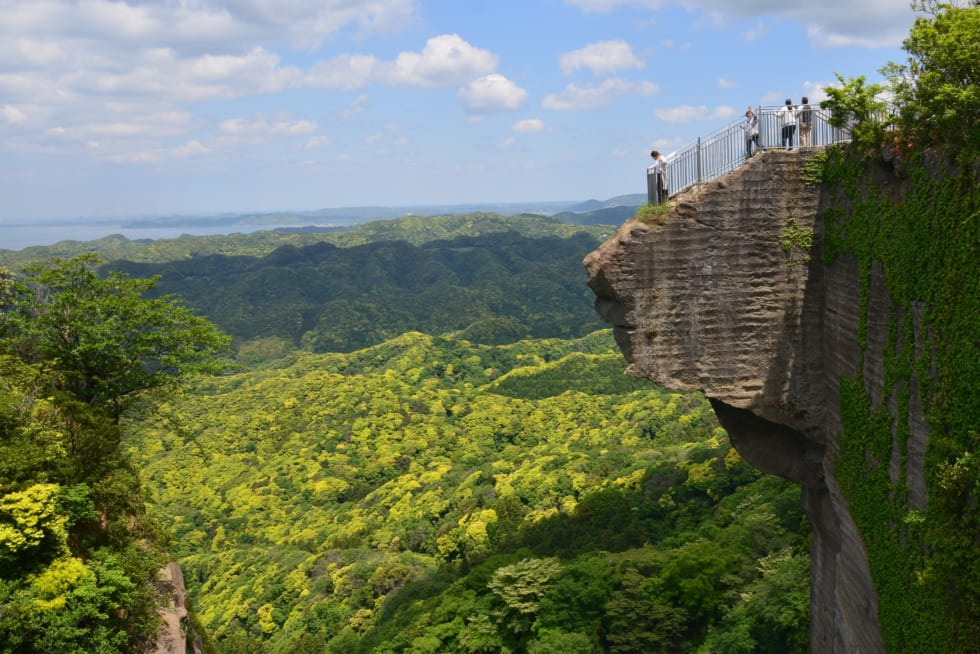
Nokogiriyama
Nokogiriyama (“Sawtooth Mountain”) on the Boso Peninsula’s south coast is named for its dramatic jagged ridge created by centuries of stone quarrying. The mountain hosts Nihonji, a Buddhist temple founded in 725 AD, where visitors can find Japan’s largest stone Buddha statue (Daibutsu, carved 1783, 31 meters tall) and the photogenic “Jigoku Nozoki” (Hell Peek), a cliff overhang where you can stand above sheer 100-meter drops. The temple grounds also feature 1,500 stone Buddha figures (rakan) carved into the cliffs over decades by master craftsmen. Reach the summit by ropeway from Hama-Kanaya Port, or hike the well-marked trails. Pair with the ferry from Yokosuka or Kurihama for an aquatic-and-mountain day out.
房総半島南海岸にそびえる「鋸山(のこぎりやま)」は、数世紀にわたる石切り作業で生まれたギザギザの稜線が「のこぎり」を思わせることから命名された絶景の山。山中には725年開創の名刹「日本寺」があり、1783年作の高さ31メートル、日本一の大きさを誇る石造大仏が鎮座します。崖から張り出した展望台「地獄のぞき」は、足元100メートル下の絶壁を見下ろせるスリル満点のフォトスポット。境内には数十年かけて職人たちが断崖に彫り込んだ1,500体の石仏「東海千五百羅漢」も見応えあり。浜金谷港からのロープウェイ、または整備された登山道で山頂へ。横須賀・久里浜からのフェリーでアクセスすれば海と山の絶景を1日で楽しめます。
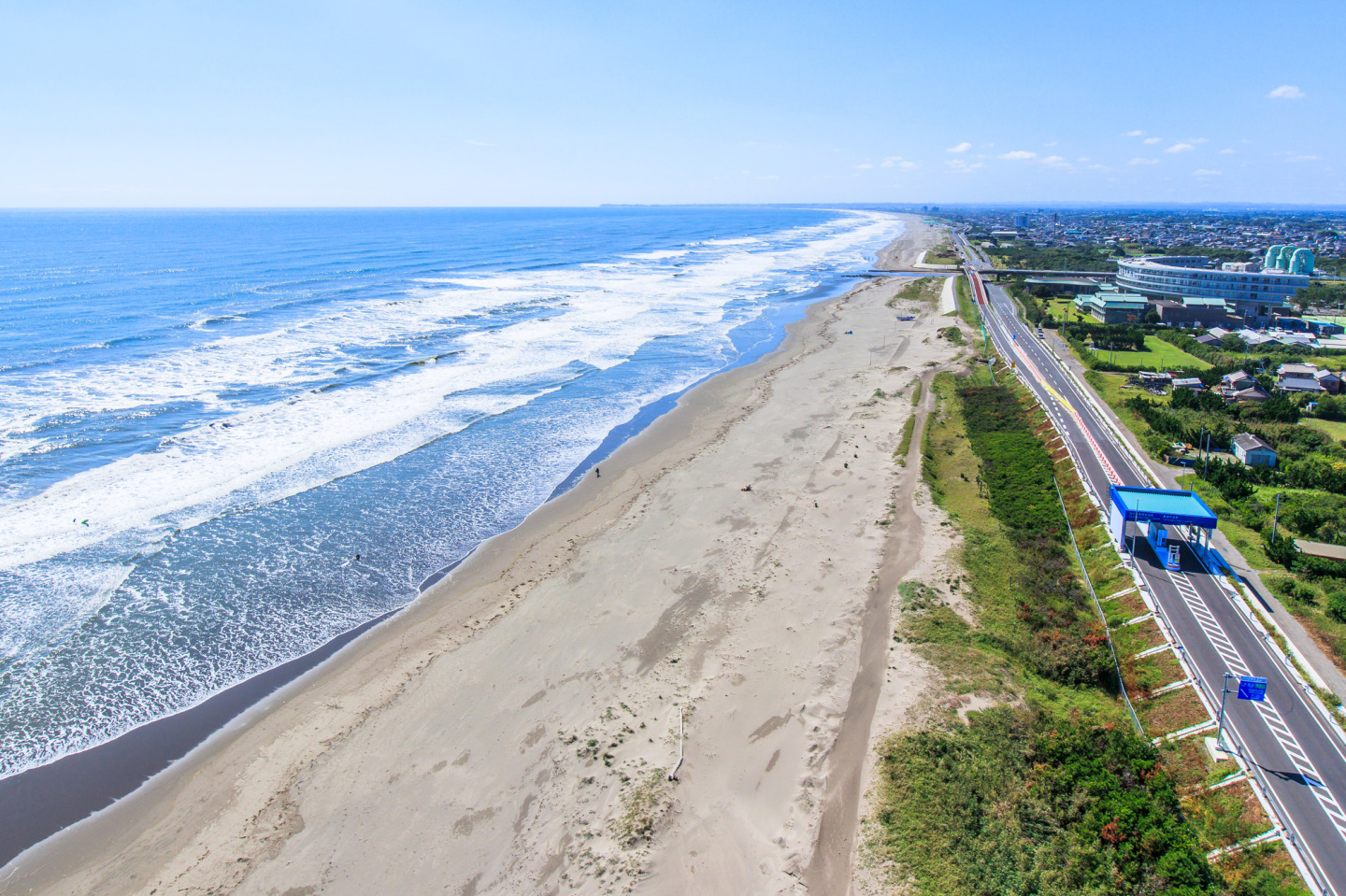
Kujukuri Beach
Stretching 66 kilometers along Chiba’s Pacific coast, Kujukuri-hama is one of Japan’s longest continuous beaches — a sweeping arc of white sand and rolling Pacific waves that’s earned its name (“99 Ri Beach,” using the old Japanese unit of distance). The beach is famous for its powerful surf, making it Japan’s premier surfing destination and home to the 2020 Tokyo Olympic surfing competition at Tsurigasaki Beach. Beyond surfing, visitors enjoy ocean swimming, beachcombing for shells, sunrise photography, and dining on fresh-caught seafood at the seaside towns of Iioka, Asahi, and Kujukurimachi. Local specialties include grilled hamaguri clams, fresh seafood donburi (rice bowls), and iwashi (sardine) dishes such as namero and tsumire soup. About 90 minutes from Tokyo via JR.
千葉県の太平洋岸に66キロにわたって弧を描く「九十九里浜」は、日本でも最長級の連続砂浜。かつての距離単位「里」にちなんだ名称(「99里の浜」)の通り、白砂と太平洋の力強い波が織りなす絶景の海岸線です。強い波が打ち寄せることから日本屈指のサーフィン聖地で、2020年東京五輪のサーフィン会場・釣ヶ崎海岸はその一部。サーフィン以外にも、海水浴、貝拾い、日の出フォト、海岸沿いの飯岡・旭・九十九里町の海鮮グルメと多彩な楽しみ方が可能。地元名物は、はまぐりの浜焼き、海鮮丼、いわしのなめろう・つみれ汁など。JRで東京から約90分。
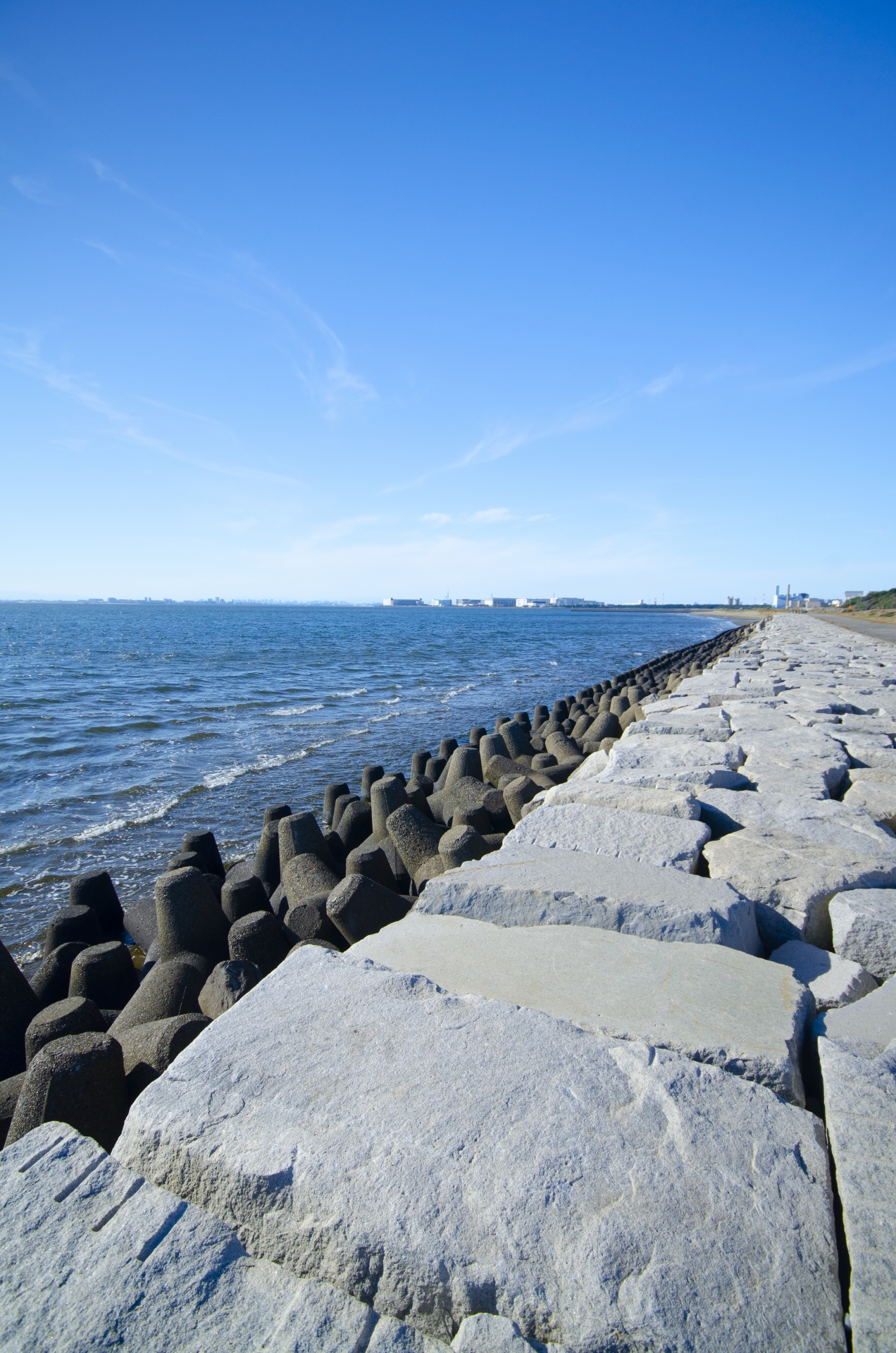
Makuhari Seaside Park
Makuhari Seaside Park, sprawling along Tokyo Bay just east of central Chiba City, is a roughly 72-hectare urban oasis combining manicured Japanese gardens, beachfront walking paths, summer beach swimming, and the impressive ZOZO Marine Stadium. The park’s interior “Mihama Garden” features a traditional pond-stroll garden with seasonal blooms — cherry blossoms in spring, wisteria in May, hydrangea in June, autumn foliage in November. The artificial Makuhari-no-hama beach, while not quite Hawaiian quality, offers a swimming-friendly Tokyo Bay experience with skyscraper views. The park is a popular sunset photography spot, with Mt. Fuji visible on clear days. Free admission to most areas. Direct access via JR Kaihimmakuhari Station, just steps from the park entrance.
東京湾沿い、千葉市中心部の東に広がる「幕張海浜公園」は、整った日本庭園、海岸沿いの散策路、夏の海水浴場、ZOZOマリンスタジアムを擁する約72ヘクタールの都市オアシス。園内の「見浜園」は、四季の花が彩る池泉回遊式の伝統庭園で、春の桜、5月の藤、6月のあじさい、11月の紅葉が楽しめます。人工ビーチ「幕張の浜」はハワイのクオリティにはおよびませんが、東京湾の高層ビル街を背景に泳げる珍しい海水浴体験を提供。サンセット撮影スポットとして人気で、晴れた日には富士山が遠望できます。多くのエリアが無料開放。JR海浜幕張駅から徒歩で公園入口に直結。

Chiba City Zoological Park
Chiba Zoological Park became a viral internet sensation in 2005 when Futa, a red panda, learned to stand upright on his hind legs — kicking off a worldwide red panda craze. Today the zoo continues this tradition with multiple red pandas in spacious naturalistic enclosures where visitors can watch them climb, eat bamboo, and yes, occasionally stand up. Beyond the famous reds, the zoo houses 120+ species including elephants, big cats, primates, giraffes, and a notable monorail circling the zoo at canopy level. The park’s strength is its kid-friendly design — petting areas, pony rides, free play areas — making it a favorite Tokyo-area family destination. Tickets ¥800 adults (free for junior-high and younger). From JR Chiba Station, take the monorail to Doubutsu-Koen Station.
千葉市動物公園は、2005年に立ち上がるレッサーパンダ「風太くん」が世界的なインターネットセンセーションを巻き起こし、世界的なレッサーパンダブームの火付け役となった有名動物園。現在も複数のレッサーパンダが、広々とした自然に近い飼育環境で、登ったり竹を食べたり、時には立ち上がったりする可愛らしい姿を見せてくれます。風太くん以外にも、ゾウ、大型ネコ科、霊長類、キリンなど120種以上の動物を飼育。動物園を樹冠レベルで巡るモノレール、子供向けの触れ合いコーナー、ポニー乗馬、無料遊技場など、東京近郊の家族連れに大人気の動物園です。入園料800円(中学生以下無料)。JR千葉駅から千葉モノレールで「動物公園」駅下車。
Insider Tips
現地通の旅の裏ワザ
Full Boso Peninsula drive (4-5 hours) hits unspoiled beaches missed by 99% of tourists. Onjuku and Katsuura have surf spots with no English signs.
房総半島一周ドライブ(4-5時間)は観光客99%が知らない手付かずビーチ多数。御宿・勝浦のサーフスポットは英語表記なし。
Chiba grows about 80% of Japan’s peanuts, centered on Yachimata City — the nation’s top peanut town. Look for premium ‘Chiba-handachi’ and the newer ‘Qnuts’ varieties, plus peanut soft-serve.
千葉は落花生生産約80%、八街市が日本一の産地。プレミアム品種「千葉半立」や新品種「Qなっつ」、ピーナッツソフトが狙い目。
Frequently Asked Questions
Can I visit Tokyo Disneyland from central Tokyo?
Yes — Tokyo Disneyland and DisneySea are in Urayasu, Chiba, about 15 minutes from Tokyo Station on the JR Keiyo Line to Maihama Station.
東京ディズニーリゾートは千葉県浦安市。JR京葉線で東京駅から約15分、舞浜駅下車。
How long does it take to reach Naritasan from Tokyo?
About 1 hour from Tokyo Station via the JR Narita Line or Keisei Main Line. From Narita Airport it’s about 20 minutes by train plus a 10-minute walk.
東京駅から成田線・京成線で約1時間。成田空港からは電車で約20分+徒歩約10分。
What seafood should I try in Chiba?
Kujukuri sardines (いわし) and hamaguri clams, Choshi mackerel and nure-senbei, and Isumi spiny lobster are local specialties. The Choshi fish market is excellent for breakfast sushi.
九十九里のいわし・はまぐり、銚子のさば・ぬれ煎餅、いすみの伊勢海老が有名。銚子漁港の朝市も必訪。
Travel Tip
If visiting Naritasan, allow 2–3 hours to walk the 800m temple approach (Omotesando), browse traditional craft shops, and explore the temple’s multiple halls and gardens. Combine with a quick stop at Narita Airport for international snacks.