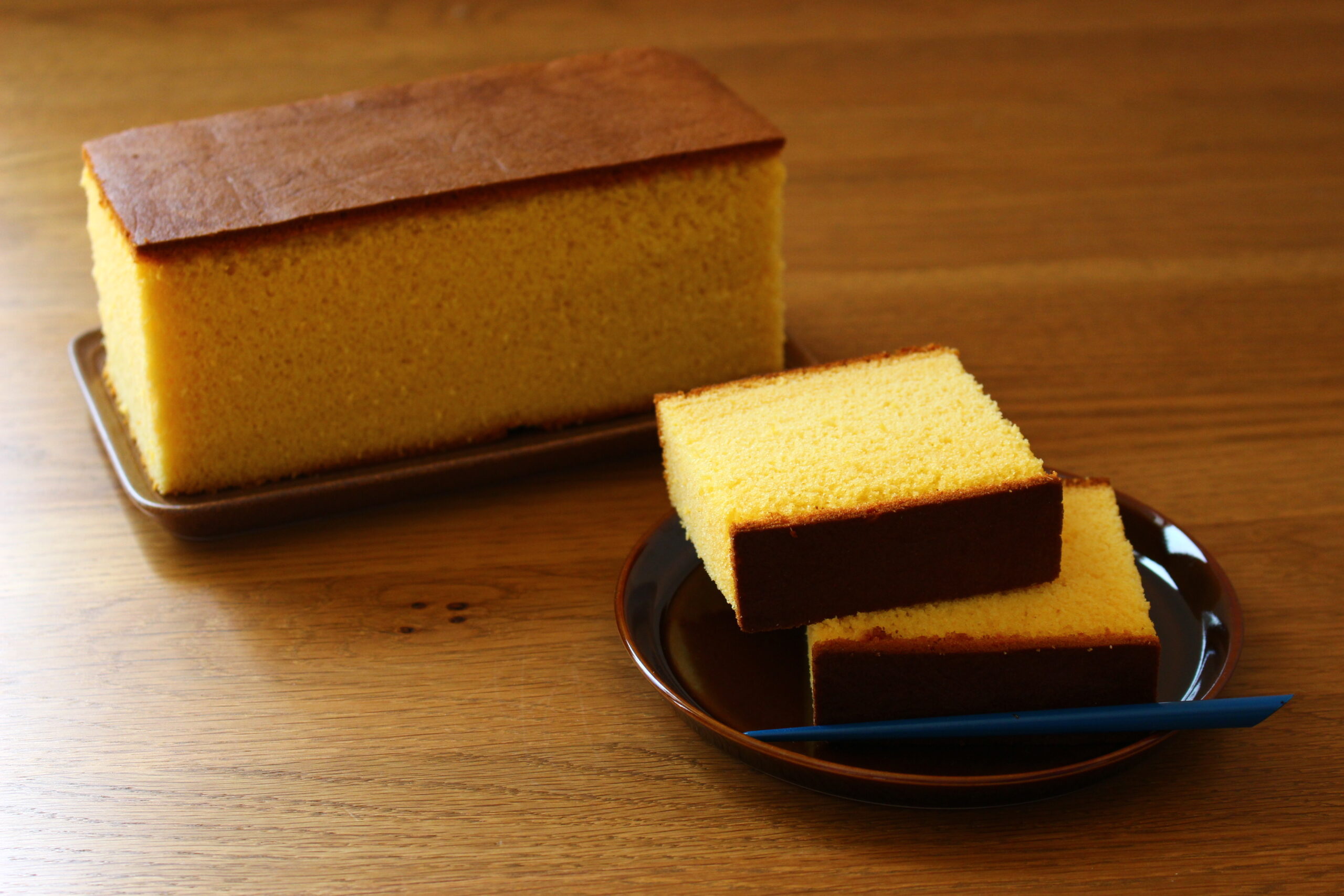
Miyagi
Top Miyagi souvenirs and must-visit travel spots — your complete guide for visitors to Japan. Matsushima’s 260 pine-cloaked islands have captivated poets for centuries — Miyagi blends Japan’s most celebrated coastal scenery with Sendai’s bold city energy.
260余りの松島が浮かぶ日本三景のひとつ・宮城。杜の都・仙台の活気と絶景の海が旅人を魅了します。
Miyagi centers on Sendai, the lively ‘City of Trees’, with Matsushima Bay’s pine-clad islets just up the coast. Its star souvenir is Sanzen’s Hagi no Tsuki — a soft sponge cake around custard cream that tops almost every Tohoku gift list — alongside zunda edamame treats and sasa-kamaboko. Sendai is also Japan’s gyutan capital. Sendai Station’s gift floor is the one-stop.
宮城の中心は活気ある杜の都・仙台、そのすぐ先に松島の島々。看板みやげは菓匠三全の「萩の月」——カスタードを包んだふんわりスポンジで、東北みやげの定番中の定番。ずんだ菓子や笹かまぼこも外せません。仙台は牛タンの本場でもあります。仙台駅のおみやげ売り場が一番のまとめ買いスポットです。
Recommended Omiyage
おすすめおみやげ 5選
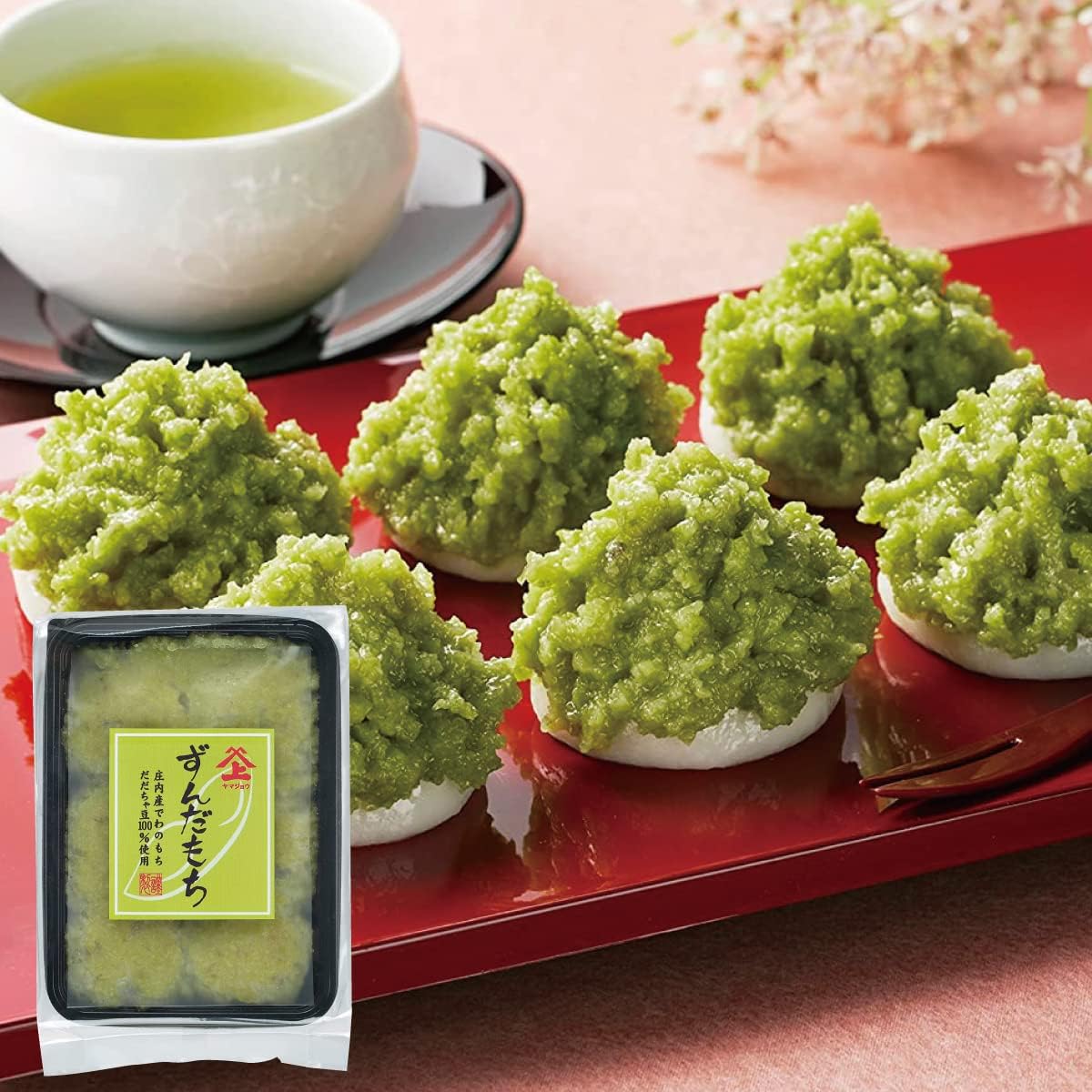
Zunda Mochi
Sendai’s most beloved sweet, zunda mochi is mochi rice cakes coated in a vibrant green paste made from boiled, mashed young soybeans (edamame) sweetened with sugar and a touch of salt. The flavor is uniquely savory-sweet with a fresh grassy aroma — completely unlike anything in Western cuisine. Zunda has been a Tohoku farmhouse staple since the Date clan era, but Sendai’s modern brands like Zundasaryo (in JR Sendai Station) have elevated it to gourmet status with zunda shakes, roll cakes, and ice creams. Take-home options include frozen packs (60-day shelf life) and shelf-stable individually wrapped versions, sold at JR Sendai Station and Sendai Airport.
仙台の名物甘味「ずんだ餅」は、若いえだ豆を茹でてすり潰し、砂糖と少しの塩で味付けした鮮やかな緑色のずんだあんで餅を絡めた逸品。塩気と甘み、青々とした豆の香りが絶妙にハーモニーを奏で、洋菓子では出会えない独特の魅力が広がります。伊達藩の時代から続く東北の農村食ですが、JR仙台駅構内の「ずんだ茶寮」をはじめとする現代ブランドが、ずんだシェイクやロールケーキなど斬新なメニューでブームを巻き起こしました。冷凍タイプ(賞味期限60日)や常温の個包装タイプが、JR仙台駅、仙台空港、市内の主要土産店で購入できます。
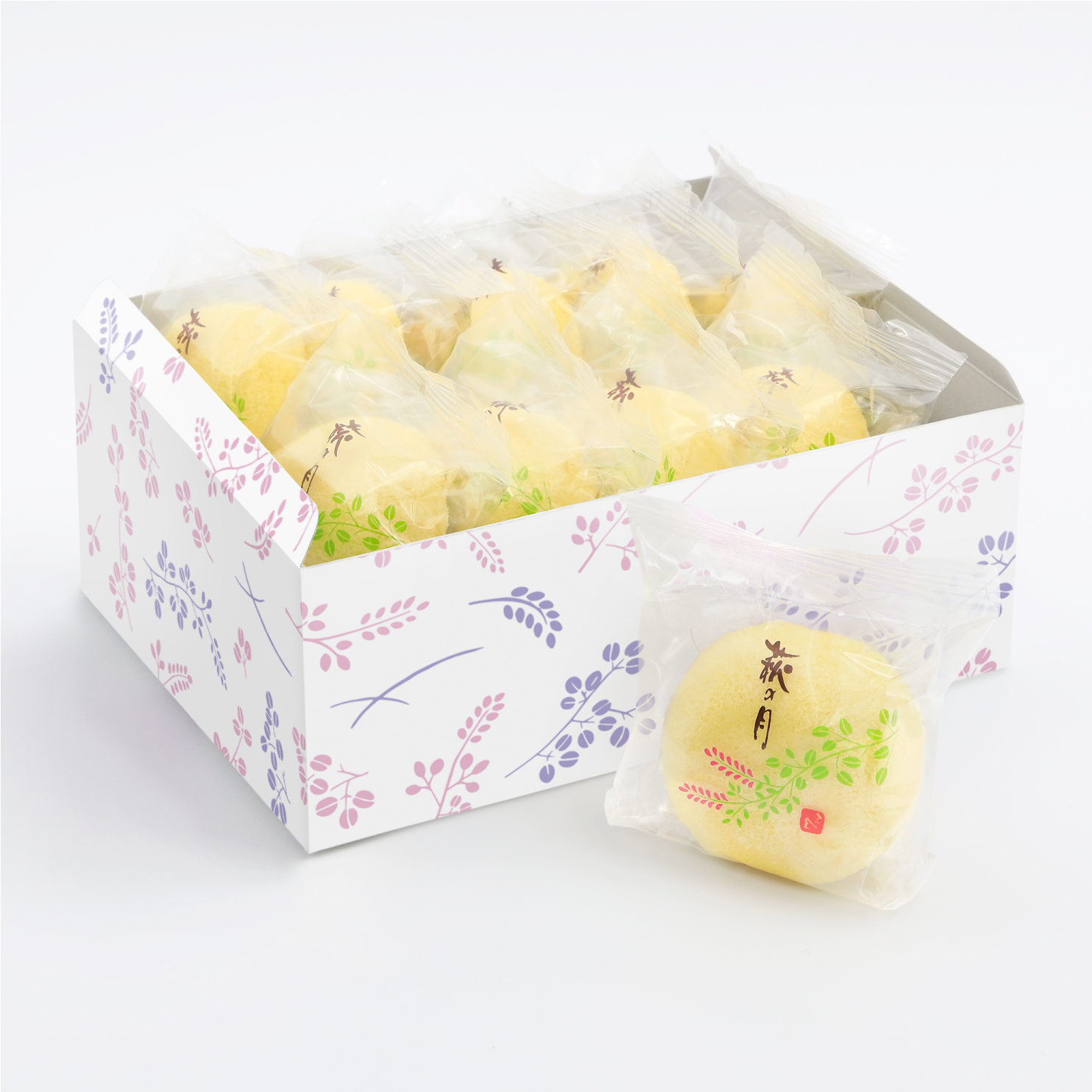
Hagi no Tsuki
Crafted by Kasho Sanzen since 1979, Hagi no Tsuki (“Moon over Bush Clover”) is a refined Sendai sweet — a fluffy castella sponge cake encasing rich, smooth custard cream, modeled after the harvest moon rising over Miyagi’s bush-clover fields. The dome-shaped cakes are individually wrapped, and their delicate yellow exterior gives way to a vanilla-scented yolk-yellow center that’s neither too sweet nor too rich. The original of the regional custard-cake genre now imitated all over Japan, Hagi no Tsuki is the quintessential Sendai gift. Boxes from a simple 5-pack (¥1,107) up to 20 pieces are available at JR Sendai Station, Sendai Airport, and Kasho Sanzen stores. Best within 14 days of purchase.
1979年に菓匠三全が生み出した仙台銘菓「萩の月」は、ふわふわのカステラ生地で濃厚なカスタードクリームを包み込んだ上品な逸品。宮城の秋の風景・萩の咲く野原に昇る満月をイメージしてデザインされました。一つずつ丁寧に個包装され、淡い黄色の外皮を割ると、バニラの香り漂う黄身色のクリームがとろりと現れます。全国に広がる「ご当地カスタード菓子」の元祖的存在とも言われます。JR仙台駅、仙台空港、菓匠三全直営店で簡易箱5個入り(1,107円)から化粧箱20個入りまで購入可能。賞味期限は14日とお土産として最適です。
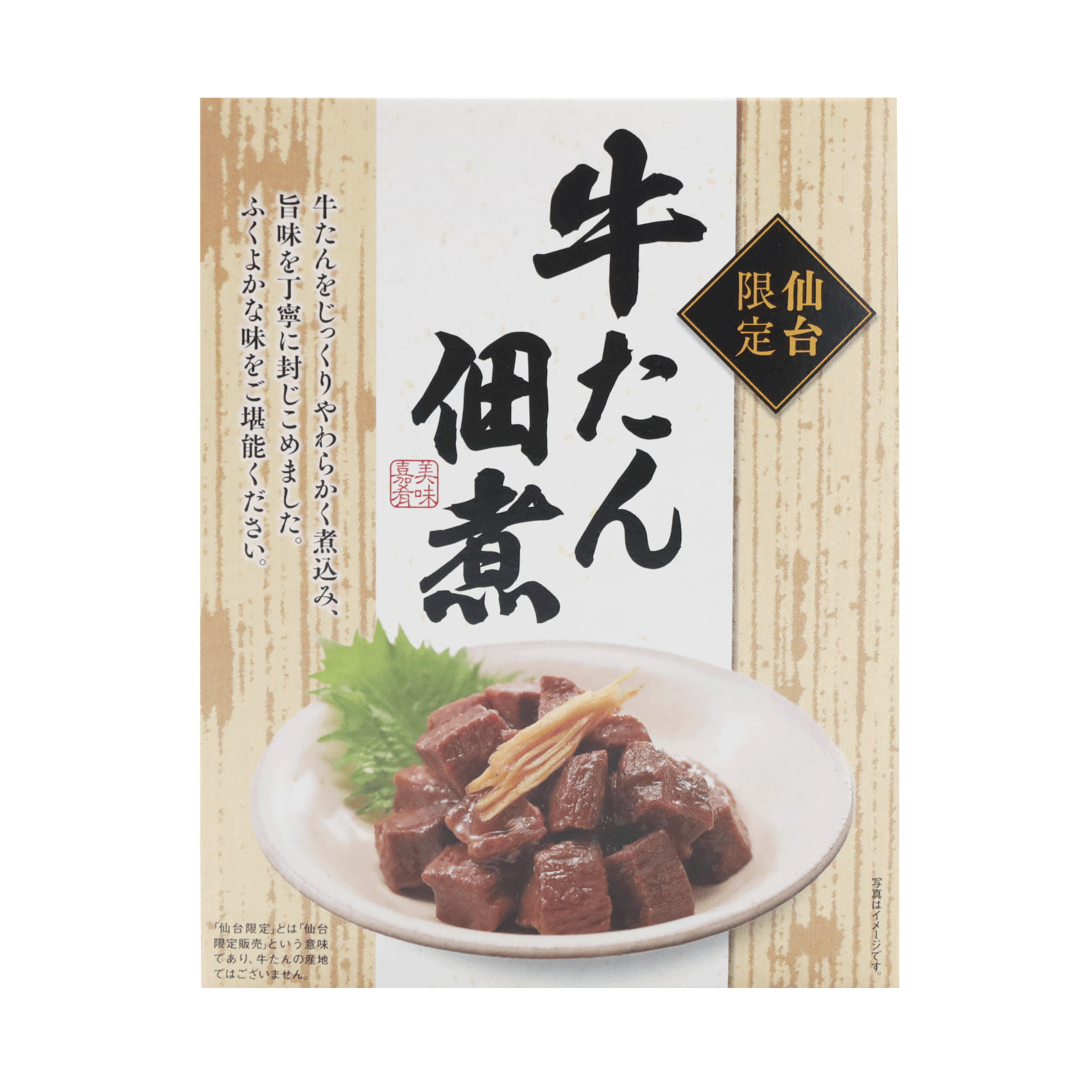
Gyutan Shigure-ni
Sendai’s signature dish is gyutan (charcoal-grilled beef tongue), served sliced thick with rice, beef-tail soup, and pickles. For a portable souvenir version, gyutan shigure-ni — beef tongue simmered slowly with soy sauce, sake, ginger, and miso — captures the smoky, umami-rich flavor in a shelf-stable form perfect for rice or beer accompaniment. Premium names include Rikyu and Kisuke — plus Aji Tasuke, the 1948 originator of the dish — and vacuum-packed shigure-ni is sold at JR Sendai Station shops. Some versions are slightly spicy with Sansho pepper, others are mild and family-friendly. Pair with onigiri, ochazuke (rice in tea), or as a luxurious bento topping. Refrigerate after opening.
仙台名物といえば「牛タン」。分厚くスライスした牛タンを炭火で焼き、麦飯、テールスープ、漬物と共にいただく定番メニューです。お持ち帰り用には「牛たんしぐれ煮」が最適。牛タンを醤油、酒、生姜、味噌でじっくり煮込み、香ばしい風味と濃厚な旨味を保存可能な形にした逸品です。「利久」「喜助」、そして元祖「味太助」(1948年創業)など名店が腕を競い、真空パックのしぐれ煮はJR仙台駅構内の土産店で広く購入可能。山椒のピリッとした辛さ系、お子様も食べやすいまろやか系などバリエーションも豊富。おにぎり、お茶漬け、お弁当の具材としても重宝します。開封後は要冷蔵。
Sasa-Kamaboko
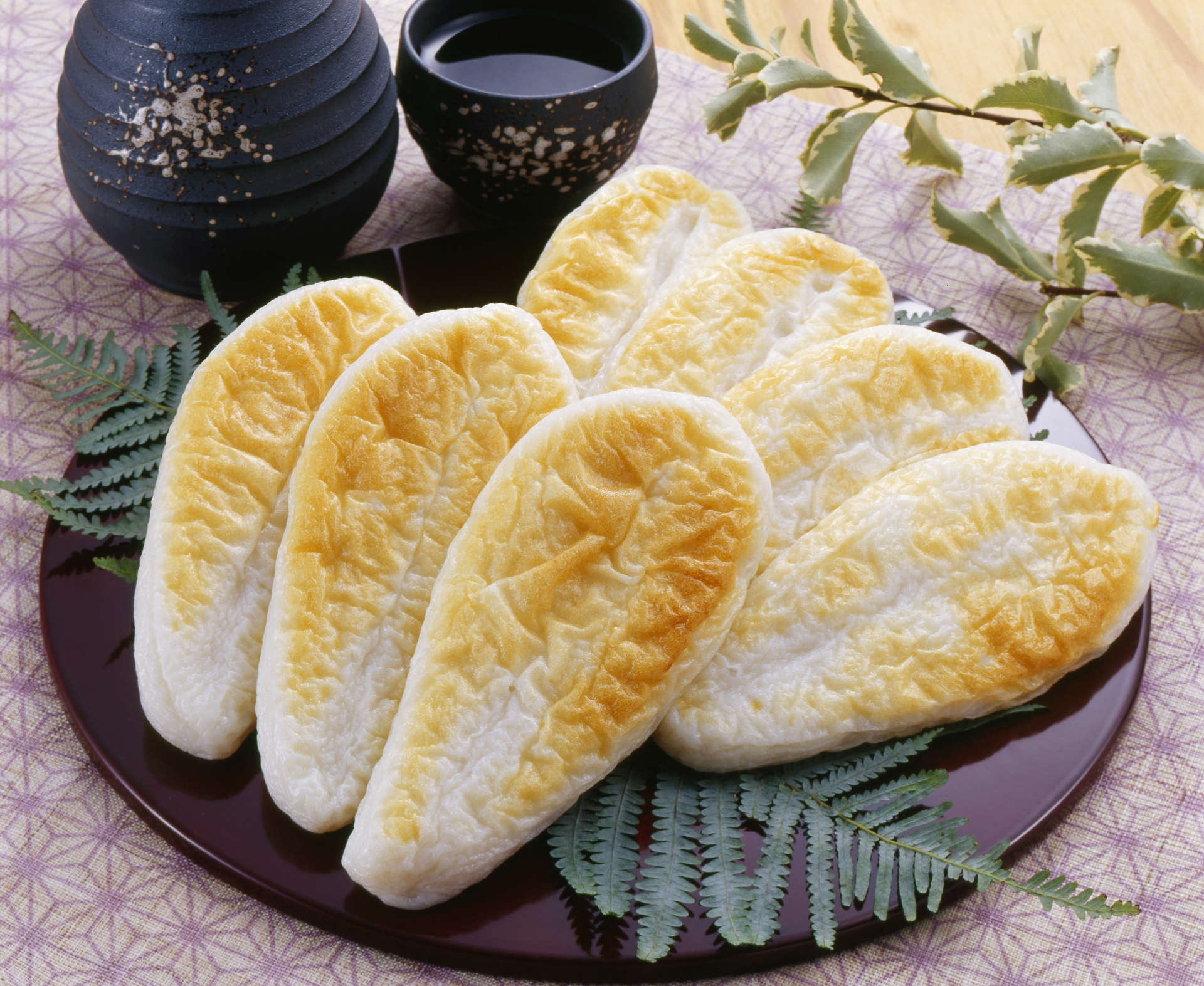
If there is one Sendai souvenir locals would grab first, it is sasa-kamaboko — bamboo-leaf-shaped fish cakes grilled to a gentle golden brown, said to have originated in the Meiji era as a way to use up bumper flounder catches. The name was coined by Abe Kamaboko (founded 1935), after the bamboo of the Date family crest; rivals Shiraken (founded 1912 in Ishinomaki) and Kanezaki each have devoted fans, and all three run shops inside JR Sendai Station. Eat one warm off the grill — some shops let you toast your own — then take home a boxed set. With its bouncy texture and clean flavor, it pairs with everything from beer to morning rice. Refrigerate; best within about 7 days.
地元民が真っ先に選ぶ仙台土産といえば「笹かまぼこ」。笹の葉形の蒲鉾を香ばしく焼き上げた逸品で、明治時代にヒラメの大漁を保存するために生まれたと伝わります。名付け親は阿部蒲鉾店(1935年創業)で、笹は伊達家の家紋「竹に雀」に由来。石巻の白謙(1912年創業)、鐘崎など名店が腕を競い、いずれもJR仙台駅構内に店舗があります。店頭で焼きたてを頬張るもよし(手焼き体験ができる店も)、化粧箱でお土産にするもよし。ぷりっとした食感と上品な旨味は、ビールにも朝ごはんにも合います。要冷蔵・賞味期限は約7日。
Matsushima Kouren
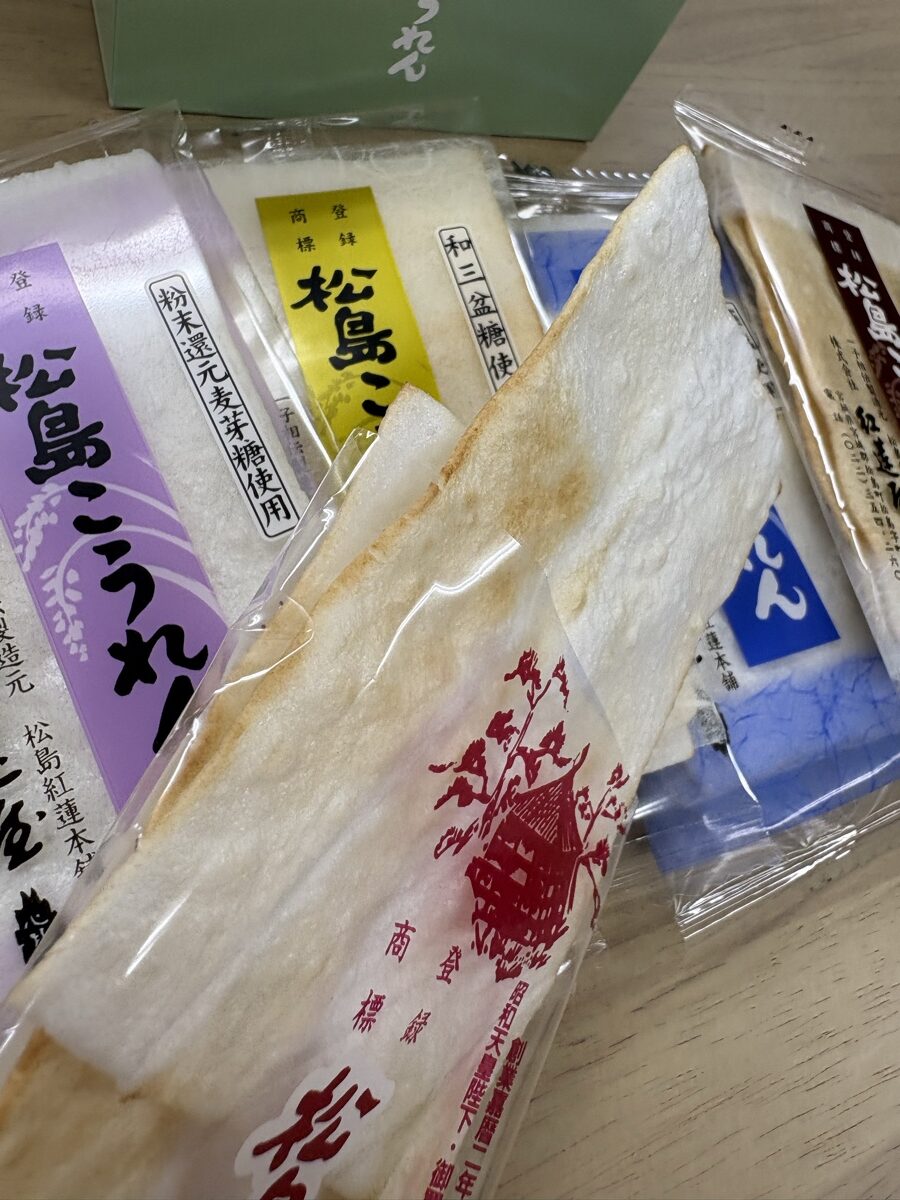
Sold a stone’s throw from the bay at Kourenya Shingetsuan — a shop said to have been founded in 1327 and run by a single family line for nearly 700 years — Matsushima Kouren are delicate rice crackers made from nothing but Sasanishiki rice, sugar and salt. Lightly pressed and baked, they are crisp at the edge, faintly sweet, and melt away cleanly — a taste that has barely changed since medieval pilgrims bought them on the way to Zuiganji. Single packs (2 crackers) start at ¥216, with assortments up to ¥1,566; the shop sits on the main tourist street near the temple approach. Additive-free, so buy them fresh and enjoy soon.
松島海岸の観光通りに店を構える「紅蓮屋心月庵」は、1327年(嘉暦2年)創業と伝わる老舗。一子相伝でおよそ700年受け継がれてきた米菓「松島こうれん」は、ササニシキ・砂糖・塩だけで作る無添加の薄焼きせんべいです。ほのかな甘さとサクッと軽い口どけは、瑞巌寺参拝の旅人たちが愛した味そのまま。バラ(2枚入り)216円から、詰め合わせは1,566円まで。保存料不使用なので、できたてを買って早めに味わうのがおすすめです。
The first thing that hit me when I took it out of the box: it’s so light — and incredibly thin, I was half afraid it would snap in my hands. Each pack holds two crackers, and thin as they are, they’re beautifully, evenly baked; you can feel the craftsmanship just looking at them. The texture is as gentle as it looks, and the flavor is strangely nostalgic — like something I ate as a child but can’t quite place. Honestly? I underestimated this one. It’s a far more elegant, distinctly Japanese sweet than it looks. Pick it as a gift and you’ll look like you know what you’re doing.
梱包から出して手に取った瞬間、「軽っ!」。めちゃくちゃ薄くて、今にも割れそうなせんべいです。封を開けると2枚入り。こんなに薄いのに焼き上がりが綺麗で、見ているだけで職人の技を感じます。食べてみると見た目どおりの優しい食感で、どこか懐かしい味——幼い頃に食べた記憶があるような、不思議なお菓子でした。正直、舐めてたわ。見た目以上に「日本ならでは」の上品なお菓子で、贈答品に選んだらセンスあると思います。
Must-Visit Spots
おすすめスポット 5選
Matsushima Bay
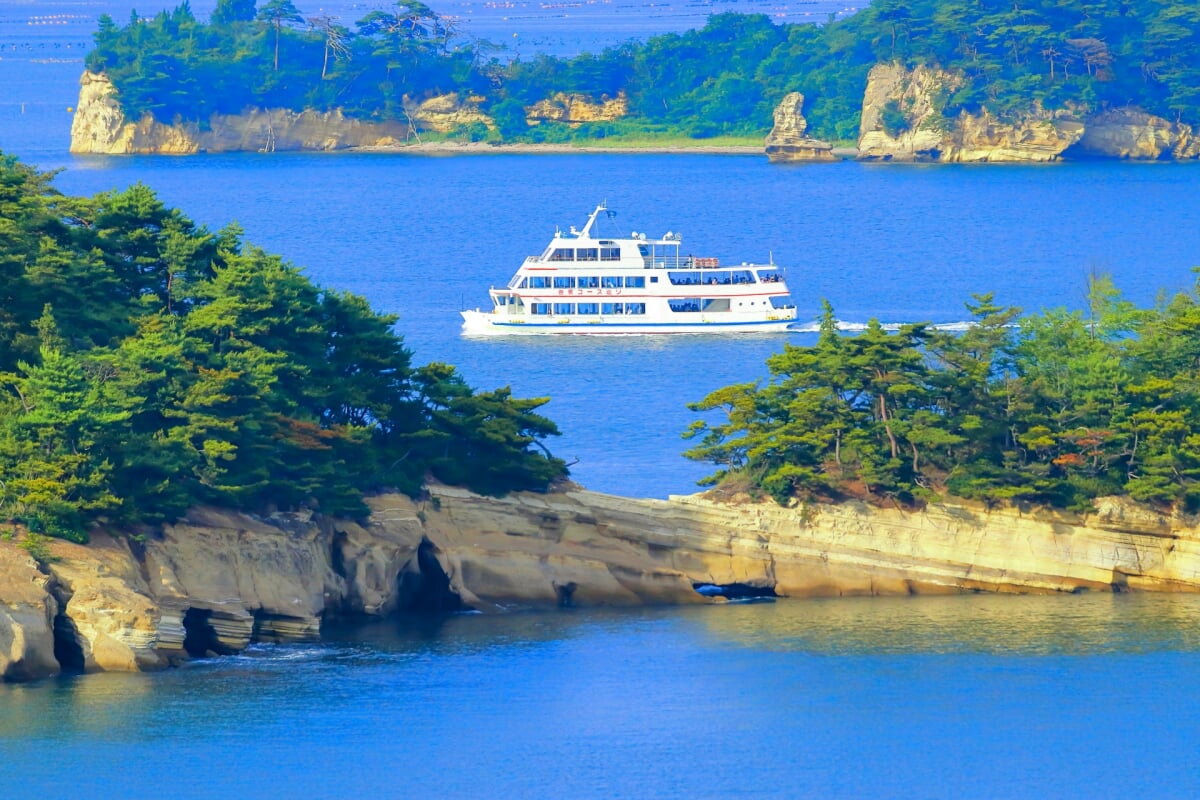
Designated one of Japan’s Three Most Scenic Views (Nihon Sankei) since the 17th century, Matsushima Bay is a constellation of 260+ pine-covered islands floating on a calm inland sea. A famous verse — Matsushima ah! Matsushima ah! Matsushima ah! — is popularly attributed to haiku master Basho (it was actually penned by a later Edo poet), and visitors today still struggle to find better words. Take a 50-minute sightseeing cruise to weave between the islands, walk the iconic red Fukuura-bashi bridge (¥200 toll) for a moment of solitude, and visit Godaido Pavilion at sunrise for postcard views. The Kanrantei teahouse (¥300, matcha sets from ¥600) offers Edo-era vibes — a tea pavilion said to have been gifted by Hideyoshi to Date Masamune. About 40 minutes from JR Sendai Station to Matsushima-Kaigan Station via the Senseki Line.
17世紀から日本三景の一つに数えられる松島湾は、260余りの松に覆われた島々が穏やかな内海に浮かぶ絶景。「松島やああ松島や松島や」の句で知られる景勝地(芭蕉作と伝えられがちですが、実際は後世の狂歌師・田原坊の作とされます)で、訪れる人は今もその美しさに言葉を失います。約50分の遊覧船で島々の間を縫うように巡る船旅、観光のシンボル「福浦橋」(通行料200円)を渡って静寂の小島へ、五大堂は日の出時刻に訪れれば絵葉書のような絶景が楽しめます。観瀾亭(観覧料300円・抹茶セット600円〜)は秀吉から拝領と伝わる茶室で風情満点。JR仙台駅から仙石線で松島海岸駅まで約40分とアクセス良好です。
Zuiganji Temple
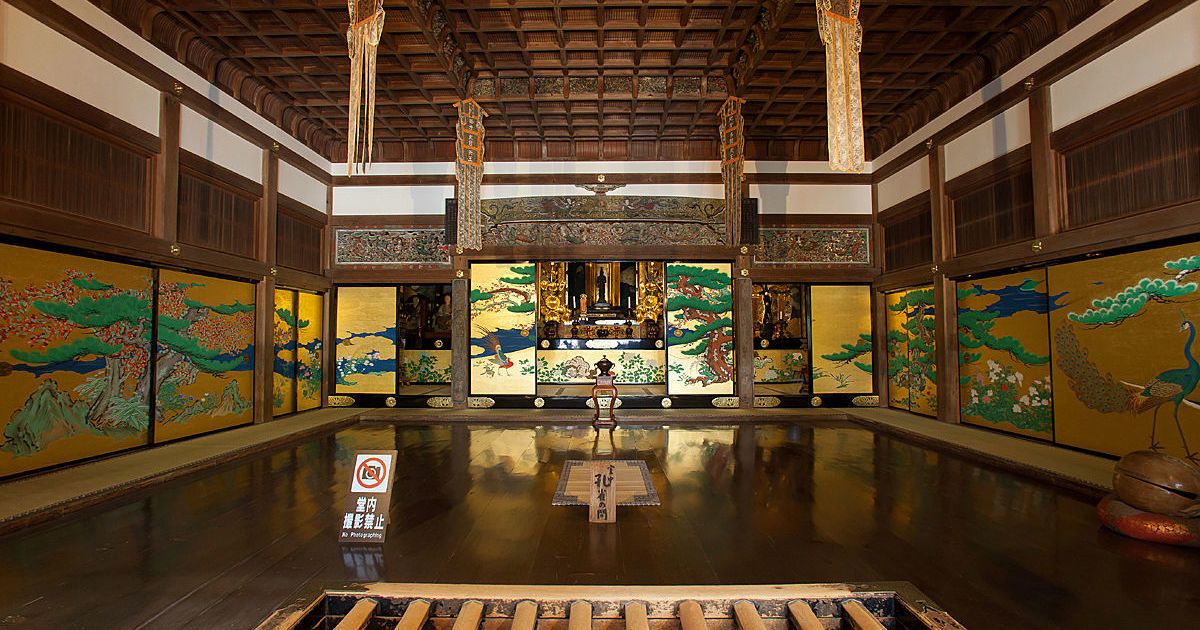
The grandest Zen temple in Tohoku, Zuiganji was rebuilt by Date Masamune between 1604 and 1609 — the legendary one-eyed warlord and founder of Sendai — as the Date clan’s family temple. The path to the main hall passes cedars old and newly replanted — hundreds were lost to salt damage after the 2011 tsunami — and rows of carved caves once used for memorial rites. The Honden (main hall, a designated National Treasure) features lavish gold-leaf walls, intricately carved transoms, and beautifully preserved tatami rooms used by visiting samurai lords. Just steps from Matsushima Bay, Zuiganji pairs naturally with the bay cruise. The lantern festival in mid-August and autumn light-up from late October — during August’s Bon period and autumn’s maple peak (mid-November) are particularly magical.
東北随一の格式を誇る臨済宗の禅寺・瑞巌寺は、1604年から5年をかけて伊達政宗が伊達家の菩提寺として再建した古刹。本堂への参道には杉並木(2011年の津波の塩害で多くが伐採され、若木で再生中)が続き、供養の場として使われた洞窟遺跡群が両脇に並びます。国宝指定の本堂は、豪華な金箔張りの障壁画、繊細な欄間彫刻、来訪する大名たちが使用した格式高い書院造の間と見どころ満載です。松島湾の遊覧船乗り場から徒歩圏内で、湾めぐりとセットで訪れるのが王道。8月中旬の「松島流灯会 海の盆」や、10月下旬〜11月下旬の紅葉ライトアップの時期には、いっそう幻想的な雰囲気に包まれます。
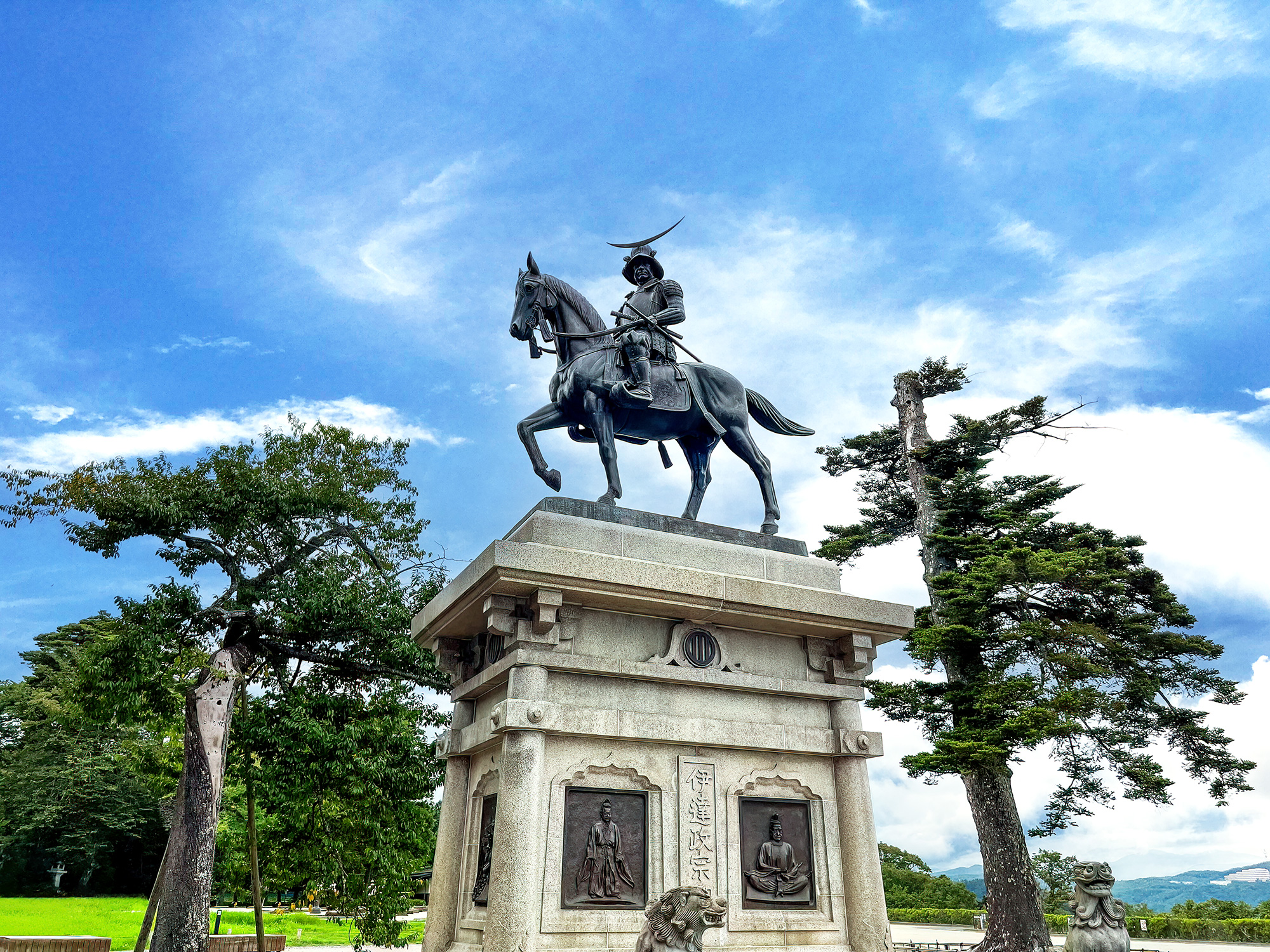
Sendai Castle Ruins
Date Masamune built Sendai Castle (also called Aoba-jo) on a hilltop overlooking the city in 1601, choosing the location for its commanding views and natural defenses. While the original keep was destroyed in WWII, the impressive stone foundation walls, the rebuilt Otemon main gate, and the dramatic equestrian statue of Masamune himself — pointing toward the Pacific in his iconic crescent-moon helmet — make for one of Sendai’s most evocative spots. The on-site Aoba Castle Museum displays armor of Date retainers, plus a CG theater and VR experience bringing the lost castle back to life. Sunset over Sendai’s skyline and the distant Pacific is unforgettable. Loople Sendai bus access from JR Sendai Station.
1601年に伊達政宗が築城した仙台城(青葉城)は、市街地と太平洋を見下ろす丘陵に位置し、その絶景と天然の要害ぶりが選定理由でした。仙台城にはそもそも天守が築かれず(家康への配慮と伝わります)、大手門は1945年の空襲で焼失し現在も未再建(再建済みは脇櫓のみ)。それでも壮大な石垣と、三日月の兜をかぶり城下を見下ろす政宗騎馬像(2022年の地震で損傷し2023年に修復帰還)は仙台のシンボル的存在です。城跡の青葉城資料展示館では、伊達家家臣の甲冑や、消失した本丸をCGシアター・VRで再現する映像が観賞できます(政宗本人の黒漆五枚胴具足は仙台市博物館所蔵)。夕日に染まる仙台市街と遠くの太平洋の絶景は格別。JR仙台駅から「るーぷる仙台」バスで簡単アクセス。
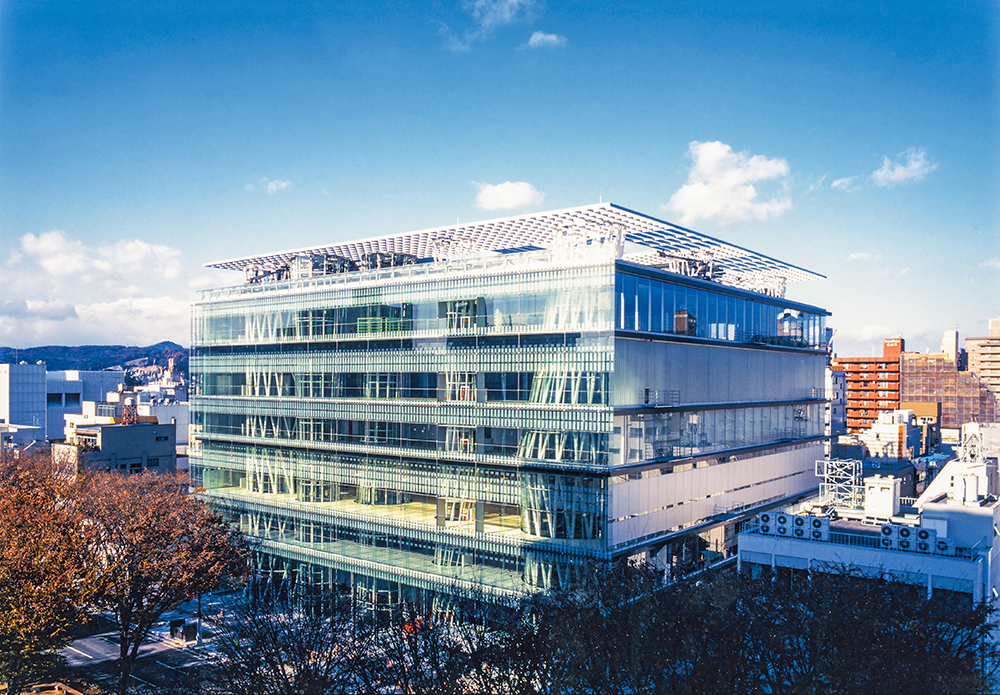
Sendai Mediatheque
Designed by Pritzker Prize-winning architect Toyo Ito and opened in 2001, Sendai Mediatheque is a globally-celebrated piece of contemporary architecture — seven floors held up by 13 spiraling steel-tube “trees” that resemble underwater seaweed. The building houses Sendai City Library, art exhibition spaces, a film archive, and a free open-plan study area where students mix with travelers. Beyond architecture, the rotating exhibitions and art events make it a living cultural hub. The ground-floor Open Square hosts events year-round, and the cafe pours quality coffee. Free admission to most spaces. A 7-minute walk from Kotodai-Koen subway station (3 minutes by subway from JR Sendai Station), on the leafy Jozenji-dori avenue. Check the website for current exhibitions.
2001年に開館したせんだいメディアテークは、プリツカー賞建築家・伊東豊雄が設計した世界的に有名な現代建築の傑作。鋼管を絡ませた13本の螺旋状の「チューブ」が7層の床面を支える独特の構造は、まるで海底の海藻のような有機的な美しさ。仙台市民図書館、現代美術ギャラリー、映像メディア・アーカイブ、学生と旅人が交流する開放的な学習スペースが入居しています。建築だけでなく、定期的に開催される企画展や芸術イベントによって生きた文化拠点として機能しているのも魅力。1階の開放的な「オープンスクエア」、カフェの本格コーヒーも◎。地下鉄勾当台公園駅から徒歩7分(仙台駅から地下鉄3分)、定禅寺通り沿い。多くのエリアは無料開放。
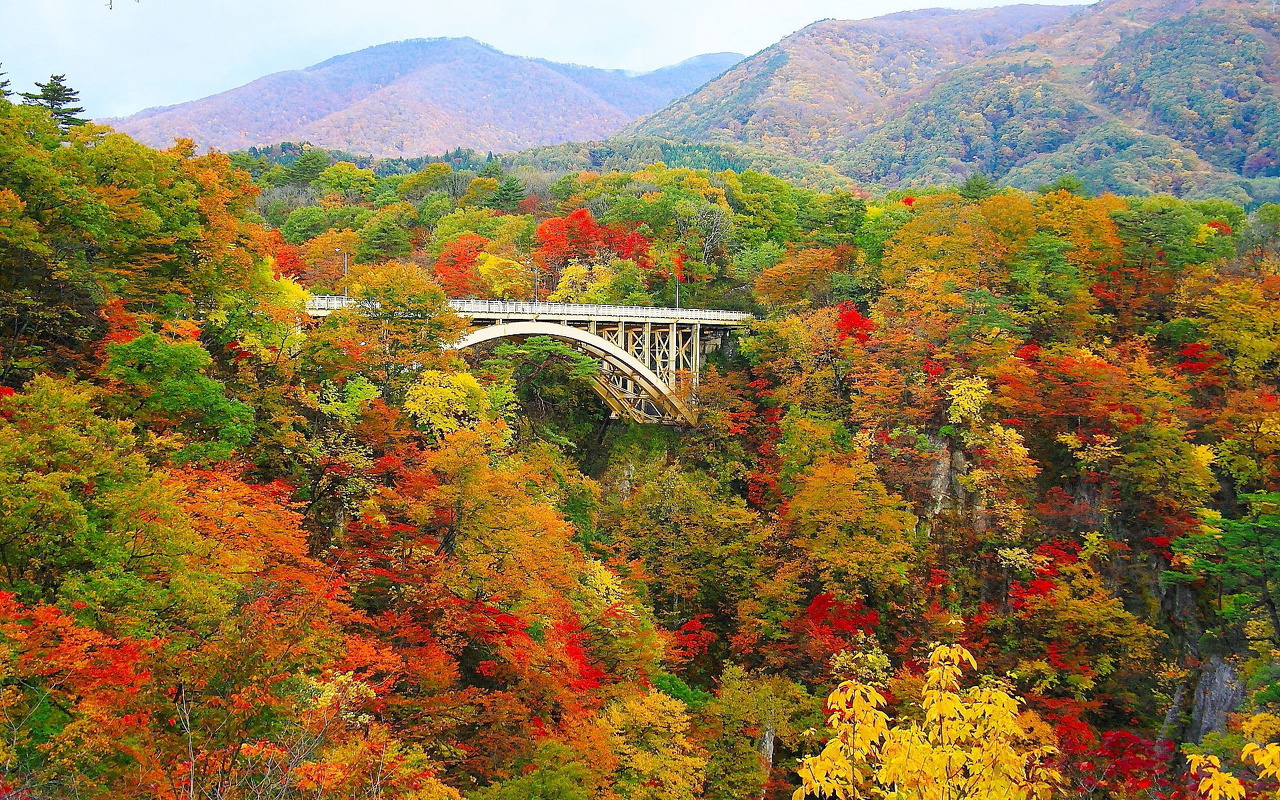
Naruko Onsen Gorge
Carved by the Oya River, a tributary of the Eai, through layers of volcanic rock, Naruko Gorge is one of Tohoku’s most dramatic autumn-foliage destinations. From late October through early November, the cliffs explode with reds, oranges, and golds reflecting in the river below — best viewed from the famous Ofukazawa Bridge or the cliffside walking trail. The gorge sits adjacent to Naruko Onsen, a 1,000-year-old hot spring town producing nine of Japan’s eleven recognized spring types in one location. Stay at a traditional ryokan, soak in milky sulfur waters, and enjoy local kokeshi doll workshops — Naruko is one of the three cradles of the kokeshi doll tradition — its dolls squeak charmingly when you turn their heads. From JR Naruko-Onsen Station, the gorge is a 10-minute drive (seasonal shuttle buses run in foliage season).
鳴子峡は江合川の支流・大谷川が火山岩を浸食して作り上げた東北屈指の紅葉絶景スポット。10月下旬〜11月上旬には断崖が赤・橙・黄に染まり、川面に映る色彩が圧巻の景観を生み出します。最も有名なビュースポットは大深沢橋、断崖沿いの遊歩道もハイカーに人気です。隣接する鳴子温泉は1,000年の歴史を持ち、日本に11ある泉質のうち9種類がこの一帯で湧き出すという全国的にも稀な温泉地。伝統旅館でじっくり湯治、乳白色の硫黄泉でリラックス、地元名物「鳴子こけし」の絵付け体験も。鳴子は伝統こけし三大発祥地の一つで、首を回すとキイキイ鳴る鳴子こけしで知られます。JR鳴子温泉駅から車で約10分(紅葉期は臨時バスあり)。
Insider Tips
現地通の旅の裏ワザ
The Gyutan-dori on Sendai Station 3F draws hour-long lunch queues. Eat before 11:30 or after 14:00 — or walk 10 minutes to the same chains in the city center.
仙台駅3F「牛たん通り」は昼時に大行列。11時半前か14時以降を狙うか、中心部の同チェーン支店へ。
The ‘three best views’ Matsushima peaks at early morning (mist + sunrise) or after typhoons (clear water). Midday photos disappoint.
日本三景の松島は早朝(霧+朝日)か台風後(透明度UP)がベスト。日中撮影は期待外れ。
Frequently Asked Questions
What is ‘gyutan’ and where should I try it?
Gyutan (牛タン) is thick-cut grilled beef tongue, a Sendai specialty. Rikyu (the biggest chain), Kisuke, and 1948 originator Aji Tasuke all have branches in or near Sendai Station.
牛タンは厚切り牛の舌の炭火焼き。仙台駅周辺の利久・喜助、元祖の味太助が定番。
How do I get to Matsushima from Sendai?
JR Senseki Line from Sendai to Matsushima-kaigan Station takes about 40 minutes. Alternatively, sightseeing boats depart from Shiogama Port.
仙台からJR仙石線で松島海岸駅まで約40分。塩竈から遊覧船も便利。
When is the Sendai Tanabata Festival?
Sendai Tanabata is held August 6–8 and is Japan’s largest Tanabata festival, featuring enormous bamboo decorations throughout the city center.
仙台七夕は8月6〜8日。日本最大の七夕祭りで、街全体が豪華な飾りで彩られます。
Travel Tip
Get the ‘Loople Sendai’ sightseeing bus day pass (¥630) to visit Zuihoden Mausoleum, Sendai Castle Ruins and the Mediatheque in a single loop (the zoo requires the ¥920 bus+subway combo pass). Buy at Sendai Station tourist info.