Nagasaki
Top Nagasaki souvenirs and must-visit travel spots — your complete guide for visitors to Japan. Where Japan first opened its doors to the world — Nagasaki’s layered history of trade, tragedy and resilience creates one of Japan’s most emotionally powerful travel experiences.
日本が世界に扉を開いた地・長崎。異国文化と平和への祈りが交差する、心に刻まれる旅。
Nagasaki was Japan’s only window to the world during the isolation era, and that shows in its food and faith — Chinatown, Glover Garden, and the deeply moving Peace sites. The classic souvenir is castella sponge cake (Fukusaya, Bunmeido), with yori-yori twisted cookies and Iwasaki’s kakuni-manju pork buns. Castella keeps well. Nagasaki Station carries them.
長崎は鎖国期に唯一世界へ開いた窓で、食も信仰も独特——中華街、グラバー園、そして心に残る平和の地。定番みやげはカステラ(福砂屋・文明堂)、よりより、岩崎本舗の角煮まんじゅうも。カステラは日持ちします。長崎駅で揃います。
Recommended Omiyage
おすすめおみやげ 5選
Castella
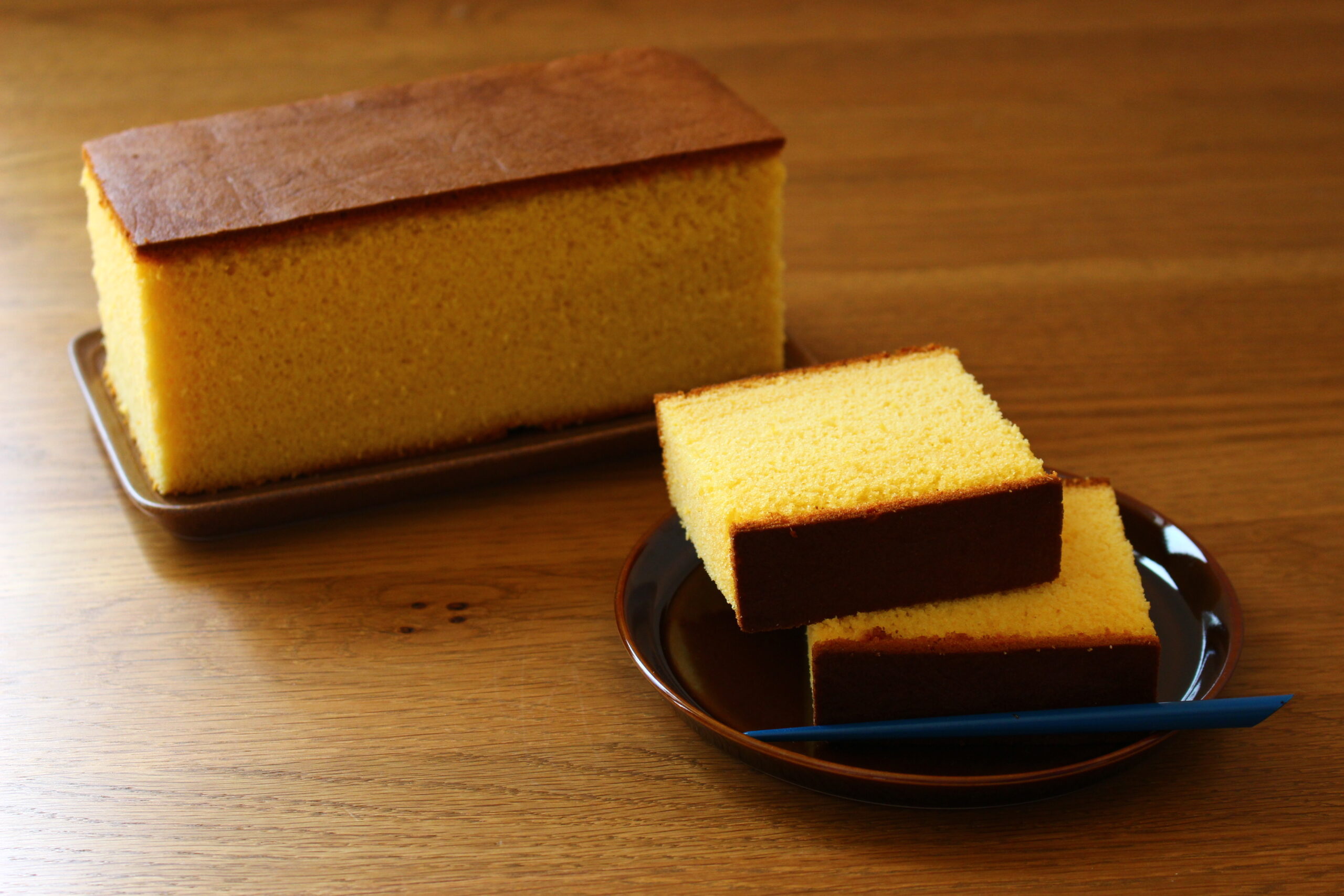
Castella is Nagasaki’s most beloved confection and one of Japan’s most iconic gift cakes — a moist, golden-yellow sponge cake with a tender crumb and a thin caramelized sugar layer at the bottom. The cake originated in 16th-century Nagasaki when Portuguese traders introduced their pao de Castela to Japanese sweet-makers, who then refined the recipe over centuries. Modern Nagasaki Castella is made from premium eggs, sugar, flour, and a touch of water — no butter, no oil — creating a uniquely light yet rich texture that melts in the mouth. Top makers include Bunmeido (founded 1900) and Fukusaya (founded 1624), both with elegant traditional packaging. Boxed gift versions in 6, 12, or 24 slices are sold at JR Nagasaki Station, Nagasaki Airport, and major Kyushu depachika. Best within 14 days. Pair with strong matcha or hojicha tea.
「カステラ」は長崎を代表する最愛の銘菓——日本で最もアイコニックなギフトケーキの一つで、しっとりとした黄金色のスポンジに繊細な口溶け、底面のキャラメル化した薄い砂糖層が特徴です。ケーキは16世紀のポルトガル商人が日本にもたらしたパオ・デ・カステラを、長崎の菓子職人たちが何世紀にもわたって独自に進化させた歴史を持ちます。現代の長崎カステラは、上質な卵、砂糖、小麦粉、少量の水のみを使い(バターも油も不使用)、独特の軽さと豊かさを併せ持つ口溶けの良い食感を実現します。代表メーカーは1900年創業の「文明堂」、1624年創業の「福砂屋」など、優雅な伝統パッケージで展開。6切れ、12切れ、24切れ入りの化粧箱がJR長崎駅、長崎空港、九州の主要デパ地下で販売。賞味期限約14日。濃いめの抹茶やほうじ茶との相性が格別。
Yori-Yori (Mahua)
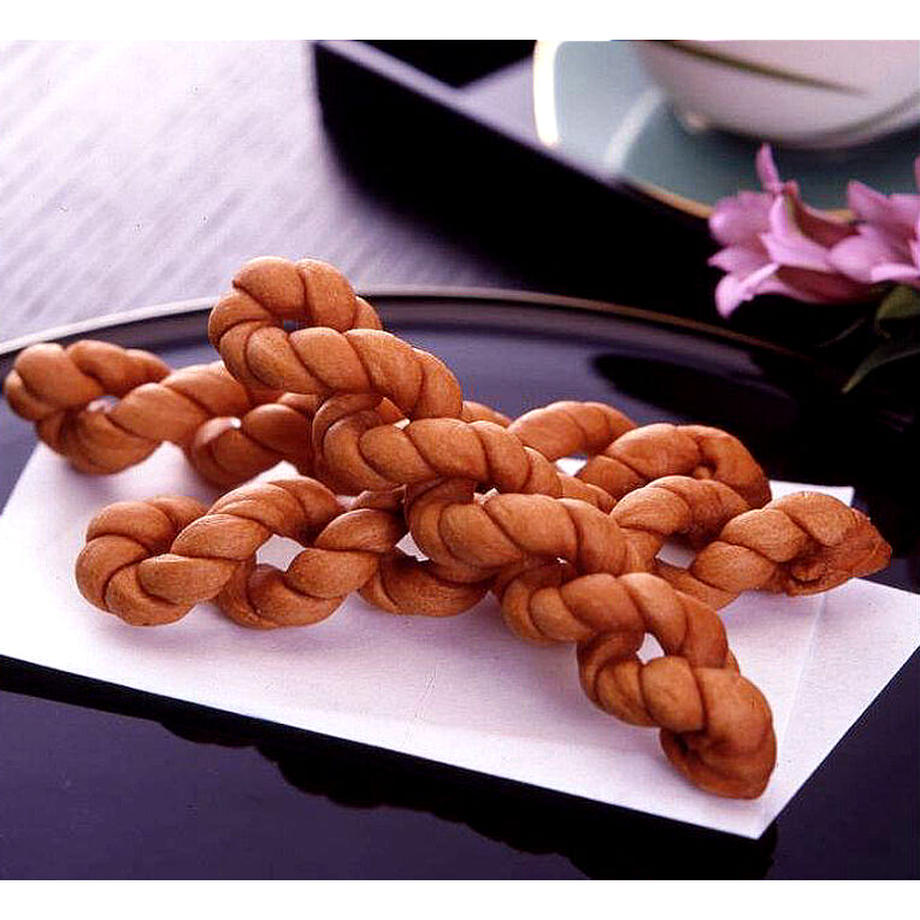
Yori-Yori (also called mahua) is a Chinese-style twisted, deep-fried dough confection that became a Nagasaki and Sasebo specialty by way of the city’s Chinatown. Two strands of lightly sweet dough are braided together and fried until hard and crunchy — it’s famously firm, so you snap off bite-size pieces. Brought by Chinese settlers in the Edo period, it’s sold by long-established Chinatown confectioners such as Soshurin, Fukken and Banjun. A bag of the golden braids makes a fun, distinctive souvenir. Best within 14 days.
「よりより(麻花兒・マファール)」は、長崎新地中華街から広まった中国由来のねじり揚げ菓子——2本の生地をよじって編み込み、固くカリッとするまで揚げた、ほんのり甘い唐人菓子です。とても硬いことで有名で、折りながら食べるのが定番。江戸時代に中国からの渡来人が伝え、蘇州林・福建・萬順など新地中華街の老舗菓子店が手がけます。黄金色のねじり菓子は、ユニークで楽しいお土産。賞味期限約14日。
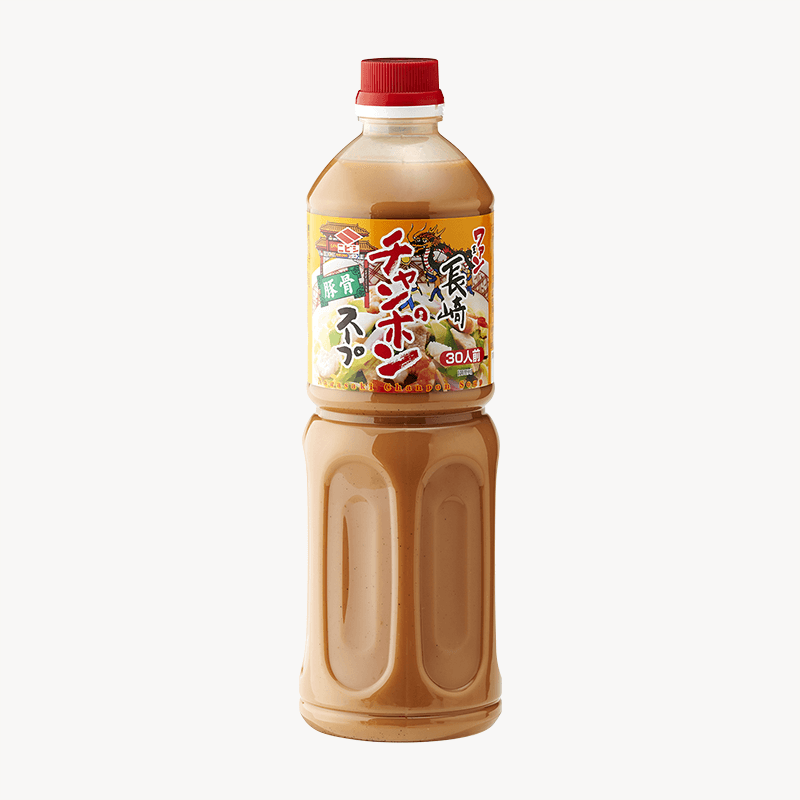
Nagasaki Champon Soup Base
Champon is Nagasaki’s most beloved local dish — a hearty noodle soup featuring chicken-and-pork bone broth, thick wheat noodles, and an extraordinary mountain of toppings including fresh seafood (squid, shrimp, scallops), pork belly, kamaboko fish cake, cabbage, beansprouts, and other vegetables. The dish was created in 1899 by a Chinese immigrant named Chen Ping Shun at the famous Nagasaki Shikairou restaurant, then evolved into Nagasaki’s signature culinary identity. The take-home champon soup base — a rich, umami-packed concentrate — lets you recreate the broth at home. Just add it to noodles with your choice of seafood and vegetables. Top brands include Shikairou (the original) and Nagasaki Champon Honpo. Available at JR Nagasaki Station, Nagasaki Airport, and major Kyushu depachika. Best within 60 days unopened.
「ちゃんぽん」は長崎県を代表する最愛の郷土料理——鶏と豚の骨を煮込んだ濃厚なスープに、太いうどん風の麺、そして驚くべき種類の具材(イカ、エビ、ホタテなどの新鮮魚介、豚バラ、かまぼこ、キャベツ、もやしなどの野菜)を山盛りに載せた満足感満点の麺料理です。料理は1899年に中国移民の陳平順(チンヘイジュン)が長崎の名店「四海樓(しかいろう)」で創作し、その後、長崎のシグネチャーとして進化を遂げました。「ちゃんぽんスープ」は、濃厚で旨味たっぷりの濃縮スープの素で、家庭であの味を再現できる逸品。麺と好みの魚介・野菜を加えるだけ。代表ブランドは「四海樓」(オリジネーター)「長崎ちゃんぽん本舗」など。JR長崎駅、長崎空港、九州の主要デパ地下で広く販売。未開封で賞味期限約60日。
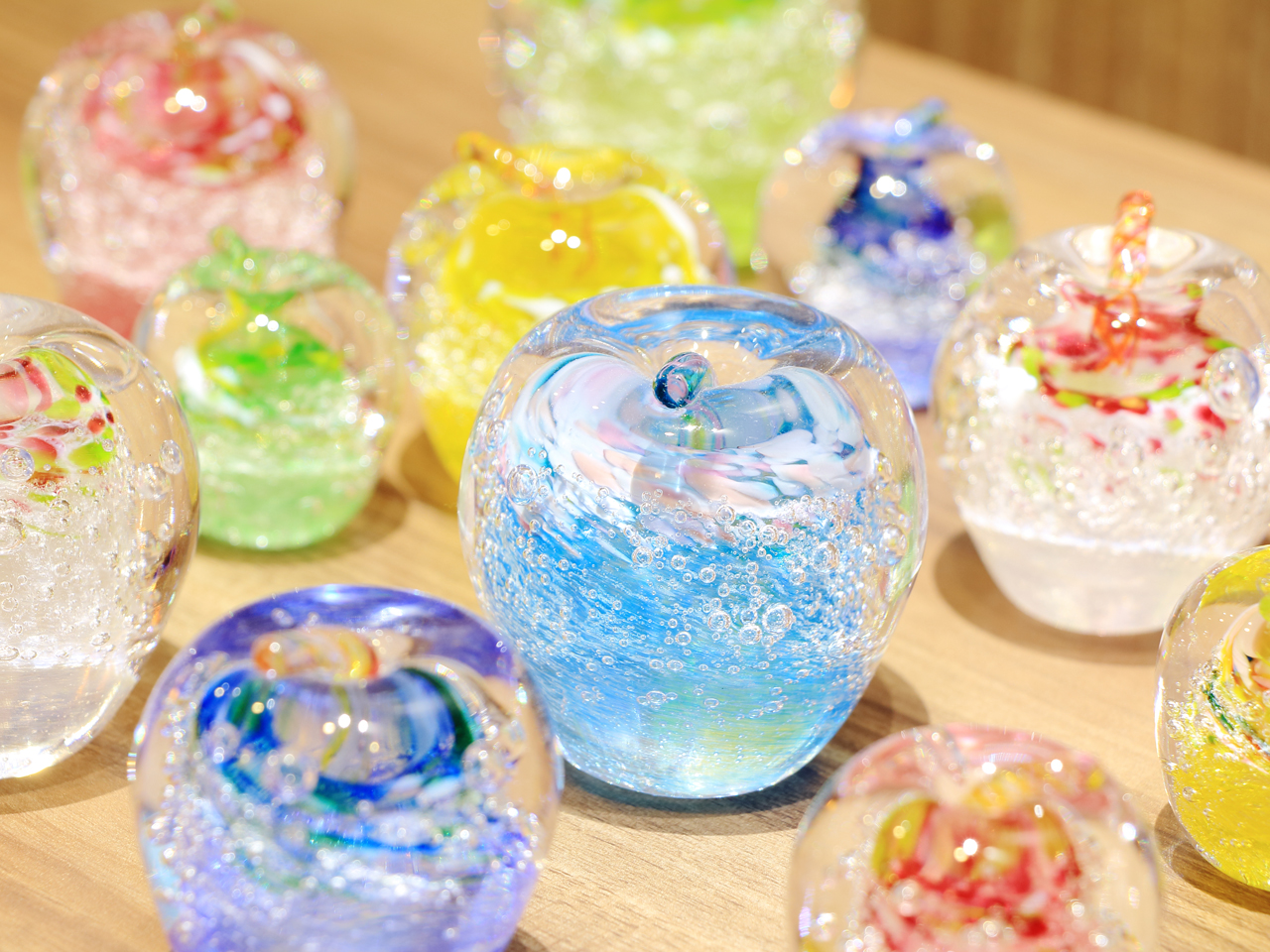
Biidoro Glass
Biidoro is Nagasaki’s traditional glassware — a craft introduced by Portuguese traders in the 16th century and refined by local artisans into a uniquely Japanese interpretation. The signature Biidoro pieces feature airy, almost-translucent forms with vivid color-glass accents (deep blue, ruby red, emerald green) and elegant patterns of lines, dots, and geometric motifs. Beyond traditional pieces, modern Biidoro craftsmen produce delicate wine glasses, beer glasses, sake cups, and decorative vases. The pieces are particularly prized for their clarity, lightness, and the way they capture light in elegant patterns. Top studios include Rurian (Rurian Glass Studios), a leading name in Nagasaki glass. Pieces range from ¥3,000 sake cups to ¥150,000+ artist-grade vases. Visit the Nagasaki Glass Studio for live demonstrations and direct purchases. Some pieces are also available at JR Nagasaki Station and major Kyushu depachika.
「びいどろ(びぃどろ)」は長崎県の伝統ガラス——16世紀にポルトガル商人が日本にもたらし、地元の職人たちが独自の日本様式に発展させた工芸です。象徴的なびいどろ作品は、空気のような、ほぼ透明な形に、深いブルー、ルビー色の赤、エメラルドグリーンなどの鮮やかな色ガラスのアクセントと、線・点・幾何学模様のエレガントな意匠を施しています。伝統作品以外にも、現代のびいどろ職人たちは、繊細なワイングラス、ビアグラス、お猪口、装飾花瓶などを製造。透明感、軽さ、光を上品なパターンで取り込む特性が、特に珍重されています。代表工房は「瑠璃庵(るりあん)」など、長崎ガラスを代表する吹きガラス工房。価格帯は3,000円のお猪口から、作家作品150,000円超まで多彩。「長崎ガラス工房」では実演見学と直接購入が可能。JR長崎駅、九州の主要デパ地下でも一部購入可能です。
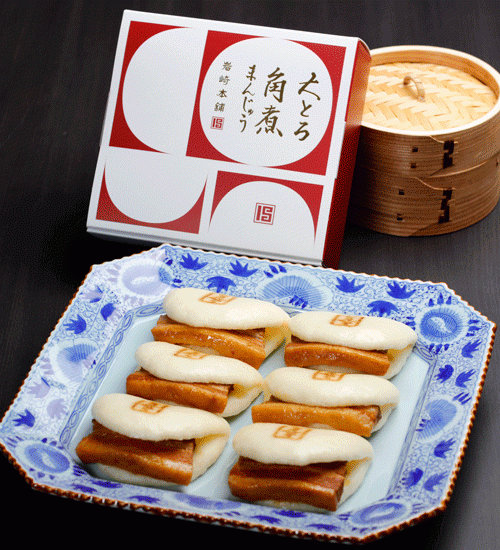
Kakuni Manju
Kakuni Manju is Nagasaki’s most beloved savory steamed bun — featuring a slow-simmered braised pork belly (kakuni) filling that’s been cooked for 4-6 hours in a sweet-savory soy-and-sake-based broth until it literally melts in the mouth. The pork is then sliced thin and folded into a soft, slightly sweet steamed bun, with the rich braising sauce coating each bite. The dish originated in Nagasaki’s Shippoku cuisine — a Chinese-influenced multi-course tradition that emerged from the city’s role as Japan’s only foreign trading port during the Edo era. Top makers include Iwasaki Honpo (shown here) and Momotaro, both selling pre-cooked vacuum-sealed versions perfect for travel. Steam in a pan or microwave for 2-3 minutes to reheat. Available at JR Nagasaki Station, Nagasaki Airport, and Kyushu’s major depachika. Refrigerate; consume within 7 days unopened.
「角煮まんじゅう」は長崎県を代表する塩気のある蒸しまんじゅう——4〜6時間かけて煮込んだ豚バラ角煮を、甘塩っぱい醤油と日本酒のつゆで口の中でとろけるまで仕上げ、薄くスライスして、柔らかくほのかに甘い蒸しまんじゅうの生地で包み込んだ絶品の逸品です。たっぷりの煮汁が一口ごとにジューシーに広がります。料理は、江戸時代に長崎が日本で唯一の外国貿易港だった時代に発展した、中国の影響を受けた多コース料理「卓袱料理(しっぽくりょうり)」が起源。代表メーカーは画像の「岩崎本舗(いわさきほんぽ)」、「桃太呂」など、調理済み真空パック版でお土産に最適な仕上がりに。フライパンまたはレンジで2〜3分温めるだけで本格的な味が再現可能。JR長崎駅、長崎空港、九州の主要デパ地下で販売。要冷蔵、未開封で賞味期限約7日。
Must-Visit Spots
おすすめスポット 5選
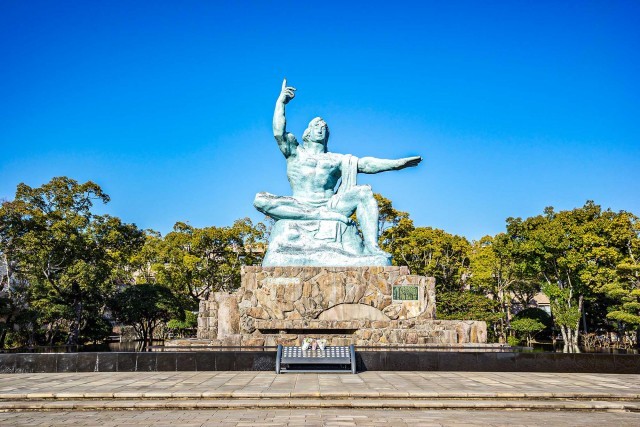
Nagasaki Peace Park
Nagasaki Peace Park is a 18,000-square-meter park built on a hill just north of the August 9, 1945 atomic bomb hypocenter in Nagasaki — a powerful, deeply moving memorial dedicated to the 70,000+ victims and to global peace. The park’s signature monument is the 9.7-meter Peace Statue (designed by Seibo Kitamura), with one hand pointing to the sky to symbolize the atomic bomb’s threat and the other extended horizontally to represent prayer for peace. The park also features the iconic Fountain of Peace, the Atomic Bomb Hypocenter Cenotaph, and the Nagasaki Atomic Bomb Museum (separate listing). The annual Peace Memorial Ceremony (August 9) draws international attention. Free admission. From JR Nagasaki Station, the park is a 30-minute walk or 15-minute bus ride. Plan 2-3 hours including the museum. Quiet reflection is appropriate.
「長崎平和公園」は1945年8月9日の原爆爆心地のすぐ北側の丘に建てられた1万8,000平方メートルの記念公園——7万人を超える犠牲者を悼み、世界平和を願う、深く感動的な祈念施設です。公園のシンボル的なモニュメントは、彫刻家・北村西望が制作した高さ9.7メートルの「平和祈念像」——一方の手を空に向けて原爆の脅威を象徴し、もう一方の手を水平に伸ばして平和への祈りを表現した壮大な彫像です。公園内には象徴的な「平和の泉」、原爆爆心地の慰霊碑、長崎原爆資料館(別記載)も併設。8月9日の年次平和祈念式典は国際的注目を集めます。拝観無料。JR長崎駅から徒歩約30分、またはバスで約15分。所要時間は資料館込みで2〜3時間。静かな黙祷が適切です。
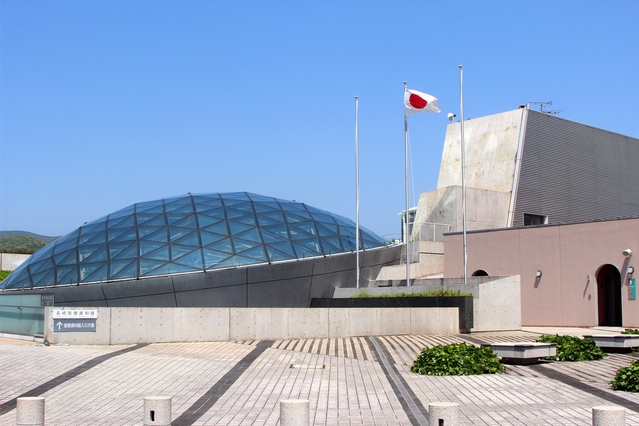
Nagasaki Atomic Bomb Museum
The Nagasaki Atomic Bomb Museum is one of the world’s most spiritually moving destinations — a comprehensive memorial to the victims of the August 9, 1945 atomic bomb explosion in Nagasaki, the second nuclear weapon ever used in war. The museum tells the story through preserved survivor artifacts, photographs, personal accounts, and scientific exhibits that are emotionally devastating yet essential. Particularly moving are the displays of personal items recovered from victims (clocks stopped at 11:02, melted bottles, charred children’s lunch boxes), photographs taken in the immediate aftermath, and survivor video testimonials. The museum’s mission is universal nuclear disarmament and global peace. Tickets ¥200 (highly recommend audio guide). The adjacent Atomic Bomb Hypocenter Cenotaph marks the exact ground zero. Free admission to the cenotaph. From JR Nagasaki Station, the museum is 15 minutes by tram + bus.
「長崎原爆資料館」は世界でも最も精神的に深い場所の一つ——1945年8月9日の長崎原爆投下(戦争で使用された2番目の核兵器)の犠牲者を悼む包括的な記念施設です。資料館は、被爆者の遺品、写真、個人の証言、科学的展示を通じて、感情的に圧倒される、しかし不可欠な歴史を伝えています。特に心に響く展示は、犠牲者から回収された個人の品々(11時2分で止まった時計、溶けた瓶、炭化した子供の弁当箱など)、爆発直後に撮影された写真、被爆者の映像証言など。館の使命は普遍的な核軍縮と世界平和の実現です。入場料200円(音声ガイド推奨)。隣接する「原爆爆心地の慰霊碑」は爆心地そのものに建つ祈念碑で、入場無料。JR長崎駅から路面電車+バスで約15分。
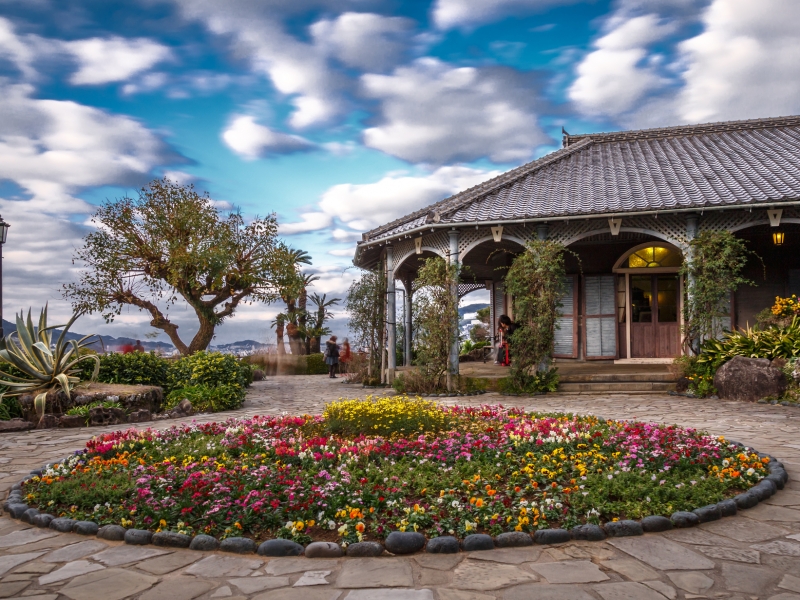
Glover Garden
Glover Garden is a beautifully preserved hilltop park featuring the homes of late-19th-century Western traders who lived in Nagasaki when Japan opened its borders after 250+ years of isolation. The signature mansion is the home of Thomas Blake Glover (1838-1911), a Scottish merchant who became one of Japan’s most influential foreign nationals — supplying weapons to the Meiji Restoration revolutionaries (including Sakamoto Ryoma) and helping establish Japan’s first modern industries. The garden’s centerpiece is the original 1863 Glover House, the oldest Western-style wooden building in Japan. The grounds also feature 7 other preserved Western mansions, beautiful seasonal gardens, and panoramic views over Nagasaki Bay. The location and architecture have made it the setting for Puccini’s opera “Madama Butterfly.” Tickets ¥620. From JR Nagasaki Station, take the tram to Oura Tenshudo (15 minutes), then walk 5 minutes uphill.
「グラバー園」は19世紀後半の西洋商人たちが日本で生活した邸宅群を美しく保存した丘陵公園——250年以上の鎖国を解き、日本が開国した時代の貴重な建築遺産です。象徴的な邸宅は、トーマス・ブレイク・グラバー(1838〜1911、スコットランドの商人)の自宅で、彼は日本史上最も影響力のある外国人の一人として、明治維新の革命家たち(坂本龍馬を含む)に武器を供給し、日本の近代産業の成立を支援しました。園の中心は1863年建造のオリジナル「旧グラバー住宅」で、日本最古級の現存する西洋風木造建築。境内には7つの他の保存された西洋邸、美しい四季の庭園、長崎湾の絶景パノラマも見どころ満載。プッチーニのオペラ「蝶々夫人」の舞台にもなりました。入園料620円。JR長崎駅から路面電車で大浦天主堂下まで約15分、その後徒歩で坂を上って約5分。
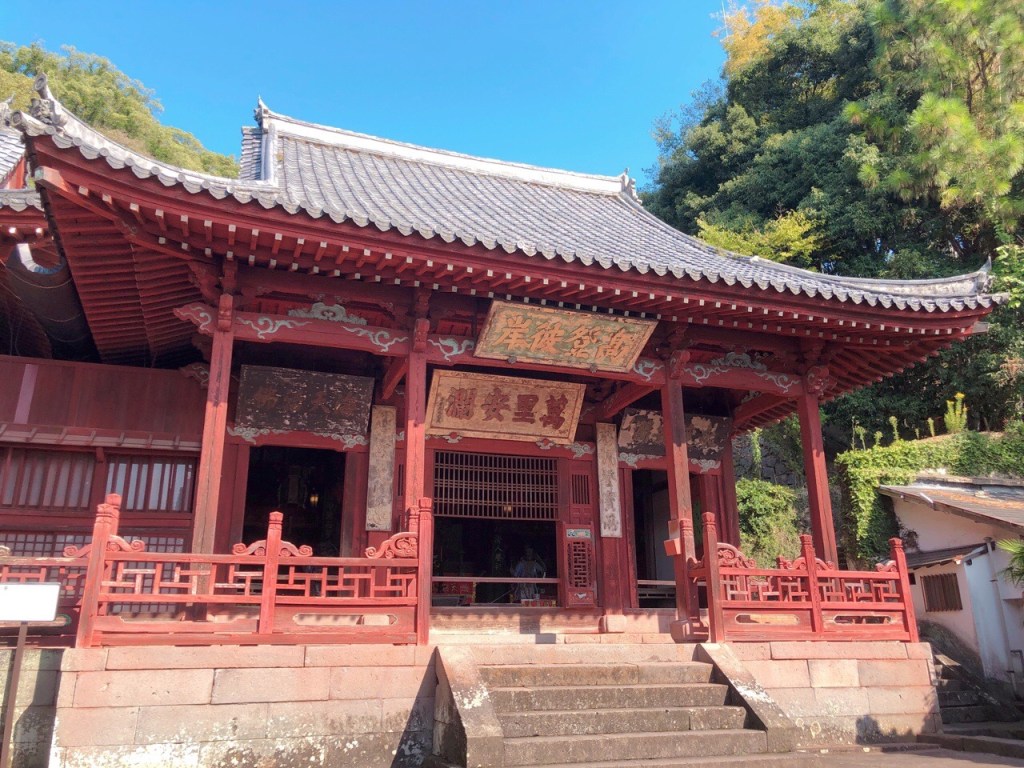
Sofukuji Temple
Sofukuji is one of Nagasaki’s most architecturally distinctive Buddhist temples — a 17th-century Chinese Zen temple founded in 1629 for Nagasaki’s Chinese (Fuzhou) community and later affiliated with the Obaku Zen sect. The temple’s main hall and gate are designated National Treasures, displaying Ming-era Chinese architectural details rarely seen anywhere else in Japan: ornate carved dragons, vermilion and gold lacquer, stone tablets with Chinese inscriptions, and the famous “Buddha Triad” with strikingly Chinese-styled features. The temple’s vermilion main gate has been called “Japan’s most beautiful temple gate.” The annual Bon Festival (mid-July) features unique Chinese-influenced ceremonies — distinct from typical Japanese Bon traditions. Tickets ¥300. From JR Nagasaki Station, take the tram to Shinchimacho (10 minutes), then walk 5 minutes to the temple. Combine with nearby Chinatown.
「崇福寺(そうふくじ)」は長崎県の建築的に最も独特な仏教寺院の一つ——1629年に長崎の中国(福州)出身者のために創建され、のちに黄檗宗に属した17世紀の中国式寺院です。本堂と山門は国宝指定で、明朝期中国の建築美——華麗な龍の彫刻、朱塗りと金漆、漢字が刻まれた石碑、中国風の意匠が際立つ「三尊仏」など——日本の他の場所では見られない貴重な特徴を多数残しています。朱塗りの三門は「日本で最も美しい寺院の門」と称されることも。7月中旬のお盆祭りでは、典型的な日本のお盆と異なる、中国の影響を受けた独特の儀礼が行われます。入場料300円。JR長崎駅から路面電車で新地町まで約10分、その後寺まで徒歩約5分。隣の中華街とセットで巡るのが定番。
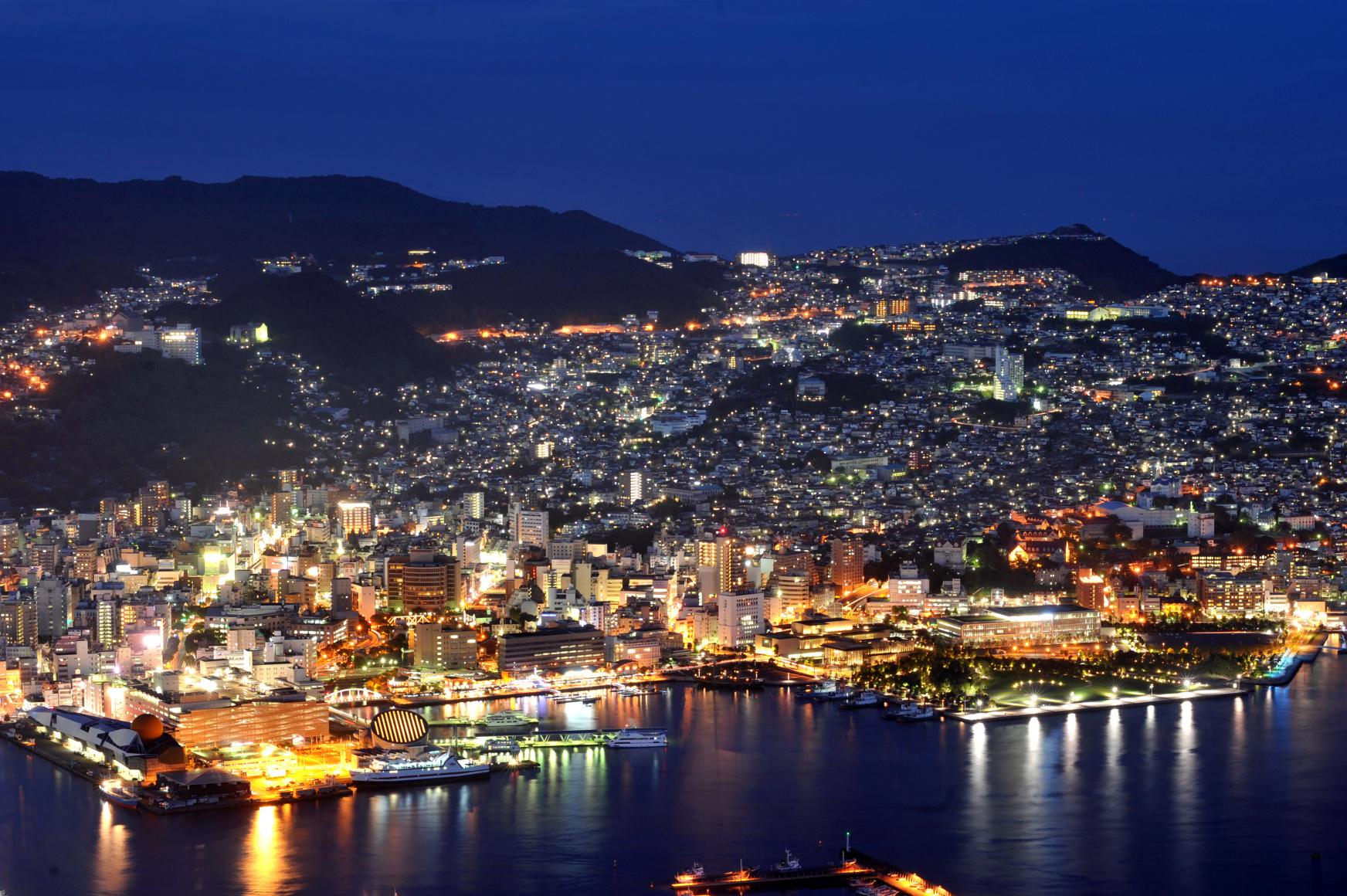
Mt. Inasa
Mt. Inasa at 333 meters is Nagasaki’s premier viewpoint — the panoramic view from its summit observatory has been officially designated one of “Japan’s Three Greatest Night Views” (alongside Hakodate and Kobe) and one of the “World’s Top Three Night Views” (alongside Hong Kong and Monaco). On clear nights, Nagasaki’s twinkling lights stretch across the bay and harbor like a glittering blanket, with the city’s signature shape (a bowl carved by mountains and sea) creating one of the world’s most beautifully framed cityscapes. Reach the summit by ropeway (¥1,250 round-trip) from Fuchi-jinja Shrine, by car via the scenic Inasayama Park Road, or by hiking trails. The summit also features the romantic Mt. Inasa Observation Deck with restaurant, the Inasayama Park, and the ropeway base station’s beautiful temple area. Best at sunset for the daylight-to-night transformation.
「稲佐山(いなさやま)」は標高333メートルの長崎を代表する展望地——山頂展望台からの絶景は、函館・神戸と並ぶ「日本三大夜景」の一つ、香港・モナコと並ぶ「世界三大夜景」の一つに正式に選定されています。晴れた夜には、長崎の街並みが湾と港にきらめく毛布のように広がり、山と海に囲まれた長崎独特の「お椀」型の街並みが、世界で最も美しく構図された都市景観の一つを生み出します。山頂へは淵神社のロープウェイ(往復1,250円)、稲佐山公園道路(絶景ドライブコース)、ハイキングコースなどでアクセス可能。山頂にはロマンチックなレストラン併設の「稲佐山展望台」、稲佐山公園、ロープウェイ駅近くの美しい寺院エリアなどが見どころ。夕暮れから夜への移ろいが最も感動的な時間帯。
Insider Tips
現地通の旅の裏ワザ
Visit at golden hour (1 hr before sunset). The hillside view of Nagasaki Port is the postcard shot. Combined pass with Oura Cathedral saves ¥200.
グラバー園は日没1時間前のゴールデンアワーがベスト。長崎港を見下ろす丘の景色が絵葉書ショット。大浦天主堂共通券で¥200得。
Shikairou in Nagasaki created champon. Sara Udon (crispy noodle version) often pairs well — order half-size of each.
長崎ちゃんぽん発祥は長崎の「四海樓」。皿うどん(パリパリ麺)と半玉ずつ注文が地元流。
Frequently Asked Questions
What makes Nagasaki Castella different?
True Nagasaki Castella uses a special fine sugar called zarame on the bottom, creating a distinctive caramelized crust. Brands like Fukusaya and Shooken have over 200 years of history.
本場のカステラは底面に「ざらめ糖」を使い、独特の食感を生み出します。福砂屋・松翁軒などの老舗が有名。
How should I approach the Peace Memorial sites?
Visit the Atomic Bomb Museum first for historical context, then walk to the hypocenter marker and Peace Park. Allow at least half a day and approach with quiet respect.
まず資料館で歴史的背景を学び、爆心地公園・平和公園へ。半日以上をかけ、静かな気持ちで訪れましょう。
Can I visit Hashima (Gunkanjima) Island?
Yes — licensed boat tours from Nagasaki port visit the abandoned industrial island (UNESCO World Heritage). Book in advance as tours sell out, especially on weekends.
軍艦島クルーズは長崎港から出発。世界遺産で週末は予約が埋まるので事前予約が必須です。
Travel Tip
Buy the ‘Nagasaki Electric Tram 1-day Pass’ (¥600) — the historic tram system covers most of central Nagasaki’s attractions including Chinatown, Glover Garden, and the Peace Park area. It’s one of Japan’s best-value tram passes.