Fukuoka
Top Fukuoka souvenirs and must-visit travel spots — your complete guide for visitors to Japan. Fukuoka is Japan’s most liveable city — year after year ranking at the top of domestic quality-of-life surveys. The ancient port of Hakata has traded with China and Korea for two millennia, giving the city a cosmopolitan, outward-looking character unique in Japan. Tonkotsu ramen was born here. So was mentaiko. And the yatai food stalls that line the river are a Japanese treasure.
九州最大の都市・福岡は、住みやすさランキング上位の常連。2000年に及ぶ大陸との交流の歴史を持つ博多は、国際色豊かで活気ある港町文化を育んできました。博多ラーメン・明太子・屋台文化は日本全国に誇れる福岡の宝です。
Fukuoka is Kyushu’s lively gateway — Hakata’s food culture, the Dazaifu Tenmangu shrine, and the riverside yatai stalls. Its top souvenir is Meigetsudo’s Hakata Torimon, a milk-and-white-bean bun and a Monde Selection regular, with mentaiko, Fukutaro’s Menbei crackers, and Hakata ramen kits. Most keep well. Hakata Station and Fukuoka Airport carry the lot.
福岡は九州の賑やかな玄関——博多の食文化、太宰府天満宮、川沿いの屋台。看板みやげは明月堂の「博多通りもん」(ミルクと白餡の銘菓・モンドセレクション常連)、明太子、福太郎のめんべい、博多ラーメンキットも。多くが日持ちします。博多駅・福岡空港で揃います。
Recommended Omiyage
おすすめおみやげ 5選
Hakata Torimon
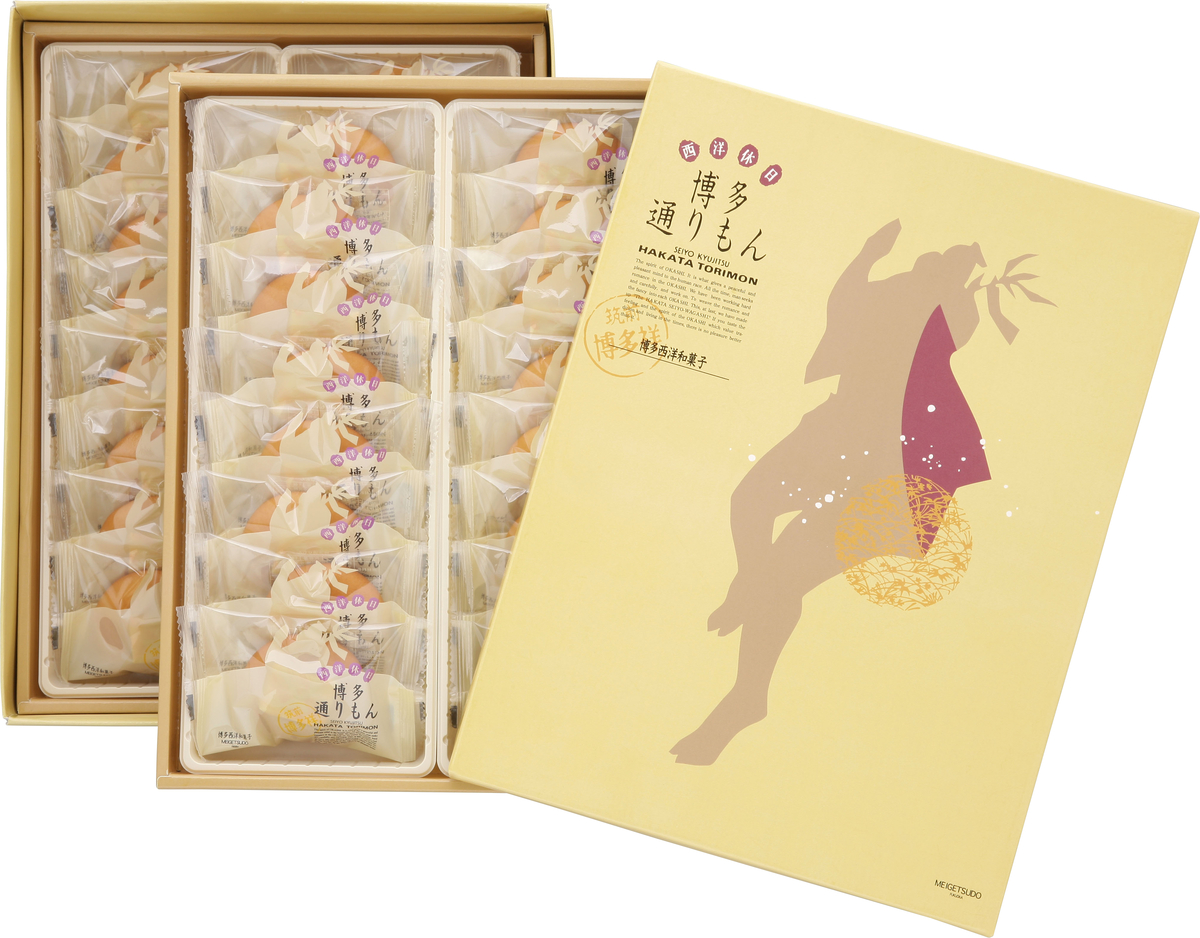
Hakata Torimon is one of Fukuoka’s most beloved confections — a soft, slightly chewy bun made from milk-and-sugar dough, filled with smooth white-bean paste, and stamped with a charming Hakata festival crest on top. Created in 1993 by Meigetsudo (“Bright Moon Hall”), the recipe has remained unchanged for over 30 years. The bun’s signature feature is its uniquely silky texture — almost like a fine European pastry — combined with the elegantly subtle sweetness of premium white beans. Each piece is individually wrapped in golden foil, with the bright Hakata festival imagery making it one of Japan’s most photogenic souvenirs. Boxed gift versions in 6, 12, 16, or 24 pieces are sold at JR Hakata Station, Fukuoka Airport, and Meigetsudo’s flagship in Nakasu. Best within 14 days. Pair with hojicha or matcha tea.
「博多通りもん(はかたとおりもん)」は福岡県を代表する銘菓——ミルクと砂糖を練り込んだ柔らかな生地に、上品な白あんを包み込み、表面に博多祭りの紋様を刻印した独特の意匠が魅力です。1993年に「明月堂」が生み出したレシピは30年以上変わらない伝統の味。象徴的な特徴は欧州の高級ペストリーのような独特の絹のような口当たりと、上品な白あんの繊細な甘味の調和。一つずつ金色のホイルに個包装され、鮮やかな博多祭りのイメージが日本でも最もフォトジェニックなお土産の一つです。6個、12個、16個、24個入りの化粧箱がJR博多駅、福岡空港、中洲の明月堂本店で広く販売。賞味期限約14日。ほうじ茶や抹茶との相性が格別。
Karashi Mentaiko
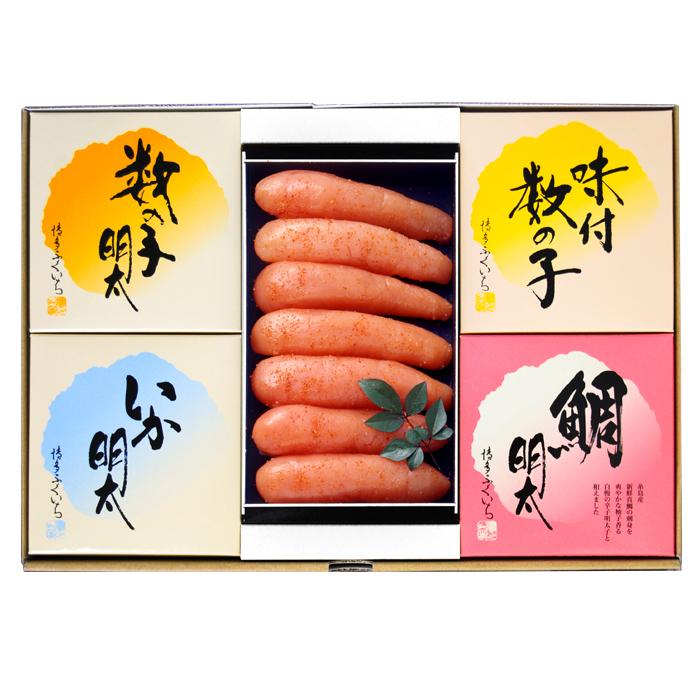
Karashi mentaiko is Fukuoka’s most legendary culinary export — spicy cured pollock roe with a uniquely complex flavor profile combining brininess, umami, mild heat from chili peppers, and a fresh seafood character that’s instantly addictive. It was created in Fukuoka in 1949 by Fukuya’s founder Kawahara Toshio, who adapted a Korean-style seasoned roe, after which Hakata’s mentaiko became Japan’s gold standard. Premium versions from makers like Fukuya (the original maker), Yamaya, and Kanefuku use only the freshest catch, slow-cured for 24-72 hours with chili, sake, and traditional soy. Eat on rice, mixed into pasta, grilled atop tofu, or as a beer accompaniment. Available at JR Hakata Station, Fukuoka Airport, and the Hakata Riverain shopping complex. Refrigerate; consume within 7-10 days of opening. Truly Japan’s most addictive seafood.
「辛子明太子(からしめんたいこ)」は福岡県を代表する世界的な食文化輸出品——スケトウダラの卵巣を、塩気、旨味、唐辛子の優しい辛味、新鮮な海の風味を融合した、一度味わうと止まらない病みつきになる珍味です。1949年、ふくや創業者・川原俊夫が朝鮮半島の明卵漬(ミョンランジョッ)をヒントに考案し、博多の明太子は日本のゴールドスタンダードとなりました。代表的な作り手は「ふくや」(博多明太子の元祖)、「やまや」、「かねふく」など。新鮮な卵を、唐辛子、日本酒、伝統醤油で24〜72時間ゆっくり漬け込んで仕上げます。ご飯、パスタ、豆腐の上に焼き、ビールのお供として楽しめます。JR博多駅、福岡空港、博多リバレインのショッピング街で広く販売。要冷蔵、開封後7〜10日以内に。本当に日本で最も中毒性のある海鮮。
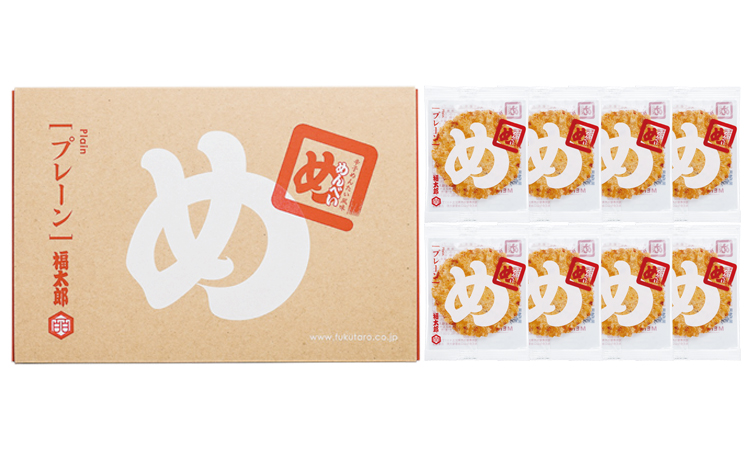
Menbei
Menbei is a Fukuoka specialty rice cracker that combines the best of two regional foods — Hakata’s signature karashi mentaiko (spicy cod roe) is mixed into the rice batter, then formed into thin crackers and grilled until perfectly crisp. The result is a savory, mildly spicy snack with intense umami and a subtle hint of fresh fish — perfect with cold beer or sake. Menbei is made by Yamaguchi Aburaya Fukutaro (Fukutaro), the original creator. Modern variations include extra-spicy, cheese-and-mentaiko, and the rare “yuzu mentaiko” (with citrus). Each cracker is individually packaged for travel convenience. Available at JR Hakata Station, Fukuoka Airport, and major Kyushu depachika. Boxed gift versions in 8-32 piece collections are most popular. Best within 90 days unopened. Pair with Hakata sake or cold beer.
「めんべい」は福岡県の名物煎餅——博多名物の辛子明太子を米粉生地に練り込み、薄く延ばして香ばしく焼き上げた絶品スナックです。塩気の効いたほんのりピリ辛、強烈な旨味、海の風味のほのかなアクセントが融合した独特の風味で、冷たいビールや日本酒のお供として絶品。めんべいは元祖「山口油屋福太郎(福太郎)」が手がけます。現代バリエーションには、激辛、チーズ&明太子、希少な「ゆず明太子」(柚子入り)など多彩。一つずつ個包装され、お土産としての利便性も完璧。JR博多駅、福岡空港、九州の主要デパ地下で販売。8〜32枚入り化粧箱が定番。未開封で賞味期限約90日。博多の地酒や冷たいビールとの相性が格別。
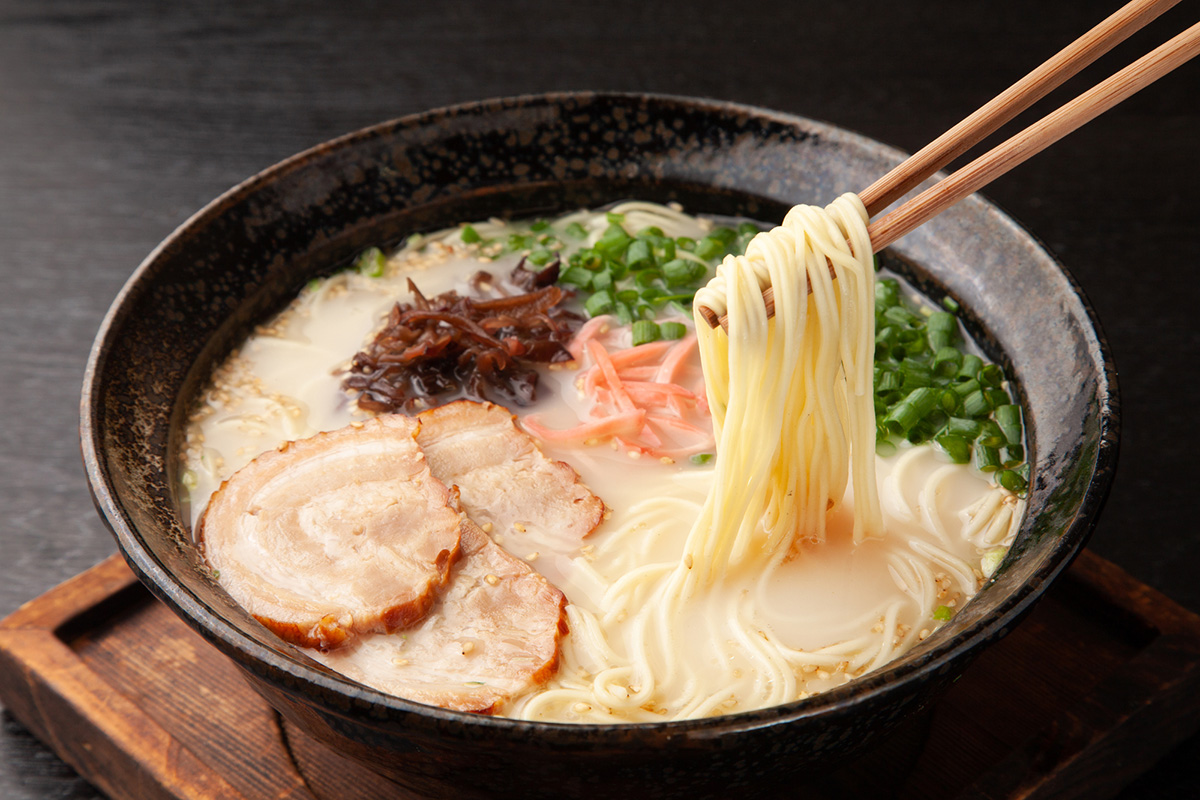
Hakata Ramen (Tonkotsu)
Hakata Ramen is one of Japan’s three greatest ramen styles — featuring a thick, milky-white tonkotsu (pork bone) broth that’s been simmered for 12-24 hours until it becomes intensely creamy and umami-rich, served with thin straight noodles cooked al dente, sliced char siu pork, soft-boiled eggs, pickled ginger, and finely chopped negi. The original Hakata Tonkotsu — created in Fukuoka in the 1940s — has spread worldwide, but the original Fukuoka shops remain the gold standard. Take-home Hakata Ramen Kits include vacuum-sealed thin noodles, concentrated tonkotsu broth, char siu pork, ginger, and instructions. Top brands include Ippudo (now an international chain founded in Hakata) and Ichiran (famous for its single-person counter format). Available at JR Hakata Station, Fukuoka Airport, Tokyo’s depachika, and major Kansai depachika.
「博多ラーメン(豚骨)」は日本三大ラーメンの一つ——豚骨を12〜24時間じっくり煮込んだ白く濃厚なクリーミーで旨味たっぷりのスープに、極細ストレート麺、チャーシュー、半熟卵、紅生姜、刻みネギを乗せた絶品ラーメンです。福岡発祥の博多豚骨は1940年代に誕生し、世界中に広がりましたが、福岡のオリジナル店が今もゴールドスタンダード。お持ち帰り用「博多ラーメンキット」には、真空パックの極細麺、濃縮豚骨スープ、チャーシュー、紅生姜、調理マニュアルがセット。代表ブランドは「一風堂」(博多発の世界的チェーン)、「一蘭」(一人カウンター方式で有名)など。JR博多駅、福岡空港、東京のデパ地下、関西の主要デパ地下で広く販売。
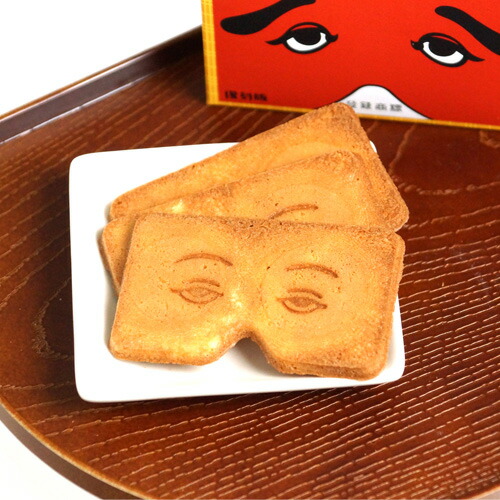
Niwaka Senbei
Niwaka Senbei is one of Fukuoka’s oldest and most distinctive confections — square, palm-sized rice crackers featuring the carved face of a Niwaka (Hakata’s traditional comedy mask), giving them a charming, almost cartoon-like appearance. The crackers are made from rice flour, sugar, and a hint of salt, then grilled to a golden crisp. The flavor is delicately sweet-savory with a satisfying crunch. The maker is Toundo (founded 1906), whose elegant traditional packaging features the iconic Niwaka face. Boxed gift versions in 12, 24, or 36 pieces make charming souvenirs, particularly for friends with children who’ll appreciate the friendly mask design. Available at JR Hakata Station, Fukuoka Airport, and Toundo’s shop in Hakata. Best within 90 days. Pair with green tea or coffee.
「にわか煎餅(にわかせんべい)」は福岡県最古級の独特な銘菓——四角形の手のひらサイズの煎餅で、博多の伝統喜劇仮面「にわか面」が表面に彫り込まれた、漫画チックな愛らしい意匠が特徴。米粉、砂糖、塩を練り合わせ、黄金色に焼き上げた、控えめな甘塩っぱさとサクッとした食感の絶妙な味わい。製造元は1906年(明治39年)創業の「東雲堂(とうんどう)」。にわか面のアイコニックな顔を施した上品な伝統パッケージで展開しています。12個、24個、36個入りの化粧箱は、特に子供のいる友人へのお土産として喜ばれる愛らしいギフト。JR博多駅、福岡空港、博多の東雲堂の店舗で広く購入可能。賞味期限約90日。緑茶やコーヒーとの相性も格別。
Must-Visit Spots
おすすめスポット 5選
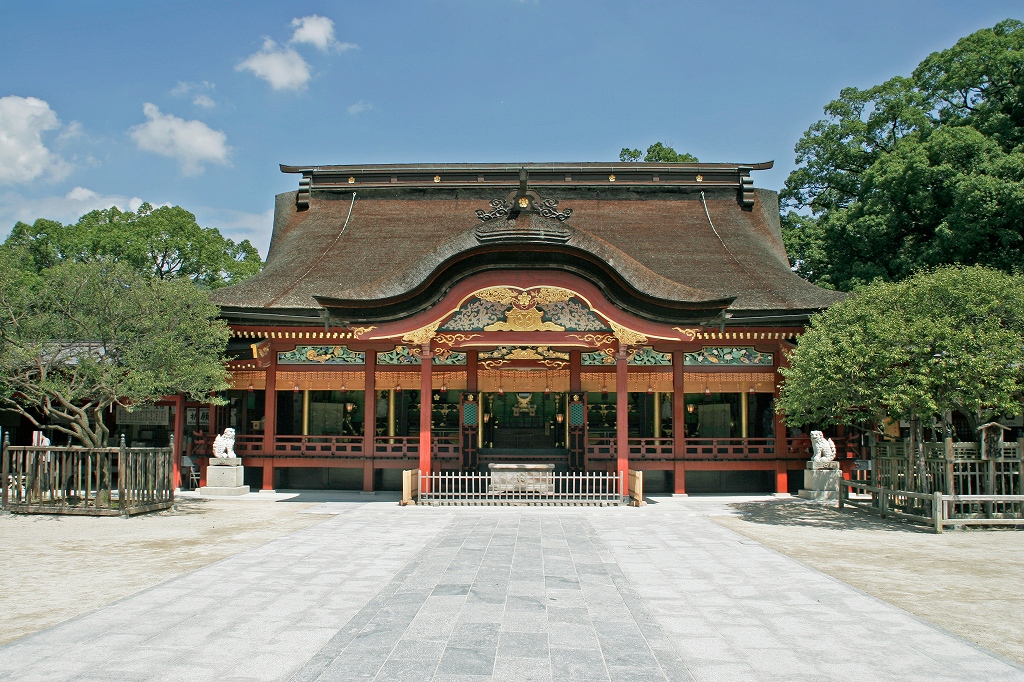
Dazaifu Tenmangu
Dazaifu Tenmangu is one of Japan’s most important Shinto shrines — dedicated to Sugawara no Michizane, the 9th-century scholar, poet, and nobleman who has been deified as Tenjin, the god of academics, learning, and writing. Founded in 919 AD, the shrine is now Japan’s premier destination for students seeking academic success and exam wins, drawing 10 million visitors annually — particularly during pre-exam season (January-February). The shrine features 6,000 plum trees (Michizane’s beloved flower), with February being peak bloom; the famous Tobiume (“Flying Plum”) is said to have flown from Kyoto to Dazaifu to visit the exiled Michizane. The Omotesando approach is lined with traditional shops selling umegae mochi (“plum branch mochi,” a centuries-old local specialty) and other Dazaifu specialties. From JR Hakata Station, take Nishitetsu Tenjin to Dazaifu (35 minutes total).
「太宰府天満宮(だざいふてんまんぐう)」は日本でも最も重要な神社の一つ——9世紀の学者・詩人・貴族「菅原道真公(すがわらのみちざね)」を学問・学習・文章の神「天神」として祀る神聖な社です。919年に創建され、現在は学問成就・受験合格を願う学生たちが集う日本随一の聖地として、年間1,000万人もの参拝客を迎えます(特に1〜2月の受験シーズンには大変な賑わい)。境内には6,000本の梅の木(道真公の愛樹)があり、2月の梅花のピーク時には絶景。象徴的な「飛梅(とびうめ)」は、京都から大宰府に左遷された道真公を慕って自らこの地まで飛んできたという伝説の梅。表参道には、古くから続く名物「梅ヶ枝餅」(うめがえもち)など、太宰府名物のお土産店が立ち並びます。JR博多駅から西鉄天神大牟田線で約35分。
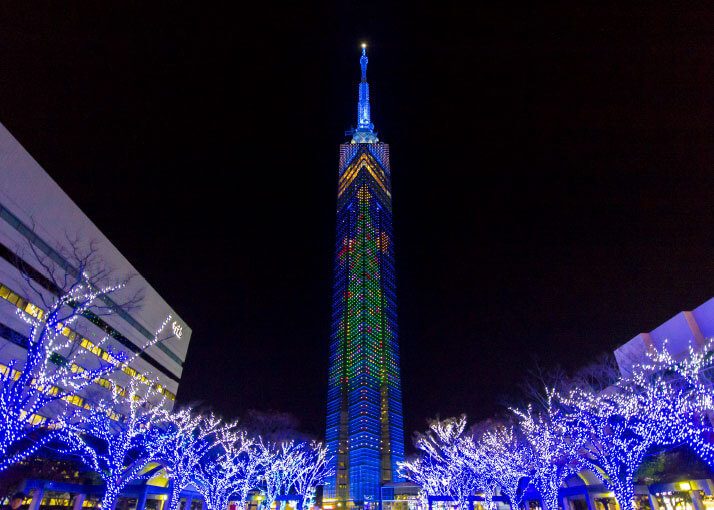
Fukuoka Tower
Fukuoka Tower at 234 meters is Japan’s tallest seaside tower and the symbolic landmark of Fukuoka City — its sleek triangular silhouette has become Fukuoka’s most photographed modern structure. The 123-meter Sky Lounge offers 360-degree views of Hakata Bay, the surrounding city, and the Genkai Sea on clear days. Beyond views, the tower features the popular Sky Lounge dining floor, a romantic sunset deck, and dedicated illumination zones (different colors and patterns each season). Near the tower’s base are shopping and dining options, including the MARK IS Fukuoka Momochi mall. The tower is particularly stunning at sunset and during winter illumination season. Tickets ¥800. From JR Hakata Station, take the Kuko (Airport) subway line to Tojinmachi, then a bus or short walk, or a 15-minute taxi ride.
「福岡タワー」は高さ234メートル、日本最高の海浜タワーで、福岡市のシンボルランドマーク——洗練された三角形シルエットが福岡で最も撮影される現代建築物となっています。123メートルの「スカイラウンジ」展望階からは博多湾、周辺市街、晴天時には玄海灘までの360度パノラマが楽しめます。展望以外にも、人気の「スカイラウンジ」グルメフロア、ロマンチックな夕日展望台、季節ごとに変わる色と模様の特別ライティングなど見どころ満載。タワーの麓にはショッピングやダイニング、複合商業施設「マークイズ福岡ももち」もあります。夕暮れと冬のイルミネーション期間が特に絶景。入場料800円。JR博多駅から地下鉄空港線で唐人町下車後にバスか徒歩、またはタクシーで約15分。
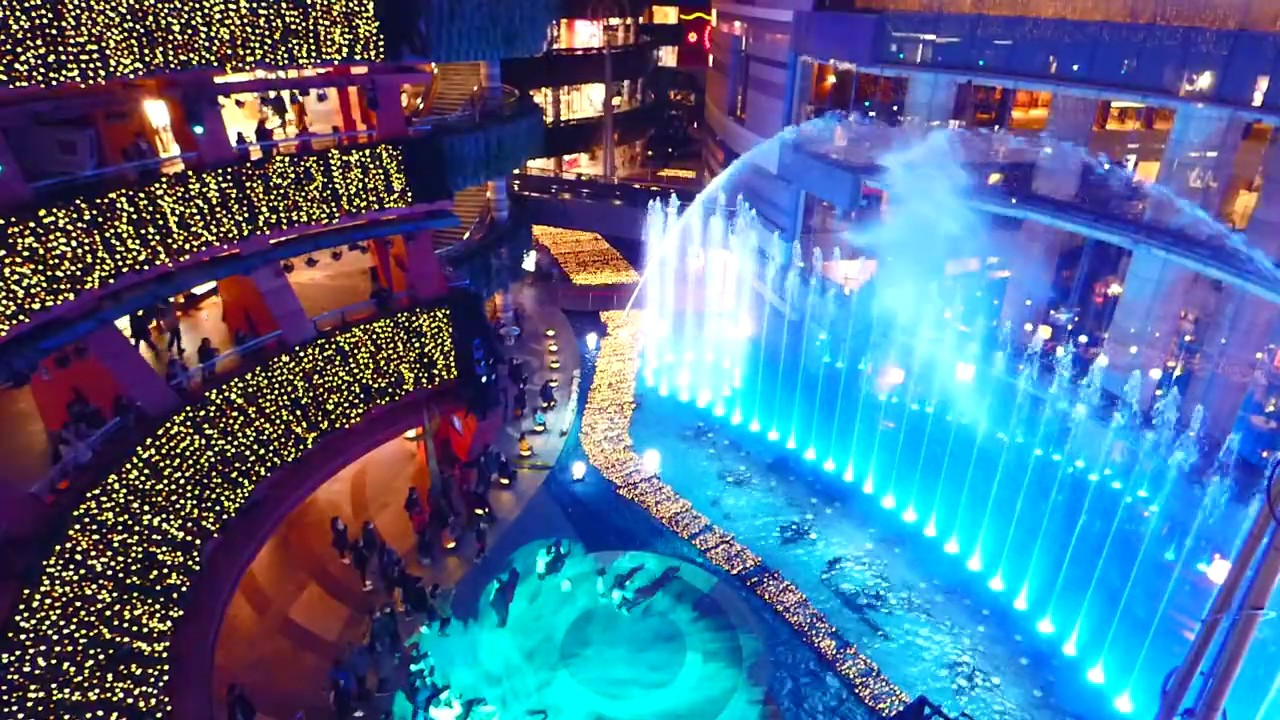
Canal City Hakata
Canal City Hakata is Fukuoka’s most distinctive entertainment complex — a sprawling shopping, dining, and entertainment complex featuring a 180-meter artificial canal flowing through its center. Designed by international architect Jon Jerde and opened in 1996, the futuristic curved buildings, water features, and seasonal light shows create one of Japan’s most photogenic urban spaces. Beyond shopping (300+ stores including a Studio Ghibli shop (Donguri Republic), a Pokémon Center, and crafts boutiques), the complex features the famous “Ramen Stadium” (8 ramen shops representing different regional ramen styles), seasonal art installations, free fountain shows every 30 minutes, and a Grand Hyatt hotel. A water-and-light fountain show runs in the evenings. From JR Hakata Station, Canal City is a 10-minute walk through downtown Hakata.
「キャナルシティ博多」は福岡県を代表するエンターテインメント複合施設——ショッピング・ダイニング・エンターテインメントの大型複合施設で、中心を流れる全長180メートルの人工運河が特徴です。国際的建築家ジョン・ジャーディが設計し1996年に開業、未来的な曲線のビル群、水のオブジェ、季節ごとのライトショーが日本でも最もフォトジェニックな都市空間を生み出しています。ショッピング(300以上の店舗、ジブリ専門店(どんぐり共和国)、ポケモンセンター、工芸ブティック)以外にも、有名な「ラーメンスタジアム」(地方各地のラーメン8店)、季節のアートインスタレーション、30分おきの無料噴水ショー、グランドハイアットホテルなどが揃います。夜には水と光の噴水ショーも開催。JR博多駅からキャナルシティまで博多市街を徒歩約10分。
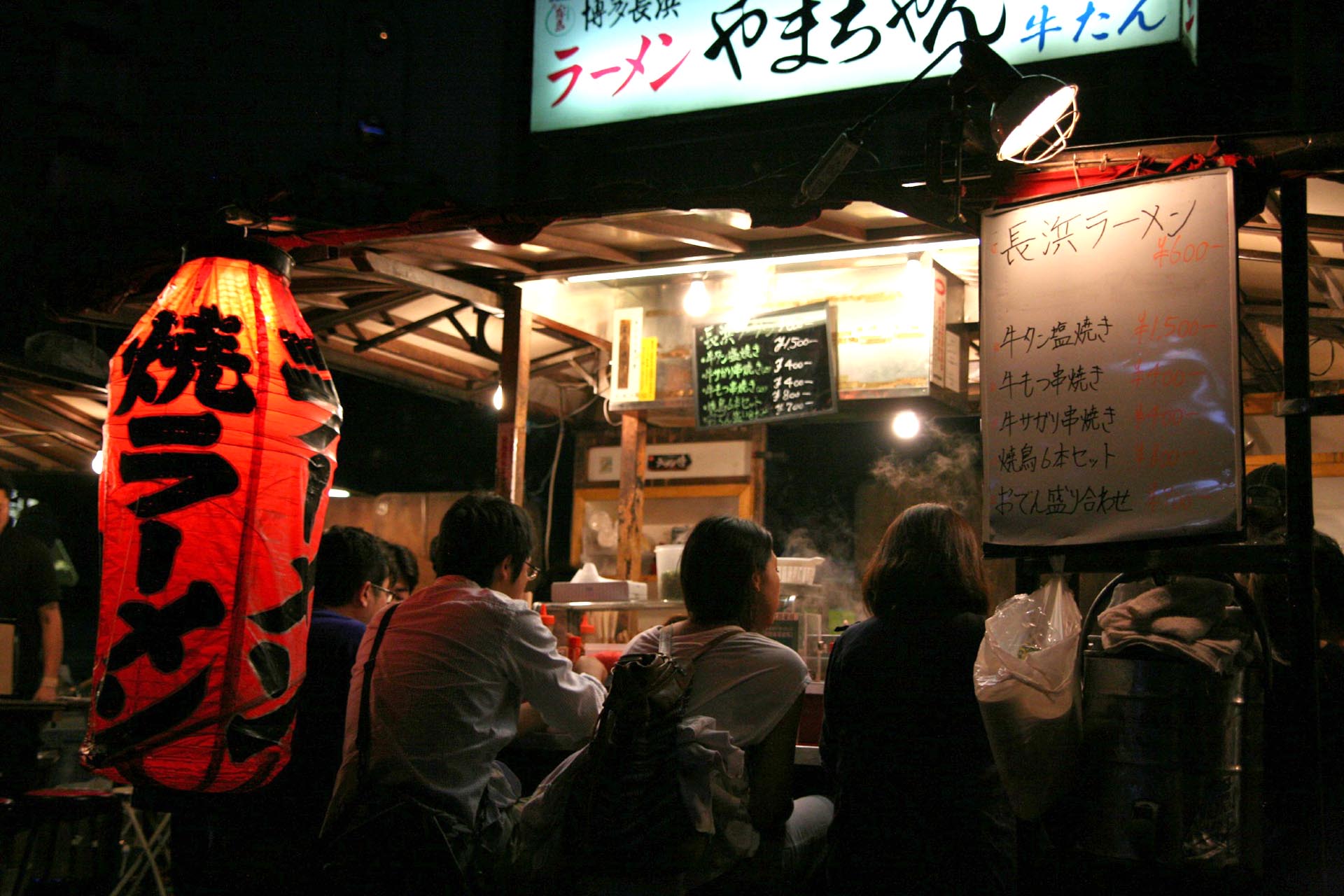
Nakasu Yatai (Open-Air Stalls)
Nakasu Yatai is one of Japan’s most authentic and lively street-food experiences — around 100 yatai operate across the city, with a famous row lining the Naka River in central Nakasu, serving incredibly fresh tonkotsu ramen, oden, yakitori, gyoza, and more, all made on the spot at small portable kitchen stalls. The yatai have operated in Hakata since the postwar period, and they’re regulated by a city ordinance, which since the 2010s has even opened new stalls to public applicants. Each stall has its own personality: some focus on ramen, others on yakitori, some on more elaborate dishes. The atmosphere — neon-lit faces of locals chatting with new friends, the smell of grilled meat, steam rising from bowls of broth, the fellowship of strangers eating shoulder-to-shoulder — captures something timelessly Hakata. Prices range from ¥800-2,500 per dish. Open from 6pm-3am most days. From JR Hakata Station, Nakasu is a 15-minute walk.
「中洲屋台(なかすやたい)」は日本でも最も本物で活気あふれる屋台体験——福岡市内に約100軒の屋台があり、中洲の那珂川沿いには名物の屋台街が並び、新鮮な豚骨ラーメン、おでん、焼き鳥、餃子などを、小さな移動式キッチンで職人がその場で作って提供します。屋台は戦後から博多で営業を続け、市の条例で守られた文化で、2010年代以降は公募により新規の屋台も参入できるようになりました。各屋台には独自の個性があり、ラーメン専門、焼き鳥専門、より凝った料理を提供する屋台など多彩。雰囲気——ネオンに照らされた地元客たちが新しい友達と話し込む顔、焼き肉の香ばしい香り、湯気立つ汁物、肩を寄せ合って食べる見知らぬ人々の連帯感——は時代を超えた博多らしさそのもの。1品800〜2,500円。営業時間は18〜翌3時頃。JR博多駅から中洲まで徒歩約15分。
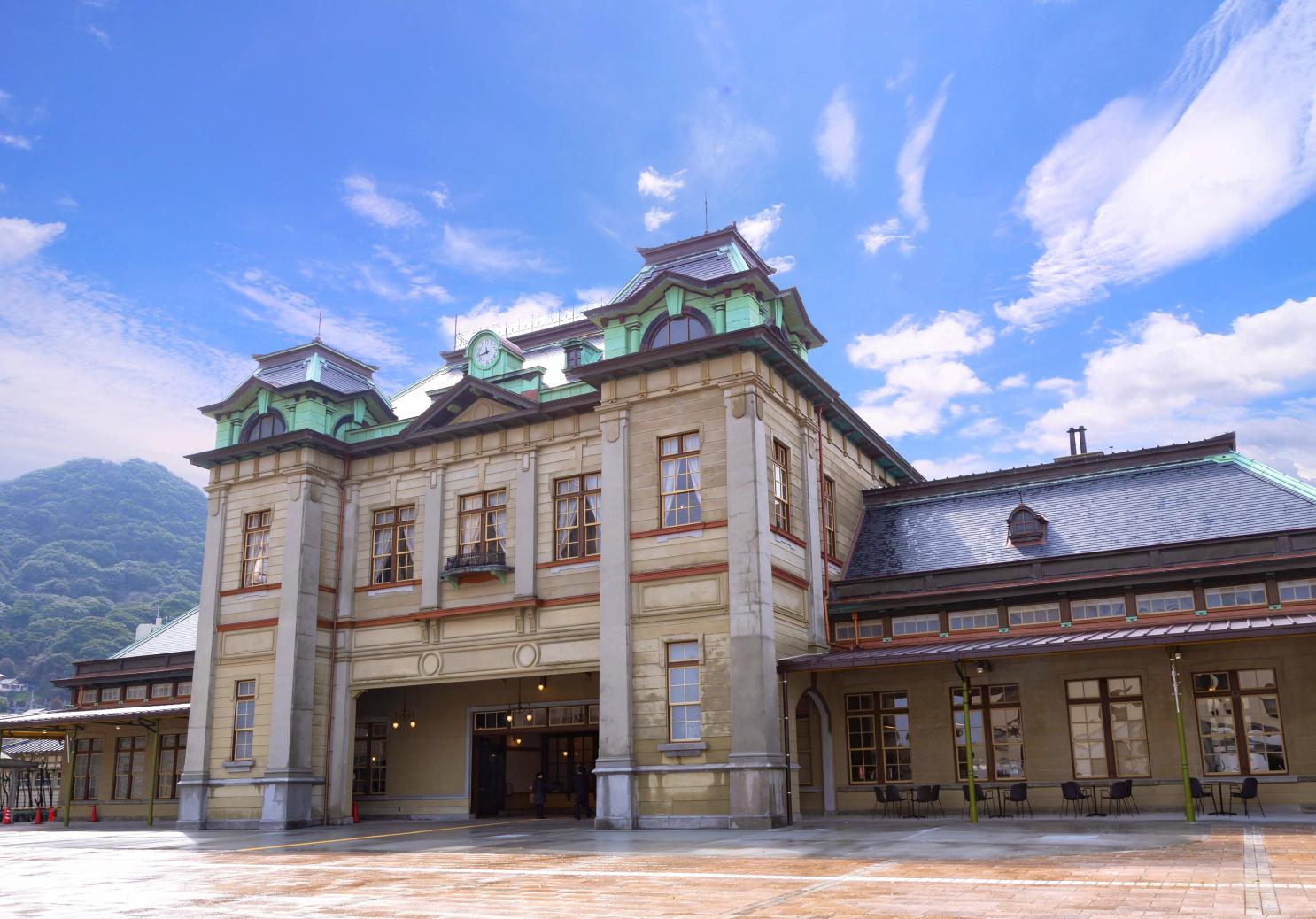
Mojiko Retro District
Mojiko Retro is a beautifully preserved early-20th-century port district at the northern tip of Kyushu — its name (“Moji Port Retro”) perfectly captures the area’s atmospheric blend of Western-style red-brick architecture, ornate banks and trading houses, and the historic Kanmon Strait with views to Honshu. The district served as Japan’s gateway port to mainland Asia from 1889 to the 1940s, when ships filled the harbor and merchants from Korea, China, and Russia walked the streets. Now, the buildings have been carefully restored and converted into museums, restaurants, and trendy cafes. Highlights include the Mojiko Customs House, the Old Moji Mitsui Club building (a beautifully preserved 1921 Western mansion), the Kaikyo Plaza shopping arcade, and the famous yaki-curry rice. From JR Mojiko Station, the district is a 5-minute walk.
「門司港レトロ」は九州北端の美しく保存された20世紀初期の港町——「門司港レトロ」の名前そのままに、西洋風の赤レンガ建築、装飾的な銀行や貿易商社、対岸の本州を望む歴史的な関門海峡が織りなす独特の風情が魅力です。1889年から1940年代まで、日本の大陸アジアへの主要玄関港として機能し、朝鮮、中国、ロシアの商人たちが歩く船で賑わいました。現在、建物は丁寧に修復され、博物館、レストラン、トレンディなカフェに転用されています。見どころは「門司港税関」、1921年建造の美しい西洋館「旧門司三井倶楽部」、「海峡プラザ」ショッピングアーケード、名物「焼きカレー」など。JR門司港駅から地区まで徒歩約5分。
Insider Tips
現地通の旅の裏ワザ
Hakata’s ‘Yatai’ food stalls along Naka River open 6pm–2am. Ramen at a yatai = ¥800-1,000, half the price + 2x atmosphere of chain shops.
博多の屋台(中州川沿い)は夜6時〜深夜2時営業。ラーメン¥800-1,000で雰囲気込みの体験はチェーン店の半額。
Yanagibashi Market (no English signs, locals only) — every Fukuoka chef shops here at 5am. Sushi breakfast nearby: ¥1,500–2,500.
柳橋連合市場(英語表記なし、地元客中心)は朝5時に料理人が仕入れに来る。周辺の寿司朝食は¥1,500-2,500。
Dazaifu Tenmangu Shrine, dedicated to the god of learning, is a top kimono photo spot in Kyushu. Rental shops are right by the shrine entrance.
太宰府天満宮は学問の神様で有名、九州の着物撮影名所。着物レンタル店は天満宮参道入口にあり超アクセス◎。
Frequently Asked Questions
Is Fukuoka worth visiting — it’s not as famous as Tokyo or Kyoto?
Fukuoka is a hidden gem that consistently ranks as Japan’s most liveable city. It has excellent food, compact navigability, friendly locals, and none of the overwhelming crowds of Tokyo or Kyoto. Many travellers who planned a one-night stop end up extending their stay.
東京・京都ほど知名度はありませんが、住みやすさ・グルメ・人の温かさで日本トップクラスの都市です。コンパクトで観光しやすく、立ち寄り1泊の予定が延泊になる旅人が続出するほど魅力的な街です。
What is the best way to eat at yatai stalls?
Just walk up and ask if there’s a seat — most yatai have 6–10 counter seats. No reservations needed. Point at dishes you want, or simply order ‘the usual’ (oishinpukai mono) and trust the chef. Budget around ¥3,000 per person including drinks. Cash preferred but some accept cards now.
空席を見つけたら気軽に「すいますか?(1名ですが)」と声をかければOK。予約不要。指差しでも注文できます。飲み物込みで1人3,000円程度の予算を。現金が基本ですが最近はカードが使える屋台も増えています。
Can I do a day trip from Fukuoka to Nagasaki or Beppu?
Yes — Fukuoka is the perfect Kyushu hub. Nagasaki is about 1.5 hours via the Kamome express and Nishi-Kyushu Shinkansen, and Beppu (famous onsen hot spring town) is 2 hours by Limited Express Sonic. Both make excellent day trips. Dazaifu Tenmangu shrine is just 30 minutes away.
福岡は九州観光のハブとして最適。長崎までリレーかもめ+西九州新幹線で約1.5時間、別府(温泉)も特急ソニックで約2時間。日帰りでも十分楽しめます。太宰府天満宮は30分で行けるのでぜひ立ち寄りを。
💡 Pro Tip: Fukuoka Airport is just 5 minutes from Hakata Station by subway — Japan’s most central airport. If you’re flying in, you can be eating ramen within 20 minutes of landing. Plan your arrival meal carefully.
💡 旅のヒント:福岡空港から博多駅まで地下鉄でわずか5分という、日本一便利な空港アクセス。着陸から20分以内に博多ラーメンを食べられます。到着初日の食事プランは事前に決めておきましょう。