Saitama
Top Saitama souvenirs and must-visit travel spots — your complete guide for visitors to Japan. Thirty minutes from Tokyo yet centuries apart — Kawagoe’s black-walled kura storehouses, Chichibu’s mountain temples and Nagatoro’s sheer river gorge offer Edo Japan in easy reach.
江戸の蔵造りの町並みが残る川越、秩父の山と札所巡礼、長瀞の川下り——埼玉は東京30分圏内の時代旅行先です。
Saitama sits right against Tokyo’s northern edge but hides real character — Kawagoe’s ‘Little Edo’ kura streets, the Chichibu mountains and night festival, and the river cliffs of Nagatoro. Its souvenirs are homely classics: Soka’s hard-baked senbei, Kawagoe’s sweet-potato sweets, and gokabo (a soybean-and-syrup confection). Kawagoe makes the most fun shopping — the Kashiya Yokocho candy alley is built for souvenir hunting.
埼玉は東京の北縁やのに意外と個性派——川越の蔵造りの町並み、秩父の山と夜祭、長瀞の岩畳。みやげは素朴な定番で、草加せんべい、川越のさつまいも菓子、五家宝(きな粉と水飴の菓子)など。買い物が一番楽しいのは川越で、菓子屋横丁はまさにみやげ探し向きです。
Recommended Omiyage
おすすめおみやげ 5選
Imo Yokan
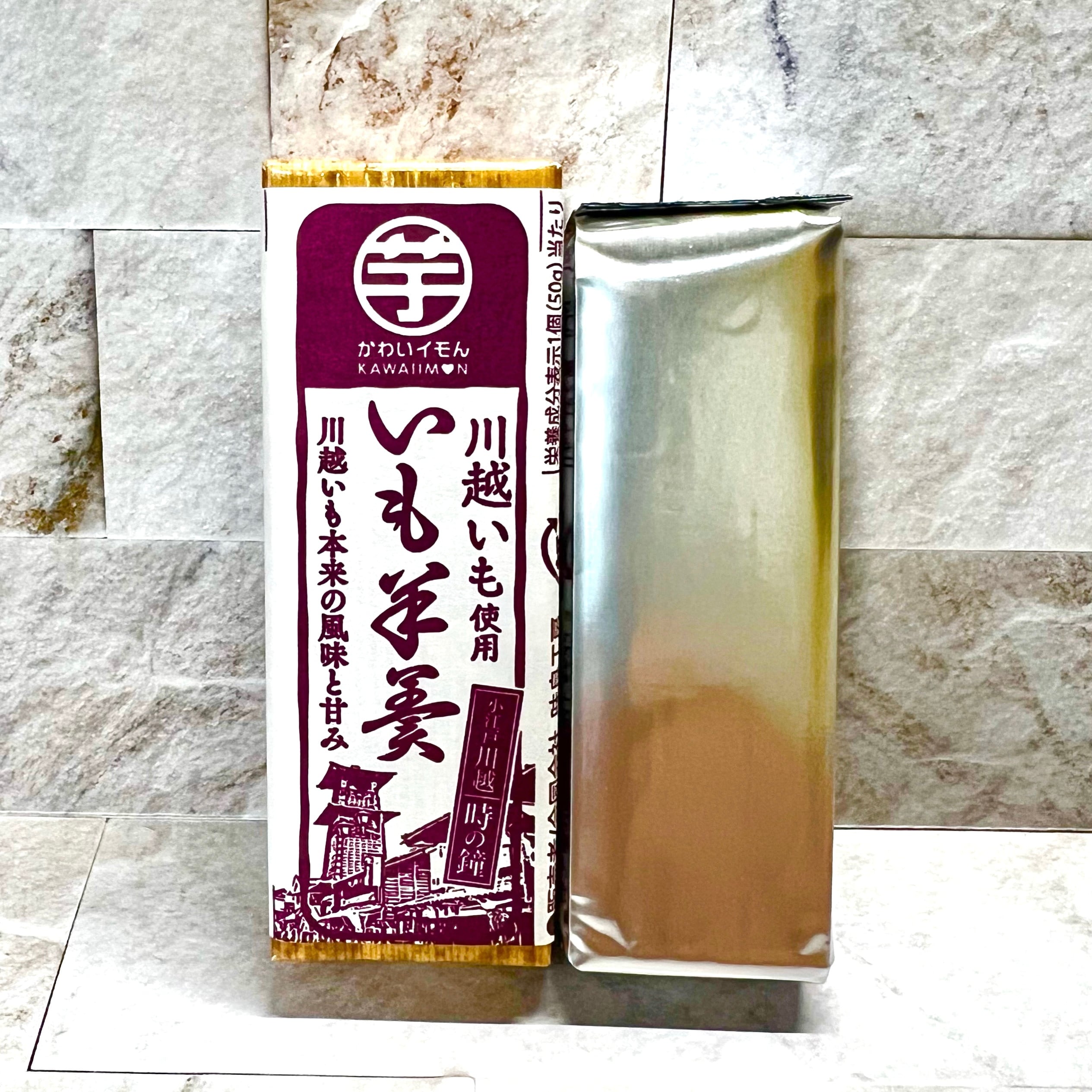
Saitama’s Kawagoe district is famous as “Little Edo” and equally celebrated for its sweet potato (satsumaimo) culture, which dates back to the Edo period when the area became one of the country’s premier potato-growing regions. Imo yokan — a firm, beautifully golden block of pure mashed sweet potato lightly sweetened and bound with agar — is the queen of Kawagoe’s confections. Unlike heavy bean-based yokan, imo yokan tastes purely of warm, caramelized sweet potato with a hint of natural earthy depth. Iconic shops include Kameya and Kuradukuri Honpo. Each piece is hand-cut and individually wrapped, making this elegant gift travel-friendly. Available throughout Kawagoe’s Kashi Yokocho (Candy Alley) and shops by Kawagoe and Hon-Kawagoe stations.
埼玉・川越は江戸の風情を残す「小江戸」として有名で、江戸時代から続くさつまいも文化の中心地としても知られます。「芋ようかん」は、蒸したさつまいもをすり潰し、上品な甘さと寒天で固めた金茶色の四角い和菓子で、川越銘菓の女王と称される一品です。小豆ようかんとは違って、温かみのある芋本来の自然な甘み、ほんのり感じる土の香りが特徴です。代表的な老舗は「亀屋」「くらづくり本舗」など。一切れずつ手切りで個包装され、上品で持ち運びやすいお土産として人気。川越の「菓子屋横丁」、川越駅・本川越駅の土産店で広く購入可能です。
Kashi Yokocho
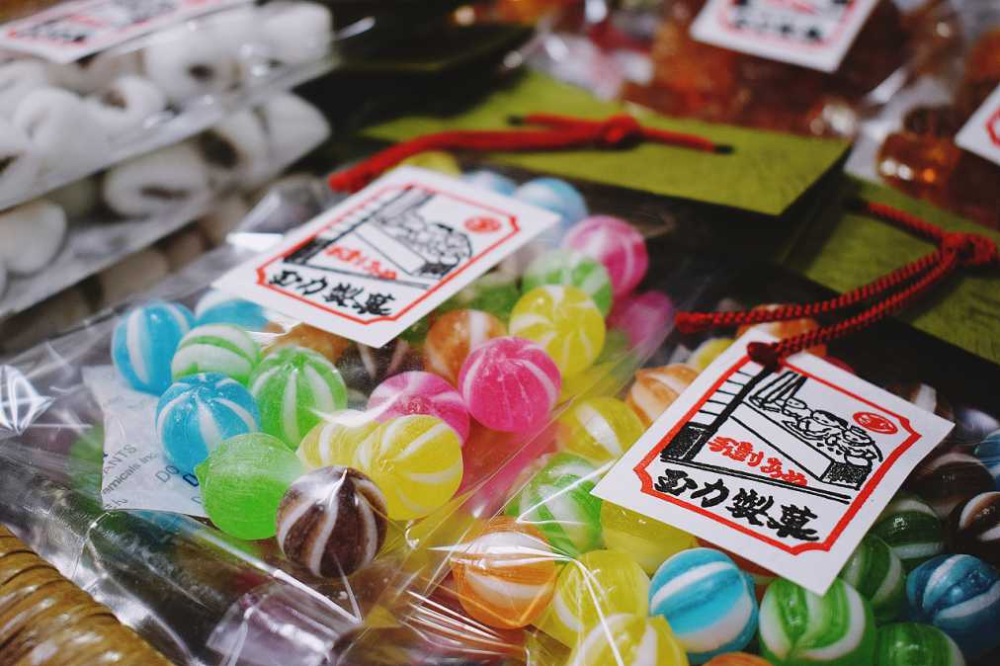
Kashi Yokocho — “Candy Alley” — is a charming cobblestone street in Kawagoe Old Town where 20+ traditional sweet shops have operated for generations, many in the same family for over a century. The shops sell hand-pulled candy, dagashi (cheap childhood sweets), karinto (twisted fried dough), kompeito sugar crystals, and Kawagoe’s famous sweet-potato confections. The atmosphere — narrow lane, tile roofs, kimono-clad shoppers, the smell of grilled mochi — feels lifted from a Studio Ghibli film. Walking the entire alley takes 15 minutes, but most visitors spend 1-2 hours sampling and buying. Many shops offer take-home gift assortments. Free admission. Combine with the Toki no Kane bell tower, Kawagoe Castle, and Hikawa Shrine for a perfect Old Edo day.
川越・小江戸地区にある「菓子屋横丁」は、20軒以上の伝統駄菓子店が並ぶ石畳の小路。100年以上同じ家業を続ける老舗も多く、手作り飴、駄菓子、かりんとう、金平糖、川越名物のさつまいも菓子などが所狭しと並びます。狭い路地、瓦屋根、着物姿の散策者、焼きたて団子の香ばしい香り——スタジオジブリの作品から飛び出したような風情が魅力です。歩くだけなら15分、試食しながら買い物すると1〜2時間。多くの店で持ち帰り用詰め合わせも展開。入場無料。蔵造りの街並み、時の鐘、川越城本丸御殿、氷川神社とセットで小江戸満喫の1日コースに。
Musashino Udon
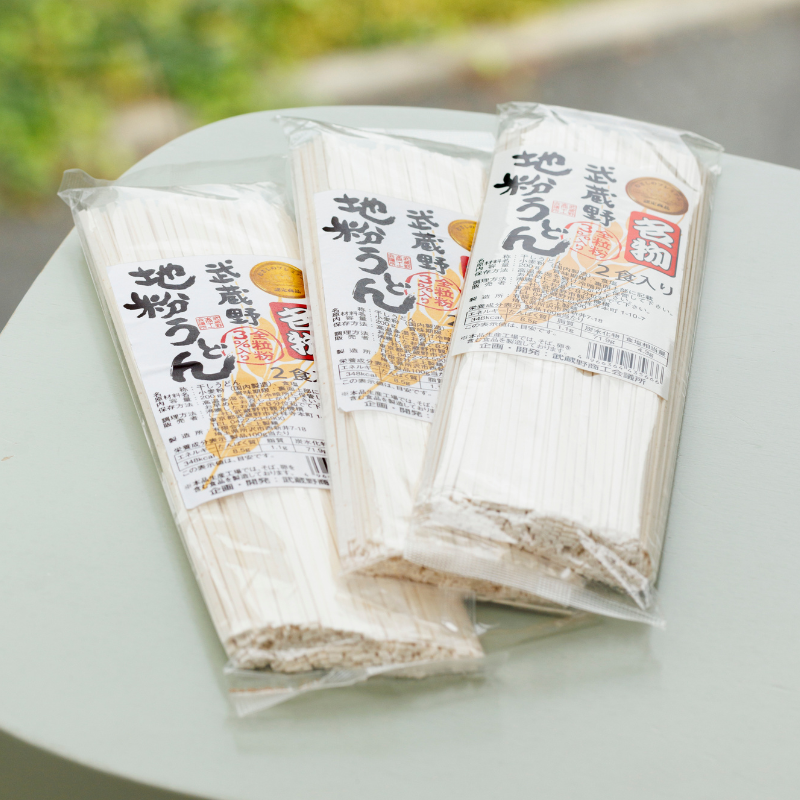
Musashino udon is the chewy, hearty wheat-noodle tradition of the old Musashino plain (covering Saitama and western Tokyo) — its noodles are notably thicker and chewier than Sanuki or Inaniwa varieties, with a distinct earthy character from local hard-wheat flour. The classic preparation is “jiru-tsuke” (dipping style): freshly boiled noodles served chilled with a separate hot dipping bowl of pork-and-vegetable broth richly seasoned with soy sauce, bonito stock, mirin, and a generous sprinkling of negi. Saitama’s hidden gem restaurants include Udon-ya Hajime in Tokorozawa and Kokuya, a 150-year-old shop in Hanno. Take-home Musashino udon kits — featuring vacuum-sealed handmade noodles, broth concentrate, and toppings — are sold at Saitama roadside stations and local product shops.
「武蔵野うどん」は、埼玉県と東京都西部にまたがる旧武蔵野台地の伝統麺。讃岐や稲庭うどんよりも太く弾力があり、地元産の硬質小麦由来の素朴で力強い風味が特徴です。代表的な食べ方は「汁付け」スタイルで、茹でたて冷の麺を、豚肉と野菜入りの、鰹だしの効いた醤油・みりんベースの熱いつけ汁にたっぷりのネギと共につけて頂きます。所沢の「うどん家 一」、飯能の老舗「古久や」など隠れた名店が多数。真空パックの手打ち麺・濃縮つゆ・薬味がセットになった「武蔵野うどんキット」が県内の物産店・道の駅で購入可能で、自宅でも本格的な味を再現できます。
Chichibu Miso
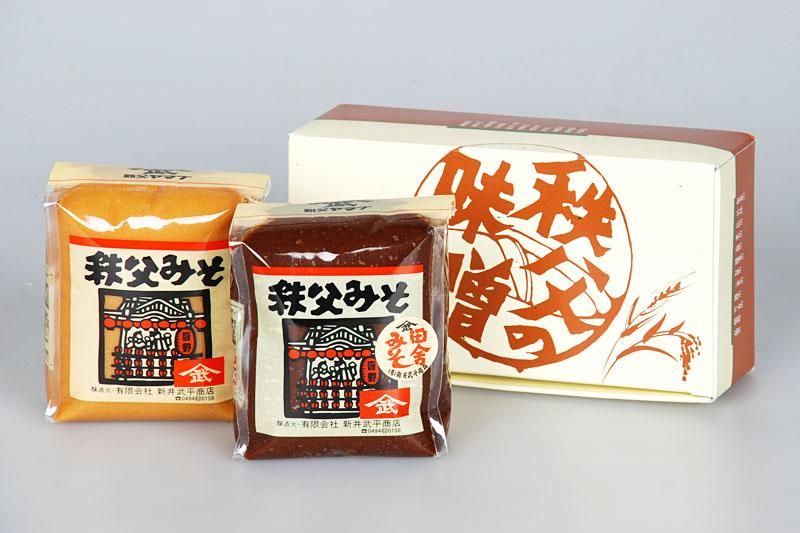
Chichibu, the mountain region in western Saitama, has long been known for exceptional miso thanks to its ultra-clean spring water, traditional cedar barrel fermentation, and the patience of brewers willing to age their miso far longer than mass-market versions. Chichibu miso is rich, deeply umami-laden, with complex sweet-salty layers and a beautiful chocolate-brown color. Use it for miso soup, marinade for grilled fish or pork, dressing for vegetables, or simple as a savory spread on grilled rice balls. A leading producer is Arai Buhei Shoten, maker of the Yamabu brand and a Chichibu miso institution. Wooden barrel-aged versions in lacquered ceramic jars make impressive gifts. Available at the Arai Buhei Shoten shop and around Chichibu and Seibu-Chichibu stations.
埼玉県西部の山岳地・秩父では古くから極上の味噌が作られています。清冽な湧水、杉樽による伝統的な発酵、量産品とは比較にならない長期熟成という、職人の忍耐と品質へのこだわりが「秩父味噌」の特徴です。深いコク、濃厚な旨味、甘塩のバランス、美しいチョコレート色が魅力で、味噌汁、魚や豚肉のマリネ、野菜のドレッシング、焼きおにぎりに塗るなど用途は無限大。代表生産者は秩父味噌の本家「新井武平商店(ヤマブ)」など。杉樽熟成タイプを焼物の壺に詰めた高級ギフトも展開。新井武平商店の直売所、秩父駅・西武秩父駅周辺で購入可能。
Kawagoe Potato Chips
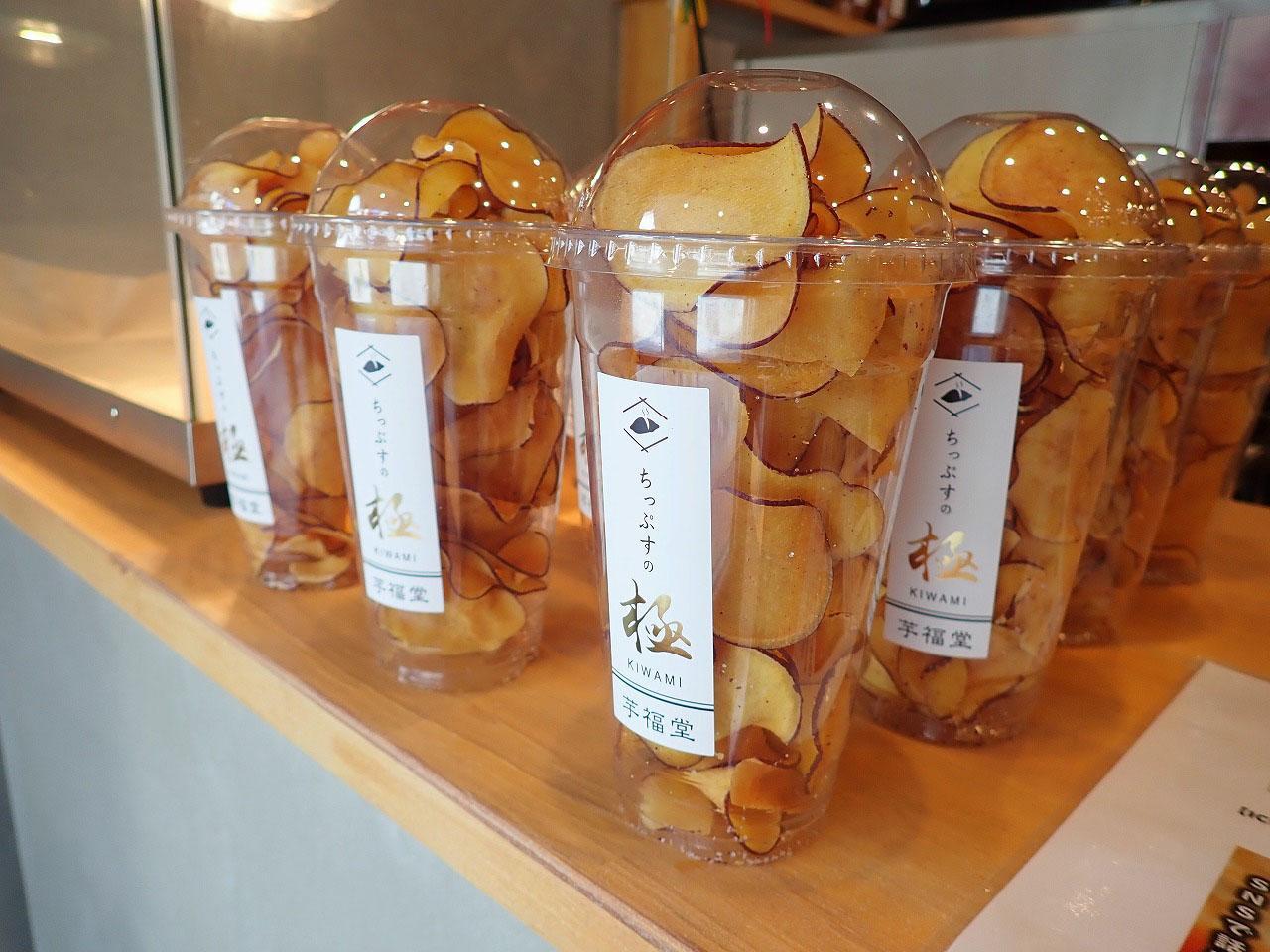
Inspired by Kawagoe’s centuries-old sweet potato (satsumaimo) tradition, locally-made potato chips emphasize the natural sweetness of the tuber rather than overwhelming it with seasoning. Slow-fried at moderate temperatures, the chips emerge crispy yet still tender enough to taste the actual potato flavor — no cardboard texture, no excessive salt. Kawagoe’s signature versions include satsumaimo (sweet-potato) chips that retain a hint of the tuber’s natural caramelized sweetness, salt-and-soy versions, and seasonal limited flavors. Shops like Koedo Osatsu-an craft small-batch versions in elegant gift bags. Sold at Kashi Yokocho, Kawagoe Station, and most souvenir shops along Kawagoe’s main streets.
川越のさつまいも文化にインスパイアされた地元産ポテトチップスは、強い味付けで芋の風味を覆い隠すのではなく、芋本来の自然な甘みを最大限に引き出す製法が特徴。適温でじっくり揚げることで、サクッとしながらも芋本来の風味が活きる絶妙な仕上がりに。代表的な味は、川越いも(さつまいも)チップス(カラメル化した自然な甘みが残る)、塩・醤油味、季節限定フレーバーなど多彩。「小江戸おさつ庵」などの店が、小ロット製造で上品な化粧袋入りも展開しています。菓子屋横丁、川越駅、川越メインストリートのお土産店で広く購入可能。
Must-Visit Spots
おすすめスポット 5選
Kawagoe Old Town
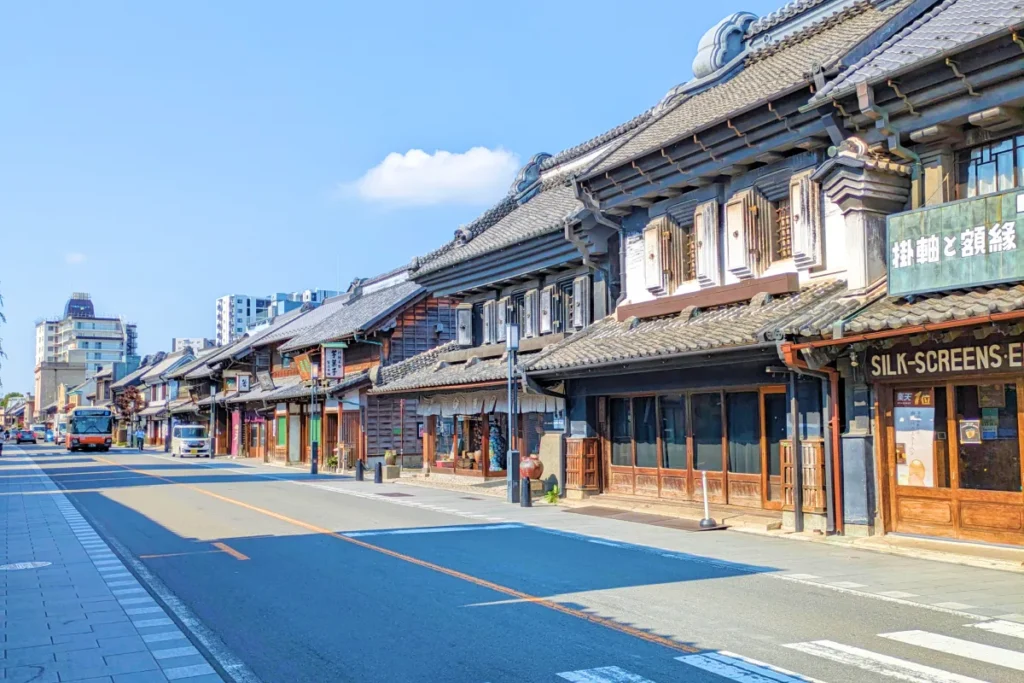
Just 30 minutes from Tokyo, Kawagoe earns its nickname “Little Edo” through impeccably preserved kura-zukuri merchant warehouses lining a single dramatic main street — black-tiled roofs, white plaster walls, heavy sliding doors, and traditional shop signs unchanged since the 19th century. The street’s centerpiece is the Toki no Kane bell tower, which has marked the time for Kawagoe residents since the 1620s and still chimes 4 times daily. Beyond the main avenue, explore Kawagoe Castle’s Honmaru Goten (the only original castle hall remaining in Kanto), Hikawa Shrine with its summer wind chime tunnel, the famous Sweet Potato Soft-Serve shops, and quaint tea rooms. Renting a kimono for the day adds magic to photos. Direct from Tokyo via Tobu Tojo or Seibu lines.
東京から30分の川越は、見事に保存された蔵造りの商家が並ぶメインストリートで「小江戸」の名にふさわしい風情を醸し出します。黒い瓦屋根、白い漆喰壁、重厚な引戸、19世紀から変わらない伝統の屋号——時を遡ったような世界が広がります。通りの象徴は「時の鐘」で、1620年代から川越市民に時を告げ続け、現代でも1日4回鐘が鳴り響きます。メインストリート以外にも、関東で唯一現存する江戸期の城館「川越城本丸御殿」、夏の風鈴トンネルで有名な「氷川神社」、さつまいもソフトクリーム店、レトロな甘味処など見どころ満載。着物レンタルで写真もより映えます。東京から東武東上線・西武新宿線で直結。
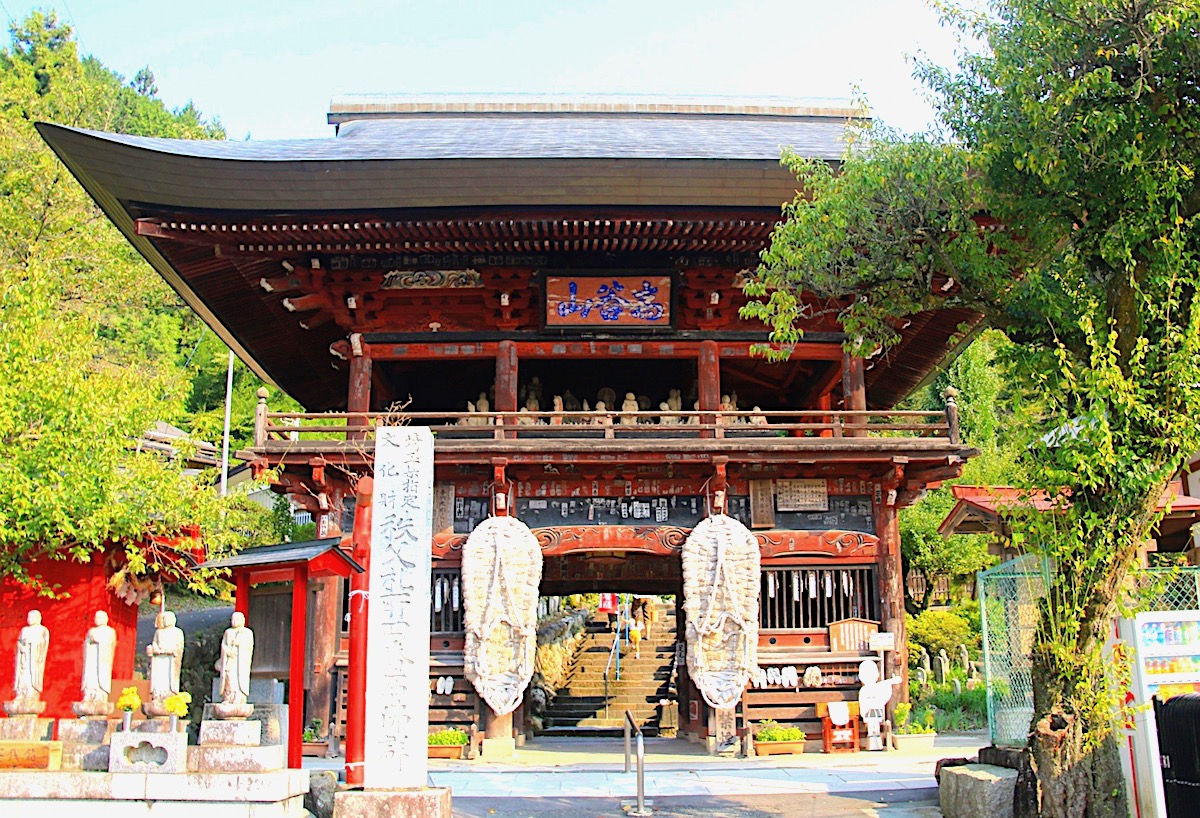
Chichibu 34 Pilgrimage
Established in 1234, the Chichibu 34 Kannon Pilgrimage is one of Japan’s oldest Buddhist circuits — a chain of 34 temples scattered through the forests, valleys, and farmland of Chichibu, each dedicated to Kannon (the Bodhisattva of Compassion). Pilgrims traditionally walk the full 100-kilometer route in 5-7 days, collecting calligraphy stamps in a goshuincho book at each temple as proof of completion. Modern visitors typically choose a sampling — temples 1, 11, and 31 are particularly atmospheric. The pilgrimage is part of the larger Japan 100 Kannon (Nihon Hyaku Kannon) circuit, and walking it transforms the Chichibu valley from tourist destination into spiritual landscape. Plan around the cherry blossom season (April) or autumn foliage (mid-November) for maximum beauty.
1234年に開創された「秩父三十四観音霊場」は、日本最古級の仏教巡礼路の一つ。秩父地方の森、谷、田畑に点在する34箇所の観音霊場をめぐる巡礼で、各寺は観音菩薩を本尊として祀ります。伝統的には全長約100kmの霊場全体を徒歩で5〜7日かけて巡り、各寺で御朱印帳に墨字朱印をいただくのが完徳の証。現代の訪問者は数寺をサンプリング訪問することが多く、特に1番・11番・31番札所が雰囲気抜群です。「日本百観音」(坂東三十三観音、西国三十三観音と合わせて)の構成霊場でもあり、巡礼することで秩父盆地が単なる観光地から聖地へと変貌します。4月の桜、11月中旬の紅葉シーズンが特に美しい時期です。
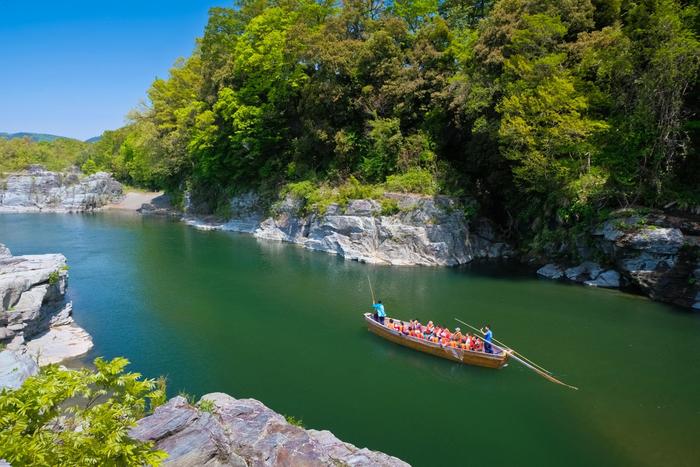
Nagatoro Gorge
Nagatoro Gorge is one of Saitama’s most photogenic outdoor destinations — a 6-km stretch of the Arakawa River where dramatic stratified rock cliffs rise from emerald-green waters. The signature experience is a roughly 20-minute traditional flat-bottomed boat ride poled by skilled boatmen who navigate the rapids while explaining the gorge’s geology. Spring brings wild cherry blossoms, summer offers cool refuge with riverside swimming, autumn paints maples in fire colors (peak mid-November), and winter features ice formations along quieter sections. Beyond boating, visitors can hike the cliff-top paths, visit Hodosan Shrine for panoramic views, or stop at the Saitama Museum of Natural History at the gorge’s edge. About 2–2.5 hours from Tokyo, transferring to the Chichibu Railway (via JR Kumagaya, or Seibu-Chichibu/Yorii).
長瀞渓谷は埼玉県を代表するフォトジェニックなアウトドアスポット。荒川の約6kmにわたる絶景渓谷で、エメラルドグリーンの川面から立ち上がる迫力ある岩畳の地層が見事な光景を作り出します。最大の見どころは熟練の船頭が操る伝統的な「長瀞ラインくだり」(約20分)で、激流を巧みに乗りこなしながら渓谷の地質について解説してくれます。春は野生の桜、夏は涼しい川遊び、11月中旬の紅葉ピークの燃えるような秋色、冬は静かなエリアの氷柱と、四季それぞれの絶景が楽しめます。舟下り以外にも、断崖トレッキング、絶景パノラマで有名な「宝登山神社」、渓谷のすぐ隣の「埼玉県立自然の博物館」なども見どころ。東京から約2〜2.5時間(JR熊谷または西武秩父・寄居で秩父鉄道に乗換)。
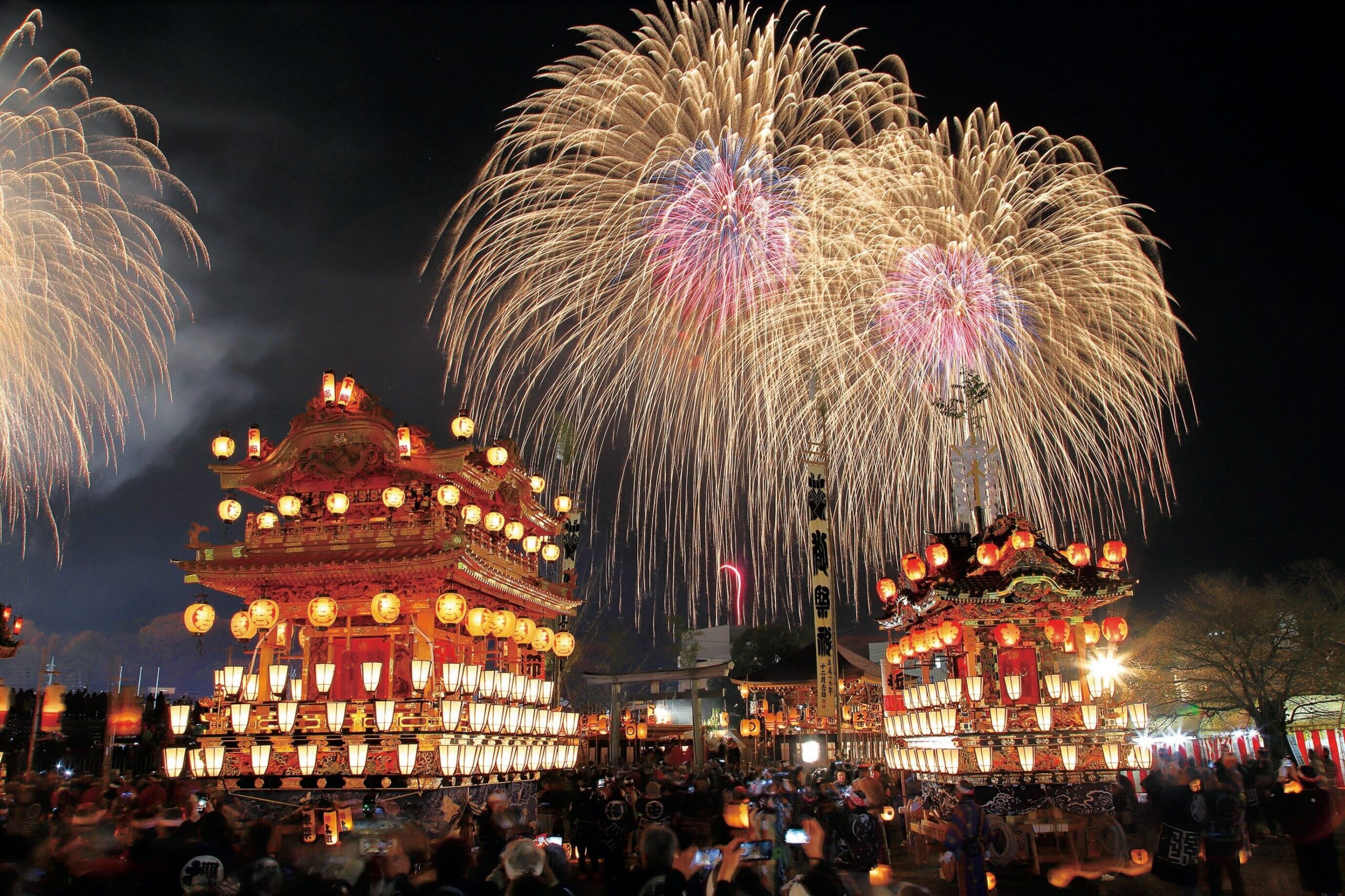
Chichibu Night Festival
Held December 2-3 every year, the Chichibu Night Festival is one of Japan’s three greatest festivals featuring elaborate floats — and the only major one held in winter. Six massive wooden floats called “yatai” and “kasaboko,” each weighing up to 20 tons and decorated with hundreds of paper lanterns, are pulled through narrow snowy streets to the rhythm of taiko drums and flutes, climbing the steep Dango-zaka slope toward the Otabisho rest site in a feat of strength that takes hours. The night culminates with extraordinary fireworks displays — exceedingly rare in Japanese winter — coloring the snowy skies above the procession. Recognized as UNESCO Intangible Cultural Heritage. Bookings essential year-round; trains and hotels fill up months in advance.
毎年12月2〜3日に開催される「秩父夜祭」は、日本三大曳山祭の一つで、唯一冬に行われる屈指の名祭。重さ最大20トンにも達する6台の華麗な木造曳山「屋台」「笠鉾」が、数百の提灯で彩られ、太鼓と笛の囃子に合わせて雪のちらつく狭い街道を曳き上げる迫力満点の祭り。秩父神社を出発し御旅所を目指してきつい団子坂を曳き上げる団子坂登りは、数時間に及ぶ力比べで、最大の山場に。夜のクライマックスは、雪空に咲き誇る冬には極めて珍しい大花火大会で、提灯と花火の競演が幻想的な世界を演出。ユネスコ無形文化遺産にも登録。年間通して予約必須で、電車・宿泊施設は数ヶ月前から満員に。
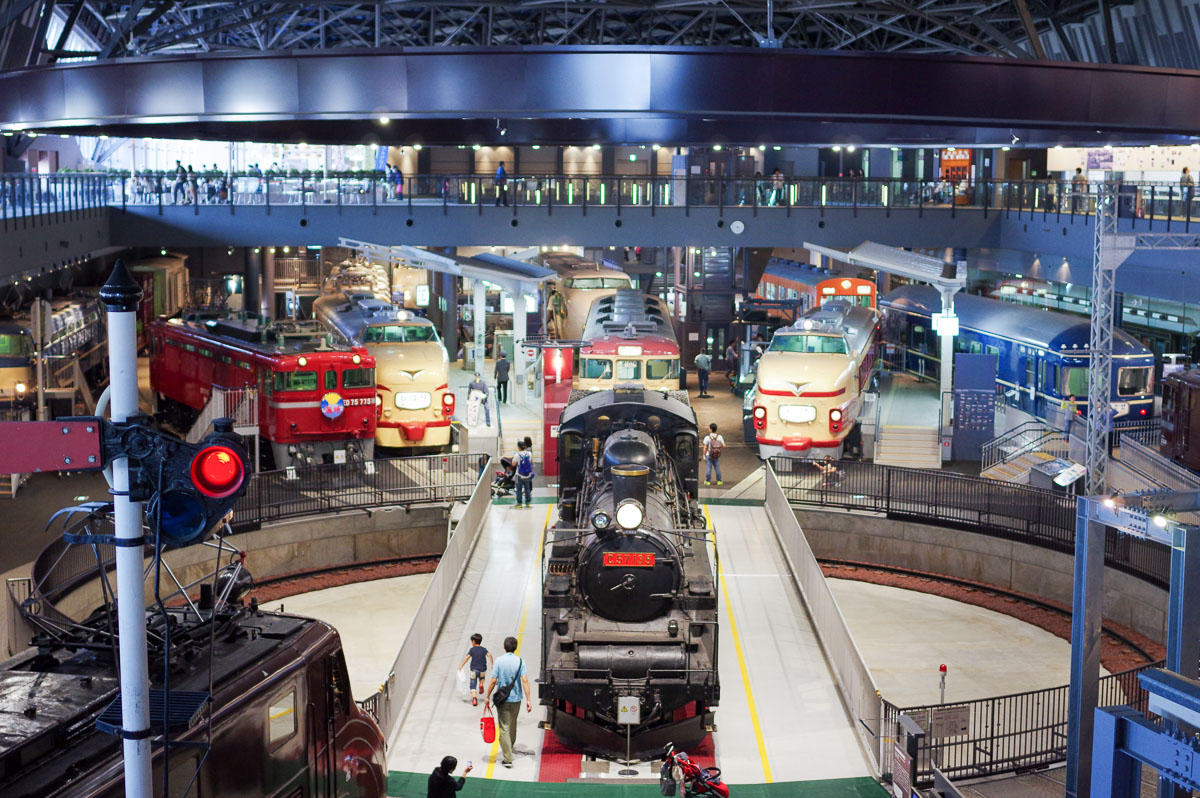
Railway Museum Omiya
Located in Omiya, the Railway Museum (Tetsudo Hakubutsukan) is a 28,000-square-meter shrine to Japan’s railway heritage — over 40 actual historic trains are displayed indoors, including the Imperial Family’s private rail car, the original 1872 steam locomotive that first ran in Japan, an 0-series Shinkansen, and the country’s first electric train. Beyond static displays, the museum offers driving simulators of various trains (including realistic Shinkansen experiences), a working model railway diorama with thousands of scale trains, and the popular “Mini Railway” outdoor track where visitors can drive miniature trains. Plan 3-4 hours; perfect for both transport enthusiasts and families. Tickets ¥1,600 adults (¥1,500 advance). From JR Omiya Station, take the New Shuttle (1-stop, 4 minutes).
大宮にある「鉄道博物館」(てっぱく)は、日本の鉄道遺産を称える28,000平方メートルの巨大施設。皇室御料車、1872年に日本で初めて運行された蒸気機関車、0系新幹線、日本最初の電車など40両以上の実物が屋内展示されています。静態展示だけでなく、各種列車(リアルな新幹線運転シミュレータ含む)、数千の縮尺模型が走るジオラマ、屋外で本物のミニ列車を運転できる「ミニ運転列車」など体験型コンテンツも豊富。所要時間3〜4時間、鉄道ファンも家族連れも楽しめる定番スポット。入館料1,600円(前売1,500円)。JR大宮駅からニューシャトル1駅(4分)でアクセス。
Insider Tips
現地通の旅の裏ワザ
30 minutes from Ikebukuro on Tobu Tojo Line. Skip touristy Kashiya Yokocho — locals shop at the regular Kura-no-machi merchant district.
池袋から東武東上線で30分。観光地化した菓子屋横丁よりも蔵造りの町並みが地元民の本場ルート。
Gyoda’s soul foods — ‘zerai fly’ (a mashed potato-and-okara croquette) and ‘fry’ (a flat savory pancake) — are cheap, filling, and almost unknown to foreign visitors. Find them near Oshi Castle.
行田名物「ゼリーフライ」(おからとじゃがのコロッケ)と「フライ」(平たいお好み焼き風)は外国人にほぼ未知のソウルフード。忍城跡周辺で安うま。
Frequently Asked Questions
How do I get to Kawagoe from Tokyo?
Tobu Tojo Line from Ikebukuro to Kawagoe (30 min, about ¥480) or JR Saikyo/Kawagoe Line (about 55–60 min). The old town is about a 20-minute walk from Kawagoe Station, or 10 minutes from Hon-Kawagoe.
池袋から東武東上線で川越まで約30分(約480円)。または埼京線直通で約55〜60分。川越駅から蔵造りの町まで徒歩約20分、本川越駅から約10分。
What is the Chichibu Night Festival?
Held December 2–3, it’s one of Japan’s three great float festivals (日本三大曳山祭). Six massive festival floats parade through Chichibu at night, with performances and winter fireworks. Arrive early — it draws around 250,000 visitors.
12月2〜3日開催。日本三大曳山祭の一つ。6台の巨大屋台・笠鉾が夜の秩父を練り歩き、冬の花火が上がる。約25万人が訪れるので早めに到着を。
What are sweet potatoes from Kawagoe?
Kawagoe has grown sweet potatoes since the Edo period and is famous as the historic home of ‘Kawagoe imo’ sweet potatoes. The narrow streets near the Candy Alley are lined with shops selling imo-flavoured everything.
川越のさつまいも栽培は江戸時代から続く。菓子横丁周辺の店ではいもスイーツや芋菓子が軒を連ねる。
Travel Tip
Buy the Tobu ‘Koedo Kawagoe Coupon’ (小江戸川越クーポン) from Ikebukuro, covering round-trip rail plus unlimited local Tobu buses. Visit the Toki-no-Kane bell tower at 12 noon when it rings — a centuries-old Kawagoe tradition.