Gunma
Top Gunma souvenirs and must-visit travel spots — your complete guide for visitors to Japan. Japan’s most potent hot spring, a stone-stepped onsen town frozen in the Meiji era, white-water rivers and a UNESCO silk mill — Gunma packs more variety than any other landlocked prefecture.
自然湧出量日本一の草津温泉・石畳の伊香保温泉・シルクの世界遺産・水上のラフティング。群馬は関東の温泉天国です。
Gunma is hot-spring country — Kusatsu, with the biggest natural spring flow in Japan, plus Ikaho’s stone staircase and the UNESCO Tomioka Silk Mill. The souvenirs follow the onsen towns: Kusatsu’s onsen-manju, Gunma’s distinctive skewered, miso-glazed yaki-manju, konjac products, and Takasaki’s daruma dolls. Onsen-manju is best eaten within a day or two, so buy it as you leave town rather than at the start.
群馬は温泉県——自然湧出量日本一の草津、石段の伊香保、世界遺産の富岡製糸場。みやげも温泉地ごとに、草津の温泉まんじゅう、群馬名物の焼きまんじゅう(串・味噌だれ)、こんにゃく製品、高崎のだるま。温泉まんじゅうは日持ちが1〜2日と短いので、行きより帰りに買うのがおすすめです。
Recommended Omiyage
おすすめおみやげ 5選
Yaki Manju
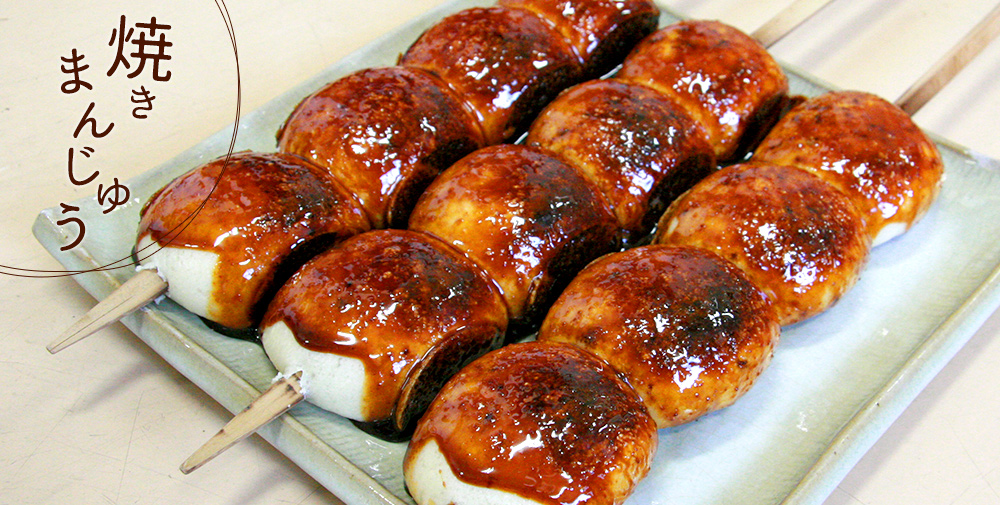
Gunma’s most beloved street food, yaki manju is a stack of 4 plump steamed buns skewered together, glazed with a sweet-savory miso-based sauce, and grilled over open flame until the surface crackles to caramel-brown perfection. The interior is light, slightly chewy, and absorbs the umami glaze beautifully — making each bite a balance of crisp, soft, sweet, and salty. The most legendary shops include Harashimaya Sohonke (Maebashi, est. 1857) and Orita (Takasaki), where lines form regardless of weather. Many shops sell take-home raw sets (around ¥1,080 for a 12-bun pack) that you can grill at your own pace. Eat hot and fresh; they don’t reheat well after a day. The smell wafting from a yaki manju stand is pure Gunma nostalgia.
群馬を代表するソウルフード「焼きまんじゅう」は、ふっくら蒸した4つのまんじゅうを串に刺し、味噌ベースの甘辛タレを塗って炭火で表面がキャラメル色になるまで焼き上げた郷土の味。中はふんわり軽く、ほんのり弾力があり、甘塩っぱいタレが染み込んで、外はカリッ、中はふわっという絶妙な食感のハーモニーを生み出します。1857年(安政4年)創業の「原嶋屋総本家」(前橋)、「オリタ焼まんじゅう店」(高崎)など老舗の前には天候を問わず行列が絶えません。多くの店ではタレ付きの生まんじゅうセット(12個入り約1,080円)を販売しており、自宅で焼いて楽しむことも可能。焼きたてが命、翌日の温め直しは風味が落ちるので注意。屋台から漂う甘辛い香りは群馬の懐かしさそのものです。
Kusatsu Onsen Manju
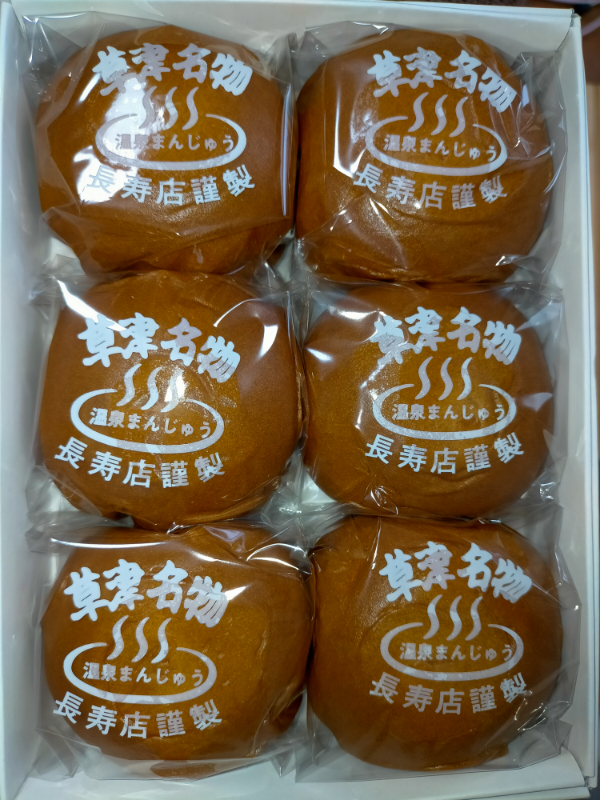
Kusatsu Onsen, one of Japan’s three most famous hot-spring towns, has a beloved tradition of “onsen manju” — small bean-paste-filled steamed buns sold at countless shops along the bath-town streets, often handed out warm in paper bags as visitors stroll between baths. The signature golden-brown skin, made with brown sugar and steamed over actual onsen-heated steam at some shops, has a faintly molasses-like flavor that pairs perfectly with strong green tea. Famous shops include Honke-Chichiya and Matsumura Manju, both within walking distance of the iconic Yubatake (hot-water field). Boxed assortments make charming Kusatsu souvenirs. About 3 hours from Tokyo via JR limited express + bus.
日本三大名湯の一つ草津温泉では、湯巡りのお供として愛され続ける「温泉まんじゅう」が名物。湯畑から伸びる温泉街の至る所に老舗まんじゅう屋が並び、紙袋に入れた湯気立つできたてを手渡してくれる風情があります。看板の黒糖を使った金茶色の皮は、店によっては実際の温泉の蒸気で蒸し上げる徹底ぶり。糖蜜のような甘い香りに、上品なこしあんが顔をのぞかせ、濃い目の緑茶との相性は格別です。「本家ちちや」「松むら饅頭」など、湯畑から徒歩圏内に老舗が並びます。化粧箱入りのお土産パッケージも豊富。東京からJR特急+バスで約3時間。
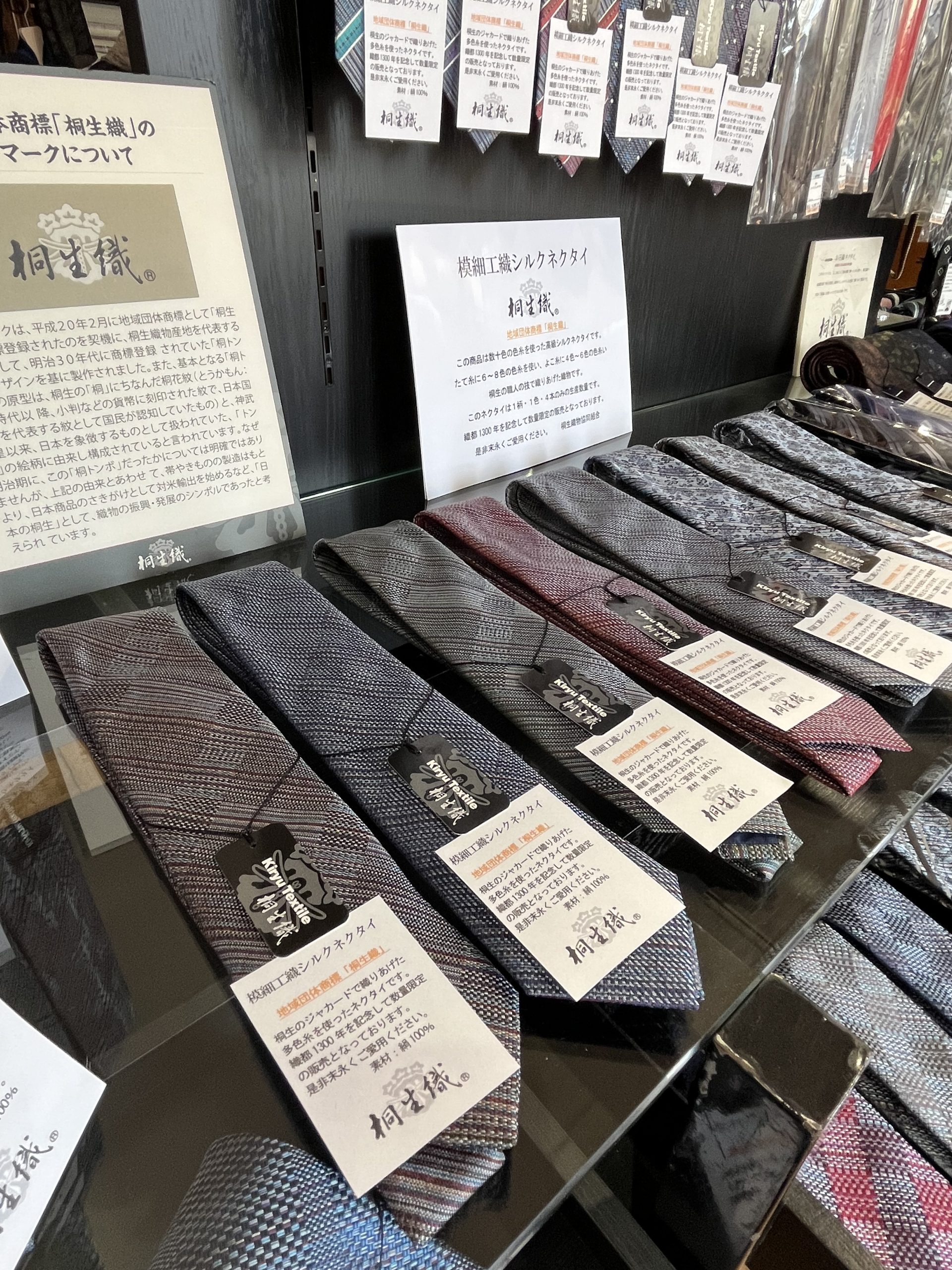
Kiryu Silk Textile
Kiryu has been Japan’s silk-weaving capital for over 1,300 years — its position in a small valley with abundant pure water, mulberry-friendly climate, and centuries of accumulated craftsmanship made it the elite producer of silk for emperors, samurai, and modern haute couture. Kiryu-ori (Kiryu weaving) features ultra-fine threads, intricate jacquard patterns inspired by classical Japanese motifs, and durable yet luxuriously soft texture. Browse the Kiryu Textile Museum (Kiryu Orimono Kinenkan), founded in a registered historic building, then visit working studios where you can purchase scarves (¥3,000-15,000), neckties, kimono fabric, and handbags. Kiryu’s silk is prized by major Japanese fashion houses and high-end designers.
群馬県桐生市は1,300年以上にわたって日本の絹織物の中心地として君臨してきた「織都桐生」。盆地の豊かな清流、桑栽培に適した気候、何世紀にもわたって積み上げられた職人技が、天皇家・武家・現代のハイブランドに愛される絶品絹織物を生み出します。桐生織は極細の絹糸、日本の古典文様を意匠化した精緻なジャカード柄、丈夫さと贅沢な肌触りを兼ね備えた仕上がりが特徴。登録有形文化財「桐生織物記念館」で歴史を学び、現役工房ではスカーフ(3,000〜15,000円)、ネクタイ、着物地、ハンドバッグなどを購入できます。日本の主要ファッションブランドにも採用される高級素材です。
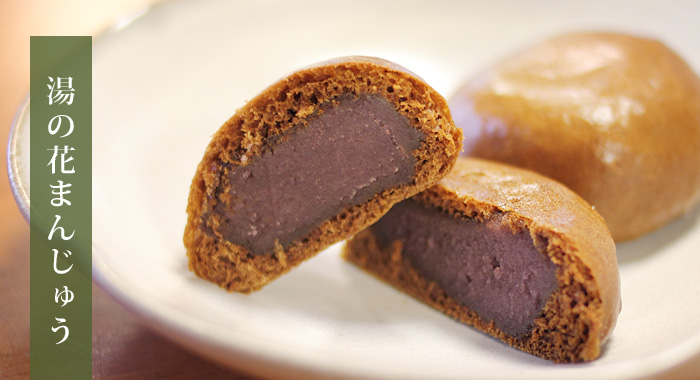
Ikaho Manju
Often called the original Japanese onsen manju, Ikaho Manju was reportedly invented in 1910 at Shougetsudo in Ikaho — a brown-sugar-infused steamed bun whose distinctive amber color and rich molasses flavor distinguishes it from Kusatsu’s lighter version. The story goes that the inventor, inspired by Ikaho’s iconic brown-tinged “golden waters” (kogane no yu), tried to capture the spring’s color in confectionery form using muscovado sugar. The bun’s tender skin, slightly chewy and perfumed with brown sugar, encloses smooth red bean paste in a perfectly bite-sized package. Shougetsudo’s main store near the top of the famous Ikaho stone steps still hand-makes them daily. Boxed assortments (6 to 24 buns) are sold at the main shop.
「日本の温泉まんじゅう発祥」とも称される伊香保まんじゅうは、1910年、伊香保の老舗「勝月堂」で生まれたと伝わる黒糖を使った蒸しまんじゅう。黒糖由来の琥珀色と糖蜜の濃厚な風味が特徴で、軽い色合いの草津まんじゅうとは違う独自の世界観を持ちます。考案者は伊香保の名物「黄金の湯」の褐色から着想を得て、黒糖を使って湯の色を菓子で再現しようとしたと伝わっています。柔らかく、ほんのり噛みごたえのある黒糖香る皮で、上品なこしあんを包み込んだ絶妙な一口サイズ。伊香保の象徴「石段街」上部の勝月堂本店では今も手作業で毎日製造中。6〜24個入りの化粧箱入りが本店で購入可能。
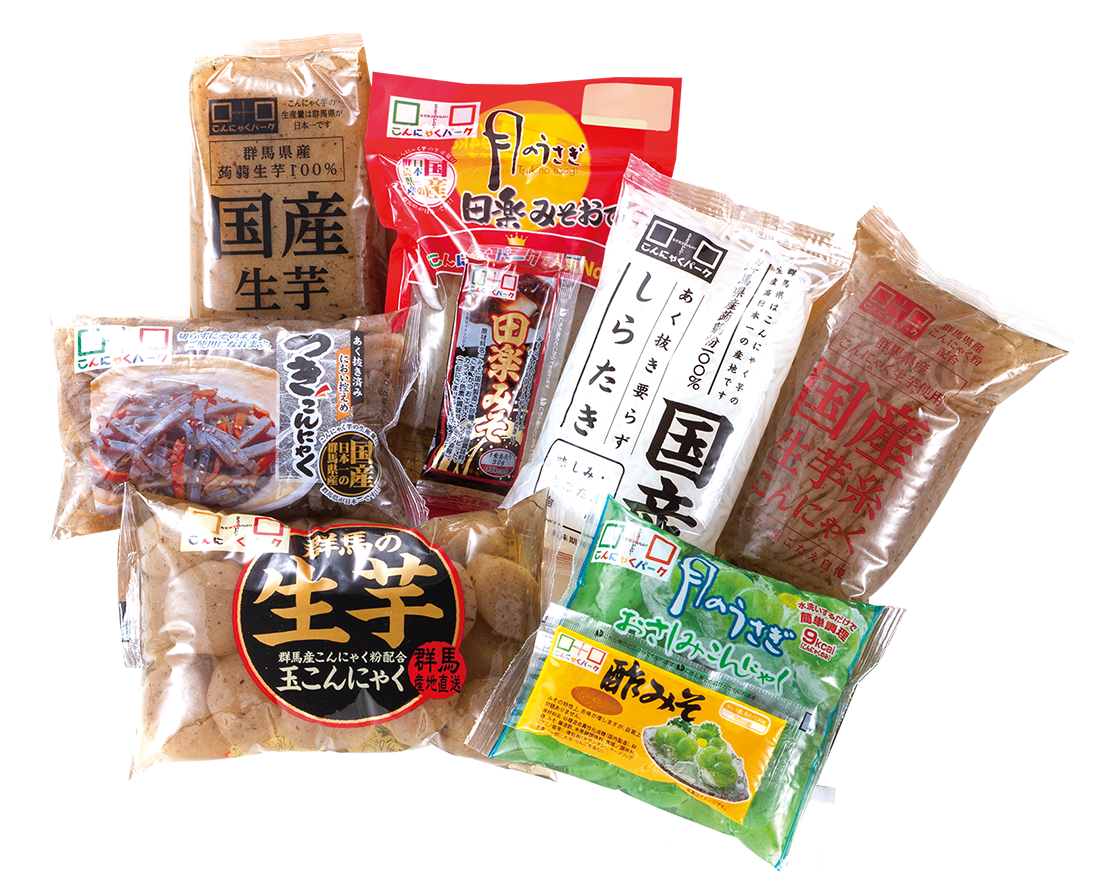
Konnyaku
Gunma produces over 90% of Japan’s konnyaku — a low-calorie, high-fiber traditional food made from the konjac root that grows abundantly in the mountains around Shimonita. The texture is unique: gelatinous yet slightly chewy, with no inherent flavor that absorbs broths and seasonings beautifully. Beyond traditional gray block konnyaku for nimono and oden, Gunma’s modern konnyaku-makers craft konnyaku noodles (shirataki), tofu-style konnyaku, sashimi-style sliced konnyaku for raw eating with miso, and even konnyaku desserts. The Konnyaku Park (Konnyaku Park) in Kanra offers free factory tours, all-you-can-eat konnyaku tasting buffets, and a vast gift shop. Available at JR Takasaki Station, roadside stations, and Konnyaku Park.
群馬県は日本のこんにゃく生産量の90%以上を占めるこんにゃくの王国。下仁田周辺の山々で盛んに栽培される蒟蒻芋を原料に、低カロリー・高食物繊維の伝統食品として古くから愛されてきました。プルプルとした独特の食感に、味のクセがほとんどなく、出汁や調味料を見事に吸い込む特性が魅力です。煮物やおでん用の灰色板こんにゃくに加え、しらたき麺、豆腐風こんにゃく、生で味噌をつけて食べる刺身こんにゃく、こんにゃくスイーツまで多彩なバリエーションが展開。甘楽郡の「こんにゃくパーク」では無料工場見学、こんにゃくバイキング、巨大お土産ショップが楽しめます。JR高崎駅、県内道の駅、こんにゃくパークで購入可能。
Must-Visit Spots
おすすめスポット 5選
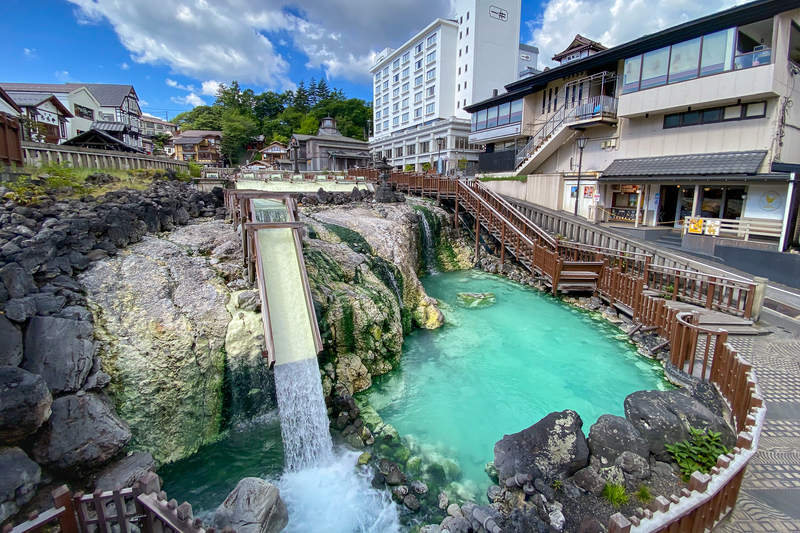
Kusatsu Onsen
Considered Japan’s premier hot spring for centuries, Kusatsu Onsen has ranked #1 in Japan’s national onsen rankings for over 20 consecutive years — its waters are extraordinarily acidic and sulfur-rich, with antibacterial properties so strong they can kill many pathogens within about a minute. The town’s signature centerpiece is the Yubatake, a wooden cooling channel system in the central plaza where steaming spring water flows in geometric patterns, releasing thick clouds of mineral-rich steam visible from blocks away. Watch the traditional “yumomi” performance where kimono-clad women cool the water by stirring it with long wooden paddles to traditional songs. Public bath “Sai-no-Kawara Rotenburo” is one of Japan’s largest open-air baths (about 500㎡). About 3 hours from Tokyo.
数世紀にわたって日本の名湯の王として君臨する草津温泉は、20年以上連続で温泉ランキング日本一に輝く別格の存在。極めて酸性度の高い硫黄泉は、強い抗菌作用を持ち多くの病原菌を1分ほどで死滅させるほどの効能で知られます。町の中心にある「湯畑」は、湯を冷やすための木製の樋が幾何学的に配置された壮観な施設で、立ち上る濃厚な湯気は離れた場所からでも確認できます。着物姿の女性たちが長い湯もみ板で歌いながら湯を冷やす伝統「湯もみ」のパフォーマンスは必見の文化体験。「西の河原露天風呂」は日本有数の広さ(約500㎡)を誇る野天風呂として人気。東京から約3時間。
Ikaho Onsen
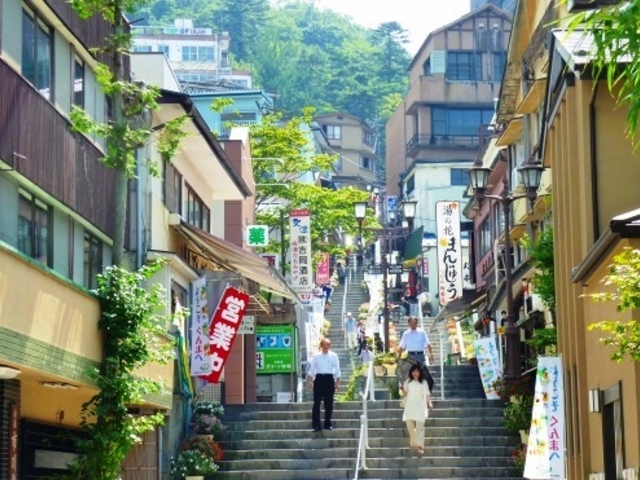
Famous for its 365-step stone staircase (Ishidan-gai) that climbs through the heart of the town, Ikaho Onsen is one of Japan’s most cinematically arranged hot-spring towns — historic ryokan, souvenir shops, manju steamers, and traditional cafes line the steps from base to summit. The two distinctive springs are “Kogane-no-Yu” (Golden Water, iron-rich brownish) for women’s beauty and circulation, and “Shirogane-no-Yu” (Silver Water, clear) for everyday wellness. Built by Sengoku-era warlords for soldier recovery, Ikaho’s history is rich with literary visitors including Tokutomi Roka who set his masterpiece “Hototogisu” here. Combine with nearby Mount Haruna and Lake Haruna for a perfect Gunma weekend. From JR Shibukawa Station, buses run roughly every 30–60 minutes (about a 25-minute ride).
365段の石段街(いしだんがい)が町の中心を貫く伊香保温泉は、日本でも最も映画的な雰囲気の温泉郷。石段の麓から頂上まで、老舗旅館、土産物店、まんじゅう蒸し屋台、伝統的な甘味処が両脇に立ち並びます。2つの特徴的な源泉は、鉄分豊富な茶褐色の「黄金の湯」(女性の美容と血行促進に効能)と、無色透明の「白銀の湯」(健康維持に最適)。戦国時代に武将たちが兵士の傷病療養のため整備したのが起源で、その後、徳冨蘆花が代表作『不如帰』の舞台とするなど多くの文人たちにも愛されてきました。榛名山・榛名湖と組み合わせれば群馬週末旅にぴったり。JR渋川駅からバスで約25分、30〜60分間隔で運行。
Tomioka Silk Mill
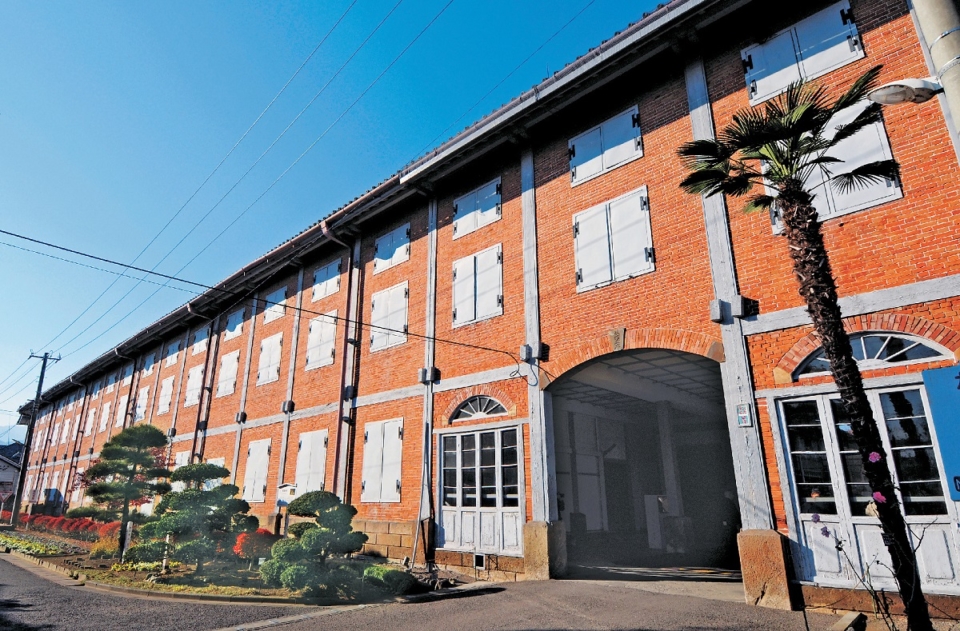
Designated a UNESCO World Heritage Site in 2014, Tomioka Silk Mill is a remarkably preserved 1872 industrial complex that revolutionized Japan’s modernization — establishing silk as the country’s main export and funding the Meiji-era industrial revolution. The mill, guided by French silk expert Paul Brunat, was the world’s largest silk-reeling factory at its opening, employing hundreds of young women from across Japan in a state-of-the-art operation that combined Western technology with Japanese craftsmanship. The original wooden warehouses, brick reeling building, and dormitories survive intact, and the museum displays original machinery, historical photographs, and stories of the workers. About 40-minute guided tours (¥200) bring the past to life. From Joshu-Tomioka Station on the Joshin Dentetsu line, a 10–15-minute walk. Open daily except year-end (Dec 29–31).
2014年にユネスコ世界文化遺産に登録された「富岡製糸場」は、1872年に建設された奇跡的に保存された産業施設。明治日本の近代化を主導し、絹輸出を国の主力産業に押し上げ、明治の産業革命を資金面から支えた歴史的拠点です。フランス人指導者ポール・ブリュナの指導で建てられたこの製糸場は、開業当時世界最大規模で、日本各地から集められた数百人の若い女工たちが、西洋技術と日本の職人技を融合させた最先端の操業を担いました。木造の繭倉庫、煉瓦造りの繰糸所、女工寄宿舎が当時のまま現存し、館内では実機、歴史写真、女工たちの物語が展示されています。約40分のガイドツアー(¥200)で当時の世界が蘇ります。上信電鉄・上州富岡駅から徒歩約10〜15分。年末(12/29〜31)のみ休館。
Minakami Rafting
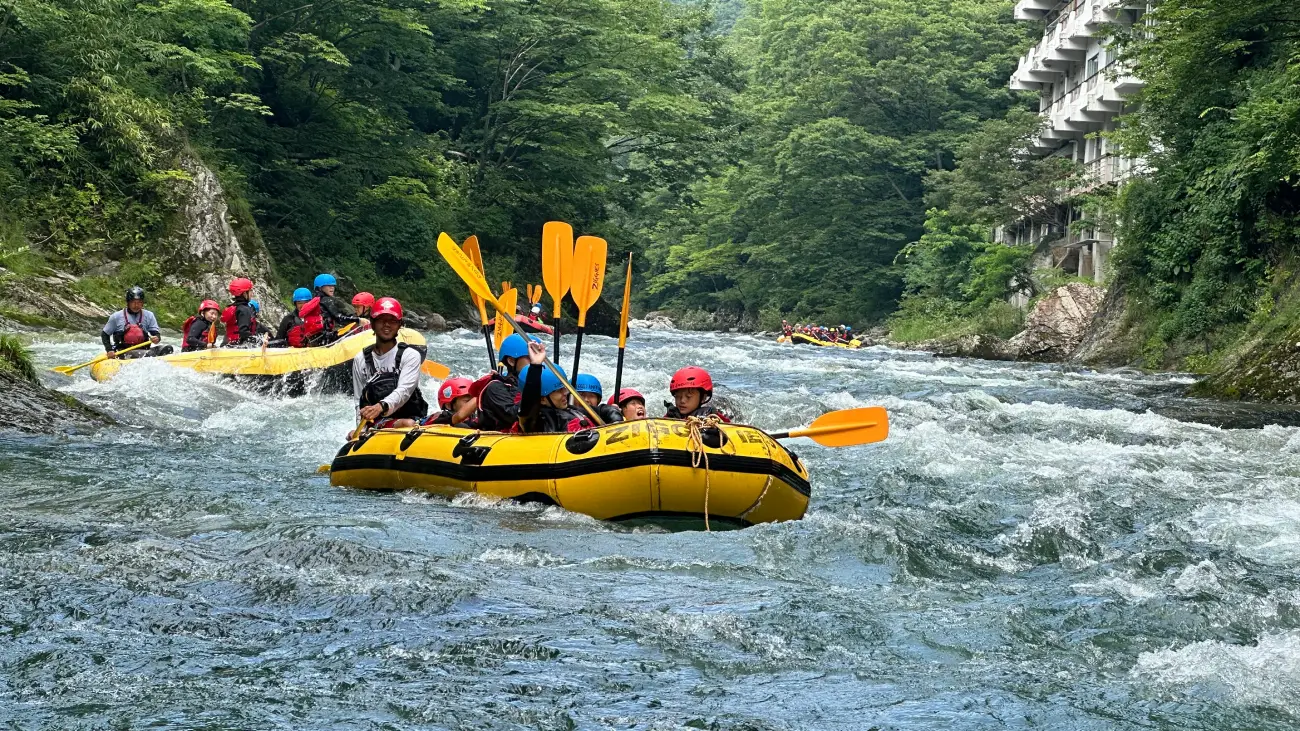
Minakami’s Tone River, fed by snowmelt from the Tanigawa mountain range, is Japan’s most popular whitewater rafting destination — its Class III-IV rapids in spring (April-June) are thrillingly punchy, while summer offers gentler family-friendly runs through emerald green canyons. Numerous outdoor companies (Canyons, Jug Sports, etc.) offer half-day trips for about ¥6,000–9,500 with all gear, dry suits or wetsuits, transportation, and English-speaking guides. Beyond rafting, Minakami is Japan’s top adventure-sports town with canyoning, bungee jumping (a 42-meter bridge jump), and hot-air ballooning. Recover afterward in Minakami Onsen with stunning mountain views. About 1.5–2 hours from Tokyo (Joetsu Shinkansen ~70 min to Jomo-Kogen, then bus).
谷川連峰の雪解け水が流れ込むみなかみの利根川は、日本随一のホワイトウォーターラフティングメッカ。4〜6月の雪解け時期はクラスIII-IVの激流で迫力満点、夏は穏やかな流れになり家族連れでもエメラルドグリーンの渓谷を楽しめます。「キャニオンズ」「ジャグスポーツ」など多数のアウトドアツアー会社が、装備一式、ドライスーツ・ウェットスーツ、送迎、英語ガイド込み、半日コース約6,000〜9,500円で運営。ラフティング以外にも、キャニオニング、42メートルのバンジージャンプ、熱気球など、日本屈指のアウトドアスポーツの町。山の絶景を望む水上温泉で疲れを癒すのが定番コース。東京からJR上越新幹線+バスで約1.5〜2時間。
Oze National Park
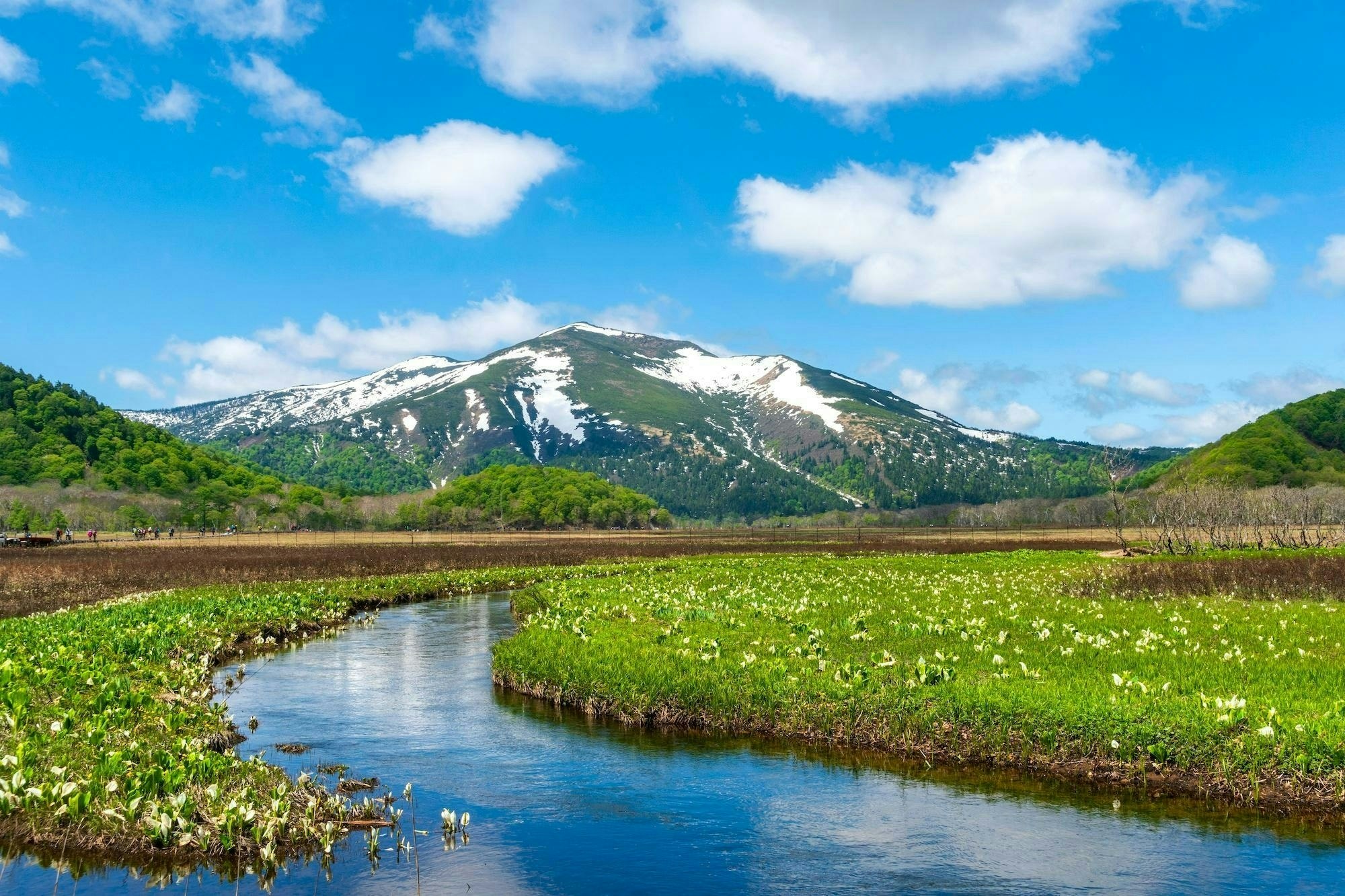
Straddling Gunma, Fukushima, Niigata, and Tochigi, Oze National Park preserves Japan’s most pristine highland marshland — a vast expanse of wooden boardwalks crossing pure wetlands rich in seasonal blooms. Gunma’s main entry point is Hatomachi-toge, reached via Tokura (from Numata) by shuttle bus since private cars are restricted, leading to the iconic Ozegahara marsh. Late May / early June brings the white skunk cabbage (mizubasho) blanketing the wetlands; July features bright orange day lilies; late September to early October paints the silver grasslands gold. The 17-km loop trail can be done in a long day, or stretched over 2 days at the historic mountain huts. Vehicle access is restricted to preserve the ecosystem — visitors hike from designated parking lots. Best from late May through October.
群馬・福島・新潟・栃木の4県にまたがる尾瀬国立公園は、日本でも最も貴重な高層湿原。整備された木道が縦横に走り、四季折々の花が咲き乱れる別世界です。群馬側の主要入口は鳩待峠で、沼田から戸倉を経て乗合バス(マイカー規制)でアクセスし、看板風景の「尾瀬ヶ原」へ直結します。5月下旬〜6月上旬の白い水芭蕉群生、7月の橙色のニッコウキスゲ、9月下旬〜10月上旬の銀色の草紅葉と、季節ごとに違う表情が楽しめます。一周17kmのトレイルは健脚なら日帰り可能、点在する山小屋に宿泊して1泊2日で楽しむのも人気。生態系保護のため車両通行は厳しく制限されており、決められた駐車場から徒歩でアクセスします。ベストシーズンは5月下旬〜10月。
Insider Tips
現地通の旅の裏ワザ
Kusatsu has more dramatic yubatake but is 3–4 hours from Tokyo. Ikaho (2 hours) has the iconic stone steps and is doable as a day trip.
草津は湯畑が圧巻だが東京から3〜4時間。伊香保(2時間)は石段街が日帰り可能で時間効率◎。
Gunma produces 90% of Japan’s konjac. Kanra’s ‘Konjac Park’ offers free entry plus a hands-on making class (from ¥1,100) — very few foreign tourists know.
群馬はこんにゃく日本一(90%)。甘楽町「こんにゃくパーク」は入場無料、手作り体験は¥1,100〜(小学生¥550〜)。海外客にほぼ未知の穴場。
Frequently Asked Questions
What is the yumomi ceremony at Kusatsu?
Yumomi is the traditional practice of cooling Kusatsu’s scalding spring water (about 50–55°C) by stirring it with long wooden paddles, accompanied by folk songs. Paid shows (adults ¥700) run several times daily at the Netsu-no-yu bathhouse.
湯もみは約50〜55℃の激熱の源泉を木の板でかき混ぜて冷ます伝統。熱乃湯で毎日有料(大人¥700)の実演を見られます。
Can I visit Tomioka Silk Mill as a day trip from Tokyo?
Yes — JR Joetsu Shinkansen to Takasaki (50 min from Tokyo), then the Joshin Dentetsu line to Joshu-Tomioka (~40 min), then a 10-min walk. Allow 2–3 hours at the mill itself.
東京〜高崎は新幹線で約50分、上信電鉄・上州富岡駅から徒歩約10分(高崎から約40分)。見学は2〜3時間確保を。
What makes Kusatsu Onsen special?
Kusatsu’s spring water is among the most acidic (pH ~2.0) of any major Japanese onsen, giving it extraordinary bactericidal properties. It’s said to cure ‘all ailments except lovesickness’ (恋の病以外).
草津の温泉は日本屈指の酸性(pH2.0)で強力な殺菌作用があります。『万病に効く』と言われ、恋の病以外は治ると伝わります。
Travel Tip
At Kusatsu, use the free ‘Yukemuri-tei’ footbath on the Yubatake for a no-cost introduction to the famous spring water. Then buy an ¥800 ‘Sai-no-Kawara Rotenburo’ outdoor bath ticket for a stunning open-air soak with mountain views.