Gifu
Top Gifu souvenirs and must-visit travel spots — your complete guide for visitors to Japan. Snow-blanketed thatched roofs, sake breweries tucked in mountain valleys, and cormorant fishermen with lit torches on a dark river — Gifu is Japan at its most timeless.
白川郷の合掌造り、高山の古い町並み、鵜飼の炎。岐阜は日本の原風景が最も色濃く残る県です。
Gifu spans the Hida mountains and old castle towns — Shirakawa-go’s thatched houses, Takayama’s morning markets, and the Nagara River cormorant fishing. Hida beef is the luxury food; for sweets, Nakatsugawa’s kuri-kinton chestnut sweet is famous, alongside gohei-mochi and Hida Shunkei lacquerware. Takayama and Gifu-Hashima stations cover most of it.
岐阜は飛騨の山々と古い城下町——白川郷の合掌造り、高山の朝市、長良川の鵜飼。高級食なら飛騨牛、甘いみやげは中津川の栗きんとんが有名で、五平餅や飛騨春慶塗も。高山駅・岐阜羽島駅でだいたい揃います。
Recommended Omiyage
おすすめおみやげ 5選
Sarubobo Amulet
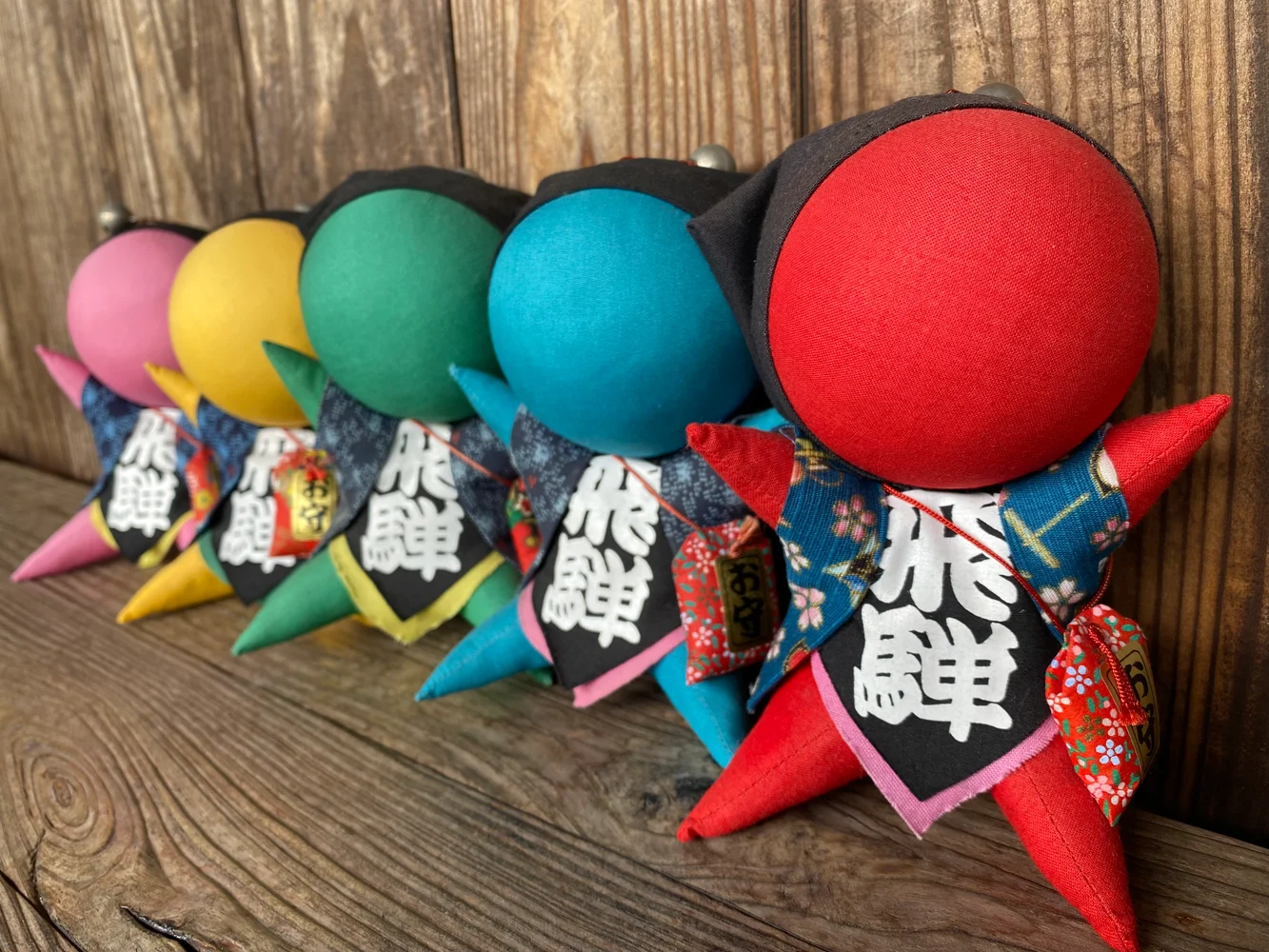
Sarubobo (“baby monkey” in Hida dialect) is one of Japan’s most charming folk talismans — a faceless, red cloth doll with tied limbs, traditionally hand-stitched by Hida grandmothers as protection charms for grandchildren. Originating in Takayama centuries ago, sarubobo lacks a face deliberately so the holder can project their own emotions onto it, and the bright red color is said to ward off illness. Modern sarubobo come in many colors with specific meanings: red for good fortune, pink for love, yellow for prosperity, blue for academic success. Traditional small versions (¥500-1,500) make perfect keychain souvenirs, while large display sarubobo (¥3,000-10,000+) become beloved decorations. Browse them throughout Takayama’s old town, or try hand-making one near the Hida-no-Sato folk village.
「さるぼぼ」は飛騨弁で「猿の赤ちゃん」を意味し、日本でも最も愛らしい郷土の魔除け人形——顔のない赤い布製人形で、手足を結んだ伝統的な姿が特徴。元々は飛騨地方の祖母たちが孫のお守りとして手縫いで作ってきた愛情籠もる魔除け。顔を描かないのは、持ち主の気持ちを反映できるようにとの計らいで、鮮やかな赤色は厄除けの意味を持ちます。現代では、赤(幸運)、ピンク(恋愛)、黄(金運)、青(学業成就)など色によって異なる意味を持つバリエーションが展開。手のひらサイズ(500〜1,500円)はキーホルダーお土産に、大型のディスプレイ用さるぼぼ(3,000〜10,000円超)はインテリアとして人気。高山の古い町並み、飛騨の里エリアでさるぼぼ作り体験もできます。
Mitarashi Dango
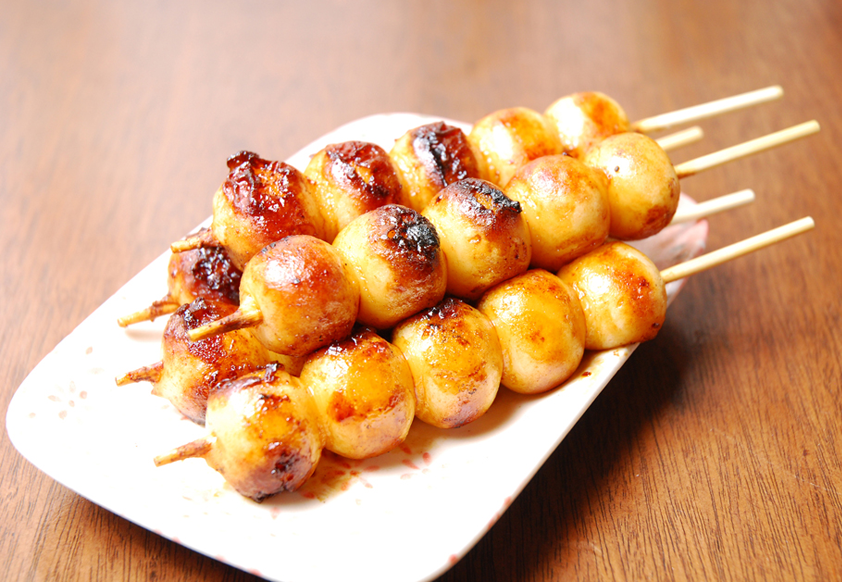
Although mitarashi dango is found throughout Japan, Gifu’s Hida region has a particularly distinctive style — small, perfectly round rice dumplings on bamboo skewers, charcoal-grilled until the surface is crisp and slightly charred, then brushed with a savory soy-sauce glaze — Hida’s version is not sweet — that thickens as it cools. The contrast of the slightly bitter charred surface with the savory glaze and the dense, chewy mochi underneath creates an unforgettable bite. Gifu’s grandmother shops along Takayama’s Sanmachi-suji street grill them fresh on charcoal hibachi at the storefront — the smell wafting through the alley is irresistible. Eat hot and fresh; they don’t keep well. Most shops include a side of seasoned hot tea. Best paired with a stroll through old Takayama.
「みたらし団子」は日本各地に存在しますが、岐阜県飛騨地方には特に独自のスタイルが伝わります——小さく完全な球形に丸めた団子を竹串に刺し、表面がカリッと少し焦げるまで炭火で焼き、香ばしい醤油だれを塗って完成(飛騨は砂糖をほぼ使わず甘くないのが特徴)。冷めるとたれが餅にしっかり絡みついて濃厚に。表面の少し苦い焦げ味、香ばしい醤油だれ、もちもちの餅の三段階の食感が織りなす絶妙な美味しさは、一度食べたら忘れられません。高山の三町筋(さんまちすじ)通りでは、おばあちゃんたちが店先の炭火コンロで実演焼きしており、路地に漂う香ばしい香りが食欲を誘います。焼きたてが命、保存には向きません。お茶のサービスもセット。古い高山の町並み散策と一緒に味わうのが王道です。
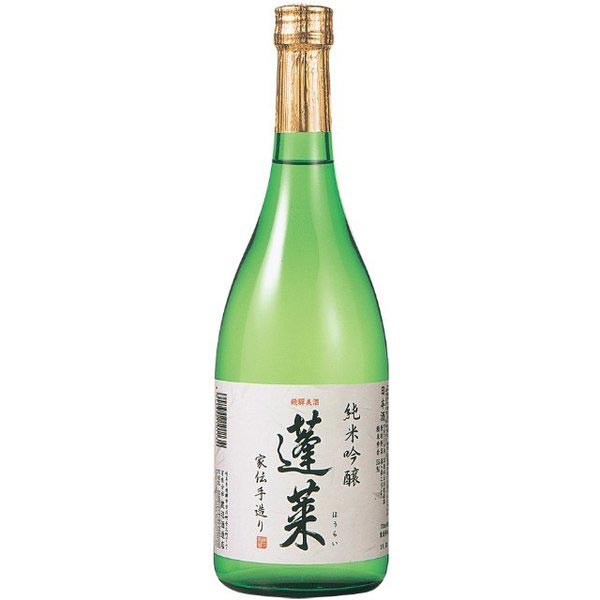
Hida Sake
Hida is one of Japan’s most underappreciated sake regions — its high-altitude location, deep snowmelt-fed water, locally-grown Hidahomare rice (specifically developed for sake brewing in this climate), and 6 historic breweries within Takayama alone produce sake of exceptional clarity and depth. The signature Hida sake style is clean and slightly mineral-driven with refined umami — perfect for pairing with Hida beef and seasonal mountain fare. Notable Takayama breweries include Hirase Sake Brewery (maker of Kusudama, founded 1623), Niki Sake Brewery (known for Tamanoi), and Funasaka Shuzo (maker of Miyamagiku). Many breweries in Takayama’s old town welcome visitors for brewery walks and paid tasting flights (often via a tasting-passport system). Pair Hida junmai with sansai mountain vegetables, hoba miso, or Hida beef sukiyaki. Available at JR Takayama Station and direct from breweries.
飛騨は日本でも過小評価されている酒どころの一つ——高標高、深い雪解け水、地元産酒造米「飛騨ほまれ」(この気候専用に開発された品種)、高山市内だけで6軒もの歴史ある蔵元が、清澄で奥行きある銘酒を生み出しています。飛騨酒の特徴は、澄み切ったキレ味、ほのかなミネラル感、上品な旨味で、飛騨牛や山の幸とのペアリングが絶妙。代表蔵元は、1623年創業で「久寿玉」を醸す「平瀬酒造店」、「玉の井」で知られる「二木酒造」、「深山菊」の「舩坂酒造店」など。高山の古い町並み一帯の多くの蔵元で、蔵の見学と有料の利き酒(御酒飲帳などの試飲制)が楽しめます。山菜料理、朴葉味噌、飛騨牛のすき焼きとの相性は格別。JR高山駅、各蔵元直営店で購入可能です。
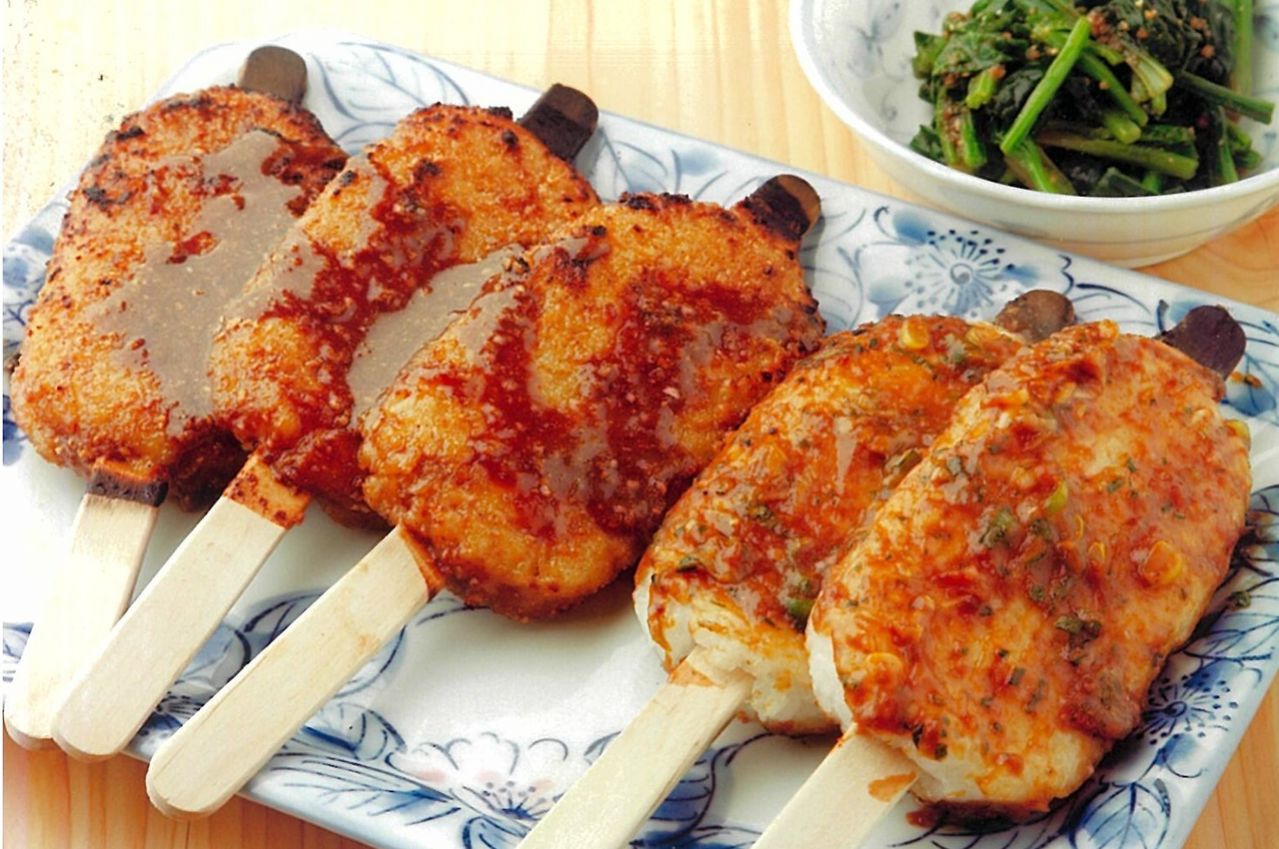
Gohei Mochi
Gohei mochi is one of Japan’s most distinctive regional rice dishes — pounded rice formed around large flat bamboo skewers, then char-grilled and brushed with sweet miso, soy, or walnut-miso glaze. Originating in the mountains of Gifu, Nagano, and the historical Hida-Mino area, this rustic dish was field food for woodcutters and travelers. The texture is part-mochi, part-rice cake — slightly chewy, with caramelized exterior from grilling. Toppings vary by region: Gifu versions typically use a rich, sweet-savory miso glaze (sometimes with walnut or sesame). Modern versions can be found at roadside stations and traditional restaurants throughout Hida-Takayama. Take-home frozen versions are sold at JR Takayama Station with reheating instructions. Best fresh from a charcoal stove.
「五平餅」は日本でも独特な郷土米料理の一つ——蒸したご飯をすり潰して大きな平たい竹串に巻き付け、炭火で焼いて、甘い味噌・醤油・くるみ味噌などのタレを塗って完成。岐阜・長野・旧飛騨美濃地方の山岳地帯で、木こりや旅人の野食として始まった素朴な料理です。食感は餅とご飯の中間で、ほんのり噛みごたえがあり、焼きで表面がカラメル化したカリッとした香ばしさも特徴。トッピングは地域によって異なり、岐阜では甘塩っぱい味噌だれが定番(地域によりくるみやごまを加える)で、コクと複雑な旨味が広がります。飛騨高山の道の駅、伝統食事処で広く味わえます。冷凍版がJR高山駅で温め方説明書付きで購入可能。炭火で焼きたてが最高の味わいです。
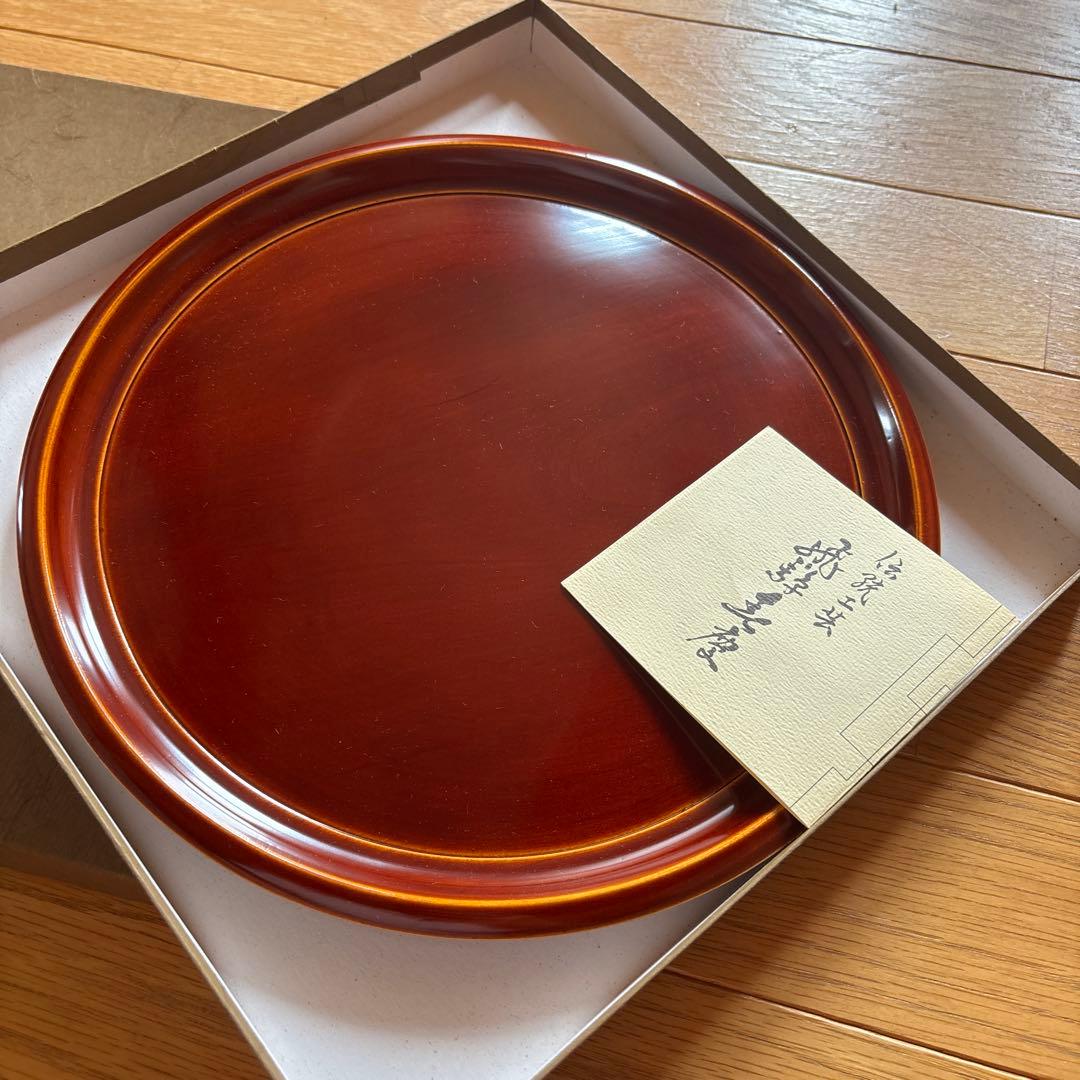
Hida Lacquerware
Hida-shunkei is a unique form of Japanese lacquerware that’s been crafted in the Takayama region for over 400 years. Unlike heavily decorated lacquerware traditions, Hida-shunkei uses transparent yellow lacquer (“shunkei urushi”) applied over carefully selected wood, allowing the natural grain pattern to remain beautifully visible while gaining centuries of durability. The technique dates to around 1606, when Takayama master carpenter Takahashi Kizaemon was struck by the grain of split sawara cypress and made a tray, which the lacquerer Narita Sanemon then coated in clear lacquer for the lord Kanamori Sowa. Today, master artisans continue producing trays, bowls, tea utensils, and bento boxes with the signature warm amber glow. Workshops and specialty shops across Takayama’s old town are the best places to see it firsthand. Pieces range from ¥3,000 small dishes to ¥150,000+ tea ceremony sets. Available throughout Takayama’s old town and JR Takayama Station shops.
「飛騨春慶」は400年以上にわたって高山地方で作り続けられている日本独特の漆器——一般的な漆器と異なり、透明な黄色の「春慶漆」を厳選した木地の上に塗ることで、木目の美しさを最大限に活かしながら数百年の耐久性を実現する独自の技法を持ちます。1606年頃、高山の大工棟梁・高橋喜左衛門が打ち割った椹(さわら)の木目の美しさに惹かれて盆を作り、塗師・成田三右衛門が透き漆で塗り上げ、藩主・金森宗和に献じたのが始まりと伝わります。現代の名工たちは、お盆、お椀、茶道具、弁当箱などを伝統の温かい琥珀色の艶で仕上げ続けています。高山の古い町並みの工房や専門店で実物を間近に見られます。価格帯は3,000円の小皿から、150,000円超の茶道具一式まで多彩。高山古い町並み、JR高山駅周辺の土産店で広く購入可能。
Must-Visit Spots
おすすめスポット 5選
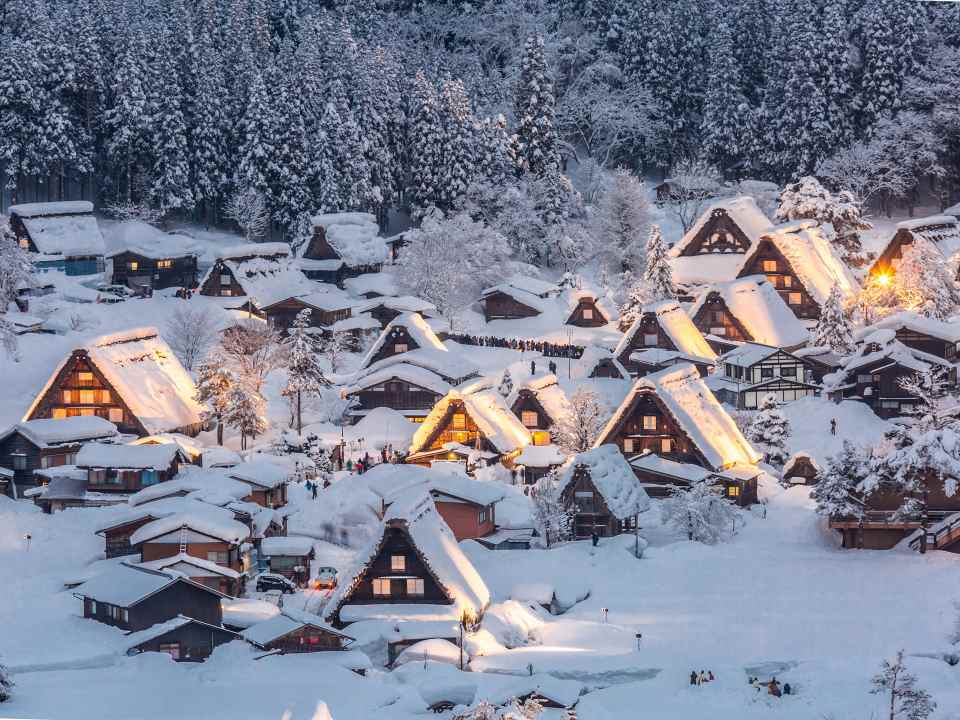
Shirakawa-go
Designated a UNESCO World Heritage Site in 1995, Shirakawa-go is Japan’s most photogenic preserved village — a remote mountain valley filled with 100+ traditional gassho-zukuri (“hands in prayer”) thatched-roof farmhouses, some 250+ years old. The 60-degree-angled roofs are designed to shed Shirakawa’s heavy winter snowfall (often 1–2 metres, more in heavy years), and the steep attic spaces traditionally housed silkworm-rearing operations. Visitors can tour multiple preserved farmhouses (Wada-ke and Kanda-ke are particularly stunning), soak at the Shirakawa-go no Yu open-air bath, and most magically, witness the world-famous winter illuminations (a few reservation-only evenings in mid-January to early February) when warm yellow lights inside the snow-covered houses create an otherworldly fairytale scene. From JR Takayama Station, buses run to Shirakawa-go (50 minutes).
1995年にユネスコ世界文化遺産に登録された「白川郷」は、日本でも最もフォトジェニックな保存集落——遠い山の谷間に、100棟を超える伝統的な合掌造り(祈るような手を組んだ形の意)の藁葺き屋根農家が立ち並びます。最古の家は250年以上の歴史を持ちます。60度の急な屋根の傾斜は、白川郷の豪雪(しばしば1〜2メートル超)を自然に滑り落とす設計で、急勾配の屋根裏は伝統的に養蚕の作業場として活用されました。複数の保存民家(特に和田家・神田家が見事)の内部見学、外湯「白川郷の湯」、そして最も幻想的な「冬の白川郷ライトアップ」(1月中旬〜2月上旬の指定日のみ・完全予約制)——雪に覆われた家屋の中から漏れる暖かい黄色の灯りが、おとぎ話のような魔法の風景を創り出します。JR高山駅からバスで約50分。
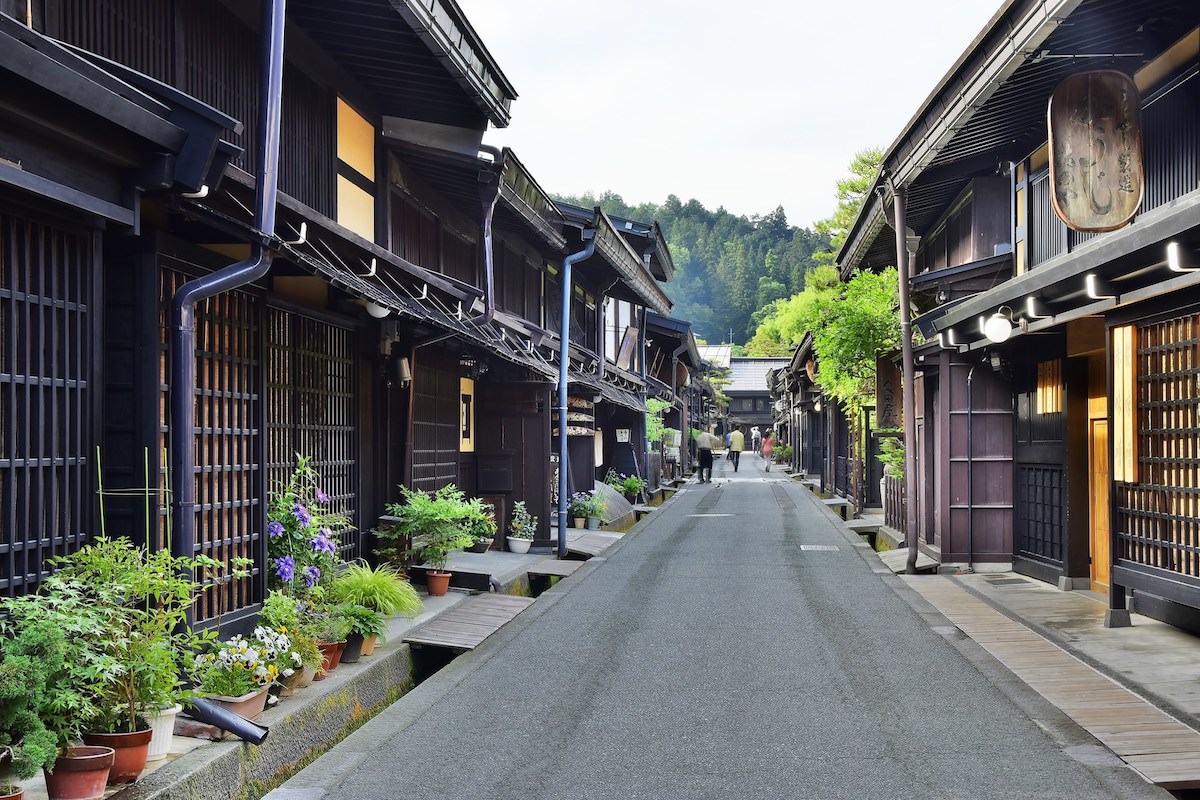
Sanmachi Suji, Takayama
Takayama’s Sanmachi-suji is one of Japan’s best-preserved Edo-era merchant streets — three parallel cobblestone lanes (Ichinomachi, Ninomachi, and Sannomachi) lined with dark-wood traditional facades, sake breweries, miso shops, and wagashi confectioneries that have operated for centuries. The dark wooden buildings, old-style sliding doors, and traditional shop signs feel completely unchanged from the 1700s. Take a leisurely walk while sampling free sake tastings at the brewery shops, watching mitarashi dango grilling on charcoal, and admiring centuries-old Yatai (festival floats) on display. The street also hosts the spectacular Spring (April 14-15) and Autumn (October 9-10) Takayama Festivals, when the floats parade through these very streets. From JR Takayama Station, a 10-minute walk.
高山の「三町筋(さんまちすじ)」は、江戸時代の商家町を最も完璧に保存した日本屈指の名所——3本の並行する石畳の小路(一之町、二之町、三之町)に、暗い木造の伝統的な家屋、酒蔵、味噌屋、和菓子屋などが何世紀も前から営業しています。黒い木造建物、伝統的な引戸、古風な屋号は、1700年代からほとんど変わっていない別世界の雰囲気を醸し出します。ゆっくり散策しながら、酒蔵での無料利き酒、店先の炭火で焼かれるみたらし団子、何世紀も前からの祭り屋台の展示などを楽しめます。この通りでは、春(4月14〜15日)と秋(10月9〜10日)の高山祭で豪華絢爛な屋台が練り歩く伝統の光景も繰り広げられます。JR高山駅から徒歩約10分。
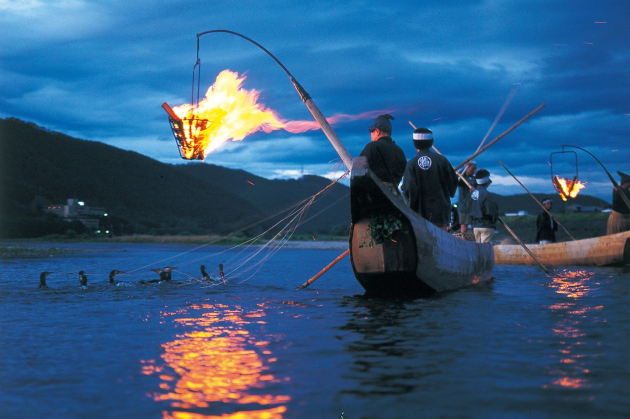
Ukai Cormorant Fishing
Ukai (cormorant fishing) on Gifu’s Nagara River is one of Japan’s most ancient living traditions — Imperial-protected since 702 AD, making it over 1,300 years old. Each May through October, expert fishermen (called “usho”) in traditional black robes lead trained cormorants on long ropes from wooden boats lit by burning torches. The cormorants dive into the river to catch ayu (sweetfish), which a small ring around their necks prevents them from swallowing. After about 30 seconds, the usho retrieves the cormorant and carefully removes the fish. The fishermen and their families have practiced this art across many generations. Visitors view the spectacle from boats alongside the action (from ¥4,200 for adults, ¥5,100 on peak days; food is not included and is arranged separately). About 15 minutes from JR Gifu Station.
岐阜県の長良川で行われる「鵜飼(うかい)」は、日本でも最も古い現役伝統の一つ——702年から続き、皇室に守護されてきた1,300年以上の歴史を持つ漁法です。毎年5月から10月まで、黒い装束をまとった「鵜匠(うしょう)」たちが、燃える松明で照らされた木舟から、長い縄でつないだ訓練済みの鵜(ウ)を操って魚を獲ります。鵜は川に潜って鮎(あゆ)を獲りますが、首に巻かれた小さな環で魚を飲み込まないようになっています。約30秒後、鵜匠が鵜を引き上げて慎重に魚を取り出す独特の所作が見どころ。鵜匠とその家族は何世代にもわたってこの技を継承してきました。観覧船(乗船のみ・大人4,200円〜、繁忙日5,100円/お弁当は別手配)から夕暮れの神秘的な光景を間近で鑑賞できます。JR岐阜駅から約15分。
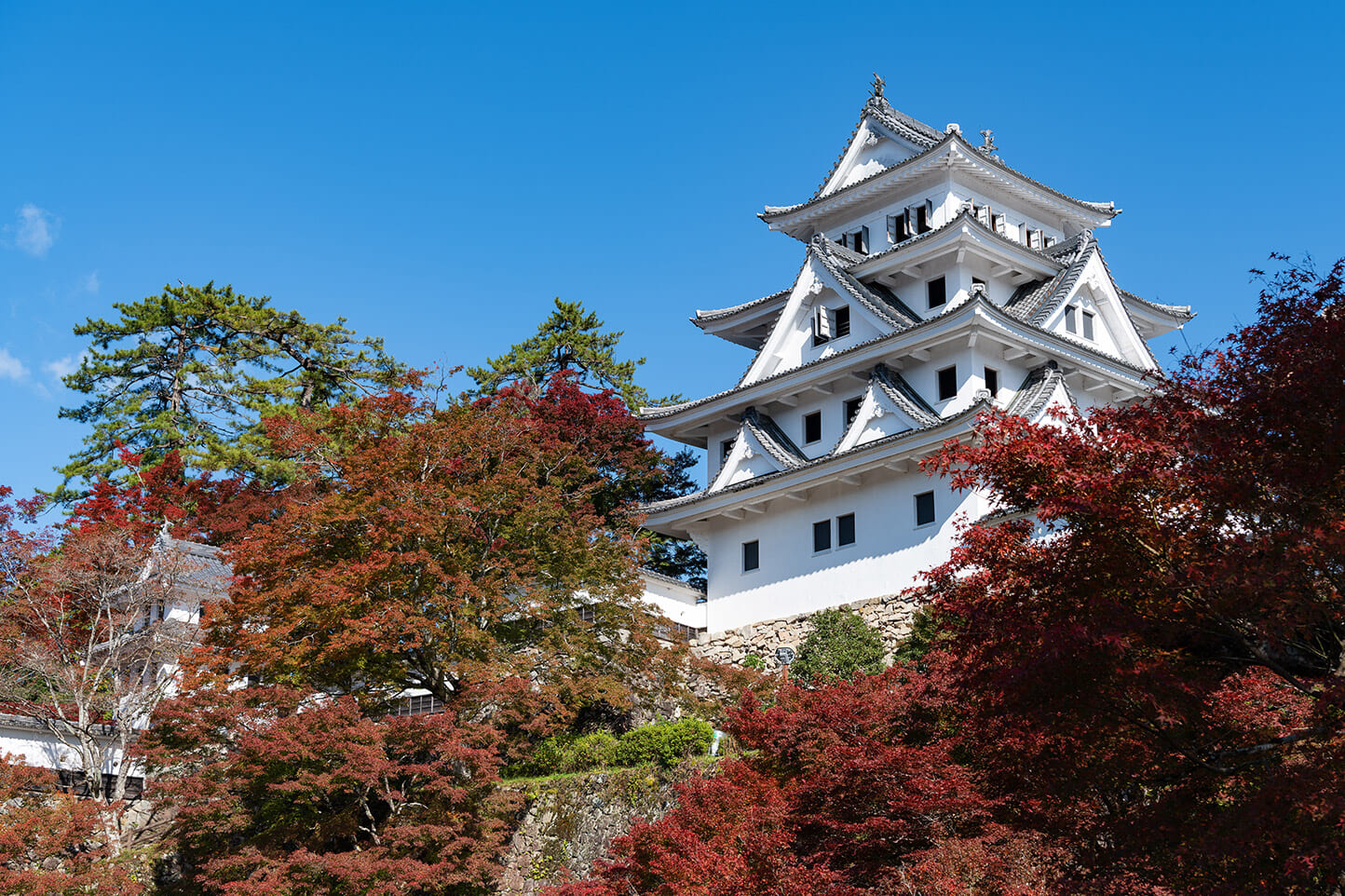
Gujo Hachiman
Gujo Hachiman is a charming small castle town in central Gifu, famous for its network of clear-water canals where koi swim freely, plus the world-famous Gujo Odori — a roughly 30-night summer dance festival running mid-July through early September that attracts hundreds of thousands of dancers, with the climactic 4-night “Tetsuya Odori” (August 13-16) lasting all night until 5am. Beyond the festival, visitors can climb to the reconstructed Gujo Hachiman Castle for stunning panoramic views, explore the Igawa Komichi alley with its koi-filled water channels, and visit the Food Sample Studio (Gujo is Japan’s plastic-food-sample capital, where shop displays are crafted). The town’s food culture features mountain trout, sansai vegetables, and pure spring water sake. About 90 minutes from JR Gifu Station.
「郡上八幡(ぐじょうはちまん)」は岐阜県中部の魅力的な小城下町——町中に張り巡らされた数多くの水路に鯉が自由に泳ぐ独特の景観、そして世界的に有名な「郡上おどり」——7月中旬〜9月初旬の約30夜にわたる夏の盆踊り祭で、何十万もの踊り手たちが集結し、クライマックスの「徹夜踊り」(8月13〜16日)は明け方5時まで続く伝説的な熱狂となります。祭り以外にも、復元された「郡上八幡城」からの絶景パノラマ、鯉が泳ぐ水路沿いの「いがわ小径」、食品サンプル工房見学(郡上は日本の食品サンプル発祥の地で、世界中のレストラン展示用サンプルがここで作られている)など見どころ満載。山女、山菜料理、清流が育む地酒も絶品。JR岐阜駅から約90分。
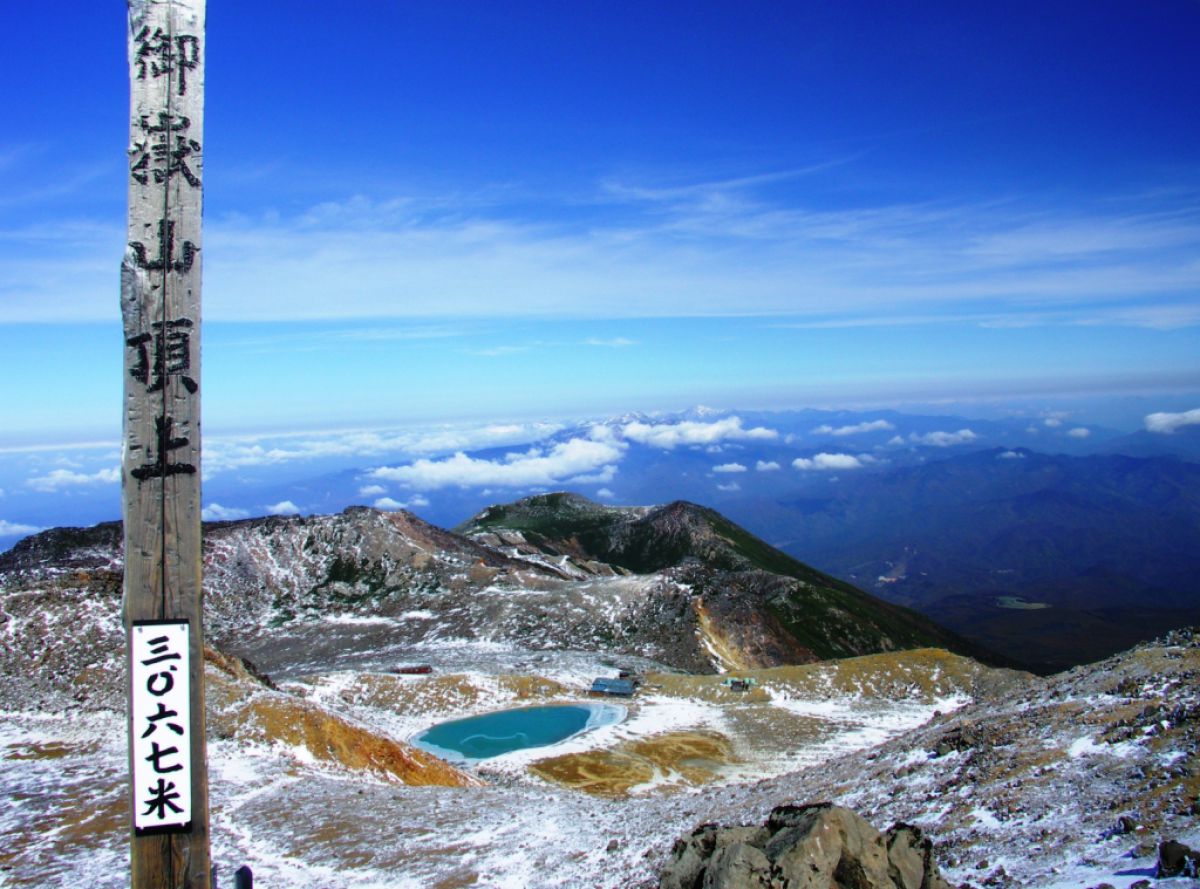
Ontake Mountain
Standing 3,067 meters tall, Mt. Ontake is Japan’s second-highest active volcano (after Mt. Fuji) — a sacred Shinto-Buddhist mountain that’s been a pilgrimage destination for 1,300+ years. The mountain has multiple cone peaks, ancient crater lakes (Ni-no-ike, Japan’s highest lake at 2,905m, and the cobalt-blue San-no-ike), and rugged volcanic terrain that summer hikers love. The Ontake Religious Federation operates throughout the area, and visitors will see white-clad pilgrims chanting at sacred sites and waterfalls. Note: Mt. Ontake’s 2014 eruption caused tragic loss of life, and certain crater rim areas remain restricted. The Ontake Ropeway (up to Iimori-kogen on the Kurosawa route) provides accessible alpine views without summit climbing. Open mid-May through October. On the Gifu side, base areas include Nigorigo Onsen and the Hiwada Kogen highland (Hida-Osaka); the Nagano side is reached from Kiso-Fukushima Station.
標高3,067メートルの「御嶽山(おんたけさん)」は、富士山に次ぐ日本第二の活火山——神仏習合の聖山として1,300年以上にわたって巡礼者を迎え続けてきた霊山です。複数の山頂を持つ複合火山で、古代の火口湖「二ノ池」(標高2,905m・日本最高所の湖)「三ノ池」(コバルトブルー)など、夏のハイカーに愛される険しい火山地形などが見どころ。御嶽教の宗教団体が地域全体で活動しており、白装束の巡礼者たちが神聖な場所や滝で祈りを捧げる姿も見られます。注意:2014年の噴火で痛ましい犠牲が出ており、火口縁の一部は現在も立入制限。「御岳ロープウェイ」(飯森高原駅・黒沢口)で山頂まで登らずともアルプスの絶景が楽しめます。営業期間5月中旬〜10月。岐阜県側の拠点は濁河温泉・日和田高原(飛騨小坂口)。長野側は木曽福島駅から。
Insider Tips
現地通の旅の裏ワザ
Gassho-zukuri thatched roofs photograph best in winter (Dec–Feb illumination events, 6 nights/year). Late afternoon snow + lights = postcard shot.
白川郷の合掌造りは冬がベスト。12〜2月のライトアップは年6夜限定、夕方の雪+灯りで絵葉書ショット。
Nagara River’s traditional cormorant fishing runs May 11 to Oct 15. Watching from the bridge is free — boats cost ¥3,400.
長良川の鵜飼は5/11〜10/15開催。橋上からの見学は無料、観覧船は¥3,400。
Frequently Asked Questions
When is the best time to visit Shirakawa-go?
Winter (December–February) for illuminated snow scenes is iconic but crowded. Spring and autumn offer quieter, beautiful visits. Summer green is also lovely.
雪の白川郷ライトアップは12〜2月が幻想的。春・秋は比較的空いていて緑・紅葉も美しい。
How do I get from Takayama to Shirakawa-go?
Nohi Bus runs regularly between Takayama and Shirakawa-go (50 min, ¥2,600). Buses also run from Kanazawa (about 75 min). Book in advance, especially in winter.
濃飛バスで高山〜白川郷は約50分(2,600円)。冬は特に予約が必須。金沢からも約75分。
What is the Takayama Matsuri?
Takayama Matsuri (高山祭) is held in April (Sanno Festival) and October (Hachiman Festival). Gorgeous floats, mechanical puppets and processions make it one of Japan’s three great festivals.
高山祭は春の山王祭(4月)と秋の八幡祭(10月)。日本三大美祭の一つで、絢爛な屋台が見どころ。
Travel Tip
In Takayama’s old town, several sake breweries offer paid tastings — at Funasaka Shuzo, ¥500 buys tokens for a self-serve tasting machine, and Hirase Shuzo (Kusudama) runs brewery visits and tastings.