Nara
Top Nara souvenirs and must-visit travel spots — your complete guide for visitors to Japan. Japan’s first permanent capital (710–784 AD) is a city where history walks alongside you — literally, in the form of 1,400 free-roaming sacred deer that bow to visitors in exchange for shika-senbei crackers. Nara’s UNESCO-listed temples contain some of the world’s oldest wooden architecture and most revered Buddhist statues, including the 15-metre bronze Great Buddha housed in the world’s largest wooden building.
奈良は日本最初の恒久的な都(710〜784年)。世界遺産の寺院群と約1,400頭の野生の鹿が共存する奇跡の古都です。東大寺の大仏・法隆寺の壁画など、世界最古級の木造建築と仏教美術の宝庫として世界から観光客が訪れます。
Nara was Japan’s first permanent capital — the Great Buddha at Todai-ji, the deer of Nara Park, and Horyu-ji’s ancient temples. Its souvenirs are old-school: kaki-no-ha-zushi persimmon-leaf sushi, nara-zuke pickles, Miwa somen, and Nakatani-do’s pounded mugwort mochi. Somen and pickles keep well. Kintetsu Nara and JR Nara stations cover them.
奈良は日本初の本格的な都——東大寺の大仏、奈良公園の鹿、法隆寺。みやげは昔ながらで、柿の葉寿司、奈良漬、三輪そうめん、中谷堂の高速餅つきのよもぎ餅など。そうめんや漬物は日持ちします。近鉄奈良駅・JR奈良駅で揃います。
Recommended Omiyage
おすすめおみやげ 5選
Kakinoha Sushi
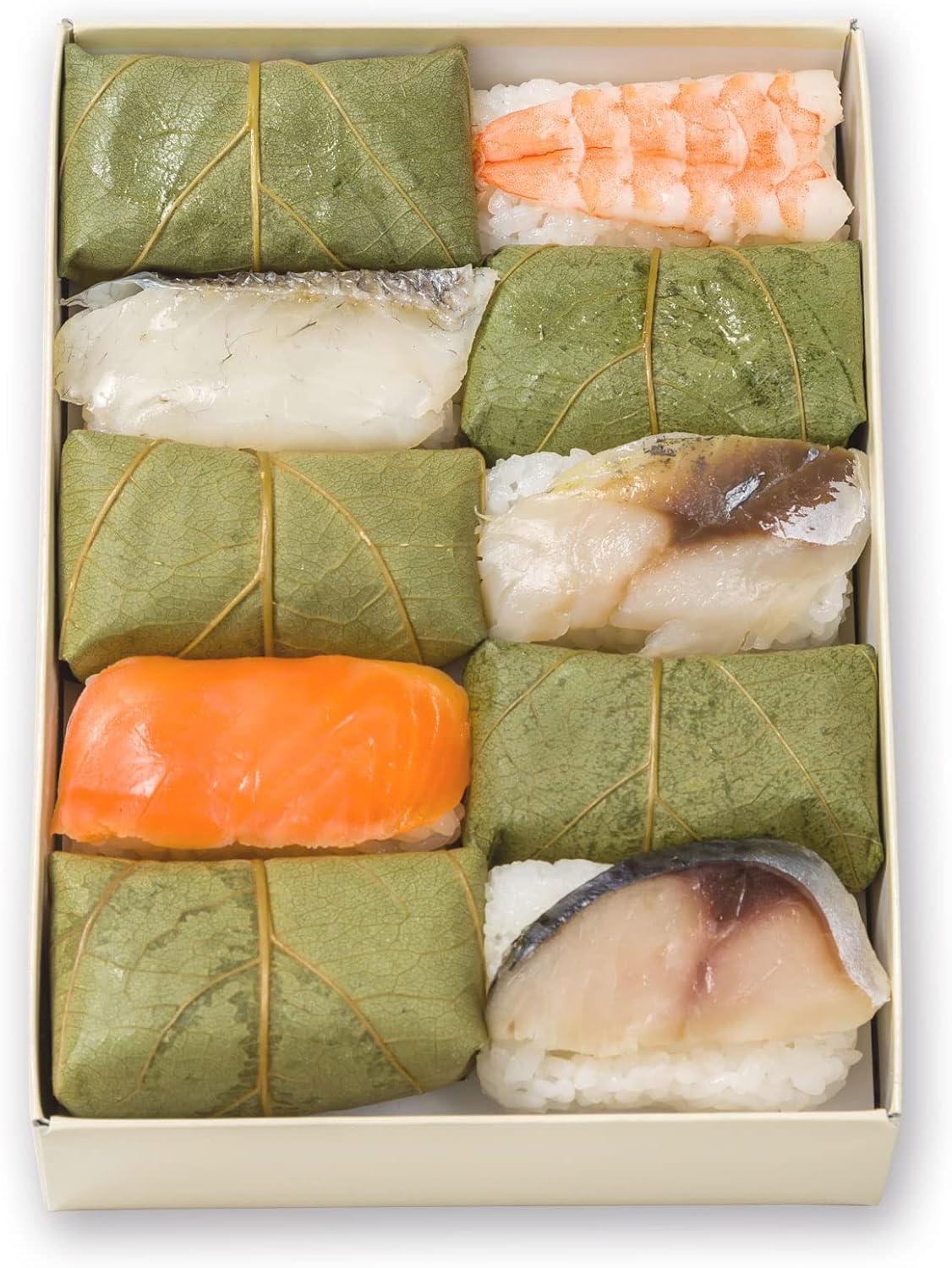
Kakinoha sushi (“persimmon-leaf sushi”) is Nara’s signature pressed-sushi tradition — vinegared rice topped with thin-cured saba (mackerel) or salmon, then wrapped in single persimmon leaves and pressed in a wooden mold. The persimmon leaves contain natural antimicrobial compounds (and infuse subtle sweetness), allowing the sushi to keep without refrigeration for travel — historically critical for landlocked Nara, where saltwater fish had to be preserved during transport from coastal Wakayama. Each piece is bite-sized and elegantly arranged. Top makers include Hirasou (founded 1861) and Yamato. Best within about 3 days, kept at room temperature (refrigeration hardens the rice). Available at JR Nara Station and Naramachi shops. Pair with junmai sake or hojicha tea. Each box typically contains 8-16 pieces.
「柿の葉寿司」は奈良県の象徴的な押し寿司——酢飯に薄く塩漬けにした鯖や鮭を乗せ、一切れずつ柿の葉で丁寧に包み、木製の押し型で成型した伝統食です。柿の葉には自然の抗菌成分が含まれ、移動中の保存に理想的(昔、内陸の奈良では塩漬け魚を和歌山の沿岸から運ぶ際に保存が決定的に重要だったため)、しかも葉のほのかな甘味が酢飯に移る計算された設計です。一口サイズで上品な見栄えも魅力。代表メーカーは1861年創業の「平宗(ひらそう)」、「ヤマト」など。常温で約3日が目安です(冷蔵すると酢飯が固くなるため避ける)。JR奈良駅、奈良町の老舗で購入可能。純米酒やほうじ茶との相性が格別。1箱8〜16個入り。
Nakatanidou Yomogi Mochi
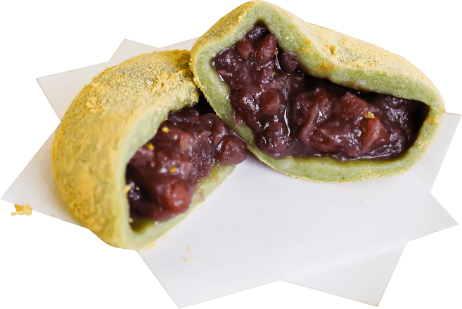
Nakatanidou is Nara’s most theatrical mochi shop — performances of “high-speed mochi-pounding” by their craftsmen attract crowds throughout the day, with two men hammering the rice and yomogi (Japanese mugwort) into perfect mochi at incredible speed (known simply as “high-speed mochi-pounding”). The result is the famous Nakatanidou yomogi mochi: chewy, slightly herbal, intensely green from the mugwort, and filled with chunky red bean paste (tsubuan). The performance, held outside the shop’s storefront in central Nara, has become a viral social media phenomenon. Each piece is sold immediately after pounding. Lines form throughout the day. The shop’s location near Kintetsu Nara Station makes it the most-Instagrammed mochi spot in Nara. Best eaten the same day. ¥200 per piece; box of 6 ¥1,200, box of 10 ¥2,000.
「中谷堂(なかたにどう)」は奈良で最も劇場的な餅屋——職人による「高速餅つき」(「高速餅つき」と呼ばれる)の実演が一日中観客を集め、2人の男性が驚異的なスピードで米とよもぎを搗き上げる迫力満点の光景がSNSで世界的にバズりました。仕上がりは名物「中谷堂よもぎ餅」——もちもちで、ほんのりハーブ香るよもぎの濃緑色、粒あんを包み込んだ逸品。実演は奈良中心部の店頭で開催され、店の前には常に行列が形成されます。搗き上がり次第その場で販売。近鉄奈良駅近くの立地で、奈良で最もインスタグラマブルな餅スポットに。当日中が至高。1個200円、6個入り1,200円、10個入り2,000円。
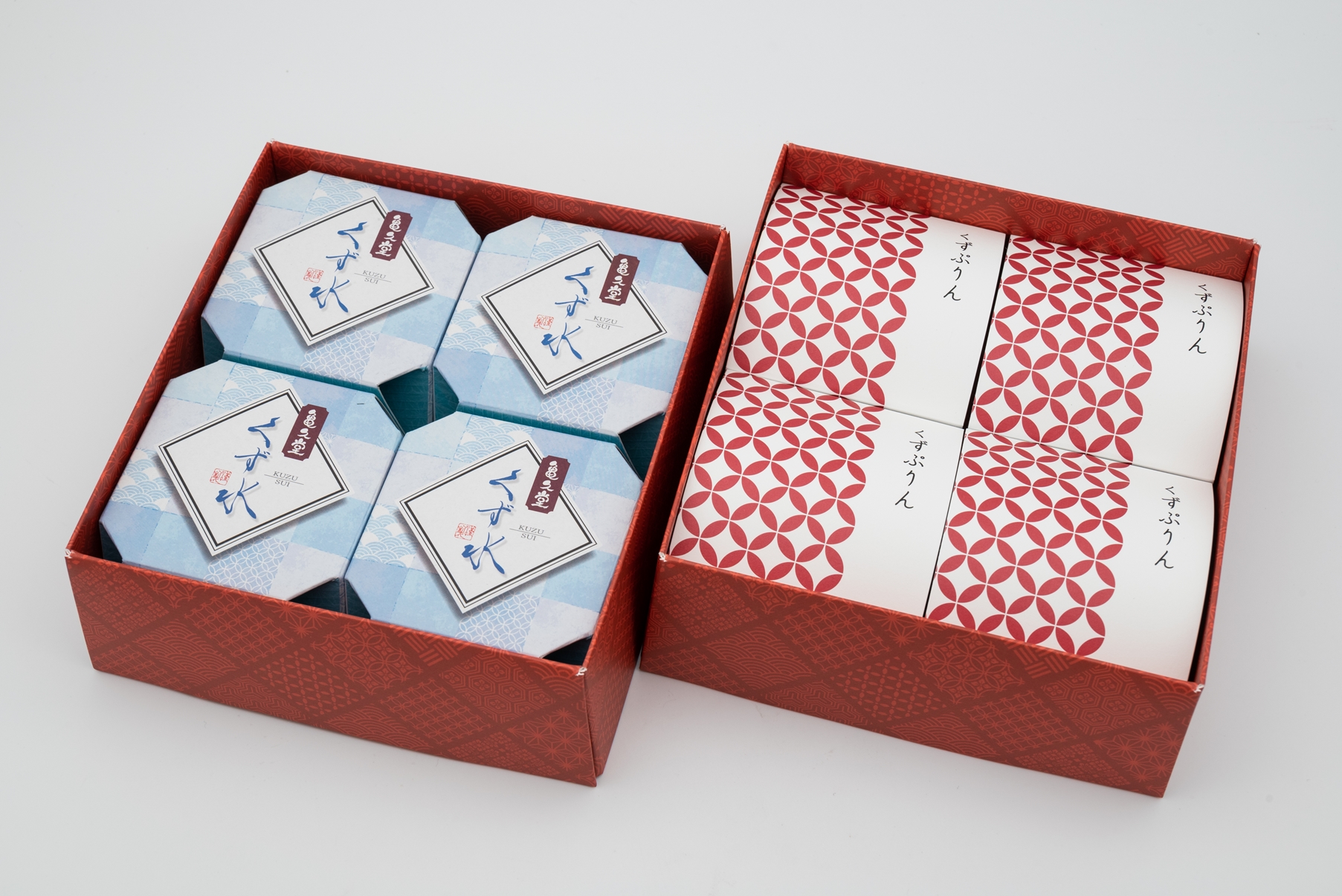
Yoshino Kuzu Sweets
Nara’s Yoshino region is Japan’s most celebrated source of premium kuzu — a traditional starch made from the kuzu (arrowroot) plant root, painstakingly refined through the traditional “Yoshino-zarashi” cold-water washing process over two to three months. Yoshino-honkuzu is recognized as Japan’s highest-quality kuzu, prized for its silky, transparent textures when cooked. Yoshino kuzu sweets transform this premium ingredient into elegant confections: kuzu mochi (silky jelly-like cake served with kuromitsu and kinako), kuzu yokan, kuzu warabimochi, and the elegant kuzu-kiri (kuzu noodles served chilled with brown sugar syrup). Top makers include Kurokawa Honke (founded 1615) and Inoue Tenkyokudo (1870). These sweets exemplify Japanese minimalism: simple ingredients, refined texture, restrained sweetness. Available at JR Nara Station, Yoshino Station, and major Nara depachika. Best within 5-7 days.
奈良の吉野地方は日本を代表する高級葛(本葛)の産地——「葛粉」は、葛の根の澱粉を冷水で繰り返し晒す伝統製法「吉野晒し(寒晒し)」で2〜3ヶ月かけて精製される澱粉で、吉野本葛は日本最高品質と認められています。葛は調理時の絹のような透明感ある食感で珍重されます。「吉野葛スイーツ」はこの最高級素材を上品な和菓子に:葛餅(黒蜜きな粉添え)、葛羊羹、葛わらび餅、葛切(冷やして黒蜜で頂く葛の麺)など多彩。代表メーカーは1615年創業の「黒川本家」、1870年創業の「井上天極堂」など。これらのお菓子は日本のミニマリズムの象徴——シンプルな素材、洗練された食感、控えめな甘さ。JR奈良駅、吉野駅、奈良の主要デパ地下で購入可能。賞味期限約5〜7日。
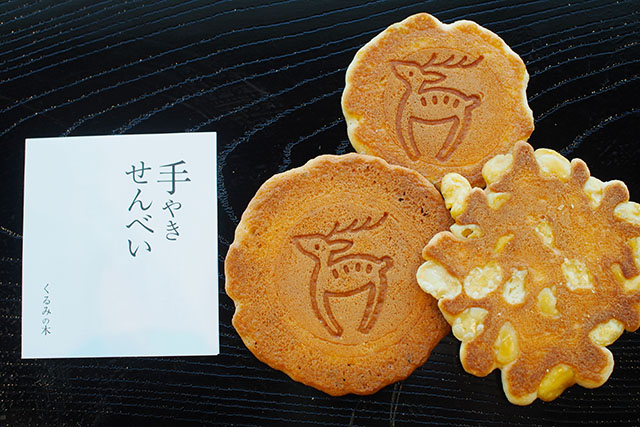
Shika Senbei (Deer Crackers)
Shika sembei (“deer crackers”) are unsweetened rice crackers specifically made for feeding Nara Park’s free-roaming deer (about 1,400 of them, all designated National Natural Monuments). The crackers are nutritionally appropriate for the deer (no sugar, salt, or seasoning), and feeding them is one of Japan’s most theatrical tourism rituals — visitors buy bundles for ¥200 and become instantly mobbed by polite, bowing deer who somehow learned that bowing earns more crackers. The signature stalls operate near Todai-ji Temple and Kasuga Taisha, with all proceeds going to deer welfare and park maintenance. The deer’s clever bowing for crackers has been featured in countless travel programs worldwide. Pro tip: hold the crackers behind your back to avoid getting nibbled before you can hand them over. Available throughout Nara Park.
「鹿せんべい」は奈良公園の自由に歩き回る鹿たち(約1,400頭、全頭が国指定天然記念物)のために特別に作られた砂糖・塩無添加の煎餅——鹿の栄養に適切な配合で、無添加・素朴な仕立てが特徴。エサやりは日本でも最も劇場的な観光体験の一つで、200円で束を買うとお辞儀しながら近づく鹿たちにすぐに囲まれます。鹿たちは「お辞儀するとせんべいがもらえる」という独特の学習をしているため、いつの間にか日本式の挨拶を披露してくれる愛らしさが世界中の旅行番組で紹介されています。看板の屋台は東大寺・春日大社近くで営業しており、売上は鹿の保護と公園維持に充てられます。プロのコツ:渡す前に鹿に取られないよう、せんべいは背中に隠して持つこと。奈良公園内で広く購入可能です。
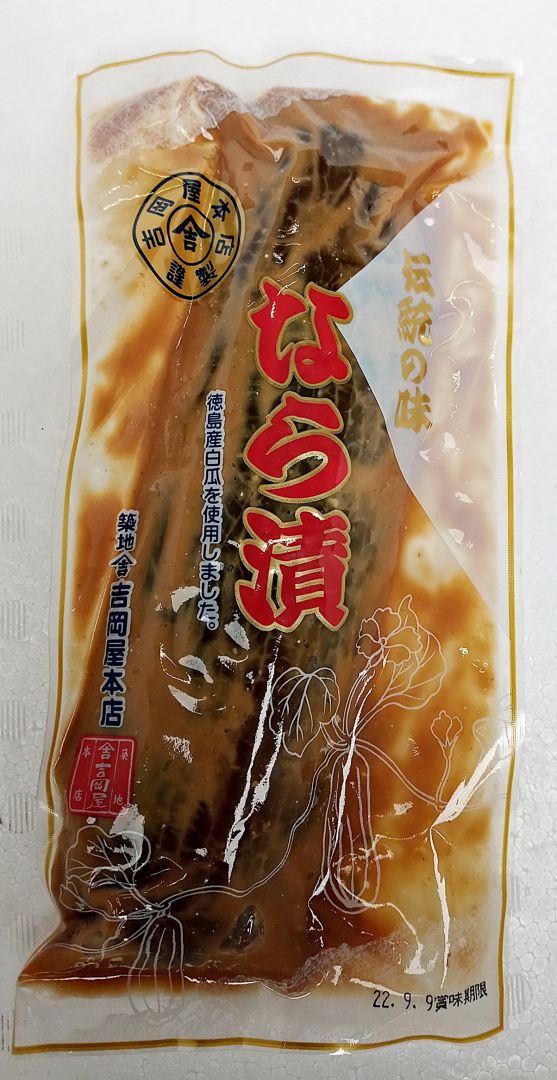
Narazuke Pickles
Narazuke is Nara’s famous sake-lees-pickled vegetable tradition — a 1,300-year-old preservation technique where uri (Japanese melons), eggplants, ginger, and other seasonal vegetables are slow-aged in sake kasu (rice-wine lees) for months or years. The result is a complex, deeply umami-rich pickle with a distinctive sake aroma that most people find addictively delicious — though some find the strong fermented character challenging. Top makers include Imanishi Honten (founded in the late Edo period) and Mori Narazuke-ten (1869). Modern variations include lighter, less aged versions for newcomers. Pair with rice, ochazuke, or as a unique sushi accompaniment. Beautifully packaged gift sets in 5-10 piece collections are sold at JR Nara Station, Naramachi shops, and major Kansai depachika. Refrigerate; consume within 30 days of opening.
「奈良漬(ならづけ)」は奈良の歴史ある酒粕漬けの伝統——1,300年もの歴史を持つ保存技法で、瓜(うり)、なす、生姜などの季節野菜を、酒粕(さけかす、日本酒の絞りかす)に何ヶ月から何年もかけてじっくり漬け込みます。結果は深いコクと旨味、独特の酒の香りが広がる複雑な味わいの漬物で、虜になる人もいれば強い発酵風味に少し戸惑う人もいる、印象的な逸品。代表メーカーは江戸時代末期創業の「今西本店」、1869年創業の「森奈良漬店」など。初心者向けには浅漬けタイプの軽めバージョンも展開。ご飯、お茶漬け、寿司の付け合わせとして楽しめます。5〜10個入りの優美なギフトセットがJR奈良駅、奈良町のお店、関西の主要デパ地下で購入可能。要冷蔵、開封後30日以内に。
Must-Visit Spots
おすすめスポット 5選
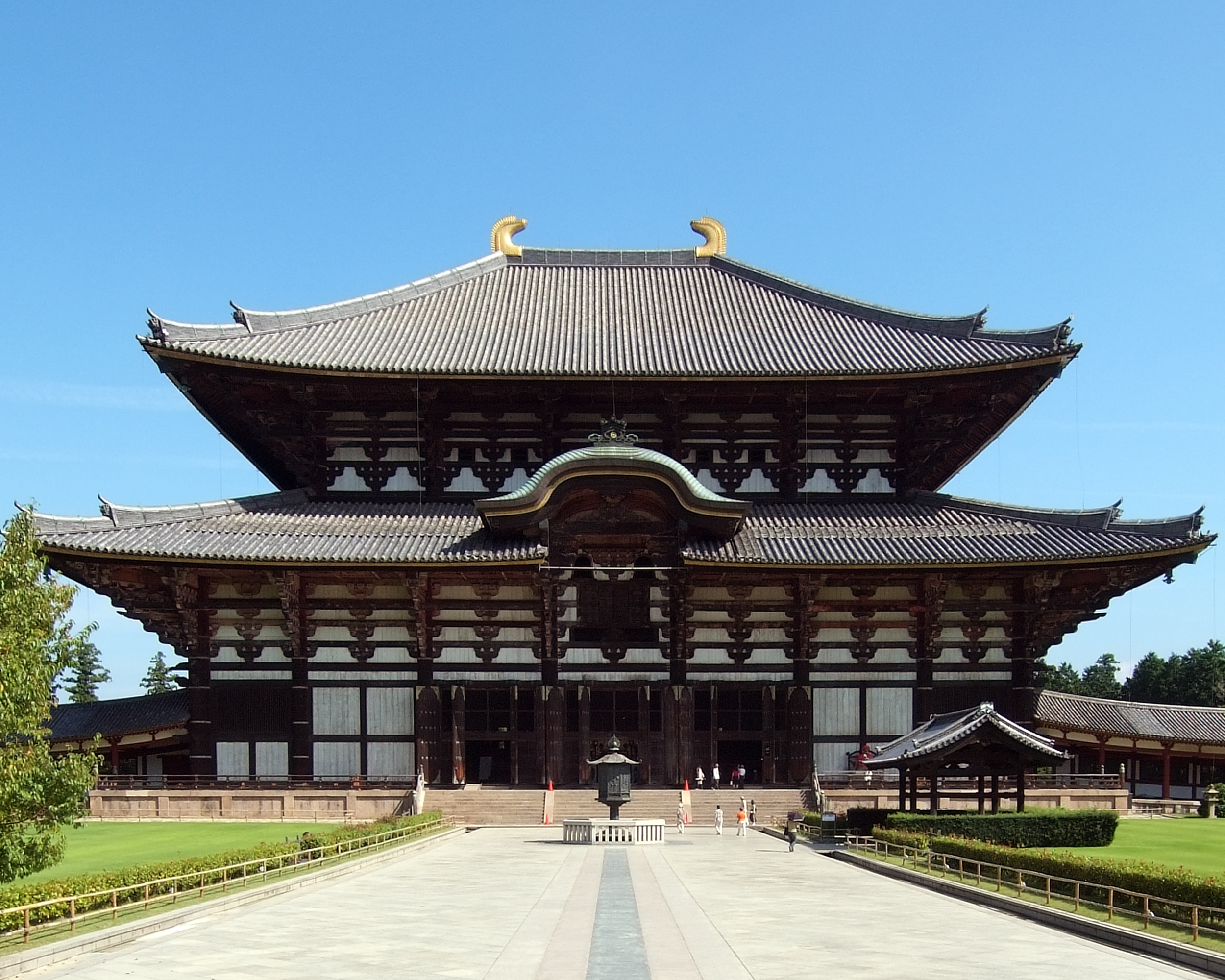
Tōdai-ji & Great Buddha
Todai-ji houses the world’s largest bronze Buddha statue (Daibutsu, 15 meters tall, 250 tons), originally cast in 752 AD when Nara was Japan’s capital. The Daibutsu-den (Great Buddha Hall) housing the statue is itself the world’s largest wooden building (despite being only two-thirds the original size after fires). Standing before the bronze giant, with sunlight streaming through ancient windows and the smell of centuries-old incense, is one of Japan’s most profound religious experiences. The temple complex also includes the famous Nigatsu-do hall (with stunning eastern Nara Park views), the picturesque Hokke-do hall, and several smaller halls housing important Buddhist art. Free roaming deer surround the complex. Tickets ¥800 (raised April 2024). From JR Nara Station, the temple is a 25-minute walk through Nara Park, or take a 10-minute bus ride.
「東大寺」には世界最大級の青銅製仏像「奈良の大仏」(高さ15メートル、重さ250トン)が安置されており、奈良が日本の首都だった752年に鋳造されました。大仏が祀られる「大仏殿」自体も世界最大級の木造建築(火災で当時の3分の2のサイズに縮小されたものの依然として圧倒的な規模)。青銅の巨像の前に立ち、古い格子窓から差し込む光と何世紀にもわたる線香の香りに包まれる体験は、日本でも最も深い宗教体験の一つです。境内には、東奈良公園の絶景を望む「二月堂」、風情ある「法華堂」、貴重な仏教美術を所蔵する小さな堂宇群もあり、自由に歩き回る奈良の鹿たちが境内を囲みます。拝観料800円(2024年4月改定)。JR奈良駅から奈良公園を徒歩約25分、またはバスで約10分でアクセス可能。
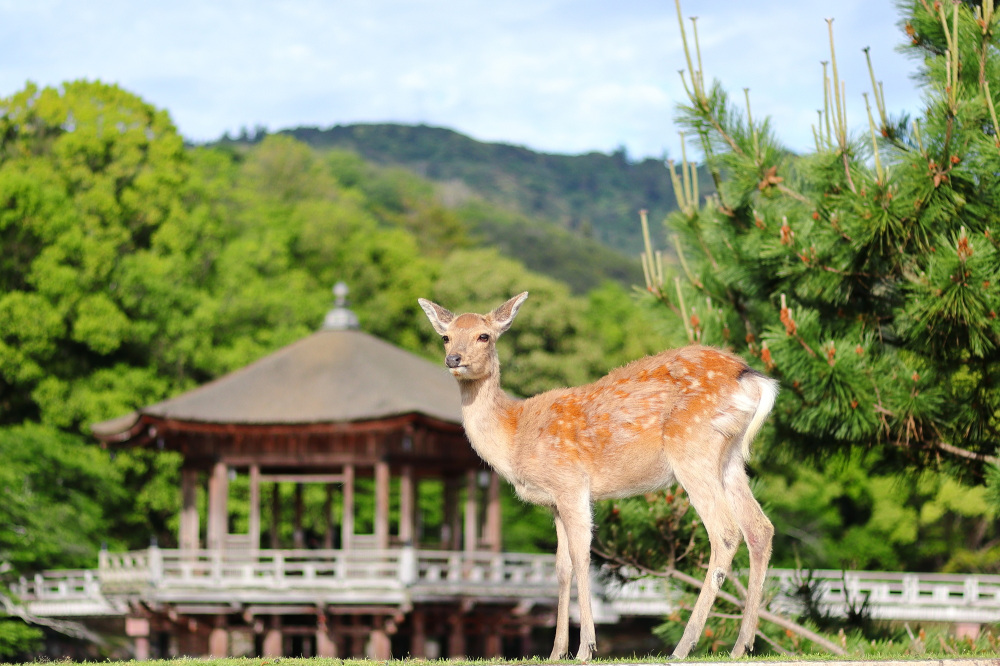
Nara Deer Park + Kasuga Taisha
Nara Park is the world’s most charming wildlife encounter — 1,400+ free-roaming Japanese sika deer roam freely throughout the park, designated National Natural Monuments and considered sacred messengers of the gods at Kasuga Taisha shrine. Visitors can feed them with shika sembei (¥200/bundle), pet them gently, and watch them perform the famous “deer bow” (a learned behavior to receive crackers). The park covers 660 hectares and connects Todai-ji Temple, Kasuga Taisha (Nara’s most important Shinto shrine, founded 768 AD with thousands of stone and bronze lanterns), and the Manyo Botanical Garden. The shrine’s main grounds are particularly stunning during the February Mantoro Festival when all 3,000+ lanterns are lit. Free admission (Kasuga inner sanctum ¥700). Plan 4-6 hours for the full park experience.
「奈良公園 + 春日大社」は世界で最も魅力的な野生動物との触れ合いスポット——1,400頭超の野生のニホンジカが公園内を自由に歩き回り、国の天然記念物として保護され、春日大社では神の使いとして崇められています。訪問者は鹿せんべい(200円/束)でエサやり、優しく撫でる、そして有名な「鹿のお辞儀」(せんべいを得るために学習した独特の所作)を観察可能。公園面積は660ヘクタールで、東大寺、奈良で最も重要な神社「春日大社」(768年創建、数千の石灯籠と青銅灯籠で有名)、「万葉植物園」を結びます。春日大社の境内は、2月の万灯籠祭で3,000余の灯籠が一斉に点灯される姿が特に幻想的。入場無料(春日大社内陣700円)。所要時間4〜6時間。
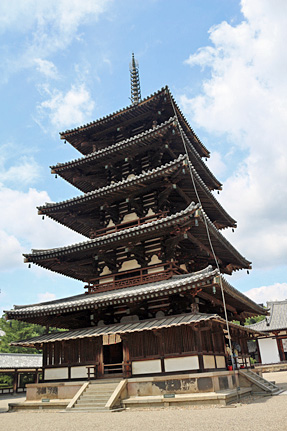
Hōryū-ji Temple
Horyu-ji is one of the world’s oldest wooden buildings still standing — its main pagoda, dating to roughly 670 AD, is widely considered the oldest wooden building anywhere on Earth. Founded in 607 AD by Prince Shotoku Taishi (one of Japan’s most revered historical figures), the temple was designated UNESCO World Heritage in 1993 and contains an extraordinary collection of National Treasures including the iconic Shaka Triad (a 7th-century gilt-bronze masterpiece by Tori Busshi). The temple grounds include 50+ historic buildings, peaceful walking paths through ancient cedar forests, and the famous Yumedono (“Hall of Dreams”), a perfectly octagonal hall housing a hidden mystery statue. Guided tours (in Japanese) are available. Tickets ¥2,000 (raised March 2025). About 30 minutes by bus from JR Nara Station; allow 2-3 hours for the full visit.
「法隆寺」は現存する世界最古の木造建築群の一つ——五重塔の主部分は670年頃の建立で、地球上で最も古い木造建築物として広く認められています。607年に聖徳太子(日本史上最も尊敬される歴史的人物の一人)によって創建された当寺は、1993年にユネスコ世界文化遺産に登録され、国宝級の宝物を多数所蔵——7世紀の鍍金青銅彫刻の最高傑作「金堂釈迦三尊像」などの傑作が見られます。境内には50を超える歴史的建造物、古い杉並木の静かな散策路、神秘の隠し本尊を擁する完全な八角形の「夢殿(ゆめどの)」など、見どころ満載。日本語ガイドツアーあり。拝観料2,000円(2025年3月改定)。JR奈良駅からバスで約30分、所要時間2〜3時間。
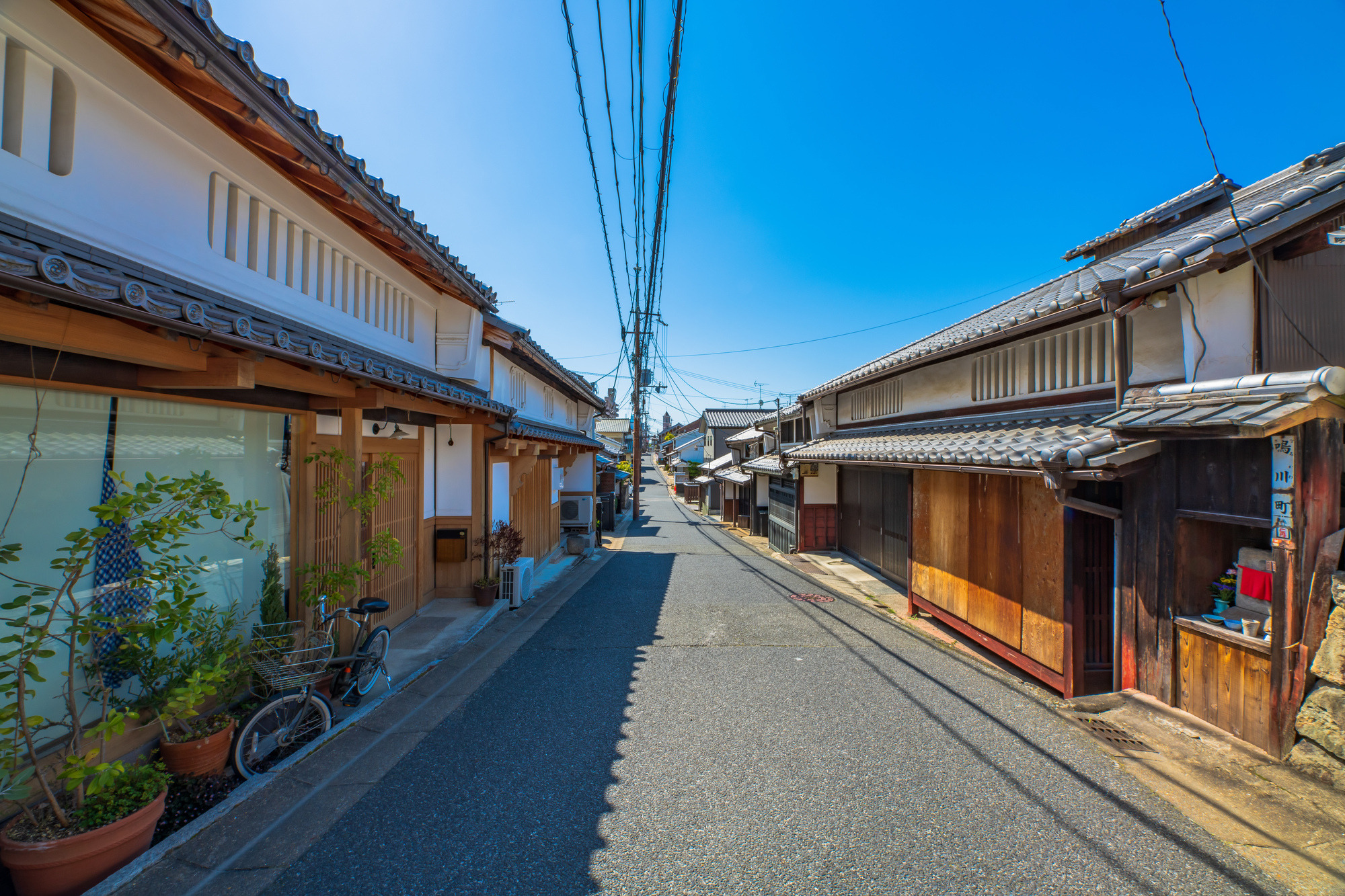
Naramachi
Naramachi is Nara’s perfectly preserved Edo/Meiji-era merchant district — narrow lanes lined with traditional wooden machiya townhouses, many converted into stylish cafes, traditional craft shops, museum-restaurants, and quiet sake bars. Unlike Kyoto’s more commercialized tourist quarters, Naramachi feels authentic and lived-in: locals walk to corner shops, schoolchildren bike home, elderly couples sit on doorstep stools chatting. Highlights include the Naramachi Shiryokan museum (showcasing traditional merchant life), the historic Imanishi-ke Shoin residence, and dozens of small artisan studios producing traditional crafts including ink, paper, dyed cloth, and the local Nara Sarashi linen. Free to wander; many shops have small entrance fees of ¥200-500. From JR Nara Station, the district is a 15-minute walk past the Naramachi Information Center.
「奈良町(ならまち)」は完全に保存された江戸・明治期の商人町——狭い路地に伝統的な木造町家が並び、多くがスタイリッシュなカフェ、伝統工芸店、博物館レストラン、静かな酒場に転用されています。京都のより商業化された観光地と異なり、奈良町は本物の住居感があり——地元住民が角の店まで歩き、子供たちが自転車で帰宅し、高齢の夫婦が玄関先の腰掛けで談笑する、生きた町の風情が魅力です。見どころは「奈良町資料館」(伝統商人の暮らしを展示)、歴史的な「今西家書院」、墨、紙、染色、地元の「奈良晒」麻織りなど伝統工芸を生産する数十の工房。散策は無料、各店200〜500円の小規模入場料も多数あり。JR奈良駅から奈良町情報館経由で徒歩約15分。
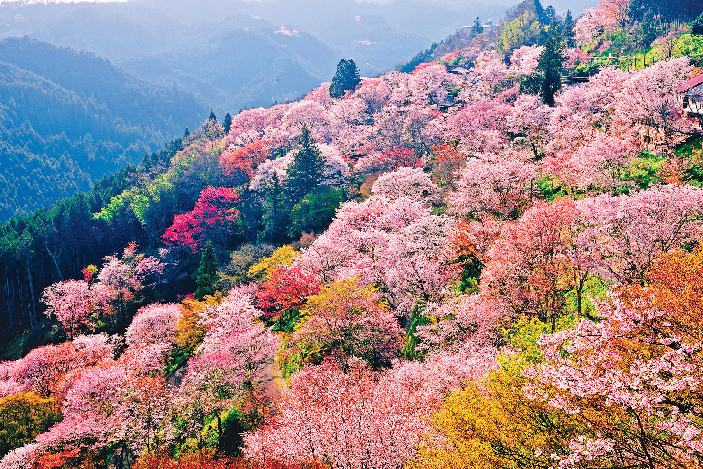
Mount Yoshino (Yoshino-yama)
Mount Yoshino is one of Japan’s most legendary cherry blossom destinations — its slopes are blanketed by 30,000+ cherry trees that have been planted, prayer-tree-style, since the 7th century. The famous “Yoshino Senbon-zakura” (“thousand cherry trees of Yoshino”) refers to the four distinct cherry zones (Shimosenbon, Nakasenbon, Kamisenbon, Okusenbon), each blooming a few days apart over April’s first 2-3 weeks, creating a magnificent gradient effect across the mountain face. Beyond cherry blossoms, the mountain hosts the historic Kinpusen-ji Temple (founder of mountain ascetic Buddhism), Yoshimizu Shrine (where 12th-century Emperor Go-Daigo took refuge), and small villages preserving centuries-old wooden architecture. Cable cars and shuttle buses ascend the mountain. From Kintetsu Yoshino Station via the famous Yoshino Ropeway. Best mid-April for peak cherry blossom viewing.
「吉野山」は日本でも最も伝説的な桜の名所——7世紀から信仰の樹として植え続けられてきた3万本超の桜が山腹を覆う、神話的な桜の聖地です。有名な「吉野千本桜」は、下千本、中千本、上千本、奥千本の4つの異なる桜地域を指し、それぞれ4月最初の2〜3週間にかけて数日ずつずれて咲き、山一面が桜色のグラデーションで染まる神秘的な絶景を生み出します。桜以外にも、山岳修験道の発祥地「金峯山寺(きんぷせんじ)」、12世紀に後醍醐天皇が避難した「吉水神社」、何世紀もの木造建築を保存する小さな集落群など、見どころ豊富。山頂への交通は「吉野山ロープウェイ」、シャトルバスで便利。近鉄吉野駅からアクセス。桜のピークは4月中旬。
Insider Tips
現地通の旅の裏ワザ
Deer that bow get rewarded — bow back. Sika crackers (¥200) are sold by registered vendors only. Outside crackers are not allowed.
お辞儀する鹿にはお辞儀返すのが伝統。鹿せんべい¥200は許可業者のみ販売、持込み禁止。
Opens 7:30am summer / 8am winter. First 30 minutes nearly empty. The Daibutsu’s left palm equals a full-grown human standing.
東大寺は夏7:30/冬8:00開門。最初の30分はほぼ無人。大仏の左手のひらは人間立位サイズ。
Todai-ji and Nara Park’s deer are unique kimono photo subjects. Rental shops are 5 min from Kintetsu Nara Station — pick up early for the best soft morning light.
東大寺・奈良公園の鹿と着物の撮影は奈良ならでは。着物レンタル店は近鉄奈良駅5分、早朝レンタルで朝の柔らかい光を狙う。
Frequently Asked Questions
Are the Nara deer dangerous?
The deer are wild animals and can headbutt, bite, or kick if provoked or if you hold food without giving it to them. Keep food out of sight until you’re ready to feed, bow back to a bowing deer, and don’t tease them. Fawns are present in May–June when mothers can be protective.
鹿は野生動物のため、えさを持っていると頭突きや噛みつきをすることがあります。食べ物は見えないように持ち、鹿がお辞儀したらせんべいを渡しましょう。5〜6月の子鹿シーズンは母鹿が攻撃的になることも。
Can I do Nara as a day trip from Kyoto or Osaka?
Absolutely — it’s one of Japan’s best day trips. Kyoto to Nara takes about 35 minutes by Kintetsu Limited Express, and Osaka to Nara takes 35 minutes (Kintetsu from Namba). Most visitors spend 4–6 hours and cover the main temples comfortably on foot.
もちろん。京都から近鉄特急で約35分、大阪(難波)からも35分とアクセス抜群。4〜6時間あれば主要寺院を徒歩で十分回れます。奈良市内の主要スポットはコンパクトにまとまっているのが嬉しいポイントです。
Is Nara good for children?
Excellent — feeding the deer is a magical experience for children of all ages. Nara Park’s wide open spaces are stroller-friendly, and the scale of Todai-ji’s Great Buddha invariably elicits wide-eyed wonder. Allow extra time because the deer interactions can eat up an entire morning.
子連れ観光に最適です。鹿とのふれあいは子どもにとって忘れられない体験。奈良公園は広くてベビーカーでも回りやすく、東大寺の大仏のスケールは子供の目を輝かせます。鹿に夢中になると時間を忘れるので余裕を持ったスケジュールで。
💡 Pro Tip: Arrive at Nara Park before 9am for the best deer photos — the morning light is beautiful and the crowds haven’t arrived yet. Shika-senbei sellers typically set up by 8am.
💡 旅のヒント:奈良公園は9時前に到着するのがベスト。朝の光が美しく、鹿も落ち着いていて写真が撮りやすいです。せんべい売りは8時頃から営業し始めます。