Kyoto
Top Kyoto souvenirs and must-visit travel spots — your complete guide for visitors to Japan. Japan’s ancient imperial capital holds over 1,600 Buddhist temples, 400 Shinto shrines, and many of the UNESCO-listed Historic Monuments of Ancient Kyoto. Most of those sites — Fushimi Inari’s torii tunnels, Kiyomizu-dera’s hillside stage, Arashiyama’s bamboo grove — sit within an hour of each other by train or bus. The souvenirs are just as concentrated: sweet shops that have run for 300+ years, Uji matcha, and Nishiki Market’s pickles and knives, much of it a short walk from Kyoto Station.
1200年以上の歴史を誇る古都・京都。約1,600の寺院と400の神社、世界遺産「古都京都の文化財」(京都・宇治・大津の17資産)が、徒歩や電車で巡れる距離に集まります。伏見稲荷の千本鳥居、清水の舞台、嵐山の竹林——おみやげも創業300年超の菓子司や宇治抹茶、錦市場の漬物・刃物など、多くが京都駅周辺で揃います。
A few practical things before you shop. Kyoto’s confectioners measure their history in centuries, not decades — several here are older than the United States — so “traditional” is meant literally. Shelf life varies a lot, though: fresh sweets like nama-yatsuhashi and warabi-mochi keep only a day or two, while baked yatsuhashi, matcha and pickles travel fine for a flight home. The densest hunting grounds are Nishiki Market, the Higashiyama lanes below Kiyomizu-dera, and the depachika under Kyoto Station — the last is the easiest one-stop on your way out of town.
買う前に知っておくと便利なこと。京都の菓子司は創業数百年がざらで、「伝統」は文字どおりの意味です。ただし日持ちはバラバラ——生八ツ橋やわらび餅は1〜2日と短く、焼き八ツ橋・抹茶・漬物なら飛行機での持ち帰りも安心です。おみやげ探しの三大スポットは錦市場、清水寺下の東山界隈、そして京都駅地下のデパ地下。帰り際にまとめて買うなら、駅が一番ラクです。
Recommended Omiyage
おすすめおみやげ 5選
Yatsuhashi
Yatsuhashi has been Kyoto’s iconic souvenir confection since 1689 — taking its name from Yatsuhashi Kengyo, a blind 17th-century musician whose flat-shaped koto inspired the original recipe. The original “baked yatsuhashi” is a thin, crisp cinnamon-flavored cookie shaped like a slim arch (the koto’s bridge), while the modern “nama yatsuhashi” (raw) is a soft, pillowy cinnamon-and-rice-flour wrapper folded around sweet bean paste, fresh fruit, or matcha cream. The distinctive cinnamon scent of Kyoto’s yatsuhashi shops permeates Higashiyama district year-round. Top makers include Shogoin Yatsuhashi (founded 1689), Honke Nishio Yatsuhashi (1689), and Izutsu Yatsuhashi (1805). Boxed assortments come in 8, 12, or 24 pieces with shelf life of 7-10 days. Available throughout Kyoto’s Higashiyama, JR Kyoto Station, and major depachika.
「八ツ橋」は1689年から続く京都の象徴的なお土産菓子——名前の由来は17世紀の盲目の音楽家・八ツ橋検校で、彼の演奏する琴の橋(柱)の形からインスパイアされたとされます。オリジナルの「焼き八ツ橋」は、シナモン風味の薄くカリッとしたアーチ形のクッキーで琴の橋を象徴。一方、現代の「生八ツ橋」は柔らかいシナモン米粉の生地で、こしあん、新鮮果物、抹茶クリームなどを包み込んだ食感豊かなお菓子。八ツ橋の独特なシナモンの香りは、京都・東山地区に年中漂う名物の風景です。代表メーカーは「聖護院八ッ橋総本店」(1689年)、「本家西尾八ッ橋」(1689年)、「井筒八ッ橋本舗」(1805年)など。8個、12個、24個入りの化粧箱があり賞味期限約7〜10日。京都・東山、JR京都駅、主要デパ地下で広く購入可能。
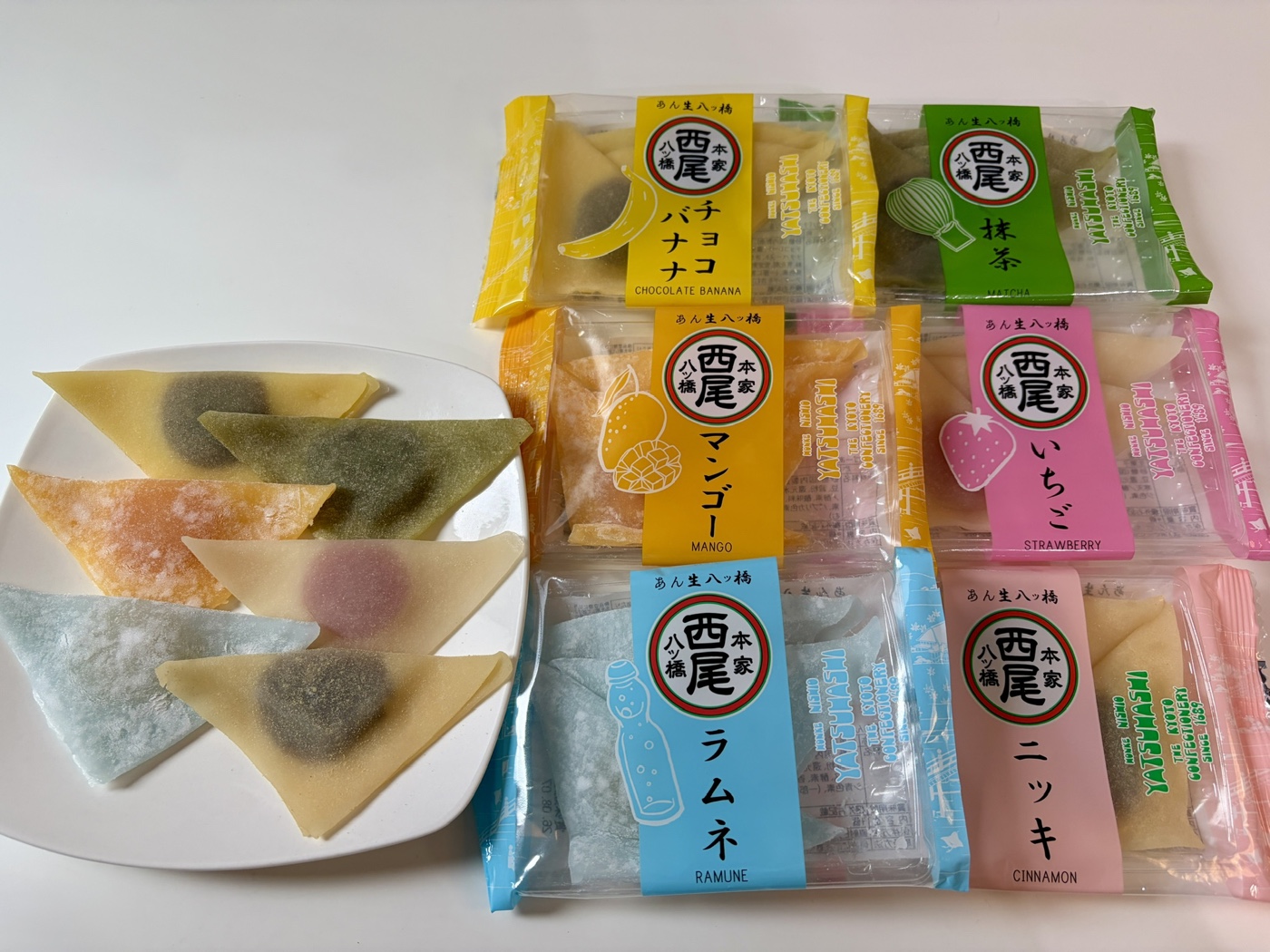
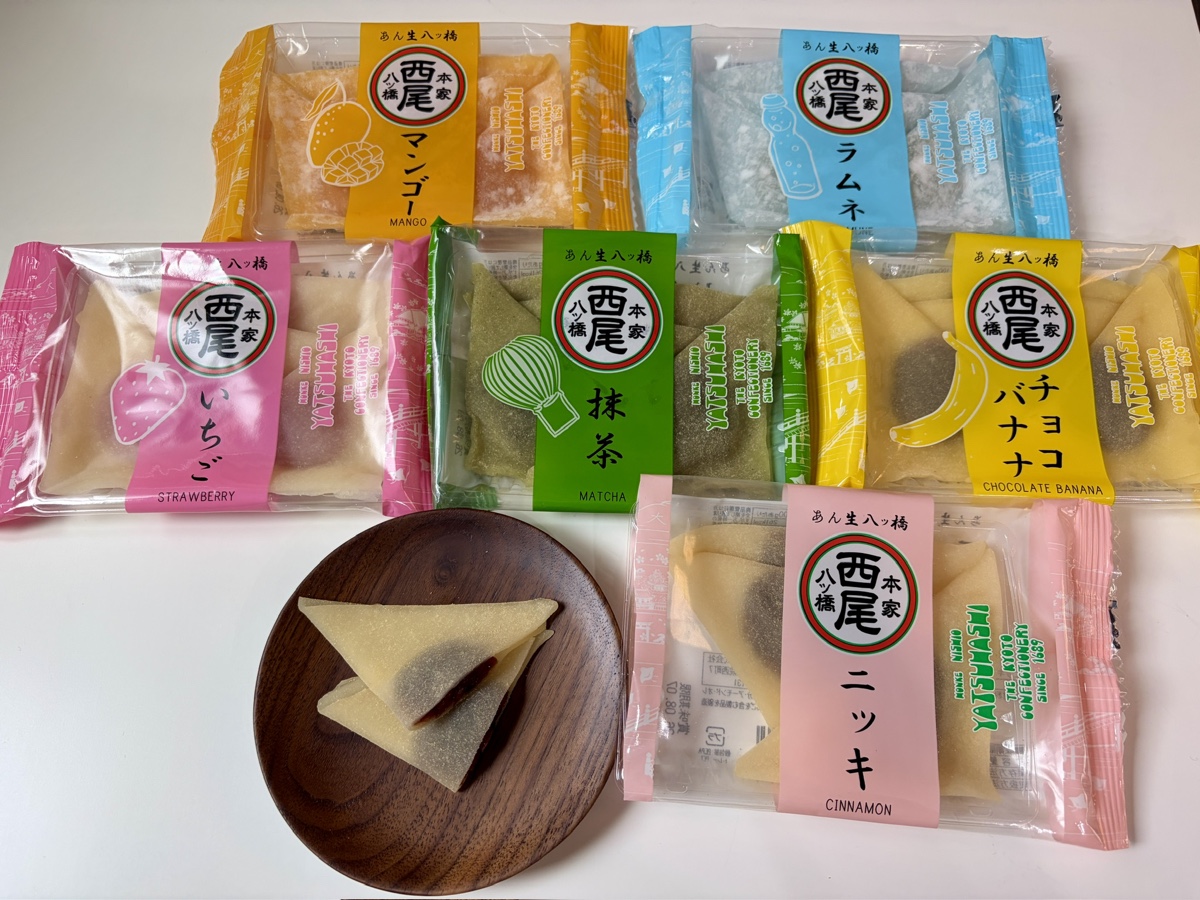
I tried six flavors of nama-yatsuhashi! The first bite surprised me with how much the dough stretches — soft and springy, like a baby’s cheek. The classic cinnamon (nikki) smells a lot like cinnamon and has a gentle spicy tingle when you eat it, pairing perfectly with the sweet red bean paste. Chocolate banana has a banana-flavored wrapper around a chocolate bean paste — it honestly tasted like a dessert. At home, chocolate banana, ramune and mango were the kids’ favorites ♪ Each bag holds four neatly lined-up pieces, just the right size to finish in one sitting. There are so many flavors — including seasonal limited ones ◎ — that choosing is half the fun, and before I knew it my basket was full (laughs). Do try a few different ones!
6種類の生八ッ橋を食べてみました!ひと口かじって驚いたのが、生地がよく伸びること。赤ちゃんのほっぺのように柔らかくて、もちもちです。定番のニッキは、シナモンに似た香りがして、食べるとピリッとスパイシー。甘いあんことの相性が抜群です。チョコバナナは、生地がバナナの風味で、中はチョコ味のあん。まるでスイーツのようでした。我が家ではチョコバナナとラムネ、マンゴーの味が子どもたちに人気でした♪ 1袋4個入りできれいに並んでいて、ちょうど食べきりサイズ。味の種類が本当に豊富で、季節限定の味もあります◎ 選ぶのが楽しくて、気づけばかごの中がいっぱいに…(笑)ぜひいろんな味にチャレンジしてみてください!
Matcha Sweets (Tsujiri)
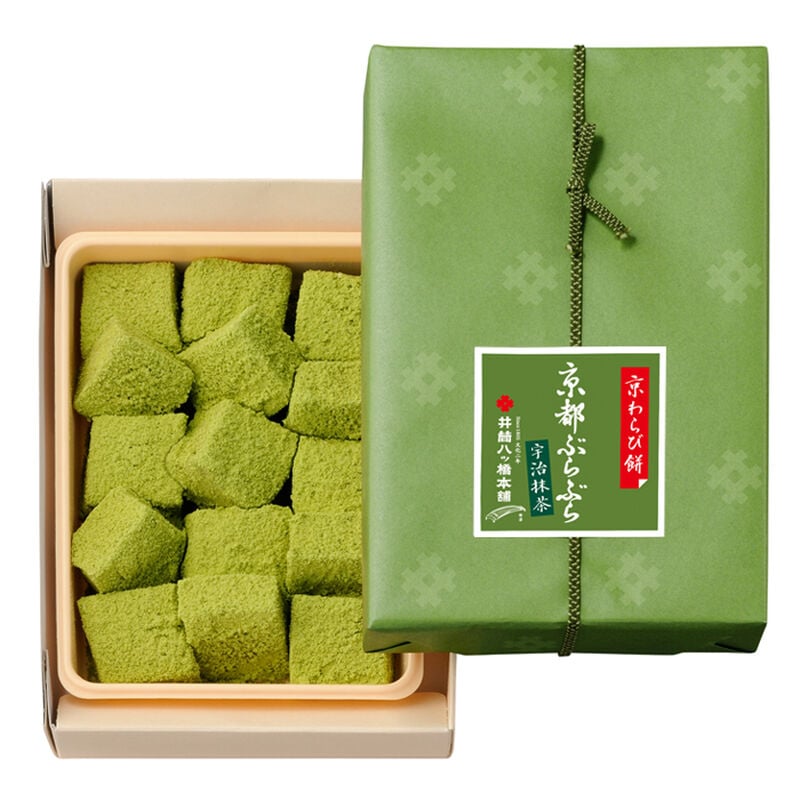
Tsujiri, founded in 1860 in Uji, is one of Japan’s oldest and best-known matcha houses — its tea fields in Uji are among the most celebrated in Japan, and the company’s matcha sweets have become internationally renowned. The signature offerings include matcha-flavored cake, matcha cookies, matcha chocolate, matcha ice cream, and the well-known Tsujiri matcha parfait (a multi-layer creation served in glass cups). The matcha itself is genuinely high-grade — vivid green, with a balance of gentle bitterness, floral notes and mineral depth. Beyond Tsujiri, other Kyoto matcha sweet brands include Itohkyuemon (founded 1832 in Uji) and Nakamura Tokichi. The famous matcha parfait is served at Saryo Tsujiri on Shijo-dori in Gion (and at JR Kyoto Station), open until 8:30pm — go in late afternoon for shorter lines. Boxed gift versions are sold at JR Kyoto Station and Tokyo’s depachika.
「辻利」は1860年宇治創業、日本でも最古かつ最も格式高い抹茶生産者の一つ——宇治の茶畑は日本でも最高級と評価され、辻利の抹茶スイーツは世界的に名を馳せています。代表商品は、抹茶ケーキ、抹茶クッキー、抹茶チョコレート、抹茶アイスクリーム、そして伝説の「辻利抹茶パフェ」(グラス容器の何層もの傑作)。抹茶そのものが上質で、鮮やかな緑色に、ほのかな苦味と花のような香り、ミネラルの深みが調和します。辻利以外の京都抹茶スイーツブランドは、1832年宇治創業の「伊藤久右衛門」、「中村藤吉」など。有名な抹茶パフェは祇園・四条通の「茶寮都路里(さりょうつじり)」(JR京都駅にも)で20:30まで提供——午後遅めの時間帯が比較的並ばずに入れます。化粧箱入り商品はJR京都駅、東京のデパ地下で購入可能。
Namagashi
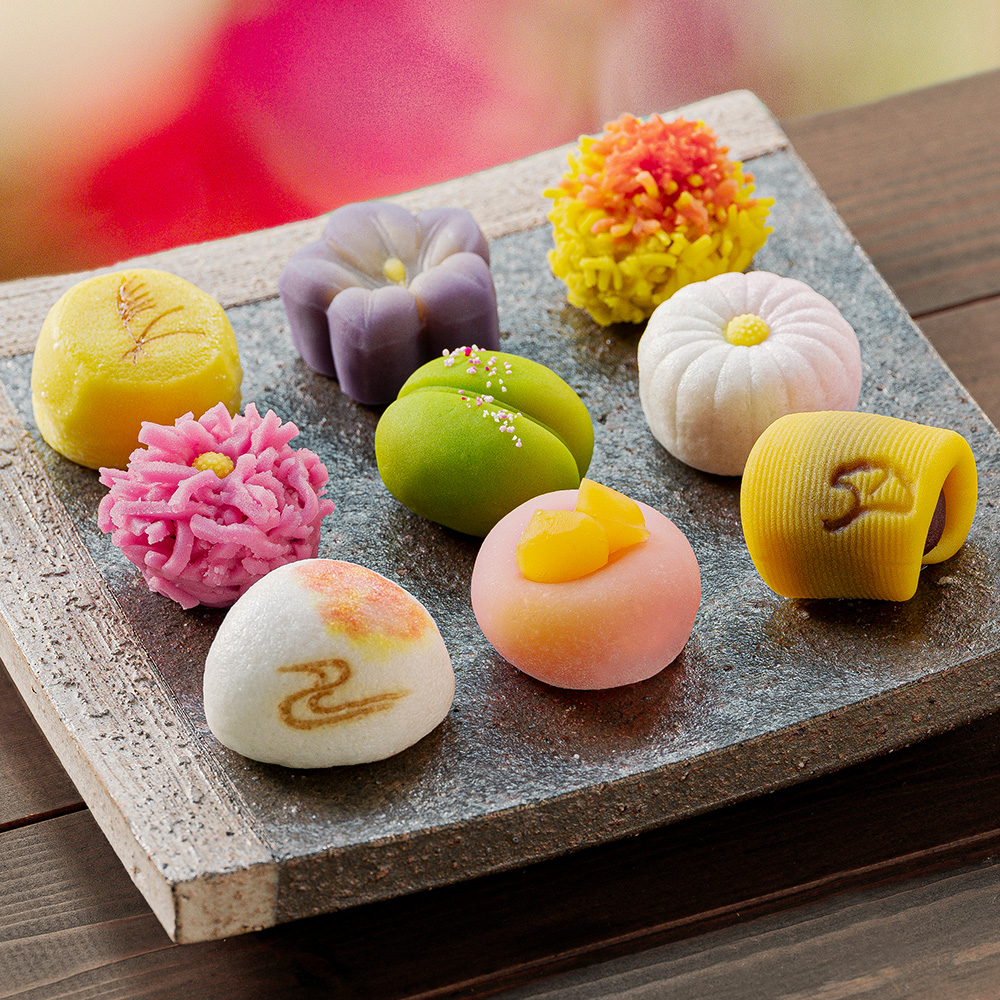
Namagashi (“fresh sweets”) are Kyoto’s most artistic confection — small, intricately hand-shaped sugar-and-bean-paste creations made daily by master wagashi artisans who have studied for 10+ years. Each piece reflects the season: cherry blossoms in April, hydrangeas in June, autumn maple leaves in November, snowflakes in winter. The sweets are typically served alongside matcha at traditional tea ceremonies, where their visual artistry serves as part of the aesthetic experience. Each piece takes 15-30 minutes to craft, with multiple colors of bean paste and detailed surface modeling. Top Kyoto namagashi makers include Toraya (founded 16th century, supplier to the Imperial family), Tsuruya Yoshinobu, and Suetomi. Best enjoyed within hours of purchase. Available at all top Kyoto wagashi flagships and major depachika.
「生菓子(なまがし)」は京都で最も芸術的な和菓子——砂糖と餡を素材に、10年以上の修行を積んだ職人が、その日のうちに精緻に手作りする小さな伝統菓子です。各作品は季節を反映しており、4月の桜、6月のあじさい、11月の紅葉、冬の雪結晶など、四季折々のモチーフを忠実に再現します。伝統茶道では抹茶と共に頂く正式な菓子で、その視覚的美しさは茶事の美的体験の一部となっています。一つの作品に15〜30分の時間がかけられ、複数の色の餡と精緻な造形技法が用いられます。京都の代表的な生菓子の老舗は、16世紀創業の皇室御用達「とらや」、「鶴屋吉信」、「末富」など。購入から数時間以内が最高の味わい。京都の和菓子老舗本店、主要デパ地下で購入可能です。
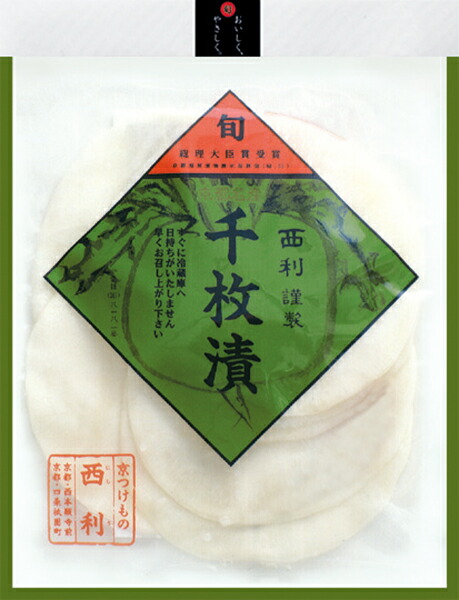
Kyoto Pickles (Kyozuke)
Kyoto-style pickles (kyozuke or kyo-tsukemono) are one of Japan’s most refined pickle traditions — using local Kyoto vegetables (the prized Mibuna mustard greens, Shogoin daikon, kabu turnip), pure Kyoto well water, and centuries of accumulated craftsmanship. The pickling style favors a more delicate, less salty profile than other regional traditions, allowing the vegetables’ natural flavors to shine. Famous varieties include Senmaizuke (paper-thin sliced kabu turnip with citrus and kombu), Suguki (lacto-fermented turnip with a tart flavor), and Shibazuke (eggplant and shiso pickles) — Kyoto’s three great pickles. Top makers include Nishiri (founded 1940) and Daiyasu. Beautifully boxed gift versions in 5-10 piece collections are sold at JR Kyoto Station, Nishiki Market, and major Kyoto depachika. Refrigerate; senmaizuke in particular keeps only a few days, so eat soon.
「京漬物(きょうづけ・きょうつけもの)」は日本でも最も洗練された漬物の一つ——京都の名産野菜(壬生菜、聖護院大根、聖護院かぶ)、純粋な京都の井戸水、何世紀にもわたる職人技を活かした伝統食品です。漬物のスタイルは、他地方の漬物より上品で控えめな塩加減が特徴で、野菜本来の風味を引き立てます。代表的な品種は、薄く切った聖護院かぶに柚子と昆布を加えた「千枚漬け(せんまいづけ)」、乳酸発酵で酸味のある「すぐき(酸茎)」、茄子と紫蘇の「柴漬け」など、京都三大漬物が知られます。代表メーカーは「西利」(1940年創業)、「大安(だいやす)」など。5〜10個入りの上品な化粧箱がJR京都駅、錦市場、主要デパ地下で購入可能。要冷蔵。千枚漬などは日持ちせず、数日以内が目安。
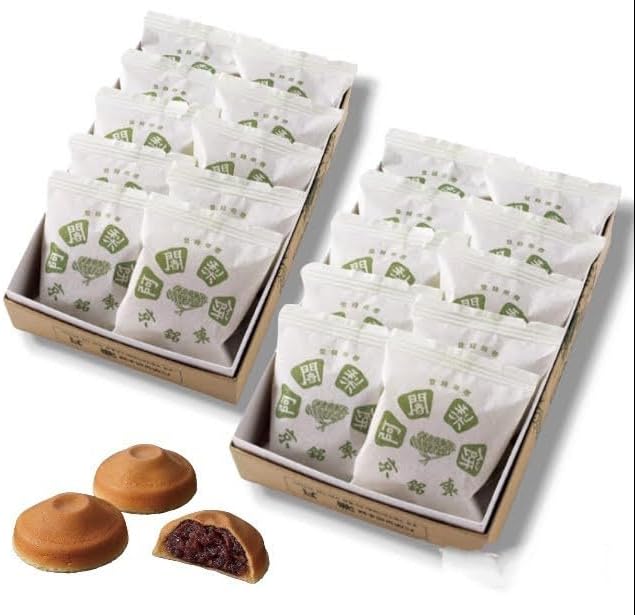
Ajari-mochi
Ajari-mochi has been crafted by Mangetsu near Hyakumanben (Demachiyanagi) since the shop’s founding in 1856 — a small, individually-wrapped sweet that’s become legendary across Japan. Each ajari-mochi has a chewy, slightly crisp mochi-flour-and-egg dough wrapped around a generous filling of Tamba azuki tsubu-an (chunky red bean paste). Beyond the Mangetsu main shop, ajari-mochi is also sold at Kyoto Station and major department-store basements, making it one of Kyoto’s most popular take-home sweets. Lines often form at the main shop on weekends. Boxed sets of 5, 10, or 25 pieces; keep at room temperature and eat within about 5 days. The main shop is open 9am–6pm (closed Wednesdays).
「阿闍梨餅(あじゃりもち)」は安政三年(1856年)創業の京菓子司「満月」が、百万遍(出町柳)の本店で作り続ける銘菓——個包装の小さなお菓子ながら、日本中で愛され続けています。もちもちでサクッとした餅粉と卵の生地で、丹波大納言小豆の粒あんをたっぷり包み込んだ、絶妙な食感のハーモニーが魅力。満月の本店のほか、京都駅や百貨店のデパ地下でも広く購入でき、京都を代表する人気みやげの一つです。本店は週末は行列必至。5個・10個・25個入りの化粧箱、常温で賞味期限約5日。本店は9〜18時営業(水曜定休)。
Must-Visit Spots
おすすめスポット 5選
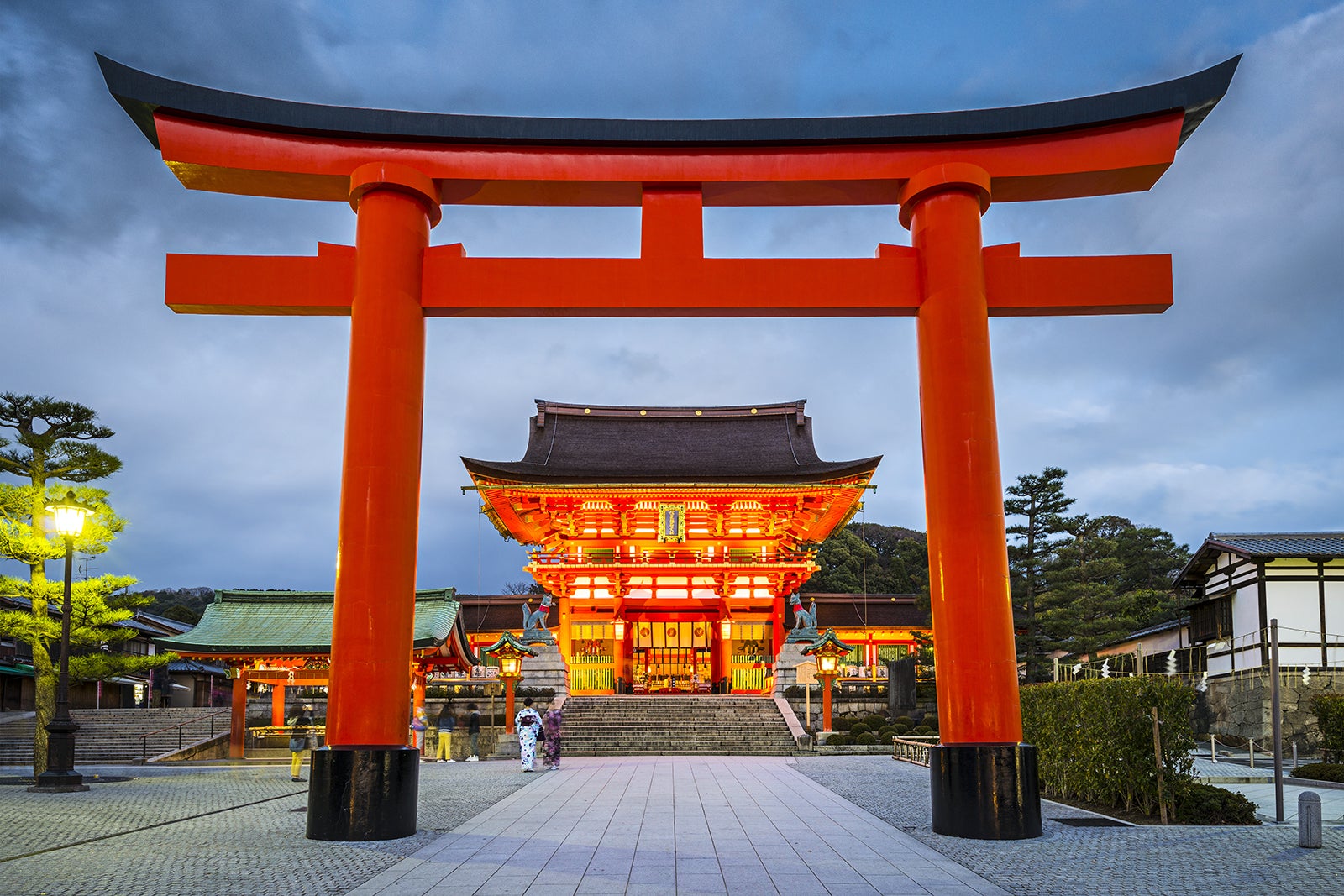
Fushimi Inari Taisha
Fushimi Inari Taisha is Japan’s most photographed Shinto shrine — the head shrine of all Inari (rice deity) shrines nationwide and home to the iconic vermilion torii gate corridor that snakes for 4 kilometers up Mount Inari. Founded in 711 AD, the shrine is dedicated to Inari, the Shinto god of rice, agriculture, and prosperity, and has been continuously visited by businesses seeking financial success. Each torii gate (over 10,000 in total) is donated by a different individual or business — their names and the date of donation are inscribed on the back. The full mountain hike takes 2-3 hours and rewards climbers with peaceful intermediate shrines, fox-shaped statues (Inari’s messenger animal), and panoramic Kyoto views from the summit. Free admission, open 24 hours. Best at sunrise or after 9pm for crowd-free experiences.
「伏見稲荷大社」は日本でも最も撮影される神社——全国の稲荷神社(稲の神)の総本宮で、稲荷山を4キロにわたって続く朱色の鳥居トンネルで世界的に有名です。711年に創建された当社は、稲荷神(稲・農業・繁栄の神)を祀り、商売繁盛を願う商人・企業から千年にわたって信仰されてきました。1万基を超える各鳥居は、個人または企業が寄進したもので、各鳥居の裏面に寄進者名と日付が記されています。山頂までの全コース登山は2〜3時間で、静かな中間の小社、稲荷神の使い「狐」の石像、頂上からの京都パノラマなどが見どころ。拝観無料、24時間開門。日の出時刻、午後9時以降は静寂で混雑なし。
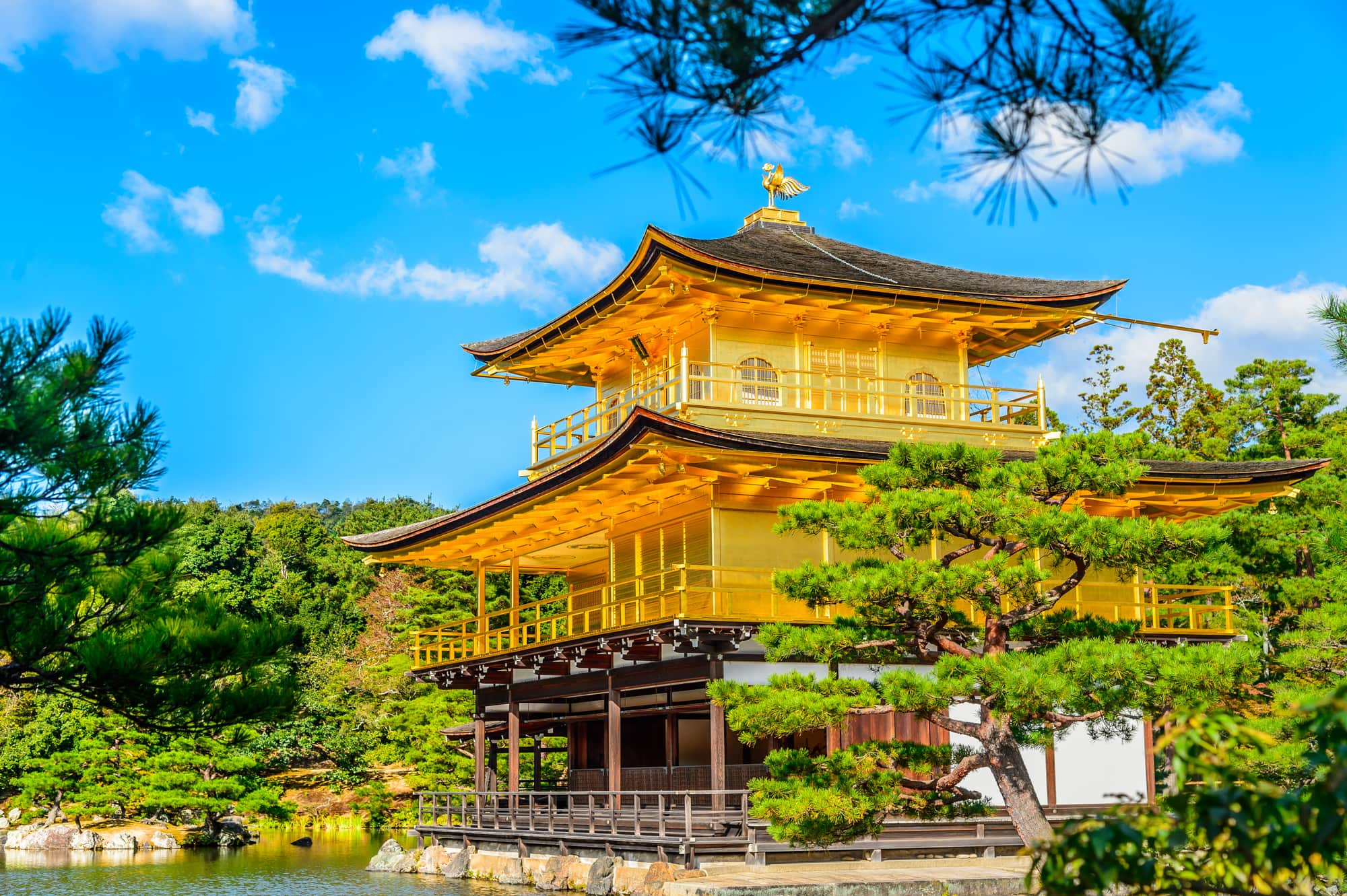
Kinkaku-ji (Golden Pavilion)
Kinkaku-ji, formally Rokuon-ji, is one of Japan’s most photographed buildings — a 3-story Buddhist pavilion with the upper two floors entirely covered in gold leaf, perched on the edge of a mirror-still pond that reflects the structure with breathtaking symmetry. Originally built in 1397 as a retirement villa for the powerful Ashikaga Yoshimitsu, it was converted to a Zen temple after his death. The current structure is a 1955 reconstruction (the original was burned by an obsessed monk in 1950 — the event inspired Mishima Yukio’s classic novel “The Temple of the Golden Pavilion”). Beyond the pavilion, the surrounding garden is a masterpiece of Muromachi-era design with carefully placed stones and a meditation pond. Tickets ¥500. From JR Kyoto Station, take Bus #205 (40 minutes).
「金閣寺(鹿苑寺・ろくおんじ)」は日本でも最も撮影される建築物の一つ——3階建ての仏教楼閣で、上の2階を金箔で覆い尽くし、鏡のように静まる池の縁に建ち、見事な左右対称の姿を水面に映す絶景の名所です。1397年に強大な室町幕府将軍・足利義満の隠居所として建立され、彼の死後に禅宗寺院に改装されました。現在の建物は1955年の再建(オリジナルは1950年、若い僧が放火事件で焼失——三島由紀夫の代表作『金閣寺』の題材になりました)。楼閣以外にも、室町時代の傑作とされる庭園は、配石の妙と瞑想の池が見どころ。拝観料500円。JR京都駅から市バス#205で約40分でアクセス可能です。
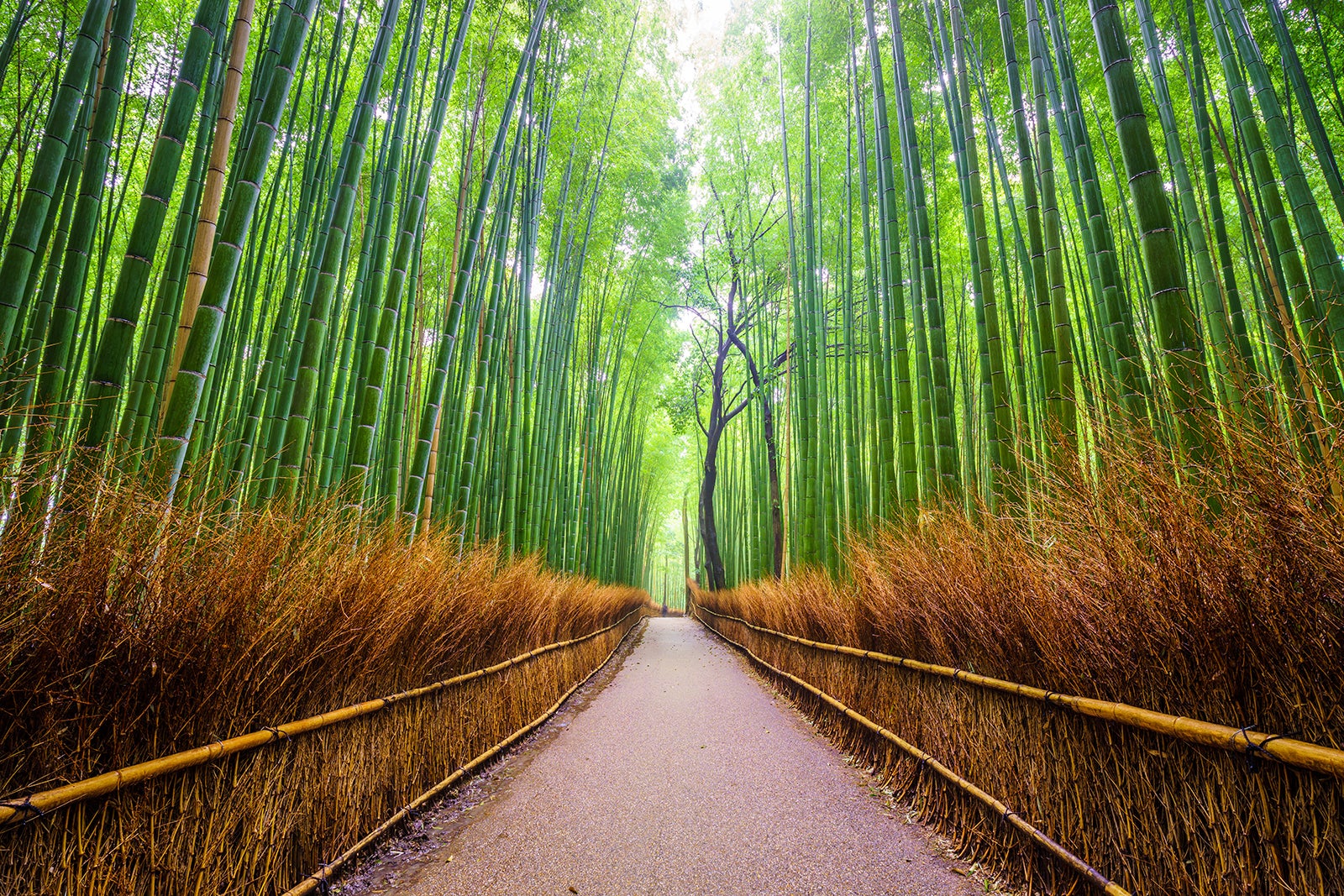
Arashiyama Bamboo Grove
The Arashiyama Bamboo Grove is one of Japan’s most ethereal natural experiences — a roughly 400-meter-long path through countless towering bamboo stalks, with sunlight filtering through the canopy in shifting patterns of green and gold. The bamboo’s gentle creaking in the wind has been designated one of “100 Sound Sceneries of Japan” worth preserving. The grove sits within Arashiyama, a charming district at Kyoto’s western edge that also features the historic Tenryu-ji Temple (a UNESCO World Heritage site), the iconic Togetsukyo bridge, dozens of riverside cafes and restaurants, and the romantic boat rides along the Hozu-gawa river. Beyond the grove, climb to the small viewpoint at Saga Toriimoto for panoramic forest-and-river views. Free admission to the grove. Best at dawn (5-7am) for crowd-free atmospheric beauty.
「嵐山竹林の小径」は日本でも最も幻想的な自然体験——全長約400メートル、数えきれないほどの背の高い竹が天を突く、その天蓋を通して陽光が緑と金の動く模様を作り出す絶景の道です。風に揺れる竹のかすかな音は、「日本の音風景100選」に選定された保存価値ある自然の音色。竹林は京都西郊の魅力的な「嵐山」地区内にあり、ユネスコ世界文化遺産の「天龍寺」、象徴的な「渡月橋」、川沿いのカフェ・レストラン、保津川下りの遊船など、見どころ満載のエリアです。竹林の他にも、嵯峨鳥居本へ登れば森と川のパノラマも楽しめます。竹林散策は無料。最高の体験は早朝(5〜7時)、混雑なしで静謐な空気に包まれる時間帯です。
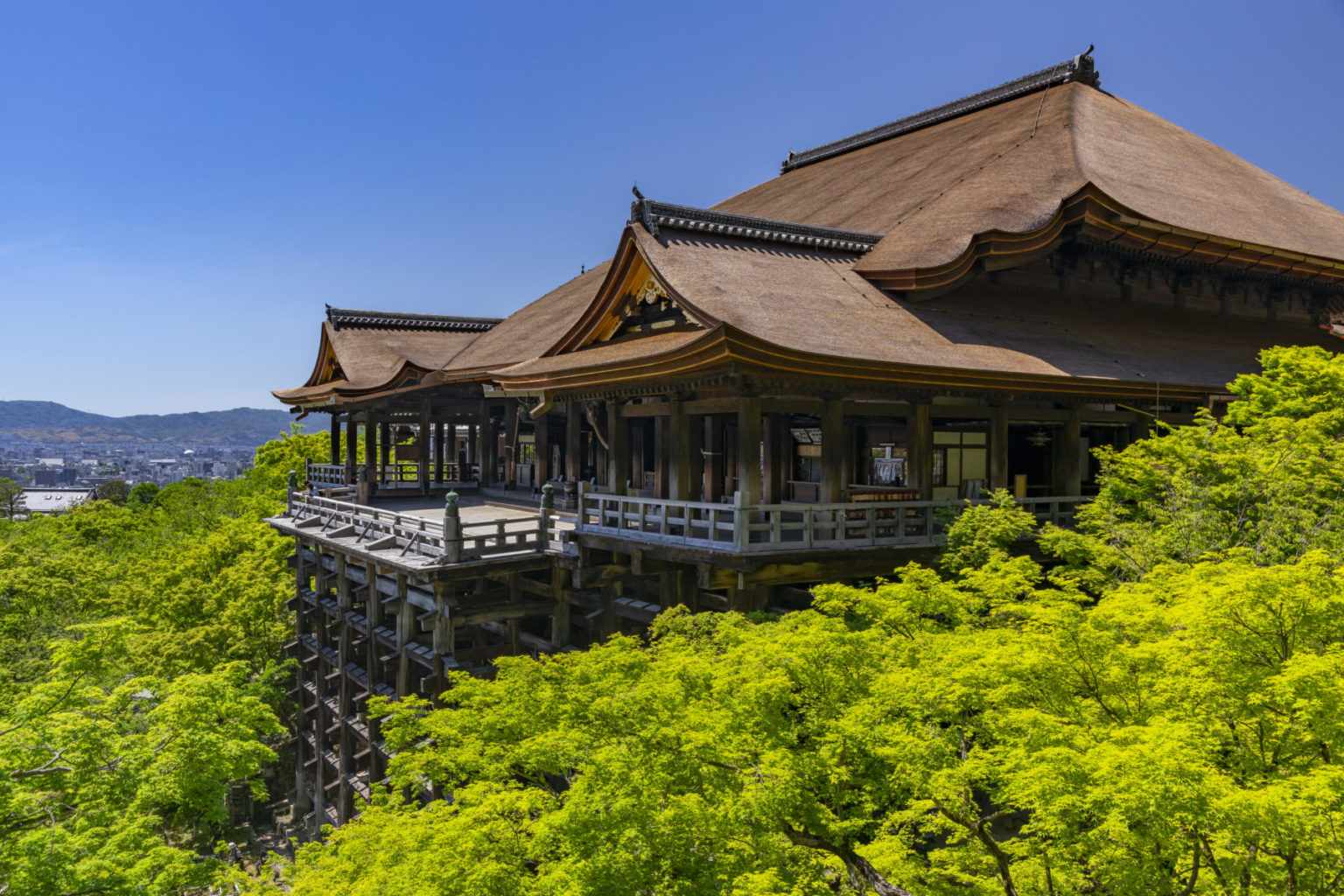
Kiyomizudera Temple
Kiyomizu-dera is one of Kyoto’s most beloved temples — its main hall, designated a National Treasure, dramatically perches on the side of Otowa Mountain on a wooden platform supported by 139 wooden pillars without a single nail. Built in 1633 (the temple itself dates to 778 AD), the structure offers stunning views over Kyoto from its observation deck. The temple’s name means “Pure Water Temple,” deriving from the famous Otowa Waterfall behind the main hall — visitors drink from the three streams using long-handled cups, each said to grant a different wish: longevity, success in romance, or academic achievement. The path to the temple from below is the famous Kiyomizu-zaka, lined with traditional shops selling Kyoto wagashi, pottery, kimono, and souvenirs. Tickets ¥500. Best at sunset for the panoramic view.
「清水寺」は京都を代表する寺院の一つ——国宝指定の本堂は、音羽山の山腹に張り出した木造舞台で、釘を一切使わず139本の木柱だけで支える壮大な構造を誇ります。1633年に建造(寺自体は778年創建)された建物は、京都市街を見下ろす絶景展望台でもあります。寺の名前「清水寺」の由来は、本堂裏の有名な「音羽の滝」——3本の流れがあり、長柄の柄杓で水を頂く際、それぞれが長寿・恋愛成就・学業成就と異なるご利益を授けるとされています。寺への参道は名高い「清水坂」で、数多くの伝統土産店が京都の和菓子、陶器、着物、お土産を販売しています。拝観料500円。夕日時刻が絶景パノラマの最高の時間帯です。
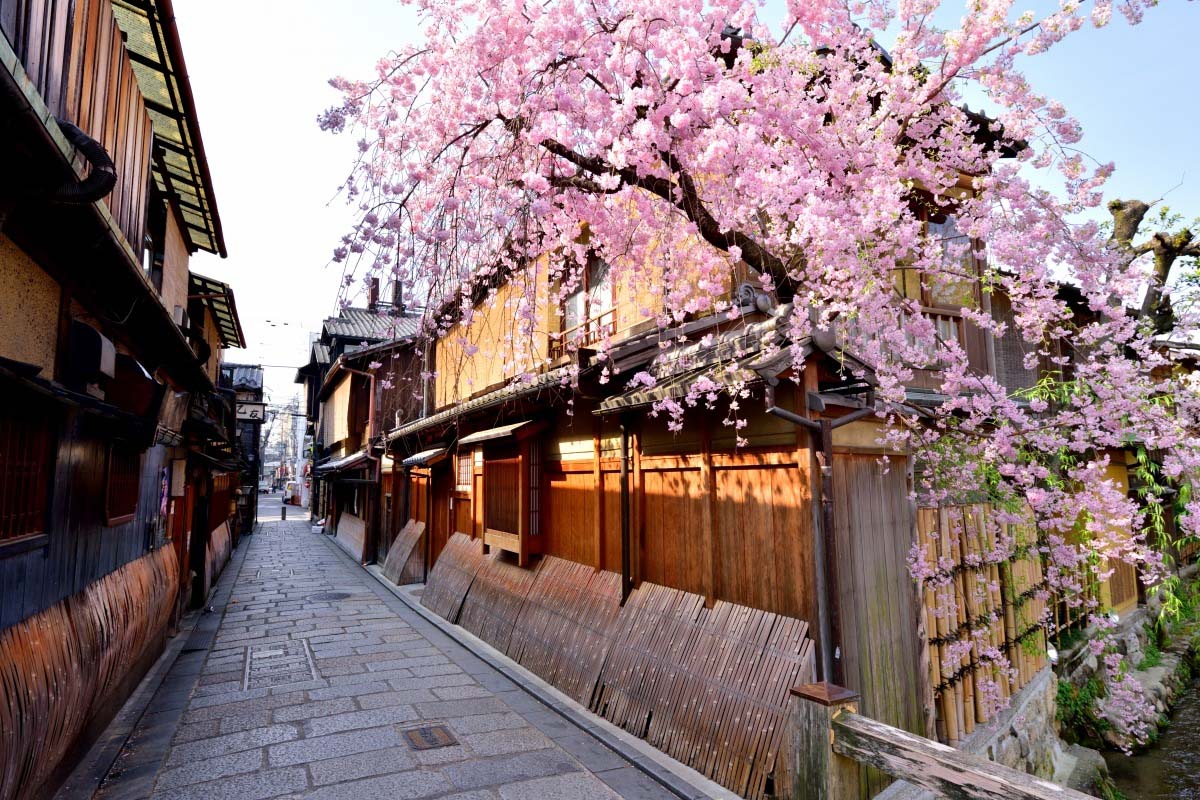
Gion District
Gion is Kyoto’s most famous geisha district — a beautifully preserved network of cobblestoned lanes and traditional wooden machiya townhouses where geiko (Kyoto’s geisha) and maiko (apprentice geisha) still actively perform. The signature lanes — Hanamikoji-dori and Shinbashi-dori — are particularly photogenic at twilight when paper lanterns glow against the dark wooden facades (Pontocho, across the Kamo River, is a separate hanamachi). While many of the okiya geisha houses and ochaya tea houses remain private, visitors can enjoy: Geiko/maiko performances at Gion Corner (¥5,500), traditional kaiseki dinners at long-established restaurants, the famous Shijo-dori shopping street, and the spectacular Yasaka Shrine. The annual Gion Matsuri festival in July is one of Japan’s three greatest festivals. From JR Kyoto Station, take Bus #100 or #206 (15 minutes).
「祇園」は京都で最も有名な花街——美しく保存された石畳の小路と伝統的な木造町屋の網目に、現役の芸妓(京都の芸者)と舞妓(見習い芸妓)が今も活動を続ける文化遺産的な街です。象徴的な通り——「花見小路通り」「新橋通り」——は黄昏時、紙提灯が暗い木造ファサードに灯る光景が特にフォトジェニック(先斗町は鴨川を挟んだ別の花街)。多くの置屋(芸妓の住居)とお茶屋は非公開ですが、観光客は「祇園コーナー」での芸妓・舞妓の演舞鑑賞(5,500円)、老舗の懐石料理、有名な「四条通り」ショッピングストリート、壮大な「八坂神社」などを楽しめます。7月の「祇園祭」は日本三大祭の一つ。JR京都駅から市バス#100または#206で約15分。
Insider Tips
現地通の旅の裏ワザ
Take the first JR Nara Line train (~5:30am) to climb the 10,000 torii in solitude. By 8am the path is shoulder-to-shoulder with tour groups.
JR奈良線の始発(5:30頃)に乗れば、千本鳥居をほぼ無人で撮影できる。8時以降は団体客で芋洗い状態。
Gion Hanamikoji is now over-touristed with anti-photo signs and fines. Try Pontocho Alley (north end, near Sanjo) for the same atmosphere with half the crowds.
祇園花見小路は撮影禁止&罰金規制で観光客過密。先斗町(三条北側)が同じ風情で人混み半分。
The bus-only 1-Day Pass ended in 2024; the Subway & Bus 1-Day Pass (¥1,100) is now the main option. Most famous temples (Kiyomizu, Ginkakuji, Kinkakuji) connect mainly by bus (¥230 a ride).
市バス専用1日券は2024年に廃止。現在は地下鉄・バス1日券¥1,100が主力。清水寺・銀閣寺・金閣寺など主要寺はバス利用(1回¥230)が基本。
Tofuku-ji’s Tsutenkyo Bridge offers Kyoto’s most photogenic maple view (mid-Nov peak), yet many tourists skip it because it’s one stop south of Kyoto Station on JR Nara Line.
東福寺の通天橋は京都随一の紅葉名所(11月中旬がピーク)。京都駅からJR奈良線で1駅と近いのに観光客少なめの穴場。
Gion, Kiyomizu-dera, and Fushimi Inari are Kyoto’s most photogenic kimono spots. Rental shops cluster near Kiyomizu and Gion — book online to skip the queue.
祇園・清水寺・伏見稲荷は京都の着物撮影3大スポット。着物レンタル店は清水寺・祇園に多数、オンライン予約で待ち時間ゼロ。
Frequently Asked Questions
When is the best time to visit Kyoto?
Kyoto shines brightest during cherry blossom season (late March–early April) and autumn foliage (mid-November). Both periods are extremely crowded but utterly magical. If you prefer quieter visits, mid-January to late February offers cold but serene temples with few tourists.
京都のベストシーズンは春の桜(3月下旬〜4月上旬)と秋の紅葉(11月中旬)。どちらも非常に混雑しますが、それだけ価値のある絶景です。混雑を避けたい場合は1〜2月の冬がおすすめ。
How should I get around Kyoto?
Kyoto has an excellent bus network covering all major sightseeing areas — the Subway & Bus 1-Day Pass (¥1,100) is great value. The subway (Karasuma Line north–south, Tozai Line east–west) is handy. Hiring a bicycle is perhaps the best way to experience Kyoto at your own pace; many rental shops are near Kyoto Station.
主要観光地は市バスで便利に移動できます。地下鉄・バス1日券(1,100円)がお得。地下鉄(烏丸線=南北、東西線=東西)も便利。自転車レンタルは自分のペースで観光できる最高の移動手段です。
Is there a dress code at Kyoto temples?
Most temples have no strict dress code for casual visitors, but some inner sanctuaries may require removal of shoes. Dressing modestly (covering shoulders and knees) is recommended as a sign of respect, especially at active religious sites like Fushimi Inari.
一般的な観光では特にドレスコードはありませんが、靴を脱ぐ場面も多いです。露出の多い服装は避け、肩や膝が出ない服で訪問するのが礼儀正しいマナーです。
💡 Pro Tip: Most famous sights are packed by 10am. Arrive at Fushimi Inari, Arashiyama, and Kiyomizudera before 8am to enjoy them almost alone — the morning light is also far better for photography.
💡 旅のヒント:有名観光地は10時には混雑し始めます。伏見稲荷・嵐山・清水寺は8時前に訪れると人が少なく、写真も美しく撮れます。早起きが京都観光の鉄則です。