Aichi
Top Aichi souvenirs and must-visit travel spots — your complete guide for visitors to Japan. Nagoya-meshi cuisine, Nagoya Castle’s golden shachi ornaments, and the birthplace of Toyota — Aichi is Japan’s hidden gem for culture, history and innovation.
名古屋飯・金のしゃちほこ・トヨタ発祥の地。日本の産業と文化が交差する愛知の旅へ。
Aichi is Nagoya’s prefecture — Nagoya Castle, the Toyota museums, and a food culture all its own (‘Nagoya-meshi’). The souvenirs are bold and local: uiro steamed rice-flour sweet, miso-katsu sauce, ebi-senbei prawn crackers, and Nagoya Cochin chicken products. Most keep well. Nagoya Station’s underground malls are the one-stop.
愛知は名古屋の県——名古屋城、トヨタの博物館、独自の「名古屋めし」文化。みやげは個性的で地元色が濃く、ういろう、味噌カツのたれ、えびせんべい、名古屋コーチンの加工品など。多くが日持ちします。名古屋駅地下街が一番のまとめ買いスポットです。
Recommended Omiyage
おすすめおみやげ 5選
Uiro
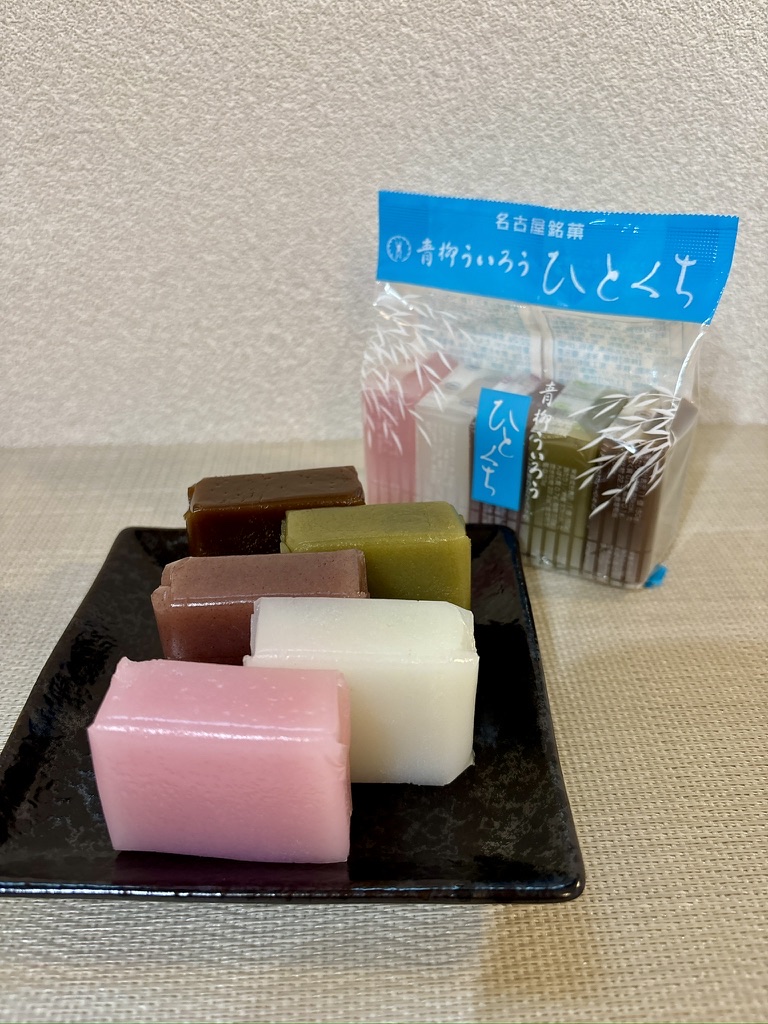
Uiro is Nagoya’s quintessential traditional sweet — a soft, slightly chewy steamed cake made from rice flour, sugar, and water (some versions add azuki bean paste, matcha, or sakura leaves). The texture sits between mochi and yokan: dense yet yielding, with a delicate sweetness that lets the rice flavor shine. Originating in 14th-century China and adapted by Nagoya’s master confectioners over centuries, uiro has a distinctively smooth-glossy surface that looks almost translucent. Top makers include Aoyagi Uiro (Japan’s largest uiro company, founded 1879) and Osu Uiro. The white, sakura-pink, matcha-green, and black-sugar variations make beautiful gift sets, and the unique slicing experience (using thread) is part of the tradition. Available at JR Nagoya Station, Mitsukoshi, and Aoyagi flagship store. Best within about 2–4 weeks (fresh uiro about 10 days).
「ういろう」は名古屋を代表する伝統和菓子——米粉、砂糖、水を主原料に、しっとりもちもちした蒸し菓子で、種類によって小豆あん、抹茶、桜葉などが加えられます。食感は餅と羊羹の中間で、しっかりとした重みがありながら口溶けが良く、上品な甘さが米の風味を引き立てる繊細な味わいです。14世紀の中国から伝わり、何世紀にもわたって名古屋の職人たちが独自に発展させた銘菓で、表面は滑らかでほぼ透明感のある独特の艶が特徴。代表メーカーは、日本最大のういろうメーカー「青柳ういろう」(1879年創業)、「大須ういろ」など。白、桜、抹茶(緑)、黒糖のバリエーション化粧箱は美しい贈答品として人気で、糸を使ってスライスする独特の食体験も伝統の一部。JR名古屋駅、三越、青柳本店で購入可能。賞味期限は商品により約2〜4週間(生ういろうは約10日)。
Pop one in your mouth and the mochi-like chew is instantly soothing — yet what struck me is that it’s cleaner to bite through than actual mochi. Unlike mochi’s glutinous rice, uiro is made from rice flour, and that’s where this lightness comes from. The five colors each taste different: pink carries a faint cherry-blossom scent, the dark one is rich brown-sugar sweetness, and the matcha has a gentle, mellow bitterness that’s easy even for matcha beginners. Each little piece has its own character — a pretty, eye-pleasing Nagoya souvenir.
口に入れると、もっちりとした食感にほっと癒されます。それでいて餅よりも歯切れが良いのが印象的でした。餅のもち米とは違い、ういろうはお米を粉にした米粉を原料として作るため、この軽やかさが生まれます。また、5色のういろうはそれぞれ味が異なります。ピンクは桜がほのかに香り、黒は黒糖のコクのある甘さ、抹茶は渋みが穏やかで抹茶初心者にも食べやすい味わいです。小さな一つ一つに個性があり、目にも楽しい、かわいらしい名古屋土産です。
Yukari (Bankaku)
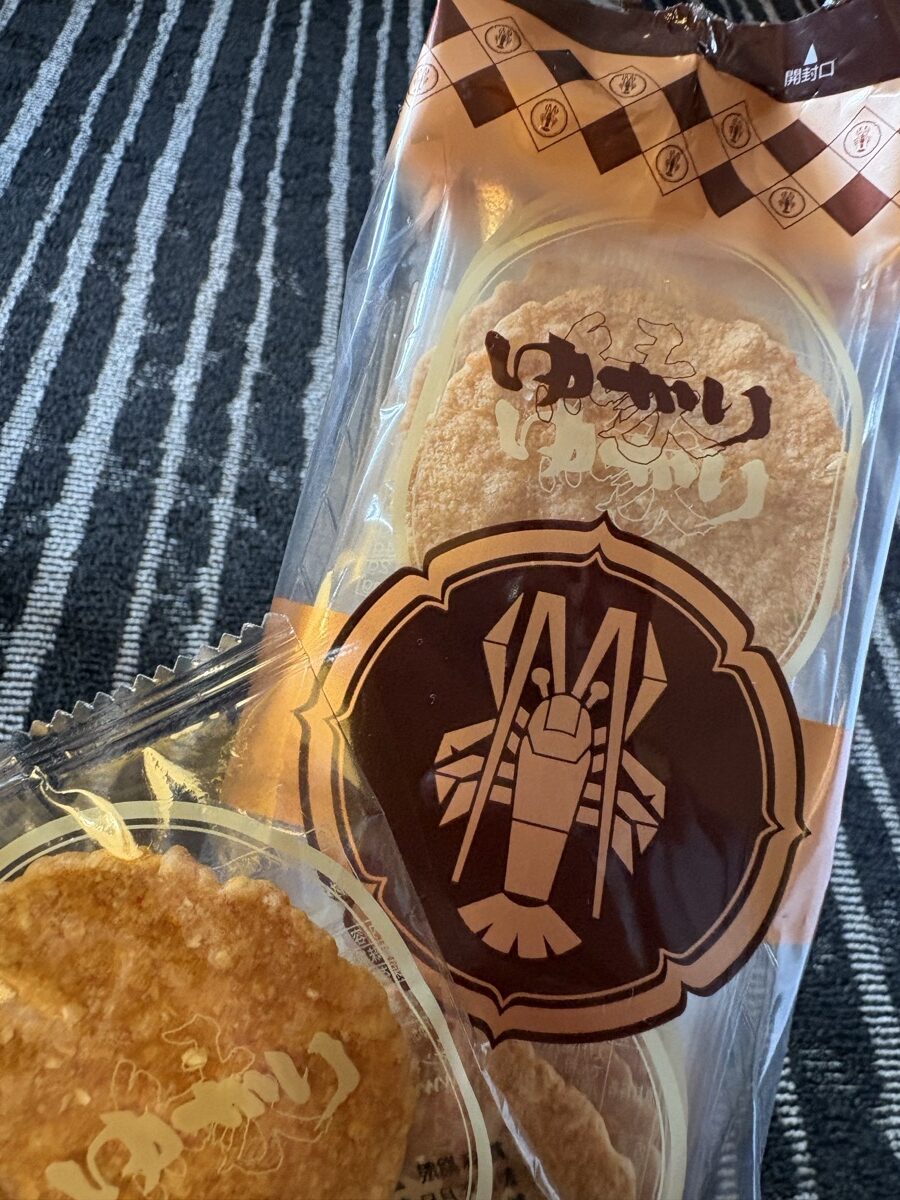
If you ask an Aichi local what to actually bring home, this is the answer — our Aichi-born editor retired the obscure pick that used to sit here and put Yukari in its place. Made by Bankaku Sohonpo (founded 1889 in what is now Tokai City, Aichi), Yukari is the original ebi senbei: about 70% of each cracker is natural shrimp, pressed and baked into a thin, hard disc with a deep roasted-shrimp aroma that cheap imitations never reach. It snaps loudly, pairs dangerously well with beer, and looks dignified enough for a formal gift. Sold everywhere that matters — JR Nagoya Station, Chubu Centrair Airport, and department store basements. Bags of 8 start at ¥691, gift boxes run ¥1,080 (12 pieces) to ¥3,240 (33 pieces). Shelf life about 60 days.
愛知の人間に「結局何を買えばええの?」と聞けば、答えはこれ——当欄も愛知出身の編集部の判断で、以前掲載していたマイナーな品からゆかりに差し替えました。坂角総本舖(1889年創業・現在の愛知県東海市)が作る元祖えびせんべい「ゆかり」は、1枚の約7割が天然えび。薄く硬く焼き上げた生地から、安い類似品には出せない香ばしいえびの香りが立ちます。パリッと割れる食感はビールとの相性も抜群で、見た目の品格は目上への贈答にも通用するレベル。JR名古屋駅、中部国際空港、主要デパ地下で購入可能。袋入り8枚691円から、化粧箱は12枚1,080円〜33枚3,240円。賞味期限は約60日です。
This is my number-one gift to give — I’m from Aichi, after all (laughs). The design is simple and each cracker is individually wrapped, and the moment you tear one open, a lovely shrimp aroma drifts out. They’re baked on the firm side, but because they’re baked so thin, they snap apart easily by hand. The instant it hits your mouth the shrimp aroma opens up even stronger, and the bite has a satisfying firmness — you really feel like you’re eating a proper senbei. It’s still soft enough for kids to manage. The flavor deepens the more you chew, the shrimp getting stronger with every bite — so good that you reach for a second one without thinking. Light, compact and long-keeping: all three boxes ticked. This is my recommended Nagoya souvenir.
ゆかりは私の贈答品率No.1です(笑)。地元なのでね。シンプルなデザインで個別包装されており、封を開けた瞬間に海老のいい香りが漂ってきます。やや硬めに焼き上げてある煎餅ですが、薄く焼いてあるので手で簡単に割れます。口に入れた瞬間、海老の風味がさらに強く香り、噛んだ食感も程よい硬さで、しっかりとせんべいを食べてる感がありますね。子供でも十分に食べられる硬さです。味は噛めば噛むほど海老の風味が強くなる感じで、とても美味しいので、つい2枚目も食べたくなる美味しさです!軽い・かさばらない・日持ちするの三拍子が揃った、名古屋おすすめのお土産になります。
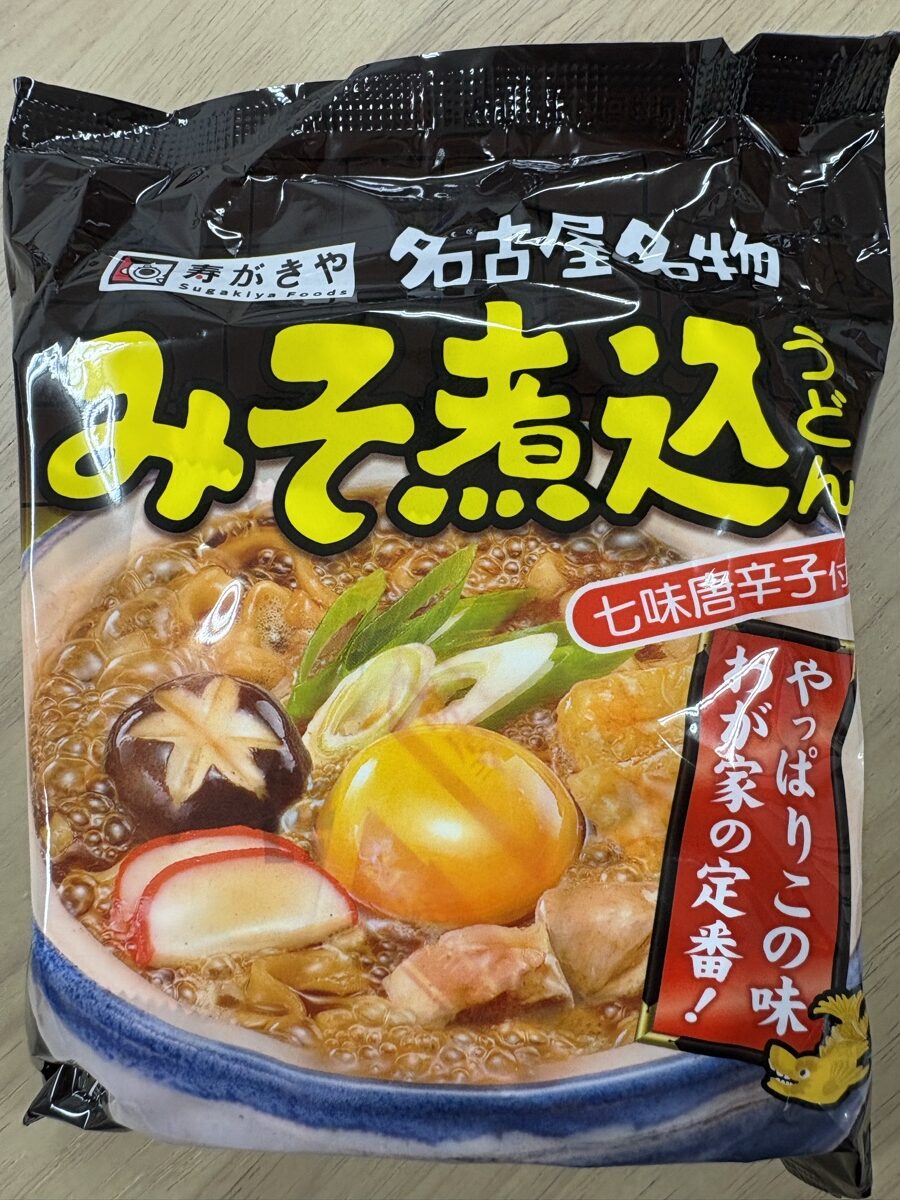
Sugakiya Miso Nikomi Udon
Nagoya’s most warming specialty is miso nikomi udon — chewy, firm udon simmered directly in an earthenware pot with a rich broth of pure Hatcho red-bean miso, usually crowned with a cracked egg, kamaboko and green onion. The noodles are deliberately stiff so they hold up to long simmering. The easy souvenir version is Sugakiya’s instant miso nikomi udon: Sugakiya (founded 1946 in Nagoya, now based in Toyoake, Aichi) launched its instant take on the dish in 1966, and the soup is made with 100% mame-miso for that deep, slightly bitter red-miso depth. A 5-serving bag runs about ¥775 (before tax) and keeps for around 8 months — light, flat and easy to pack, so it’s a favorite everyday Nagoya souvenir. Sold at supermarkets across Aichi, JR Nagoya Station and Chubu Centrair Airport.
名古屋で一番あったまる名物が味噌煮込みうどん——コシの強い硬めの麺を土鍋のまま、豆味噌(八丁味噌)ベースの濃厚なつゆで煮込み、たいてい卵・かまぼこ・ねぎをのせます。長く煮込んでも伸びないよう、麺はあえて硬く作られています。お土産に手軽なのが寿がきやの即席みそ煮込うどん。寿がきや(1946年名古屋創業・現在は愛知県豊明市)は1966年に即席版を発売し、スープは豆みそ100%のコク深い赤味噌仕立て。5食入で約775円(税抜)、賞味期限は約8ヶ月。薄くて平たく荷造りしやすいので、名古屋の定番みやげとして親しまれています。愛知のスーパー各所、JR名古屋駅、中部国際空港で購入可能。
Nagoya’s soul food, and honestly an ideal souvenir: the dried-noodle version is light, compact, keeps for months and is cheap on top of that. The back of the pack has clear instructions, and you’ll have a bowl of miso nikomi udon ready in about 6 minutes. My own preference is to keep the noodles a little firm, then crack a raw egg in the moment they loosen up and eat it while the yolk is still half-set (laughs). The standard 5-serving bag is easy to share with friends, and it’s fun to riff on — add your own toppings. Aichi is a home of red miso, so give this red-miso-based udon a try; you might just get hooked.
名古屋のソウルフードにして、実はお土産に最適。乾麺版は軽量&コンパクト、日持ちする、しかも安い✨ パッケージ裏に作り方が丁寧に書いてあり、約6分で味噌煮込みうどんが完成します。個人的には麺はやや硬めが好みで、麺がほぐれたタイミングで生卵を入れて半熟で食べるのがオススメ(笑)。5袋入りが定番なので、お友達に配ってもよし、いろいろアレンジを試すのもあり。赤味噌発祥の地・愛知の味、赤味噌ベースのうどんをぜひ味わってみてください。ハマるかも!?
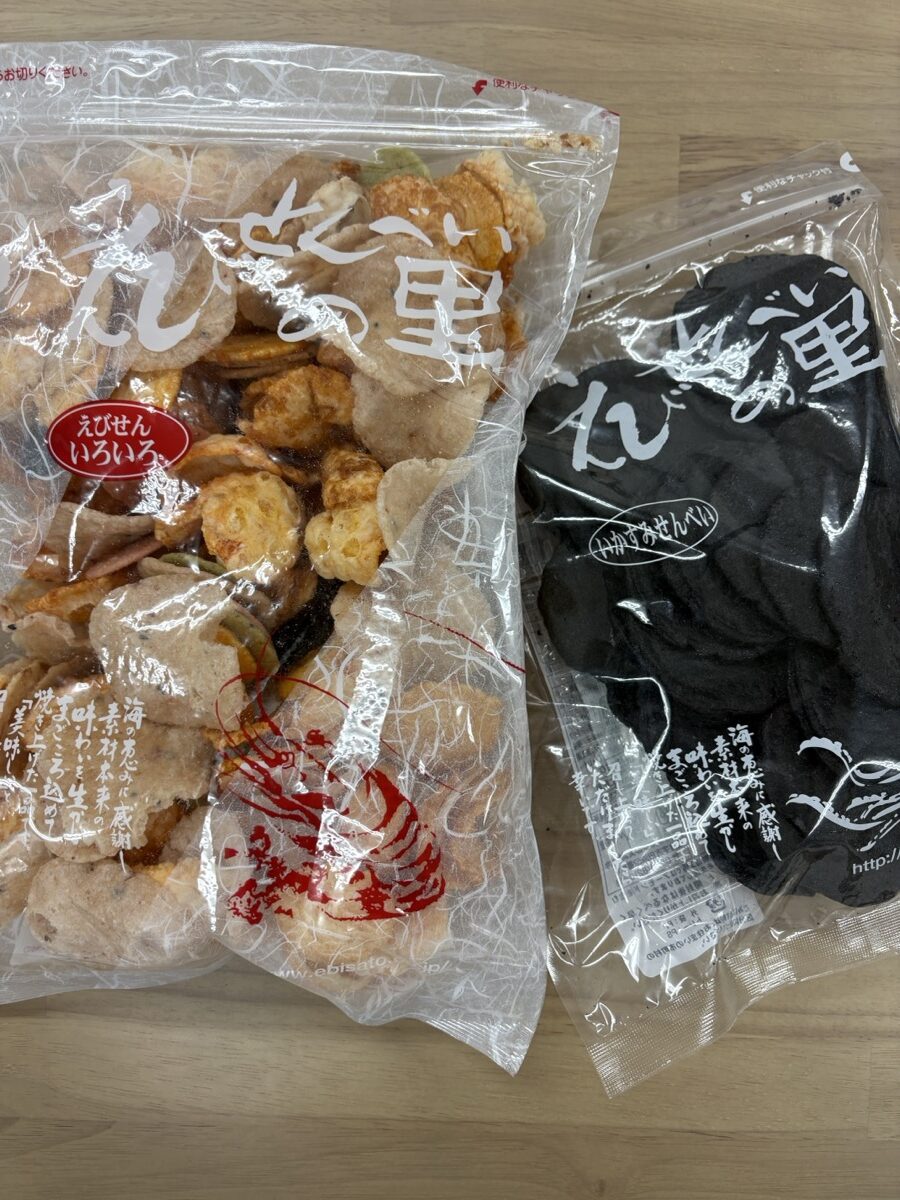
Ebi Senbei
Aichi is Japan’s largest producer of shrimp crackers, centred on Nishio’s Isshiki district — the birthplace of ebi senbei — and the Chita Peninsula, where they have been made for over a century. Local shrimp are pounded into a paste, blended with rice flour, pressed into thin sheets and then grilled or fried until crisp. For souvenirs, the easiest place to start is Ebi Senbei no Sato in Mihama on the Chita Peninsula: their shop carries around 40 varieties — thin grilled hamasen, sweet-savoury mirin-fried pieces, plus wasabi, plum, squid and octopus versions — and famously lets you sample almost all of them for free, with a factory viewing window and free coffee thrown in. Bags of assorted crackers (like the “Ebisen Iroiro” mix) are resealable and easy to share. Other well-known makers include Bankaku (Yukari) and Keishindo. Sold at JR Nagoya Station, Chubu Centrair Airport and the maker’s own shops. Best within about 90 days unopened.
愛知県は日本一の海老せんべい産地。発祥の地・西尾市一色町と知多半島を中心に、100年以上えびせんべいが作られてきました。地元産のエビをすり潰して米粉と練り合わせ、薄く延ばして焼く、または揚げてカリッと仕上げます。お土産で分かりやすいのが、知多半島・美浜町の「えびせんべいの里」。店内には約40種類——パリパリのはませんえびうす焼、甘辛いえびみりん揚げ、わさび味・梅味、いかやたこのせんべいまで——が並び、そのほとんどを無料で試食できるのが名物です。ガラス越しの工場見学や、無料のコーヒー・お茶のサービスもあります。詰め合わせ袋(「えびせんいろいろ」など)はチャック付きで配りやすいのも利点。ほかに坂角総本舖(ゆかり)、桂新堂なども代表的な作り手です。JR名古屋駅、中部国際空港、メーカー直営店で購入可能。未開封で賞味期限約90日。
Our editor is from Aichi, and this one comes from the local shop of the same name — Ebi Senbei no Sato (laughs). It really is good. The most popular line, Ebisen Iroiro, is an assortment: crackers of all different shapes packed in at random, each with its own flavour ♪ Seriously good value. Crackers are light, so they’re ideal to carry home as gifts. One warning though — once you start eating, you can’t stop (laughs). Nagoya has another cracker in the same genre, Yukari, but the two play different roles: Yukari is the formal gift (a little more upmarket), while the Ebi Senbei no Sato range is generous in volume and cheap ✨ — the one you hand out casually to friends. Do try it once. Your hand really will not stop (laughs).
編集部の地元・愛知にある、その名も「えびせんべいの里」で売っているえびせんべい(笑)。これがまた美味しいのよ!特に一番人気の「えびせんいろいろ」シリーズは、いろんな形のえびせんがランダムに入っており、もちろん味もそれぞれ違う♪ かなりお得なえびせんですね!せんべいなので軽く、おみやげに最適だと思います。注意点としましては、一度食べ始めると止まらなくなるので気をつけてください(笑)。名古屋土産で同じジャンルに「ゆかり」がありますが、ゆかりは贈答品(少し高級)、えびせんべいの里シリーズはボリュームもあって安い✨ 気軽に友達に配れるアイテムだと思います!一度食べてみてください。本当に手が止まらなくなるので(笑)
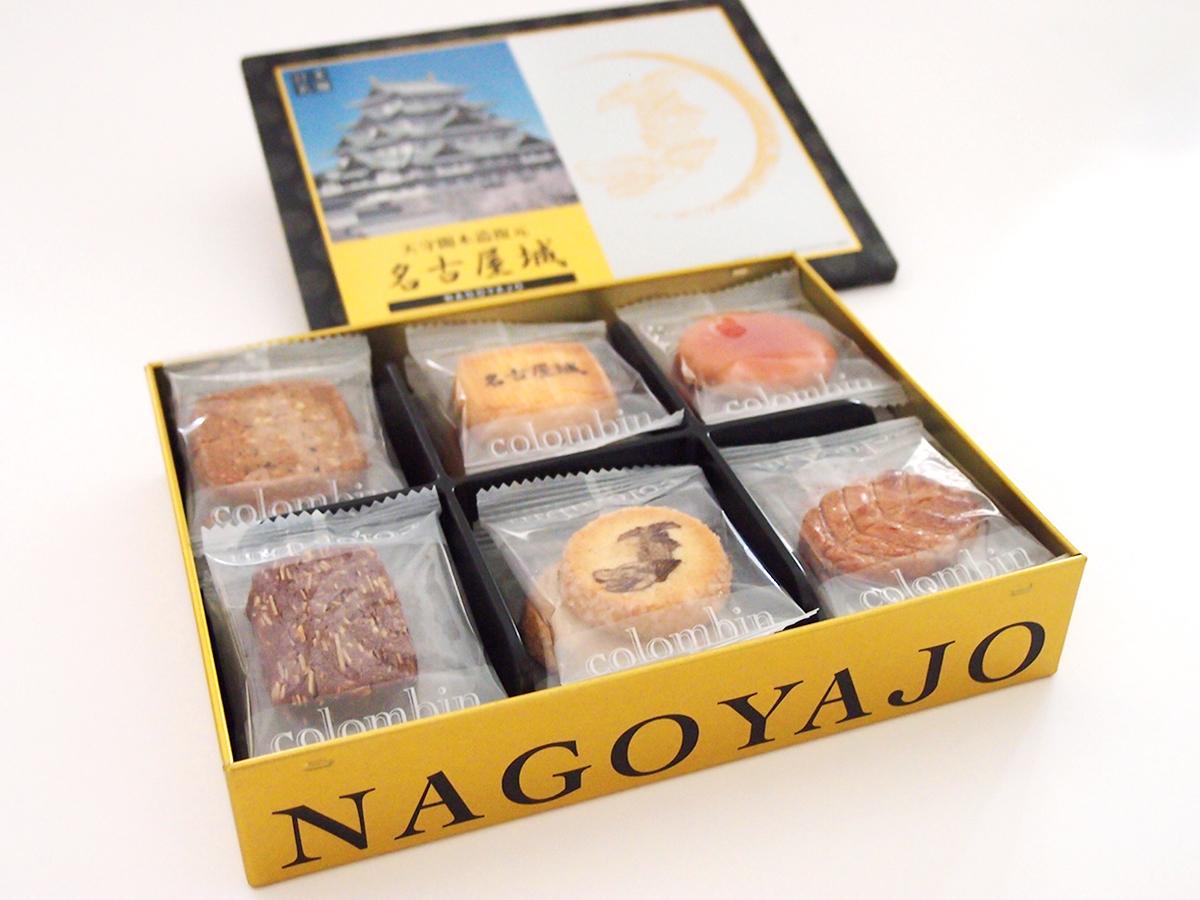
Nagoya Castle Cookie
Inspired by Nagoya Castle’s iconic golden shachihoko (mythical fish-tigers crowning the keep), Nagoya Castle Cookies are charming butter shortbreads stamped with the castle’s emblematic shachihoko silhouette and elegantly packaged in golden boxes that mirror the castle’s regal aesthetic. The cookies themselves are crisp, buttery, and slightly sweet — and the golden packaging nods to the castle’s famous gold-leaf decorations. Colombin’s ‘Nagoya-jo Four Sec’ is a popular boxed assortment featuring the golden shachihoko design. Beyond cookies, the same gift line often includes Nagoya Castle-themed yokan, daifuku, and chocolates featuring the castle silhouette. Assorted boxes are sold at the Nagoya Castle shop, JR Nagoya Station, and Chubu Centrair Airport. Best within about 120 days.
名古屋城の象徴である「金鯱(しゃちほこ)」(天守を飾る伝説の架空魚虎)にインスパイアされた「名古屋城クッキー」は、シャチホコのシルエット型に焼かれたバター香るショートブレッドで、名古屋城の威厳ある金色のパッケージで上品にラッピングされた美しい銘菓です。クッキー自体はサクサク、バター香り、優しい甘さで、金色のパッケージが名古屋城の金箔装飾を思わせます。コロンバンの「名古屋城フールセック」(金鯱デザインの詰合せ)などが代表的です。クッキー以外にも、シャチホコをモチーフにした名古屋城ようかん、大福、チョコレートなどのギフトラインも展開。詰合せの化粧箱が、名古屋城売店、JR名古屋駅、中部国際空港で購入可能。賞味期限約120日。
Must-Visit Spots
おすすめスポット 5選
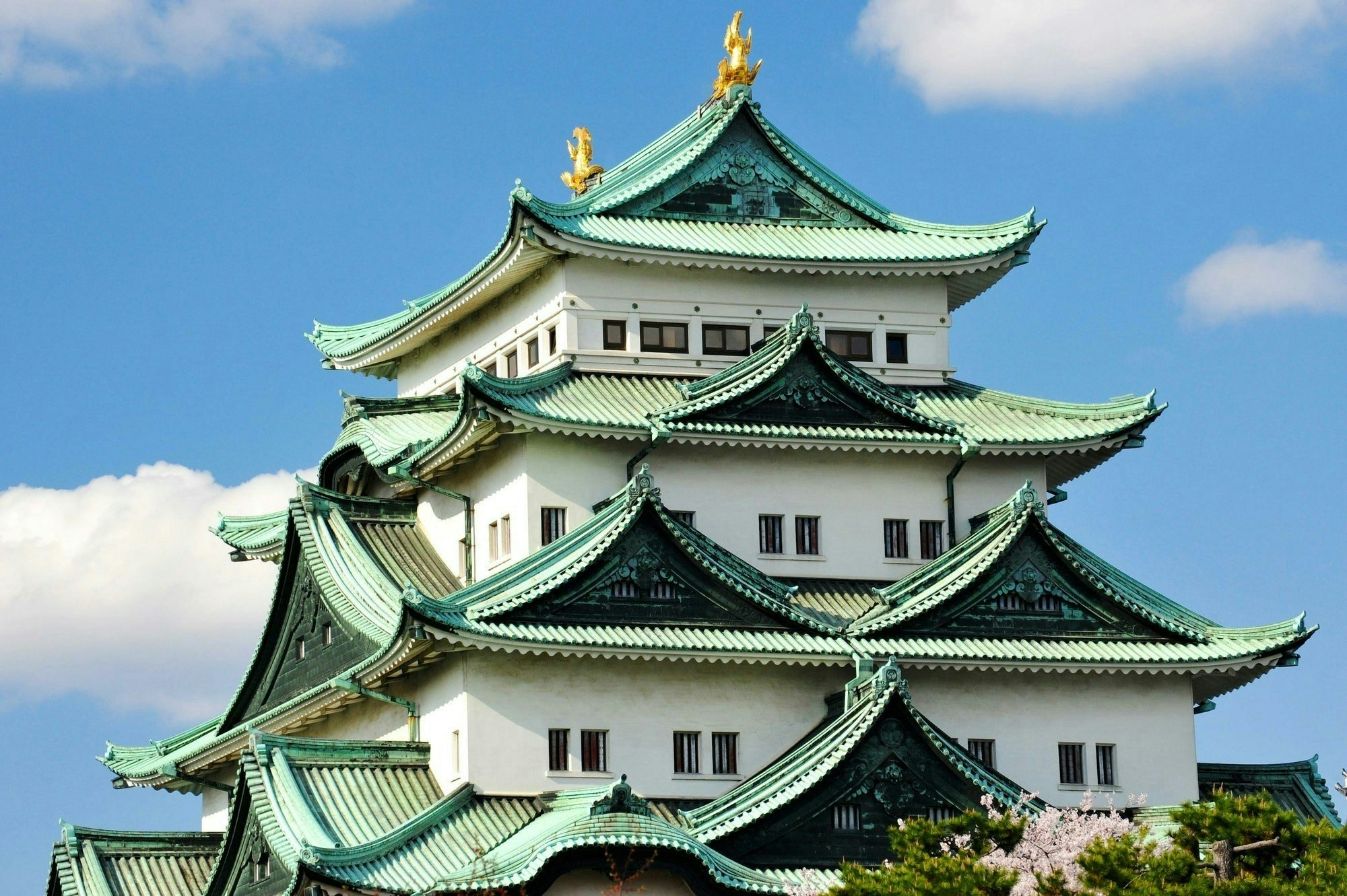
Nagoya Castle
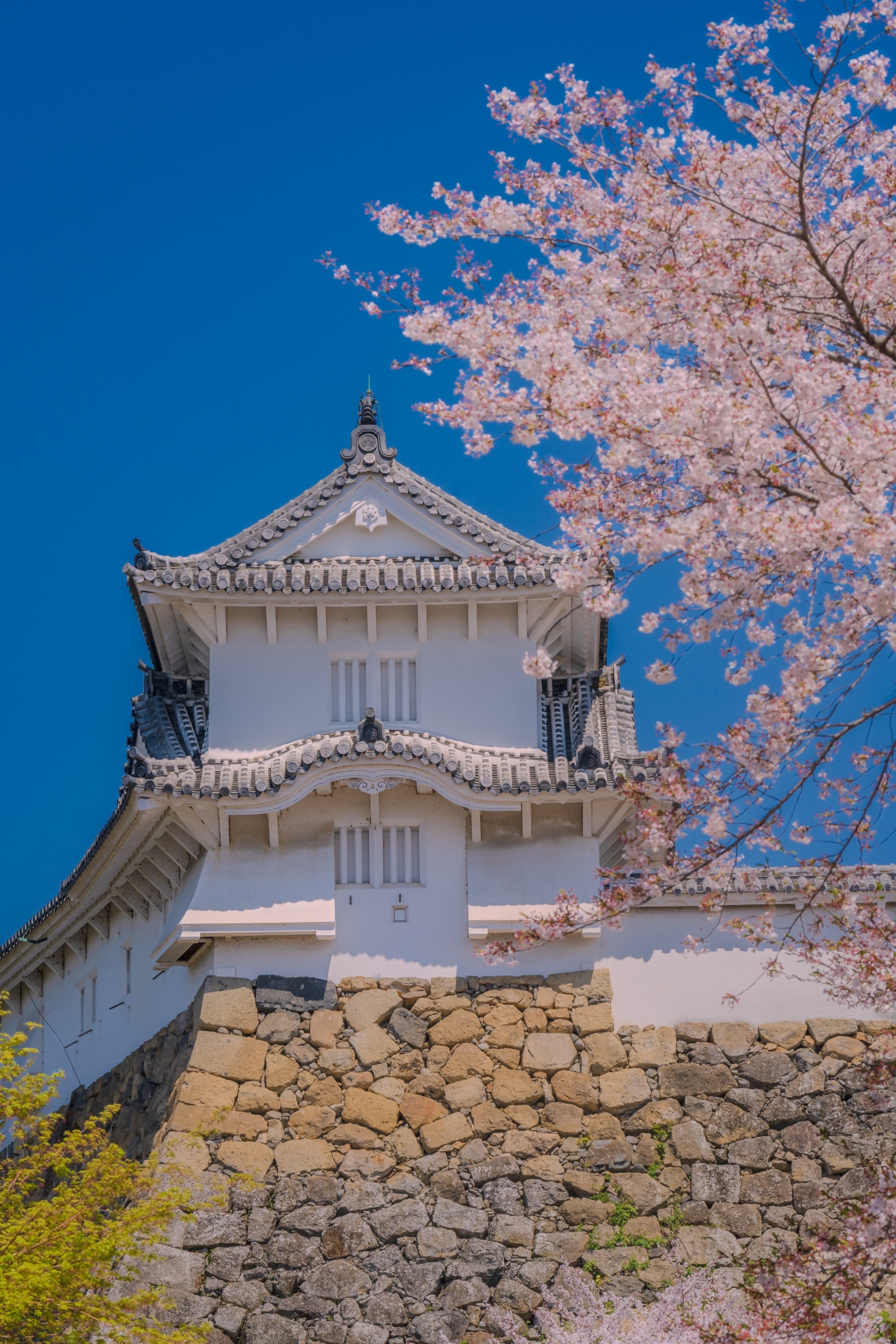
Built on Tokugawa Ieyasu’s orders (begun 1610, keep completed 1612) as a strategic stronghold protecting his shogunate, Nagoya Castle is one of Japan’s most historically significant castles — its iconic golden shachihoko (fish-tiger statues) atop the keep have been the city’s symbol for over 400 years. The original 5-story keep was destroyed in WWII and reconstructed in 1959 with concrete (the keep is currently closed for seismic safety); the grounds display samurai artifacts, ukiyo-e prints, and detailed castle history. The recently completed full reconstruction of the Honmaru Palace (2018), built using only traditional methods and original blueprints, is a stunning showcase of Edo-period craftsmanship — golden walls, carved transoms, and tatami rooms used by daimyo lords. Tickets ¥500. Cherry blossoms in early April are particularly beautiful. From JR Nagoya Station, take the subway (15 minutes).
徳川家康の命で築かれ(1610年着工・1612年天守完成)、幕府防衛の戦略要塞となった「名古屋城」は、日本でも歴史的に最も重要な城の一つ——天守上に輝く象徴的な金の「金鯱(きんしゃちほこ)」は400年以上にわたって名古屋市のシンボルです。オリジナルの5層の天守は第二次大戦で焼失し、1959年にコンクリート造で再建されました(天守は現在、耐震対策のため閉館中)。場内では武士の甲冑、浮世絵、城の詳細な歴史が展示されています。2018年に完成した「本丸御殿」の完全復元は、伝統技法とオリジナル図面のみで再建され、江戸時代の最高水準の建築美——金箔の壁、繊細な欄間彫刻、大名たちが利用した畳の間——を再現した圧巻の建築です。入場料500円。4月上旬の桜は格別の美しさ。JR名古屋駅から地下鉄で約15分。
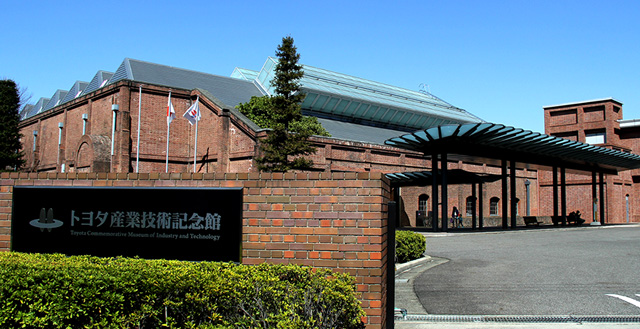
Toyota Commemorative Museum
Located in the Noritake area of Nishi Ward, the Toyota Commemorative Museum of Industry and Technology brilliantly traces Toyota’s journey from a 1911 textile loom maker to the world’s largest carmaker. The museum occupies a preserved 1918 red-brick building of the former Toyoda Boshoku textile works, on the site of Sakichi Toyoda’s early weaving operations and features two main exhibition halls: the Textile Machinery Pavilion (with working antique looms demonstrated by trained operators) and the Automobile Pavilion (with historic vehicles, working assembly line, and futuristic prototypes). The on-site “TM Cafe” serves Toyota-themed dishes. Many original Toyota family belongings, blueprints, and patents are exhibited. Plan 2-3 hours. Tickets ¥500 adults. The museum is a 3-minute walk from Sako Station (Meitetsu line) and about a 25-minute walk from JR Nagoya Station.
名古屋市西区則武新町(ノリタケの森の近く)に位置する「トヨタ産業技術記念館」は、トヨタが1911年の織機メーカーから世界最大の自動車メーカーへと進化した軌跡を見事に辿る記念館。豊田佐吉ゆかりの旧豊田紡織の工場跡(1918年築の赤煉瓦建物)に設けられ、2つの主要展示館で構成されています:「繊維機械館」(訓練を受けた職員が古い織機を実際に動かして実演)、「自動車館」(歴史車両、稼働中のアセンブリーライン、未来的な試作車両を展示)。併設の「TMカフェ」ではトヨタにちなんだ料理が楽しめます。豊田家のオリジナル所蔵品、設計図、特許文書なども展示。所要時間2〜3時間。入館料500円。名鉄「栄生(さこ)駅」から徒歩約3分、JR名古屋駅からも徒歩約25分。
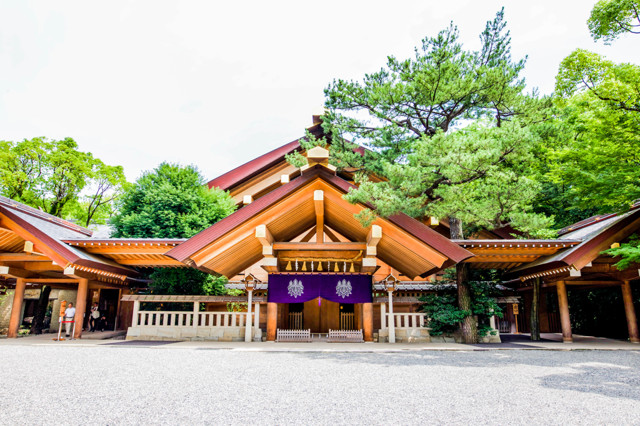
Atsuta Shrine
Atsuta Shrine is one of Japan’s most revered Shinto shrines, ranking close behind Ise — its enshrined sacred treasure is the legendary Kusanagi-no-Tsurugi (“Grass-Cutting Sword”), one of the three Imperial Regalia of Japan, said to have been found in the tail of the serpent Yamata-no-Orochi and handed down from the goddess Amaterasu to the imperial line. The sword has never been publicly displayed and remains hidden in the inner sanctum. The shrine grounds, surrounded by ancient cedar forests in the heart of Nagoya, contain around 45 auxiliary shrines and many treasures including ancient swords, mirrors, and clothing. Annual festivals throughout the year, particularly in June, draw hundreds of thousands. Free admission to grounds; treasure hall ¥500. From JR Nagoya Station, the subway takes 15 minutes.
「熱田神宮」は伊勢神宮に次ぐ格式を誇る古社——御神体は伝説の「草薙の剣(くさなぎのつるぎ)」、日本の三種の神器の一つで、太陽神アマテラスから皇室に授けられたとされる神剣です。剣は一度も公開されたことなく、内陣に秘かに祀られ続けています。名古屋市中心部の古代杉並木に囲まれた境内には、約45の摂社末社、古代の剣、鏡、装束など多くの宝物が収蔵されています。年間を通して様々な祭典が開催され、特に6月の例祭には数十万人の参拝者が訪れます。境内は無料、宝物館は500円。JR名古屋駅から地下鉄で約15分でアクセス可能です。
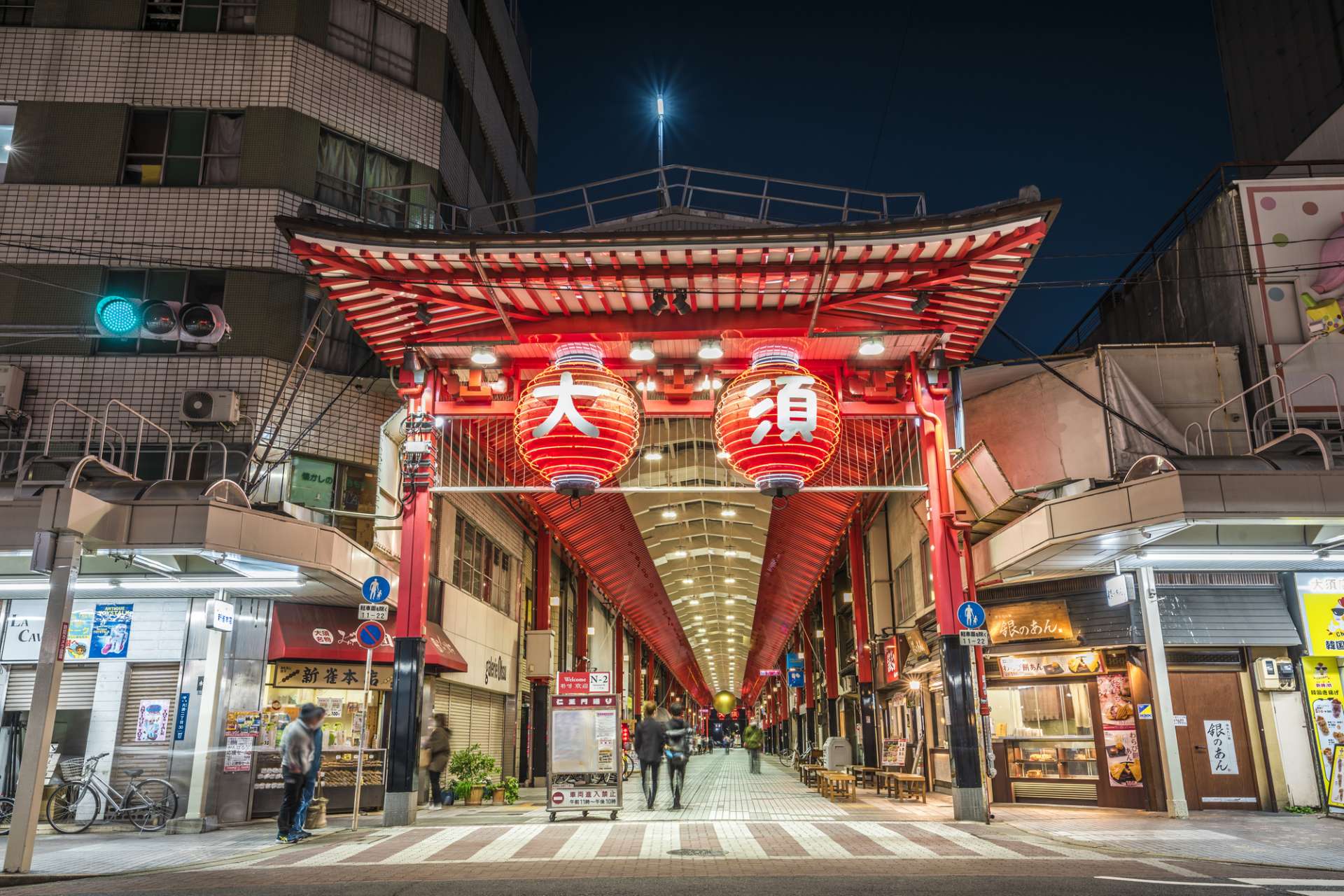
Osu Shopping District
Osu is Nagoya’s most eclectic shopping district — a network of covered arcades and lanes near Osu Kannon Temple where 1,200+ shops, restaurants, and historic businesses operate side-by-side: vintage clothing stores, electronics dealers, kimono outlets, ramen specialists, foreign-food stalls, and the famous Osu Daido Chonin street-performers’ festival each October. The atmosphere is gloriously chaotic — anime cosplayers, monks, salarymen, and tourists all mix in the alleys. Highlights include Osu Kannon Temple (one of Japan’s three great Kannon temples, keeper of the Osu Bunko library and Japan’s oldest Kojiki manuscript), Akamon-dori shopping street, and the unmissable Komeda Coffee for a Nagoya-style coffee experience. Free to wander. From JR Nagoya Station, Osu is a 15-minute subway ride. Plan at least 3-4 hours; weekends are most lively.
「大須」は名古屋でも最も独特なショッピングエリア——大須観音近くの覆いアーケードと小路の網目に1,200軒を超える店舗、レストラン、老舗が混在しており、ヴィンテージ衣料、家電、着物、ラーメン、外国料理屋台、そして毎年10月の「大須大道町人祭」など、文化が融合する独自の世界が展開されています。雰囲気は素晴らしく雑多——アニメコスプレイヤー、僧侶、サラリーマン、観光客が同じ路地を歩く活気ある光景です。見どころは「大須観音」(日本三大観音の一つ。国宝『古事記』最古写本を含む大須文庫を所蔵)、「赤門通り」商店街、名古屋スタイルのコーヒー体験ができる「コメダ珈琲」など。散策は無料。JR名古屋駅から地下鉄で約15分。3〜4時間以上の散策がおすすめで、週末は特に活気あふれます。
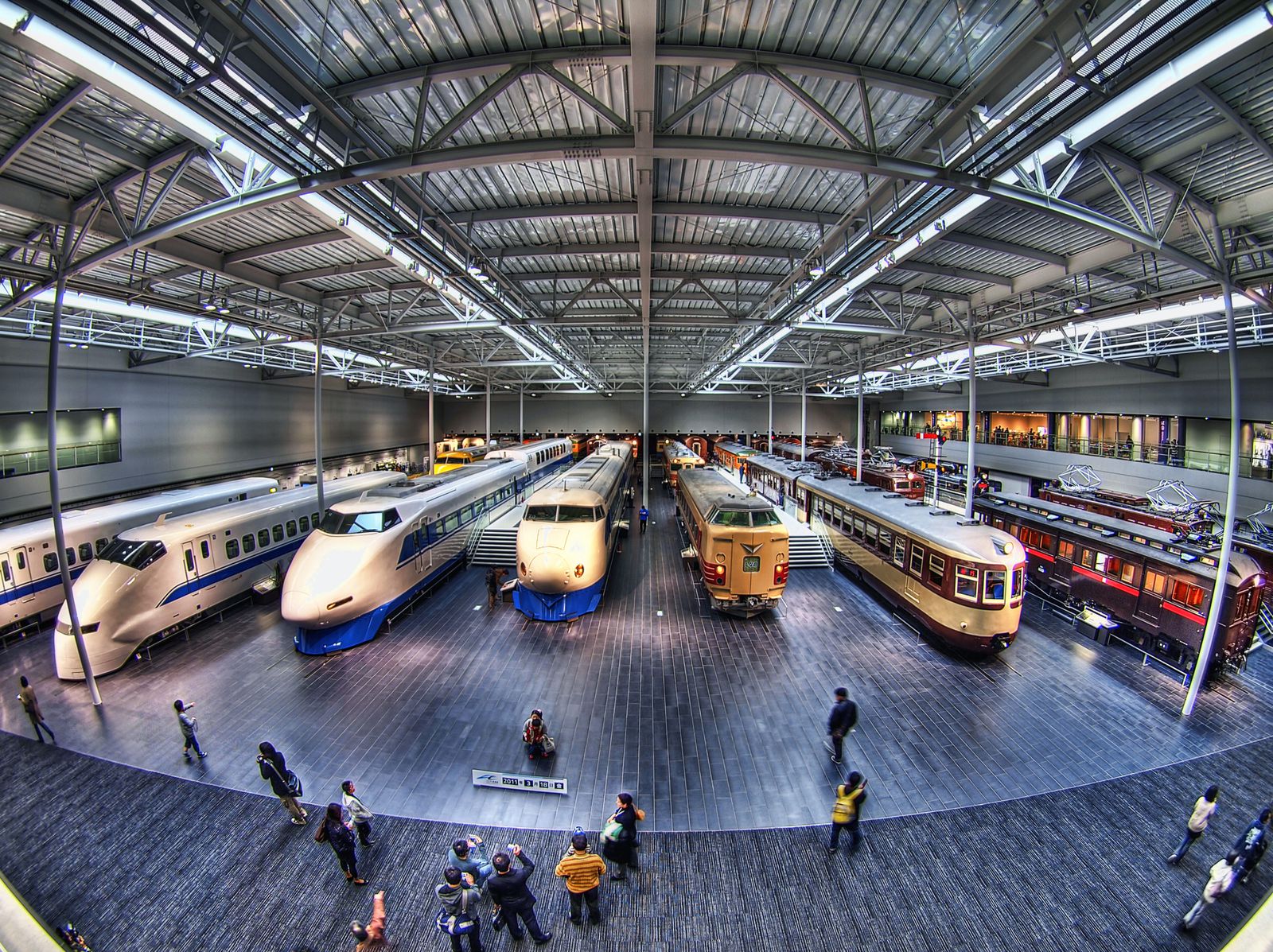
SCMAGLEV and Railway Park
Located in Kinjo Pier, near Nagoya Port, the SCMAGLEV and Railway Park is JR Central’s stunning museum of high-speed Japanese rail history — and arguably Japan’s best train museum. Indoor exhibits feature 39 actual historical trains: the world’s first 0-series Shinkansen (1964), various Tokaido Shinkansen iterations, and the MLX01-1 superconducting maglev train, which set a 581 km/h rail speed record in 2003 (the 603 km/h record was later set by the L0 series). The signature attraction is the superconducting-maglev experience theater that simulates a high-speed ride. Beyond static exhibits, the museum features interactive driving simulators of various trains, a massive HO-scale Tokaido model railway with thousands of moving trains, and outdoor preserved locomotives. Tickets ¥1,000 adults. From Kinjofuto Station (Aonami Line) at the museum’s doorstep; about 25 minutes from JR Nagoya.
名古屋港近くの金城ふ頭に位置する「リニア・鉄道館」は、JR東海の素晴らしい高速鉄道の歴史博物館——おそらく日本最高の鉄道博物館の一つです。屋内展示では、1964年の世界初の0系新幹線、歴代の東海道新幹線車両、2003年に時速581kmの鉄道世界最高速度を記録したMLX01-1超伝導リニアモーターカー(603kmはのちのL0系の記録)など、39両もの歴史車両が一堂に展示されています。看板アトラクションは、超電導リニアの高速走行を疑似体験できる体験コーナー。各種列車の運転シミュレーター、何千もの可動車両を搭載した巨大HOゲージ東海道鉄道ジオラマ、屋外で保存された蒸気機関車もあり充実。入館料1,000円。金城ふ頭駅(あおなみ線)が博物館前に直結、JR名古屋駅から約25分。
Insider Tips
現地通の旅の裏ワザ
Eat in 4 stages: ¼ plain, ¼ with garnish, ¼ with dashi tea, ¼ your favorite way. Atsuta Horaiken started this — no reservations, so arrive early to beat the queue.
ひつまぶしは4等分で食す:そのまま/薬味/だし茶漬け/好みで。発祥は熱田蓬莱軒。予約不可なので開店前など早めに並ぶのがコツ。
Nagoya Station sits atop a huge underground mall network (200+ shops). Follow ‘Sun Road’ signs to reach Meitetsu/Kintetsu without surfacing — saves 10 minutes in winter.
名古屋駅は巨大な地下街網(200店超)。「サンロード」をたどれば名鉄・近鉄まで地下移動でき、冬は10分節約。
Frequently Asked Questions
What is ‘morning service’ in Nagoya?
Nagoya coffee shops offer free toast, boiled egg and salad with any drink ordered before 11 am — a beloved local breakfast culture called ‘morning.’
名古屋のモーニングはドリンク代だけでトースト・ゆで卵・サラダが付いてくる喫茶店文化です。
How do I get from Nagoya to Kyoto or Osaka?
Shinkansen from Nagoya: Kyoto is about 35 minutes, Osaka (Shin-Osaka) is about 50 minutes. Very convenient for a day trip.
名古屋から新幹線で京都約35分、新大阪約50分。日帰り観光も可能です。
When is the best time to see cherry blossoms in Aichi?
Late March to early April. Tsuruma Park in Nagoya and the grounds of Nagoya Castle are among the best spots.
3月下旬〜4月上旬。鶴舞公園や名古屋城の桜が特に有名です。
Travel Tip
Get the ‘Donichi Eco Kippu’ day pass (¥620, valid weekends, holidays, and the 8th of each month) covering all Nagoya subway and city bus lines. Combine with a Nagoya Castle visit and Osu shopping to make the most of a single day.