Toyama
Top Toyama souvenirs and must-visit travel spots — your complete guide for visitors to Japan. A mountain corridor that cuts straight through the Japanese Alps at 3,000 metres, flanked by towering 15–20m snow walls — the Tateyama Kurobe Alpine Route is Japan’s most dramatic journey.
立山黒部アルペンルートの雪の大谷、世界遺産・五箇山の合掌造り、ほたるいかと白えびの宝庫——富山は日本の壮大な自然と食の宝庫です。
Toyama sits between the Sea of Japan and the soaring Tateyama mountains, famous for its snow-wall alpine route and the old medicine-peddler trade. Its signature souvenir is masu-no-sushi, pressed trout sushi in a round wooden box, with firefly-squid and white-shrimp products from the bay. Chilled items last only a day or two, so buy them late. Toyama Station’s gift area is easy.
富山は日本海と立山連峰に挟まれた県で、雪の大谷の立山黒部アルペンルートや「越中富山の薬売り」で有名。看板みやげは「ますのすし」(丸い曲げわっぱの押し寿司)、湾のほたるいかや白えびの加工品も外せません。チルド品は1〜2日が目安なので帰り際に。富山駅のおみやげコーナーが便利です。
Recommended Omiyage
おすすめおみやげ 5選
Hotaruika
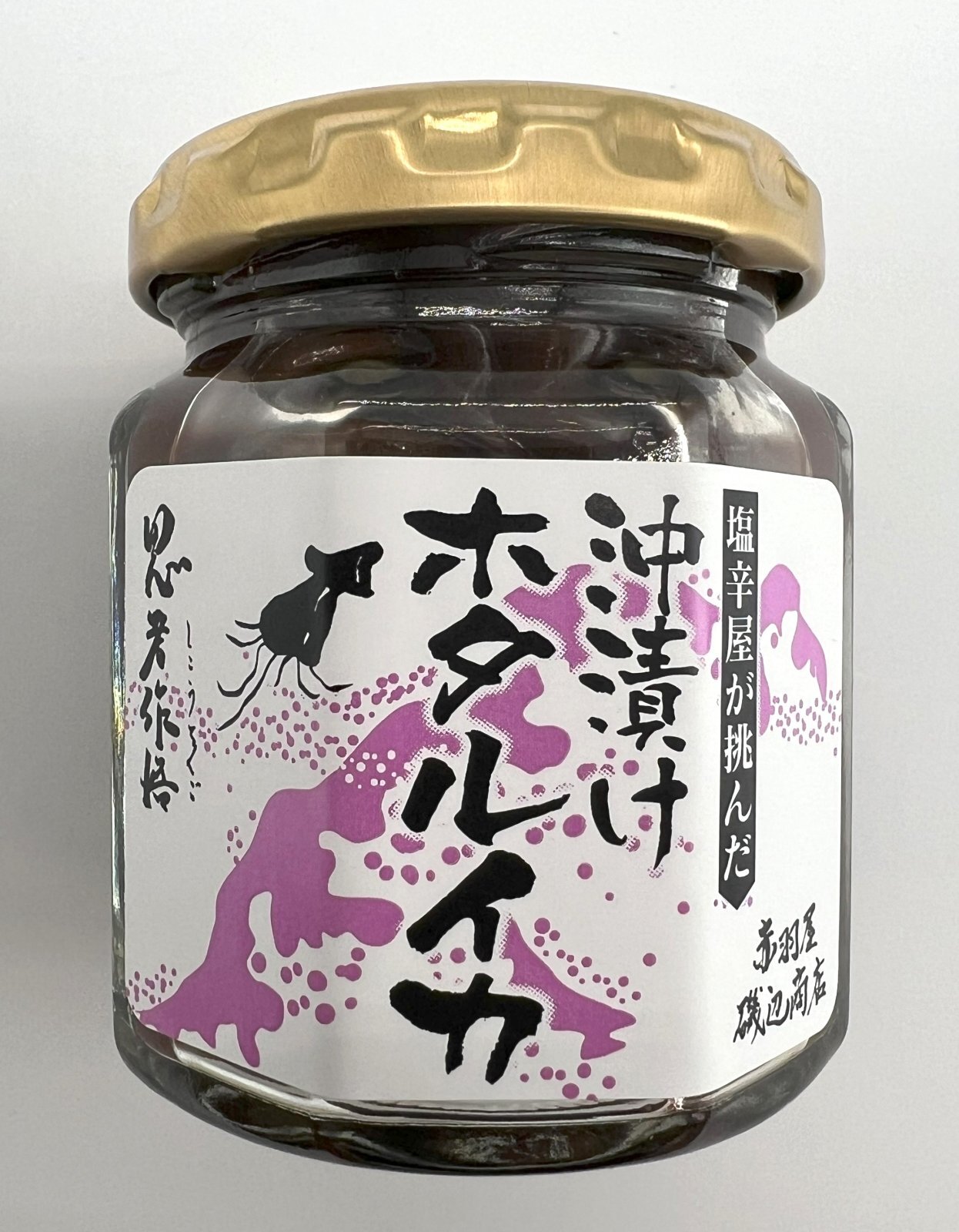
Hotaruika (firefly squid) are one of Japan’s most theatrical seafood delicacies — small luminescent squid that glow electric blue when disturbed, gathering in massive shoals in Toyama Bay every March-May. The night-time spectacle of millions of these creatures washing onto the beaches in self-luminous waves is a designated Special Natural Monument. Beyond the visual drama, hotaruika are absolutely delicious — their delicate sweetness and creamy soft texture make them prized as sushi, tempura, and the iconic Toyama specialty “hotaruika no okizuke” (firefly squid marinated in soy sauce). Vacuum-sealed boiled or marinated versions from makers like Akabaneya Isobe Shoten are sold at JR Toyama Station and roadside stations. Refrigerate; consume within 5-7 days of opening.
「ホタルイカ」は、日本の食材の中でも最も劇場的な海の幸の一つ。刺激を受けると電撃的な青い光を放ち、毎年3〜5月に富山湾に大群で押し寄せます。夜の浜辺に何百万匹ものホタルイカが青く輝きながら打ち上がる「ホタルイカの身投げ」は国指定特別天然記念物に指定された壮大な自然現象です。視覚的なドラマだけでなく、繊細な甘さとクリーミーな食感は絶品で、寿司、天ぷら、富山の名物「ホタルイカの沖漬け」(醤油漬け)として広く愛されています。「赤羽屋磯辺商店」などが、真空パックのボイル版・沖漬け版をJR富山駅、県内道の駅で販売。要冷蔵、開封後5〜7日以内にお召し上がりください。
Shiro Ebi Senbei
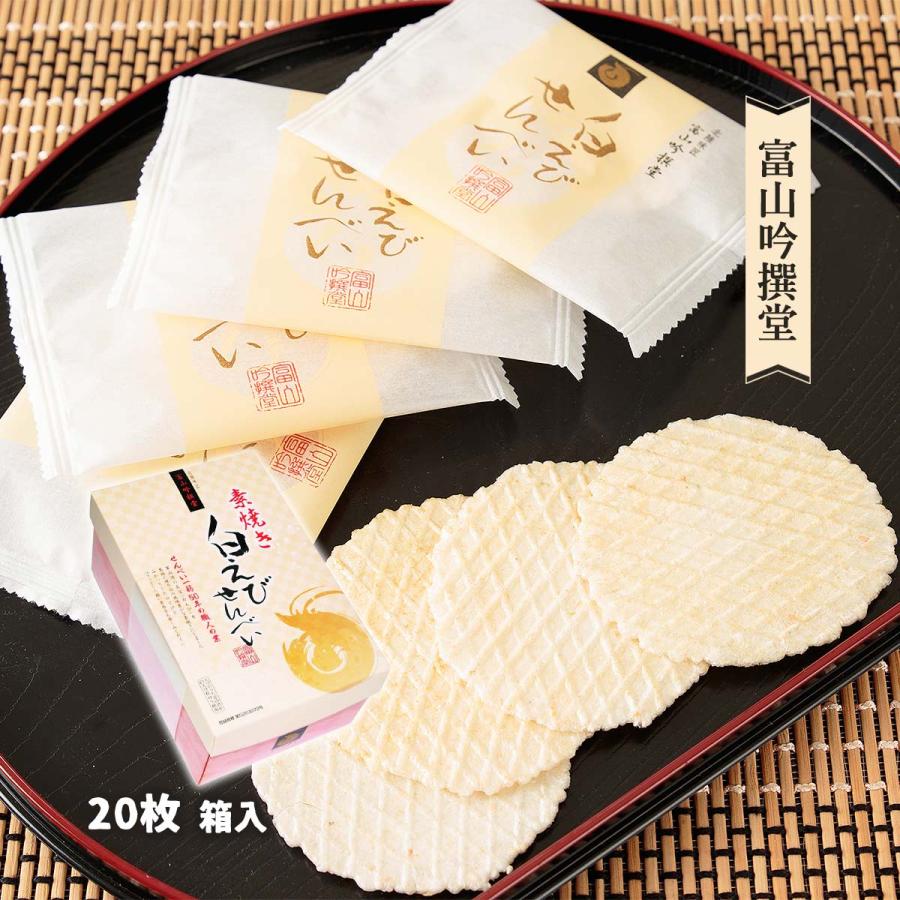
Shiro-ebi (white shrimp) are commercially fished almost only in Toyama Bay, where they thrive in the cold deep canyons that drop steeply just offshore. These tiny pinkish-white shrimp have an extraordinary sweetness — almost like rich custard — and command premium prices at sushi counters as “the gem of Toyama Bay.” The shiro-ebi senbei concept transforms this delicate flavor into a portable cracker form: Toyama Bay shrimp paste mixed with rice flour, pressed into thin crackers, and grilled to a delicate golden brown. The flavor is concentrated yet refined, with a hint of marine sweetness that pairs perfectly with cold sake or beer. Premium versions from Toyama Ginsendo and Sasaraya come in elegant boxed sets. Available at JR Toyama Station and Toyama Airport.
「白えび(シロエビ)」は商業的な漁獲が事実上富山湾だけで行われる特産品で、湾の深い海底谷に生息するピンク色がかった白い小エビ。カスタードのような濃厚な甘さは、寿司ネタとして「富山湾の宝石」と呼ばれる高級食材です。「白えび煎餅」は、この繊細な風味を携帯可能な煎餅にした逸品で、富山湾の白えびペーストを米粉と練り合わせ、薄く延ばして黄金色に焼き上げています。風味は凝縮されながらも上品で、海の甘さがほのかに香る絶妙な味わいが、冷酒やビールと完璧にマッチします。「富山吟撰堂」「ささら屋」などの上質ブランドが、化粧箱入りギフトセットで展開。JR富山駅、富山空港で広く購入可能。賞味期限約3ヶ月の常温保存タイプもお土産に最適。
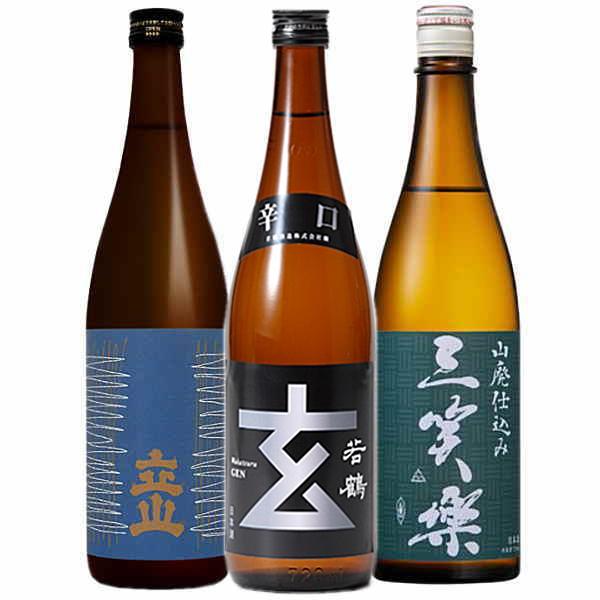
Toyama Sake
Toyama is one of Japan’s lesser-known but exceptional sake-producing prefectures, blessed with snowmelt water from the Tateyama mountain range, locally-grown rice cultivars, and breweries that have honed their craft for centuries. The signature Toyama sake style is clean and slightly mineral-driven, with distinct elegance and excellent food-pairing versatility. Notable breweries include Masuizumi, Katsukoma, Haneya, Tateyama, Gen (Wakatsuru), and Sanshoraku (in Gokayama). Many breweries offer free tours and tasting flights of 5-10 sakes for ¥500-1,000. Pair Toyama junmai sake with shiro-ebi sashimi, hotaruika, sushi, or grilled river fish. Available at JR Toyama Station’s sake corner and direct-from-brewery shops.
富山県は、知られざる名酒どころの一つ。立山連峰の雪解け水、地元産酒米、何世紀にもわたって技を磨いてきた蔵元たちが、上質な銘酒を生み出します。富山酒の特徴は、澄み切ったキレ味、ほのかなミネラル感、食事との抜群の相性。代表的な銘柄は「満寿泉」「勝駒」「羽根屋」「立山」、若鶴酒造の「玄」、五箇山の「三笑楽」など。多くの蔵元で無料の蔵見学と500〜1,000円の利き酒セット(5〜10種)が可能。富山の純米酒は白えびの刺身、ホタルイカ、寿司、川魚の塩焼きとの相性抜群。JR富山駅の地酒コーナー、各蔵元直営店で購入可能です。
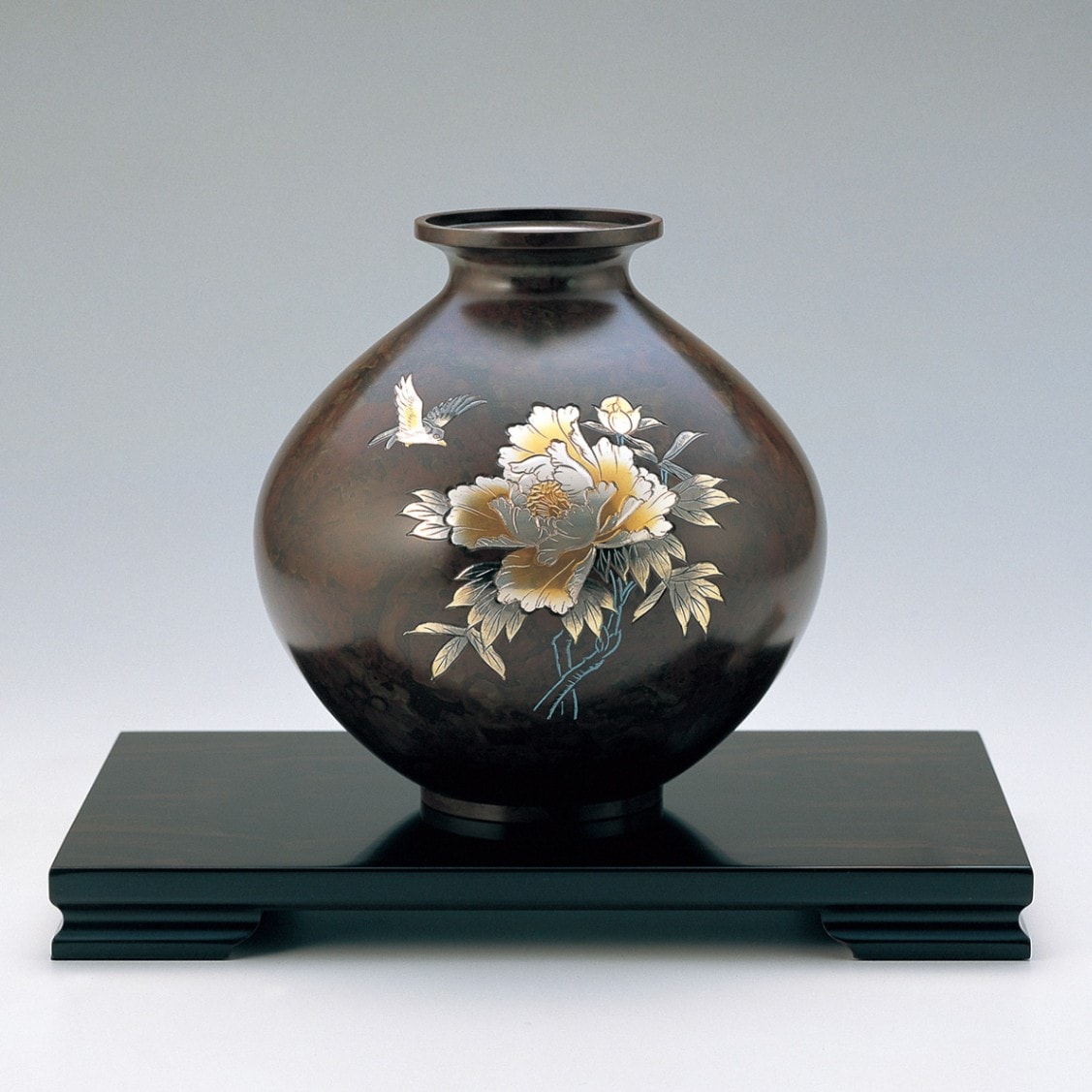
Takaoka Copperware
Takaoka has been Japan’s premier copper-craft city for over 400 years, since the second Maeda lord encouraged metalworkers from across Japan to settle in the region. Today, master artisans continue producing extraordinary copper bells, vases, tea kettles, and intricate Buddhist altar fittings using traditional sand-casting and chasing techniques. The signature “Imono” lost-wax casting method allows for incredibly detailed surface designs that ordinary casting cannot achieve. Modern Takaoka craftsmen also collaborate with international designers to create contemporary tableware and home decor that’s reached museum collections worldwide. Browse Nousaku (the renowned modern brand whose flexible tin baskets bend to fit your needs), Momentum Factory, and traditional studios. Pieces range from ¥3,000 small dishes to ¥300,000+ artist works.
富山県高岡市は、日本随一の銅器の町として400年以上の歴史を誇ります。江戸時代、二代目加賀藩主・前田利長が全国から金工職人を招いたのが始まりで、現代でも卓越した銅の鐘、花器、茶釜、精巧な仏具などが伝統的な砂型鋳造と彫金技法で作り続けられています。代表的な「鋳物(いもの)」のロストワックス鋳造法では、通常の鋳造では実現困難な極めて精緻な表面意匠が可能。現代の高岡職人たちは国際デザイナーと協業し、世界の美術館コレクションに加わるコンテンポラリーな食器・インテリアも生み出しています。柔軟に曲がる錫のかご「曲がる金属」で世界的に有名な「能作」、「モメンタムファクトリー・Orii」、伝統工房を巡るのが王道。3,000円の小皿から300,000円超の作家作品まで幅広く揃います。
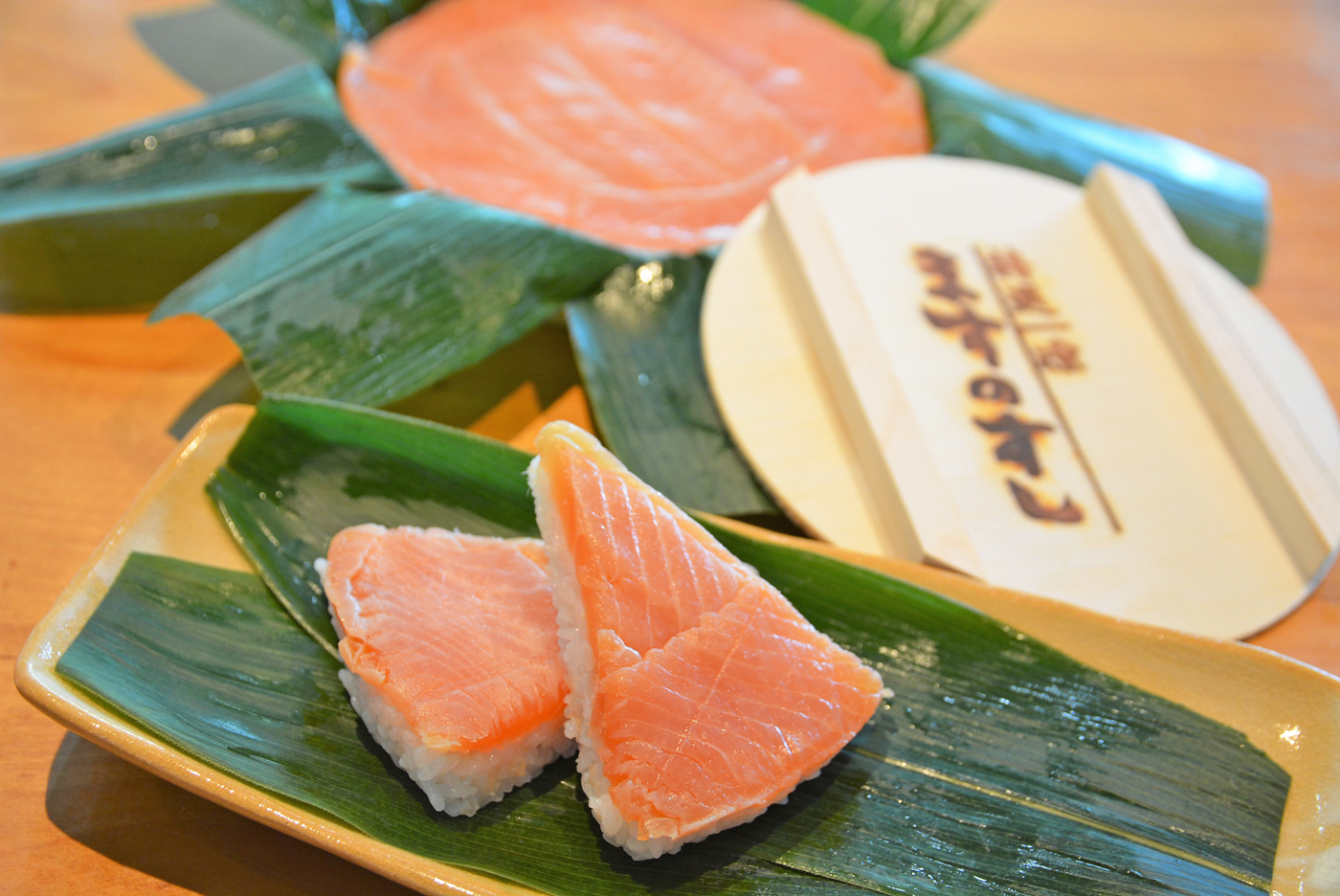
Masu Sushi
Toyama’s masu-zushi (trout sushi) is one of Japan’s most iconic ekiben (station bento) — a beautifully arranged disk of vinegared rice topped with marinated cherry trout, all wrapped in fresh bamboo leaves and held together by a wooden frame compressed with a bamboo strip. The roughly 300-year-old recipe (born in the Edo-period Kyoho era) preserved the trout for transport and also infuses subtle bamboo aromatics into the rice. The cherry trout (sakura-masu) is fished from Toyama Bay and the Jinzu River, giving it a delicate pink color and rich umami. Genuine masu-zushi from long-established shops like Minamoto, Chitose, and Takataya sells out at JR Toyama Station before noon. Best within 24 hours of purchase. The wooden compress wrapper makes it instantly recognizable across Japan.
富山の「鱒寿司」は日本でも最も象徴的な駅弁の一つ。酢飯の円盤に味付けした桜マス(鱒)を美しく並べ、新鮮な笹の葉で丁寧に包み、木製の枠と竹の輪で押し締めて完成させる伝統工芸品的な逸品です。江戸・享保年間(約300年前)に生まれたこの製法は、鱒を保存しながら運搬するための知恵で、笹の香りが米にほのかに移る計算された設計でもあります。原料の桜マスは富山湾や神通川で獲れる地物で、淡いピンクの身と上品な旨味が特徴。「ますのすし本舗 源」「千歳」「高田屋」などの老舗の鱒寿司は、JR富山駅で午前中に売り切れることも珍しくない人気商品。賞味期限24時間以内が原則。木製の押し枠包装は一目でそれと分かる名物デザインです。
Must-Visit Spots
おすすめスポット 5選
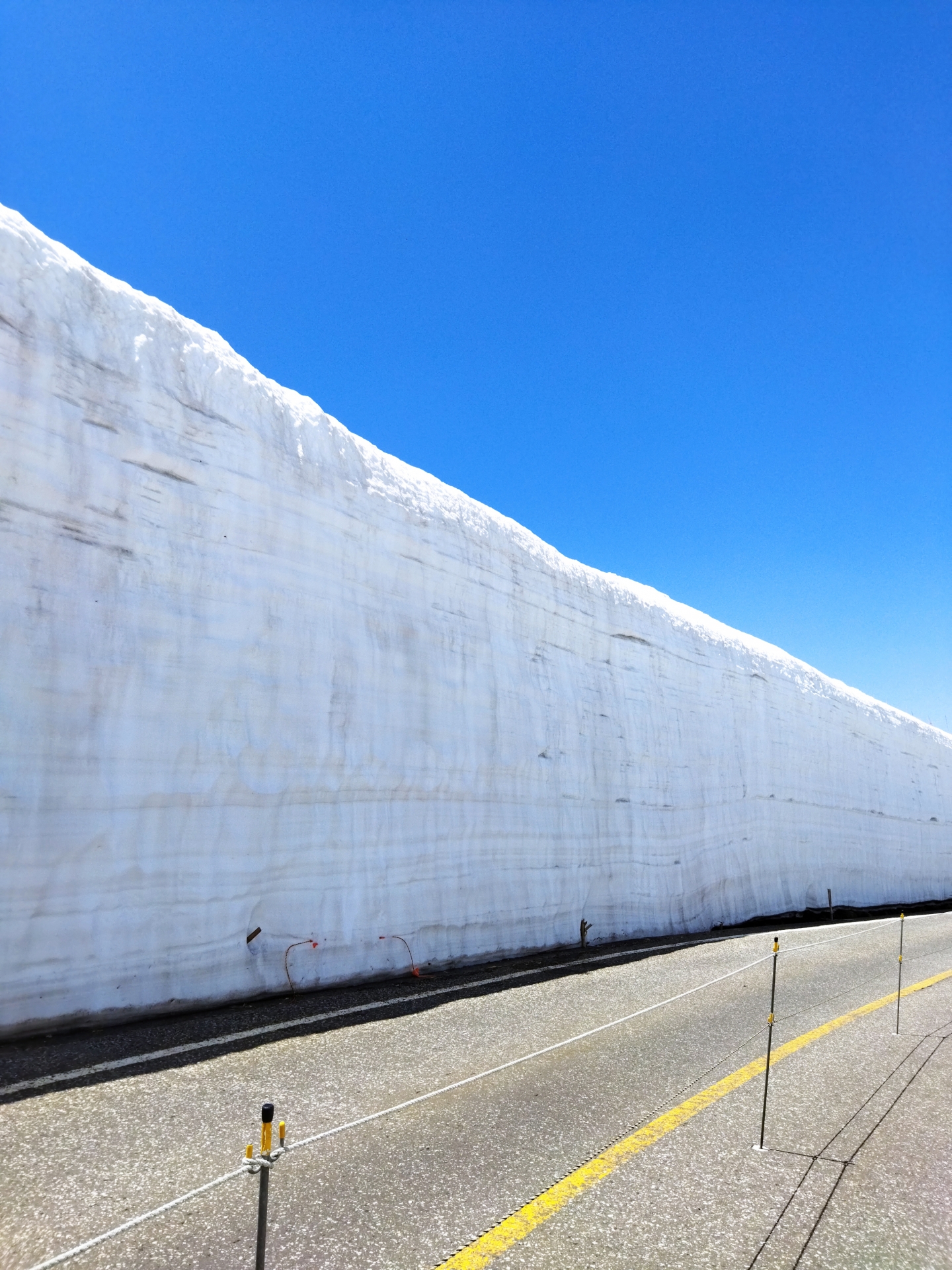
Tateyama Alpine Route
The Tateyama Kurobe Alpine Route is one of Japan’s most spectacular mountain crossings — a 37.2-kilometer multi-modal journey using cable cars, buses, ropeways, and electric buses to traverse the 3,000-meter Northern Japanese Alps from Toyama to Nagano. The signature highlight is the “Snow Wall” (Yuki-no-Otani) — from mid-April through May, snowplow operators carve a road through snow walls that typically reach 15–20m on either side, creating a surreal driving canyon with electric blue ice walls. Other highlights include Mikuriga-ike caldera lake, Murodo highland (highest accessible point), and Kurobe Dam (Japan’s tallest dam, an arch dam 186m high). The full route takes 6+ hours one-way; most visitors do half-day trips from either end. Open mid-April through November.
「立山黒部アルペンルート」は、日本でも最も壮大な山岳横断ルート。富山から長野まで、ケーブルカー、バス、ロープウェイ、電気バスを乗り継ぎ、北アルプス3,000メートル級の山々を全長37.2kmにわたって貫きます。看板の絶景は4月中旬〜5月の「雪の大谷」——ブルドーザーで除雪した道の両脇に高さ15〜20メートルにもなる雪の壁が聳え、青く輝く雪の渓谷を歩く独特の体験が可能です。他にも、ミクリガ池の火口湖、室堂高原(アクセス可能な最高地点)、日本一の堤高を誇るアーチ式ダム・黒部ダム(高さ186メートル)など見どころ満載。フルルート踏破は片道6時間以上、多くの観光客は両端からの半日往復。営業期間4月中旬〜11月。
Gokayama
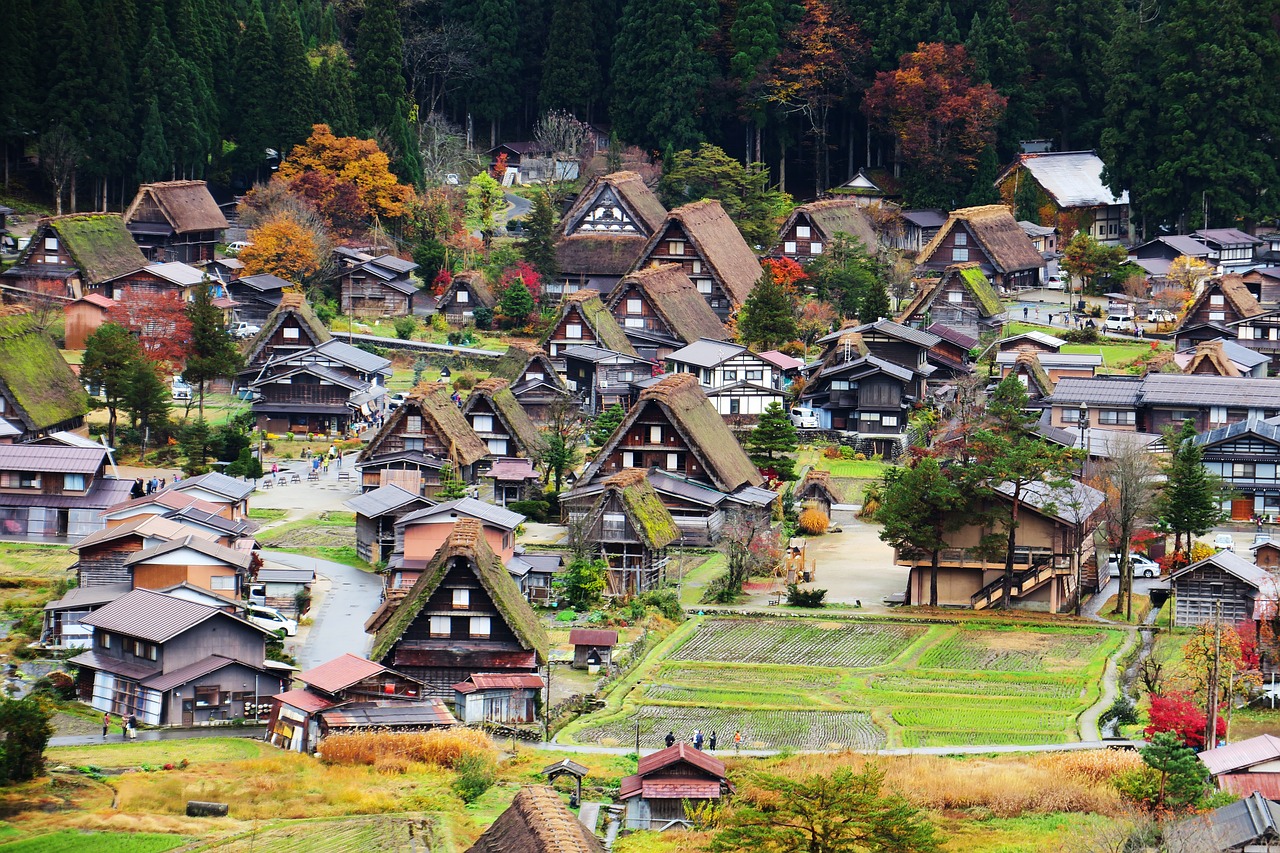
Designated a UNESCO World Heritage Site in 1995 alongside Shirakawa-go, Gokayama is a remote mountain valley preserving about 30 gassho-zukuri (“hands in prayer”) thatched-roof farmhouses across two villages (Ainokura ~20, Suganuma ~9) — some over 400 years old. The steeply pitched roofs (60+ degrees) are designed to shed the region’s heavy snowfall, and the homes are built without any nails, held together entirely by precision wooden joinery and rope. Compared to its more famous Shirakawa-go neighbor, Gokayama is quieter and more authentic, with several family farms still actively running gunpowder production (a centuries-old local industry) and silk weaving. Visitors can stay overnight in working farmhouses for an immersive experience. From JR Shin-Takaoka Station, take the Sekainoisan Bus directly (about 80 minutes).
1995年に白川郷と共にユネスコ世界文化遺産に登録された「五箇山」は、山深い谷間に相倉(約20棟)・菅沼(約9棟)の2集落に計約30棟の伝統的な合掌造り(祈るような手を組んだ形の意)の農家を保存する集落。最古の家屋は400年以上の歴史を持ちます。60度を超える急な屋根の傾斜は、豪雪地帯ならではの工夫で雪を自然に滑り落とす設計。釘を一切使わず、職人の精緻な木組みと縄だけで建てられる伝統工法も見事です。隣の白川郷と比べると静かで本物感があり、現在も火薬製造(江戸時代から続く地場産業)や養蚕・紡績を実際に営んでいる農家も。希望者は実際の農家民宿に宿泊する没入型体験も可能。JR新高岡駅から「世界遺産バス」で約80分でアクセス。
Toyama Bay
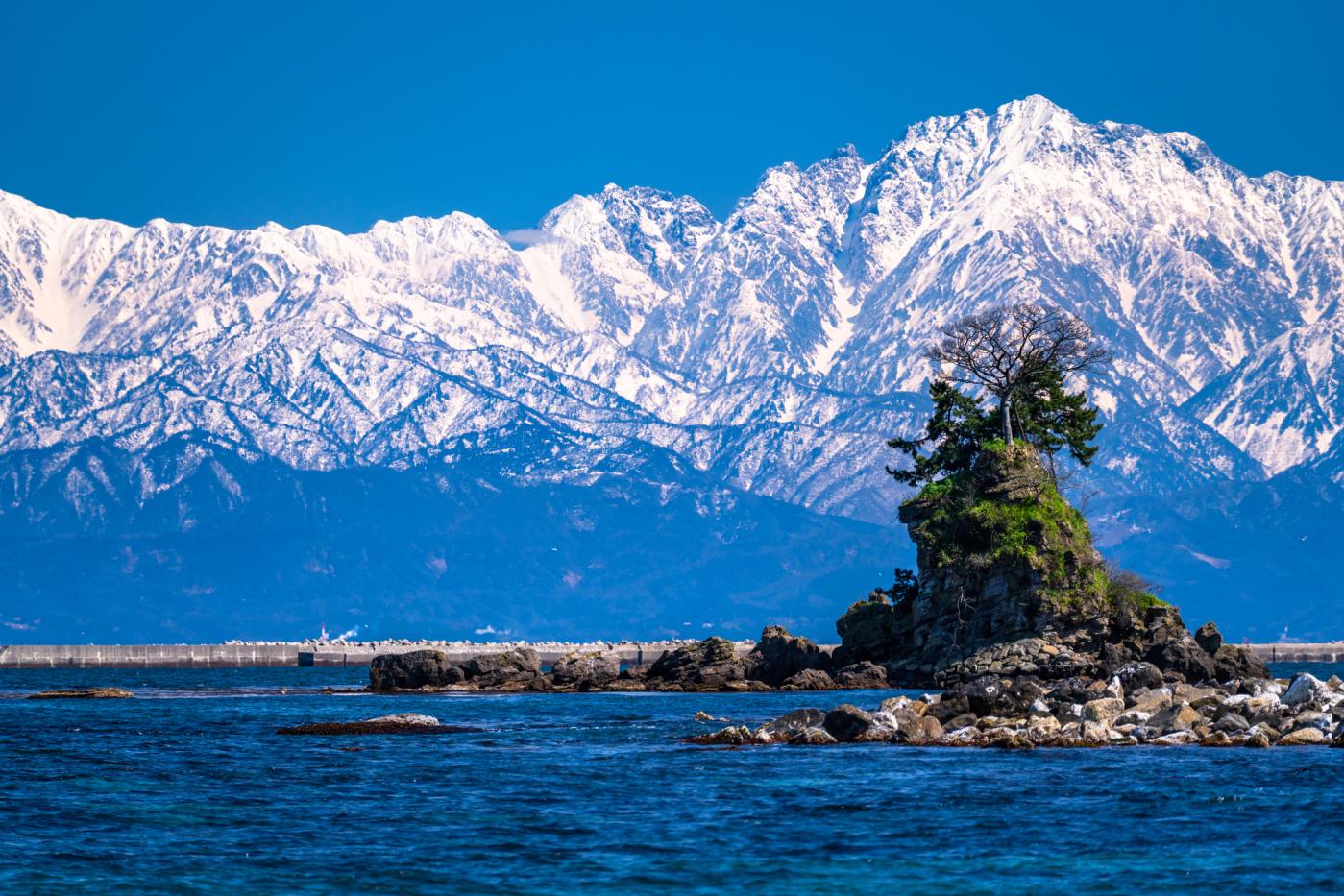
Toyama Bay is one of Japan’s most extraordinary marine ecosystems — its unique deep-canyon underwater topography, where 1,000-meter abyssal depths sit just kilometers from shore, creates conditions for an astonishing diversity of seafood. From this single bay come the famous shiro-ebi (white shrimp), hotaruika (firefly squid), buri (yellowtail), and sweet glass shrimp — all available at the Toyama Bay seafood markets. The bay also offers stunning views of the snow-covered Tateyama range (the only place in Japan where 3,000m mountains rise directly from a sea coast), particularly photogenic from the Amaharashi Coast and Iwase. The Fugan Suijo Line canal cruise (about ¥1,400) links Kansui Park and Iwase, and the Uozu Aquarium showcases the bay’s deep-sea life. Best from May through October.
富山湾は日本でも極めて稀な海洋生態系を持つ特別な海。沖合わずか数キロで水深1,000メートルの深海谷が広がる独特の海底地形が、驚くほど多様な海の幸を育む環境を作り出しています。この一つの湾から、白えび、ホタルイカ、ブリ、甘エビなど富山名物の海鮮が水揚げされ、富山湾岸の魚市場で味わえます。湾からは雪を頂いた立山連峰の絶景も望め(日本で唯一、3,000メートル級の山が海岸線から直接そびえる場所)、雨晴海岸や岩瀬から特にフォトジェニックな景色が広がります。富岩水上ライン(環水公園〜岩瀬・約1,400円)の運河クルーズや、深海をテーマにした魚津水族館も楽しめます。ベストシーズンは5〜10月。
Zuiryuji Temple
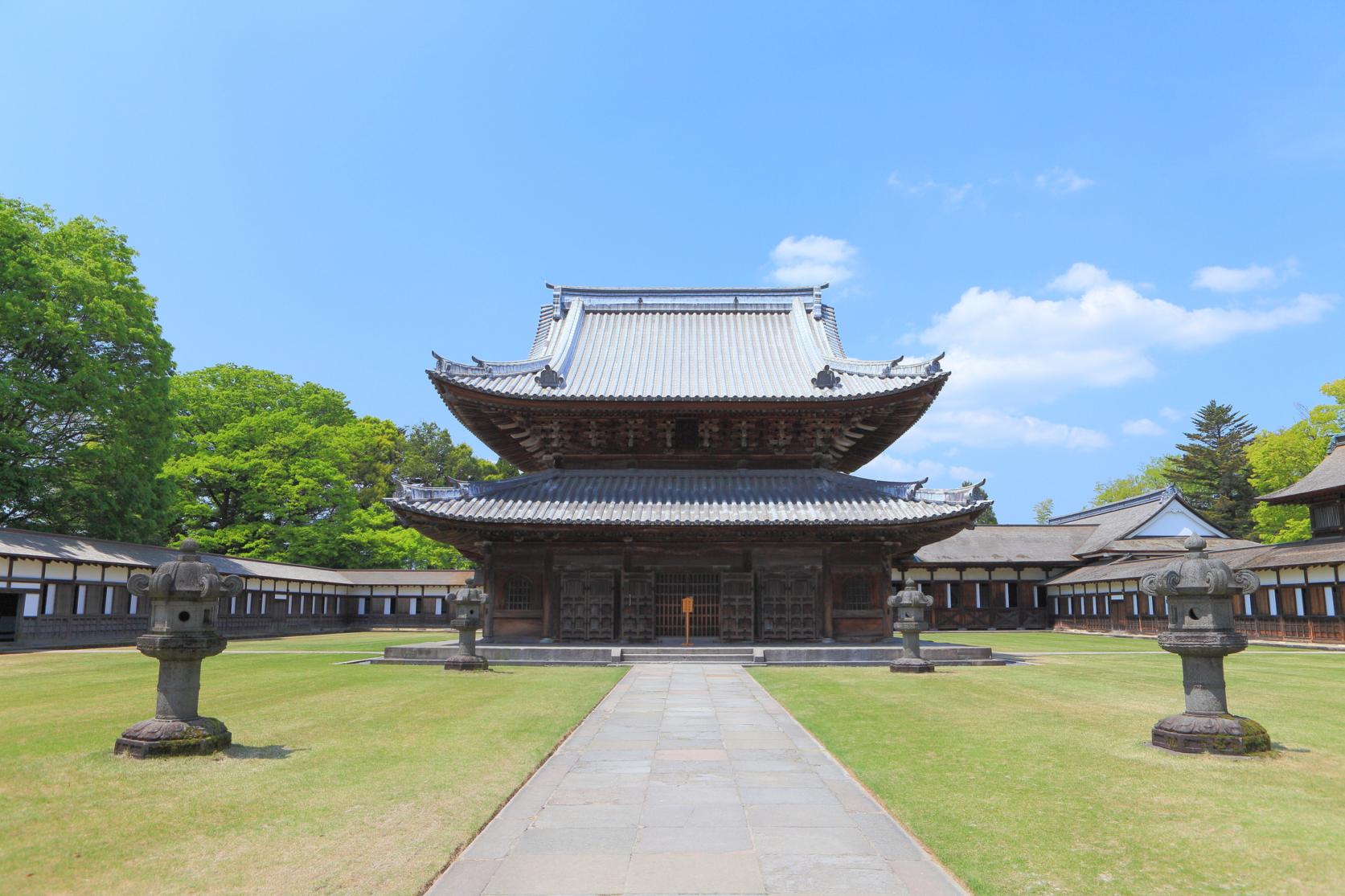
Zuiryuji is a serenely beautiful Soto Zen temple in Takaoka, designated a National Treasure for its exceptional preservation of 17th-century architecture. Founded by the Maeda lords to honor Toshinaga (d. 1614), with its National Treasure halls completed in 1663, Zuiryuji’s three main buildings — Sanmon (mountain gate), Butsuden (Buddha hall), and Hodo (Dharma hall) — are connected by elegant wooden corridors and surrounded by perfectly maintained karesansui (dry rock) gardens. The temple’s architectural details, including subtle curves in the rooflines and exquisite wooden joinery, demonstrate the highest standard of Edo-period Buddhist temple design. The peaceful atmosphere and lack of tourist crowds (compared to Kyoto) make Zuiryuji a hidden gem for those seeking authentic Zen contemplation. Admission ¥500. From JR Takaoka Station, a 15-minute walk.
高岡市の「瑞龍寺」は、17世紀の建築を奇跡的に完璧な状態で保存した曹洞宗の名刹で、国宝指定の貴重な禅寺です。加賀藩前田家が2代利長(1614年没)の菩提寺として建立し、国宝の伽藍は1663年に完成。3つの主要建築物——山門、仏殿、法堂——が優雅な回廊で結ばれ、厳格に手入れされた枯山水庭園に囲まれた静寂な空間が広がります。屋根の繊細な曲線、見事な木組みの細部に、江戸時代の仏教建築の最高水準の技が光ります。京都の有名寺院と比べて観光客が少なく静謐さが保たれており、本物の禅の瞑想体験を求める旅人にとっての隠れた名所。拝観料500円。JR高岡駅から徒歩約15分。
Unazuki Onsen
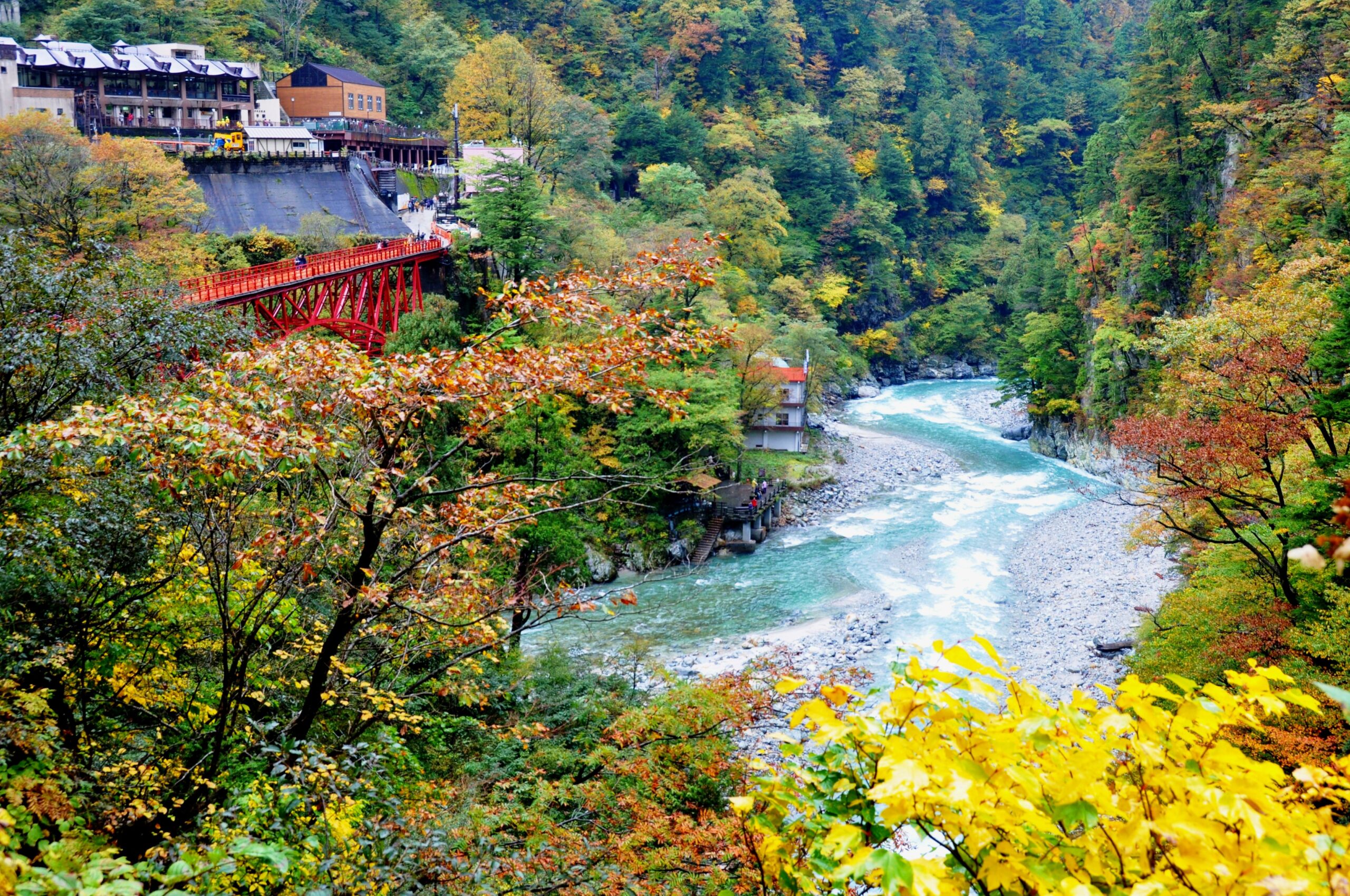
Tucked into the dramatic Kurobe Gorge at the entrance to one of Japan’s wildest mountain valleys, Unazuki Onsen has welcomed travelers since ancient times with its mineral-rich, slightly sulfuric waters — said to leave skin remarkably soft. The town serves as the eastern gateway to the famous Kurobe Gorge Railway, an unforgettable scenic train route operating only April-November that climbs through 41 tunnels and 21 bridges up the gorge to its terminus at Keyakidaira. Historic ryokan such as Enraku and Unazuki Kokusai Hotel offer outdoor baths overlooking the gorge, plus locally-caught river fish dinners. Beyond the railway and bathing, hike to Sarutobikyo, a designated Special Scenic gorge near Keyakidaira. About 25 minutes from JR Kurobe-Unazuki-Onsen Station.
黒部峡谷の入り口、日本でも最も野生味あふれる山岳渓谷の玄関に位置する「宇奈月温泉」は、ミネラル豊富でほのかに硫黄香る泉質で、肌触りの柔らかさで古くから旅人に愛されてきた名湯。象徴的な「黒部峡谷鉄道」(4〜11月のみ運行のトロッコ列車)の起点で、41のトンネルと21の鉄橋を渡りながら峡谷を遡り終点・欅平へ至る忘れられない絶景列車旅が楽しめます。老舗「延楽」や「宇奈月国際ホテル」などでは渓谷を望む露天風呂と、地元で獲れた川魚料理が頂けます。鉄道と温泉以外にも、欅平近くの特別名勝「猿飛峡(さるとびきょう)」へのハイキングも人気。JR黒部宇奈月温泉駅から約25分。
Insider Tips
現地通の旅の裏ワザ
Tateyama-Kurobe Snow Wall walk runs mid-April to late June. Late April–early May has the tallest walls (typically 15–20m), shrinking through June. Reserve bus seats 1 month ahead.
立山黒部の雪の大谷ウォークは4月中旬〜6月下旬。4月下旬〜5月初旬が最も高く(例年15〜20m)、6月にかけて低くなる。バス予約1ヶ月前推奨。
Hotaru-ika peaks March–May. Namerikawa’s nighttime firefly-squid tours (about ¥8,000) run early April–early May — book via the Hotaruika Museum.
ホタルイカは3〜5月ピーク。滑川市のホタルイカ海上観光は大人¥8,000、4月初旬〜5月初旬。ほたるいかミュージアムで予約。
Frequently Asked Questions
When can I see the Snow Wall Walk at Tateyama?
The Yuki-no-Otani (Snow Wall Walk, 雪の大谷) is open mid-April to late June, with the tallest walls (15–20m) in late April. Book ahead — the route sells out during Golden Week.
雪の大谷ウォークは4月中旬〜6月下旬。最大20mの雪壁は4月下旬が見頃。GW期間は混雑するので早めの予約を。
What is masu sushi?
Masu-no-sushi (ます寿司) is cured cherry trout pressed into a round wooden frame (mage-mono) lined with bamboo leaves. It’s Toyama’s most iconic souvenir — sold at Toyama Station and on shinkansen routes.
ます寿司は桜マスの酢漬けを笹の葉で包んで曲げわっぱに詰めた押し寿司。富山駅と新幹線でお土産として人気。
How long does the Tateyama Alpine Route take?
The full crossing from Toyama City to Shinano-Omachi (Nagano side) takes about 7 hours. Most visitors do the Toyama–Murodo (snow wall) section as a day trip (4 hr round trip).
富山市から長野・信濃大町まで全線走破で約7時間。日帰りなら富山〜室堂(雪の大谷)の往復が約4時間でおすすめ。
Travel Tip
Pre-book your Tateyama Alpine Route tickets online at least 2 weeks ahead in April–May — the route limits daily visitors and tickets sell out for popular dates. The Toyama City Tourist Association website has English booking.