Tochigi
Top Tochigi souvenirs and must-visit travel spots — your complete guide for visitors to Japan. Gold-leaf carvings hidden deep in cedar forests, a gorge of electric autumn colours, and Japan’s most over-the-top wisteria tunnel — Tochigi rewards those who look beyond Tokyo.
日光東照宮の金色の彫刻、霧降の滝、那須の高原、そして世界最大級のフジのトンネル。栃木は関東の秘宝が詰まった県です。
Tochigi is Nikko’s prefecture — the Tokugawa shrines among giant cedars, Kegon Falls and Lake Chuzenji — about an hour from Tokyo by Shinkansen. It’s also Japan’s top strawberry grower (Tochiotome), and Utsunomiya competes every year for the title of gyoza capital. So the souvenirs split two ways: strawberry sweets and frozen gyoza on the food side, and Nikko’s senbei and yuba on the traditional side. Tobu-Nikko and Utsunomiya stations cover most of it.
栃木といえば日光——杉木立の東照宮、華厳の滝、中禅寺湖。東京から新幹線で約1時間です。いちご(とちおとめ)は生産量日本一、宇都宮は毎年ぎょうざ日本一を争う街。みやげも二系統で、いちごスイーツや冷凍餃子の食べ物系と、日光のせんべい・湯波の伝統系。東武日光駅や宇都宮駅でだいたい揃います。
Recommended Omiyage
おすすめおみやげ 5選
Tochiotome Strawberry Jam
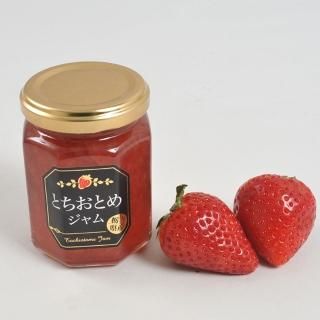
Tochigi is Japan’s strawberry kingdom, producing the largest volume nationwide. The long-loved Tochiotome variety — now joined by the new top-planted Tochiaika — has the perfect balance of intense sweetness and refreshing acidity, with juicy flesh and a brilliant deep-red color. When slow-cooked into jam, the strawberries retain their distinctive aroma and bright color, creating a luxurious spread far superior to mass-market versions. Premium makers like the Ichigo no Sato farm in Oyama craft small-batch jams with minimal sugar, often featuring whole strawberry pieces suspended in bright red preserve. Spread on toast, fold into yogurt, or drizzle over Japanese cheesecake. Available at JR Utsunomiya Station, Tochigi roadside stations, and Nikko-area gift shops. Many strawberry farms also offer jam-making experiences during winter season (¥2,000-3,000 per person).
栃木県は日本一のいちご生産県。定番品種「とちおとめ」(現在は新品種「とちあいか」が作付首位)は強い甘さと爽やかな酸味、ジューシーな果肉、鮮やかな深紅の色が完璧に揃ったブランド苺です。じっくり煮込んでジャムにすると、本来の芳醇な香りと鮮烈な赤色が保たれ、大量生産品とは別格の贅沢な仕上がりに。小山市の観光農園「いちごの里」などの作り手が、砂糖控えめ・果肉ゴロゴロの小ロット製造で、瓶の中に大きないちご果実が浮かぶ宝石のような商品を展開しています。トーストに塗って、ヨーグルトに混ぜて、日本式チーズケーキにかけて楽しめます。JR宇都宮駅、県内道の駅、日光のお土産店で広く購入可能。冬季はジャム作り体験(2,000〜3,000円)を実施する観光いちご農園も。
Nikko Yuba
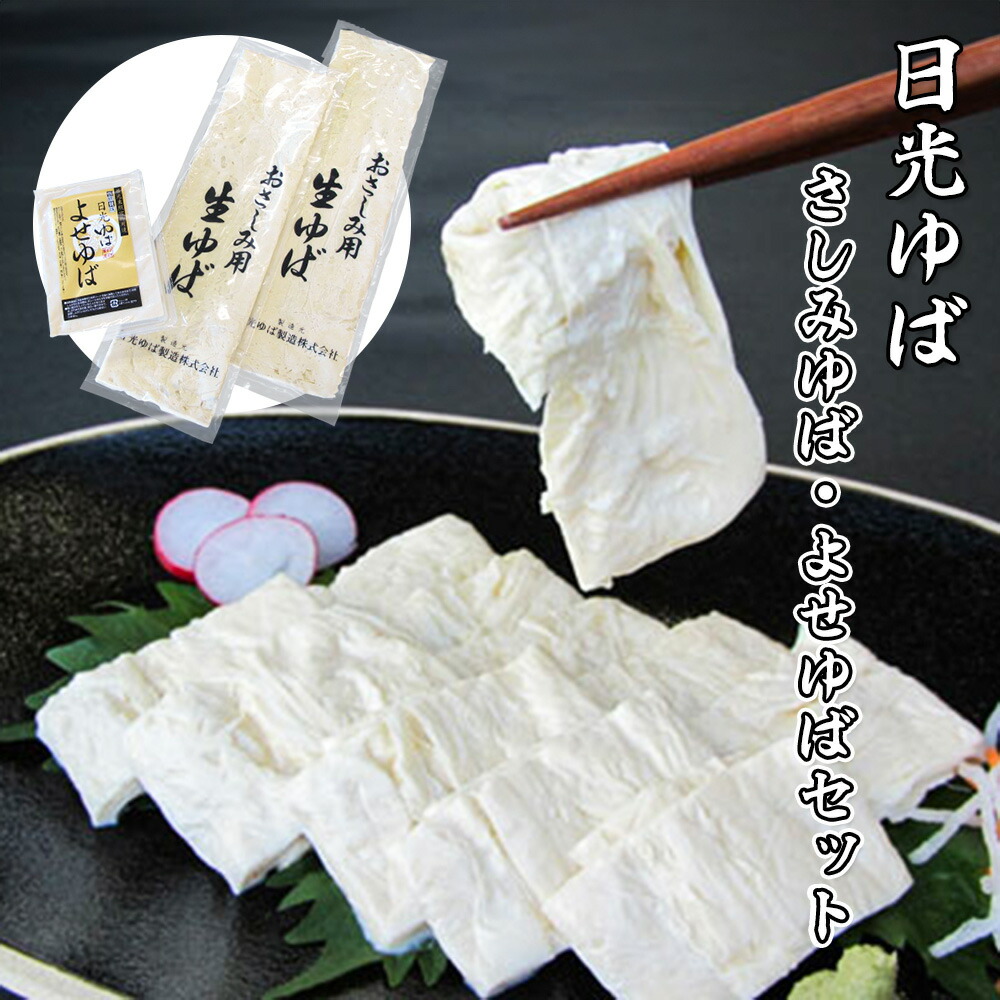
Yuba — written 湯波 in Nikko, where it is lifted in rich double layers, unlike the single sheets of Kyoto — has been crafted here for over 300 years, originating with Buddhist monks who created it as a high-protein food for vegetarian diets. The process is both simple and demanding: heated soy milk is allowed to develop a thin film on its surface, which is carefully lifted off in single sheets and either eaten fresh, dried for shipping, or rolled into bundles. The texture is silky-soft, the flavor delicately nutty and savory. Nikko-yuba is served at temple restaurants alongside traditional shojin-ryori, but also makes an excellent take-home gift in dried sheet form (rehydrate before use), sweetened versions for desserts, or vacuum-packed fresh rolls. Available from venerable makers like Ebiya Chozo (founded 1872) and Fujiya (1868) on the shrine approach, and at Tobu-Nikko Station shops.
日光では「湯波」と書き、京都の一重の「湯葉」と違い二重に厚く引き上げるのが特徴。300年以上続く精進料理の伝統食材です。豆腐皮として知られるこの繊細な大豆の薄膜は、僧侶たちが菜食生活のための高タンパク食として生み出したのが起源です。製法はシンプルながら職人技を要する繊細な技術で、温めた豆乳の表面に薄く張る膜を一枚ずつ丁寧に引き上げ、生でいただいたり、乾燥させて流通用にしたり、巻物状に成形したりします。絹のように滑らかな食感に、控えめで上品な大豆の風味が広がります。寺院の精進料理で味わうのが本格派ですが、戻して使う乾燥湯葉、甘いデザート用、真空パックの生湯葉巻きなどお土産用も豊富。東照宮参道の老舗「海老屋長造」(1872年創業)「日光湯波ふじや」(1868年創業)や、東武日光駅の売店で購入可能。
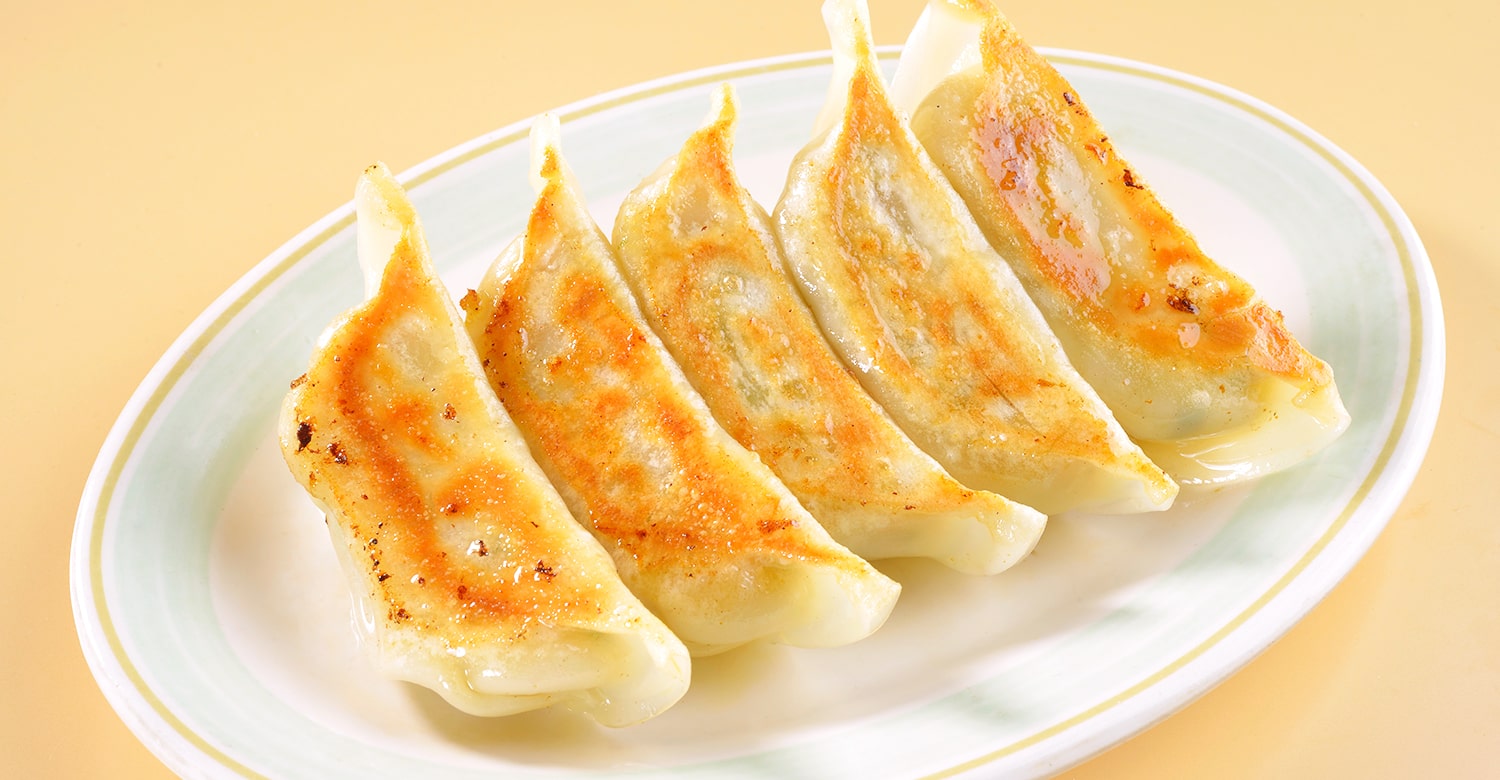
Utsunomiya Gyoza Set
Utsunomiya proudly calls itself “Japan’s Gyoza Capital” — the city has battled Hamamatsu for the national gyoza-spending crown for decades (champion 15+ times, runner-up in 2025), and over 200 gyoza restaurants line its streets. The local style features ultra-thin, crispy-fried wrappers; a juicy filling heavy on garlic, cabbage, and ground pork; and is served with a custom dipping sauce of soy, vinegar, and aromatic chili oil. Iconic restaurants Minmin and Masashi have queues that wrap around the block, but the take-home Utsunomiya Gyoza Set lets you recreate the experience: 30+ frozen gyoza, the signature dipping sauce blend, and step-by-step pan-frying instructions. Available at the gyoza association shop Kirasse inside the Paseo mall at JR Utsunomiya Station, with frozen shipping nationwide. The gyoza statue in front of the station makes for a fun photo.
宇都宮は誇り高き「日本一の餃子の街」を標榜し、家計調査の餃子購入額では浜松市と毎年日本一を争い(過去15回以上日本一)、市内には200軒を超える餃子店が軒を連ねます。当地の餃子は、極薄で香ばしくカリッと焼き上げる皮、にんにく・キャベツ・豚肉を絶妙にバランスさせたジューシーな餡、醤油・酢・自家製ラー油の特製つけダレが特徴。「みんみん」「正嗣」などの伝説的店舗には行列が絶えませんが、家庭で楽しめる「宇都宮餃子セット」は冷凍餃子30個以上に特製タレと焼き方説明書がセットになった完全パッケージ。JR宇都宮駅ビル「パセオ」内の餃子会直営店「来らっせ」で購入でき、冷凍便で全国発送も可能です。駅前の餃子像は記念撮影スポットとしても人気。
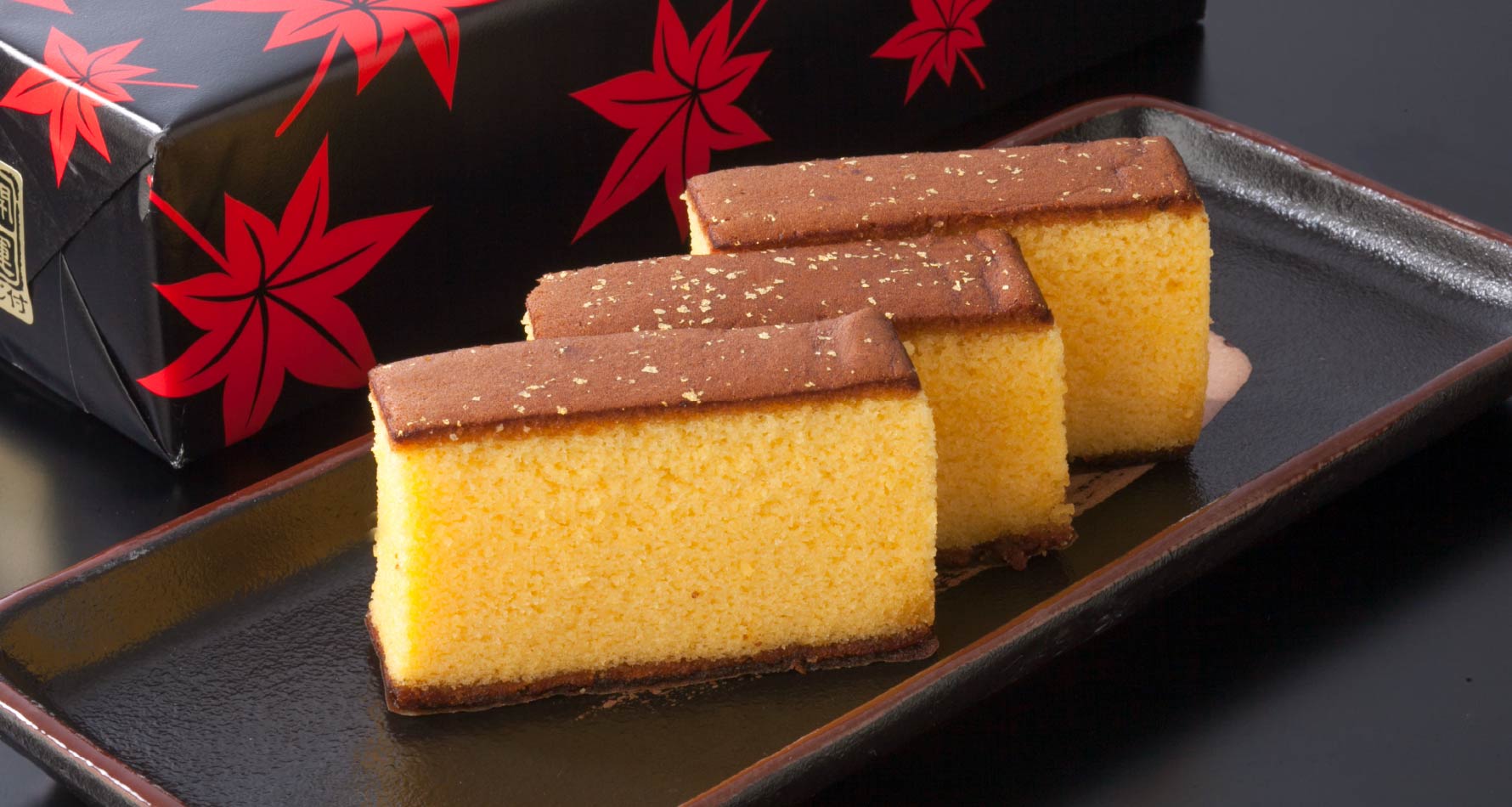
Nikko Castella
Inspired by the Portuguese-origin castella of Nagasaki but adapted to Nikko’s pure mountain water and local hen eggs, Nikko Castella is a regional take on Japan’s most beloved sponge cake — extra-moist, with deep golden color and rich egg-yolk flavor. The most famous maker is Nikko Castella Honpo, whose signature gold-leaf castella — dusted with 24-karat flakes in homage to the gilded carvings of Toshogu — was created for the shrine 400th-anniversary year of 2015. Each cake is slow-baked in iron molds with a layer of crunchy zarame sugar crystals at the bottom that creates a slightly crisp, candied crust contrasting with the pillowy interior. Boxed gift versions (small 250g ¥1,620, large 500g ¥3,200) are sold at the main store by the shrines, the Tobu-Nikko Station shop, and the Utsunomiya Paseo branch. Keeps about 10 days to two weeks; delicious slightly toasted.
ポルトガル由来の長崎カステラからインスパイアされ、日光の清冽な水と地元産卵で独自進化を遂げた「日光カステラ」は、しっとり感が群を抜き、深い黄金色と濃厚な卵黄の風味が魅力。代表格「日光カステラ本舗」の看板は、陽明門の金彩にちなみ24金の金箔を散らした「金箔入りカステラ」。東照宮400年式年(2015年)を機に生まれた逸品です。鉄の焼型でじっくり焼き上げ、底面にはザラメ糖のカリカリ層があり、ふわふわの中身と対照的な食感を生むのが特徴。小(250g・1,620円)、大(500g・3,200円)の化粧箱入りが西参道の本店、東武日光駅前店、宇都宮駅パセオ店で購入可能。賞味期限は約10日〜2週間、軽くトーストすると風味が引き立ちます。
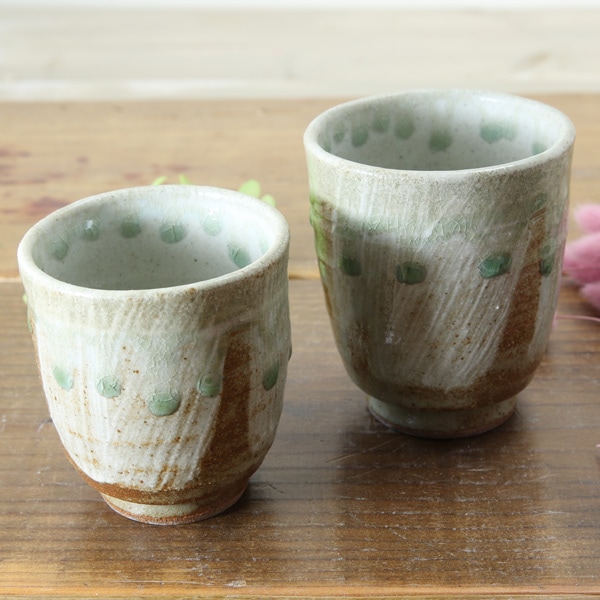
Mashiko Pottery
Mashiko-yaki, produced in the small town of Mashiko, a couple of hours northeast of Tokyo, became internationally celebrated through the work of master craftsman Shoji Hamada, a leader of the 20th-century Mingei (folk crafts) movement. The clay is rich in iron, producing earthy ochre and dark brown tones, while traditional glazes feature persimmon, white slip, and ash. Modern Mashiko-yaki ranges from rustic farmer-functional to highly artistic. The twice-yearly Mashiko Pottery Fair (Golden Week and early November) draws some 600,000 visitors a year across both editions, browsing 600+ booths. Year-round, Mashiko Sankokan houses Hamada’s preserved workshop and home, while the former Kyohan Center — renamed the Mashiko-Kasama Tourist Center in 2025 — sells pieces from over 100 active kilns. Pieces from ¥800 to ¥50,000+. From Tokyo, take the direct Yakimono Liner bus from Akihabara (about 2.5 hours) or the Shinkansen to Utsunomiya plus a local bus.
東京から約2時間半の益子町で生産される「益子焼」は、20世紀の民芸運動を主導した名工・濱田庄司の活躍によって世界的に有名になった陶器。鉄分豊富な土から土色や深い茶色が生まれ、柿釉・糠白釉・灰釉などの伝統釉が特徴。素朴な日用品から芸術性の高い作品まで作風は幅広く展開しています。年2回(GWと11月初旬)の「益子陶器市」には春秋合わせて年間約60万人が訪れ、600超のブースで作家と直接交流が可能。通年では「益子参考館」(濱田の旧宅・工房)、「益子焼窯元共販センター」(2025年に「益子笠間観光センター」へ改称。100以上の窯元の作品が並ぶ)が定番スポット。価格帯は800円から50,000円超まで幅広く揃います。アクセスは秋葉原からの直行バス「関東やきものライナー」(約2.5時間)か、宇都宮からバス約1時間。
Must-Visit Spots
おすすめスポット 5選
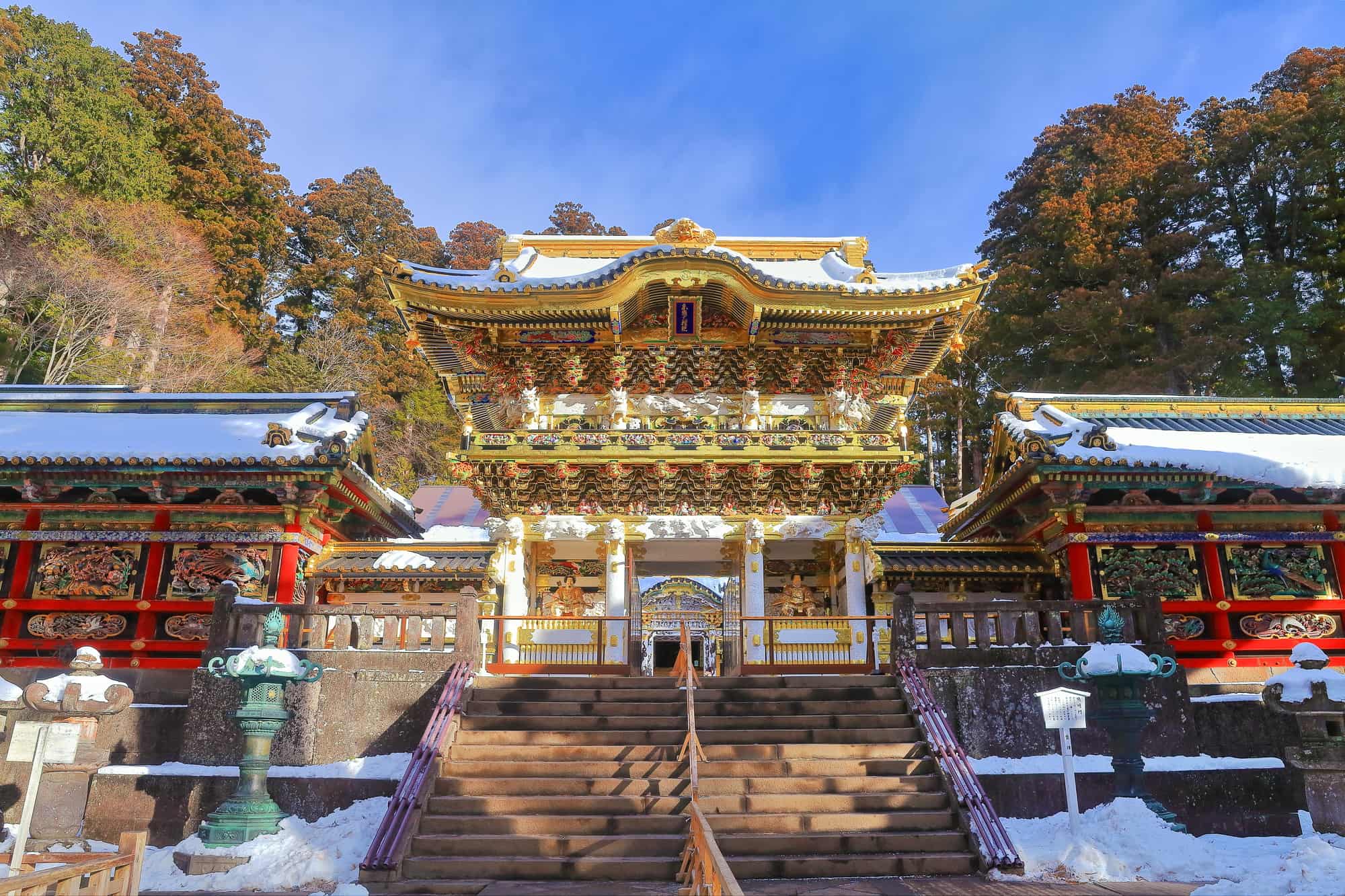
Nikko Toshogu
Built in 1617 as the mausoleum of Tokugawa Ieyasu — founder of the Tokugawa shogunate that ruled Japan for 265 years — Nikko Toshogu is one of Japan’s most opulent and detailed religious complexes, designated a UNESCO World Heritage Site in 1999. Unlike the austere minimalism of typical Shinto shrines, Toshogu is exuberantly decorated with thousands of carvings, gold leaf, lacquer, and vivid colors. Iconic features include the famous “Three Wise Monkeys” carving (see no evil, hear no evil, speak no evil), the sleeping cat (Nemuri-neko), the Yomeimon Gate (called “the gate one could spend all day looking at”), and Ieyasu’s actual tomb at the top of 207 stone steps. From JR Nikko Station, buses run every 10 minutes (about a 10-minute ride).
1617年に徳川家康(265年続いた江戸幕府の創始者)の霊廟として建立された日光東照宮は、日本でも最も豪華絢爛な宗教建築群。1999年にユネスコ世界文化遺産に登録されました。一般的な神社の質素な美意識と対照的に、東照宮は数千の彫刻、金箔、漆塗り、極彩色で過剰なまでに装飾された別世界。有名な「三猿(見ざる・聞かざる・言わざる)」、左甚五郎作の「眠り猫」、「日暮の門」と称される豪壮な陽明門、207段の石段を登った先にある家康の実際の墓所など見どころ満載。JR日光駅から約10分間隔でバスが運行、約10分で到着。
Kegon Falls
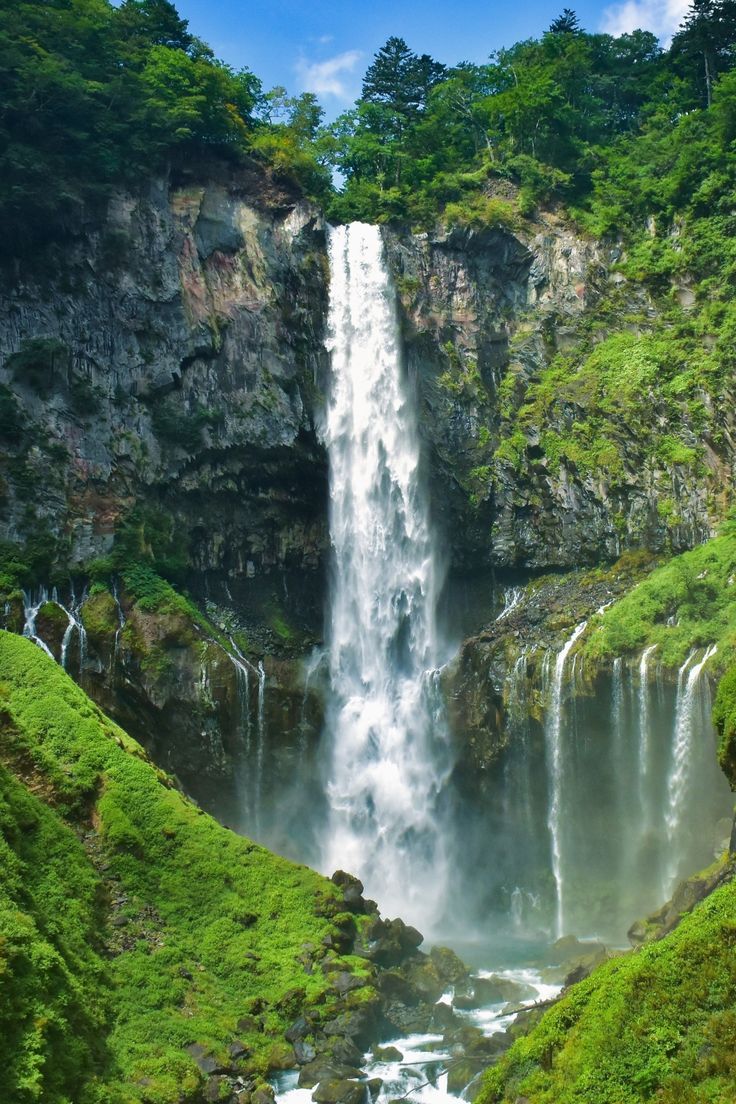
One of Japan’s three greatest waterfalls (alongside Nachi and Fukuroda), Kegon Falls plunges 97 meters from Lake Chuzenji’s outflow into a misty gorge below — a single roaring column of water surrounded by andesite cliffs. The most dramatic viewing platform is reached by an elevator (¥600 round-trip) that descends 100 meters into the cliff face, emerging at a observation deck practically inside the spray. Spring brings vivid green surroundings, autumn sets the entire gorge ablaze in red and gold (peak mid-October), and winter often freezes parts of the spray into delicate ice formations. The viewing platform is just a 5-minute walk from Chuzenji-onsen bus stop. Combine with Lake Chuzenji and Toshogu Shrine for a full Nikko day.
和歌山の那智の滝、茨城の袋田の滝と並ぶ「日本三名瀑」の一つ「華厳の滝」は、中禅寺湖から流れ出る水が97メートル一気に落下する圧倒的な大瀑布。柱状節理の安山岩の崖に囲まれた渓谷へ、轟音を響かせながら一筋の太い水柱が落ちる迫力は息を呑みます。最も劇的なビュースポットは、断崖を100メートル降りる「華厳滝エレベーター」(往復600円)で到達でき、滝のしぶきがかかるほどの近距離で展望できます。春は鮮やかな新緑、10月中旬の紅葉ピークは渓谷全体が赤と金色に染まり、冬は飛沫が氷結した幻想的な氷景が広がります。中禅寺温泉バス停から徒歩約5分。中禅寺湖・東照宮とセットで日光1日コースに最適。
Ashikaga Flower Park
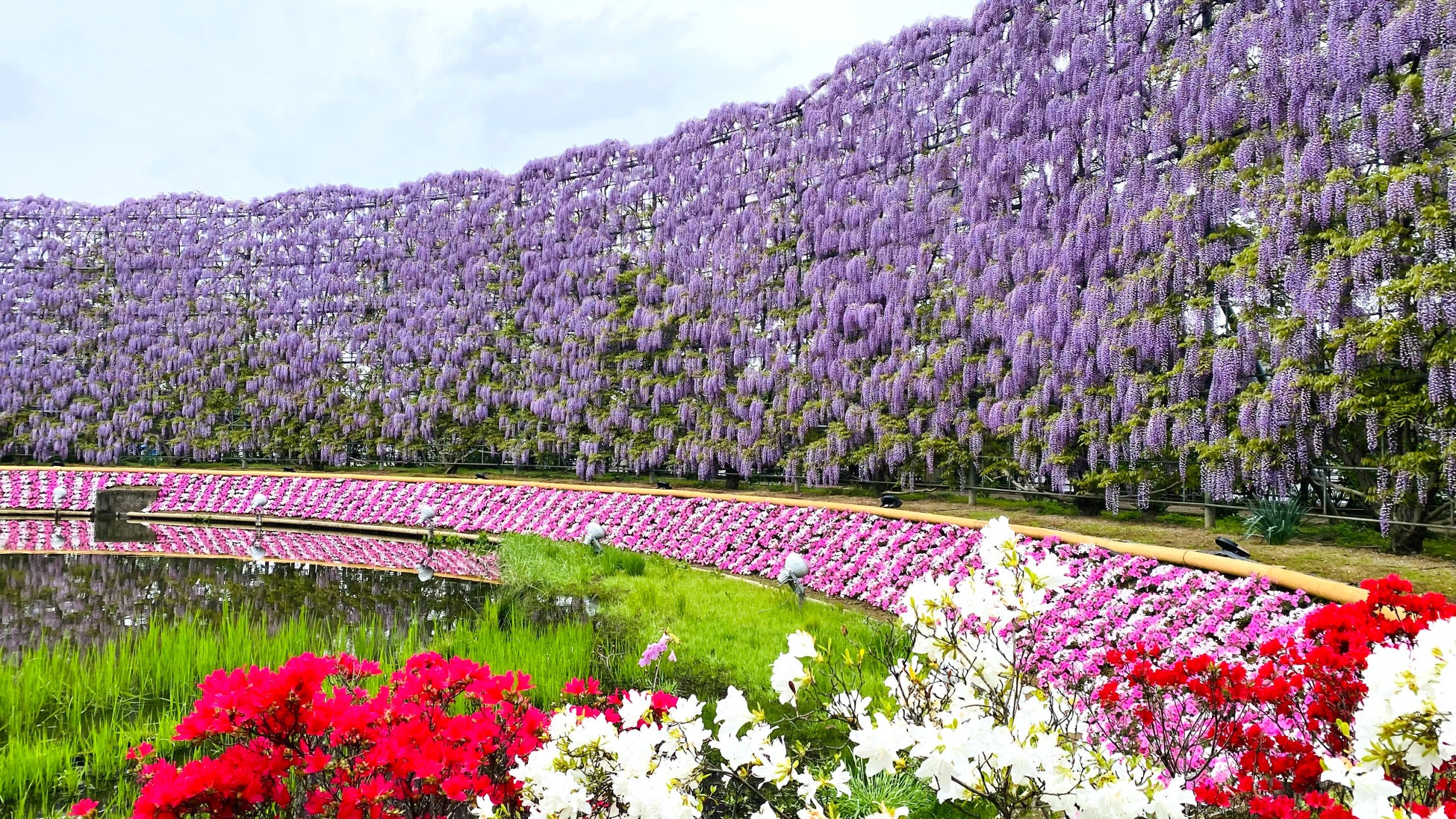
CNN ranked Ashikaga Flower Park among the world’s top 10 dream destinations — and the centerpiece is its more than 160-year-old Great Wisteria, a single tree whose 1,000-square-meter canopy of cascading purple blossoms in late April / early May creates a surreal floral cathedral. Beyond the famous wisteria, the park features 80-meter-long white wisteria tunnels, yellow wisteria curtains, vast rose gardens, and a winter Illumination Festival from mid-October through mid-February featuring 5+ million LED lights — certified one of Japan’s Three Great Illuminations and ranked the nation’s No.1 illumination for 10 straight years. Each season transforms the park entirely: spring tulips, summer water lilies, autumn amaranth fields, winter lights. Tickets ¥400–2,300 depending on season and bloom. JR Ashikaga Flower Park Station opened directly at the entrance in 2018.
CNNが「世界の夢の旅行先トップ10」に選出した「あしかがフラワーパーク」。最大の見どころは樹齢160年超の「大藤」で、1,000平方メートルにわたる紫の藤の花の天蓋が4月下旬〜5月上旬に降り注ぐ姿は、まるで花の大聖堂のような幻想的な絶景。その他、80メートル長の白藤のトンネル、黄藤のカーテン、広大なバラ園、10月中旬〜2月中旬のイルミネーションフェスティバル(500万球超のLEDが輝き、日本三大イルミネーション認定・イルミネーションアワード10年連続全国1位)など、四季それぞれに違う表情で訪問者を魅了します。春はチューリップ、夏は睡蓮、秋はアマランサス畑、冬は光の世界。入園料は開花状況により400〜2,300円。2018年にJRあしかがフラワーパーク駅が正面入口に直結。
Lake Chuzenji
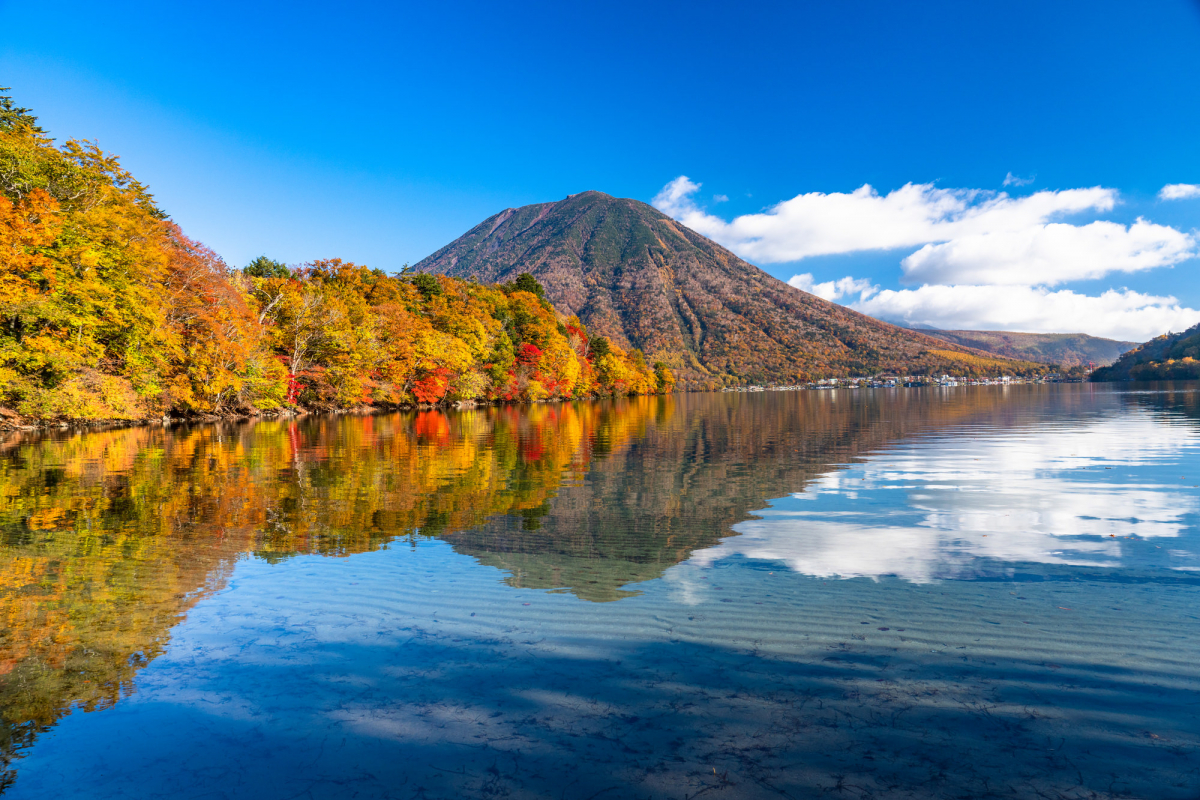
Formed 20,000 years ago when a Mt. Nantai eruption dammed a valley 1,269 meters above sea level, Lake Chuzenji is one of Japan’s highest major lakes — its alpine clarity and scenic mountain backdrop make it a beloved escape from Tokyo’s heat in summer and a fairy-tale snow scene in winter. Drive (or take the dramatic Iroha-zaka switchback bus) up from Nikko city to reach the shoreline, where you’ll find the Chuzenji-ji temple (founded 784 by famed monk Shodo Shonin), boat cruises, lakeside cycling paths, and Italian-villa-style historical buildings from when European diplomats vacationed here. Combine with Kegon Falls (the lake’s outflow) for a magnificent half-day. Buses from JR Nikko Station take 50 minutes via the photogenic Iroha-zaka.
2万年前、男体山の噴火で谷がせき止められて誕生した「中禅寺湖」は、海抜1,269メートルに位置する日本屈指の高地湖。アルプス的な透明度と山々を背にした絶景で、夏は東京の暑さを忘れさせる避暑地として、冬は雪国風情の絶景地として人々を魅了し続けています。日光市街から、ドラマチックな「いろは坂」のヘアピンカーブを車またはバスで登ると湖畔に到達。784年に名僧・勝道上人が開山した「中禅寺」、湖上遊覧船、湖畔サイクリングロード、ヨーロッパの外交官たちが避暑地として利用した時代の歴史的な洋館群が見どころ。湖から流れ出る華厳の滝とセットで半日コースに最適。JR日光駅からバスで約50分。
Nasu Onsen
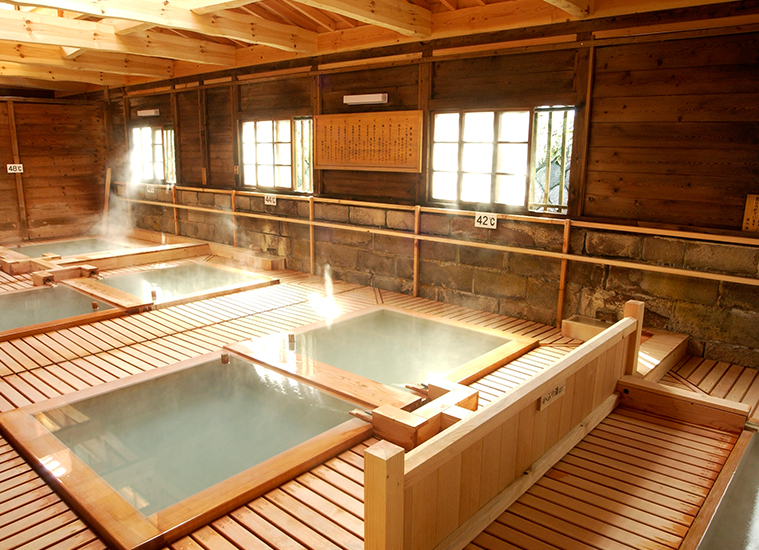
Nasu Onsen is a 1,300-year-old hot-spring resort in northern Tochigi where the Imperial Family maintains a summer villa — a clear endorsement of the area’s pristine air, healing waters, and gentle alpine landscape. The eleven hot-spring areas of Nasu (Nasu Juichi-yu) on the volcano slopes produce sulfur, salt, and acidic waters renowned for treating skin conditions and joint pain. The historic Shika no Yu (Deer Hot Spring) public bath, whose healing waters were discovered in 630 AD, is the area’s traditional symbol. Beyond bathing, Nasu offers Heisei no Mori forest hiking, cattle ranches with farm-fresh ice cream, the Stained Glass Museum, and skiing in winter. Family-friendly with many ryokan offering kid-welcoming dining. From Tokyo via JR Tohoku Shinkansen + bus, about 2 hours.
栃木県北部の那須温泉は、皇室が御用邸を構える1,300年の歴史を持つ高原温泉地。澄んだ空気、効能高い湯、優しいアルプス的風景が皇室にも愛され続けてきました。那須火山系の斜面に点在する「那須十一湯」から、硫黄泉・塩化物泉・酸性泉などが豊富に湧出し、皮膚病・関節痛への効能で知られます。630年発見と伝わる「鹿の湯」共同浴場は栃木県最古の湯で、エリアの象徴的存在。温泉以外にも、平成の森のハイキング、牧場の絶品アイスクリーム、ステンドグラス美術館、冬はスキー場と楽しみ方は無限大。ファミリーフレンドリーで子供連れ歓迎の食事提供旅館も多数。東京からJR東北新幹線+バスで約2時間。
Insider Tips
現地通の旅の裏ワザ
Skip JR Nikko Line — Tobu Nikko Line from Asakusa is half the price. Arrive 7:30am to beat tour buses to Toshogu.
JR日光線より東武日光線(浅草発)が半額。東照宮は7:30着で観光バス前に到着できる。
Tochigi has been Japan’s top strawberry grower for 57 straight years (about 16% of the national crop). ‘Tochiotome’ picking farms run Dec–May. Book ahead — the big farms are reservation-only.
栃木はイチゴ生産57年連続日本一(全国シェア約16%)。いちご狩りは12月〜5月、大手農園は完全予約制なので事前予約が安心。
Frequently Asked Questions
What does ‘Hear no evil, See no evil, Speak no evil’ mean at Nikko?
The famous three monkeys (Sanzaru) carving at Toshogu’s Shinkyusha stable depicts the Confucian life code. It is part of an 8-panel monkey series depicting the journey of life — one of 5,173 carvings across the shrine complex.
東照宮・神厩舎の三猿は「見ざる・言わざる・聞かざる」の教えを表す。神厩舎の8面の猿彫刻の一場面で、東照宮全体では5,173体もの彫刻がある。
When does Ashikaga wisteria bloom?
Late April to mid-May. The park opens for extended evening illuminations during peak season. Book tickets online in advance — it sells out weeks ahead.
4月下旬〜5月中旬が見頃。夜間ライトアップあり。チケットは数週間前に売り切れるので早めのオンライン購入を。
How do I get the Nikko pass?
Tobu’s NIKKO PASS all area (¥8,000, 4 days, foreign visitors only) covers the Asakusa round trip plus area buses; the 2-day world-heritage version is ¥3,000. Best value for day-trippers from Tokyo.
東武の「NIKKO PASS」(世界遺産エリア2日間3,000円/全域4日間8,000円・訪日客限定)が浅草からの往復+現地バスをカバーして便利。
Travel Tip
Take the Tobu Limited Express Revaty from Asakusa direct to Nikko (about 1 hr 50 min, ¥3,050) rather than JR — it arrives at Tobu Nikko Station, closer to the shrine complex, and costs less than JR with the Tobu pass.