Ehime
Top Ehime souvenirs and must-visit travel spots — your complete guide for visitors to Japan. Japan’s oldest hot spring, a castle that never fell, a sea-crossing cycle route across 70 islands — Ehime is Shikoku’s most varied and captivating prefecture.
道後温泉・松山城・しまなみ海道。四国最大の都市・松山を擁する愛媛は、歴史と自然と食が揃った旅の目的地です。
Ehime is citrus country — Japan’s top citrus prefecture overall — with Dogo Onsen, Matsuyama Castle, and the Shimanami Kaido cycling route. Its souvenirs are mikan and Ichiroku Tart, a rolled sponge around yuzu-bean paste, plus Imabari towels, the prefecture’s premium craft. Mikan jelly and tart travel well. Matsuyama and Imabari stations are the pickups.
愛媛は柑橘の国——柑橘類の生産は全国トップで、道後温泉、松山城、しまなみ海道も。みやげはみかんや一六タルト(柚子餡を巻いたロール菓子)、そして今治タオルという県自慢の工芸品。みかんゼリーやタルトは持ち帰り向き。松山駅・今治駅が買い場です。
Recommended Omiyage
おすすめおみやげ 5選
Ehime Mikan
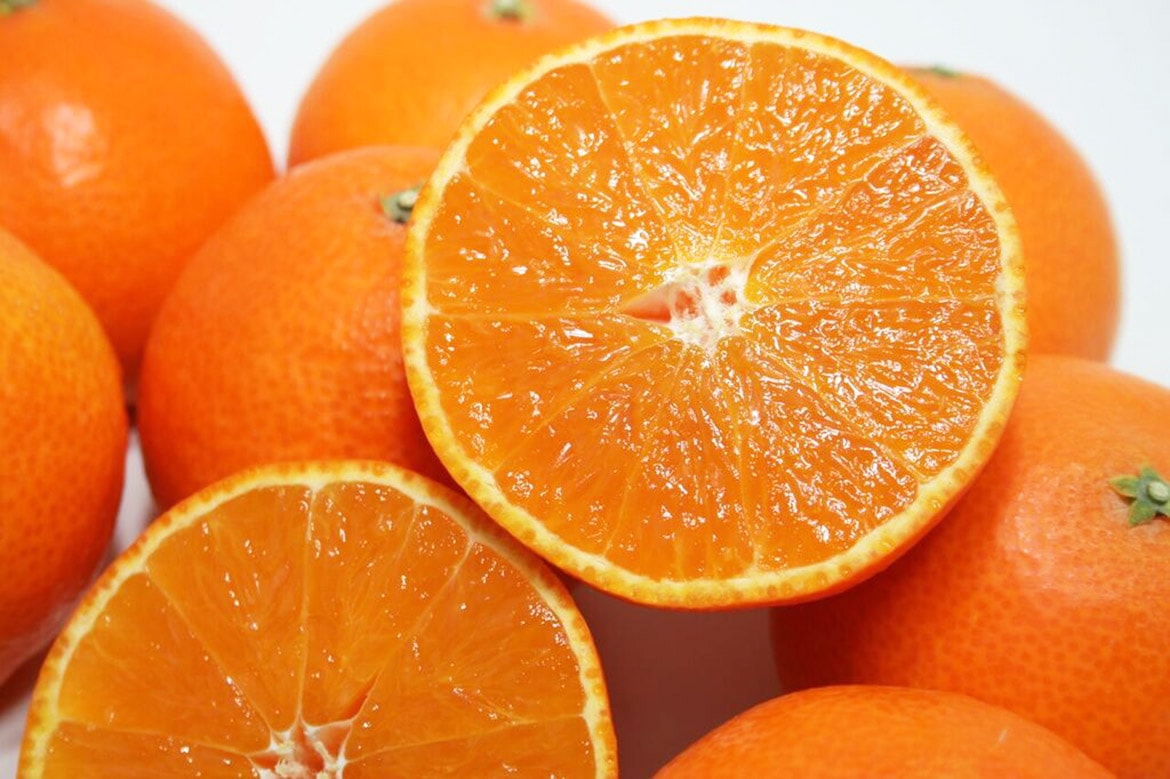
Ehime is Japan’s top citrus-producing prefecture and a leading grower of mikan (mandarin oranges) — its sun-soaked Setouchi terraced groves, mineral-rich soil, and pristine spring water produce mandarin oranges with extraordinarily concentrated sweetness, juicy flesh, and a signature Ehime fragrance. The flagship variety is Iyokan (a sweeter, larger Ehime version), while Beni Madonna (a premium variety bred specifically for gift-giving) commands prices of ¥3,000-8,000 per 12-fruit gift box. The harvest runs October through May, with seasonal peaks for different varieties throughout. Beyond fresh fruit, Ehime mikan are made into juice, jam, marmalade, dried mikan slices, mikan candy, and mikan-flavored wagashi. Available at JR Matsuyama Station, Matsuyama Airport, and Ehime’s countless roadside stations during harvest season. Refrigerated nationwide shipping available year-round.
愛媛県は柑橘類生産量で日本一(みかんでも有数の産地)——日当たりのよい瀬戸内海の段々畑、ミネラル豊富な土壌、清冽な湧水が、卓越した甘味、ジューシーな果肉、愛媛独特の芳香を持つみかんを育てます。代表品種「いよかん」は甘くて大粒の愛媛版、「紅まどんな」(ギフト用に特別に育種された高級品種)は化粧箱12玉入りで3,000〜8,000円の高値で取引されます。収穫期は10月〜5月、品種により旬のピークがずれて長期間楽しめる仕組み。生果実以外にも、愛媛みかんは、ジュース、ジャム、マーマレード、ドライみかんスライス、みかんキャンディ、みかん風味の和菓子など多彩に展開。JR松山駅、松山空港、愛媛県内の数十の道の駅(収穫期)で広く購入可能。年間を通じて冷蔵全国発送サービスあり。
Taruto
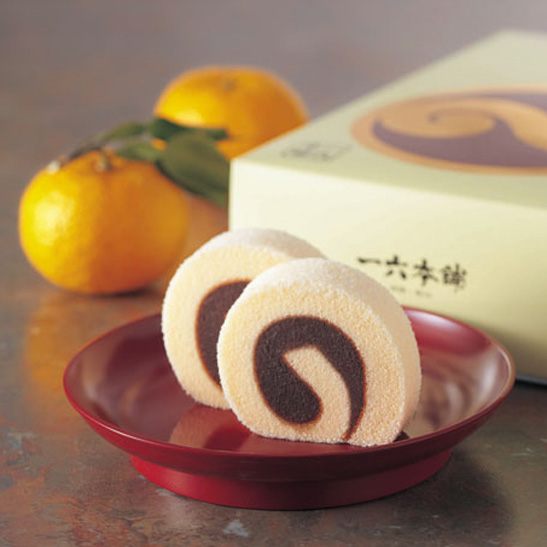
Taruto is Ehime’s most distinctive sweet — a thinly-rolled cake that’s swirled into a spiral pattern around a generous filling of red bean paste (anko), creating a beautifully sectioned confection. The cake itself is light, slightly sweet, and rolls perfectly to reveal the alternating tan-white outer layer and dark anko interior. It traces back to the mid-17th century, when the Matsuyama lord Matsudaira Sadayuki brought a Portuguese-inspired confection home from Nagasaki (1647) and adapted it with an anko filling. Top makers include Ichiroku Honpo (founded 1883) and Rokujiya, both with elegant traditional packaging. Each spiral roll is sliced into 8-12 pieces, and the visual presentation alone is photogenic. Pair with strong matcha or hojicha tea. Available at JR Matsuyama Station, Matsuyama Airport, and the famous Dogo Onsen souvenir shops. Best within 14 days unopened.
「タルト」は愛媛県を代表する独特な銘菓——薄く広げたカステラ生地で、たっぷりのこしあんを螺旋状に巻き上げた、美しい断面を持つ絶品和菓子です。カステラ生地は軽くほのかに甘く、上手に巻き込まれた時の白っぽいカステラと暗い小豆あんの交互模様は息を呑む美しさ。江戸初期の正保4年(1647年)、松山藩主・松平定行が長崎で南蛮菓子タルトに出会い、あんを巻いて独自に考案したのが始まりとされます。代表メーカーは1883年(明治16年)創業の「一六本舗」、「六時屋」など、優雅な伝統パッケージで展開。1巻きを8〜12個にスライスして提供する形が一般的で、視覚的な見栄えも抜群。濃いめの抹茶やほうじ茶との相性も格別。JR松山駅、松山空港、有名な道後温泉の土産店で広く購入可能。未開封で賞味期限約14日。
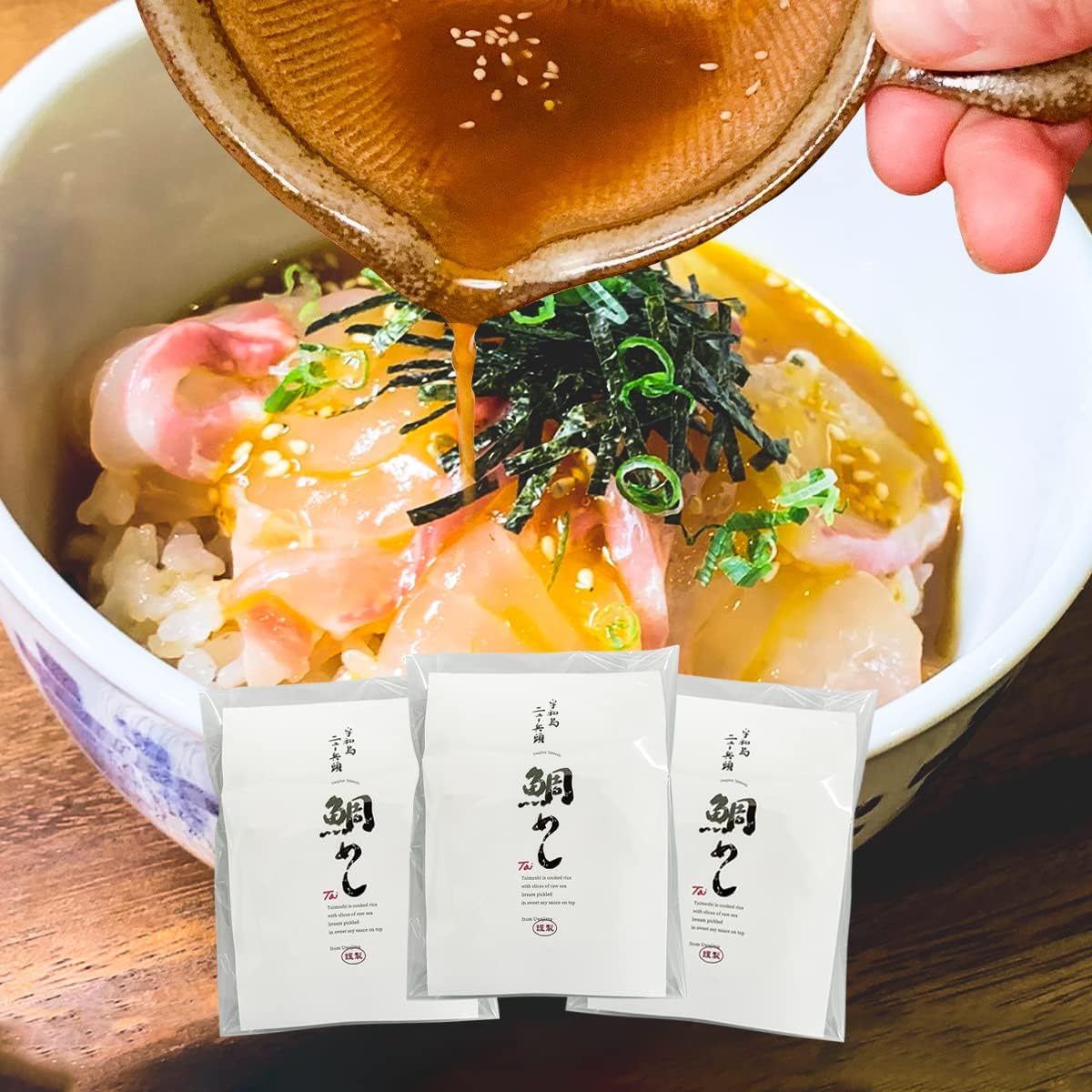
Tai Meshi Kit
Tai-meshi (“sea bream rice”) is one of Ehime’s most iconic regional dishes — fragrant rice cooked with whole or sliced sea bream (tai), dashi, soy sauce, and sake, with the tai’s natural fats and umami melting into the rice for a refined, deeply savory flavor. Ehime actually has two tai-meshi styles: the Matsuyama style (cooked together with the rice) and the Uwajima style (raw sea-bream sashimi with a savory dashi-tare poured over rice). Both have been celebrated for centuries on tai-rich Shikoku coasts. The take-home Tai Meshi Kit includes vacuum-sealed pre-cooked sea bream, premium dashi-tare seasoning, special rice mix, and detailed cooking instructions — letting you recreate this restaurant-quality dish at home using your standard rice cooker. Take-home kits are sold by various Ehime seafood makers and souvenir shops, often in elegant gift packaging. Available at JR Matsuyama Station, Matsuyama Airport, and Imabari fish market. Best within 60-90 days unopened. Pair with light Ehime junmai sake or hojicha tea. Each kit serves 3-4 people.
「鯛めし」は愛媛県を代表する郷土料理——丸ごとまたはスライスした鯛をだし、醤油、日本酒で炊き込んだ香り高い炊き込みご飯で、鯛の脂と旨味がご飯に溶け込んで上品で深い味わいに仕上がる名物です。愛媛には実は2つの鯛めしがあり、松山風(鯛を米と一緒に炊き込む)と宇和島風(生の刺身を特製のだしダレでご飯にかける)があります。どちらも鯛が豊富な四国沿岸で古くから愛されてきました。お持ち帰り用「鯛めしキット」には、真空パック調理済み鯛、プレミアムだしダレ、特製ご飯の素、詳細な調理マニュアルがセットされ、家庭の炊飯器で本格的な料理店レベルを再現できます。お持ち帰り用キットは愛媛の水産メーカーや土産店各社が、優雅なギフトパッケージで展開。JR松山駅、松山空港、今治の魚市場で購入可能。未開封で賞味期限約60〜90日。軽めの愛媛純米酒やほうじ茶との相性が格別。1キットで3〜4人前。
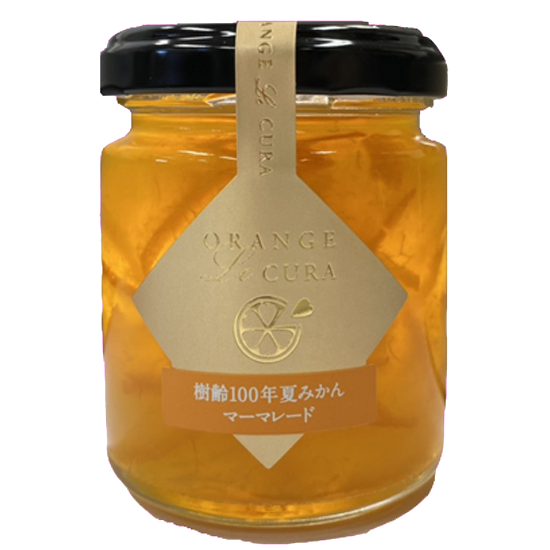
Mikan Marmalade
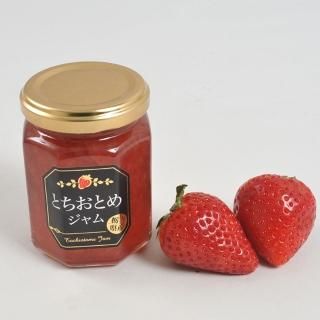
Made from Ehime’s premium mikan (mandarin oranges), Mikan Marmalade transforms the prefecture’s signature fruit into a refined, year-round preserve. Premium versions use only fresh-pressed Ehime mikan (no concentrate) with the juice slow-cooked along with the peel, creating a marmalade with intensely fragrant orange zest, balanced sweetness, and the perfect bittersweet contrast that defines great marmalade. Top makers include Atrium — whose Yawatahama “century-old summer-mikan marmalade” is shown here — and 10FACTORY in Matsuyama, each crafting small-batch versions in elegant glass jars. Modern variations include mikan-and-honey, mikan-and-yuzu, and the rare Beni Madonna marmalade (using Ehime’s premium variety). Spread on toast, swirl into yogurt, fold into ice cream, or use as a glaze for grilled fish. Available at JR Matsuyama Station, Matsuyama Airport, and select Tokyo depachika. Best within 60 days of opening; refrigerate.
愛媛のプレミアムみかんから作られる「みかんマーマレード」は、県の象徴果実を上質な一年保存版に変身させた逸品。プレミアム版では絞りたての愛媛みかん(濃縮還元不使用)を、皮と共にじっくり煮込み、香り豊かなオレンジの皮、バランスの取れた甘さ、絶妙な甘苦のコントラストを実現した、優れたマーマレードの定義そのものに。代表メーカーは八幡浜の「アトリウム」(画像の”樹齢100年夏みかんマーマレード”)、松山の「10FACTORY」など、優雅なガラス瓶で小ロット製造。現代バリエーションには、みかん&はちみつ、みかん&柚子、希少な紅まどんなマーマレード(愛媛のプレミアム品種使用)など多彩。トーストに塗って、ヨーグルトに混ぜて、アイスクリームに添えて、焼き魚のグレーズとしても活用可能。JR松山駅、松山空港、東京の主要デパ地下で購入可能。要冷蔵、開封後60日以内に。
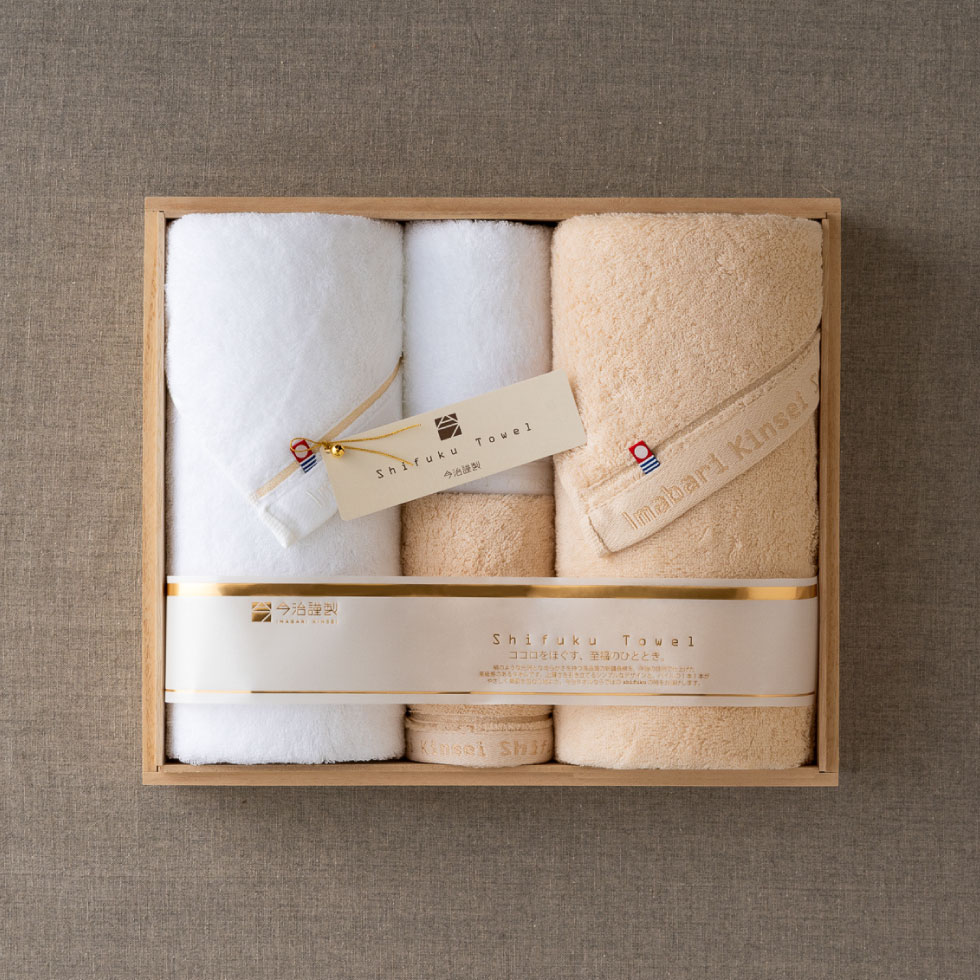
Imabari Towel
Imabari Towels are Japan’s most prestigious cotton towel brand — produced in the Imabari region of Ehime since 1894, the towels gained worldwide recognition through extraordinary craftsmanship in twisting, dyeing, and weaving fine cotton. Imabari’s pure mountain water (with extremely low mineral content), advanced cotton-twisting techniques, and 5-second water absorption testing create towels of unmatched softness, absorbency, and longevity. The signature Imabari brand certification (red-ribbon-and-gold-medal logo) guarantees authenticity. Beyond traditional bath towels, Imabari makes hand towels, kitchen towels, designer collaborations, and gift sets in elegant boxes. Top makers include Imabari Kinsei and IKEUCHI ORGANIC. Pieces range from ¥800 hand towels to ¥30,000+ luxury bath ensembles. Available at JR Imabari Station, Tokyo’s depachika, and Imabari Towel boutiques.
「今治タオル」は日本でも最も格式高い綿タオルブランド——1894年から愛媛県今治地方で製造され、極上綿の撚り、染色、織りの卓越した職人技によって世界的に認知されてきました。今治の超軟水(極めて低いミネラル含量)、先進的な綿の撚り技術、5秒水吸収試験という厳格な品質基準が、比類ないやわらかさ、吸水性、耐久性を実現しています。「今治タオル」のブランド認定(赤いリボン+金メダルのロゴ)が本物の証。バスタオル以外にも、ハンドタオル、キッチンタオル、デザイナーズコラボ商品、優雅なギフトセットも展開。代表メーカーは「今治謹製(いまばりきんせい)」「IKEUCHI ORGANIC」など。価格帯はハンドタオル800円から、ラグジュアリーバスセット30,000円超まで幅広く。JR今治駅、東京のデパ地下、今治タオルブティックで購入可能。
Must-Visit Spots
おすすめスポット 5選
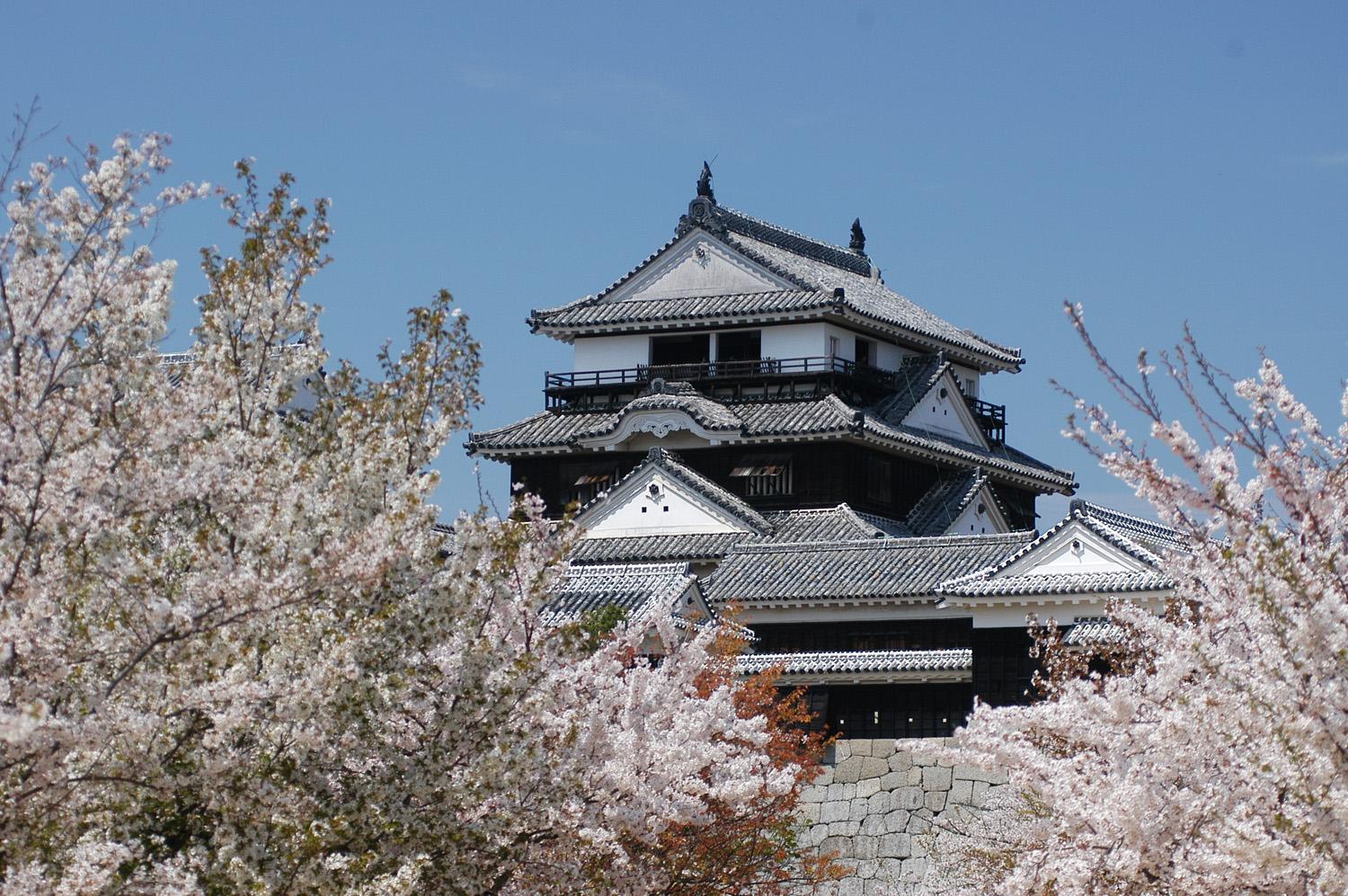
Matsuyama Castle
Matsuyama Castle is one of Japan’s twelve surviving original castle keeps. Its present keep was rebuilt in 1854 — the newest of the twelve — after lightning destroyed the original, and the castle’s surviving structures are designated Important Cultural Properties. Built between 1602 and 1627 by Kato Yoshiaki, the castle’s distinctive black exterior is set against the surrounding white plaster walls, with the keep’s complex multi-story design considered one of Japan’s most architecturally impressive. The castle sits on top of Mt. Katsuyama (132 meters), reached via a scenic ropeway or chair lift from the city below. Inside, original wooden staircases lead between floors filled with samurai armor, weapons, and detailed castle history. The summit also offers panoramic views of Matsuyama and the Setouchi Inland Sea. Tickets ¥520. Cherry blossoms in early April are spectacular. From JR Matsuyama Station, the ropeway base is a 10-minute walk.
「松山城」は江戸時代以前の天守が残る現存十二天守の一つ。現在の天守は1784年の落雷焼失後、1854年(安政元年)に再建されたもので、現存12天守で最も新しく、天守を含む建造物は国の重要文化財です。1602〜1627年に加藤嘉明が築城した松山城は、白い漆喰の壁を背景にした黒い外観のコントラストが見事で、複雑な多層構造の天守は日本建築でも最も印象的な造形の一つに数えられます。城は標高132メートルの「勝山(かつやま)」山頂に位置し、麓の市街地から景観の良いロープウェイまたはチェアリフトでアクセス可能。内部のオリジナル木造階段は、武家の甲冑、武具、城の詳細な歴史展示が楽しめます。山頂からは松山市街と瀬戸内海の絶景パノラマが楽しめます。入場料520円。4月上旬の桜は格別の絶景。JR松山駅からロープウェイ乗り場まで徒歩約10分。
Dogo Onsen
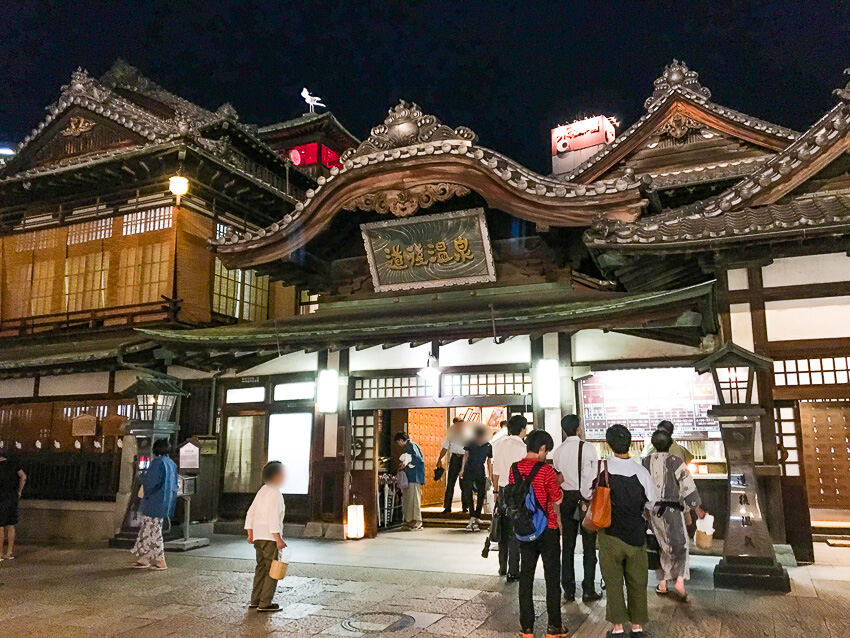
Dogo Onsen is one of Japan’s three oldest hot springs (alongside Arima in Hyogo and Shirahama in Wakayama) — its mineral waters have welcomed travelers for over 3,000 years, with Prince Shotoku (Shotoku Taishi) reportedly bathing here in the 6th century. The signature feature is the iconic Dogo Onsen Honkan, a 130-year-old wooden bathhouse with intricate Meiji-era architecture, designated an Important Cultural Property — its red-and-white striped curtains and steaming chimney are among Japan’s most photographed onsen images. The bathhouse is often cited as an inspiration for the famed Studio Ghibli film “Spirited Away.” Beyond the Honkan, the modern Dogo Onsen Tsubaki-no-Yu offers luxurious bathing, the Dogo Onsen Bekkan Asuka-no-Yu showcases beautiful Asuka-period-style architecture, and the surrounding shopping arcade is full of traditional crafts and souvenirs. From JR Matsuyama Station, take the Iyo Tetsu tram to Dogo Onsen (about 25 minutes).
「道後温泉」は日本三古湯の一つ(有馬・白浜と並ぶ)——その湯は3,000年以上にわたって旅人を癒し続け、6世紀には聖徳太子もこの地で入浴したという記録があります。象徴的な「道後温泉本館」は、130年前の重要文化財指定の木造湯屋——明治時代の精緻な建築美、赤白縞の暖簾と立ち上る煙突が、日本でも最も撮影される温泉風景です。スタジオジブリの『千と千尋の神隠し』の着想源の一つとも言われる湯屋として有名。本館以外にも、現代風の高級温泉「道後温泉椿の湯」、飛鳥時代様式が美しい「道後温泉別館 飛鳥乃湯泉」、伝統工芸とお土産の道後温泉商店街など見どころ満載。JR松山駅から伊予鉄道の路面電車で約25分でアクセス可能。
Shimanami Kaido
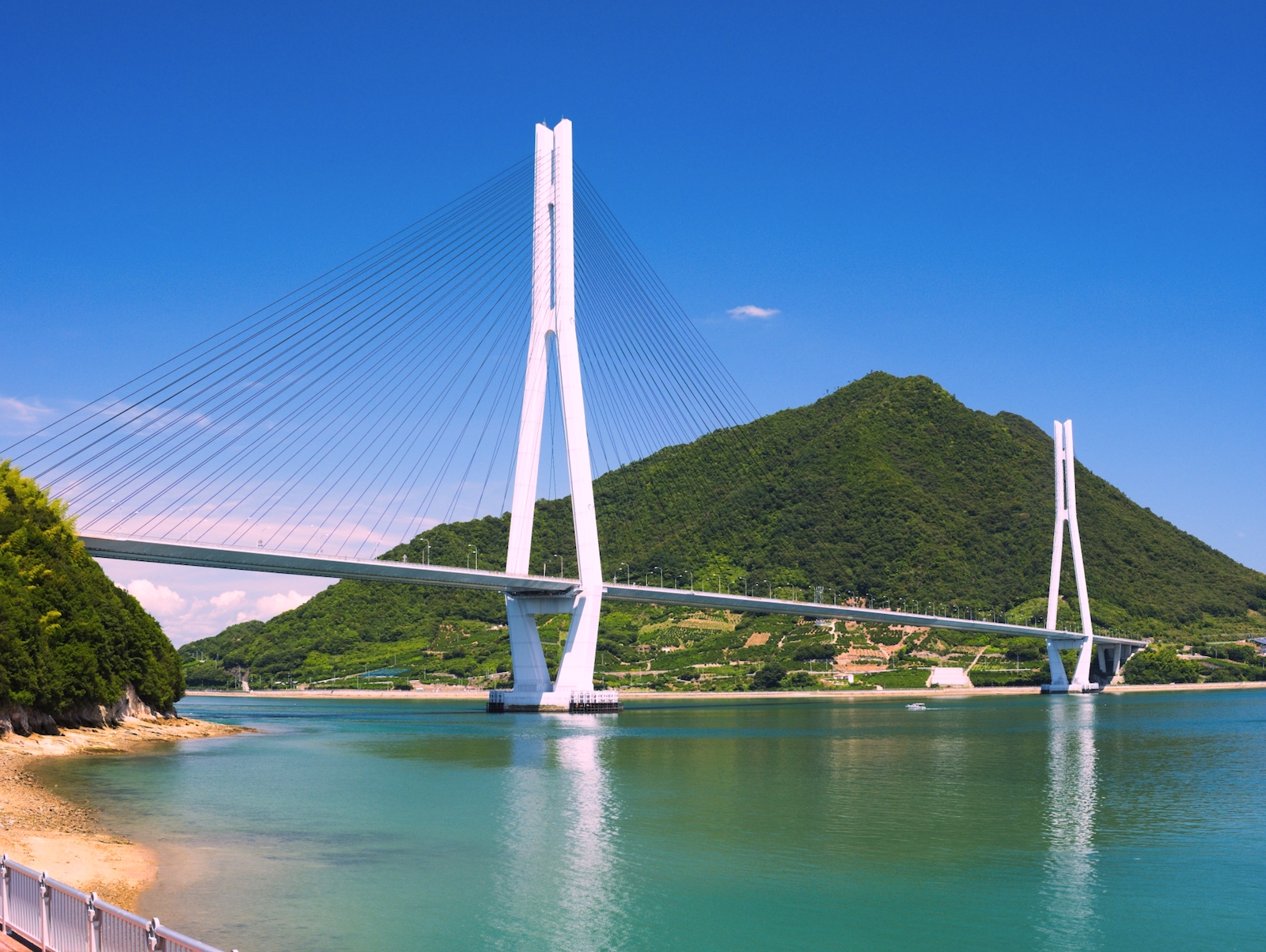
The Shimanami Kaido (“Island Wave Highway”) is the world’s most famous cycling route — a 70-kilometer bridge-and-island chain connecting six small islands across the Setouchi Inland Sea between Onomichi (Hiroshima) and Imabari (Ehime). The route has been featured in CNN, BBC, and countless international cycling magazines as one of the planet’s top cycling experiences. Riding the entire route takes about 4-8 hours (electric bike rentals available, ¥3,000-6,000), with each island offering distinctive culture, swimming beaches, and seafood. Highlights along the way include the Innoshima oranges and lemons, the Ikuchi Island art museums, and the breathtaking Tatara Bridge views. Even non-cyclists can take the bus or boat tours. From Imabari (Ehime) the cycling start point is at JR Imabari Station’s Cycling Terminal.
「しまなみ海道」は世界的に最も有名なサイクリングルート——瀬戸内海を貫いて尾道(広島)と今治(愛媛)の間の6つの島々を結ぶ70キロの橋と島嶼の連鎖です。CNN、BBC、世界の主要サイクリング雑誌に「地球で最高のサイクリング体験」として何度も取り上げられた、世界レベルの観光資源。フルコースで約4〜8時間(電動レンタル自転車3,000〜6,000円)、各島が独自の文化、海水浴場、海鮮を提供する充実コース。ルート上の見どころは因島の柑橘、生口島の美術館、絶景の多々羅大橋など多彩。サイクリングしない方もバスや遊覧船ツアーで楽しめます。愛媛側の出発点はJR今治駅のサイクリングターミナル。
Ishite-ji Temple
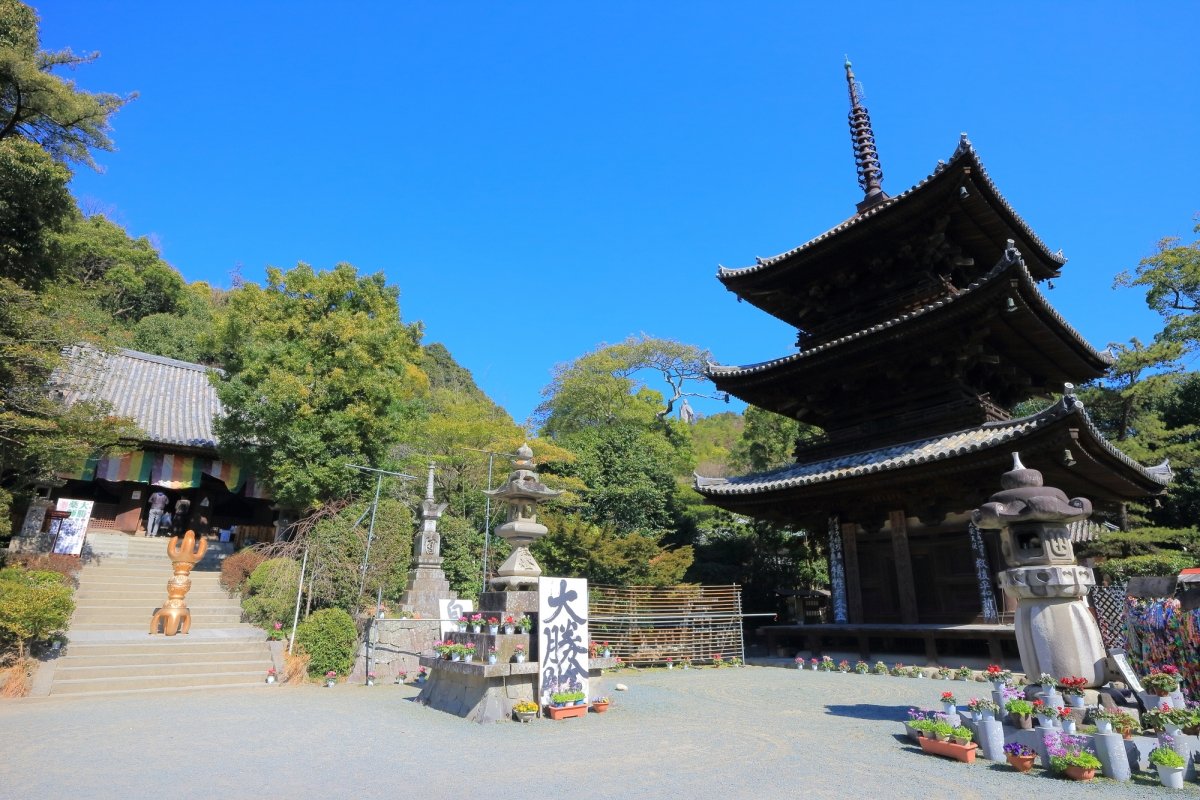
Ishite-ji is the 51st temple of the Shikoku 88-Temple Pilgrimage and one of Ehime’s most beloved Buddhist sites — home to a National Treasure Niō gate (Niōmon, rebuilt in 1318 during the Kamakura period), an Important Cultural Property three-story pagoda (about 24 m), and a fine main hall. Founded in 728, the temple is steeped in the legend of Emon Saburo, traditionally regarded as the origin of the Shikoku pilgrimage; its warren of halls, stone statues and a cave passage give it an atmospheric, lived-in feel. The temple’s location in central Matsuyama makes it easily accessible. Free admission. From JR Matsuyama Station, take the Iyo Tetsu line + bus (about 25 minutes total).
「石手寺(いしてじ)」は四国八十八ヶ所霊場の第51番札所——愛媛県の代表的な仏教聖地で、鎌倉時代・1318年に再建された国宝「仁王門(二王門)」、重要文化財の三重塔(高さ約24m)や本堂で知られます。728年(神亀5年)の開基と伝わり、四国遍路の起源とされる「衛門三郎」伝説ゆかりの寺。堂宇や石仏、洞窟が入り組んだ独特の雰囲気が魅力です。寺は松山市中心部に位置しアクセスも便利。拝観無料。JR松山駅から伊予鉄道線+バスで約25分。
Mt. Ishizuchi
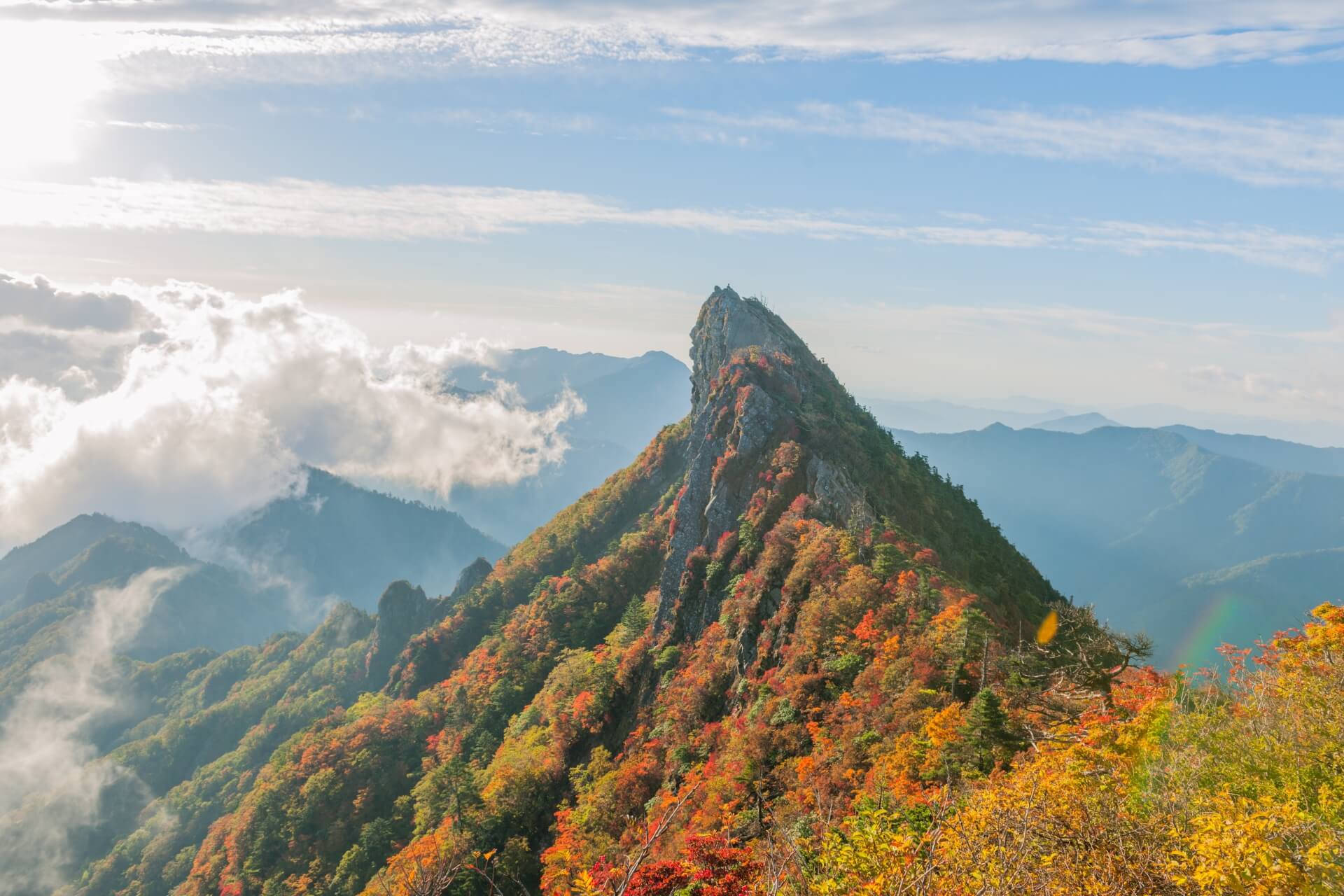
Mt. Ishizuchi (1,982 m) is the highest peak in western Japan and the centerpiece of Ishizuchi Quasi-National Park — a sacred mountain counted among Japan’s 100 Famous Mountains and one of its seven holy peaks. Its jagged summit, Tengu-dake, rewards climbers with a 360-degree panorama, while the historic chain-climbing sections (kusari) test the brave. The Ishizuchi Ropeway lifts visitors from Saijo toward the Joju shrine area, from where trails lead to the peak. The autumn foliage in early-to-mid October is spectacular, and the official climbing season opens July 1. From JR Iyo-Saijo Station, take a bus to the ropeway base and ride up (round-trip ropeway ¥2,200).
「石鎚山(いしづちさん)」は標高1,982mの西日本最高峰——石鎚国定公園の中心で、日本百名山・日本七霊山にも数えられる信仰の山です。最高峰の「天狗岳」山頂からは360度の大パノラマが広がり、修験の鎖場(試しの鎖・一〜三の鎖)が健脚を試します。西条から「石鎚登山ロープウェイ」で成就社方面へ上がり、そこから登山道が山頂へ続きます。10月上旬〜中旬の紅葉は格別で、お山開きは7月1日。JR伊予西条駅からバスでロープウェイ乗り場へ、ロープウェイは往復2,200円。
Insider Tips
現地通の旅の裏ワザ
The Honkan’s basic bath (Kami-no-Yu) is ¥700, or ¥1,300 with a 2nd-floor rest and tea (2024 prices). Locals go before 8am to avoid crowds. Spirited Away inspiration.
道後温泉本館は基本入浴(神の湯)¥700、2階休憩・お茶付¥1,300(2024年改定)。地元民は8時前に行き混雑回避。「千と千尋」モデル。
Ehime grows dozens of citrus varieties. ‘Setoka’ (highest sugar content) peaks Feb–Mar. Yawatahama farm-direct = ⅓ Tokyo prices.
愛媛は数十種の柑橘品種を生産。最高糖度の「せとか」は2〜3月ピーク。八幡浜の農家直送は東京の3分の1価格。
Frequently Asked Questions
What is the Shikoku Pilgrimage?
The Henro (四国遍路) is an 1,200km circuit of 88 temples associated with the Buddhist monk Kukai (Kobo Daishi). Pilgrims wear white jackets and carry walking staffs. It takes 30–60 days on foot.
四国遍路は弘法大師ゆかりの88寺を巡る約1,200kmの巡礼路。白衣と金剛杖が巡礼者の証。
Are Imabari towels worth the price?
Yes — Imabari towels (今治タオル) use a special loop-weaving technique and double-gauge threads that make them remarkably soft and absorbent. Look for the official Imabari brand certification tag.
今治タオルは特殊なループ織りで空気をたっぷり含み、吸水性と肌触りが段違い。公式ブランドタグが品質の証。
How do I cycle Shimanami Kaido?
Rent a bicycle at Onomichi (Hiroshima side) or Imabari (Ehime side) — Giant store offers best bikes. The full 70km one-way route takes about 4–8 hours. Bike drop-off at either end is available.
尾道(広島側)または今治(愛媛側)でレンタサイクル。片道70kmで約4〜8時間。ジャイアントストアが本格的。
Travel Tip
Book the ‘Dogo Onsen Honkan Kami-no-Yu’ (神の湯) early-morning slot (opens 6 am) to experience the historic bathhouse before crowds arrive. Combine with a hot-spring street walk in yukata from your inn.