Oita
Top Oita souvenirs and must-visit travel spots — your complete guide for visitors to Japan. Seven ‘hells’ of boiling colour, a lake that’s actually a hot spring, and a charming village tucked between two volcanoes — Oita is Japan’s undisputed onsen capital.
湧出量・源泉数ともに日本一。別府の地獄めぐりと由布院の静寂が対比する、大分の湯の旅。
Oita is Japan’s onsen capital — Beppu’s steaming ‘hells’ and quiet Yufuin. Its souvenirs match: kabosu citrus products (the prefecture grows nearly all of Japan’s), Yufuin Milch’s milk jam, Okamotoya’s jigoku-mushi pudding, and Seki-aji and Seki-saba fish. Kabosu and milk jam travel well. Beppu and Oita stations are the spots.
大分はおんせん天国——別府の地獄めぐりと静かな由布院。みやげもそれ次第で、かぼす製品(全国生産のほとんどが大分産)、由布院ミルヒのミルクジャム、岡本屋の地獄蒸しプリン、関アジ関サバなど。かぼすやミルクジャムは持ち帰り向き。別府駅・大分駅が買い場です。
Recommended Omiyage
おすすめおみやげ 5選
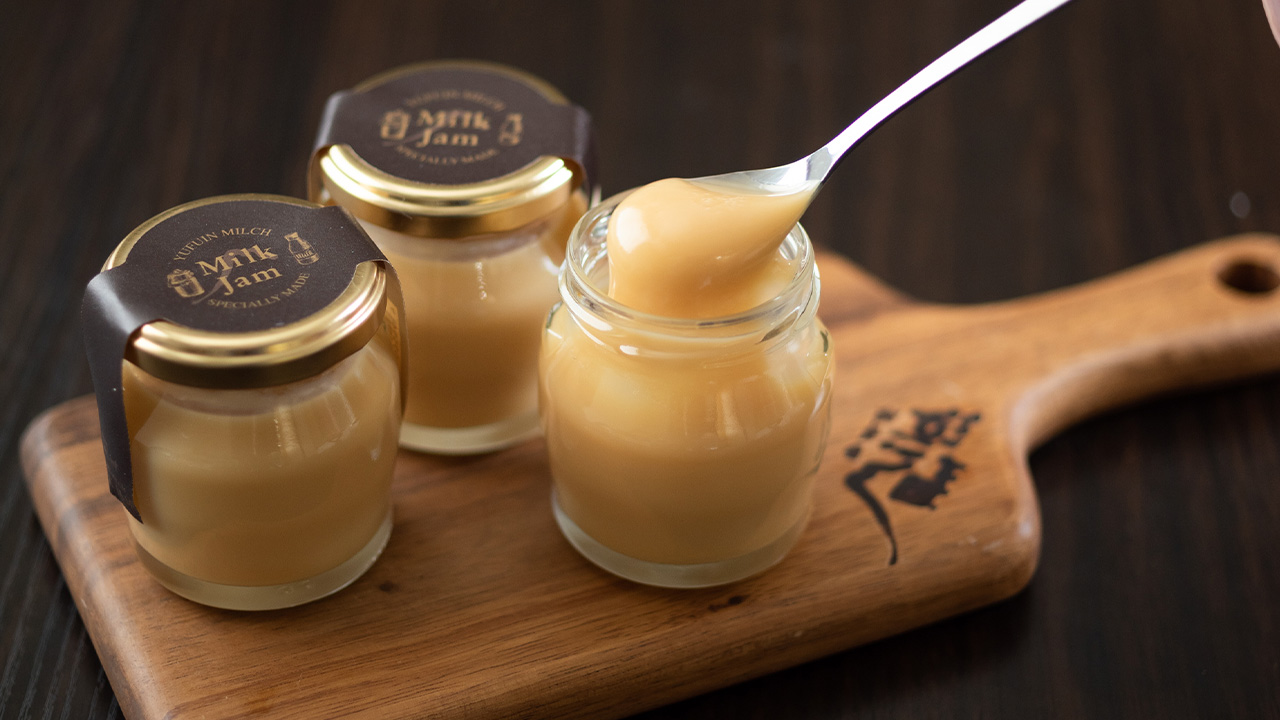
Yufuin Milk Jam
Yufuin Milk Jam captures the essence of Oita’s premier dairy region — the rolling pastures around Mt. Yufu produce milk with extraordinary natural sweetness, which is slow-simmered with sugar over hours into a luxurious caramel-colored spread. Unlike commercial caramel sauces, Yufuin Milk Jam retains the milk’s pure, slightly grassy flavor while developing deep caramelized notes through patient cooking. Top makers like Yufuin Milch use only fresh local milk and minimal sugar, allowing the dairy character to shine. Spread on toast, swirl into yogurt, drizzle over pancakes, or fold into ice cream. Beautifully bottled gift versions in elegant glass jars are sold at JR Yufuin Station, Yufuin’s main shopping street, and Oita Airport. Refrigerate after opening; lasts 2 months unsealed.
「由布院ミルクジャム」は、大分県を代表する酪農地・由布院の絶品ミルクをじっくり煮詰めて作る贅沢なスプレッド——由布岳麓の起伏ある牧草地で育つ牛から取れる、自然な甘味と独特の風味を持つミルクを、砂糖と共に何時間もかけてキャラメル色に煮詰めた逸品です。市販のキャラメルソースと異なり、ミルク本来の純粋でほんのり草の香る風味が、辛抱強い調理過程で深いキャラメルのニュアンスへと進化していきます。「由布院ミルヒ」などの名店は、地元産フレッシュミルクと控えめな砂糖のみを使い、ミルク本来のキャラクターを最大限に活かす製法を貫いています。トーストに塗って、ヨーグルトに混ぜて、パンケーキにかけて、アイスクリームに添えて——多用途に楽しめます。優美なガラス瓶のギフトボトルは、JR由布院駅、由布院の温泉商店街、大分空港で購入可能。要冷蔵、未開封で約2ヶ月。
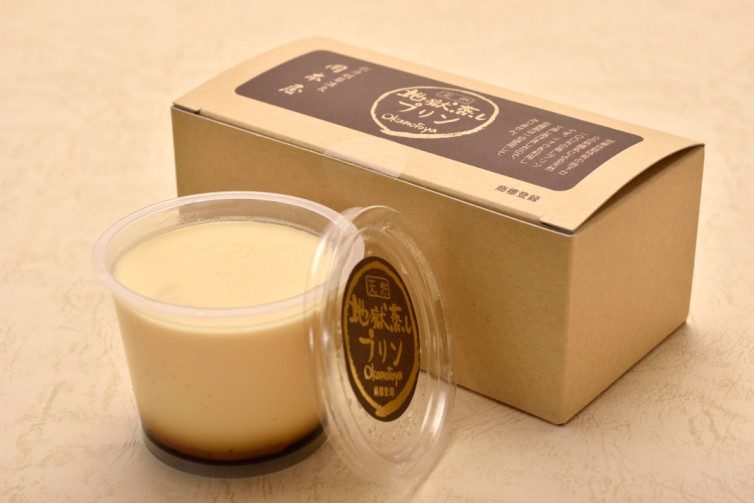
Jigoku Mushi Pudding
Jigoku Mushi Pudding is one of Oita’s most theatrical confections — silky custard pudding cooked using actual steam from Beppu’s natural hot springs (jigoku-mushi or “hell-steaming”). The 100°C+ volcanic steam slowly cooks the egg-and-cream mixture, creating a uniquely smooth texture with subtle mineral undertones from the steam itself. The pudding’s soft jiggle and rich flavor have made it a viral social media favorite, and visitors can even watch it being prepared at the Beppu Jigoku Mushi Kobo (Hell-Steamed Workshop). The best-known maker is Okamotoya (in the Myoban Onsen district), with elegant glass packaging. Available at JR Beppu Station, JR Yufuin Station, Oita Airport, and the workshop itself. Best within 5-7 days; refrigerate. Pair with hot Japanese tea or coffee. The cooking process is itself an Oita cultural experience.
「地獄蒸しプリン」は大分県の最も劇場的な銘菓——別府の天然温泉の蒸気を実際に使って調理する独特の卵プリンです(地獄蒸し方式)。100℃以上の火山蒸気が、卵とクリームをゆっくりと蒸し上げ、独特の絹のような滑らかさに、蒸気から微かに移るミネラル感のある風味を加えます。プリンの優しい揺れと濃厚な味わいがSNSで話題になり、「別府地獄蒸し工房」では実際の調理過程を見学することも可能。代表格は明礬(みょうばん)温泉の「岡本屋」。上品なガラスパッケージで展開。JR別府駅、JR由布院駅、大分空港、地獄蒸し工房で購入可能。賞味期限5〜7日、要冷蔵。熱い日本茶やコーヒーと相性抜群。調理過程そのものが大分の文化体験です。
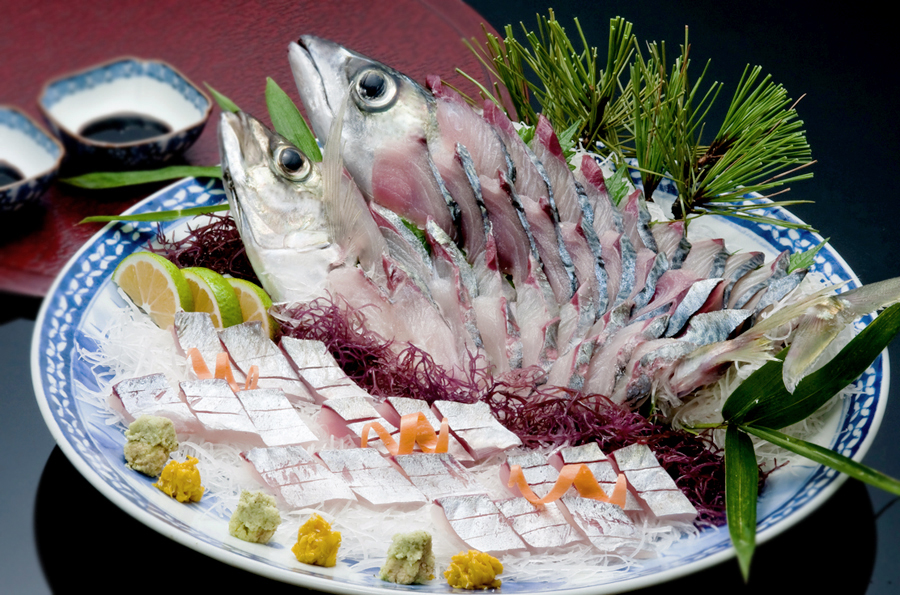
Seki Aji & Seki Saba
Seki Aji (horse mackerel) and Seki Saba (mackerel) are Oita’s most prestigious seafood — caught off the Saganoseki coast where the powerful Bungo Channel currents force the fish into peak fitness, producing flesh of extraordinary firmness, fattiness, and deep umami that’s universally considered Japan’s finest. The traditional one-line fishing method (where each fish is caught individually with rod-and-reel rather than nets) preserves the fish’s quality unlike industrial methods, and only top-grade specimens earn the prestigious “Seki” branding. As sashimi, the texture is uniquely springy with rich oily depth; cooked in shime-saba style (vinegar-cured), it’s a cut above ordinary mackerel. Premium gift versions include vacuum-sealed sashimi-grade and shime-saba portions. Available at JR Beppu Station, Saganoseki Fish Market, and Oita Airport. Refrigerate; best within 3-5 days of opening.
「関アジ」「関サバ」は大分県を代表する超高級海鮮——豊後水道の強い潮流に揉まれて鍛え上げられた、佐賀関沖で獲れる魚で、卓越した身の締まり、脂、深い旨味を持ち、日本最高峰と評される逸品です。伝統的な一本釣り漁法(網ではなく一匹ずつ竿で釣る)が魚の品質を守り、最上級の個体のみが格式高い「関」のブランドを冠することができます。刺身としては、独特の弾力ある食感と豊かな脂のコクが堪能でき、しめ鯖(酢で締める方式)にすれば普通のサバとは別物の極上品に。プレミアム化粧箱には真空パック刺身グレード、しめサバ版などが展開。JR別府駅、佐賀関漁港の魚市場、大分空港で広く販売。要冷蔵、開封後3〜5日以内に。
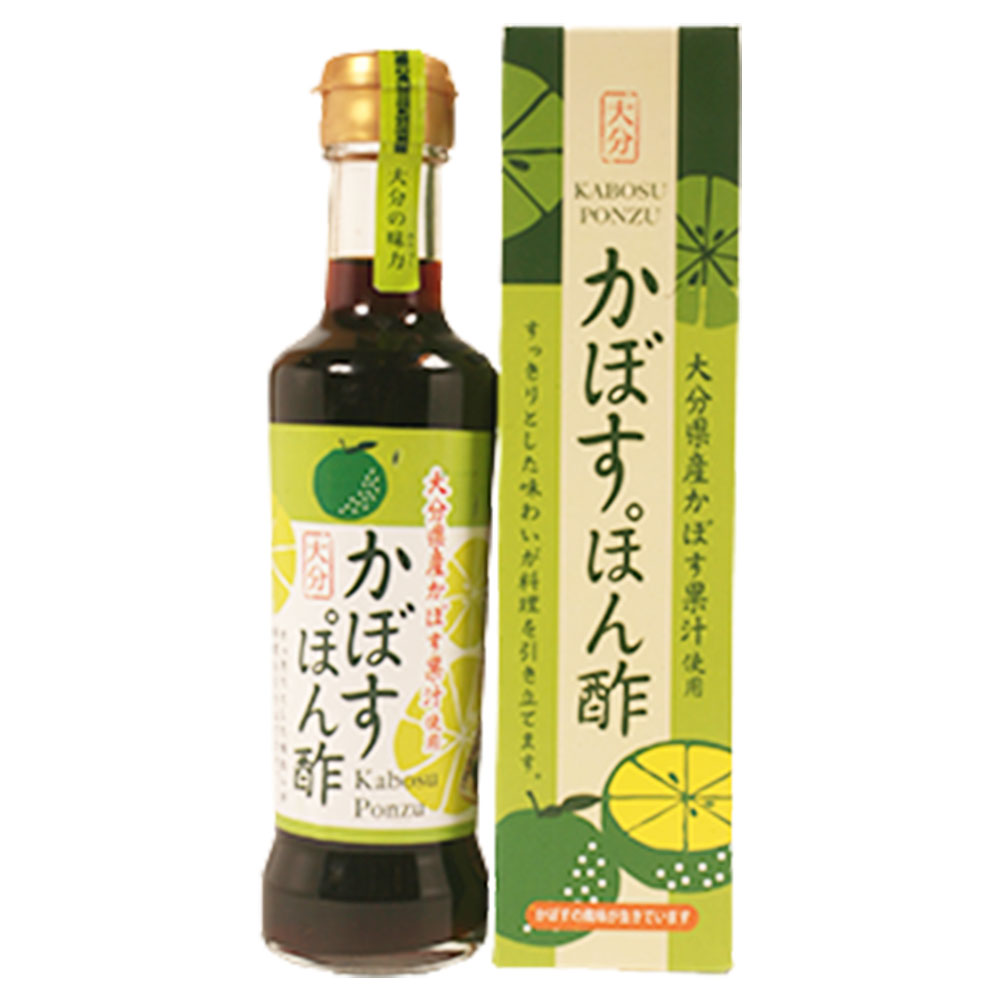
Kabosu Ponzu
Kabosu is a unique Japanese citrus — a small, green fruit grown almost exclusively in Oita (the prefecture produces about 97% of Japan’s kabosu). The fruit’s complex aromatic profile combines crisp acidity, mild herbal notes, and a refreshing bitterness that complements seafood perfectly. Kabosu Ponzu — a soy-sauce-based seasoning infused with kabosu juice and zest — has become one of Japan’s most refined citrus condiments, particularly prized by chefs at Tokyo’s high-end sushi restaurants. Premium versions like those from Fundokin (in Usuki) use only fresh-pressed kabosu (no concentrate) for unparalleled aromatic complexity. Use on grilled fish, gyoza, hot pot, or as marinade. Beautifully bottled gift versions are sold at JR Beppu Station, Oita Airport, and major Kansai depachika. Refrigerate after opening; lasts 6 months.
「かぼす」は大分県の固有柑橘——県が日本のかぼす生産量の約97%を占める、小さく緑色の独特な果実です。爽やかな酸味、ハーブのニュアンス、爽やかな苦味の絶妙な組み合わせが、海鮮との相性を完璧にする独特の芳香プロファイルを持ちます。「かぼすポン酢」は、しょうゆベースの調味料にかぼすの果汁と皮を加えた、日本でも最も洗練された柑橘調味料の一つで、東京の高級寿司店のシェフたちに特に珍重されています。「フンドーキン(臼杵)」などのブランドは、絞りたてかぼすのみ使用(濃縮還元不使用)で、比類なき芳香の複雑性を実現。焼き魚、餃子、鍋、マリネに最適な万能調味料です。優美なボトルのギフト版がJR別府駅、大分空港、関西の主要デパ地下で購入可能。開封後は要冷蔵、賞味期限約6ヶ月。
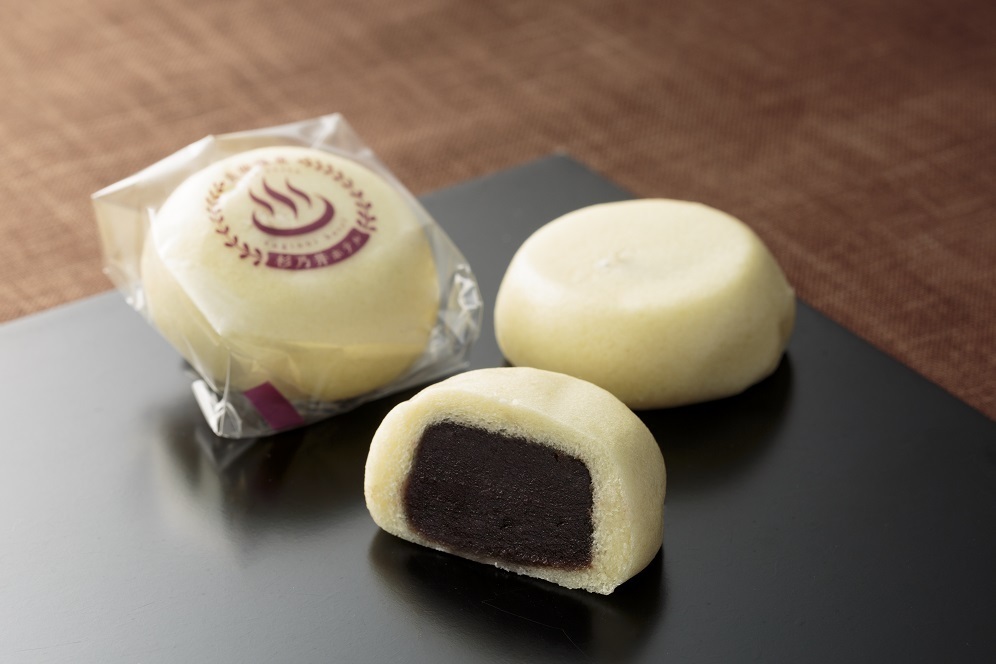
Beppu Onsen Manjū
Beppu Onsen Manju is one of Oita’s most beloved hot-spring-town confections — small, soft steamed buns filled with smooth red bean paste, traditionally sold at countless shops along the bath-town streets, often handed warm in paper bags as visitors stroll between baths. What makes Beppu’s version distinctive is the slight inclusion of mineral-rich onsen water in the dough, which is said to add subtle health benefits and a barely-perceptible mineral note to the cake. They’re sold by many long-established confectioners along Beppu’s bath-town streets. Boxed gift versions in 6, 12, or 24 pieces feature charming hot-spring imagery on the packaging. Pair with hojicha tea, matcha, or coffee. Available at JR Beppu Station, Oita Airport, and most Beppu hotel souvenir shops. Best within 7-10 days unopened.
「別府温泉まんじゅう」は、大分県を代表する湯巡りのお供——小さな柔らかい蒸しまんじゅうで、上品なこしあんを包んだ伝統菓子。湯巡りの間、紙袋に入れた湯気立つできたてを手渡してくれる風情があります。別府版の特徴は、ミネラル豊富な温泉水を生地にわずかに加えること——微妙な健康効果と、ほのかなミネラルのニュアンスを生み出す独自の製法です。別府の温泉街に並ぶ数多くの老舗菓子店で売られています。6個、12個、24個入りの化粧箱には、可愛らしい温泉モチーフのデザインが施されています。ほうじ茶、抹茶、コーヒーとの相性が格別。JR別府駅、大分空港、別府の温泉旅館の土産店で広く販売。未開封で賞味期限約7〜10日。
Must-Visit Spots
おすすめスポット 5選
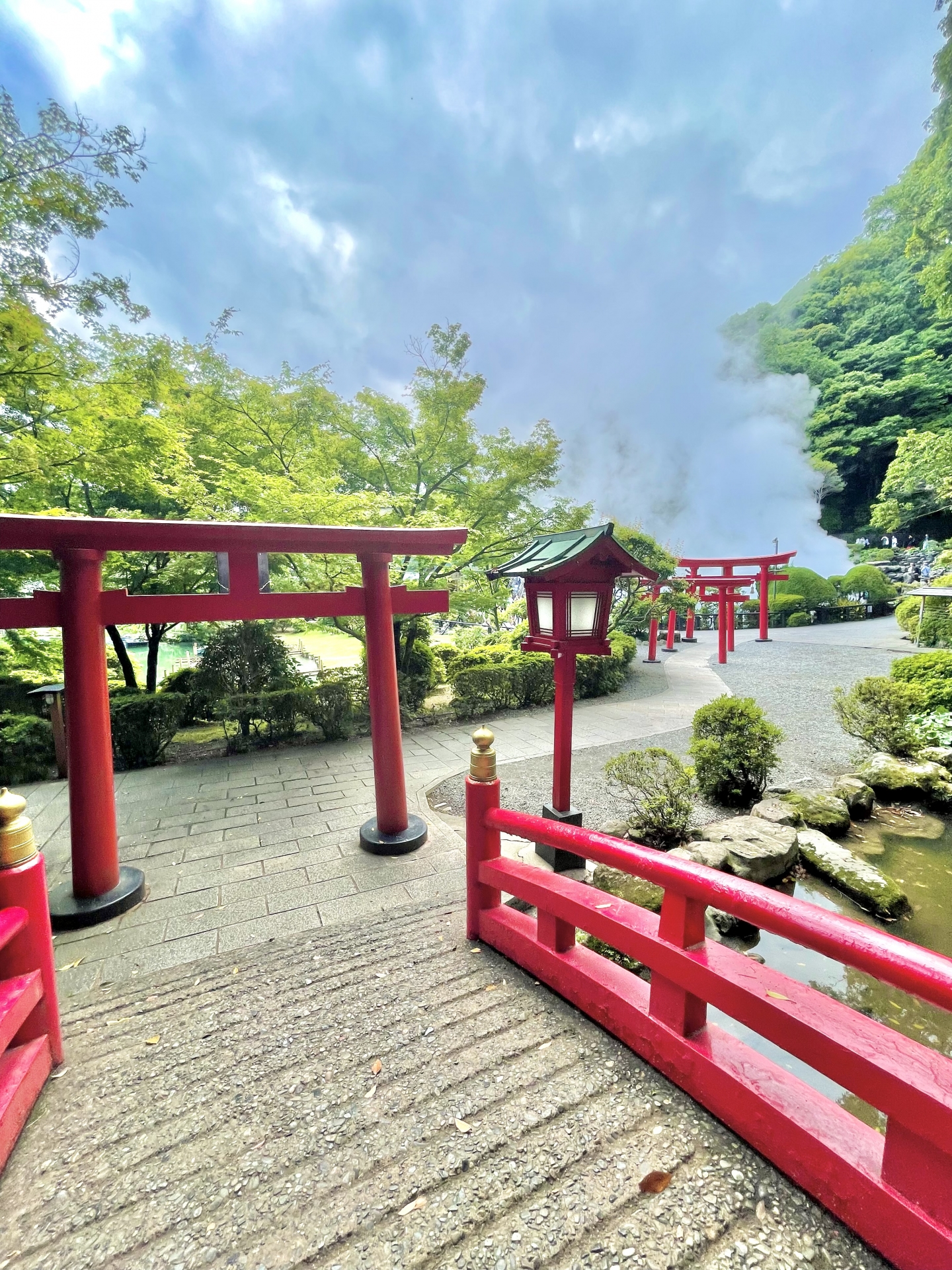
Beppu Jigoku Meguri
Beppu Jigoku Meguri (“Hell Tour”) is one of Japan’s most uniquely cinematic onsen experiences — a tour of 7 colorful natural hot-spring “hells” where mineral-rich volcanic water emerges in bizarre and beautiful formations: blood-red Chinoike Jigoku (“Blood Pond Hell”), cobalt-blue Umi Jigoku (“Sea Hell”), white-misted Shiraike Jigoku (“White Pond Hell”), bubbling-mud Bozu Jigoku (“Monk’s Head Hell”), and others. Each “hell” features a different water color (caused by varying mineral content), temperatures of 80-100°C+ (impossible to bathe in but beautifully steamy), and distinctive geological formations. The tour takes 2-3 hours by combined ticket and bus, and is one of Japan’s most spectacular geological-and-cultural experiences. Combined ticket ¥2,400 (free shuttle bus included). From JR Beppu Station, the first hell is 15 minutes by bus.
「別府地獄めぐり」は日本でも最もシネマティックな温泉体験——色とりどりの7つの天然温泉「地獄」を巡る独特のツアーで、ミネラル豊富な火山水が奇妙で美しい形で湧き出ています:血のような赤の「血の池地獄」、コバルトブルーの「海地獄」、白い湯気の「白池地獄」、泥が沸く「坊主地獄」など多彩なラインナップ。各「地獄」は、ミネラル含量の違いによって異なる水の色を持ち、温度は80〜100℃以上(入浴は不可能ですが美しい湯気が立ち上る)、独特の地質形成が見どころ。ツアーは共通券+無料シャトルバスで2〜3時間、日本でも最も壮観な地質と文化の体験の一つです。共通券2,400円(無料シャトルバス込み)。JR別府駅から最初の地獄まで、バスで約15分。
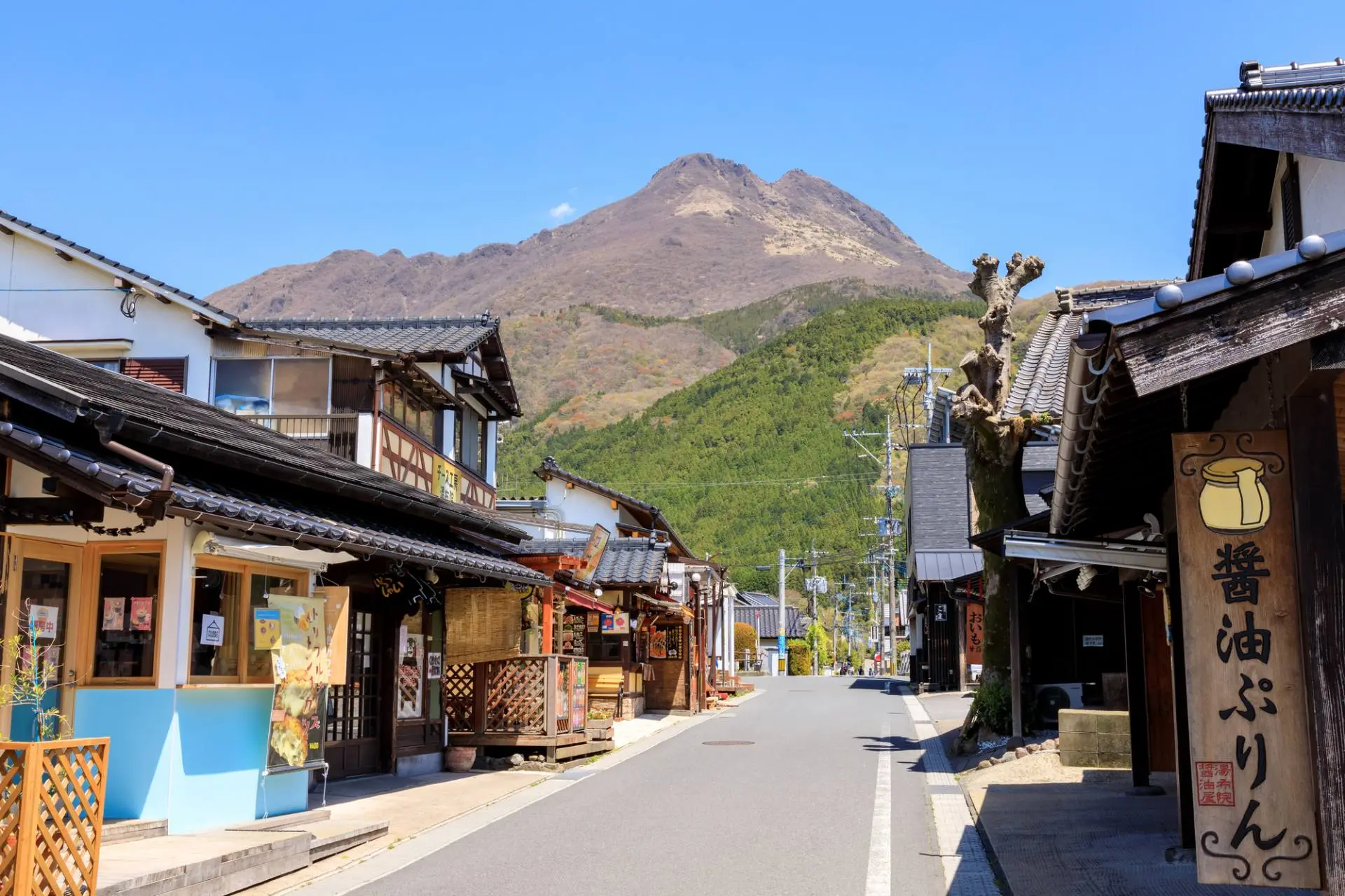
Yufuin Onsen
Yufuin Onsen is one of Japan’s most photogenic hot-spring villages — nestled in a peaceful valley beneath the iconic twin-peaked Mt. Yufu, the village offers 60+ traditional ryokan, charming boutique cafes, and the famous Lake Kinrin (Golden Scale Lake) with its early-morning mist that has inspired countless ukiyo-e prints. Unlike Beppu’s commercial bustle, Yufuin retains a quiet, intimate character that makes it a favorite among Japanese honeymoon travelers and overseas guests seeking authentic onsen experiences. The signature ryokan Sansou Murata combines traditional architecture with modern luxury, while Yufuin Floral Village offers Disney-like English fantasy ambience. Yufuin’s main street (Yu-no-Tsubo Kaido) is lined with crafts boutiques, sweet shops, and cafes. Direct from JR Hakata via the dramatic Yufuin no Mori scenic train (about 2 hours 20 minutes). Plan an overnight stay; day trips don’t capture the magic.
「由布院温泉」は日本でも最もフォトジェニックな温泉郷——双峰の象徴的な由布岳の麓の静かな谷に佇み、60を超える伝統旅館、魅力的なブティックカフェ、早朝の霧が浮世絵にインスピレーションを与えた有名な「金鱗湖(きんりんこ)」が見どころです。別府の商業的な賑わいと異なり、由布院は静かで親密な雰囲気を保ち続け、日本人の新婚旅行や本物の温泉体験を求める海外客に愛され続けています。象徴的な旅館「山荘ムラタ」は伝統建築と現代的な贅沢の融合、「由布院フローラルビレッジ」はディズニーのような英国ファンタジーの雰囲気を提供。由布院のメインストリート「湯の坪街道」には工芸ブティック、和菓子店、カフェが並びます。JR博多から絶景の「ゆふいんの森」観光列車で直行(約2時間20分)。1泊以上の滞在がおすすめ、日帰りでは魅力を捉えきれません。
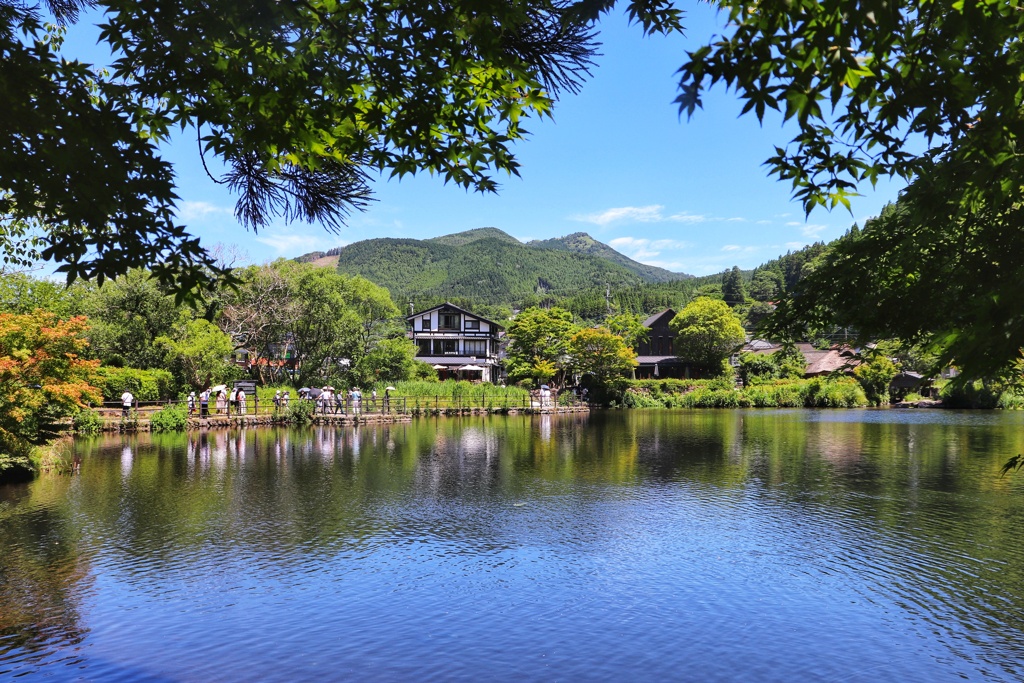
Lake Kinrin
Lake Kinrin (“Golden Scale Lake”) is the heart of Yufuin Onsen — a small, perfectly-still lake where natural hot springs and cold spring water mix, creating an ethereal early-morning mist that drifts above the surface. The lake’s name comes from the way the rising sun’s rays catch the lake’s tiny fish (which appear like “golden scales”) and the mist itself. The lake is stunningly photogenic year-round, but particularly magical in early morning (5-7am) during October-March when the temperature differential between the warm onsen water and the cool morning air creates the densest mist. The 600-meter walking path around the lake passes the Tenso Shrine (with traditional torii reflected in the water), seasonal cherry blossoms, and the thatched-roof Shitan-yu public bath. Free admission. From JR Yufuin Station, the lake is a 20-minute walk through Yufuin’s main shopping street.
「金鱗湖(きんりんこ)」は由布院温泉の中心——静まり返った小さな湖で、温泉と冷泉の水が混ざり合い、早朝の幻想的な霧が水面上を漂う神秘の景観で知られます。湖の名前の由来は、朝日に照らされた小さな魚たち(金色の鱗のように見える)と霧そのもの。年間を通じてフォトジェニックですが、特に10〜3月の早朝(5〜7時)は、温泉水と冷たい朝の空気の温度差が最も濃い霧を生み出す魔法の時間帯。湖周遊600メートルの散策路では、水面に映る朱色の鳥居の「天祖神社」、季節の桜、茅葺きの共同浴場「下ん湯(したんゆ)」などが見どころ。拝観無料。JR由布院駅から湯の坪街道を徒歩約20分。
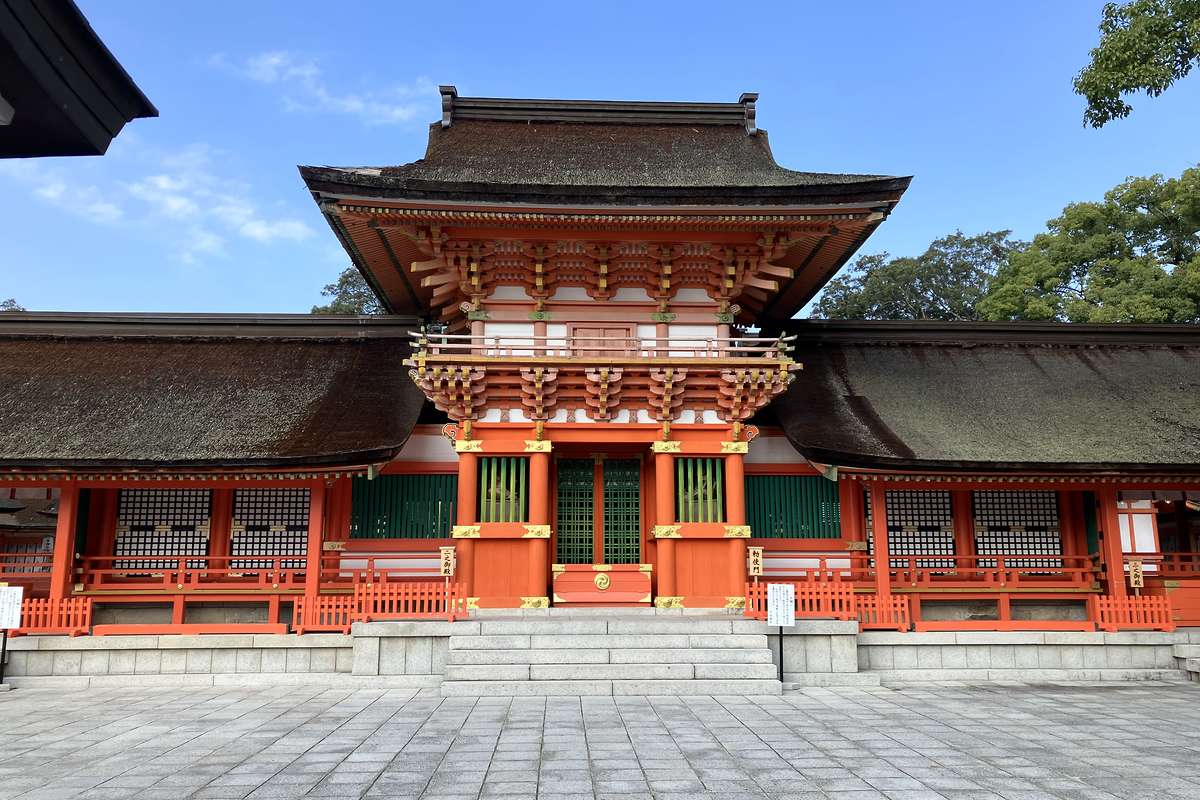
Usa Jingu Shrine
Usa Jingu is one of Japan’s most ancient and sacred Shinto shrines — founded in 725 AD, it’s the head shrine of all Hachiman shrines nationwide (40,000+ branch shrines exist throughout Japan, all subordinate to Usa). The shrine is dedicated to Hachiman, the deity of war and protection, and was historically important as the spiritual center of Japan’s military aristocracy during the Heian and Kamakura periods. The signature feature is the unique “Usa-style” architecture (called Hachiman-zukuri), where two main halls are connected by a covered corridor — distinctive from typical shrine designs. The site is set in extensive preserved forest with a sacred pond, ancient cedars, and seasonal cherry blossoms. From JR Yanagigaura Station, Usa Jingu is 20 minutes by bus. Free admission. Allow 1-2 hours.
「宇佐神宮(うさじんぐう)」は日本最古かつ最神聖な神社の一つ——725年創建で、全国の八幡神社(40,000を超える分社が日本中にあり、全てが宇佐神宮を上に置く)の総本宮です。御祭神は戦と保護の神「八幡神」で、平安・鎌倉時代の日本の軍事貴族の精神的中心として歴史的に重要でした。象徴的な特徴は独特の「宇佐造(八幡造)」建築様式——2つの本殿が屋根付き回廊で結ばれた、典型的な神社建築とは異なる独自の意匠です。広大な森に抱かれた境内には神池、古代の杉並木、季節の桜などが見どころ。JR柳ヶ浦駅からバスで約20分。拝観無料。所要時間は1〜2時間。
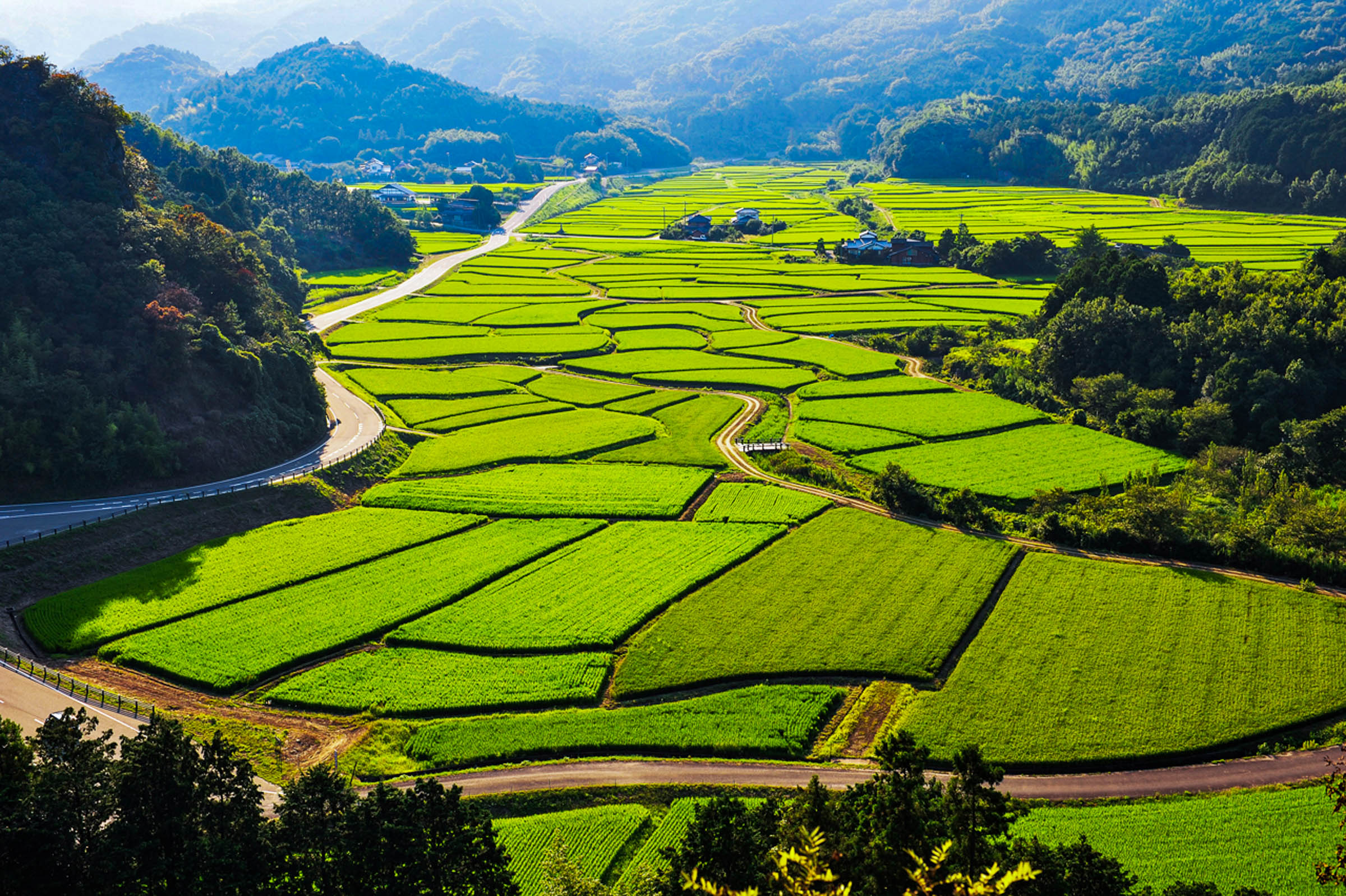
Kunisaki Peninsula
The Kunisaki Peninsula extends north from Oita into the Inland Sea — a unique mountainous landscape covered in over 1,000 ancient stone Buddhas, religious sites, and small temples that combine Buddhist and Shinto traditions in a syncretic style called “Rokugo Manzan.” The peninsula was a major Buddhist pilgrimage destination from the 8th century, and many of the rock-carved Buddhas still gaze serenely from cliff faces. The signature attractions include the medieval Tashibu-no-sho manor landscape (preserved rice terraces), the dramatic Kumano Magaibutsu rock-carved Buddhas, and the historic Fuki-ji Temple, whose Odo hall is a National Treasure from the late Heian period and Kyushu’s oldest wooden building. Cycling routes around the peninsula are famous for their combination of mountain landscapes and Buddhist heritage. From Beppu, the peninsula is 60 minutes by car. Best from late April through October.
「国東半島(くにさきはんとう)」は大分県北部から瀬戸内海へ突き出た独特の山岳半島——1,000を超える古い石仏、宗教施設、神仏習合の独自スタイル「六郷満山」の小さな寺院が点在する貴重な文化景観です。半島は8世紀から仏教巡礼の聖地として発展し、多くの磨崖仏が今も断崖から静かに見下ろしています。象徴的な見どころは、中世の景観が残る「田染荘(たしぶのしょう)」、迫力ある「熊野磨崖仏」、九州最古の木造建築で国宝の大堂(平安後期)を持つ「富貴寺」など。半島の周回サイクリングコースは、山岳風景と仏教遺産の融合で有名。別府から半島まで車で約60分。ベストシーズンは4月下旬〜10月。
Insider Tips
現地通の旅の裏ワザ
Beppu = volcanic spectacle (7 ‘Hells’). Yufuin = scenic + boutique. 1.5 hours apart. Don’t try both same day — pick atmosphere first.
別府=迫力(地獄7つ)、由布院=風情・お洒落。車で1.5時間離れているので1日2箇所は無謀。気分で選ぶべし。
Saiki port has fish species you won’t find elsewhere — ‘Saiki sushi’ specials use local catch only. Sushi-Tomi is the locals’ pick.
佐伯港は他県で見ない魚種が水揚げ。「佐伯寿司」は地元魚種のみ使用。鮨富が地元民の本場。
Frequently Asked Questions
What is the difference between Beppu and Yufuin?
Beppu is lively and touristy with public baths and the famous ‘hells’. Yufuin is quieter, upscale and romantic, ideal for a relaxing ryokan stay. Easily combined in one trip.
別府は活気あるレジャー型。由布院は静かで上質なリゾート型。1泊ずつ両方楽しむのがおすすめ。
What is ‘jigoku mushi’ (hell-steaming)?
Using Beppu’s natural hot steam vents to cook food — eggs, vegetables, seafood — right on the street. The Jigokumushi Kobo workshop lets you steam your own ingredients.
別府の温泉蒸気で食材を蒸す調理法。地獄蒸し工房・鉄輪では自分で食材を蒸す体験ができます。
Is kabosu only from Oita?
Yes — kabosu (かぼす) is a citrus fruit grown almost exclusively in Oita Prefecture (97% of Japan’s production). Its fragrant juice is used in ponzu, dressings and cocktails.
かぼすは大分が全国生産量の97%を占める特産柑橘。ポン酢・ドレッシング・カクテルに幅広く使われます。
Travel Tip
Buy the ‘Beppu Jigoku combo ticket’ (¥2,400) to visit all 7 hells in one day. Then head to Kannawa district in the evening for a ‘jigoku mushi’ cooking experience — put eggs and corn in the steam box and collect them 15 minutes later.