Shiga
Top Shiga souvenirs and must-visit travel spots — your complete guide for visitors to Japan. The lake whose canal has supplied Kyoto since 1890, a castle that survived every war intact, and a merchant culture that built Japan’s commercial highways — Shiga is Kansai’s best-kept secret.
日本最大の湖・琵琶湖、現存天守の彦根城、水郷の近江八幡。滋賀は関西の隠れた宝が詰まった県です。
Shiga wraps around Lake Biwa, Japan’s biggest lake — Hikone Castle, lakeside shrines, and ninja-linked Koka. Its souvenirs include premium Omi beef, Club Harie’s baumkuchen, funa-zushi (an acquired-taste fermented sushi), and Shigaraki pottery’s tanuki figures. Most keep well; the lakeside stations and expressway stops are easy.
滋賀は日本最大の琵琶湖を囲む県——彦根城、湖畔の社寺、忍者の甲賀。みやげは高級な近江牛、クラブハリエのバウムクーヘン、鮒寿司(通好みの発酵寿司)、信楽焼のたぬきなど。多くが日持ちし、湖畔の駅やSAで買いやすいです。
Recommended Omiyage
おすすめおみやげ 5選
Funazushi
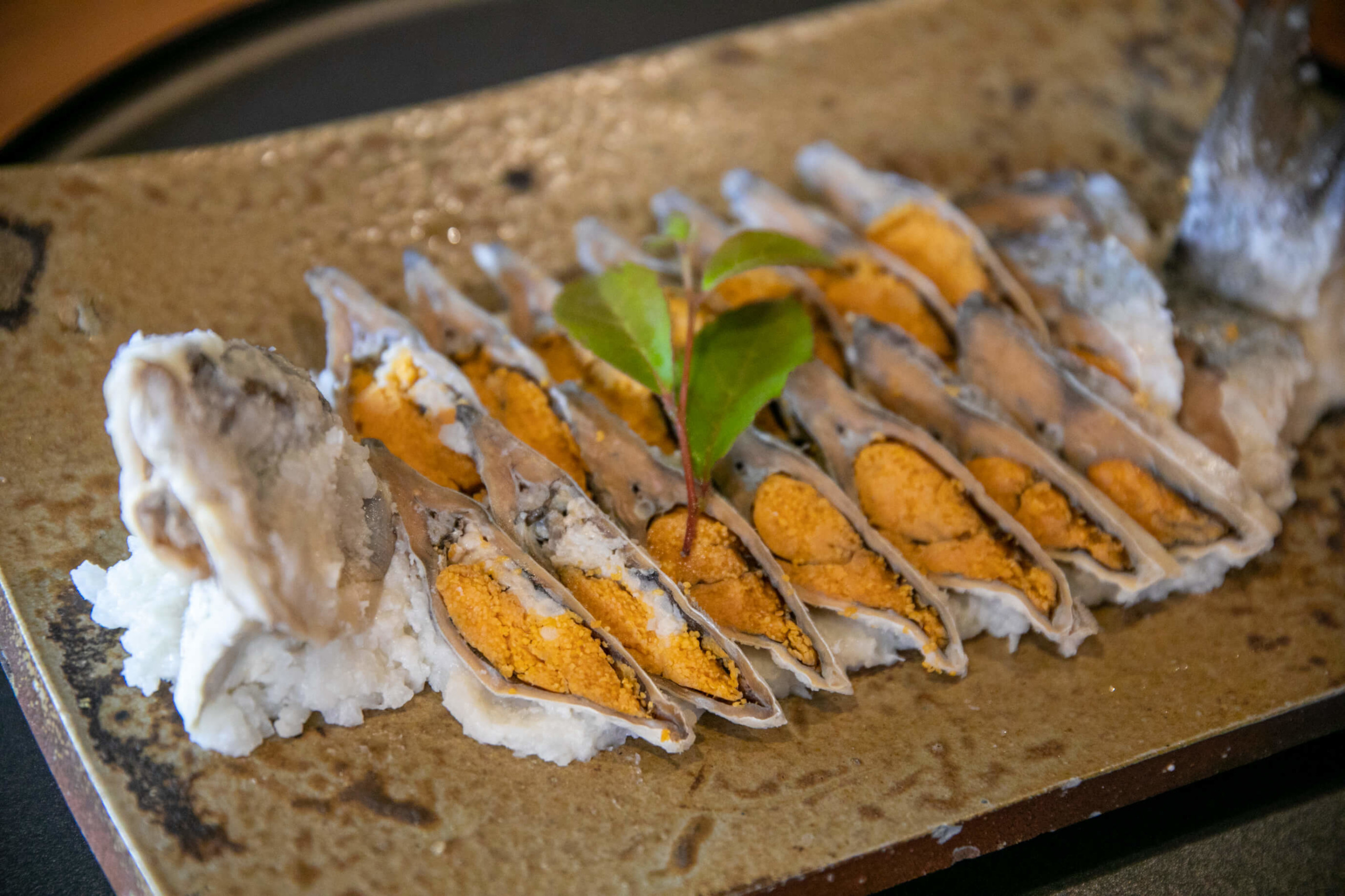
Funazushi is one of Japan’s oldest fermented foods — likely the original ancestor of all sushi — a 1,000+ year-old preservation method where Lake Biwa’s native nigorobuna carp are salted, fermented in rice for several months, and aged. The result is intensely tangy, deeply umami, and shockingly different from modern sushi: the flavor is closer to aged cheese with strong fish character. Traditionally enjoyed in thin slices with sake, funazushi is an acquired taste that locals consider an irreplaceable cultural treasure. The most authentic versions come from family-run shops along Lake Biwa, including Kitashina Roho (founded 1619, the oldest funazushi maker) and Sakamotoya (founded 1869). Available at JR Hikone Station and Lake Biwa Museum. Keep refrigerated and eat within a few weeks of opening. Pair with junmai sake.
「鮒寿司」は日本最古の発酵食品の一つ——おそらく現代寿司のルーツとされる、1,000年以上の歴史を持つ伝統保存食です。琵琶湖固有種のニゴロブナを塩漬けにし、米と一緒に数ヶ月から数年発酵・熟成させて完成。結果は、強烈な酸味、深い旨味、現代寿司とは全く異なる独特の味わい——熟成チーズに近い風味と魚の強い香りが融合した、まさに大人の珍味。伝統的には薄切りで日本酒のお供として楽しみます。地元住民にとっては手放しがたい食文化の宝です。最も本格的なものは琵琶湖沿いの家族経営店から——1619年創業で最古の鮒寿司店「喜多品老舗」、「元祖阪本屋」など。JR彦根駅、琵琶湖博物館で購入可能。要冷蔵、開封後はお早めに。純米酒との相性が格別です。
Decchi Yokan
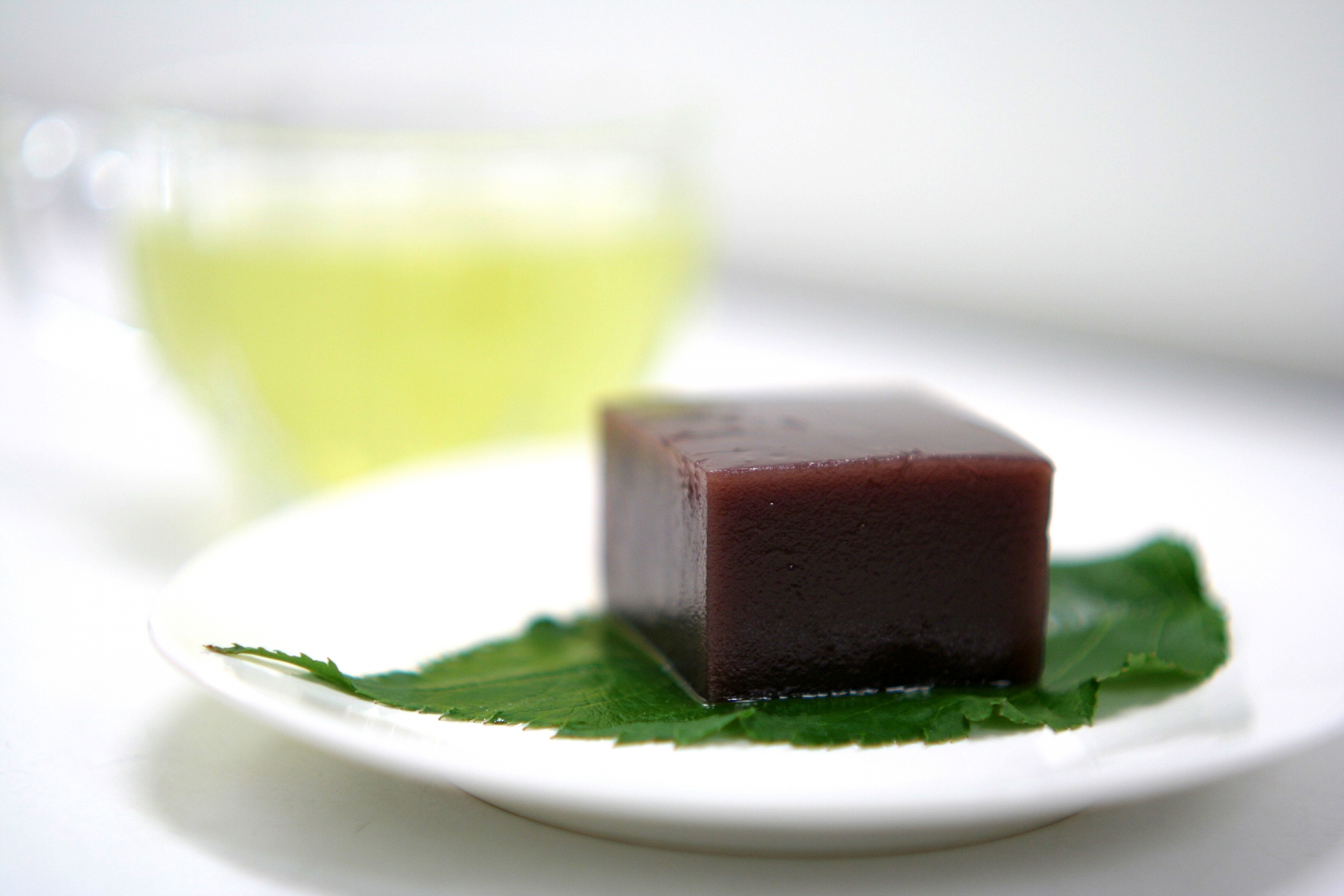
Decchi yokan is Shiga’s rustic, traditional yokan — a firm block of azuki-bean jelly made by mixing the bean paste with a little flour and steaming it, traditionally wrapped in bamboo bark. Less sweet and more rustic than refined Kyoto yokan, it has a gentle bean flavor and a slightly springy, chewy texture. Its name ‘decchi’ (apprentice) recalls the Omi-merchant tradition, when young apprentices brought it home as a treat. It pairs beautifully with strong matcha. Top makers include Watayo (founded 1863 in Omi-Hachiman) and Daiya. Bamboo-wrapped and boxed versions are sold at JR Omi-Hachiman Station, JR Otsu Station, and Lake Biwa shopping centers. Best within about 10 days.
「丁稚羊羹(でっちようかん)」は滋賀(近江)の素朴な伝統羊羹——小豆あんに小麦粉などを少し混ぜて蒸し上げ、伝統的に竹皮で包んだ蒸し羊羹です。京都の練り羊羹より甘さ控えめで素朴、優しい小豆の風味とほどよい弾力ある食感が特徴。「丁稚(でっち)」の名は、近江商人のもとで奉公する若者が里帰りの土産に持ち帰った故事に由来します。濃いめの抹茶との相性が格別。代表店は1863年創業の「和た与(わたよ)」(近江八幡)、「大彌」など。竹皮包みや化粧箱入りがJR近江八幡駅、JR大津駅、琵琶湖沿いのショッピングセンターで購入可能。賞味期限約10日。
Omi Beef
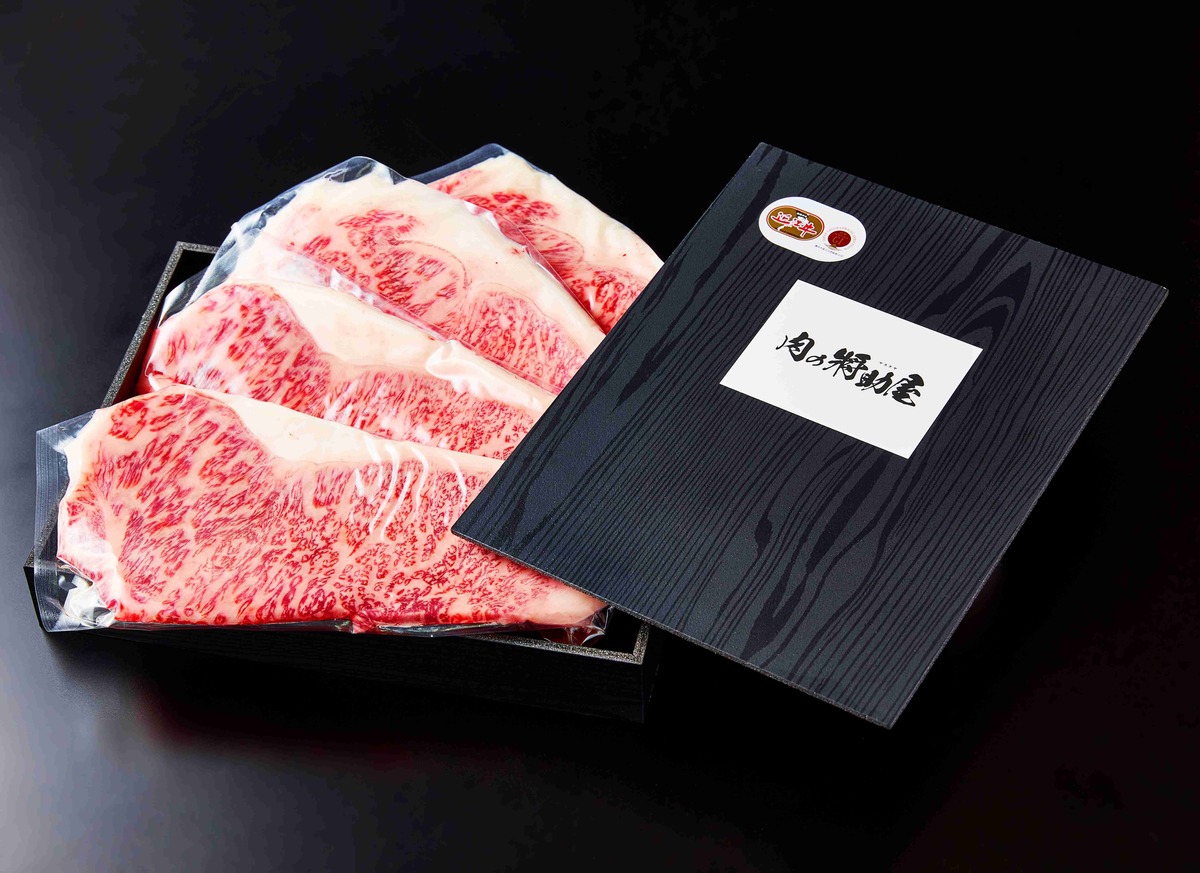
Omi-gyu is one of Japan’s three legendary wagyu beef brands (alongside Kobe and Matsusaka) — and unlike the other two, has the longest documented history, with records of Omi cattle being prized as exceptional dating back to the 1600s when Edo’s shogun was a frequent customer. The cattle are raised in the rolling pastures around Lake Biwa and southern Shiga, where the mineral-rich water and locally-grown rice straw produce extraordinarily marbled beef with a uniquely refined, slightly sweet character. Restaurants in Hikone, Otsu, and Kyoto serve it as steak, sukiyaki, and the prized Omi-gyu sushi. Premium gift versions include vacuum-sealed slices, hamburgers, curry, and “Omi-gyu manju” (steamed beef-filled buns). Available at JR Hikone Station, Otsu Station, and direct from Sennaritei in Hikone and other Omi-beef specialists.
「近江牛(おうみうし)」は神戸牛、松阪牛と並ぶ日本三大和牛ブランドの一つ——他の二大ブランドより最も古い記録歴史を持ち、1600年代には江戸の将軍も愛食したと記される名門和牛です。琵琶湖周辺の起伏ある牧草地、滋賀県南部で育てられ、ミネラル豊富な水、地元産の稲わらが、極めて美しい霜降りと、上品で控えめな甘味のある独特の風味を生み出します。彦根、大津、京都の料理店では、ステーキ、すき焼き、貴重な「近江牛寿司」として提供されています。お土産用には真空パックスライス、ハンバーグ、レトルトカレー、「近江牛まんじゅう」(牛肉まんじゅう)など多彩なラインナップ。JR彦根駅、大津駅、千成亭(彦根)など近江牛専門店で購入可能。
Shigaraki Tanuki
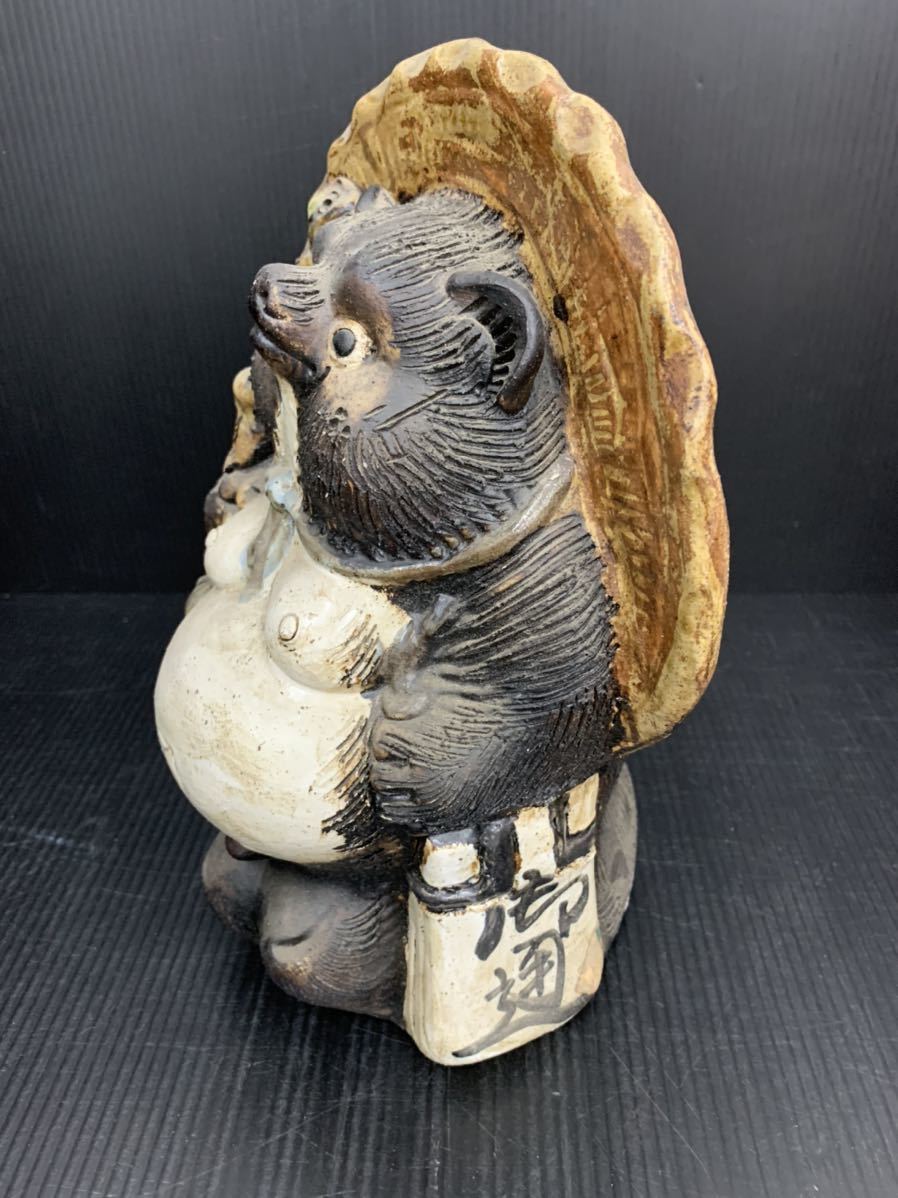
The Shigaraki ceramic tanuki — the cute, cheerful raccoon-dog statue with a sake jug and ledger — has been one of Japan’s most iconic ceramic figurines for generations. Crafted in Shigaraki Town (about 1 hour south of Lake Biwa), these tanuki sculptures embody traditional values such as virtue (sake jug), trust (ledger), and composure (round belly). Each tanuki has eight specific lucky features that bring good fortune. Sizes range from cute keychain miniatures (¥500) to garden-sized statues over 1 meter tall (¥30,000+). Beyond decoration, Shigaraki ceramic tradition produces beautiful tea bowls, vases, and tableware — Shigaraki was one of Japan’s six oldest pottery kilns. Browse the Shigaraki Pottery Town with dozens of working studios. About an hour by car from Otsu (longer by train via Kibukawa).
「信楽焼きのたぬき」——徳利とお通帳を持った愛らしいアライグマ犬の置物——は、日本を代表するアイコニックな陶器人形。琵琶湖の南、信楽町(しがらきちょう、大津から南へ約1時間)で作られ、人徳(徳利)、信用(通帳)、沈着大胆(丸いお腹)などの美徳を体現しています。1体に幸運をもたらす8つの特徴があるとされる縁起物。サイズは可愛いキーホルダーミニ(500円)から、1メートル超のガーデン用大型像(30,000円超)まで多彩。装飾以外にも信楽焼の伝統は、美しい茶碗、花器、食器も生み出しており、日本の六古窯(最古の陶器窯6箇所)の一つに数えられる名門陶業地。「信楽陶芸の町」では数十の現役工房を巡れます。大津から車で約1時間(電車なら貴生川乗換で約2.5時間)。
Baumkuchen
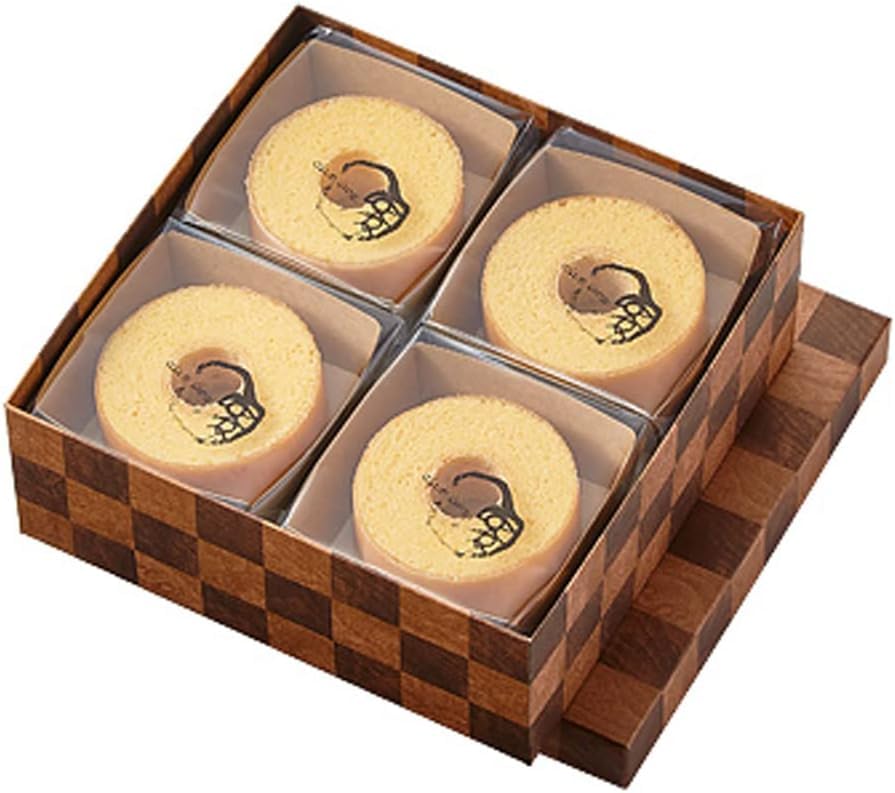
While baumkuchen is German in origin, Shiga’s bakeries have perfected a uniquely refined Japanese version — particularly Club Harie, the Omi-Hachiman-based bakery whose flagship La Collina is a pilgrimage destination for sweets enthusiasts. The signature “baumkuchen mille-feuille” technique uses 24+ thin layers of egg-rich batter applied one at a time around a rotating spit, creating distinct annual-ring patterns visible in cross-section. The result is unbelievably moist, slightly chewy, and bursting with vanilla-egg-butter richness. Seasonal versions include matcha-flavored and chocolate-coated (chocolat baum). Boxed gift versions are sold at Club Harie’s Otsu and Hikone flagship stores, JR Otsu Station, and major Kansai depachika. Best within about 7 days; refrigerate after opening.
「バウムクーヘン」はドイツ発祥ですが、滋賀県のベーカリーが独自の洗練された日本版を完成させました——特に近江八幡を本拠とする「クラブハリエ」の旗艦「ラ コリーナ近江八幡」は、スイーツ愛好家にとって聖地となっています。象徴的な「バウムクーヘン・ミルフィーユ」技法は、卵たっぷりの生地を1層ずつ24層以上、回転する芯棒の周りに塗り重ねていく職人技で、断面に美しい年輪模様が現れる独特の構造を生み出します。仕上がりは驚くほどしっとり、ほんのり噛みごたえがあり、バニラ・卵・バターの濃厚な風味が口の中で炸裂します。季節限定で抹茶風味やチョコがけ(ショコラバーム)なども登場します。化粧箱入りギフトはクラブハリエ大津本店、彦根本店、JR大津駅、関西の主要デパ地下で購入可能。賞味期限約7日、開封後は要冷蔵。
Must-Visit Spots
おすすめスポット 5選
Hikone Castle
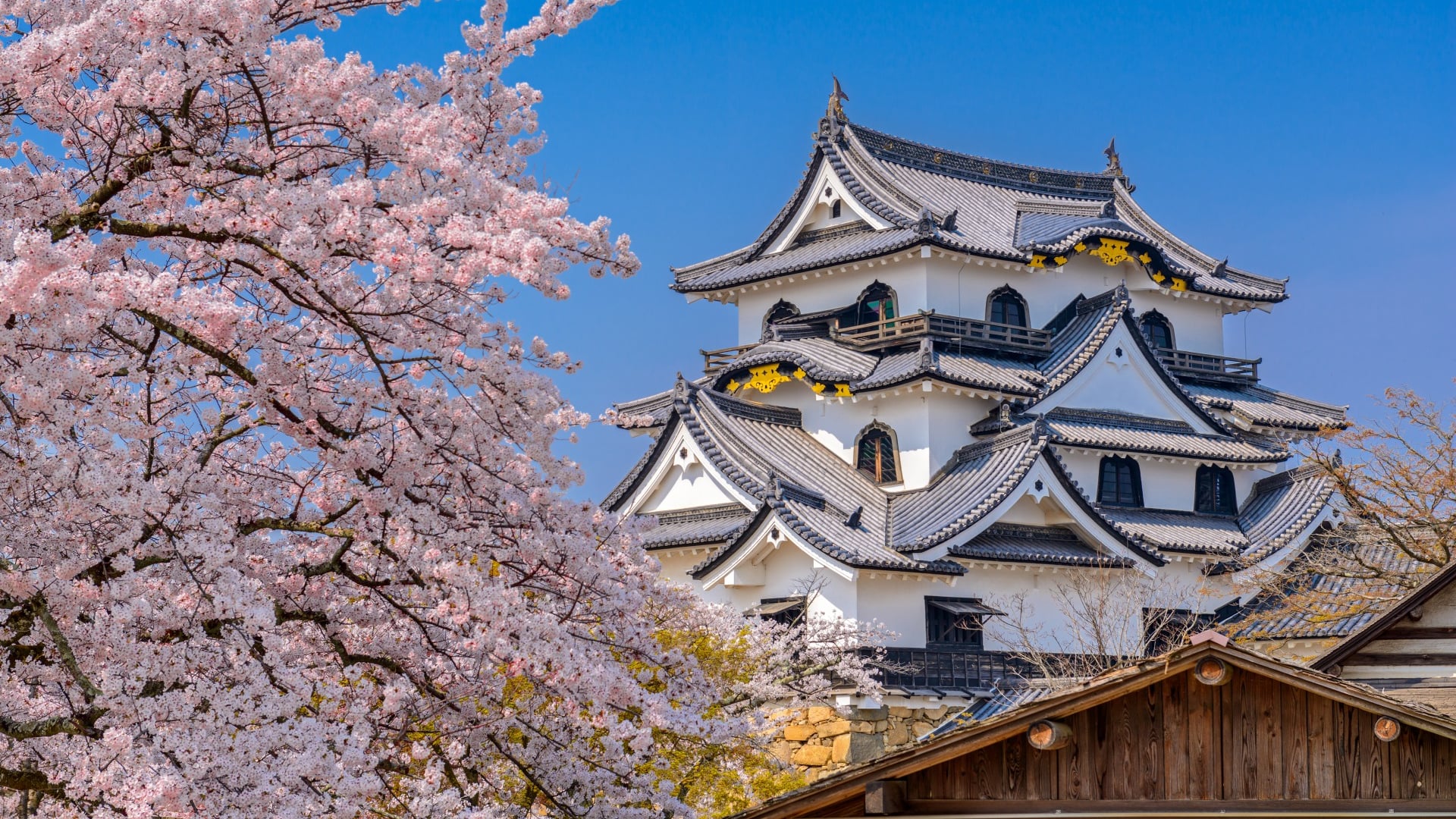
Hikone Castle is one of Japan’s twelve original castles still preserving its 17th-century wooden keep — and one of only five designated as National Treasures (alongside Himeji, Matsumoto, Inuyama, and Matsue). Built between 1603 and 1622 by the Ii clan, the castle’s white-walled keep is set on Hikone-yama (also called Konki-yama), with elegant moats reflecting its silhouette and ancient pine trees framing each viewpoint. The keep’s interior includes original spear holes, defensive stairs (60-degree angles!), and panoramic 360-degree views from the top floor. The on-site Genkyu-en garden is a serene 17th-century landscape with a teahouse for matcha service. Tickets ¥1,000 (combined with garden). Cherry blossoms in early April are spectacular. From JR Hikone Station, a 15-minute walk.
「彦根城」は現存する日本の12城のうちで17世紀の天守を保存する貴重な国宝——姫路、松本、犬山、松江と並ぶ国宝指定の名城です。1603〜1622年にかけて井伊家が築き、彦根山(金亀山)に建ち、白壁の天守が美しい堀に映る姿、古い松の木が各視点を彩る情緒ある景観で知られます。天守内部には当時のままの槍穴、急な防御階段(60度の傾斜!)、最上階からの360度大パノラマが楽しめます。隣接する「玄宮園」は17世紀の日本庭園で、抹茶のお点前が楽しめる茶室も備える静寂な空間。共通券1,000円。4月上旬の桜は格別の絶景。JR彦根駅から徒歩約15分。
Lake Biwa
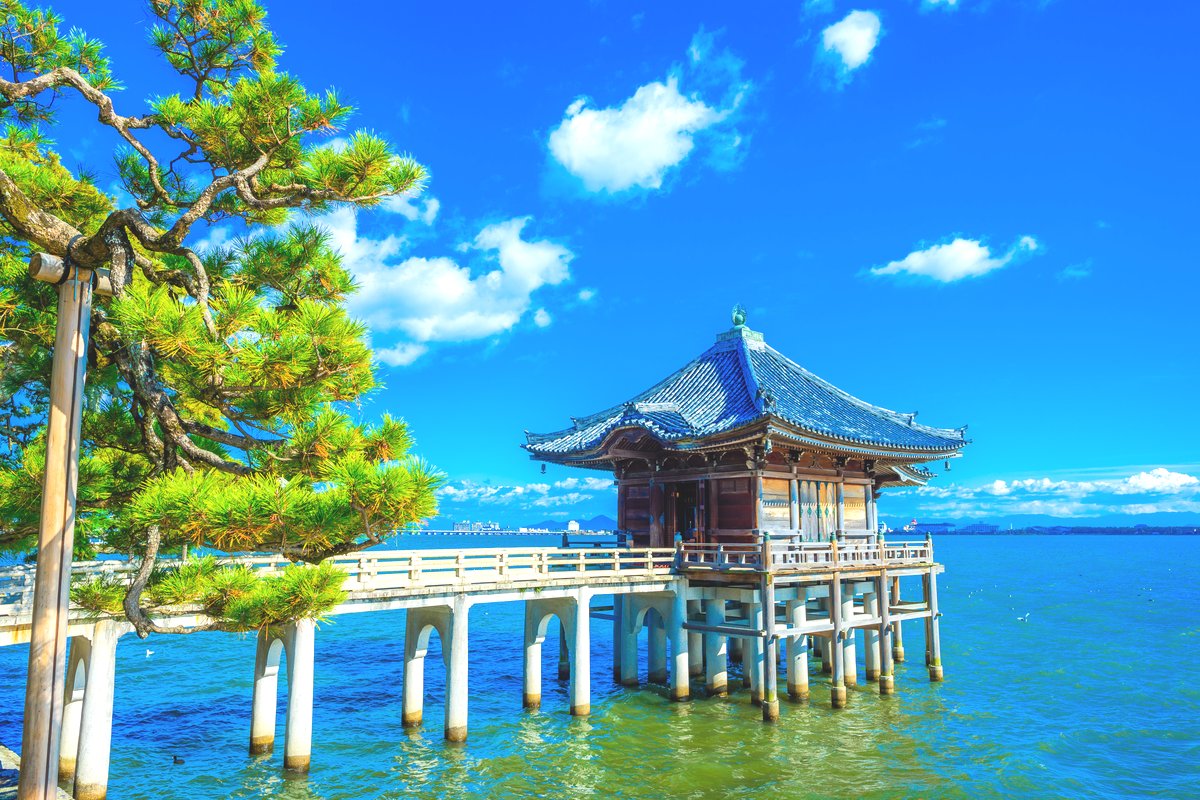
Lake Biwa is Japan’s largest freshwater lake — covering 670 square kilometers with depths to 104 meters — and provides drinking water for 14 million people across the Kansai region. Formed 4 million years ago, it’s also one of the world’s oldest lakes, with 60+ unique fish, plant, and shellfish species evolved nowhere else. The lake’s perimeter (200+ km) offers stunning panoramic drives, dozens of small lakeside towns, the famous Hikone Castle reflected in waters, the photogenic Shirahige Shrine torii rising from the lake, the Lake Biwa Museum’s incredible aquarium displays, and water-sports along the southern shore. Sunset cruises from Otsu (¥3,500-7,000) provide unforgettable mountain-and-water panoramas. From JR Kyoto Station, Otsu on the lake’s southern shore is about 10 minutes away.
「琵琶湖」は日本最大の淡水湖——面積670平方キロ、最深104メートル——で、関西1,400万人に水を供給する命の湖。400万年前に形成された世界でも最古級の湖で、60以上の魚類・植物・貝類の固有種が生息しています。一周200キロを超える湖畔には、絶景ドライブコース、数十の湖畔の小さな町、湖面に映る彦根城の絶景、湖から立ち上がるフォトジェニックな白鬚神社の鳥居、琵琶湖博物館の驚きの水族館展示、湖南岸でのウォータースポーツなど見どころ満載。大津港発着の夕日クルーズ(3,500〜7,000円)では、忘れられない山と水のパノラマが楽しめます。JR京都駅から大津(南岸)まで約10分でアクセス可能。
Miho Museum
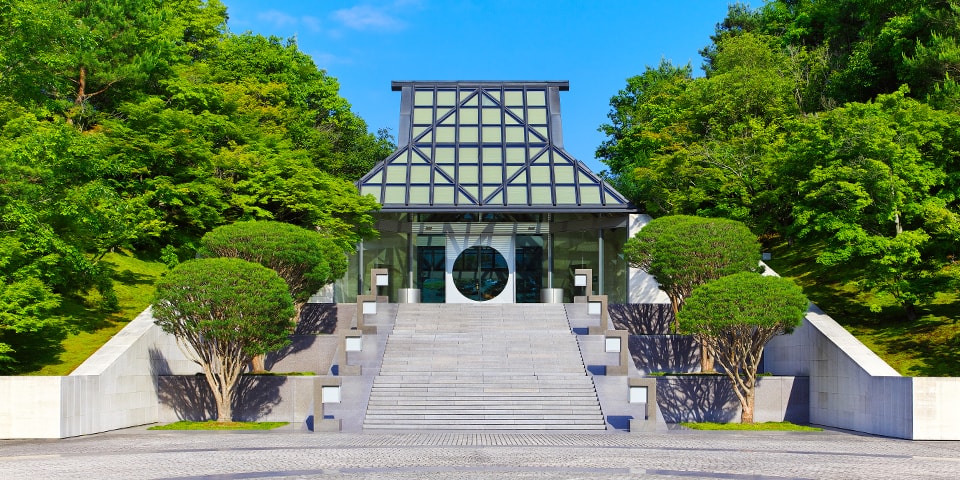
The Miho Museum, designed by I.M. Pei (the architect of the Louvre Pyramid), is one of Japan’s most architecturally stunning museums — a magical complex hidden in the wooded mountains of southern Shiga, accessed via a curving tunnel that emerges to reveal the elegant temple-inspired structure. Pei worked with the museum’s founder for 5 years to create a building that honors the Japanese tradition of harmony with nature: 80% of the structure is built underground or carved into the hillside, while exterior wooden panels echo traditional Japanese design. The collection focuses on ancient art from across Asia, the Middle East, and Mediterranean civilizations, with rotating exhibitions of exceptional quality. Open in spring, summer, and autumn (roughly mid-March to mid-December, with seasonal closures); closed Mondays. Tickets ¥1,300. From JR Ishiyama Station, a 50-minute bus ride.
「ミホミュージアム」は、ルーブル美術館のピラミッドで世界的に有名な建築家I.M.ペイが設計した、日本でも最も建築的に魅力的な美術館——滋賀県南部の森林に覆われた山間に隠れた、優雅な寺院スタイルの建物に到達するには、湾曲したトンネルを抜ける魔法のような体験が待っています。ペイは創設者と5年がかりで、自然との調和を尊ぶ日本の伝統を体現する建物を創り上げました。建物の80%は地下に埋設または山腹に彫り込まれ、外部の木製パネルは伝統的な日本意匠を踏襲。コレクションは古代アジア、中東、地中海文明の美術を中心とし、定期的な企画展は質の高さで定評があります。開館は春・夏・秋の3シーズン(おおむね3月中旬〜12月中旬、会期により休館)。月曜休館。入館料1,300円。JR石山駅からバスで約50分。
Omi-Hachiman
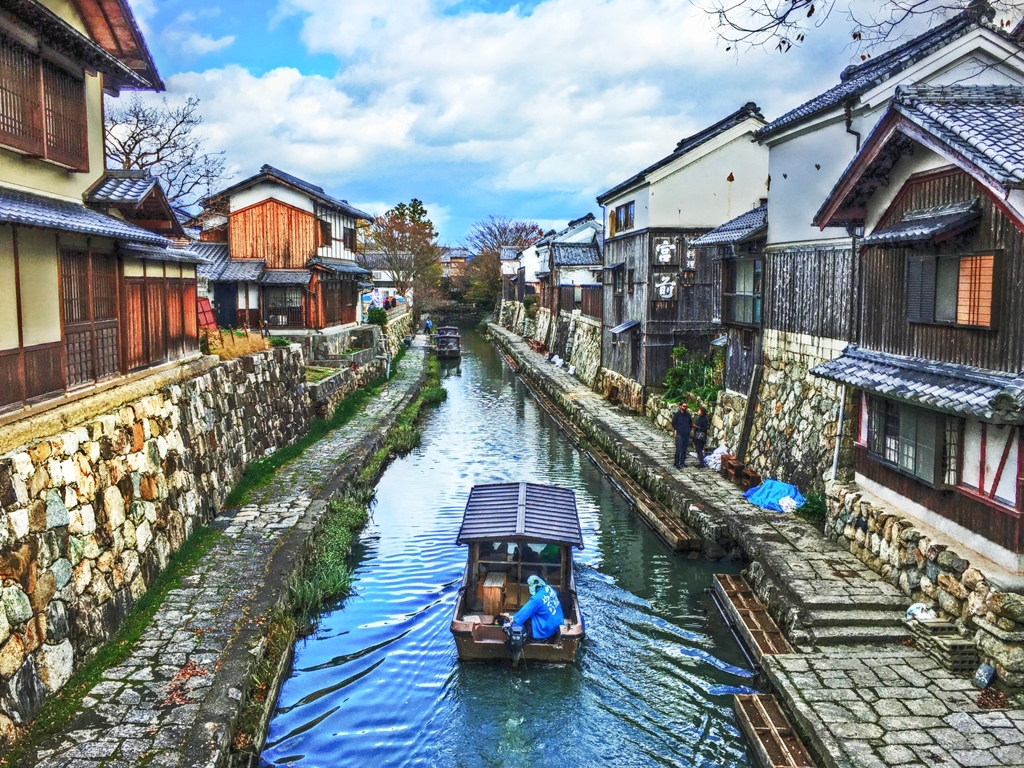
Omi-Hachiman is a 16th-century castle town on Lake Biwa’s eastern shore, founded by Toyotomi Hidetsugu (Hideyoshi’s nephew) in 1585. The town features picturesque canals once used for transporting goods, beautifully preserved merchant houses, and the towering Hachimanyama with its commanding views over Lake Biwa. The historic Hachimanbori canal area is photogenic year-round, especially during cherry blossom season (early April) when pink petals carpet the water. The town’s Vories architecture — Western-style buildings by missionary-architect William Merrell Vories, such as the 1907 Andrews Memorial Hall and the former Hachiman Post Office — reflects its merchant-era cosmopolitanism. Hachimanyama Ropeway (¥950 round-trip) reaches the summit for breathtaking lake panoramas. From JR Omi-Hachiman Station, the canal area is a 6-minute bus ride (or about a 25-minute walk).
「近江八幡」は琵琶湖東岸の16世紀城下町——1585年に豊臣秀次(秀吉の甥)によって創建されました。風情ある運河(かつての物流用)、美しく保存された商家、八幡山の絶景パノラマが特徴の魅力的な町です。歴史ある「八幡堀」運河エリアは年間を通じてフォトジェニックで、特に4月上旬の桜の季節には水面に薄紅色の絨毯が広がり絶景に。宣教師・建築家ヴォーリズが手がけた洋館群(1907年のアンドリュース記念館、旧八幡郵便局など)が、町の商人文化と国際性を物語ります。「八幡山ロープウェイ」(往復950円)で山頂に登れば、息を呑むような琵琶湖の大パノラマが楽しめます。JR近江八幡駅から運河エリアまでバス約6分(徒歩なら約25分)。
Biwako Terrace
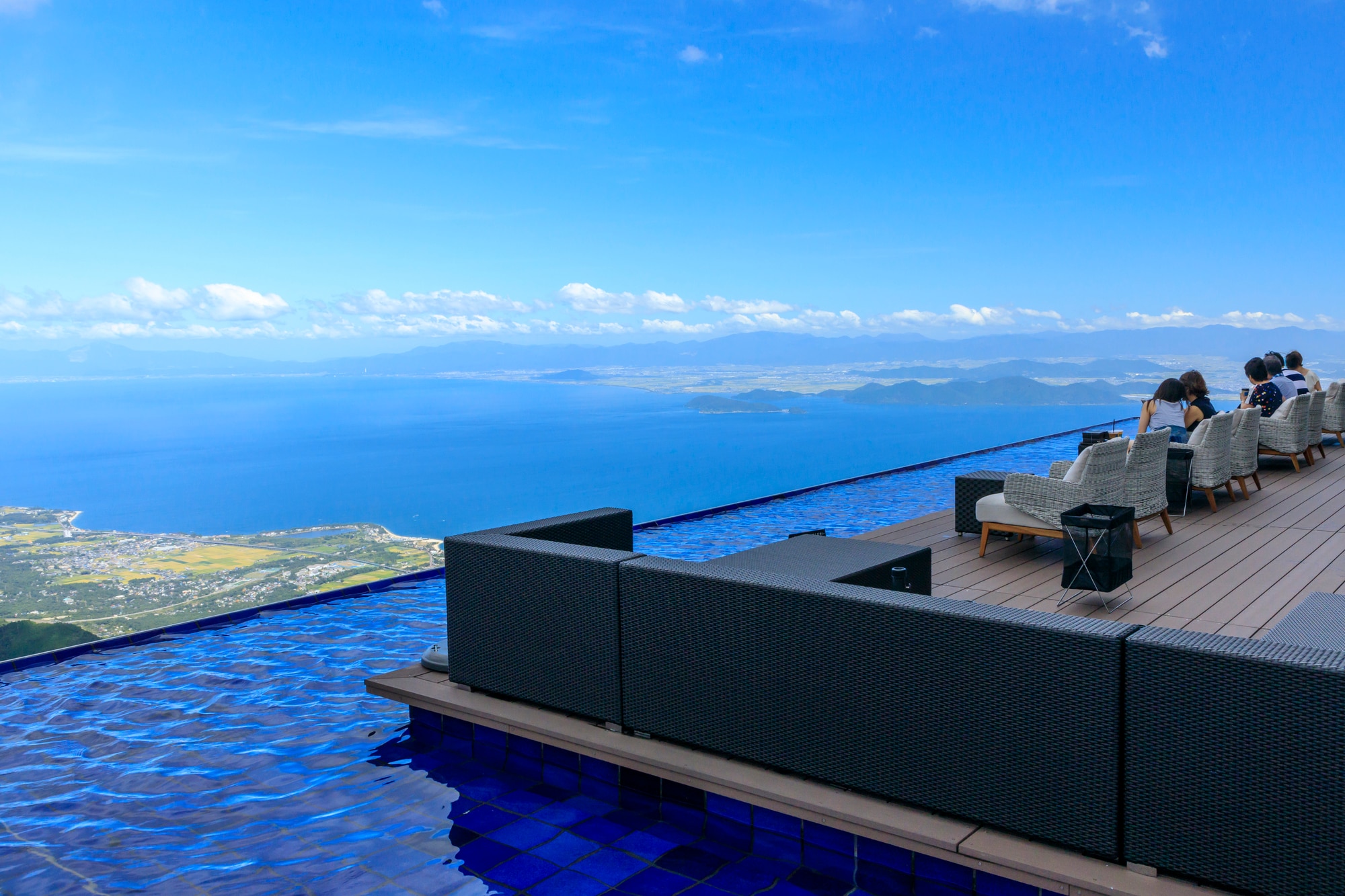
Biwako Terrace is a stunning observation deck and cafe complex perched 1,100 meters above Lake Biwa on Mount Hira’s eastern slopes — accessible only via a 5-minute ropeway journey that itself offers spectacular views. The terrace opened in 2018, an avant-garde landscape of multi-level wooden decks, infinity-edge pools that mirror the lake below, and minimal modern furniture. The signature view: Lake Biwa stretching to the horizon, with islands floating in the distance and sunset light painting everything golden. Plan to arrive 1-2 hours before sunset. Beyond viewing, the on-site Cafe 360 serves drinks and light meals; in winter, the area becomes a small ski resort. Tickets (ropeway round-trip) ¥4,000 (green season; higher in winter). From JR Shiga Station, about a 10-minute bus ride.
「琵琶湖テラス」は琵琶湖を1,100メートルの高さから見下ろす絶景展望デッキ・カフェ複合施設——比良山系の東側斜面に建ち、5分間のロープウェイ(それ自体が絶景体験)でしかアクセスできない秘境的な場所です。2018年にオープンし、複数階層の木製デッキ、湖面を鏡のように映すインフィニティーエッジプール、ミニマルなモダン家具が織りなす前衛的な景観に生まれ変わりました。象徴的な眺めは、地平線まで広がる琵琶湖、遠くに浮かぶ島々、夕暮れに金色に染まる絶景パノラマ。日没の1〜2時間前に到着するのがおすすめ。「カフェ360」では飲み物と軽食を提供、冬季は小規模スキー場としても運営。ロープウェイ往復券4,000円(グリーンシーズン、冬季は割高)。JR志賀駅からバスで約10分。
Insider Tips
現地通の旅の裏ワザ
West side (Hira mountains) for sunrise and Shirahige Shrine’s lake torii. East side (Hikone Castle) for traditional. North end (Chikubu Island) for spiritual day trip.
琵琶湖は3面で性格違い:西岸(比良山系)は朝日・白鬚神社の湖上鳥居、東岸(彦根城)は伝統、北岸(竹生島)は霊場日帰り。
Japan’s oldest sushi (fermented carp) is acquired-taste. Try a 1-piece sample at Kitashina Roho or Sakamotoya before committing to a full ¥3,000+ set.
鮒寿司(日本最古の発酵寿司)は好み分かれる。喜多品老舗・阪本屋で1切¥500試食してから¥3,000セットを判断推奨。
Frequently Asked Questions
What is funazushi and should I try it?
Funazushi (鮒ずし) is a 1,000-year-old fermented sushi made from nigorobuna carp — salty, pungent and deeply umami, like a Japanese version of aged cheese. It’s an acquired taste but a genuine culinary heritage experience.
鮒ずしはフナを塩と飯で1〜3年発酵させた日本最古の寿司。強烈な酸味とうま味は熟成チーズのような感覚。
How far is Hikone from Kyoto?
JR Biwako Line from Kyoto Station to Hikone Station takes about 1 hour. A day trip from Kyoto is easy and highly recommended.
京都駅からJR琵琶湖線で彦根駅まで約1時間。京都からの日帰り旅行に最適。
What is special about Shiga’s baumkuchen?
Shiga — home to Club Harie in Omi-Hachiman — is one of Japan’s most celebrated baumkuchen regions, using fresh eggs to produce remarkably moist, layered ring cakes.
近江八幡のクラブハリエを筆頭に、滋賀はバウムクーヘンで全国的に有名。新鮮な卵を使ったしっとり食感が人気。
Travel Tip
Rent a bicycle at Hikone Station (¥500–1,000/day) — Hikone Castle, the Genkyu-en garden, the moat and the castle town are all within a pleasant 2km loop. Electric assist bikes are available and make the route effortless.