Saga
Top Saga souvenirs and must-visit travel spots — your complete guide for visitors to Japan. The kilns of Saga taught Europe how to make porcelain — the same clay and mountain water still produce ceramics that collectors travel the world to find.
世界に磁器の製法を伝えた有田・伊万里・唐津焼の故郷。佐賀の陶磁器は日本が世界に誇る文化遺産です。
Saga is porcelain country — Arita and Imari ware, born here 400 years ago — plus the Yoshinogari ruins and the autumn balloon festival. Its souvenirs are the porcelain itself, Saga nori seaweed (Japan’s top producer), and mutsugoro mudskipper cookies. Pottery and nori travel well. Arita and Saga stations are the pickups.
佐賀は磁器の国——400年前にここで生まれた有田焼・伊万里焼、吉野ヶ里遺跡、秋のバルーンフェスタも。みやげは磁器そのもの、佐賀海苔(生産量日本一)、むつごろうクッキーなど。陶磁器や海苔は持ち帰り向き。有田駅・佐賀駅が買い場です。
Recommended Omiyage
おすすめおみやげ 5選
Arita Porcelain
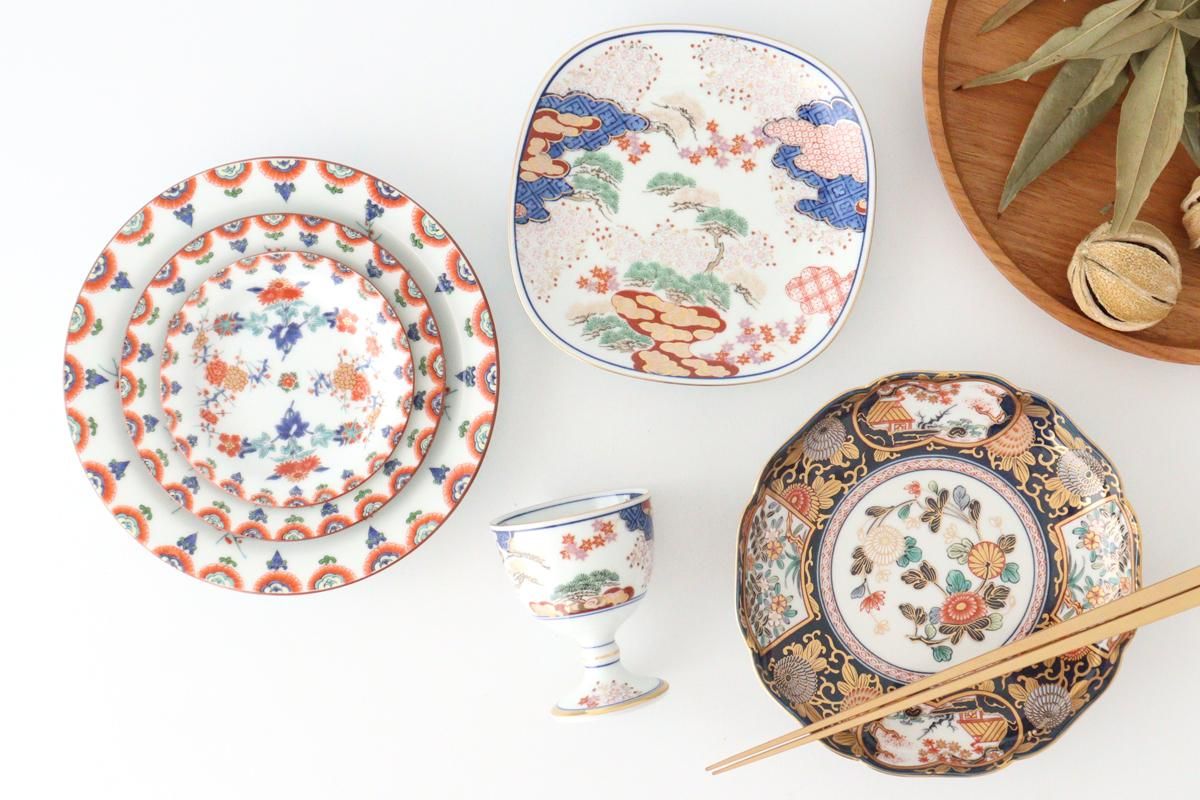
Arita-yaki (Arita porcelain) is one of Japan’s most prestigious ceramics — it’s been produced in Saga’s small town of Arita for over 400 years, since Korean potters discovered porcelain stone here in 1616. Arita’s signature “sometsuke” (cobalt-blue underglaze) and “iroe / akae” (overglaze enamels with vivid red, green, yellow, and gold) decorating techniques produce porcelain of exceptional refinement and beauty. The craftsmanship has been so prized that 17th-century Arita porcelain was a status symbol throughout Europe (especially the famous “Imari” exports to Holland). Modern Arita continues these traditions, with hundreds of working kilns producing tableware, vases, tea utensils, and collector pieces. Prices range from ¥2,000 small dishes to ¥1,000,000+ artist pieces. The Kyushu Ceramic Museum, Arita Pottery Festival (April-May), and Arita Sera shopping village are essential.
「有田焼(ありたやき)」は日本でも最も格式高い陶磁器の一つ——1616年に朝鮮の陶工たちが有田の地で陶土を発見して以来、400年以上にわたって佐賀県の有田町で生産されてきた歴史を持ちます。有田焼の象徴的な「染付(そめつけ)」(コバルトブルーの下絵付け)、「色絵・赤絵(いろえ・あかえ)」(鮮やかな赤・緑・黄・金の上絵付け)の装飾技法は、卓越した洗練と美しさを生み出します。職人技は17世紀のヨーロッパ全土で地位の象徴とされたほどで、有田から輸出された「伊万里」陶磁器は特にオランダで貴重視されました。現代の有田も伝統を継承し、何百もの窯元が食器、花器、茶道具、コレクター作品を生産しています。価格帯は2,000円の小皿から、作家作品の100万円超まで多彩。「九州陶磁文化館」、「有田陶器市」(4〜5月)、「有田 SERA」ショッピング村は必訪。
Imari Ware
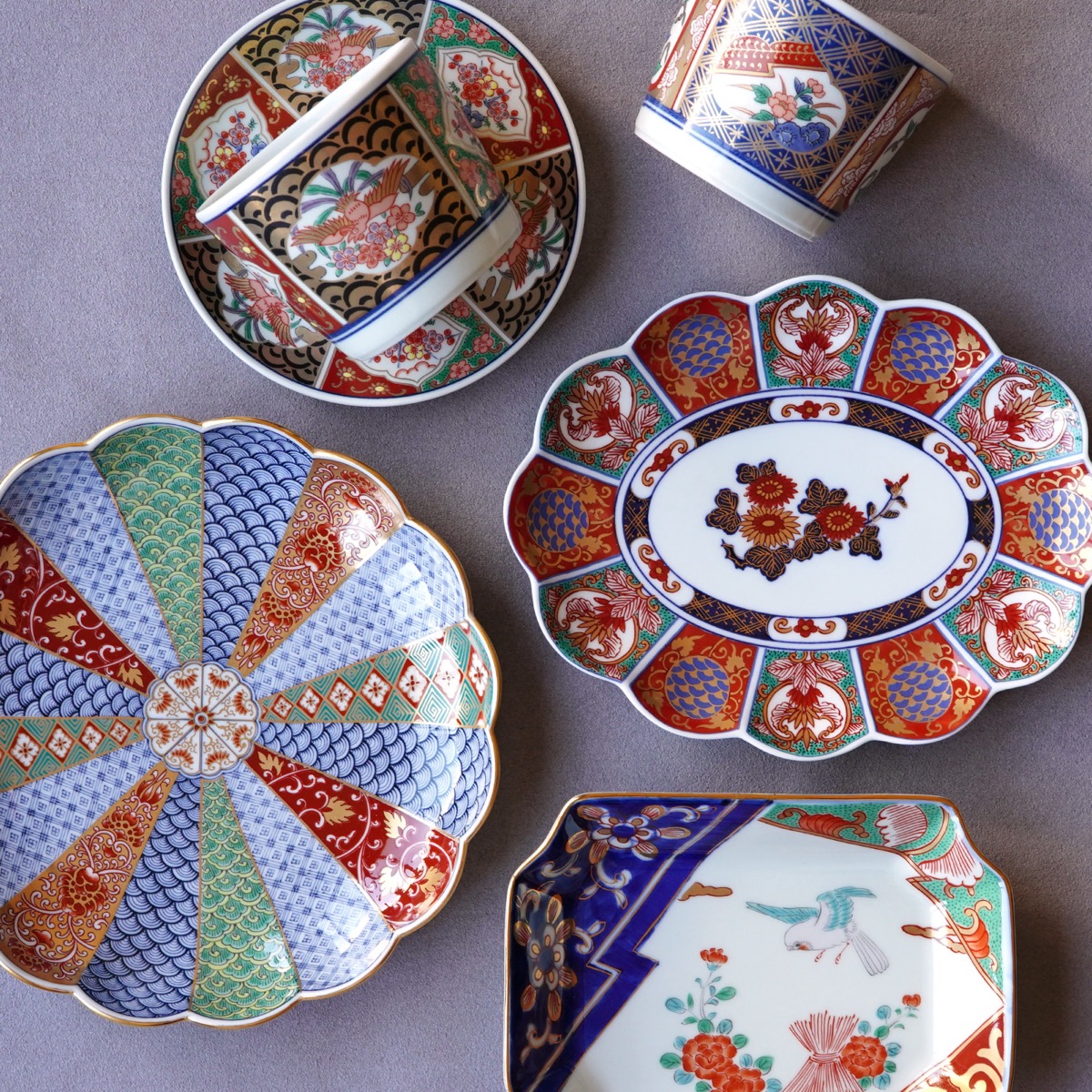
Imari-yaki is the export name for Arita porcelain that was shipped from Saga’s nearby Imari Port to Europe in the 17th century — and the term has come to refer to a specific style of Japanese porcelain decorated with bold red, green, gold, and cobalt-blue motifs of dragons, phoenixes, peonies, and traditional Japanese landscapes. Authentic Imari is heavier, more elaborate, and uses thicker enamel layers than typical Arita, with grand vases, plates, and tea sets that became status symbols throughout Europe (especially in Dutch and German aristocratic homes). Modern Imari continues these traditions, with master craftsmen producing tableware and decorative pieces in limited editions. Prices range from ¥3,000 small plates to ¥500,000+ collector vases. Imari’s Okawachiyama — the secret Nabeshima domain kiln village — is well worth a visit. The Kyushu Ceramic Museum is also essential.
「伊万里焼」は、17世紀に佐賀県の伊万里港から欧州に輸出された有田焼の輸出名——現在は、龍、鳳凰、牡丹、伝統的な日本風景を、大胆な赤、緑、金、コバルトブルーで装飾した特定の日本陶磁スタイルを指す言葉となりました。本物の伊万里は通常の有田焼より重厚で、装飾が華麗で、エナメル層が厚く、大花瓶、皿、茶器が17世紀のヨーロッパ(特にオランダとドイツの貴族の家庭)で地位の象徴となりました。現代の伊万里は伝統を継承し、名匠たちが限定版の食器と装飾品を製造しています。価格帯は3,000円の小皿から、コレクター用の花瓶500,000円超まで多彩。鍋島藩窯の里「大川内山(おおかわちやま)」は必訪。「九州陶磁文化館」も必訪です。
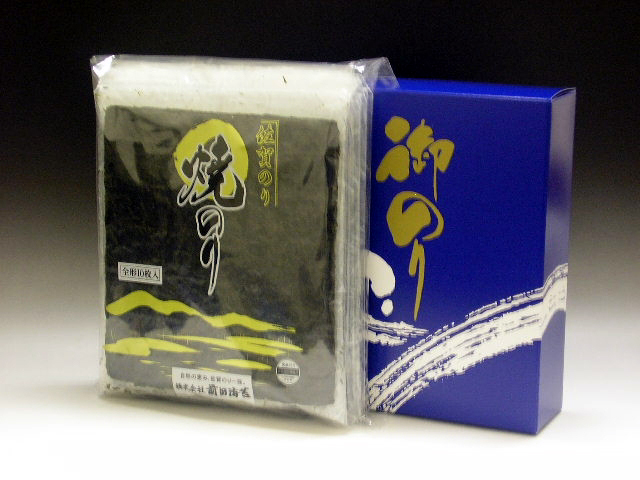
Saga Nori
Saga Prefecture is Japan’s leading nori (dried seaweed) producer — its tidal mudflats along the Ariake Sea provide ideal conditions for cultivating premium nori with extraordinary umami, tender texture, and rich oceanic aroma. The local Ariake-sai nori is so prized that top Tokyo sushi restaurants source it specifically. Saga Nori is hand-harvested at the dawn of each tide cycle, then dried using traditional sun-and-paper-screen methods to preserve maximum flavor. Top makers include the Saga Ariake fisheries co-op (JF Saga) and local producers such as Maeda Nori (shown here). Beyond simple sheet nori, Saga produces flavored varieties (umami-tare, sansho pepper, yuzu), nori chips, and rare “first harvest” premium grades. Available at JR Saga Station, Saga Airport, and major Kyushu depachika. Best within 6 months unopened. Use for sushi, onigiri, and as a snack.
佐賀県は日本最大の海苔生産県——有明海の干潟が、卓越した旨味、柔らかな食感、豊かな海の香りを持つプレミアム海苔の理想的な栽培環境を提供します。地元の「有明産海苔」は、東京の高級寿司店が特別に仕入れる極上品として知られています。佐賀海苔は潮の干満に合わせた早朝の手作業で収穫され、伝統的な日干しと簾乾燥法で最大限の風味を保つように丁寧に仕上げます。代表的な作り手は佐賀県有明海漁協(JFさが)、画像の「前田海苔」など地元メーカー。シンプルな板海苔以外にも、味付け海苔(旨ダレ、山椒、柚子)、海苔チップス、希少な「一番摘み」最高級グレードなど多彩なラインナップ。JR佐賀駅、佐賀空港、九州の主要デパ地下で広く購入可能。未開封で賞味期限約6ヶ月。寿司、おにぎり、おつまみとして万能に活用。
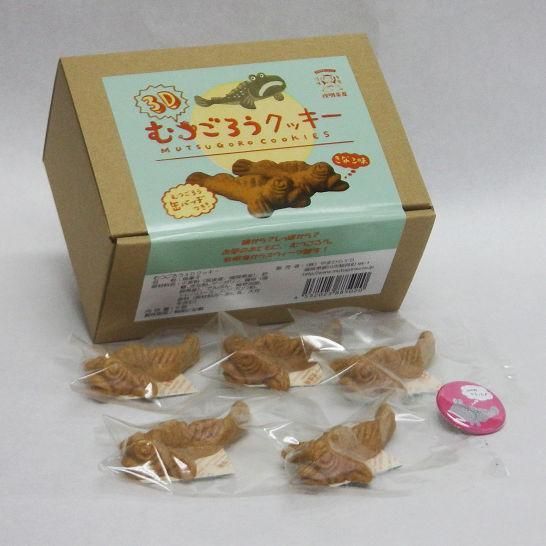
Mutsugoro Cookie
Inspired by the unique mutsugoro (mudskipper) fish that thrives in Saga’s Ariake Sea mudflats — a small, charming fish with prominent eyes and an unusual ability to walk on land — Mutsugoro Cookies are a beloved local sweet that captures this fascinating creature in adorable cookie form. Each cookie features a stamped mutsugoro image (with surprised-eyes detail) and is made from butter-rich shortbread dough. The cookies’ charm lies in their visual personality and gentle sweetness. They’re made by Yoake-jaya, a long-established Ariake-Sea seafood shop in nearby Yanagawa, whose 3D mutsugoro cookies use Chikugo-Fukuoka wheat and a kinako (soybean-flour) flavor; the packaging features charming mutsugoro illustrations. Available at JR Saga Station, Saga Airport, and Saga’s prefecture-wide gift shops. Best within about 30 days unopened. Pair with green tea or coffee.
佐賀県の有明海の干潟に生息する独特な魚「ムツゴロウ」——目立つ大きな目と陸上を歩く珍しい能力を持つ愛らしい小魚——にインスパイアされた「ムツゴロウクッキー」は、この魅力的な生き物を可愛らしいクッキーで表現した愛されたご当地スイーツです。一枚ずつムツゴロウの絵柄が刻印され(驚いた目の表現が秀逸)、バターたっぷりのショートブレッド生地で焼き上げられています。クッキーの魅力は視覚的な個性と優しい甘さの調和。作っているのは有明海の海産物店「夜明茶屋(よあけぢゃや)」(隣接する柳川市・福岡)。3Dむつごろうクッキーは筑後・福岡県産小麦を使ったきな粉味で、ムツゴロウのイラスト入りパッケージが愛らしい逸品です。JR佐賀駅、佐賀空港、佐賀県内のお土産店で購入可能。未開封で賞味期限約30日。緑茶やコーヒーとの相性が格別。
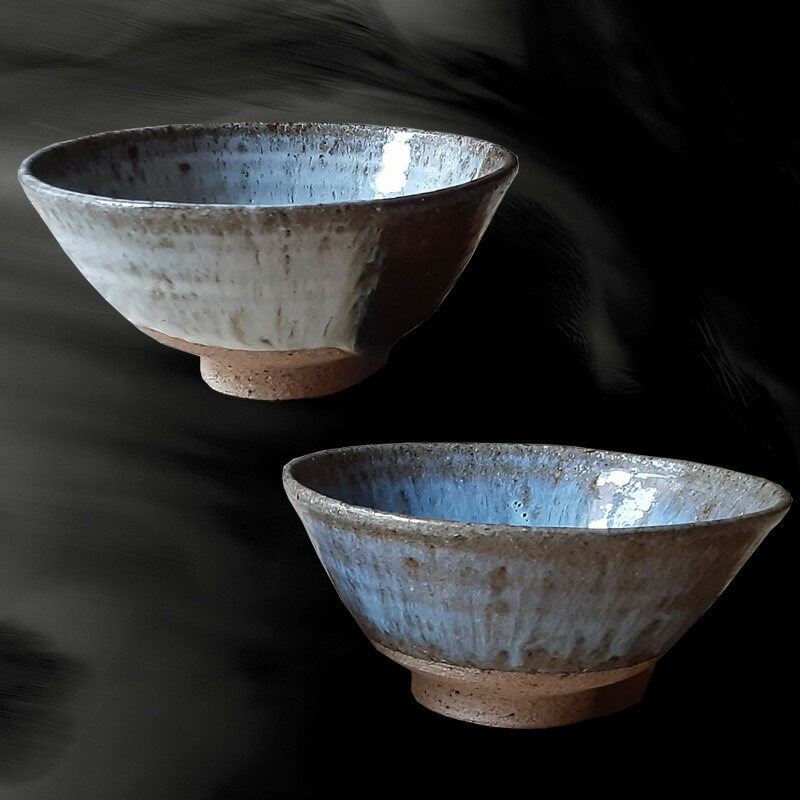
Karatsu Ware
Karatsu-yaki has been crafted in Saga’s coastal Karatsu region for over 400 years — its rough, earthy aesthetic stands in deliberate contrast to Arita’s refined porcelain. Karatsu-yaki uses local stoneware clay with iron-rich oxidation, creating pieces with warm beige-and-brown tones, simple slip-trail patterns, and intentionally uneven surfaces that embrace the wabi-sabi philosophy of beauty in imperfection. The pottery has been particularly prized for tea-ceremony bowls — its rustic, mountain-like aesthetic complements the meditation traditions of tea masters. Beyond tea bowls, Karatsu produces traditional tableware, vases, and the rare “Karatsu Black” pieces. Top kilns include the Nakazato Tarouemon kiln (a 430-year lineage; its 12th master was a Living National Treasure) and Ryuta-gama. Pieces range from ¥3,000 daily-use cups to ¥500,000+ tea ceremony grade pieces. Visit the historic Karatsu Castle and Karatsu Pottery District for a full experience.
「唐津焼」は佐賀県沿岸の唐津地方で400年以上にわたって作り続けられている陶器——その荒々しく素朴な美意識は、有田焼の洗練された磁器と対極的に位置づけられます。唐津焼は鉄分豊富な地元産陶土を酸化焼成することで、温かみのあるベージュ色と茶色のトーン、シンプルなスリップ模様、わざと均整を欠いた表面など、わびさびの哲学(不完全さの中の美)を体現する独特の作風が特徴。陶器は茶道用の茶碗として特に珍重されており、その素朴で山岳的な美意識は、茶人の瞑想の伝統に完璧に調和します。茶碗以外にも、伝統食器、花器、希少な「唐津黒」作品なども展開。代表的な窯元は430年続く「中里太郎右衛門窯」(12代は人間国宝)、「隆太窯(りゅうたがま)」など。価格帯は3,000円の日用茶器から、茶道用最高級品500,000円超まで多彩。歴史的な唐津城と唐津陶器街もセットで巡るのがおすすめ。
Must-Visit Spots
おすすめスポット 5選
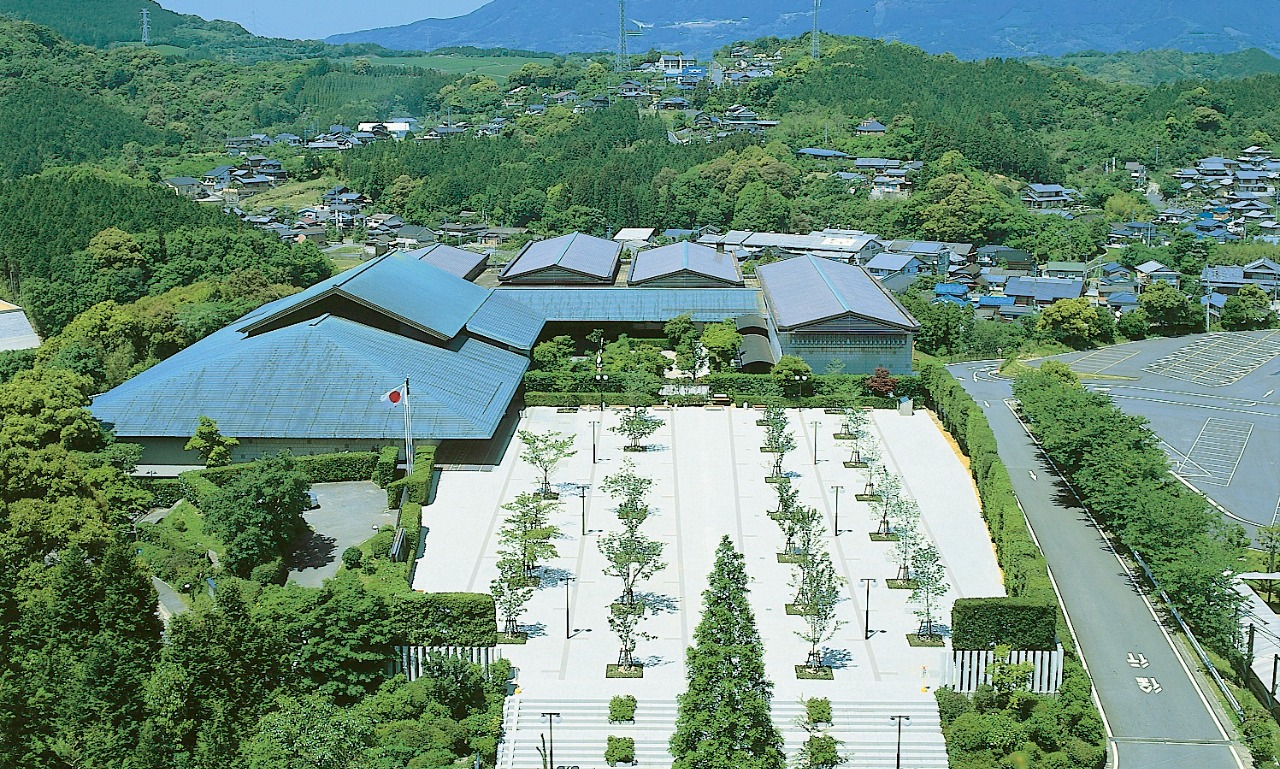
Kyushu Ceramic Museum
The Kyushu Ceramic Museum is one of Japan’s most comprehensive ceramics museums — located in Arita (the heart of Japan’s porcelain tradition), the museum displays over 14,000 pieces tracing the 400-year history of Kyushu ceramics. The collection spans the introduction of porcelain by Korean potters in 1616, the Edo-era export trade with Europe, the Meiji-era industrial transformation, and contemporary works. Notable holdings include rare 17th-century Imari export pieces, Nabeshima ware (made exclusively for shogun gifts), Karatsu pottery, and contemporary ceramic art. The museum also offers daily craft demonstrations where master potters work in front of visitors. Admission to the permanent collection is free (special exhibitions may charge). The on-site museum shop is excellent. From JR Arita Station, the museum is a 15-minute walk through the historic ceramic district. Plan 2-3 hours for the full experience.
「九州陶磁文化館」は日本でも最も包括的な陶磁器博物館の一つ——日本の磁器伝統の中心地・有田町に位置し、九州陶磁器の400年の歴史を辿る1万4,000点超の作品を展示しています。コレクションは、1616年の朝鮮陶工による磁器の伝来から、江戸時代の欧州との輸出貿易、明治時代の産業転換、現代作品まで網羅。注目の収蔵品には、17世紀の伊万里輸出陶磁、鍋島焼(将軍への献上専用)、唐津焼、現代陶芸など多彩。館内では毎日、職人の実演展示を実施。常設展は入館無料(特別展は有料の場合あり)。併設ショップも充実。JR有田駅から博物館まで歴史ある陶磁器街を徒歩約15分。所要時間2〜3時間。
Yoshinogari Historical Park
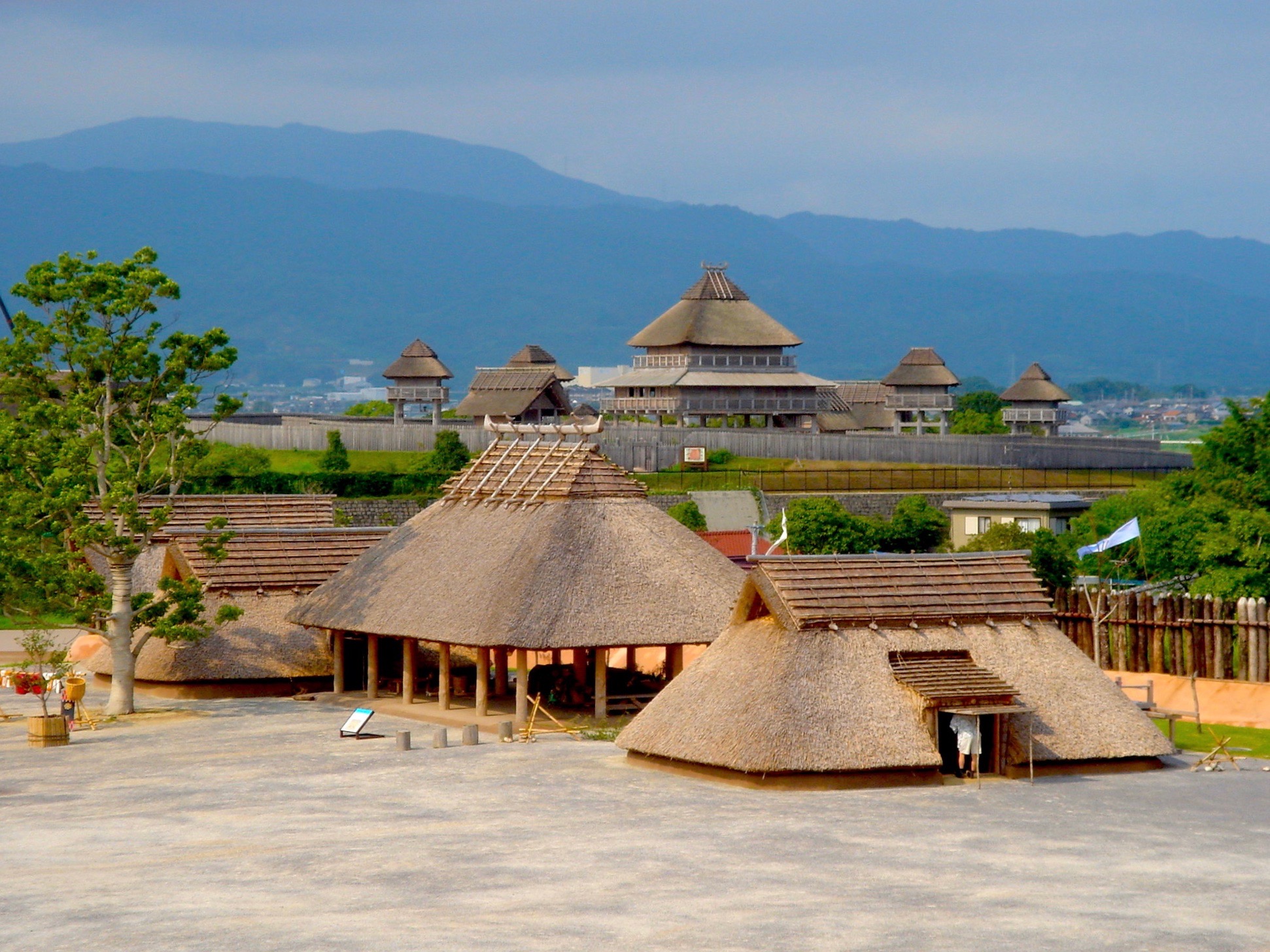
Yoshinogari Historical Park is one of Japan’s most important archaeological sites — a sprawling 117-hectare reconstruction of a Yayoi-era (300 BCE – 300 CE) settlement, built atop the actual archaeological remains of one of Kyushu’s most influential ancient communities. The park features beautifully reconstructed earthen rampart walls, watchtowers, traditional thatched-roof houses, sacred spaces, and burial mounds — providing visitors with an immersive experience of life 2,000 years ago. The site dates to the Yamatai Kingdom era (the legendary kingdom led by Queen Himiko), making it especially significant for understanding ancient Japan’s transition from hunter-gathering to settled agriculture and political organization. The on-site museum displays archaeological finds including bronze tools, ceramics, and ceremonial objects. Tickets ¥460. From JR Saga Station, the park is 30 minutes by JR.
「吉野ヶ里歴史公園」は日本でも最も重要な遺跡の一つ——117ヘクタールの広大な敷地に、九州で最も影響力のあった古代集落の実際の発掘遺構の上に、弥生時代(紀元前300年〜紀元300年)の集落を見事に復元しています。公園には美しく復元された土塁、物見櫓、伝統的な茅葺き家屋、聖域、墳丘墓などが点在し、2,000年前の生活への没入体験を提供します。遺跡は「邪馬台国時代」(女王卑弥呼が率いた伝説の王国)に相当し、古代日本における狩猟採集から定住農業・政治組織への移行を理解する上で特に重要な学術価値があります。併設博物館では、青銅器、土器、祭祀用具など発掘品を展示。入場料460円。JR佐賀駅からJRで約30分。
Karatsu Castle
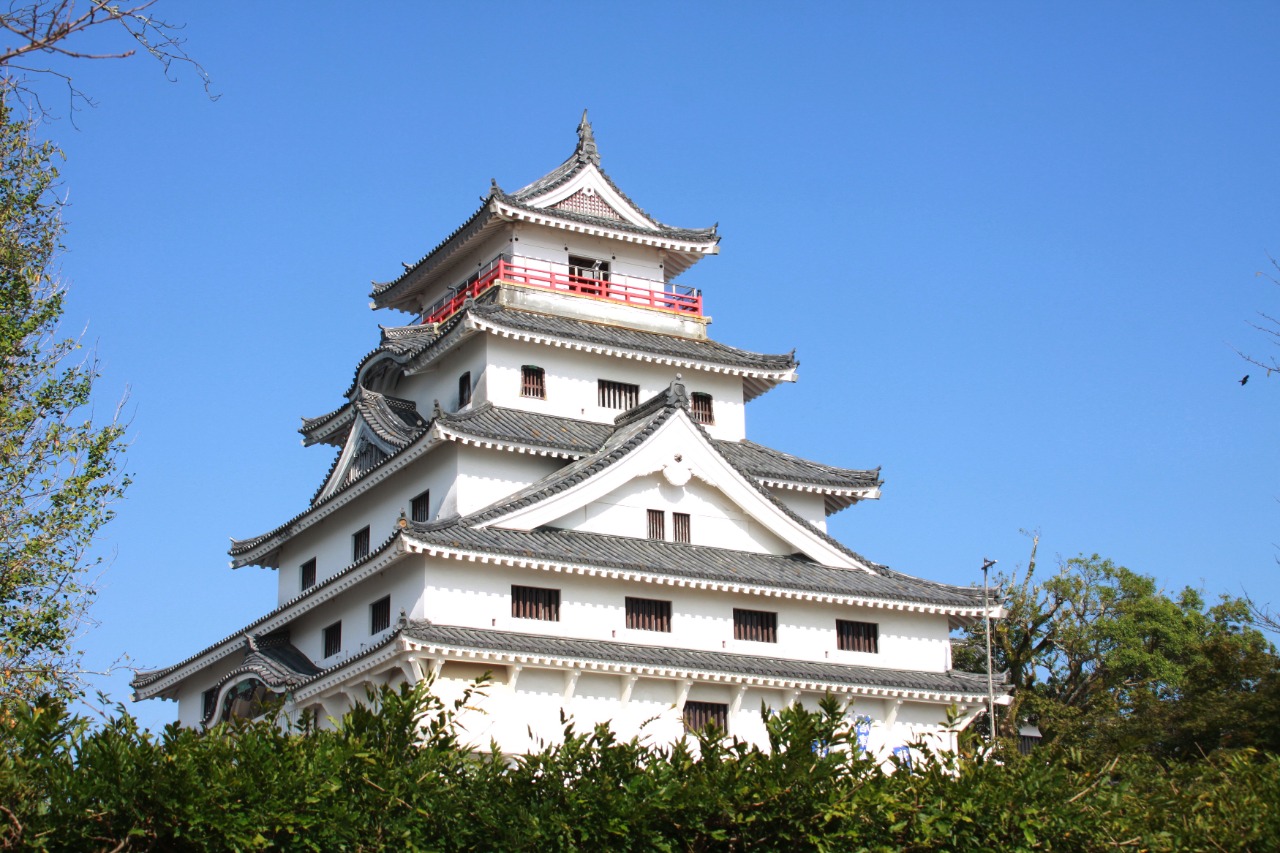
Karatsu Castle is one of Saga’s most picturesque castles — a beautifully reconstructed white-walled keep perched on a hill overlooking Karatsu Bay, with the surrounding pine-clad coastline making it one of Japan’s most photogenic seaside castles. Originally built in 1602 by Terazawa Hirotaka (a daimyo who served Toyotomi Hideyoshi), the castle’s strategic position controlled trade between Japan and Korea. The current structure (1966 reconstruction) houses an excellent museum about the castle’s history and the Karatsu Kunchi Festival (a UNESCO Intangible Cultural Heritage event held November 2-4 each year). The castle’s surrounding park features 500+ pine trees, the historic Niji-no-Matsubara (Rainbow Pine Grove, planted by samurai retainers in the 17th century), and beautiful sea views. Tickets ¥500. From JR Karatsu Station, the castle is a 15-minute walk through Old Karatsu.
「唐津城」は佐賀県でも特に絵になる城——唐津湾を見下ろす丘の上に堂々とそびえる白壁の天守と、周囲の松林の海岸線が、日本でも最もフォトジェニックな海辺の城を形成しています。1602年に寺沢広高(豊臣秀吉に仕えた大名)が築城した、戦略的な位置で日朝貿易を管理した重要城でした。現在の建物は1966年再建ですが、城の歴史と「唐津くんち」(11月2〜4日に開催されるユネスコ無形文化遺産の祭り)に関する優れた博物館を併設。周囲の城公園には500本超の松、武家の家臣たちが17世紀に植林した歴史的な「虹の松原」、美しい海の眺望が見どころ。入場料500円。JR唐津駅から城まで唐津旧市街を徒歩約15分。

Saga International Balloon Fiesta
The Saga International Balloon Fiesta is one of Asia’s largest hot air balloon competitions — held annually in early November in Saga City, the festival attracts around 100 balloon teams from across Japan and abroad who compete in precision flying competitions, distance challenges, and the breathtaking mass ascension where 100+ balloons launch simultaneously at sunrise. The festival’s signature events include precision-flying challenges, the international team competition, and the popular “Night Mooring” event where illuminated balloons stand on the festival grounds at dusk like glowing flowers. Visitors can take morning balloon flights for ¥3,500-7,000, watch competitions, browse food vendor stalls, and experience the festive atmosphere. The festival has run since 1980 and is internationally renowned. From JR Saga Station, the festival grounds are 25 minutes by free shuttle bus during festival days. Free admission.
「佐賀インターナショナルバルーンフェスタ」はアジア最大級の熱気球大会——毎年11月上旬に佐賀市で開催され、国内外から約100チームのバルーンが参加し、精密飛行競技、距離挑戦、息を呑む一斉離陸(夜明けに100基以上のバルーンが一斉に上昇する壮観な光景)などを繰り広げます。祭りの象徴的なイベントは、精密飛行競技、国際チーム競技、夕暮れに地面で輝くバルーンが花のように咲く人気の「ナイト・ムーリング」など。訪問者は朝のバルーン飛行体験(3,500〜7,000円)、競技観覧、グルメ屋台街、祭りの活気ある雰囲気を味わえます。祭りは1980年から続き国際的に有名。JR佐賀駅から祭り会場まで開催期間中の無料シャトルバスで約25分。入場無料。
Genkai Quasi National Park
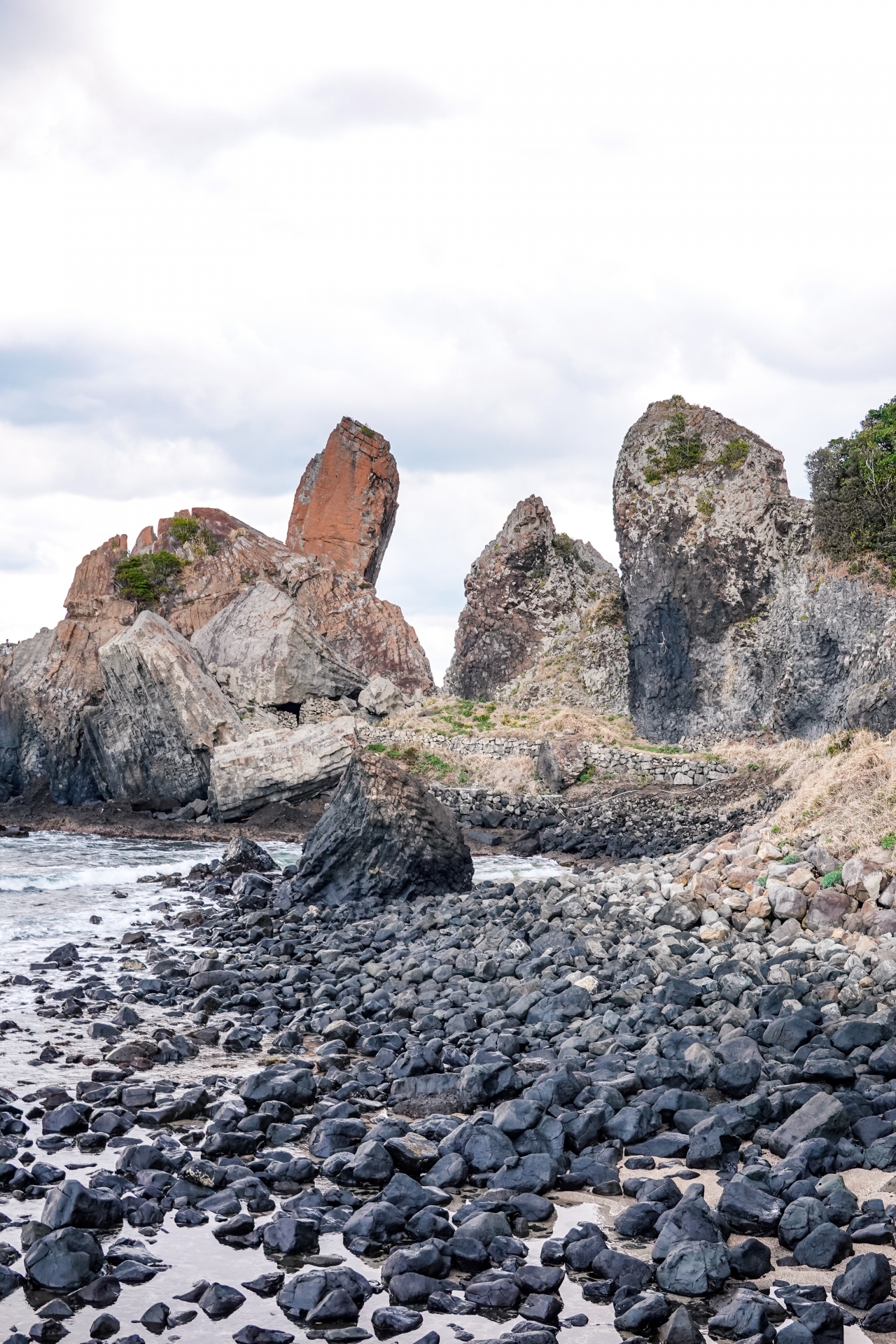
Genkai Quasi-National Park stretches along the western coast of Saga and Fukuoka — a designated quasi-national park preserving a beautiful stretch of undeveloped coastline featuring dramatic granite cliffs, secluded beaches, and the iconic Niji-no-Matsubara (“Rainbow Pine Grove”) that runs 4.5 kilometers along Karatsu Bay. Visitors can swim at white-sand beaches, explore mountain hiking trails through old-growth pine forests, drive the scenic coastal roads, or visit the historic 17th-century Hizen-Nagoya Castle ruins (built by Toyotomi Hideyoshi as base for his Korean invasion). The famous Yobuko Morning Market is also within the park area, where fresh seafood is sold and traditional fishing-village culture is preserved. Best from late April through October. From JR Karatsu Station, various park entry points are 30-60 minutes by car.
「玄海国定公園」は佐賀県と福岡県の西海岸沿いに広がる国定公園——日本でも最も美しい未開発の海岸線を保存しており、ドラマチックな花崗岩断崖、隠れた砂浜、唐津湾沿いに4.5キロにわたる象徴的な「虹の松原」が見どころです。訪問者は白い砂浜で海水浴、原生の松林を縫う山岳ハイキング、絶景海岸道路のドライブ、豊臣秀吉が朝鮮出兵の拠点として築いた17世紀の歴史的「肥前名護屋城跡」などが楽しめます。有名な「呼子の朝市(よぶこのあさいち)」も公園エリア内にあり、新鮮な海鮮の販売と伝統的な漁村文化が保存されています。ベストシーズンは4月下旬〜10月。JR唐津駅から各公園エントリーポイントまで車で30〜60分。
Insider Tips
現地通の旅の裏ワザ
Arita (porcelain) + Karatsu (rustic) + Imari (export) form a 1-day loop. Arita pottery festival (late Apr–May 5) draws over 1 million visitors — major price drops on the last day.
有田(磁器)・唐津(素朴)・伊万里(輸出様式)の3窯場は1日で巡れる。有田陶器市(4月末〜5/5)は約100万人、最終日に値下げ多発。
Saga-gyu rivals Kobe beef in Japanese rankings but tourists rarely know. Locals eat at Daikoku-ya (Saga City) — ¥3,800 lunch sets.
佐賀牛は日本食肉ランキングで神戸牛と並ぶが観光客には未知。佐賀市「大黒屋」は¥3,800ランチセットでアクセス可。
Frequently Asked Questions
When is the Arita Ceramic Fair?
The Arita Pottery Fair (有田陶器市) runs April 29 – May 5 and October, when about 4km of stalls line the town’s main street. Around 450 shops participate. It’s the largest ceramics market in Japan.
有田陶器市はGW(4/29〜5/5)と10月に開催。約4kmの通りに約450軒が並ぶ日本最大の陶器市。
What is mutsugoro?
Mutsugoro (ムツゴロウ) is a mudskipper fish found only in Ariake Bay’s tidal flats. They ‘walk’ on their pectoral fins across the mud. You can spot them from observation decks near Kishima; eating them is a local specialty.
むつごろうは有明海だけに生息するハゼ科の魚。干潟を歩く姿が有名。岸辺の観察デッキから見られ、地元では食用にもなります。
How different are Arita, Imari and Karatsu ware?
Arita: refined white porcelain, blue/red geometric patterns. Imari: richly gilded export style. Karatsu: rough-textured, earth-toned earthenware prized in tea ceremony. Each reflects distinct aesthetics and firing traditions.
有田焼は精緻な白磁・染付、伊万里は金彩豪華絢爛、唐津焼は侘び寂びの土味。それぞれ全く異なる美意識を持ちます。
Travel Tip
Visit Arita in the last week of April (GW) for the Ceramic Fair and combine with a stay in Karatsu for its castle and sea. From Fukuoka, take the Kamome limited express to Takeo-Onsen, then transfer to the Nishi-Kyushu Shinkansen toward Nagasaki.