Miyazaki
Top Miyazaki souvenirs and must-visit travel spots — your complete guide for visitors to Japan. Where the gods descended to earth, where the Pacific rolls endlessly, and where mangoes ripen in greenhouse sun — Miyazaki is Kyushu’s tropical soul.
神話の地・高千穂峡、ヤシ並木の青島、日本一の日照時間が育むマンゴー。宮崎は九州の南国情緒が満開の県です。
Miyazaki is Kyushu’s sunny southeast — the Takachiho Gorge of myth, Aoshima’s washboard rocks, and Japan’s priciest mangoes. Its souvenirs are mango sweets, Miyazaki wagyu, hyuganatsu-citrus jelly, and Kuro-Kirishima sweet-potato shochu. Mango and citrus sweets travel well. Miyazaki Station and the airport carry them.
宮崎は九州南東の南国——神話の高千穂峡、青島の鬼の洗濯板、日本有数の高級マンゴー。みやげはマンゴー菓子、宮崎牛、日向夏ゼリー、黒霧島の芋焼酎など。マンゴーや柑橘菓子は持ち帰り向き。宮崎駅や空港で揃います。
Recommended Omiyage
おすすめおみやげ 5選
Miyazaki Mango
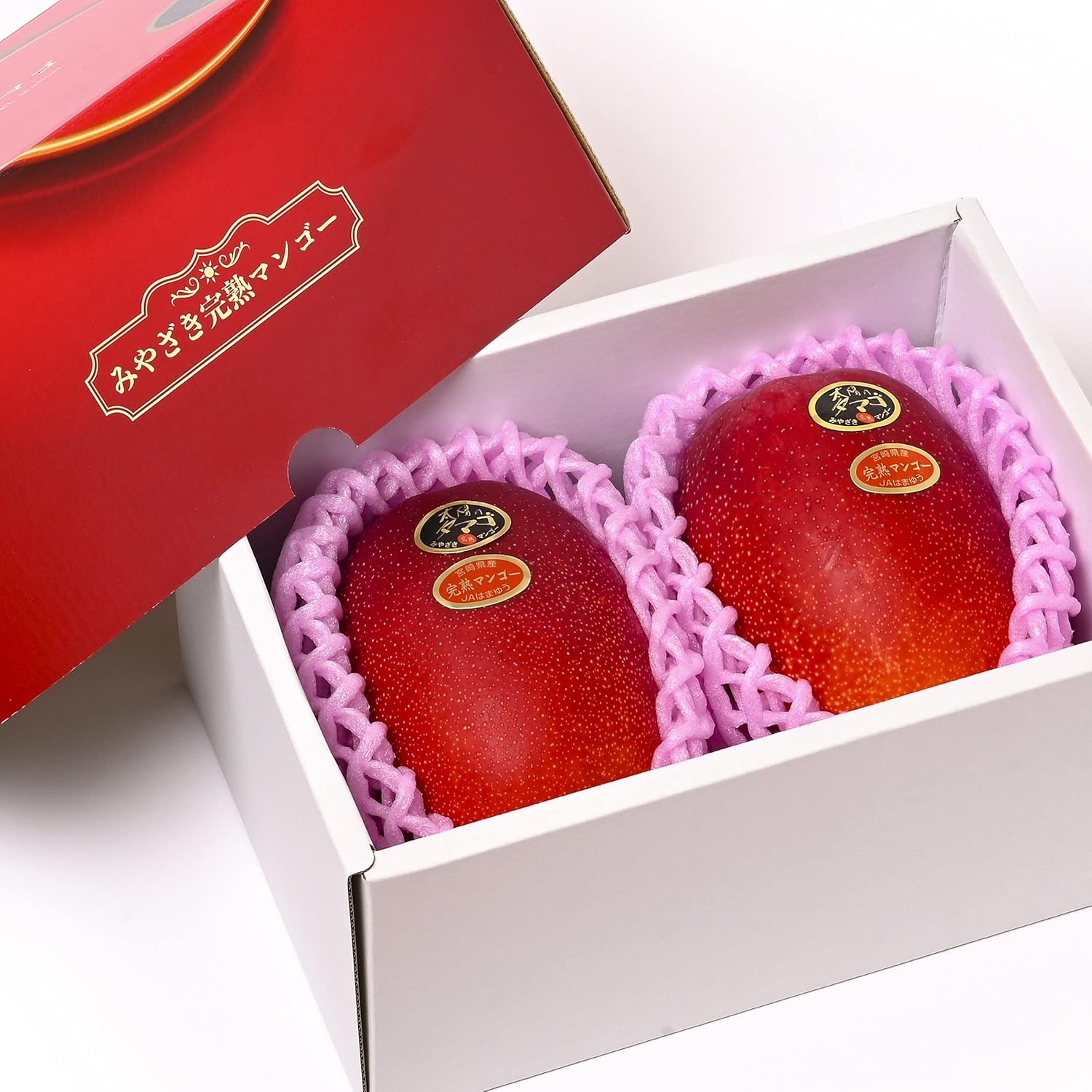
Miyazaki Mango is Japan’s most prestigious tropical fruit — produced exclusively in Miyazaki Prefecture’s sun-drenched groves, where extraordinary care produces fruits with intense honey-like sweetness, fragrant tropical aroma, and a vibrant orange-red color. The flagship “Taiyo no Tamago” (“Egg of the Sun”) variety undergoes rigorous quality testing — only mangoes that meet strict standards for sugar content, color, and weight earn the prestigious certification. A perfect 350-450g mango can fetch ¥10,000-30,000 at premium auctions. The harvest runs from May through July, with peak quality in June. Beyond fresh fruit, Miyazaki Mango is made into ice cream, sorbet, jam, jelly, and the famous mango pudding. Available at JR Miyazaki Station, Miyazaki Airport, and direct from orchards. Refrigerated nationwide shipping is available.
「宮崎マンゴー」は日本でも最高級のトロピカルフルーツ——日当たりの強い宮崎県の果樹園で、特別なケアによって、蜂蜜のような濃厚な甘味、芳醇なトロピカルアロマ、鮮やかなオレンジレッドの色を持つ最高品質のマンゴーが育てられます。代表品種「太陽のたまご」は厳格な品質審査を経て、糖度・色・重量の基準を満たした果実のみが格式高い認定を受けることができます。完璧な350〜450gの一個は10,000〜30,000円で取引されることも珍しくない超高級品。収穫期は5〜7月、6月のピーク時期が最高。生果実以外にも、アイスクリーム、ソルベ、ジャム、ゼリー、有名な「マンゴープリン」など多彩。JR宮崎駅、宮崎空港、果樹園直営店で広く購入可能。年間を通じて冷蔵全国発送サービスあり。
Miyazaki Wagyu
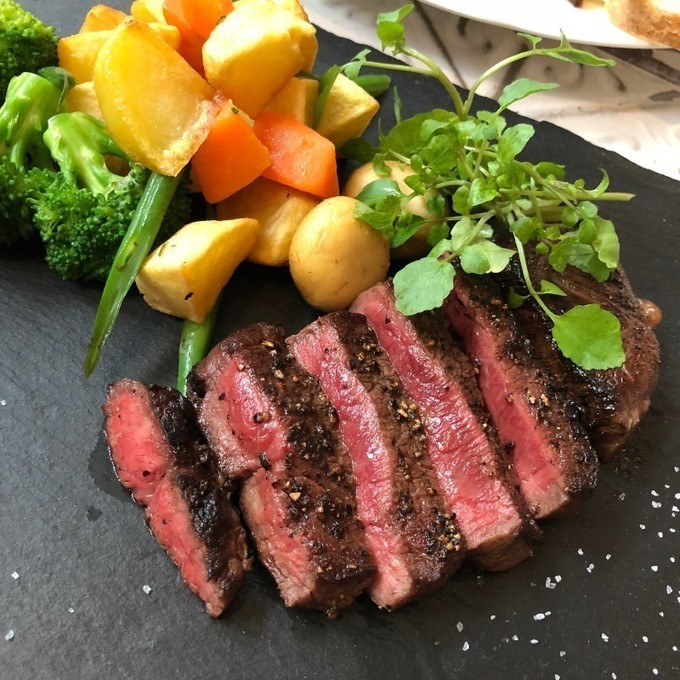
Miyazaki Wagyu has become Japan’s most consistently award-winning premium beef — winning the prestigious Wagyu Olympics three consecutive times (2007, 2012, 2017), making it the official “Champion of Champions.” The cattle are raised in the rolling pastures of Miyazaki under strict feeding protocols, mineral-rich water, and pristine air, producing beef with extraordinarily fine marbling, melt-in-the-mouth fat, and deep clean umami. Restaurants throughout Miyazaki serve it as steak, sukiyaki, shabu-shabu, and the local specialty “Miyazaki Beef Bento” available at JR Miyazaki Station. Premium gift versions include vacuum-sealed slices, hamburger steak, ground beef, and the famous Miyazaki Wagyu curry. Available at JR Miyazaki Station, Miyazaki Airport, and major Kyushu depachika. Best paired with cold local Miyazaki shochu.
「宮崎牛」は日本でも最も連続して賞を獲得し続けるプレミアム和牛——2007年、2012年、2017年の3回連続で和牛オリンピック(全国和牛能力共進会)で日本一を獲得し、「チャンピオンのチャンピオン」と呼ばれる名牛です。宮崎の起伏ある牧草地で、厳格な飼育管理、ミネラル豊富な水、清澄な空気のもとで育てられた牛は、極めて細やかな霜降り、口の中でとろける脂、深く清廉な旨味のある肉質を生み出します。県内のレストランでは、ステーキ、すき焼き、しゃぶしゃぶ、JR宮崎駅で買える名物「宮崎牛弁当」など多彩なスタイルで提供。お土産用には真空パックスライス、ハンバーグ、挽肉、有名な「宮崎牛カレー」などが展開。JR宮崎駅、宮崎空港、九州の主要デパ地下で購入可能。冷えた宮崎の焼酎との相性が格別。
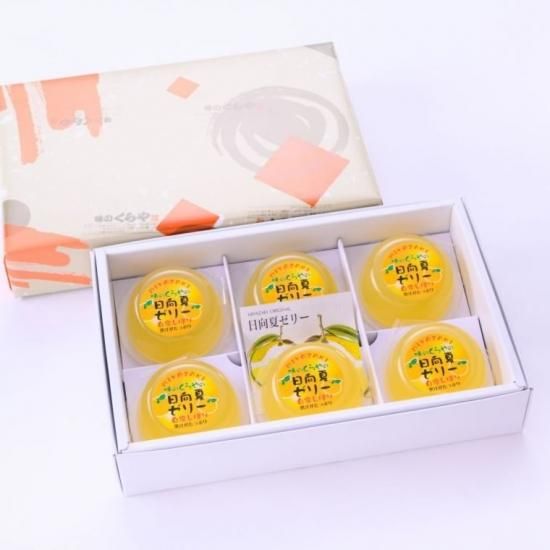
Hyuganatsu Jelly
Hyuganatsu is a unique Miyazaki citrus — a small, golden-yellow fruit with a delicate sweet-tart flavor that combines elements of grapefruit and lemon while remaining distinctly its own. The fruit is grown almost exclusively in Miyazaki Prefecture, particularly in the warm Hyuga region where the salt-rich coastal air enhances the fruit’s complex aromatics. Hyuganatsu Jelly transforms this regional bounty into year-round elegance: fruit segments are gently set in golden jelly with the juice’s natural acidity preserved, creating a refined sweet that’s neither too sweet nor too tart. A well-known maker is Aji-no-Kuraya (shown here). Beautiful gift packaging features sun-and-citrus imagery. Available at JR Miyazaki Station, Miyazaki Airport, and selected Tokyo depachika. Best within 60 days unopened. Pair with Japanese tea or sake.
「日向夏(ひゅうがなつ)」は宮崎県の独特な柑橘——小ぶりで黄金色の果実で、グレープフルーツとレモンの要素を融合した、繊細な甘酸っぱい風味が特徴の独自品種です。果実はほぼ宮崎県のみ、特に温暖な日向地方で栽培されており、海岸の塩気を含む空気が果実の複雑な芳香を引き立てます。「日向夏ゼリー」は、この地域の恵みを一年中楽しめる優雅な形に——果肉セグメントを黄金色のゼリーに上品に固め、果汁本来の酸味を保ちつつ、甘すぎず酸っぱすぎない絶妙なバランスの和スイーツに仕上げた逸品。画像の「味のくらや」などが代表的な作り手。太陽とシトラスのイラストを施した美しいギフトパッケージで展開。JR宮崎駅、宮崎空港、東京の主要デパ地下で購入可能。未開封で賞味期限約60日。日本茶や日本酒と相性抜群。
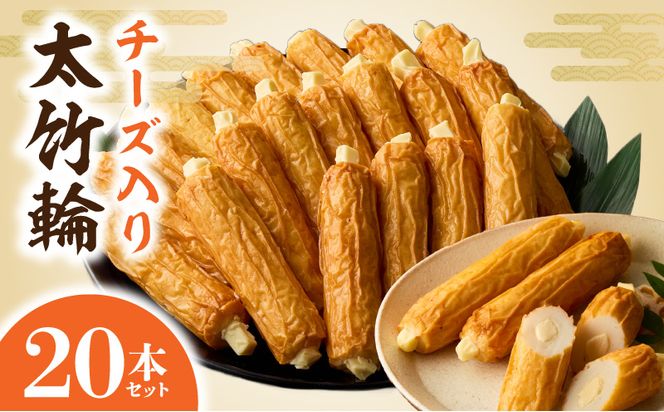
Chikuwa Age
Chikuwa Age is one of Miyazaki’s most beloved seafood specialties — fresh fish paste (kamaboko) is wrapped around a bamboo skewer, deep-fried until golden, then sliced into bite-sized pieces. The dish is similar to chikuwa (a tube-shaped fish cake) but with the rich, savory crispness from frying that elevates the seafood character. Miyazaki’s Chikuwa Age is particularly prized for using fresh-caught fish from the prefecture’s southern coast — top-grade specimens of horse mackerel, mackerel, or kingfish, depending on seasonal availability. The result is a snack with an irresistibly crispy exterior, tender-chewy interior, and deep umami flavor. It’s sold by local kamaboko makers across the prefecture; Miyazaki’s best-known fried fish cake is Obiten from the Obi castle town. Available at JR Miyazaki Station, Miyazaki Airport, and roadside stations across the prefecture. Best within 14-21 days. Pair with cold beer or shochu.
「ちくわあげ」は宮崎県を代表する魚介の名物——新鮮な魚のすり身を竹串に巻き付けて成型し、黄金色に揚げ、一口大にスライスした逸品です。一般的なちくわ(管状の魚肉練り物)に似ていますが、揚げることで生まれる豊かでサクサクの食感が、魚介の風味を一段引き立てる名物。宮崎のちくわあげは特に、県南海岸で水揚げされた新鮮魚介——アジ、サバ、シビなど(季節により異なる)——の最上級品を使用するこだわりが魅力。仕上がりは、抗いがたいサクサクの外、もちもちの中、深い旨味の調和が生み出す絶品スナックです。県内の練り物メーカー各社が手がけます。宮崎で最も有名な揚げかまぼこは飫肥(おび)城下町の「飫肥天(おびてん)」。JR宮崎駅、宮崎空港、県内道の駅で広く販売。賞味期限14〜21日。冷たいビールや焼酎との相性は格別。
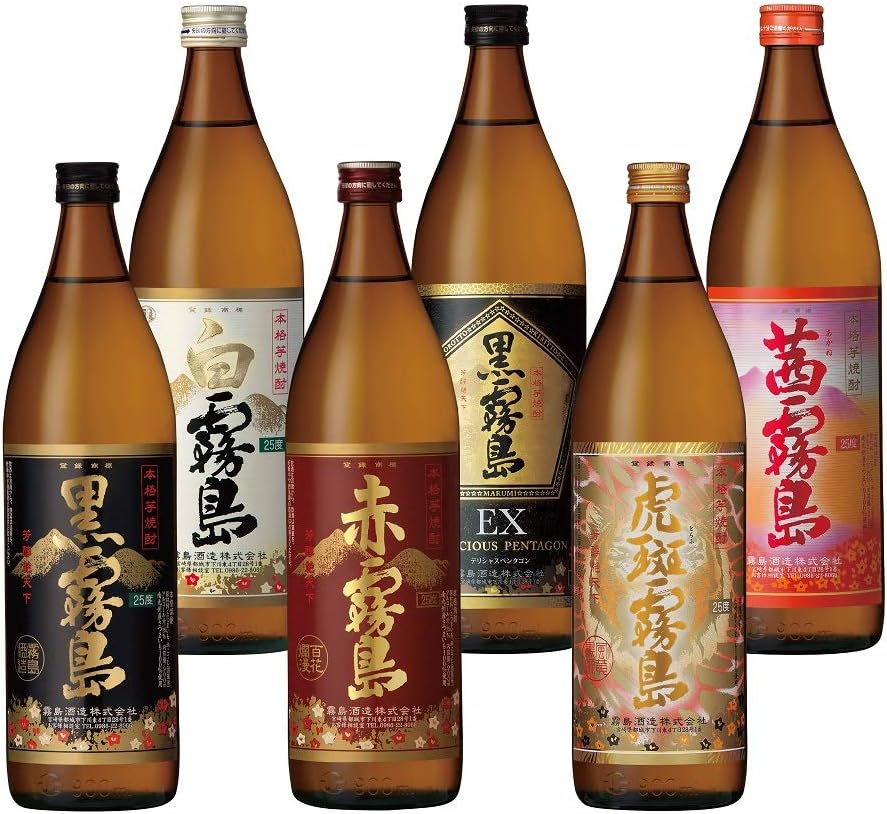
Miyazaki Shochu
Miyazaki is one of Japan’s premier shochu-producing prefectures — its warm climate, locally-grown imo (sweet potato) and barley, and dozens of active distilleries make it a shochu lover’s paradise. The signature Miyazaki shochu styles range from premium imo-based versions (with intense sweet-potato character) to light, refined kome-shochu (rice-based) and refreshing mugi-shochu (barley). Top makers include Kirishima Shuzo (Kuro Kirishima — Japan’s bestselling shochu), Unkai Shuzo, and Kuroki Honten (famous for ‘Hyakunen no Kodoku’). Many distilleries offer free tours and tasting flights of 5-10 shochus. Kirishima Shuzo’s Factory Garden in Miyakonojo offers tours and tastings. Pair Miyazaki shochu over the rocks, with hot water (oyu-wari), or in modern cocktails. Available at JR Miyazaki Station, Miyazaki Airport, and direct from distilleries throughout the prefecture.
「宮崎焼酎(みやざきしょうちゅう)」は日本随一の焼酎の産地——温暖な気候、地元産の芋(サツマイモ)と麦、数十の蔵元が、焼酎愛好家の楽園となる宮崎を形作っています。代表的な宮崎焼酎は、芋焼酎の濃厚な甘さ、米焼酎の繊細さ、麦焼酎の爽やかさなど多彩なバリエーションを誇ります。代表蔵元は日本一の売上を誇る「黒霧島」の霧島酒造、「雲海」の雲海酒造、「百年の孤独」の黒木本店など。多くの蒸留所で無料の蔵見学と5〜10銘柄の利き酒セットが楽しめます。霧島酒造の「霧島ファクトリーガーデン」(都城)では見学や試飲も楽しめます。宮崎焼酎はロック、お湯割り(オユワリ)、現代風カクテルとして楽しめます。JR宮崎駅、宮崎空港、県内各蒸留所の直営店で購入可能。
Must-Visit Spots
おすすめスポット 5選
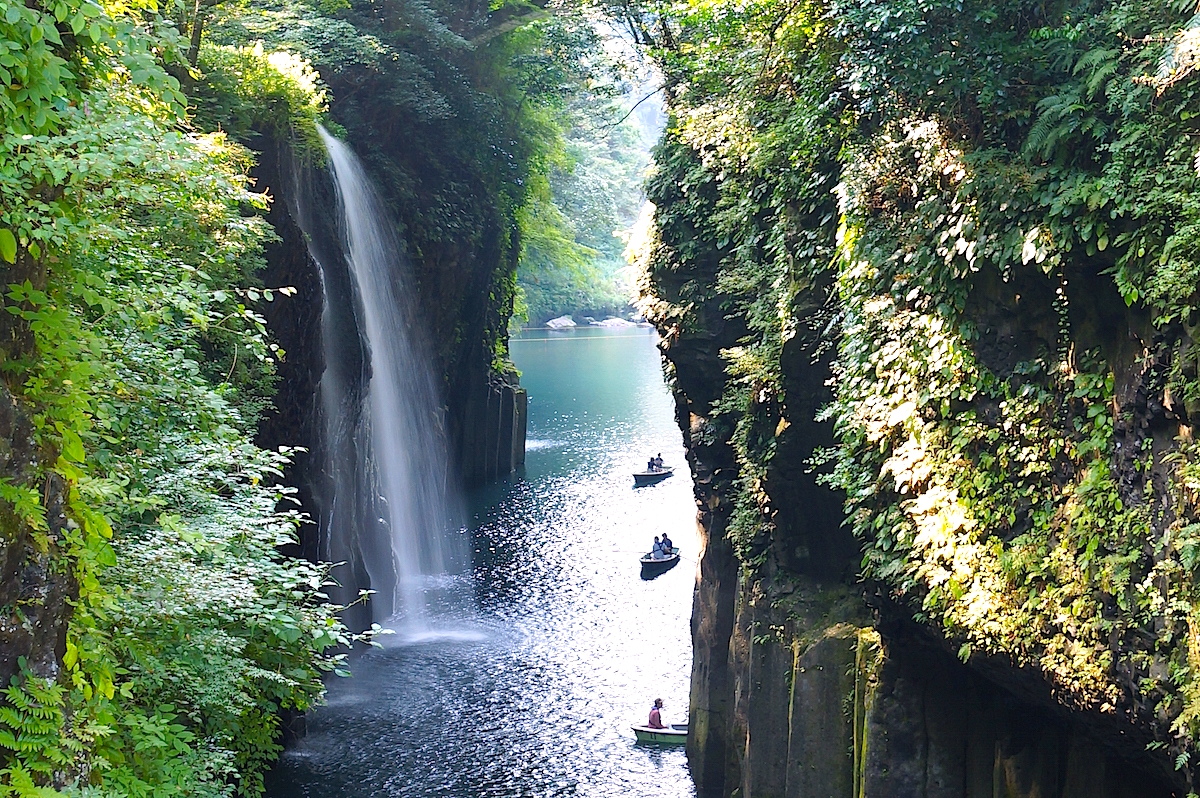
Takachiho Gorge
Takachiho Gorge is one of Japan’s most spiritually atmospheric natural sites — a 7-kilometer river gorge cut through volcanic basalt cliffs over millions of years, with waterfalls cascading dramatically through the lush forested ravine. The signature feature is the famous Manai Falls, where a 17-meter waterfall plunges directly into the gorge, creating one of Japan’s most photographed natural views. According to ancient legend, this is where the sun goddess Amaterasu once hid in a cave, plunging the world into darkness. Visitors can rent rowing boats (¥4,100-5,100/30 minutes) to navigate beneath the cliffs, hike the well-marked path along the gorge top, and visit nearby Takachiho Shrine where mythological stories are still recited daily. The famous “Yokagura” Shinto dance is performed every night at Takachiho Shrine (¥1,000). Located in northern Miyazaki near the Kumamoto border.
「高千穂峡」は日本でも最も精神的に深い自然絶景——何百万年にもわたって火山岩の断崖を削り出した7kmの渓谷で、滝が深い森の渓谷へと劇的に落下する神秘的な空間です。象徴的な見どころは有名な「真名井(まない)の滝」——17メートルの滝が渓谷へ直接落下し、日本でも最も撮影される自然絶景の一つを形成します。古代神話によると、ここは天照大御神が天岩戸に隠れた場所——世界が暗闇に陥った神話の聖地。訪問者は貸しボート(30分4,100〜5,100円)で断崖の下を巡る、渓谷上部のハイキング、近くの「高千穂神社」(神話の物語が現在も毎日語り継がれる)の参拝などが楽しめます。有名な「夜神楽(よかぐら)」が、高千穂神社で毎晩開催されます(1,000円)。宮崎県北部、熊本県境近くに位置。
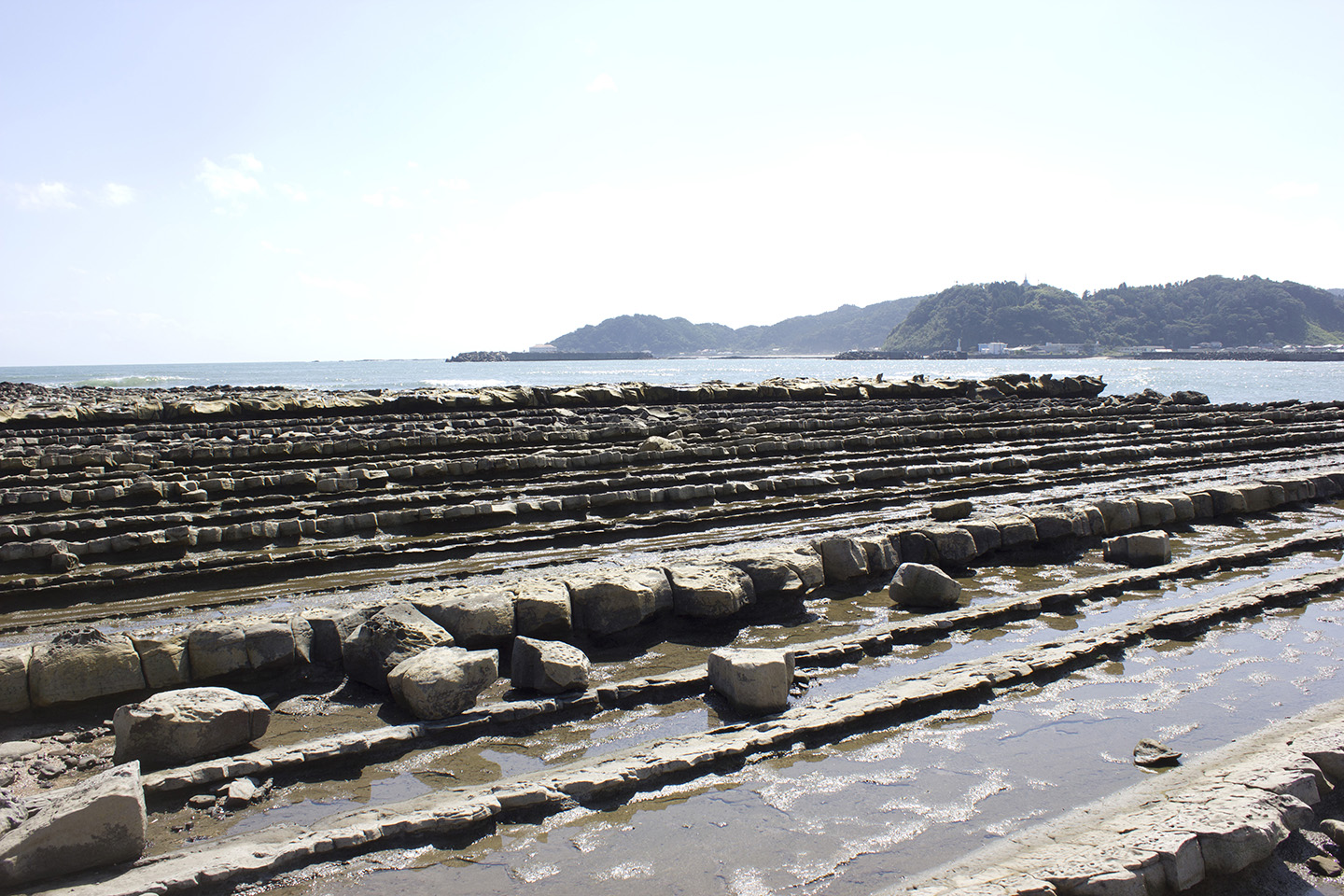
Aoshima
Aoshima is a small, perfectly circular island just off the southern Miyazaki coast — connected to the mainland by the famous Yayoibashi (“Eight Storey Bridge”) and surrounded by an extraordinary geological formation called “Devil’s Washboard” (Oni-no-Sentakuita) where wave-eroded rock has created a perfectly geometric pattern of ridges and valleys covering the seafloor for several kilometers around the island. At low tide, this geological wonder is fully exposed — visitors can walk between the ridges on a uniquely Mars-like landscape. The island itself is sacred — Aoshima Shrine has stood here since the 6th century, dedicated to gods of marriage and fertility. The shrine’s seasonal cherry blossoms (early April), lush palm trees (year-round), and sea views make it a popular wedding destination. Free admission. From JR Aoshima Station, the bridge is a 5-minute walk.
「青島(あおしま)」は宮崎県南海岸沖に浮かぶ小さくほぼ完璧な円形の島——本土と「弥生橋(やよいばし)」で結ばれ、島周囲の海底には驚異的な地質形成「鬼の洗濯板(おにのせんたくいた)」が広がります。波の浸食で形作られた、何キロにもわたる完璧な幾何学模様の岩の畝と谷の海底地形は、潮が引くと完全に露出し、訪問者が畝の間を歩ける、火星のような独特の景観が出現します。島自体も神聖な聖地——「青島神社」は6世紀から続き、結婚と豊穣の神々を祀る古社で、結婚式場としても人気。神社の桜(4月上旬)、椰子の木(通年)、海の眺望なども見どころ。拝観無料。JR青島駅から橋まで徒歩約5分。
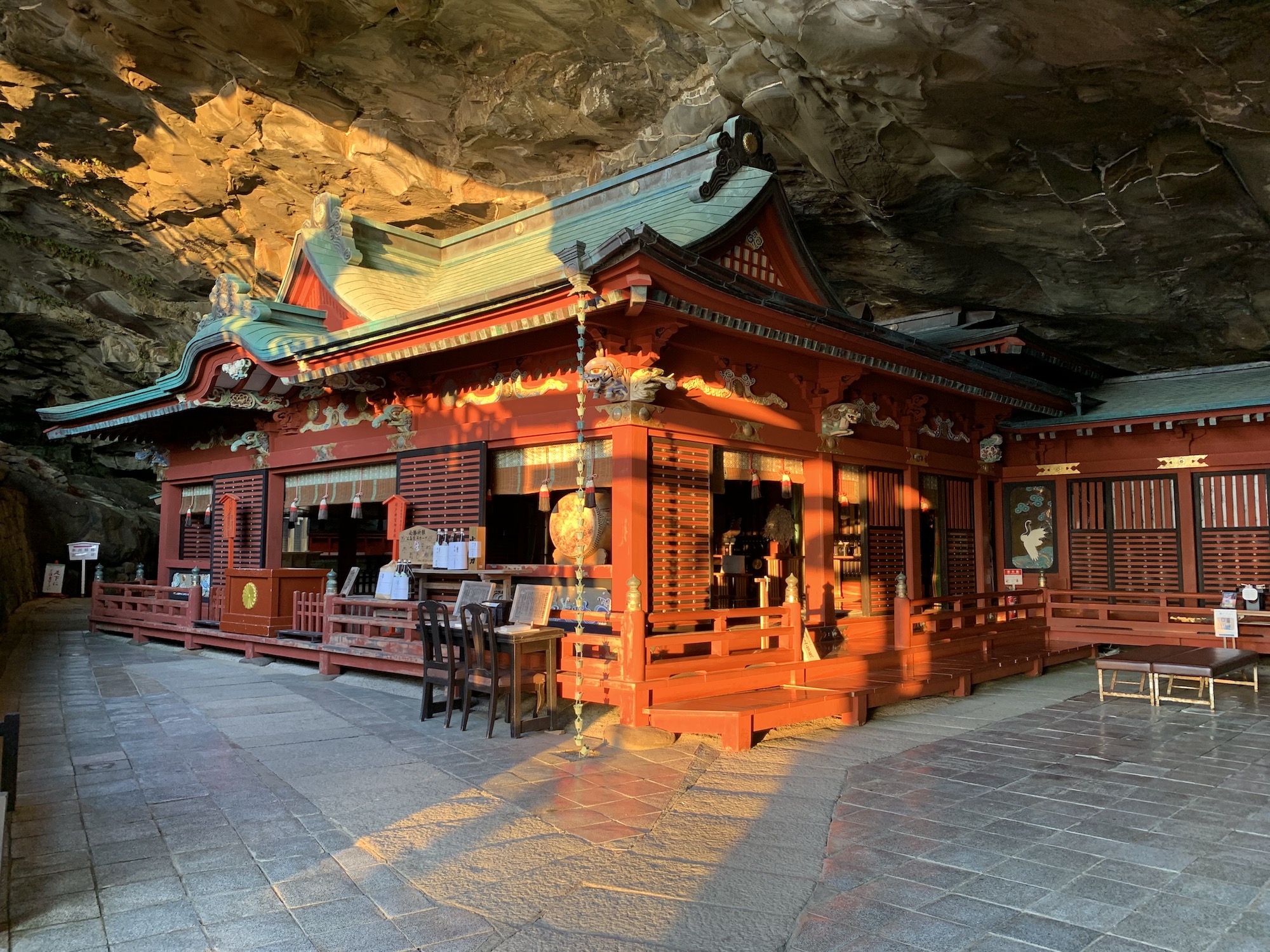
Udo Jingu
Udo Jingu is one of Japan’s most uniquely-located shrines — the entire main shrine sits inside a massive natural cave on the dramatic coast of Miyazaki, with vermilion architecture nestled directly against rugged sea cliffs. The shrine has been worshipped since at least the 6th century and is dedicated to Ugayafukiaezu, the legendary father of Emperor Jimmu (Japan’s first emperor according to mythology). The signature ritual is the unique “Untama Tossing” — visitors throw small clay ‘untama’ tokens toward a square hollow on the turtle-shaped Kameishi rock below, and successful aim is said to bring good fortune in love and life. The combination of the cave shrine, the dramatic ocean cliffs, and the spiritual tradition creates an atmosphere unlike any other shrine in Japan. Free admission (untama tokens ¥100 for 5). From JR Aburatsu Station, Udo Jingu is 25 minutes by bus along the scenic Nichinan Coast.
「鵜戸神宮(うどじんぐう)」は日本でも最も独特な立地の神社——本殿全体が宮崎県のドラマチックな海岸の天然の大洞窟内に位置し、朱色の建築が荒々しい海食崖に直接寄り添う神秘の空間です。神社は少なくとも6世紀から信仰されており、神武天皇(神話では日本最初の天皇)の父・鵜葺草葺不合命(ウガヤフキアエズ)を祀る由緒ある古社。象徴的な儀礼は独特の「運玉投げ」——訪問者は素焼きの「運玉」を、下にある亀の形の「亀石」のくぼみに投げ入れ、命中すると恋愛と人生に幸運をもたらすとされます。洞窟神社、ドラマチックな海食崖、精神的な伝統の組み合わせは、日本の他の神社にはない独特の雰囲気を醸し出します。拝観無料(運玉5個100円)。JR油津駅から、絶景の日南海岸を通ってバスで約25分。
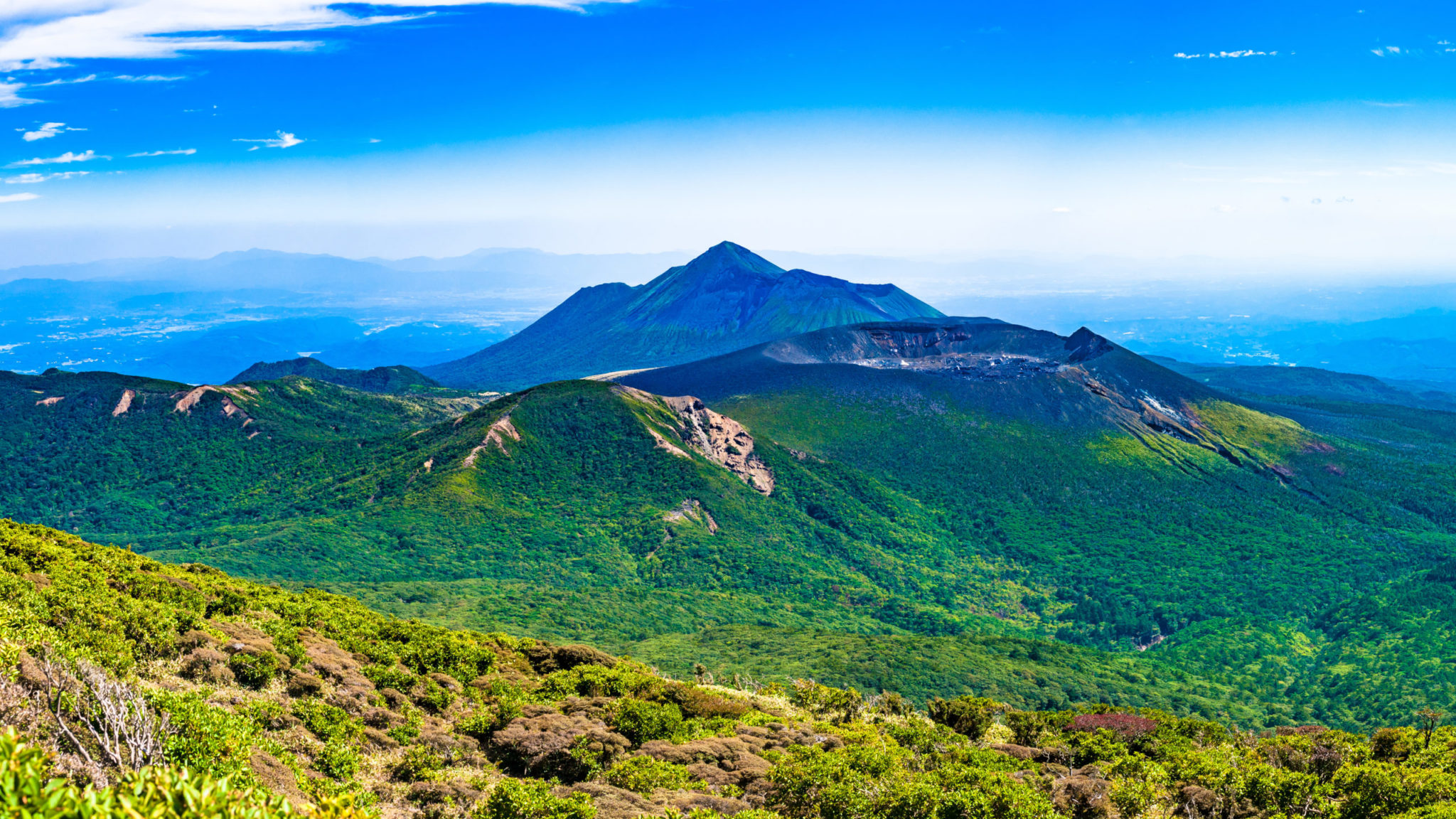
Ebino Plateau
Ebino Plateau, in the Kirishima mountain range straddling Miyazaki and Kagoshima, is one of Kyushu’s most breathtaking highland landscapes — a 1,200-meter alpine plateau covered in volcanic crater lakes, hot springs, ancient cedar forests, and seasonal wildflower meadows. The signature feature is the trio of crater lakes — cobalt-blue Fudo-ike, emerald-green Rokkannon-miike, and Byakushi-ike (once used as a natural ice rink) — linked by a popular lake-circuit trail. Above-ground hiking trails connect to multiple peaks (including the smoking active volcano Karakuni-yama) and a network of hot springs hidden in the forest. The annual fall foliage (mid-October) and winter snow scenes are particularly stunning. From JR Yoshimatsu Station, the plateau is 40 minutes by bus. Best from late April through October. Some areas may be restricted due to volcanic activity.
「えびの高原」は宮崎県と鹿児島県にまたがる霧島山系の絶景高原——標高1,200メートルの高地に、火山火口湖、温泉、古代の杉並木、季節の野花畑が広がる息を呑む別世界です。象徴的な見どころは三つの火口湖——コバルトブルーの「不動池」、エメラルドグリーンの「六観音御池(ろくかんのんみいけ)」、かつて天然スケート場だった「白紫池(びゃくしいけ)」——をめぐる池めぐりコースが人気です。地表のハイキングコースは複数の山頂(噴煙を上げる活火山「韓国岳(からくにだけ)」を含む)と、森に隠れた温泉ネットワークに繋がります。10月中旬の紅葉、冬の雪景色は特に絶景。JR吉松駅からバスで約40分。ベストシーズンは4月下旬〜10月。火山活動により一部エリアが制限されることがあります。
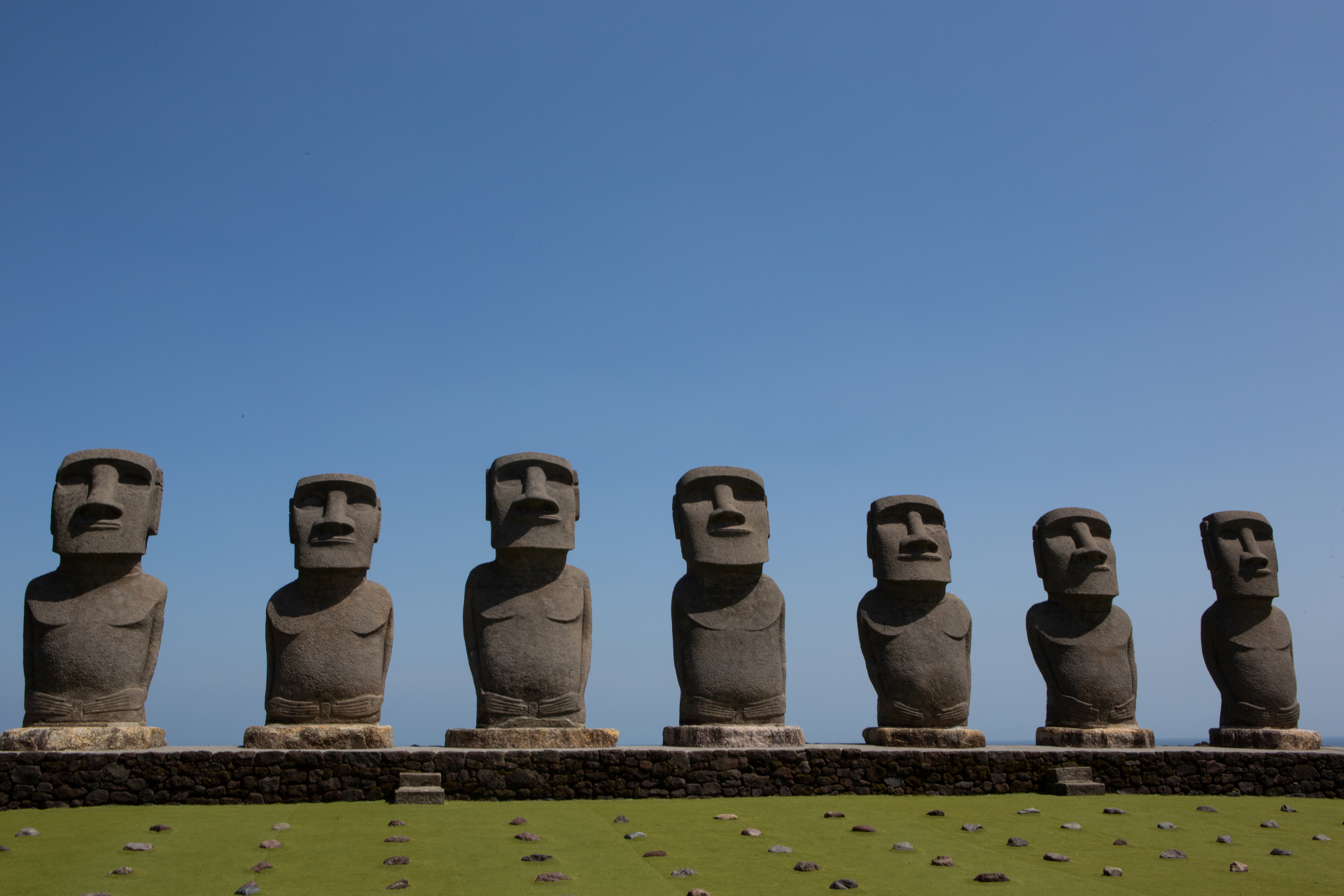
Sun Messe Nichinan
Sun Messe Nichinan is a hilltop park on the dramatic Nichinan Coast, famous for its seven full-size Moai statues lined up facing the Pacific. It is the only place in the world the Easter Island elders have authorized to make complete moai replicas — granted in thanks after Japanese engineers helped restore the original statues. Beyond the photogenic Moai, the park has flower gardens, a ‘Bell of Gratitude to the Earth,’ and sweeping ocean views, making it one of southern Miyazaki’s most popular stops. Admission about ¥1,000. From central Miyazaki, it is roughly an hour down the scenic Nichinan Coast by car or bus.
「サンメッセ日南(にちなん)」は、日南海岸の丘の上に広がる絶景パーク——太平洋を向いて並ぶ7体の実物大モアイ像で有名です。イースター島の長老会が世界で唯一、モアイの完全復刻を許可した場所で、日本の技術者が本物のモアイ修復に協力したお礼として実現しました。フォトジェニックなモアイのほか、花畑や「地球感謝の鐘」、大海原のパノラマも楽しめ、宮崎県南部でも屈指の人気スポット。入園料は約1,000円。宮崎市中心部から日南海岸沿いに車・バスで約1時間。
Insider Tips
現地通の旅の裏ワザ
‘Taiyo no Tamago’ mango peaks Apr–Jul. JA-certified versions cost ¥3,000–10,000. Aoshima area farm-direct = ⅓ price.
「太陽のたまご」マンゴーは4〜7月ピーク。JA認証品は¥3,000-10,000、青島エリア農家直売は3分の1価格。
Aoshima (‘Devil’s Washboard’ rock formation) — sunrise is the magical hour. Free shrine visit. Surfboard rentals from ¥2,500.
青島(鬼の洗濯板の岩礁)は朝日が最高の時間帯。神社参拝無料、サーフボード¥2,500レンタル可。
Frequently Asked Questions
How do I see Takachiho Gorge by boat?
Rent row boats (¥1,500/30 min, capacity 3) at the gorge wharf — the queue starts early on weekends. Arrive by 8 am or pre-book via the official Takachiho tourism website.
ボートは渓谷の乗船場でレンタル(30分1,500円、定員3名)。週末は早朝から行列。公式サイトで事前予約も可。
What is Miyazaki’s Hyuganatsu citrus?
Hyuganatsu (日向夏) is a yuzu-like citrus unique to Miyazaki, with white pith that’s sweet rather than bitter — you eat the whole thing with the peel. Ideal for fresh juice, jelly and marmalade.
日向夏は宮崎特産の柑橘。白皮が甘く、皮ごと食べるのが特徴。ジュース・ゼリー・マーマレードが定番。
Can I visit both Takachiho and Aoshima in one day?
They are 100km apart (about 2 hours by car). A day trip is possible from Miyazaki city to either, but not both. Consider splitting into two days, or rent a car for flexibility.
高千穂と青島は約100km(車で2時間)。宮崎市からの日帰りはどちらか一方が現実的。レンタカーがあれば1泊2日で両方回れます。
Travel Tip
Book the ‘Takachiho Night Kagura’ (高千穂夜神楽, ¥1,000, 8 pm nightly at Takachiho Shrine) — a condensed 1-hour performance of the ancient Shinto dance drama depicting the myth of Amaterasu emerging from her cave. It’s one of Japan’s most authentic cultural experiences.