Mie
Top Mie souvenirs and must-visit travel spots — your complete guide for visitors to Japan. Every 20 years, Ise Grand Shrine is ritually rebuilt — a 1,300-year-old cycle of renewal that draws millions of pilgrims a year to Japan’s most sacred site.
20年に一度の式年遷宮が続く伊勢神宮。日本人の「こころのふるさと」、三重への旅。
Mie is Ise’s prefecture, home to Japan’s most sacred shrine, Ise Jingu, plus the pearl farms of Toba and premium Matsusaka beef. The souvenir everyone buys is Akafuku, soft mochi under sweet red-bean paste from the shrine approach — best eaten within a couple of days — with Ise-udon and pearl goods alongside. Ujiyamada and Iseshi stations are the spots.
三重は伊勢の県——日本最高の聖地・伊勢神宮、鳥羽の真珠、高級な松阪牛。みんなが買うみやげは伊勢参道の「赤福」(餅にこし餡をのせた銘菓・日持ちは2日ほど)、伊勢うどんや真珠グッズも定番です。宇治山田駅・伊勢市駅が買い場です。
Recommended Omiyage
おすすめおみやげ 5選
Akafuku Mochi
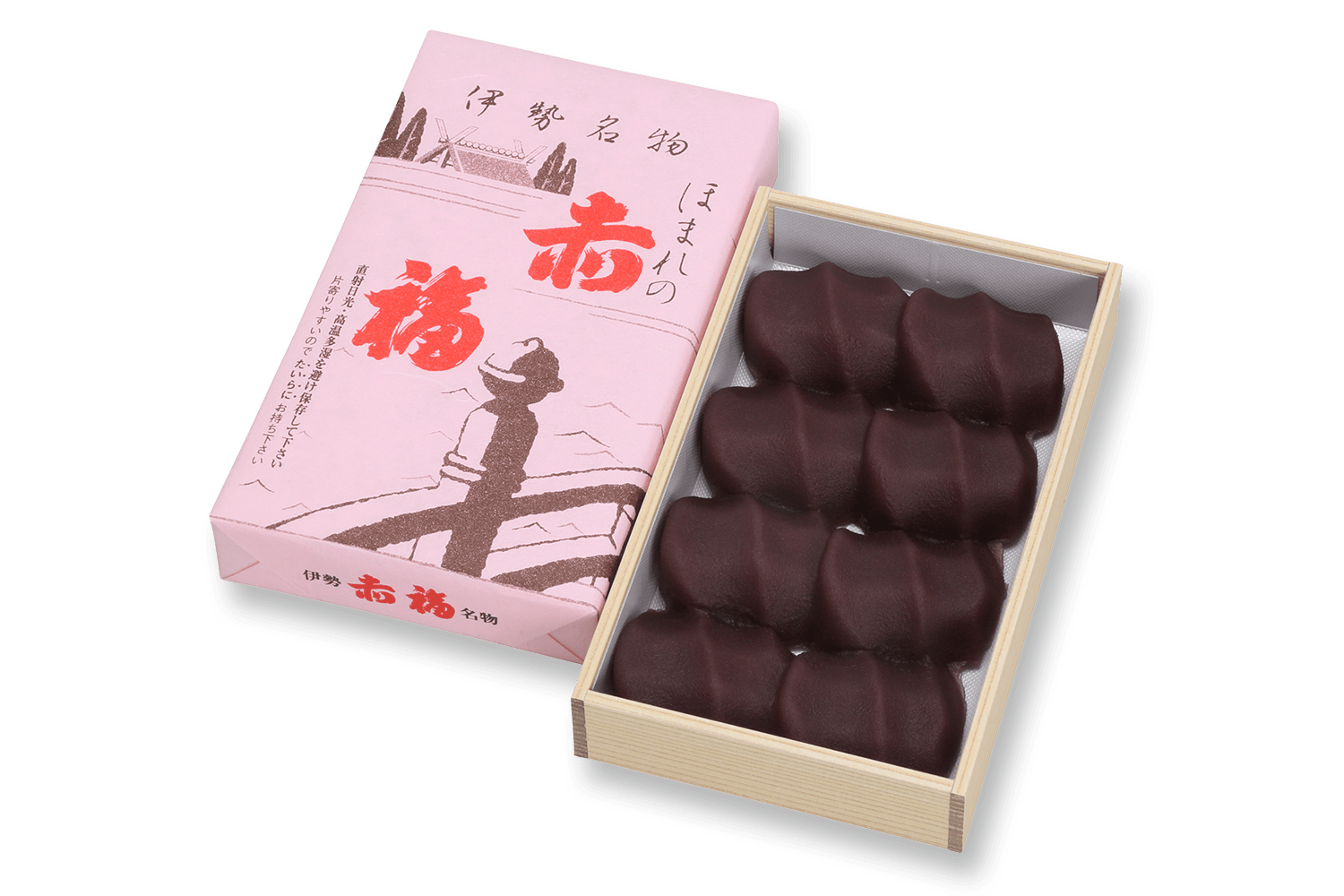
Akafuku Mochi has been crafted in Ise since 1707, making it Japan’s most enduring traditional sweet — over 300 years of unchanged recipe and presentation. Each piece consists of a smooth, soft mochi rice cake topped with a generous layer of red bean paste (koshi-an), with three signature finger-pressed grooves running across the top representing the Isuzu River that flows through Ise Grand Shrine. The white mochi beneath represents the pebbles of the Isuzu riverbed. Pilgrims have eaten Akafuku at the shrine approach for over a dozen generations. Best fresh from the Akafuku Honten flagship at Okage Yokocho — they’re handmade daily and finest within hours. Boxed take-home versions are kept at room temperature (not refrigerated) and are best within 2 days in summer or 3 in winter; sold at JR Ise-shi Station and shops along the shrine approach.
「赤福餅」は1707年から伊勢で作り続けられている、日本でも最も歴史ある伝統菓子——300年以上ほぼ変わらないレシピと意匠を守り続ける逸品です。柔らかな餅にこしあんをたっぷり乗せ、上面に3本の指筋が走るのが特徴で、これは伊勢神宮を流れる五十鈴川の川面を表現しているとされます。白い餅は五十鈴川の川底の小石を表すとされます。何世代もの参拝客が伊勢神宮への参道で赤福を頬張ってきました。「赤福本店」(おかげ横丁内)の毎日手作りされるできたてが至高——購入から数時間以内が最高の味わいです。お土産箱は常温保存(要冷蔵ではない)・消費期限は夏2日/冬3日。JR伊勢市駅、参道の土産店で購入可能。
Ise Udon
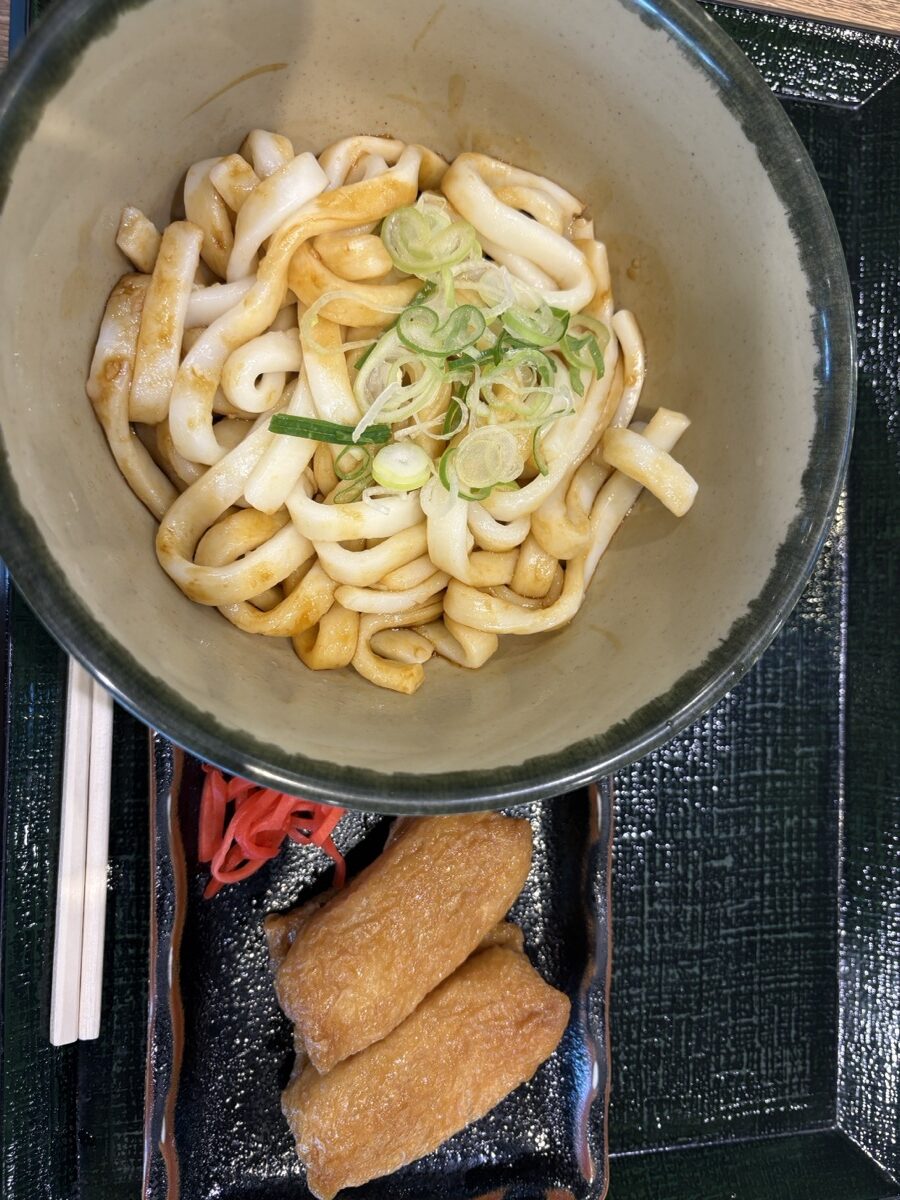
Ise udon is the noodle dish of Ise — and nothing like the udon you know. The noodles are exceptionally thick and boiled long until they turn pillowy soft, with none of the usual firm chew. There’s no soup: instead a small pool of dark, syrupy tare made from tamari soy sauce and dashi sits at the bottom, and you toss the noodles through it, usually with just green onion on top. It was born as fast food for pilgrims visiting Ise Grand Shrine — soft enough to eat quickly and gentle on a traveller’s stomach. As a souvenir, look for the take-home noodle sets: makers such as Yamaguchi Seimen (est. 1948) and Minami Seimen sell noodles with their tare included, with the room-temperature versions keeping around two months. Sold along Okage Yokocho, at JR Ise-shi Station and Kintetsu Ujiyamada Station.
伊勢うどんは、伊勢の名物麺——一般的なうどんとは別物です。麺は極太で、長時間ゆでてふわふわに柔らかく、いわゆるコシはありません。つゆはなく、丼の底にたまり醤油と出汁でつくった黒く濃厚なタレが少量。そこに麺をからめて食べます。薬味は刻みネギだけ、というのが基本形。もとは伊勢神宮を参拝する旅人のためのファストフードで、柔らかいからすぐ食べられて、旅で疲れた胃にもやさしい——それがこの形の理由です。お土産には持ち帰り用の麺セットを。山口製麺(1948年創業)やみなみ製麺などがタレ付きで販売しており、常温タイプは約2ヶ月ほど日持ちします。おかげ横丁、JR伊勢市駅、近鉄宇治山田駅などで購入可能。
Went and had Ise udon — the hot version this time 😊 First impression: these noodles are THICK (laughs). Then you eat them, and the texture is pillowy-soft and mochi-like ✨ I don’t think I’ve ever had udon with this texture before. There’s no soup — the tare is poured directly onto the noodles, and it’s a distinctive sweet-salty, somehow very gentle sauce! That fluffy texture paired with the sweet-savory tare was really delicious 😊 If you’re heading to the Ise area of Mie, trying a bowl makes for a good travel memory ♪
伊勢うどん食べてきましたー!今回は温かい伊勢うどんをいただきました😊 まず第一印象は、うどんが太い〜(笑)そして食べてみると、食感はふわっふわのもちもち食感です✨ うどんのこの食感は初めてかもしれません。汁は無く、タレがうどんに直接かけられており、それがまた独特な甘じょっぱい、何とも優しいタレでした!このふわふわの食感と甘じょっぱいタレのコラボ、とても美味しくいただけました😊 三重県伊勢方面にお出かけの際に食べてみると、良い旅の思い出になると思います♪
Mie Pearl Candy
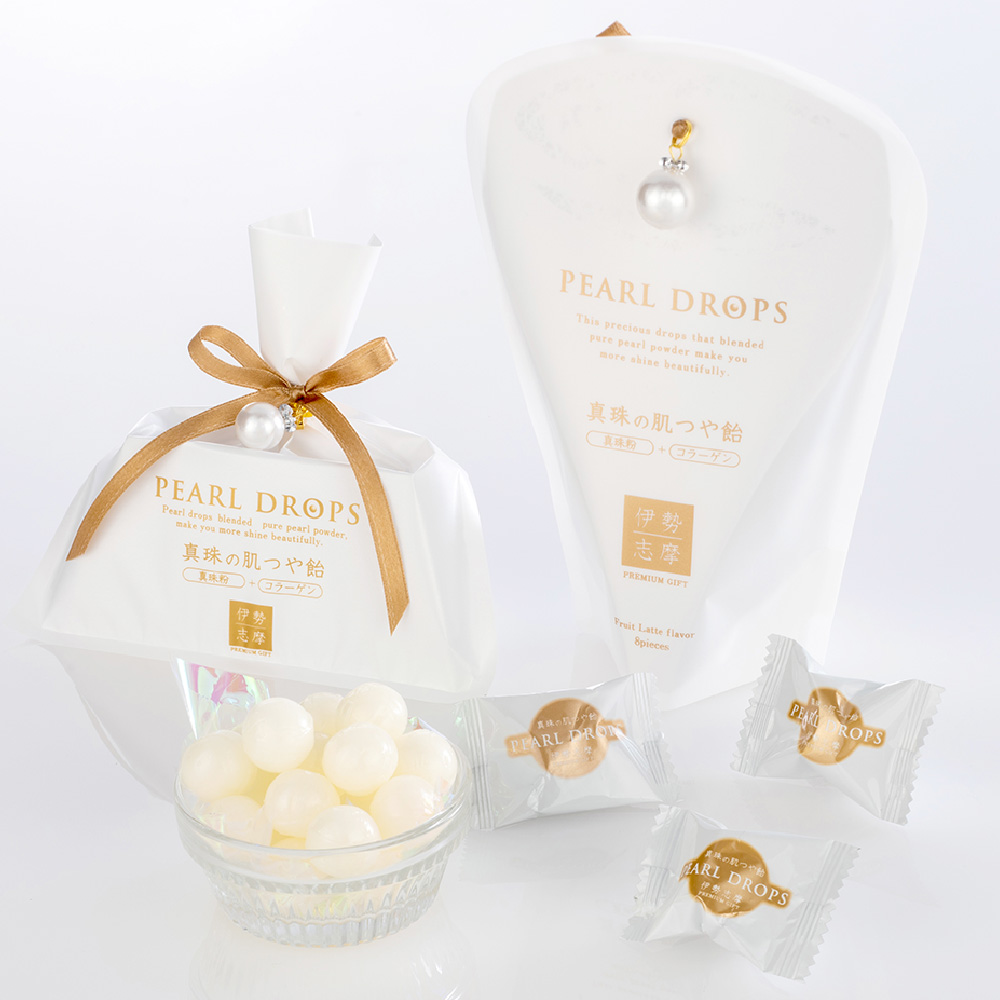
Mie’s Toba and Shima regions are the global birthplace of cultured pearls — Mikimoto Kokichi achieved the world’s first cultured pearl in 1893 at Ojima Island in Toba Bay, and the prefecture remains Japan’s pearl-producing capital (Ago Bay in Shima later became the main pearl-farming center). Mie Pearl Candy ingeniously commemorates this history with delicate sweets shaped to resemble pearls: glossy white pearl-shaped candies made with pearl powder and collagen. The packaging often features beautiful pearl-themed illustrations and the sweets pair perfectly with strong Japanese tea. It’s made by Ise Miyabito, whose ‘Pearl Drops’ blend pearl powder and collagen into glossy candies. Available at Mikimoto Pearl Island in Toba, JR Toba Station, and JR Ise-shi Station. Best within about a year.
三重県の鳥羽・志摩地方は世界の養殖真珠発祥地——1893年に御木本幸吉が鳥羽湾の相島(現ミキモト真珠島)で世界初の半円真珠養殖に成功し、現在も日本最大の真珠生産地です(その後、志摩の英虞湾が養殖の中心地に)。「三重パールキャンディ」は、この歴史を菓子で表現した遊び心ある銘菓——真珠粉とコラーゲンを練り込んだ、真珠を思わせる艶やかな球形のキャンディ(飴)です。真珠をモチーフにした美しいパッケージは贈答品として見栄えも抜群で、日本茶との相性も格別。製造は「伊勢みやびと」で、真珠粉とコラーゲン入りの「パールドロップ」が代表的です。鳥羽のミキモト真珠島、JR鳥羽駅、JR伊勢市駅で購入可能。賞味期限約1年(製造日より12ヶ月)。
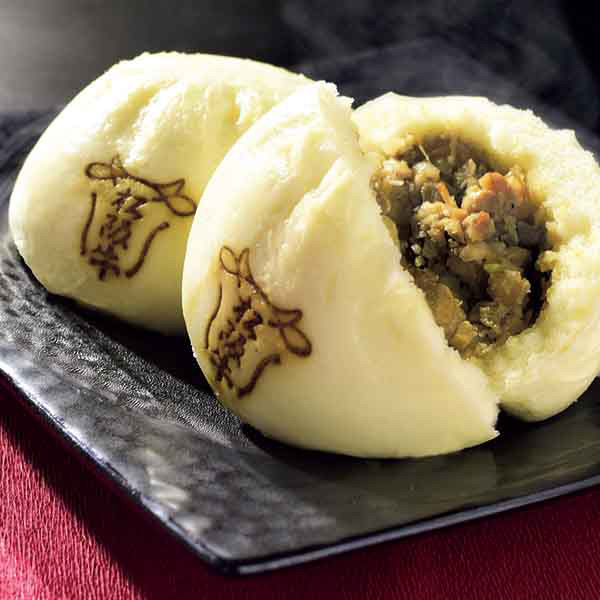
Matsusaka Beef Manju
Matsusaka is one of Japan’s three great wagyu beef brands (alongside Kobe and Omi) — the cattle are raised exclusively as virgin females in the Matsusaka region, fed beer to stimulate appetite and given gentle massages to develop the iconic snowflake marbling. Matsusaka Beef Manju takes this premium beef in a portable, savory form: small steamed buns filled with finely chopped Matsusaka beef in a sweet-savory sauce. The contrast of soft, slightly sweet bun and the tender, umami-rich beef filling is irresistible — a perfect snack with cold sake or beer. Makers include Wan, whose buns are seasoned sukiyaki-style, and Matsusaka Maruyoshi (a beef gyunabe bun). Boxed sets of 6 or 12 are sold at JR Matsusaka Station, Kintetsu department stores, and Ise souvenir shops. Best frozen; reheats beautifully in steamer.
「松阪牛(まつさかうし)」は神戸牛、近江牛と並ぶ日本三大和牛ブランド——松阪地方で処女雌牛のみを厳選し、食欲増進のためのビール給餌、霜降り発達のための優しいマッサージなど特別な飼育法で育てられた最高級和牛です。「松阪牛まんじゅう」は、このプレミアム和牛を携帯可能な美味しい形に——細かく刻んだ松阪牛を甘塩っぱいタレで味付けし、柔らかい蒸し饅頭の生地で包んだ逸品。優しい甘さの蒸しまんじゅうの皮と、柔らかく旨味たっぷりの牛肉あんのコントラストが堪らない美味しさで、冷酒やビールと相性抜群。代表メーカーは、松阪牛まんの「ウァン」や「松阪まるよし」(牛鍋まん)など。6個、12個入りの化粧箱がJR松阪駅、近鉄百貨店、伊勢の土産店などで販売。冷凍保存推奨で、蒸し器で温めなおせば本格的な味わいが復活します。
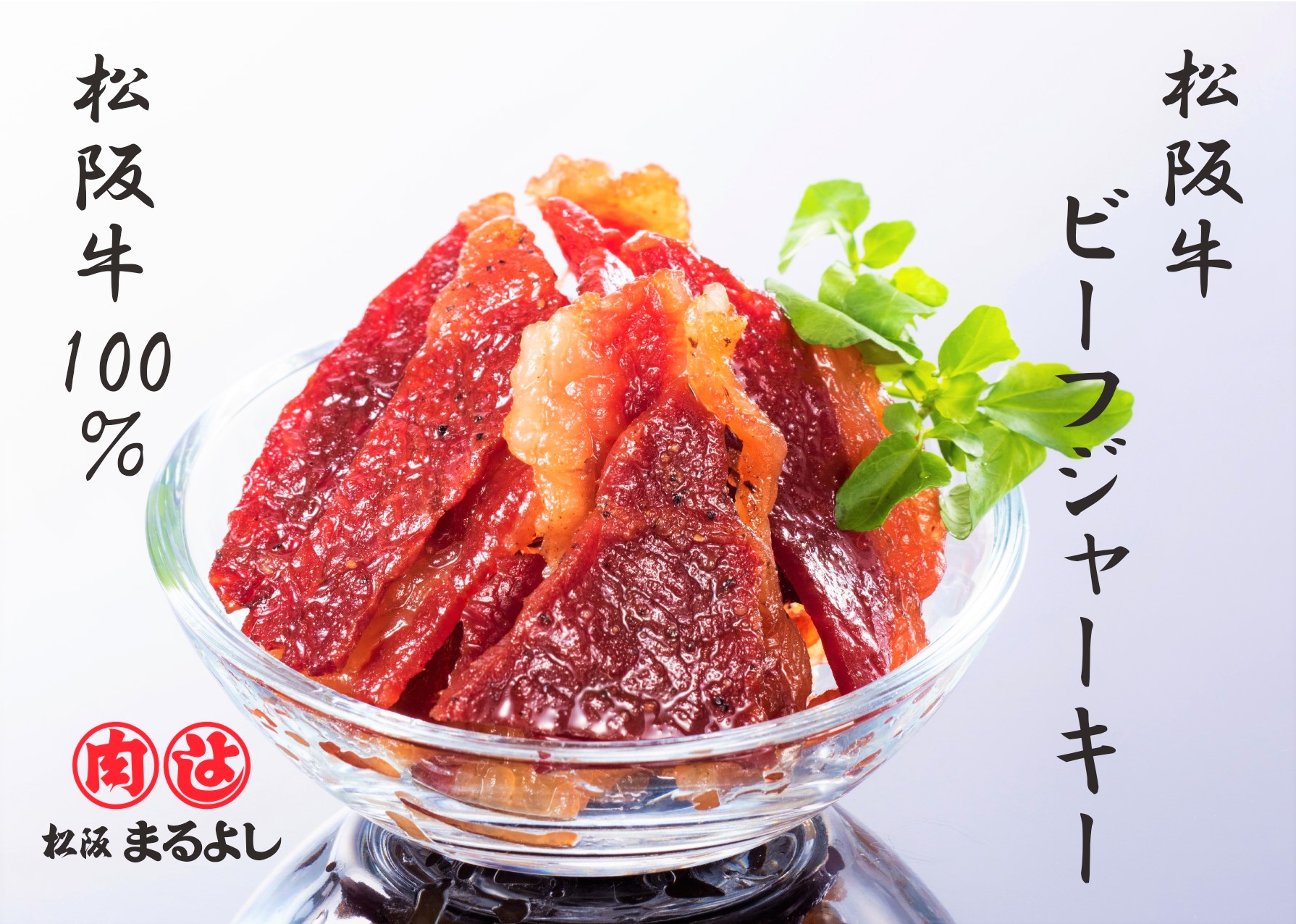
Tare-yaki Wagyu Jerky
A modern adaptation of Mie’s premium wagyu tradition, tare-yaki wagyu jerky takes thin slices of Matsusaka or Iga beef, marinates them in traditional sweet-savory tare sauce (soy sauce, mirin, sake, ginger), then slow-dries them to create a beautifully chewy, intensely flavorful jerky. Unlike American beef jerky’s heavy seasoning, the wagyu jerky is refined and umami-driven, with the meat’s natural sweetness and the sauce’s savory depth in perfect balance. It’s made by producers such as Matsusaka Maruyoshi and Butasute, in elegant gift packaging. Pair with cold beer, sake, or whiskey. Each pack holds about 30 grams of premium jerky. Available at JR Matsusaka Station, Maruyoshi shops, and online. Store at room temperature away from sunlight; best within about 45 days unopened (refrigerate after opening).
三重の高級和牛伝統の現代的アレンジ「タレ焼き和牛ジャーキー」は、松阪牛や伊賀牛の薄切りを伝統の甘塩っぱい醤油・みりん・酒・生姜タレに漬け込み、ゆっくりと乾燥させて、美しい歯ごたえと凝縮された旨味のジャーキーに仕上げた逸品。アメリカ式ビーフジャーキーの強い味付けとは異なり、和牛ジャーキーは上品な仕上がりで、肉本来の甘味とタレの深い旨味が完璧なバランスを見せます。「松阪まるよし」「豚捨」などが、優雅なギフトパッケージで製造しています。冷たいビール、日本酒、ウイスキーとの相性は格別。1パックに約30グラムの上質ジャーキーが入っています。JR松阪駅、松阪まるよし各店、オンライン直営店で購入可能。常温保存(直射日光を避ける)、未開封で約45日。開封後は冷蔵。
Must-Visit Spots
おすすめスポット 5選
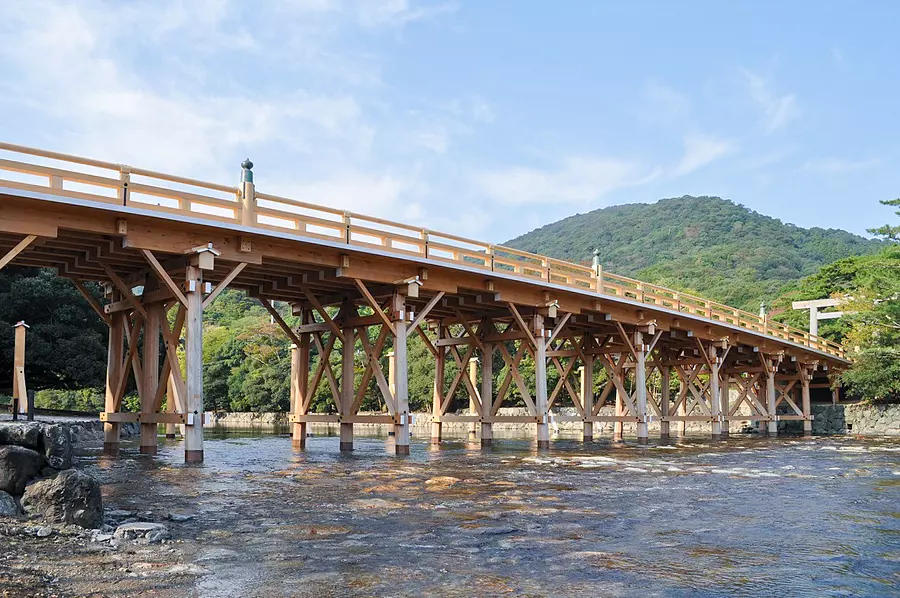
Ise Grand Shrine (Naiku)
The Ise Grand Shrine — Naiku (Inner Shrine) — is Japan’s most sacred Shinto sanctuary, home of the Imperial Family’s enshrined deity Amaterasu Omikami (the sun goddess). The shrine has been continuously maintained for over 2,000 years through the unique “Shikinen Sengu” tradition: every 20 years, the entire inner sanctuary is rebuilt from scratch using traditional methods, ensuring eternal renewal. The most recent rebuild was 2013; the next is 2033. Walking the cypress-lined approach across the Uji Bridge feels like crossing into another dimension. Photography is forbidden inside the inner sanctum. Free admission; photography allowed only at outer areas. The 30-minute walk through the sacred grounds includes ancient cedars and the sacred Isuzu River. From JR Ise-shi Station, take the Mie Kotsu bus (about 15 minutes, ~¥230).
「伊勢神宮(内宮)」は日本で最も神聖な神社——皇室の御祖先神とされる天照大御神を祀る、神道の総本山です。2,000年以上にわたって独特の「式年遷宮」伝統で維持されており、20年に一度、内宮の社殿全体が伝統工法で完全に建て替えられ、永遠の若さを保ち続けるという稀有な制度を持ちます。直近の遷宮は2013年、次回は2033年予定。檜並木の参道、宇治橋を渡る瞬間は、まるで別世界へ足を踏み入れたような神聖な感覚に包まれます。内陣での写真撮影は厳禁。拝観無料、外側エリアのみ撮影可。30分の聖域散策では、樹齢数百年の杉、神聖な五十鈴川が見どころ。JR伊勢市駅から三重交通の路線バスで約15分(約¥230)。
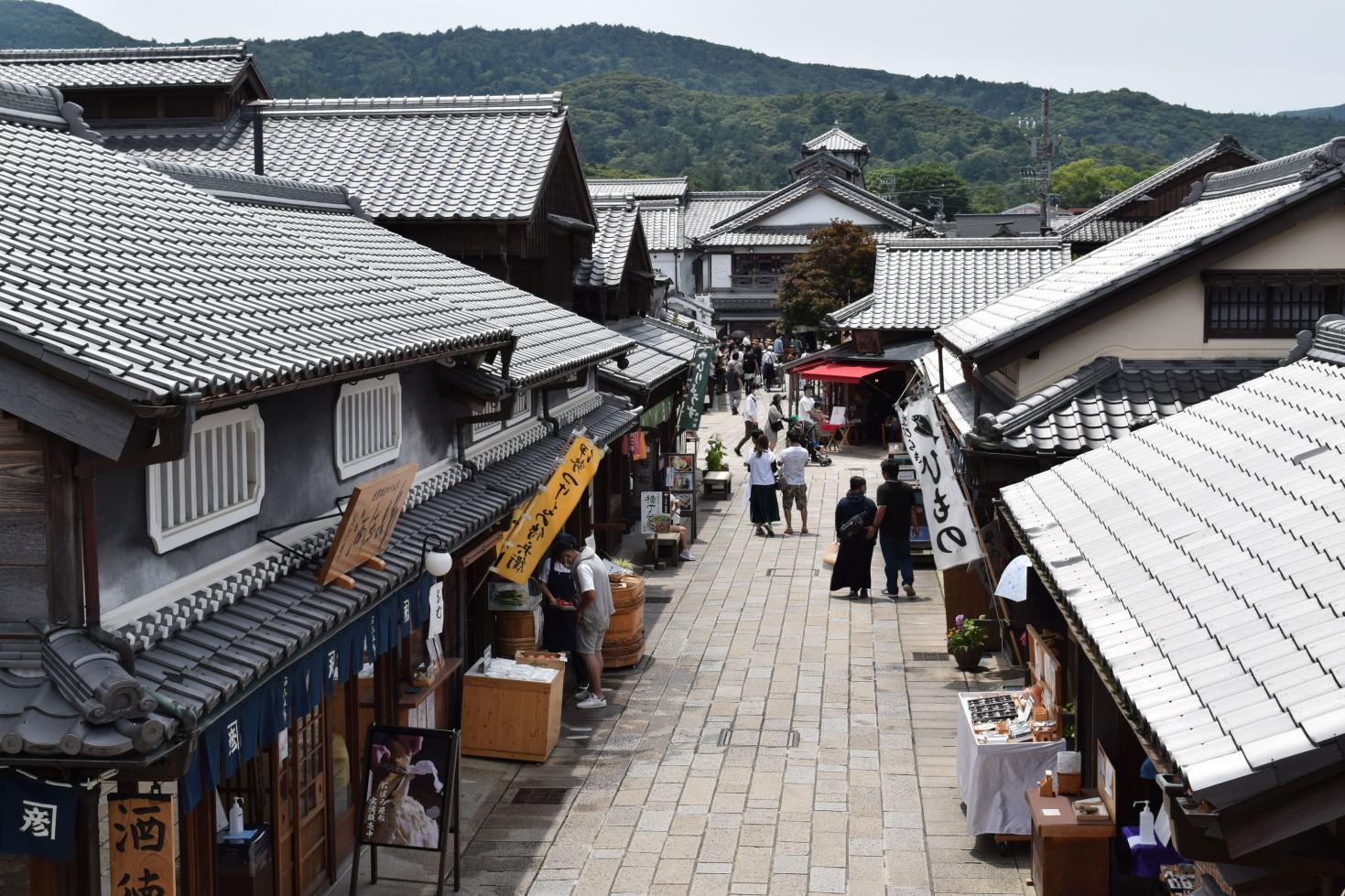
Okage Yokocho
Located at the entrance to Ise Grand Shrine’s Naiku approach, Okage Yokocho is a faithful recreation of an Edo/Meiji-era pilgrimage town — cobblestone streets, traditional wooden facades, and dozens of historic-style shops, restaurants, and traditional craft demonstrations. Built in 1993 to commemorate the 61st Shikinen Sengu and named to honor the centuries of pilgrim hospitality (“okage” means “thanks to”), the area is a charming, if curated, immersion in pre-modern Japan. Highlights include the Akafuku Honten flagship, traditional matcha tea houses, Ise udon shops, sake tasting stalls, and the famous “Okage-za” theater showcasing Edo-period entertainment. Beyond shopping, the energy of seasonal festivals, kimono-clad performers, and the smell of grilling sembei makes it a sensory delight.
伊勢神宮内宮の参道入口に位置する「おかげ横丁」は、江戸・明治期の参拝町を見事に再現したテーマパーク的エリア——石畳の通り、伝統的な木造ファサード、何十軒もの歴史風土産店、料理店、伝統工芸の実演が立ち並びます。1993年、第61回式年遷宮を記念して開業し、何世紀にもわたる参拝客への「おかげ(恩義)」を称えて命名されました。見どころは、「赤福本店」、伝統的な抹茶茶屋、伊勢うどんの店、利き酒スタンド、江戸時代の演芸を披露する「おかげ座」など。買い物以外にも、季節の祭り、着物姿の演者、屋台で焼かれる煎餅の香りなど、五感全てを刺激する魅力的な空間です。内宮参拝とセットで訪れるのが王道コース。
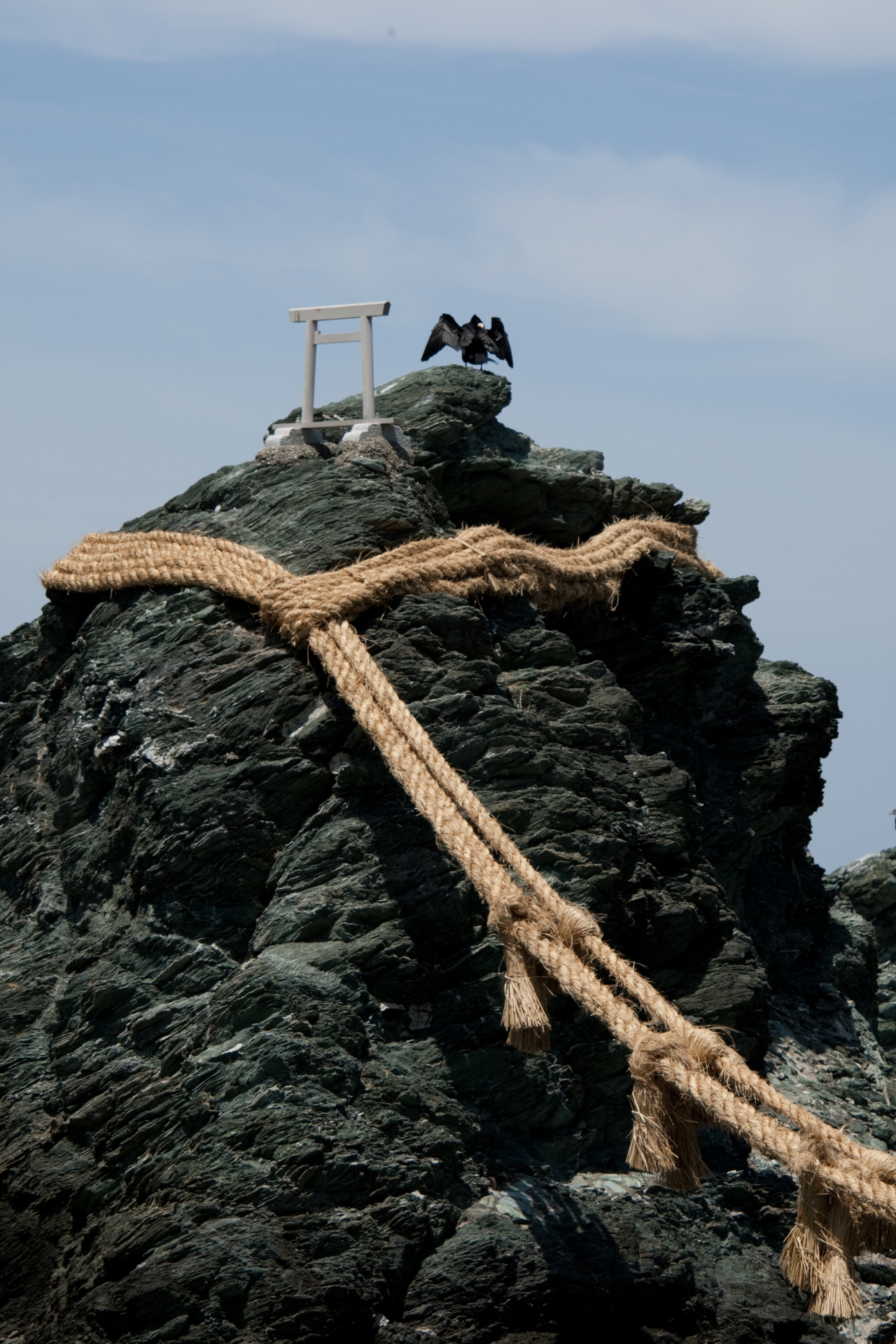
Meoto Iwa
Meoto Iwa (“Married Couple Rocks”) is one of Japan’s most spiritually evocative coastal landmarks — two large rocks emerging from the sea, joined by a sacred shimenawa rope and serving as a torii that frames the sacred offshore stone (Okitama-shinseki) and the rising sun, revered at the adjacent Futami Okitama Shrine. The larger “husband rock” stands 9 meters tall, the smaller “wife rock” 4 meters; the 35-meter shimenawa is replaced ceremonially three times annually. The view is most magical at sunrise (May-July) when the rising sun appears to emerge from between the two rocks — a sight believed to bring blessings for love, marriage, and harmonious relationships. The adjacent Futami Okitama Shrine enshrines Sarutahiko-no-Okami. From JR Futaminoura Station, about a 15-minute walk. Free admission.
「夫婦岩(めおといわ)」は、日本でも最も精神的に深い海岸ランドマークの一つ——海から突き出す2つの大岩を神聖な注連縄(しめなわ)が繋ぎ、沖合の霊石「興玉神石」と日の出を遥拝する鳥居の役割を担う聖地です。大きい「夫岩(男岩)」は高さ9メートル、小さい「妻岩(女岩)」は4メートル。両岩を結ぶ全長35メートルの注連縄は、年3回、神事として張り替えられる伝統が今も受け継がれています。最も魔法のような瞬間は、5〜7月の日の出時刻——太陽が二つの岩の間から昇る神秘的な光景は、恋愛、結婚、人間関係の円満をもたらすと信じられています。隣接する「二見興玉神社」には猿田彦大神が祀られています。JR二見浦駅から徒歩約15分。拝観無料。

Ago Bay
Ago Bay is a stunningly beautiful, pearl-shaped bay on Mie’s southern Pacific coast — a complex jigsaw of small islands and inlets that creates Japan’s premier pearl-cultivation environment. Ago Bay became the heartland of pearl farming after Mikimoto Kokichi’s 1893 breakthrough (achieved at Ojima in Toba Bay), and visitors can tour active pearl farms, watch demonstrations of pearl insertion, and purchase pearls directly from cultivators. Boat tours (50 minutes, ¥1,900) explore the bay’s many small islands and pearl rafts. The signature view is from the Yokoyama Observatory, especially at sunset when the islands silhouette dramatically. The area also features the Shima Spain Village (a cute Spanish-themed amusement park) within the Ise-Shima National Park. The bay’s gateways are Kashikojima and Ugata stations (Kintetsu), about 40 minutes by car from Toba.
「英虞湾(あごわん)」は三重県南部太平洋岸に広がる絶景の真珠形湾——複雑に入り組んだ小島々と入江が織りなす独特の地形が、日本最大の真珠養殖環境を作り出しています。1893年の御木本幸吉による養殖真珠成功(鳥羽湾の相島)の後に真珠養殖の中心地となった地でもあり、訪問者は現役の真珠養殖場見学、真珠核入れの実演観賞、養殖真珠の直接購入などを体験可能。50分の遊覧船ツアー(1,900円)では、湾内の島々と真珠筏が間近で見られます。象徴的な絶景は「横山展望台」からのパノラマで、特に夕日に照らされて島々がシルエットになる光景は格別。エリアにはスペインテーマの可愛らしい遊園地「志摩スペイン村」もあり、伊勢志摩国立公園に含まれます。玄関口は近鉄賢島駅・鵜方駅で、鳥羽からは車で約40分。
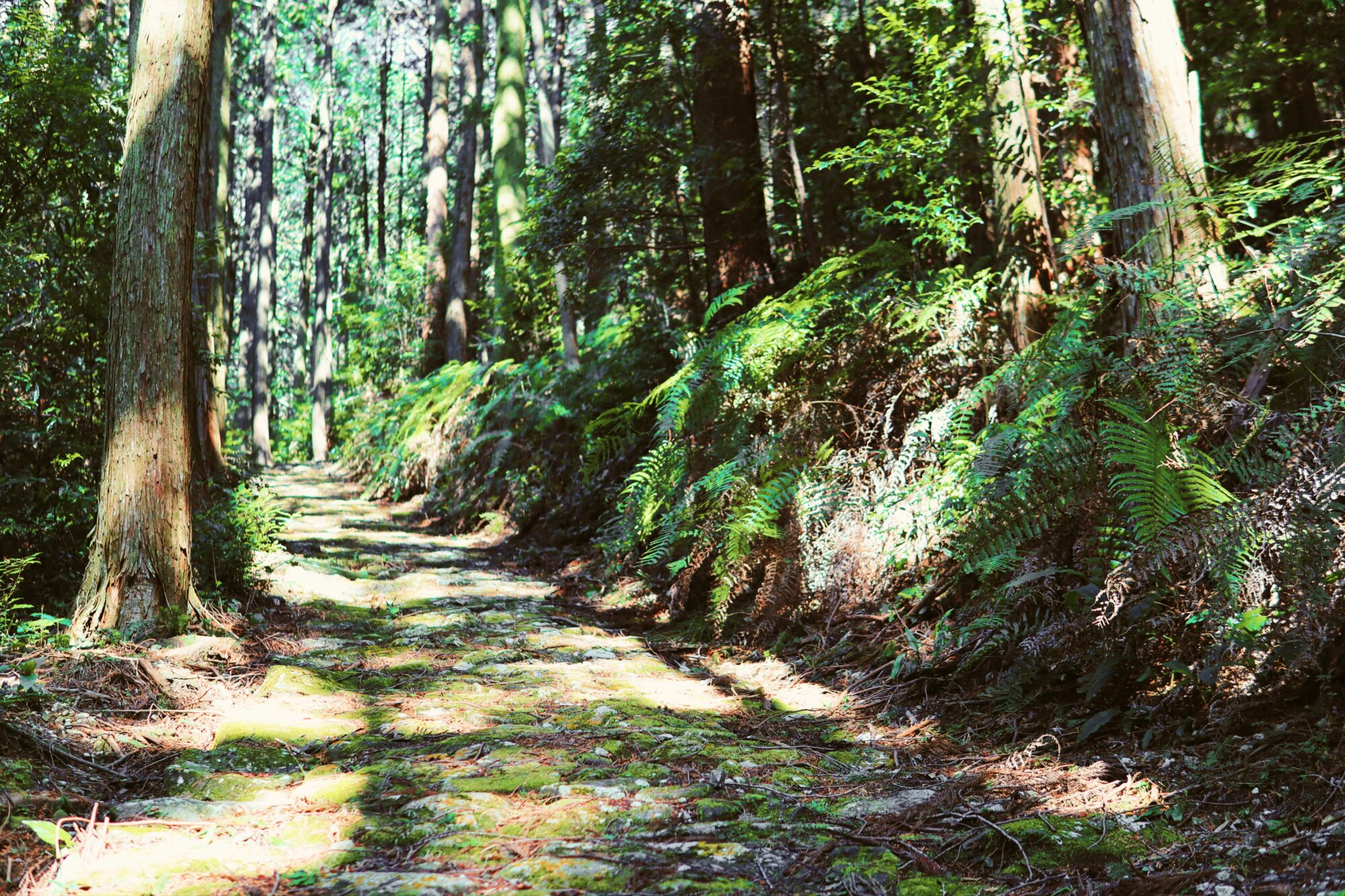
Kumano Kodo Iseji
Kumano Kodo is a network of ancient pilgrimage routes through the dense Kii Peninsula mountains, designated UNESCO World Heritage in 2004 alongside Spain’s Camino de Santiago — making them a sister-trail to the world’s most famous pilgrimage. The Iseji route is the section running through Mie, connecting Ise Grand Shrine to the Kumano Sanzan in Wakayama. Traveling on stone paths sometimes 1,200+ years old, pilgrims pass through ancient bamboo groves, mossy forests, terraced rice paddies, and small mountain villages frozen in time. Multi-day walks of 5-12 days are popular, with overnight stays at traditional minshuku inns. The Magose-toge Pass and Matsumoto-toge Pass offer stunning vista views and ancient stone steps. Various sections accessible from JR Kumano-shi, Owase, and Kii-Nagashima stations.
「熊野古道」は紀伊半島の深い山々を貫く古代の巡礼路網——2004年にスペインの「サンティアゴ・デ・コンポステーラ巡礼路」と共にユネスコ世界文化遺産に登録され、世界で最も有名な巡礼路の姉妹道として位置づけられました。「伊勢路」は三重県を通るルートで、伊勢神宮と和歌山の熊野三山を結びます。1,200年以上前の石畳道を歩きながら、巡礼者は古代の竹林、苔むした森、棚田、時代に取り残された山村を通り過ぎていく——日本の古くて美しい風景の旅です。5〜12日間の多日程ハイキングが人気で、夜は伝統的な民宿に宿泊。「馬越峠」「松本峠」では絶景パノラマと古い石階段が見どころ。JR熊野市駅、尾鷲駅、紀伊長島駅などから各セクションへアクセス可能。
Insider Tips
現地通の旅の裏ワザ
Always visit Outer Shrine (Geku) before Inner Shrine (Naiku) — that’s the traditional pilgrimage order. Most tour buses skip Geku, so it’s quieter at 8am.
伊勢神宮は外宮→内宮が古来からの正式参拝順。ツアーバスは外宮スキップが多く、8時着なら静寂の参拝可。
Real Akafuku mochi at the original shop (Naiku entrance) tastes different from boxed-souvenir versions because it’s eaten same-day. A sit-in plate of 2 pieces with tea is about ¥400.
本物の赤福は内宮前の本店で当日食すと別物の味。2個+番茶の「お召し上がり盆」は約¥400で味わえる。箱入り土産品とは違う体験。
Frequently Asked Questions
What is the correct order to visit Ise Grand Shrine?
Traditionally, visit Geku (Outer Shrine) first, then Naiku (Inner Shrine). Walk through Uji Bridge to enter Naiku — remove hats and be respectful.
伝統的には外宮→内宮の順で参拝。宇治橋を渡る際は帽子を取り、静かに参拝しましょう。
Where do I eat Matsusaka beef in Mie?
Matsusaka city has many certified yakiniku and sukiyaki restaurants. Restaurants like Wadakin and Gyugin Honten are highly regarded. Lunch sets from ¥3,000 are available.
松阪市内に認定焼肉・すき焼き店が多数。和田金や牛銀本店が評判。ランチセットは3,000円〜。
Are Ise Jingu photography restrictions?
You can photograph the shrine approach and gardens freely. Photography of the inner sanctuaries (Shoden) is prohibited. Look for posted signs.
参道や庭は撮影可。正宮(正殿)前は撮影禁止。標識に従ってください。
Travel Tip
Pick up ‘Akafuku Mochi’ fresh from the Okage Yokocho branch — it’s made daily and should be eaten the same day. The shop opens at 5 am on busy festival days. Combine with the Meoto Iwa sunrise for a magical start.