Shizuoka
Top Shizuoka souvenirs and must-visit travel spots — your complete guide for visitors to Japan. Shizuoka sits at the foot of Japan’s soul — Mount Fuji, the perfectly conical 3,776-metre stratovolcano that has defined Japanese art, religion, and identity for millennia. The prefecture’s south-facing slopes, tempered by warm Suruga Bay breezes, also produce Japan’s finest green tea (Makinohara plateau), the world’s most prized wasabi (Izu mountains), and the freshest eel (unagi) from the rivers of Hamamatsu.
静岡は日本の魂・富士山の麓に広がる県。3,776mの富士山は日本人のアイデンティティそのものです。温暖な駿河湾からの潮風が育む牧之原台地のお茶・伊豆の清冽な水が生む山葵・浜松の鰻など、食の宝庫でもあります。
Shizuoka runs along the Pacific under Mount Fuji — green-tea hills, wasabi farms, eel, and the Izu hot springs. Its single most famous souvenir is Shunkado’s Unagi Pie, a butter-and-eel-extract pastry, with Shizuoka tea and wasabi products right behind. Tea and Unagi Pie travel beautifully. Shizuoka and Hamamatsu stations are the easy stops.
静岡は富士山の下、太平洋沿いに広がる県——茶畑、わさび田、うなぎ、伊豆の温泉。一番有名なみやげは春華堂の「うなぎパイ」(バターとうなぎエキスの菓子)、静岡茶やわさび製品も定番です。お茶とうなぎパイは持ち帰りに最適。静岡駅・浜松駅が便利です。
Recommended Omiyage
おすすめおみやげ 5選
Unagi Pie (Eel Pie)
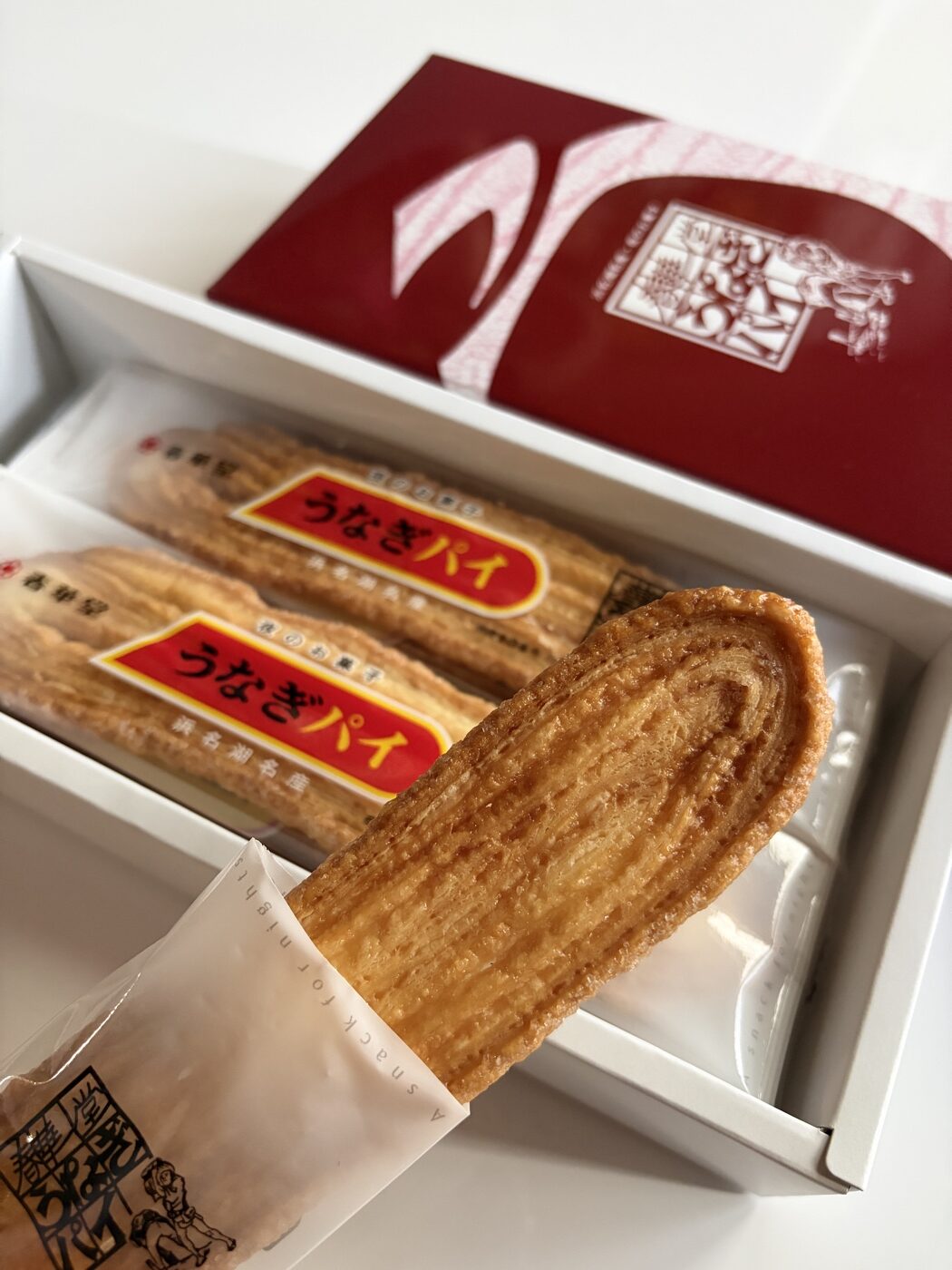
Despite the alarming name, Unagi Pie is a beloved Hamamatsu confection that contains no eel meat — it’s a buttery, flaky puff pastry biscuit infused with eel powder and a hint of garlic, creating a uniquely savory-sweet flavor profile that’s been Hamamatsu’s signature since 1961. The slogan “Yoru no Okashi” (“the night-time confection”) is a playful nod to eel’s reputation as an aphrodisiac. The pastry itself is delicate, crisp, and impossibly light, with the eel powder providing a barely-perceptible umami depth that complements the butteriness. Made by Shunkado, available throughout Hamamatsu and at every Shizuoka tourist stop. The signature long box of 12 pastries makes the perfect souvenir. Available at JR Hamamatsu Station, JR Shizuoka Station, and Tokyo Station Gransta.
驚く名前ですが、浜松名物「うなぎパイ」には鰻の身は使われていません——うなぎ粉とガーリックを練り込んだ、サクサクのバター風味パイ生地で、1961年以来浜松のシグネチャー菓子として愛され続けています。「夜のお菓子」というユニークなキャッチコピーは、鰻が滋養強壮食として有名なことを遊び心のあるユーモアで表現したもの。パイ生地は繊細で軽く、うなぎ粉が、バターの香りと共に不思議な深み——ほのかなうま味——を加える絶妙なバランスが魅力。「春華堂」が製造し、浜松全域、静岡県の主要観光地、東京駅のグランスタなどで販売。象徴的な12本入り長型箱はお土産の定番。JR浜松駅、JR静岡駅、東京駅で広く購入可能です。
True to its name, this pie is long and slender like an eel! Open the wrapper and a buttery aroma drifts out. Eel powder is listed in the ingredients, but I didn’t taste any eel flavor at all. The flaky pastry has a surprisingly firm crunch for how thin it is, and the sugar sprinkled over the surface makes a lovely accent ◎ Each pie is on the large side, so one is genuinely satisfying. It’s on the sweet side, yet the aftertaste is light and clean ♪ Simple but never boring — my hand kept reaching for one more. Great as a souvenir, and just as good as a treat for yourself ^^
名前のとおり、うなぎのように細長い形のパイです!袋を開けるとバターの香りがふわり。原材料にうなぎ粉が入っていますが、うなぎの風味は感じませんでした。サクサクのパイ生地は、薄さの割にしっかりとした歯ごたえです。表面にまぶされた砂糖がいいアクセントになっていました◎ 1本が大きめで、満足感もたっぷり。味は甘めですが、後味はすっきり軽やかでした♪ シンプルなのに飽きがこなくて、ついもう1本と手が伸びます。お土産にはもちろん、自分用のおやつにもおすすめです^^
Shizuoka Green Tea
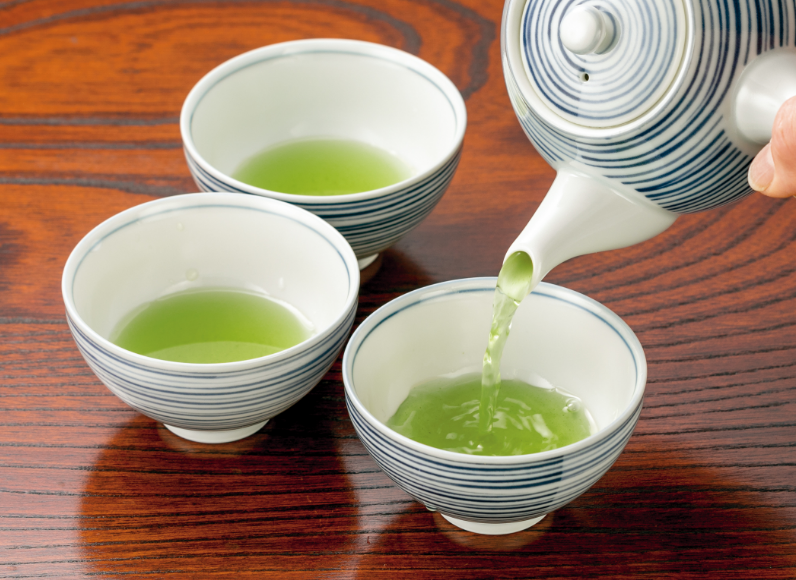
Shizuoka produces around a third of Japan’s green tea (about 36%) and leads the nation in tea acreage and value — its mild climate, mineral-rich volcanic soil, and pristine mountain water make the prefecture’s tea fields among the world’s best. The signature varieties include Sencha (everyday refined green tea), Gyokuro (premium shaded tea with intense umami), and the rare “Shincha” (first-flush spring tea harvested in late April-May, with electric green color and concentrated flavor). Top regions include Shizuoka City’s Honyama, the Kawane valley, and Makinohara. Many tea farms offer tasting tours and direct purchases. The Shizuoka Tea Museum in Shimada City is essential for tea enthusiasts. Premium tea ranges from ¥1,000 (everyday sencha) to ¥10,000+ (premium gyokuro). Available at JR Shizuoka Station, the prefecture’s many roadside stations, and tea farm direct shops.
静岡県は日本の緑茶のおよそ3分の1(約36%)を生産し、茶の栽培面積・産出額は全国一の茶どころ——温暖な気候、ミネラル豊富な火山性土壌、清冽な山の水が育む茶畑は世界でも屈指の品質を誇ります。代表品種は「煎茶」(日常使いの上質な緑茶)、「玉露」(覆い育ての高級茶、濃厚な旨味が特徴)、そして希少な「新茶」(4月下旬〜5月の春一番茶、電撃的な緑色と凝縮された風味)など多彩。代表的な産地は静岡市本山、川根、牧之原台地など。多くの茶園で試飲ツアーと直接購入が可能。島田市の「お茶の博物館」は茶愛好家には必訪。価格帯は通常煎茶1,000円から、玉露の最高級品は10,000円超まで。JR静岡駅、県内多数の道の駅、茶農家直営店で購入可能。
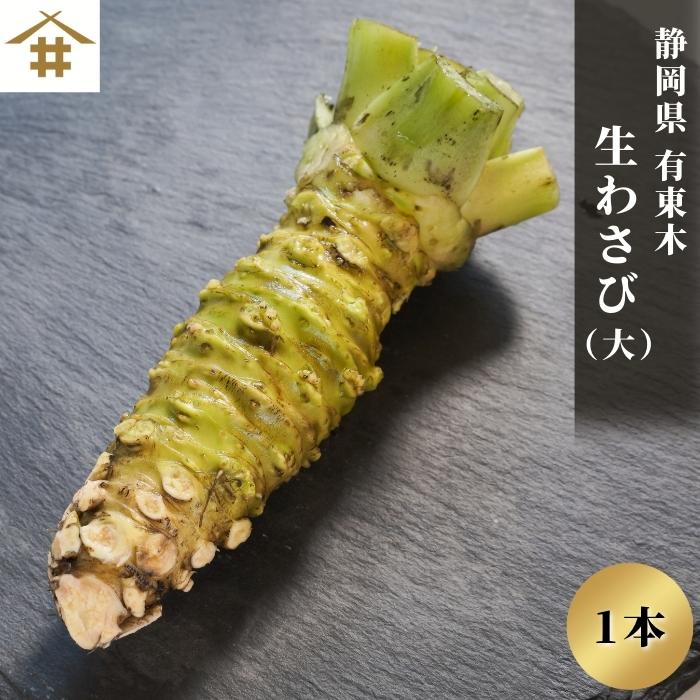
Fresh Wasabi Products
Shizuoka’s Izu Peninsula is Japan’s premier wasabi-producing region — the cold, mineral-rich mountain spring water of the Amagi Mountains creates ideal growing conditions for the plant, which takes 18-24 months to reach harvest size. Real fresh wasabi (not the green-dyed horseradish paste at supermarkets) has a complex, gentle heat that builds and dissipates quickly, with subtle sweet and herbal notes — completely different from the harsh, lingering bite of fake versions. Available products include whole fresh roots (¥1,500-5,000 each, with shavers), wasabi-infused mayonnaise, wasabi crackers, wasabi salt, and wasabi-flavored ice cream. Top Shizuoka producers include Yamamoto Foods (which runs the Izu Wasabi Museum) and the Amagi Wasabi-no-Sato. Available at JR Mishima Station, the famous Shuzenji Onsen area, and Izu’s wasabi farm direct shops.
静岡県の伊豆半島は日本随一のわさび産地——天城山系の冷たくミネラル豊富な山の湧水が理想的な栽培環境を作り出し、植え付けから収穫まで18〜24ヶ月もの長期栽培が行われます。本物の生わさび(スーパーで売られている緑色着色の西洋わさびとは別物)は、複雑で穏やかな辛さがすっと立ち上がりすぐ消える、ほのかな甘みとハーブのような香りが特徴で、模造品の強い刺激とは比較にならない上品な味わいです。販売商品は、生根(1,500〜5,000円、専用おろし器付き)、わさびマヨネーズ、わさびクラッカー、わさび塩、わさびアイスクリームなど多彩。代表事業者は「山本食品」(伊豆わさびミュージアム運営)、「天城わさびの里」など。JR三島駅、修善寺温泉エリア、伊豆のわさび農園直営店で購入可能。
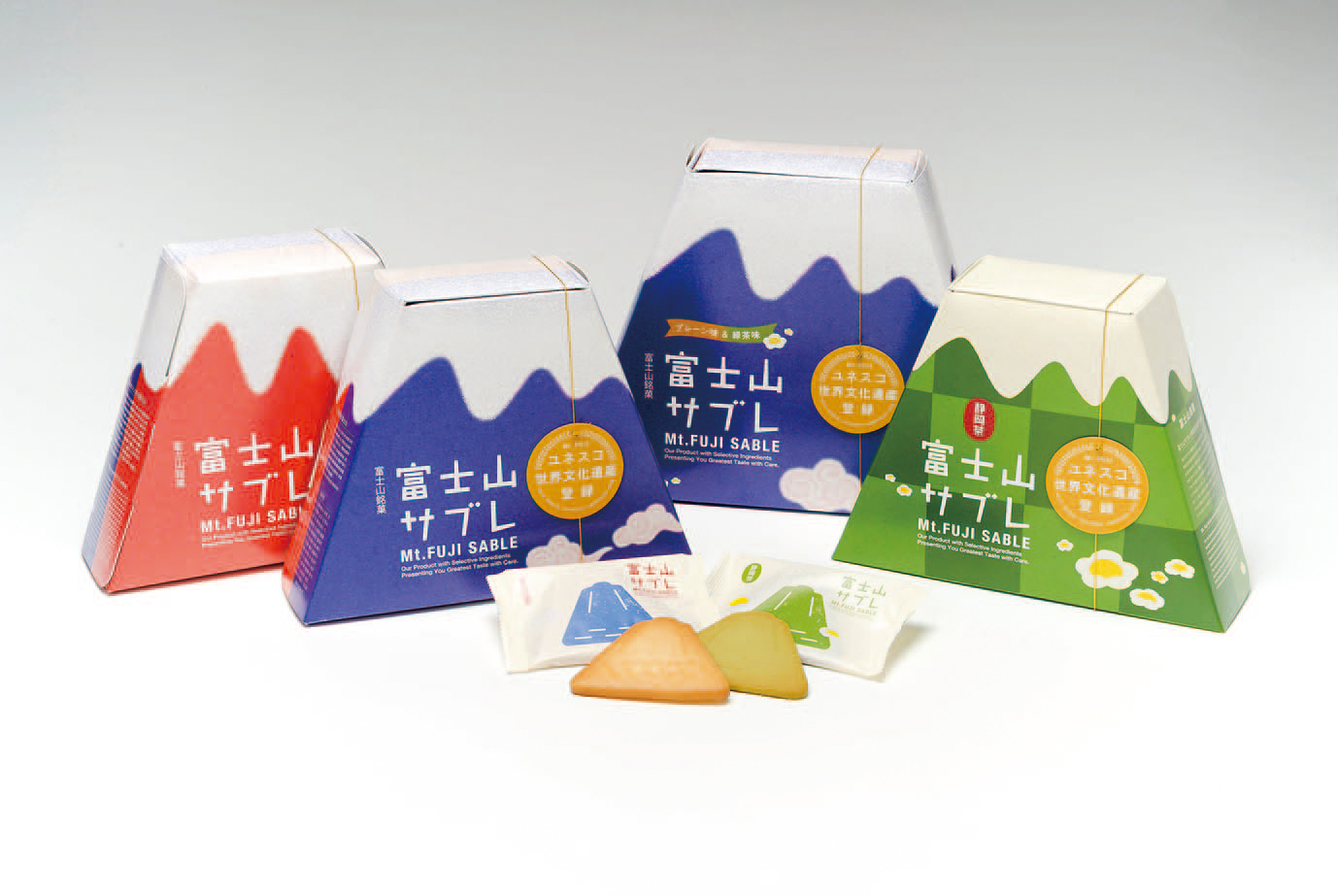
Fujisan Sablé
Fujisan Sablé is Shizuoka’s elegant tribute to Mt. Fuji’s iconic silhouette — a buttery shortbread cookie cut into the shape of the legendary mountain, with the snow-capped summit evoked by the packaging design. Made by master patissiers using premium butter and refined sugar, the cookies have a melt-in-the-mouth texture and rich, slightly sweet flavor that adults and children adore. Each cookie is individually wrapped in elegant blue and white packaging featuring stylized Fuji imagery, making them visually stunning gifts. It’s made by Fuji Seipan in Fuji City. Boxed assortments come in 6, 12, or 24 pieces with shelf life of about 90 days. Available at JR Shizuoka Station, JR Mishima Station, and tourist shops near Mt. Fuji.
「富士山サブレ」は富士山の象徴的なシルエットを菓子に表現した静岡のエレガントな逸品——富士山の形にくり抜いたバター香るショートブレッドクッキーで、頂上の雪冠はパッケージのデザインで表現されています。上質なバターと精製糖で熟練パティシエが手がける、口の中でとろけるような食感、上品で控えめな甘さは、大人も子供も大好き。一枚ずつ青と白の上品なパッケージに個包装され、富士山のイラスト入りで贈答品としての見栄えも抜群。製造は富士市の「富士製パン」。6枚、12枚、24枚入りなど化粧箱の展開も豊富で、賞味期限約90日。JR静岡駅、JR三島駅、富士山周辺の観光土産店で購入可能。
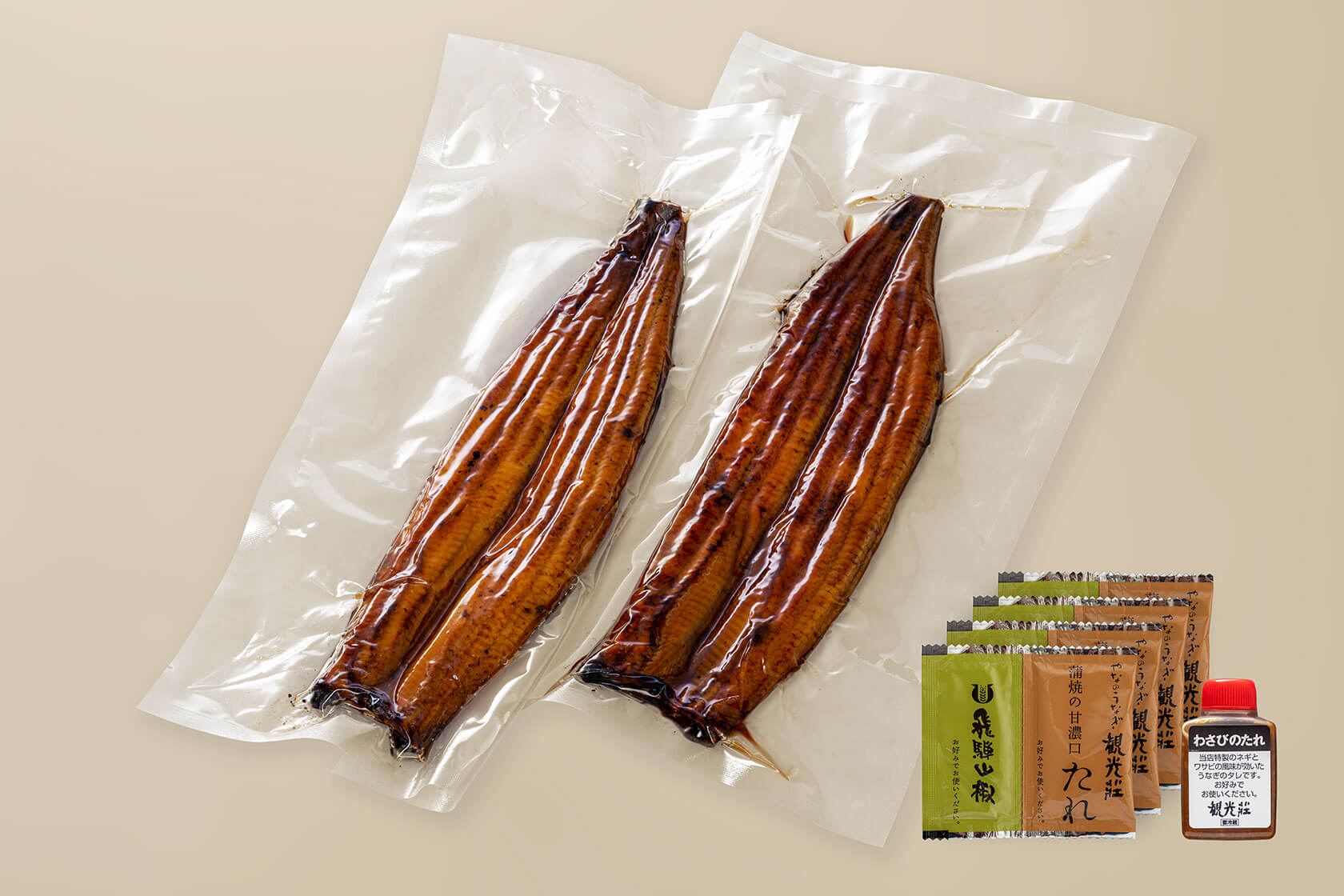
Hamamatsu Eel (Unagi)
Hamamatsu has been Japan’s eel-farming capital since 1900, when entrepreneur Hattori Kurajiro pioneered eel aquaculture in nearby Lake Hamana. Today, Hamamatsu’s eel restaurants are pilgrimage destinations for unagi connoisseurs — the local Kabayaki style features eels grilled over charcoal until the skin is crispy and the rich fat melts into the soy-sweet sauce, then served over rice (unaju or unadon) or as the famous “hitsumabushi” mixed with rice. Top restaurants like Atsumi (open since 1907) require advance reservation. For souvenirs, vacuum-sealed kabayaki-style eel from Hamamatsu’s certified farms can be reheated at home — flavor rivals restaurants. Available at JR Hamamatsu Station and Lake Hamana SA on the Tomei Expressway. Keep refrigerated and eat within about a week (longer if frozen).
浜松は1900年(明治33年)以来、日本のうなぎ養殖の中心地——実業家・服部倉治郎が浜名湖周辺でうなぎ養殖を確立した発祥の地です。現在、浜松のうなぎ料理店は、うなぎ好きにとっての聖地として位置づけられ、地元の蒲焼スタイルは、皮がカリッとし、濃厚な脂が醤油タレに溶け込むまで炭火でじっくり焼き上げる、その上で、白ご飯に乗せた「うな重」「うな丼」、または有名な「ひつまぶし」(ご飯と混ぜて食べる)として提供されます。「あつみ」(1907年創業)など名店は予約必須。お土産には、浜松認証の養殖うなぎを真空パックした蒲焼スタイルが家庭で温めなおすだけで料理店レベルの味を再現可能。JR浜松駅、東名高速道路の浜名湖SAで広く購入可能。冷蔵では約1週間以内、冷凍ならより長持ちします。
Must-Visit Spots
おすすめスポット 5選
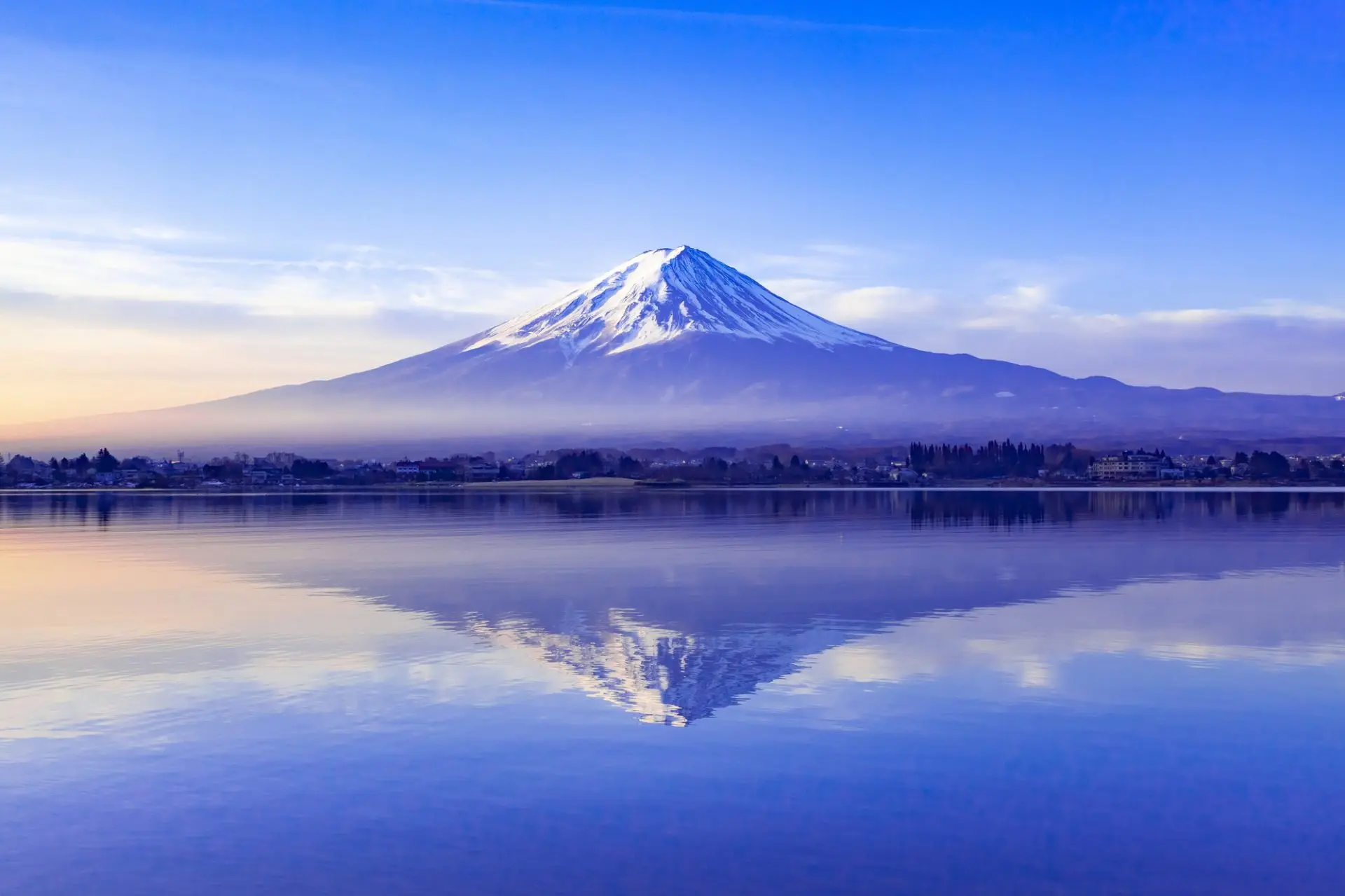
Mount Fuji (Fujisan)
Mt. Fuji at 3,776 meters is Japan’s highest mountain, most photographed natural symbol, and a UNESCO World Cultural Heritage Site (designated in 2013). Almost perfectly symmetrical, snow-capped much of the year, and long considered sacred — its climbable summit attracts 200,000+ pilgrims and tourists each summer (climbing season July-September, snow-covered impossible at other times). The most popular climbing route, the Yoshida Trail from Kawaguchiko 5th Station, takes 5-7 hours up and 3-5 hours down. Many climbers ascend overnight to reach the summit at dawn for the unforgettable “Goraiko” sunrise view. Beyond climbing, Mt. Fuji is also celebrated for its surrounding lakes (Fuji Five Lakes), forests (Aokigahara), and the world-famous reverse view from Lake Kawaguchi. Best from October-March for guaranteed snow caps and clear visibility.
標高3,776メートルの「富士山」は、日本最高峰、最も撮影される自然のシンボル、2013年にユネスコ世界文化遺産に登録された日本の象徴。ほぼ完璧な左右対称形、年間の大半は雪冠を頂き、古くから霊峰として崇敬されてきました——夏には20万人を超える巡礼者・観光客が登頂を目指します(登山シーズンは7〜9月、それ以外は雪で登頂不可)。最も人気のルートは、河口湖五合目から登る「吉田ルート」で、上り5〜7時間、下り3〜5時間。多くの登山者は夜通し登り、頂上で日の出「ご来光」を迎える忘れられない体験を求めます。登山だけでなく、富士五湖、青木ヶ原樹海、河口湖からの世界的に有名な逆さ富士など、周辺観光も充実。ベストシーズンは10〜3月で、確実な雪冠と澄んだ視界が保証されます。
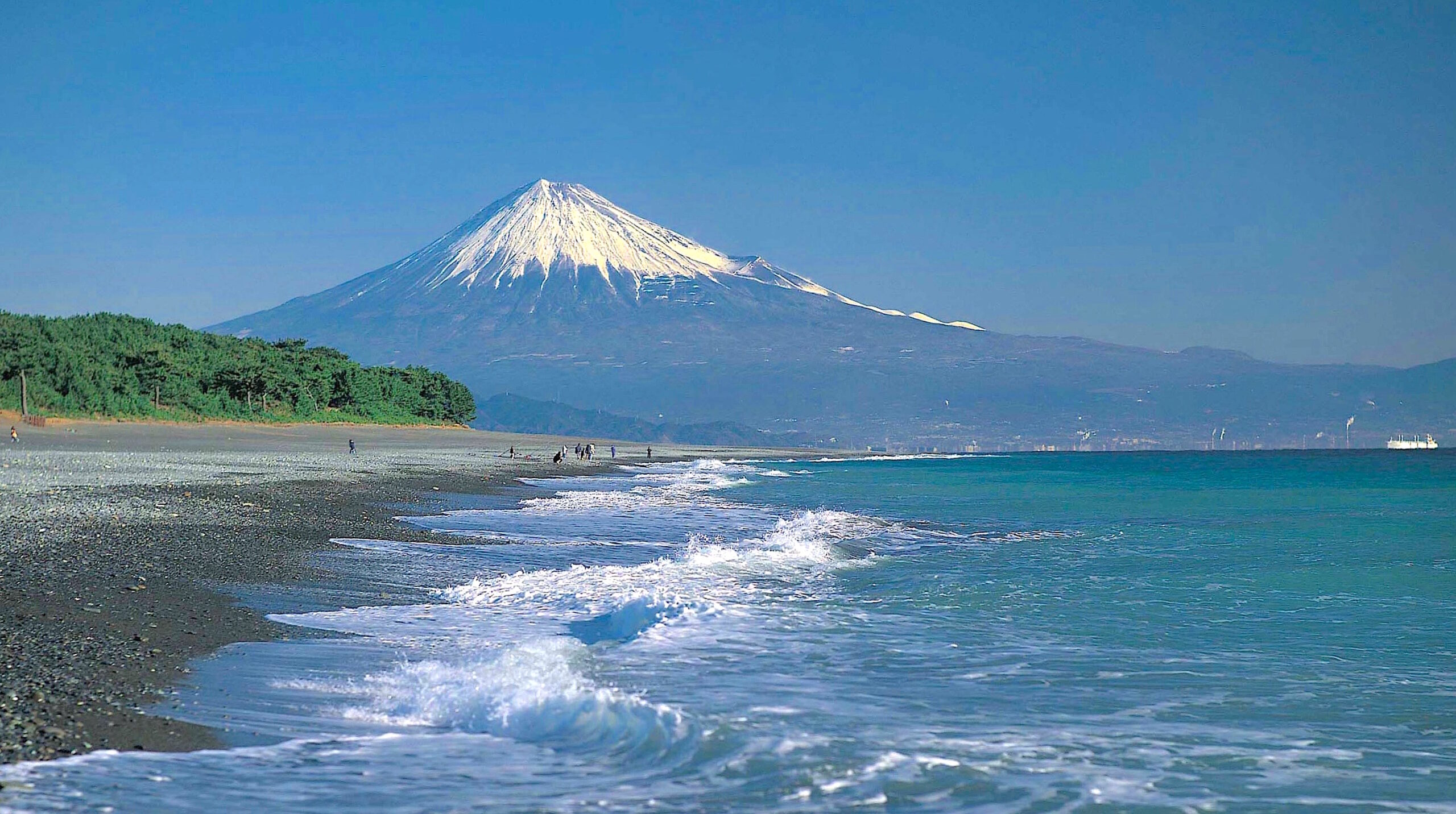
Miho no Matsubara
Miho no Matsubara is one of the most celebrated landscape views in Japanese art history — a 7-kilometer pine-tree-lined coastline along Suruga Bay where ancient pines frame stunning views of Mt. Fuji rising directly across the water. The location appears in countless ukiyo-e prints, classical Japanese poetry, and Noh plays, including the famous “Hagoromo” legend of an angel who descended from heaven and danced for the local fisherman. The ancient “Hagoromo Pine” still stands here, supposedly where the angel left her feathered robe. Walking the pine-shaded beach with Fuji’s perfect cone in the background is a profound aesthetic experience. Best in October-March for clear Fuji views. Often paired with a visit to nearby Kunozan Toshogu Shrine. From JR Shimizu Station, a 25-minute bus ride.
「三保の松原(みほのまつばら)」は、日本美術史で最も称えられた景観の一つ——駿河湾沿いの7キロにわたる松林の海岸線で、古代の松が、海越しに直接そびえ立つ富士山の絶景を額縁のように囲む構図が、数え切れない浮世絵、古典和歌、能楽作品に描かれてきました。有名な「羽衣」伝説——天女が天から降りて地元漁師のために舞いを披露した伝説の場所——の舞台でもあり、天女が羽衣を残したとされる古い「羽衣の松」が今も残ります。松の木陰の浜辺を歩きながら、奥に完璧な円錐形の富士山が見える光景は、深い美的体験を提供してくれます。富士の景色を望むベストシーズンは10〜3月。隣接する久能山東照宮とセットで巡るのが定番コース。JR清水駅からバスで約25分。
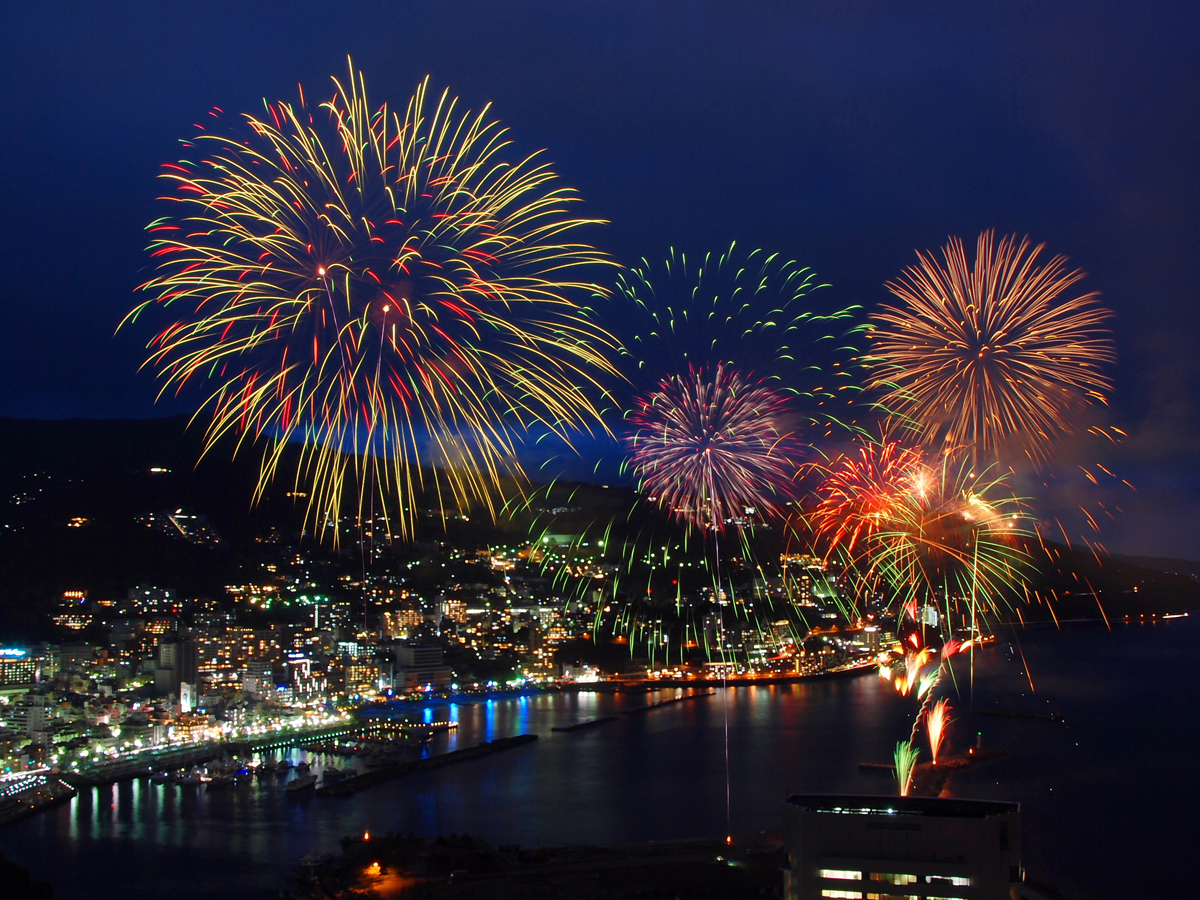
Atami Onsen
Atami is Tokyo’s most accessible historic hot-spring town — its powerful sodium-chloride springs have welcomed travelers since the 8th century, with the local legend telling of the springs being formed when a Buddhist priest’s sacred staff struck the ground. Today, Atami has experienced a stylish revival, with luxury ryokan, modern boutique hotels, and trendy cafes joining traditional Japanese inns along the seaside hillside. The signature attractions include the Atami Plum Garden (early February’s earliest plum blooms in Japan), MOA Museum of Art (with masterpieces by Korin and Hokusai), and the elegant Taisho-era Kiunkaku villa. Many ryokan offer outdoor baths overlooking Sagami Bay. From Tokyo via JR Tokaido Shinkansen (about 37 minutes by Hikari) — perhaps Japan’s most accessible major hot-spring resort.
「熱海温泉」は東京から最もアクセスしやすい歴史ある温泉郷——強塩泉系のお湯は8世紀から旅人を迎え続け、地元の伝承では仏教の僧侶が地面に錫杖を突き刺した場所から湯が湧き出したと伝わります。現在、熱海はスタイリッシュな復興を遂げ、伝統旅館に加え、ラグジュアリー旅館、モダンなブティックホテル、トレンディなカフェが海沿いの丘陵に立ち並びます。主要観光スポットは、日本一早咲きの「熱海梅園」(2月上旬がピーク)、尾形光琳・葛飾北斎の名作を所蔵する「MOA美術館」、大正期の名邸「起雲閣」など。多くの旅館では相模湾を見下ろす露天風呂が楽しめます。東京からJR東海道新幹線で約37分(ひかり)——おそらく日本で最もアクセスの良い主要温泉リゾートです。
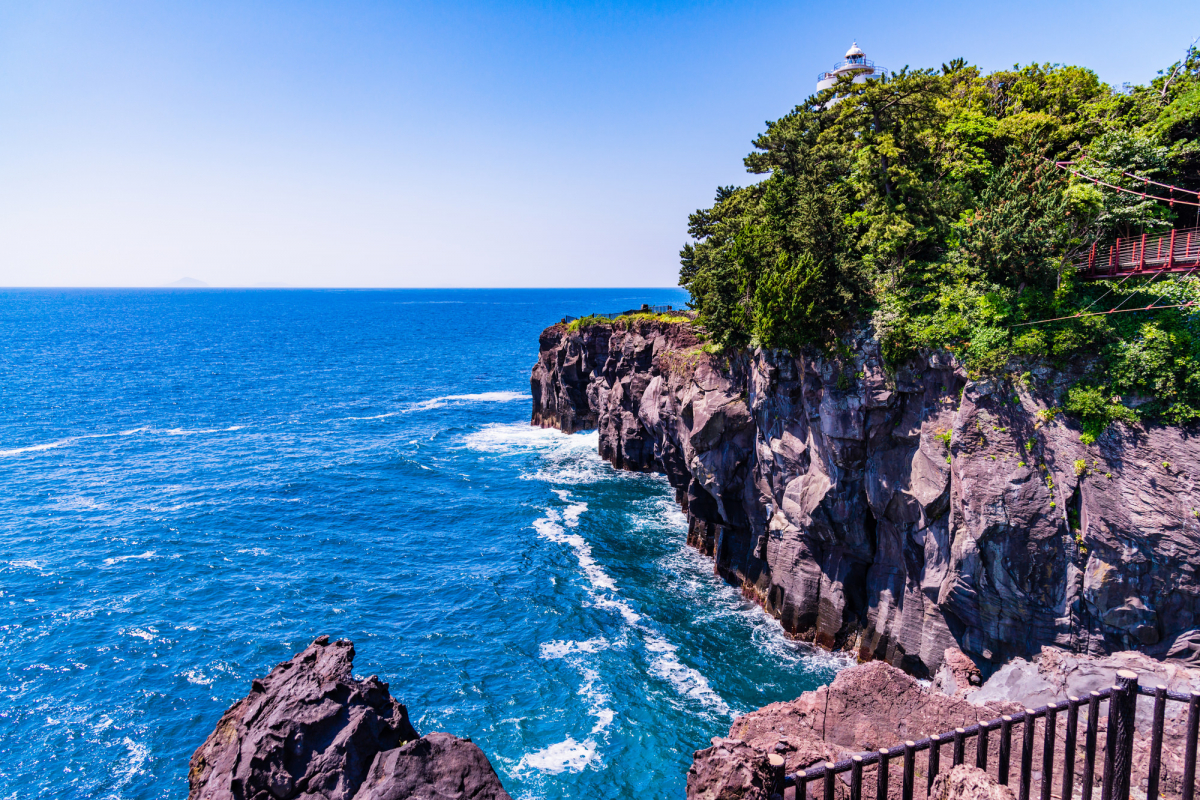
Izu Peninsula
The Izu Peninsula extends south from Shizuoka into the Pacific, offering Japan’s most accessible escape into volcanic-coastal beauty — dramatic cliffs, secluded beaches, lush forests, and dozens of historic hot-spring towns. The signature attractions include Shimoda (the first port opened under the 1854 treaty, where Perry concluded the supplementary Treaty of Shimoda and America’s first consulate stood at Gyokusen-ji), the rugged southwestern coast with its turquoise coves, the volcanic Mt. Omuro, and the famous Joren-no-taki (Joren Falls) cascading 25 meters through old-growth forest. The peninsula’s hot-spring villages — Shuzenji Onsen (1,200 years old), Atagawa Onsen, Shimoda Onsen, Kawazu Onsen — each offer distinct character. The famous Kawazuzakura cherry blossoms (Japan’s earliest, blooming early February) draw enormous crowds. Reached via JR Tokaido + Izukyu lines from Tokyo (about 2.5 hours to southern Izu).
「伊豆半島」は静岡県南部から太平洋に突き出した、日本でも最もアクセスしやすい火山と海岸の絶景の宝庫——ドラマチックな断崖、隠れた砂浜、豊かな森、何十もの歴史ある温泉郷が点在します。看板スポットは、1854年の条約で最初に開かれた開港地で、ペリーが下田条約を結び、玉泉寺に米国初の総領事館が置かれた「下田」、ターコイズブルーの入江が連なる西南海岸、火山の「大室山」、原生林を25メートル落下する「浄蓮の滝(じょうれんのたき)」など見どころ満載。半島の温泉町——「修善寺温泉」(1,200年の歴史)、「熱川温泉」、「下田温泉」、「河津温泉」——はそれぞれ独自の風情を持ちます。日本一早咲きの「河津桜」(2月上旬満開)は毎年大変な賑わい。東京からJR東海道線+伊豆急で南伊豆まで約2.5時間。
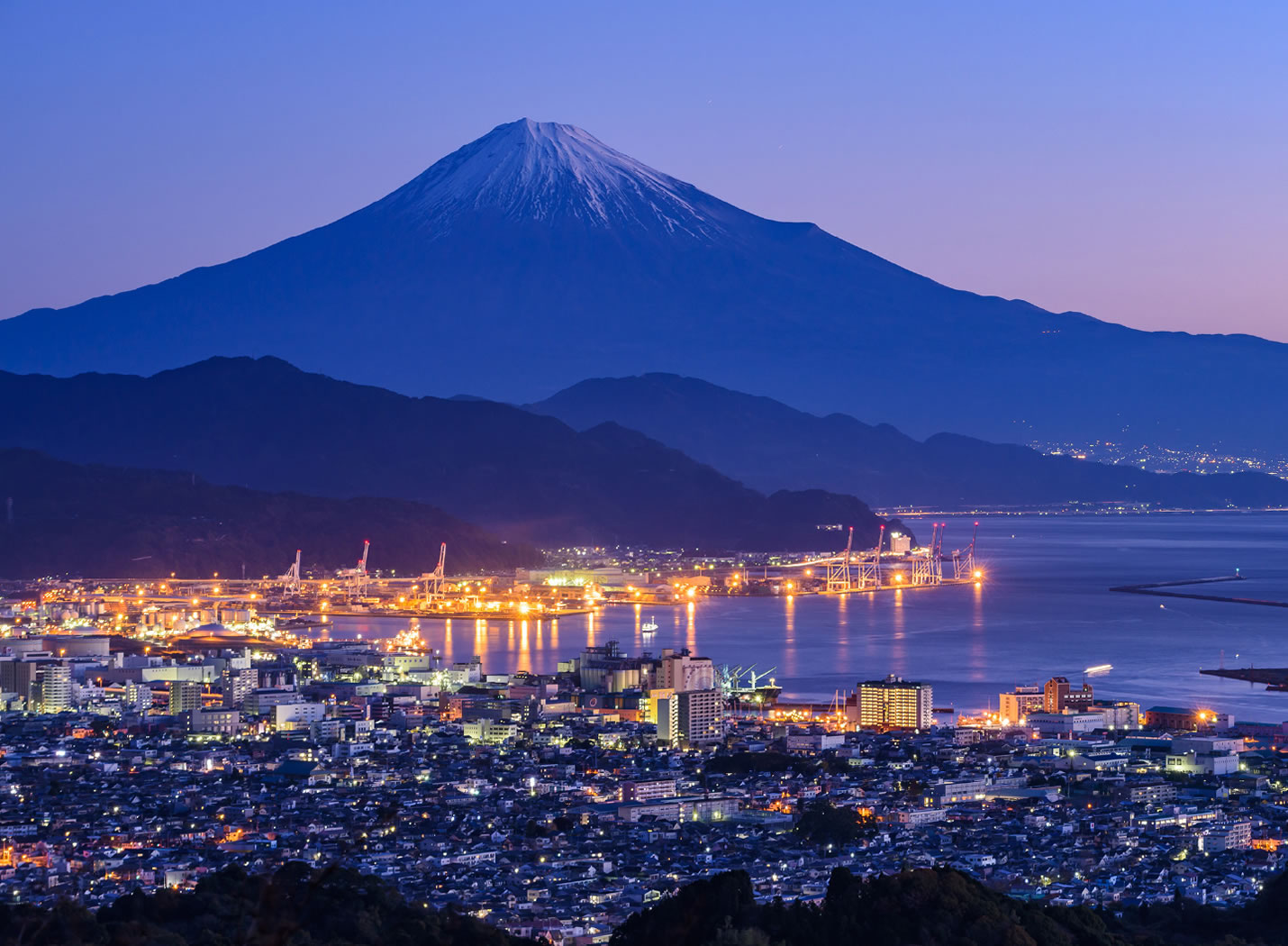
Nihondaira Plateau
Nihondaira is a 307-meter elevated plateau in central Shizuoka that was voted Japan’s #1 scenic spot in the 1950 nationwide Nihon Kanko-chi Hyakusen poll. The signature view from the Nihondaira Yume Terrace (designed by Kengo Kuma), whose 200-metre observation loop offers a 360-degree panorama including Mt. Fuji to the north, Suruga Bay to the south, the Izu Peninsula and the lush Shizuoka tea fields stretching in all directions. Beyond viewing, the plateau hosts the Nihondaira Zoo, a small ropeway descending to the historic Kunozan Toshogu Shrine (a stunning gold-and-vermillion temple housing Tokugawa Ieyasu’s original tomb), and gentle walking paths through pine forests. From JR Shizuoka Station, the plateau is about a 40-minute bus ride. Best in October-March for clear Fuji visibility.
「日本平」は静岡県中央部に位置する標高307メートルの台地で、1950年の観光地百選(平原の部)で全国1位に選ばれた絶景地。隈研吾設計の展望施設「日本平夢テラス」(1周約200mの展望回廊)からは、北に富士山、南に駿河湾、伊豆半島、四方に広がる静岡の茶畑を望む360度のパノラマが楽しめます。展望以外にも、日本平動物園、徳川家康の元墓を擁する豪華絢爛な「久能山東照宮」(金と朱の壮麗な社殿)に下りるロープウェイ、松林を縫う散策路などが点在。JR静岡駅からバスで約40分。富士山の眺望が最も澄み渡るベストシーズンは10〜3月です。
Insider Tips
現地通の旅の裏ワザ
Shizuoka produces about a third of Japan’s green tea. Buy direct at Makinohara’s tea-farm shops and Grinpia Makinohara, well below department-store prices.
静岡は緑茶生産 約3分の1。牧之原の茶農家直営店やグリンピア牧之原ではデパートより安く直接買える。
Numazu Port’s auction runs from about 5:45am (the viewing deck opens at 5am). Early-opening diners like Sekino serve fresh local sashimi breakfasts by the port.
沼津港の競りは5:45頃〜(見学通路は5時開放)。『せきの』など朝5時開店の食堂で朝獲れ地魚の朝食が楽しめる。
Frequently Asked Questions
Can I see Mount Fuji clearly from Shizuoka?
The best views are from the Miho no Matsubara beach, the Nihondaira plateau, and the Gotemba area in clear weather (typically October–April mornings). Summer afternoons are often obscured by cloud. Check the Fujisan webcam (fujisan-net.gr.jp) before heading out.
最も視界が開けるのは三保の松原・日本平・御殿場エリア。晴天の10〜4月の午前中が見ごろで、夏の午後は雲で隠れることが多いです。出発前に富士山ライブカメラで確認するのがおすすめです。
Is it safe to climb Mount Fuji?
The official trail season (July–early September) is designed for non-specialist hikers. The main hazard is altitude sickness — ascend slowly, stay hydrated, and don’t rush. Start the climb from the 5th Station (2,300m), not the base. Many climbers choose a night ascent to reach the summit for sunrise (goraiko).
公式登山シーズン(7月〜9月上旬)は一般の登山者向けに整備されています。主なリスクは高山病。ゆっくり登り、水分補給を怠らず、急がないことが大切。5合目(2,300m)からのスタートが基本で、ご来光を見るための夜間登山も人気です。
What is the best base for Mount Fuji?
Kawaguchiko (Yamanashi side) has the most accommodation, transport options, and classic Fuji views. Fujinomiya (Shizuoka side) has the highest 5th Station (2,400m) and a less crowded trail. Gotemba (Shizuoka side) has the longest trail but the most dramatic descent via the Osunabashiri volcanic sand run.
山梨側の河口湖は宿泊施設・交通・眺望すべて充実。静岡側の富士宮口は5合目が最も高く(2,400m)登山道も比較的空いています。御殿場口は最長ルートですが「大砂走り」という砂の急斜面を一気に駆け下りる体験が人気です。
💡 Pro Tip: Visit Mount Fuji’s Fujinomiya 5th Station at sunset for spectacular evening alpenglow on the summit — no climbing required. The view from the car park on a clear October evening is one of Japan’s most magical free experiences.
💡 旅のヒント:富士宮口5合目で夕方に富士山の夕照(アーベントロート)を眺めるのは、登山なしで体験できる最高の富士山ビュー。10月の晴れた夕方は特に感動的で、駐車場から見られる無料の絶景です。