Ishikawa
Top Ishikawa souvenirs and must-visit travel spots — your complete guide for visitors to Japan. Ishikawa’s capital, Kanazawa, escaped wartime bombing and maintained its castle town layout, geisha districts, and craft traditions almost intact — often likened to Kyoto for its preserved castle-town quarters. The opening of the Hokuriku Shinkansen in 2015 transformed access, and Kanazawa is now one of Japan’s fastest-growing tourist destinations. The Noto Peninsula, reaching north into the Sea of Japan, offers wild coastline, pristine seafood, and ancient Satoyama landscapes.
石川の県都・金沢は戦禍を免れ、城下町の風情と茶屋街・工芸の伝統が色濃く残る加賀百万石の城下町。2015年の北陸新幹線開通で東京から2.5時間となり、急速に注目度が高まっています。能登半島の荒々しい海岸線・新鮮な海の幸・里山の景観も石川の誇りです。
Kanazawa is the heart of Ishikawa — gold leaf, Kenrokuen garden, the geisha districts and Kaga cuisine — with the Noto Peninsula reaching north, still recovering from the 2024 earthquake. Souvenirs lean luxe: Mori-Hachi’s Choseiden rakugan, Nakataya’s kintsuba, gold-leaf goods, and Kutani-yaki porcelain. Kanazawa Station’s Hyakubangai mall has the lot.
石川の中心は金沢——金箔、兼六園、茶屋街、加賀料理。北には能登半島(2024年の地震から復興中)。みやげは上品で高級志向で、森八の「長生殿」(最高級の落雁)、中田屋のきんつば、金箔グッズ、九谷焼など。金沢駅の「百番街」でほぼ揃います。
Recommended Omiyage
おすすめおみやげ 5選
Kanazawa Gold Leaf Products
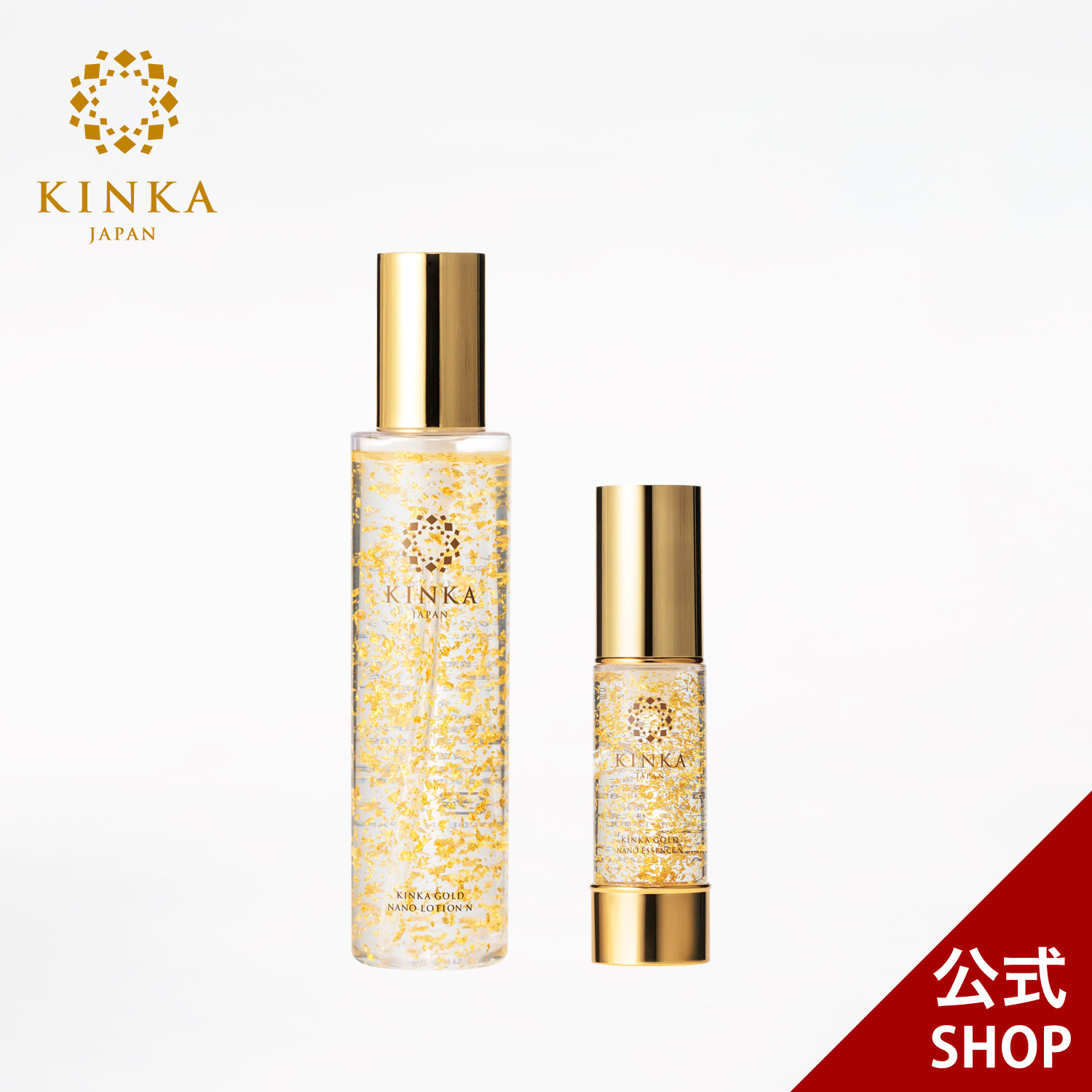
Kanazawa produces 99% of Japan’s gold leaf — its centuries-old craftsmanship developed in the 16th century when the Maeda lords sponsored gold-leaf production for decorative and ceremonial purposes. Today, master artisans hammer pure gold so thin (0.0001mm — translucent enough to see through) that 1 gram of gold can cover about half a tatami mat. Kanazawa-style gold leaf adorns Buddhist altars, lacquerware, ceramics, traditional Japanese paintings, and increasingly, modern luxury items: gold-leaf ice cream (a viral favorite — about ¥1,200), gold-leaf face masks, gold-leaf castella, and gold-leaf chocolates. Visit Hakuza or Hakuichi shops in Kanazawa’s Higashi Chaya district to witness the production process and purchase items ranging from ¥800 sweets to ¥50,000+ artwork pieces.
金沢は日本の金箔生産の99%を担う「金箔の町」。16世紀、加賀前田家が装飾・武家文化のために金箔生産を奨励した歴史的な職人技が、現代まで脈々と受け継がれています。職人たちは純金を0.0001mm(透けて見えるほどの薄さ)まで打ち延ばし、わずか1グラムで畳半畳分(約1㎡)を覆える驚異的な薄さに仕上げます。金沢の金箔は仏壇、漆器、陶磁器、日本画、そして近年は様々なラグジュアリーアイテム——金箔ソフトクリーム(インスタ映え定番、約1,200円)、金箔フェイスパック、金箔カステラ、金箔チョコレートなど——にも採用されています。金沢の東茶屋街にある「箔座」「箔一」では、金箔製造の実演見学と、800円のお菓子から50,000円超の美術工芸品まで多彩な商品が購入可能。
Kutani Ware
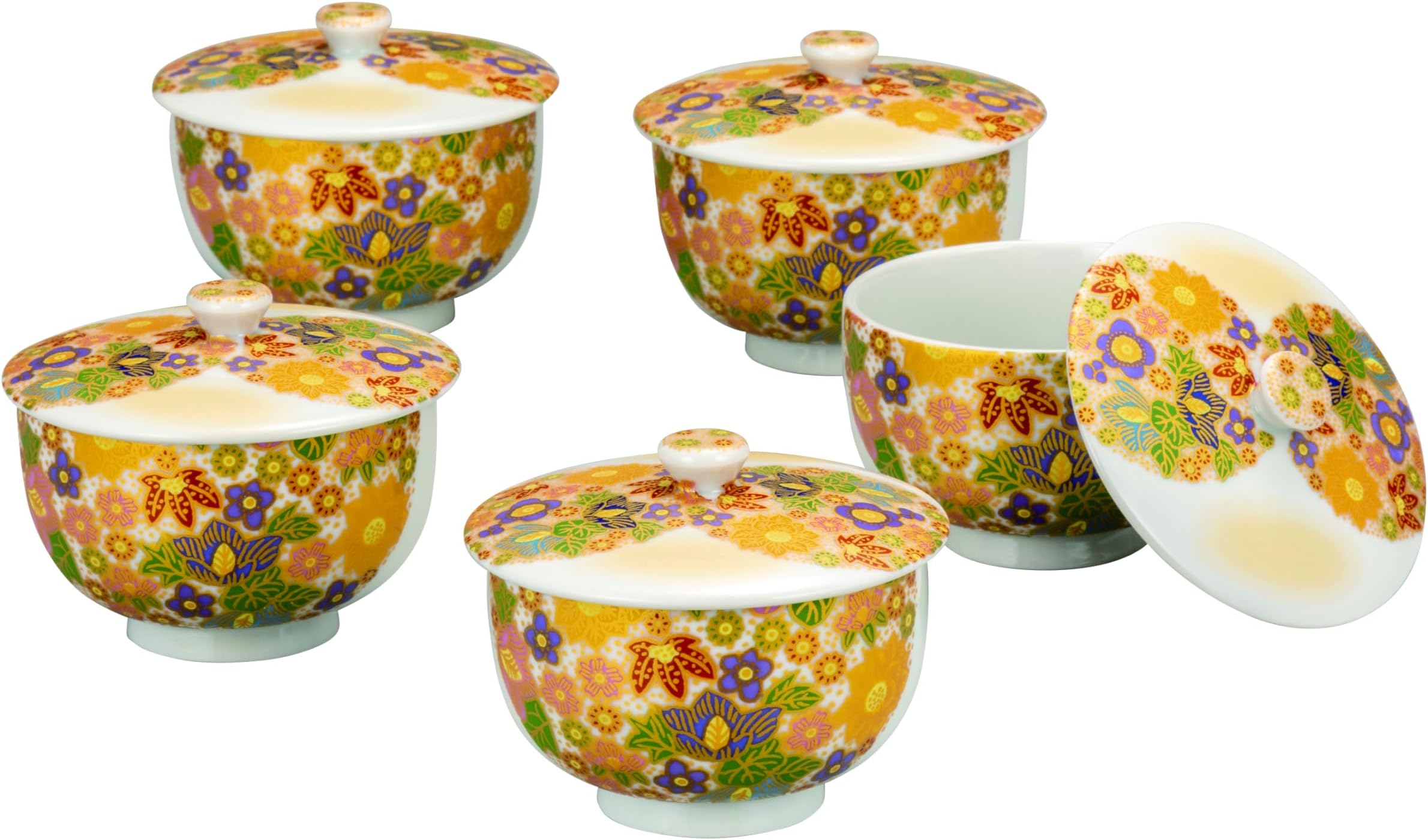
Kutani-yaki, produced in southern Ishikawa for over 360 years, is one of Japan’s most flamboyantly decorated porcelain traditions — each piece hand-painted in the signature “five colors” of green, yellow, red, deep purple, and dark blue (gosai-de), often with dramatic gold accents. The bold compositions feature traditional Japanese motifs (cranes, peonies, mountain landscapes) rendered in extraordinarily detailed brushwork. Originally produced for the Maeda lords, Kutani-yaki later became a major Japanese export to Europe and America in the 19th century. Browse the Kutani Pottery Village in Nomi, with workshops, kiln tours, and direct-from-artist purchases. Pieces range from ¥2,000 small dishes to ¥1,000,000+ collector works. The Ishikawa Kutaniyaki Museum in Kaga (Daishoji) displays masterpieces.
石川県南部で360年以上作り続けられている「九谷焼」は、日本を代表する華麗な装飾陶磁器。緑・黄・赤・濃紫・濃紺の伝統的な「五彩(ごさいで)」で一つ一つ職人が手描きし、しばしば金彩のアクセントが添えられる絢爛豪華な意匠が魅力です。鶴、牡丹、山水画など日本の伝統的な題材を、極めて精緻な筆遣いで描き込んだ堂々たる構図が特徴。元々は加賀藩の前田家のために作られ、19世紀には欧米への主要輸出品として世界に名を轟かせました。能美市の「九谷焼陶芸村」では、工房、窯元見学、作家から直接購入が可能。価格帯は2,000円の小皿から100万円超のコレクター作品まで。加賀市(大聖寺)の「石川県九谷焼美術館」では名匠の傑作も鑑賞できます。
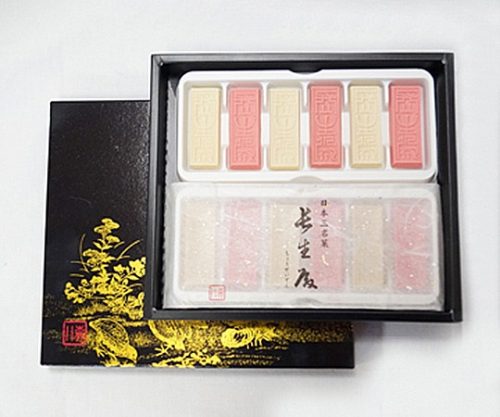
Chouseiden (Morihachi)
Created in Kanazawa for the Kaga Maeda lords, Chouseiden is one of Japan’s three great traditional sweets (sanmeika). Made by the venerable confectioner Morihachi (founded 1625), it is a refined rakugan — pressed dry confectionery of fine Awa wasanbon sugar and Hokuriku glutinous-rice flour, formed into elegant red-and-white tablets named and brushed by the tea master Kobori Enshu. It melts gently on the tongue with a clean, delicate sweetness that pairs beautifully with matcha. Boxed gift assortments are sold at Morihachi’s main shops, JR Kanazawa Station, and the Higashi Chaya district. It keeps about 40 days — an elegant, travel-friendly gift.
金沢で加賀前田家のために生み出された「長生殿(ちょうせいでん)」は、日本三名菓のひとつ。1625年創業の老舗菓子司「森八」が作る上品な落雁で、阿波の和三盆糖と北陸産のもち米粉を使い、紅白の美しい板状に仕上げます。名付けと揮毫は茶人・小堀遠州。口の中でほろりと崩れる繊細な甘さは抹茶との相性が格別です。化粧箱入りの詰め合わせが森八本店、JR金沢駅、東茶屋街で購入可能。賞味期限は約40日で、上品で持ち運びやすいお土産にも最適。
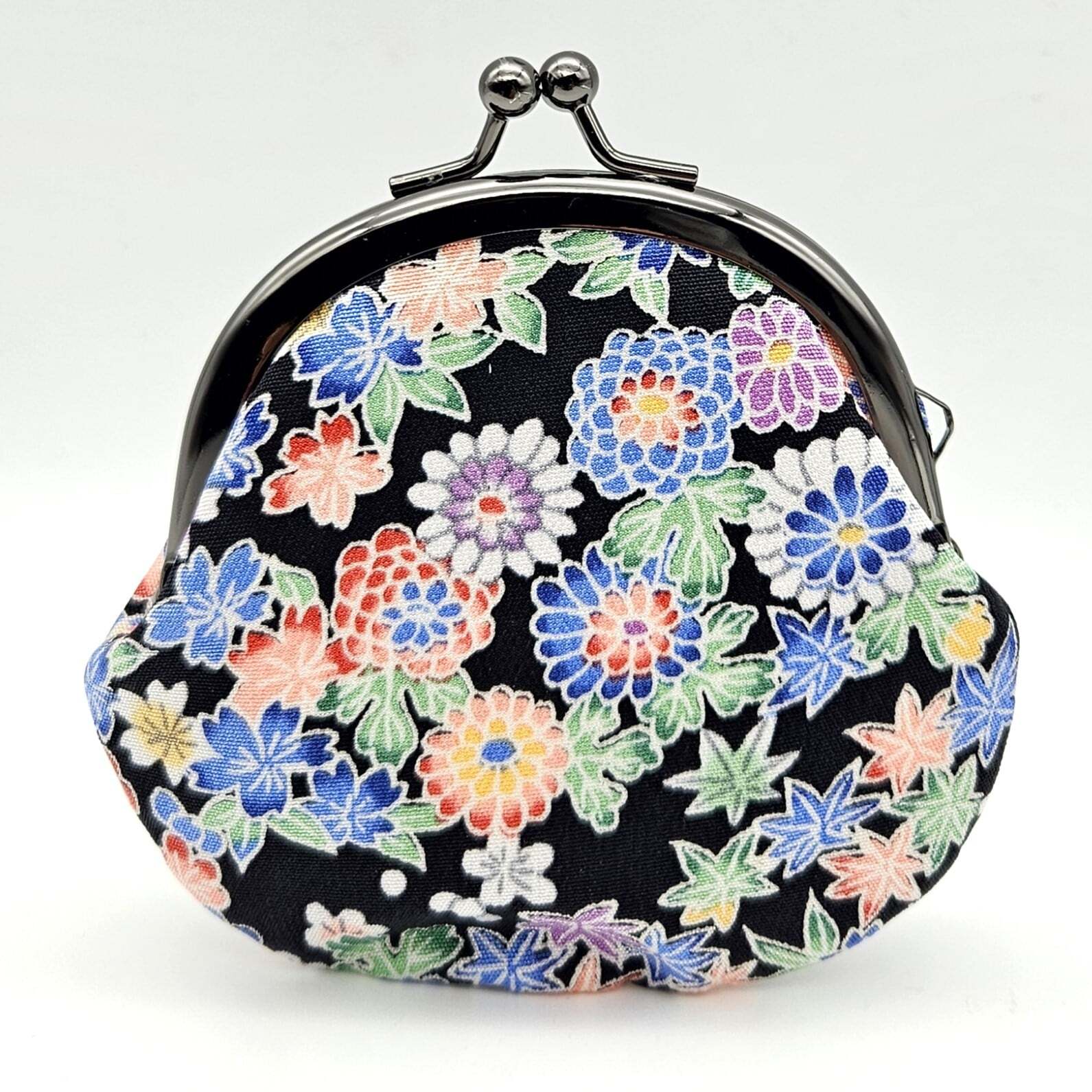
Kaga Yuzen Silk Products
Kaga yuzen is one of Japan’s most refined dyeing traditions, developed in 17th-century Kanazawa under the patronage of the Maeda clan. Master craftsmen hand-paint intricate flora and fauna designs onto silk using natural plant dyes, creating pieces with extraordinary depth and subtle color gradations achieved through layered dyeing. The most distinctive technique is “Kaga gosai” — using just five primary colors (red, yellow, green, deep purple, and indigo) with seasonal motifs and characteristic “insect-eaten leaves” details that mark a true Kaga yuzen piece. Beyond traditional kimono, Kaga yuzen is now applied to scarves, neckties, handbags, and small accessories — perfect for travelers. Browse the Kaga Yuzen Kaikan for live demonstrations. Pieces range from ¥3,000 scarves to ¥1,000,000+ kimono.
「加賀友禅」は、17世紀の金沢で加賀前田家のもと発展した日本でも最も洗練された染色技法の一つ。職人が天然の植物染料を使い、絹地に動植物の精緻な意匠を一筆ずつ手描きし、何層にも染め重ねることで深みある独特の色の濃淡を生み出します。最も特徴的な「加賀五彩」は、藍・臙脂・黄土・草・古代紫の5色を基調とし、四季の自然や独特の「虫食い葉」表現が真の加賀友禅の証。伝統的な着物だけでなく、現代ではスカーフ、ネクタイ、ハンドバッグ、小物アクセサリーにも展開され、旅行者にも手の届く存在に。「加賀友禅会館」では実演見学が可能。スカーフ3,000円から着物100万円超まで幅広いラインナップ。
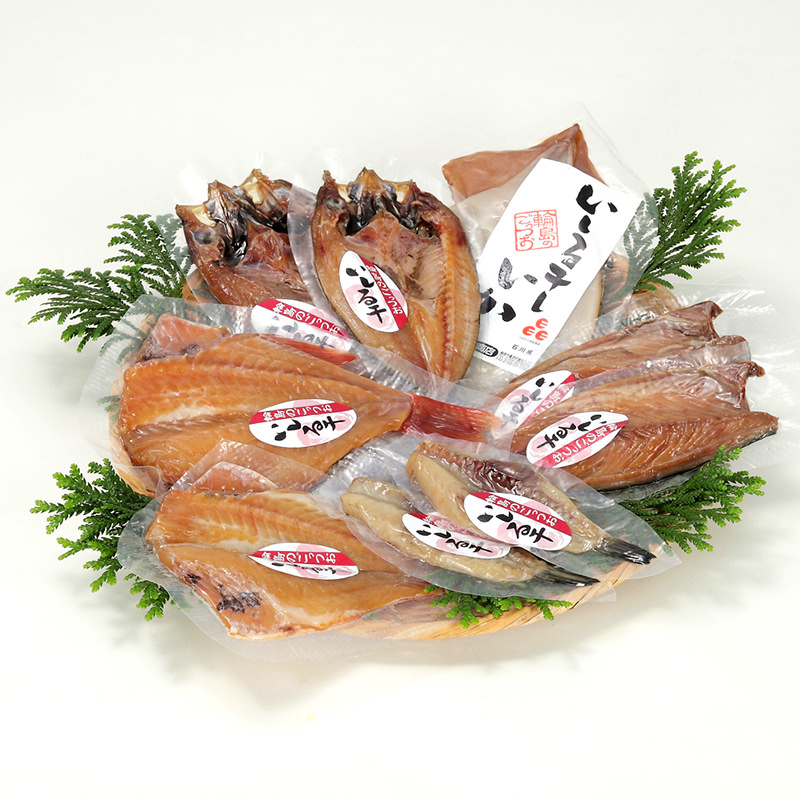
Noto Seafood
Ishikawa’s Noto Peninsula juts into the Sea of Japan, creating prime seafood-fishing grounds where cold currents nourish exceptional fish populations. Noto’s premium seafood includes the famous Noto kan-buri (winter yellowtail), Kano-gani (snow crab in winter), oysters, and exquisite seasonal fish. Daily-fresh catches arrive at Kanazawa’s Omicho Market (the Wajima Morning Market was lost in the 2024 earthquake fire and now operates in temporary form). Take-home gift versions include vacuum-sealed crab legs, smoked yellowtail, oyster sauce concentrate, and elegant Noto sea-salt collections. Noto’s age-old agehama salt-making (centered in Suzu), using only Sea of Japan water and traditional cauldrons, yields some of Japan’s most refined sea salt — perfect for fine dining at home. Available at Kanazawa Station and direct from Noto (Suzu) salt makers.
石川県の能登半島は日本海に突き出した豊穣な漁場を形成し、冷たい海流が育む極上の海の幸の宝庫。能登の高級海鮮には、有名な「能登寒ぶり」、冬の「加能ガニ(ズワイガニ)」、「能登かき」、四季折々の旬魚が名を連ねます。獲れたて新鮮な海鮮は毎日、金沢の近江町市場に並びます(輪島朝市は2024年の地震火災で焼失し、現在は仮設・出張開催)。お土産用には真空パックのカニの足、ぶりの燻製、牡蠣ソース、上質な能登の塩のコレクションなどが展開。能登・珠洲の揚浜式製塩(日本海の水と伝統釜のみを使う)は、日本でも最も洗練された海塩の一つを生み出し、自宅でのファインダイニングにぴったり。JR金沢駅、能登(珠洲)の塩屋直営店で購入可能。
Must-Visit Spots
おすすめスポット 5選
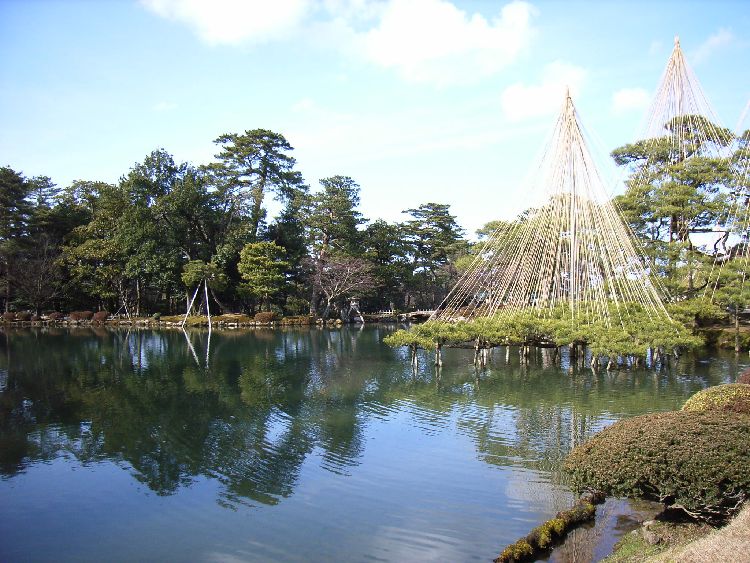
Kenroku-en Garden
Kenroku-en — “Garden Combining Six Attributes” — is widely considered the finest of Japan’s Three Most Famous Gardens (alongside Kairakuen and Korakuen). Built over 200+ years by successive Maeda lords starting in the 17th century, the 11.7-hectare landscape garden masterfully integrates the six classical elements considered essential for perfect garden design: spaciousness, seclusion, artistry, antiquity, water, and panoramic views. Each season transforms Kenroku-en — pink cherry blossoms in early April, fresh greens in summer, stunning red maples in November, and the iconic yukitsuri (rope umbrellas protecting trees from heavy snowfall) creating sculptural winter scenes. The Kotoji-toro stone lantern is one of Japan’s most photographed landmarks. Tickets ¥320. From JR Kanazawa Station, a 15-minute bus ride.
「六勝(ろくしょう)を兼ね備えた園」を意味する「兼六園」は、日本三名園(偕楽園・後楽園と並ぶ)の中でも最高峰と評される名園。17世紀から代々の加賀前田家により200年以上にわたって築かれた11.7ヘクタールの広大な池泉回遊式庭園で、理想的な庭園に欠かせない6つの要素——宏大、幽邃、人力、蒼古、水泉、眺望——を見事に融合させています。四季それぞれが絶景に変身し、4月上旬の桜、夏の青々とした新緑、11月の燃えるような紅葉、冬の象徴「雪吊り」(雪から木を守るロープ傘)が彫刻のような風景を作り出します。「徽軫灯籠(ことじとうろう)」は日本でも最も撮影される名物ランドマーク。入園料320円。JR金沢駅からバスで約15分。
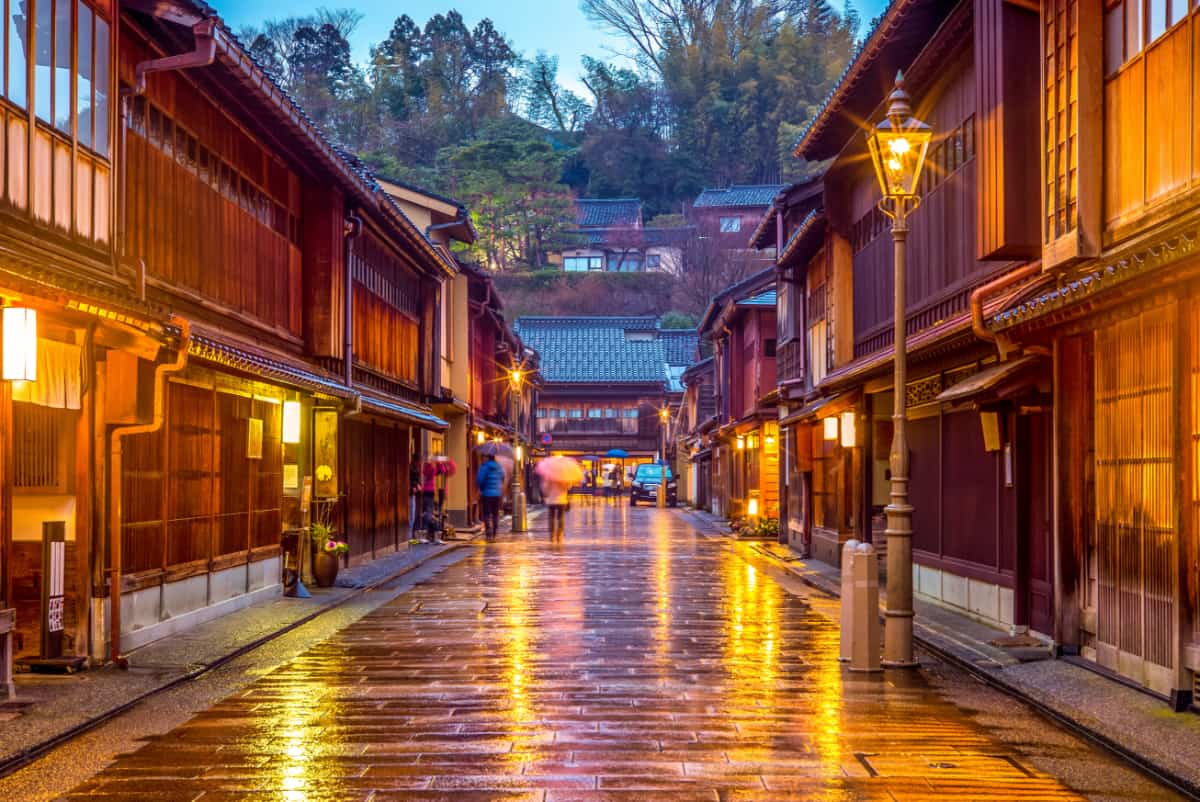
Higashi Chaya Geisha District
Higashi Chaya (Eastern Tea-House District) is Kanazawa’s best-preserved Edo-period geisha quarter — a postcard-perfect grid of cobbled lanes lined with early-19th-century wooden teahouses (chaya), laid out in 1820, where geisha entertained samurai lords and wealthy merchants. Today, several chaya remain working geisha establishments hosting evening performances (advance booking required, ¥30,000+), while others have been transformed into traditional crafts shops, gold-leaf product stores, and atmospheric cafes. The Shima teahouse, designated an Important Cultural Property, allows public visits during daytime hours, revealing exquisite preserved interiors. Many of Kanazawa’s gold-leaf product shops are concentrated here, including the famous gold-leaf ice cream shop. From JR Kanazawa Station, a 10-minute bus ride.
「ひがし茶屋街」は、金沢の江戸時代を最も完璧に保存した茶屋街——加賀藩の武士や豪商を芸者がもてなした、1820年開設の木造茶屋が軒を連ねる石畳の小路が、絵葉書のような風景を作り出します。現在も数軒の茶屋が現役で芸者衆を抱え、夜の宴席や踊りの公演を開催(予約制、30,000円〜)、他の建物は伝統工芸品ショップ、金箔製品店、風情ある古民家カフェに転生しています。重要文化財指定の「志摩茶屋」は日中の一般公開が可能で、洗練された江戸期の内装を見学できます。金箔製品の名店が集中するエリアでもあり、有名な金箔ソフトクリームショップも軒を連ねます。JR金沢駅からバスで約10分。
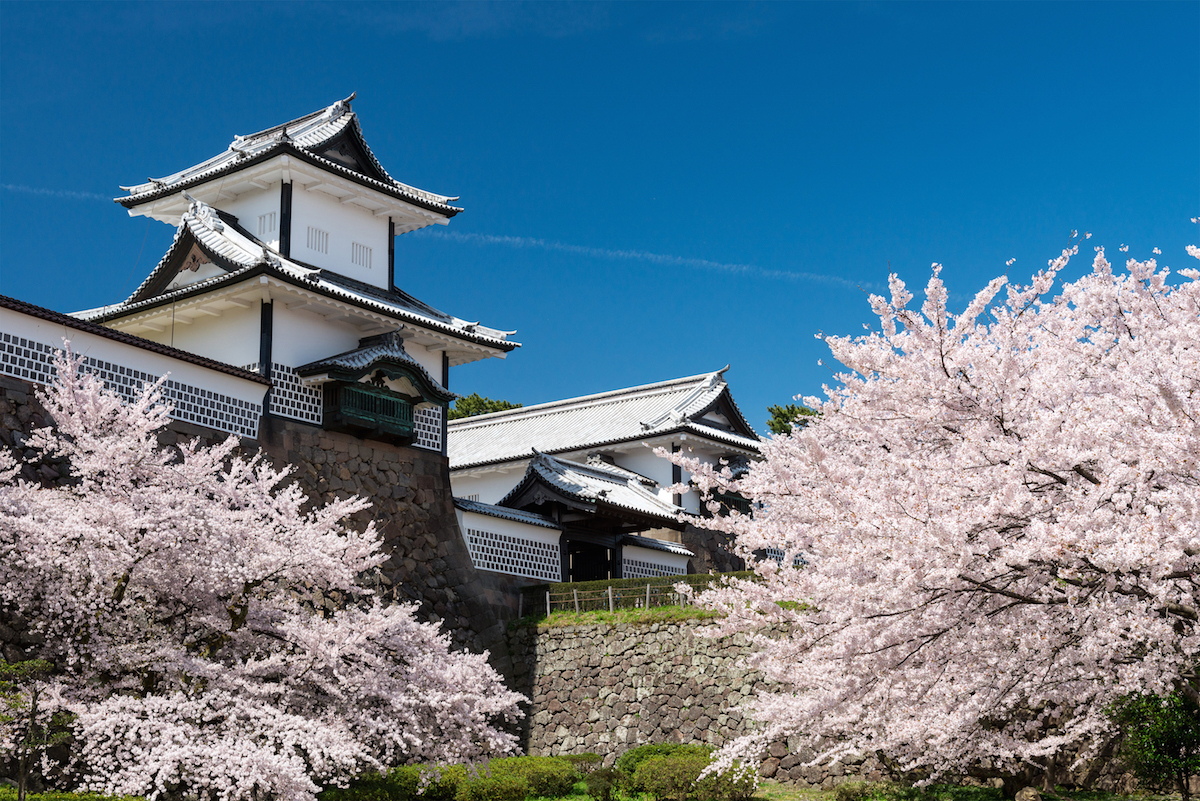
Kanazawa Castle Park
Kanazawa Castle Park — adjacent to Kenroku-en and connected by a spectacular wooden bridge — is the seat of the Maeda lords who ruled Kaga Province from 1583 to 1869, accumulating one of Japan’s largest non-Tokugawa fortunes. The park preserves majestic stone walls, the historic Ishikawa-mon Gate, and the brilliantly reconstructed Hishi Yagura turret, Gojikken Nagaya storehouse, and Hashizume-mon Tsuzuki Yagura watchtower (rebuilt in 2001 using traditional methods). The park’s elegant Gyokusen’inmaru Garden offers serene strolls, while the reconstructed structures feature small museum exhibits about castle architecture and Maeda clan history. Free admission to the grounds; the reconstructed buildings charge ¥320. Best combined with Kenroku-en for a full Maeda-clan-history half-day.
兼六園に隣接し、見事な木造橋で結ばれた「金沢城公園」は、1583年から1869年まで加賀藩を治め、徳川以外の大名としては日本最大級の財力を誇った前田家の本拠地。壮大な石垣、歴史ある「石川門」、伝統工法で2001年に復元された「菱櫓」「五十間長屋」「橋爪門続櫓」など、本物の城郭建築美が堪能できます。園内の優雅な「玉泉院丸庭園」での散策、復元建物内の小規模博物館(城郭建築・前田家史の展示)も見どころ。公園内は無料、復元建物は320円。兼六園とセットで前田家の歴史を半日かけて巡る王道コースに最適です。
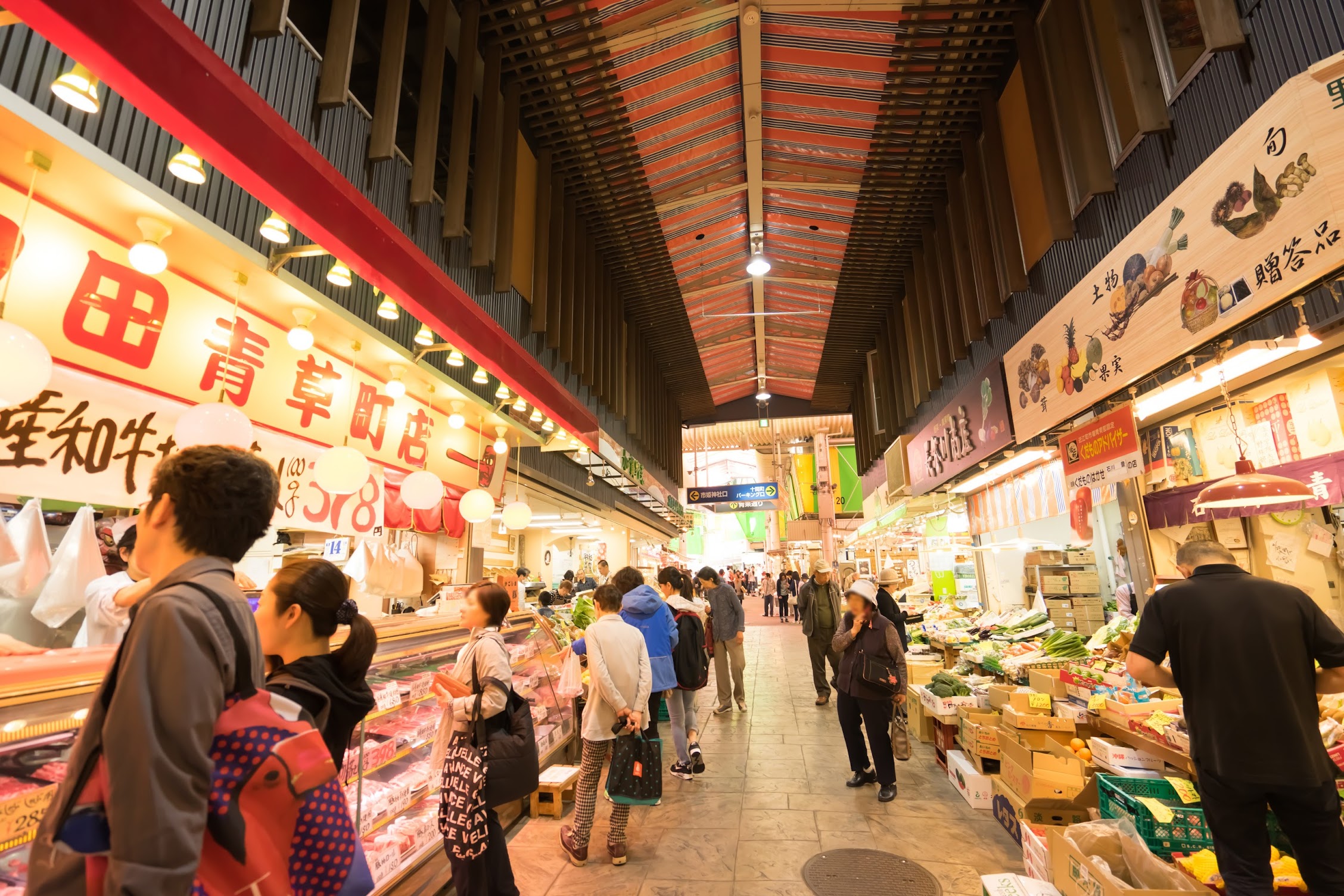
Omicho Market
Often called “Kanazawa’s Kitchen,” Omicho Market has been the prefecture’s premier seafood and produce market for nearly 300 years. The covered market hall houses 170+ shops selling shimmering displays of fresh local seafood (winter snow crab, hamachi yellowtail, fresh shrimp, sea urchin), prefecture vegetables, regional sake, and prepared foods. Beyond shopping, the market features dozens of casual restaurants where you can eat the day’s catch — try the famous Omicho seafood don bowls overflowing with fresh sashimi (¥2,500-3,500). The morning hours (8-11am) are most authentic; afternoons feature more tourist-focused offerings. Don’t miss the rare “hokuriku-style” sushi — flat, hand-pressed nigiri using local fish unavailable elsewhere. Many shops close on Wednesdays. From JR Kanazawa Station, a 5-minute taxi ride.
「金沢の台所」と呼ばれる「近江町市場」は、約300年の歴史を持つ石川県随一の鮮魚・青果市場。アーケードに覆われた市場には170軒以上の店舗が並び、輝くような地物海鮮(冬の寒ガニ、ハマチ、エビ、ウニ)、県産野菜、地酒、お惣菜が所狭しと展示されています。買い物だけでなく、当日仕入れの新鮮食材を提供するレストランも数十軒。豪華な刺身を盛りつけた「近江町海鮮丼」(2,500〜3,500円)は名物中の名物です。最も活気あるのは午前8時〜11時の朝の時間帯、午後は観光客向けの出店が中心に。他では味わえない地物魚を使った「北陸前寿司」(平たく握る独特のスタイル)も必食。水曜定休の店舗が多数。JR金沢駅からタクシーで約5分。
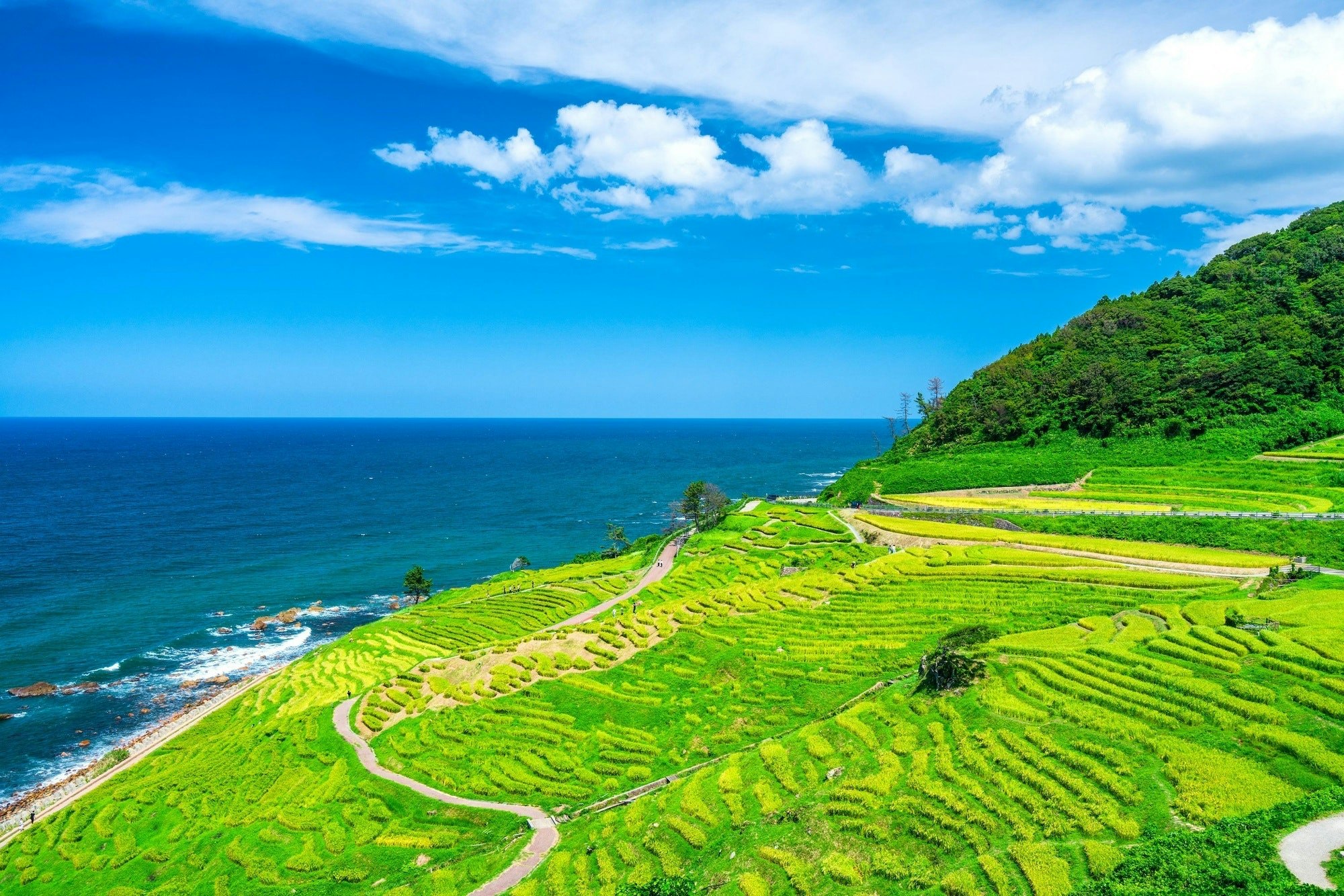
Noto Peninsula
The Noto Peninsula extends north from Kanazawa into the Sea of Japan, offering one of Japan’s most dramatic coastal landscapes — rugged cliffs, terraced rice paddies cascading down to the sea, and quiet villages preserving centuries-old traditions. The signature Shiroyone Senmaida (“Thousand Rice Terraces”) at the peninsula’s northern coast is a UNESCO Globally Important Agricultural Heritage Site, where 1,004 small terraced paddies create a glittering staircase to the ocean — particularly stunning at sunset and during the autumn–winter illumination (October–March, ~20,000 solar LEDs). Beyond the terraces, explore the Wajima Morning Market (over 1,000 years old; lost in the 2024 earthquake fire and now in temporary operation), the Mitsukejima rock (whose ‘battleship’ shape was reshaped by the 2024 quake), and the Noto Kongo coastal cliffs. Driving the entire peninsula loop takes 2-3 days. Wakura Onsen’s hot springs are renowned, though many ryokan are closed for post-earthquake rebuilding — check ahead before visiting.
「能登半島」は金沢から日本海に突き出した、日本でも最もドラマチックな海岸線。ゴツゴツした断崖、海まで続く棚田、何世紀もの伝統を守る静かな漁村が織りなす絶景の連続です。半島北部の「白米千枚田(しろよねせんまいだ)」はFAO世界農業遺産にも登録され、1,004枚の小さな棚田が海まで階段状に広がる絶景田園——夕日の時間帯と、10〜3月の夜のライトアップ(約2万個のソーラーLED)は格別です。棚田以外にも、千年以上の歴史を誇る「輪島朝市」(2024年の地震火災で焼失し現在は仮設・出張開催)、地震で形が大きく変わった「見附島」、能登金剛海岸の断崖など見どころ多数。半島一周は2〜3日コース。和倉温泉も名湯ですが、地震の被害で多くの旅館が再建のため休業中(訪問前に営業状況の確認を)。
Insider Tips
現地通の旅の裏ワザ
Kanazawa is the birthplace of ‘thick brown curry on a flat plate with cabbage’. Champion’s Curry’s original shop is in Nonoichi, next to Kanazawa — not the station branches.
金沢カレーの代表格チャンピオンカレーの本店は隣の野々市市。濃厚さは支店と別物。
Kanazawa makes 99% of Japan’s gold leaf. Hakuichi (Higashi Chaya) gold-leaf ice cream uses a full sheet (about ¥1,189). Other shops use thin strips.
金沢は金箔生産99%。ひがし茶屋街の箔一は金箔1枚使用ソフトクリーム¥1,189。他店は薄切り。
Kanazawa’s Higashi Chaya geisha district is one of Japan’s most atmospheric kimono backdrops. Rental shops sit between the station and Higashi Chaya.
金沢の東茶屋街は日本屈指の着物撮影地。着物レンタル店は駅と東茶屋街の中間で立寄りやすい。
Frequently Asked Questions
How does Kanazawa compare to Kyoto?
Both are historic castle towns with geisha districts, Japanese gardens, and strong craft traditions — but Kanazawa is significantly less crowded and more affordable. Many visitors find Kanazawa more intimate and authentic precisely because it hasn’t been overwhelmed by mass tourism. Allow 2 full days to do it justice.
どちらも茶屋街・日本庭園・伝統工芸が揃う城下町ですが、金沢は混雑がなく物価も安め。大量観光に飲み込まれていない分、より本物に近い体験ができると感じる旅人が多いです。じっくり楽しむには2日間が理想です。
What is the best way to get around Kanazawa?
The Kanazawa Loop Bus (¥220/ride, day pass ¥800) efficiently connects all major sights. For Noto Peninsula exploration, renting a car is essential — Kanazawa station has major rental agencies. The compact city centre can also be navigated by bicycle (rental available at the station).
兼六園・東茶屋・武家屋敷など主要観光地を結ぶ「城下まち金沢周遊バス」(1乗車220円、1日800円)が便利。能登半島を探索するにはレンタカー必須。駅近くのレンタサイクルで市内を巡るのも気持ちいいです。
When is the best time to visit Kenroku-en?
All four seasons offer distinct beauty: spring cherry blossoms (late March–April), summer irises and hydrangeas (June), autumn maple foliage (November), and winter yukitsuri snow-protection ropes tied to the pine trees (November–March). The garden opens at 7am (8am from mid-October to February) — arriving at opening means having it almost to yourself.
四季折々の美しさがあります。春の桜(3月下旬〜4月)・夏の菖蒲・アジサイ(6月)・秋の紅葉(11月)・冬の雪吊り(11〜3月)。7時開園(冬季は8時)と同時に入ると人が少なく、静かな庭を独り占めできます。
💡 Pro Tip: Book a kaiseki dinner at a Kanazawa ryokan or traditional restaurant — the multi-course Kaga cuisine featuring seasonal local ingredients is one of Japan’s great culinary traditions and is significantly more affordable here than in Kyoto.
💡 旅のヒント:金沢の旅館や料亭での加賀料理のコースはぜひ体験を。旬の地場食材を使った繊細な多皿料理は日本料理の真髄ですが、京都と比べて値段がリーズナブルなのが金沢の魅力のひとつです。