Hiroshima
Top Hiroshima souvenirs and must-visit travel spots — your complete guide for visitors to Japan. Hiroshima stands as one of humanity’s most powerful symbols of peace and renewal. Rebuilt from unimaginable devastation in 1945, the city today is vibrant, forward-looking, and profoundly moving. The Peace Memorial Park and Museum are essential experiences for every visitor. But Hiroshima rewards exploration beyond the memorial — the floating torii of Miyajima Island, the oyster farms of Hiroshima Bay, and the fiery dipping sauce of Hiroshima tsukemen all await.
1945年の原爆から再建された広島は、平和と復興の象徴として世界中の人々が訪れます。平和記念公園・資料館は必訪ですが、宮島の厳島神社・広島湾の牡蠣養殖・ご当地グルメ「広島つけ麺」など魅力は尽きません。
Hiroshima holds two World Heritage sites — the Peace Memorial and Miyajima’s floating torii — and a proud food culture. Its classic sweet souvenir is momiji-manju maple-leaf buns, with Setouchi lemon products, oysters, and Hiroshima-style noodles. Momiji-manju and lemon sweets travel well. Hiroshima Station’s gift area is the one-stop.
広島は二つの世界遺産——平和記念公園と宮島の海上鳥居——と誇り高い食文化の街。定番の甘いみやげは「もみじ饅頭」、瀬戸内レモン製品、牡蠣、広島の麺類も。もみじ饅頭やレモン菓子は持ち帰りに向きます。広島駅のおみやげコーナーが便利です。
Recommended Omiyage
おすすめおみやげ 5選
Momiji Manju
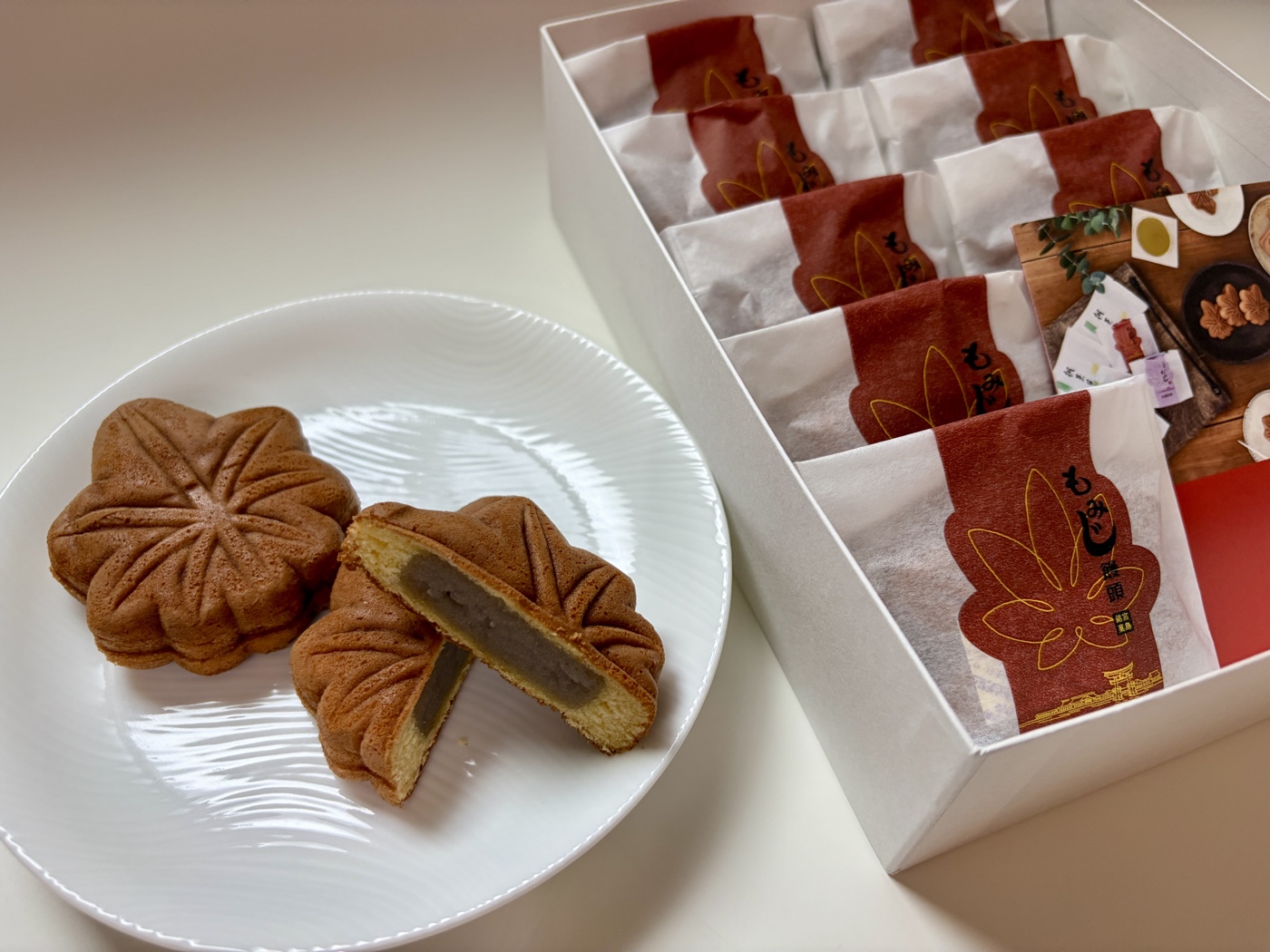
Momiji manju (“maple-leaf cake”) is Hiroshima’s most beloved confection — a small, beautifully-shaped sweet bun in the iconic 5-pointed maple leaf shape, with a fluffy castella exterior and various fillings inside. The original red bean paste version was created in 1906 in Miyajima, where Hiroshima’s most famous Itsukushima Shrine sits. The bun’s maple leaf shape pays homage to Miyajima’s famous autumn foliage. Modern flavors include matcha, chocolate, custard cream, cheese, and seasonal limited editions. The signature shop is Iwamura Momiji-ya in Miyajima, where you can watch the cakes being made fresh in front of your eyes. Boxed gift versions in 6, 12, or 24 pieces are sold throughout Hiroshima Prefecture. Best within 14 days. Available at JR Hiroshima Station, Miyajima Pier, and Hiroshima Airport.
「もみじまんじゅう」は広島県を代表する銘菓——小さくて美しい5つ先の楓の葉の形をした、ふわふわのカステラ生地で各種餡を包んだ和菓子です。オリジナルのこしあん版は1906年(明治39年)に宮島(広島の象徴的な厳島神社の鎮座地)で誕生。楓の葉の形は宮島の有名な紅葉を称える意匠として深い意味を持ちます。現代の味バリエーションには抹茶、チョコレート、カスタードクリーム、チーズ、季節限定品など多彩。象徴的な店舗は宮島の「岩村もみじ屋」で、店頭での実演焼きが見どころのフォトスポット。6個、12個、24個入りの化粧箱が広島県内で広く販売。賞味期限約14日。JR広島駅、宮島桟橋、広島空港で購入可能です。
I went with the classic koshian (smooth red bean) flavor. Inside the soft, moist sponge is a generous filling of koshian as smooth as cream. The sweetness is firmly wagashi-style, and it works with green tea and coffee alike. My recommendation is to warm one in a toaster oven — that single extra step makes the surface lightly crisp and the bean paste melt even better in your mouth. Fantastic. There are plenty of other flavors too, like custard and chocolate, so choosing is part of the fun.
王道のこしあん味を食べてみました。ふんわりしっとりした生地の中に、クリームのようになめらかなこしあんがたっぷり包まれています。甘さは和菓子らしくしっかりめで、緑茶にもコーヒーにも合います。おすすめはオーブントースターで温める食べ方です。このひと手間をかけると、表面はサクッと軽くなり、あんこの口どけはさらに良くなって最高でした!他にもカスタードやチョコレートなど味の展開も豊富で、選ぶ楽しみもあります^^
Setouchi Lemon Products
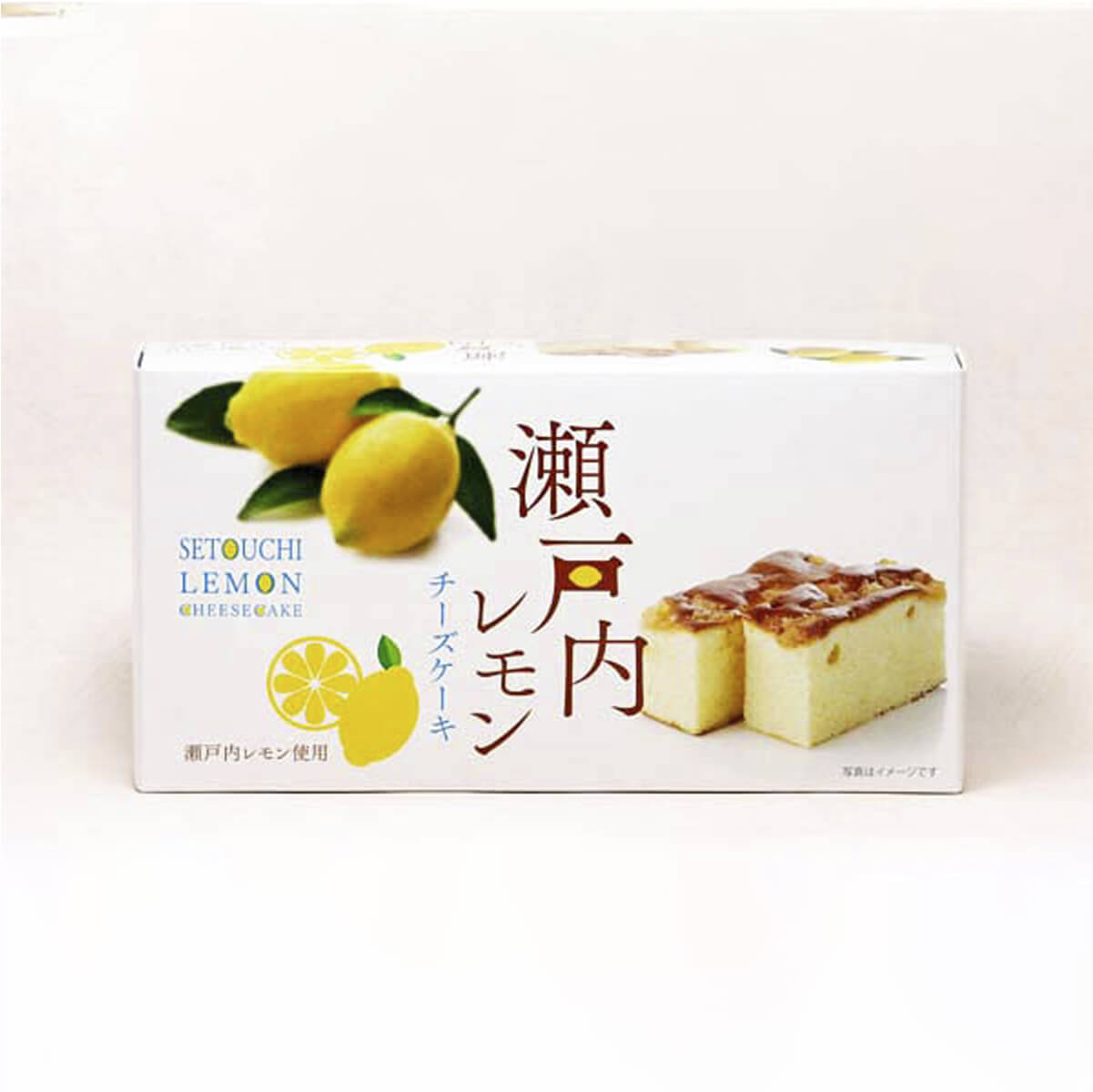
The Setouchi Inland Sea region — particularly Hiroshima’s Onomichi and Setoda (Ikuchijima) — is Japan’s most famous lemon-producing area. The mild Mediterranean-like climate, abundant sunshine, and granite-rich soils produce lemons with extraordinarily aromatic peels and bright, slightly sweet juice. Setouchi Lemon Products span an extraordinary range: lemon cookies, lemon mochi, lemon liqueur, lemon furikake (rice seasoning), lemon mayonnaise, and the famous “Lemon Cake” (a moist butter cake glazed with lemon icing). Top brands include Setouchi Lemon Farm and “Shima-gokoro” (a Setoda lemon cake). Modern variations include lemon-and-honey jam, lemon-and-yuzu marmalade, and even lemon-flavored beer. Available at JR Hiroshima Station, Onomichi shops, Imabari Pier, and along the Shimanami Kaido cycling route. Best within 90 days unopened.
瀬戸内海地域——特に広島県の尾道・瀬戸田(生口島)——は日本でも最も有名なレモン生産地。地中海のような温暖な気候、豊富な日照、花崗岩質の土壌が、芳醇な香りの皮と爽やかでほのかに甘い果汁を持つレモンを育みます。「瀬戸内レモン製品」は驚くほど多彩——レモンクッキー、レモン餅、レモンリキュール、レモンふりかけ、レモンマヨネーズ、そして有名な「レモンケーキ」(しっとりバターケーキにレモンアイシング)など。代表ブランドは「瀬戸内レモン農園」、瀬戸田のレモンケーキ「島ごころ」など。現代バリエーションには、レモン&はちみつジャム、レモン&柚子マーマレード、レモンビールまである幅広い展開。JR広島駅、尾道のお店、今治桟橋、しまなみ海道沿いで広く販売。未開封で賞味期限約90日。
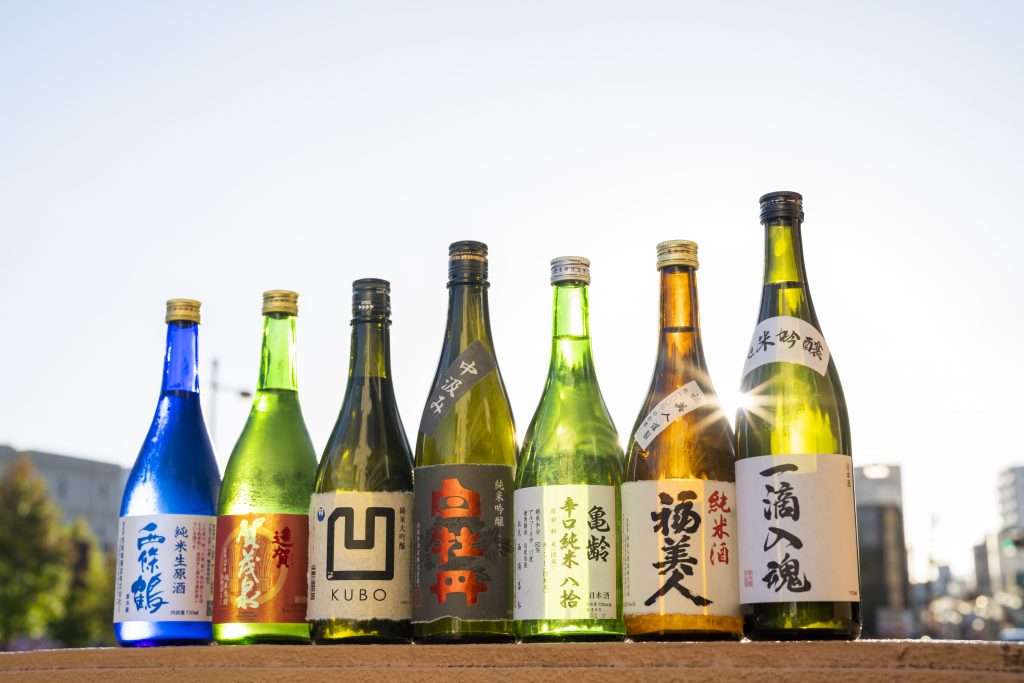
Saijo Sake
Saijo, in eastern Hiroshima, is one of Japan’s three greatest sake-producing regions (alongside Nada in Hyogo and Fushimi in Kyoto). The town’s pure mountain water, ideal climate, and centuries of brewing tradition center around 7 historic breweries clustered within a 10-minute walk of JR Saijo Station — making Saijo the most concentrated sake destination in Japan for serious enthusiasts. Notable breweries include Kamotsuru (founded 1873, which helped bring Hiroshima sake to national fame), Kamoizumi, and Hakubotan (1675, the oldest). Each brewery offers free tours and tasting flights with English explanations. The annual Saijo Sake Festival in October draws over 200,000 visitors for tastings of all 7 breweries’ offerings. Pair with oysters, okonomiyaki, or sushi. Available at all 7 breweries, JR Saijo Station, and JR Hiroshima Station’s Sake Cellar.
「西条(さいじょう)」は広島県東部に位置し、灘(兵庫)・伏見(京都)と並ぶ日本三大酒どころの一つ——町の清冽な山の水、理想的な気候、何世紀もの杜氏文化が、JR西条駅から徒歩10分圏内に7軒の歴史ある蔵元が集中する稀有な「酒の都」を形作っています。日本でも最も濃密な酒蔵巡りが楽しめる聖地として、酒愛好家には垂涎の地。代表蔵元は1873年創業の「賀茂鶴」(広島酒を全国に広めた立役者)、「賀茂泉」、最古の「白牡丹」(1675年)など。各蔵元では無料の蔵見学と利き酒(英語解説付き)が楽しめます。10月の「西条酒まつり」には全7蔵の利き酒目当てに20万人以上が訪れる名物イベント。かき、お好み焼き、寿司との相性が格別。各蔵元、JR西条駅、JR広島駅の酒蔵コーナーで購入可能。
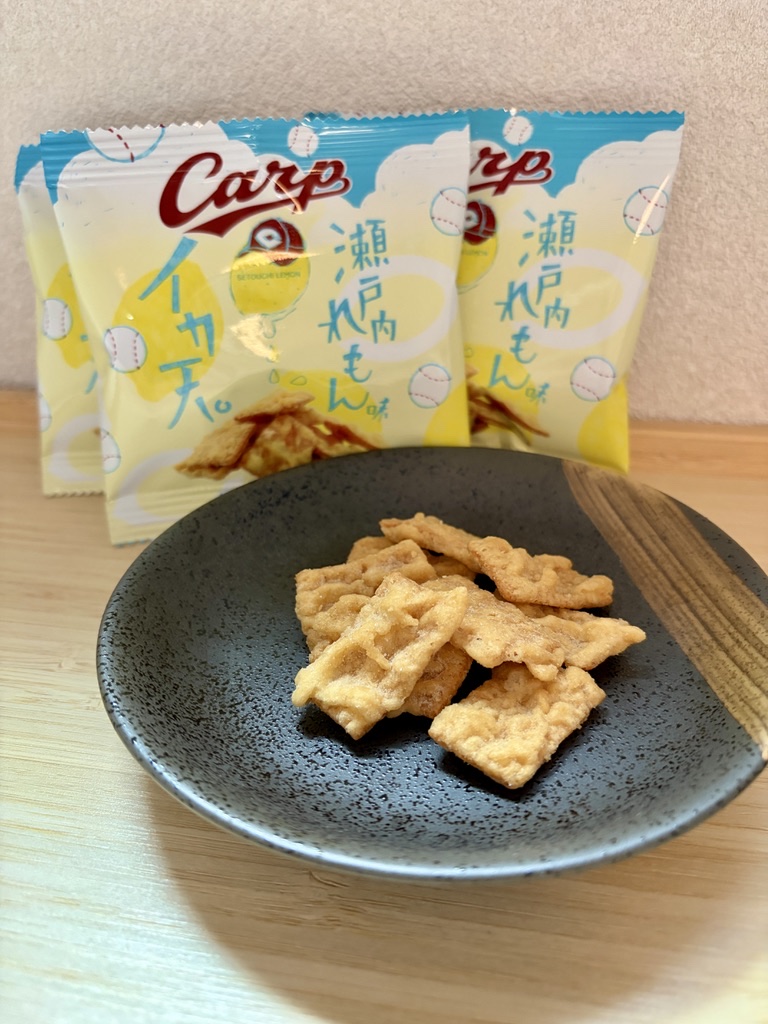
Ika-ten Setouchi Lemon
Ika-ten is squid (ika) coated in a thin tempura-style batter and deep-fried into flat, crisp sheets — a savoury snack long eaten with beer and sake in Japan. Hiroshima faces the Seto Inland Sea and has more ika-ten factories than any other prefecture, so the snack is very much local territory. In December 2013, Maruka Foods (founded 1961 in Onomichi) dusted theirs with Setouchi lemon and created Ika-ten Setouchi Lemon — pairing the region’s squid snack with the citrus grown on the hillsides around Onomichi, an area with over 70 years of lemon cultivation. It became a runaway hit, with cumulative sales passing 30 million bags. Look out for the Hiroshima Toyo Carp limited edition too: the same snack in baseball-themed packaging that instantly reads as “from Hiroshima”. Small single-serve bags make it easy to hand out; sold at JR Hiroshima Station, Hiroshima Airport, and souvenir shops across the prefecture.
「イカ天」は、イカに天ぷらのような衣をつけて薄く平たく揚げた珍味。日本ではビールや日本酒のあてとして親しまれてきたスナックです。瀬戸内海に面した広島県は、このイカ天の製造工場が日本で最も多い土地。つまりイカ天は、もともと広島の地場産品なのです。そこへ2013年12月、まるか食品(1961年・尾道創業)が瀬戸内レモンをまぶして生まれたのが「イカ天瀬戸内れもん味」。70年以上レモンを育ててきた尾道周辺の柑橘と、地元のイカ天を掛け合わせた一品は大ヒットとなり、累計販売数は3,000万袋を超えました。広島東洋カープの限定パッケージ版もあり、野球デザインが「広島土産」であることをひと目で伝えてくれます。小袋タイプで配りやすく、JR広島駅、広島空港、県内の土産店で購入可能。
The instant the first piece hit my mouth: “that is SO lemon…!” A bright, eye-opening citrus sourness arrives first, and the savoury squid flavour follows behind it. Add the light, crisp snack-food crunch and your hand simply doesn’t stop. Works as a drinking snack and as an everyday nibble ♪ It comes in small single-serve bags with about 9–10 bite-sized pieces each — a proper finish-it-in-one-go size. Great for handing out to colleagues and friends ◎
一枚目を口に入れた瞬間、「めっちゃレモン…!」と感じました。目の覚めるようなレモンの爽やかで力強い酸味が来て、後からイカの旨味がやってきます。スナック菓子らしいサクサクと軽い歯ざわりも相まって、手が止まりません。おつまみにもおやつにもぴったりです♪ 小袋タイプで、ひと口サイズのイカ天が1袋に9〜10枚ほど入っていて食べきりサイズです。職場や友人に配るお土産におすすめです◎
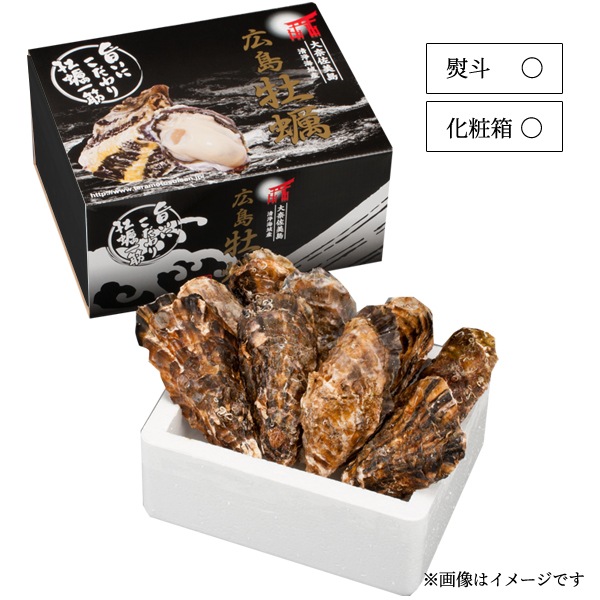
Hiroshima Oysters (Kaki)
Hiroshima produces over 60% of Japan’s oysters — its sheltered Inland Sea bays, mineral-rich currents, and ideal water temperatures create perfect oyster-growing conditions, and the resulting oysters are some of the most plump, sweet, and flavorful in the world. Hiroshima oysters peak from November through March, with the Miyajima Oyster Festival in February drawing thousands of visitors. Local restaurants serve them grilled, fried, in stew, or as oyster ramen. For souvenirs, vacuum-sealed cooked oysters, oyster shoyu (a luxurious soy sauce infused with oyster essence), and frozen pre-shucked oysters are available year-round. Top makers include Kunihiro, Kanawa, and Kurahashijima Kaisan. Available at JR Hiroshima Station, Miyajima area shops, and Hatsukaichi-area oyster bars. Best refrigerated and eaten within a few days of opening. Pair with junmai sake or ponzu citrus sauce.
広島県は日本のかき生産量の60%以上を占める「かきの王国」——保護された瀬戸内海の入江、ミネラル豊富な海流、理想的な水温が、世界でも最高級の肉厚で甘く風味豊かなかきを育みます。広島かきの旬は11月〜3月で、2月の「宮島かき祭り」などには多くの人が訪れます。地元レストランでは、焼きかき、フライ、シチュー、かきラーメンなど多彩な料理で味わえます。お土産用には、真空パックの調理済みかき、かきのエキスを贅沢に使った「かき醤油」、冷凍剥きかきが年間を通じて販売されています。代表メーカーはクニヒロ、かなわ、倉橋島海産など。JR広島駅、宮島エリアのお店、廿日市のかきバーで購入可能。要冷蔵で開封後は数日以内に。純米酒やポン酢との相性は格別。
🦀 Eat this one in Hiroshima. Fresh oysters are chilled and last only a few days, so they don’t survive a flight home — enjoy them here and take the shelf-stable options above as gifts.
🦀 これは現地で。 生牡蠣は要冷蔵で日持ちが数日のため持ち帰りには向きません。広島で味わって、お土産は上の日持ちする品を選ぶのがおすすめです。
Must-Visit Spots
おすすめスポット 5選
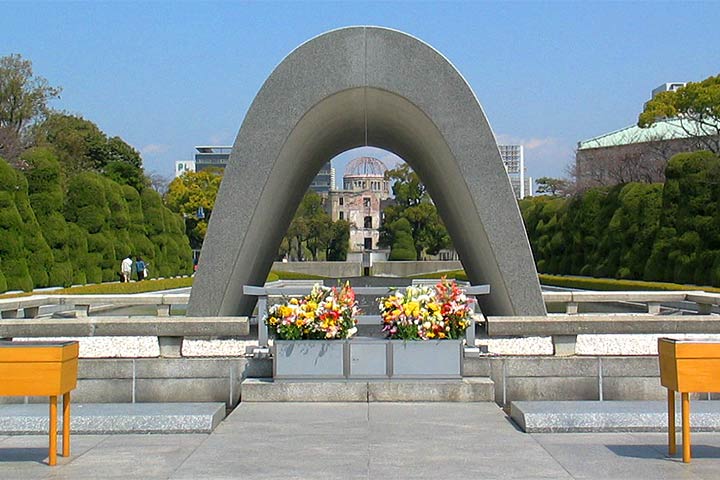
Peace Memorial Park & Museum
The Hiroshima Peace Memorial Park and Museum is one of the world’s most spiritually moving destinations — a 12-hectare park built at the very location of the August 6, 1945 atomic bomb blast, dedicated to honoring the 140,000+ victims and promoting global nuclear disarmament. The park’s signature monument is the iconic Atomic Bomb Dome (separately listed), a rare structure left standing near the hypocenter. The Peace Memorial Museum tells the story through preserved survivor artifacts, photos, and personal accounts that are emotionally devastating yet essential. The Children’s Peace Monument honors Sadako Sasaki, the girl who folded 1,000 paper cranes hoping for healing — visitors can leave their own paper cranes. Free admission to the park; museum ¥200 (highly recommend audio guide). Plan 2-3 hours. From JR Hiroshima Station, take the streetcar (15 minutes).
「広島平和記念公園・原爆資料館」は世界でも最も精神的に深い場所の一つ——1945年8月6日の原爆投下の現地に建てられた12ヘクタールの公園で、14万人を超える犠牲者を悼み、世界核軍縮を訴える神聖な空間です。象徴的なモニュメントは原爆ドーム(別記載)で、爆心地近くで倒壊を免れた象徴的な建造物。「広島平和記念資料館」では、被爆者の遺品、写真、個人の証言を通じて、感情的に圧倒される、しかし不可欠な歴史を伝えています。「原爆の子の像」は、千羽鶴を折って治癒を願った佐々木禎子を称えるモニュメントで、訪問者は自分の折り鶴を残せます。公園は無料、資料館は200円(音声ガイド推奨)。所要時間2〜3時間。JR広島駅から路面電車で約15分。
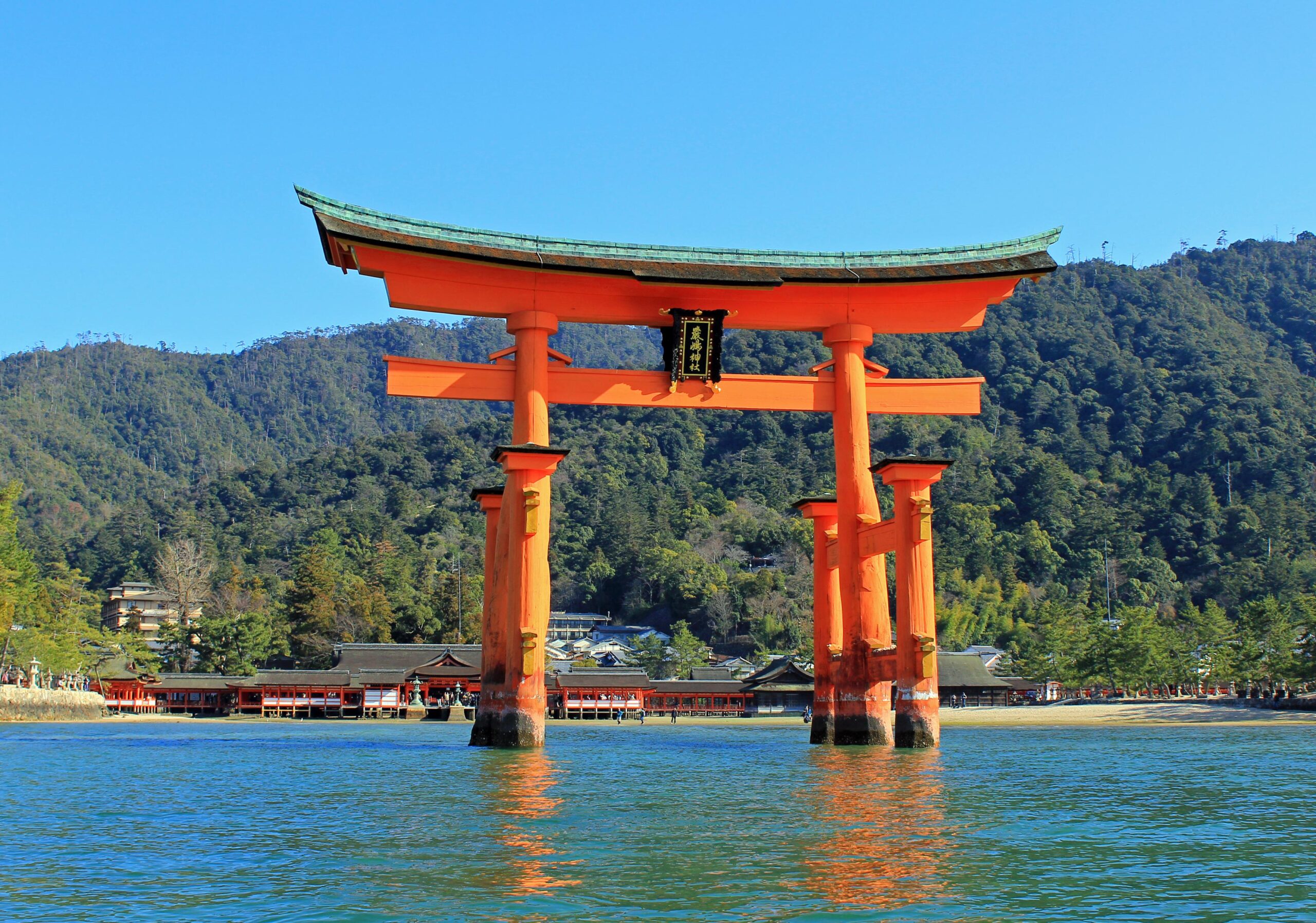
Miyajima & Itsukushima Shrine
Miyajima (“Shrine Island”) is one of Japan’s three most beautiful landscapes (alongside Matsushima and Amanohashidate). The island’s centerpiece is Itsukushima Shrine — founded in 593 AD and featuring the iconic vermillion torii gate that appears to float on water at high tide, possibly Japan’s most photographed religious structure. Visitors can walk to the torii at low tide. Beyond the shrine, the island features 500+ free-roaming sika deer, the cable car to Mount Misen’s summit (with panoramic Inland Sea views), the Itsukushima Treasure House (with some 260 National Treasures and Important Cultural Properties), and dozens of restaurants serving fresh oysters and momiji manju. Designated UNESCO World Heritage in 1996. The 10-minute ferry from Miyajima-guchi (¥200 fare plus a ¥100 visitor tax) is one of Japan’s most scenic. Plan a full day; cherry blossoms in early April are spectacular.
「宮島(みやじま、嚴島)」は日本三景の一つ(松島・天橋立と並ぶ)——島の中心は593年創建の「嚴島神社」で、満潮時に海に浮かんでいるように見える朱塗りの大鳥居は、日本でも最も撮影される宗教建築物の一つです。引き潮時には大鳥居まで歩いて近づけます。神社以外にも、500頭超の野生のニホンジカ、弥山山頂へ向かう宮島ロープウエー(瀬戸内海のパノラマ)、国宝・重要文化財 約260点を収蔵する「嚴島宝物館」、新鮮かき・もみじまんじゅうの料理店が島内に数十軒。1996年にユネスコ世界文化遺産登録。宮島口からの10分のフェリー(運賃200円+宮島訪問税100円)は日本でも最も美しい船旅の一つ。1日コースが基本、4月上旬の桜は格別。
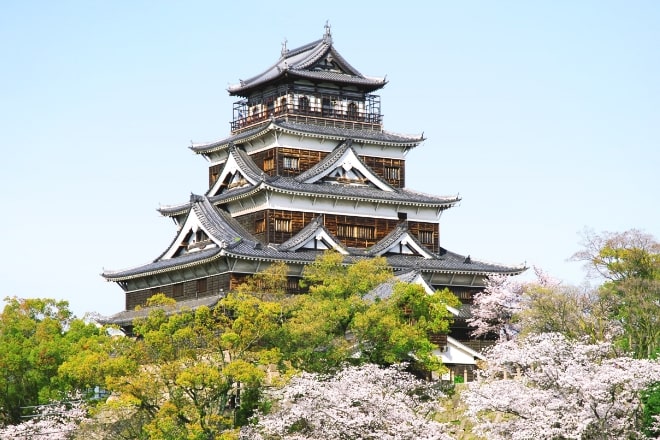
Hiroshima Castle
Hiroshima Castle, often called “Carp Castle” (Rijo) for its black-walled silhouette resembling a carp, is one of Japan’s historically significant rebuilt castles. Originally begun in 1589 by Mori Terumoto, the castle’s location at the meeting of the Ota River was ideal for both defense and trade. The original keep was destroyed in the 1945 atomic bombing — the castle stood within the bomb’s blast radius and was reduced to rubble, mirroring the city’s devastation. The present concrete structure (1958) is a faithful exterior reconstruction housing a museum about the castle’s history and Hiroshima’s reconstruction. The reconstructed turrets and inner gardens preserve the original feeling. (Note: the main keep closed in March 2026 for rebuilding — check ahead before visiting.) Tickets ¥370. From JR Hiroshima Station, take the streetcar to Genbaku Dome-mae (15 minutes), then walk 10 minutes through the park.
「広島城」は黒壁の鯉のシルエットから「鯉城(りじょう)」と称される、歴史的に重要な再建城——1589年に毛利輝元が築城を開始し、太田川の合流点という戦略的に理想的な立地で、防衛と交易の両面で効率的でした。オリジナルの天守は1945年の原爆投下で完全に破壊され、爆心地から近い距離にあった当城は瓦礫と化し、広島市そのものの惨状を象徴する存在となりました。現在のコンクリート造(1958年)は、外観を忠実に再現した復元物で、内部には城の歴史と広島の復興を伝える博物館を併設。復元された櫓と内堀が当時の雰囲気を蘇らせます。(※天守閣は2026年3月に建替えのため閉館。訪問時は最新情報を要確認。)入場料370円。JR広島駅から路面電車で原爆ドーム前まで約15分、その後公園内を徒歩約10分。
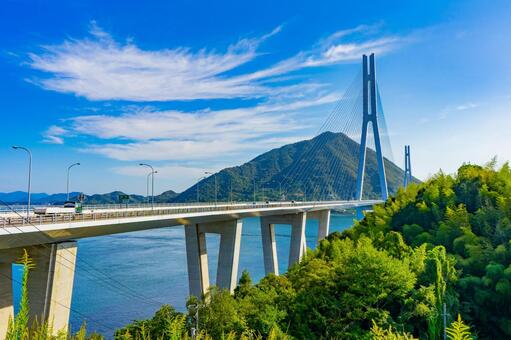
Onomichi & Shimanami Kaido
Onomichi is a charming hillside port town on Hiroshima’s coast — its narrow alleyways, hilltop temples, and panoramic Setouchi Inland Sea views have inspired generations of Japanese filmmakers, including Yasujiro Ozu. The town serves as the starting point for the Shimanami Kaido — the world’s most famous cycling route, a 70-kilometer bridge-and-island chain that connects six small islands across the Inland Sea to Imabari in Shikoku. The route can be cycled in 6-12 hours (e-bike rentals roughly ¥3,000-9,000), with each island offering distinctive culture, swimming beaches, and seafood. Highlights along the way include the Innoshima oranges and lemons, the Ikuchi Island art museums, and the breathtaking Tatara Bridge views. Onomichi itself features the Senkoji Temple ropeway, atmospheric cat alleys, and the Setoda lemon groves, such as Citrus Park Setoda.
「尾道(おのみち)」は広島県沿岸の魅力的な丘の港町——狭い路地、丘の上の寺院、瀬戸内海の絶景パノラマが日本映画作家(小津安二郎などを筆頭に)を世代を超えてインスパイアし続けてきた風情ある町です。世界的に有名なサイクリングルート「しまなみ海道」の起点でもあり、瀬戸内海を6つの島々を結ぶ70キロの橋と島嶼の連鎖が、四国・今治まで続きます。サイクリング所要時間6〜12時間(電動レンタサイクル3,000〜9,000円程度)、各島が独自の文化、海水浴場、海鮮を提供する充実コース。ルート上の見どころは因島の柑橘、生口島の美術館、絶景の多々羅大橋など。尾道自体も「千光寺ロープウェイ」、情緒ある「猫の小道」、瀬戸田のレモン畑(シトラスパーク瀬戸田など)が見ごたえあり。
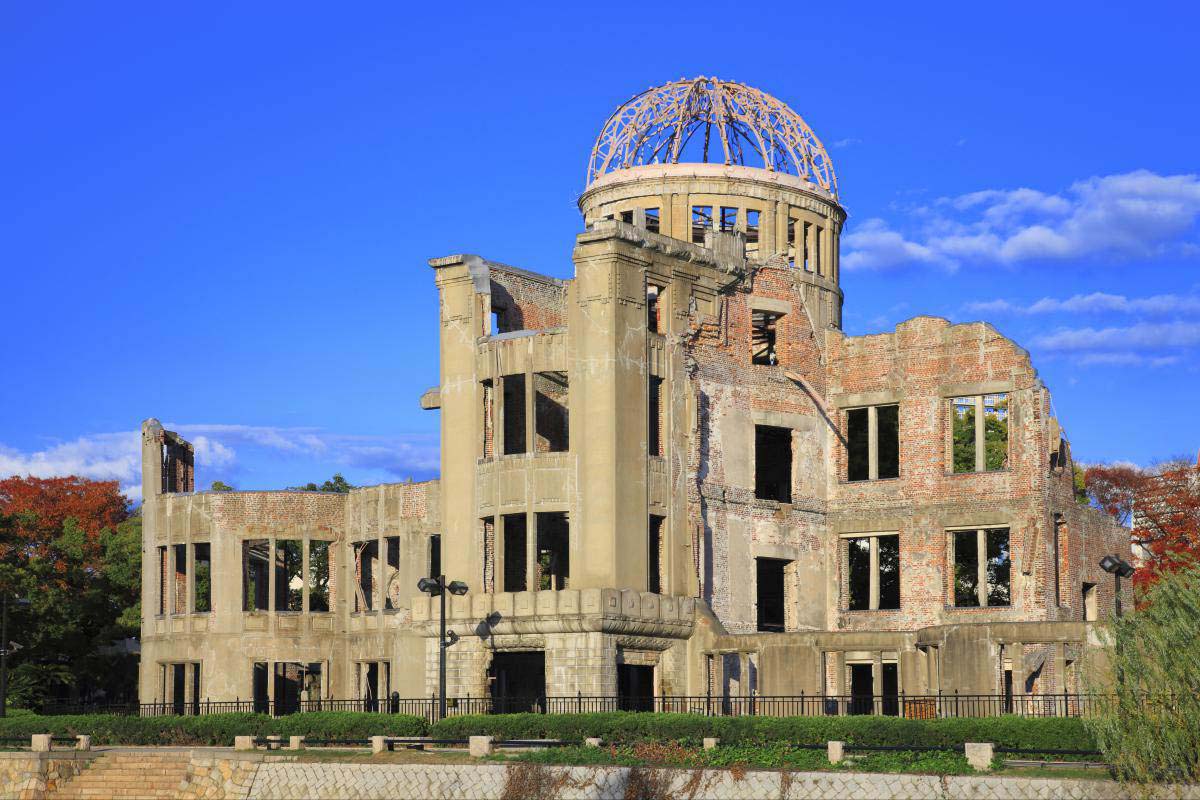
Atomic Bomb Dome (Genbaku Dome)
The Atomic Bomb Dome (Genbaku Dome) is the most prominent structure left standing near the hypocenter of the August 6, 1945 atomic bomb explosion in Hiroshima. Originally the Hiroshima Prefectural Industrial Promotion Hall, the dome’s iron skeleton survived the blast despite being only 160 meters from ground zero, while its surroundings were obliterated. The Japanese government has preserved the building exactly as it was found after the bombing — silent, scarred, and profound. Designated UNESCO World Heritage in 1996, the dome has become humanity’s most powerful symbol of peace and a poignant warning against nuclear weapons. The dome cannot be entered, but visitors can walk closely around its perimeter. Located across the Motoyasu River from Peace Memorial Park, the dome is essential to any Hiroshima visit. Free; visible 24 hours daily.
「原爆ドーム(げんばくドーム)」は1945年8月6日の広島原爆投下の爆心地近くで倒壊を免れた象徴的な建造物——元々は「広島県産業奨励館」と呼ばれた建物で、爆心地からわずか160メートルという至近距離にあったにも関わらず、鉄骨構造のドームが爆風から建物の骨格を残し、周囲が完全に瓦礫と化す中で奇跡的に立ち続けました。日本政府は爆撃直後の状態のまま——沈黙し、傷を負い、深く——保存し続けています。1996年にユネスコ世界文化遺産登録。ドームは人類で最も強力な平和の象徴、核兵器への悲痛な警告となっています。内部立ち入り禁止ですが、外周の散策は自由に可能。元安川を挟んで平和記念公園と向かい合う位置にあり、広島観光の必訪スポット。拝観無料、24時間鑑賞可能。
Insider Tips
現地通の旅の裏ワザ
Streetcar 1-day pass (¥700) covers all lines including Miyajimaguchi. Pay for 4+ rides to break even. Most tourists overpay individual fares.
広島電鉄1日券¥700で宮島口まで全線乗り放題。4回乗車で元取れる、観光客は個別払いで損してる。
Hiroshima produces 60% of Japan’s oysters. Peak Oct–Mar. Itsukushima Shrine’s outer area has oyster grills — ¥500/piece, fresher than restaurants.
広島は牡蠣生産60%。10〜3月がベスト。厳島神社の表参道で焼き牡蠣¥500/個、レストランより新鮮。
Frequently Asked Questions
Is the Peace Memorial Museum appropriate for children?
The museum presents difficult and graphic content related to the atomic bombing. For older children (12+) it can be a deeply educational and empathetic experience. For younger children, parents should preview the exhibits first. The park grounds and A-Bomb Dome are appropriate for all ages.
平和記念資料館は被爆の惨状を伝える展示があり、子どもへの影響を考慮する必要があります。12歳以上なら深い学びになるでしょう。小さい子には保護者が事前に内容を確認することをおすすめします。公園や原爆ドームはどの年齢でも訪問可能です。
Can I visit Miyajima in one day from Hiroshima?
Yes — easily. The ferry from Miyajima-guchi takes 10 minutes, and Miyajima can be explored thoroughly in 3–5 hours. Combine it with the Peace Memorial Park for a full Hiroshima day. Try to time your Miyajima visit around low or high tide to see the torii in different dramatic states.
十分可能です。広島市内の宮島口からフェリーで10分。宮島は3〜5時間で主要スポットを回れるため、平和記念公園と組み合わせて1日で両方訪問できます。鳥居の見え方が変わる干潮・満潮時刻を事前に確認してから訪問するのがおすすめです。
What is the best way to get to Hiroshima?
The Shinkansen (bullet train) is ideal — Tokyo to Hiroshima is 4 hours, Osaka is about 1.5 hours, Kyoto about 1 hour 40 minutes. The JR Pass covers this route. Flying is an option from Tokyo (Hiroshima Airport), but the Shinkansen city-centre-to-city-centre is usually faster and more convenient.
新幹線がおすすめ。東京から4時間、大阪から約1.5時間、京都から約1時間40分。JRパスが使えます。東京から飛行機という選択肢もありますが、新幹線の方が都心から都心へのアクセスが速く便利です。
💡 Pro Tip: Visit Miyajima at high tide (check tide tables online) for the iconic floating torii effect, then stay until sunset — the last ferry is late and the island empties beautifully in the evening.
💡 旅のヒント:宮島の「海に浮かぶ鳥居」は満潮時が見ごろです(潮汐表を事前確認)。夕方まで滞在すると観光客が減り、夕日の中の鳥居を独り占めできます。最終フェリーは遅いので安心です。