Ibaraki
Top Ibaraki souvenirs and must-visit travel spots — your complete guide for visitors to Japan. A hillside that turns entirely blue in May, a forest shrine older than Tokyo, and the heartland of natto production — Ibaraki quietly holds some of Japan’s most underrated splendours.
5月の空色のネモフィラの丘、鹿島神宮の千年杉、那珂湊の新鮮な魚介。茨城は首都圏最大の隠れた観光県です。
Just north of Tokyo, Ibaraki is an easy day trip that punches above its low profile — Hitachi Seaside Park’s blue nemophila, the ancient Kashima Jingu, and Mito’s Kairakuen plum garden. For souvenirs it plays to its farm strengths: it grows more dried sweet potato (hoshi-imo) and natto than anywhere in Japan, and leads the country in melon. Hoshi-imo and Mito’s natto-themed snacks are the distinctive picks, while Kasama-yaki is the craft buy. Most of it is easy to find at Mito Station and the roadside michi-no-eki.
東京の北すぐ、茨城は地味やけど日帰りで楽しい——ひたち海浜公園のネモフィラ、鹿島神宮、水戸の偕楽園。みやげは農業県の強みそのもので、干し芋と納豆は生産量日本一、メロンも全国トップです。干し芋や水戸の納豆菓子が定番、工芸なら笠間焼。水戸駅や道の駅で手に入りやすいです。
Recommended Omiyage
おすすめおみやげ 5選
Mito Natto
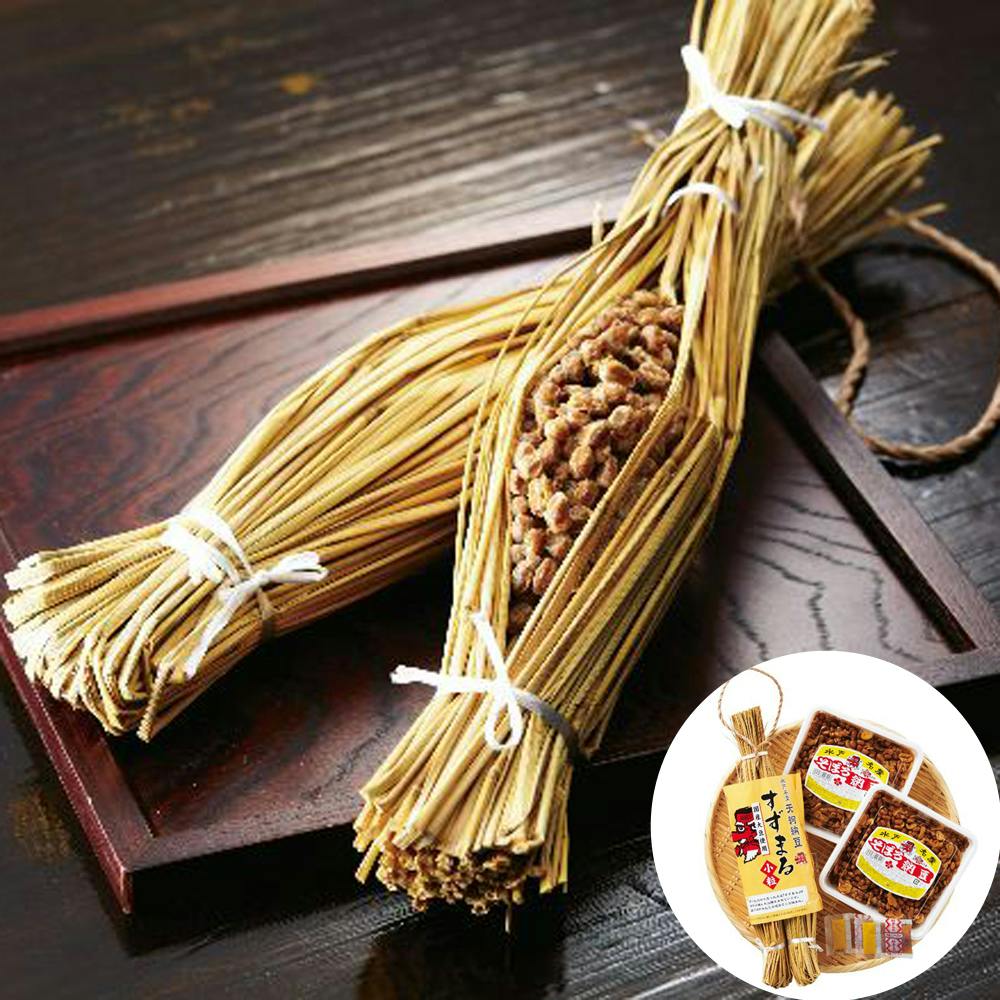
Mito became Japan’s natto capital in 1889, when straw-wrapped natto first went on sale to rail travelers at the new station — these fermented soybeans, with their distinctive sticky texture and pungent earthy aroma, are a national breakfast staple but Ibaraki’s version is widely considered the gold standard. The local soybeans are smaller and sweeter than commercial varieties, fermented in traditional straw bundles (warazuto) that allow the natural Bacillus subtilis to work its magic. Mix with soy sauce and karashi mustard, then stir vigorously until threads form, and serve over hot rice. Brands like Tengu Natto (founded 1889) and Daruma Natto have been crafting it for generations. Vacuum-sealed straw bundles are sold at JR Mito Station for the adventurous traveler.
水戸納豆が全国区になったのは1889年(明治22年)、鉄道開通と同時に駅前土産として売り出されてから。粘り気と独特の発酵香で知られるこの大豆発酵食品は日本の朝食の定番ですが、茨城産は別格の品質と評価されています。地元産の小粒大豆は通常の市販品より甘みがあり、伝統的な藁苞(わらづと)で天然の納豆菌が活躍するよう発酵されます。醤油とからしを加えて糸が立つまでよくかき混ぜ、炊き立てご飯に乗せていただくのが王道。「天狗納豆」(1889年創業)、「だるま納豆」など老舗が水戸市内に点在。JR水戸駅では真空パックの藁苞納豆が購入可能で、冒険心ある旅人へのお土産にぴったりです。
Hoshi-imo (Dried Sweet Potato)
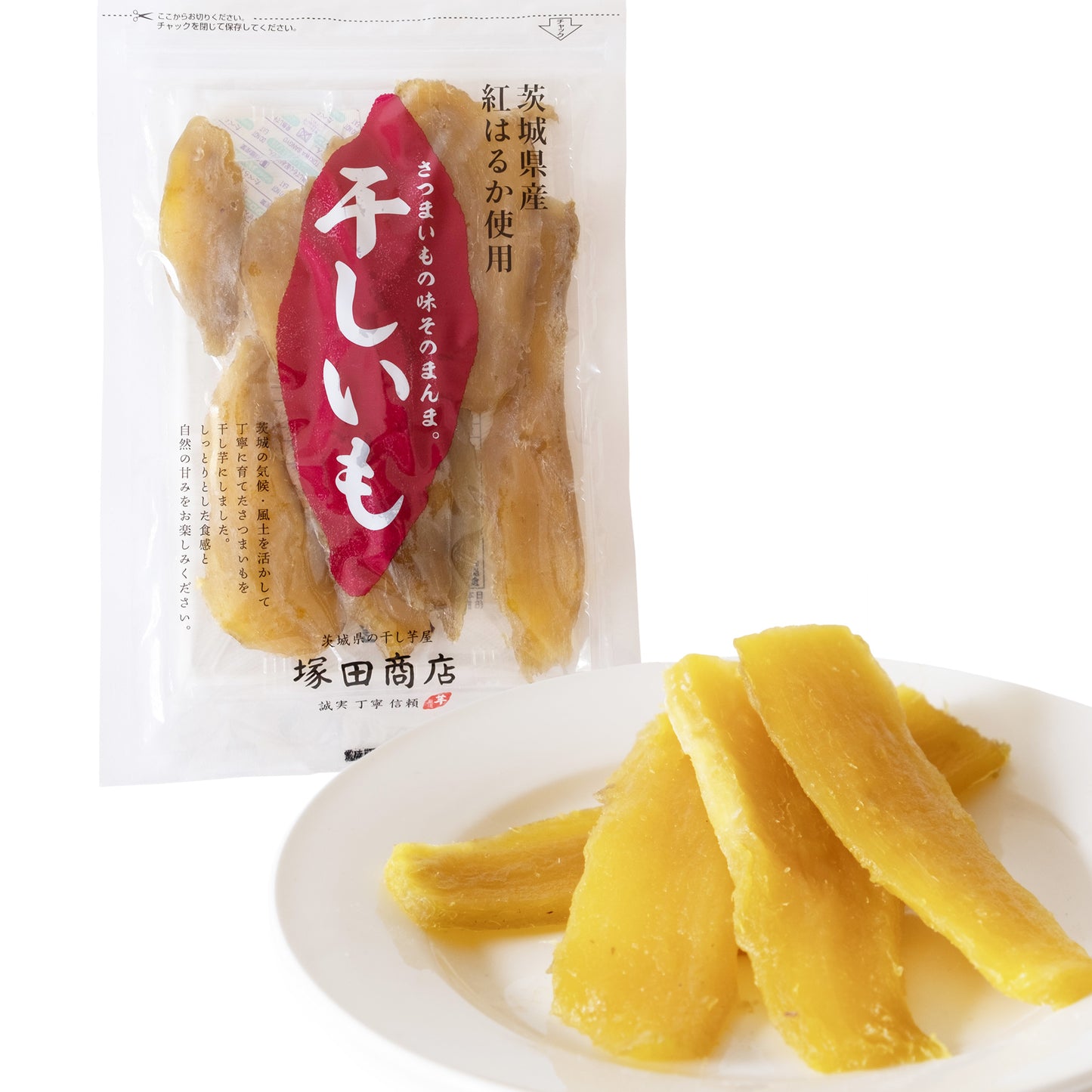
Ibaraki is the hoshi-imo capital of Japan — making about 90% of the national supply of dried sweet potato — and the No.2 grower of sweet potatoes overall — the sandy, well-drained soil of the Hitachi region is ideal for cultivating the silky, honey-sweet varieties that have made Japanese sweet potatoes world-famous. The flagship is Beni Haruka, prized for its custard-like texture and exceptional sweetness when slow-roasted (yaki-imo). Other varieties include Beni Azuma, Silk Sweet, and the hoshi-imo classic Tamayutaka. From October through March, sweet-potato season transforms the prefecture: roadside stands sell freshly-roasted potatoes wrapped in newspaper, and bakeries craft sweet-potato cakes, tarts, and the famous Hoshi-imo (dried sweet potato strips) — a chewy, intensely sweet snack available year-round at JR Mito Station.
茨城は干し芋の全国シェア約9割を誇る「干し芋王国」(さつまいも生産も全国2位)。水はけのよい砂質土壌の常陸地方は、絹のように滑らかで蜂蜜のような甘みを持つ高級芋の栽培に最適な気候です。代表品種「紅はるか」はじっくり焼くとカスタードのような食感に変身し、比類ない甘さを引き出します。他にも「紅あずま」「シルクスイート」、干し芋の伝統品種「玉豊」など多彩な品種が揃います。10月〜3月の旬の時期には、新聞紙で包んだ焼き芋を売る屋台が街道沿いに並び、ベーカリーではさつまいもケーキやタルトが店頭を彩ります。一年中楽しめる「干し芋」(さつまいもを蒸して天日干しした保存食)は、噛むほどに甘みが広がる絶品スナックでJR水戸駅で購入可能。
Plum Wine
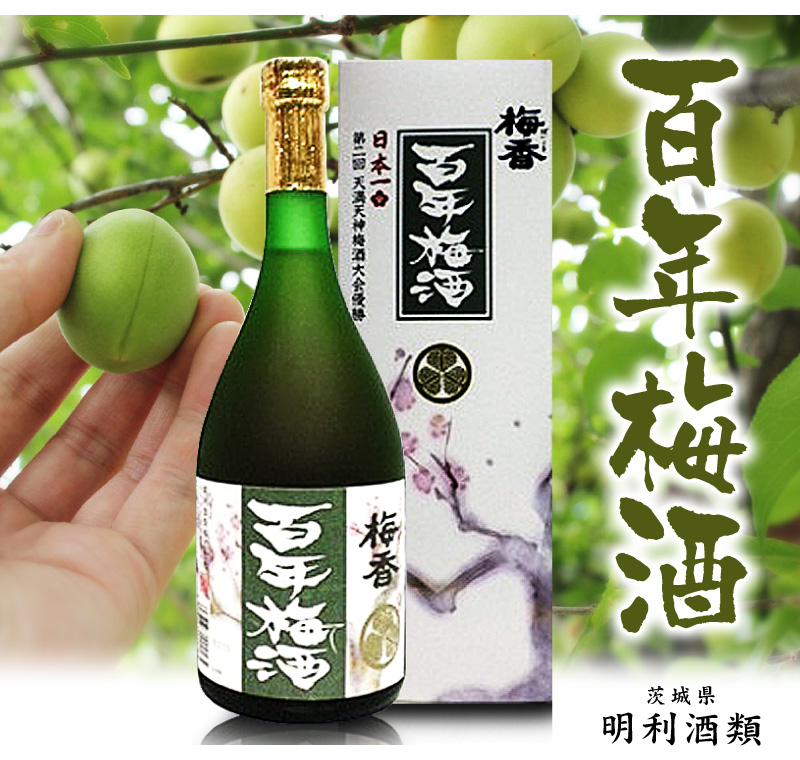
Mito’s Kairakuen garden is home to over 3,000 plum trees, and Mito has been plum country since Kairakuen opened in 1842, and local umeshu-making thrives on its harvest. The local umeshu (plum wine) is made by steeping fresh blue ume plums in shochu or sake with rock sugar, allowed to mature for 1-3 years until the alcohol becomes velvety, fragrant, and perfectly sweet-tart. The standard-bearer is Hyakunen Umeshu by Meiri Shurui of Mito — crowned best in Japan at the 2008 national umeshu competition — a brandy-and-honey blend of Shirakaga plums (about ¥1,600 for 720ml); Kiuchi Brewery of Naka took the same title in 2009 with its sparkling umeshu. Serve over ice, with hot water in winter, or in cocktails. Beautifully bottled gift versions in 500ml or 720ml are sold at JR Mito Station — and each March the National Umeshu Festival beside Kairakuen pours 120+ varieties.
水戸の偕楽園には3,000本を超える梅の木があり、1842年開園の偕楽園以来の梅どころ・水戸では、その梅を使った梅酒造りが盛んです。地元の梅酒は、青く新鮮な梅の実を焼酎や日本酒に氷砂糖と共に漬け込み、1〜3年熟成させて作られ、アルコールがまろやかに溶け合い、香り高く甘酸っぱい仕上がりに。代表格は水戸・明利酒類の「梅香 百年梅酒」(白加賀梅をブランデー・蜂蜜で仕込み、2008年の全国梅酒大会で日本一、720ml約1,600円)。那珂市・木内酒造の「しゅわしゅわ木内梅酒」も2009年に日本一に輝いた実力派です。ロックで、冬はお湯割りで、カクテルベースとしても楽しめます。500ml・720mlの上品な化粧瓶のギフト版がJR水戸駅で購入でき、毎年3月には偕楽園隣の常磐神社で「全国梅酒まつり」(120種超の飲み比べ)も開催されます。
Ankimo
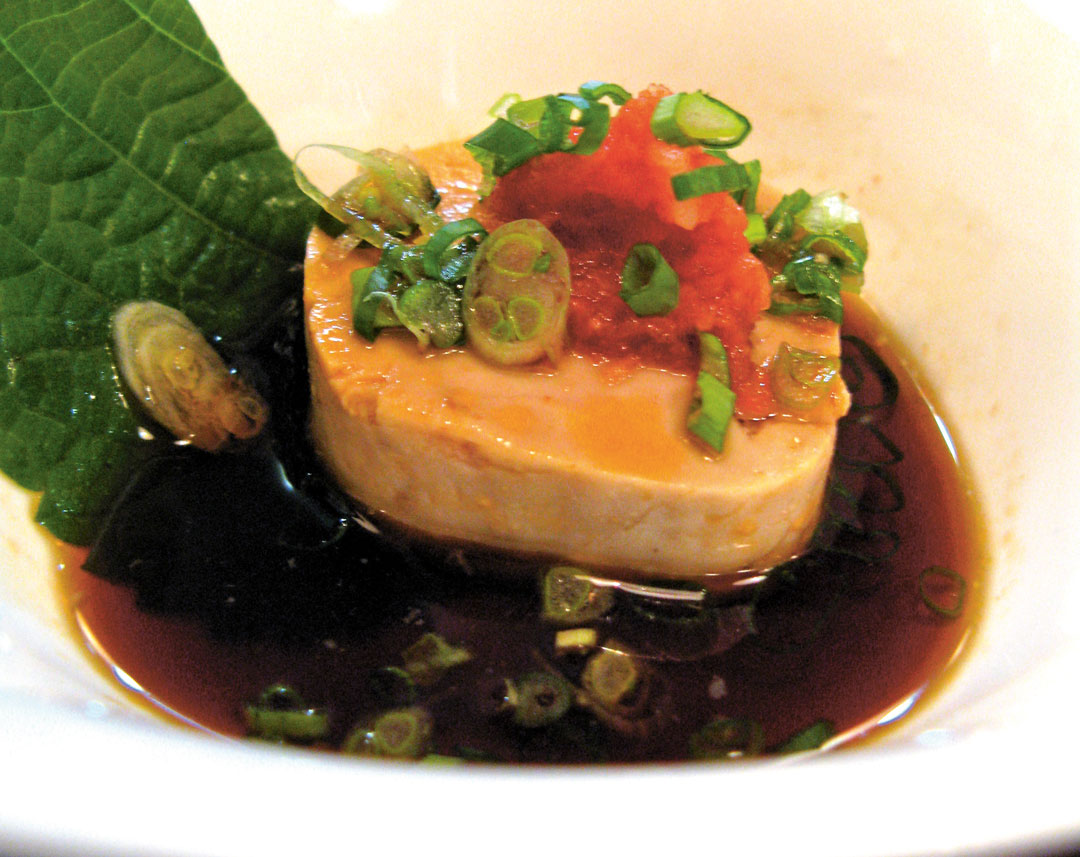
Often called “the foie gras of the sea,” ankimo is steamed monkfish liver — a winter delicacy from Ibaraki’s Hitachi coast that Edo-period shoguns received as tribute from the Mito domain. The texture is unbelievably silky, the flavor rich and slightly briny, and it pairs spectacularly with grated daikon, ponzu citrus sauce, and a glass of cold sake or champagne. Premium ankimo from Hitachinaka and Oarai ports is best eaten fresh at winter markets — canned versions travel far better as souvenirs. The season runs November through March — richest from December to February — when monkfish fatten in the cold Oyashio current off the Ibaraki coast. Available at Nakaminato Fish Market, JR Mito Station, and high-end seafood specialty shops in Tokyo. Refrigerate; consume within 5 days of opening.
「海のフォアグラ」と称される「あんきも」は、あんこうの肝を蒸し上げた茨城・常陸海岸の冬の美味。江戸時代には水戸藩から将軍家へ献上された「三鳥二魚」の一つに数えられる究極の珍味です。絹のような舌触りに、濃厚で潮風の香る複雑な味わいが特徴で、大根おろし、ポン酢、冷酒やシャンパンと合わせれば至福のマリアージュ。「ひたちなか」「大洗」漁港から水揚げされる極上品は冬の市場で味わうのが一番。持ち帰りには缶詰タイプが便利です。漁期は11月〜3月(ベストは12〜2月)、親潮の冷たい海で深海あんこうが脂を蓄える時期。那珂湊おさかな市場、JR水戸駅、東京の高級魚介店で購入可能。要冷蔵、開封後5日以内にお召し上がりください。
Kasama Pottery
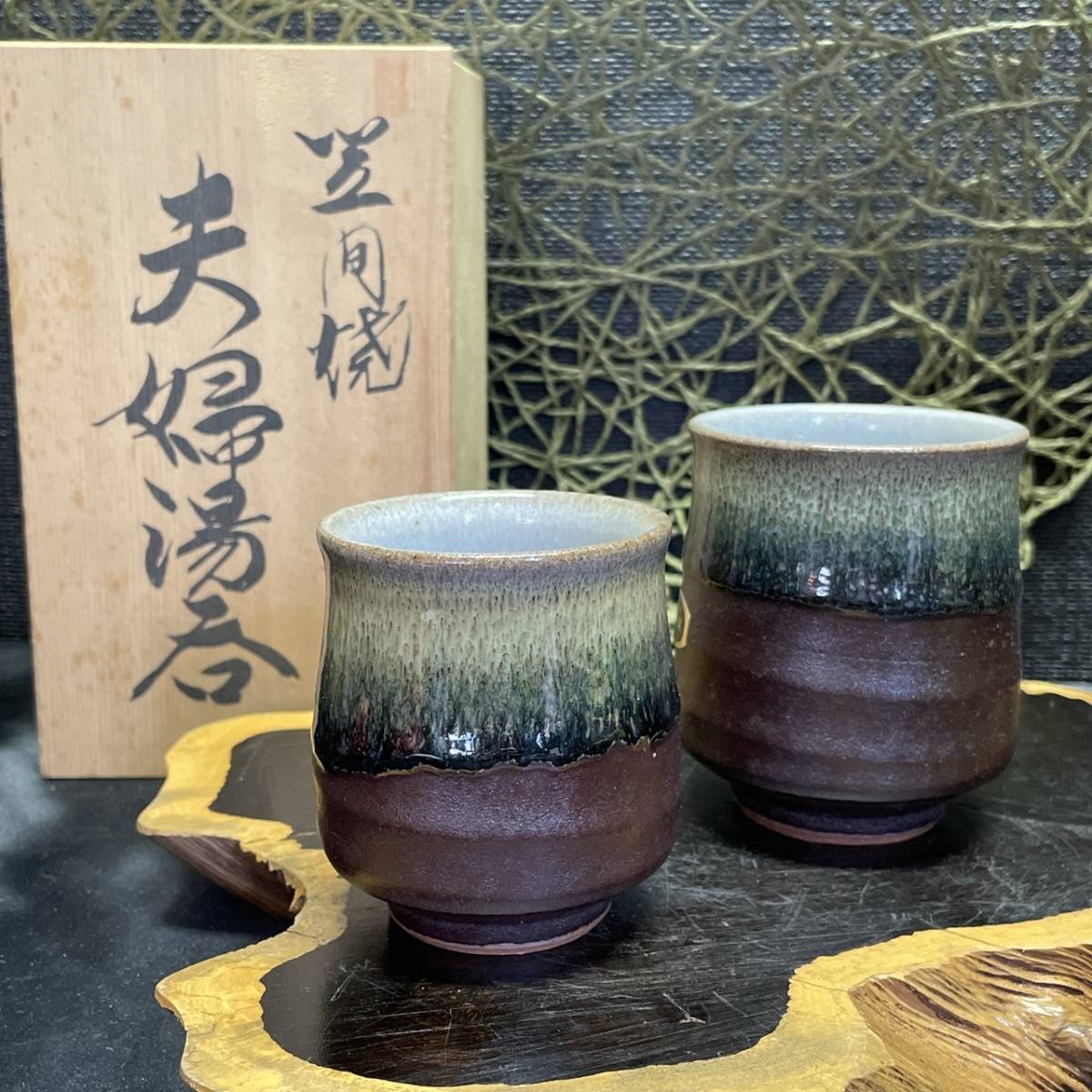
Kasama-yaki pottery, produced in the small town of Kasama in central Ibaraki, is the oldest pottery tradition in the Kanto region, founded around 1772 and designated a national Traditional Craft in 1992. Originally made for everyday tableware in farming households, modern Kasama-yaki has evolved into highly artistic forms — from rustic earthen-toned tea bowls to vibrantly glazed contemporary pieces. The annual Himatsuri Pottery Festival (April 29 to May 5) draws around 80,000 visitors who browse hundreds of artists’ booths, attend wheel-throwing workshops, and find unique pieces directly from kilns. Year-round, the Kasama Geijutsu no Mori park houses the Ibaraki Ceramic Art Museum and dozens of pottery shops. Pieces range from ¥1,000 small dishes to ¥100,000+ artist works. About 1.5 hours from Tokyo (limited express to Tomobe, then the Mito Line).
茨城県中部の笠間市で生まれる「笠間焼」は、1772年頃に開窯した関東最古の焼き物産地で、1992年に国の伝統的工芸品に指定されています。元々は農家の日用食器として作られましたが、現代の笠間焼は素朴な土の風合いの茶碗から、鮮やかな色釉のモダン作品まで多彩な作風に発展しています。毎年4月29日〜5月5日の「笠間陶炎祭(ひまつり)」には約8万人が訪れ、数百の作家ブースで陶芸体験、窯元から直接の購入が楽しめる活気ある祭りに。年間を通しては「笠間芸術の森公園」内に茨城県陶芸美術館や陶器ショップが点在。小皿1,000円から有名作家作品10万円超まで幅広い価格帯で揃います。東京からは特急+水戸線乗継で約1.5時間。
Must-Visit Spots
おすすめスポット 5選
Hitachi Seaside Park
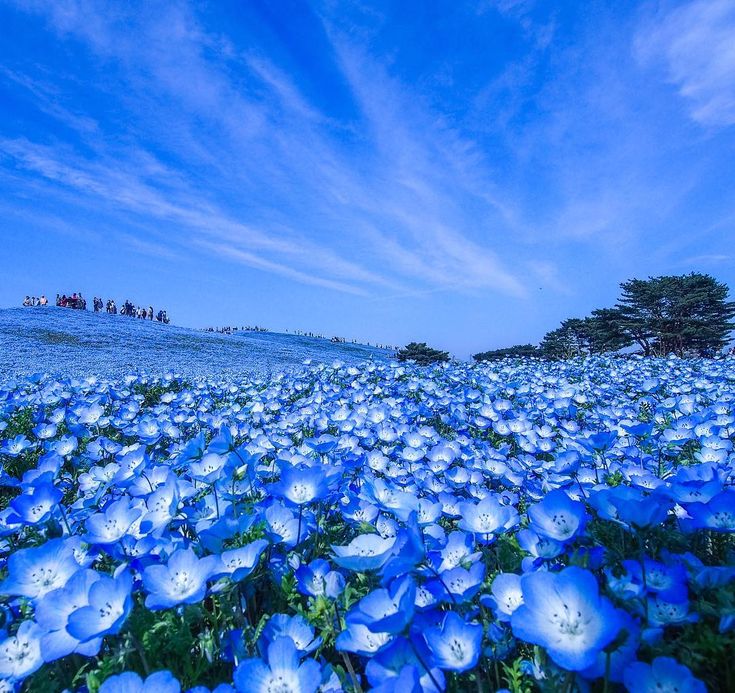
Spread across some 215 hectares of former military airfield, Hitachi Seaside Park has become one of Japan’s most photographed flower destinations thanks to its rolling hills painted in seasonal blooms. The signature spectacle is mid-April to early May, when 5.3 million baby blue eyes (nemophila) cover Miharashi Hill in an electric blue ocean that seems to merge with the sky. Late summer brings cosmos fields, and October’s kochia bushes turn fiery red across the same hills — equally jaw-dropping. The park also features cycling paths, a small amusement park, and BBQ spots, making it a full-day family destination. Tickets ¥450 adults (¥800 in nemophila and kochia peak seasons). From JR Katsuta Station, buses reach the West Gate in 15–20 minutes (¥450); extra direct buses run in flower season.
旧軍用飛行場跡地に広がる約215ヘクタールの「国営ひたち海浜公園」は、丘陵に咲き乱れる季節の花で日本屈指のフォトジェニックスポット。代表的な絶景は4月中旬〜5月上旬、530万本のネモフィラが「みはらしの丘」を電撃的な青で染め上げ、空と一体化する幻想的な光景が広がります。晩夏のコスモス、10月のコキア(紅葉した姿は丘全体が真紅に染まる)も同じ丘で楽しめ、季節ごとに違う絶景に出会えます。公園内にはサイクリングロード、小規模遊園地、BBQ場もあり、家族連れにも最適。入園料450円(ネモフィラ・コキア期は800円)。JR勝田駅からバスで約15〜20分(450円)。花期は臨時直行バスも増発されます。
Kairakuen
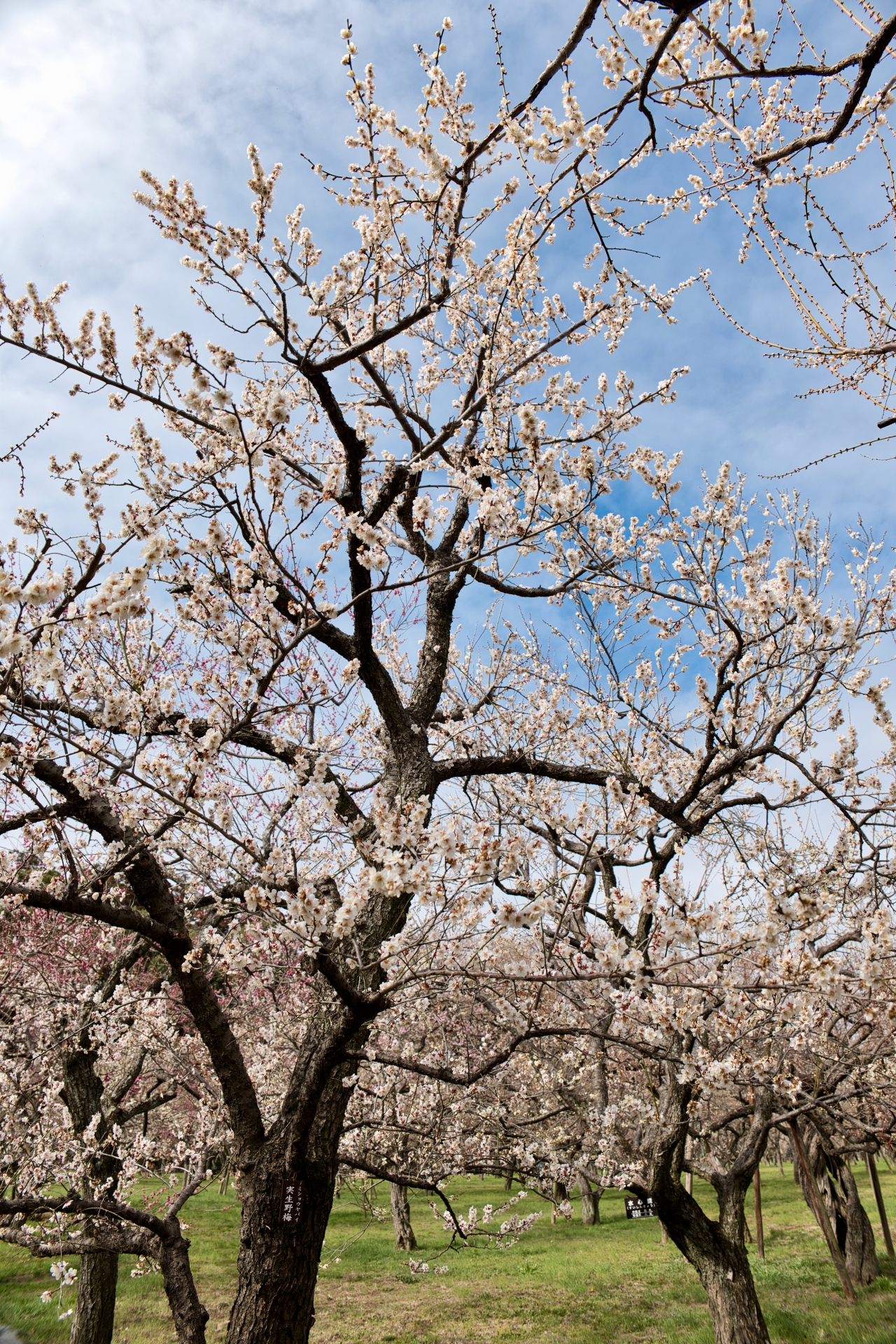
Established in 1842 by the ninth lord of Mito, Tokugawa Nariaki, Kairakuen is one of Japan’s three most famous landscape gardens — alongside Kenrokuen in Kanazawa and Korakuen in Okayama. The garden’s signature element is its 3,000+ plum trees in 100 varieties, which transform Kairakuen into a fragrant pink-and-white wonderland from mid-February through late March during the famous Mito Plum Festival. Beyond the plum groves, the garden features a serene bamboo grove, the historic Kobuntei pavilion (a recreation of Nariaki’s original retreat with sliding doors that open to garden views), and the meditative Tokiwa Shrine. Admission ¥320 (the Kobuntei pavilion costs ¥230 extra); the lakeside park around Senba Lake is free. A temporary JR Kairakuen Station opens during the plum festival.
1842年、水戸藩第九代藩主・徳川斉昭によって開園された「偕楽園」は、金沢の兼六園、岡山の後楽園と並ぶ日本三名園の一つ。最大の見どころは100種3,000本超の梅の木で、2月中旬〜3月下旬に咲き誇る「水戸の梅まつり」期間中は、園内一面が芳醇な香りに包まれ、淡紅・白・濃紅に染まる幻想的な世界が広がります。梅林以外にも、静寂な竹林、斉昭の別邸を復元した木造建築「好文亭」(襖を開けると庭園が一望できる風流な造り)、瞑想的な常磐神社など見どころ満載。入園料は大人320円(好文亭は別途230円)、千波湖周辺の公園部分は無料。梅まつり期間中は臨時駅「JR偕楽園駅」が開設されます。
Kashima Jingu
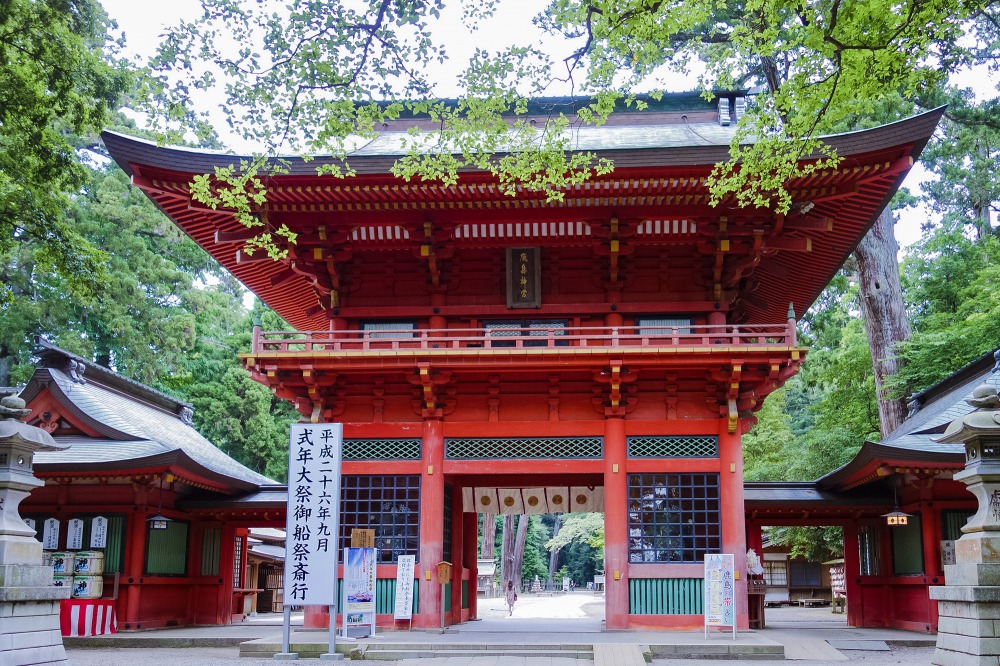
One of Japan’s three oldest and most sacred Shinto shrines, Kashima Jingu has stood since at least the 7th century — its enshrined deity Takemikazuchi-no-Kami is the kami of swords, martial arts, and victory, making it a popular pilgrimage for samurai and modern athletes alike. The great torii was rebuilt in 2014 from the shrine’s own 600-year-old cedars after the 2011 earthquake — the true National Treasure here is a 2.7-meter straight sword more than 1,200 years old — and the moss-covered approach through ancient cedars feels mystically untouched by time. Visitors can also see the famous “Kaname-ishi” foundation stone, said to suppress earthquakes, and the elegant Mitarashi pond with its sacred koi. The boisterous Saitosai festival each March 9 is among the oldest in Japan — and the grand Mifune-sai boat festival, held once every 12 years, returns in September 2026. About 2 hours from Tokyo by the Kashima-go highway bus (JR takes about 2.5 hours).
日本三大神宮の一つ「鹿島神宮」は、7世紀以前から続く格式高い古社。御祭神は剣・武道・勝負の神「武甕槌大神(タケミカヅチノオオカミ)」で、武士から現代のアスリートまで勝運祈願の聖地として愛されています。大鳥居は2011年の震災で倒壊後、境内の樹齢600年の御神木を用いて2014年に再建。国宝は日本最古最大級の直刀「韴霊剣」(全長約2.7m)です。苔むした古杉の参道を進めば、時の流れすら忘れる神秘の世界へ。地震を鎮めると伝わる「要石」、霊気漂う「御手洗池」と神聖な鯉、毎年3月9日の「祭頭祭」は日本最古級の伝統行事。12年に一度の「御船祭」は2026年9月に斎行されます。東京から高速バス「かしま号」で約2時間(JR利用は約2.5時間)。
Nakaminato Fish Market
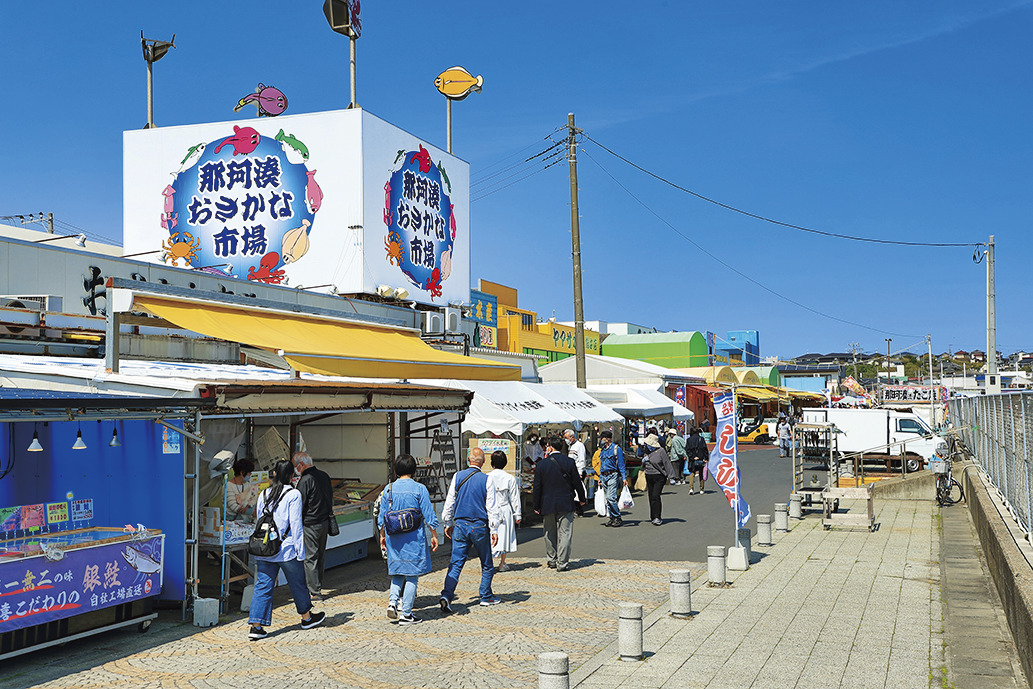
Nakaminato Osakana Ichiba is the freshest, friendliest fish market on Japan’s Pacific coast — a sprawling indoor-outdoor wholesale market in Hitachinaka, where local fishing boats unload daily catch directly to dozens of stalls selling sashimi-grade tuna, monkfish, scallops, sea urchin, and seasonal whole fish at half the price you’d pay in Tokyo. Beyond shopping, the market features 10+ casual restaurants serving rice bowls overflowing with fresh seafood (¥1,500-2,500 for legendary kaisen-don), sushi platters, and grilled-on-the-spot whole flounder. The chaotic Sunday morning energy is half the experience. Parking costs ¥100 per 4 hours (free overflow lots on busy Sundays); English menus available at most restaurants. From Nakaminato Station on the local Hitachinaka Seaside Railway (transfer at JR Katsuta), a 10-minute walk; combine with Hitachi Seaside Park.
ひたちなか市の「那珂湊おさかな市場」は、太平洋岸でも最も活気と新鮮さを誇る漁港市場。地元漁船が水揚げした魚介を直接、数十軒の鮮魚店が刺身グレードのマグロ、あんこう、ホタテ、ウニ、旬の魚を東京の半額で販売します。市場内には10軒以上のレストランが並び、新鮮魚介がのった海鮮丼(伝説の「日本一の海鮮丼」など、1,500〜2,500円)、にぎり、その場で焼くカレイの丸焼きなど絶品料理が楽しめます。日曜の朝の喧騒も体験の一部。駐車場は4時間100円(日祝は無料臨時駐車場も)、多くの店舗で英語メニューあり。ひたちなか海浜鉄道・那珂湊駅(JR勝田駅乗換)から徒歩約10分、ひたち海浜公園とセットで訪れるのが王道コースです。
Tsukuba Space Center
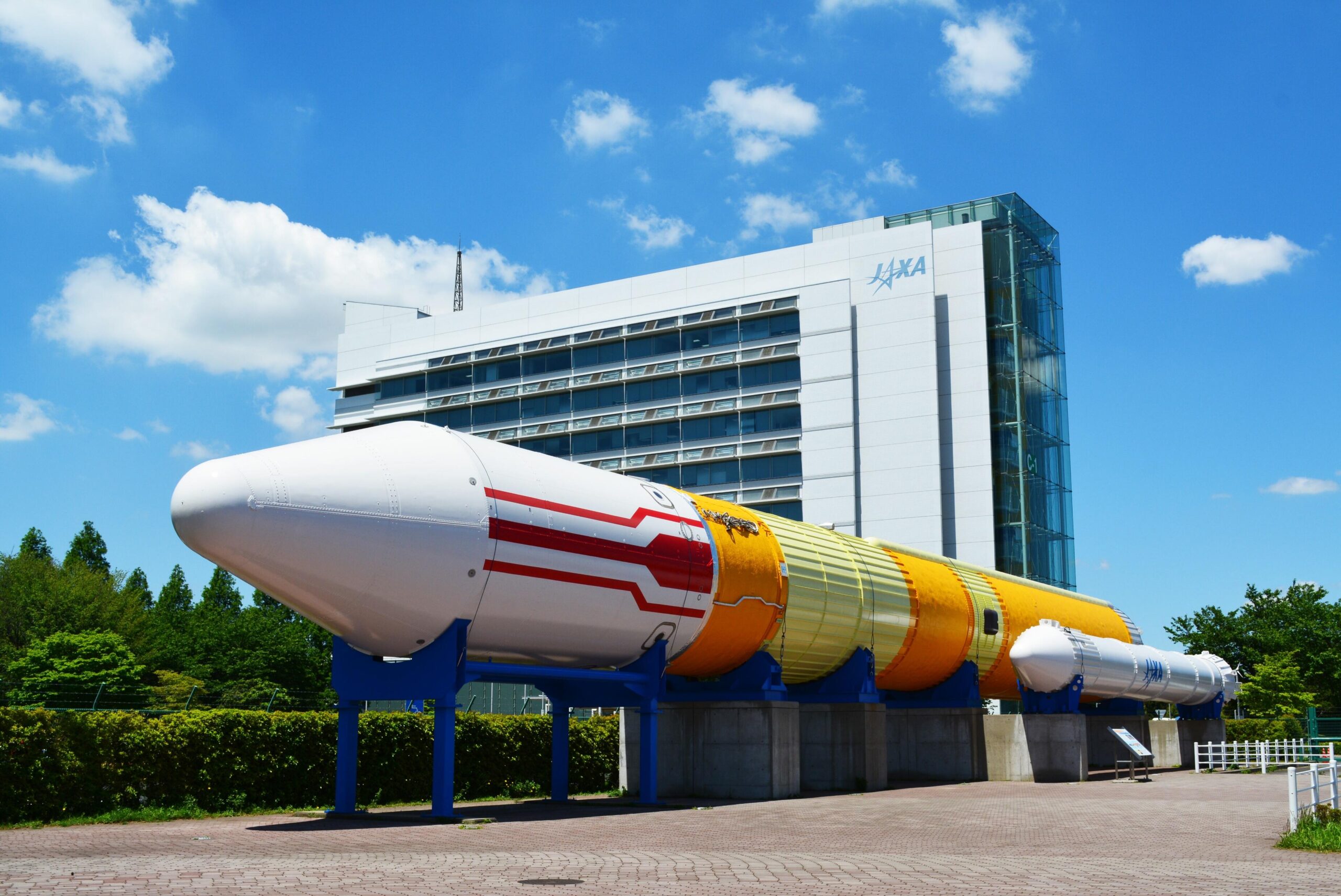
JAXA’s Tsukuba Space Center is Japan’s NASA — the operational hub of Japanese space exploration, including ISS Kibo module operations, satellite tracking, and astronaut training. Guided tours (¥500 for adults, advance reservation required) take visitors past a genuine H-II rocket displayed outdoors and a life-size Kibo space module, working clean rooms where actual satellites are assembled, and the Astronaut Training Center where visitors can see authentic training equipment used by Japanese astronauts. The Space Dome exhibition hall, free admission, displays real test models of spacecraft like the Kaguya lunar orbiter, a giant million-to-one Earth globe, and interactive simulations. The campus is huge — plan 2-3 hours minimum. About 70–90 minutes from Tokyo via Tsukuba Express plus a short bus or taxi ride. Mount Tsukuba (40–50 minutes away by shuttle bus) makes a good same-day pairing.
JAXAの「筑波宇宙センター」は、日本の宇宙開発の中枢。国際宇宙ステーション「きぼう」モジュールの運用、人工衛星追跡、宇宙飛行士訓練を担う日本のNASAとも言える施設です。事前予約制のガイドツアー(大人500円)では、屋外に展示された本物のH-IIロケット、「きぼう」実物大モデル、衛星組立中の実際のクリーンルーム、宇宙飛行士訓練設備の見学が可能。入場無料の「スペースドーム」では、月周回衛星「かぐや」などの実物試験モデル、100万分の1の巨大地球儀「ドリームポート」、体験型展示が楽しめます。広大な敷地で見学は2〜3時間必要。つくばエクスプレス+バスで東京から計70〜90分。筑波山(つくば駅からシャトルバス40〜50分)とセットで巡るのも◎。
Insider Tips
現地通の旅の裏ワザ
Nemophila peaks late April to early May. Kochia red turn peaks mid-October. Both windows are 2 weeks max — check live park feed.
ひたち海浜公園のネモフィラは4月下旬〜5月上旬、コキアの紅葉は10月中旬がピーク。各2週間限定なので公式ライブで確認推奨。
The ‘stinky natto’ reputation is overblown. Try hoshi-natto (dried natto snacks) at the station shops — a gentler intro than fresh — or soboro natto, pickled with daikon strips.
「臭い納豆」評判は誇張気味。水戸駅の「干し納豆」は匂い控えめで初心者向け。切干大根と漬け込んだ郷土の味「そぼろ納豆」もおすすめ。
Frequently Asked Questions
When exactly does the nemophila bloom at Hitachi Seaside Park?
Mid-April to early May, peaking around Golden Week (late April–early May). The park also has red kochia (kochia) in October. Check the official park website for bloom forecasts.
例年4月中旬〜5月上旬、GW前後が見頃。10月のコキアの紅葉も人気。公園の公式サイトで開花情報を確認できます。
What is natto and how do you eat it?
Natto is fermented soybeans with sticky strings and a pungent smell. Stir vigorously before eating, add the sauce packet and mustard, and serve over rice. Mito brands like Tengu Natto (est. 1889) and Daruma Natto are considered among Japan’s best.
納豆はよくかき混ぜてからタレと辛子を加えてご飯にのせて食べます。水戸の天狗納豆・だるま納豆が有名。
Can I do pottery at Kasama?
Yes — Kasama has over 100 pottery studios, many offering hand-building or wheel-throwing workshops for ¥1,500–3,000 per session. The Kasama Ceramics Museum also has workshops.
笠間には100以上の工房があり、手びねり・ろくろ体験が1,500〜3,000円で楽しめます。笠間芸術の森公園内でも体験可能。
Travel Tip
Take the local bus from Katsuta Station East Exit stop 2 (about 15 min, ¥450) during nemophila season — private car parking fills by 8 am on weekends. Combine with a fish lunch at Nakaminato for a perfect Ibaraki day.