Iwate
Top Iwate souvenirs and must-visit travel spots — your complete guide for visitors to Japan. A gold-leaf paradise built by a dynasty that rivalled Kyoto, a gorge where flat-bottomed boats drift under limestone cliffs, and a coastline carved by the ocean — Iwate’s grandeur is vast and unhurried.
平泉の金色堂・猊鼻渓の舟下り・三陸の絶景。日本の東北に残る歴史と自然の大スケールを体験する旅。
Iwate is big, rural and steeped in history — Hiraizumi’s golden Chuson-ji, the Sanriku coast, and the wanko-soba eating challenge in Morioka. Its souvenirs are honest country food: nanbu-senbei wheat crackers, goma-suri sesame dumplings, and Saito’s Kamome no Tamago egg-shaped sweets. Morioka’s reimen and jajamen noodle kits travel well too. Morioka Station and Hiraizumi cover most of it.
岩手は広くて素朴で歴史の深い県——平泉の金色堂・中尊寺、三陸海岸、盛岡のわんこそば。みやげは飾らない田舎の味で、南部せんべい、ごま摺り団子、さいとう製菓の「かもめの玉子」など。盛岡の冷麺・じゃじゃ麺キットも持ち帰りに向きます。盛岡駅や平泉でだいたい揃います。
Recommended Omiyage
おすすめおみやげ 5選
Nambu Senbei
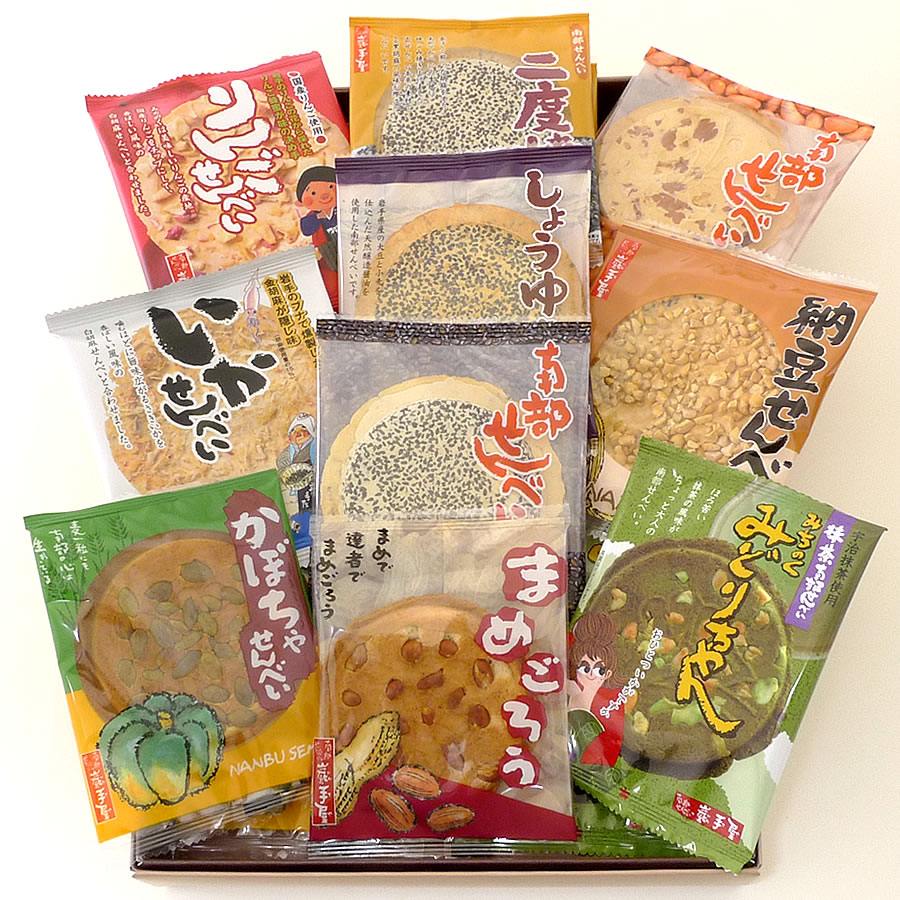
A specialty of the former Nambu domain spanning Iwate and Aomori, Nambu senbei are dense, savory wheat crackers with a distinctive scalloped edge that resembles a sun-rayed flower. The traditional version is studded with sesame seeds or peanuts and carries a slightly chewy, biscuit-like texture unlike the rice crackers most travelers know. Modern flavors include chocolate-coated, cheese, apple, and even squid. The old Nambu region — centered on Hachinohe just across the Aomori border — also makes “senbei jiru,” a soul-warming hot pot in which the crackers soften beautifully in chicken broth. Established in 1948, Komatsu Seika in Ninohe, Iwate — better known by its brand name Iwateya — is the most famous maker. Available at JR Morioka Station, Iwate Hanamaki Airport, and roadside stations across the prefecture.
岩手県と青森県にまたがる旧南部藩の郷土菓子「南部せんべい」は、太陽のような縁取りが特徴の素朴で香ばしい小麦粉煎餅。胡麻やピーナッツがたっぷり練り込まれ、米せんべいとは違うサクっとした独特の食感が魅力です。近年はチョコがけ、チーズ、りんご、いかなどモダンなフレーバーも登場。八戸(青森)発祥で岩手県北にも親しまれる郷土料理「せんべい汁」では、鶏ガラスープに割り入れたせんべいがほどよく煮込まれ絶品の旨味に。1948年創業、岩手県二戸市の「小松製菓」(ブランド名「巖手屋」)が代表的銘柄。JR盛岡駅、いわて花巻空港、県内の道の駅で広く購入できます。
Maesawa Beef
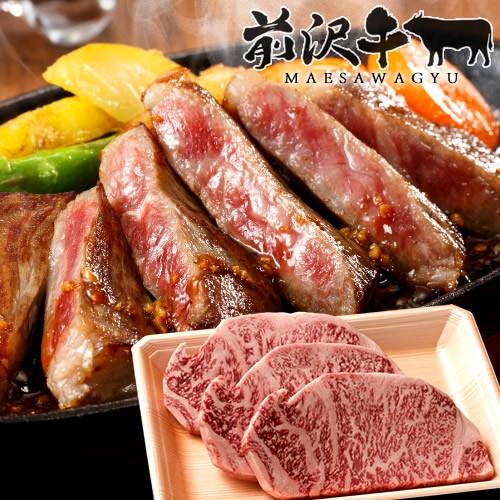
Raised in the rolling pastures around the town of Oshu, Maesawa-gyu is one of Japan’s premier wagyu brands — only carcasses graded A4 or A5 earn the name (GI-registered) — extraordinary marbling, melting fat, and a clean, sweet umami that has taken top honors at the National Carcass Competition six times, the most in Japan. The cattle are pampered with locally-grown rice straw and a famously stress-free environment. Restaurants in Oshu and Morioka serve it as steak, sukiyaki, or shabu-shabu, while gift shops sell hamburger steak and curry — fresh meat cannot leave Japan, so retort packs are the souvenir of choice. The Maesawa Beef Festival each June features tastings, ranching tours, and a giant grill stretching the length of the central street.
奥州市前沢周辺の牧草地で大切に育てられる「前沢牛」は、A4等級以上だけが名乗れる日本最高峰の和牛ブランドの一つ(GI登録第28号)。きめ細かいサシ、口の中でとろける脂、爽やかな甘みのある旨味は、全国肉用牛枝肉共励会で名誉賞6回(全国最多)に輝いています。地元産の稲わらと、ストレスを与えない丁寧な飼育管理が、その品質を支えています。奥州市・盛岡市の専門店ではステーキ、すき焼き、しゃぶしゃぶで提供され、お土産にはハンバーグやカレーなどの加工品が人気(生肉は国外持ち出し不可のため、レトルト系が狙い目)。毎年6月には「前沢牛まつり」が開かれ、長大な炭火焼きグリルでの試食会で大盛況です。
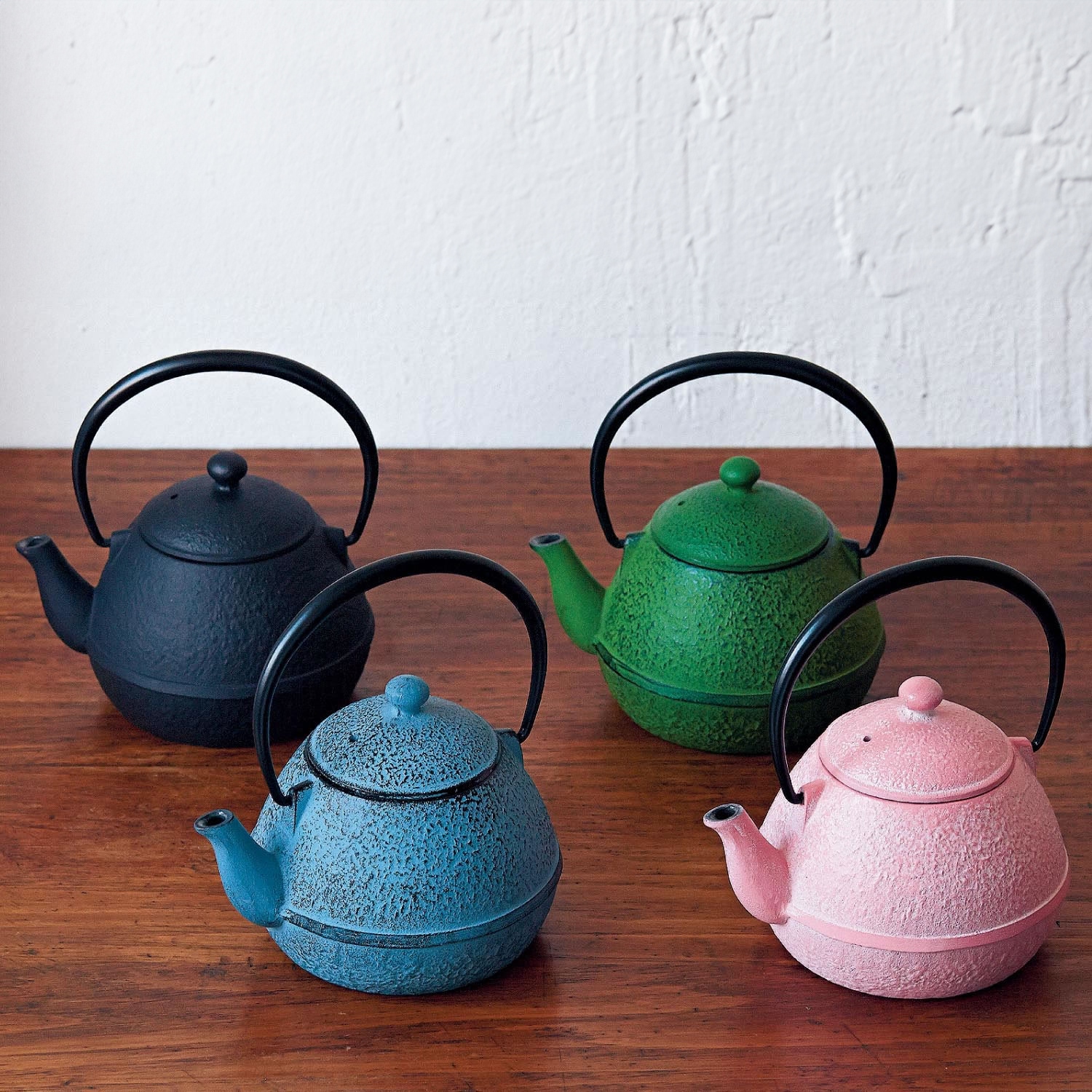
Nambu Ironware
Nambu tekki is the cast-iron tradition of Iwate, dating back over 400 years to when the Nambu lords commissioned ironworkers from Kyoto to settle in Morioka. Today, hand-cast tetsubin tea kettles, skillets, and trivets still emerge from foundries using the same sand-mold methods. The signature pebbled “arare” pattern requires hundreds of individually punched dots before casting. A Nambu tetsubin used for boiling water naturally enriches the water with iron, said to soften green tea’s flavor and add health benefits (note: enamel-lined colored teapots do not release iron). Browse the free Iwachu Iron Casting Studio (weekdays are best for seeing craftsmen) or visit Kamasada, founded in 1908, in Morioka. Quality kettles range from ¥10,000 to ¥80,000 and last several lifetimes with care.
岩手県を代表する伝統工芸「南部鉄器」は400年以上の歴史を持ち、京都から鋳物師を招いて発展しました。現代でも砂型による伝統的な鋳造法で、鉄瓶、フライパン、鍋敷などが一点一点手作業で生み出されています。表面の「霰(あられ)」模様は鋳型に何百もの突起を一つずつ手で打ち込んで成型される高度な技。鉄瓶でお湯を沸かすと吸収されやすい二価鉄が溶け出し、お茶の味がまろやかになるだけでなく鉄分補給にも(内面ホーロー加工のカラー急須は鉄分が出ない点に注意)。盛岡市では入場無料の「岩鋳鉄器館」(職人実演は平日が狙い目)や、1908年創業の「釜定」の工房巡りもおすすめ。鉄瓶は1万円から8万円超まで揃い、丁寧に手入れすれば三世代にわたって使える逸品です。
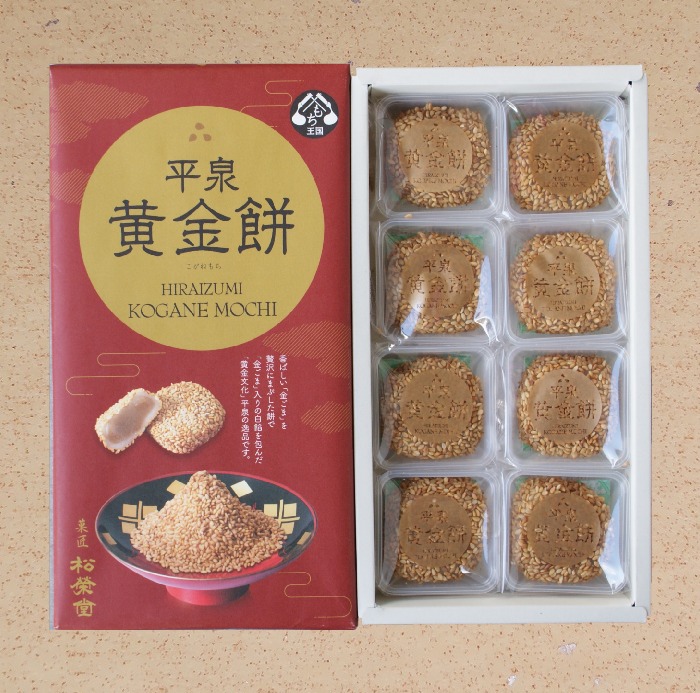
Hiraizumi Kogane Mochi
Made by Shoeido — the Ichinoseki confectioner founded in 1903 — at its workshop in Hiraizumi itself, Kogane Mochi (golden mochi) is a tribute to the gold culture that built the Konjikido Golden Hall: soft gyuhi mochi generously coated in roasted golden sesame, wrapped around white bean paste blended with golden sesame cream. The nutty aroma and gentle sweetness pair beautifully with green tea after a temple walk. It keeps 30 days at room temperature, so it travels well. Sold at Chuson-ji, the Hiraizumi roadside station, Ichinoseki, Mizusawa-Esashi and Shin-Hanamaki Stations, and Hanamaki Airport. ¥1,080 for a box of 8.
明治36年(1903年)創業・一関の菓匠松栄堂が平泉工場で作る「平泉黄金餅」は、金色堂を生んだ平泉の黄金文化に着想を得た銘菓。香ばしい金ごまを贅沢にまぶした求肥で、金練りごま入りの白餡を包んでいます。ごまの香りとやさしい甘さは、お寺巡りの後のお茶うけにぴったり。常温30日と日持ちするのでお土産にも安心です。中尊寺、道の駅平泉、一ノ関駅・水沢江刺駅・新花巻駅、花巻空港などで購入可能。8個入り1,080円。
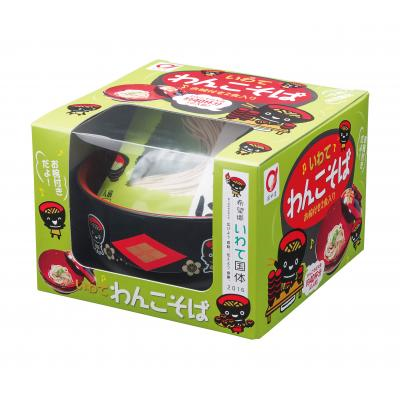
Wanko Soba Kit
Wanko soba is one of Japan’s most theatrical food experiences — diners are continuously served small bowls of buckwheat noodles by a kimonoed server who refills the second a bowl is empty, with the goal of seeing how many you can eat (the record exceeds 500 bowls!). The home-kit version captures this fun: dried noodles and dipping sauce — add traditional toppings like grated yam, chicken soboro, and nameko mushrooms so you can recreate the ritual at home. Brands like Todakyu and Oyama Seimen — which makes the noodles for the famous Azumaya wanko restaurant — offer boxed sets at JR Morioka Station and roadside stations. Pair with a small bottle of Iwate sake for the full Morioka experience.
「わんこそば」は日本でも最も劇場的な食体験のひとつ。お椀を空にした瞬間、着物姿の給仕がすかさず一口分のそばを継ぎ足してくれ、何杯食べられるかを競う盛岡の名物(記録は500杯超!)。お家で楽しめる「わんこそばキット」では、乾麺とつゆのセットに、とろろ・鶏そぼろ・なめこおろしなど伝統の薬味を自分で添えれば、自宅でこの愉快な食文化を再現できます。「戸田久」や、わんこそば老舗・東家の麺を手がける「小山製麺」などがJR盛岡駅、道の駅などで販売。岩手の地酒小瓶と合わせれば、より本格的な盛岡気分が楽しめる逸品です。
Must-Visit Spots
おすすめスポット 5選
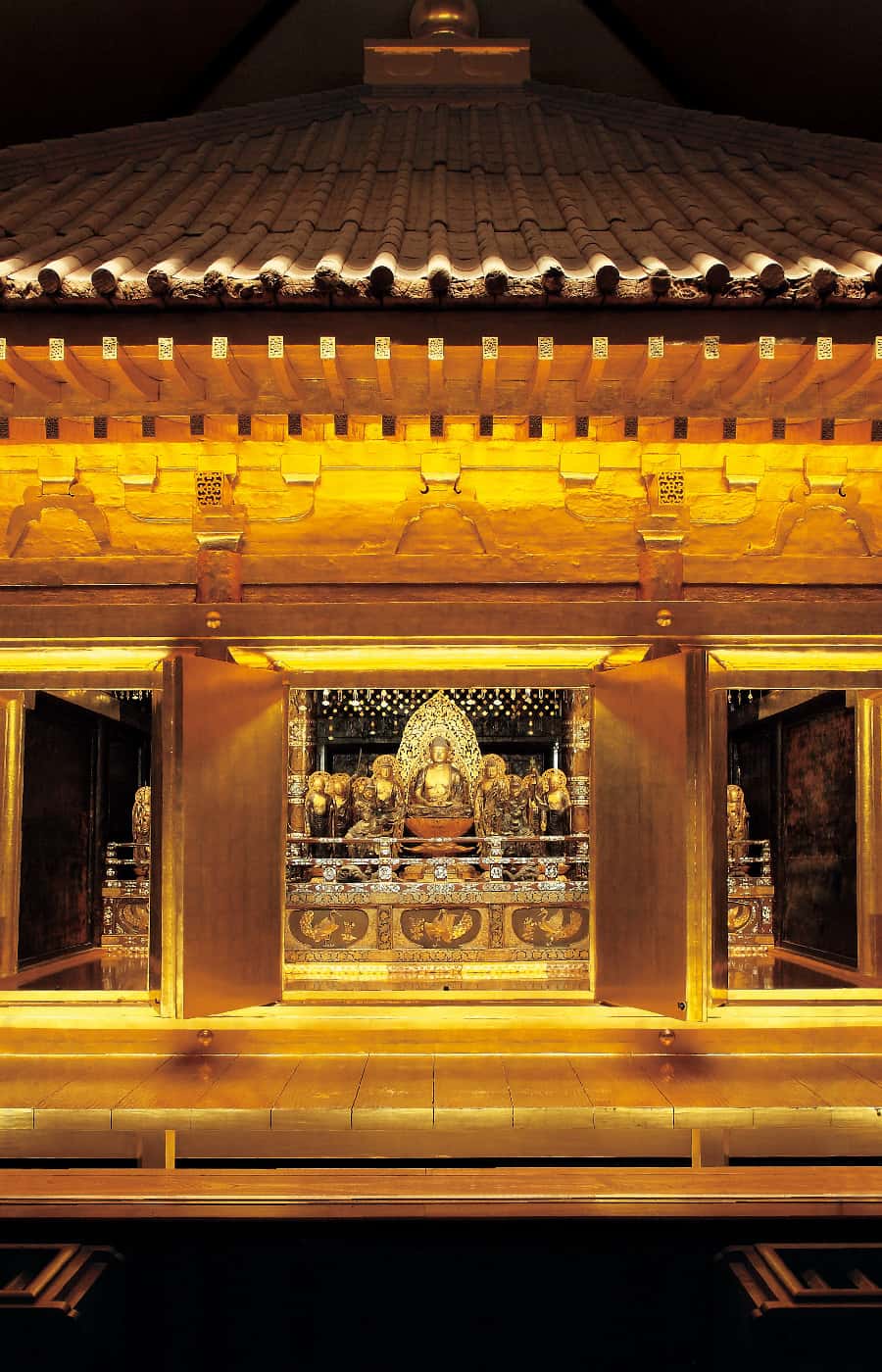
Chuson-ji Temple
Founded in 850 and revitalized in the 12th century by the Northern Fujiwara clan, Chuson-ji is the spiritual heart of Hiraizumi’s UNESCO World Heritage site. Its crowning treasure is the Konjikido (Golden Hall) — a small but stunning structure entirely covered in gold leaf, mother-of-pearl, and lacquer, housing gilded Buddhist statues and the mummified remains of three Fujiwara lords. The hall is now protected within a glass-enclosed concrete shelter, but its splendor is undiminished. Walking the moss-covered cedar path to the main complex feels like stepping into medieval Japan. JR Hiraizumi Station is a 25-minute walk; combine with nearby Motsu-ji Temple for a full World Heritage day.
850年に開山され、12世紀に奥州藤原氏によって発展した中尊寺は、世界遺産「平泉」の精神的中心。最大の見どころは、内外を金箔・螺鈿・漆で覆った絢爛豪華な「金色堂」で、金色に輝く仏像と藤原三代のミイラ化した遺体が安置されています。現在は鉄筋コンクリート造の覆堂で保護されていますが、その荘厳な美しさは健在です。苔むした杉並木の参道「月見坂」を歩く時間は、まるで中世日本にタイムスリップしたかのよう。JR平泉駅から徒歩約25分。隣接する毛越寺と組み合わせれば、世界遺産平泉を一日で堪能できる充実コースに。
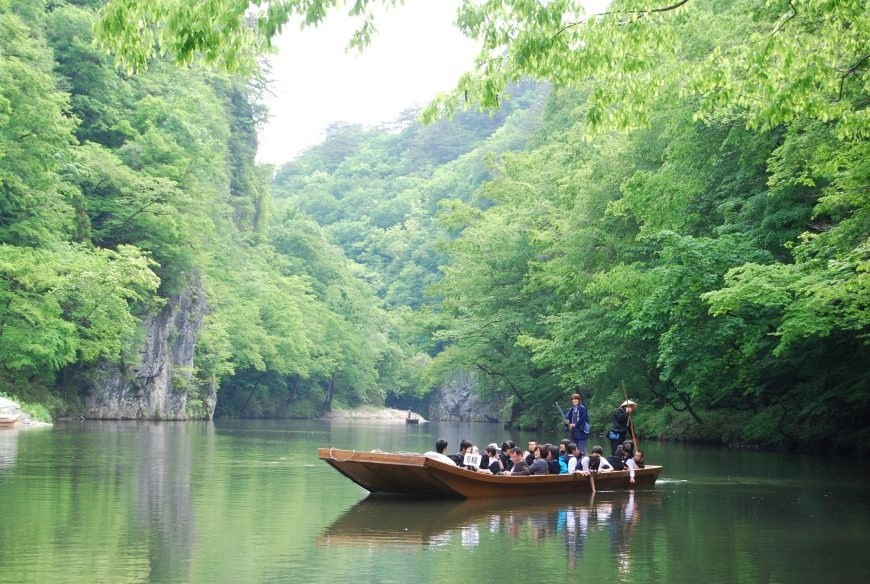
Geibikei Gorge
One of Japan’s 100 most beautiful landscapes, Geibikei is a 2-kilometer river gorge flanked by towering 100-meter limestone cliffs. The signature experience is a 90-minute flat-bottomed boat ride poled by traditional boatmen who serenade passengers with the haunting Geibi Oiwake folk song — its echoes bouncing eerily off the cliffs. Mid-trip, passengers disembark to walk a sandy beach beneath the most dramatic walls and try “unfortune-tossing” a small clay rock into a tiny cliff hole for good luck. Each season transforms the experience: cherry blossoms in spring, vivid green summer, scarlet maples in late October, and snow-capped cliffs in winter (heated boats!). A 5-minute walk from JR Geibikei Station.
「日本百景」に選定された猊鼻渓は、高さ100メートルの石灰岩の断崖が約2キロにわたって続く絶景渓谷。最大の見どころは、伝統の舟下り(約90分)で、船頭が「げいび追分」を朗々と歌い上げ、断崖に響き渡る歌声は背筋が震える美しさ。途中下船して川辺の砂浜を歩き、断崖の小穴に運玉を投げる「運玉投げ」も名物体験です。春は桜、夏は新緑、10月下旬は燃えるような紅葉、冬は雪化粧した断崖と暖房付きこたつ舟と、四季それぞれに違う表情を見せます。JR猊鼻渓駅から徒歩約5分とアクセスも良好です。
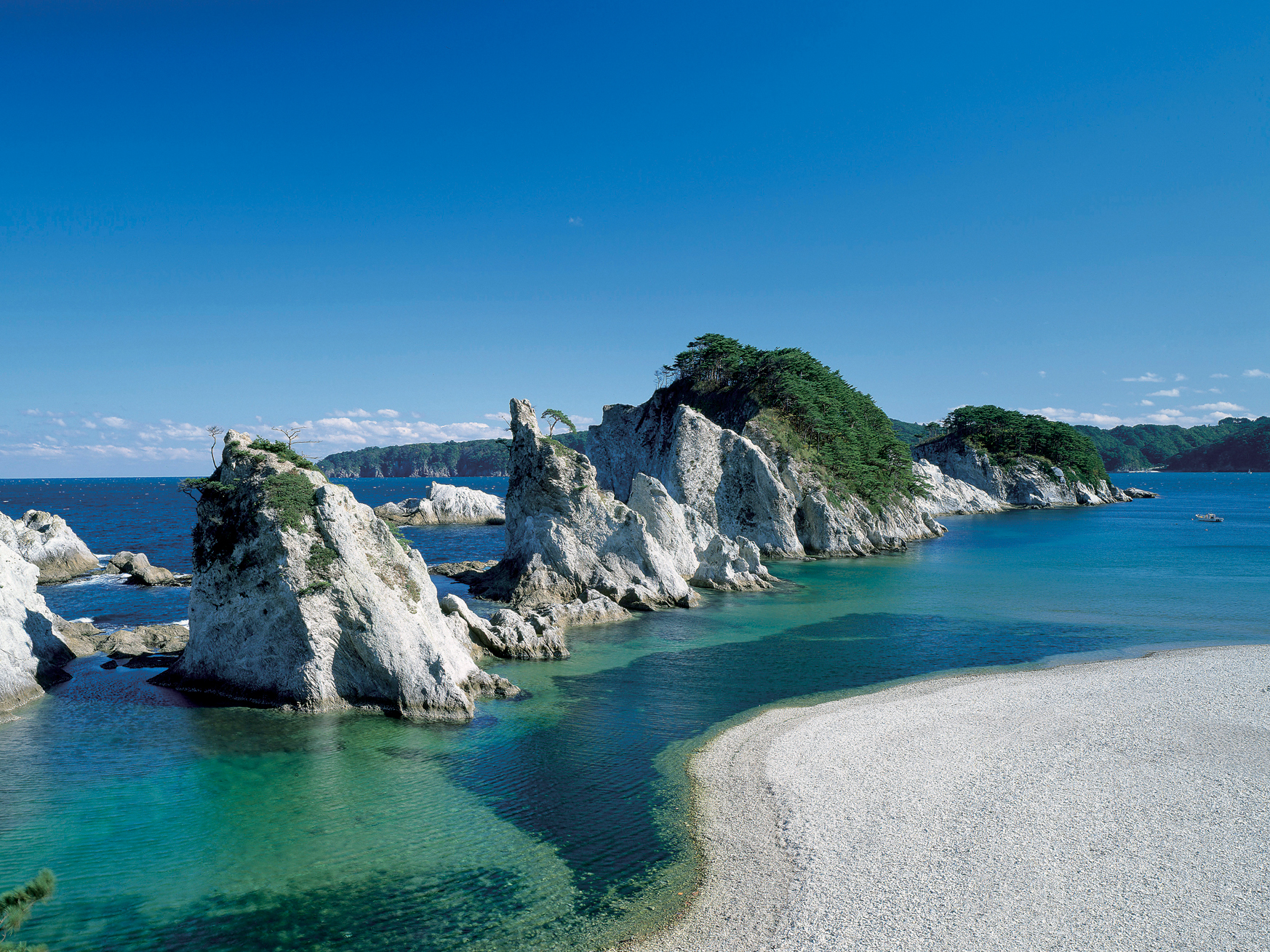
Jodogahama Beach
Named in the 17th century by a wandering monk who declared the view “like Buddhist paradise (jodo),” Jodogahama is a startlingly beautiful cove on the Sanriku Coast where pure-white rhyolite rock formations jut from emerald waters in pyramid-like clusters. The shoreline is one of Iwate’s most photographed scenes, especially when calm weather allows reflective views and the white pebbles catch sunlight. A small “sappa” fishing-boat tour (¥2,000, about 20 minutes, March–November) navigates between the rock formations into the dramatic Blue Cave (Aoi-Doukutsu), where sunlight refracting through seawater turns everything an electric cobalt. Come for sunrise to witness the cove glow gold; the seaside walking trail is paved and family-friendly.
17世紀の浪人の僧が「まるで極楽浄土のようだ」と命名したと伝わる浄土ヶ浜は、三陸海岸きっての絶景。白く尖った流紋岩のピラミッド状の岩礁がエメラルドグリーンの海に突き出す光景は、岩手県を代表するフォトジェニックな風景です。穏やかな日には岩礁が湾内に映り込み、白い石浜が陽光を反射する姿は息を呑む美しさ。小型の磯舟「さっぱ船」(2,000円・約20分・3〜11月運航)では岩礁の隙間を縫いながら「青の洞窟」へ。海水を透過した光が洞窟内をコバルトブルーに染め上げる神秘的な体験ができます。日の出時には海岸全体が金色に染まる絶景も。遊歩道は整備されており家族連れでも安心です。
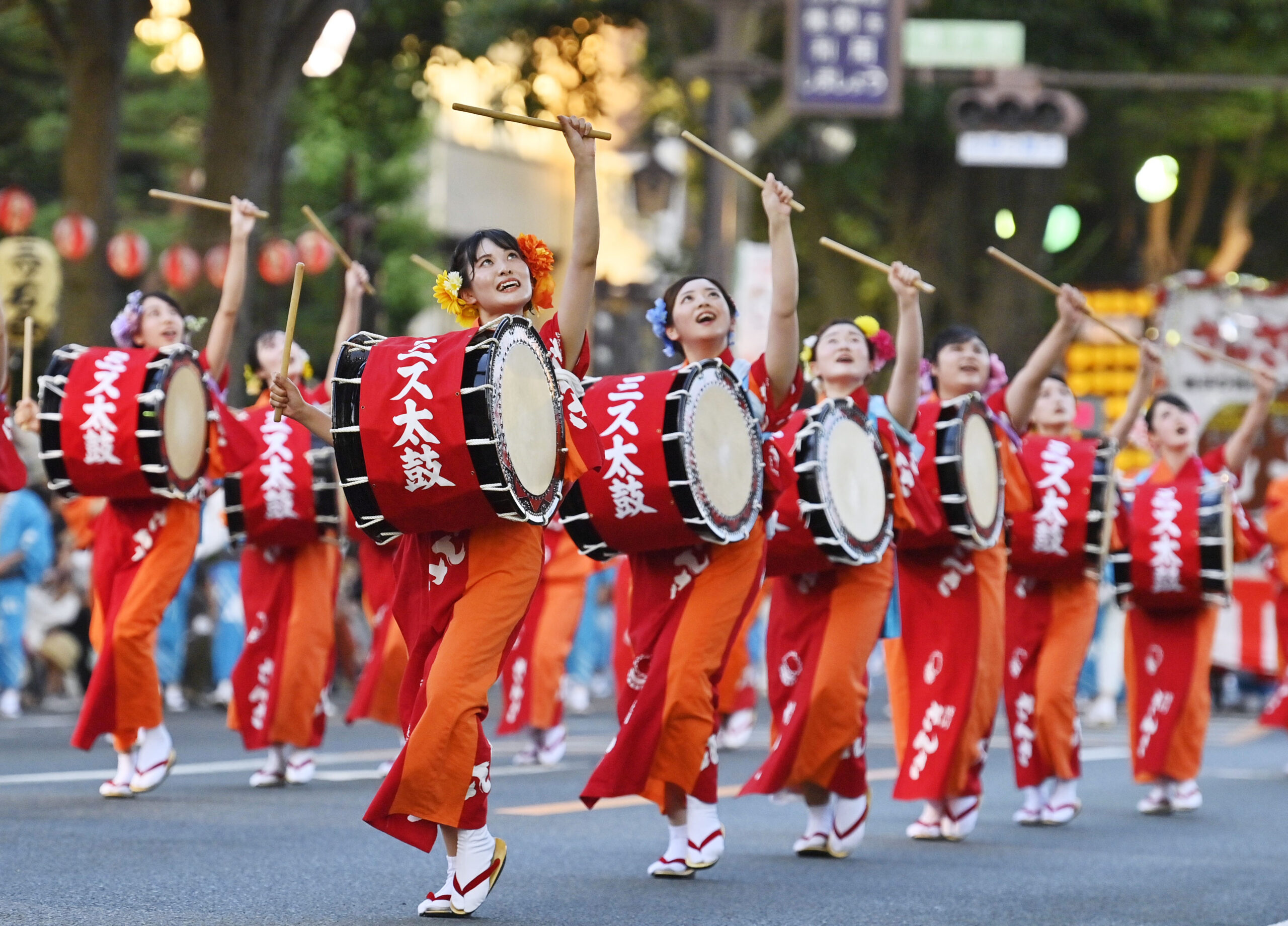
Morioka Sansa Odori
Held August 1-4 every year, Morioka Sansa Odori holds the Guinness World Record for simultaneous taiko drumming (3,437 players, 2014) — featuring more than 25,000 drummers, dancers, and flute players parading down Morioka’s main street to the heart-pumping rhythm of “Sakkora Choiwayasse!” The legend says Morioka people invented the dance to celebrate driving away an evil oni (demon), whose handprints supposedly remain on a sacred boulder at Mitsuishi Shrine — the very place that gave Iwate its name (“rock-hand”). Spectators are welcomed onto the street to dance during the participatory hours each evening. The grand finale — a giant communal circle dance down Chuo-dori on the final night — is one of Tohoku’s most joyful summer scenes.
毎年8月1〜4日に開かれる盛岡さんさ踊りは、「和太鼓の同時演奏」(3,437人・2014年)でギネス世界記録を持つ日本屈指の夏祭り。2万5千人を超える太鼓奏者、踊り手、笛奏者が「サッコラ チョイワヤッセ!」の掛け声と共に盛岡中央通りを練り歩き、その壮大な音響はまさに圧巻です。伝説によれば、住民を苦しめた鬼を退治した喜びから生まれた踊りで、鬼の手形が残るとされる三ツ石神社こそが「岩手」の県名由来。各夜の参加タイムには観光客も飛び入りで踊りの輪に加われます。最終日に中央通で行われる「大輪踊り」は、東北の夏を代表する歓喜の風景です。
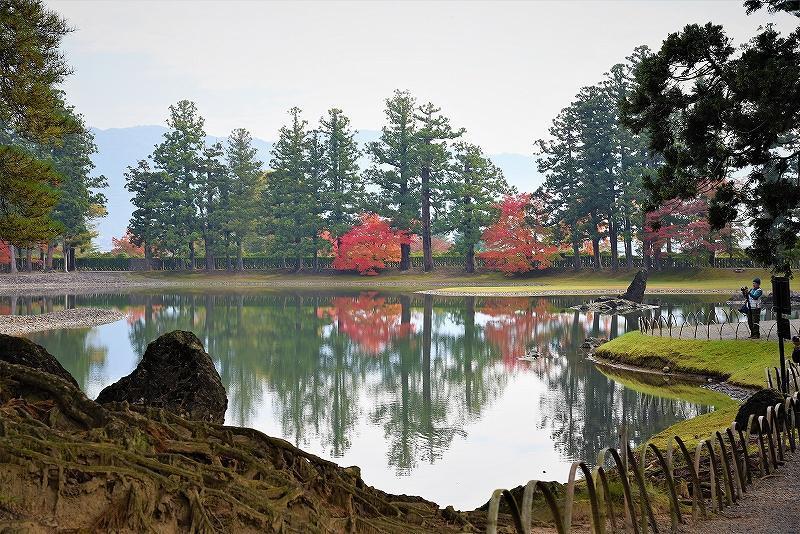
Motsu-ji Temple
The companion to Chuson-ji in Hiraizumi’s UNESCO World Heritage trio, Motsu-ji is best known not for its buildings — most were destroyed by fire centuries ago — but for its impeccably preserved 12th-century Pure Land Buddhist garden. The shimmering Oizumi Pond is shaped to evoke a sea, with carefully placed stones representing islands of paradise. Walking the perimeter path is a meditative experience, and the original yarimizu (winding stream) still hosts the elegant Gokusui-no-En poetry-and-sake ceremony in late May most years, where kimono-clad participants compose haiku as cups float past. Iris flowers blanket the grounds in late June. A 10-minute walk from JR Hiraizumi Station, perfect to combine with Chuson-ji.
中尊寺と共に世界遺産「平泉」を構成する毛越寺は、建物の多くが火災で失われましたが、12世紀の浄土式庭園が奇跡的に保存されています。海を象った大きな大泉が池には、極楽浄土の島々を表す配石が美しく配置され、池を巡る散策路は瞑想的なひとときを運びます。当時の「遣水」も健在で、例年5月第4日曜には平安装束姿の参加者が和歌を詠みながら盃を流す優雅な「曲水の宴」が開催。6月下旬には境内一面のあやめが咲き誇る花の名所でもあります。JR平泉駅から徒歩約10分、中尊寺とセットで訪れるのが王道コースです。
Insider Tips
現地通の旅の裏ワザ
Set a target (50–80) before starting — staff WILL keep refilling endlessly. Men average 60–80 bowls, women 30–50. Over 100 wins you a wooden plaque.
わんこそば挑戦は事前に目標設定(男性60-80杯・女性30-50杯が目安)。店員は永遠に注ぐ。100杯超で木の記念手形がもらえる(東家)。
Post-2011 rebuilt coast has moving memorial sites like Unosumai TOMOSU in Kamaishi. Drive Route 45 for Pacific views few tourists see.
震災後再建された三陸海岸には釜石「うのすまい・トモス」など祈念施設が点在。国道45号ルートは観光客の少ない絶景続き。
Oshu — the Maesawa Beef city — is Shohei Ohtani’s hometown. See the MLB-official Ohtani manhole cover at Mizusawa-Esashi Station and his bronze handshake statue, cast from a 3D scan by Nambu ironware craftsmen. Kikuchi (Morioka) and Sasaki (Rikuzentakata) manholes complete the tour.
前沢牛の産地・奥州市は大谷翔平の故郷。水沢江刺駅前にMLB公式の大谷マンホール、伝統産業会館には手を3Dスキャンした南部鉄器技術の「握手像」も。菊池雄星(盛岡)・佐々木朗希(陸前高田)のマンホールと巡れば岩手MLB聖地巡礼に。
Frequently Asked Questions
What is wanko soba?
A unique dining experience where waitresses continuously refill your small bowl with buckwheat noodles until you cover it to stop. The Iwate record is over 500 bowls. Restaurants in Morioka and Hanamaki offer this challenge.
仲居さんが次々とお椀にそばを注ぎ、食べ続けるユニークな体験。蓋をするまで続く。盛岡・花巻のお店で挑戦できます。
How do I get to Hiraizumi from Tokyo?
Shinkansen to Ichinoseki (about 2.5 hr, ¥13,000–13,500), then local JR Tohoku Line to Hiraizumi (9 min). Chuson-ji is a 25-minute walk — or 7 minutes on the Run-Run loop bus — from the station.
新幹線で一ノ関まで約2.5時間(13,000円前後)、東北本線で平泉駅まで9分。中尊寺へは徒歩約25分、巡回バス「るんるん」なら約7分。
What makes Nambu ironware special?
Nambu tekki (南部鉄器) from Morioka and Oshu has been made since the 17th century. The distinctive mottled texture is created by pouring iron into sand molds. Tetsubin kettles are prized for enriching water with iron ions.
南部鉄器は盛岡・奥州で17世紀から続く伝統工芸。砂型鋳造の独特の肌理が特徴。鉄分を溶け出させる鉄瓶が特に有名。
Travel Tip
Chuson-ji admission is ¥1,000 and Motsu-ji ¥700, while the Kanjizaio-in garden ruins between them are free. Rent a bike at Hiraizumi Station or stroll the quiet 1.7km lane connecting the temples.