Aomori
Top Aomori souvenirs and must-visit travel spots — your complete guide for visitors to Japan. The most explosive summer festival in Japan, the world’s most photogenic castle moat in cherry blossom season, and a river walk through a cathedral of autumn maples — Aomori is Tohoku’s crown jewel.
弘前城の桜・ねぶた祭りの炎・奥入瀬渓流の紅葉。青森は日本の四季を最も劇的に体験できる県のひとつです。
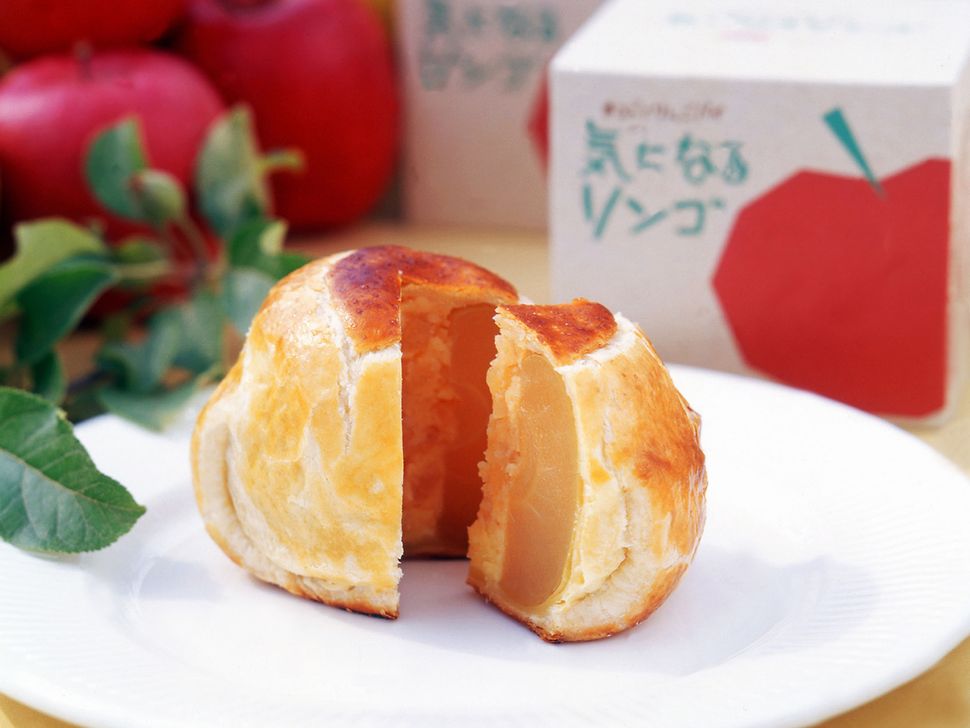
Apples define Aomori. It grows more than half of Japan’s apples, and that shows up everywhere in the souvenir aisle — apple pies, dried apple, juice, and Ragueneau’s famous ‘Ki ni Naru Ringo’ (a whole apple baked inside a pie). Beyond apples, Oma bluefin tuna and Tako garlic are the prized local foods, and the summer Nebuta Festival is the big draw. Most apple sweets keep well; Shin-Aomori Station and the airport carry the range.
青森といえばりんご。全国のりんごの半分以上を作る県で、みやげ売り場もりんご一色——アップルパイ、ドライりんご、ジュース、ラグノオの名物「気になるりんご」(まるごと1個をパイで包んだお菓子)。りんご以外なら大間のまぐろ、田子のにんにくが誇り。夏のねぶた祭りが一番の見どころです。りんご菓子は日持ちもよく、新青森駅や空港で一通り揃います。
Recommended Omiyage
おすすめおみやげ 5選
Aomori Apple
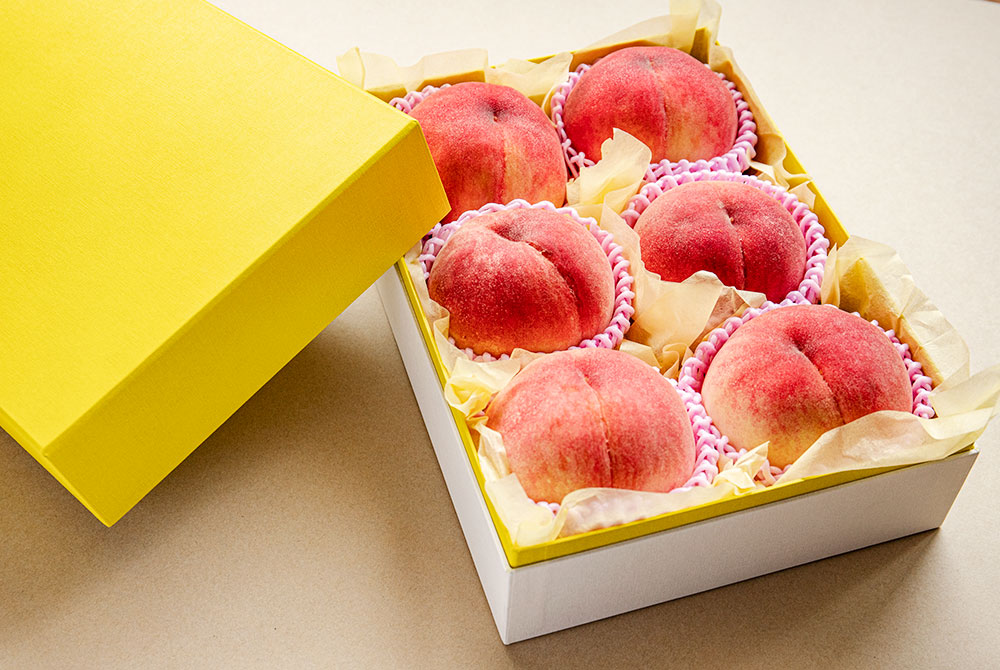
Aomori produces about 60% of Japan’s apples, and biting into one straight from Hirosaki’s orchards is a revelation — explosive sweetness, perfect crunch, and aromatic juice that puts supermarket apples to shame. The flagship Fuji variety was bred here — crossed in Fujisaki in 1939 and registered in 1962. Other prized cultivars include the deep-red Sekai Ichi (literally “World’s Best,” weighing up to 1kg apiece), the honey-sweet Toki, and the crisp early-season Tsugaru. Pristine, individually-wrapped gift boxes are sold almost year-round (peak October–December) at Aomori Airport, JR Aomori Station, and Hirosaki orchards — note that most countries ban fresh fruit in luggage, so enjoy them during your stay in Japan. The 5-apple presentation box is the classic gift size for offices and family.
日本のりんご生産量の約6割を誇る青森県。弘前の果樹園からもぎたての一個を頬張れば、爆発的な甘さ、絶妙な歯ごたえ、芳醇な果汁が広がり、スーパーで買うりんごとは別物の美味しさに驚かされます。代表品種の「ふじ」は1939年に藤崎町で交配され、1962年に品種登録された世界的銘品種。さらに、1個1kgにもなる赤の至宝「世界一」、蜂蜜のように甘い「トキ」、同じく青森生まれの早生品種「つがる」など多彩なラインナップ。一玉ずつ丁寧に包装されたギフトボックスはほぼ通年(旬は10〜12月)、青森空港、JR青森駅、弘前の観光果樹園で購入可能。※生果はほとんどの国へ持ち込み不可のため、滞在中に味わうのがおすすめ。5個入りが手土産として最も人気のサイズです。
Ringo Pie
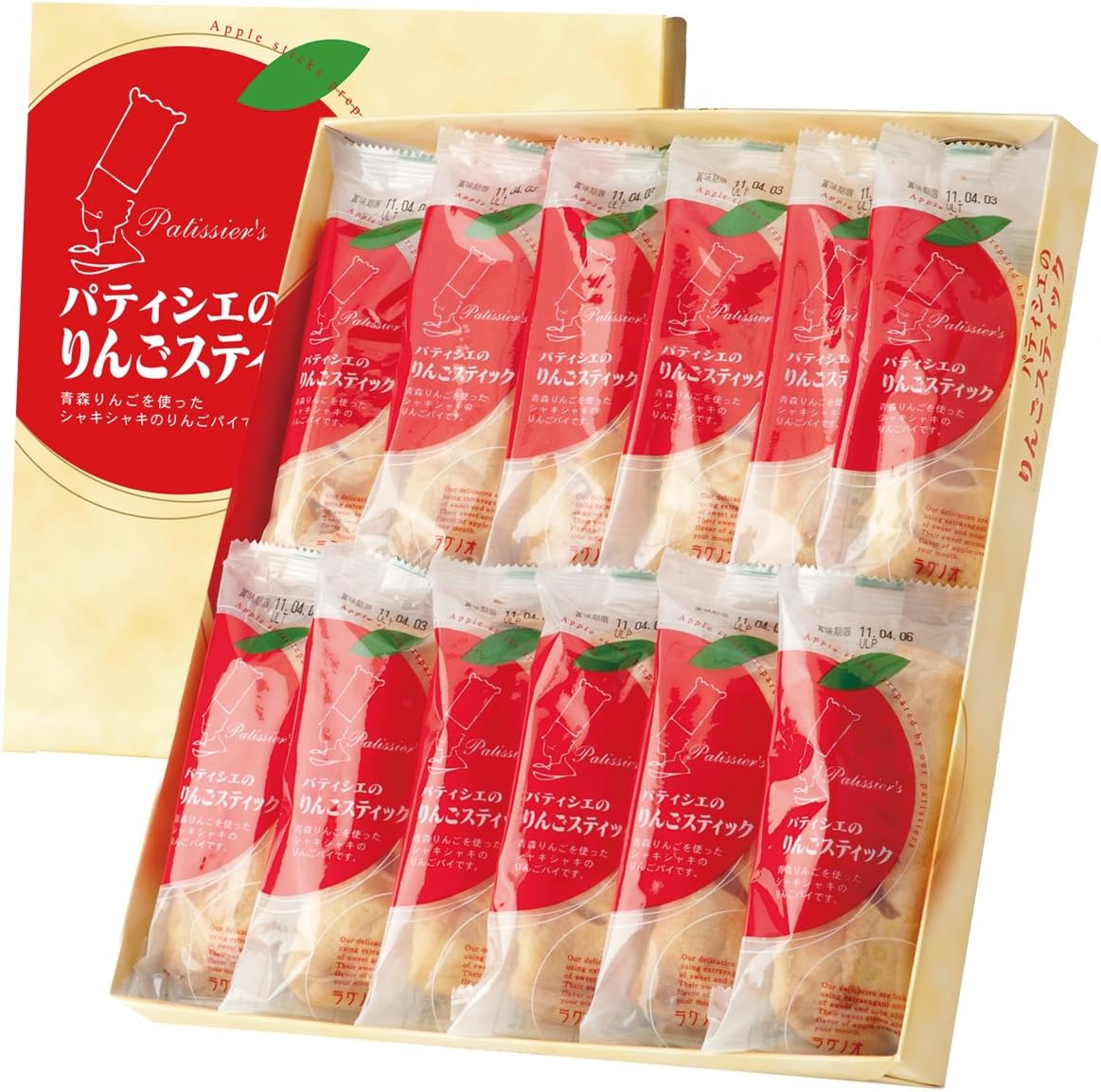
When Aomori’s autumn apple harvest peaks, local patisseries transform the bounty into ringo pie — golden, buttery puff pastry layered with caramelized apple slices and a hint of cinnamon. One of the most famous is Patisserie Yamazaki in Hirosaki, known for pies made with celebrated pesticide-free Miracle Apples — the city even publishes an Apple Pie Guide Map covering 40+ shops. During cherry-blossom season, cafes around Hirosaki Park serve their own takes. Most pies are sold whole or in individual portions, with shelf-stable boxed varieties available at Aomori Airport for travelers. Pair with Tsugaru apple wine or hojicha tea for the classic Aomori afternoon.
青森のりんごが旬を迎える秋、地元のパティスリーが腕を競い合う「りんごパイ」。黄金色のサクサクのパイ生地に、キャラメリゼしたりんごとほのかなシナモンが絶妙に重なる逸品です。特に有名なのが弘前の「パティスリー山崎」で、無農薬栽培「奇跡のりんご」を使ったアップルパイが看板。弘前は40店超を載せた「アップルパイガイドマップ」を発行するほどのアップルパイの街です。桜の季節には弘前公園周辺のカフェでも各店自慢のアップルパイが味わえます。ホールサイズから個包装、空港で買える日持ちタイプまで幅広く展開。津軽シードルやほうじ茶と合わせれば、青森らしい優雅な午後のひとときが楽しめます。
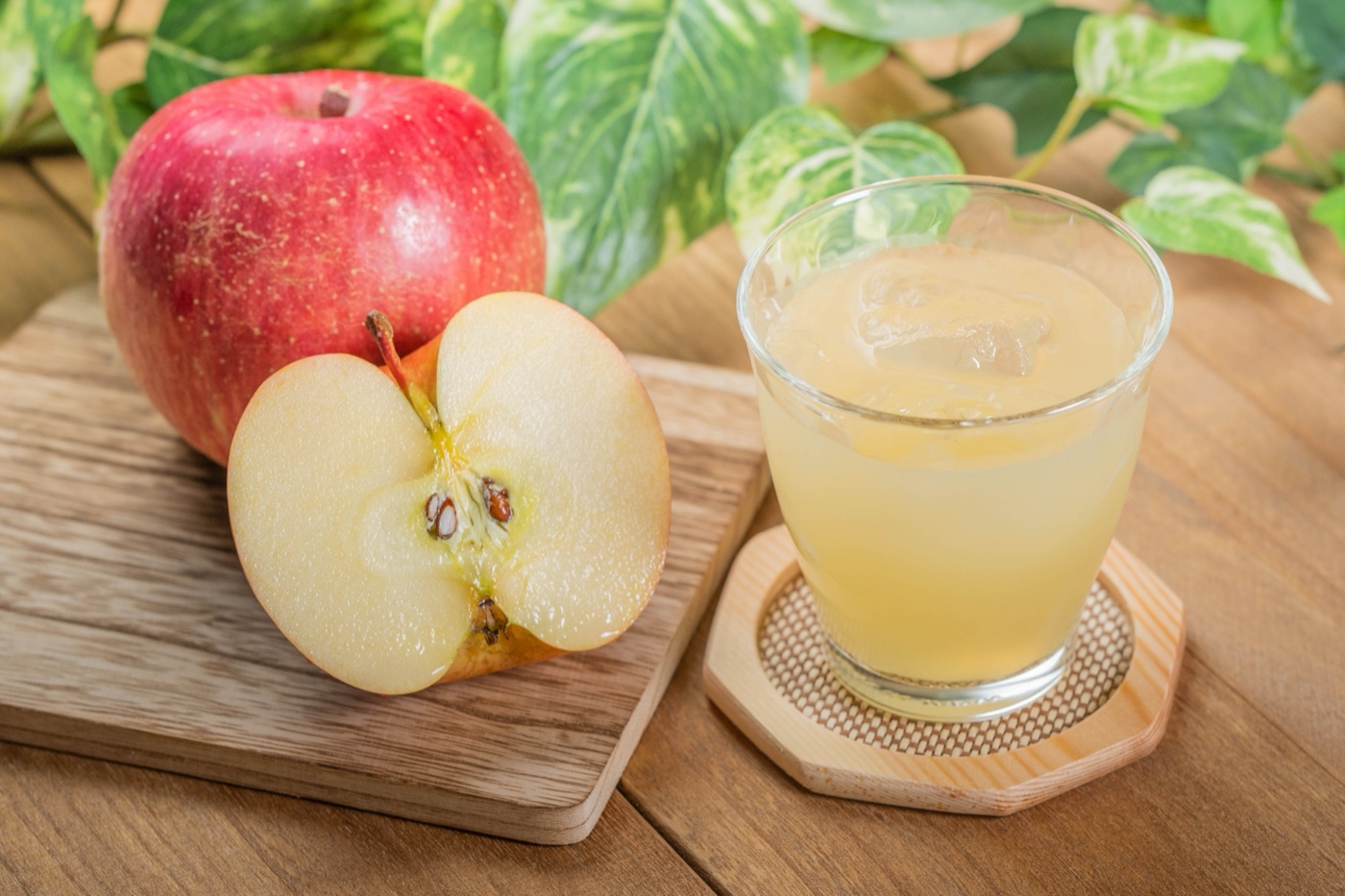
Aomori Apple Juice
Aomori grows about 60% of Japan’s apples, and most of the fruit sent for processing is pressed into juice at more than 60 plants across the prefecture. For the purest taste, look for ストレート (straight, not from concentrate) on the label. Two names to know: Shiny of Kuroishi has canned cloudy apple juice since 1958; in its Nebuta-festival cans, Gold (crisp, Fuji-based) and Silver (mellow, Orin-based) are straight juice, and its Nebuta apple juice won the soft-drink grand prix in Aomori Prefecture’s 2026 souvenir vote. JA Aoren of Hirosaki makes Kibou no Shizuku (“Drops of Hope”), pressed in an oxygen-free system with no antioxidant added; it took Monde Selection’s Grand Gold in 2026. A-FACTORY, a two-minute walk from Aomori Station, stocks local apple juice (10:00–19:00). On international flights, containers over 100 ml can’t go in carry-on, so pack juice in checked baggage.
青森は全国のりんごの約6割を生産する日本一の産地。加工用りんごの多くはジュースになり、県内の加工場は60ヶ所以上あります。選ぶときはラベルの「ストレート」(濃縮還元ではなく、搾ったままの果汁)が目印。代表格は2つ。黒石市のシャイニーは1958年から缶入りの混濁りんごジュースを作る老舗で、ねぶた柄の缶のうち「金のねぶた」(ふじベース・酸味すっきり)と「銀のねぶた」(王林ベース・完熟まろやか)がストレート果汁。ねぶたりんごジュースは青森県の「あおもり推し土産総選挙」(2026年)でソフトドリンク部門グランプリを受賞しました。弘前市のJAアオレン「希望の雫」は、酸素に触れさせない密閉搾りで酸化防止剤を使わず、2026年のモンドセレクションで最高金賞。青森駅から徒歩2分のA-FACTORY(10:00〜19:00)で地元のりんごジュースが買えます。国際線は100mlを超える容器の液体を機内に持ち込めないので、預け荷物に入れましょう。
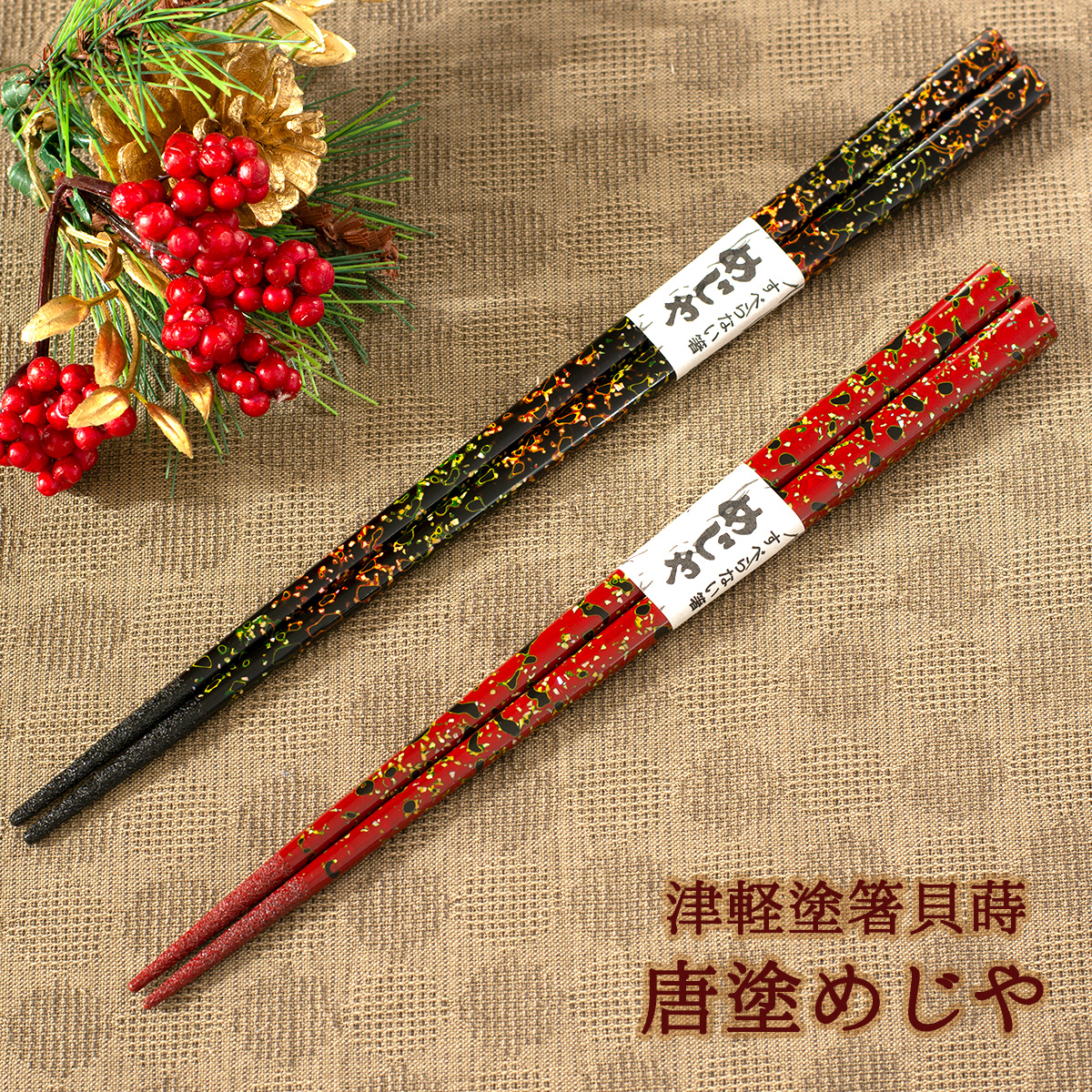
Tsugaru Lacquerware
Tsugaru-nuri, the lacquerware tradition of western Aomori, is unlike any other in Japan — its surface is built up from dozens of layers of colored urushi lacquer, then meticulously sanded down to reveal a stone-like, marbled pattern beneath. Each piece takes 48 stages over 2+ months to complete, and a single craftsman might finish only a few items per year. Designated a Traditional Craft of Japan in 1975, Tsugaru-nuri chopsticks, tea caddies, and bento boxes make heirloom-quality gifts. Watch craftsmen at work — and try the polishing step yourself — at Tsugaru-han Neputa Village in Hirosaki. Prices range from ¥3,000 chopsticks to ¥50,000+ tea sets.
青森県西部・津軽地方に伝わる「津軽塗」は、日本の漆器の中でも極めて独特な技法で知られます。色漆を何十層にも重ねて塗り、丹念に研ぎ出すことで石のような大理石模様が浮かび上がる仕組み。48の工程を経て完成までに2ヶ月以上、職人が1年に仕上げる数は限られます。1975年に経済産業大臣指定の伝統的工芸品となり、箸、茶筒、弁当箱は一生もののギフトとして人気。弘前の「津軽藩ねぷた村」では製作実演の見学や研ぎ出し体験もできます。価格帯は箸3,000円から茶器一式50,000円超まで幅広く、ライフスタイルに合わせて選べます。
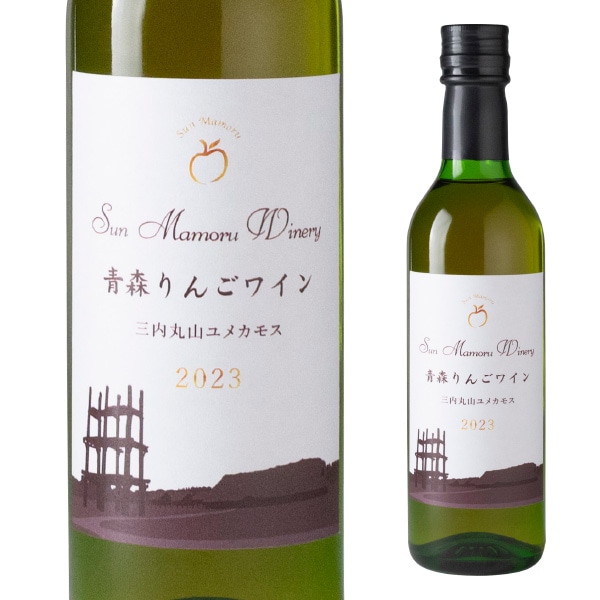
Aomori Apple Wine
Tsugaru shidoru is Aomori’s beloved apple cider, made by fermenting the prefecture’s prized apples into a crisp, refreshing sparkling wine that’s milder and fruitier than European ciders. Hirosaki Cidre Kobo kimori (inside Hirosaki Apple Park) and A-FACTORY (2 minutes on foot from JR Aomori Station) are the two iconic producers — A-FACTORY’s open glass-walled cidery lets you watch fermentation while tasting self-serve flights (2 varieties ¥500, up to 8 for ¥2,000). Bottles range from elegant 750ml gift formats to travel-friendly 200ml singles. Pair with apple pie, cheese, or Aomori’s famous scallop carpaccio. Available at A-FACTORY and Aomori Airport souvenir shops.
青森が誇るりんごを発酵させて作る「津軽シードル」は、リンゴの果実味が爽やかに弾ける微発泡酒。ヨーロッパ産シードルよりもまろやかでフルーティーな味わいが特徴です。代表生産者は弘前りんご公園内の「弘前シードル工房kimori」と、JR青森駅徒歩2分の「A-FACTORY」。A-FACTORYでは醸造工程をガラス越しに見学しながら、セルフ式の飲み比べ(2種500円〜8種2,000円)が楽しめます。優雅な750ml瓶から携帯しやすい200ml瓶まで展開。アップルパイ、チーズ、青森名物のホタテのカルパッチョと相性抜群。A-FACTORY、青森空港の土産店で購入可能です。
Must-Visit Spots
おすすめスポット 5選
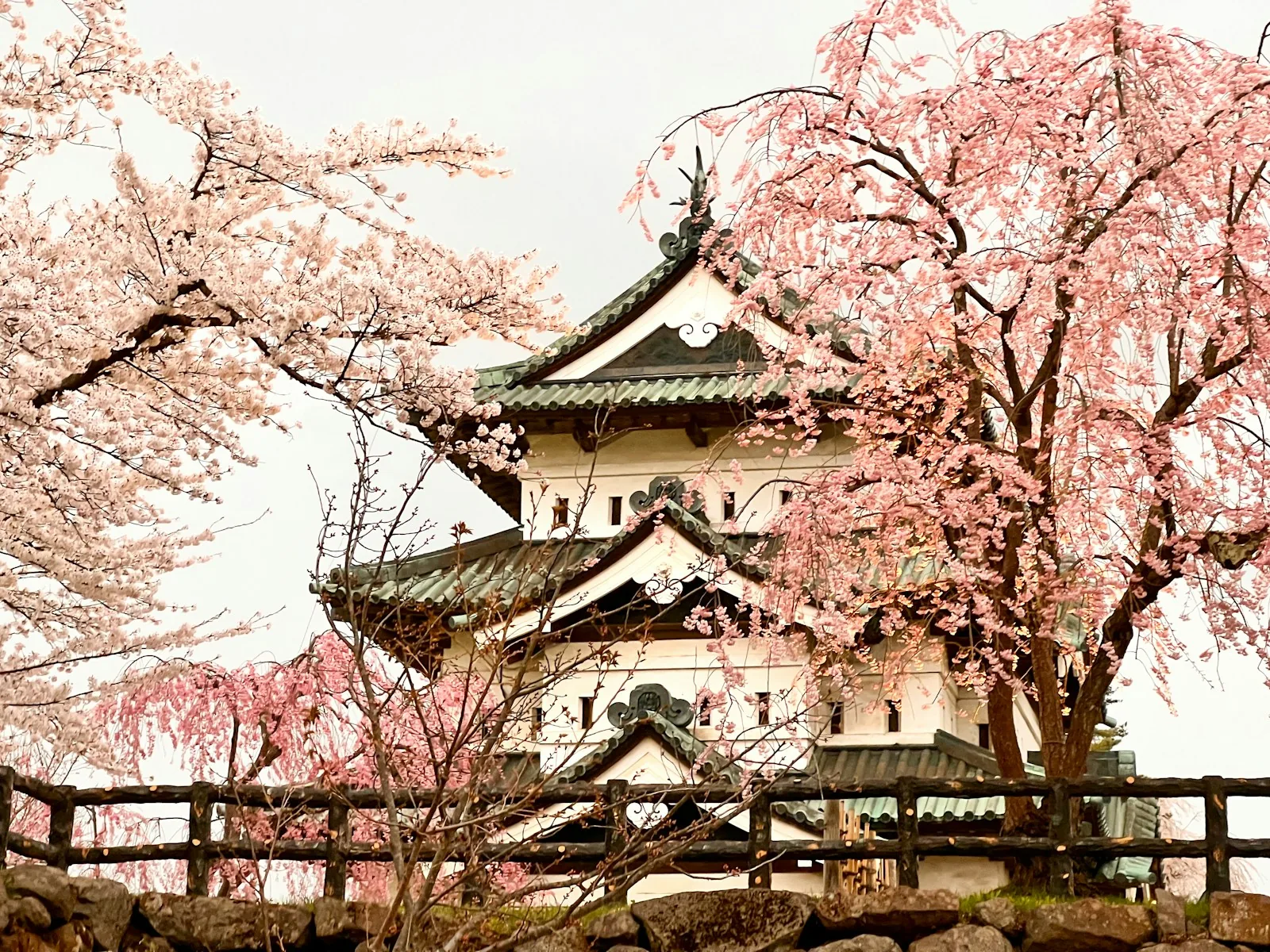
Hirosaki Castle
Built in 1611 by the Tsugaru clan and one of only twelve original castle keeps still standing in Japan, Hirosaki Castle becomes the country’s most photographed cherry blossom destination every late April. The 2,600 sakura trees lining its moats and ramparts create surreal pink tunnels reflected in still water — and the iconic “floating petal carpet” effect on the moat surface (hanaikada) is a once-in-a-lifetime sight. Beyond spring, autumn brings flame-red maples, winter offers stunning snow lantern festivals, and while the keep interior is closed for stonework renovations until the early 2030s, the grounds remain fully open. The castle is a 15-minute bus ride from JR Hirosaki Station; the cherry blossom festival typically runs mid-April to May 5, shifting with the bloom.
1611年に津軽藩によって築かれ、現存する日本の天守12城のうちの1つに数えられる弘前城。毎年4月下旬になると、城内2,600本の桜が一斉に咲き誇り、日本随一の花見スポットへと変貌します。お濠を覆い尽くす花筏(はないかだ)は、まるで水面が桜色の絨毯になったかのような幻想的な光景で、一生に一度は見ておきたい絶景です。秋は燃えるような紅葉、冬は雪燈籠まつりと、四季それぞれの表情が楽しめます。天守は石垣修理工事のため内部公開を休止中(2030年代前半まで)ですが、園内の散策は通常通り楽しめます。JR弘前駅からバスで約15分。桜まつりは例年4月中旬〜5月5日に開催(開花に合わせ前倒しあり)。
Aomori Nebuta Festival
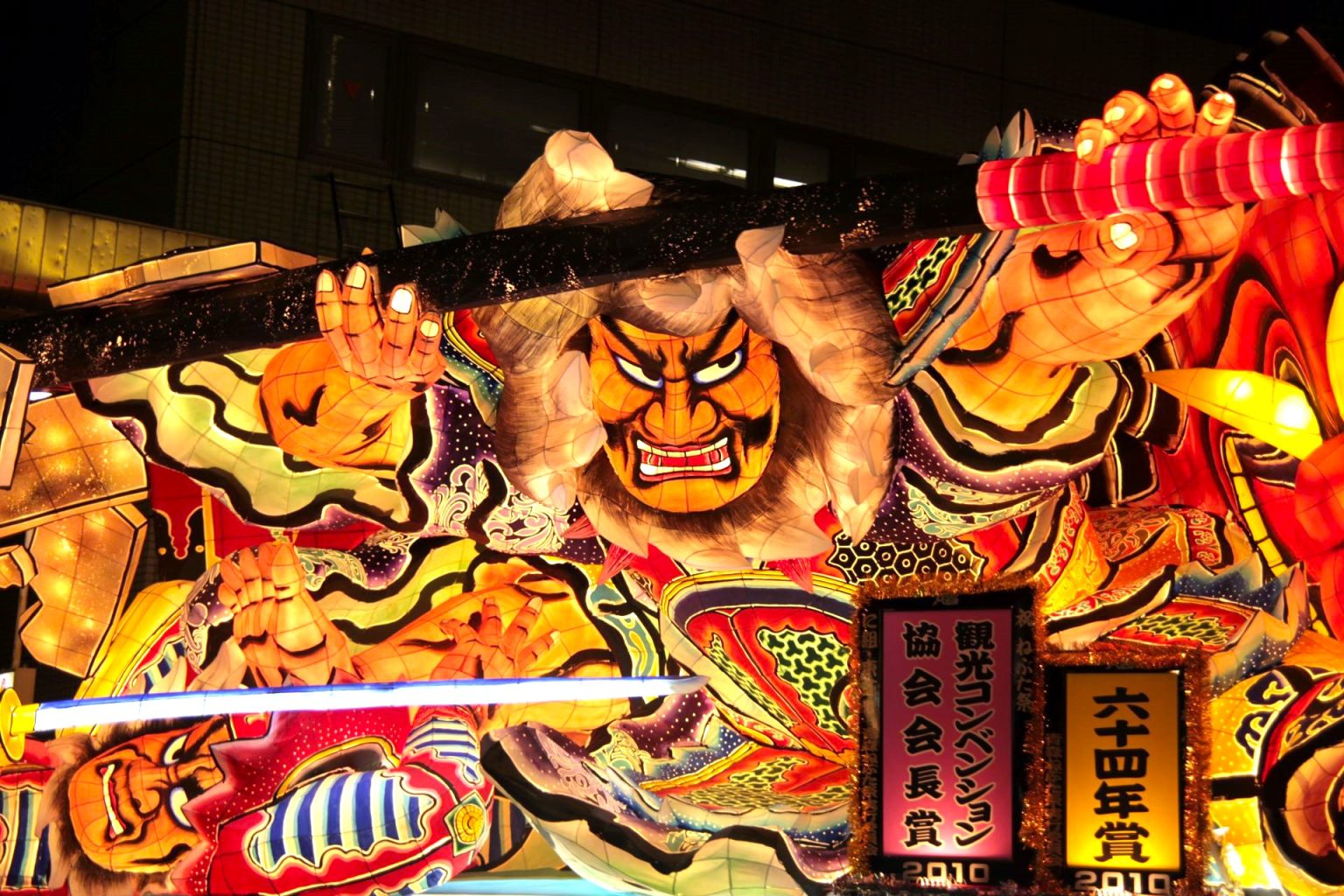
Held every August 2-7, the Aomori Nebuta Festival is one of Tohoku’s three great festivals and an absolute sensory overload. Massive paper-mâché floats — up to 9 meters wide and 5 meters tall, depicting fierce warriors and mythological scenes — are paraded through downtown streets, lit from within and accompanied by thunderous drum rhythms and chants of “Rassera! Rassera!” Visitors are encouraged to don a haneto costume and dance alongside the floats; costumes can be rented from city shops for around ¥4,000. The Nebuta Museum WA-RASSE near JR Aomori Station displays winning floats year-round. Hotels book out a year in advance during festival week.
毎年8月2〜7日に開催される青森ねぶた祭りは、東北三大祭りの一つに数えられる日本屈指の夏祭り。幅9メートル、高さ5メートルにも及ぶ巨大な張り子の山車「ねぶた」は、武将や神話の場面を題材に描かれ、内部から煌々と灯される姿は圧巻です。祭り囃子と「ラッセーラー!ラッセーラー!」の掛け声に乗って、市内を練り歩く山車を取り囲んで踊る「跳人(ハネト)」は観光客でも参加可能。市内の貸衣装店で約4,000円で衣装一式がレンタルできます。JR青森駅近くの「ねぶたの家ワ・ラッセ」では受賞作のねぶたを通年展示。祭り期間のホテルは1年前から予約必須です。
Oirase Stream
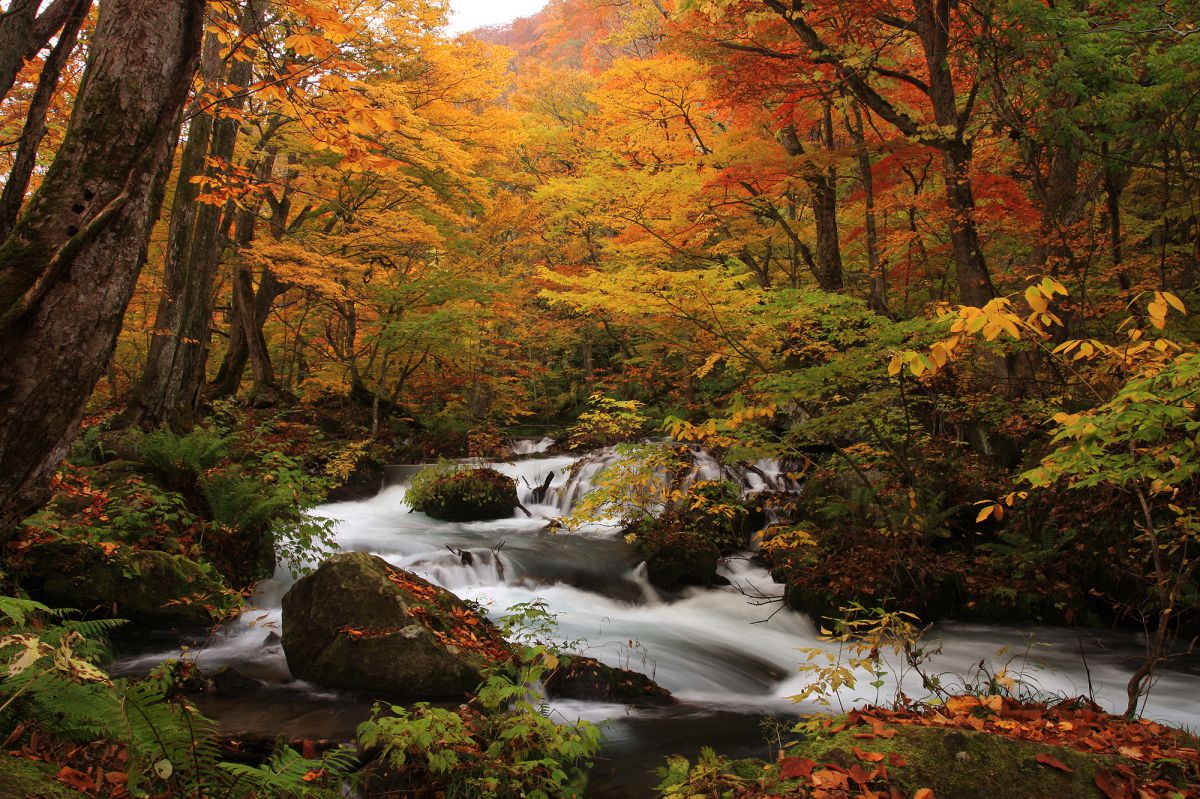
A 14-kilometer ribbon of mountain stream flowing from Lake Towada through dense forest, Oirase Keiryu is one of Japan’s most photogenic walks — a procession of waterfalls, mossy boulders, beech-tree canopies, and crystalline pools that change character with each turn. Spring brings electric green, summer offers cool refuge, autumn paints maples in fire colors (peak mid-to-late October), and winter freezes some falls into glittering ice sculptures. The well-maintained trail runs alongside the stream, and a parallel road allows exploration by bus, bike, or rental car. Don’t miss Choshi Otaki Falls, the most powerful, and the iconic Ashura-no-Nagare rapids. Hoshino Resorts Oirase Keiryu Hotel offers riverside lodging.
十和田湖から流れ出る奥入瀬渓流は、深い森を縫うように流れる14キロの絶景渓流。連なる滝、苔むした巨石、ブナ林の天蓋、澄んだ淵が次々と表情を変えていく姿は、日本屈指のフォトジェニックな散策路として知られます。春は新緑、夏は涼しい避暑地、秋は燃えるような紅葉(10月中旬〜下旬がピーク)、冬は凍りついた幻想的な氷瀑と、四季折々の絶景が楽しめます。整備された遊歩道沿いを歩いても、並行する車道をバス・自転車・レンタカーで巡ってもOK。最大落差の銚子大滝、激しい流れの阿修羅の流れは必見。星野リゾート 奥入瀬渓流ホテルが渓流沿いの拠点として人気です。
Lake Towada
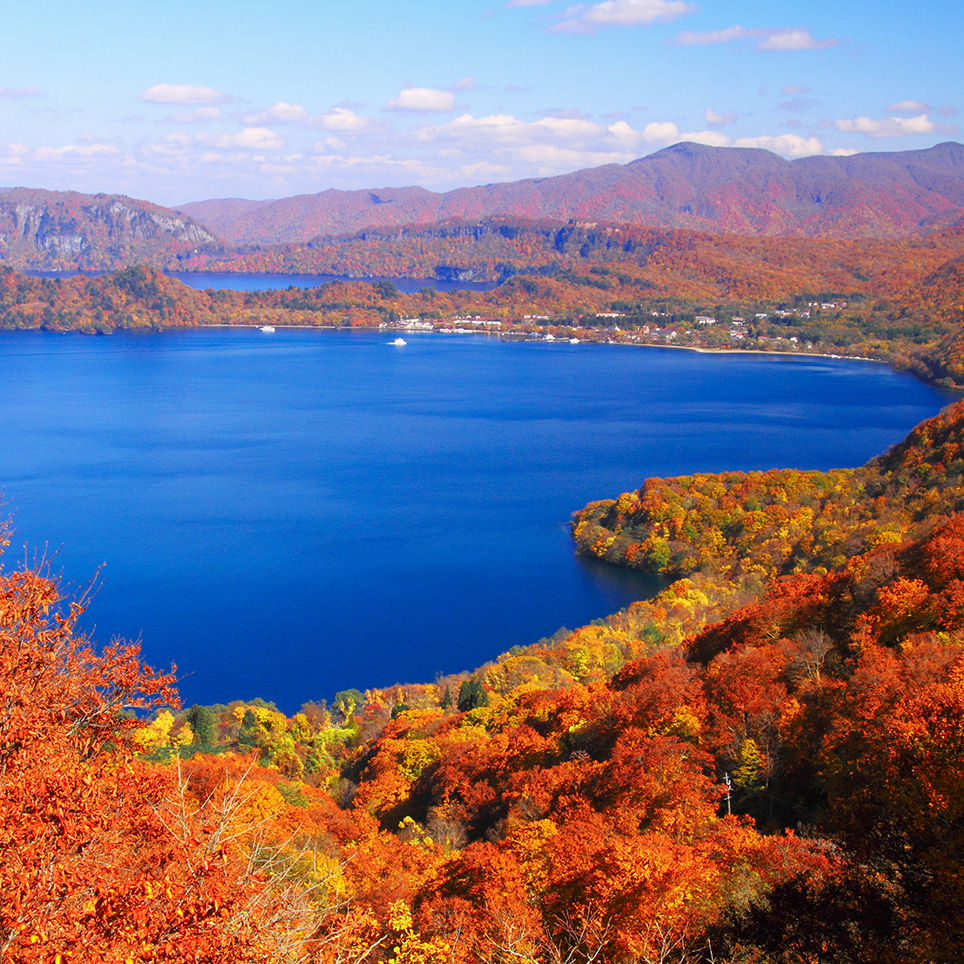
Lake Towada straddles the border of Aomori and Akita prefectures and is Japan’s largest crater lake — a deep blue caldera ringed by ancient forests and steep volcanic walls. Scenic boat cruises (about 50 minutes, ¥1,430–1,760) depart from Yasumiya Pier and circle the lake’s most dramatic cliffs and the iconic “Maiden Statue” — twin bronze maidens by famed sculptor Takamura Kotaro standing where the water meets the shore. The lake feeds Oirase Stream at Nenokuchi, making the two destinations a natural pairing. Towada Hotel and several lakeside ryokan offer hot-spring baths overlooking the water. Best visited late April through October; winter access is limited but stunning.
青森県と秋田県にまたがる十和田湖は、本州最大のカルデラ湖(水深326.8mは日本3位)。深い藍色を湛える湖面が古代の原生林と切り立った火山壁に囲まれた、神秘的な絶景スポットです。休屋桟橋から発着する遊覧船(約50分、1,430円〜1,760円)では、ダイナミックな断崖と、湖畔に佇む彫刻家・高村光太郎の代表作「乙女の像」を間近に鑑賞可能。湖は子ノ口から奥入瀬渓流へと流れ出ており、奥入瀬とセットで訪れるのが定番コース。十和田ホテルや湖畔の温泉旅館では、湖を望む露天風呂が楽しめます。ベストシーズンは4月下旬〜10月。冬季はアクセス制限ありですが、雪景色は格別です。
Sukayu Onsen
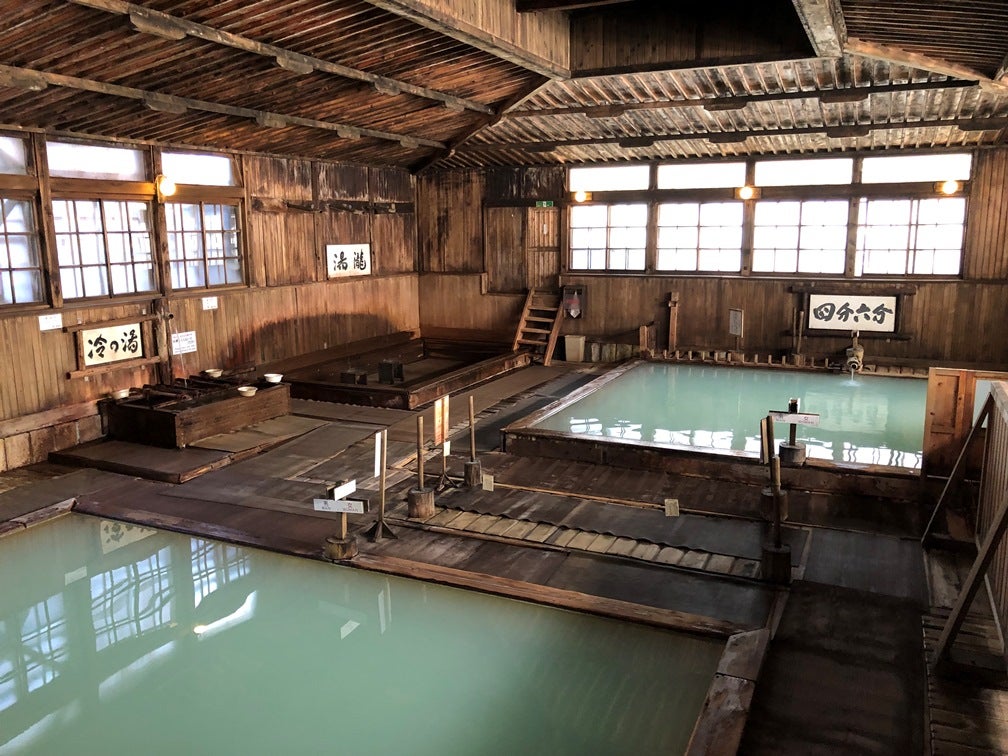
Hidden deep in the Hakkoda Mountains, Sukayu Onsen is one of Japan’s most legendary hot springs — its centerpiece is the famous “Sennin-buro” (Thousand-Person Bath), a vast traditional wooden hall housing four steaming sulfur pools that can hold hundreds of bathers at once. Operating since 1684 and designated Japan’s first “National Hot Spring Health Resort” in 1954, Sukayu has long been visited by samurai, monks, and modern travelers seeking the milky white waters’ healing properties. The bath is mixed-gender by tradition, though women-only hours are now offered daily. Winter buries the lodge in 4+ meters of snow, creating an otherworldly approach. Buses run from JR Aomori Station (about 70 minutes).
八甲田山系の奥深くに佇む酸ヶ湯温泉は、日本屈指の名湯として知られる秘湯。その象徴が、約160畳もの広さを誇る総ヒバ造りの大浴場「ヒバ千人風呂」で、4つの源泉を湛えた湯船には数百人が一度に入浴できます。1684年から続く歴史を持ち、1954年には日本初の「国民保養温泉地」第1号に指定。武士、修行僧、そして現代の湯治客たちが、その乳白色の名湯を求めて訪れてきました。伝統的には混浴ですが、現在は女性専用時間も設定。冬は4メートル以上の雪に埋もれ、雪国情緒たっぷりの絶景を演出します。JR青森駅からバスで約70分。
Insider Tips
現地通の旅の裏ワザ
Aomori produces 60% of Japan’s apples. Late October to early November, locals roadside-sell direct from orchards along Route 7 — well below supermarket prices.
青森は日本のリンゴ生産60%。10月下旬〜11月上旬、国道7号沿いの農家直売所が狙い目で、スーパーよりだいぶ安い。
Nebuta Festival (Aug 2-7) draws about 1 million visitors. The Wa Rasse Museum keeps original floats year-round — same artistry, no crowd-fighting.
ねぶた祭(8/2-7)は約100万人来場。ねぶたの家ワ・ラッセは原物を通年展示、混雑ゼロで本物を見られる。
Frequently Asked Questions
When exactly do Hirosaki’s cherry blossoms peak?
Typically mid-April to early May, varying by year. The castle moat ‘hanaikada’ (floating petal raft) is best in the final few days of bloom. Check the Hirosaki City website for daily updates.
例年4月中旬〜5月上旬が見頃。堀の花いかだは散り際の数日が最高潮。弘前市の開花情報サイトで毎日確認できます。
How do I participate in the Nebuta Festival?
Wear or rent a ‘haneto’ dancer costume (¥3,000–5,000 rental) to join the parade. Jump and shout ‘Rasseraa!’ alongside the floats. Costumes available along Chuo-dori avenue on festival nights.
はねと衣装(レンタル3,000〜5,000円)を着れば誰でも参加可能。「ラッセーラー!」の掛け声で飛び跳ねながら練り歩きます。
What are Aomori apples and why are they special?
Aomori’s climate — hot summers for sugar development and cold autumns for colour — produces apples of exceptional sweetness and crunch. The Fuji variety, developed in Aomori in 1962, is now grown worldwide.
青森の夏の高温と秋の冷涼な気候が、甘みと歯ごたえに優れた林檎を育てる。ふじ品種は1962年に青森で誕生し、今や世界中で栽培されています。
Travel Tip
Stay at Sukayu Onsen Ryokan for a true immersion in Tohoku hot-spring culture. Book 3–4 months ahead for the Nebuta period (early August) or cherry blossom season (late April) — rooms sell out almost a year in advance.