Yamaguchi
Top Yamaguchi souvenirs and must-visit travel spots — your complete guide for visitors to Japan. A five-arch wooden bridge unchanged since 1673, a tropical-blue island connected by a white causeway, and a cave so vast it has its own weather — Yamaguchi is full of Japan’s greatest surprises.
木の5連アーチ橋・錦帯橋、コバルトブルーの角島、日本最大級の鍾乳洞・秋芳洞、そしてふぐの聖地・下関——山口は西の果てに宝が詰まった県です。
Yamaguchi sits at Honshu’s western tip — Shimonoseki’s fugu, the Kintaikyo bridge, the Tsunoshima bridge, and the red torii of Motonosumi shrine. Fugu is the famous food; for sweets, Hagi’s summer-mikan confections and Yamaguchi-style uiro are the picks, with Hagi-yaki pottery the craft buy. Shin-Yamaguchi and Shimonoseki stations cover them.
山口は本州の西端——下関のふぐ、錦帯橋、角島大橋、元乃隅神社の赤い鳥居。有名な食はふぐ、甘いみやげは萩の夏みかん菓子や山口外郎、工芸なら萩焼。新山口駅・下関駅で揃います。
Recommended Omiyage
おすすめおみやげ 5選
Fugu Hire-zake
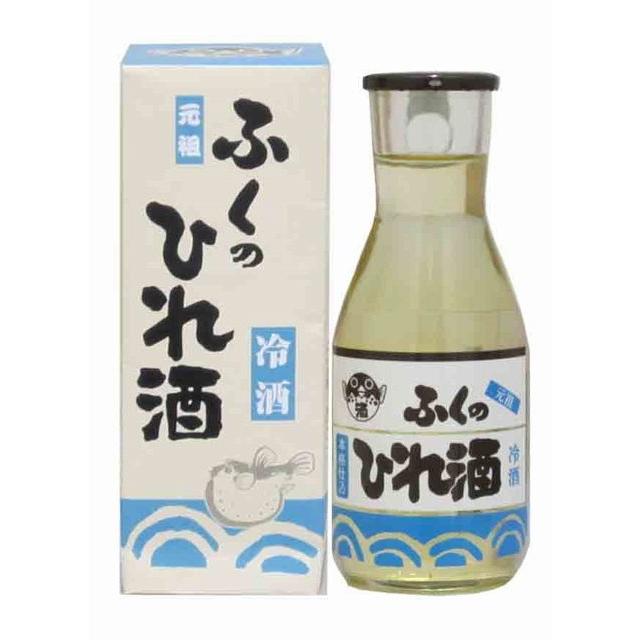
Fugu hire-zake is one of Japan’s most theatrical drinking experiences — fugu (blowfish) fins are dried, lightly toasted, then steeped in piping-hot sake for several minutes, creating a deeply umami, slightly fishy aroma that pairs warmingly with the alcohol. The drink originated in Yamaguchi’s Shimonoseki port (Japan’s largest fugu landing) where master chefs would use fin trimmings rather than waste them. The flavor is acquired but profoundly addictive — the slightly sweet, smoky character of toasted fin combines beautifully with sake’s mineral character. Premium gift versions include vacuum-packed dried fins and pre-portioned sake. Top makers include Shimonoseki Shuzo and Shirataki Shuzo. Available at JR Shimonoseki Station, Karato Fish Market, and Yamaguchi Airport. Refrigerate fins; sake stable at room temperature. Pair with hot bath or sushi.
「ふぐひれ酒」は日本でも最も劇場的な飲酒体験の一つ——ふぐ(河豚)のひれを乾燥させて軽く炙り、熱燗に数分浸して頂く郷土の銘酒です。深い旨味とほのかな魚介の香りが、温かい日本酒と見事に調和する独特の体験。発祥は山口県の下関漁港(日本最大のふぐ水揚げ港)で、料理人がふぐの切り落とし材料を捨てずに活用した知恵から生まれました。風味は癖が強いですが、深く忘れがたい——軽く炙ったひれの甘味と燻したような風味、日本酒のミネラル感の絶妙な調和が病みつきに。お土産用には真空パックの乾燥ひれと小瓶日本酒のセットも展開。代表メーカーは下関酒造、しらたき酒造など。JR下関駅、唐戸魚市場、山口空港で購入可能。ひれは要冷蔵、日本酒は常温保存可。
Fugu Sashimi Set
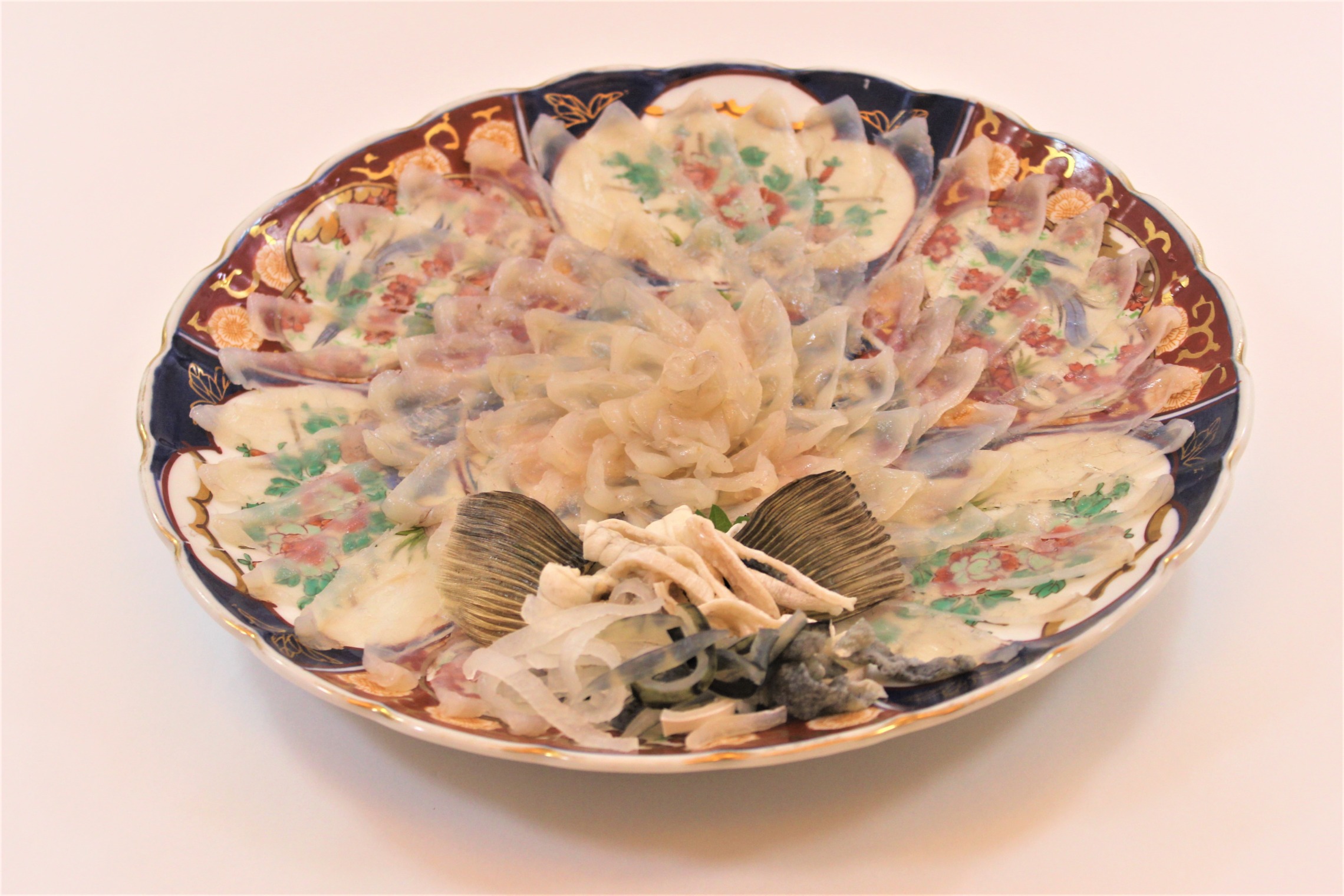
Fugu sashimi (“tessa”) is one of Japan’s most iconic delicacies — paper-thin slices of blowfish meat artistically arranged in concentric circles to resemble a chrysanthemum flower or peacock feathers, served with ponzu citrus sauce, momiji-oroshi (grated daikon with chili), and sliced negi. Despite the fish’s notorious tetrodotoxin poison, certified fugu chefs in Yamaguchi (the world’s fugu capital) make this dish completely safe and absolutely delicious — the texture is uniquely chewy yet tender, the flavor delicate and umami-rich. Take-home Fugu Sashimi Sets include vacuum-sealed pre-sliced fugu (already inspected and safe), ponzu sauce, condiments, and detailed serving instructions. Top shops include Sekitora Honten and Sakai Shoten. Available at JR Shimonoseki Station, Karato Market, and Yamaguchi Airport. Refrigerate; consume within 24-48 hours of opening.
「ふぐ刺し(てっさ)」は日本を代表する珍味の一つ——ふぐの身を紙のように薄くスライスし、菊の花や孔雀の羽を模した同心円状の美しい盛り付けで提供する芸術的な刺身。ポン酢、もみじおろし、刻みネギを添えて頂きます。ふぐ毒(テトロドトキシン)の悪名高い危険性にもかかわらず、山口県(世界のふぐの首都)の認定ふぐ調理師たちが完全に安全に処理し、絶妙な味わいに仕上げます——独特の歯ごたえとほのかな弾力、上品で旨味豊かな風味が特徴です。お持ち帰り用「ふぐ刺しセット」には、真空パックのスライス済みふぐ(既に検査済み安全)、ポン酢、薬味、詳細な提供マニュアルがセットに。代表店は「関とら本店」「酒井商店」など。JR下関駅、唐戸市場、山口空港で購入可能。要冷蔵、開封後24〜48時間以内に。
Natsumikan Sweets
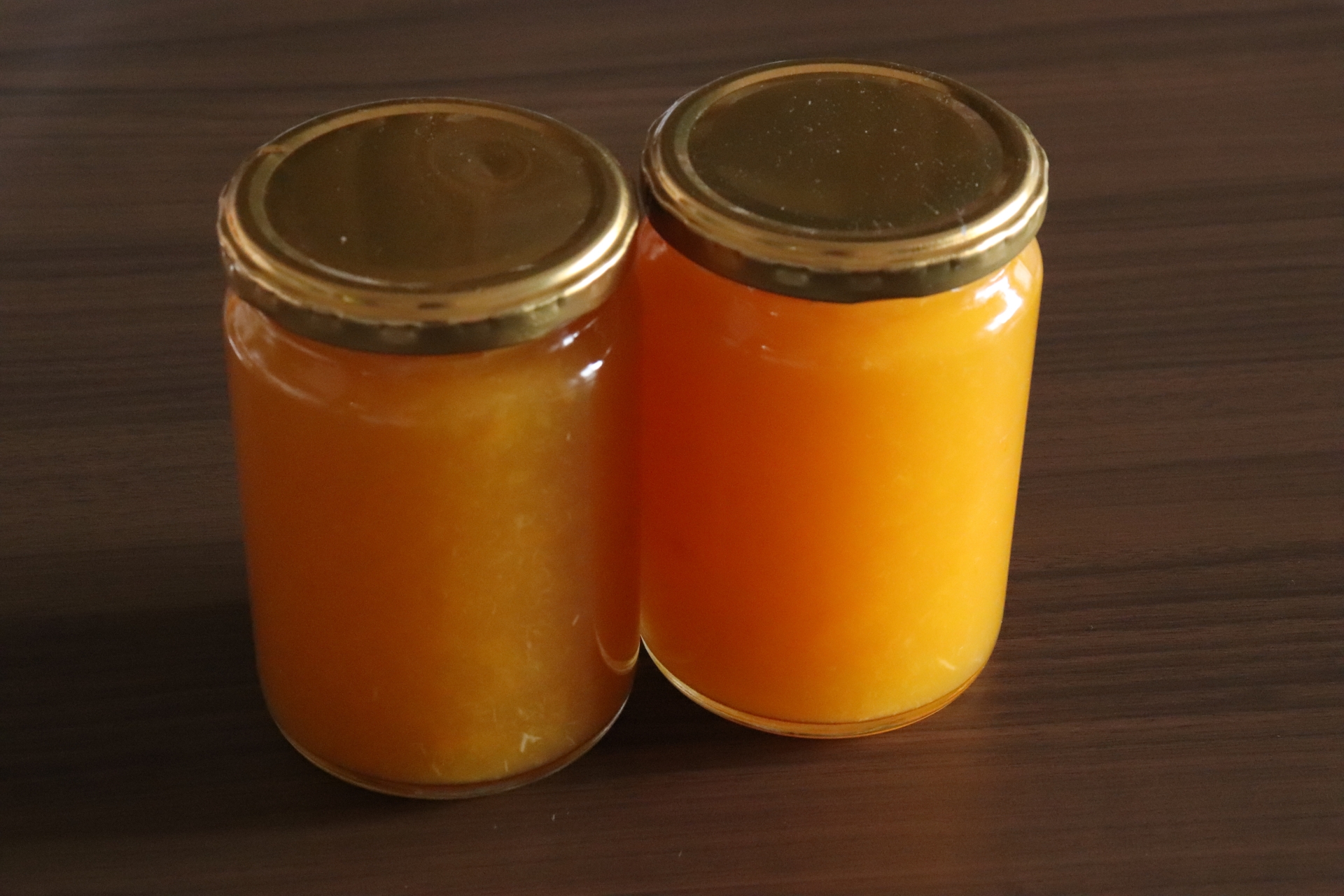
Hagi, in northern Yamaguchi, is famous for natsumikan (summer orange) — the citrus was first cultivated commercially in Hagi in the Meiji era, when out-of-work samurai planted the trees in their former castle-town gardens, and its blossom is now the prefectural flower. Hagi’s natsumikan sweets turn this fragrant, tart-sweet citrus into elegant souvenirs: the signature “Natsumikan Maruzuke” (a whole hollowed natsumikan filled with white-bean yokan), plus marmalade, jelly, candied peel, and pound cakes. The flavor is refreshingly bittersweet with an aromatic peel. Top makers include Mitsukuni Honten (founded 1857). Boxed gift versions are sold at Hagi shops, JR stations, and Yamaguchi souvenir stores. Pair with green tea.
山口県北部の萩は「夏みかん」の名産地——明治期、職を失った武士たちが城下町の屋敷跡に植えたのが商業栽培の始まりで、夏みかんの花は山口県の県花にもなっています。萩の夏みかん菓子は、この爽やかで甘酸っぱい柑橘を上品なお土産に——代表格は夏みかんを丸ごとくり抜いて白餡羊羹を詰めた「夏蜜柑丸漬(なつみかんまるづけ)」、ほかにマーマレード、ゼリー、ピール、パウンドケーキなど多彩。香り高い皮とほろ苦い甘さが魅力です。代表メーカーは1857年創業の「光國本店」など。萩の店舗・JR各駅・山口の土産店で購入可能。緑茶との相性も格別。
Uiro
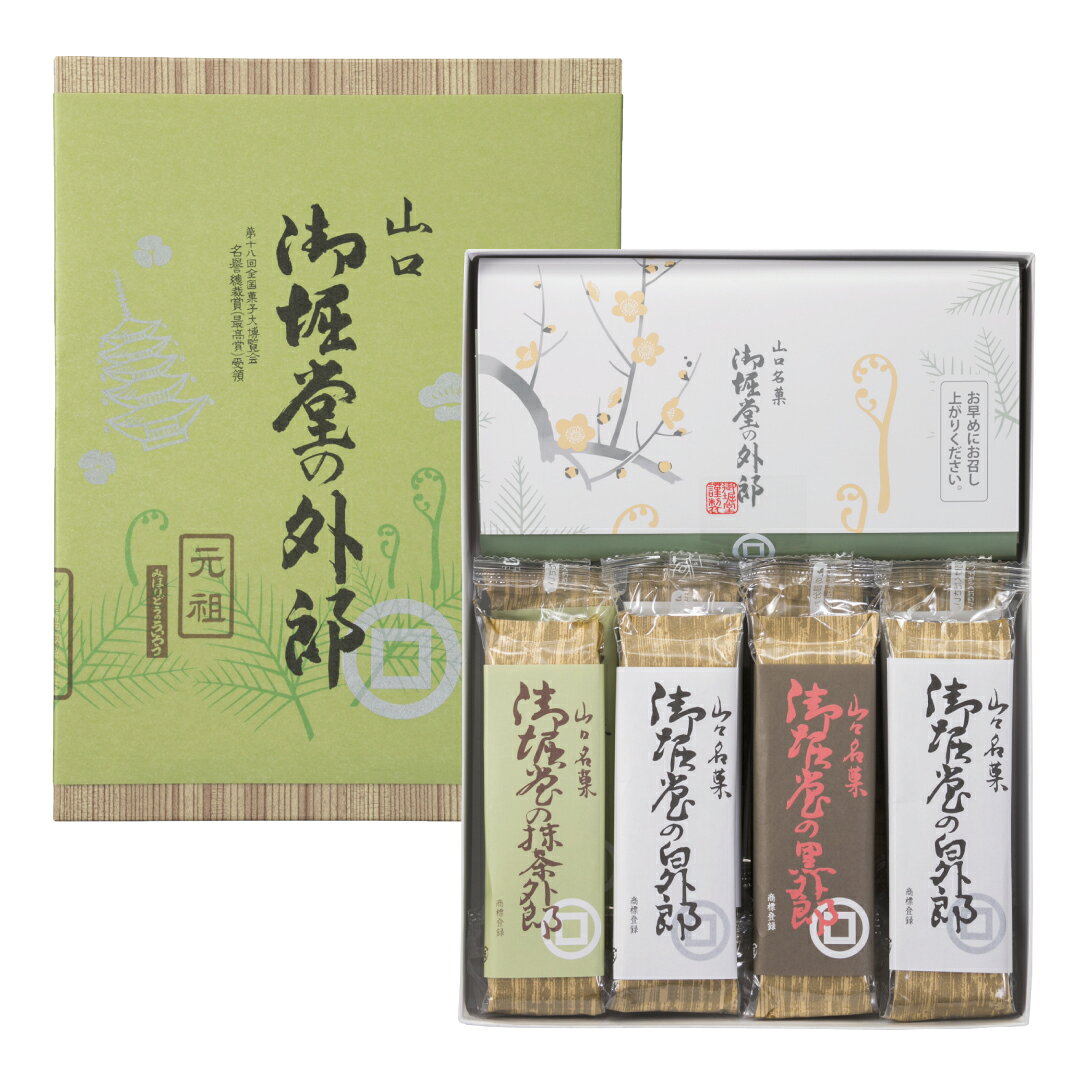
Although Nagoya’s uiro is more famous nationwide, Yamaguchi has its own distinctive, independently developed uiro tradition. Yamaguchi-style uiro uses local rice flour, sugar, and water to create a slightly chewy, mildly sweet steamed cake — but with a distinctive use of warabi-mochi (bracken-starch jelly) inclusions that give it a unique multi-textured experience. The most famous Yamaguchi uiro maker is Mihorido (founded 1927), where master craftsmen still use traditional bamboo steamers and hand-cutting techniques. Each piece is presented in elegant cylindrical wooden boxes wrapped in maple leaves. Modern variations include matcha, sakura, and seasonal limited editions. Pair with strong matcha or hojicha tea. Available at JR Yamaguchi Station, Goyodo Honten in Yamaguchi City, and selected Tokyo depachika. Best within 14 days.
「ういろう」は名古屋のものが全国的に有名ですが、山口県にもそれよりさらに古い独自の「ういろう」伝統があります。山口式ういろうは、地元産の米粉、砂糖、水を使い、ほんのりもちもちで甘さ控えめの蒸し菓子に仕上げますが、独特の「わらび餅」(蕨の澱粉ゼリー)を混ぜ込むことで、複数の食感が共存する独自の口当たりが特徴です。最有名な山口ういろうは1927年創業の「御堀堂(みほりどう)」で、職人たちが伝統的な竹蒸し器と手切り技法を今も継承しています。一つずつ楓の葉に包まれた優美な円筒形の木箱で提供されます。現代バリエーションには抹茶、桜、季節限定品など多彩。濃い目の抹茶やほうじ茶との相性は格別。JR山口駅、山口市の御用堂本店、東京の主要デパ地下で購入可能。賞味期限約14日。
Hagi Ware
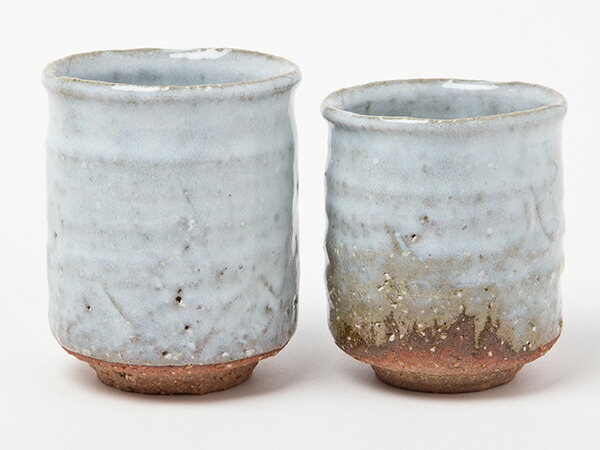
Hagi-yaki, produced in Yamaguchi’s Hagi region for over 400 years, is one of Japan’s most refined pottery traditions — established in 1604 when Korean potters brought to Hagi by the Mori clan founded the local kiln tradition. Hagi-yaki is celebrated for its understated beauty: pale pink-orange or cream tones, soft surface texture, and the unique “seven changes” (nanabake) phenomenon where the pottery’s color and texture deepens with each use over time. The pottery is highly prized in Japanese tea ceremony, with tea bowls particularly desired by tea masters. Modern artisans continue producing tea bowls, vases, and tableware at dozens of working kilns in Hagi. Pieces range from ¥3,000 small dishes to ¥1,000,000+ collector tea bowls. The Hagi-yaki Kaikan and the annual Hagi Pottery Festival (May) offer essential introduction to this craft.
「萩焼」は山口県の萩地方で400年以上にわたって作り続けられている、日本でも最も洗練された陶器の伝統——1604年に毛利家が萩に招いた朝鮮の陶工たちが、地元の陶業を確立したのが起源です。萩焼の魅力は控えめな美——淡いピンクオレンジまたはクリーム色のトーン、柔らかな表面感、そして「七変化(ななばけ)」と呼ばれる、使い込むほどに陶器の色と質感が深まる独特の現象です。日本の茶道で珍重され、特に茶人に愛される茶碗は最高峰の名品として珍重されます。現代の作家たちも茶碗、花器、食器を萩の数十の現役窯元で作り続けています。価格帯は3,000円の小皿から、コレクター作品の100万円超の茶碗まで多彩。「萩焼会館」、5月の「萩焼まつり」は必訪。
Must-Visit Spots
おすすめスポット 5選
Kintaikyo Bridge
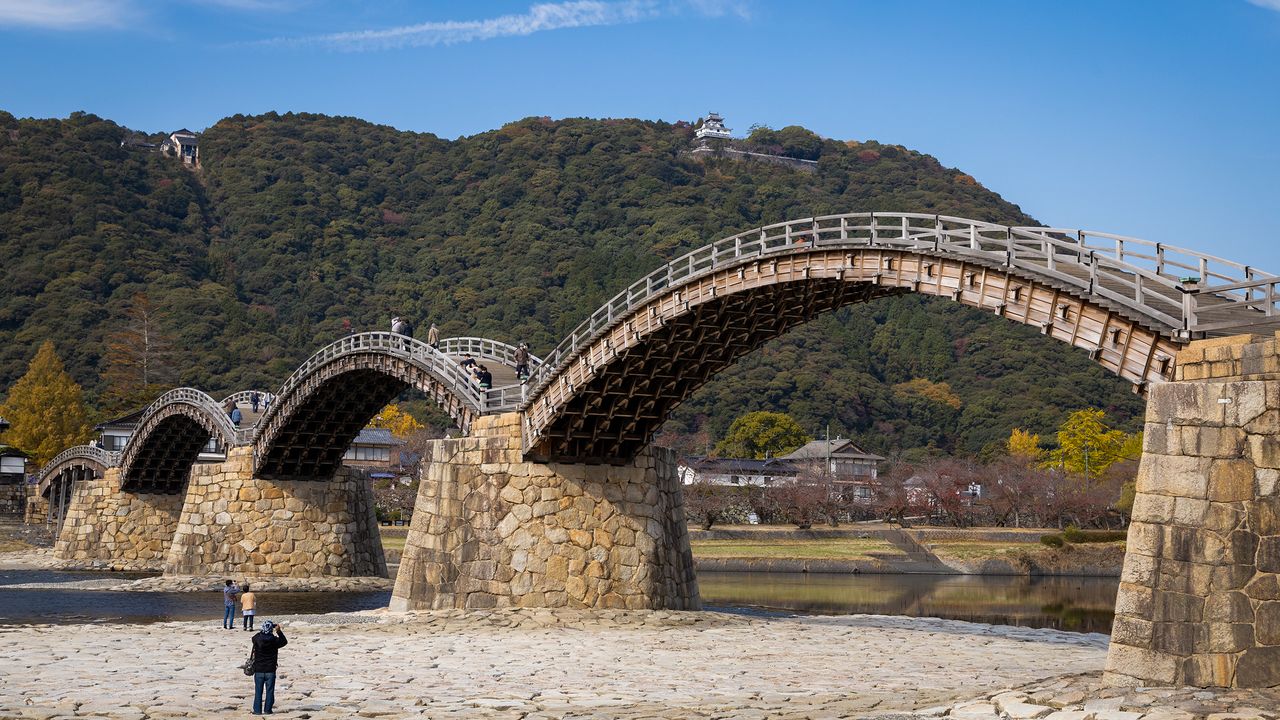
Kintaikyo Bridge is one of Japan’s three most beautiful bridges (alongside Nihonbashi in Tokyo and Meganebashi in Nagasaki) — a stunning 5-arch wooden bridge spanning the Nishiki River, originally built in 1673 and reconstructed several times after typhoon damage. The bridge’s distinctive curved structure is supported by stone pillars between each arch, with the wooden beams and balustrades preserving the 17th-century craftsmanship traditions. Crossing the bridge offers gorgeous views of Iwakuni Castle on the opposite side and the surrounding cherry-blossom-lined Nishiki River. The bridge is particularly stunning during cherry blossom season (early April), when over 3,000 pink cherry trees bloom along the riverbank. Crossing the bridge costs ¥310 (round trip); the cable car to Iwakuni Castle is ¥560. From JR Iwakuni Station, the bridge is a 15-minute bus ride.
「錦帯橋(きんたいきょう)」は日本三名橋の一つ(東京の日本橋、長崎の眼鏡橋と並ぶ)——錦川にかかる5連の優美なアーチ木造橋で、1673年に最初に建造され、幾度の台風被害を経て再建を重ねた歴史を持ちます。橋の独特の湾曲構造は、各アーチ間の石柱に支えられ、木製の梁と欄干が17世紀の職人技を今に伝えます。橋を渡れば、向こう岸の岩国城、桜並木の錦川、絶景パノラマが楽しめます。橋周辺の3,000本超の桜は4月上旬の桜のシーズンには格別の絶景に。渡橋料は往復310円、岩国城へのロープウエーは560円。JR岩国駅からバスで約15分。
Tsunoshima
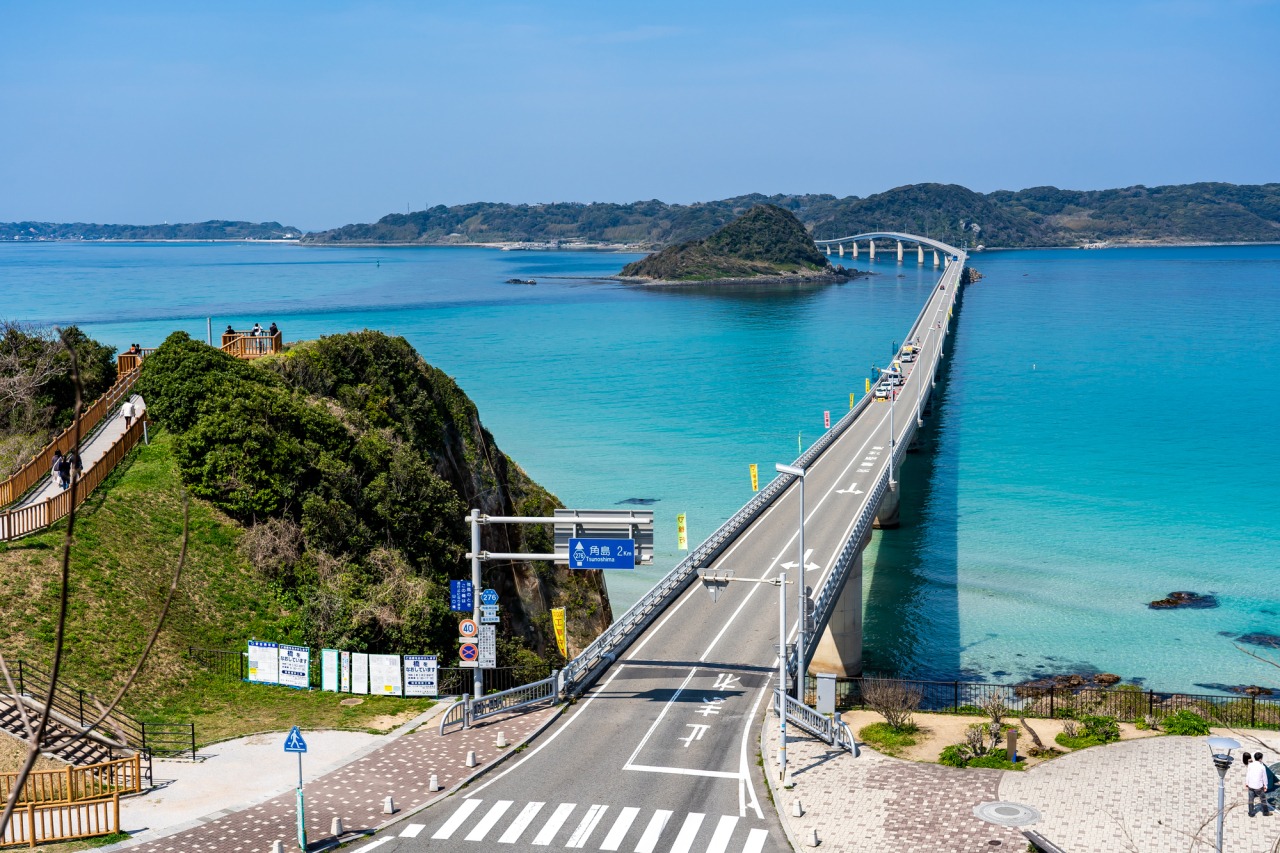
Tsunoshima is one of Japan’s most photogenic destinations — a small island connected to Honshu by the famous Tsunoshima Bridge, which is often called one of Japan’s most beautiful bridges. The 1,780-meter bridge stretches like a turquoise ribbon across emerald-green waters, surrounded by green hills and white sand beaches. The island itself features the historic Tsunoshima Lighthouse (built in 1876, one of Japan’s oldest functional lighthouses), a small fishing village where fresh-caught seafood is served at family restaurants, and quiet pebble beaches. Driving across the bridge — particularly at sunrise or sunset when the water glows — has become Japan’s most popular driving experience for couples and Instagram photographers. About 1 to 1.25 hours by car from central Shimonoseki.
「角島(つのしま)」は日本でも最もフォトジェニックな名所の一つ——本州とは「角島大橋」で結ばれた小島で、日本一美しい橋とも称される全長1,780メートルの絶景大橋です。橋はターコイズブルーの海に伸びるリボンのように、エメラルドグリーンの海面と緑の丘、白い砂浜に囲まれた絶景の中を貫きます。島自体には、1876年建設の歴史的な「角島灯台」(日本最古級の現役灯台)、地元産の新鮮魚介を提供する家族経営のレストラン、静かな小石ビーチなどが点在。橋を車で渡る体験——特に水面が光り輝く夕暮れと日の出の時刻——は、カップルやインスタグラムフォトグラファーに大人気の日本一ドライブ体験です。下関から車で約1時間〜1時間15分。
Akiyoshido
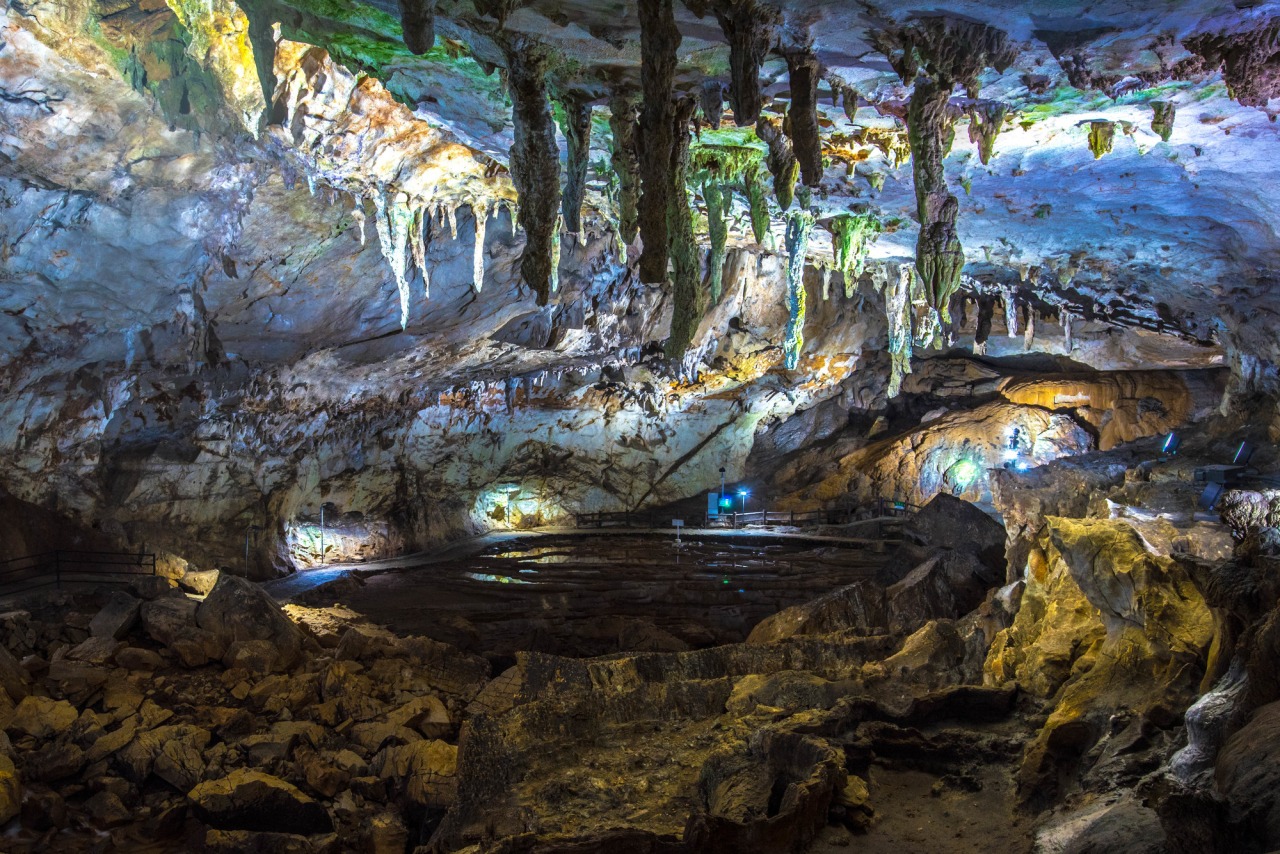
Akiyoshido is one of Japan’s largest limestone caves — a 1-kilometer accessible passage through massive underground chambers carved out over 350 million years by underground rivers in the Akiyoshidai karst plateau. The cave’s signature features include towering stalactites, beautiful natural pools with eerie blue lighting, and the spectacular “Hyakumai-zara” terraced pools and the golden “Kogane-bashira” pillar. The cave’s interior temperature stays a constant 17°C year-round, making it a natural air conditioner during hot summer months. Above ground, the Akiyoshidai Plateau offers Japan’s largest karst landscape — a vast undulating limestone area dotted with grass-covered limestone outcrops. The Akiyoshidai Karst Plateau Museum explains the geology in detail. Tickets ¥1,600 (cave; revised Oct 2025). About 90 minutes from JR Yamaguchi Station via bus.
「秋芳洞(あきよしどう)」は日本最大級の鍾乳洞——秋吉台のカルスト台地で3億5,000万年以上にわたって地下水流が削り出した、全長1kmの巨大な地下洞窟です。洞内の見どころは、そびえる鍾乳石、神秘的な青い照明の自然のプール、壮観な「百枚皿」や「黄金柱」など。洞内温度は年間を通して17℃前後に維持され、夏の猛暑日でも自然の冷房効果で涼しく過ごせます。地上の「秋吉台」は日本最大のカルスト地形——草に覆われた波打つような石灰岩台地に、無数の石灰岩が顔を出す独特の景観が広がります。「秋吉台カルスト科学博物館」では地質を詳しく解説。入洞料1,600円(2025年10月改定)。JR山口駅からバスで約90分。
Hagi Castle Ruins
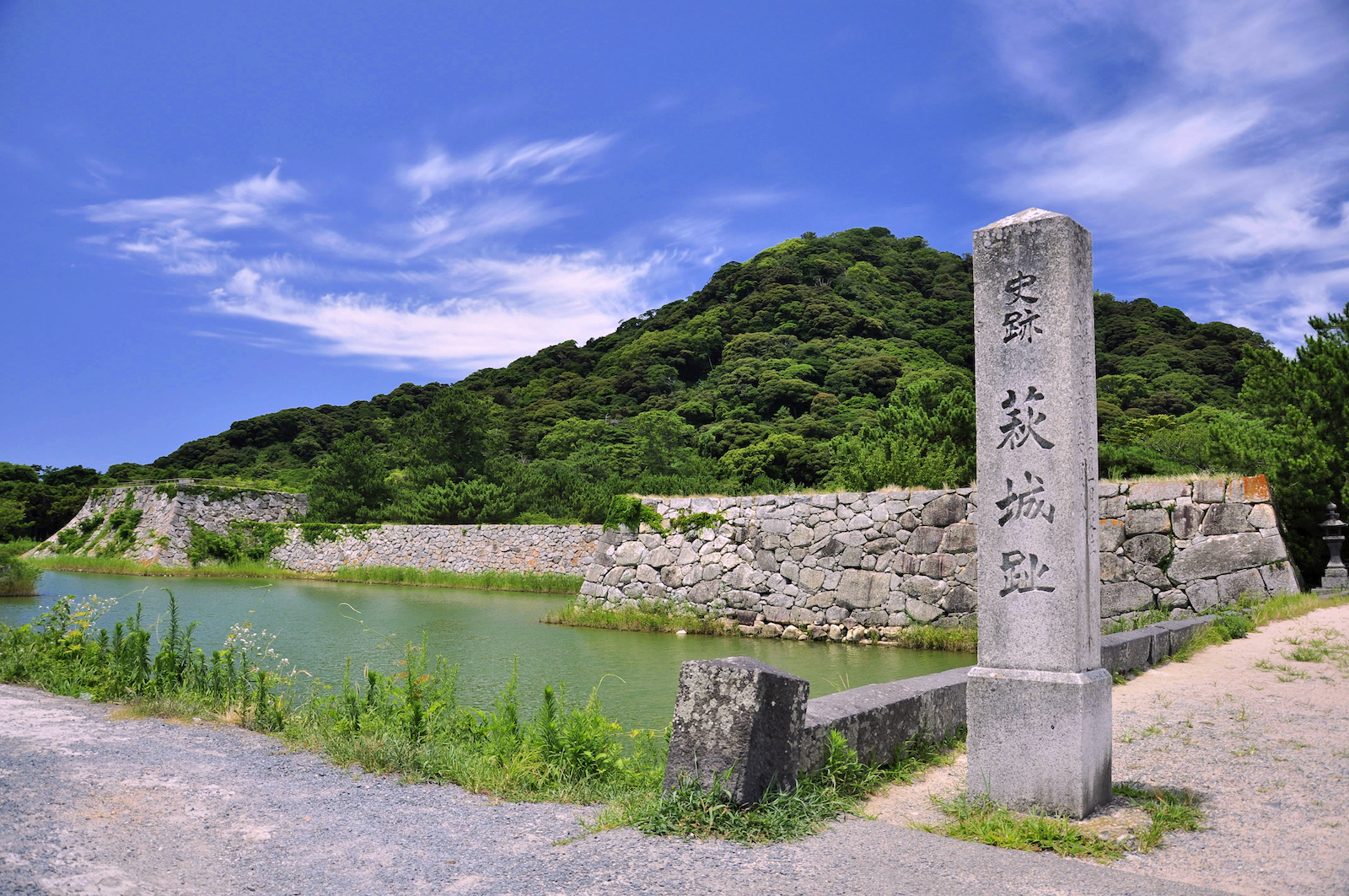
Hagi Castle was the seat of the Mori clan, one of the most powerful daimyo families during Japan’s Edo period — and Hagi was the birthplace of Japan’s Meiji Restoration, where reformers like Yoshida Shoin and his disciples plotted the overthrow of the Tokugawa shogunate. The castle’s main keep was destroyed in 1874 during the Meiji modernization, but the foundation stone walls, moat, and surrounding samurai districts have been beautifully preserved. Walking through Hagi’s old town, with its preserved samurai mansions, narrow stone-paved streets, and Yoshida Shoin Memorial Halls, feels like stepping into the late 19th century. The annual cherry blossoms in early April are particularly stunning. Admission ¥220. From JR Higashi-Hagi Station, the ruins are about 30 minutes on foot, or a short ride on the Maaru loop bus.
「萩城跡(はぎじょうあと)」は江戸時代の最有力大名家・毛利家の居城で、明治維新の発祥地——萩は吉田松陰とその弟子たちが徳川幕府打倒を画策した革命の地として知られます。1874年の明治の近代化に伴い天守は破却されましたが、石垣の基礎、堀、周囲の武家屋敷は見事に保存されています。萩の古い城下町を歩けば、保存された武家屋敷、狭い石畳の路地、吉田松陰記念館などが、まるで19世紀末にタイムスリップしたかのような感覚を体験できます。4月上旬の桜は格別の絶景。入園料220円。JR東萩駅から城跡まで徒歩約30分(萩循環まぁーるバスが便利)。
Motonosumi Shrine
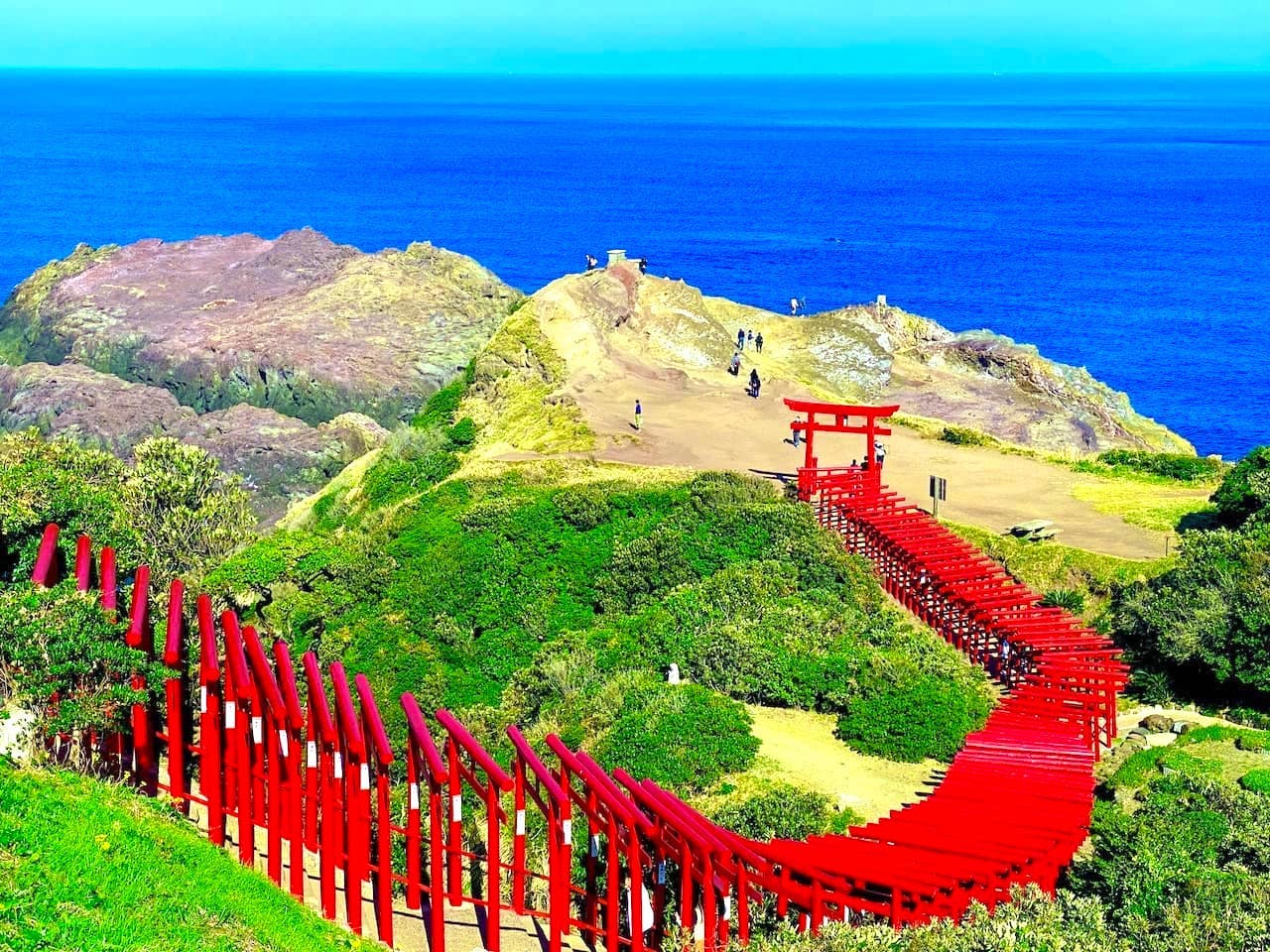
Motonosumi Shrine is one of Japan’s most photogenic Shinto destinations — a small coastal shrine where 123 vermillion torii gates form a winding tunnel along a clifftop, leading to a dramatic ocean view at the southern tip. The shrine, founded in 1955 (relatively young by Japanese standards), gained international fame when CNN listed it among Japan’s 31 most beautiful destinations in 2015 — and Instagram photography of the iconic torii corridor has since drawn enormous crowds. Beyond the torii path, the shrine features a unique coin-throwing ritual: visitors must throw coins into a donation box set atop the roughly 6-meter torii gate (about 5 m up) — succeeding is said to bring exceptional luck. The shrine’s southern coastal location offers stunning sunset views over the Sea of Japan. Free admission. From JR Nagato-Furuichi Station, it is about a 15-minute taxi ride (no regular bus).
「元乃隅神社(もとのすみじんじゃ/2019年に元乃隅稲成神社から改称)」は日本でも最もフォトジェニックな神社の一つ——海岸の小さな神社で、123基の朱色の鳥居が断崖沿いに蛇行するトンネルを形成し、南端にはドラマチックな海の絶景が広がる神聖な空間です。1955年創建(日本の神社としては比較的新しい)の当社は、CNNが2015年に「日本で最も美しい31の名所」に選定したことで国際的に有名になり、インスタグラムでの鳥居トンネル写真が大ブームを巻き起こしました。鳥居の参道以外にも、独自の「賽銭投げ」儀礼——大鳥居(高さ約6m)の上、地上約5mに設置された賽銭箱に硬貨を投げ入れて入れば特別な運をもたらすとされる——も人気の体験。南の海岸沿いから日本海に沈む夕日の絶景も格別。拝観無料。JR長門古市駅からタクシーで約15分(定期路線バスなし)。
Insider Tips
現地通の旅の裏ワザ
Shimonoseki is Japan’s #1 fugu port. ¥3,000 lunch sets are tourist-tier; ¥10,000+ kaiseki is real-deal. Karato Market (Fri-Sun) auction breakfast is the local move.
下関はフグ水揚げ日本一。¥3,000ランチは観光向け、¥10,000+懐石が本物。唐戸市場(金〜日)の朝セリが地元民の楽しみ。
Five-arch wooden Kintai-kyo is most-photographed from the front, but Kikko Park’s hill (free entry) shows Iwakuni Castle behind for a better composition.
錦帯橋は正面撮影が定番だが、吉香公園の高台(無料)からなら岩国城も入る構図で更に絵になる。
Frequently Asked Questions
Is fugu (pufferfish) safe to eat?
Yes — in Japan, fugu must be prepared by licensed chefs (ふぐ調理師). The liver (the toxic part) is never served. Yamaguchi’s Shimonoseki handles 80% of Japan’s fugu and has maintained an impeccable safety record.
日本では免許を持つ調理師のみがふぐを調理できます。毒のある肝は提供禁止。下関は国内流通量の80%を扱い安全性は万全。
How do I get to Tsunoshima from Shimonoseki?
By car is easiest — about 1 to 1.25 hours via Route 191. Buses run from Shimonoseki Station to Toyoura, then limited buses to the island. The drive across Tsunoshima Bridge itself is spectacular.
車が最も便利(国道191号で約1時間〜1時間15分)。バスは下関駅→豊浦→角島と乗り継ぎ。島への橋のドライブが最大の見どころ。
What is Motonosumi Shrine?
123 vermilion torii gates line a cliff path leading to the sea, where a donation box sits atop the roughly 6-metre torii gate — toss a coin and try to land it inside. CNN named it one of Japan’s most beautiful sights.
海に向かって123基の鳥居が並ぶ絶景神社。高さ約6mの大鳥居の上の賽銭箱に硬貨を投げ入れる挑戦が名物。CNNが日本の美景に選出。
Travel Tip
Visit Tsunoshima in the morning when the sea is calmest and the turquoise colour is most vivid — by afternoon, tourist traffic on the bridge can be heavy. Combine with Motonosumi Shrine (30 min drive) for the perfect coastal Yamaguchi day.