Yamagata
Top Yamagata souvenirs and must-visit travel spots — your complete guide for visitors to Japan. A temple balanced on a clifftop where Basho wrote his most famous haiku, a Meiji-era silver-mine spa village that looks lifted from a Miyazaki film — Yamagata is poetry and cinema made real.
山寺の断崖・銀山温泉の大正ロマン・蔵王のお釜・さくらんぼ。山形は東北の美意識が凝縮した詩的な県です。
Yamagata is fruit and beef — Japan’s top cherry grower, home to premium Yonezawa beef and La France pears, with Mount Zao’s snow monsters for scenery. The classic sweet is Sato-ya’s Noshiume, a tart plum jelly pressed flat, and Shinkineya’s Gyuniku Domannaka beef bento is a famous station buy. Most keep well; Yamagata Station is an easy pickup.
山形は果物と牛肉——さくらんぼ生産量日本一、米沢牛やラ・フランスの名産地で、蔵王の樹氷も絶景です。定番の甘いみやげは佐藤屋の「乃し梅」(梅を薄く固めた菓子)、新杵屋の駅弁「牛肉どまん中」も有名。どれも日持ちがよく、山形駅で買いやすいです。
Recommended Omiyage
おすすめおみやげ 5選
Yamagata Cherry
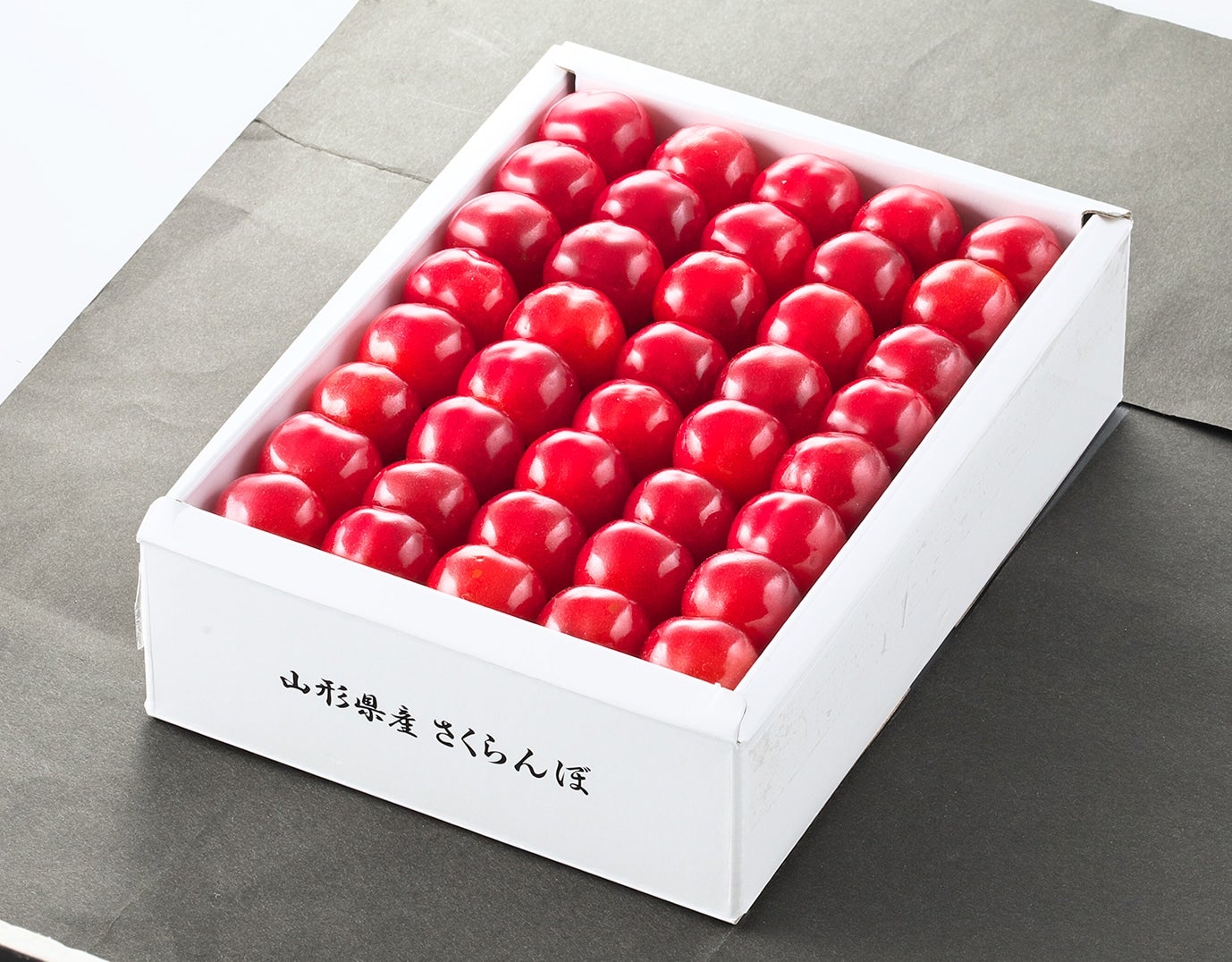
Yamagata produces 70% of Japan’s premium cherries, and tasting a Sato Nishiki cherry — the prefecture’s flagship variety — at peak season is unforgettable: each fruit is the size of a marble, glossy ruby-red, perfectly balanced between sweetness and tartness, with crisp flesh that explodes with juice. Other prized varieties include the early-season Beni Sayaka, the large late-harvest Benishuho and Beni Temari, and the new flagship Yamagata Beniou — a coin-sized giant whose finest boxes fetch headline prices at auction. Cherry season runs mid-June to mid-July; cherry orchards around Higashine offer all-you-can-eat picking experiences (¥1,800–2,500 for 30–60 minutes). Hand-packed gift boxes of fresh cherries are sold at JR Yamagata Station and shipping services available nationwide.
山形県は日本のさくらんぼ生産量の約7割を占める「さくらんぼ王国」。代表品種「佐藤錦」は、ピー玉ほどの大きさにルビーのような赤い艶、甘さと酸味の絶妙なバランス、噛んだ瞬間にジュースが弾ける極上の食感で、一度味わうと忘れられない逸品です。他にも早生の「紅さやか」、大玉晩生の「紅秀峰」「紅てまり」、2023年デビューの超大玉新品種「やまがた紅王」など多彩なラインナップ。さくらんぼ狩りシーズンは6月中旬〜7月中旬で、東根市周辺の観光農園では30〜60分食べ放題(1,800〜2,500円目安)が楽しめます。JR山形駅で美しい化粧箱入りの生さくらんぼを購入でき、全国発送サービスも充実しています。
Yamagata Gyu
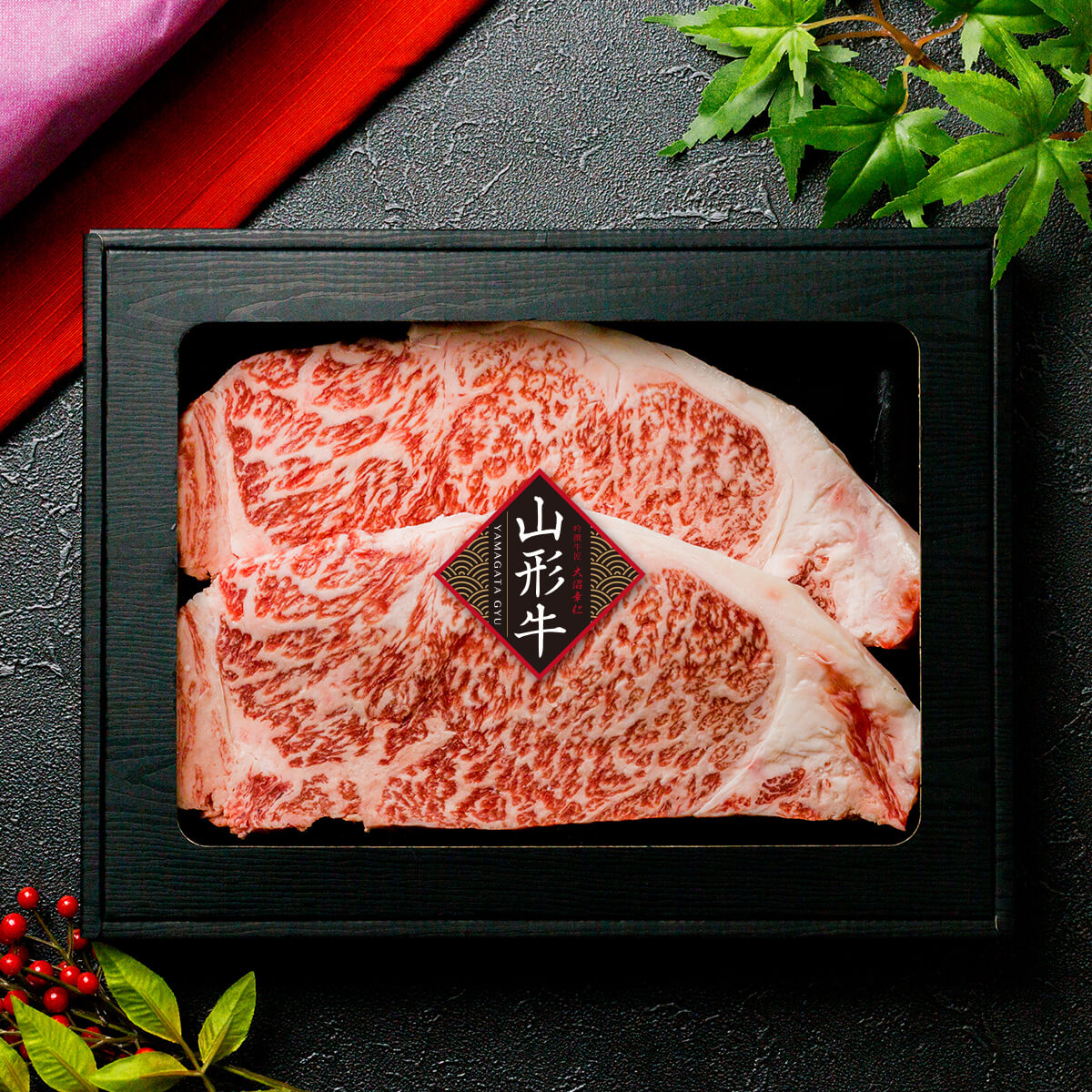
Yamagata-gyu is the prefecture’s prized wagyu, raised across the prefecture — above all in the Okitama and Murayama regions — where the cool climate, mineral-rich rice fields, and pure mountain water produce extraordinarily marbled, melt-in-the-mouth beef. Yonezawa-gyu — a separate, even more exclusive brand from southern Yamagata — is often counted among Japan’s three great wagyu alongside Kobe and Matsusaka (some lists name Omi instead), and even the regular Yamagata-gyu reaches A4-A5 ratings with deep umami and clean fat that doesn’t feel heavy. Restaurants in Yamagata City and Yonezawa serve it as steak, sukiyaki, and the famous Gyuniku Domannaka bento at JR Yonezawa Station (¥1,620) — one of the best-selling ekiben in Japan, made with simmered beef over Yamagata rice. Vacuum-sealed slices and curry packs make excellent souvenirs.
山形牛は、置賜や村山を中心に県内全域の冷涼な気候と豊かな水・米の恵みで育てられる山形を代表する和牛ブランド。霜降りの美しさと、口の中でとろける上質な脂、深い旨味が魅力で、A4〜A5ランクの最上位品も多く流通します。県南部の「米沢牛」は別格の独立ブランドで、神戸牛・松阪牛と並ぶ「日本三大和牛」に数えられることも多い超高級ブランド(近江牛を挙げる説もあり)。山形市・米沢市の専門店では、ステーキ、すき焼きなどで広く提供されています。JR米沢駅では「日本一売れる駅弁」とも称される新杵屋「牛肉どまん中」(1,620円)も必食です。真空パックスライス、レトルトカレー、ハンバーグなど、お土産用パッケージも豊富で日本中に発送可能。
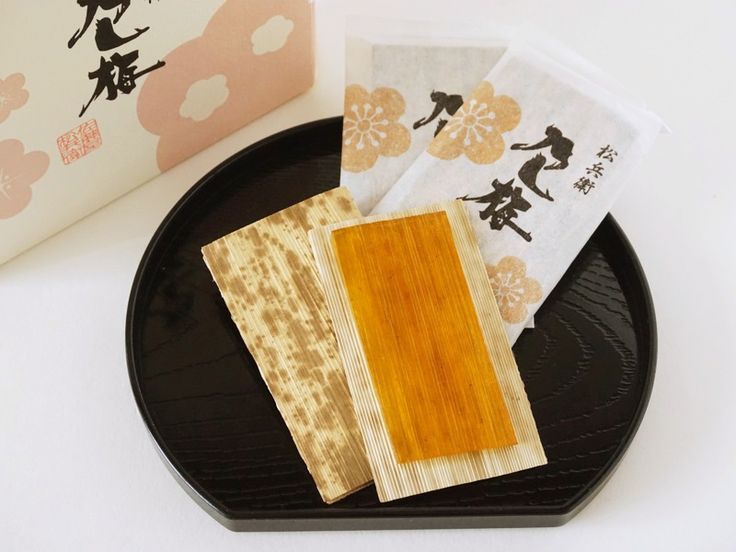
Noshi Ume
A Yamagata icon since the Edo period, noshi ume is a thin amber sheet of sweet-tart plum jelly — ripe plums, sugar and agar, nothing else — pressed between sheaths of bamboo bark. Made by Satoya, a Yamagata City confectioner founded in 1821, it began as a restorative medicine before evolving into the prefecture’s signature sweet, and the recipe has barely changed in two centuries. Peel back the bamboo and the translucent sheet snaps cleanly, releasing a bright plum fragrance that pairs beautifully with green tea. Light, flat and keeping for 90 days, it may be the easiest premium souvenir in Yamagata to carry home. Buy it at Satoya’s shop in the S-PAL mall attached to JR Yamagata Station; from ¥540 for a pack of five.
山形を代表する銘菓「乃し梅」は、完熟梅と砂糖、寒天だけで作る琥珀色の薄い梅菓子を竹皮に挟んだ逸品。文政4年(1821年)創業の山形市の老舗「乃し梅本舗 佐藤屋」が手がけ、江戸時代の気付け薬がルーツという物語も粋です。竹皮をめくると、半透明の梅のシートがパリッと割れ、爽やかな梅の香りが口いっぱいに広がります。緑茶との相性は抜群。薄くて軽く、日持ちも90日と、持ち帰りやすさは山形土産で随一。JR山形駅直結のエスパル山形にある直営店で購入でき、5枚入り540円から。
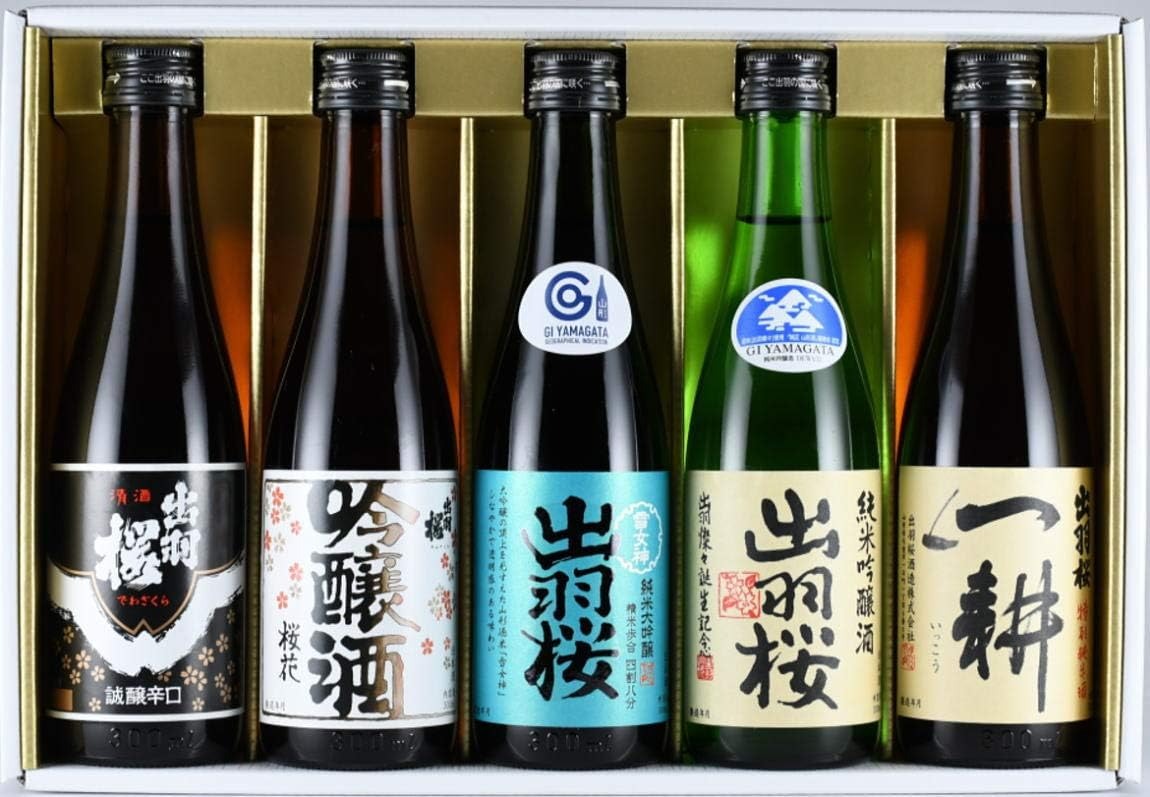
Yamagata Sake
Yamagata is Japan’s hidden sake powerhouse — clean snowmelt water, locally-grown Dewasansan rice (developed specifically for sake brewing), and dozens of traditional kura breweries make this prefecture a paradise for sake lovers. The flagship is Juyondai, considered one of the hardest-to-find premium sake brands in Japan; other legendary breweries include Tatenokawa, Dewazakura, and Hakurosuishu. Yamagata sakes typically have a clean, slightly fruity aroma, gentle umami, and a clean dry finish that pairs beautifully with sashimi or tempura. The Chetto tasting corner in the Kajo Central building, steps from the west exit of JR Yamagata Station, pours local sakes from coin-operated servers (3 tokens ¥500) — heaven for serious enthusiasts.
山形は隠れた酒どころ。雪解けの清冽な水、酒造好適米「出羽燦々」、数十の伝統蔵元が、酒好き垂涎の銘酒を生み出します。代表格「十四代」は日本屈指の入手困難プレミアムブランドとして君臨し、他にも「楯野川」「出羽桜」「白露垂珠」など全国的に評価の高い銘柄が揃います。山形の地酒は、爽やかな吟醸香、繊細な旨味、すっきりとした切れ味が特徴で、刺身や天ぷらとの相性抜群です。山形駅西口直結・霞城セントラル1階の「やまがた酒巡り Chetto」では、コイン式サーバーで地酒の飲み比べ(コイン3枚500円)が楽しめる、酒好きにとってはまさに楽園のような場所です。
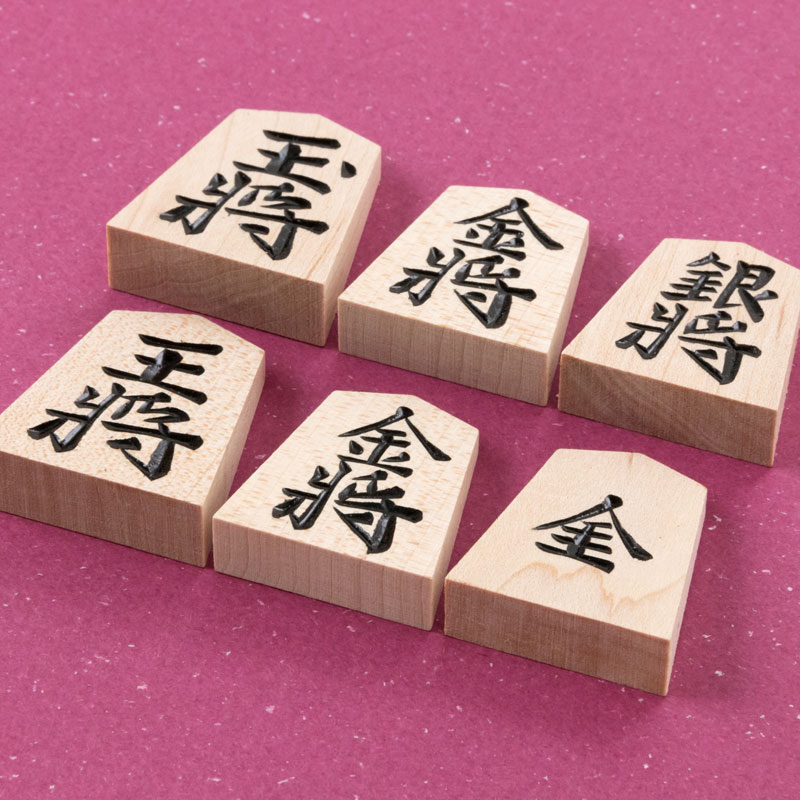
Tendo Shogi Piece
Tendo, a small Yamagata city, produces more than 90% of Japan’s traditional shogi (Japanese chess) pieces — a craft that began in the 19th century when local samurai needed a side income. Each piece is carved from premium hardwoods like boxwood, then inscribed in lacquer with a fine brush; on top-tier moriage pieces the lacquer is built up layer by layer until the characters rise from the surface — the style used in professional title matches. A complete tournament set can take a master craftsman months to finish. Tendo also hosts the annual Human Shogi Festival each April, where 40 costumed warriors play out a giant shogi game on a real cherry-blossom-blanketed hilltop. Beyond playable sets, Tendo crafts beautifully decorated single pieces as good-luck talismans, ideal for travel-friendly souvenirs.
山形県天童市は、日本の伝統将棋駒の9割以上を生産する将棋駒の里。19世紀に地元武士の内職として始まり、現代に至るまで職人技が受け継がれています。一つひとつの駒は黄楊(つげ)などの銘木から削り出し、極細の筆と漆で文字を書き入れます。最高級の「盛上駒」は漆を幾重にも盛り上げて文字を浮き立たせたもので(プロのタイトル戦でも使用)、対局用の40枚一式を仕上げるのに名工でも数ヶ月かかります。毎年4月には「天童桜まつり 人間将棋」が開催され、武者姿の40人の演者が実際の桜咲く舞鶴山上の巨大盤上で対局を繰り広げる名物イベントに。実用的な対局セットだけでなく、縁起物としての装飾用一駒もあり、コンパクトなお土産として人気です。
Must-Visit Spots
おすすめスポット 5選
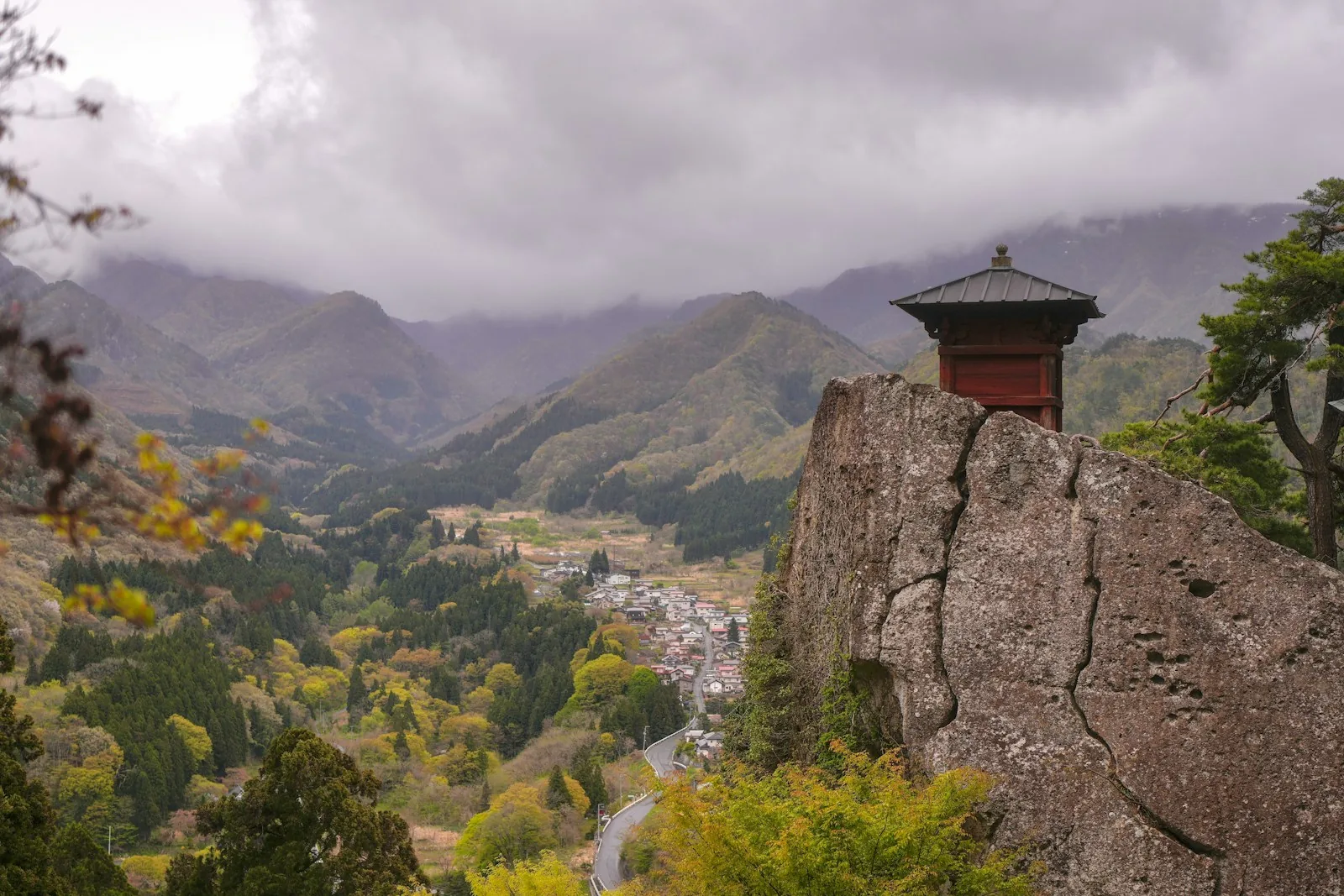
Yamadera (Risshaku-ji)
Yamadera (“Mountain Temple”), formally Risshaku-ji, is one of the most spiritually evocative climbs in Japan — a 1,000-step stone staircase winds up a forested cliff to a series of ancient temple buildings perched between sky and earth. Founded in 860 and made famous by haiku master Matsuo Basho, who composed his iconic “How quiet — the cicada’s voice penetrates the rocks” here, the climb takes about 60 minutes one-way. Stops along the route include the Konponchudo main hall, the moss-covered grave of the temple’s founder, and the cliff-edge Godaido pavilion offering breathtaking valley views. Best in October-November for autumn foliage or April for cherry blossoms. From JR Yamadera Station, the trailhead is a 5-minute walk.
正式には立石寺、通称「山寺」。山形屈指の霊場として知られ、断崖を縫うように1,015段の石段が続く絶景登山型寺院です。860年に創建され、俳聖・松尾芭蕉が「閑さや 岩にしみ入る 蝉の声」の名句を詠んだ場所としても有名。片道約60分の登りで、根本中堂、開山の慈覚大師を祀る奥之院、そして山頂付近の崖に張り付くように建つ五大堂からは盆地を一望する絶景が広がります。10〜11月の紅葉、4月の桜の季節はとりわけ美しい風景に。JR山寺駅から登山口まで徒歩約5分。階段は急ですが、登り切った時の達成感と眺めは格別です。
Ginzan Onsen
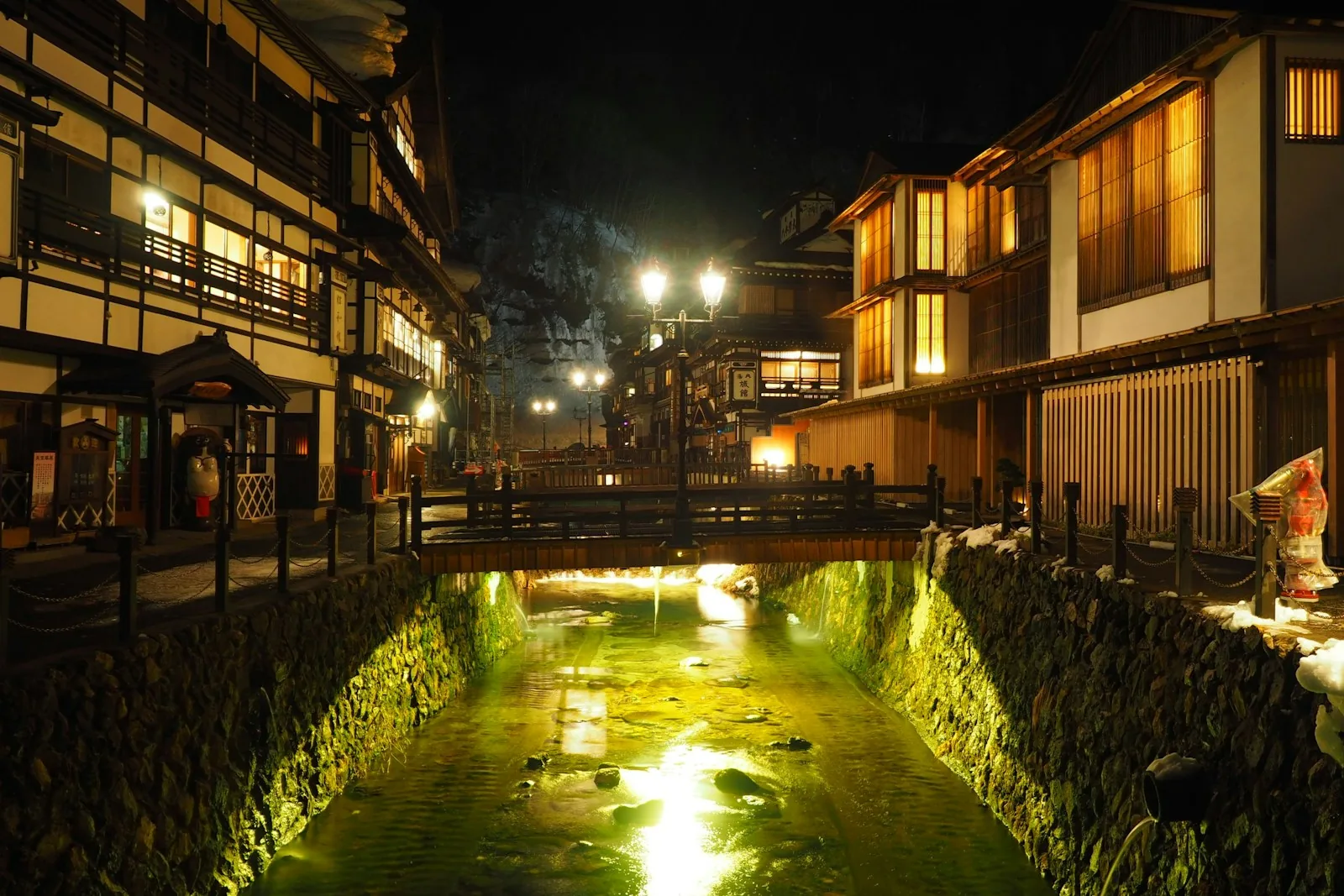
Tucked into a snowy mountain valley, Ginzan Onsen is one of Japan’s most cinematically beautiful hot-spring towns — a single street lined with 3- and 4-story Taisho-era wooden ryokan facing each other across a small river, all illuminated by gas lamps after dark. Steam rises from the river, snowflakes drift past wooden lattices, and the entire scene feels lifted from a Ghibli film — visitors often compare it to Spirited Away, though the studio has never named it as a model. The signature ryokan Notoya Ryokan is a registered Tangible Cultural Property; Fujiya redesigned by Kengo Kuma blends modern minimalism with the historic facade. Day visitors can soak in public baths or simply walk and photograph. Reach via JR Oishida Station + 40-minute bus, often disrupted by deep snow.
山深い渓谷に佇む銀山温泉は、日本でも最も映画的な美しさを誇る温泉街。小さな川を挟んで両岸に大正・昭和初期の3〜4階建て木造旅館が向かい合い、日が暮れるとガス灯の柔らかな灯りが幻想的な空間を演出します。川面から立ち上る湯気、雪が舞い降りる格子戸越しの光景は、『千と千尋の神隠し』の世界のようだとよく例えられる別世界(公式なモデルではありません)。能登屋旅館は登録有形文化財に指定され、隈研吾が改装した「藤屋」は伝統と現代モダンが融合した名宿。日帰り入浴も可能で、川沿いを歩くだけでも絵になる町並みが楽しめます。JR大石田駅からバスで約40分(冬は雪で運行注意)。
Zao Juhyo
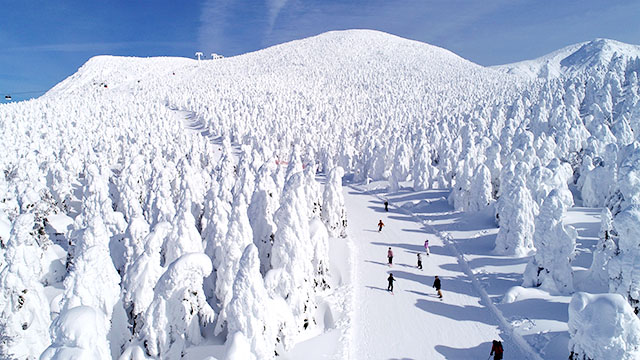
On the snowy slopes of Mount Zao, freezing winds and supercooled water droplets transform conifer trees into giant otherworldly ice sculptures called juhyo (“snow monsters”). Reaching peak form from late January to early March (best in February), these towering, alien shapes have inspired wonder for centuries — visitors today reach them by ropeway from Zao Onsen, then ski or hike between the gleaming forms. The most stunning experience is the evening illumination, when colored lights bathe the snow monsters from below to create a surreal alien-planet landscape. Combine with skiing, hot-spring bathing at Zao Onsen, and (in summer) hiking to nearby Okama Crater. From JR Yamagata Station, buses to Zao Onsen take 40 minutes.
蔵王連峰の雪深いスロープで、極寒の風と過冷却水滴が針葉樹を覆い尽くし、巨大な白い怪獣のような姿に変える「樹氷」。1月下旬から3月上旬(最盛期は2月)にピークを迎えるこの不思議な造形美は、何世紀にもわたって人々を魅了してきました。蔵王温泉からロープウェイで一気に山頂へ、輝く樹氷の間をスキーやハイキングで巡る体験が可能。最も感動的なのが夕方からの「樹氷ライトアップ」で、色とりどりの光が下から樹氷を照らし、まさに異次元の惑星のような幻想的世界が広がります。スキー、蔵王温泉での湯浴み、夏は御釜火口湖トレッキングと組み合わせるのが王道。JR山形駅からバスで約40分。
Zao Okama
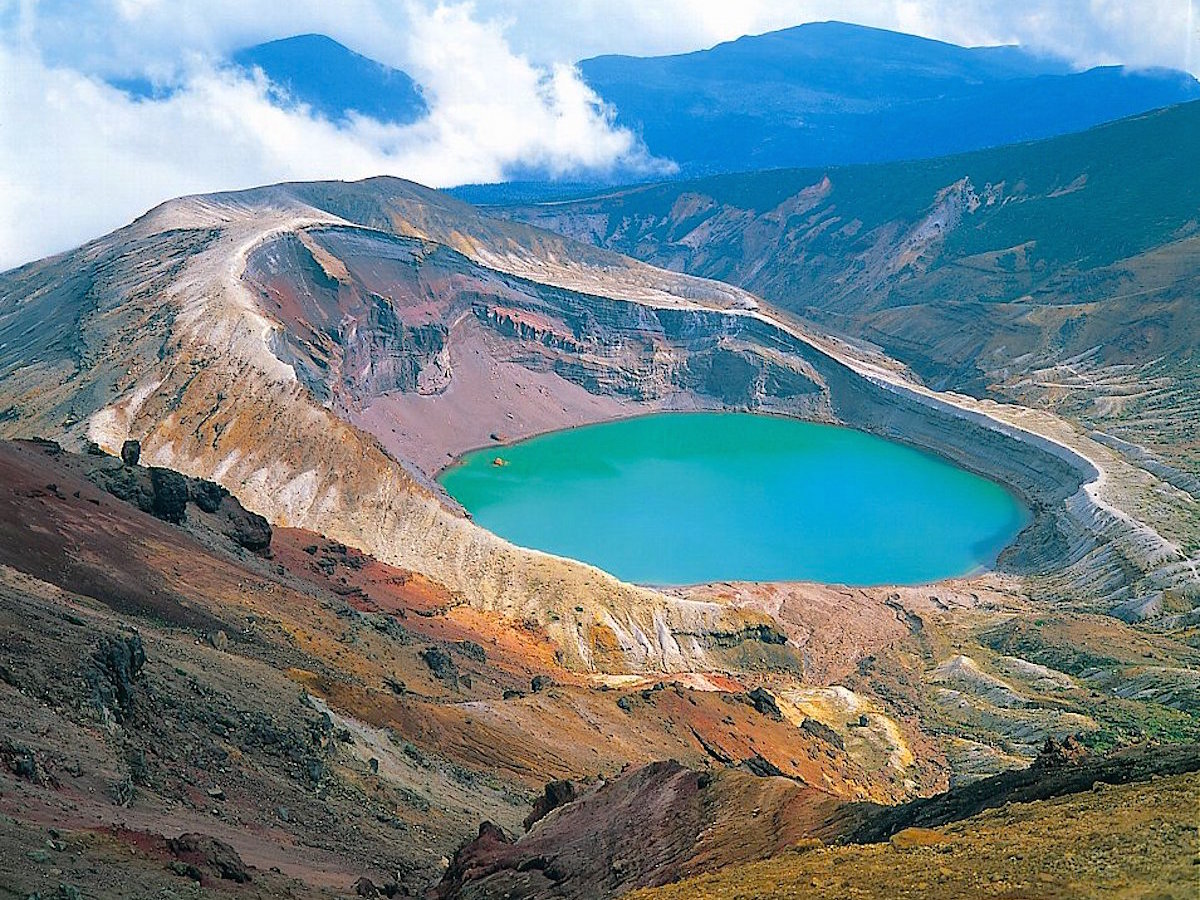
Hidden at the summit of Mount Zao, Okama (“the cooking pot”) is a perfectly circular emerald-green crater lake formed inside a still-active volcano. The lake, about 325 meters across, shifts color from green to turquoise to deep blue depending on the weather — a color so vivid it almost looks artificial. Accessible from late April to early November (when snow allows), the lake is reached via the free Zao Echo Line and a short toll spur, the Zao Highline (¥600), with the final 200 meters on foot. The summit also offers spectacular high-altitude views over the Zao range and the Miyagi plains stretching toward the horizon. Combine with the Zao Ropeway and the historic 1,900-year-old Zao Onsen below for a full Mount Zao experience.
蔵王連峰の山頂に潜む「御釜(おかま)」は、現在も活動を続ける火山内に形成された直径約325メートルのほぼ円形のエメラルドグリーンの火口湖。天候や時間帯によって、グリーン、ターコイズ、深いブルーへと色を変える神秘的な水面は、まるで人工的に作られたかのような鮮烈さに息を呑みます。雪が解ける4月下旬〜11月上旬がアクセスシーズンで、無料の「蔵王エコーライン」と有料の「蔵王ハイライン」(普通車600円)で山頂直下まで登り、徒歩約200メートルで湖を見下ろす展望地に到達。蔵王連峰と宮城側の平野を一望する大パノラマも楽しめます。蔵王ロープウェイ、1,900年の歴史を持つ蔵王温泉とセットで楽しむのが鉄板コース。
Hanagasa Festival
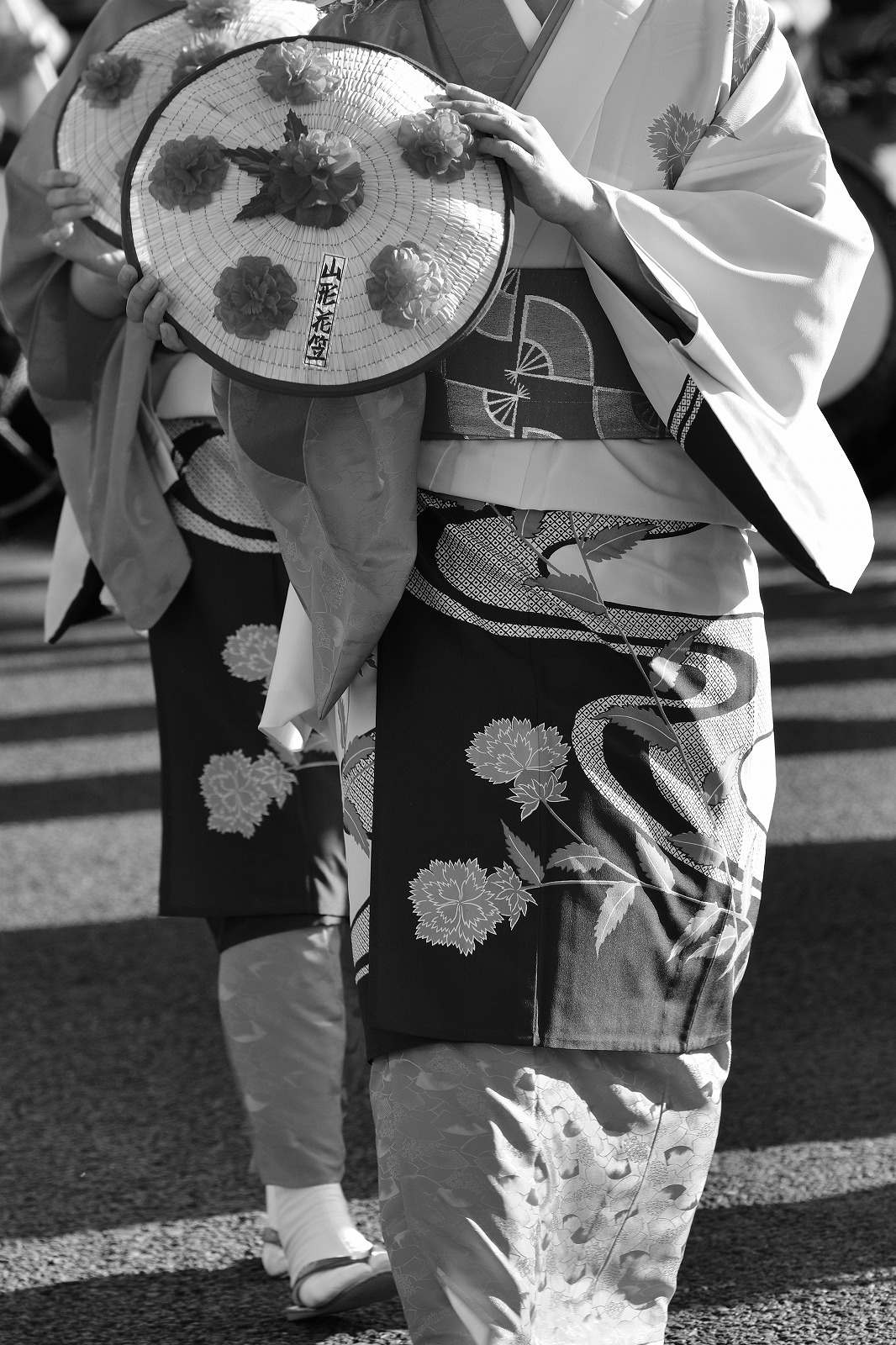
Held August 5-7 in central Yamagata City, the Hanagasa Matsuri is one of Tohoku’s four greatest summer festivals — over 10,000 dancers in vibrant kimono parade through the streets twirling beautiful straw “hanagasa” hats decorated with red safflower blossoms (Yamagata’s prefectural flower) while chanting “Yassho! Makasho!” The dance traces back to a 1919 dam-building work song at Lake Tokura in Obanazawa, where laborers twirled their sedge hats as they sang. Spectators can join in during participatory hours, and simple flower hats are handed out free to joining dancers. The festival’s evening illumination, with thousands of red and yellow safflower-decorated hats spinning under streetlights, is unforgettable. From JR Yamagata Station, the parade route is a 10-minute walk.
山形市中心部で8月5〜7日に開催される「山形花笠まつり」は東北四大祭りの一つ。1万人を超える踊り手が華やかな浴衣姿で、紅花(山形県花)で飾られた美しい「花笠」を回しながら「ヤッショ、マカショ」の掛け声と共に大通りを練り歩きます。踊りのルーツは大正8年(1919年)、尾花沢・徳良湖の築堤工事で歌われた「土搗き唄」。日除け笠を回した動きが原型とされます。参加タイムには観光客も飛び入り可能で、参加者には簡易花笠の無料配布もあり、気軽に参加できます。夜は赤と黄の紅花飾りの笠が街灯に照らされ、無数の花が舞う幻想的な光景に。JR山形駅から踊りの巡行路まで徒歩約10分。
Insider Tips
現地通の旅の裏ワザ
Sato Nishiki cherries peak mid-June to early July. Yamadera Temple morning + cherry orchard afternoon = perfect day combo.
佐藤錦のピークは6月中旬〜7月上旬。山寺午前+さくらんぼ狩り午後の黄金ルート。
Yamagata has 51 sake breweries. In Tendo, visit the Dewazakura Art Museum (¥500), run by the brewing family; near Yamagata Station, the Chetto corner pours coin-operated tasting flights (3 tokens ¥500).
山形は51の酒蔵。天童では出羽桜酒造ゆかりの「出羽桜美術館」(入館¥500)へ。駅前なら霞城セントラル「Chetto」のコイン式試飲(3枚¥500)が手軽。
Frequently Asked Questions
When is the cherry harvest in Yamagata?
June to early July for Sato Nishiki cherries. Farm visits and picking experiences are bookable through Yamagata Tourism. U-pick orchards charge around ¥1,800–2,500 for 30–60 minutes.
佐藤錦のシーズンは6月〜7月上旬。さくらんぼ狩りは30〜60分食べ放題1,800〜2,500円が目安です。
How do I get to Ginzan Onsen?
From Yamagata Station, take the Tsubasa Shinkansen or local JR Ou Line to Oishida Station (30–50 min), then a bus (40 min, ¥1,000). Allow about 1.5 hours door to door. Buses are infrequent — check schedules in advance.
山形駅から新幹線つばさ又は奥羽本線で大石田駅まで約30〜50分、バスで約40分(1,000円)。乗継含め約1.5時間。バスの本数が少ないので事前に時刻確認を。
What are Zao ‘snow monsters’?
Juhyo (樹氷) are Japanese fir trees (Abies mariesii) coated in ice by a combination of super-cooled fog and high winds at Zao’s 1,700m plateau. Whole fir trees nearly 10m tall are encased in ice, best seen from late January to early March (peaking in February).
樹氷はマイナス気温の霧と強風でアオモリトドマツが丸ごと氷に覆われた自然現象(大きいものは10m近く)。1月下旬〜3月上旬(ピークは2月)が見頃で、ロープウェイで間近に見られます。
Travel Tip
Book a stay at Ginzan Onsen well in advance (3–6 months for peak periods). If you cannot get an inn room, visit for an evening walk when the gas lamps are lit (dusk to 9pm — lamps go on around 4:30pm in winter) — the village is freely walkable and extraordinarily beautiful.