Fukushima
Top Fukushima souvenirs and must-visit travel spots — your complete guide for visitors to Japan. Samurai pride runs deep in Fukushima’s Aizu region — where the castle fell but the spirit never did. Beyond the history, alpine meadows, premium peaches and world-class sake complete the picture.
会津の武士道・鶴ヶ城・尾瀬の湿原・桃と日本酒。福島は東北の歴史と自然と食が一体となった、奥深い旅の県です。
Fukushima is three regions in one — the coast, the central cities, and mountainous Aizu with its samurai history and Kitakata ramen. Its best-known sweet is Sanzan’s Mamadoru, a soft milk-butter cake, with Kashiwaya’s Usukawa-manju close behind, and the peaches here rival any in Japan. Aizu sake is excellent too. Koriyama and Aizu-Wakamatsu stations cover the range.
福島は3つの地域が一つ——海沿いの浜通り、中央の中通り、そして会津の武家文化と喜多方ラーメン。代表の甘いみやげは三万石の「ままどおる」(ミルクバター風味の柔らかい菓子)、柏屋の薄皮饅頭も人気で、桃も全国屈指。会津の酒も上質です。郡山駅や会津若松駅で揃います。
Recommended Omiyage
おすすめおみやげ 5選
Fukushima Momo
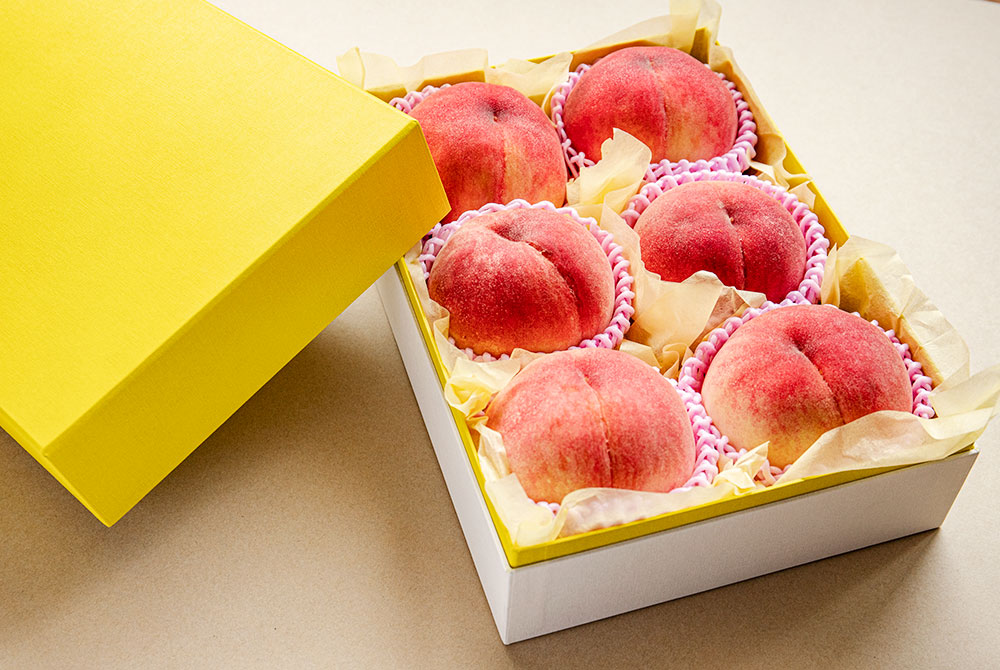
Fukushima is Japan’s second-largest peach producer — home to Koori, the town that has supplied peaches to the Imperial household for 32 straight years, and from late June through early September, biting into a perfectly ripe Fukushima momo is a transcendent experience — the white flesh is impossibly juicy, the sweetness honey-rich, and the fragrance fills the room. The flagship Akatsuki variety has won numerous awards for its balance of sugar and acidity, and other prized cultivars include the early-season Hatsuhime and the late-season Yuzora. Many travelers visit Fukushima specifically for orchard peach-picking experiences (about ¥900–1,500 for 30 minutes all-you-can-eat) in the Iizaka and Fruit Line orchard districts. Premium gift boxes of 5-12 hand-picked peaches are sold at JR Fukushima Station with refrigerated nationwide shipping.
福島県は全国2位の桃の産地で、桑折町は32年連続で皇室献上桃の指定産地。6月下旬〜9月上旬の間、完熟した福島の桃を一口頬張れば、白桃の果汁が滴り、蜂蜜のような甘さと芳醇な香りが室内に広がる至高の体験が待っています。代表品種「あかつき」は糖度と酸味の絶妙なバランスで数々の品評会を制し、「はつひめ」(早生)、「ゆうぞら」(晩生)など多彩なラインナップが揃います。多くの観光客が桃狩り体験(30分食べ放題、900〜1,500円目安)目当てに飯坂・フルーツライン沿いの観光果樹園を訪れるほどの人気です。JR福島駅では5〜12個入りの厳選ギフトボックスを購入でき、冷蔵での全国発送サービスも完備。お中元・夏の手土産として絶品。
Aizu Sake
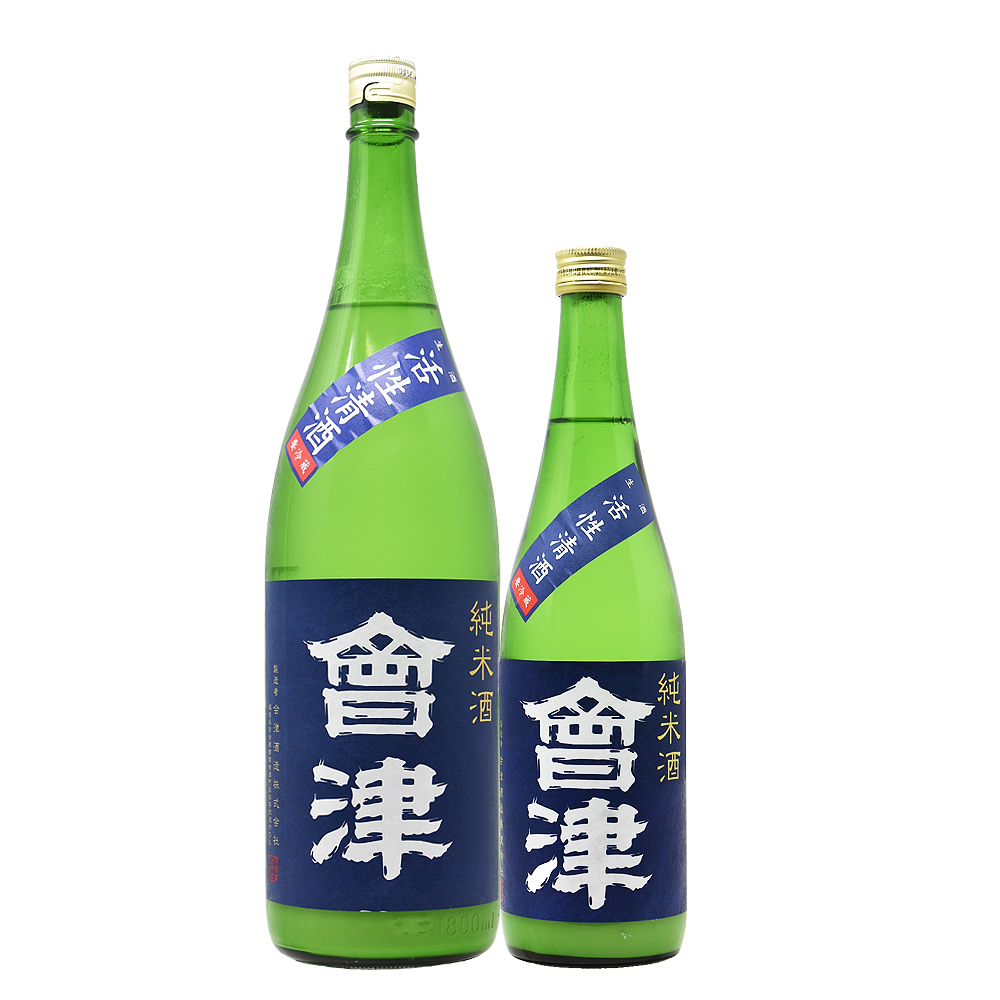
The Aizu region of western Fukushima is one of Japan’s oldest sake-producing areas, with brewing tradition dating back over 400 years. The local pure water from the Iide and Bandai mountains, traditional Yamahai brewing methods, and craftsmanship of Aizu’s master toji brewers produce sake with rich body, deep umami, and complex layers of flavor. Legendary names include Yamatogawa (founded 1790 in Kitakata), Suehiro (whose historic Kaei-gura brewery offers free tours), Miyaizumi (maker of the cult-favorite Sharaku), and Eisen. The two big visitor breweries — Suehiro and Yamatogawa — offer free guided tours and free tastings. Pair Aizu junmai sake with kitakata ramen, sansai (mountain veggies), or grilled river fish. Available at JR Aizu-Wakamatsu Station, the Suehiro main store, and the Fukushima antenna shop MIDETTE in Nihonbashi, Tokyo.
福島県会津地方は400年以上の歴史を持つ日本屈指の酒どころ。飯豊山系・磐梯山系の清冽な伏流水、伝統の山廃仕込み、会津杜氏の卓越した技が、コクと深い旨味、複雑な味わいの重層的な銘酒を生み出します。「大和川酒造店」(1790年創業・喜多方)、観光蔵元として有名な「末廣」、「寫樂」の宮泉銘醸、「榮川」など名門蔵元が集結。末廣の嘉永蔵や大和川酒造の北方風土館では無料の蔵見学・無料試飲が楽しめ、お酒好きにとって至福の旅先です。会津の純米酒は喜多方ラーメン、山菜料理、川魚の塩焼きとの相性抜群。JR会津若松駅、末廣本店、東京・日本橋の「日本橋ふくしま館 MIDETTE」で購入可能。
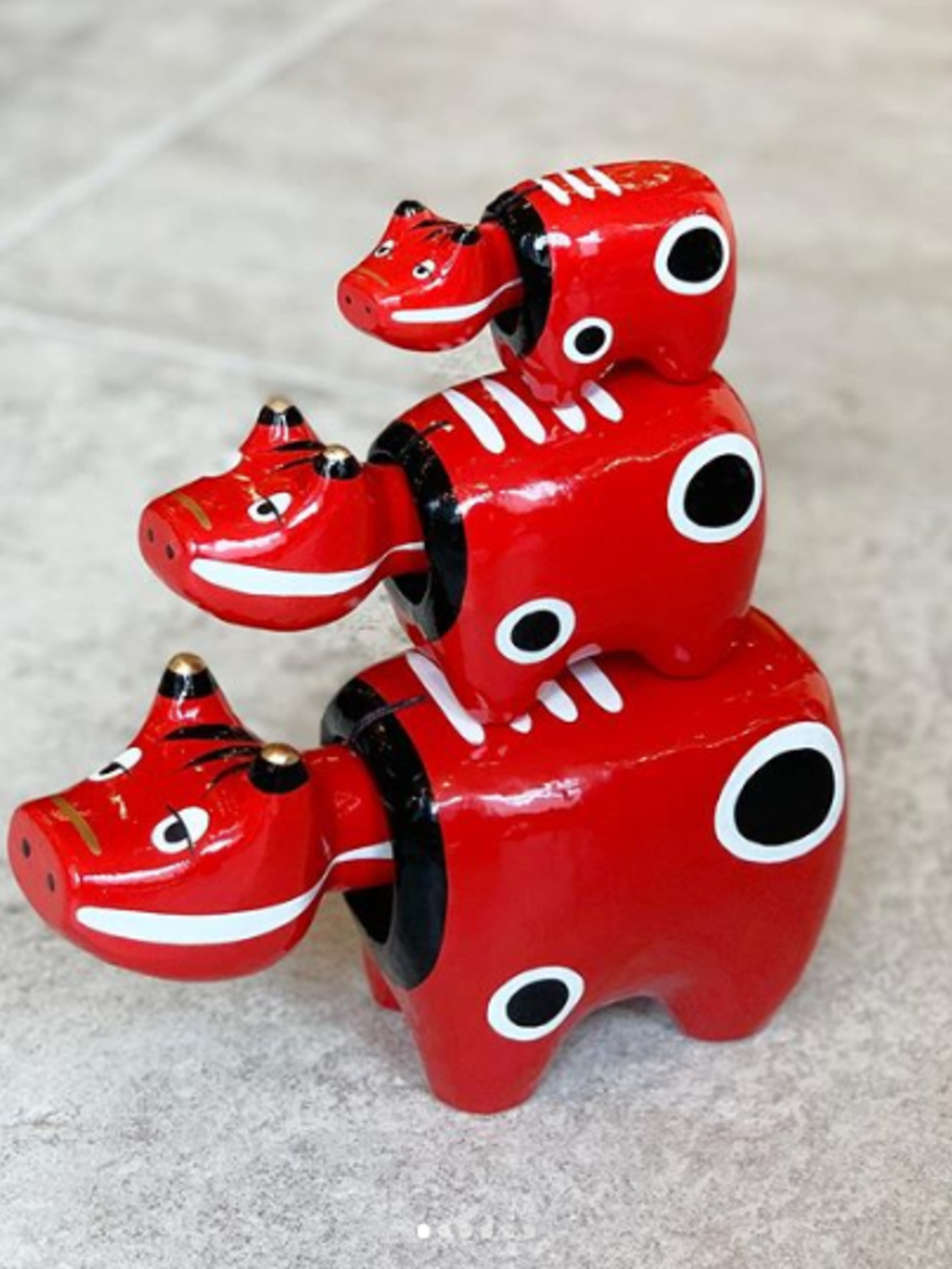
Akabeko
The cheerful red ox bobblehead known as Akabeko is one of Japan’s most iconic folk toys — its head wobbles continuously when nudged, and it has been crafted in Aizu’s Yanaizu region for over 400 years. Legend says the original Akabeko helped haul timber for Enzo-ji Temple, founded in 807 (some tellings place the tale at its 17th-century rebuilding); the cow’s spirit is said to ward off illness, especially smallpox, making it a beloved talisman for children. Each Akabeko is a papier-mache figure painted a protective red, dotted with black marks said to represent smallpox, and the wobbling head balances on a hidden thread-and-weight pendulum. They make perfect souvenirs in sizes from keychain miniatures (¥500) to grand ceremonial pieces (¥10,000+). Available throughout Aizu-Wakamatsu; in Yanaizu you can even paint your own at the Hot in Yanaizu rest house or the Hitarito papier-mache studio (about ¥2,000).
首がゆらゆらと揺れる赤い牛の郷土玩具「赤べこ」は、日本を代表する民芸品。会津・柳津地方で400年以上作り続けられてきた伝統の意匠です。807年開創の圓蔵寺に資材を運んだ赤い牛の伝承(17世紀の再建時とする説も)を起源とし、その魂が疫病、特に天然痘から子供を守るとされ、健康のお守りとして親しまれてきました。一つずつ職人が和紙の張り子に魔除けの赤を塗り、疱瘡を表す黒い斑点を手描きで仕上げる伝統の造り。首は糸と重りの振り子構造でゆらゆらと揺れます。キーホルダーサイズ(500円)から本格的な縁起物(10,000円超)まで多彩なサイズ展開。会津若松市内の各所で購入でき、柳津では「憩の館ほっとinやないづ」や「やないづ張り子工房Hitarito」で絵付け体験(約2,000円・60分)もできます。
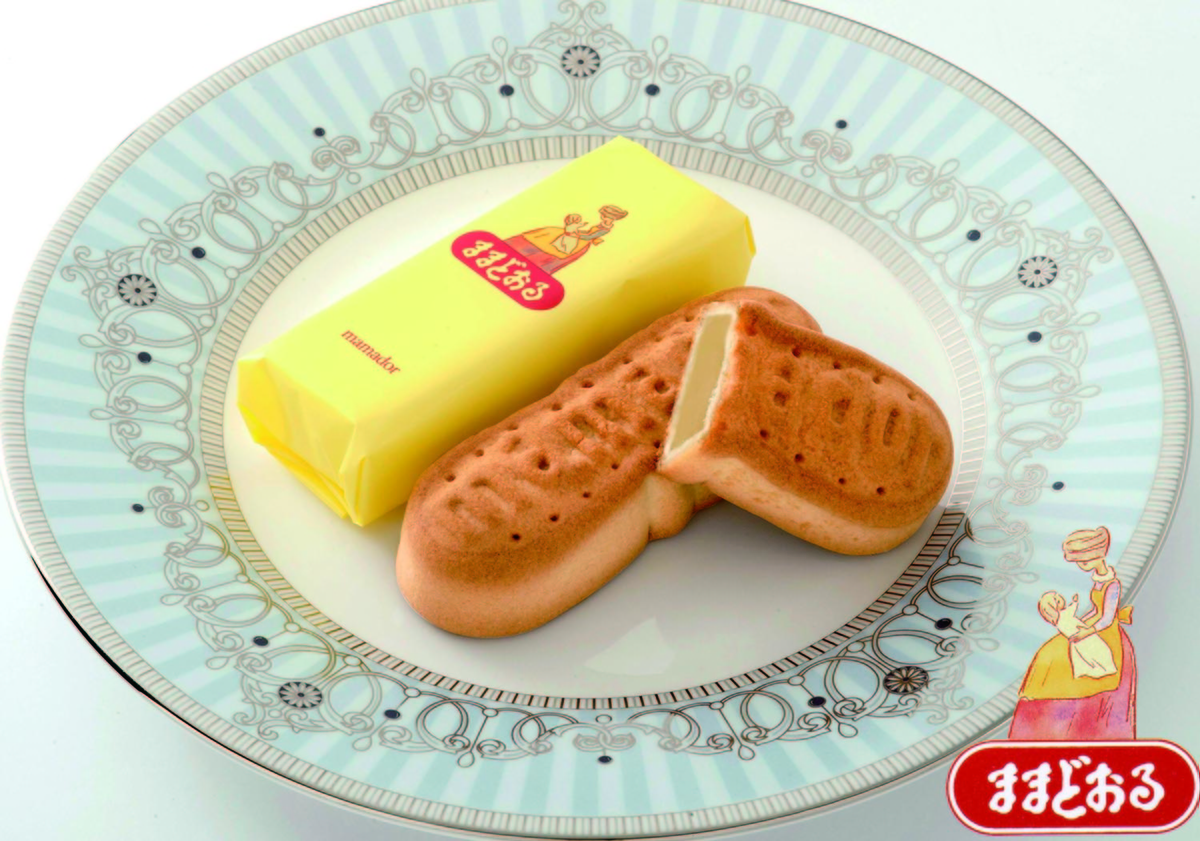
Mamador
Created by Sanmangoku in 1967, Mamador (from the Spanish for a nursing child) is Fukushima’s most beloved cookie — a soft, buttery shortbread oval filled with a generous cushion of milky white-bean paste, all wrapped in a pale yellow shell. The texture is rich and crumbly, the sweetness gentle, and each piece is individually wrapped for easy gifting. A fixture of Fukushima tea tables for more than half a century, Mamador is found in nearly every household in the prefecture. Packs run from a 5-piece bag (¥675) to boxes of 30 — note the shelf life is short, about 8 days from manufacture, so buy near the end of your trip. Available at JR Fukushima and Koriyama Stations, Fukushima Airport, and department stores across the prefecture.
1967年に郡山の三万石が生み出した「ままどおる」は、福島県民に愛され続ける銘菓。スペイン語で「お乳を飲む子」に由来する名前のとおり、しっとりとしたバターたっぷりのクッキー生地で、白あんミルクをふんわり包み込んだ楕円形の優しいお菓子です。サクサクと崩れる食感、控えめな甘さ、個包装の便利さが魅力。発売から半世紀を超えて、福島の家庭ではお茶うけの定番として親しまれています。5個入り袋(675円)から30個入り箱まで展開。賞味期限は製造翌日から約8日と短めなので、帰国直前の購入がおすすめです。JR福島駅・郡山駅、福島空港、県内主要百貨店で購入可能。
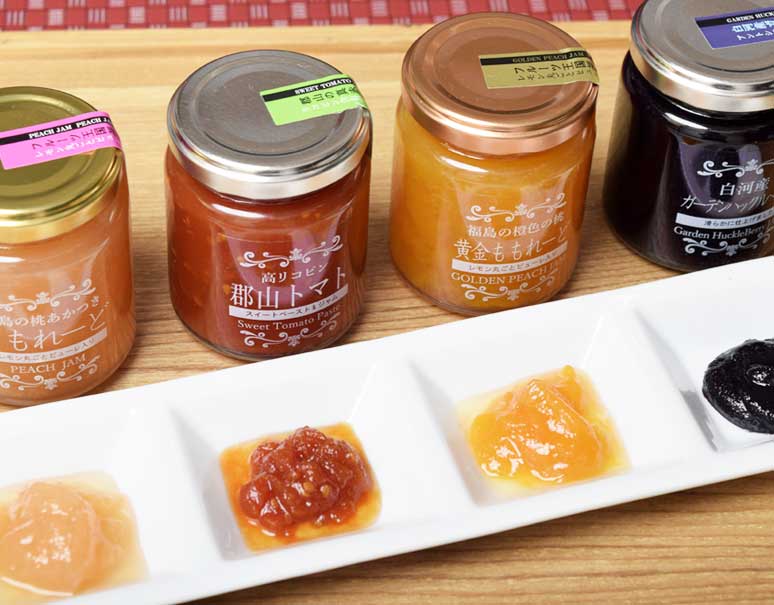
Momo Jam
Made from Fukushima’s premium peaches, momo jam captures the prefecture’s summer flavor in a year-round form — slow-simmered until the peaches break down into a luscious, golden preserve with floating chunks of intact fruit. Local makers like Shirakawa Goyou Club — whose award-winning Momolade line spans pure Akatsuki and golden-peach versions — use minimal sugar and no artificial additives to let the natural peach character shine. Spread on toast, swirl into yogurt, fold into ice cream, or serve over warm cheesecake. Premium jars often combine peach with red wine, vanilla, or ginger for sophisticated variations. Available at JR Fukushima Station, roadside stations across the prefecture, and online direct-from-orchard shops. Unopened jars keep about 180 days; refrigerate after opening and enjoy within a week or two.
福島の極上桃を贅沢に使った「桃ジャム」は、県の夏の味を一年中楽しめる逸品。桃をじっくり煮込み、果肉のごろっとした塊を残しつつ、黄金色のとろけるような甘さに仕上げます。白河の「しらかわ五葉倶楽部」(受賞歴のある「ももれーど」シリーズ)などの地元生産者は、砂糖控えめ、無添加にこだわり、桃本来の繊細な香りと味わいを最大限に引き立てる製法を貫いています。トーストに塗ったり、ヨーグルトに混ぜたり、アイスクリームに添えたり、温かいチーズケーキにかけたりと使い方は無限大。桃と赤ワイン、バニラ、生姜などを組み合わせた大人向けの上品な瓶詰めも展開。JR福島駅、県内道の駅、果樹園直送オンラインショップで購入可能。未開封で約180日、開封後は要冷蔵で1〜2週間を目安に。
Must-Visit Spots
おすすめスポット 5選
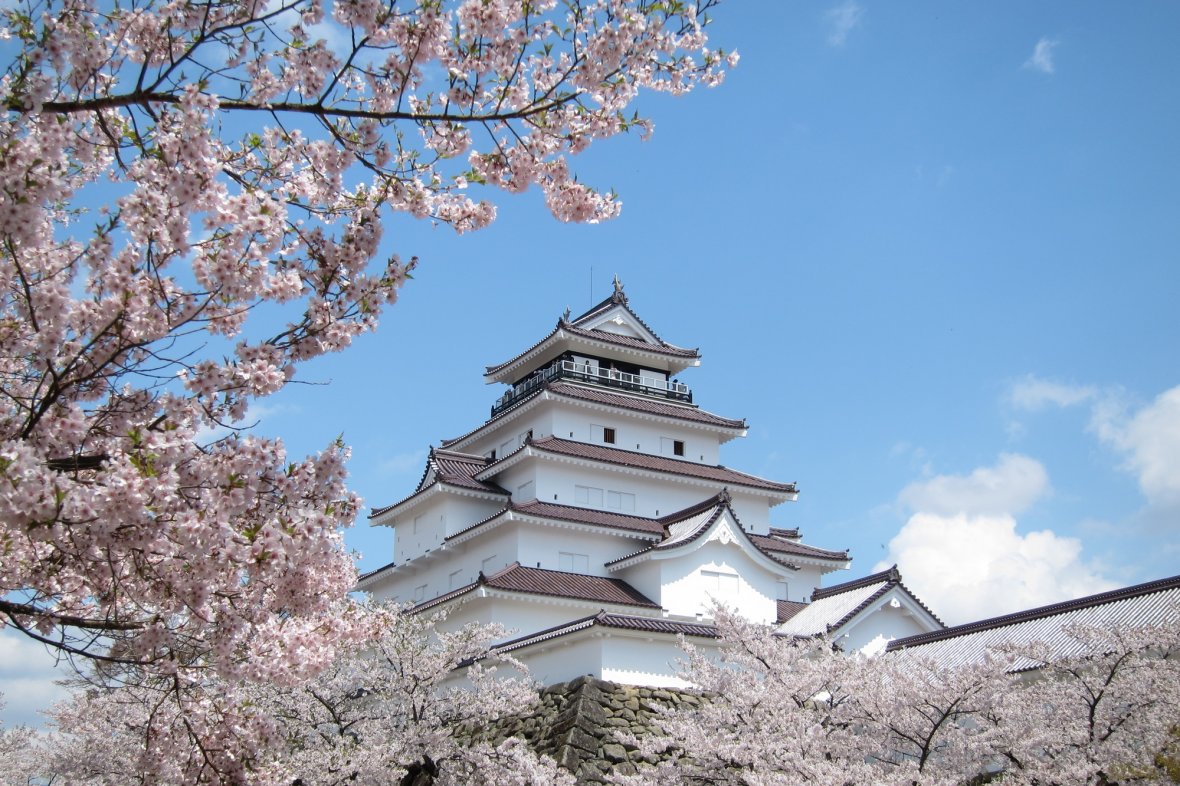
Tsuruga-jo
Aizu-Wakamatsu’s iconic Tsuruga Castle — also known as Wakamatsu Castle — is famous for its striking red roof tiles, found on no other Japanese castle, and its legendary role as the site of Japan’s most tragic samurai battle. During the 1868 Boshin War, the castle withstood a brutal one-month siege by imperial forces before the Aizu domain finally surrendered — while the teenage Byakkotai fought outside the walls and met their tragic end on Iimori Hill. The reconstructed keep houses an excellent samurai history museum and provides panoramic views of the surrounding plain from the top floor. Cherry blossoms surrounding the castle are extraordinary in late April, and the autumn foliage in late October is equally stunning. From JR Aizu-Wakamatsu Station, take the Haikara-san or Akabe loop bus (about 20 minutes).
会津若松市のシンボル「鶴ヶ城」(若松城)は、日本で唯一の赤瓦の屋根が特徴的な美しい城。1868年の戊辰戦争で官軍に包囲され、会津藩士たちが1ヶ月におよぶ過酷な籠城戦の末に降伏した、日本史上最も悲劇的な合戦の舞台。白虎隊の少年たちは城外で戦い、飯盛山で最期を遂げました。再建された天守内には会津武士の歴史博物館が併設され、最上階からは会津盆地を一望する大パノラマが楽しめます。城を囲む桜は4月下旬が見頃で、城と桜の絶景は会津屈指のフォトスポット。10月下旬の紅葉も見事です。JR会津若松駅から「あかべぇ・ハイカラさん」周遊バスで約20分。
Oze National Park
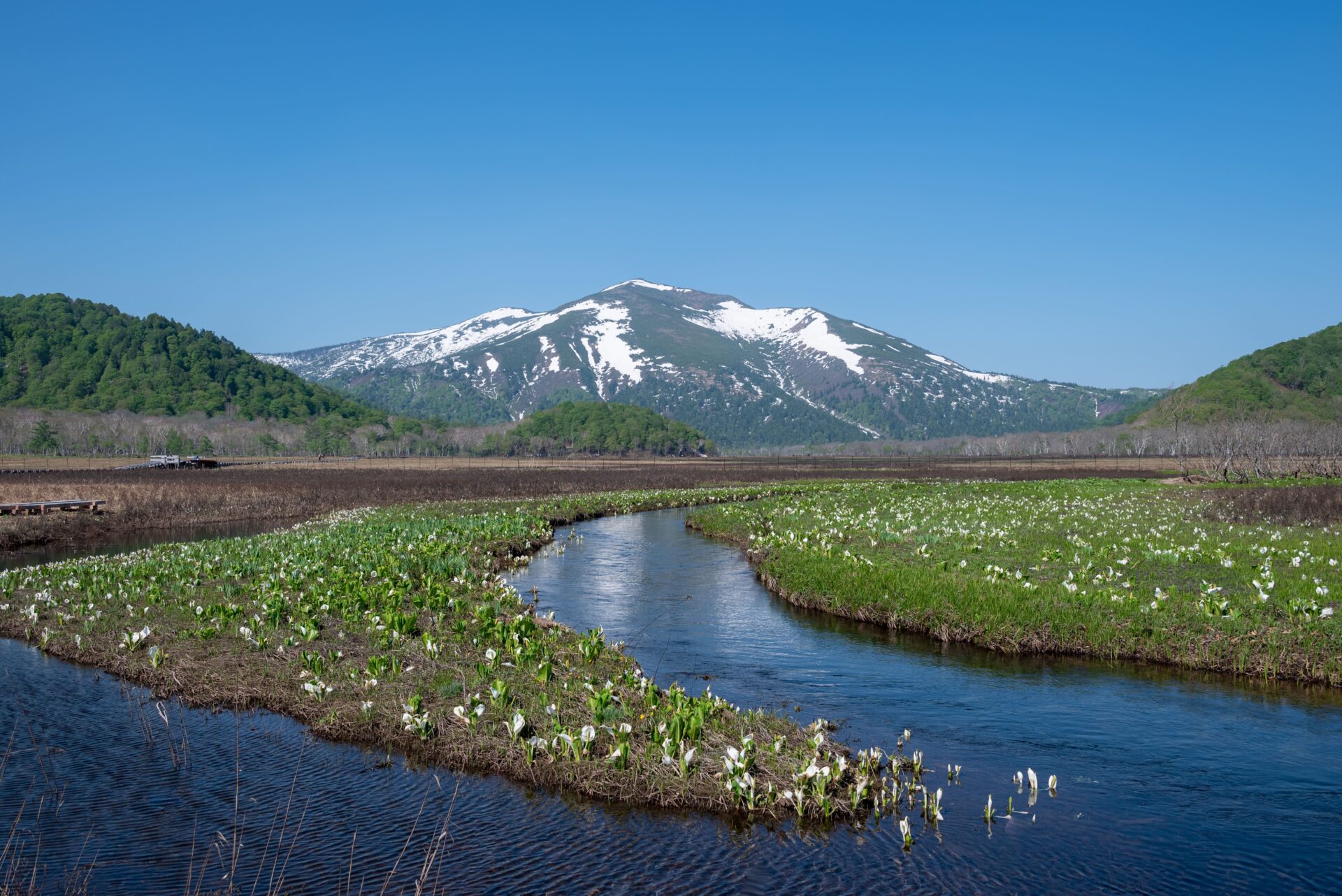
Straddling Fukushima, Gunma, Niigata, and Tochigi, Oze is one of Japan’s most pristine highland marshlands — a vast expanse of carefully preserved wooden boardwalks crossing wetlands rich in seasonal blooms. The signature scene is in late May / early June when the white skunk cabbage (mizubasho) blankets the marsh; July brings the orange day lily fields, and late September to early October paints the grasslands in autumn gold. From the Fukushima side, the Numayama Pass to Lake Ozenuma round trip (about 7km) makes a gentle day hike, or stretched into a 2-day stay at the historic mountain huts that dot the route. Vehicle access is restricted to preserve the ecosystem — visitors hike in from designated trailheads. From Aizu-Tajima Station (Aizu Railway, not JR), seasonal buses run to the Numayama-toge trailhead from late May to late October.
福島・群馬・新潟・栃木の4県にまたがる尾瀬国立公園は、日本でも最も貴重な高層湿原。木道が縦横に整備された広大な湿原に、四季折々の花が咲き乱れる別世界です。看板風景は5月下旬〜6月上旬の白い水芭蕉の群生、7月の橙色のニッコウキスゲの一面、9月下旬〜10月上旬の草紅葉。福島側なら沼山峠〜尾瀬沼の往復(約7km)が日帰りの定番ですが、点在する歴史ある山小屋に1泊2日で楽しむのが王道。生態系保護のため車両通行は厳しく制限されており、決められた登山口からのみ徒歩でアクセスします。会津鉄道・会津田島駅から沼山峠行きの季節運行バスで約2時間20分(2024年10月より発着駅変更)。
Iimori Hill & Byakkotai
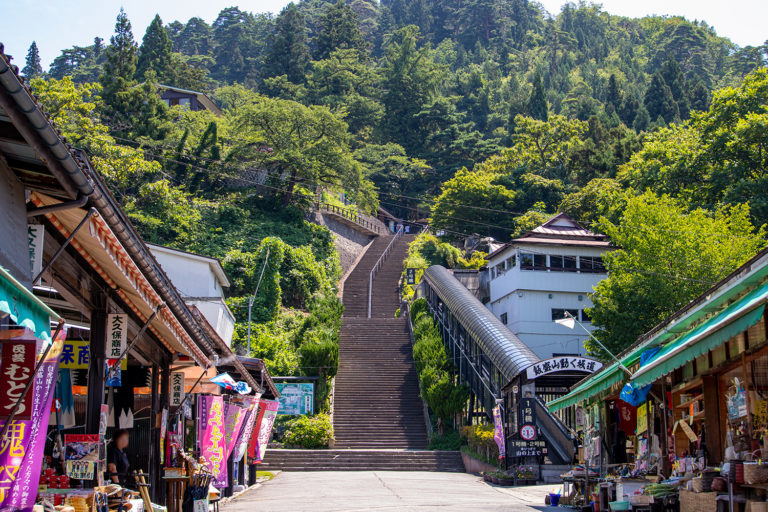
Iimori Hill on the eastern edge of Aizu-Wakamatsu is one of Japan’s most emotionally resonant historic sites — the place where 20 teenage members of the Byakkotai (White Tiger Brigade) committed seppuku in 1868 — 19 died, and a single survivor lived to tell the story after mistakenly believing their beloved Tsuruga Castle had fallen during the Boshin War. Visitors can climb the 183 steps (or ride the paid moving walkway, ¥250) to reach their graves and the spot from which they viewed the smoke-shrouded castle. The hill also houses the architecturally fascinating Sazaedo, a 1796 spiraling Buddhist hall whose double-helix internal staircase allows visitors to ascend and descend without crossing paths — said to be the only wooden double-helix structure of its kind in the world (¥400). From JR Aizu-Wakamatsu Station, Akabe loop bus (about 10 minutes).
会津若松東部の飯盛山は、日本史上最も心を打つ史跡の一つ。1868年の戊辰戦争中、白虎隊の少年武士20名が、煙に包まれた鶴ヶ城を眺めて落城と思い込み、ここで集団自刃を遂げた悲劇の地です(19名が落命、飯沼貞吉ただ一人が蘇生)。183段の石段(または有料の「動く坂道」250円)を登ると、彼らの墓と、城を見下ろした地点に到達できます。境内には世界でも唯一とされる木造二重螺旋構造の「さざえ堂」(1796年建立・拝観400円)もあり、上り下りの参拝者がすれ違わずに参拝できる珍しい仏堂建築として国の重要文化財に指定されています。JR会津若松駅から「あかべぇ」周遊バスで約10分。
Higashiyama Onsen
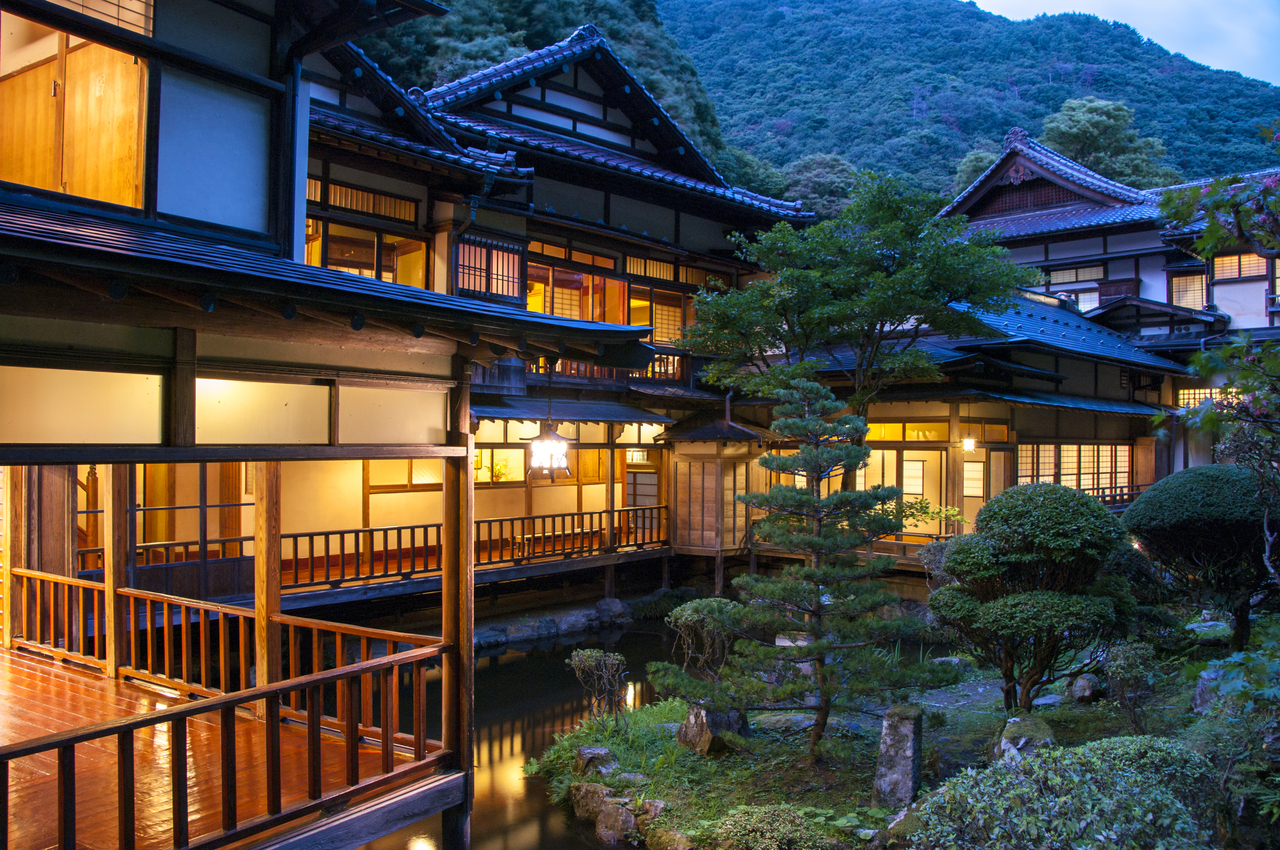
Just 15 minutes from central Aizu-Wakamatsu, Higashiyama Onsen is a 1,300-year-old hot-spring town tucked into a quiet river valley — its mineral-rich sodium-chloride waters have soothed travelers since the year 749 AD. The signature ryokan, Mukaitaki, is a 19th-century wooden inn with 24 individually-designed rooms, traditional tatami floors, and outdoor baths overlooking the river — used historically by the Aizu samurai elite. Other recommended inns include Shintaki and Harataki. The town’s lovely riverside walk passes 10+ historic ryokan facades, and a short drive accesses Iimori Hill and Tsuruga Castle for a perfect combined samurai-history-and-onsen day. From JR Aizu-Wakamatsu Station, take a taxi (10–15 minutes) or the loop bus (about 20 minutes); pickup service varies by inn.
会津若松市中心から車で約15分、静かな渓谷に佇む東山温泉は1,300年の歴史を持つ古湯。749年の開湯と伝わる塩化物泉のお湯は、武士から庶民まで疲れを癒し続けてきました。代表的な老舗旅館「向瀧」は19世紀の木造建築で、24部屋それぞれ意匠の異なる客室、伝統的な畳の趣、川を望む露天風呂が魅力。会津藩士たちにも愛された格式ある宿として国登録有形文化財に指定されています。他にも「新滝」「原瀧」など名旅館が点在。10軒以上の老舗の佇まいが連なる川沿いの散策路も風情満点で、飯盛山・鶴ヶ城観光と組み合わせれば武家文化と温泉の充実コースに。JR会津若松駅からタクシーで10〜15分、周遊バスで約20分(送迎の有無は宿によります)。
Goshikinuma Lakes
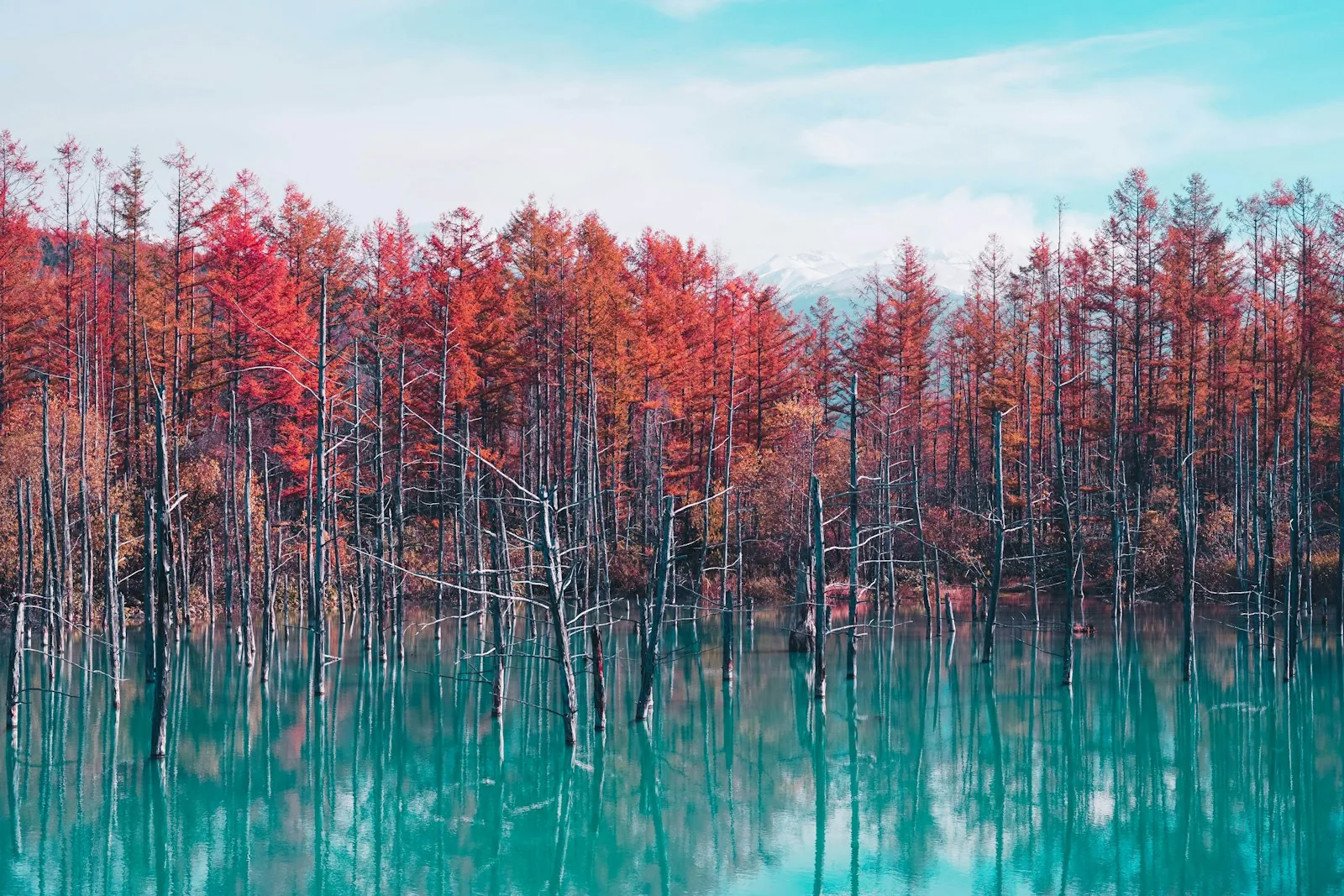
Formed by the catastrophic 1888 eruption of Mount Bandai, the Goshikinuma (“Five-Color Lakes”) are a chain of 30+ small volcanic ponds in northern Bandai-Asahi National Park, each glowing in different shades of cobalt, emerald, turquoise, and amber. The colors come from varying mineral content — different volcanic compounds in each lake refract sunlight differently — and the appearance shifts dramatically with weather and time of day. A well-maintained 3.6-km trail connects the major ponds in 70–90 minutes; the largest and most visited is Bishamon-numa (rowboats available), while the milky-cobalt Aonuma seems almost otherworldly. Spring brings fresh greenery, autumn paints the surrounding forest in fiery reds. From JR Inawashiro Station, buses run to the trailhead.
1888年の磐梯山の壮絶な噴火によって誕生した「五色沼湖沼群」は、磐梯朝日国立公園北部に点在する30以上の小さな火山湖。それぞれが異なるミネラル成分を含むため、コバルト、エメラルド、ターコイズ、琥珀など、湖ごとに違った色彩を放つ自然の芸術品です。天候や時間帯、太陽の角度によって色合いが刻一刻と変化する様子は何度訪れても新鮮な驚きをくれます。整備された全長約3.6kmの探勝路で主要な沼々を70〜90分で巡れます。最大の「毘沙門沼」は手漕ぎボートも人気で、乳白色がかったコバルトブルーの「青沼」は別世界のような美しさ。新緑の春、燃えるような紅葉の秋がベスト。JR猪苗代駅からバスでアクセス可能。
Insider Tips
現地通の旅の裏ワザ
Fukushima peaches peak late July to August. Date City’s roadside stands sell direct from the farm far below Tokyo prices — bring cash.
福島の桃ピークは7月下旬〜8月。伊達市の農家直売所(直売所あたご等)は東京よりだいぶ安い。現金推奨。
JR Tadami Line crossing the Tadami River is one of Japan’s most photogenic train rides. Late October to early November, when morning mist drifts over the foliage, is the killer shot.
JR只見線の只見川橋梁は日本屈指の絶景路線。10月下旬〜11月上旬、朝霧と紅葉の組合せが伝説のショット。
Frequently Asked Questions
Is Fukushima safe to visit?
Yes — the areas popular with tourists (Aizu-Wakamatsu, Koriyama, Oze, Bandai Highlands) are completely safe. The coastal exclusion zone from 2011 has gradually shrunk and most areas have been reopened.
観光地(会津・郡山・尾瀬・磐梯山エリア)は完全に安全です。2011年の原発事故の立入制限区域は大幅に縮小されています。
When does mizubasho (Asian skunk cabbage) bloom in Oze?
Early to mid-June for mizubasho (Asian skunk cabbage/水芭蕉). July–August for alpine wildflowers. Book the mountain hut accommodation (yamagoya) well in advance for June.
水芭蕉は6月上中旬が見頃。7〜8月は高山植物の花盛り。6月の山小屋は早めの予約が必須。
What is the Byakkotai story?
In 1868, 20 teenage samurai of Aizu Domain climbed Iimori Hill during the Battle of Aizu. Seeing smoke and mistaking it for the castle burning, 19 of them died by seppuku. Their graves and the story of their loyalty draw visitors from across Japan.
1868年の戊辰戦争で、会津藩の10代の藩士20名が飯盛山で自刃。その武士道精神は今も多くの人の心を打ちます。
Travel Tip
The Haikara-san and Akabe loop buses (¥250/ride, ¥700 day pass) connects Tsuruga-jo, Higashiyama Onsen, Iimori Hill and Buke-yashiki (samurai villa). Pick it up at Aizu-Wakamatsu Station.