Kagawa
Top Kagawa souvenirs and must-visit travel spots — your complete guide for visitors to Japan. A tiny prefecture that contains multitudes — Kagawa is where pilgrims climb 785 stone steps to a golden shrine, artists fill abandoned islands with masterpieces, and udon shops open at dawn.
日本で一番小さな県・香川は、直島のアート、金刀比羅宮の長い石段、日本一のさぬきうどんで、世界中の旅人を虜にします。
Kagawa is ‘Udon Prefecture’ — Sanuki udon shops everywhere, the Kotohira-gu shrine’s long stairway, and the art islands of Naoshima. Its souvenirs are udon kits, wasanbon fine sugar, Shodoshima olive products, and Konpira senbei. Udon kits and wasanbon travel well. Takamatsu Station and the airport carry them.
香川は「うどん県」——讃岐うどんの店だらけ、金刀比羅宮の長い石段、アートの島・直島。みやげは讃岐うどんキット、和三盆、小豆島のオリーブ製品、こんぴらせんべいなど。うどんキットや和三盆は持ち帰り向き。高松駅や空港で揃います。
Recommended Omiyage
おすすめおみやげ 5選
Sanuki Udon
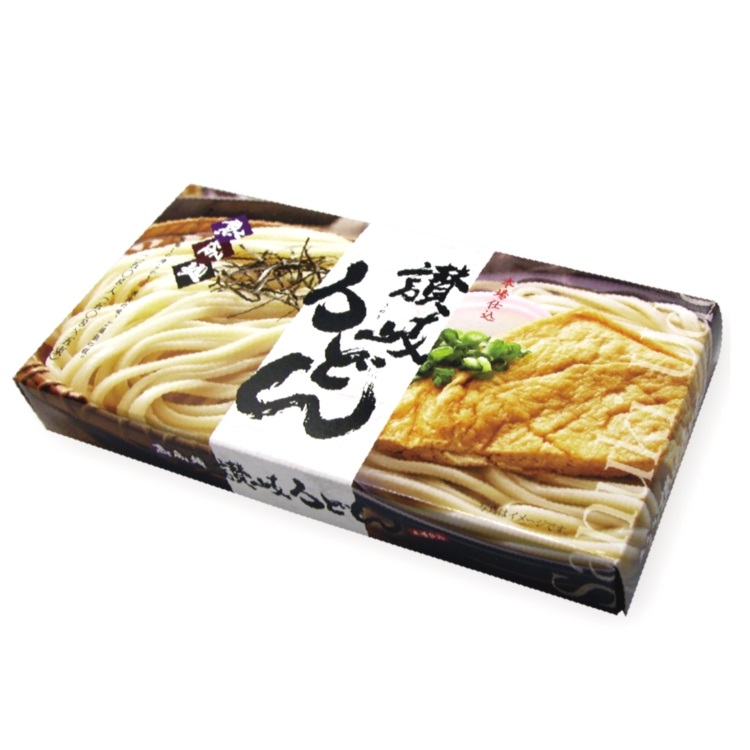
Sanuki udon is Japan’s most beloved udon style and Kagawa Prefecture’s signature culinary identity — chewy, square-cut wheat noodles with a glossy white surface and a uniquely satisfying “kosha-koshi” texture (firm yet tender). Made from local wheat (specifically the “Sanuki no Yume” variety), pure spring water, and salt, Sanuki udon has been part of Kagawa’s food culture for centuries. The most popular preparation is “kake-udon” (in a clear, lightly-flavored dashi broth) or “bukkake” (with cold concentrated broth poured over). Kagawa has 600+ udon shops, more per capita than anywhere else in Japan. Take-home Sanuki Udon Kits include vacuum-sealed handmade noodles, dashi concentrate, and instructions. Top take-home brands include Ishimaru Seimen and Kijoan. Available at JR Takamatsu Station, Takamatsu Airport, and major Kansai depachika. Best within 30 days unopened.
「讃岐うどん(さぬきうどん)」は日本で最も愛されるうどんスタイル、香川県のシグネチャー料理——もちもちで角切りの小麦麺、光沢ある白い表面、独特の「コシ&腰」食感(しっかりしつつ柔らかい)が特徴です。地元産小麦(特に「さぬきの夢2009」品種)、清冽な湧水、塩を素材に、香川県で長く親しまれてきた食文化です。最も人気の食べ方は「かけうどん」(澄んだ薄味のだしつゆ)、「ぶっかけ」(冷たい濃縮つゆをかける)など。香川には600軒超のうどん店があり、人口比で日本最高密度を誇ります。お持ち帰り用「讃岐うどんキット」には真空パック手打ち麺、だし濃縮、調理マニュアルがセット。代表ブランドは「石丸製麺」「亀城庵」など。JR高松駅、高松空港、関西の主要デパ地下で購入可能。未開封で賞味期限約30日。
Wasanbon Sugar
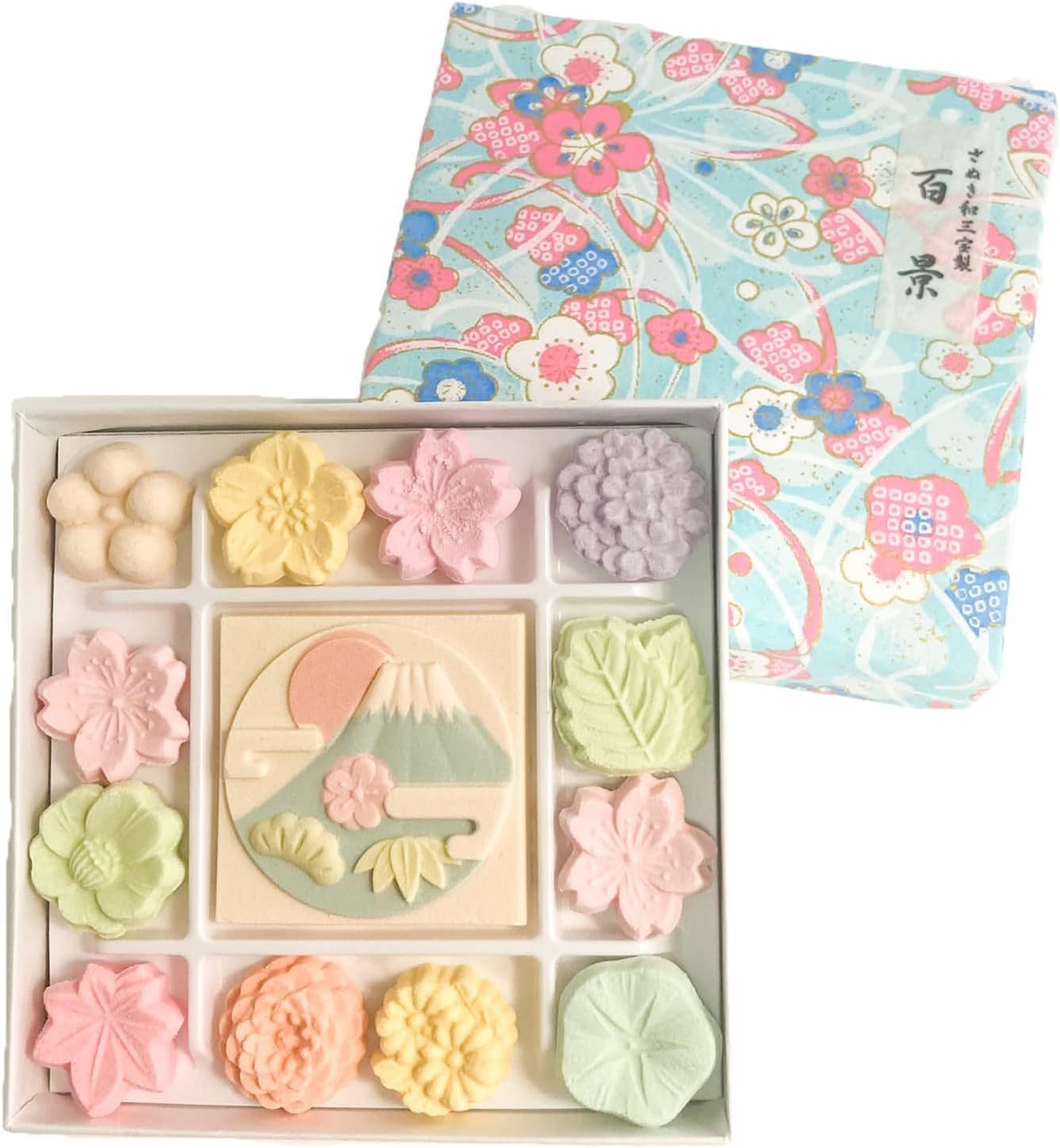
Wasanbon is Japan’s most refined traditional sugar — produced exclusively in Kagawa and Tokushima for over 200 years using the local heirloom ‘chikutō’ sugarcane (a thin native variety). The sugar is hand-shaped using hundreds of small wooden molds into delicate flower, leaf, and seasonal motif shapes (cherry blossoms, peonies, koi, autumn maples), with sizes ranging from sugar-cube small to 2-3cm. The sugar’s texture is uniquely silky and melt-in-mouth — far different from refined supermarket sugar — with a refined natural sweetness that’s neither cloying nor harsh. Wasanbon sweets are essential in formal Japanese tea ceremony. Top makers include Baikodo and Mitani Seito (a roughly 200-year-old maker), both with elegant gift presentations. Each box typically contains 30-100 individual sugar pieces with shelf life of 1+ year. Available at JR Takamatsu Station, Tokushima Airport, and traditional wagashi specialty shops in major cities.
「和三盆糖(わさんぼん)」は日本でも最も洗練された伝統砂糖——200年以上にわたって香川県と徳島県のみで、地元産の在来種「竹糖(ちくとう)」のサトウキビから作り続けられている希少糖です。職人が数百種類の小型木型を使って、桜、牡丹、鯉、紅葉など季節モチーフの繊細な形に手作業で成型。サイズは砂糖キューブ大から2〜3cm程度まで多彩。食感は絹のように滑らかで口の中でほどける独特の食感——市販の精製糖とは全く異なる仕上がりで、上品で押し付けがましくない自然な甘さが特徴です。和三盆を使う和菓子は正式な茶道に不可欠。代表メーカーは「ばいこう堂」「三谷製糖(羽根さぬき本舗)」など、優雅なギフトパッケージで展開。1箱に30〜100粒入り、賞味期限約1年。JR高松駅、徳島空港、主要都市の伝統和菓子店で購入可能。
Olive Oil Sweets
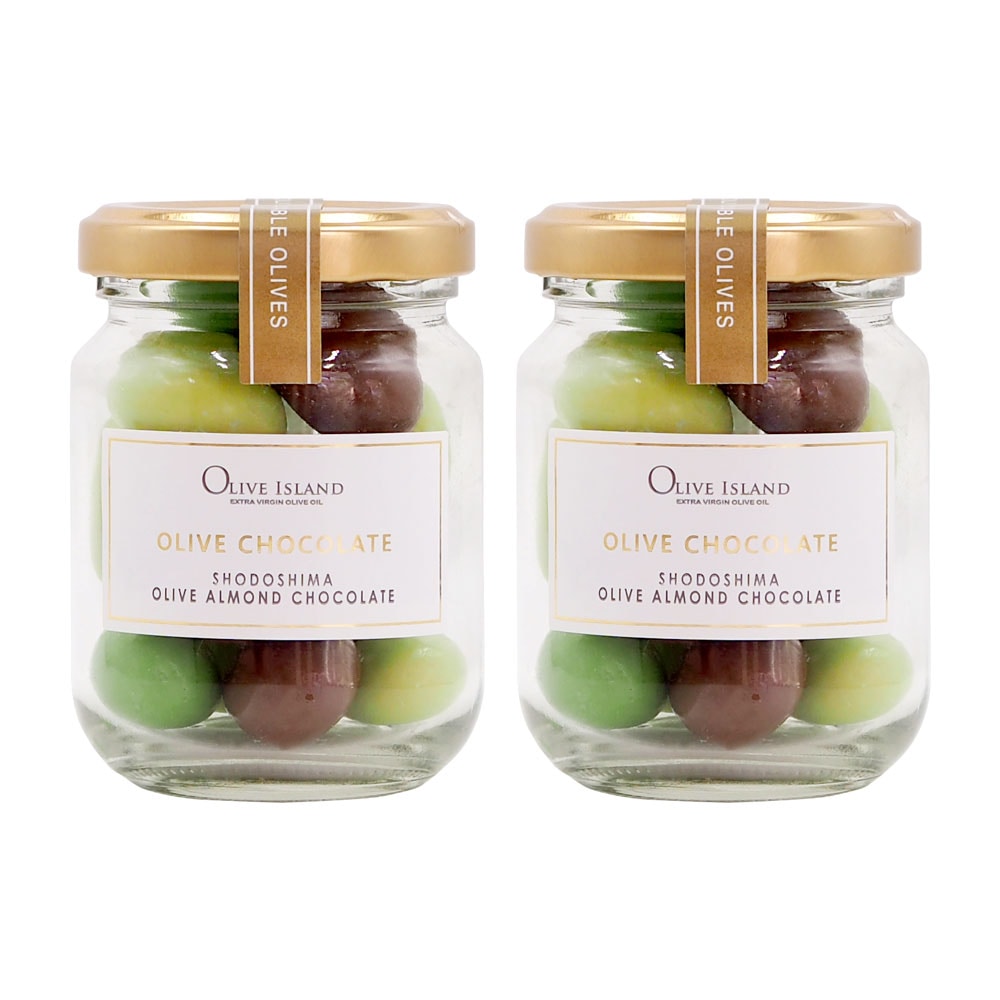
Shodoshima (an island in Kagawa’s Inland Sea) is Japan’s premier olive-growing region — the mild Mediterranean-like climate, sun-soaked terraced groves, and 100+ years of cultivation tradition produce extra-virgin olive oils that win international awards. Shodoshima Olive Oil Sweets ingeniously incorporate this premium oil into Japanese confections: olive oil cakes (lightly sweet, herbaceous), olive oil cookies, olive oil ice cream (a viral Instagram favorite), olive-oil-infused chocolate, and rare olive-oil castella. The combination produces sweets with refined herbal aromatics and a uniquely silky mouthfeel. Top makers include Inoue Seikoen and Toyo Olive. Beautiful gift packaging features iconic olive imagery. Available at JR Takamatsu Station, Shodoshima ferries, and major Tokyo depachika. Best within 90 days unopened. Pair with strong Japanese tea or sake.
「小豆島(しょうどしま)」(瀬戸内海の島、香川県)は日本随一のオリーブ栽培地——地中海のような温暖な気候、日当たりのよい段々畑、100年を超える栽培文化が、世界コンテストで連続受賞するエクストラバージン・オリーブオイルを生み出します。「小豆島オリーブオイルスイーツ」は、このプレミアムオイルを日本の和菓子に巧みに取り入れた逸品——オリーブオイルケーキ(控えめな甘さ、ハーブ感)、オリーブオイルクッキー、オリーブオイルアイスクリーム(インスタグラムで話題沸騰)、オリーブオイル入りチョコレート、希少なオリーブオイルカステラなど多彩。組み合わせは、上品なハーブアロマと独特の絹のような口当たりを実現します。代表メーカーは「井上誠耕園」「東洋オリーブ」など。オリーブをモチーフにした美しいパッケージで、JR高松駅、小豆島フェリー乗り場、東京の主要デパ地下で購入可能。
Naoshima Tote Bag
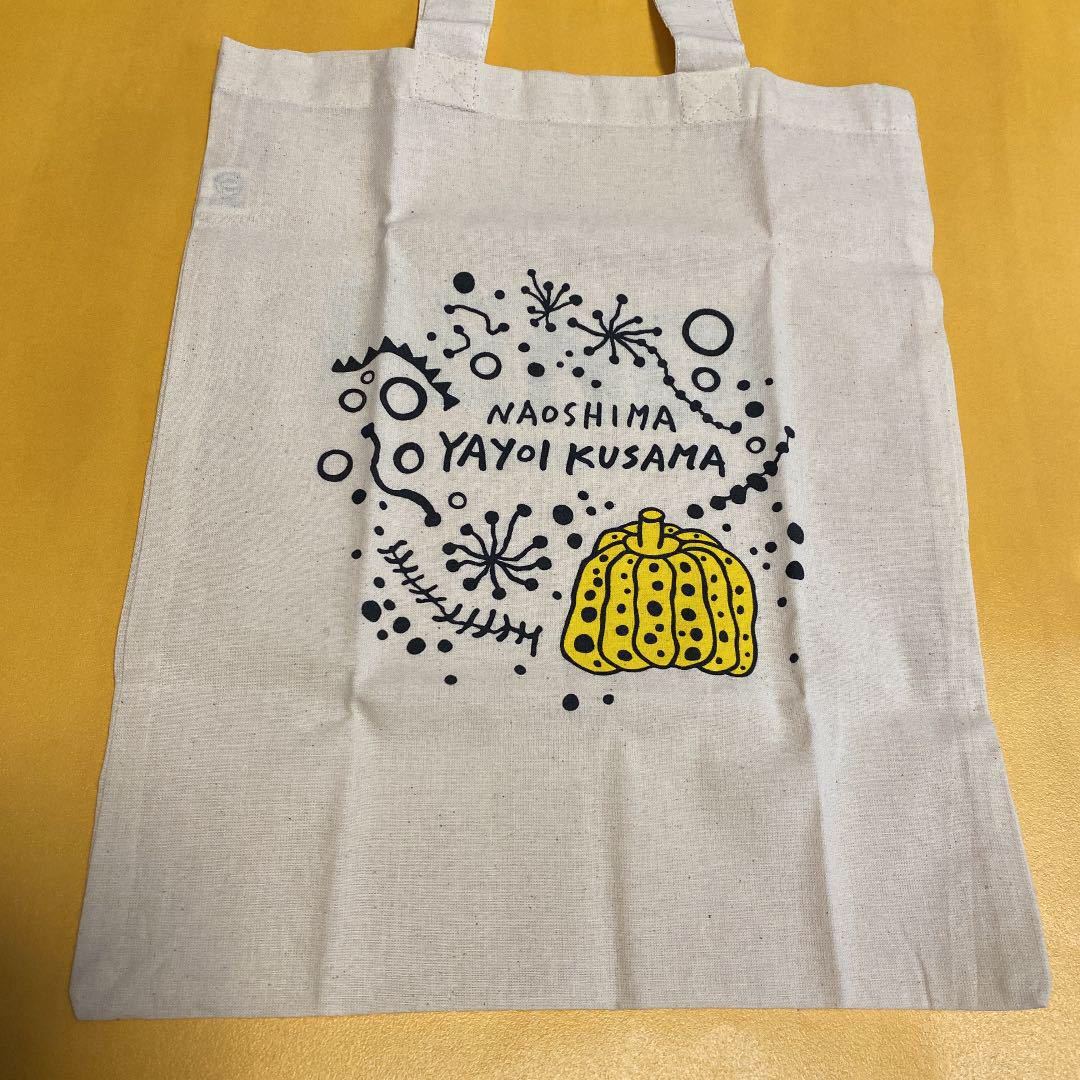
Naoshima — Kagawa’s small “art island” in the Setouchi Inland Sea — has become an international destination thanks to the Naoshima Art Project, a multi-decade collaboration between Benesse Corporation and renowned international artists (Yayoi Kusama, Tadao Ando, Walter De Maria, Hiroshi Sugimoto). The official Naoshima Tote Bag, featuring Yayoi Kusama’s iconic polka-dotted pumpkin (in yellow or red), has become one of Japan’s most coveted souvenir items — both functional and a piece of contemporary art history. Limited edition variations include sea-print versions, art-piece-themed bags, and seasonal designs. Available exclusively at the Naoshima Ferry Terminal, the Benesse House Museum gift shop, and select Tokyo art-museum shops. From JR Takamatsu Station, take the the Shikoku Kisen ferry from Takamatsu Port (about 50 minutes to Naoshima). The bags range from about ¥700 to ¥4,000.
「直島(なおしま)」——瀬戸内海に浮かぶ香川県の小さな「アートの島」——は、ベネッセコーポレーションと国際的な芸術家たち(草間彌生、安藤忠雄、ウォルター・デ・マリア、杉本博司など)が何十年にもわたって協働してきた「直島アートプロジェクト」のおかげで、世界的な観光地となっています。草間彌生の象徴的な水玉カボチャ(黄・赤)をあしらった公式「直島トートバッグ」は、日本でも最も求められるお土産アイテム——機能性もあり、現代アート史の一片でもあります。限定版には、海をモチーフにしたバージョン、アート作品テーマのバッグ、季節限定デザインなど多彩。直島フェリーターミナル、ベネッセハウスミュージアムショップ、東京の主要美術館ショップでのみ販売。JR高松駅から高松港へ、四国汽船のフェリーで約50分。価格は約700〜4,000円。
Konpira Senbei
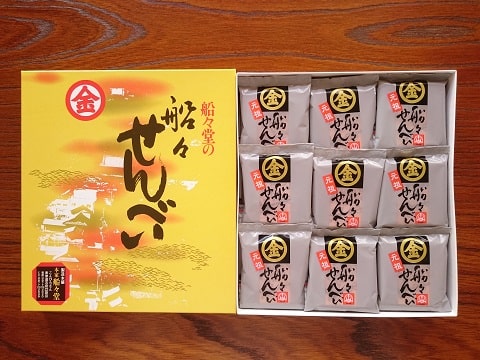
Konpira Senbei is named after Kagawa’s most famous shrine — Kotohira-gu (Konpira-san), a hilltop Shinto sanctuary requiring a famous 785-step pilgrimage climb. The senbei, originally sold at the shrine’s approach since the Edo period, are crisp rice crackers featuring stamped images of the Konpira-san torii or the prefecture’s geometric “Sanuki” patterns. Each cracker is hand-pressed and grilled to a perfect golden brown, with a uniquely refined sweet-savory flavor (using soy and a hint of sugar). The best-known maker is Honke Funefunedo (founded 1909), on the shrine approach, famous for its ship-shaped ‘Funefune Senbei’ — a tamago kawara-senbei named after the folk song ‘Konpira Fune Fune’. The senbei are grilled fresh in the shop, so you can enjoy them warm on the spot. Boxed gift versions in 6, 12, or 24 pieces. Available at JR Kotohira Station, the shrine approach, and Takamatsu Airport.
「金刀比羅煎餅(こんぴらせんべい)」は、香川県最有名の神社「金刀比羅宮(こんぴらぐう・こんぴらさん)」にちなんで命名された銘菓——785段の有名な石段参拝で知られる丘上の神社です。煎餅は江戸時代から参道で販売されている由緒ある銘品で、金刀比羅さんの鳥居や讃岐の幾何学模様が表面に刻まれた美しい意匠が特徴。職人が一枚ずつ手作業で押し延ばし、黄金色に焼き上げる職人技、上品な醤油と砂糖のほのかな甘さが絶妙な仕上がりです。代表格は1909年(明治42年)創業の「本家船々堂」。参道22段目にあり、民謡「こんぴら船々」にちなんだ帆掛け船形の「船々せんべい」(玉子たっぷりの瓦せんべい)で知られます。店先で一枚ずつ焼き上げており、焼きたてをその場で味わえるのが名物です。6個、12個、24個入りの化粧箱が、JR琴平駅、参道、高松空港で購入可能。
Must-Visit Spots
おすすめスポット 5選
Kotohira-gu (Konpira-san)
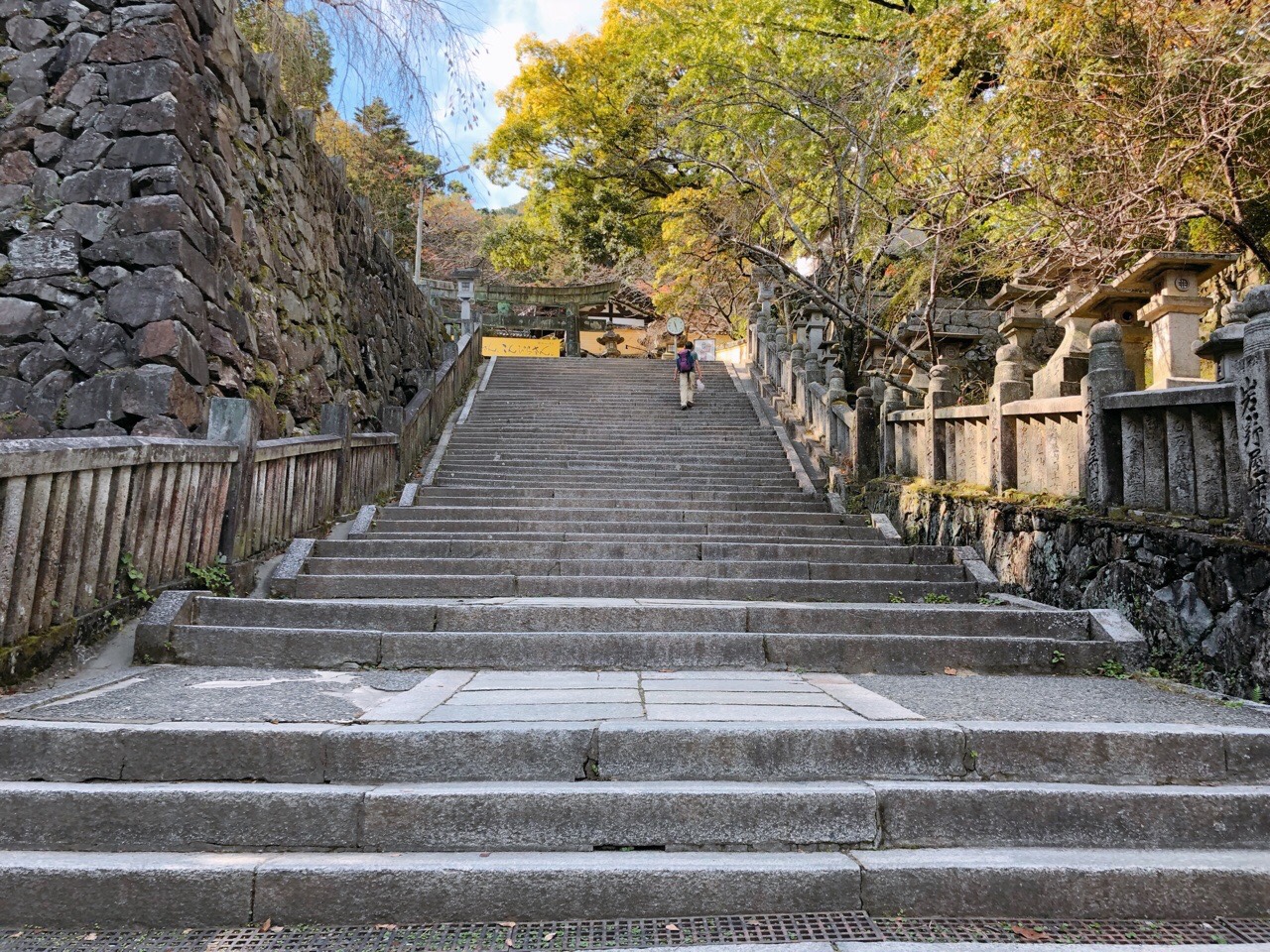
Kotohira-gu (commonly called Konpira-san) is one of Japan’s most famous Shinto shrines — perched on the slopes of Mt. Zozusan and reached by climbing 785 stone steps from the town below to the main shrine, then 1,368 steps to the inner sanctum at the summit. Of ancient origin, the shrine is dedicated to Omononushi-no-Mikoto, the deity of the sea and seafarers — making it Japan’s most prayed-to shrine for safe sailing, with sailors’ donations of ship models, navigation charts, and votive wooden plaques (ema) decorating the temple grounds. The pilgrimage steps are a moderate workout (about 1 hour up), but the panoramic views of the surrounding plains from the inner sanctum are stunning. Various shops along the steps sell traditional crafts, candies, and rental wooden walking sticks (kashi-zue) for support. Free admission. From JR Kotohira Station, the shrine entrance is a 5-minute walk.
「金刀比羅宮(ことひらぐう、通称こんぴらさん)」は日本で最も有名な神社の一つ——象頭山(ぞうずさん)の山腹にあり、麓の町から本宮まで785段、奥宮まで1,368段の石段を登る有名な参拝で知られます。古い由緒をもつ当社は、海の神「大物主大神(オオモノヌシノオオカミ)」を祀り、航海安全を願う日本随一の神社として知られています。船乗りたちが奉納した船模型、海図、絵馬が境内を飾る独特の風景は他では見られない景観です。石段は中級程度のワークアウトで本宮まで約1時間、奥宮まで頑張れば麓平野の絶景パノラマが報われます。参道には伝統工芸、駄菓子、貸し出しの「杖(かしづえ)」を扱う店舗が立ち並びます。拝観無料。JR琴平駅から参道入口まで徒歩約5分。
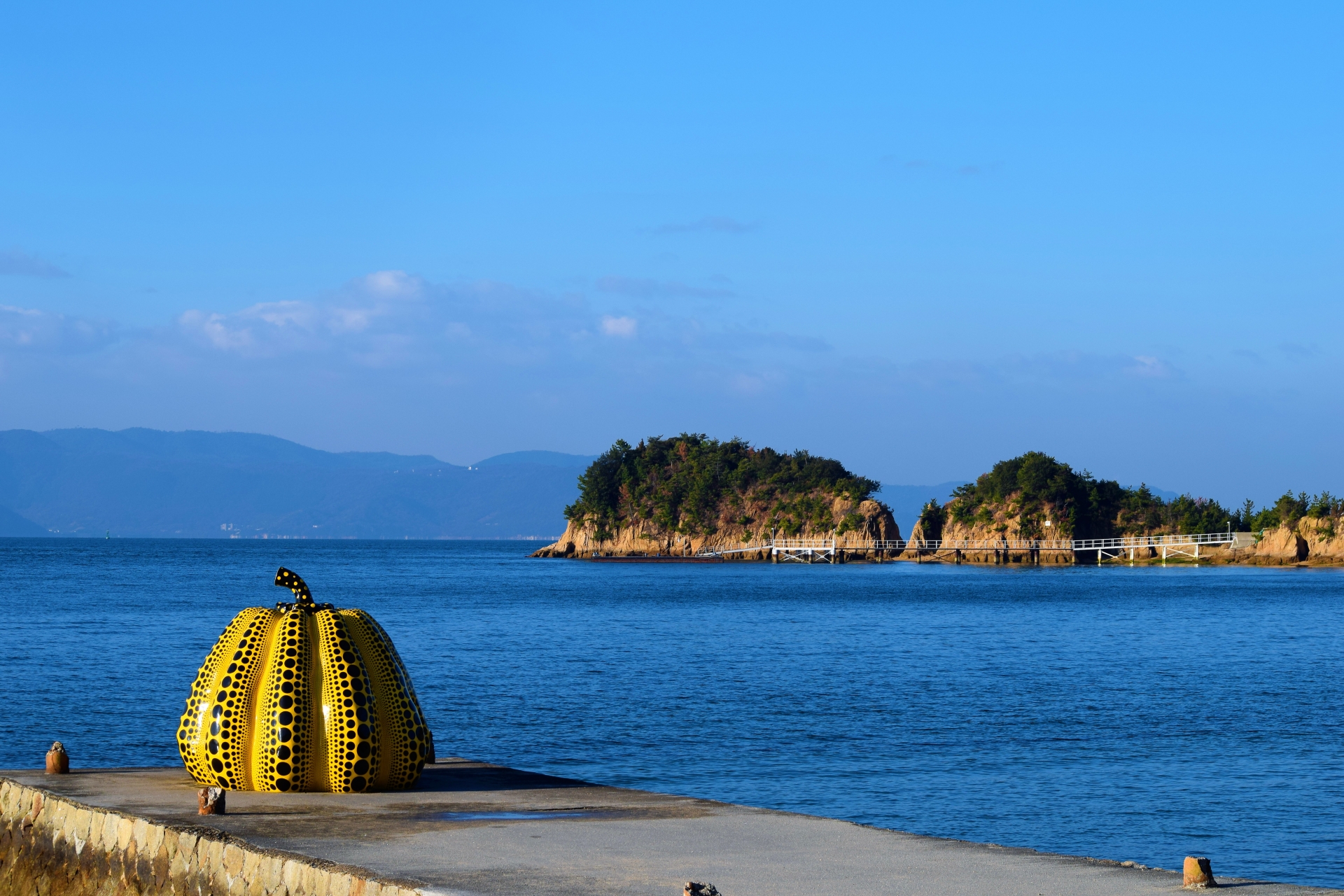
Naoshima Island
Naoshima is Japan’s most internationally celebrated “art island” — a small Inland Sea island that has been transformed since the 1980s through the Naoshima Art Project, an ongoing collaboration between Benesse Corporation and renowned international artists. The signature attractions include the Chichu Art Museum (designed by Tadao Ando, hidden underground to preserve the natural landscape), the Lee Ufan Museum, the Benesse House Museum, the Yayoi Kusama Pumpkins (her famous polka-dotted gourds at the harbor), and the Art House Project (where artists transformed traditional Japanese houses into art installations). The island also offers boutique ryokan, art-themed cafes, and gorgeous Inland Sea panoramas. Plan a 2-day visit for the full experience. From JR Takamatsu Station, take the Shikoku Kisen ferry (about 50 minutes). Many visitors combine with neighboring Teshima and Inujima art islands.
「直島(なおしま)」は日本でも国際的に最も有名な「アートの島」——1980年代以降、ベネッセコーポレーションと国際的な芸術家たちの「直島アートプロジェクト」によって、瀬戸内海の小さな島が現代アートの聖地に変貌しました。象徴的なアトラクションは、安藤忠雄設計で自然景観保護のため地下に隠された「地中美術館」、「李禹煥美術館」、「ベネッセハウスミュージアム」、港の象徴的な草間彌生の「水玉カボチャ」、伝統的な日本家屋を芸術家たちがアート空間に変換した「家プロジェクト」など。島にはアートテーマのカフェ、ブティック旅館、絶景の瀬戸内海パノラマも揃います。完全な体験には2日間の滞在がおすすめ。JR高松駅から四国汽船のフェリーで約50分。多くの訪問者は隣接の豊島・犬島も合わせて訪れます。
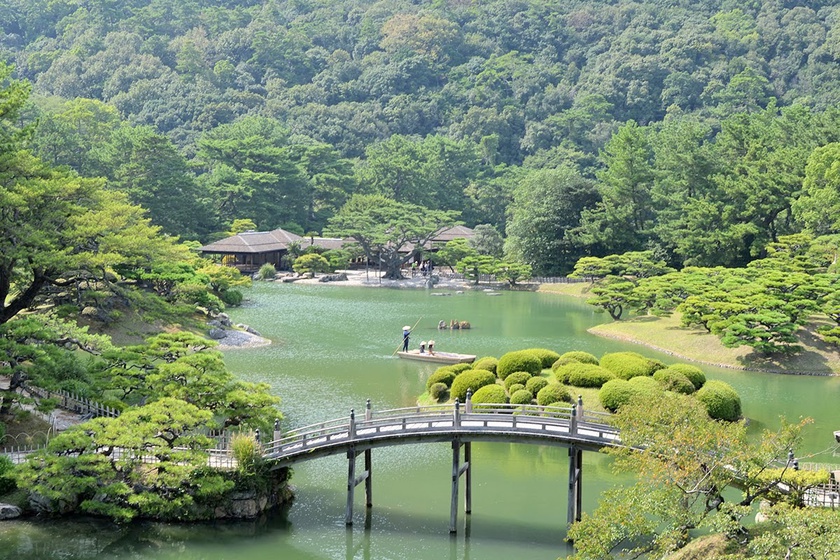
Ritsurin Koen
Ritsurin Koen is Kagawa’s masterpiece landscape garden — a 75-hectare strolling garden built over 100+ years by the Matsudaira clan in the 17th century, often considered Japan’s most beautiful unrenowned garden. While not officially counted among the “Three Great Gardens” (Korakuen, Kenrokuen, and Kairakuen), Ritsurin’s craftsmanship, complexity, and seasonal beauty rival or surpass them. The garden centers around six ponds connected by stone bridges, each pond surrounded by carefully placed islands, mountains, and traditional teahouses. The signature view is from the Hiraiho Hill, where you can see the entire garden’s design unfold below. Cherry blossoms (early April), wisteria (May), iris (June), and autumn foliage (November) each transform the garden completely. The Kikugetsu-tei teahouse offers traditional matcha service. Tickets ¥410. From JR Takamatsu Station, the garden is a 5-minute taxi ride.
「栗林公園(りつりんこうえん)」は香川県を代表する名園——17世紀に松平家が100年以上かけて築いた75ヘクタールの大名庭園で、しばしば「日本で最も美しい無名の庭園」と評価されます。三大名園(後楽園・兼六園・偕楽園)に正式に数えられないものの、その職人技、複雑さ、季節の美しさは互角またはそれ以上の名園です。庭園は6つの池が石橋で繋がれた構造で、各池には島々、山、伝統茶室が配置されています。象徴的な絶景は「飛来峰(ひらいほう)」と呼ばれる築山からの俯瞰で、庭園全体の完璧な配置が見渡せます。4月上旬の桜、5月の藤、6月の菖蒲、11月の紅葉と、四季それぞれ全く違う表情に変身。「掬月亭(きくげつてい)」茶室では伝統的な抹茶のお点前が楽しめます。入園料410円。JR高松駅からタクシーで約5分。
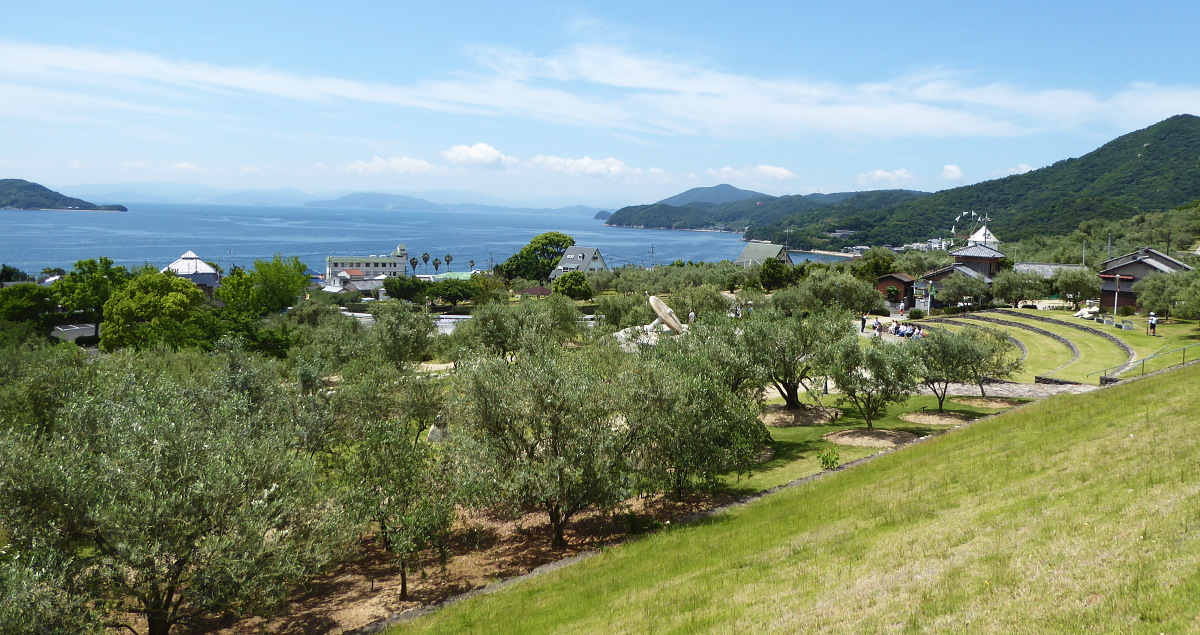
Shodoshima
Shodoshima is Japan’s second-largest island in the Seto Inland Sea (after Awaji) — and Kagawa’s must-visit island destination, famous for olives, soy sauce, somen noodles, and the dramatic Kankakei Gorge. The signature attractions include the Olive Park (with its iconic Greek-style windmill, free entry, and amazing olive-related products), the historic Yamaroku Shoyu soy sauce brewery (still using 200-year-old wooden barrels), the Tonosho Port area with traditional architecture, the Soy Sauce Building Festival (October) where 13 historic soy sauce factories open their doors, and the dramatic Kankakei Gorge with its ropeway through dramatic granite cliffs. The island’s quiet roads make it ideal for cycling. From JR Takamatsu Station, take the Setouchi Cruise ferry to Tonosho Port (about 60 minutes). Plan 1-2 days for the full island experience.
「小豆島(しょうどしま)」は瀬戸内海で淡路島に次いで二番目に大きな島——香川の必訪観光地で、オリーブ、醤油、そうめん、ドラマチックな「寒霞渓(かんかけい)」で有名です。象徴的なアトラクションは、ギリシャ風風車のシンボル「オリーブ公園」(入場無料、絶品オリーブ商品店)、200年前から木樽製造を続ける歴史的「ヤマロク醤油」、伝統建築の「土庄港(とのしょうこう)」エリア、10月開催の「醤油の里まつり」(13の歴史的醤油蔵が開放)、そしてロープウェイで絶景の花崗岩断崖を空中散歩する「寒霞渓」など。島内の静かな道はサイクリングに最適。JR高松駅から瀬戸内クルーズフェリーで土庄港へ約60分。完全な島体験には1〜2日の滞在がおすすめ。
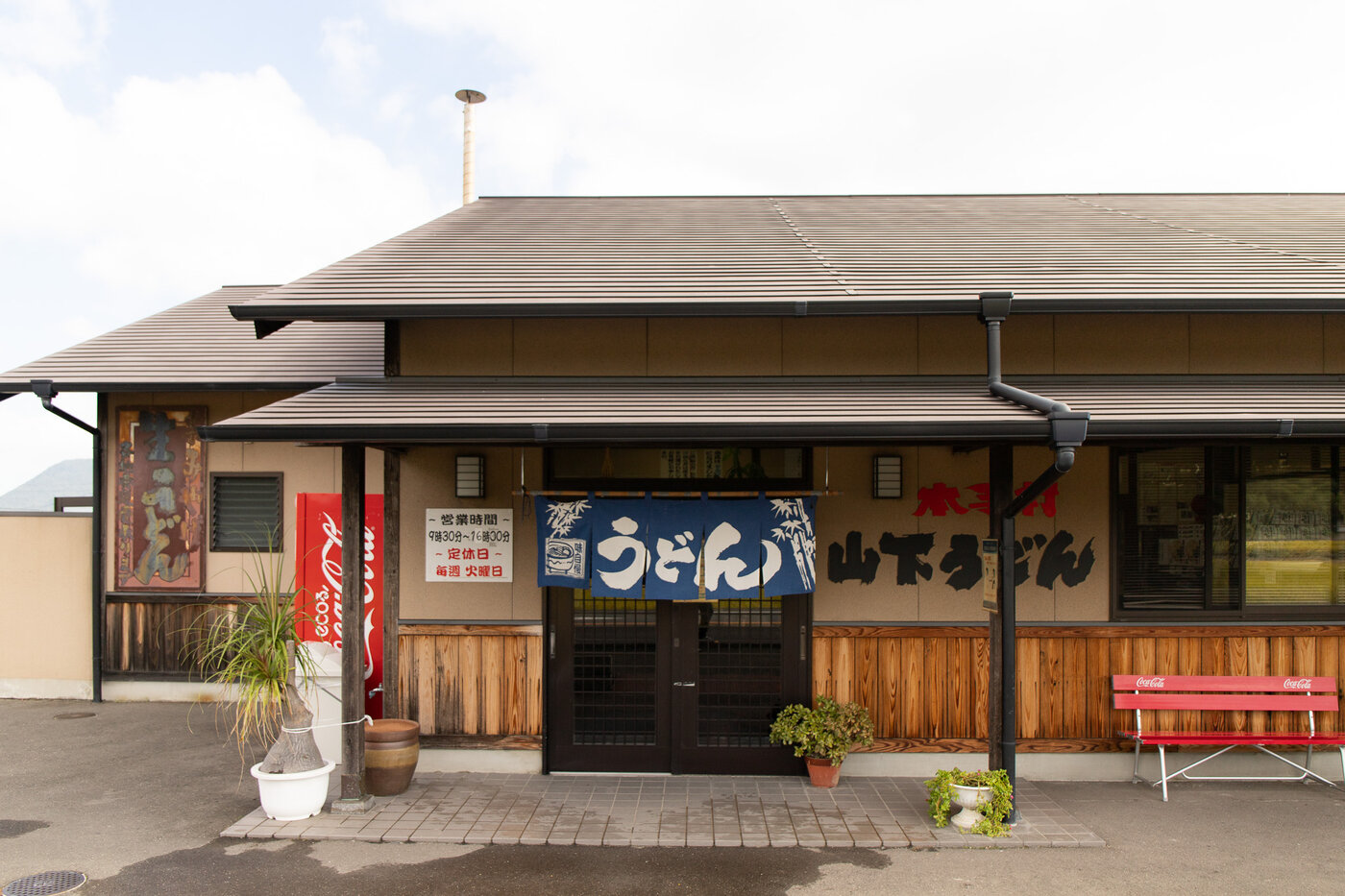
Yamashita Udon
Yamashita Udon is a legendary Sanuki udon shop in Zentsuji City, western Kagawa, often considered the platonic ideal of the Kagawa udon experience. Founded in 1981 and widely credited as the birthplace of bukkake udon, the shop is famous for its absolutely fresh, hand-pulled noodles with a perfectly chewy “kosha” texture and a clear dashi broth that exemplifies the Sanuki philosophy: simple, refined, and showcasing the noodle’s natural flavor. The signature dish is the bukkake udon (around ¥350) — astonishingly affordable for the quality. Lines form daily before opening (10am), and the shop closes when the day’s noodle batch sells out (usually 2-3pm). The all-self-service style — pour your own broth, choose your toppings, pay at the end — is part of the authentic Sanuki experience. It sits in rural Zentsuji — a short taxi ride from JR Zentsuji or Kanakura Station; a car is convenient. Cash only.
「山下うどん」は善通寺市の伝説的な讃岐うどん店——香川うどん体験の完璧な理想と評価される名店です。1981年創業、「ぶっかけうどん」発祥の店として知られ、絶対的に新鮮な打ち立て手延べ麺、絶妙なコシ食感、澄み切ったダシつゆが特徴。讃岐うどんの哲学そのもの——シンプル、洗練、麺本来の風味を引き立てる——を体現する一杯です。看板の「ぶっかけうどん」(約350円)は品質に対して驚くほど手頃な価格。毎朝10時の開店前から行列が形成され、その日の麺が売り切れる14〜15時頃に閉店。「セルフサービス」(自分でつゆを注ぎ、トッピングを選び、最後に会計)の本格スタイルが本物の讃岐体験の一部。善通寺市郊外にあり、JR善通寺駅・金蔵寺駅からタクシー、車だと便利。現金のみ。
Insider Tips
現地通の旅の裏ワザ
Real Kagawa-style is ‘self-service’ udon shops (¥300-500). The ‘Udon Pilgrimage Bus’ (¥3,000/day) hits 5-6 stops with English support.
本物の讃岐うどんはセルフ式(¥300-500)。「うどんタクシー」「うどんバス」の1日¥3,000で5〜6軒巡れる、英語対応あり。
Chichu, Lee Ufan and Benesse House museums now each need their own timed-entry ticket (Chichu from ¥2,500). Book Chichu online well ahead — same-day slots sell out.
地中美術館・李禹煥美術館・ベネッセハウスは各館とも時間予約制(地中は¥2,500〜)。地中はオンラインで早めの予約を、当日枠はすぐ埋まる。
Frequently Asked Questions
What is the Setouchi Triennale?
A contemporary art festival held every three years across 12 islands of the Seto Inland Sea. The next edition is in 2028. Naoshima, Teshima and Inujima are the main hubs, accessible by ferry.
瀬戸内国際芸術祭は3年ごとに開催。直島・豊島・犬島が中心。フェリーでアクセスできる。次回は2028年。
How many udon shops are in Kagawa?
Over 600 udon shops for a population of about 940,000 — more udon restaurants per capita than anywhere on Earth. Locals eat udon for breakfast, lunch and dinner.
人口約94万人に対してうどん店が600軒以上。一人当たりの消費量は日本一。朝・昼・夜と食べる地元民も多い。
How do I get to Naoshima?
Ferry from Takamatsu Port (50 min, ¥680) or from Uno Port, Okayama (20 min, ¥390). The Miyaura and Honmura ports on Naoshima are the main landing points.
高松港からフェリーで約50分(680円)または岡山・宇野港から約20分(390円)。
Travel Tip
Chichu Art Museum, the Lee Ufan Museum and Benesse House Museum each require a separate timed-entry ticket (Chichu from ¥2,500 on weekdays). Book Chichu timed-entry tickets online — same-day slots sell out fast.