Kochi
Top Kochi souvenirs and must-visit travel spots — your complete guide for visitors to Japan. The river that refused to be dammed, the sea where whales still swim, the rebel samurai who helped overthrow the shogunate — Kochi is Japan’s most independent-spirited prefecture.
清流・四万十川、土佐湾のくじら、坂本龍馬の故郷、高知よさこい祭り——高知は日本の自由な魂と豊かな自然が生きる四国最後の秘境です。
Kochi faces the Pacific with the clear Shimanto River, a deep katsuo (bonito) culture, and Sakamoto Ryoma’s legacy. Its star is straw-grilled katsuo tataki, sold as take-home kits, with Tosa sake, yuzu products, and Tosa washi paper. Yuzu and washi keep well; the tataki kits are chilled. Kochi Station and Hirome Market are the spots.
高知は太平洋に面し、清流・四万十川、カツオ文化、坂本龍馬の地。主役は藁焼きカツオのタタキ(持ち帰りキットあり)、土佐の酒、ゆず製品、土佐和紙も。ゆずや和紙は日持ち、タタキキットは要冷蔵。高知駅やひろめ市場が買い場です。
Recommended Omiyage
おすすめおみやげ 5選
Tosa Katsuo Tataki
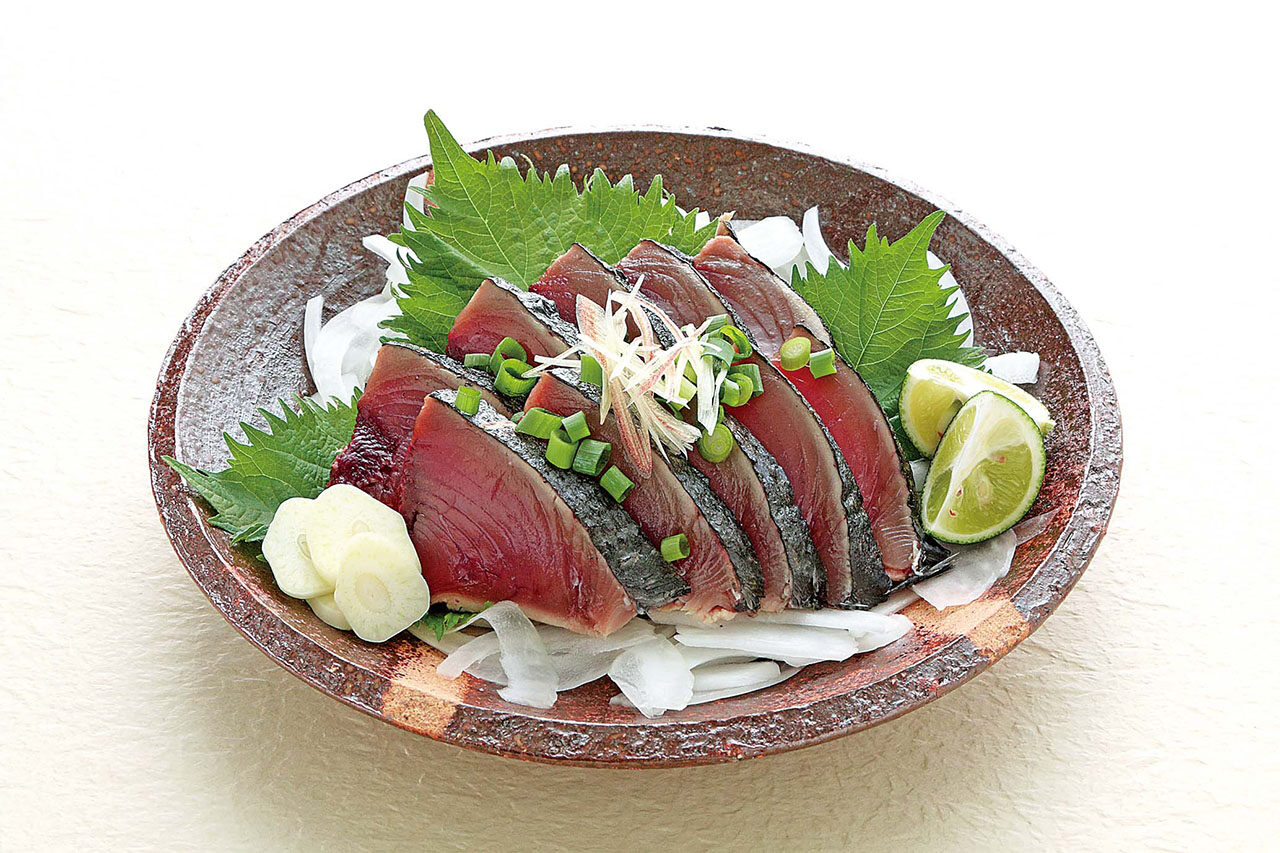
Tosa Katsuo Tataki is Kochi’s signature dish — bonito (skipjack tuna) seared briefly over straw fire, then sliced thin and served with grated ginger, garlic, sliced negi, and a generous splash of ponzu citrus sauce. The straw-fire searing technique creates a uniquely smoky exterior crust while leaving the interior raw and ruby-red, and the resulting flavor is profoundly savory, lightly smoky, and refreshingly cool — a perfect Kochi summer dish. The take-home Katsuo Tataki Kit includes vacuum-sealed pre-seared bonito, ponzu, ginger paste, and instructions. Top brands include Myojin Suisan (the Myojinmaru brand, famous for pole-and-line bonito) and other Tosa straw-grilling specialists. Available at JR Kochi Station, Hirome Market, and Kochi Airport. Refrigerate; consume within 3 days of opening. Pair with cold Tosa sake or beer. The straw-fire experience is itself a Kochi cultural performance.
「土佐かつおのたたき」は高知県を代表する郷土料理——カツオ(鰹)を藁火で短時間炙り、薄くスライスしておろし生姜、にんにく、刻みネギ、ポン酢をたっぷり添えて頂く逸品。藁火炙りの技法は、表面に独特の燻製風の香ばしい焼き目を付けつつ、内部はルビー色の生のままの絶妙な仕上がりに。深い旨味、ほのかな燻製香、爽やかな冷たさが調和した、まさに高知の夏を象徴する一品です。お持ち帰り用「カツオたたきキット」には、真空パック炙り済みカツオ、ポン酢、生姜ペースト、調理マニュアルがセット。代表ブランドは「明神水産(明神丸/一本釣りの藁焼きで有名)」など、土佐の藁焼き専門店各社。JR高知駅、ひろめ市場、高知空港で購入可能。要冷蔵、開封後3日以内に。冷えた土佐酒やビールとの相性は格別。藁火炙り体験自体が高知の文化的パフォーマンス。
Tosa Sake
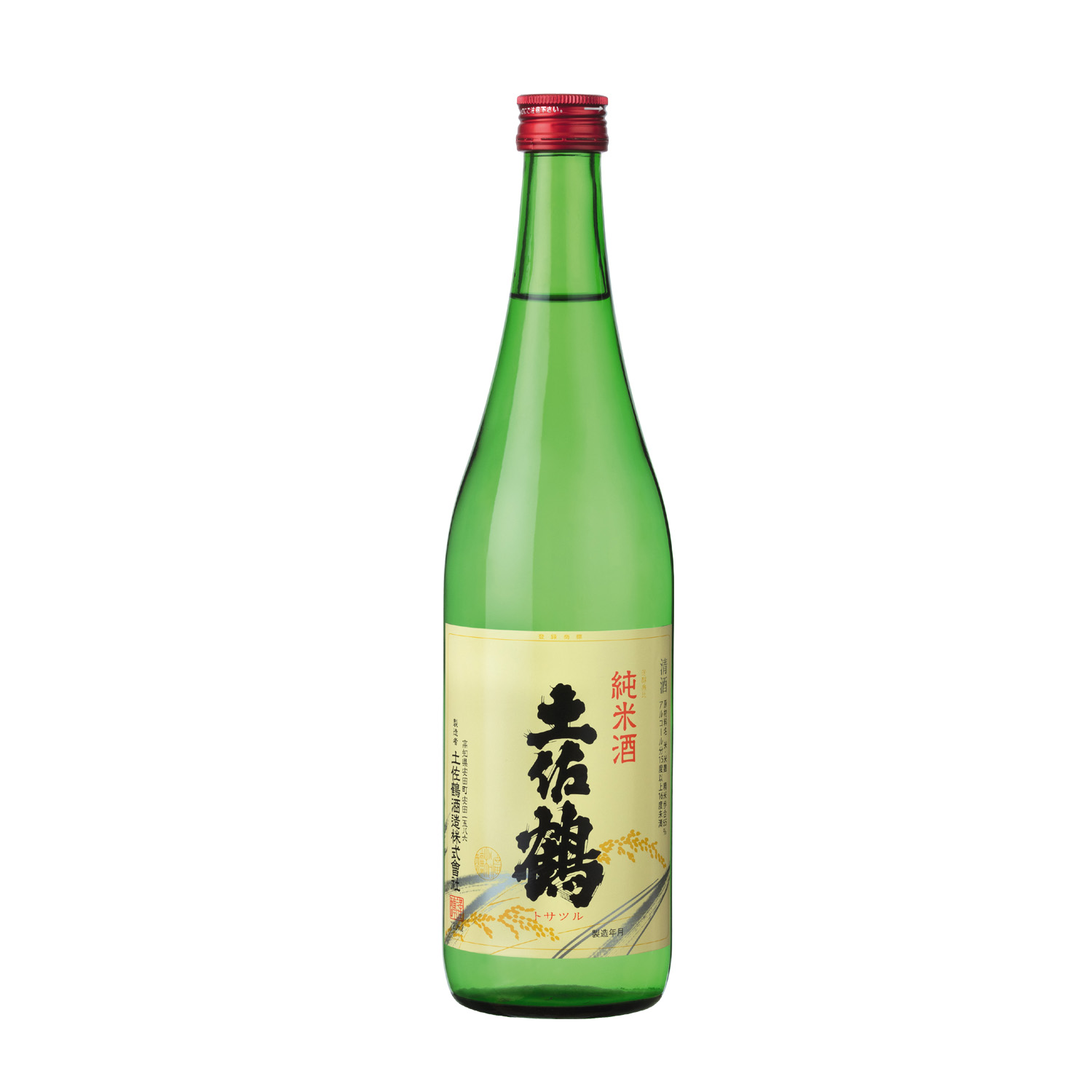
Tosa is one of Japan’s lesser-known but exceptional sake-producing regions — the prefecture’s clean mountain water, locally-grown rice, and centuries of brewing tradition produce sake with the prefecture’s signature “karakuchi” (dry) style — robust, slightly mineral-rich, and food-friendly with a clean dry finish. Notable breweries include Tsukasabotan (founded 1603), Tosatsuru, Suigei (whose name means “drunk whale,” reflecting Tosa’s seafaring identity), and Kameizumi. Tosa sake pairs beautifully with the prefecture’s famous katsuo tataki, abundant seafood, and bold local cuisine. Many breweries offer free tours and tasting flights. Pair with sashimi, grilled fish, or katsuo tataki. Available at JR Kochi Station’s Tosa Sake Cellar (offering 50+ Tosa brews on tap, ¥300/sample), Kochi Airport, and direct from breweries throughout the prefecture.
「土佐酒(とさざけ)」は隠れた名酒どころ——清冽な山の水、地元産酒造米、何世紀もの杜氏文化が、土佐の代名詞「辛口(からくち)」スタイルの銘酒——力強く、ほのかなミネラル感、料理との相性に優れた、すっきりとしたキレが特徴の逸品を生み出します。代表蔵元は1603年創業の「司牡丹」、「土佐鶴」、「酔鯨(すいげい)」(名前は「酔った鯨」の意で、土佐の海の文化を表現)、「亀泉」など。土佐酒は、県の有名なカツオたたき、豊富な海鮮、力強い地元料理との相性が格別。多くの蔵元で無料の蔵見学と利き酒セットが楽しめます。刺身、焼き魚、カツオのたたきとの相性が抜群。JR高知駅の「土佐酒セラー」(50銘柄以上の蔵元の利き酒、1杯300円)、高知空港、県内各蔵元の直営店で購入可能。
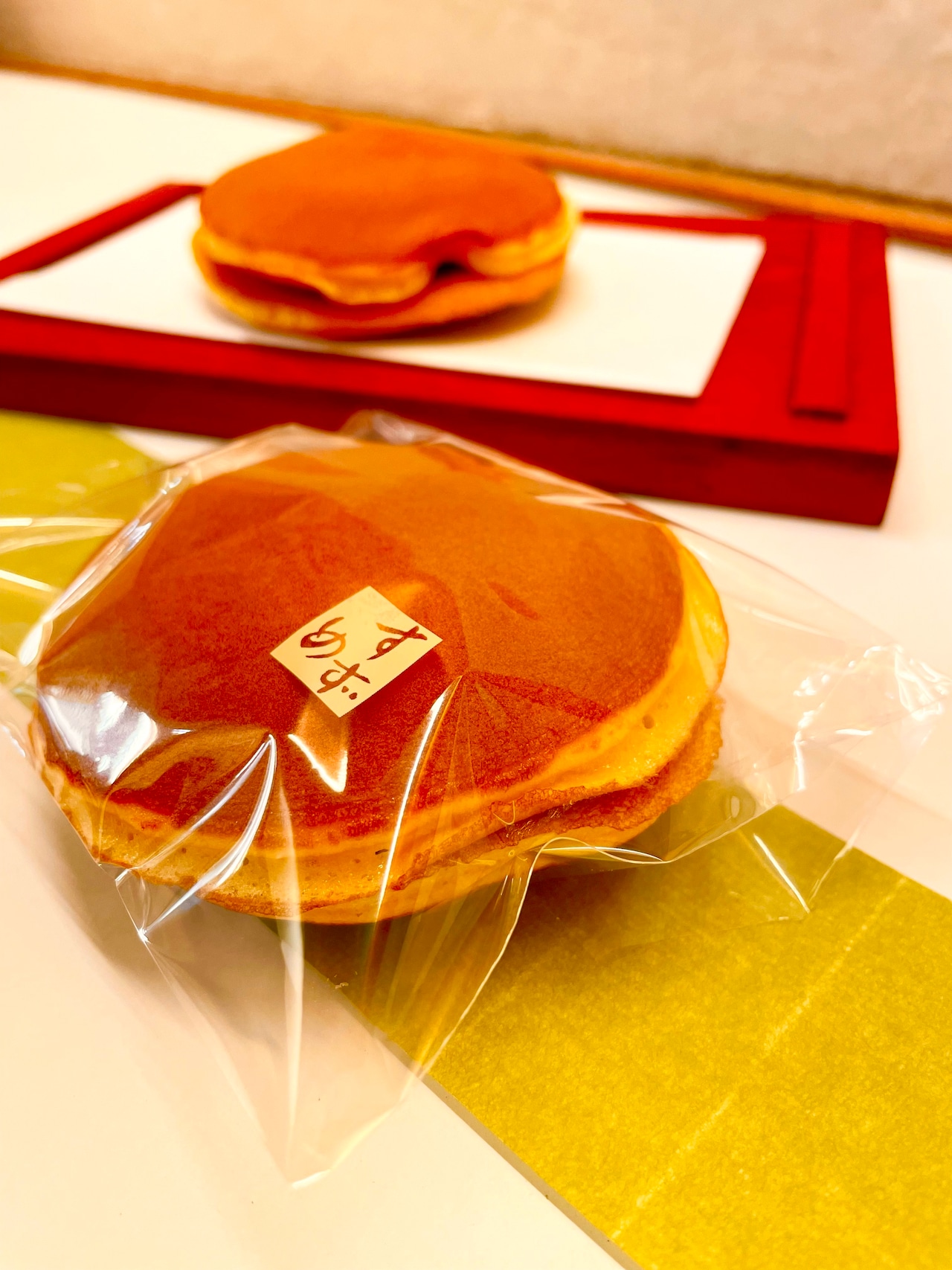
Yosakoi Dorayaki
Inspired by Kochi’s famous Yosakoi Festival — the prefecture’s vibrant summer dance celebration with 20,000+ dancers parading through Kochi City — Yosakoi Dorayaki is a colorful local sweet that combines tradition with festive energy. Each dorayaki is a soft, pancake-style sweet bun filled with anko, sold with festive Yosakoi-inspired packaging. The interior is filled with the standard sweet anko but often modernized with chestnuts, matcha cream, or seasonal fruit. These are made by various Kochi wagashi shops; the prefecture’s most iconic festival sweet overall is the long-loved “Kanzashi” (a yuzu-scented confection by Hamako). Boxed gift versions come in 6, 12, or 24 pieces. Pair with strong matcha or hojicha tea. Available at JR Kochi Station, Kochi Airport, Hirome Market, and during Yosakoi Festival in August. Best within 14 days unopened.
高知県を代表する「よさこい祭り」——夏の活気あふれる踊り祭で、2万人を超える踊り手が高知市を練り歩く伝統イベント——にインスパイアされた「よさこいどら焼き」は、伝統と祭りのエネルギーを融合させた多彩な地元菓子です。ふんわりした生地で餡を挟んだどら焼きで、よさこい祭りにちなんだ華やかなパッケージで売られています。中の餡は伝統的なこしあんが基本ですが、現代風に栗、抹茶クリーム、季節の果実などをアレンジしたバリエーションも展開。高知の和菓子店各社が手がけます(高知で最も有名な祭り菓子は、ゆず風味の銘菓「かんざし」=浜幸)。6個・12個・24個入りの化粧箱も。濃いめの抹茶やほうじ茶との相性が格別。JR高知駅、高知空港、ひろめ市場、8月のよさこい祭り会場で購入可能。
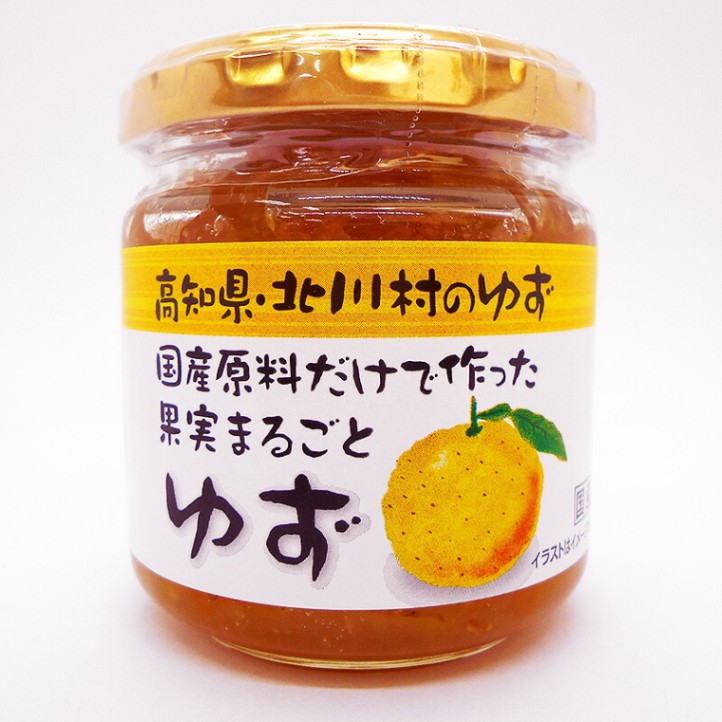
Kochi Yuzu
Kochi produces over 50% of Japan’s yuzu — a unique Japanese citrus with intensely aromatic peel and tart, slightly sweet juice. The prefecture’s mountain valleys with their distinctive day-night temperature swings produce yuzu of extraordinary aromatic intensity. Kochi yuzu products span an extraordinary range: yuzu juice (perfect for cocktails or marinades), yuzu salt, yuzu chocolate, yuzu cookies, yuzu kosho (fermented yuzu-and-chili paste, a Japanese essential), yuzu marmalade, and the famous “Yuzu Pon” (yuzu-based ponzu). Top makers include the Umaji Village Co-op (famous for “Gokkun Umaji-mura” and its “Yuzu-no-Mura” ponzu) and Kitagawa Village, both with elegant gift packaging. Modern variations include yuzu-and-honey, yuzu-and-soy, and yuzu beer. Pair Kochi yuzu products with sushi, sashimi, hot pot, or grilled fish. Available at JR Kochi Station, Kochi Airport, and major Kansai depachika.
高知県は日本の柚子(ゆず)生産量の50%以上を占める——強烈な芳香を持つ皮と酸っぱく少し甘い果汁が特徴の日本独自の柑橘。高知の山岳渓谷の独特な昼夜の寒暖差が、特に芳醇な柚子を育みます。「高知ゆず製品」は驚くほど多彩——ゆず果汁(カクテル、マリネに最適)、ゆず塩、ゆずチョコレート、ゆずクッキー、ゆずこしょう(発酵ゆずと唐辛子のペースト、日本料理の必須調味料)、ゆずマーマレード、有名な「ゆずポン」(ゆずベースのポン酢)など。代表メーカーは馬路村農協(「ごっくん馬路村」「ゆずの村ぽん酢」で有名)、北川村など、優雅なギフトパッケージで展開。現代バリエーションには、ゆず&はちみつ、ゆず&醤油、ゆずビールまである。寿司、刺身、鍋、焼き魚との相性が格別。JR高知駅、高知空港、関西の主要デパ地下で購入可能。
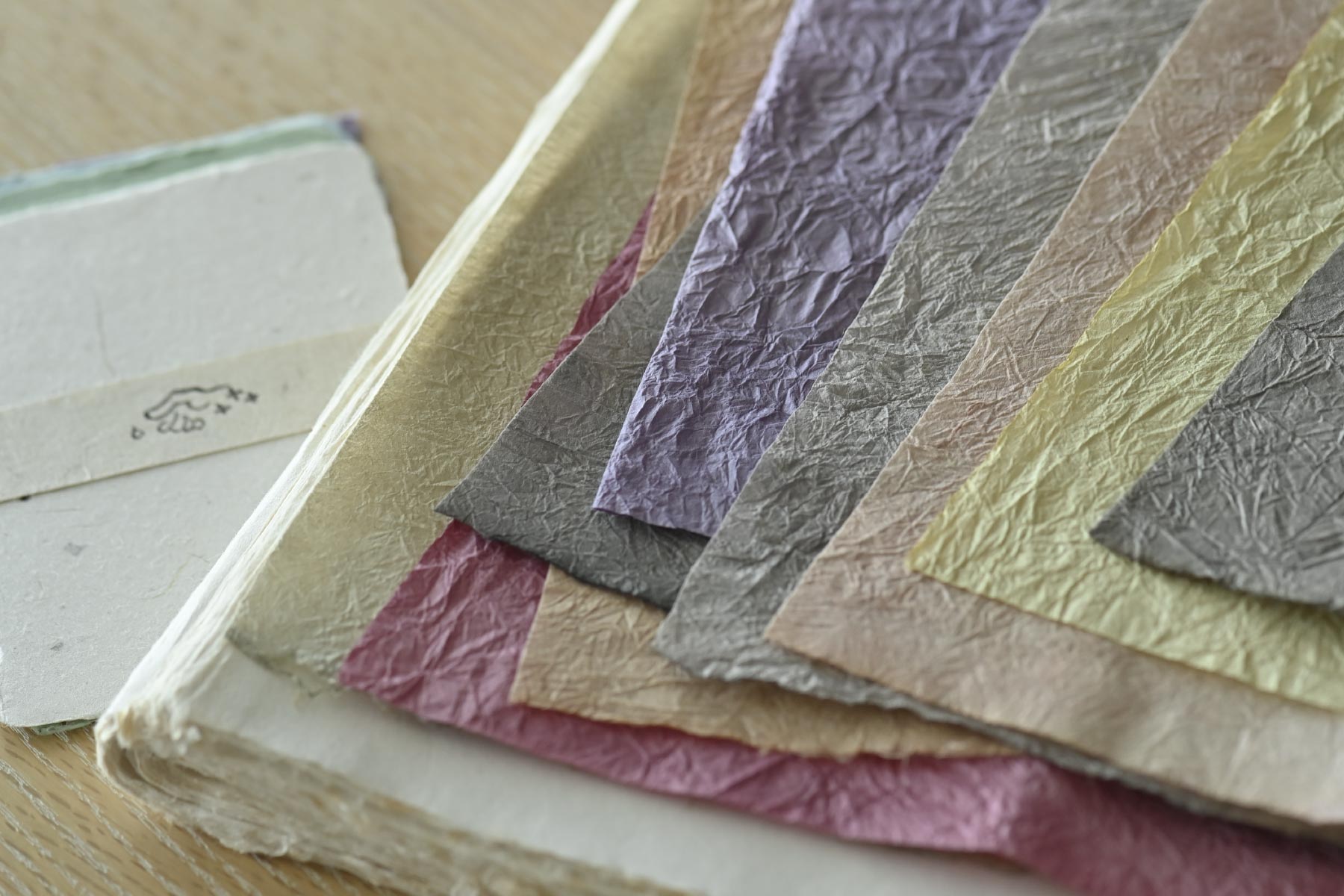
Tosa Washi
Tosa washi is one of Japan’s three great traditional papers (alongside Echizen and Mino) — its 1,000-year-old papermaking tradition centers around Kochi’s Ino region, where pure mountain water and abundant kozo (paper mulberry) and gampi plants create paper of extraordinary delicacy and durability. Tosa washi has been used for everything from imperial documents to fine art and modern stationery. The prefecture’s water has been called “Japan’s clearest,” and the local craftsmen pride themselves on creating papers that combine fragility (almost translucent at thinnest gauges) with extraordinary lasting power. Modern producers craft beautiful gift-quality stationery, lampshades, fans, and ledger papers. The Ino Town Paper Museum offers paper-making experiences for ¥800. Pieces range from ¥500 letter sets to ¥30,000+ artist papers. From JR Kochi Station, Ino is 30 minutes by JR.
「土佐和紙」は越前和紙、美濃和紙と並ぶ日本三大和紙の一つ——1,000年の歴史を持つ和紙生産の伝統は、高知県・伊野(いの)地方を中心に、清冽な山の水、豊富な楮(こうぞ)と雁皮(がんぴ)が、極めて繊細でありながら丈夫な和紙を生み出します。土佐和紙は皇室文書から美術作品、現代の文具まで多用途に使われてきました。県の水は「日本一の清流」と称され、地元の職人たちは儚さ(最も薄いゲージではほぼ透明)と驚くべき耐久性を兼ね備えた和紙作りに誇りを持っています。現代の作家たちは、ギフトクオリティの便箋、ランプシェード、扇子、装飾紙などを手がけ、伝統と革新を融合。「いの町紙の博物館」では800円で紙漉き体験も可能。価格帯は500円の文具から、30,000円超の作家紙まで多彩。JR高知駅から伊野まで列車で約30分。
Must-Visit Spots
おすすめスポット 5選
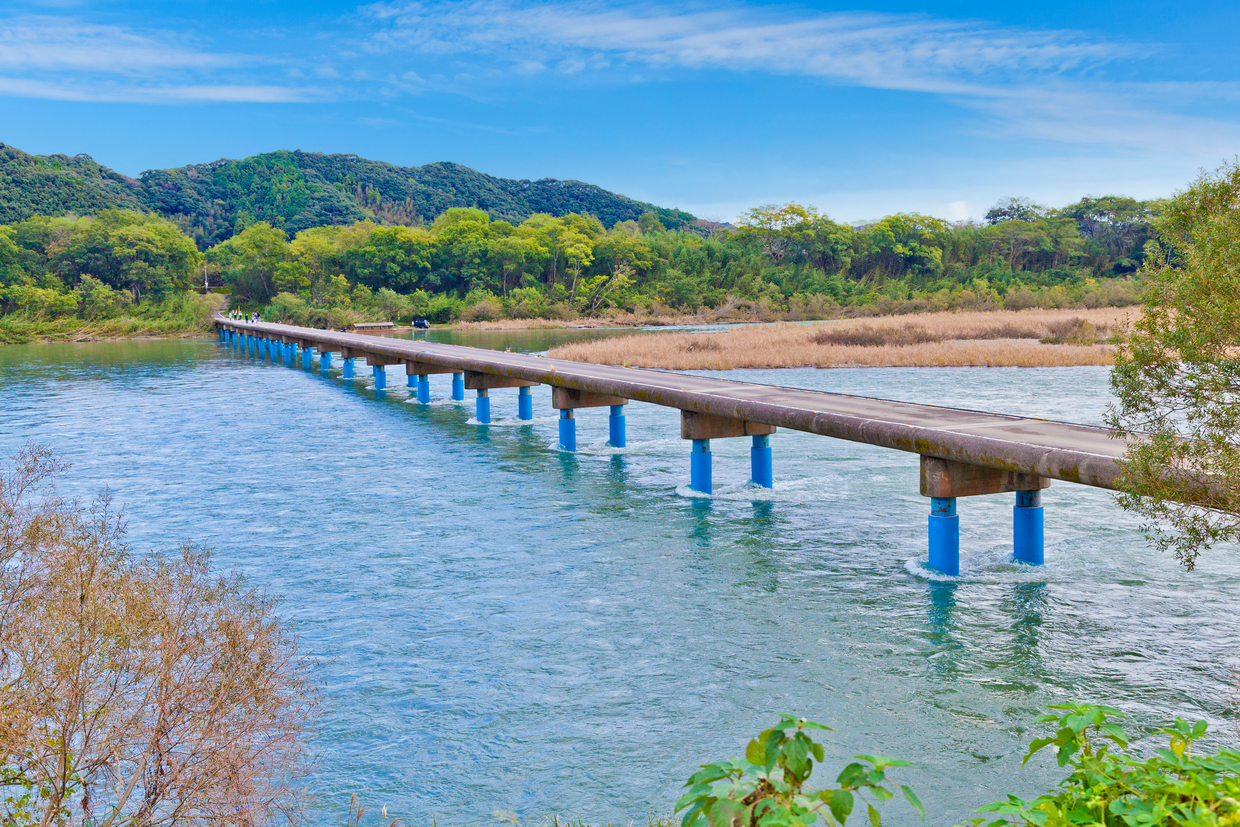
Shimanto River
The Shimanto River is celebrated as “the last clear river” of Japan — a 196-kilometer river system flowing through Kochi’s mountainous south, untouched by major dams or large-scale industrial development, with crystalline water that’s actually drinkable in many sections. The river’s iconic feature is the chinkabashi — “sinking bridges” — wooden plank bridges built without railings that intentionally go underwater during floods, then resurface. Visitors can rent kayaks (¥2,000-3,000/half-day) or paddle along the river by traditional cedar-canoe (¥3,000), or ride the dramatic JR Shimanto Sightseeing Train through forested gorges. The river is also famous for ayu (sweetfish) and unagi (eel) caught using traditional methods. Best from late April through October. From JR Kochi Station, Shimanto is 90 minutes by JR + bus.
「四万十川(しまんとがわ)」は日本で「最後の清流」と称される名所——高知県南部の山岳地帯を貫く全長196キロの河川系で、大規模ダムや産業開発から守られ、多くの区間では実際に水が飲めるほどの透明度を保つ希少な河川です。象徴的な特徴は「沈下橋(ちんかばし)」——欄干のない木造の橋で、洪水時には意図的に水没し、引いた後に再び現れる珍しい設計の橋です。訪問者はカヤックレンタル(半日2,000〜3,000円)、伝統的な杉カヌー乗船(3,000円)、または絶景のJR四万十観光列車で森林渓谷を巡る列車旅などが楽しめます。川はアユ(鮎)、ウナギの伝統漁法でも有名。ベストシーズンは4月下旬〜10月。JR高知駅からJR+バスで約90分。
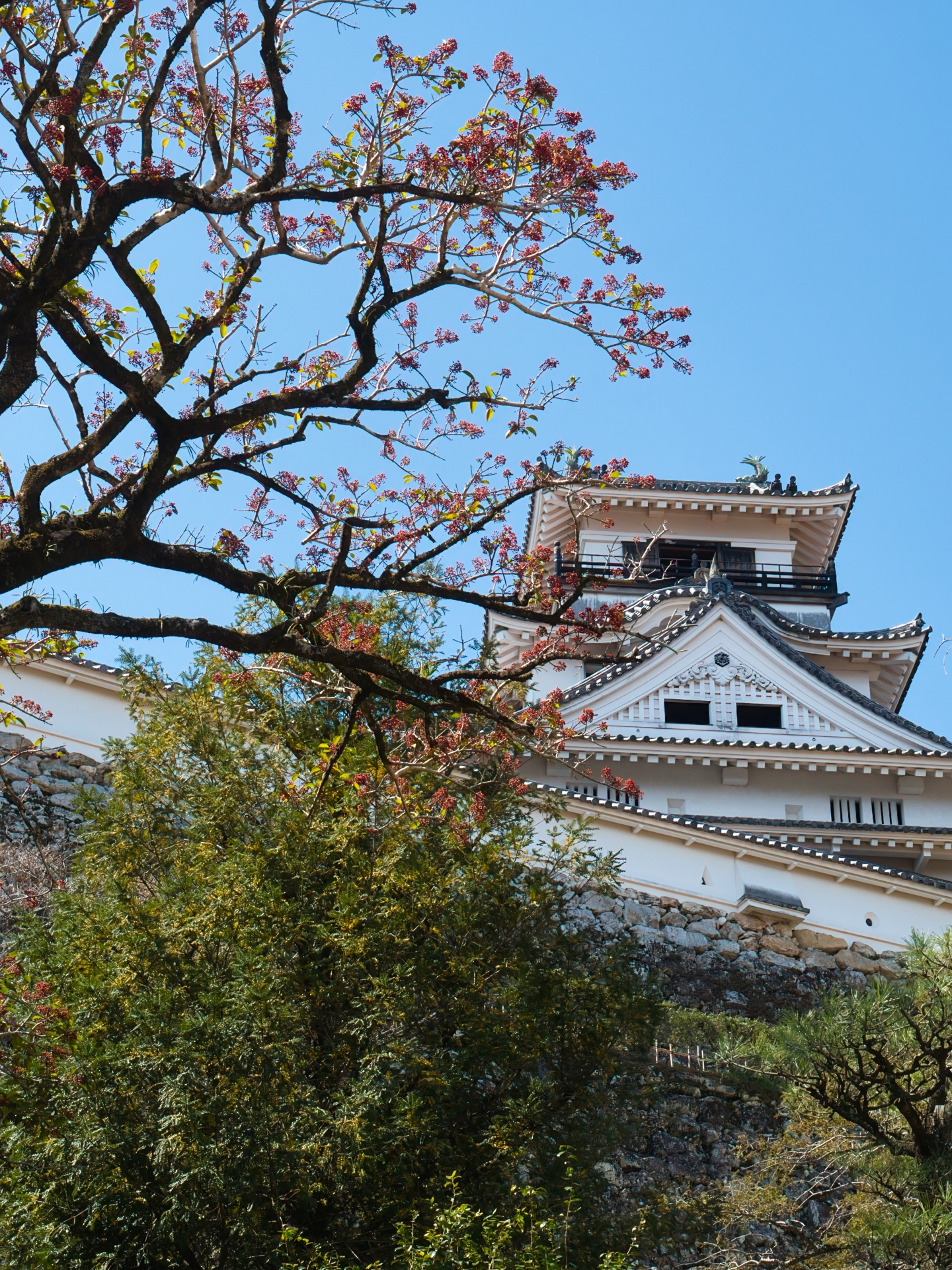
Kochi Castle
Kochi Castle is one of Japan’s twelve original castles preserving an original wooden keep — and it is the only castle in Japan where both the keep and the Honmaru Goten palace survive intact. The present keep was rebuilt in 1749 after a 1727 fire. Founded by Yamauchi Kazutoyo from 1601, the castle stayed in the Yamauchi family for roughly 250 years until the Meiji Restoration. The castle’s elegant white keep makes it instantly recognizable, while the surrounding grounds preserve original samurai walls and a beautifully restored Honmaru Goten residence — one of Japan’s only original castle palaces still standing. The keep’s top floor offers panoramic views of Kochi City and the Pacific Ocean. Cherry blossoms in early April are spectacular. Tickets ¥420. From JR Kochi Station, the castle is a 15-minute walk through downtown Kochi.
「高知城」は現存十二天守の一つで、しかも天守と本丸御殿の両方が現存する日本で唯一の城です。現在の天守は1727年の火災で焼失後、1749年(寛延2年)に再建されたもの。1601年から山内一豊が築城し、明治維新まで約250年にわたり山内家が城主を務めました。白を基調とした優美な天守が美しく、周囲の城域には武家屋敷の本物の石垣、見事に復元された「本丸御殿」(日本でも稀少な、現存する唯一級の城内御殿)が保存されています。天守最上階からは高知市街と太平洋を望む大パノラマが楽しめます。4月上旬の桜は格別の絶景。入場料420円。JR高知駅から城まで、繁華街を徒歩約15分でアクセス可能。
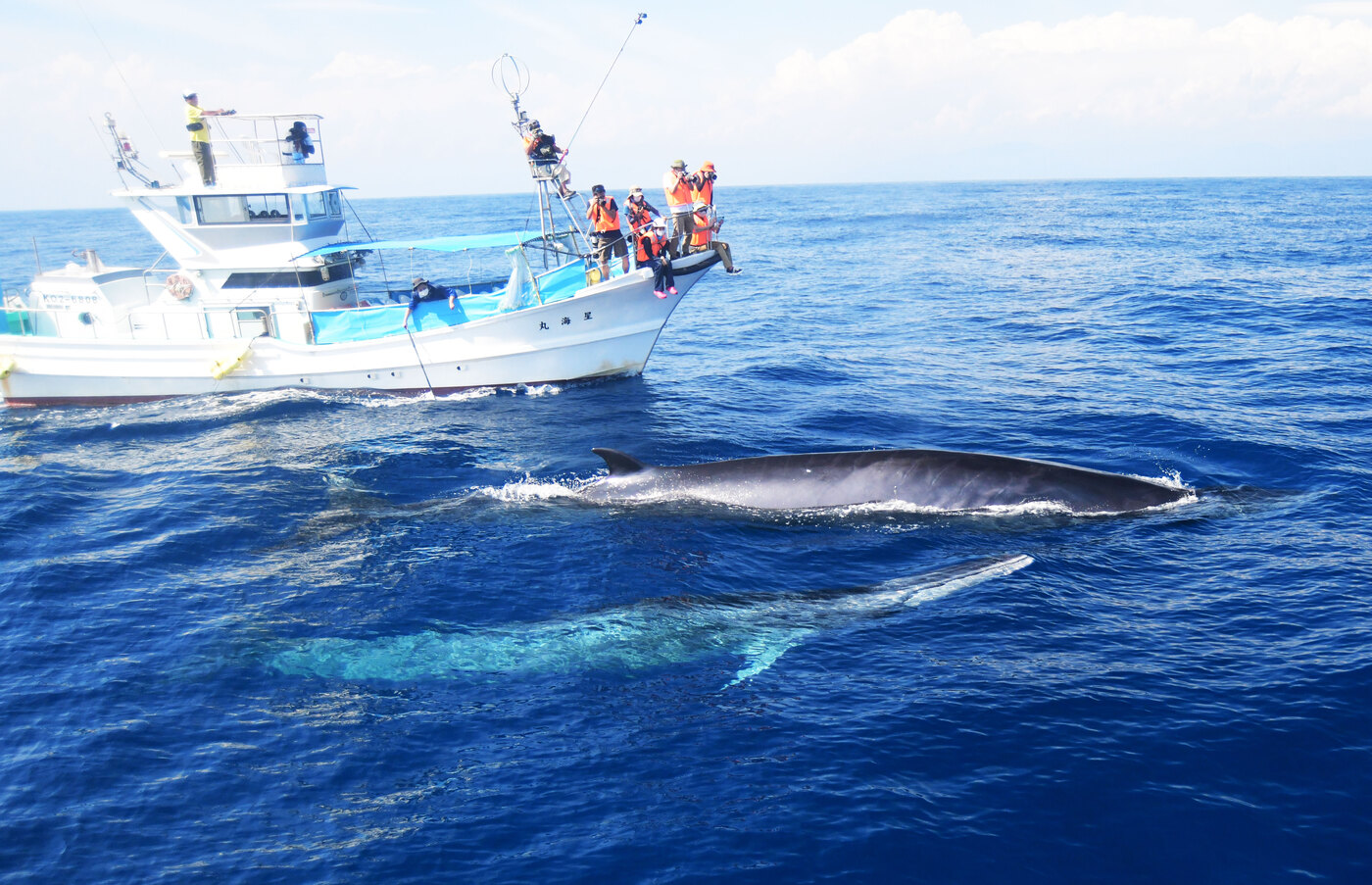
Tosa Bay Whale Watching
Tosa Bay is one of Japan’s premier whale-watching destinations — the warm Kuroshio Current flowing past Kochi’s Pacific coast attracts large pods of Bryde’s whales, sperm whales, dolphins, and even occasional orcas. The whale-watching season runs from April through October, with peak activity in summer when pods of feeding whales follow schools of mackerel and sardines. Tour boats from Kuroshio Town (Ogata) and Tosa City (Usa) ports (about ¥5,000-7,000 for half-day trips) provide expert guides and report sighting rates of around 80% on most days. The boats take you 30-40 km offshore to feeding grounds, with whale sightings often within 50-100 meters. Beyond whales, dolphins frequently swim alongside the boats. Some specialty tours offer overnight stays on whale-watching ships. From Kochi City, the whale-watching ports at Tosa City (Usa) and Kuroshio Town (Ogata) are roughly 40-90 minutes away.
「土佐湾ホエールウォッチング」は日本随一のクジラ観賞地——温暖な黒潮が高知県の太平洋岸を流れることで、ニタリクジラ、マッコウクジラ、イルカ、時にはシャチまで大群が集まる絶景の海域です。ホエールウォッチングシーズンは4〜10月、特に夏のピーク時には、サバやイワシの群れを追ってクジラの群れが捕食活動を行う壮観な光景が広がります。黒潮町(大方)・土佐市(宇佐)の港からのツアー船(半日コース約5,000〜7,000円)では、専門ガイドが案内し、遭遇率は約8割と高め。30〜40km沖合の餌場まで移動し、クジラを50〜100メートルの至近距離で観察できることも。クジラ以外にも、イルカが船に並走する姿も頻繁に見られます。船上宿泊型ツアーも一部あり。高知市中心部から、土佐市(宇佐)・黒潮町(大方)のホエールウォッチング港まで約40〜90分。
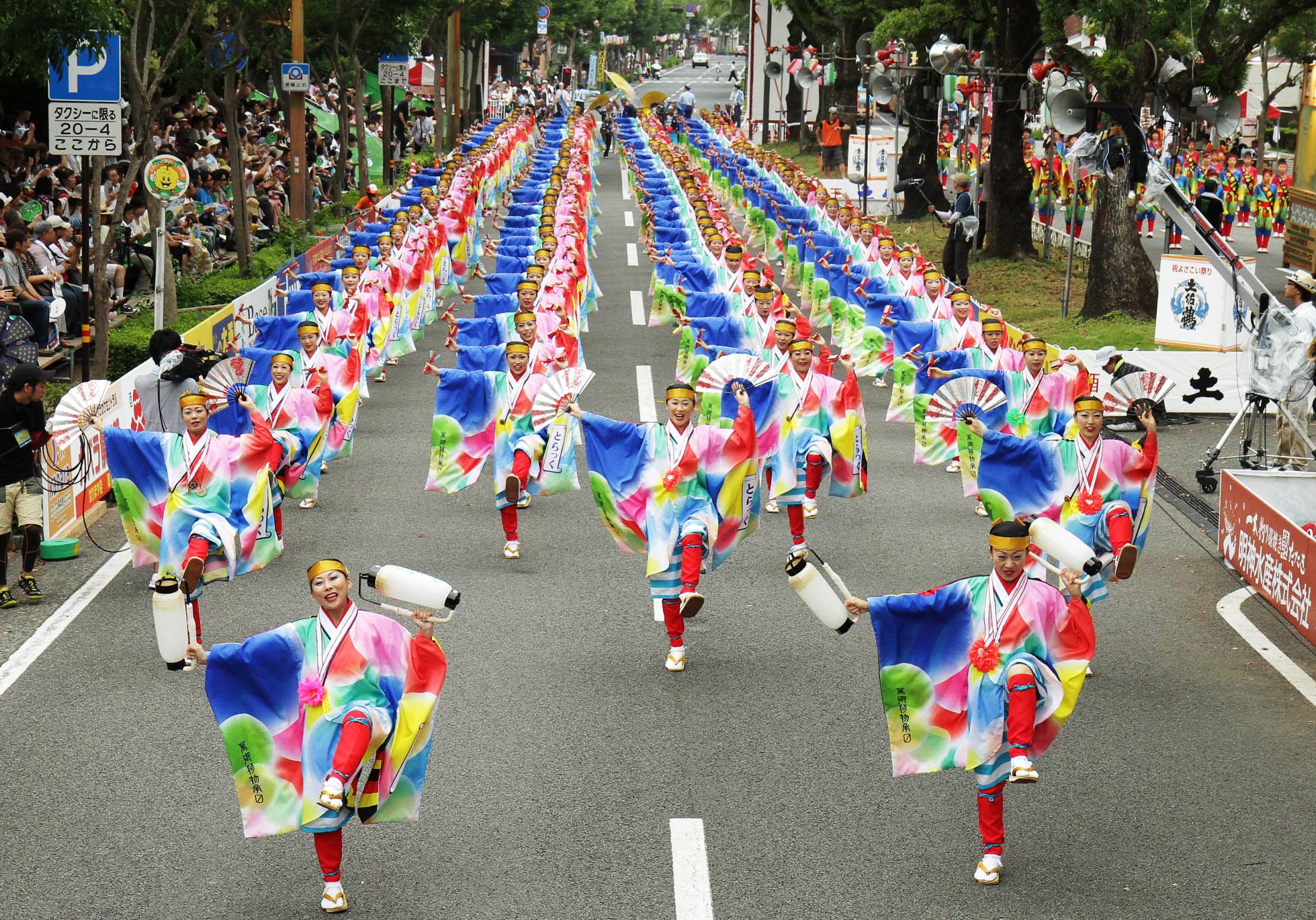
Yosakoi Festival
Yosakoi Festival is Kochi’s most beloved cultural celebration — held August 9-12 every year in central Kochi City, the festival features around 18,000 dancers in some 190 teams parading through 16 designated venues to a contemporary remix of traditional folk songs and shamisen rhythms. The dance combines traditional bon-odori movements with modern energy, and dancers often hold naruko (small wooden clappers) that amplify the festive sound. Each team designs its own elaborate costumes, banner trucks, and choreography — making the festival a riot of color and movement. The festival’s modern form was created in 1954 to revive Kochi’s depressed post-war economy, and has grown to become one of Japan’s most internationally recognized matsuri. Visitors can join during participation hours, with kimono and dance costume rentals available. Free admission to public viewing areas.
「よさこい祭り」は高知県の代表的な文化祝祭——毎年8月9〜12日に高知市中心部で開催され、約1万8千人の踊り手が約190のチームに分かれて、16の演舞場・競演場を、現代風にアレンジした伝統民謡と三味線のリズムに合わせて練り歩きます。踊りは伝統的な盆踊り動作と現代的なエネルギーを融合し、多くの踊り手は祭り囃子の音を増幅する「鳴子(なるこ)」(小さな木製カチッ)を手に持って踊ります。各チームが独自の華麗な衣装、看板トラック、振付を設計し、祭りは色彩と動きの大爆発に。現代版祭りは1954年に戦後の高知経済再生のために創設され、今や日本でも国際的に最も認知されたマツリの一つに成長。訪問者は参加タイムに飛び入り可能で、衣装レンタル店も多数。一般観覧エリアは無料。
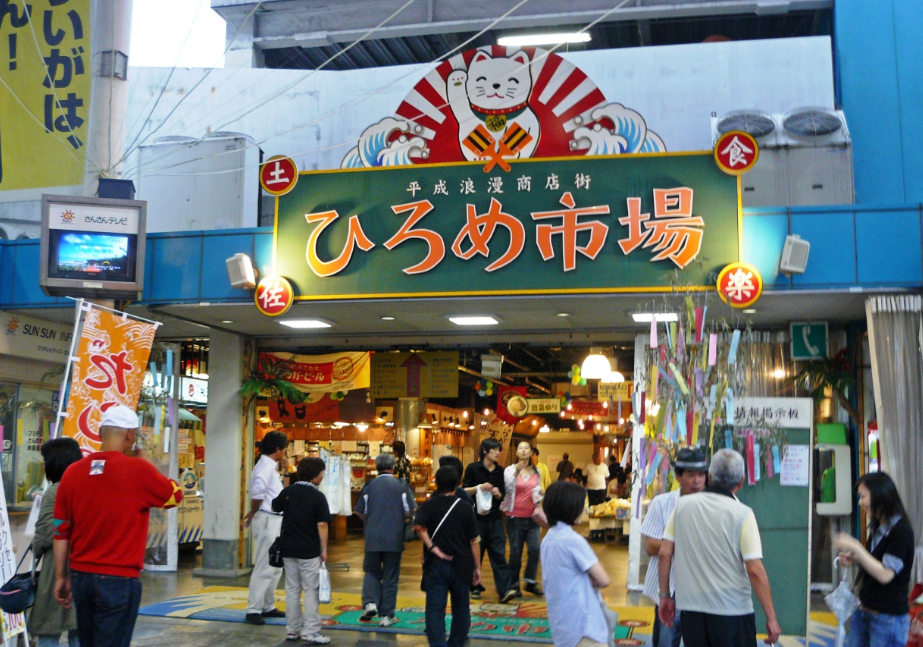
Hirome Market
Hirome Market is Kochi’s most exhilarating food destination — a covered food-hall market in central Kochi City where dozens of stalls sell prepared food and sake at communal tables, creating an atmosphere of joyful, casual fusion that’s been called “Japan’s most fun food market.” The signature stalls include Myojinmaru — the birthplace of “shio-tataki” (salt-seared bonito), cooked over straw fire right at the counter — and Yairo-tei for prized katsuo tataki and sushi platters, and several Tosa sake stands offering tasting flights of 5-10 sakes for ¥500-1,000. Beyond seafood, find skewered yakitori, gyoza, traditional sweets, and surprising international fare. The market is most lively in evenings (5pm onward) and weekends. Free admission. From JR Kochi Station, Hirome Market is a 15-minute walk through downtown Kochi.
「ひろめ市場」は高知県で最もエネルギッシュなグルメスポット——高知市中心部の屋内型グルメ市場で、数十軒の屋台が共有テーブルで料理と日本酒を提供し、陽気でカジュアルな融合の雰囲気が「日本で最も楽しいグルメ市場」と称されます。象徴的な屋台は、目の前で藁火で焼く「塩たたき」発祥の「明神丸」、評判のカツオたたきや寿司の「やいろ亭」、5〜10銘柄の利き酒(500〜1,000円)を提供する複数の土佐酒スタンドなど。海鮮以外にも、串焼き、焼き鳥、餃子、伝統菓子、驚きのインターナショナルメニューも揃います。最も活気あるのは夕方以降(17時〜)と週末。入場無料。JR高知駅から市内中心部を徒歩約15分でアクセス可能。
Insider Tips
現地通の旅の裏ワザ
Real Kochi-style bonito tataki is straw-flame seared (not gas). Hirome Market’s ‘Yakimono’ stalls demonstrate live — ¥800 plate vs ¥2,500 in Tokyo.
本場のカツオの藁焼きタタキは藁火(ガスじゃない)が必須。ひろめ市場の焼き物店で実演¥800、東京の¥2,500の3分の1。
One of only 12 surviving wooden castles in Japan. The keep (rebuilt in 1749 after a fire) is one of Japan’s 12 surviving original keeps, and is climbable — bring socks for the wooden floors.
全国12現存天守の一つ、天守は1749年再建で現存12天守の一つ。本物の木造階段を登る体験ができる。靴下持参推奨。
Frequently Asked Questions
What is katsuodon and katsuo tataki?
Katsuo tataki (カツオのたたき) is thick-cut bonito seared on the outside over blazing rice straw, served with garlic, ginger and salt or with ponzu. It’s Kochi’s signature dish — the Hirome Market has excellent versions from ¥800.
カツオのたたきは稲わら炎で表面だけを炙った厚切りカツオ。ニンニク・塩またはポン酢で。ひろめ市場で800円〜食べられます。
Can I swim or canoe in the Shimanto River?
Yes — the river is clean and popular for canoeing (¥3,000–5,000 for half-day rentals near Nakamura). Swimming is also possible at designated spots. The famous ‘sinking bridges’ (chinkaibashi) are designed to submerge in floods.
カヌーは中村周辺でレンタル(半日3,000〜5,000円)。川泳ぎも可能。洪水時に沈む「沈下橋」も四万十の名物。
Who was Sakamoto Ryoma?
Sakamoto Ryoma (1835–1867) was a Tosa-born samurai visionary who negotiated the Satsuma-Choshu Alliance that ended the shogunate and launched the Meiji Restoration. He’s Japan’s most beloved historical figure. The Kochi Prefectural Museum and his birthplace in central Kochi tell his story.
坂本龍馬(1835〜1867)は薩長同盟を結び明治維新の礎を作った土佐出身の志士。高知市内に生誕地と龍馬記念館があります。
Travel Tip
Go to the Hirome Market (ひろめ市場) for lunch — order katsuo tataki seared to order at the Myojinmaru stall, grab a cup of Tosa sake, and join the communal table. It’s the most authentic Kochi experience, and the bonito is usually still warm from the straw fire.