Tokushima
Top Tokushima souvenirs and must-visit travel spots — your complete guide for visitors to Japan. Japan’s most joyous dance festival, tidal whirlpools powerful enough to swallow boats, and forests of ancient indigo — Tokushima is Shikoku at its most vivid and electric.
阿波おどりの熱狂、鳴門の大渦潮、阿波藍の深い青——徳島は四国の玄関口にして、日本で最もエネルギッシュな県のひとつです。
Tokushima is the Awa Odori dance prefecture, with the Naruto whirlpools and the steep Iya Valley. Its souvenirs are farm-and-craft: sudachi citrus products, Naruto kintoki sweet potato, Awa-ai indigo goods, and Kincho-manju, a tanuki-shaped sweet. Sudachi and indigo keep well. Tokushima Station and the airport are the spots.
徳島は阿波おどりの県、鳴門の渦潮や祖谷渓も。みやげは農と工芸で、すだち製品、鳴門金時、阿波藍グッズ、金長まんじゅう(たぬきの菓子)など。すだちや藍は日持ちします。徳島駅や空港が買い場です。
Recommended Omiyage
おすすめおみやげ 5選
Awa Indigo Dyeing
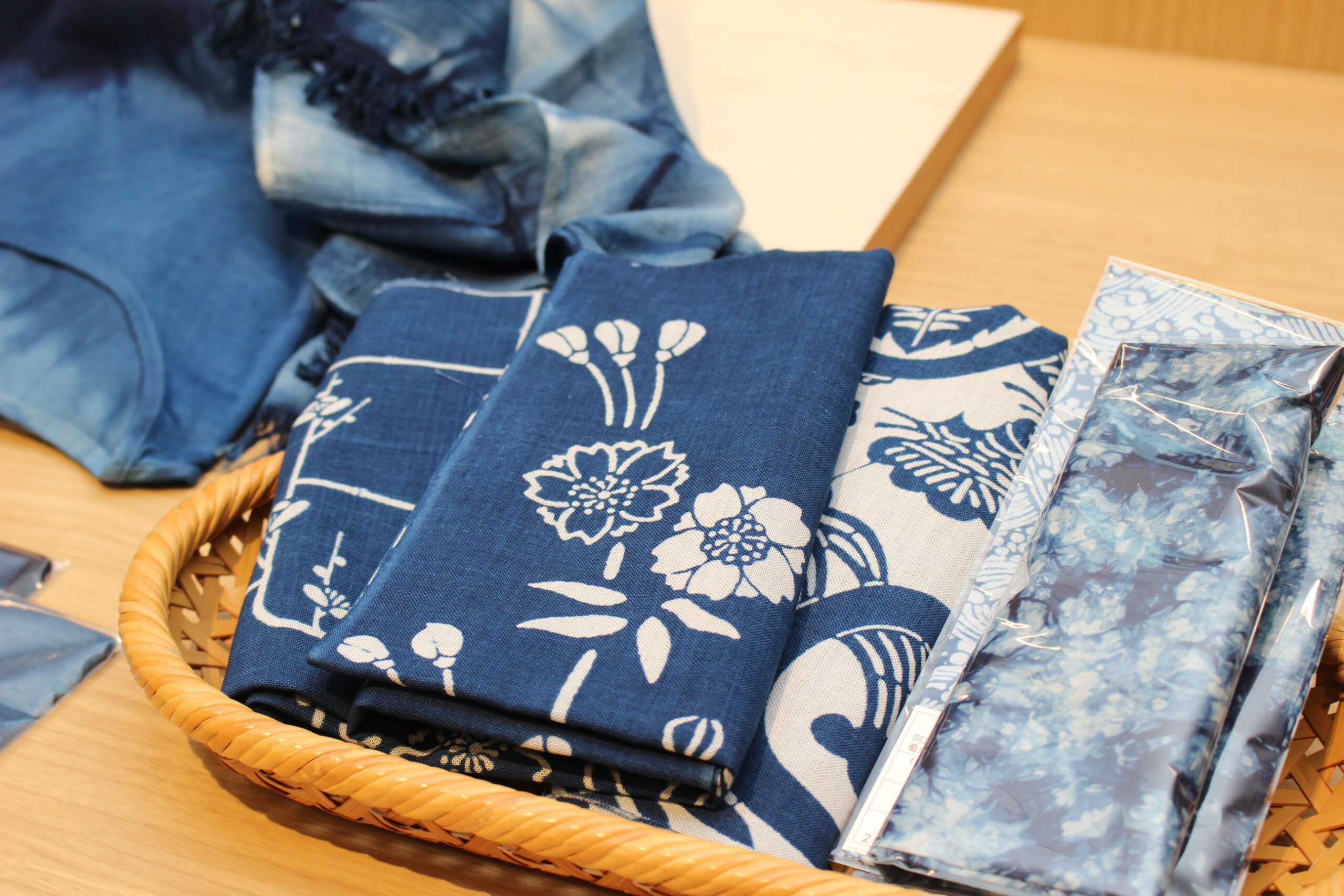
Awa-ai (Tokushima indigo) is one of Japan’s most prestigious natural dyes — produced from the indigo plant (Polygonum tinctorium) cultivated in the Yoshino River basin since the 16th century. The dyeing process is extraordinarily labor-intensive: indigo leaves are fermented in cedar barrels for 100+ days to develop “sukumo” (indigo paste), then dyers repeatedly dip fabric to gradually build the deep, complex blue that’s known as “Japan Blue” worldwide. Authentic Awa-ai pieces feature subtle gradations, hand-rendered patterns, and a unique earthy fragrance from natural fermentation. Modern artisans craft scarves, totebags, indigo-dyed yarn, and traditional kimonoseparate. Key spots include the Ai no Yakata (Aizumi) and the Waza no Yakata (Kamiita). Pieces range from ¥3,000 small scarves to ¥150,000+ collector-grade kimono. From JR Tokushima Station via the Tokushima City Bus.
「阿波藍(あわあい)」は日本でも最も格式高い天然染料——徳島県・吉野川流域で16世紀から栽培されてきた藍の植物(タデアイ)を原料とする伝統染色です。製造工程は驚異的に手間暇かかる作業:藍の葉を杉樽で100日以上発酵させて「すくも」(藍ペースト)に仕立て、染め師が布を繰り返し浸して深みある複雑な青を徐々に構築していく職人技で、その色は世界的に「ジャパンブルー」と称されます。本物の阿波藍作品は、繊細な濃淡、手作業の文様、自然発酵による独特の土の香りが魅力。現代の作家たちは、スカーフ、トートバッグ、藍染め糸、着物パーツなどを展開。代表施設は藍住町の「藍の館」、上板町の「技の館」など。価格帯は3,000円のスカーフから、コレクター用着物150,000円超まで多彩。JR徳島駅から徳島市バスでアクセス可能。
Naruto Kintoki
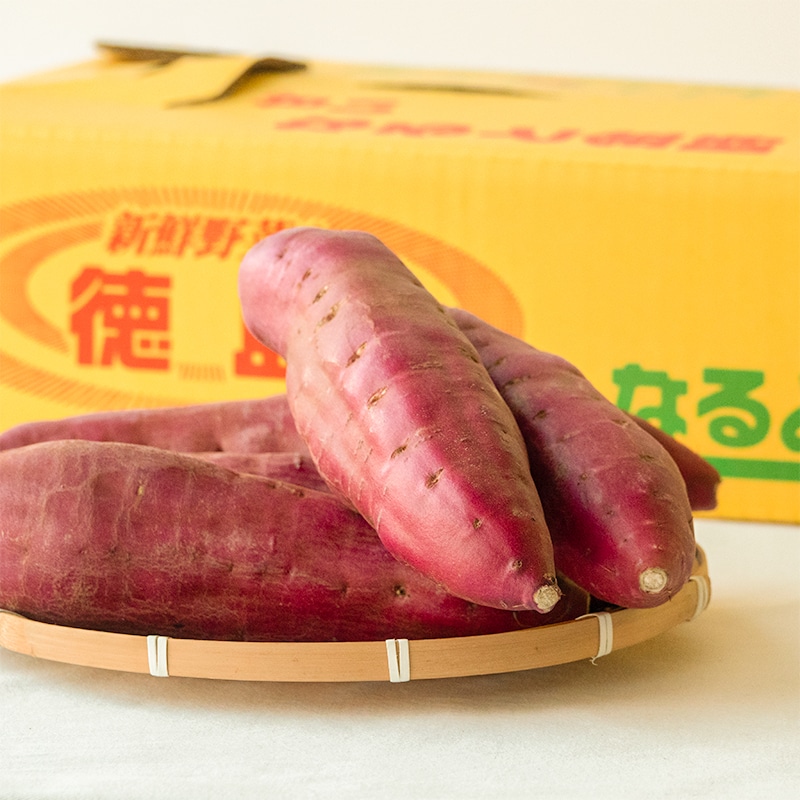
Naruto Kintoki are Tokushima’s prized sweet potato variety — grown only in the sandy coastal soil near Naruto, where the unique drainage and sea breezes produce sweet potatoes with extraordinarily concentrated sweetness, vibrant golden flesh, and a distinctive hint of salinity from the marine environment. The flavor is so refined that Naruto Kintoki are often considered Japan’s finest yaki-imo (roasted sweet potato) variety. Beyond fresh potatoes, Tokushima’s Naruto Kintoki Wagashi creations include kintoki manju (steamed buns filled with sweet potato paste), hoshi-imo (sun-dried sweet potato strips), kintoki dumplings, and Kurio’s famous “Naruto Uzu-imo.” Top makers include Kurio Shoten (its “Naruto Uzu-imo”) and Naruto-no-Imoya. Available at JR Naruto Station, JR Tokushima Station, and prefecture-wide gift shops. Best within 30 days unopened.
「鳴門金時(なるときんとき)」は徳島県の珍味さつまいも——鳴門近郊の砂質沿岸土壌のみで栽培される、卓越した甘味、鮮やかな黄金色の果肉、海風がもたらす微妙な塩気を持つ品種です。風味は極めて洗練されており、鳴門金時は日本最高峰の焼き芋品種としばしば称えられます。生の芋以外にも、徳島の鳴門金時を使った和菓子のラインナップが豊富——金時まんじゅう、干し芋、金時団子、有名な栗尾商店の「鳴門うず芋」など多彩。代表メーカーは「栗尾商店(鳴門うず芋)」、「鳴門のいも屋」など。JR鳴門駅、JR徳島駅、県内お土産店で広く購入可能。未開封で賞味期限約30日。
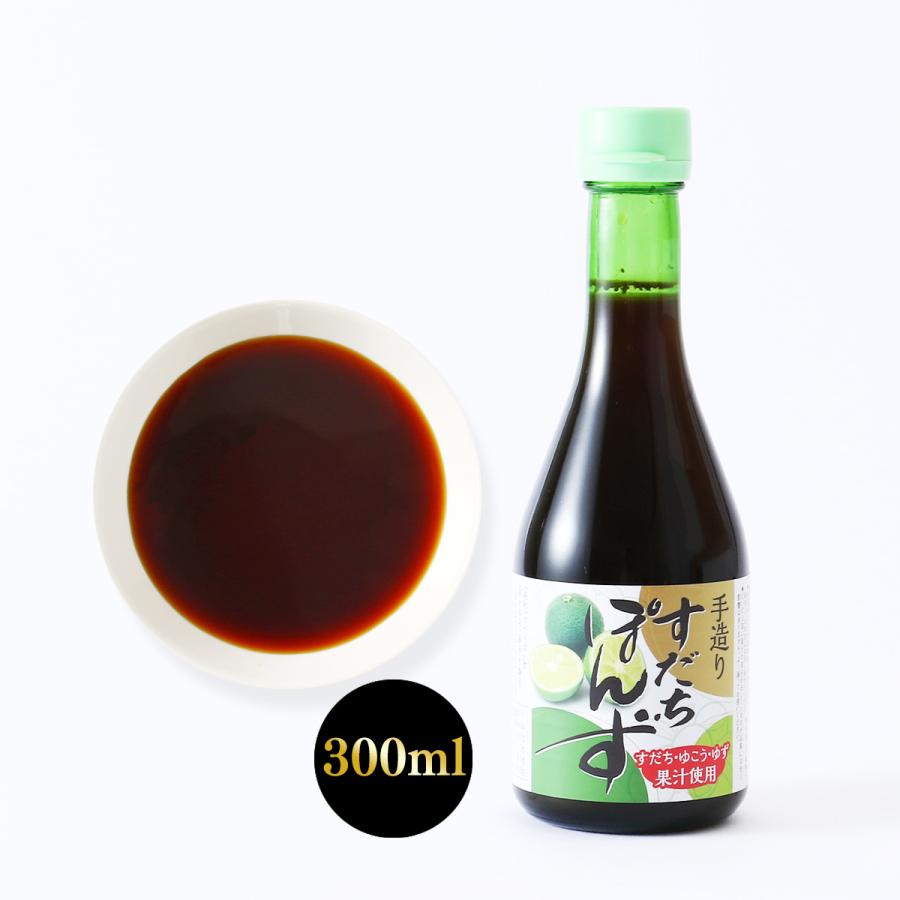
Sudachi Ponzu
Sudachi is one of Japan’s most refined citrus fruits — a small, green citrus (resembling a lime but with a more nuanced flavor) cultivated almost exclusively in Tokushima Prefecture. The fruit’s unique aromatic profile combines crisp acidity, mild sweetness, and a herbaceous depth that makes it a chef’s secret weapon for elevating any dish. Sudachi Ponzu — a specialty soy-sauce-based seasoning infused with sudachi juice and zest — is Tokushima’s most celebrated culinary export. Premium versions like those from Tokushima Sangyo and JA Tokushima-shi use only fresh-pressed sudachi (no concentrate) for unparalleled aromatic complexity. Use it on grilled fish, gyoza, hot pot, or as a marinade. Top producers offer beautifully bottled versions at JR Tokushima Station, Tokushima Airport, and major Kansai depachika. Refrigerate after opening; lasts 6 months.
「すだち」は日本でも最も洗練された柑橘の一つ——小ぶりで緑色のシトラス(ライムに似ているがより繊細な風味)で、ほぼ徳島県のみで栽培されます。爽やかな酸味、控えめな甘味、ハーブのような深みが調和した独特の芳香プロファイルは、シェフたちが料理を一段階格上げするために愛用する秘密兵器。「すだちポン酢」は、しょうゆベースの調味料にすだちの果汁と皮を加えた徳島の代表的な食文化輸出商品です。「徳島産業」「JA徳島市」などのブランドは、絞りたてすだちのみ使用(濃縮還元不使用)で、比類なき芳香の複雑性を実現。焼き魚、餃子、鍋、マリネなど多用途に活躍する万能調味料。JR徳島駅、徳島空港、関西の主要デパ地下で購入可能。開封後は要冷蔵、賞味期限約6ヶ月。
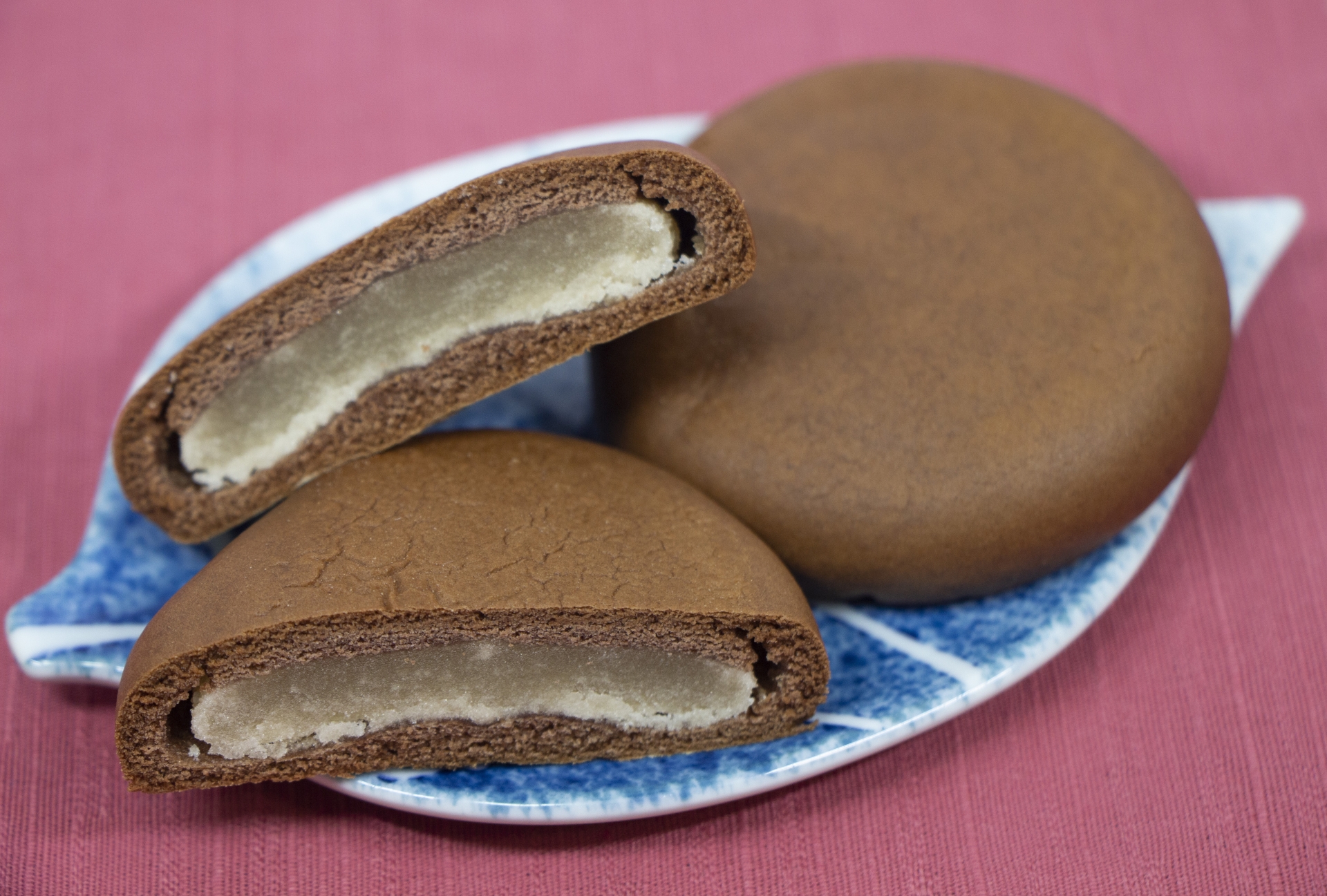
Kincho Manju
Kincho Manju is one of Tokushima’s most beloved confections — a bite-sized steamed bun with a cocoa-tinted skin wrapped around smooth white bean paste. Made by Hallelujah Confectionery, it takes its name and tanuki (raccoon-dog) motif from the local “Awa tanuki” folklore popularized by the film “Awa Tanuki Gassen.” The chocolate-flavored dough and mellow white-bean filling give it a gentle, nostalgic-yet-modern flavor that has made it a perennial top-ranked Tokushima souvenir. Boxed gift versions in 6, 10, or 16 pieces are sold at JR Tokushima Station, Tokushima Airport, and prefecture-wide shops. Best within about two weeks.
「金長まんじゅう(きんちょうまんじゅう)」は徳島で長く愛される銘菓——チョコ風味の生地で白あんを包んだ一口サイズの蒸し饅頭です。ハレルヤ製菓が手がけ、映画『阿波狸合戦』で知られる地元の「阿波狸」伝説にちなんだ名とたぬきの意匠が特徴。ココア色の生地とまろやかな白あんが、どこか懐かしくも新しい味わいで、徳島土産ランキングの常連です。6個・10個・16個入りの化粧箱がJR徳島駅、徳島空港、県内の店舗で広く販売。賞味期限は約2週間。
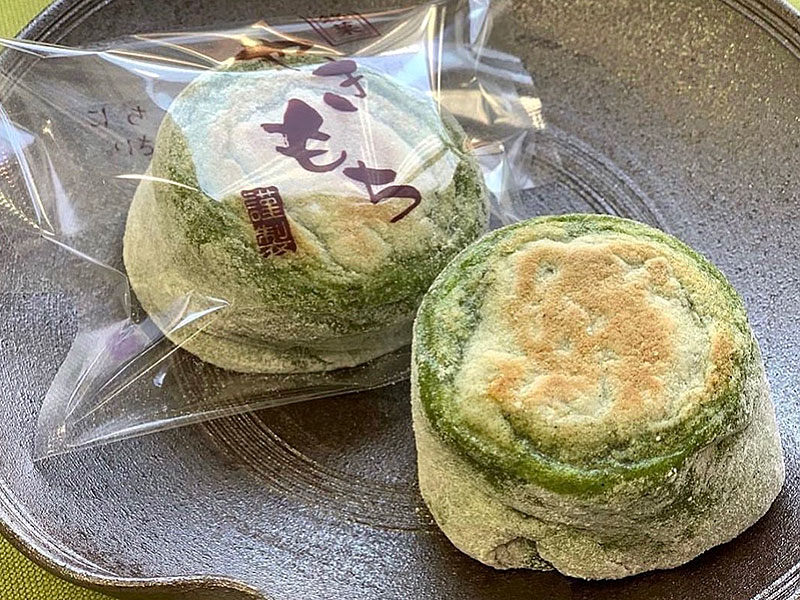
Taki no Yakimochi
Taki no Yakimochi is Tokushima City’s historic grilled mochi — said to have been presented to the lord Hachisuka Iemasa when Tokushima Castle was built in 1585, and named after the Shiraito Falls on Mt. Bizan. Thin rounds of mochi (glutinous and ordinary rice) are filled with smooth koshian red-bean paste, stamped with a chrysanthemum crest, and grilled over charcoal; the dough is made with Kinryusui, one of Mt. Bizan’s famous spring waters. Some shops also make a fragrant yomogi (mugwort) version. The maker is Wada-no-ya, near the foot of Mt. Bizan. Best eaten fresh (within a day or two); take-home boxes are available. Pair with hojicha tea or matcha.
「滝の焼餅(たきのやきもち)」は徳島市の歴史ある焼き餅——1585年の徳島城築城の際に藩主・蜂須賀家政に献上したと伝わり、眉山の「白糸の滝」にちなんで名づけられました。もち米とうるち米の粉の薄い餅にこし餡を包み、菊の紋を押して炭火で焼いた逸品で、仕込み水には眉山の名水「錦竜水(きんりゅうすい)」を使います。よもぎを練り込んだ香り高い版もあります。製造元は眉山のふもとの「和田の屋」。焼きたて(当日〜2日ほど)が至高、お持ち帰り用の箱詰めもあります。ほうじ茶や抹茶との相性も格別です。
Must-Visit Spots
おすすめスポット 5選
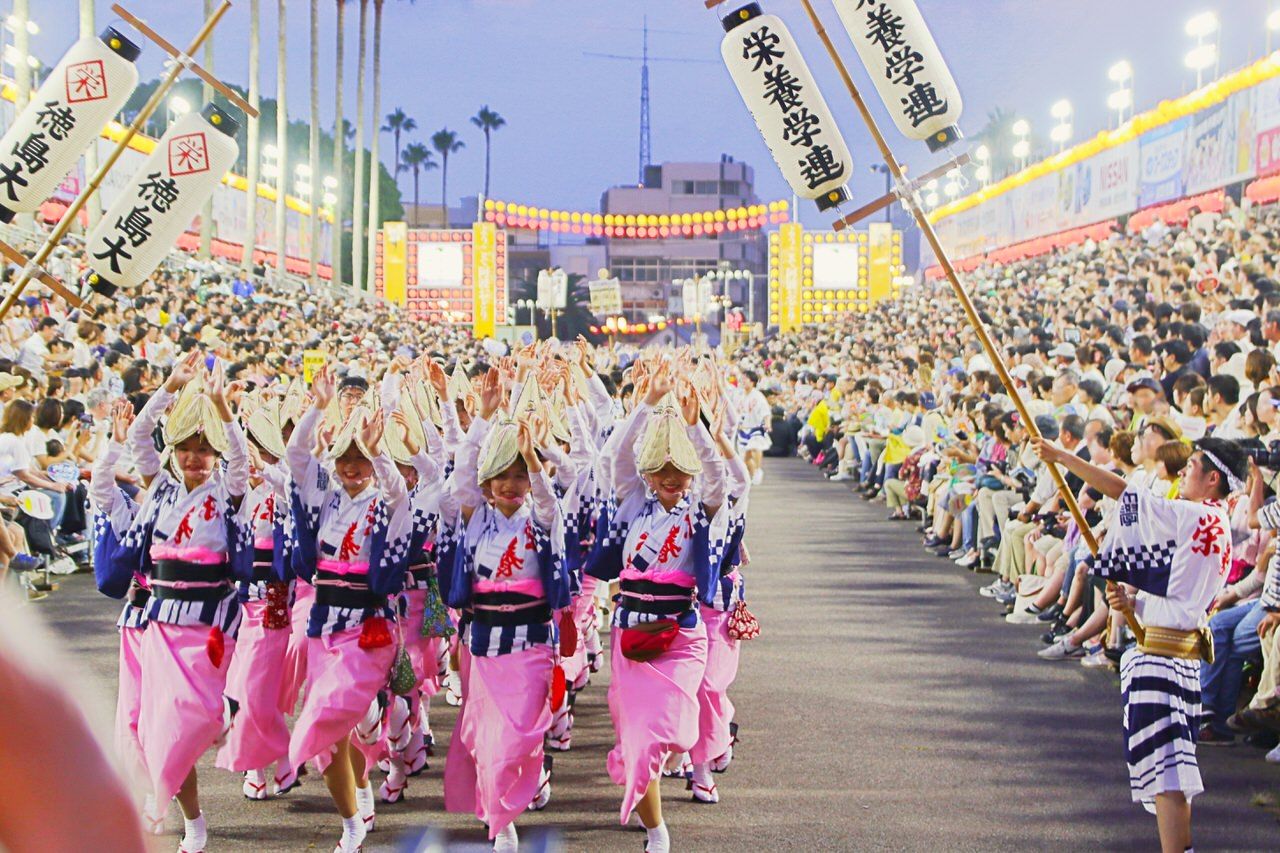
Awa Odori
Awa Odori is Japan’s largest dance festival — held August 12-15 every year in Tokushima City, with over 1.3 million spectators watching 100,000+ dancers in colorful traditional costumes parade through the streets to a hypnotic shamisen-and-drum rhythm. The 400-year-old dance has spread throughout Japan, but the original Tokushima Awa Odori is the most authentic and electrifying — local dance teams (“ren”) have practiced the steps since childhood, and watching their skilled performances is unforgettable. Visitors can join during the participatory hours each evening, with kimono rental available throughout the city. The festival also features the year-round Awa Odori Kaikan Museum (which offers daily live performances even outside festival days) and the Tokushima City Tourist Bureau’s beginner dance classes. From JR Tokushima Station, the festival routes are a 5-minute walk.
「阿波おどり」は日本最大級・約400年の歴史を誇る盆踊り——毎年8月12〜15日に徳島市で開催され、130万人を超える観客が、カラフルな伝統衣装をまとった10万人超の踊り手たちが、催眠的な三味線と太鼓の音色に合わせて街を練り歩く壮大な祭典です。400年の歴史を持つ踊りは日本中に広まりましたが、徳島の本場阿波おどりは最も本物で電撃的な熱気——地元の連(れん、踊りチーム)は子供の頃から踊りを練習しており、その熟練の演舞は忘れられない感動を残します。訪問者は各夜の参加タイムに飛び入り参加可能で、市内の衣装レンタル店も充実。祭り期間外でも実演が楽しめる「阿波おどり会館」、徳島市観光協会の初心者踊り教室なども年間を通して利用可能。JR徳島駅から祭りの巡行路まで徒歩約5分。
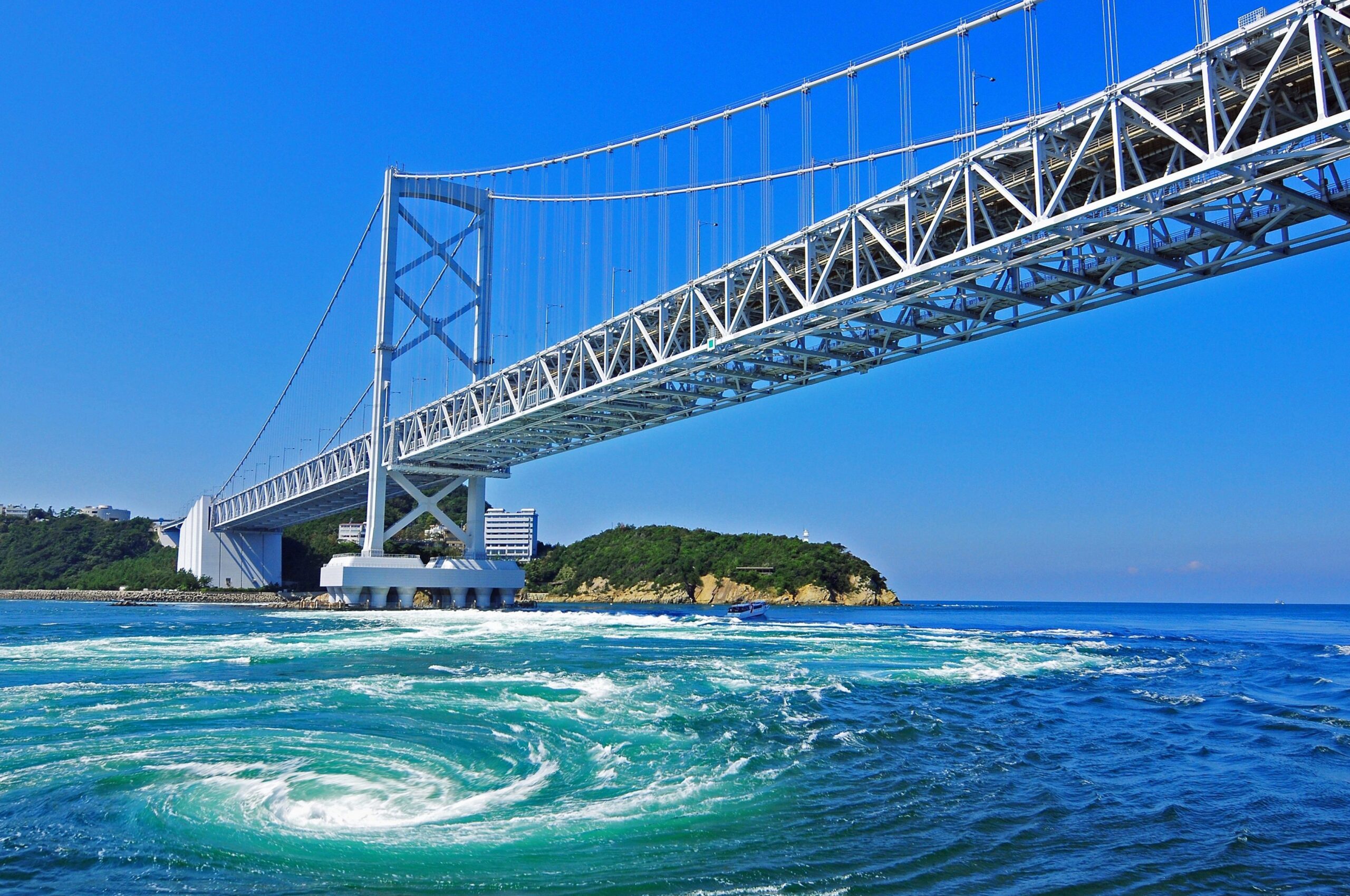
Naruto Whirlpools
The Naruto Whirlpools are one of Japan’s most spectacular natural phenomena — massive whirlpools forming in the narrow Naruto Strait between Tokushima and Awaji Island as 1.5 billion tons of water flow through the channel between high and low tides four times daily. The whirlpools can reach about 20 meters in diameter, swirling with hypnotic intensity. The most exciting viewing experience is from a sightseeing boat that ventures directly above the whirlpools — the Wonder Naruto cruise (¥2,000, about 30 minutes) provides exhilarating close-up views, while the Aqua Eddy semi-submersible (¥2,500, reservation required) lets you see them through underwater windows. The pedestrian “Uzu no Michi” promenade beneath the Onaruto Bridge offers free overhead views through glass-floor sections (¥510 admission). Best timing: spring tides at the new and full moon, ideally late April or early October.
「鳴門の渦潮(うずしお)」は日本でも最も壮大な自然現象の一つ——徳島県と淡路島を分ける狭い鳴門海峡で、潮の干満時刻に1日4回、15億トンの海水が一気に流入することで巨大な渦巻きが発生する驚異の光景です。渦の直径は最大20メートル級にも及ぶ催眠的な渦巻きが見もの。最もスリリングな鑑賞体験は遊覧船で渦の真上に乗り出す「うずしお観潮船」(2,000円、約30分)、水中観潮船「アクアエディ」(2,500円・要予約)では水中窓から渦を観察可能。大鳴門橋の遊歩道「渦の道」は橋の下を歩け、ガラス床から渦を見下ろせる展望スポット(510円)。ベストタイミングは大潮(新月・満月)の時期、特に4月末や10月初旬が絶景。
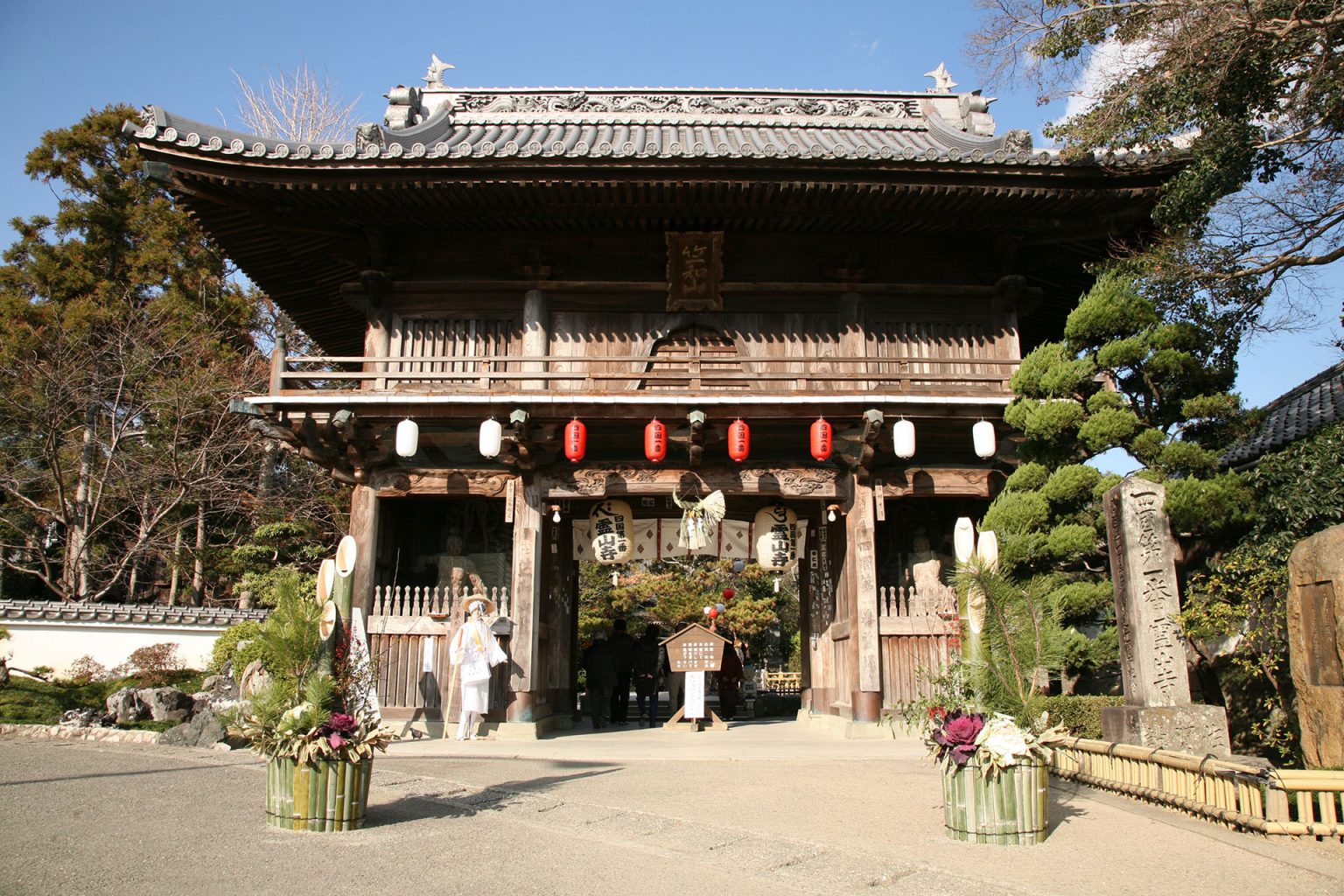
Ryozenji Temple
Ryozenji is the first temple of the famous 88-temple Shikoku Pilgrimage — a roughly 1,400-kilometer Buddhist circuit that winds through the four prefectures of Shikoku, traditionally walked by white-clad pilgrims (henro) seeking enlightenment. The pilgrimage commemorates Kobo Daishi (Kukai), the 9th-century monk who founded Shingon Esoteric Buddhism. Ryozenji’s ornate halls feature intricate Buddhist sculptures, 88 small wooden henro statues representing the entire pilgrimage, and souvenir shops where pilgrims purchase white robes, hats, walking sticks, and rosaries. The temple is the perfect orientation point even for non-pilgrims to understand Shikoku’s deep spiritual heritage. The 1-2 day Ryozenji-to-Gokuraku-ji micro-pilgrimage (covering temples 1-23) is increasingly popular for short visits. Free admission. From JR Bando Station, the temple is a 15-minute walk.
「霊山寺(りょうぜんじ)」は四国八十八ヶ所霊場の第1番札所——四国4県を約1,400kmにわたって巡る仏教巡礼路で、白装束の遍路(へんろ)たちが修行を通して悟りを求める伝統巡礼です。巡礼は9世紀の真言密教の開祖・弘法大師(空海)を称える霊場巡り。霊山寺の絢爛豪華な伽藍には、精緻な仏像、霊場全体を表現した88体の小さな遍路像、白い装束・笠・杖・数珠など巡礼用品を販売するお土産店が併設されています。霊山寺は巡礼者でない方にも、四国の深い精神文化を理解する絶好の入口。第1〜23番札所を巡る1〜2日のショート巡礼「霊山寺〜極楽寺」も短期訪問の旅人に人気。拝観無料。JR板東駅から徒歩約12分。
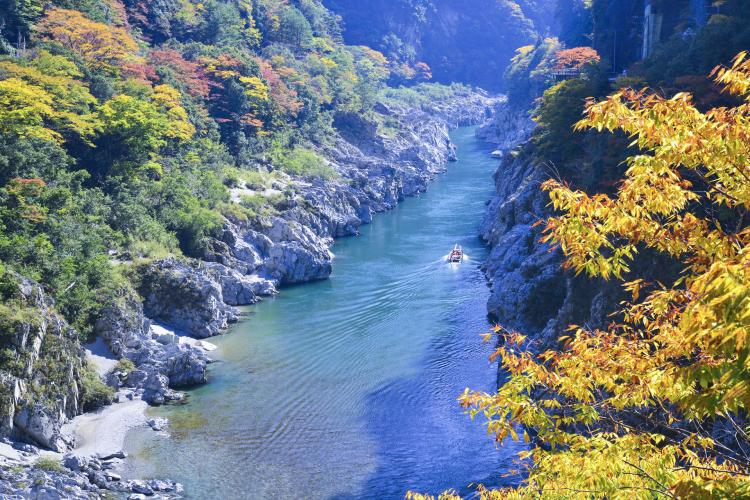
Oboke & Koboke Gorge
Oboke and Koboke Gorges, in central Tokushima’s mountain region, are one of Japan’s most scenic river canyons — the Yoshino River cuts through dramatic crystalline-schist cliffs over millions of years, creating a 8-kilometer stretch of vertical rock walls, hidden caves, and deep emerald-green river water. The signature experience is a 30-minute sightseeing boat cruise (¥1,500) that winds through the narrowest gorge sections, with English-explanation audio guides. Spring brings vivid green, summer offers cool refuge from the heat, autumn paints maples in fire colors (peak mid-November), and winter features ice formations along quieter sections. Beyond cruising, the area features the Iya Onsen ryokan (luxurious mountain hot springs), Iya Vine Bridge (a centuries-old vine-and-wood pedestrian bridge), and the Heike Yashiki Folklore Museum, tied to the Heike refugee legend. About 90 minutes from JR Tokushima Station via JR.
「大歩危・小歩危(おおぼけ・こぼけ)峡谷」は徳島県中部の山岳地帯にある日本でも最も絶景の川峡——吉野川が何百万年もかけて結晶片岩(含礫片岩)の断崖を削り出し、8キロにわたって垂直の岩壁、隠れた洞窟、エメラルドグリーンの深い川水が織りなす景観を作り出しました。象徴的な体験は約30分の観光遊覧船(1,500円)で、最も狭い渓谷区間を巡り、英語音声ガイド付きで楽しめます。春は鮮やかな新緑、夏は涼しい避暑地、11月中旬の紅葉ピークは燃えるような秋色、冬は静かなエリアの氷柱と、四季それぞれの絶景が楽しめます。クルーズ以外にも、「祖谷温泉」(贅沢な山岳温泉旅館)、「祖谷のかずら橋」(数世紀の歴史を持つ蔓と木の人道橋)、平家落人伝説の「平家屋敷(民俗資料館)」など見どころ多数。JR徳島駅からJRで約90分。
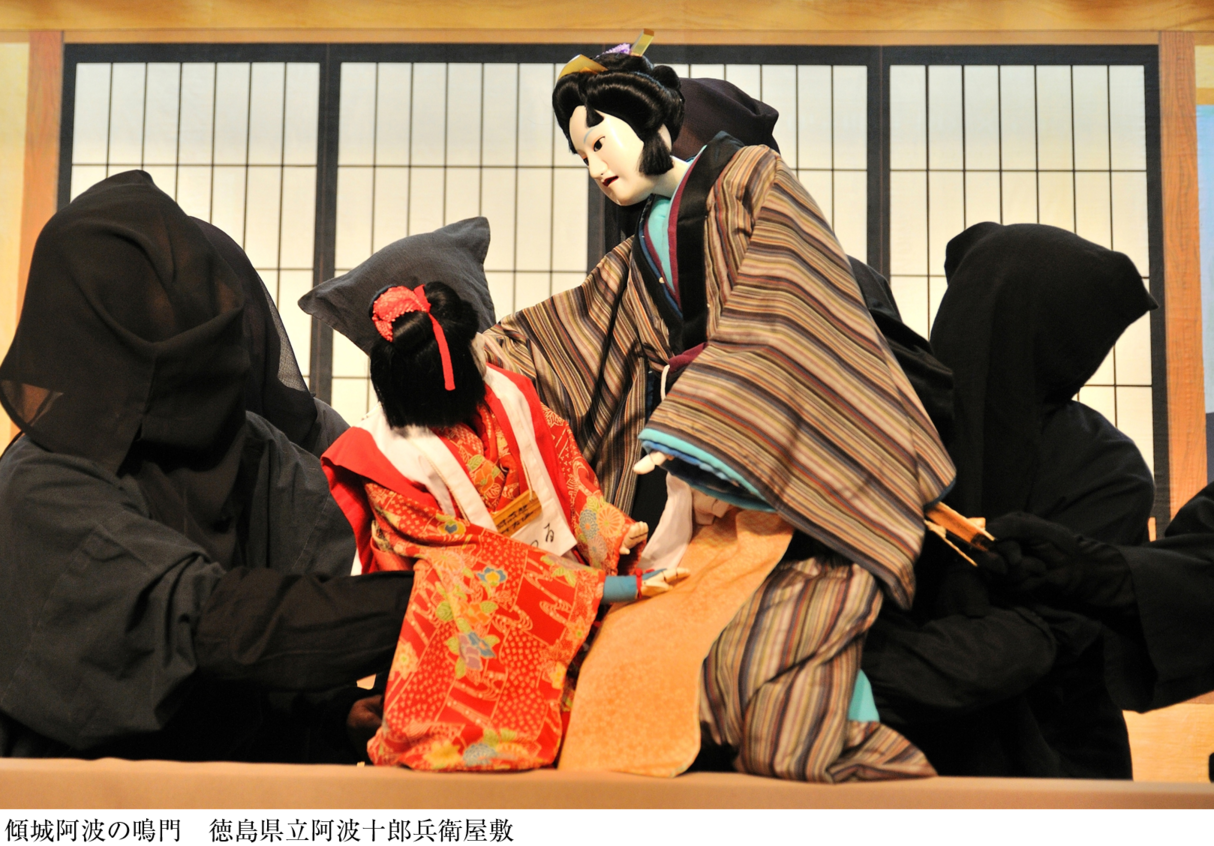
Awa Jurobe Puppet Theatre
Awa Jurobe Puppet Theatre is one of Japan’s traditional puppet (ningyo joruri) theaters — a 350-year-old performance tradition where 1.5-meter-tall life-sized puppets are operated by three master puppeteers each (one for the head and right arm, one for the left arm, and one for the legs), all visible to the audience. The puppets express emotion through subtle hand gestures, eye movements (operated by sliding mechanisms), and dramatic posture shifts, while a traditional gidayu narrator chants the story to shamisen accompaniment. Tokushima’s Awa Jurobe Yashiki Theater performs daily at 11am and 2pm with English audio guides. Admission ¥410. The theater also displays preserved historical puppets, costumes, and stagecraft. From JR Tokushima Station, take Tokushima City Bus to Awa Jurobe Yashiki (15 minutes).
「阿波十郎兵衛屋敷(あわじゅうろべえやしき)」は日本の伝統人形浄瑠璃の劇場——350年の歴史を持つ人形劇の伝統で、1.5メートルの等身大人形を3人の人形遣いが操る独特の演劇形式です。3人遣いは、頭と右腕担当、左腕担当、足担当に分かれ、観客の前で全員の動きが見える形で繊細な感情表現を再現します。人形は微妙な手の動き、目の動き(スライド機構で操作)、ドラマチックな姿勢変化で感情を表現し、伝統的な義太夫節の語りと三味線の伴奏に合わせて物語が進行します。徳島市の阿波十郎兵衛屋敷劇場では毎日午前11時と午後2時の公演(英語音声ガイド付き)。入場料410円。劇場には歴史的な人形、衣装、舞台美術も展示されています。JR徳島駅から徳島市バスで約15分でアクセス可能。
Insider Tips
現地通の旅の裏ワザ
Aug 12-15 main festival has 1.3M visitors. Tokushima City’s ‘Awa Odori Kaikan’ performs daily year-round — easier to actually see and join the dance.
阿波おどり本祭(8/12-15)は130万人来場。徳島市の阿波おどり会館は通年公演、観賞・参加が圧倒的に楽。
Whirlpools peak around new moon and full moon ±2 days. Boat tour ¥2,000 vs walking the bridge view (¥510). Bridge has better wide angle.
鳴門の渦潮は新月・満月の±2日がピーク。観潮船¥2,000、橋上遊歩道¥510。橋上のほうが広角の絵。
Frequently Asked Questions
Can visitors join the Awa Odori parade?
Yes! Rent an Awa Odori costume at the Awa Odori Kaikan hall (¥1,000–2,000) and join a ‘niwaka ren’ (impromptu group) during the festival. The classic steps are taught at workshops during festival week.
阿波おどり会館でゆかた・衣装をレンタル(1,000〜2,000円)して飛び入り連に参加できます。祭り週間中はステップ講習会も開催。
When are the Naruto whirlpools at their strongest?
At spring tides (大潮), which occur around new and full moon. The Japan Coast Guard publishes monthly tidal charts showing peak whirlpool times. Typically 10:00–11:00 am or around sunset.
春潮(大潮)の時間帯が最も迫力があります。海上保安庁が毎月の潮流予報を公開。午前10〜11時頃や日没前後が狙い目。
How do I get from Osaka to Tokushima?
Highway bus from Osaka Namba/Umeda (about 2.5 hr, ¥3,300; advance fare ¥2,800) is the cheapest option. Nankai ferry from Wakayama Port to Tokushima Port takes 2 hours. JR connecting via Okayama and Takamatsu takes about 3 hours.
大阪難波/梅田から高速バスで約2.5時間(通常3,300円・早特2,800円)。和歌山港からのフェリーで2時間も便利。
Travel Tip
If you miss the August festival, visit the Awa Odori Kaikan (阿波おどり会館) in Tokushima city — performances run daily year-round at 2 pm, 3 pm and 8 pm (peak season), with the chance to learn the basic steps yourself.